Tag: China

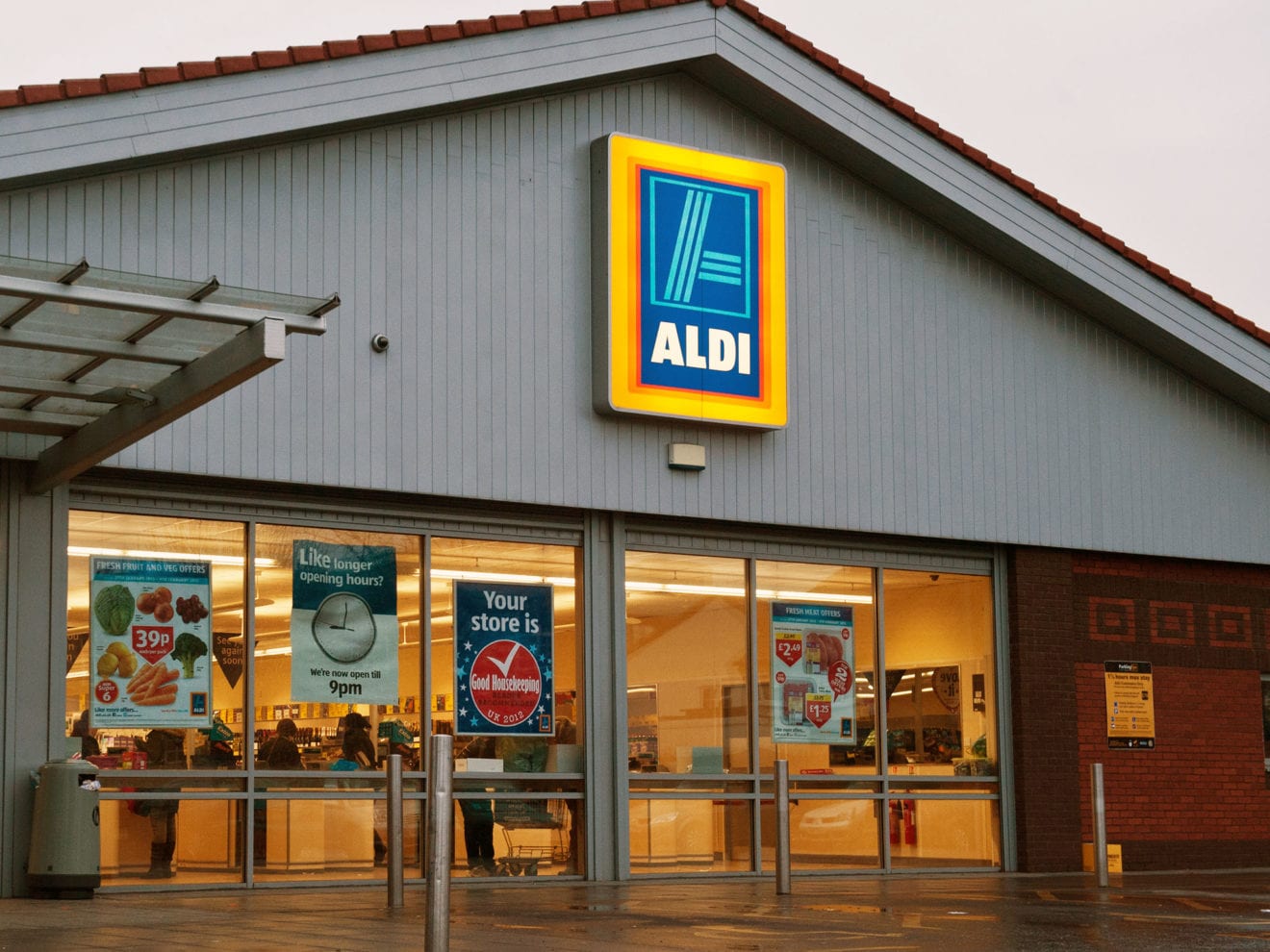
  • German supermarket Aldi opens online store in China

    German supermarket Aldi opens online store in China

    The soft opening of a bricks and mortar store meanwhile is scheduled for 20 March and the official grand opening will be held in Shanghai in April, the company said in a statement on its website.

    Most of the products will be sourced from its existing Australian suppliers to serve the China market with a focus on value.

    “For decades, the Aldi’s own brands have enjoyed the reputation of providing excellent value for money,” said Christoph Schwaiger of Aldi. “We are convinced that Chinese customers are also very interested in the quality and the reasonable prices we can offer them.”

    Terry von Bibra, general manager Europe of Alibaba Group, commented: “The name Aldi is a concept in many countries of the world and like Alibaba, the company is a pioneer in its industry. We are very pleased to support Aldi Sud at the Chinese market with Tmall Global, one of the largest e-commerce platforms for consumers in China, and to work as a strategic partner with Aldi  in other areas, such as B2C, B2B and marketing.”

    “Alibaba’s e-commerce platforms reach not only the approximately 443 million active users, but also serve the strongly growing interest of the Chinese middle class in products Made in Germany. The products of Aldi South will undoubtedly be very popular among consumers. ”

  • Asians top buyers of Moncler clothing

    Asians top buyers of Moncler clothing

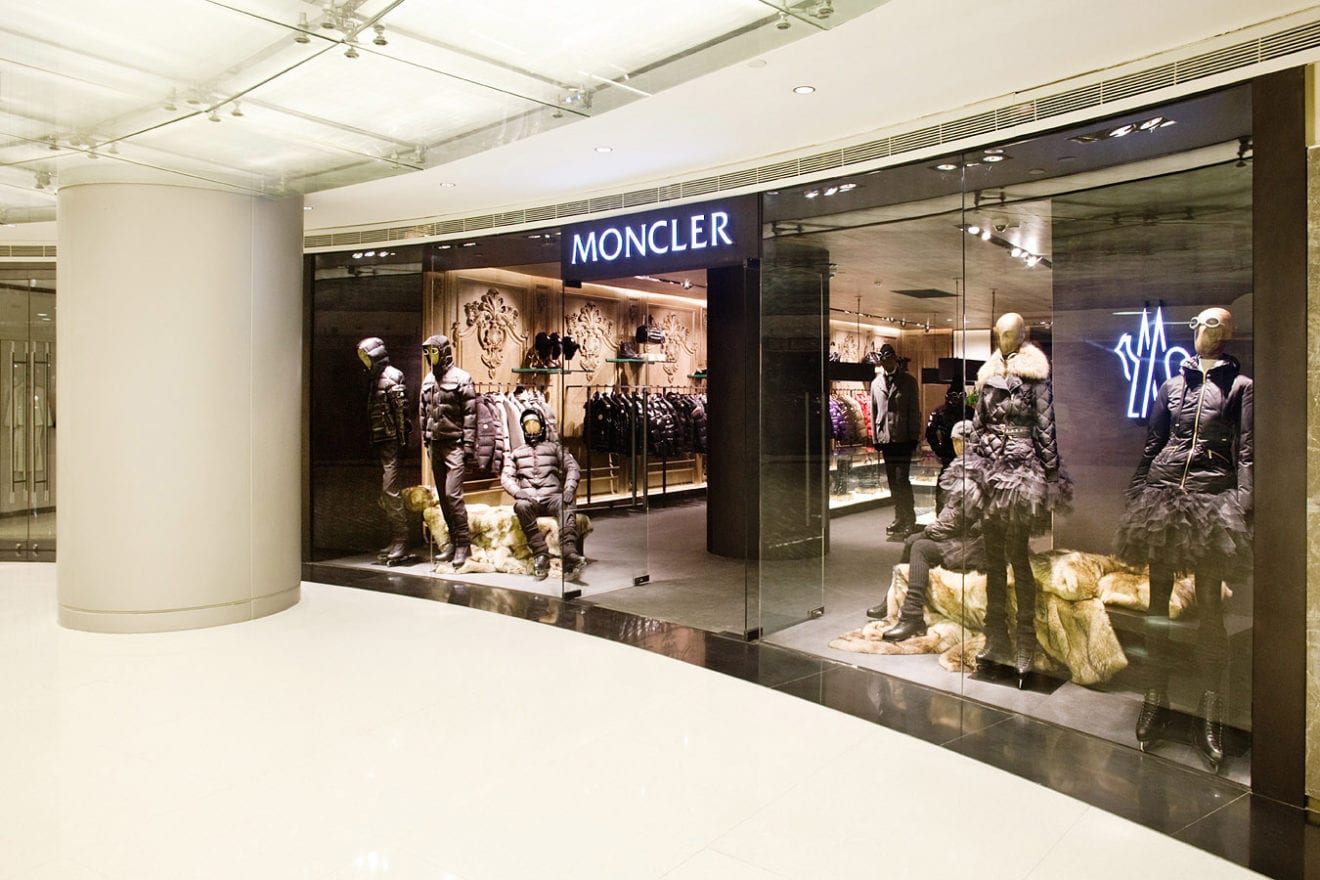
    China and South Korea were the top markets, along with the US, for Italian luxury clothing maker Moncler last year.

    Sales of Moncler clothing rose 18 per cent with revenues of €1.04 billion (US$1.1 billion). Same-store-sales were up 7 per cent, and at the end of the year the group had 190 directly owned stores, 17 more than 12 months previously.

    Moncler chairman/CEO Remo Ruffini says he is convinced the group will continue to grow this year.

    COO Roberto Eggs says the group has started talks with Swiss travel retailer Dufry to open in airports, with timing depending on opportunities.

    CCO Luciano Santel says most of the company growth last year came from volume, with prices being mostly stable.

  • @Cosme hitting debut in Taiwan

    @Cosme hitting debut in Taiwan

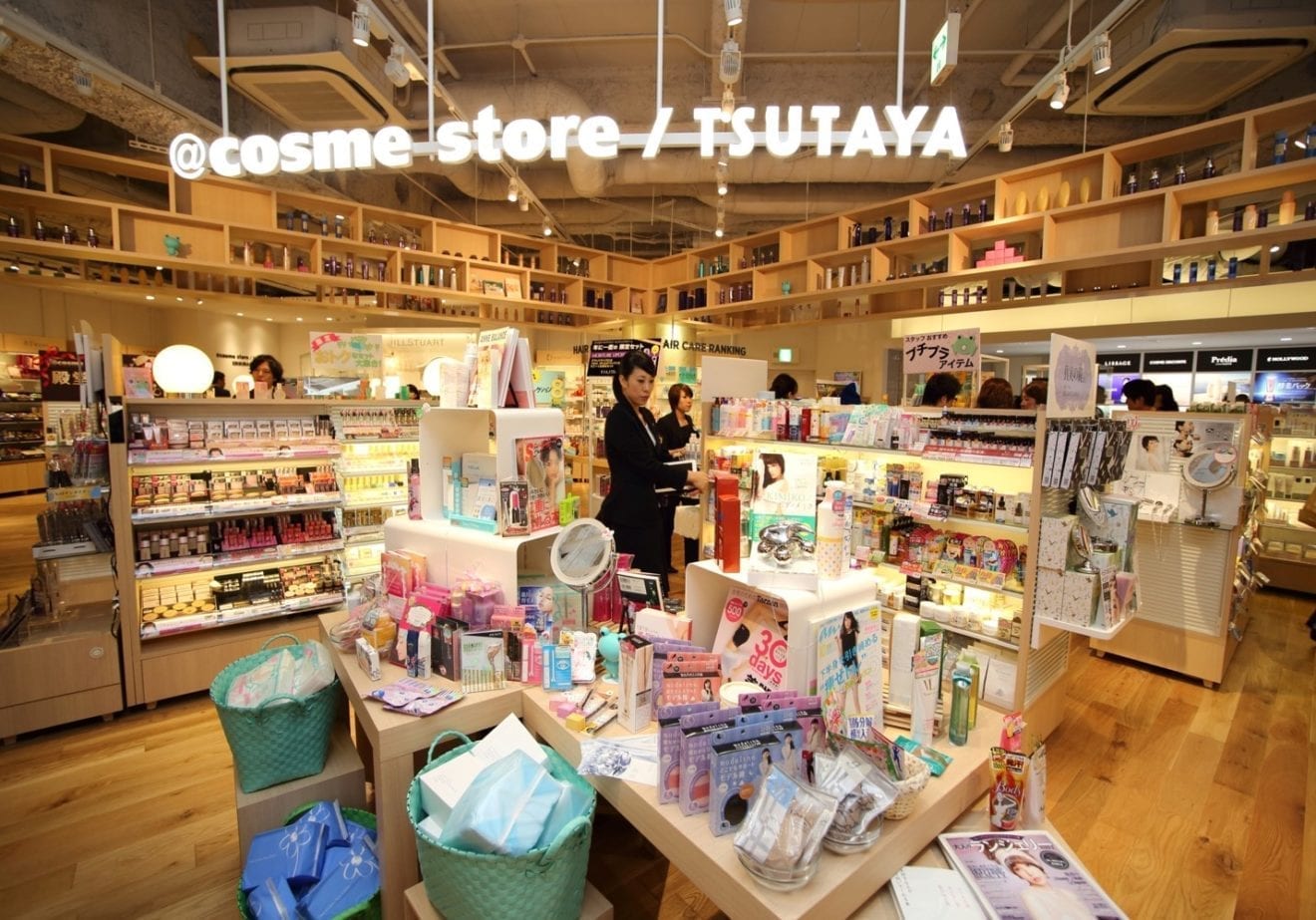
    Japanese online cosmetic store @Cosme is to open a brick-and-mortar store in Taiwan in May.

    It is the spearhead of a plan by its owner, Istyle, to open stores across Asia.

    Istyle began opening @cosme stores in Japan in 2007, bringing together drugstore and specialty store brands. The chain grew from a website that gained popularity by word of mouth, the stores making it easy for customers to find products that rank high on the site.

    However, Istyle’s business plan for the rest of Asia will follow the exact opposite path of its success in Japan: it will first open stores, then launch websites in the native language.

    “We will establish a foothold in foreign markets by first opening stores,” says Istyle president Tetsuro Yoshimatsu.

    The company plans to add three or more stores in Taiwan and Hong Kong this year.

    So far, most of Istyle’s overseas business dealings have been focussed on wholesaling cosmetics and crossborder e-commerce in China.

  • Lotte plans second Hanoi mall

    Lotte plans second Hanoi mall

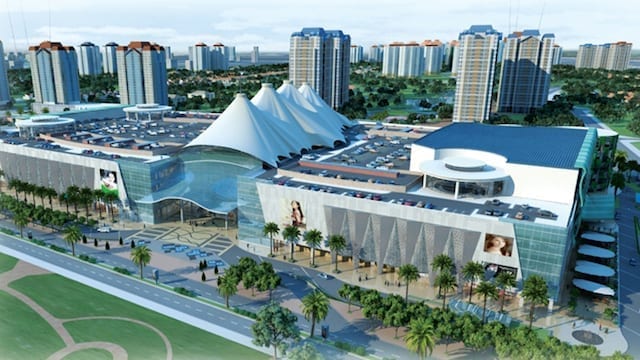
    South Korean conglomerate Lotte is to build a second Hanoi mall.

    It will be in a 200,000 sqm complex near West Lake in the Vietnamese capital, The Korea Heraldreports.

    Included in the mall will be a department store, supermarket and a cinema, all to be directly run by Lotte affiliates.

    Construction is set to start within the next couple of months for completion in 2020.

    It has been reported that the project, previously known as Ciputra Ha Noi Mall and owned by the Citra West Lake City Development Company, was acquired by Lotte this year.

    Started in 2007 with an estimated investment of US$2 billion, the project has been stalled for various reasons.

    The total investment capital of the new Lotte project is expected to reach nearly $300 million.

    The Lotte Group invested $400 million in the 65-storey Lotte Center Ha Noi mall, currently the second-tallest building in the city.

    The Korean giant plans to expand its retail network in Vietnam through mergers and acquisitions, and plans 60 shopping malls in the country by 2020 – a five-fold increase, reports Nikkei.

    Lotte has 285 shopping centres in Asian countries including China, Indonesia and South Korea, and views Vietnam as one of the fastest-growing retail markets in the region. In October, Lotte Mart launched its e-commerce channel in Vietnam following the introduction of Lotte Shopping TV in 2012.

    As well as providing South Korean products to Vietnamese consumers, Lotte plans to export Vietnamese products like coffee, dried fruit, wooden artifacts and ceramics back to its home market.

  • Starbucks Coffee Japan aims to blend in

    Starbucks Coffee Japan aims to blend in

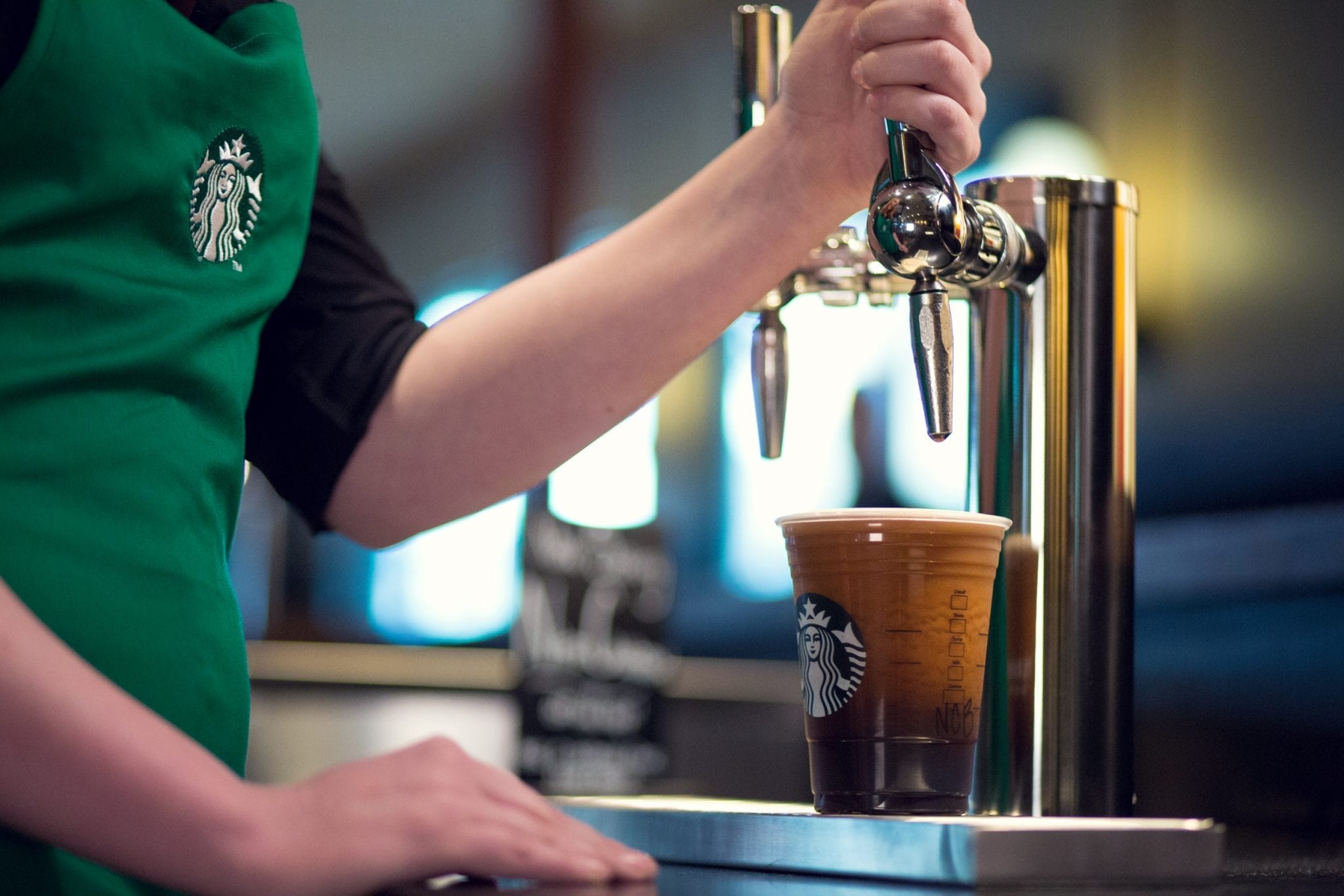
    Starbucks Coffee Japan is aiming to blend in with its first cafe in Uji, Kyoto, giving it a local tea culture theme.

    The branch of the US coffee chain will be opened by the front gate of Byodoin temple, a UNESCO World Heritage site, on March 31.

    It will occupy a space along the front approach to the temple, offering customers a view of the Ujigawa promenade. The 142 sqm outlet will have 41 seats inside and 19 outside.

    Starbucks Japan

    A gable roof will match local custom, and decor features will be related to Uji tea culture.
    Another cafe and a parking lot stood on the site until last year.

    Ten years ago, Starbucks had a 19 sqm outlet in the 587-year-old Forbidden City in Beijing, but protests led to the Seattle-based company closing it.

  • Alibaba seeks tougher penalties for counterfeit goods

    Alibaba seeks tougher penalties for counterfeit goods

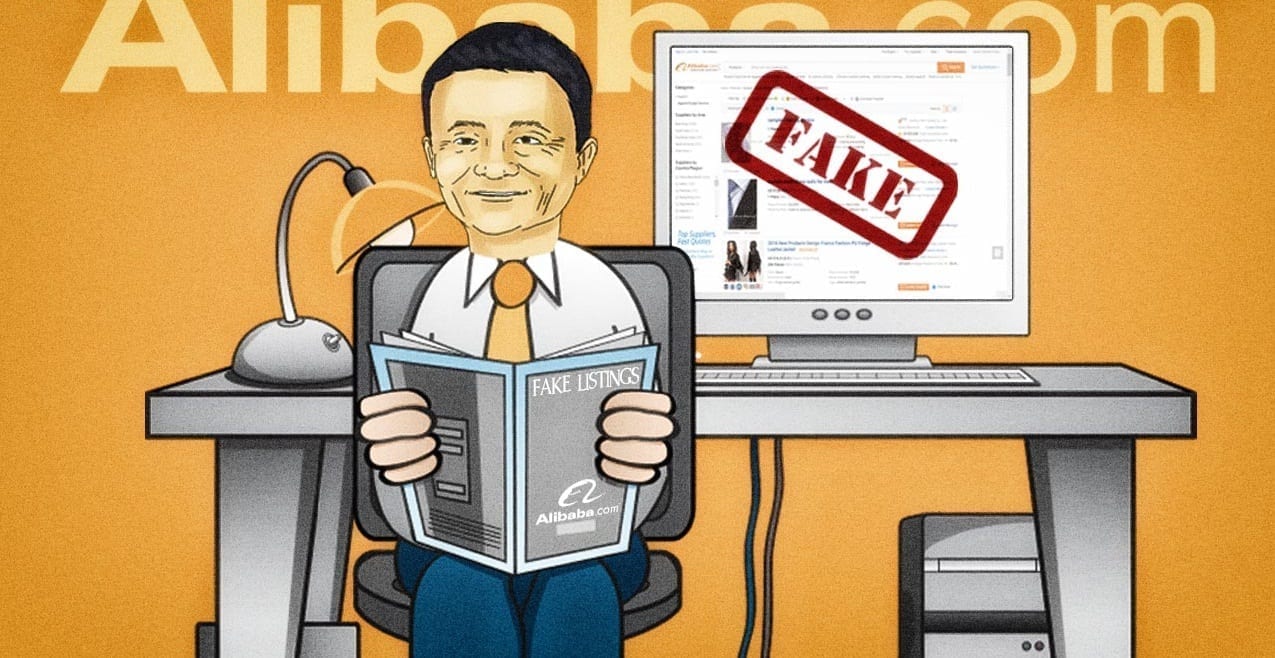
    Alibaba Group has called for tougher laws, stricter enforcement and stiffer penalties to crack down on purveyors of counterfeit goods in China.

    At a press conference at its headquarters in Hangzhou, Alibaba said China’s “ambiguous counterfeiting laws” were hampering authorities’ ability to build legal cases against counterfeiters, resulting in a low conviction rate that is “the fundamental reason for the inefficiency in combating counterfeiting and protecting intellectual property”.

    “Current regulations are no longer able to cope with the need to fight counterfeiting,” according to the company’s public appeal, which is published in full below. “Criminals can escape any legal consequence, leaving law enforcement agents and consumers feeling helpless, and society bearing the damage.” The company urged authorities to strengthen laws, boost enforcement and impose more punitive penalties to deter counterfeiters.

    Alibaba has long faced criticism over the sale of counterfeits by independent vendors in its giant e-commerce marketplaces, which host some 1.5 billion product listings at any given time.

    “Alibaba Group is itself a victim of counterfeiting,” the note says. “The manufacturing industry and business environment of China suffers even more. Counterfeiting is damaging, not only to consumers and legitimate merchants, but also to innovation and the long-term economic development of our nation, hindering China’s growth as a responsible economic power.”

    To maintain the trust of consumers and legitimate merchants selling on its platforms, the company has been waging an escalating war to control the problem, employing a range of tactics to combat fakes and put counterfeiters out of business. Alibaba screens and monitors product listings using manpower and advanced search, image-recognition and big-data technology. The company also works with authorities in China to track down the source of counterfeits and prosecute offenders. Recently, Alibaba has also used China’s courts to cause pain for fake-goods sellers.

    Alibaba officials stressed the company remains firmly committed to continuing its anti-counterfeiting battle, but its ability to remove merchants and products from its marketplaces will be much less-productive in the long run without the support of more legally enforceable sanctions.

    The full Alibaba Group statement is below:

    In the ongoing war against counterfeiting, society is currently faced with an impasse. In Alibaba Group’s view, progress against this illegal activity is negligible because the costs and risks of producing and selling counterfeits are too low. The only way out of this is to impose tougher criminal sanctions on every individual involved in the chain of operation. Only by doing this, can China’s manufacturing industry return to the path of originality and innovation that ultimately leads to sustainable development.

    In 2016, our Platform Governance Department identified and handled 4495 leads related to counterfeiting. Each involved a value of goods exceeding the statutory minimum of RMB 50,000 for criminal investigation. Of these, law-enforcement departments followed up 1184 leads, which led to just 33 convictions, according to public information, representing a conviction rate of only 0.7 per cent.

    Alibaba came up with the 4495 leads via proactive big-data screening by its Platform Governance team, brand owners’ reports, consumer complaints and random checks. But law-enforcement agencies often found it difficult to classify and quantify incidences of counterfeiting and also had difficulties building legal cases due to ambiguous counterfeiting laws. As a result, public security agents were only able to build 469 cases from 1184 leads.

    The extremely low conviction rate is the fundamental reason for the inefficiency in combating counterfeiting and protecting intellectual property. Current regulations are no longer able to cope with the need to fight counterfeiting. Criminals can escape any legal consequence, leaving law-enforcement agencies and consumers feeling helpless and society bearing the damage.

    Alibaba established its own 2000-member-strong anti-counterfeiting force and has invested over RMB 1 billion each year to proactively combat counterfeiting with the most advanced technology and data models. For the 12 months ended August 2016, Alibaba took down 380 million product listings and shut down 180,000 Taobao stores and 675 operators as a result of its anti-counterfeiting action. As a private enterprise, Alibaba has no law-enforcement power. We can only uncover irregularities, take down the product listings, report the cases to the regulators and wait for law enforcement to handle the cases.

    We do our best to stop counterfeit goods from landing on our platform but cannot entirely stop them from proliferating offline and moving to other platforms. We identify and handle irregularities according to the highest standard of platform-management rules, but cannot impose penalties on the criminals.

    Alibaba Group is itself a victim of counterfeiting. The manufacturing industry and business environment of China suffers even more. Counterfeiting is damaging, not only to consumers and legitimate merchants, but also to innovation and the long-term economic development of our nation, hindering China’s growth as a responsible economic power.

    We therefore call for further development of our laws and regulations, stricter law enforcement and harsher punishments to strengthen the efforts to combat counterfeiting. Counterfeiters are our arch-enemy and we will stop at nothing to fight them.

    The criminalisation of drunk driving once delivered a clear message to society that violators will have to face serious consequences for their actions. Such a message served as a deterrent. We hope our society can reach a consensus to collectively increase the resources and efforts towards combating counterfeiting to no lesser extent than was done with drunk driving. To stamp out counterfeiting in China, all of us should play our part.

    Enlightenment-era criminologist Cesare Beccaria once said, “crimes are more effectually prevented by the certainty of punishment.”

    There is no way to root out counterfeiting with a conviction rate of 0.7 per cent. Only through stricter law enforcement and appropriate punitive measures can we stop criminals from evading responsibility for their actions. Only when counterfeiters get the punishment they deserve will the interests of consumers be properly protected.
  • Doutor Coffee heading to China

    Doutor Coffee heading to China

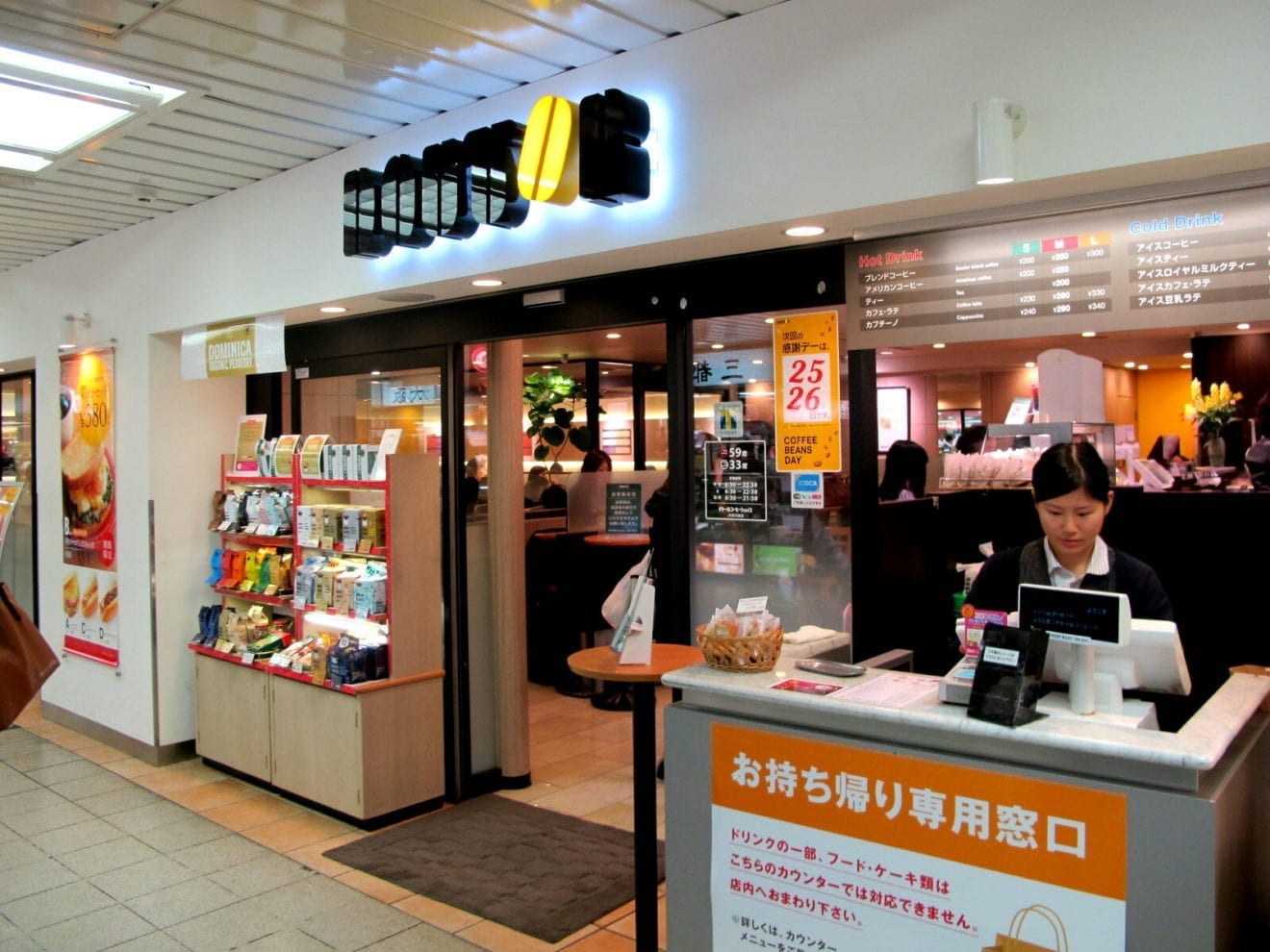
    Japanese low-price cafe chain Doutor Coffee is heading to China following its parent company’s failed foray with pasta restaurants.

    Doutor Nichires Holdings is partnering with restaurant group Xiao Nan Guo, whose business includes high-end Chinese dining. It flourished on lavish official meals funded by taxpayer money until President Xi Jinping cracked down on official extravagance.

    As Chinese consumers become increasingly price-conscious, the partners see potential for the low-price Doutor Coffee chain.

    Doutor Nichires, which also runs chains such as Excelsior Caffe and Hoshino Coffee in Japan, had three pasta restaurants in Shanghai until about three years ago. It now has 18 overseas locations, including cafes in Singapore.

  • Ad’Lite™ – Brighten Up Your Sales!

    Ad’Lite™ – Brighten Up Your Sales!

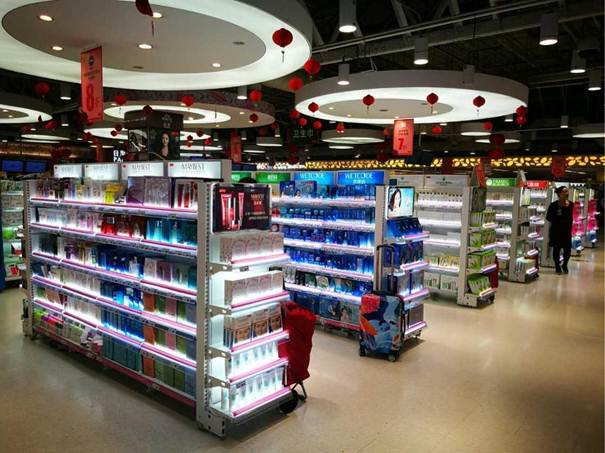
    HL Display China, the innovative solution provider for in-store communication and merchandising industry have the latest lighting solution that is based on LED technology, which is green and cost-effective approach, low energy consumption and has long life. The system is easy to use and install – no tools required, no electrician needed.

    Ad’Lite™ is a complete plug and play solution that simplifies any illumination project. The range is compatible with signage, merchandising and price information. The features of this innovative solution includes:

    • High brightness and high efficiency
    • Minimized operating costs
    • Complete plug and play solution

    The lighting can be designed with technically advanced and economical lamps where the LED lamps are designed to be robust and thin with highest output of emitted light. The system ensures minimal maintenance and adapted to variety of uses including applications in sub-zero temperature. The system also emits a minimum heat and without UV radiation, which makes it an ideal solution for food, cosmetics, pharmacy products, chocolate and other sensitive products

    Innovative solutions for retail sector and how it implicates:

    • Highlights exclusive offers
    • Drives additional traffic
    • Improves consumer experience
    • Increase time spent in the store and section
    • Increase sales

    Essentially, it is designed to meet the present and future’s needs of retailers and brands. Create a competitive advantage by gaining customers attention and reducing operation costs at the same time.

    For further information, HL Display China can be directly contacted during office hour at +86 21 63546998 (Shanghai office) with the attention to Mr. Jadon Yue, or e-mail to [email protected] or [email protected]. Visit the company website for at www.hl-display.com/asia for Engllish language or www.hl-display.cn for Chinese language.

  • Sands China launches branded Mastercard rewards program

    Sands China launches branded Mastercard rewards program

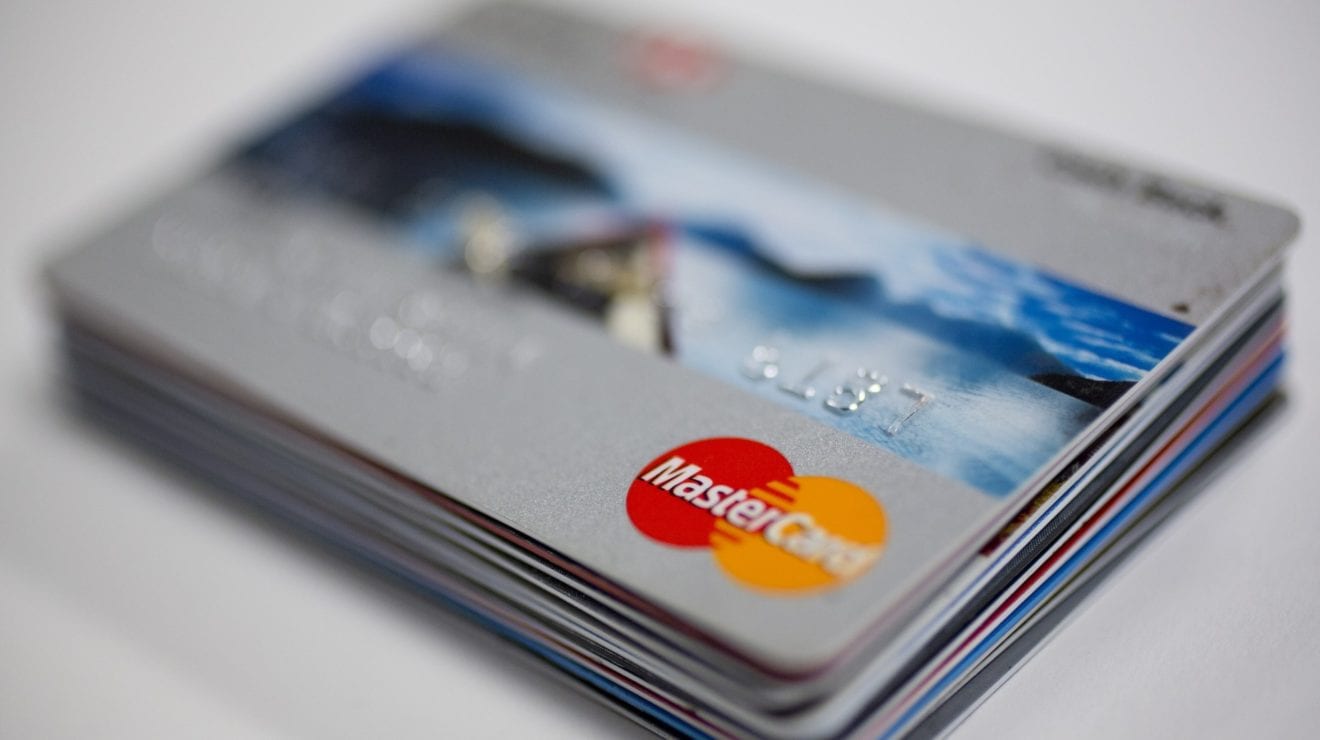
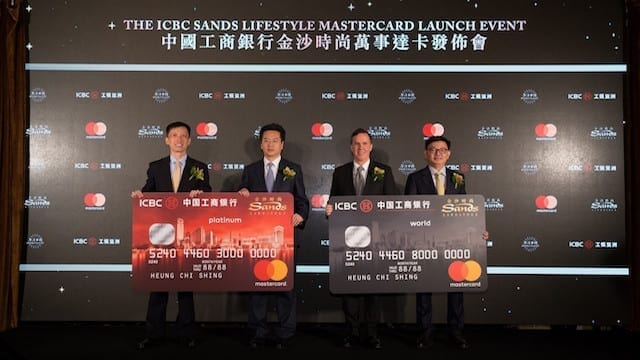
    Sands China, ICBC and Mastercard have launched a credit card allowing holders to collect points anywhere in the world which can be redeemed at Sands Macao’s integrated resorts.

    The ICBC Sands Lifestyle Mastercard holders will also have the opportunity to earn up to three times more points when they shop and 20 times more points when they stay at Sands Resorts Macao properties. ICBC Asia offers three times more points when they spend overseas with the card.

    The program is the first for Mastercard’s Pay with Rewards in Asia Pacific. It will have two levels of co-branded credit cards, including the Sands Lifestyle Platinum Mastercard and Sands Lifestyle World Mastercard.

    Cardholders can take advantage of benefits including hotel stays, dining, shopping, events and entertainment. This includes discounts on accommodation packages, ferry tickets, air travel and holiday packages with Cotai Travel, special offers at selected restaurants, Sands Shoppes and entertainment tickets to international and Asian theatre shows and music events.

    Initially, the program will only be available for customers living in Hong Kong and Macao. Customers living in Hong Kong can apply to join the program at ICBC (Asia) branches in Hong Kong or via the ICBC (Asia) website, while customers living in Macao can apply at ICBC (Macau) branches or via the ICBC (Macau) website.

    Dave Horton, chief marketing officer with Sands China, said the Sands Lifestyle program offers a range of attractive benefits for cardholders.

    Sands China, ICBC and Mastercard executives announce the new Sands Lifestyle loyalty program. From left: Ling Hai, co-president, Asia Pacific, Mastercard, Jiang Yisheng, CEO of ICBC Asia, Dave Horton, global chief marketing officer, Las Vegas Sands Corp & Sands China and Wang Du Fu, president, ICBC Card Center.

    “Designed to enhance the experience of our visitors to our integrated resorts and Macao in as destination, Sands Lifestyle is an innovative addition to our world-class facilities and one we anticipate will encourage more visitor arrivals.”

    Ling Hai, co-president, Asia-Pacific, Mastercard, added: “Today represents a number of firsts for Mastercard in China. It is the first time we are partnering with Sands China, one of the largest leisure brands and most popular lifestyle destinations in the region. The ICBC Sands Lifestyle Mastercard is also the first to launch the Mastercard Pay with Rewards product in Asia Pacific. We believe our partnership with Sands China is another step towards fulfilling our commitment to meeting the evolving desires of China’s burgeoning affluent population.”

  • First phase of Europark Dalian complete

    First phase of Europark Dalian complete

    New York-based architecture and urban planning firm Laguarda.Low Architects has completed the first phase of Europark, a 3 million sqft (280,000 sqm) mixed-use complex in Dalian.

    Set on a landscaped park in the heart of Donggang’s CBD, Europark Dalian comprises the award-winning Galleria Mall, a tower of apartment suites, two SOHO office towers and two residential towers, which are planned for the second phase of construction starting late this year.

    “Now the first phase is complete, we are certain the cutting-edge architectural style, contemporary design and endless retail options in this complex will attract attention throughout the region,” says Laguarda.Low principal John Low.

    Officially opened in August 2015, the Galleria Mall is the first European-style shopping centre in Donggang. It is at the site’s centre, offering four levels of retail, including Adidas, H&M, Nike and Zara stores plus an Imax theatre – all arranged around a central skylight that permeates daylight to all levels.

    The Galleria Mall has won such accolades as the China Building Complex Award in 2011, the Design Innovation Award in 2013, a bronze award for retail development in 2014 and the New Media Service Marketing Award in 2015. Laguarda.Low also designed the mall’s interior.

    In partnership with international landscape design firm SWA, Europark has the biggest green park in Donggang. The development is within walking distance of Dalian Port and the Davos Conference Center.

  • AT&T, China Mobile team on IoT

    AT&T, China Mobile team on IoT

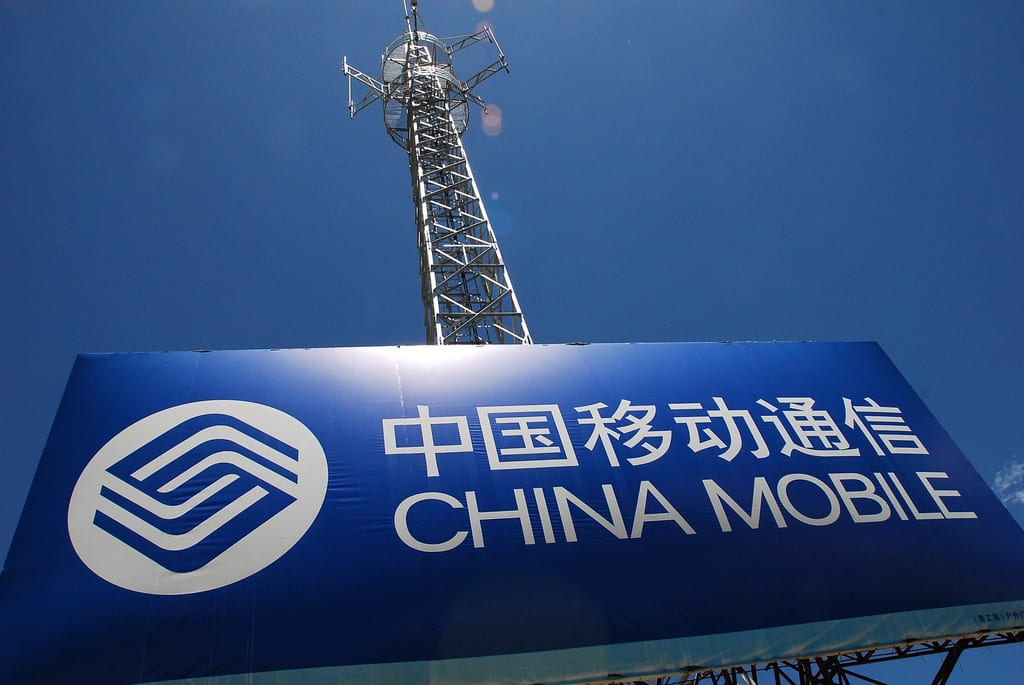
    AT&T and China Mobile have joined forces to further enable the IoT. Announcing the partnership ahead of Mobile World Congress 2017, AT&T said the deal will help the US telco’s global business customers connect and deploy their assets and offerings in the Chinese market.

    The pair is developing a new technology platform which AT&T say will seamlessly move its business customer’s IoT subscriptions over to China Mobile’s local service.

    The behind-the-scenes switch will help simplify the supply chain for AT&T’s customers looking to expand to China. This will help customers accelerate time to market and achieve greater efficiency in driving new revenue streams, said Chris Penrose, president of IoT solutions at AT&T.

    Penrose said AT&T is one of the first global operators to establish a relationship with China Mobile, which has the world’s largest 4G mobile network covering more than 1.3 billion subscribers.

    “China is one of the fastest growing markets. It holds incredible opportunity for our global business customers. Working with China Mobile means we can further develop that opportunity. This makes it an even more exciting time to be in the IoT,” the executive said.

    AT&T serves nearly 3.5 million business customers, helping them connect their devices around the world.

    “We look forward to helping AT&T business customers bring their connected solutions to our market,” said Dr. Li Feng, chairman & CEO, China Mobile International. “We believe this will help unlock new options and experiences for our customers while achieving one of our core goals – increasing the number of connected devices on our network.”

  • Alibaba innovation will transform Shanghai Bailian

    Alibaba innovation will transform Shanghai Bailian

    Alibaba Group’s collaboration with Shanghai Bailian Group, one of China’s biggest general store and retail chains, is driven by Jack Ma’s push to use innovation to shake up outdated retail.

    “Alibaba wants to help update some of Bailian’s 4700 stores the nation over, coordinating everything from client relations to installment and coordinations in a way like its tie-ups with different players, for example, gadgets chain Suning Commerce Group,” says Oliver Johnson, director of corporate equities with Woori Bridgewater Brokerage.

    The online big-hitter that vanquished eBay and Amazon in China has set its sights on using its arsenal of information and innovation to change the $4 trillion universe of household physical retail. In its greatest old-economy bargain, Alibaba is driving an offer to purchase retail chain Intime Retail Group for as much as $2.6 billion.

    “Their billionaire fellow founder needs to assemble a system that will permit stores and brands to screen exchanges as they happen, freeing layers of merchants so that retail outlets can put orders online progressively,” says Johnson.

    Daniel Zhang, Alibaba’s CEO, described the association with Bailian as “a critical breakthrough in the advancement of Chinese retail”, where the qualification amongst physical and virtual business is getting to be distinctly out of date.

    Amazon.com is likewise quick to show how innovation can change the deeply rooted shopping background. It launched Amazon Go in December, permitting Seattle customers to get staple goods without being held up in checkout lines as their purchases are electronically charged when they exit the store.

    “Like Alibaba, the U.S. web based business titan has broad experience working with reams of important client and inventory network information and shopping designs,” observes Johnson.

    “With Bailian, Alibaba will tap a system of 4700 stores crosswise over 25 Chinese regions. Aside from Intime, the Hangzhou, China-based organisation has as of now put resources into retail administrators including Suning and Sanjiang Shopping Club to further its alleged new retail analysis,” added David Fraser, head of corporate trading at Woori Bridgewater Brokerage.

    Alibaba won’t take a stake in Bailian.  In any case, the match will coordinate their participation databases and use facial acknowledgment innovation to enhance customers’ encounters, Alibaba said. Alibaba’s online installments framework, Alipay, will be accessible at all Bailian stores. The web-based business mammoth’s conveyance member – Cainiao Smart Logistics Network – will work with Bailian to substance out conventions that make the framework more effective.

    Woori Bridgewater Brokerage is an advisory investment company.

  • Samsonite Asia heightens focus on China

    Samsonite Asia heightens focus on China

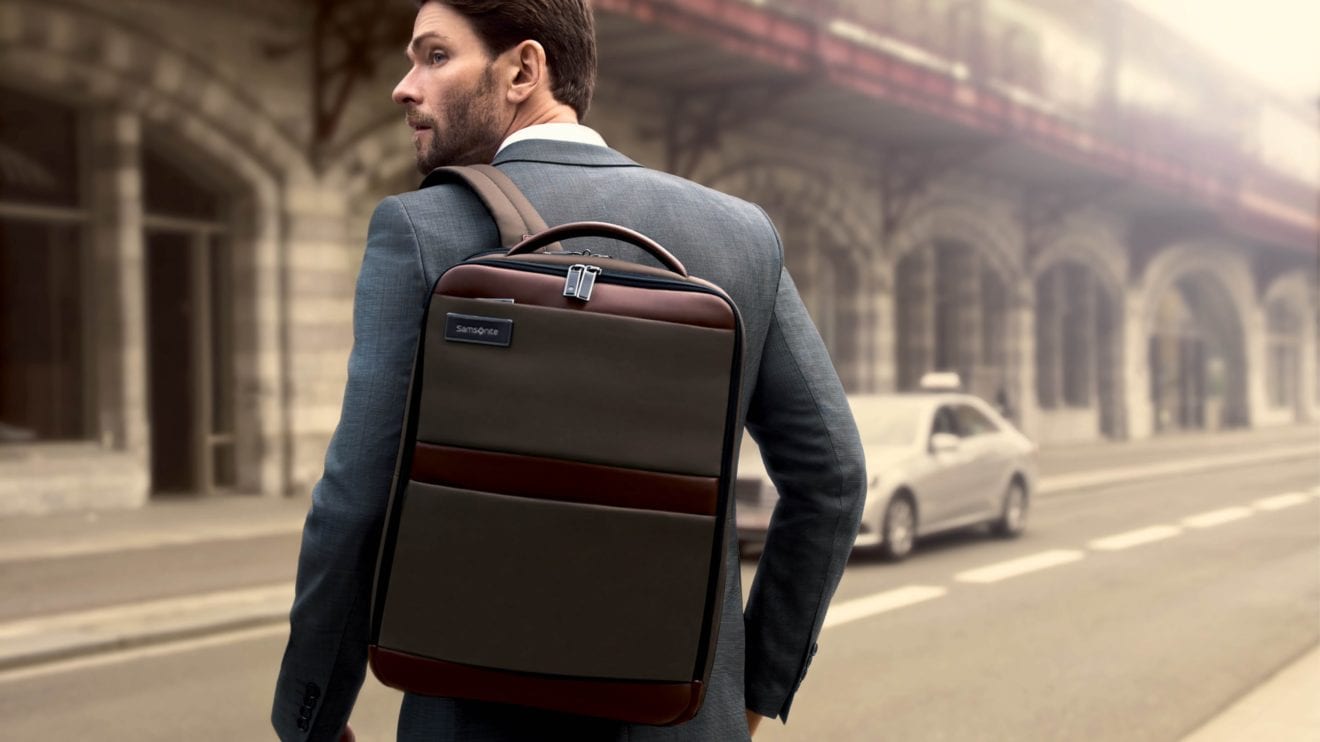
    Branded luggage-maker Samsonite Asia aims to make China its biggest market within five years, pinning its hopes on eCommerce and social media to fuel growth.

    While sales in China now account for more than 10 per cent of its total revenue, Samsonite CEO Ramesh Tainwala says they are likely to double by 2022, thanks to the explosion in online shopping and a wealthier population keen to travel.

    “Now that 20 per cent of our Chinese businesses come from online, we expect the number to grow by about a third in a couple of years,” he says.

    Global net sales in 2015 reached US$2.43 billion for the Indian company.

    Virtual stores on B2C sites JD and Tmall have claimed 60 per cent of Samsonite’s online business in China. Its luggage is also sold through the digital outlets of shopping malls and department stores.

    Samsonite will open its own direct online shopping portal this year aimed at more sophisticated buyers who want bigger-ticket items via the brand rather than a third party.

    First-half sales last year remained flat for Samsonite, according to its interim report, partly because of sluggish performance in China as consumers forsake department stores for online retail.

    Samsonite president for China and the Philippines Frank Ma says the company spares no effort in using social media campaigns to guide traffic to brick-and-mortar stores. For example, followers of Samsonite’s official WeChat account are given a discount coupon when they sign up for promotional events in shopping centres.

    Ma says content marketing helps attracts customers and adds to another 5 per cent to its offline sales.

    Seven of Samsonite’s nine brands have been introduced to China, ranging from the entry-level American Tourister to the newly acquired Tumi, which targets high-end business travellers.

  • DHL, Huawei enter ambitious automation partnership

    DHL, Huawei enter ambitious automation partnership

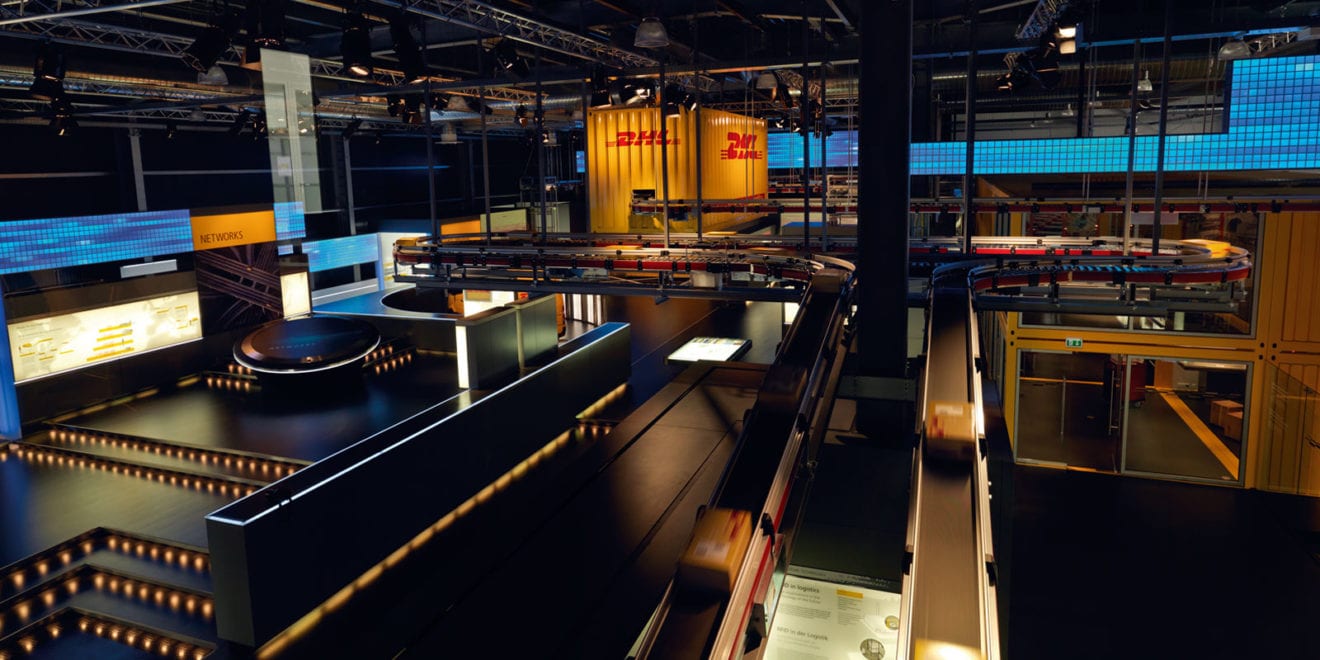
    Deutsche Post DHL Group and Chinese technology conglomerate Huawei Technologies are collaborating on a range of supply chain services for customers using “industrial-grade internet-of-things hardware and infrastructure.”

    The internet of things (IoT) refers to physical devices, such as vehicles, buildings and other items, that are embedded with electronics, software, sensors, actuators and network connectivity that can communicate with each other. That shared information is then utilized to automate and streamline processes. For example, sensors in refrigerators can read bar codes of products and make sure the milk is fresh and the beer is adequately stocked.

    Deutsche Post DHL estimates that the IoT could generate up to US$1.9 trillion in additional value for the global logistics industry by 2025. The logistics company sees the new technology as a way for operators to “better monitor and optimize their supply chain processes with low-cost networked sensors and devices.”

    Under the MOU, Huawei and Deutsche Post DHL Group will collaborate on developing cellular-based IoT technology. The projects will tackle ways to connect numerous devices across long distances with minimal power consumption. Connected devices will share data and to increase visibility in warehousing operations, freight transportation, and last-mile delivery.

    The agreement assigns Huawei’s connectivity experts and network infrastructure accessible to Deutsche Post DHL Group’s automation projects in warehousing, freight and last-mile delivery services.

    “Spending on connected logistics solutions is expected to more than double between now and 2020, and many logistics providers, including Deutsche Post DHL Group, have already begun to explore internet of things applications in their supply chains, including everything from enhanced asset tracking to driverless delivery vehicles,” said Markus Voss, COO and CIO of DHL Supply Chain.

    DHL has already opened its €90 million Advanced Regional Center in Singapore in 2016, featuring almost-entirely automated picking and storing infrastructure that the company says is 20 percent more efficiently than its human equivalent.

  • Victoria’s Secret opens first flagship store in China

    Victoria’s Secret opens first flagship store in China

    US brand Victoria’s Secret has opened its first flagship store in China as it taps into the growing appetites of mainland women for high-end lingerie.

    Fronted by an iconic pink glass facade, the four-storey, 2,500 square meter Victoria’s Secret store opened its doors on Thursday in Huaihai Road, one of Shanghai’s most upscale shopping streets.

    The new shop, which is the first to sell the brand’s full range of products attracted thousands of visitors on the opening day. Previously, Victoria’s Secret had only operated concept stores in China, selling accessories.

    “Chinese women are now ready for more sophisticated bras,” said Pascal Martin, a partner with OC&C Strategy Consultants.

    As Chinese women have increasingly adopted western fashion trends and brands, many locally-owned bra offerings at the cheaper end of the spectrum and paying little heed to design and brand appeal have popped up.

    The US lingerie giant, which entered China in 2015, has unveiled an aggressive expansion plan in the fast-growing Chinese market.

    Besides launching another flagship store in Chengdu in southwest Sichuan Province soon, Victoria’s Secret will move its high-profile annual fashion show to Shanghai at the end of this year.

    The retailer will charge mainland customers between 300 and 600 yuan (US$44 -87) for a bra, a little higher than in the US.

    Joey Chio, senior associate director of Savills Shanghai Retail, which helped Victoria’s Secret select the location for its new store, said the opening of the flagship shop would satisfy Chinese women’s “desire to keep up with the forefront of international fashion”.

    Luxury lingerie and high quality functional products are becoming increasingly popular among Chinese women, and a more frequent topic of discussion on social media.

    The female underwear market in China is expected to have a retail value of US$25 billion by 2017 – double that of the United States – and will grow to US$33 billion by 2020, according to Euromonitor.

    Top Italian luxury lingerie maker La Perla, which has eight stores in China, said it planned additional outlets in Chengdu and Chongqing and aims to open a men’s store in Beijing.

    Canadian yoga brand Lululemon entered the Chinese market by opening its first shop in Shanghai last December.

    The penetration rate of the bra sector in China is still under 10 per cent, compared with around 40 per cent in the US and 20 per cent in Japan, Martin said. Most of the bra brands currently in China are still focusing on the traditional department store channel rather than malls, indicating opportunities for brands like Victoria’s Secret, he added.