Tag: China

  • Walmart China eyes up to 40 new stores

    Walmart China eyes up to 40 new stores

    Walmart Stores says it plans opening between 30 and 40 new stores in China this year.

    Included in that number will be up to five new Sam’s Club outlets.

    While Walmart achieved a solid performance in its home market last year, its international operations – especially in the UK, are struggling.

    In China, Walmart is seeking to develop new retail models to cater to consumers’ changing shopping habits.

    Walmart China will invest a further RMB300 million (US$43.4 million) in upgrading and refurbishing about 50 of its existing stores and improving its supply chain operation.

    “We will move faster to improve the overall customer experience and continue our strategic alliance with JD.com and to strengthen omni-channel approach,” said Dirk Van den Berghe, president and CEO of Walmart Asia and China.

    Last year, Walmart China opened 24 new stores: 21 hypermarkets and 3 Sam’s Club stores.

    The company said its average basket size in China increased by 5.4 per cent in the quarter ended January and same-store sales rose 2.3 per cent.

  • Esprit Holdings moves out of the red

    Esprit Holdings moves out of the red

    Fashion group Esprit Holdings says it has made a “significant recovery”, turning around its HK$238 million (US$30.6 million) loss to record a net profit of HK$61 million for its first half.

    While the improvement was driven by retail sales, the group says two other major developments were a vital element of the growth in overall profitability for the half-year, to December 31:

    • The ongoing downsizing of the scale of the business, including the closure of unprofitable stores and low-performing wholesale locations.
    • Management moves increased the group’s gross profit margin, including fewer promotional activities, price markdowns and discounts for wholesale partners.

    As a result, the first-half unaudited figures show a 9.9 per cent drop in revenue to $8.323 billion. However, the measures produced the intended improvement in profitability, with gross profit margin increasing by 2 per cent .

    During the period, the group closed 9412 sqm of retail space, with coupled with the closure of 25,806 sqm in the previous six months represented a 11.1 per cent year-on-year reduction.

    Asia Pacific retail, excluding online sales, at HK$951 million, fell by 21.5 per cent. Retail space was reduced by 18.5 per cent.

    “It is important to note that in APAC we had the most drastic reduction of promotional activities and price markdowns,” says the company.

    Esprit’s Eshop brought in 24 per cent of total group revenue, generating HK$1.993 billion, down by 2.4 per cent. However, there was a 58.7 per cent leap in revenue for Eshop APAC to HK$119 million.

    China represented more than 80 per cent of the Eshop sales in the region. It recorded revenue growth of 54.9 per cent, fuelled by the integration of the Esprit Friends loyalty program, the strengthening of activities with Tmall, the expansion of its online presence through platforms such as WeChat and Weibo, and collaborations with celebrities and opinion leaders to enhance brand equity through social media.

  • McDonald’s China does nothing, but under attack anyway

    McDonald’s China does nothing, but under attack anyway

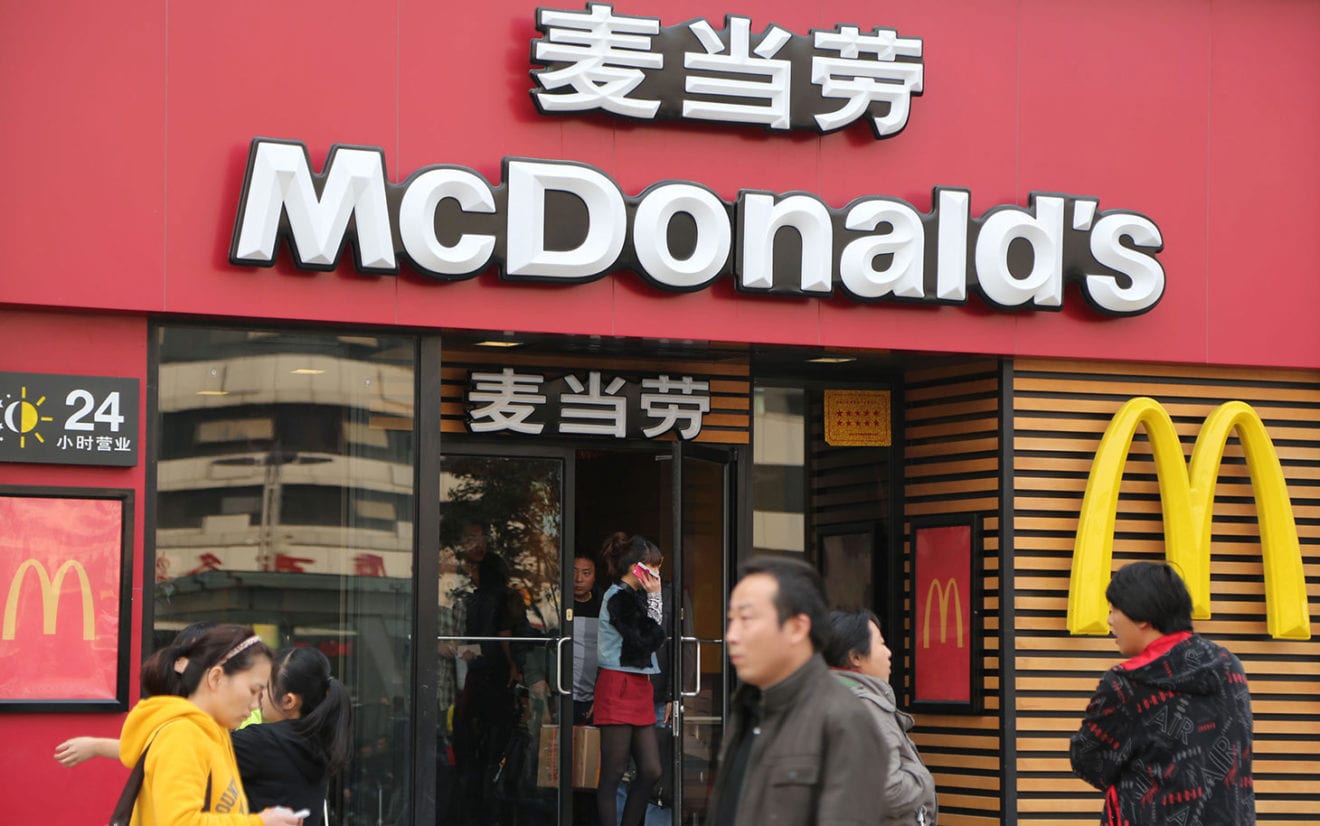
    McDonald’s China is drawing criticism from Hong Kong trade unions, who fear the impact of the new owners on employment conditions.

    Despite reassurances from local McDonald’s management – or any evidence at all suggesting changes to labour policies are looming – the fast food giant has come under attack on both sides of the border.

    The new business unit taking over the McDonald’s business in China and Hong Kong is jointly owned by state investment group Citic Ltd and US private equity company Carlyle Group. McDonald’s Corporation (US) will maintain a cornerstone minority stake. The new company holds 20-year franchise rights.

    In a statement issued this week, the Hong Kong Confederation of Trade Unions (HKCTU) said the change of ownership will put further pressure on pay rates at Hong Kong outlets, where it says many workers earn little more than the minimum wage of HK$32.50 (US$4) per hour.

    “In other countries where McDonald’s has sold a large stake of its business, the resulting model has placed enormous pressure on franchisees, which has made it harder for franchise operators to provide adequate pay and conditions for their workers,” HKCTU official Wong Yu Loy said.

    “If the buyers in Hong Kong get squeezed by McDonald’s as they have in other countries, workers here may get even less as a result,” Wong said.

    Last week, a Chinese labour consultancy Hejun Vanguard Group filed a formal complaint with the mainland’s Ministry of Commerce claiming the move to the new business model may adversely impact its 120,000 workers in China – and McDonald’s customers.

    But McDonald’s has rushed to placate concerns saying its franchise models all over the world are based on “mutually beneficial partnerships” and the company “treasures” its employees.

    “The level of remuneration of our employees is based on their positions, working experience, expertise, performance, as well as market conditions,” said a spokeswoman.

    “McDonald’s strictly abides by Hong Kong labor legislation and the statutory requirements. The current compensation and benefits of McDonald’s Hong Kong will not be affected as a result of bringing in strategic partners.”

    The HKCTU, which represents 90 affiliate labour organisations covering 170,000 workers, appears unmoved.

  • Benoy updates Sanya Eyot project designs

    Benoy updates Sanya Eyot project designs

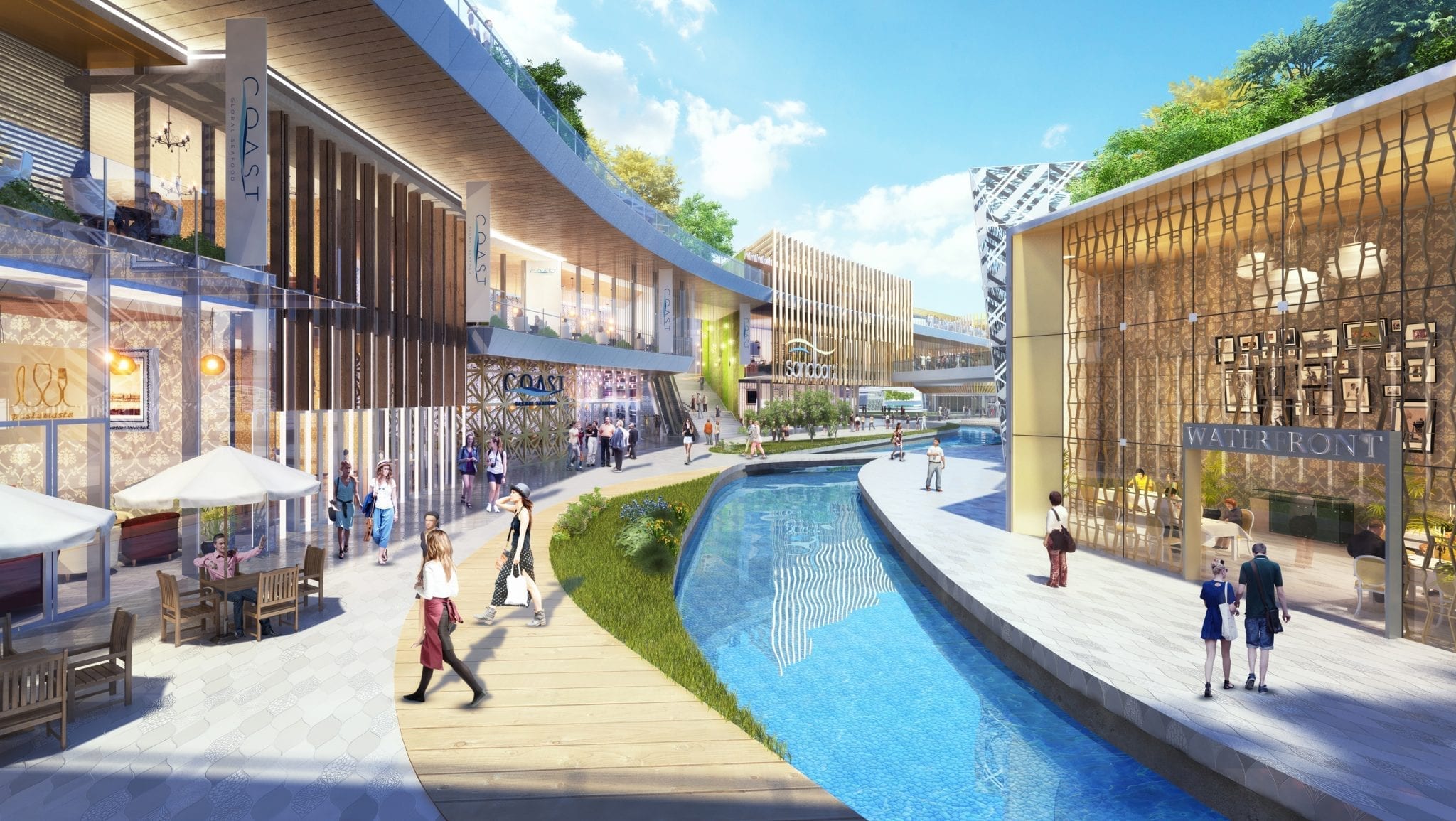
    Designs have been updated by international architectural/design company Benoy for the retail-centred China International Travel Service (CITS) Sanya Eyot scheme on Hainan Island.

    It is the second phase of the wider CITS scheme in the new resort area of Haitang Bay in Sanya. The development is on the reclaimed Hexin Island, surrounded by luxury international hotels and natural attractions. A pedestrian bridge connects the two phases of the scheme.

    “Our vision is to bring a completely new experience and break the mould for retail-led tourism developments in Haitang Bay,” says Benoy director Ferdinand Cheung.

    As a point of difference, the 32,000 sqm mixed-use, retail-led destination introduces a porous and multi-layered environment. The design clusters together distinctive, small-scale buildings to create a series of indoor and outdoor spaces. These will host entertainment and retail activities.

    Elevated walkways and bridges spanning the length of the pedestrian precinct will connect the buildings.

    Canopy structures inspired by seashells firmly root the design into its seaside context. They have been designed in accordance with solar paths and prevailing winds to encourage natural ventilation and open up sightlines across the island.

    “The canopy designs have not only allowed us to fulfil the brief for the project environmentally, helping to encourage air circulation and provide sun shading within this known humid and hot climate, but they also bring a real identity to the scheme. Their form and colour connect back to the coastal and resort quality of the site,” says Benoy senior associate director Janet Chan.

    Anchoring the development at the north end is a covered market area which will sell produce from fish farms and provide stall areas for imported goods.

    An aquarium with a reflective pool will bookend the market space, providing the backdrop for the al fresco and market-style dining area.

    With the reclamation of Hexin Island complete, construction work on the CITS Sanya Eyot scheme will start this year. The development is targeting a China three-star sustainability rating.

  • Some bright future for Bossini International

    Some bright future for Bossini International

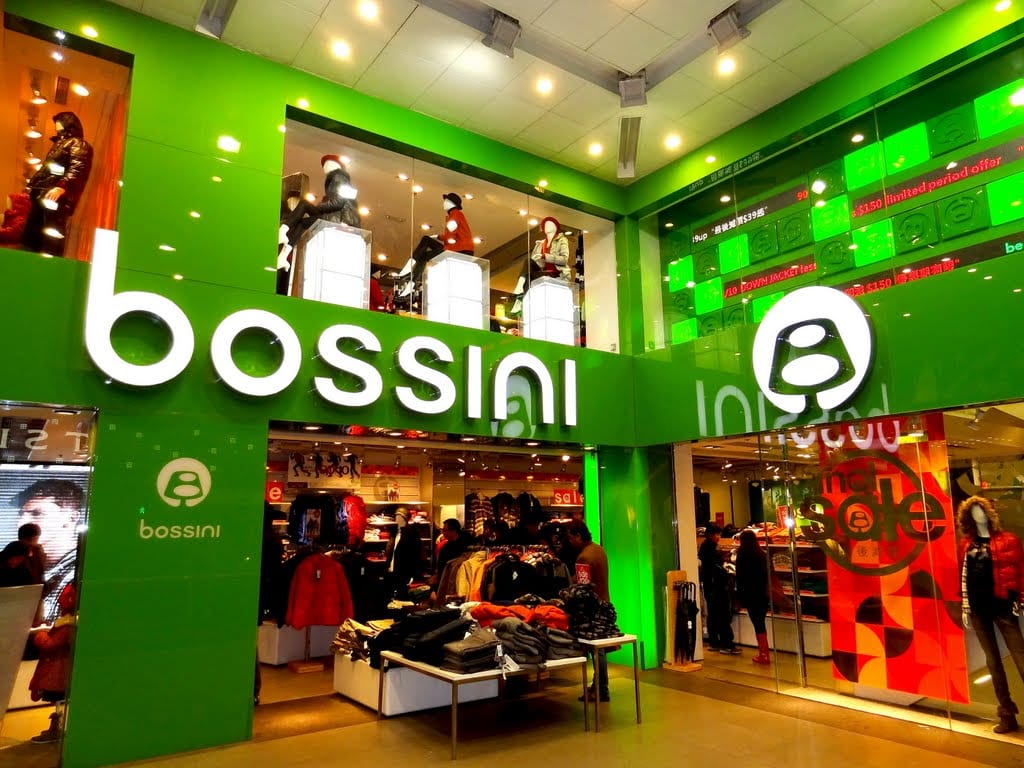
    Overall revenue fell 11 per cent for apparel retailer Bossini International during the first half of its financial year.

    However, its interim results to December 31, showed an improvement in gross margin – by four points to 51 per cent, attributed to more effective sales and marketing strategies. Profit for the period attributable to the owners increased by 20 per cent.

    The Hong Kong and Macau market, the Mainland China market and the Taiwan market showed signs of having bottomed out, says the company, with same-store gross profit level after a period of negative growth for more than a year.

    With a footprint across 28 countries, the group says it is still optimistic in the long run, adding 16 shops during the half-year.

    Its revenue for the six months was HK$1.022 billion (US$131.6 million), down 11 per cent from HK$1.146 billion in the same period a year earlier. Gross profit slipped 4 per cent to HK$519
    million.

    For directly managed stores, same-store sales in Hong Kong and Macau fell 6 per cent, a slight improvement, and Mainland China and Taiwan stores performed similarly, declining by 2 per cent. Same-store sales in Singapore dropped by 8 per cent compared to per cent in the previous first half. The group’s overall same-store sales slipped 6 per cent.

    At December 31, the Group had 952 stores, up five from six months earlier. Directly managed stores grew to 287 from 280, while franchised stores dropped by two to 665.

    The group continued its strategy of working with licensing partners to strengthen brand recognition and boost sales. Three licensing programs were launched in the first half of the financial year, working with Disney and Universal Studios.

  • Hudson Travel bookstores launch at Chengdu Airport

    Hudson Travel bookstores launch at Chengdu Airport

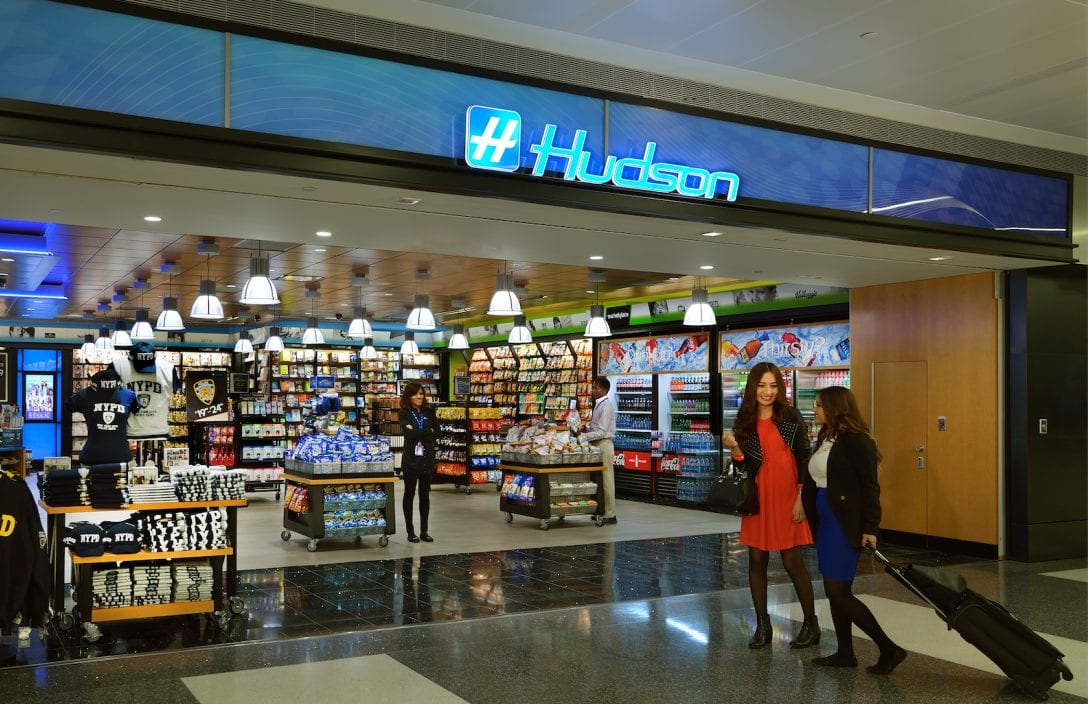
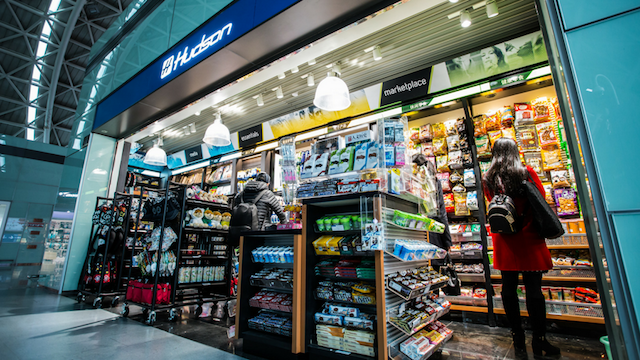
    Swiss travel retailer Dufry has launched the Hudson Travel Essentials Convenience Bookstore brand with eight outlets at Chengdu Shuangliu International Airport.

    The Hudson Travel bookstores are being run by Hudson Bright Power Beijing, a JV between Dufry and bookstore company Bright Power Beijing.

    Chengdu Shuangliu International Airport handled more than 44 million passengers last year, and is ranked as the fourth-busiest airport in China behind Beijing Capital International, Shanghai Pudong and Guangzhou Baiyun International airports.

    The new Hudson Travel Essentials Convenience Bookstores offer travellers “one-stop shopping with an international ambiance”, says Dufry. As well as magazines and books, the shops offer international snacks and soft drinks, Chinese cultural and destination souvenir items, travel convenience products, and digital and electronics accessories.
    Dufry plans to roll out the Hudson brand across China and expand the retail concept globally.
    China is poised for significant growth in passenger numbers both at airports and railway stations, says the company.

    The Civil Aviation Administration of China says there were about 500 million air passengers in China last year, 13 per cent more than in the previous year.

    “With its remarkable number of passengers, Chengdu is the ideal starting point to further grow in China, which is a very attractive market for us,” says Dufry Asia/Middle East/Australia division CEO Andrea Belardini.

    “Besides the Hudson convenience stores, we are also able to offer our landlords a complete range of retail formats and solutions, from typical core categories to multi-brand formats such as sunglasses, fashion watches, electronics and leisurewear.”

    Bright Power was founded in 2005 as a book-publishing company, and has evolved from book wholesaling to magazine and book retailing. It has bookstores in four out of the 10 major Chinese airports and at six of China’s top 10 high-speed railway stations.

  • Hard Rock Hotel tuning up for China

    Hard Rock Hotel tuning up for China

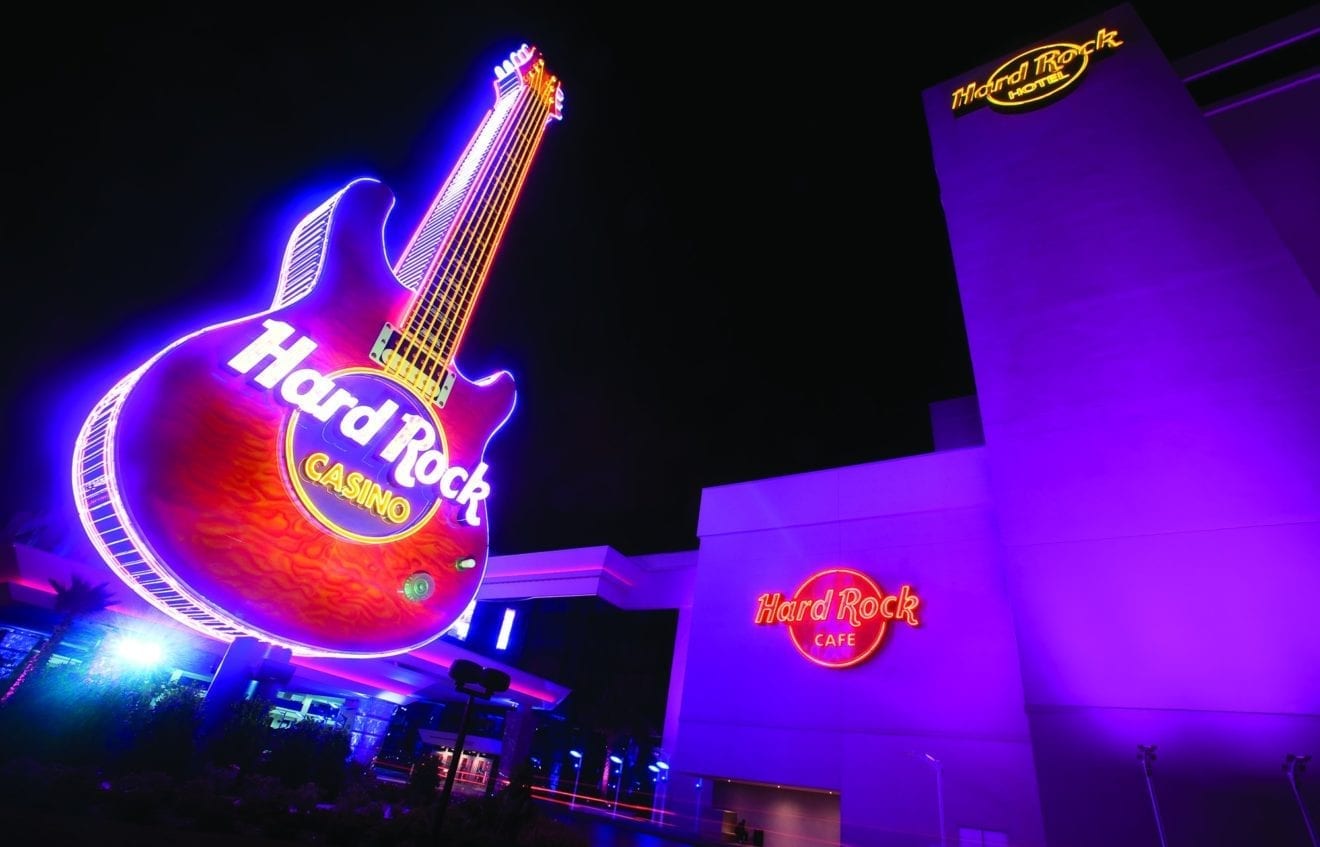
    Mainland China’s first Hard Rock Hotel will open in Shenzhen this year.

    It will feature a rooftop restaurant and pool, and offer about 1021 sqm of meetings space.

    As a point of difference, the 258-room Hard Rock Hotel Shenzhen will offer complimentary in-room Fender electric guitars. There will also be a kids’ club.

    The hotel is part of the Mission Hills Centreville resort district that opened last year and includes an 18-hole golf course and a retail mall.

    Hard Rock opened a 322-room hotel in Macau in 2009.

  • Huawei launches GigaHome smart home platform

    Huawei launches GigaHome smart home platform

    Huawei launched its new GigaHome solution at the FTTH Conference 2017 in Marseilles, France last week, to help operators build smart and high-performance home networks for customers.

    The GigaHome platform is designed to support multiple digital home applications to deliver smart home services that are efficient, secure and accessible.

    The E2E solution focuses on home gateways and supports flexible Wi-Fi extension through media including CAT5 lines, power lines and wireless repeaters.

    Huawei said the solution can provide smart home coverage with a Wi-Fi speed rate of up to 300Mbps. Under the solution, home gateways adopt dual cores and enable gigabit Wi-Fi access by using technologies including Wi-Fi hardware forwarding, dual-band, 802.11ac and 4×4 MIMO.

    Ultimately the solution is designed to help operators shift focus from providing traditional home broadband to smart home services capable of generating a higher ARPU.

    Huawei Access Network president Jeff Wang said the vendor plans to continue to focus on helping operators accelerate their digital transformation by supporting them in offering video and smart home services.

    “Focus on customer demand is the driving force for Huawei’s continued development and continuous innovation,” he said.

    “Huawei’s home network solution provides a full Wi-Fi coverage, and a good performance home network infrastructure, operable and manageable cloud-based management platform and open ecological system to enhance the home network experience, operational efficiency and bring new value-added services to operators.”

  • Tag Heuer on Tmall

    Tag Heuer on Tmall

    Swiss watchmaker Tag Heuer has launched a flagship store on Tmall.

    The opening of Tag Heuer on Tmall takes to five the number of LVMH units to have a presence on the Alibaba-owned site.

    The launch is the latest sign of luxury goods makers, faced with slower sales in the once-hot China market, embracing new sales channels and digital marketing in an attempt to reach the country’s internet savvy younger generation.

    Leo Poon, Tag Heuer’s GM for Greater China, called the move “a right decision, since Tmall is the largest B2C platform in China and can help us to reach our target customers.” More than 75 per cent of Alibaba users are 35 years old or younger. The company’s China retail marketplaces had a total of 443 million annual active buyers as of December 31.

    China’s share of the global luxury goods market declined slightly from 31 per cent to 30 per cent in 2016, according to a recent report released by consulting firm Bain. But the country remains an engine of growth for luxury goods as China’s middle class continues to increase in size and purchasing power. Tighter government controls on “grey market” imports are bolstering domestic consumption through legitimate sales channels; meanwhile, online shopping in China grew a brisk 26 per cent last year, according to China’s National Bureau of Statistics.

    Against this backdrop, luxury good makers are targeting a younger demographic through digital sales and marketing strategies.

    “If you want to win the future, you should establish a relationship with the young generation early,” said Liu Xiuyun, general manager of Tmall’s apparel division. “Confronted with the internet and e-commerce, conservative luxury brands will lose the future in China.”

    Tmall is not only a sales channel, Liu added. Because it is part of Alibaba’s online ecosystem, which includes mobile apps, social media and entertainment portals, merchants can engage consumers where they live online. Alibaba also has a wealth of data allowing merchants to more precisely target and cultivate individual customers as well as predict general consumption trends, “and this is exactly what luxury brands are looking for,” Liu said.

    In addition to Tag Heuer, other LVMH flagship stores on Tmall are cosmetics brands Make Up For Ever and Guerlain, beauty brands retailer Sephora and premium luggage brand Rimowa.

    LVMH’s venerable Louis Vuitton label has also partnered with Alibaba. Last year, Louis Vuitton invited members of Alibaba’s exclusive Apass Club – online shoppers who spend an average of $45,000 a year in Alibaba marketplaces – to visit the company’s headquarters in France. In addition, Louis Vuitton became one of the first international brands to join Alibaba’s recently launched Big Data Anti-Counterfeiting Alliance, an organisation set up to share industry and technical know-how in order to combat the online sale of counterfeit goods.

    At a February 13 ceremony marking the opening of their Tmall store, Tag Heuer unveiled a pair of his-and-her watches, priced at $,852 for both, as a special Valentine’s Day promotion in China. The launch ceremony, broadcast via Tmall’s mobile app, featured a livestream of Chinese actress Song Jia.

    -Susan Wang

  • China Duty Free Group confirms Kunming arrivals award

    China Duty Free Group confirms Kunming arrivals award

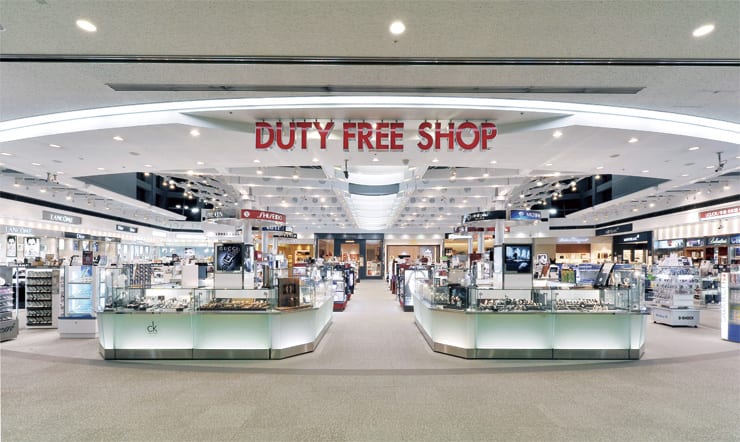
    China Duty Free Group (CDFG) has confirmed to DFNIonline it has been awarded the 489sq m Kunming airport arrivals duty-free contract. The airport handled 37.7 million passengers in 2015, an increase of  16.8% on 2014.

    The award follows China National Service Corporation for Personnel Working Abroad’s (CNSC) recent capture of the five-year Chongqing airport arrivals contract spanning 572 sq m.

    Speaking in the Cannes issue of DFNI last year, CDFG chairman Peng Hui said: “In recent years, the Chinese have undoubtedly been the main force for luxury spend. Maintaining high-end consumption at home is a key part of the government’s strategy. The opportunities in inbound shops are in response to this national strategy.”

    News of the government’s plan to open arrivals duty-free shops in Chinese airports and seaports to boost the domestic economy was first revealed in 2015. The motive was to encourage domestic consumption and deter Chinese consumers was purchasing duty-free products overseas. Duty-free arrivals shops are already operational at Beijing Capital and Shanghai Pudong and Hongqiao International airports. But in February 2016 the government announced it will be extended to 13 other airports and six border port locations as previous reported.

    The full list of those Chinese airports comprise: Guangzhou Baiyun, Hangzhou Xiaoshan, Changdu Shuangliu, Nanjing Lukou, Shenzhen Bao’an, Kunming Changshui, Chongqing Jiangbei, Tianjin Binhai, Dalian Zhoushuizi, Shenyang Taoxian, Xi’an Xianyang, Urumqi Diwopu and Qingdao Liuting International airports. Four border ports are located in Shenzhen (Futian, Huanggang, Shatoujiao and Wenjindu) with the others located in Zhalou (Zhuhai) and Heihe (Heilongjiang).

    The situation further developed last November with the announcement CDFG, CNSC, Shenzhen Duty Free and Zhuhai Duty Free had been named as qualified bidders for the licenses.

    All contract awards are expected to be awarded by March or April, according to CNSC deputy general manager Duty Free Department Jacky Yan, who told DFNIonline during a visit to Beijing last year: “All winners should be revealed by March or April after the airports have registered results through the Ministry of Finance.”

  • What exactly is wrong with China’s ‘Apple’ Xiaomi?

    What exactly is wrong with China’s ‘Apple’ Xiaomi?

    Although it crossed $1 billion in revenue in 2016 within the first two years of its operations in India, Xiaomi — once touted as the “Apple” of China — has slipped to fourth spot back home as the demand for its smartphones declined 22 per cent annually — eventually taking it to seventh spot in the global smartphone ranking with a 16 per cent drop in sales.

    The decline came even as Hugo Barra, Xiaomi’s high-profile head of international operations, left the company in January and joined Facebook to lead its virtual reality (VR) project.

    According to the experts, the key reason for this decline is Xiaomi’s rivals racing ahead with key features, better innovations, bigger marketing budgets and wider online and offline distribution channels.

    “Until 2016, Xiaomi relied only on online channels for smartphone sales which contributes approximately 30 per cent of the total smartphones sales in China, leaving a huge chunk of the market untapped. Its competitors invested heavily in building strong offline channels, expanding their reach to tier-2 and tier-3 cities and moving ahead of Xiaomi,” Shobhit Srivastava, Research Analyst, Mobile Devices and Ecosystems at market research firm Counterpoint Research, told IANS.

    Another reason for Xiaomi’s slipping growth is the rising average selling price (ASP) of the maturing China smartphone market, experts noted.

    “Bulk of the sales in China is coming from upgrades where Huawei, OPPO and Vivo are gaining market share while Xiaomi remains in the below-$150 category. Xiaomi also lacks in research and development unlike its Chinese counterparts which are vertically integrated,” Srivastava added.

    An email sent to the company for its reaction to the decline in global smartphone sales didn’t elicit any response.

    Xiaomi’s main markets have been China and India which combined get more than 95 per cent shipment share. While performance in India improved in 2016, the company lost market share in China resulting in the decline of overall global smartphone ranking.

    Huawei, Oppo and Vivo have emerged as clear winners with Oppo and Vivo registering significant growth in China.

    Shipping 44.9 million iPhones to China, even Apple has beaten Xiaomi that shipped 41.5 million smartphones in 2016, market research firm International Data Corporation (IDC) revealed earlier this month.

    According to IDC’s “Quarterly Mobile Phone Tracker” report, Apple dropped from 58.4 million iPhones in 2015 and Xiaomi from 64 million Mi phones — drops of 23 per cent and 36 per cent, respectively.

    Amid the global gloom, it is the Indian smartphone market that has helped Xiaomi gain profits.

    “They (Xiaomi) have already established their presence in India with a revenue of more than $1 billion in 2016 in the country. They will keep going as they have a strong management team,” Jaideep Mehta, Managing Director, IDC South Asia, told IANS.

    “On Barra, I would say that a senior executive has just moved on. Of Course, he will be missed, but the company is bigger than one individual,” he added.

    Coincidently, Xiaomi is not going to showcase any product at the upcoming Mobile World Congress (MWC), the telecom industry’s largest event, in Barcelona, Spain, later this month. There are reports that Xiaomi doesn’t have new devices to showcase during the MWC show.

    This indicates there is something wrong somewhere and the company needs to plug the problem fast before its global presence plunges further.

    “To recover and sustain growth, Xiaomi will have to focus on building strong offline channels as it will open up a significant market for the company. It needs to concentrate more on its R&D and come up with a device in the higher-mid end segment for the increasing Chinese middle-class population with higher disposable incomes,” Srivastava emphasised.

  • Coffee Craft cafe takes culture to Beijing suburbs

    Coffee Craft cafe takes culture to Beijing suburbs

    Beijing’s new Coffee Craft cafe takes coffee culture to the capital’s suburbs.

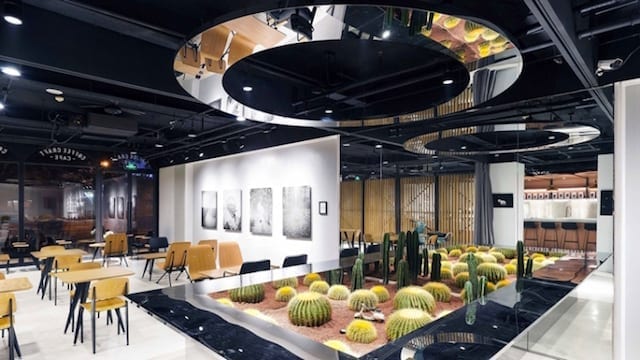
    It is in the largely residential area of Beixuaguan, in Beijing’s northwest. Covering 400 sqm, the outlet has been designed by United Units Architects, a practice based in both Beijing and London.

    Coffee-Craft-Cafe-by-United-Units-Architects-Beijing-China-04

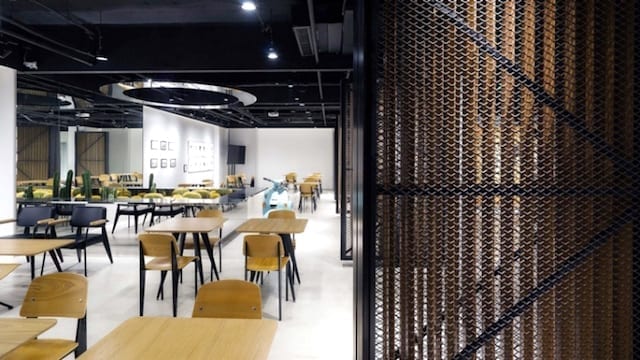
    While primarily a venue for specialty coffee, it also anticipates the hybrid lifestyles of today’s young generation, says Retail Design Blog. It features four specific areas – a bar, a seating area, two meeting rooms and a kitchen space – all separated by partitions crafted from a mix of vertical louvres and wire mesh, allowing for a variety of configurations.

    Each space has a distinct feel while seamlessly blending with the other sections.

    The bar comprises wall panels of shiny steel and capsule-shaped copper equivalents on the ceiling, while the seating area features an indoor cactus garden as a focal point. It is framed and encapsulated on one side by slabs of mirror that make it appear double its actual size. Hovering directly above is a large circle made of the same material. A Vespa scooter installation adds a quirky and frivolous touch to the austere aesthetic, says Retail Design Blog.

    Coffee-Craft-Cafe-by-United-Units-Architects-Beijing-China-05


    Coffee Craft’s menu features specialty coffee from such countries as Brazil, Colombia, Ethiopia , Guatemala, Indonesia, Kenya and Panama, all marked on a wooden wall plaque with a pinboard world map.

    Coffee-Craft-Cafe-by-United-Units-Architects-Beijing-ChinaCoffee culture is not only catching on in China, but accelerating and diversifying to meet the lifestyle requirements of the country’s growing demographic of savvy consumers, says the blog.

    “Obviously, this trend has manifested itself most vigorously in plush downtown neighbourhoods of the country’s booming first- and second-tier cities. The middle class continues to expand with leaps and bounds – it has doubled from 399 million to 784 million in just a decade – and coffee and modern lifestyle appreciation has grown in equal measure across suburban fringe, and increasingly in surprising contemporary form.”

  • Record growth boosts Jollibee Foods’ income 24pc

    Record growth boosts Jollibee Foods’ income 24pc

    Philippine-headquartered quick-service restaurant chain Jollibee Foods income jumped 24.6 per cent to 6.14 billion pesos (US$123.26 million) last year, thanks to aggressive store openings.

    Jollibee says it opened 340 outlets across nine brands – its biggest expansion in a single year – of which 243 stores were in the Philippines. Including JVs, such as Smashburger in the US and Highlands Coffee in Vietnam, Jollibee opened 468 stores last year.

    This pushed system-wide retail sales, derived from franchised and company-owned stores, by 14.1 per cent to 149.14 billion pesos.

    Jollibee Foods Philippines CEO Ernesto Tanmantiong says the company is spending 14 billion pesos this year, up from 10.4 billion pesos last year, to open more outlets and expand its commissaries.

    Jollibee says its business in China – about half of its overseas interests – has returned to growth, with sales expanding by 6 per cent in the fourth quarter.

    Poor sales in China earlier prompted the company to reorganise there. It unloaded its San Pin Wang noodle chain and took over a food-processing company.

  • Swire plans to double Qinyuan bakery China network

    Swire plans to double Qinyuan bakery China network

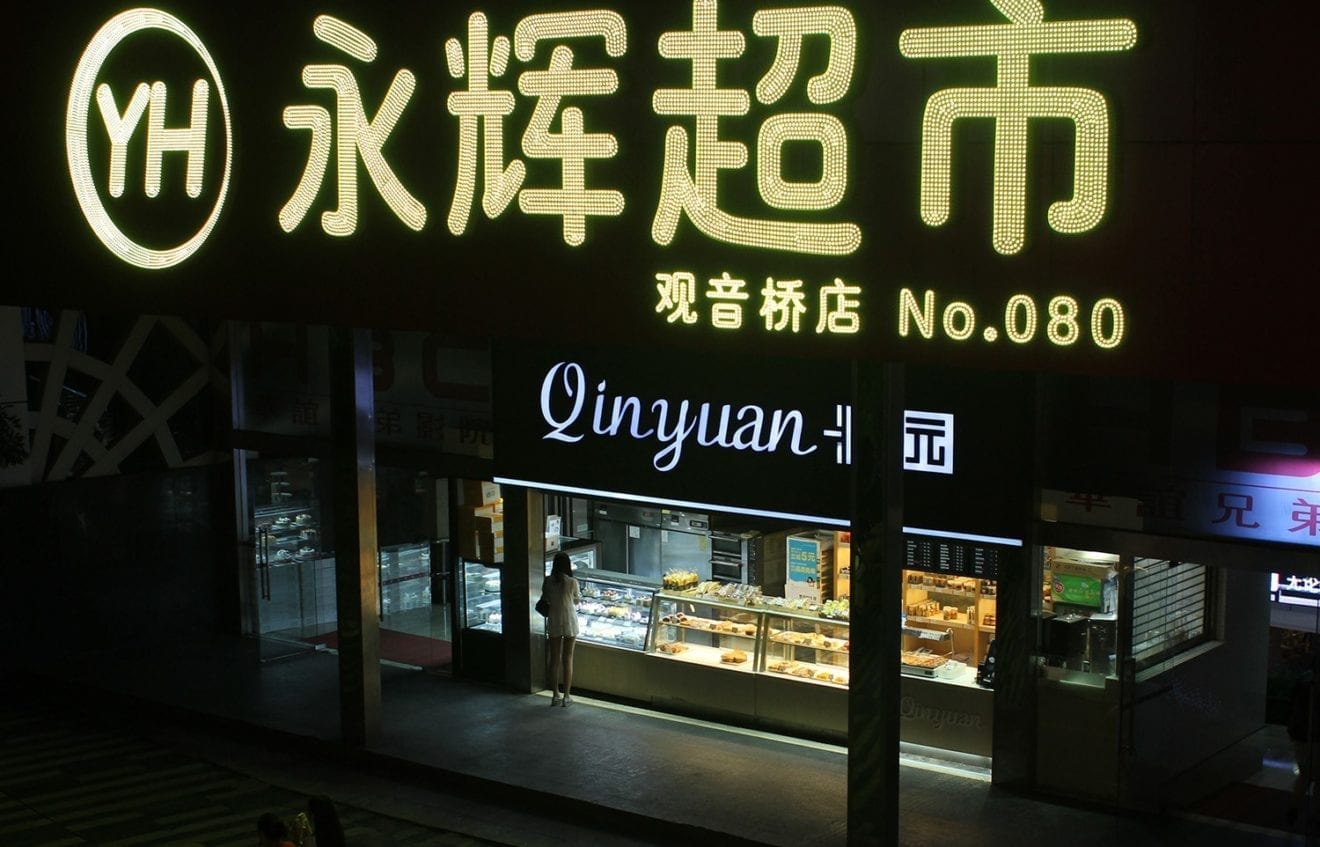
    Swire plans to nearly double the size of its Qinyuan bakery chain by 2020.

    Over the next three years, Swire Pacific plans to grow the number of its bakery shops in Chengdu, Chongqing and Guiyang to 1000 through its wholly owned subsidiary Swire Foods.

    The Hong Kong conglomerate believes the benefits from stable, long-term growth from the food market outweigh the small scale of the business compared with its aviation and property businesses, reports the South China Morning Post.

    Swire Foods last year paid HK$1.4 billion (US$200 million) for bakery chain Qinyuan. Selling Chinese and Western­-style pastries, it added more than 500 retail outlets in southwest China to Swire’s portfolio. The deal also included a 65,000 sq­m bakery goods factory in Chongqing. “Bakery is a very fragmented market in China,” says Swire Foods MD Max Lau. “We have not yet seen any player dominating the market, so there a big opportunity there.”

    He says the demand is set to rise because Chinese per-­capita consumption is currently low, with an average spend on bakery goods of around 140 yuan (US$20) a person annually. This is half the amount spent in Singapore, while people in Hong Kong spend three times as much as the mainland, and Japanese spend close to seven times as much.

    Lau says that while retail is being challenged by the rise of e­Commerce in China, “food retail cannot be replaced by e­Commerce just yet”.

  • When wearable devices in China becomes the star

    When wearable devices in China becomes the star

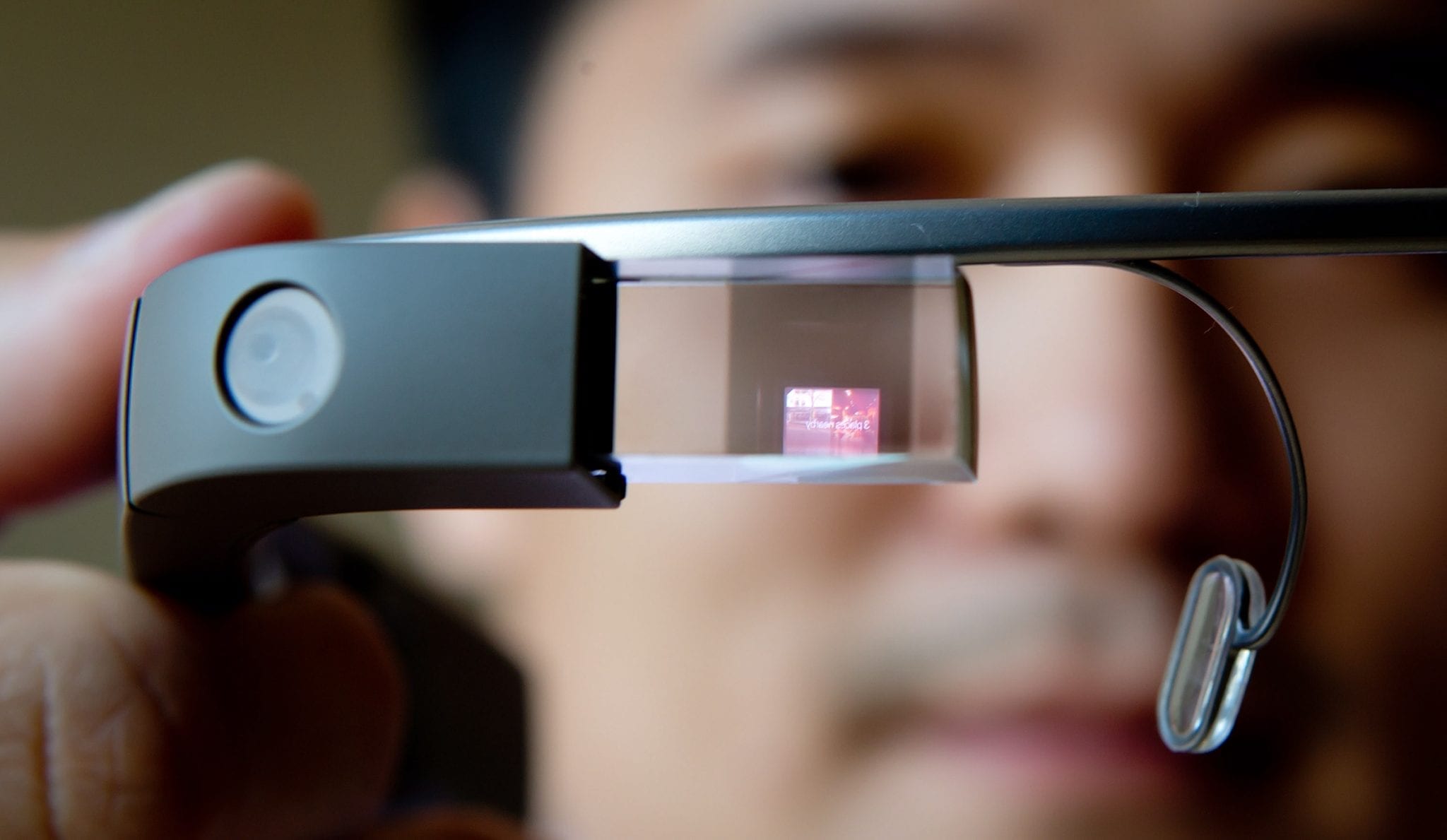
    While 43 per cent of urban Chinese consumers would buy wearable devices for themselves, the figure rises to 48 per cent for the 20- to 24-years age bracket, says London-based research firm Mintel.

    Yet 32 per cent of the consumers it surveyed agree it is fashionable to use wearable devices in China, dropping to 27 per cent of those 20 to 24. Today, 52 per cent of urban Chinese consumers have a smart wristband and 42 per cent own a smartwatch. Furthermore, 69 per cent of smartwatch owners have also bought smart wristbands.

    Mintel’s research shows that smart wristbands are growing in popularity in China. Sales of the wristbands over the past two years are estimated to have grown by 109 per cent, while smartwatch sales dropped by 37 per cent. Overall, the total volume sales of smart wristbands and smartwatches is estimated to have grown by 66.8 per cent last year.

    “The wearable devices market is facing a challenge to sustain growth,” says Mintel senior technology analyst Terra Xu. “This is because of the lack of breakthrough products and the wide ownership of smartphones.”

    Pricing key

    As a result, innovation and low entry prices are becoming key to wearable devices in China, he says.
    Of Mintel’s survey respondents, 53 per cent say they find health-monitoring ability attractive, while half of them are interested in being able to track family members.

    Also, 45 per cent of urban males are more interested in connecting wearables to other devices such as smartphones and cameras, compared to 39 per cent of females. Of consumers between 20 and 24 years, 46 per cent are most attracted by wearables that can receive location-based information, while 45 per cent of those aged 40-49 years are more interested in satellite navigation.

    Mintel says high interest is being shown in virtual-reality (VR) applications. Its research shows that 97 per cent of urban Chinese consumers are “very” or “somewhat” interested in at least one type of VR application, with movies being the prime choice for 45 per cent of both genders.

    While males are more interested in playing VR games (39 per cent) and virtual test rides (31 per cent), females are attracted by VR applications that help with online shopping, such as viewing and buying goods in virtual shops (35 per cent) and children’s entertainment such as interactive videos or games (25 per cent).