Tag: China

  • Garuda Indonesia to Open Lombok-Guangzhou Route

    Garuda Indonesia to Open Lombok-Guangzhou Route

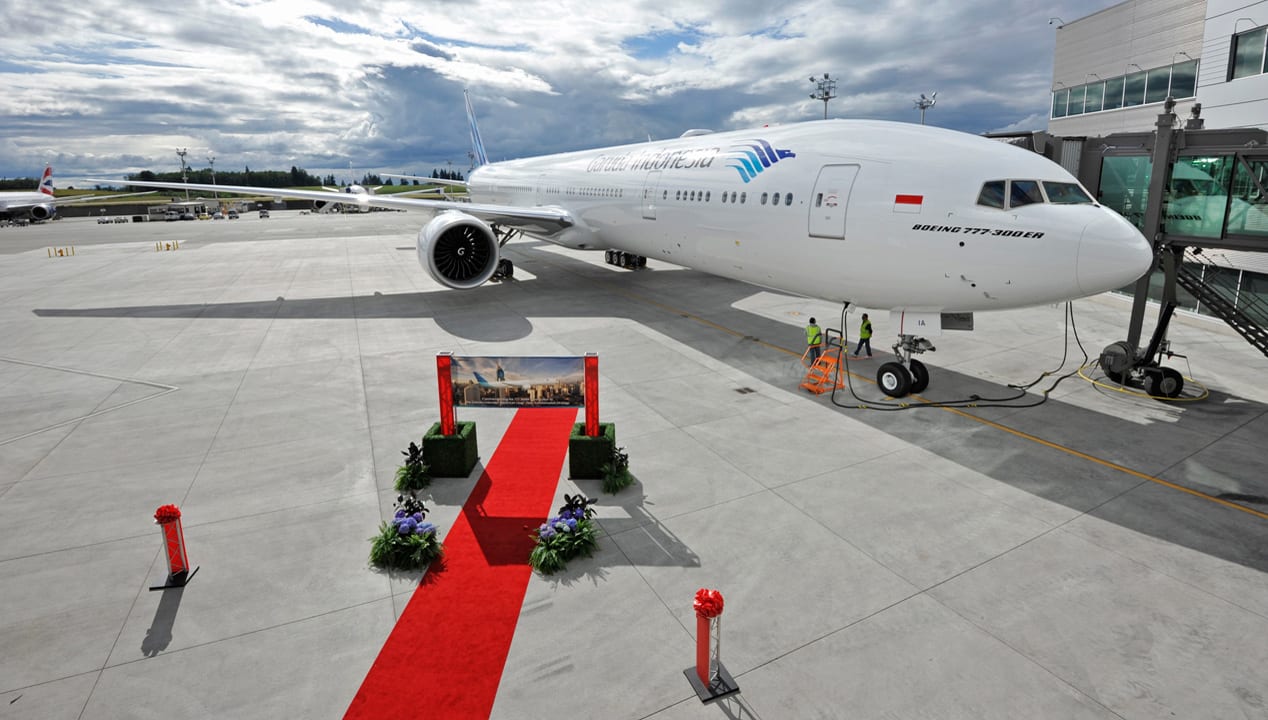
    General Manager of national carrier PT Garuda Indonesia of Mataram branch Mochammad Yansuerio said that in the near future, Garuda Indonesia would open a direct flight serving Lombok–Guang Zhou, China.

    “Lombok and Sumbawa are getting more popular both at the national level and at the international level. This has become our consideration to add frequency of flights in several routes, including by opening up Lombok – Guangzhou route,” Yansuerio said in Mataram on Friday.

    “The flight is twice a week,” he added.

    In addition to opening Lombok-Guangzhou route, Yansuerio Garuda Indonesia would also increase flights serving Lombok, including Lombok-Yogya and Lombok and Makassar from once week into twice a week.

    “As for Lombok-Surabaya route and Lombok-Jakarta route whose occupancy reach 80-85 percent, we plan to increase the frequency of flights,” he added.

  • Upswing for Sa Sa International New Year sales

    Upswing for Sa Sa International New Year sales

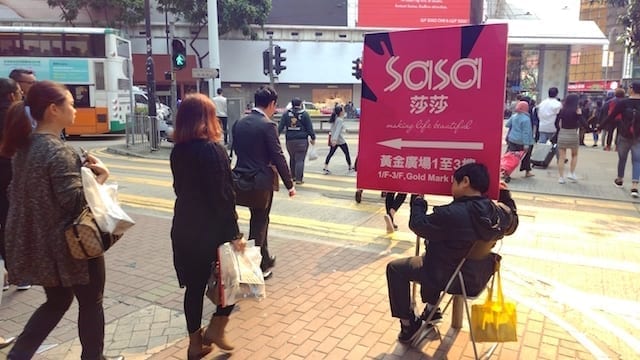
    With more tourists from the mainland, cosmetic retailer Sa Sa International Holdings saw a 3.5 per cent upswing in sales in Hong Kong and Macau during the Lunar New Year (January 28 to February 3).

    It says there were 10.7 per cent more transactions by tourists from China, while the average value of each transaction shrank by 4.6 per cent.

    Sales to local customers also decreased, by 3.3 per cent, according to the company’s preliminary figures.
    Hong Kong Immigration Department says there was a 12.9 per cent increase in the number of Hong Kong residents travelling overseas through the airport during the Lunar New Year period.

    Sasa chairman/CEO Kwok Siu Ming Simon says that as the group’s sales performance during the period had been affected by several factors, the figures may not reflect overall performance.

  • Big opportunities for F&B, says JLL China report

    Big opportunities for F&B, says JLL China report

    China offers “enormous room for growth” for foreign F&B brands, according to a new whitepaper from JLL China and retail data specialist LocalGravity.

    The Foreign F&B Expansion in China report explores the trends behind foreign F&B operators expanding in China and the lessons these hold for upcoming market entrants.

    With China’s middle class embracing foreign dining, Asian and Western F&B brands have expanded aggressively and become fixtures in China’s malls and shopping streets, says the report, which takes an in-depth look at the roll-out strategies of 32 international brands.

    Key insights from the report:

    ·  Overall expansion rates were high at more than 20 per cent year-on-year in 2015
    ·  Foreign brands remain active in coastal and tier-one cities, and are also expanding with increased confidence in lower-tier cities and remote regions
    ·  There is some risk in the less-wealthy provincial capitals, where many brands have over-expanded
    ·  Cafe-format shops selling coffee, tea and ice cream were the most active category, expanding 30 per cent year-on-year in 2015.

    •  Regional bias is strong among most chains, especially in the south, and there is room to catch up in wealthy east China cities.

    Closure rates

    The JLL China report has also explored closure rates by format. Analysis has revealed higher closure rates in the fast-food segment relative to other formats.

    Expansion potential has been explored to understand how store presence varies across city tiers. Of the 32 brands studied, many were found to have a strong presence in China’s top cities. However, “white spaces” across cities down to the third tier show there is an ample room for growth.

    Furthermore, many of the foreign F&B brands appear to be concentrated in south China, with other parts of the country offering untapped potential.

    “Many foreign F&B brands view the China market with understandable enthusiasm—after all, capturing even a small slice of the market translates into huge, absolute sales volumes,” says JLL head of retail research for Asia Steven McCord. “Yet the road to successfully taking advantage of the China opportunity is difficult, as some restaurant chains have discovered too late.”

    “The China F&B market is now one of the world’s largest and fastest moving, but it is still quite fragmented with enormous room for growth,” says JLL China head of retail James Hawkey.

  • Wal-Mart Stores boosts JD.com stake

    Wal-Mart Stores boosts JD.com stake

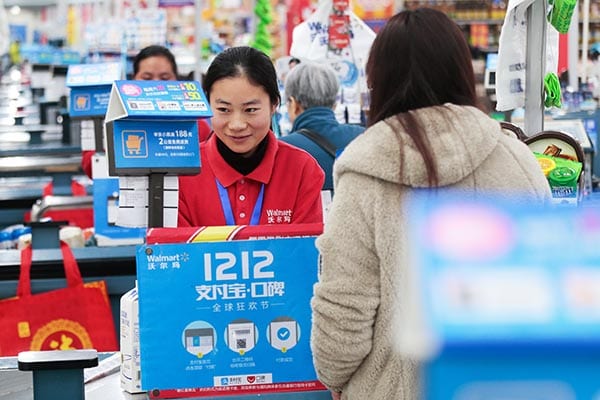
    American retail giant Wal-Mart Stores has further increased its stake in China’s second-largest eCommerce firm JD.com.

    It now has a 12.1 per cent shareholding, up from 10.8 per cent, and comes about three months after the Arkansas-based retailer disclosed it had almost doubled its holding in JD.com from 5.9 per cent.

    Like Amazon, a large part of JD.com’s income comes from selling products it holds in its own inventory. Its logistics network has also helped it win more users through speedy shipping, says Deal Street Asia.

    With about 400 physical stores in China, Wal-Mart struck a swap deal with JD.com last June, selling its fully owned Chinese eCommerce player Yihaodian to JD.com in return for a 5 per cent stake in JD.com, worth around $1.5 billion. This gave Wal-Mart access to JD.com’s nationwide logistics and warehousing networks, as well as its 150 million users.

    Meanwhile, JD.com is better able to compete with Alibaba in the online grocery business, which is expected to grow to nearly $180 billion by 2020, according to data from food research body IGD.

    In October, Wal-Mart invested $50 million in Chinese online grocery and delivery firm New Dada. This will help it gain more foothold by offering shoppers faster delivery times. At the time, New Dada had more than 25 million registered customers. It delivers in more than 300 cities.

  • Global e-commerce: How to win with shoppers in China

    Global e-commerce: How to win with shoppers in China

    With a population of roughly 1.3 billion people, China offers unprecedented growth opportunities for retailers looking to conduct business internationally. China’s National Bureau of Statistics reported last month that online retail sales in China grew 26.2% in 2016 to $752 billion. That’s more than 40 percent of all online sales around the world.

    The e-commerce experience in China is on a scale like no other. From shopping on Alibaba’s Tmall.com storefronts to the immense participation in mobile commerce, consumers in China have high expectations from retailers when it comes to the online shopping experience.

    For retailers looking to break into this competitive international market, here are some tips to win with online shoppers in China and succeed in the world’s largest e-commerce market.

    Invest in the mobile shopping experience

    According to research firm TNS Global, a typical Chinese mobile user spends roughly 30 minutes a day shopping on his/her phone. China is also the world’s largest smartphone market, accounting for 30 percent of the global market. Retailers should make sure their mobile experience is top-notch and localized for shoppers in China.

    The mobile checkout experience, in particular, is important. How important is mobile? According to eMarketer, mobile sales are projected to reach nearly $1.5 trillion globally by the end of 2019. China is driving a huge part of that growth, with mobile sales accounting for nearly half of all of China’s e-commerce sales.

    Mobile payment apps, like WeChat Pay and Alibaba’s Alipay, are examples of the types of payment options consumers want. These two payment options use data and analytics to personalize the mobile shopping experience and are currently the two biggest players in the Chinese marketplace. According to the UPS Global Pulse of the Online Shopper study, 73 percent of online shoppers in China say the most important option when checking out online is having a variety of payment options in addition to a credit card.

    Understand duties, local taxes and the implications for consumers and your business

    According to the UPS study, consumers in China rank duties and taxes as their second most important international shopping issue. Miscalculating duties and taxes, or simply not making them available early enough in the checkout process, can be detrimental to a retailer’s success. For online shoppers, not having a clear understanding of the duties and taxes they are responsible for can be a reason for picking one retailer over another.

    In April 2016, as part of an effort to encourage Chinese citizens to purchase goods domestically rather than internationally, the Chinese government changed the tax rules, making purchasing luxury goods overseas more expensive for import. For retailers, changes to tax rules can cause major roadblocks in their e-commerce strategies. This makes is absolutely critical to show currency conversions and total shipping costs, including duties and taxes, during checkout to reduce cart abandonment.

    There are solutions available, like UPS i-parcel, which take the complexity out of cross-border e-commerce, making it easier and more flexible for retailers to localize the shopping experience. This technology provides all of the information that consumers need to make purchasing decisions up-front—including localized duties and taxes, shipping options, delivery times, and local currency and payment options.

    Win over loyalists by focusing on quality

    Online shoppers in China rank product safety and quality as the top reasons for buying goods from overseas sellers. In fact, 40 percent of Chinese luxury goods purchased in the first half of 2016 were made across borders, according to a report by ContactLab and Exane BNP Paribas Research.

    Retailers looking to win over shoppers in China should make product quality a top priority, especially with the rise of China’s more mature or “rational shopper” as dubbed by research firm Nielsen. These consumers, which make up 40 percent of urban online shoppers in China, keep quality top of mind and will search high and low while paying a premium for highly sought-after items.

    Quality in the online shopping experience extends beyond the products themselves. Chinese consumers expect retailers’ packaging, delivery and shipping options to reflect the quality of the item they are purchasing. For retailers looking to do business in China, it’s important to partner with a logistics provider that has the global shipping and logistics expertise to deliver on heightened consumer expectations.

    Don’t be left behind

    The biggest risk for retailers looking to grow through international e-commerce is not targeting shoppers in China.

    Success begins by partnering with an experienced logistics provider that understands the expectations and behaviors of Chinese consumers and can help deliver a shopping experience that converts these consumers to your customers.

  • Pick-up in Chinese luxury spending won’t save traditional retailers

    Pick-up in Chinese luxury spending won’t save traditional retailers

    Chinese consumers are buying more luxury items at home, but it may not be enough to save struggling department stores – particularly those that don’t boast a restaurant, cinema or ice rink.

    Offline shops may benefit from a recovery in domestic luxury spending, but the future is still gloomy for traditional retailers that have been increasingly losing out to e-commerce platforms, according to analysts at Fitch.

    The stores need to focus on providing a ‘shopping experience’ in order to win over the country’s internet-savvy consumers and survive the fierce competition, said analysts Yee Man Chin and Cathy Chao.

    “The previous few years have been difficult for Chinese brick-and-mortar retailers, who had to grapple with increasing competition both offline and online as well as changing spending patterns, with consumers choosing experiences over shopping,” they wrote. “The pick-up in luxury spending could provide some relief, particularly for mid-to-high end retailers.”

    China’s domestic luxury sales have been recovering recently due to the ‘wealth effect’ from higher property prices – meaning homeowners spend more since they feel more secure about their wealth – and a drop in overseas purchases, the analysts said.

    Weak consumer sentiment and the government’s anti-corruption crackdown had caused a slump in luxury spending in the last five years, while a gulf between prices at home and abroad prompted many to shop in places such as Hong Kong, Japan and Europe.

    To encourage people to spend at home, the Chinese government has cut import taxes and allowed more duty-free stores. Some global luxury brands have cut their prices in China amid sluggish demand.

    A weaker yuan against the Japanese yen and US dollar, and a series of high-profile terrorist attacks in Europe, have also encouraged Chinese buyers do their shopping on home turf.

    International brands have recently reported improving growth momentum in China. Coach said its Greater China local-currency sales rose 6 per cent in the last quarter of 2016, while Swatch spoke of “very good growth” in mainland China sales from November to January, according to Fitch.

    This trend could boost sales growth at department store operators Golden Eagle Retail Group and Parkson Retail Group, as well as watch retailer Hengdeli Holdings, Fitch said. All three have seen their profit margins shrinking in the past few years.

    However, the boost from luxury sales is no long-term solution to the threat from online stores and fancy shopping malls.

    Consumers are choosing e-commerce. Even when they buy offline, people go to shopping malls rather than department stores/

    In November, the credit rating agency issued a “negative” rating for China’s 2017 retail sector outlook. Parkson was in January downgraded to B- as its profitability worsened, while Golden Eagle Retail was downgraded to BB- last year due to changes in consumer behaviour.

    “Consumers are choosing e-commerce. Even when they buy offline, people go to shopping malls rather than department stores,” Chin said. “The amount of retail space has also increased, so there is much more competition.”

    Analysts said offline retailers need to offer food and beverage, lifestyle and entertainment options to attract China’s young consumers who are increasingly demanding a full shopping experience.

    Although young consumers have been buying more online, they still go to physical shopping centres to relax and socialise, according to property consultancy CBRE.

    A 2015 survey of 1,000 Chinese millennials showed they ate out an average of 5.9 days per month and went to the cinema or live events on four days, according to CBRE.

    A quarter of the respondents said they considered “seeing and feeling the products” as the primary reason for shopping in physical stores.

    Chin said many traditional department store chains were adding restaurants and cinemas to their portfolios.

    “They don’t necessarily get people to shop, but they at least get people to go in those places,” she said.

  • Yum China tramples expectations; profit up 31%

    Yum China tramples expectations; profit up 31%

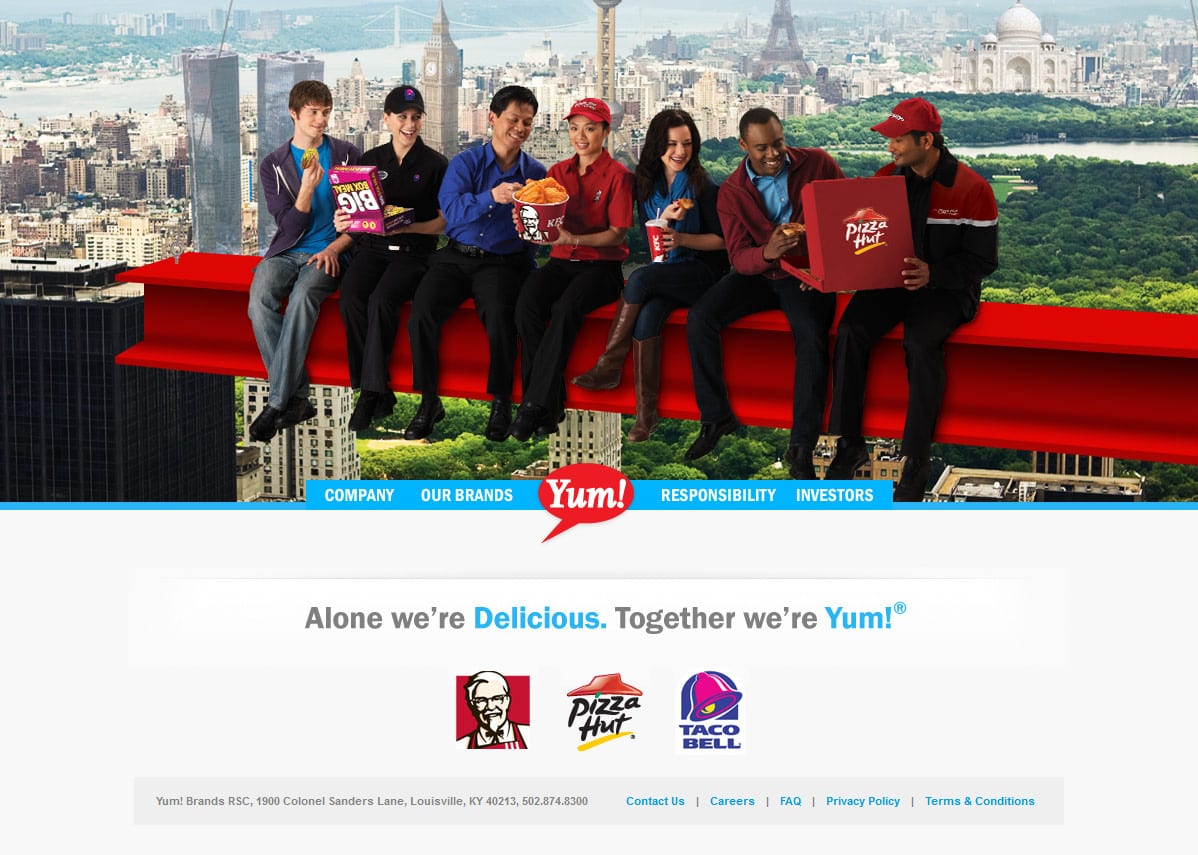
    Yum China’s first earnings report as an independent company proves that sometimes breaking up can be a very beautiful thing. In fact, its first report since the October spin-off from Louisville-based Yum Brands not only surpassed estimated sales projections for the company but showed its full-year operating profit was up 31 percent year over year to $640 million, according to a news release.

    For the year and fourth quarter that ended Dec. 31, Yum China reported a profit of 17 cents a share, up from the average estimate of 10 cents. The company also attributed much of the financial success of the last year to expansion and new openings, as well as same-store sales growth at KFC. 

    The only clouds inside this silver-lined report came from the direction of the performance of Pizza Hut, which was worse than expected, according to the news release.

    Yum China’s board of directors also authorized the repurchase of up to $300 million of common stock.

    “This was a momentous year for Yum China,” CEO Micky Pant said in the news release. “We successfully became an independent, publicly traded company while simultaneously improving our business performance and investing for future growth. At year end 2016 with over 7,500 restaurants nationwide, we extended our market-leading position in China.” 

    Full-Year Highlights
    •    Total system sales grew 5 percent, including growth of 6 percent at KFC and 3 percent at Pizza Hut Casual Dining, excluding foreign currency translation.
    •    Opened 575 new restaurants for the full year, or 5 percent net growth, surpassing 7,500 restaurants in China.
    •    Same-store sales were flat, with an increase of 3 percent at KFC, offset by a decline of 7 percent at Pizza Hut Casual Dining.
    •    Total restaurant margin increased 2.7 percentage points to 15.3 percent, primarily aided by the impact of retail tax structure reform implemented on May 1, 2016.
    •    Reported operating profit grew 31 percent, primarily aided by the impact of retail tax structure reform. Foreign currency translation negatively impacted operating profit by $36 million. Excluding foreign currency translation and special items, and Special Items, operating profit grew 37 percent.

    Fourth-Quarter Highlights
    •    Total system sales grew 4 percent, including growth of 4 percent at KFC and 6 percent at Pizza Hut Casual Dining, excluding foreign currency translation.
    •    Opened 302 new restaurants during the quarter.
    •    Same-store sales were flat, with an increase of 1 percent at KFC, offset by a decline of 3 percent at Pizza Hut Casual Dining.
    •    Foreign currency translation negatively impacted operating profit by $5 million.

    “For our shareholders, we exceeded our 2016 financial targets in operating profit, restaurant margin and adjusted EBITDA,” Pant said. “We continue to focus on our long-term growth formula: new unit development, same-store sales growth, and continued restaurant margin improvement. Right now, our top priority is consistently delivering positive same-store sales growth. During 2016, we continued to build a foundation for long-term growth with emphasis on product innovation, investments in refurbishing our restaurants, and focus on digital engagement with our customers.”

    New leaders named

    Yum China also announced Tuesday afternoon that it has appointed Joey Wat as president and COO of Yum China and Johnson Huang as KFC business general manager. Wat was previously CEO of the company’s KFC business and Huang was previously chief information and marketing support officer

  • Lotte Group in China suffers from Korea’s missile plan

    Lotte Group in China suffers from Korea’s missile plan

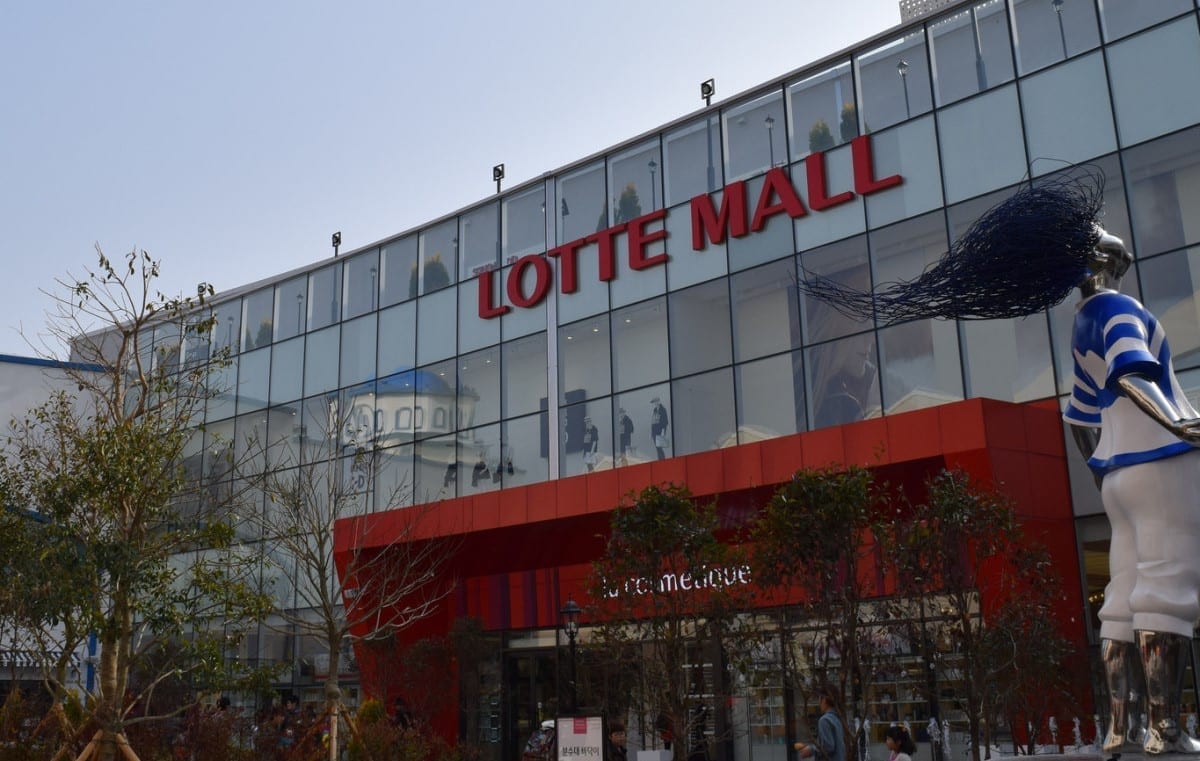
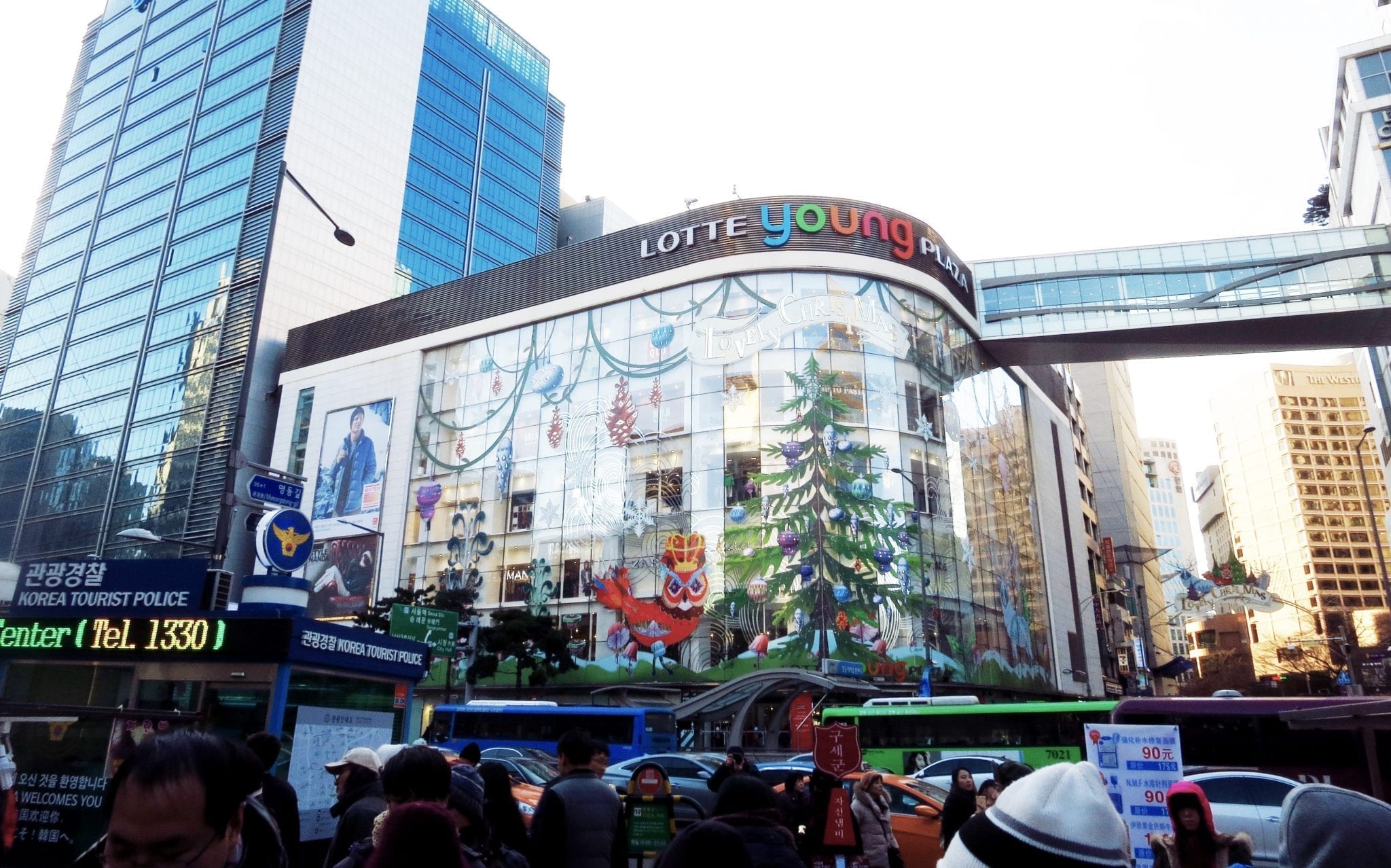
    Hit by fallout from the Korean government’s plan to deploy a US-made missile shield, the Lotte Group is shutting three retail shops near Beijing.

    Korea’s fifth-largest conglomerate, Lotte was hit by a series of regulatory investigations into its China business in December after striking a deal with the Korean government a month earlier to relinquish one of its golf projects to accommodate the anti-missile system.

    South Korean companies have discovered themselves in China’s crosshairs since Seoul’s determination in July to deploy the Terminal High Altitude Area Defence (THAAD) platform, reports News on Hand. Beijing opposes the move, fearing the US will use the platform’s radar to probe deep into Chinese territory.

    Lotte says it has been restructuring its loss-making China enterprise for a few years, but the work has been spurred by the deteriorating bilateral relations because of the THAAD deployment. The retailer has already closed some of its unprofitable outlets in China.

    Lotte has also been opening shops in China, but has put the brakes on this following officials conducting security, tax and other investigations. Having entered the market in 1994, the group has 99 stores and 16 Lotte Super shops in China.

    Also in retaliation to THAAD, Beijing has blocked imports of high-tech bidets and a range of cosmetics, cancelled shows by Korean pop groups and restricted Chinese flights and tourism to Korea.

  • Apple beats Xiaomi in China; Oppo takes lead

    Apple beats Xiaomi in China; Oppo takes lead

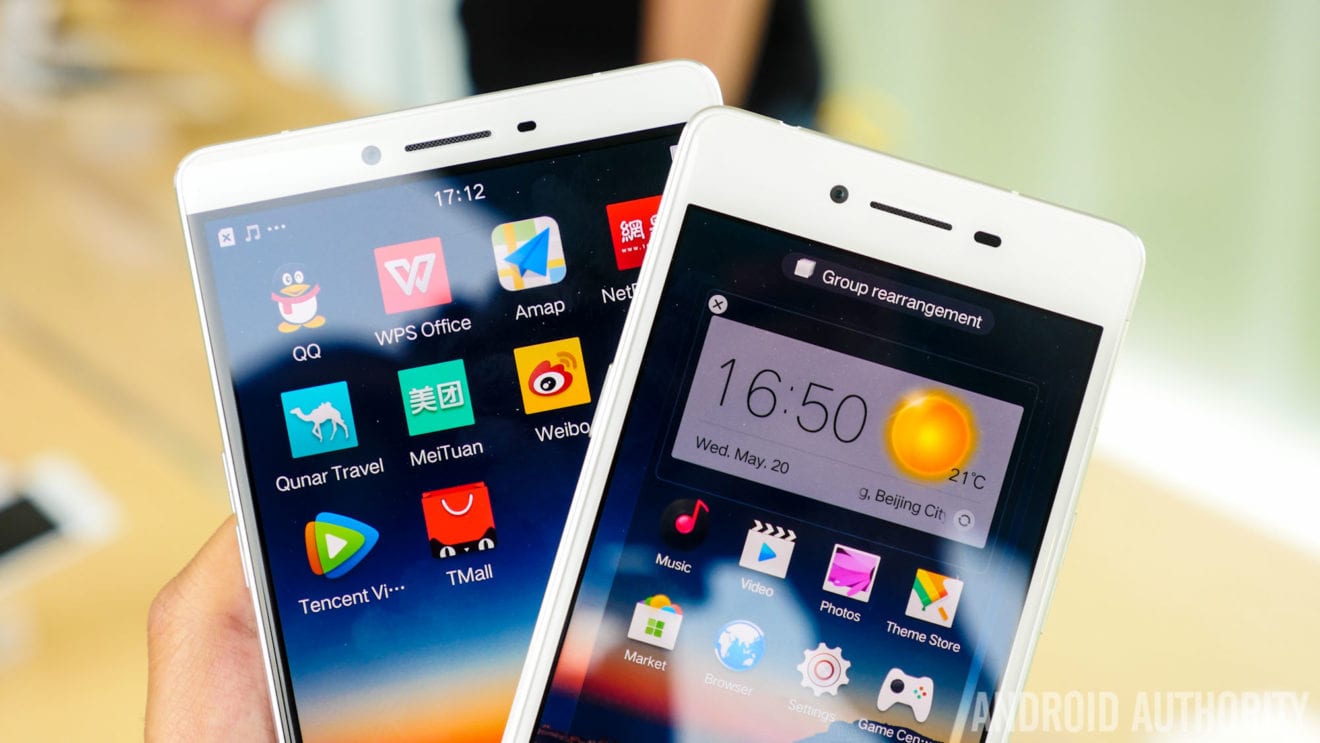
    Apple has finally halted the dream run of Xiaomi in China, the largest smartphone market in the world, edging the Chinese phone giant from the fourth slot by shipping nearly 45 million iPhones to the Communist nation, a report by market research firm IDC said.

    OPPO, Huawei, and Vivo lead other smartphone brands in China in 2016, latest International Data Corporation (IDC) Quarterly Mobile Phone Tracker report said.

    “Xiaomi was China’s hottest phone brand in 2014 and 2015, but it couldn’t maintain the momentum in 2016,” tech news portal CNET quoted IDC data as saying.

    Shipping 41.5 million smartphones, Xiaomi once known as ‘the Apple of China’ was the No. 5 brand in China last year. Apple, which took the fourth slot shipped 44.9 million iPhones to China (vs.58.4 million in 2015), the world’s largest phone market, it said.

    “The big winner was Oppo, which shipped 78.4 million phones more than double the 35.4 million it shipped in 2015. Huawei came in at second, shipping 76 million phones, while Vivo managed to almost double its shipments, going from 35 million in 2015 to 69 million last year,” it said.

    “2016 was the first time ever that Apple saw a YoY decline in the Chinese market. Even though the new black coloured iPhones caught the attention of consumers, overall, the new launches did not create as much of a frenzy compared to the past,” the IDC report said.

    “Despite the decline, IDC does not believe Chinese vendors have actually eaten away Apple’s market share. Most Apple users are expected to be holding out for the new iPhone that will be launched this year, and that will help the brand to see a growth in 2017.”

    “Apple’s 10-year anniversary iPhone will also likely attract some of the high-end Android users in China to convert to an iPhone,” it said.

    Chinese market grew by 9 per cent last year.

    “Most brands are now using a combination of channels to increase their shipments. Xiaomi, previously focused on online channels, has opened more Mi Home stores to drive offline growth. Apple has also been aggressive in increasing its offline retail presence,” it said.

    The top three Chinese brands grabbed a total of 48 per cent of the Chinese market last year.

    Jin Di, a research manager with IDC China, said another reason behind the success of Chinese brands was their willingness to share profits with distribution partners.

    Apple dropped from third in 2015 to fourth in 2016, as shipments to China plunged 23.2 per cent to 44.9 million units.

    Xiaomi was top in 2015, but fell to the bottom of the top-five vendors, with a 36 per cent plunge in sales in China.

    Total smartphone shipment volume in China rose 8.7 per cent to 467.3 million handsets last year.

    The IDC forecast that the volume in 2017 will continue to grow as consumers replace old phones, but that the growth will be slower than 2016.

    Worldwide, the top five smartphone vendors in terms of shipments last year were Samsung, Apple, Huawei, OPPO and Vivo.

  • Lotte may close three retail stores in China’s capital

    Lotte may close three retail stores in China’s capital

    “Three of Lotte Super’s 16 branches in Beijing are considering shut-downs,” said a spokesman for Lotte Mart, which oversees Lotte Super’s overseas business.

    “The final result is scheduled to be announced within this month,” the spokesman added.

    The company denied any connection with the ongoing Terminal High Altitude Area Defense (Thaad) anti-missile system controversy.

    “This is just the result of an annual management checkup,” said the spokesman.

    “The three branches have posted weak operating profits in recent years. This is not the first time we have closed down branches that didn’t generate enough profit. There were shutdowns last year and the year before that as well.”

    Beijing’s hostility towards Korean business in China has been growing over the past three months, and especially to affiliates of Lotte Group, which is providing the land on which the missile defense system will be deployed in Seongju, North Gyeongsang.

    In November, Beijing rolled out unprecedented tax audits and safety check of some 150 factories, storage facilities and store branches of Lotte affiliates, including Lotte Department Store, Lotte Confectionery and Lotte Super. At the time, a group spokesman said it was “unusual” for the Chinese government to conduct inspections simultaneously on multiple affiliates.

    In fact, one of the Lotte sites that was subject to an abrupt safety inspection had been given an award by the local fire department for its first-rate safety systems.

    In the face of such retaliation against its businesses, Lotte Group has been delaying final approval of swapping a golf course, which will be the Thaad battery’s home, for a plot of land in Namyangju, Gyeonggi, currently owned by the Korean military.

    Board members of Lotte International, which owns the golf course, held a meeting on Feb. 3, which delayed a final decision. The company said it would hold another meeting soon.

    Maintaining good relations with the Chinese government is crucial for Lotte because it operates many retail operations in China and gets much of its business in its duty free shops from Chinese customers.

    Lotte Department Store set up a joint venture with China’s state-owned Citi Group in October to advance into Shanghai, a new market for Lotte affiliates. The department store held a business fair on Jan. 20 to attract Korean brands that wish to go into Shanghai.

  • Online shopping in China grows 26.2% in 2016

    Online shopping in China grows 26.2% in 2016

    Online retail sales in China reached 5.16 trillion yuan ($752 billion) in 2016, representing 26.2% growth from 2015—more than double the growth rate of overall retail sales, according to China’s National Bureau of Statistics, the agency charged with tracking economic data. Total retail sales amounted to $33.23 trillion yuan ($4.98 trillion) in 2016, up 10.4% year over year.

    While consumers made 15.5% of their total retail purchases online, the percentage was a bit lower for physical goods, at 12.6%. Overall sales of tangible goods amounted to 4.19 trillion yuan ($610 billion). The remaining nearly $145 billion in retail purchases was of digital goods, such as music and videos.

    The report guarantees China will further extend its lead over the United States as the world’s largest online retail market. U.S. e-retail sales totaled $341.7 billion in 2015, according to the U.S. Commerce Department, and is on track to grow at around 15% in 2016 to around $393 billion. The U.S. Commerce Department will report fourth quarter 2016 and full-year U.S. online retail sales on Feb. 17.

    Helping fuel China’s growth in online retail sales was the rapid integration of stores with online channels, the National Bureau of Statistics says.

    “We expect New Retail, a new form of [online-to-offline sales] promoted by Alibaba and supported by Chinese authorities, will shape the retail landscape for China going forward. Earlier in 2017, Alibaba announced the privatization of Intime Retail Group, which we believe would be a test case for its New Retail strategy. Also, other partnerships between physical stores are Alibaba and Sanjiang, JD.com Inc. and Yonghui Supermarket,” Esme Pau, an analyst at research company Fung Global Retail & Technology, tells Internet Retailer.

    Sales in stores grew 7.8% in 2016, a sizable jump from 5.5% growth in 2015. Specialty stores selling specific brands grew 4 percentage points faster than in 2015, but supermarkets and department stores lost market share, growing about 1.5 percentage points more slowly than in 2015.

    The government agency reported that Chinese consumers bought more premium products in 2016, including sporting goods, sport utility vehicles and electric automobiles. For example, sales of mobile devices grew nearly 12% in 2016. Online sales of food in China went up 28.5% in 2016 over the prior year, clothing sales increased 18.1% and sales of other goods rose 28.8%, the National Bureau of Statistics reported.

    The growth in online and offline retail reflects a still-healthy Chinese consumer economy, despite a slowdown in recent years. China’s gross domestic product grew by 6.7% in 2016, overtaking India, which registered a 6.6% increase in GDP, as the world’s fastest-growing major economy, according to the data released recently by The International Monetary Fund.

    Chinese consumers are fulfilling some of their demand for premium products by buying imported goods online. The number of Chinese consumers who purchased overseas products on Tmall Global, an online marketplace for imported goods, more than doubled in 2016, according to Tmall Global operator Alibaba Group Holding Ltd. Amazon.com Inc., one Alibaba’s main rivals in China, reported earlier that as of the end of August 2016 Chinese consumers had placed more than 10 million orders on the cross-border e-commerce shopping area of Amazon.cn, which launched in 2014.

  • Growth for Coach China

    Growth for Coach China

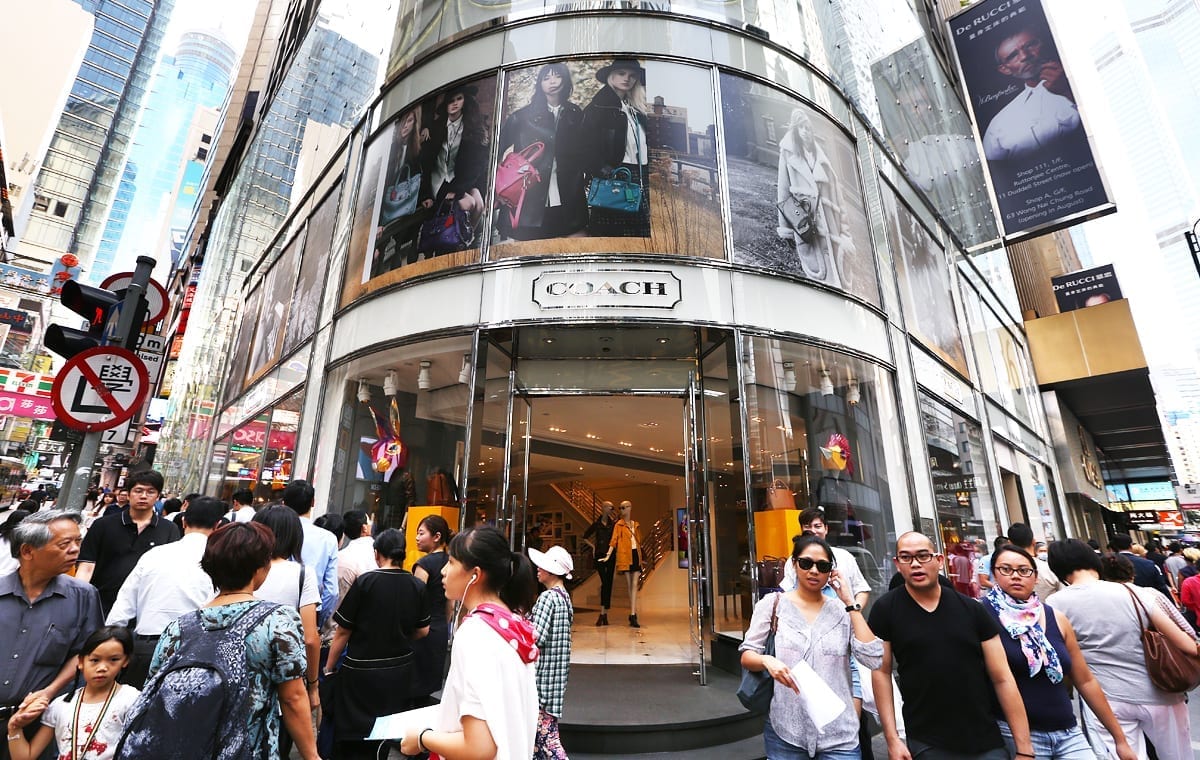
    New York design house Coach reports “notable strength” in Mainland China while reporting its second-quarter results for the quarter ended December 31.

    Coach China sales were roughly even but increased 6 per cent on a constant currency basis when the impact of the strong US dollar was removed. In addition, there was a “significant” improvement in the quarter for Hong Kong and Macau.

    “We are both pleased and proud of our performance this holiday season, particularly in light of the challenging and volatile global retail environment,” says CEO Victor Luis, noting that China represents “significant opportunities” for its brands.

    “And, despite our deliberate pullback in the North America wholesale channel as well as currency headwinds, we delivered double-digit earnings growth in the quarter. ”

    Second-quarter net sales totalled $1.32 billion for the second fiscal quarter, an increase of 4 per cent over the same period the previous year, including a benefit of 40 basis points related to currency translation.

    Gross profit totalled $906 million, up 5 per cent. Gross margin for the quarter was 68.6 per cent compared to 67.4 per cent in the year-ago period, while net income for the quarter was $200 million.

    Net sales for the Coach brand totalled $1.20 billion for the quarter, an increase of about 2 per cent. This included international sales of $440 million, up 3 per cent.

    Continued strength

    This growth was driven in part by positive comparable-store sales overall with continued strength in Mainland China.

    In Japan, sales rose 9 per cent in dollar value, but eased 2 per cent in constant currency, impacted by a lower Chinese tourist spend.

    Sales eased for the group’s other directly-run businesses in Asia.

    Gross profit for the Coach brand rose 4 per cent to $830 million. Gross margin for the quarter was 69 per cent, including about 30 basis points of benefit from currency. This compared to 67.7 per cent for the quarter in the previous year.

    Net sales for the group’s Stuart Weitzman brand reached $118 million for the quarter compared to $94 million in the same period the previous year. This 26 per cent improvement was driven by strong growth in the brand’s direct channels, and was positively impacted by a wholesale shipment timing shift from the first quarter.

    Gross profit for Stuart Weitzman rose 26 per cent to $76 million, while gross margin was even at 64.3 per cent.

  • Chinese businessman Jack Ma reveals what China really wants from Australia

    Chinese businessman Jack Ma reveals what China really wants from Australia

    Alibaba chairman Jack Ma was the guest of honour at an opening ceremony for a regional headquaters of the Chinese e-commere company, in Melbourne on Saturday. “We succeed by helping others, by being helped by others. We succeed because we empower the small business,” Jack Ma told the audience.

    “So our vision in the next 20 years, we want to create 100 million jobs for the world and we want to serve two billion population of the world and we want to make 10 million small businesses profitable on our platform,” he added. He stressed that Alibaba had a global vision for its business, saying “we believe globalisation is the future.” The newly opened office in Melbourne will serve as Alibaba’s Australian and New Zealand headquarters.

    China’s second richest man, Jack Ma, who is the founder of online retail giant Alibaba, said at the opening of the first Australian and New Zealand branch of his company in Melbourne that Australia had something “unique” that China was willing to spend big bucks on.

    “Australia is a gold mine. The next gold mine,” Mr Ma said in Melbourne on Saturday.

    “The clean water, the soil and the air, this is what you have, the most unique asset.”

    With China’s pollution problem, there’s no question as to why China would want to suck up some of Australia’s environment.

    China’s “airpocalypse” has seen the country’s pollution hit toxic levels and a blanket of smog the size of Victoria covered Beijing at the end of last year.

    People are seeing this as an opportunity in Australia to export our air to China.

    Currently New Zealand uses Alibaba, basically the Chinese version of Amazon, to sell fresh air to Chinese consumers.

    Oxygen Air bottles the air in aerosol cans and sells them for about $25.

    In Australia, up to $1 million worth of air has been bottled and Alibaba could be another opportunity for air farmers to expand their business.

    Air is being bottled in the Blue Mountains, Bondi Beach and the Yarra Valley.

    Green and Clean company director John Dickinson told the Herald Sun there was a high demand from people in China and India, who hoped the fresh air might clear their lungs.

    “A lot of people see the product as a supplement to clean their lungs out with fresh Australian air,” he said.

    There are also a number of other Australian products high in demand on the Alibaba site. One of them belongs to Gold Coast woman Brynly King, who expanded her business in her garage — turning it into a multi-million dollar company.

    Banaban Virgin Coconut Oil products are now on the shelves in some department stores in China and a number of other countries, all because she started selling on Alibaba.

    Alibaba has become the world’s largest retailer since 1999 and debuted on the New York Stock Exchange in 2014, becoming the biggest IPO in history.

    Mr Ma went from a struggling schoolteacher to a man who is worth $43.6 billion and he said all it took was hard work and created his company to give small businesses the opportunity to put their products in front of consumers.

    Whether you’re a mum and dad making soaps in the garage or a millennial with an invention, Mr Ma aims to give people a place where they can sell, and gives people a chance to buy.

    Ma has a long interest in Australia, it started when he was a 15-year-old living in China, and he would hang around western hotels so he could practise his English with tourists.

    He met an Australian family from Newcastle and from there realised what the country had to offer, particularly in a business sense.

    Many Australian small businesses have put their products on Alibaba to sell to China, and made a motza, like Ms King.

    Mr Ma said China has been long known for making products but he said the country needed high quality products and service and didn’t think China today could produce that.

    He said China will work with other nations, like Australia, to move from manufacturing to domestic consumption.

    There have been concerns that Alibaba could accelerate globalisation, the process of countries integrating into one because of an interchange of world views, culture and products.

    Mr Ma doesn’t buy into that.

    “Globalisation does not create problems, it shares culture and should always be inclusive. It is the future,” he said.

    Australia is the fourth highest seller on Alibaba and Mr Ma believes the Australian office will connect more people to consumers in China and boost our exports.

    Alibaba accounts for 60 per cent of China’s sales and Australian shoppers would have most likely heard of Aliexpress, which is one of Alibaba’s market places that is English and rivals eBay.

    It sells everything from fast fashion, phone accessories and camping gear.

    Mr Ma believes the Australian branch of Alibaba will boost trades in both Australia and China.

    The Australian and New Zealand branch of Alibaba will be headed by Maggie Zhou, who was the 48th person employed at the company which now gives jobs to millions.

    Ms Zhou said she would introduce new Australian brands to the Alibaba platform.

    “A physical Alibaba headquarters is a key step in ensuring Australian businesses have the support and information they need to succeed in China and the rest of the world,” she said.

    “Longer term, Alibaba Group’s vision for the ANZ region is to build the entire operating infrastructure needed to enable local businesses to expand globally.”
  • Etro China opens store in Shanghai mall

    Etro China opens store in Shanghai mall

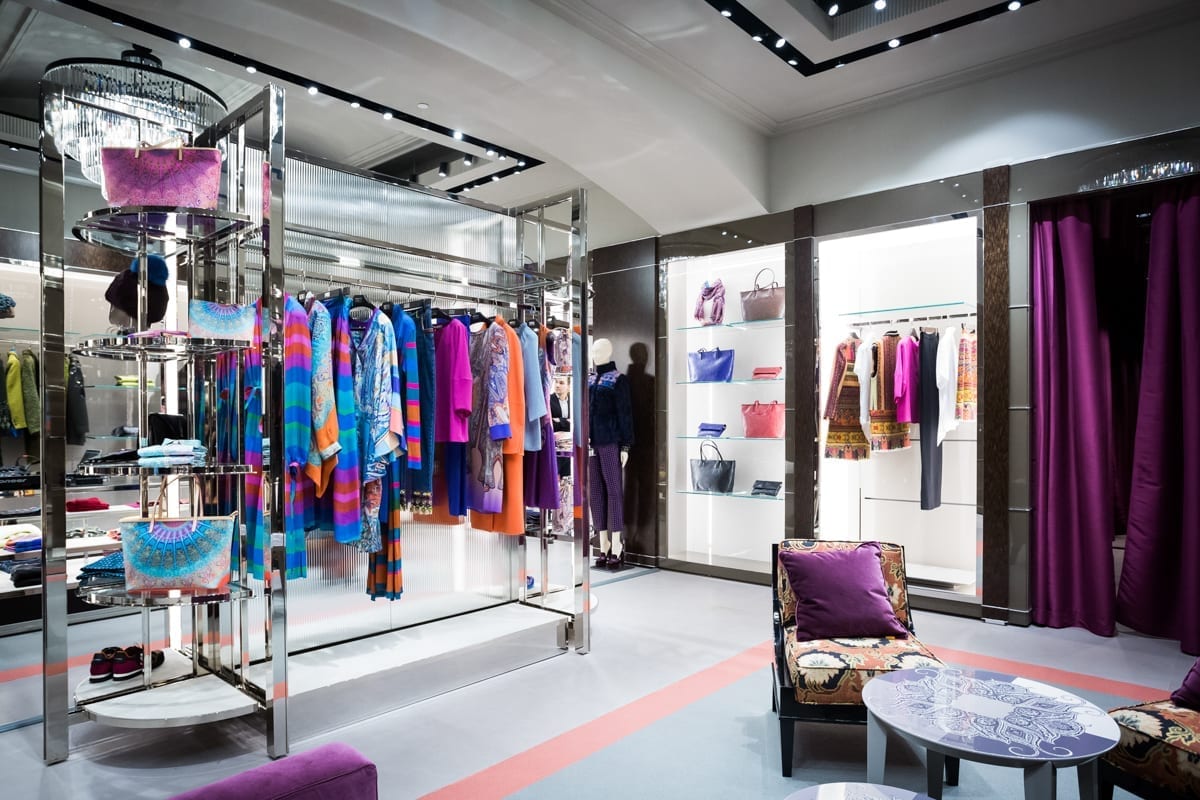
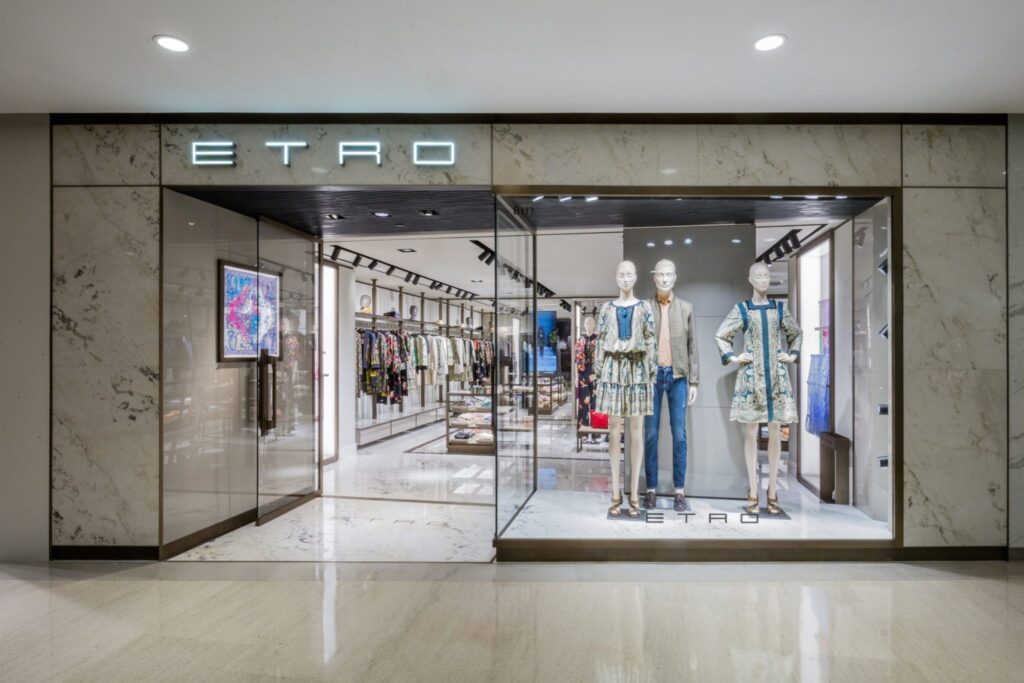
    Italian luxury house Etro China has opened a store in Shanghai’s Plaza 66 mall.

    Covering more than 150 sqm, the store features both men’s and women’s clothing and accessories collections as well as the brand’s latest retail design concept, reports CPP-Luxury.

    Founded in 1968, Etro is a family-owned fashion house with its headquarters in Milan. As well as China, it has outlets in Japan and South Korea.

    Etro Plaza 66


  • China tourism revenue up 16 percent over Lunar New Year

    China tourism revenue up 16 percent over Lunar New Year

    China’s tourism industry saw revenues of 423.3 billion yuan ($61.55 billion) during the recent Lunar New Year festival, up 15.9 percent against last year, the China National Tourism Administration (CNTA) said late on Thursday.

    The rate of growth, driven by 344 million domestic tourist trips, was, however, slightly slower than the 16.3 percent rise seen in the corresponding year-ago period. Trips abroad over the period increased more moderately with around 6.15 million outbound Chinese tourists, up around 7 percent, CNTA said.

    China’s tourism industry is key to the country’s shift towards a more services-driven economy and is a useful indicator of the strength of consumer spending. The domestic sector raked in 3.9 trillion yuan in 2016, which Beijing wants to raise to 7 trillion yuan by 2020, official news agency Xinhua said.

    China’s retail and catering firms saw sales over the week-long holiday of around 840 billion yuan, the commerce ministry said in a separate statement, up 11.4 percent over 2016.

    Lunar New Year in China is closely watched as it marks a spike in tourism and retail spending as millions of people return home or go on vacation domestically or overseas.