Tag: China

  • Spending power to back China’s growth in 2017

    Spending power to back China’s growth in 2017

    Consumer spending will continue to grow at a healthy pace in 2017 as the country moves quickly toward a consumption-driven economy, analysts have said.

    Market observers estimated the country’s consumption will grow at an annual rate of 10 percent in 2016 and 2017, a key driver of overall growth eclipsing investment and exports.

    Consumption has played an increasingly important role in stabilizing the world’s second-largest economy, with its contribution to GDP growth up from 50.2 percent in 2014 to 71 percent in the first three quarters of 2016.

    Li Yang, an expert with the Chinese Academy of Social Sciences, expected retail sales in China to increase by 10 percent to reach 33.1 trillion yuan in 2016. Consumption will contribute 73 percent of GDP growth, the highest level since 2001.

    Consumption data in the fourth quarter of 2016 is slated to be released on Friday.

    China has embarked on a historic rebalancing from exports and investment to consumption in order to boost the economy’s potential amid volatile global conditions.

    China’s fast-growing middle class has become a key driver of consumption growth as they seek more expensive and premium brands and spend more on high-quality goods and services.

    According to research by the Economist Intelligence Unit (EIU), a think tank, the proportion of the population earning upper-middle and high incomes in China will expand from 10 percent to 35 percent by 2030.

    Gao Yuwei, an analyst with Bank of China’s research department, estimated retail sales will grow at around 10.2 percent in 2017, with spending on healthcare, telecommunications and high-end products rising rapidly.

    To encourage the spending potential of wealthy families, Chinese authorities are considering reducing tariffs of imported goods, which typically cater to the demands of the upper-middle class.

    In the past, Chinese consumers tended to buy foreign premium brands overseas to avoid high customs duties, which usually account for at least 15 percent of the full price.

    The Ministry of Commerce is creating policy to further reduce import tariffs for high-end consumer goods, expand categories of duty-free products, and open more duty-free malls to guide consumption back to China.

    With consumption becoming a key engine of growth, experts warned the slowing growth of personal income could restrain spending power.

    China’s economy grew 6.7 percent in the first three quarters of 2016. Analysts have forecast China’s 2016 annual growth to remain at 6.7 percent, significantly faster than the growth rate of other major world economies.

  • Four strategies of China’s top 10 e-commerce apps

    Four strategies of China’s top 10 e-commerce apps

    Pushing advertisement online and offline has been the typical strategy of China’s e-commerce giants to bring in customers, explaining why e-commerce sector is one of the toughest battlegrounds for freshly born startups since they have little money to spend on advertising. However, the trend is changing.

    As startups like Bolome, combining live streaming into cross-border e-commerce, and Yitiao, a WeChat public account-based e-commerce platform with high-quality content and storytelling around their handmade products, even the e-commerce behemoths are following the trend of live streaming and content marketing. Of course, Chinese e-commerce giants were not lazy on their investment and M&A to consolidate the market.

    Seeing the ranking, Alibaba stayed competitive in its forte, e-commerce sector. Alibaba’s C2C e-commerce platform Taobao ranked first, its B2C e-commerce platform Tmall ranked second, its second-hand retailer ranked seventh, and its electronics retailer Suning ranked the eighth. The report was jointly published by Cheetah Global Lab, Cheetah’s big data platform libra and 36kr.

    China’s e-commerce market will get even bigger, with a boost from the Chinese government. Online retail sales could reach 10 trillion yuan in 2020 as the country’s online population will pass 1 billion, growing by 7.8 percent a year from 2015, according to the 2016-2020 e-commerce development plan released by the Ministry of Commerce and other government departments. The e-commerce market will employ over 50 million people by the end of 2020, according to the plan.

    Screen Shot 2017-01-26 at 10.01.45 AM

     1. Live Streaming

    Taobao, JD and Mogujie added live streaming to their platform. Online celebrities live stream and recommend products on the video, and shoppers can click on the link while watching the video to buy the featured product.

    Online celebrities, mainly female broadcasters in their 20s and 30s, try on brand cosmetics and clothing at home. Online celebrities in overseas countries visit the local supermarket and explain each product while putting them in the cart and visit the local cosmetic shop to get further explanation of the cosmetic product from the clerk.

    2. Content is king

    Some e-commerce platforms added content-reading features to their apps, such as Taobao Headlines (淘宝头条) and JD Findings. Since Alibaba’s content cannot go on WeChat public accounts, Alibaba had no option but to come up with a content service on its e-commerce platform to encourage their customers to get to know more about their products.

    Vipshop is a Guangzhou-based online discount retailer for brands in China. After listing on New York Stock Exchange, the company reported its revenue up 38.4% YoY to 12 billion RMB (1.8 billion USD) in the third quarter of 2016.

    3. Consolidating the market using M&A and investment

    Some e-commerce companies showed consolidation. Hangzhou-based Mogujie now takes control of its previous rival Meilishuo (ranking 20th in the list) through a stock swap in January last year. Ranking 5th in the list, Mogujie was founded in 2011 by a former Alibaba engineer.

    Suning is an electronic product focused retailer in China. The company invested in Eight Days, an e-commerce startup targeting university students to get a grip of post-95 consumers in April 2016.

    4. Focusing on the second-hand market

    Xian Yu (meaning Idle Fish), a second-hand e-commerce has risen from no.10 to no.7. Alibaba spent 15 million USD to acquire Xianyu in March 2016. The customers can use their smartphones to run their stores, and add promotional voice recordings to sell their products, which makes the app more like a social app.

    Other e-commerce companies include Zhe800 and Juanpi. Pinduoduo is an e-commerce company invested by James Mi, the co-founder and managing director of Lightspeed China Partners.

  • Shang Xia launches airport strategy

    Shang Xia launches airport strategy

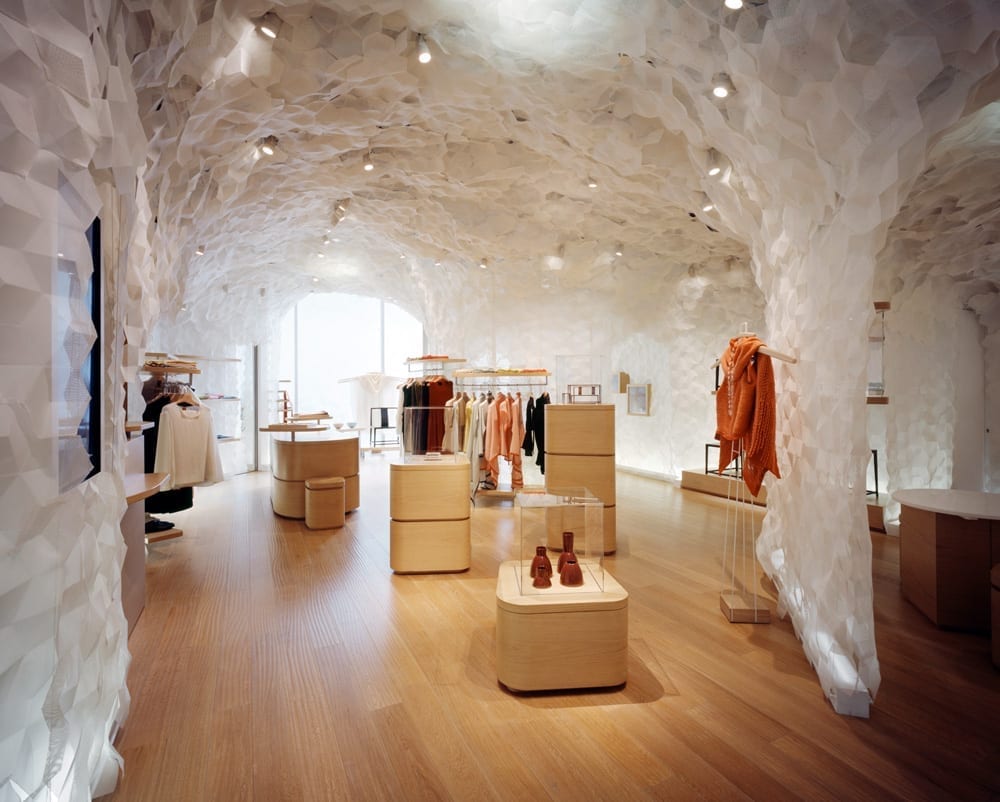
    Backed by Hermes, Chinese lifestyle, home and fashion brand Shang Xia plans to open standalone boutiques at Hong Kong, Beijing and Heathrow international airports over the next five years.

    Shang Xia’s VP of travel retail for Asia Pacific, Tina Priscilla Tam, says she believes travel retail is the ideal channel to communicate the brand’s message to travellers who “value and appreciate the beauty of the culture”, .

    “Shang Xia strives to preserve China’s fading traditions of craftsmanship and re-evaluates the tradition in the context of contemporary lifestyles,” says Tam.

    “China’s great heritage of technical ingenuity shimmers with potential. Wooden furniture, bamboo woven on porcelain, cashmere felt, eggshell porcelain … these remarkable materials are transformed by the CEO and creative designer Qionger Jiang. Her inspiration embodies both beauty and utility.”

    Tam says the translation of Shang Xia, “as above, so below”, is simple but profound. “It speaks of heritage and construction, of intangible bridges that link tradition and the present, east and west, art and lifestyle, human and nature.”

    She says travel retail is a window to the world, considered by some brands as “a sixth continent”, and Hong Kong International Airport is perfect for a standalone boutique because it offers exposure to international tourists.

    “It is a place where ‘east meets west’, reflecting the cultural mix of the territory’s Chinese roots with an influence of foreign cultures. It is a good standpoint for the brand to transmit the message of beautiful Chinese heritage and tradition to the world.”

    The brand already has boutiques in Paris, Beijing and Shanghai. Through a partnership with the Shankong Group in Taiwan it opened two shop-in-shop concept stores in August, with the next step being Hong Kong in January.

    “We focus not only on destinations for Chinese travellers. We review destinations and partners who understand the brand and share the same core values.”

    A Shang Xia standalone store will open at Beijing Airport’s Terminal 2 next year, building on its success at Shanghai’s Hongqiao Airport. It will carry ready to wear, costume jewellery, teaware and homewares.

  • Australian Wine to China

    Australian Wine to China

    Australian wine exporters expect to receive a profit boost from this week, with a further reduction of tariffs to China now in effect.

    China is now Australia’s biggest export market for wine — worth almost half a billion dollars.

    Gemtree vineyards in McLaren Vale, near Adelaide, is confident its 2016 shiraz is a good match for the Chinese market.

    The winery has a Chinese joint venture, and was one of the first to crack the market seven years ago.

    Growth has since stabilised, but from this week exporting to China may be more profitable, with tariffs down to 5.6 per cent.

    The free trade agreement has led to a staged tariff reduction from 14 per cent, hitting zero in 2019.

    “China’s now our biggest market, so this is a great chance to increase our profits,” Tony Battaglene from the Winemakers’ Federation said.

    The Chinese export market grew 50 per cent last year and wine exporter Kandy Xu said her business had also doubled.

    “[In the] beginning we exported about two containers per year, but now from last year we export 15 containers,” she said.

    She said Chinese consumers had developed a wine drinking culture and Australia was now China’s biggest supplier.

    “We’ve got around 24 per cent, 25 per cent of their market ahead of France. We’re now beating the old world at their game so that’s a really good outcome for us,” Mr Battaglene said.

    According to winemakers, about 1.8 million tonnes of grapes were crushed for wine last year in Australia.

  • Qantas Launched Beijing Flight

    Qantas Launched Beijing Flight

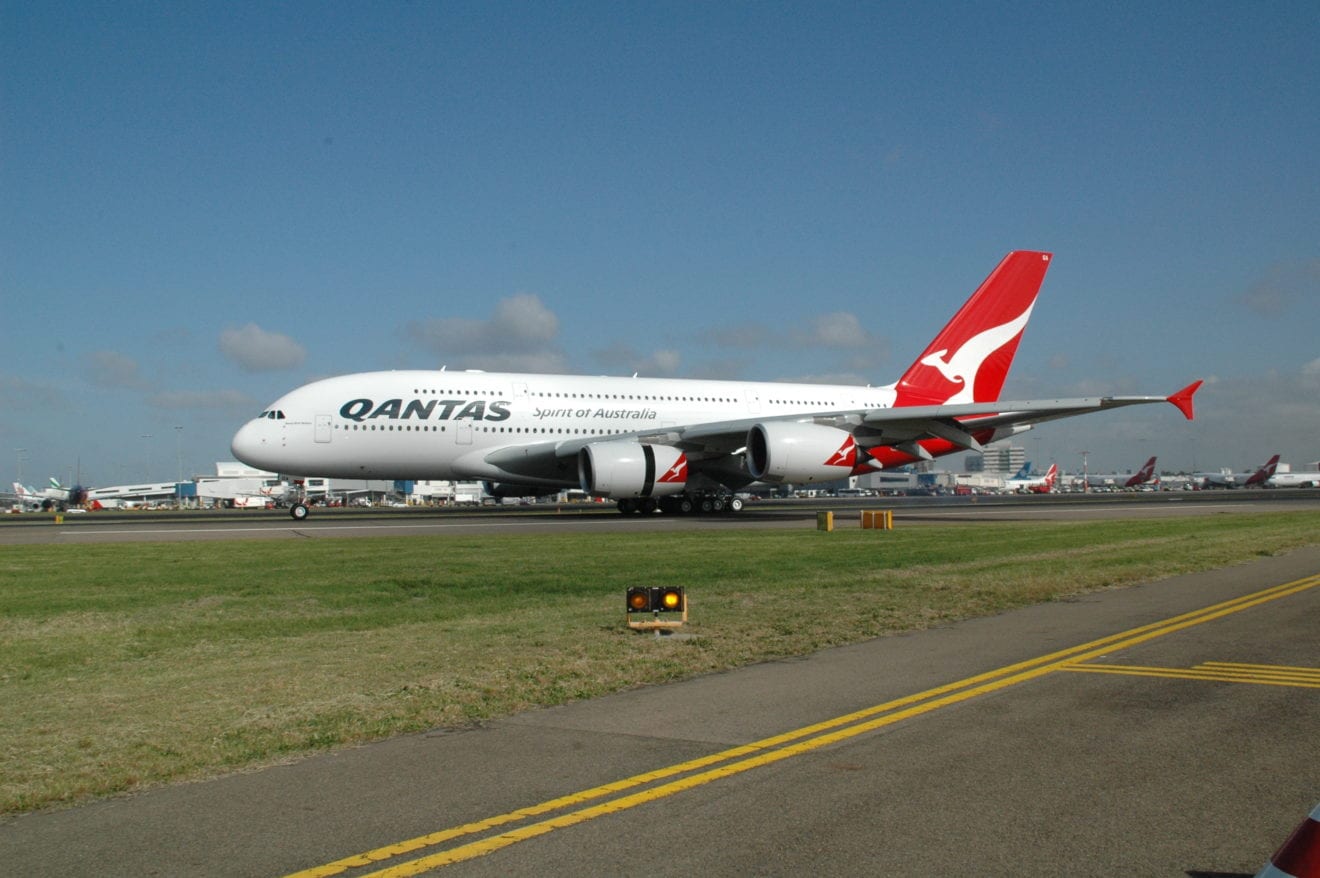
    The new flight is operated daily with an Airbus A330-200. “It’s the perfect time for Qantas to fly to Beijing,” said Alan Joyce, CEO of Qantas. “The China-Australia Free Trade Agreement is hitting its stride and China is on track to become the number-one source of visitors to Australia within the next year or so. What’s really exciting is the potential we see for the future. We now have the Qantas Group’s biggest-ever network in Greater China, and our goal is to make our Beijing route a flagship corridor for tourism and trade.”

    The airline also flies to Hong Kong from Brisbane, Melbourne and Sydney, and to Shanghai from Sydney. It suspended flights to the Chinese capital in 2009.

    The schedule for the new flight is as follows.

    QF107

    SYD 13:50

    22:40 PEK

    QF108

    PEK 00:15

    14:55 SYD

  • China cuts retail fuel prices again

    China cuts retail fuel prices again

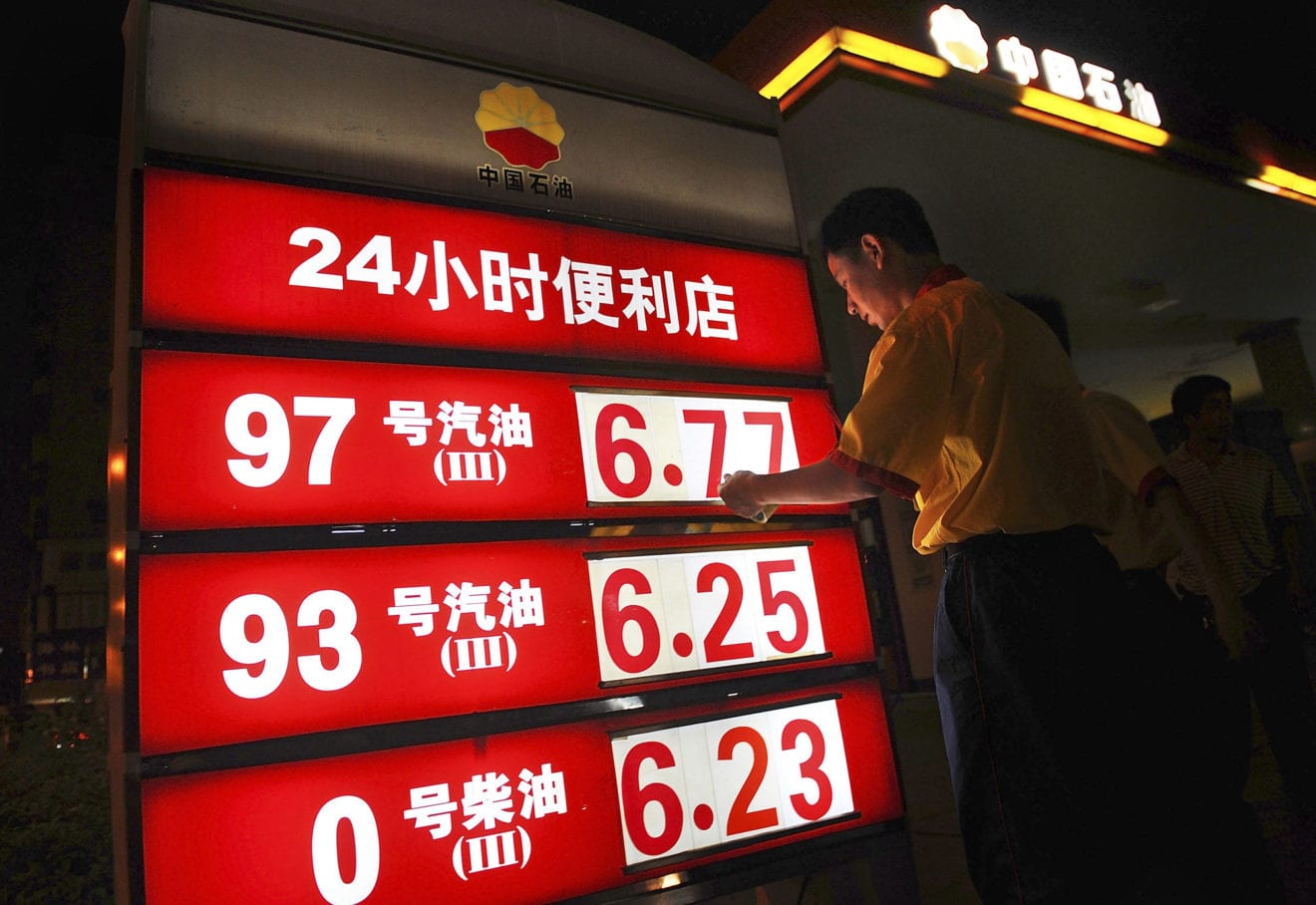
    China will cut the retail prices of gasoline and diesel for the first time this year as international oil prices fell, the country’s top economic planner said Wednesday.

    Both gasoline and diesel prices will be reduced by 70 yuan ($10.2) per tonne starting Thursday, according to the National Development and Reform Commission (NDRC).

    Analysts attributed the lower international oil prices to recovery of drilling activity in the United States and a stronger US dollar.

    Under the current pricing mechanism, if international crude oil prices change by more than 50 yuan per tonne and remain at that level for 10 working days, the prices of refined oil products such as gasoline and diesel in China will be adjusted accordingly.

  • Bacardi kicks off major CNY promotion in Asia Pacific

    Bacardi kicks off major CNY promotion in Asia Pacific

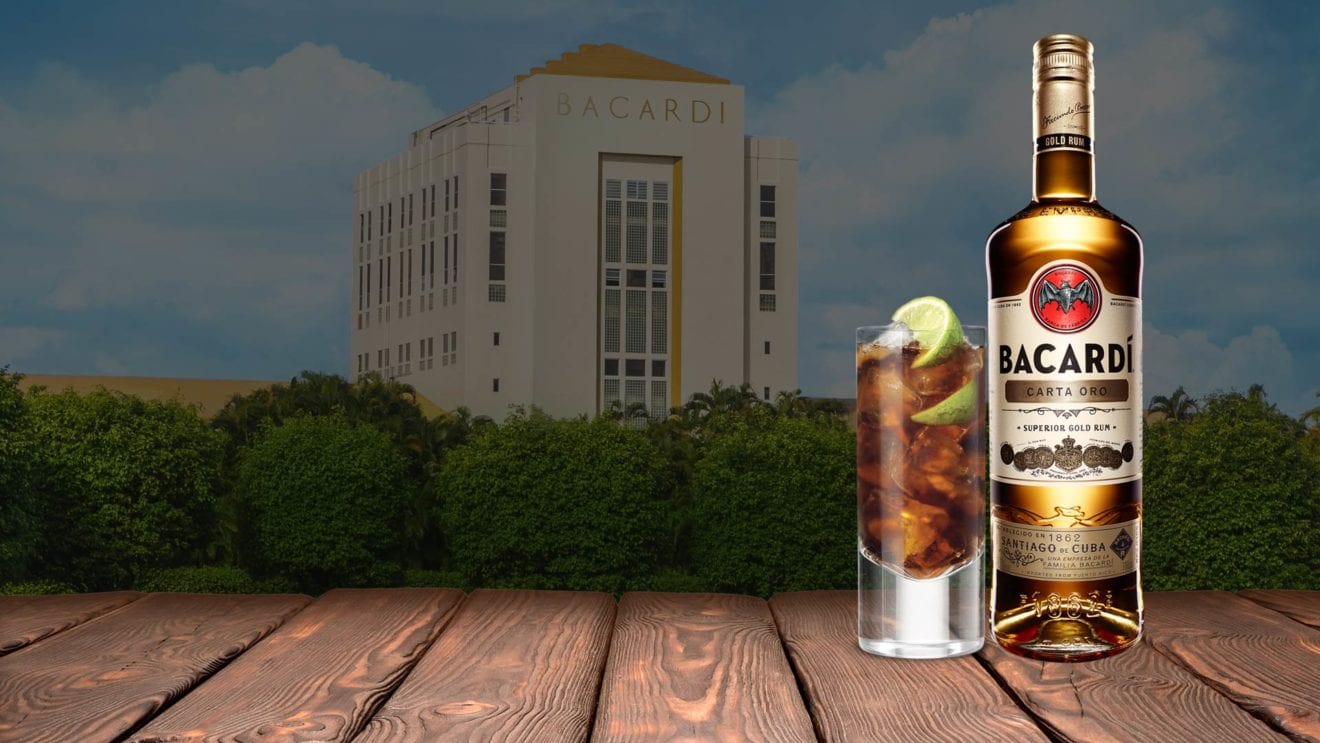
    Bacardi Global Travel Retail is running a major Chinese New Year (CNY) campaign at 11 airport and border crossing locations in six countries across the Asia Pacific region, in a three-month campaign running to March.

    Highly prominent CNY branded activations are now running at airport locations such as: Shanghai and Beijing airports with Sunrise; at Sydney with Heinemann; at Brisbane and Perth airports with JR/Duty Free; at Kuala Lumpur with Eraman and Heinemann; at Seoul with Lotte and Shilla; with Flemingo in Colombo Sri Lanka; Lo Wu and Lok Ma Chau with Anway and Zhuhai land border crossing with Cheer Signal.

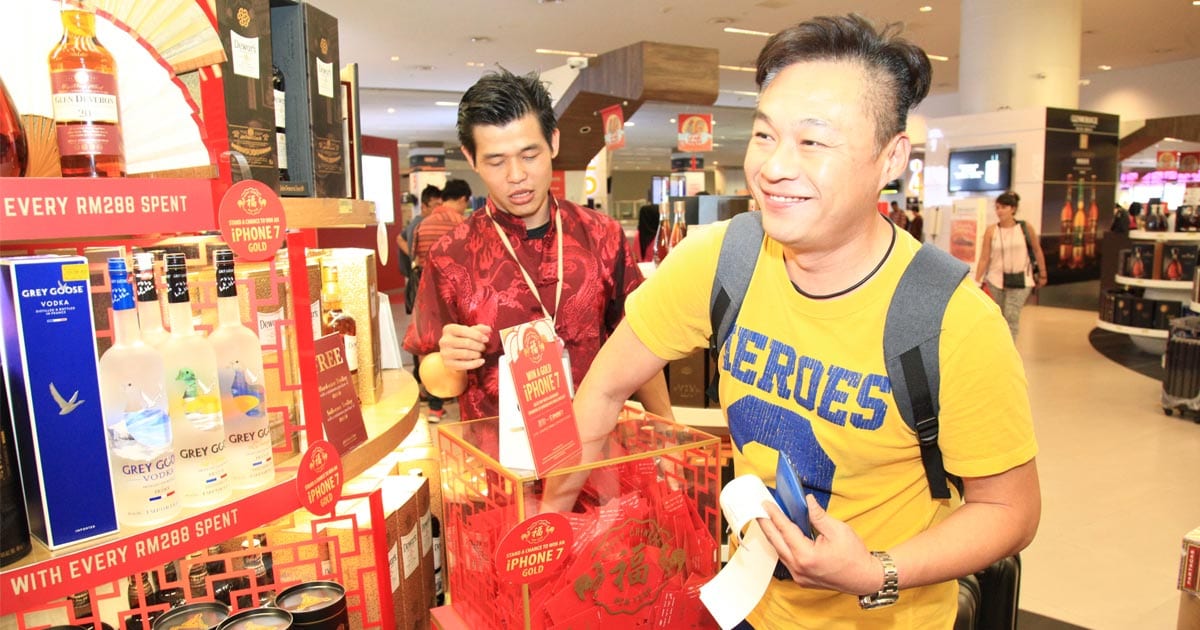
    Part of the campaign involves the offering shoppers the chance to win a range of prizes. Shoppers spending a certain amount (location specific) on Dewar’s whiskies and single malts are invited to try their luck in an Instant Win Lucky Dip by selecting a lucky red envelope to reveal their prize.

    Prizes range from travel-size bottles of spirits in the Bacardi portfolio, travel accessories and top prizes of an Apple Watch or Apple iPhone 7 Gold 32GB (location specific).

    The campaign focuses on the Dewar’s blends portfolio and its single malts Craigellachie, Aberfeldy, Royal Brackla, Glen Deveron and Aultmore as well as Baron Otard cognac.

    BENEDICTINE DOM AT CHANGI AIRPORT

    In addition Benedictine Dom is a key focus with DFS at Singapore Changi with an exclusive, limited edition ‘Good Luck’ gift tin. Sampling is also being made available.

    Vinay Golikeri, Regional Director Asia Pacific, Middle East and Africa, Bacardi Global Travel Retail comments: “We want to make the Chinese New Year period our biggest yet with this shopper engagement campaign across key airports and border crossings in the region.

    “We are focusing on encouraging Chinese travellers to try our brands, especially with our premium whisky portfolio. The extended New Year period is a prime opportunity to engage and connect our brands.”

    Bacardi-GTR-CNY-2017-social-image

    A customer digs for buried envelopes at Kuala Lumpur Airport.

  • Australian E-Commerce Looks to China for Global Growth

    Australian E-Commerce Looks to China for Global Growth

    Chemist Warehouse is geared up to target its online Chinese consumer market this weekend, by supporting the Melbourne Chinese New Year 2017 Festival with a Tai Chi Masterclass Series in Southbank, to celebrate the Year of the Rooster.

    In 2015, the pharmacy chain announced its plans to directly target the burgeoning demand for Australian complementary medicines in China, via its e-commerce website hosted on online retail giant Alibaba’s Tmall platform, projecting $88 million in sales in 2016 via the offering. in China.

    A part of Alibaba Group, Tmall Global is an e-commerce platform developed for international sellers to access Chinese consumers. China’s online shoppers interested in products from a specific country can go to an online country pavilion and access the country that way.

    The strong demand for high quality Australian products in China was one of the factors which drove Swisse and Blackmores to be one of the highest performing Australian brands during Alibaba’s 11.11 Singles Day last year, China’s largest e-commerce shopping event.

    The Pharmacy Guild of Australia, along with other Australian health and wellbeing suppliers, have been asked to attend China’s inaugural Health Product Expo in Qingdao in March this year, which is expected to attract over 60,000 visitors, 7,000 of which are industry buyers.

    Through online shopping, Australian products have found a lucrative channel into the economic powerhouse of China.

    Woolworths set up shop on Tmall Global a year ago, aiming to tap burgeoning Chinese consumer demand for Australian food and grocery products.

    Australia’s largest supermarket retailer engaged with Chinese e-commerce company eCargo Holdings, to build and manage a Woolworths store front the Tmall platform, selling rougly 80 products including Woolworths’ Select and Woolworths Gold milk powder, Swisse vitamins and Devondale milk powder.

    In April last year, one of our largest cosmetics online retailers Adore Beauty, backed by Woolworths (who have 25 percent stake in the company), announced its expansion into the Chinese market by selling its beauty products through Tmall.

    Adore Beauty’s Tmall offering features 50 products, including six popular Australian brands that are currently not available in China, namely Lanolips, Alpha-H, ELEVEN, asap, evo and Skinstitut.

    As off last year, cross border e-commerce in China now favours cosmetic imports, with the tax rate, if the purchase is above 100 yuan, now set at 32.9 percent, compared to 50 percent previously.

    Kate Morris, founder of Adore Beauty says the Chinese market is an exciting and huge prospect for the company, especially in light of China’s demand for our high quality Australian products.

    On a broader perspective, the company recently told us that 2017’s growth strategy is to expand its footprint globally, with China being an important part of that vision.

    Adore Beauty now offers thousands of products to more than 150 countries and territories via its Borderfree e-commerce platform.

    Which Australian products are most popular in China?

    According to Startrack, the most popular Australian product categories in the Chinese market are supplements, dairy, honey, food, skincare and cosmetics, maternity and baby products.

    Why sell to China?

    “China’s middle class is booming. And they want to buy Australian products. Aussie produce is considered clean, green, authentic – Australian retailers are already meeting this growing demand,” says Startrack. 

    According to the e-commerce and parcel delivery company, here are the six most important factors why China is such a great economic powerhouse for our e-commerce industry:

    • China’s middle class is booming
    • Chinese incomes are rising
    • Chinese consumers are shopping more than ever before
    • And most importantly, they want to buy Australian products

    Wine is another up and coming e-commerce market fro Australia to coin in on, in the Chinese market. According to a new report that came out yesterday from the Australian wine industry, our local wine exports are seeing major gains in the Asian market due to changes in our free trade agreement with China.

    If we go back three years, this time, Australia was losing major market share in the global wine industry, mainly to New Zealand and Chile. The reason being, these countries had a free trade agreement with China, but Australia did not.

    Things have changed, and with that has come rapid revolution of the Australian wine market. In 2016 the value of our wine market grew by 7 percent to $2.2 billion, driven by big increases in bottled wine. Exports to China grew by 19 percent to $ 875 million, which overtook the US as our most important wine export market.

    Online wine retailer Vinomofo looks set take advantage of this, with plans to launch into the Chinese market by 2018, which will follow its US launch planned for 2017.

    Following the success of their launch in New Zealand six month ago, the company launched in Singapore last month, which it says will help set it up for its big US expansion, and then China.

    “We’ll start in English, but we will then localise the content. We’ll have plenty of leanings from our Singapore launch, and learning how to operate in a different country. As a startup launching in a different country, we’re always aware that we have to assume that we’re pretty dumb and we have to learn hard about all these things,” Andre Eikmeier, Vinomofo’s co-founder and joint chief executive, told us at the Singapore launch.
  • China leads growth ins smartphone market in Q3

    China leads growth ins smartphone market in Q3

    Three Chinese vendors — Huawei, Oppo and BBK Communication Equipment — jointly accounted for 21% of the smartphones sold to end users globally in Q3 of 2016.

    The trio were the only smartphone vendors in the global top five to increase their sales and market share during the quarter, according to Gartner.

    “China led the growth in the smartphone market in the third quarter of 2016,” said Anshul Gupta, research director at Gartner. “Sales of smartphones in China grew by 12%, and the vendors who most successfully exploited the sales opportunities there were Oppo and BBK Communication Equipment.”

    In Oppo’s case, 81% of its smartphone sales came from China, while BBK accounted for 89% of smartphones sales in China. These two vendors also grew strongly in India, Indonesia, Malaysia, Thailand and Russia.

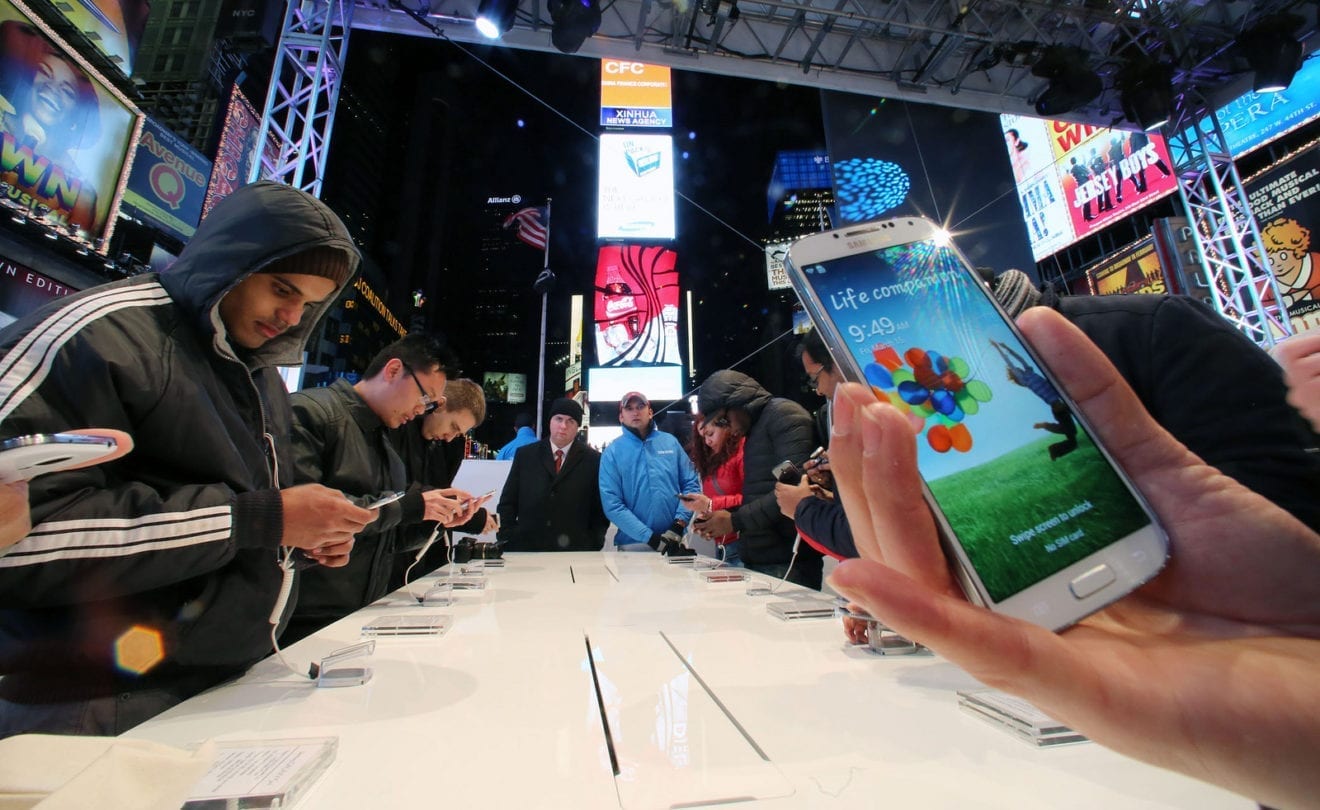
    Global sales of smartphones to end users totaled 373 million units in the third quarter of 2016, a 5.4% increase over the third quarter of 2015. However, overall sales of mobile phones fell by 1.3%, largely due to the declining popularity of feature phones.

    Samsung had a good start to the quarter, but the battery problem that caused some Galaxy Note 7 smartphones to catch fire led to lower sales of the company’s high-end and high-profile line of Note products.

    Samsung’s smartphone sales in the third quarter of 2016 as a whole declined 14% year over year — their worst performance ever. Samsung’s previous worst performance for smartphone sales was a 12% drop in the fourth quarter of 2014.

    Apple’s iPhone sales continued to fall in the third quarter of 2016, with a 6.6% decline. Apple accounted for 11.5% of the global smartphone market, its lowest share since the first quarter of 2009.

    Huawei is closing the gap with Apple. In the third quarter of 2016, there was less than a three percentage point difference in market share between them in the smartphone market.

  • Amusing concept in newest Gentle Monster flagship

    Amusing concept in newest Gentle Monster flagship

    Korean eyewear retailer Gentle Monster is creating jaw-dropping retail executions across Asia and beyond.

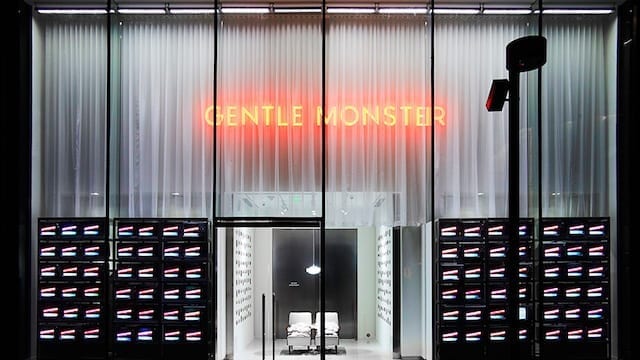
    The images accompanying this story are of the equally unique Beijing flagship store, located in the Sanlitun retail precinct.

    gentle-monster-beijing-flagship-9

    Each Gentle Monster flagship features a completely different design format, inspiration and execution – it is the utmost opposite to traditional retail chains’ cookie-cutter store design approach as is possible.

    gentle-monster-beijing-flagship-10

    “I wanted the products to look as if they were being exhibited,” explains Hankook Kim, founder and CEO of Gentle Monster. And so the in-store concepts have become something of a calling card for the brand.

    gentle-monster-beijing-flagship-7


    As Australian retail consultant Brian Walker observes in a column on disruptive retailing, every retail store in their ecosystem is completely different; from ‘Platform’ in Hong Kong; designed like a train carriage, to ‘L’Artisan’ in Shanghai and ‘Secret Apartment’ in Beijing.

    gentle-monster-beijing-flagship-5

    “Each store is a three-dimensional still life, with its own back-themed story.”

    Gentle Monster was founded in 2012 after a chance meeting between Kim and Korean serial entrepreneur Jae W Oh at an English summer camp in Seoul a year earlier. Oh took a liking to Kim and invited him to come up with a concept worthy of his cash.

    gentle-monster-beijing-flagship-3


    “When I first began looking into eyewear and researching the market, I found that it was a very union-controlled industry that was not explored as an artistic form,” Kim said in a recent interview with The Business of Fashion.

    gentle-monster-beijing-flagship-6

    And so a brand was born. Kim identified an opportunity to create oversize spectacles for Asian consumers, for whom having a small face is a compliment. “There were no competitors for oversize glasses, which make heads look smaller.” Asians also require eyewear with a low bridge. “Eyewear was all about the Western facial structure.”

    gentle-monster-beijing-flagship-4

    He found a factory in Daegu abandoned by Luxottica who shifted production to China, and another plant in China where he could produce acetate frames (illegal to manufacture in Korea).

    Gentle Monster’s rise has been swift. In 2014 the brand achieved revenues of US$40 million, predominantly in Korea and China. That figure grew four-fold to $160 million the following year, with figures for 2016 not yet revealed.

    gentle-monster-beijing-flagship-2

    The brand’s frames range in price from a little over $200 for an entry-level pair, to $500+ for something more exotic. Like its stores, its frame designs are often unusual – or even “strange” as The Business of Fashion observed.

    gentle-monster-beijing-flagship-1

    Flush with success of its eyewear range, Gentle Monster is now deciding which other categories to expand into.

    “Gentle Monster started out as an optical company, but the goal is to make it a creatively disruptive corporation,” says Kim. “Brand really is the genuine tool.”

  • China Mobile, Ericsson, Mobike trial IoT in Shanghai

    China Mobile, Ericsson, Mobike trial IoT in Shanghai

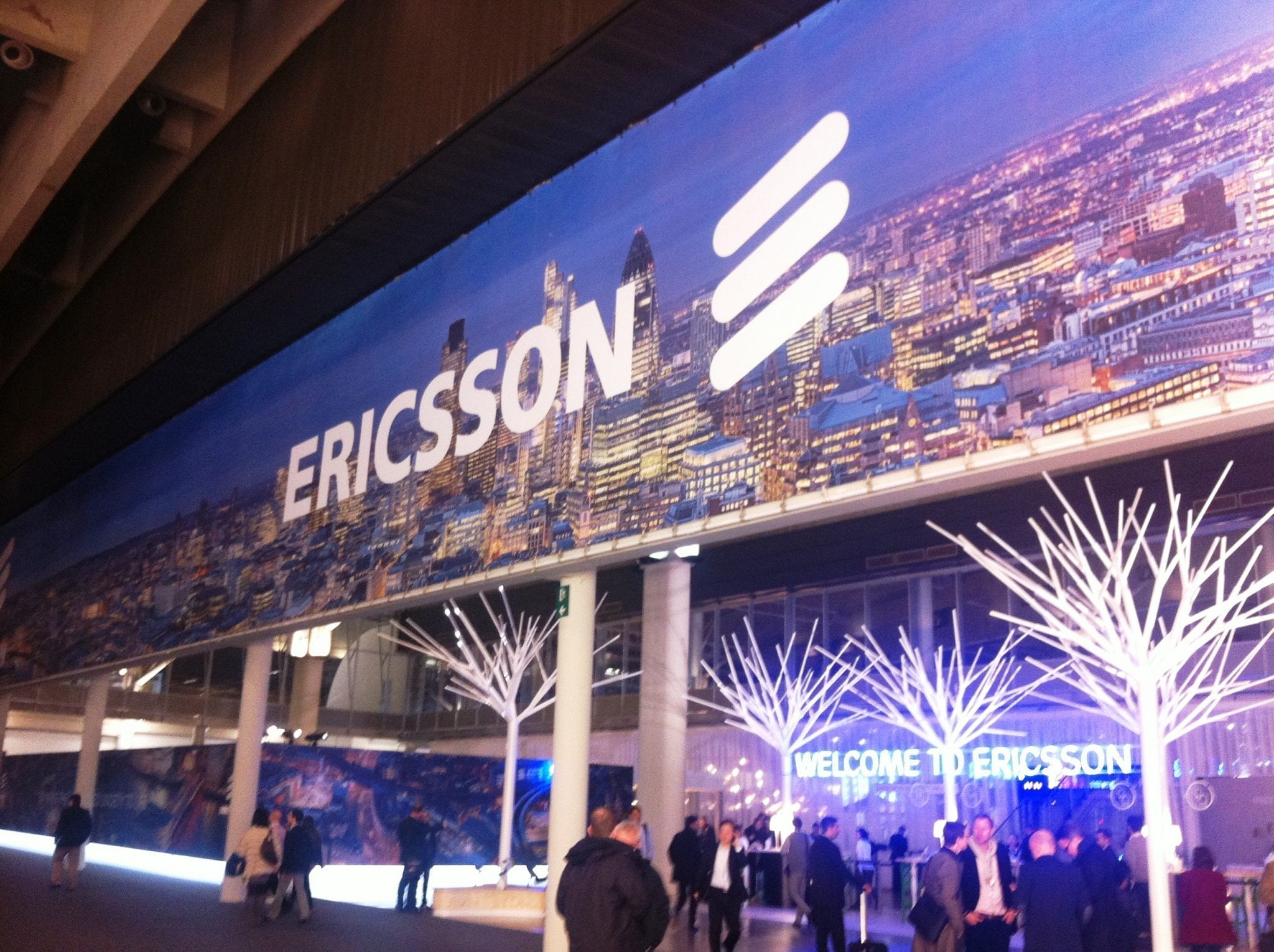
    China Mobile Shanghai  has teamed up with Ericsson and bike-sharing service startup Mobike to conduct a cellular IoT trial on the Chinese operator’s live network in Shanghai.

    During the trial, Ericsson’s latest cellular IoT technologies were used to more accurately locate the IoT-enabled bikes of Mobike, providing a more convenient and enhanced bike-sharing experience to Mobike’s users.

    Coverage areas were also extended to places that traditional mobile coverage can hardly reach, such as underground parking lots. The new technologies will also significantly reduce the time to unlock the bikes and users will enjoy “open upon scanning” without waiting.

    Mobike vice president Yang Zhongjie said latest cellular IoT technologies like CAT-M1 and NB-IoT will greatly enhance the user experience in the future and solve existing challenges encountered by Mobike such as coverage in difficult locations.

    “We also expect Chinese operators to complete the nationwide deployment of cellular IoT as early as possible,” Yang added.

    New cellular IoT technologies provide better coverage and faster response time with narrower bandwidth and fewer resources than mobile technology. They also bring energy-saving and deep-coverage features which enable five-to-seven-fold coverage improvements for operators in the same site environment. The battery life also extends to more than 10 years.

    The successful trial marks an important step forward in the large-scale commercial deployment of cellular IoT in China, Ericsson said in a statement.

    China Mobile and Ericsson recently signed an IoT agreement as part of China Mobile’s Big Connectivity strategy.

  • First Starbucks roastery coming to Shanghai in 2017.

    First Starbucks roastery coming to Shanghai in 2017.

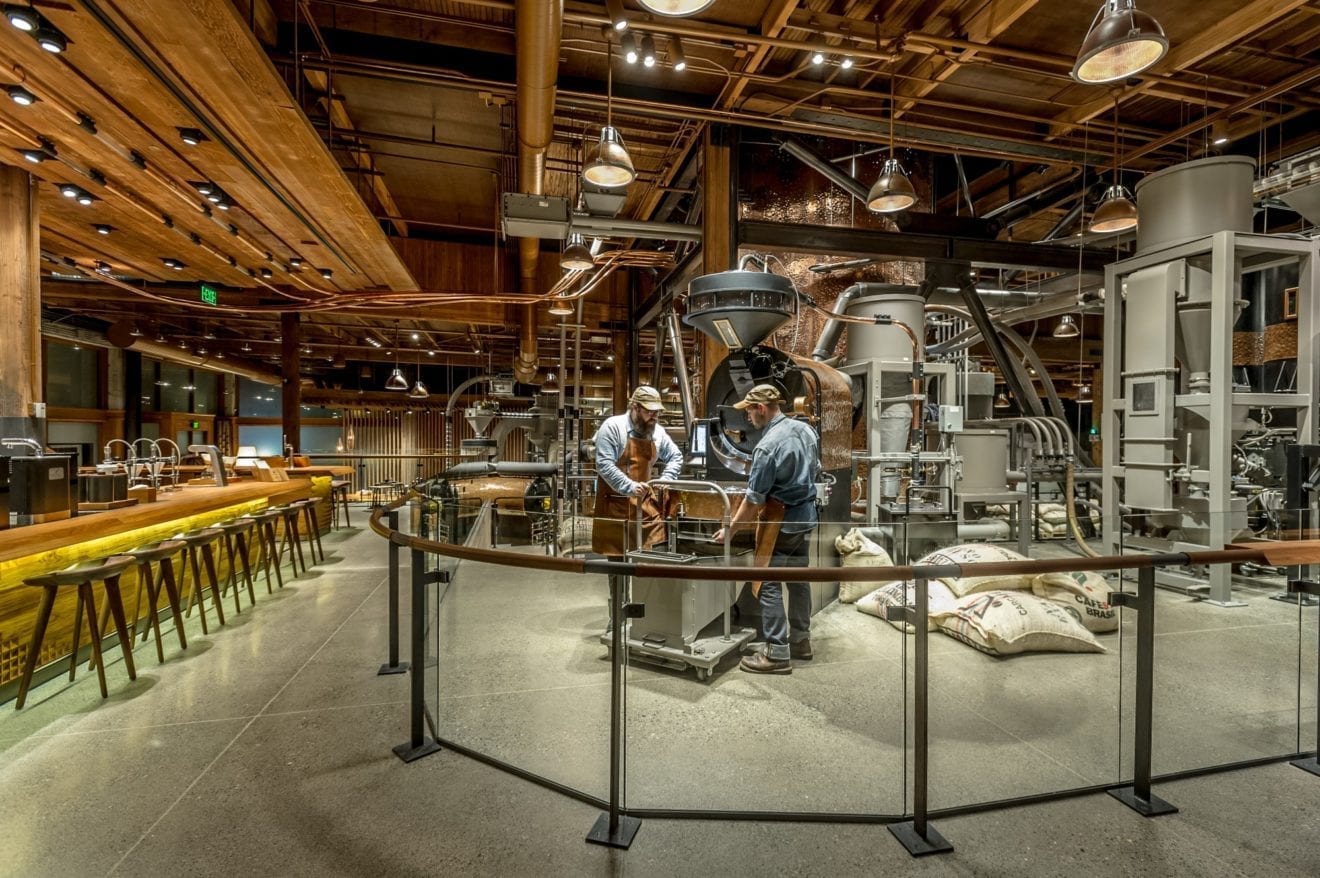
    Located along Nanjing Road (West), one of the world’s busiest shopping destinations, the Roastery will be part of the soon to be built HKRI Taikoo Hui Project, Shanghai’s newest premium world-class retail, office, and hotel area.

    Scheduled to open in late 2017, the new Starbucks Roastery and Tasting Room in Shanghai will be inspired by the first location that debuted in December 2014 in the company’s hometown of Seattle, Washington. The 2,700 square-meter (30,000 square-foot) Shanghai space will reflect a similar, immersive all sensory experience.  This interactive, retail environment will allow customers in China to better understand the craft of roasting and brewing a range of Starbucks coffees including the rare, limited availability of Starbucks Reserve coffees from around the world.

    “China represents the most important and exciting opportunity ahead of us. As our first international Roastery, we will take even bolder steps to make this Shanghai location our most stunning store, while making it completely unique and relevant to the Chinese customer,” said Howard Schultz, chairman and chief executive officer of Starbucks. “The Starbucks Roastery environment honors coffee innovation as a modern day Willy Wonka experience, where customers are only feet away from the theatre and artistry of our coffee craft. I am confident this will be one of the most highly-anticipated store openings in our international markets.”

    China is, today, Starbucks largest international market with more than 2,100 stores across over 102 cities, including 55 Starbucks Reserve® stores. The new Roastery represents Starbucks 45-year relentless pursuit for coffee excellence and promises to bring to China an unparalleled experience that starts with the passionate Starbucks partners. Exclusively at the Roastery, customers will be able to watch freshly-roasted beans arrive, connect with Starbucks coffee specialists and master roasters, enjoy a unique beverage and food menu, as well as savor some of the most unique, small-lot coffees brewed multiple ways. Starbucks believes this revolutionary retail concept will make the new Roastery one of the city’s latest and most iconic must-visit lifestyle destinations and landmarks, for Shanghainese and visitors from China and around the world.

    The Shanghai Jing’an Government has given Starbucks their full support to bring this first-of-its-kind coffee retail experience that combines coffee roasting, manufacturing, education and retail within a single facility in China. Following a meeting with Starbucks global leaders, Shanghai Jing’an Party Secretary, Mr. An Lusheng, and Shanghai Jing’an Mayor Mr. Lu Xiaodong reiterated: “The new Jing’an is focused on developing high-end commercial sectors, establish new developmental goals for a modern cosmopolitan city, and encourage new retail innovations within our district. The government fully supports this pioneering retail experience and initiative from Starbucks.”

    The Starbucks Roastery will be part of the HKRI Taikoo Hui complex, developed jointly between HKR International Limited and Swire Properties Limited, who are fully committed to launch this pioneering project with sustainability and quality at its core. The revolutionary retail experience of the new Starbucks Roastery will be located within a standalone semi-circle building of the complex that faces the bustling Nanjing Road (West), known as China’s Number One Commercial Street, due to its deep history and rich cultural heritage, which is set to become the most anticipated business and lifestyle destination in Shanghai.

  • Apple sues Qualcomm in China over technology fees

    Apple sues Qualcomm in China over technology fees

    Apple has filed suit in China challenging Qualcomm’s fees for technology used in smartphones two years after Chinese regulators fined the chipmaker for its licensing practices.

    Two lawsuits filed by the iPhone maker accuse Qualcomm of abusing its control over essential technology to charge excessive licensing fees, a Beijing court said on its microblog. It said Apple reports suffering 1 billion yuan ($145 million) in “economic losses” and asks for 2.5 million yuan ($360,000).

    Most of Apple’s iPhones and other products are assembled in China by contractors.

    Apple filed a similar complaint on Jan. 21 in U.S. federal court in San Diego, California, accusing Qualcomm of demanding royalties for innovations on iPhones that have nothing to do with Qualcomm’s technology. The U.S. lawsuit seeks $1 billion in damages.

    The U.S. Federal Trade Commission also has filed a lawsuit accusing Qualcomm of imposing unfair licensing terms on manufacturers.

    Qualcomm, headquartered in San Diego, said in a statement it had not seen Apple’s complaint to the Chinese court but defended its fees. The company said Apple rejected terms consistent with those accepted by more than 100 Chinese manufacturers.

    Qualcomm agreed to change its licensing after Chinese regulators fined the company 6 billion yuan ($975 million) in 2015 on charges it abused its control over technology to charge excessive fees.

    In a separate statement, Apple complained Qualcomm demands royalties for phone features that nothing to do with its technology.

    “For many years Qualcomm has unfairly insisted on charging royalties for technologies they have nothing to do with,” said the Apple statement.

    It also accused Qualcomm of withholding nearly $1 billion in payments due to Apple, headquartered in Cupertino, California, in retaliation for cooperating with investigations by regulators in the United States, Europe, South Korea and Taiwan.

    Qualcomm said its fees were consistent with changes worked out with Chinese regulators.

    “These filings by Apple’s Chinese subsidiary are just part of Apple’s efforts to find ways to pay less for Qualcomm’s technology,” said Don Rosenberg, executive vice president and general counsel of Qualcomm, in the statement.

    South Korean regulators last month fined Qualcomm $853 million for violating antitrust laws, a decision Qualcomm is fighting.

  • Alibaba posts strong third quarter results

    Alibaba posts strong third quarter results

    E-commerce giant, Alibaba, posted a 54 per cent rise in third quarter revenue ending December 31, 2016, raised its outlook and announced it would step up investments to expand its cloud and digital ventures.

    Alibaba reported a revenue of RMB53.2 million (US$7.67 million), an increase of 54 per cent year-over-year. Revenue from core commerce increased 45 per cent year-over-year to RMB 46.6 million (US$6.7 million). Revenue from cloud computing increased 115 per cent year-over-year to RMB1.7 million (US$254 million). Revenue from digital media and entertainment increased 273 per cent year-over-year to RMB4.1 million (US$585 million). Revenue from innovation initiatives and others increased 61 per cent year-over-year to RMB845 million (US$122 million).

    “Our robust December quarter demonstrates the strength of the Chinese consumer and Alibaba’s ability to create value across our vast ecosystem,” said Daniel Zhang, Alibaba Group CEO.

    “The 11.11 Shopping Festival featured Alibaba at its best, integrating commerce, entertainment and social engagement, all happening globally at record scale,” Zhang said. “We are driving the age of ‘New Retail,’ which leverages big data and innovation to provide a seamless online and offline experience for nearly half a billion mobile monthly active users. This retail transformation will make it even easier and more efficient for brands and retailers to engage with these consumers anywhere, anytime.”

    Maggie Wu, Alibaba Group CFO, said with the three quarters of the year coming in ahead of their expectations, they have adjusted their 2017 fiscal year revenue growth outlook from 48 per cent to 53 per cent year-over-year.

    “This quarter we generated US$4.9 billion in free cash flow on a non-GAAP basis1, enabling us to continue investing in growth areas globally, including cloud computing, digital media and entertainment and innovation initiatives, as well as core commerce,” Wu said.

    Håkon Helgesen, retail analyst at Conlumino, said while Alibaba’s revenue numbers are flattered by the integration of the Lazada business, this was, nonetheless, another robust quarter for the online giant, and one that exceeded initial forecasts.

    “All parts of the business pulled their weight, although the international division stormed ahead with stellar growth of 288 per cent over the prior year,” Helgesen said.

    The 11.11 Global Shopping Festival, which is a giant day-long online sale, made a healthy contribution to growth: this year $17.8 billion of merchandise was sold over 24 hours.

    “In our view, the event is a testament not only to Alibaba’s reach within China and, increasingly, the wider world – but also to its ability to create engaging experiences which excite and stimulate consumers,” Helgesen said. “In essence, the day was as much a social event – with online and virtual reality games – as it was an opportunity to sell product.”

    Helgesen said part of Alibaba’s efforts to create a more holistic shopping experience involve going beyond one-dimensional e-commerce by tying their platforms to physical retail.

    “We welcome this initiative and liken it to Amazon’s push into bricks and mortar,” he said. “However, like Amazon, Alibaba does not just want to play in the physical space – it wants to reinvent the shopping experience by using data and technology. So far, good progress has been made with an equity stake being taken in Sanjiang Shopping Club (a neighborhood grocery chain in China), and an offer to acquire a controlling stake in Intime Retail Group (which runs department stores and owns shopping centers in China).”

    Away from the domestic business, Alibaba’s international side continues to do well.

    “Here, Alibaba’s role as a facilitator for Western brands wanting to sell into China continues to be a major advantage and a significant source of growth,” he said. “In short, Alibaba provides a shortcut for retailers looking to expand and grow in China. The opportunities for Alibaba to expand its operations and platforms into foreign markets is also sizeable, although we maintain our view that over the next year the company will stick to countries where e-commerce is less developed. This will help it to maximize returns.”

    “In summary, we retain our opinion that Alibaba is a solid, and highly disruptive, retailer.”

  • Seven & I plans to triple China network

    Seven & I plans to triple China network

    While Japanese retailer Seven & I, which owns the 7-Eleven brand, has seen sales sliding, it plans to triple its network of supermarkets and department stores in China.

    The company aims to capitalise on the high growth in Sichuan province to grow its general merchandise store network there to 20 outlets by 2020.

    Its local subsidiary will increase its Ito Yokado-branded stores to 10 in the region, while one Ito Yokado supermarket will open in southern Chengdu next year with plans to launch as many as 10 locations in the city by 2020, says Ito Yokado head of Chinese operations Tomohiro Saegusa.

    Ito Yokado will also set up a company to sell Japanese products online, aiming for sales of ¥10 billion (US$85.7 million) by 2020. The company may use the free trade zone planned by Sichuan province.

    Meanwhile, group total sales continued to slide for a second consecutive quarter for Seven & I, which owns the 7-Eleven brand. Its third-quarter sales fell by 1.4 per cent to ¥7909 billion. However, its operating profit improved by 5 per cent for the quarter ended November 30.

    With more than 19,000 stores, 7-Eleven Japan has achieved continued growth. Total sales grew by 5.5 per cent to ¥3422 billion and operating profit reached ¥187.1 billion for its latest nine months, up 4 per cent year-on-year.

    Seven & I says 7-Eleven’s product strategy has largely driven its success. The retailer captured expanding demand for ready-made take-home meals, spurred by a rise in dual-income and elderly households. Private-label products rake in more than ¥10 billion in sales a year, showing the benefits of scale.