Tag: China

  • m1nd-set reveals Chinese arrivals shopping behaviour

    m1nd-set reveals Chinese arrivals shopping behaviour

    The eyes of the travel retail industry are turning eastwards in 2017, with the planned opening of new arrivals duty free shops across many Chinese airports and border stores. m1nd-set has announced the results of recently-conducted research on the shopping behaviour of Chinese travellers. The findings provide a deeper understanding of travelling consumer preferences and behaviour of perhaps the world’s most sought-after shopper.

    Peter Mohn, owner & CEO, m1nd-set: “We see that it will be increasingly vital for retailers to provide a different shopping experience to woo the Chinese travellers. This will mean brands and retailers will need to work closer than ever together on providing location-specific travel retail exclusives and an improved, more unique shopping experience in order to retain the Chinese travellers spend in the duty free shops outside China.”

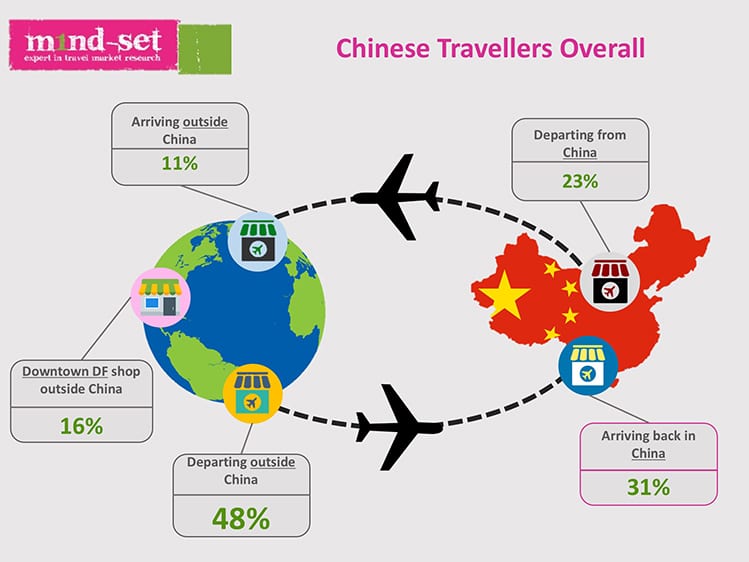
    The research was carried out among over 2,000 Chinese travellers in December 2016, and reveals what they say will influence them to purchase at the arrivals shops in China and why they would prefer to shop abroad. Convenience, quality and value for money are among the main reasons for suggesting they would rather shop on arrival back in China; language and ease of communication was another. A number of Chinese travellers still feel the products will be more affordable outside China, which is one of the main reasons for choosing to shop at the departure store on the return leg. Reassurance that the products will be authentic is another key motivator to purchase outside China.

    When asking the Chinese travellers where they would prefer to shop when the various arrivals shops have opened later this year, almost half of them said they would still favour purchasing at the departure airport duty free shop on the return journey, while only a third would purchase on arrival in China. One in five travellers indicated they would favour the departure duty free shop on their outbound trip. The findings also show that business travellers express a stronger preference to purchase at departure shops on both their outbound and return trips, as well as on arrival at their destination, than other segments. Their inclination to purchase on arrival back in China, however, is lower than the average.
    m1nd-set has announced the results of recently-conducted research on the shopping behaviour of Chinese travellers. The research was carried out among over 2,000 Chinese travellers in December 2016, and reveals what they say will influence them to purchase at the arrivals shops in China and why they would prefer to shop abroad.

    m1nd-set has announced the results of recently-conducted research on the shopping behaviour of Chinese travellers. The research was carried out among over 2,000 Chinese travellers in December 2016, and reveals what they say will influence them to purchase at the arrivals shops in China and why they would prefer to shop abroad.

    “While brands stand to gain from the increased sales outlets and the ease for Chinese travellers to purchase in their home country on arrival, retailers outside China will be showing concern for the potential lost business if Chinese travellers shift their purchasing decisions to the arrivals shops back home,” comments Peter Mohn, owner & CEO, m1nd-set. “We see that it will be increasingly vital for retailers to provide a different shopping experience to woo the Chinese travellers. This will mean brands and retailers will need to work closer than ever together on providing location-specific travel retail exclusives and an improved, more unique shopping experience in order to retain the Chinese travellers spend in the duty free shops outside China.”

    Hear more from Peter Mohn, owner & CEO, m1nd-set, at the 26th Airport Commercial & Retail Conference & Exhibition, hosted by Aéroport Nice Côte d’Azur and taking place on 3-5 April 2017 at the Hyatt Regency Nice Palais de la Méditerranée. Mohn is participating in the First Working Session “Is there a big problem in the airport retail space? Are conversion rates and yields performing far below expectations?” His defining presentation will provide a detailed analysis of the real financial performance of airport retail at a representative range of major and regional airports. With the average per passenger spend being €10.38, Mohn will consider the question of what
  • China’s 361 Degrees Closes 464 Stores

    China’s 361 Degrees Closes 464 Stores

    Chinese sportswear brand 361 Degrees announced its operational overview for the fourth quarter of 2016, and stated that the company’s main brand achieved an individual store sales increase of 7.5%; and its individual store sales of children’s clothing increased by 7.7% during the reporting period.

    In the fourth quarter of 2016, 361 Degrees continued to cooperate with 31 exclusive distributors under a franchising business mode. During the reporting quarter, the group opened 184 new stores and closed 464 stores, and the total number of its stores reached 6,357. 361 Degrees said that it is an ideal scale to maintain its store number at about 6,500; meanwhile, they will continue to improve store efficiency.

    Based on statistics from 3,543 sample stores, which kept uninterrupted operation for over 24 months, the company’s individual store sales of its main brand saw an increase of 7.5%; its average retail discount was 25%; and its channel inventory turnover ratio was 4.1 times.

    In addition, during the fourth quarter of 2016, the company’s independently operated children’s clothing business added 103 new stores and closed 334 stores, reaching total sales sites of 2,000. The individual store sales of children’s clothing saw an increase of 7.7% and the channel inventory turnover ratio was 4.1 times.

  • O2O Start-up HEMA Fresh Opening 2 Stores in January

    O2O Start-up HEMA Fresh Opening 2 Stores in January

    On January 13, HEMA Fresh, a start-up O2O fresh produce retailer, launched its seventh store in Shanghai, one week after its sixth store was opened for business in the city. Emerged in early 2016 and quickly captured a lot of attention in China’s retail trade, HEMA is apparently speeding up its expansion.

    It has indicated the intention to open another 5-10 new stores in Shanghai in 2017 and to penetrate all first-tier cities such as Beijing, Guangzhou, and Shenzhen etc. It would then gradually roll out to second- and third-tier cities. HEMA’s innovative business model is being closely watched by people in the industry.

    HEMA’s newest store occupies a total floor space of 4,500 square meters. Besides reflecting HEMA’s special character and visual identity, the whole store’s layout was designed for the purpose of delivering unique shopping experience to patrons who would be ordering their goods online.

    On the weekends, shoppers can bring their families to browse around the spacious isles and check out the wide varieties of high quality fresh fruits, vegetables, meat, and seafood.

    At designated sections, they can also enjoy cooked food prepared with the fresh produce sold in the store. During the week, however, shoppers can purchase HEMA’s fresh produce via their mobile APP whenever they have 10 minutes to spare.

    The purchased items would be picked from the store front and consolidated and packed at the depot at the back. Deliveries to homes within a 5-kilometer circumference would be completed within 29 minutes.

    Online purchase has now accounted for 50% of HEMA’s total sales.

    Another key feature of HEMA Fresh is that its shoppers are all subscribers of Alipay which is the only mode of payment accepted for any purchase at HEMA’s stores or via mobile APP. It is the first O2O retailer of its kind.

    It is said that 80-90% of all HEMA’s patrons are among those aged between 25-40, with higher education levels, higher income, and who enjoy high quality of life. Repeat purchase rate among this group of upmarket shoppers is around 50%, indicating that HEMA enjoys good customer loyalty.

    HEMA’s innovation is not confined to its sales approach. Most of the 3,000 types of products it carries are food products. According to HEMA’s management, sales of imported fruits account for more than 60% of HEMA’s total fresh fruit sales. Many of the fresh fruits are shipped to China directly from the growing regions in consumer packing, significantly enhancing the protection of product quality.

    As for vegetables, HEMA offers different choices including organic vegetables, vegetables that are also supplied fo Hong Kong (generally with higher quality), and those produced in Shanghai’s rural areas. HEMA is planning to introduce imported vegetables in future, to give its patrons even wider varieties to choose from.


  • Alibaba third quarter revenue surges 54% to $7.67bn

    Alibaba third quarter revenue surges 54% to $7.67bn

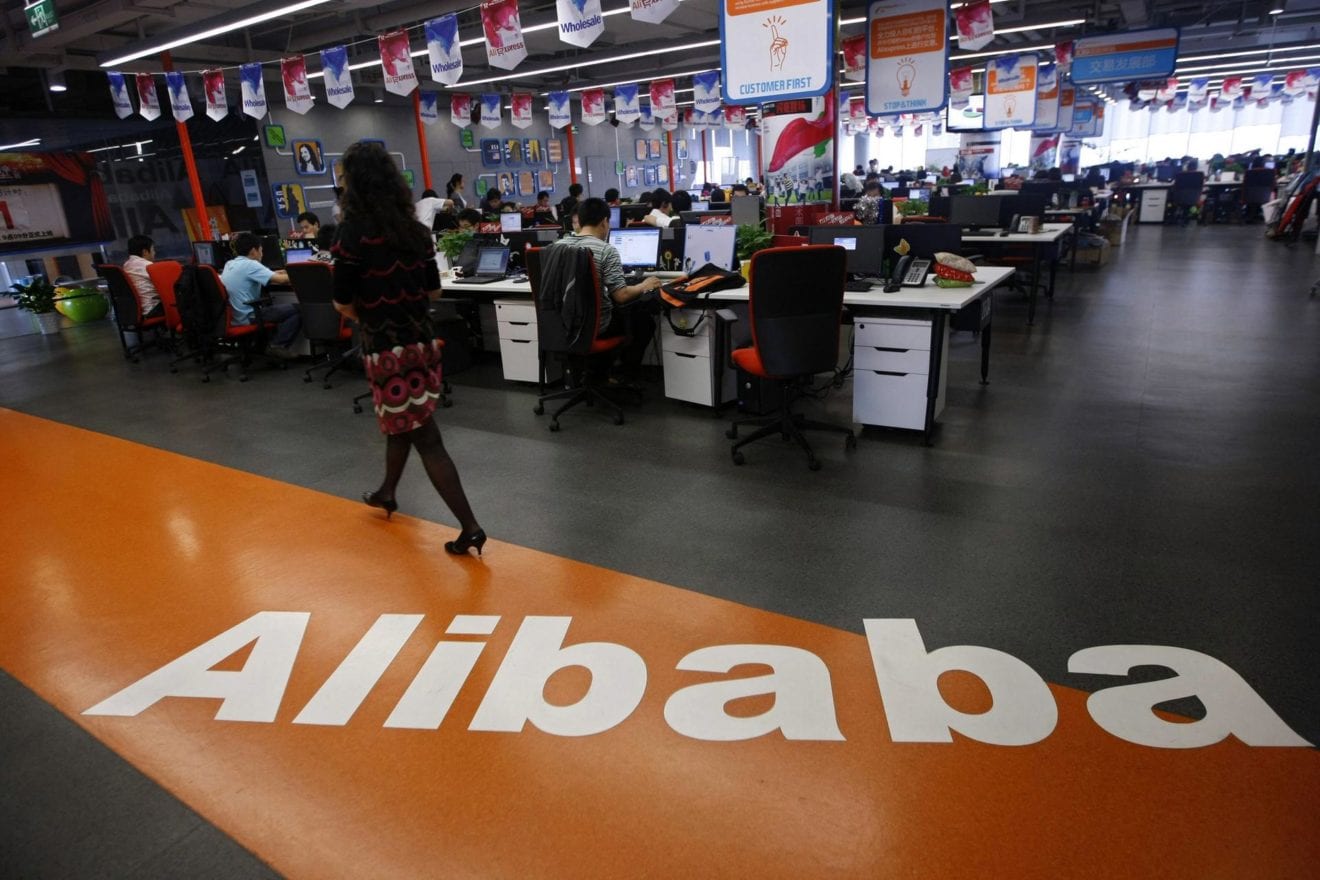
    Alibaba has reported that its third quarter revenue increased 54% to $7.76bn, compared to $5.3bn for the same period last year.

    The Chinese e-commerce giant credited the revenue growth to its commerce retail business in China followed up by Alibaba Cloud and also the integration of its newly acquired businesses, especially Youku Tudou and Lazada.

    Alibaba stated that the robust revenue growth in its Chinese commerce retail business was due to its persisting efforts to improve the social commerce platform by delivering better user experience driven by data technology.

    Alibaba Group CEO Daniel Zhang said: “Our robust December quarter demonstrates the strength of the Chinese consumer and Alibaba’s ability to create value across our vast ecosystem.

    “The 11.11 Shopping Festival featured Alibaba at its best, integrating commerce, entertainment and social engagement, all happening globally at record scale. We are driving the age of ‘New Retail,’ which leverages big data and innovation to provide a seamless online and offline experience for nearly half a billion mobile monthly active users.

    “This retail transformation will make it even easier and more efficient for brands and retailers to engage with these consumers anywhere, anytime.”

    The commerce retail business contributed revenue of RMB40.8bn ($5.9bn), an increase of 77% in comparison to what it earned in the same quarter in 2015.

    From outside China, the retail business for Alibaba brought the group revenue of RMB2.4bn ($353m), surging at 288% in comparison to what was registered in Q4 2015.

    The group’s cloud computing business brought revenue of RMB1.8bn ($254m), an increase by 115% compared to Q4 2015.

    On the digital media and entertainment front, Alibaba made revenue of RMB4bn ($585m), surging by 273% to its corresponding revenue in the same quarter of 2015.

    Following the results it has delivered for Q4 2016, Alibaba is expecting its revenue for fiscal year 2017 to increase 53% year-over-year.

  • China’s beauty market has a new era

    China’s beauty market has a new era

    The total FMCG spending sees a slowdown in nearly everywhere across the globe in 2016 and significantly reached a 5-year low in China. However, China’s beauty market is booming and has been growing strongly and consistently on a double-digit rate for years, according to “Decoding beauty market for China” report released by Kantar Worldpanel.

    Premiumization, regime sophistication, omni-channels, mobile interaction and young consumers are the key growth drivers of Beauty market. Consumers are also buying across all price tiers, with premium items increasing the share of basket and contributing to 82% of total market growth.

    In the same way, in terms of regimen sophistication, the average number of cosmetic items purchased per buyer have increased continuously from 2012 to 2016. In that sense, facial masks have advanced from the 6th most important skin-caring regimen to the 4th in 4 years.

    Consumers are leading the changes in cosmetics channels in China. On average, Chinese consumers shop at 2.5 channels with 6.4 trips a year for cosmetics purchases, 23% of them are omni-channel users buying from at least 3 types of trade. Their average spending, RMB 1,314 a year and 15-29 year-old age group is key contributor, accounting for 58% of these omni shoppers.

    “These Omni shoppers are young and category heavy buyers. They choose different products in different channels as each channel has different expertise that meets different needs and purposes”, said Marcy Kou, CEO of Kantar Worldpanel Asia. ”For example, they shop online to try something new while going to cosmetics stores to try on makeups”. 

    Girls in their 20s play an important role for personal care sales, because in a 14.3% of total population, they contribute 38% of makeup sales value. They also have a clear profile showing that they use a variety of niche categories, like to try new products, are good at mix-and-match brands, purchase premium sectors, use omni-channel users and embrace e-commerce. 

    Finally, in spite of China’s beauty market experiencing a strong growth, it’s still far to reach Korea, an advanced market that serves as a good reference fort the beauty industry in the region. Now some of the trends in Korea are the situational care for micro moments, multi-function products are growing from 8% to 17% from 2011 to 2015, and formats and benefits keep diversifying. It is expected that the China beauty market picks up those trends as well.

    “Considering what is happening in China and in Korea, we believe that situational care leads the way to the future of beauty market, meaning that consumers will change their beauty routine according to the needs, events, mood and emotions at the moment”, said Marcy Kou, CEO of Kantar Worldpanel Asia. “Today, brands may still be able to get ahead by winning consumer’s loyalty, but in the future, only those who are able to breathe with consumers through highs and lows in life will win”.

  • China’s m-payment market growing 142% annually

    China’s m-payment market growing 142% annually

    The total value of mobile payment transactions in China is expected to grow at an average annual growth rate of 142% over the next three years to reach 13,776.5 trillion yuan ($2,011.17 trillion) by 2020, according to Research and Markets.

    According to a new report by the research firm, mobile banking accounted for 83.1% of the value of mobile payment transactions in 2015, but this is expected to decline slightly to 80.4% in 2020.

    Among the banks, China Construction Bank had a 23.1% market share, followed by Industrial and Commercial Bank of China (20.0%) and Agricultural Bank of China (13.9%).

    Faced with fresh challenges from payment service providers, the banks are expected to strengthen competitiveness by introducing differentiated services and products, such as jointly-issued cards or support for large payments.

    Third-party mobile payment transaction values have been estimated at 21.96 trillion in 2015, with the market rapidly growing. Alibaba’s Alipay and Tencent’s Tenpay have captured 90% of the market.

    Market competition further intensified in 2016 as handset vendors and traditional enterprises stepped up their presence in the payment market.

    Research and Markets expects 2D QR code payment technology to continue to lead the market. More secure and advanced technologies such as near field communication (NFC), hosted card emulation (HCE), token authorization and biometric authentication will meanwhile mature more gradually.

  • When Xiaomi is dying for expansion

    When Xiaomi is dying for expansion

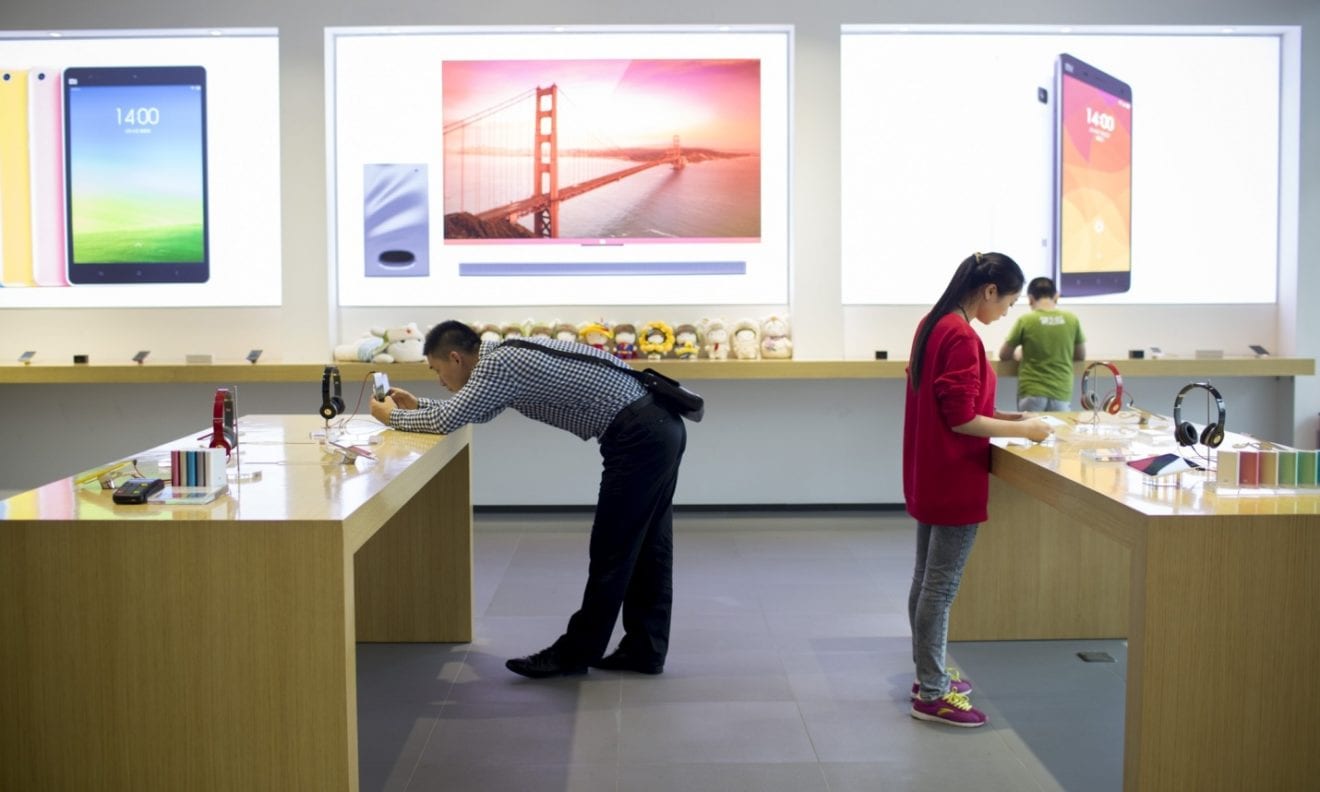
    Never mind smartphones – Chinese tech giant Xiaomi is now eyeing anything and everything as it broadens its investment portfolio.

    With the mobile handset market increasingly crowded globally, and offering diminishing returns, a new Xiaomi expansion strategy has been created: moving into new markets which offer growth potential.

    Co-founder Liu De has told Wired magazine he plans to extend the company’s business model of investing in companies and giving them access to its designers, marketing might and supply chain, to branch into other industries and different products. Xiaomi usually buys a 10 to 20 per cent stake in such companies, insisting on the rights to brand and market products made by these businesses.

    “We’re using our entire platform to lift these companies to the next level,” De told Wired.

    Four of the companies Xiaomi has invested in have already achieved market capitalisation greater than US$1 billion and the portfolio of companies have now collectively sold more than 50 million connected devices.

    The star product is the Mi Air Purifier, one of the most popular models in China.

    Xiaomi believes its investment approach will turn it into a so-called “Everything Company.”

    “It’s a unique model that I haven’t seen before and that I think is only viable for a company that comes from China,” Hugo Barra, the company’s outgoing global VP, said.

  • Nike And Jordan Brand have opened a huge store in China

    Nike And Jordan Brand have opened a huge store in China

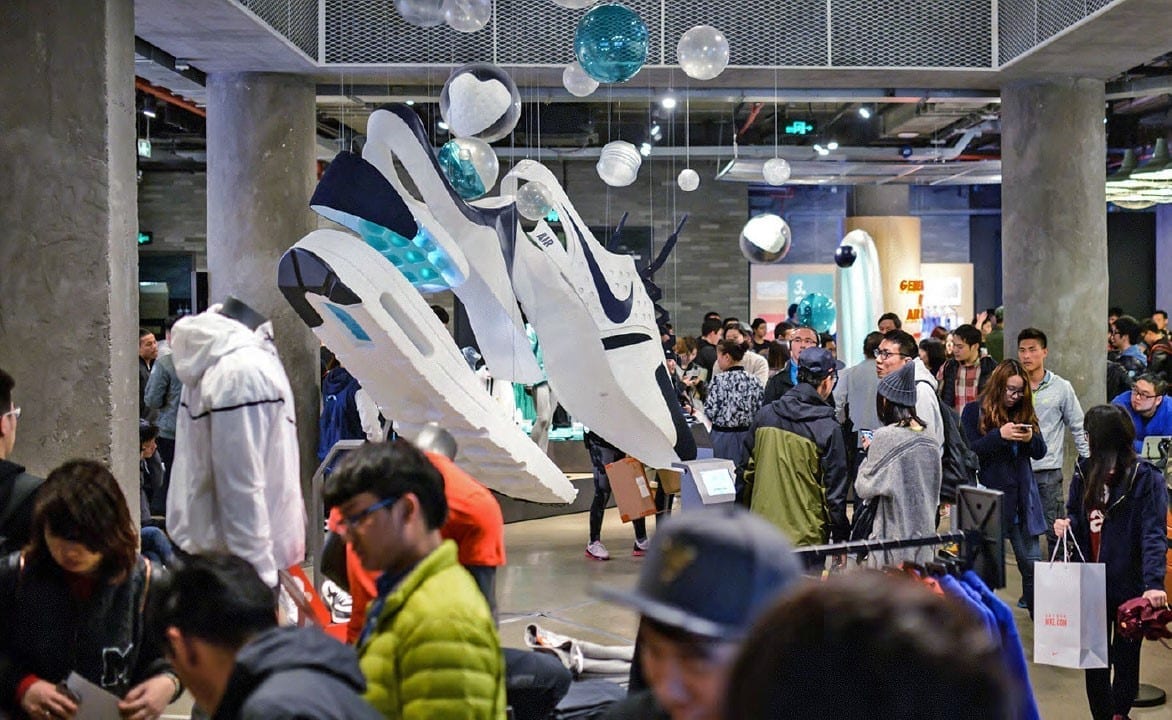
    Jordan Brand and Nike came together to open up a humongous store dedicated to basketball. China will now hold a 6,550-square-foot store located in Beijing’s EC Mall. The store will feature some of Nike basketball and Jordan brand’s latest basketball products with opportunities for personalized store experiences with NIKEiD. The space will also feature trailing zones for custom products which is called Nike+Basketball trial zone.

    “Our new Nike and Jordan Basketball Experience Store demonstrates Nike’s commitment to the sport and culture of basketball in China, and how we’re continuing to lead the future of sport retail,” said Dennis van Oossanen, Nike’s VP of direct to consumer efforts in Greater China.

    The store will also include huge appearances from athletes, in-store events and much more.  Check out the gallery below of the 6,550-square-foot store.


  • Wahlburgers starts Asia expansion with 3 new restaurants in China

    Wahlburgers starts Asia expansion with 3 new restaurants in China

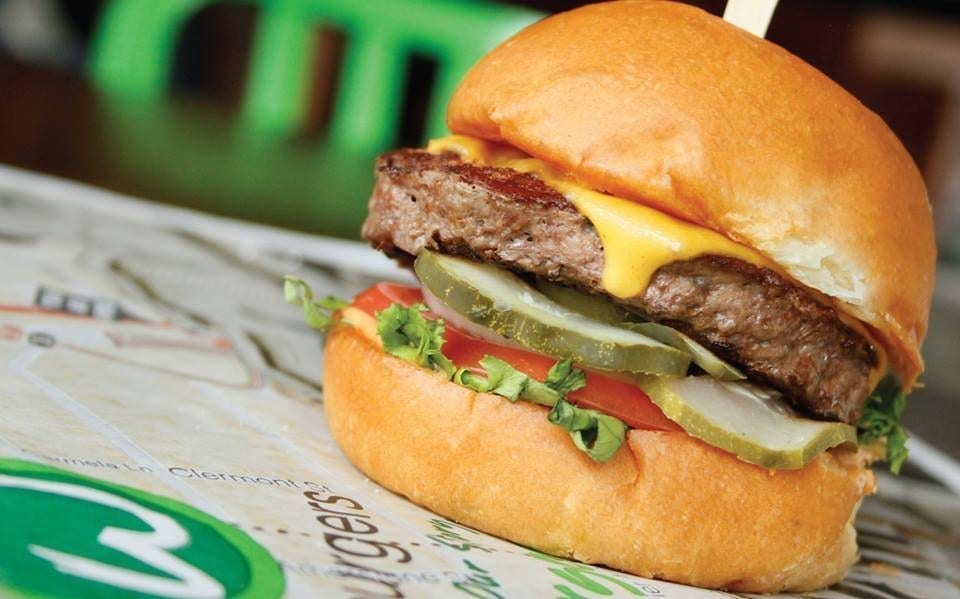
    US burger restaurant brand Wahlburgers is set to expand to Asia in 2017 through a joint venture with Cachet Hospitality Group (CHG), a Hong Kong-based international hospitality branding and management company.

    The first three restaurants are slated to open in Hangzhou, Wuhan, and Shanghai in China.

    Founded by chef Paul Wahlberg and celebrity brothers Mark and Donnie in Hingham, Massachusetts, Wahlburgers offers fresh burgers, housemade condiments, crispy haddock, seared chicken and vegetarian options. Other signature items include Mom’s Sloppy Joe, thin crispy onion rings, tater tots and thick creamy frappes and floats.

    Under the joint venture agreement with CHG, the restaurant will open 100 restaurants in China and the surrounding region over the next five years.

    CHG has signed major agreements with developers who have committed to including Wahlburgers restaurants in their projects. World Packaging Center, an existing CHG developer, agreed to sign the first restaurant in Hangzhou while Shanghai-based naked Hub has agreed to open 20 Wahlburgers in their office building complexes throughout Shanghai and Hong Kong.

    Thailand’s Big Ho Corporation will also open 20 Wahlburgers in its franchise location of Big C Supercenter stores throughout northern Thailand.

    “This is an excellent time to enter the Asia market, especially China, where dramatic growth in US-style destination malls with increasing space committed to restaurants as mall owners see both traffic and income rise dramatically,” said CHG CEO Alexander Mirza in a media statement.

    A third partner, the Arjomand Group, a holding company with businesses based in the Middle East and Africa regions, includes diverse industries such as real estate and manufacturing, is an investor in CHG and will add financial expertise and strength to the expansion plans.

    “We’re excited about this wonderful opportunity to grow in Asia,” said Wahlburgers CEO Rick Vanzura. “Having a savvy, financially strong partner is essential and we have a great partner in the Cachet Hospitality Group, which will bring an unprecedented level of service and strength to the Wahlburgers brand.

  • Alibaba buys into retail stores strategy

    Alibaba buys into retail stores strategy

    Alibaba’s $2.6bn plan to take leading domestic department store Intime private underlines the dilemma being faced by the hoards of disrupters: how to blur the lines between online and offline shopping, and create a model that keeps the fun and feel of shopping, while letting retailers and brands collate the big data that enable them to sell more goods, more quickly and more profitably.

    “Today we cannot just separate online and offline,” Daniel Zhang, Alibaba chief executive, told a panel at Davos last week. Even when people are shopping in malls, he pointed out, they are on their phones — literally on and offline simultaneously.

    Alibaba, which already boasts investments in offline players such as retailer Suning and white goods manufacturer Haier, is not the only ecommerce name going back to bricks and mortar. Last month, Amazon launched its checkout-free Amazon Go store. Other crossover innovations are springing up. Panasonic is shopping its “intelligent baskets”, which will price items as they are placed inside.

    “To say that bricks and mortar is dead is wrong,” says Tom Birtwhistle, senior manager in PwC’s digital strategy division in Hong Kong. “It just needs to evolve, into smaller-format stores, for example, and embrace in-store digital technology.”

    It is a lesson start-ups are also learning. Luke Grana, who set up his eponymous Grana clothing company in 2014, was forced into a U-turn on his original ecommerce-only plan — introducing pop-up “fitting rooms”.

    “We realised we needed offline presence to increase brand awareness and push people online,” he says. “And lots of people want to try before they buy to get the fit right.”

    Customers can try on clothes in-store but still order online via iPads — “there are no cashier tills” — and have their purchases delivered. These partially offline purchases now account for 10 per cent of sales.

    It is a sentiment echoed by Alain Bejjani, chief executive of mall, retail and leisure operator Majid Al Futtaim Holding, who talks about stores as showrooms. “It’s not just products and price,” he told the Davos panel. “It’s about the seamlessness of the journey, and total integration between online and offline.”

    Alibaba, which represents more than one-tenth of China’s total retail sales and about 75 per cent of those made online, according to HSBC, takes that literally. Its apps enable shoppers to navigate China’s sprawling malls, some of which span more than 1m sq ft, and find where their cars are parked when they emerge hours later.

    Amazon unveiled its checkout-free grocery store last month

    But it is also rewriting the rules on the well-rehearsed “click and collect” model and corralling big data to loop back to retailers, allowing them to manage their inventory more efficiently.

    “Alibaba and Amazon have the same two goals. Two billion customers and a reinvention of the retail model and experience,” says Michael Zakkour of Tompkins International.

    “Much in the same way department stores, chain stores, malls, Big Boxes and ecommerce have reinvented retail in the past, Alibaba is using technology, big data and imagination to connect offline and online so that there is only a unichannel retail experience.”

    Mr Zhang talks about collapsing the traditional vertical system that sees manufacturers pass goods to a handful of large distributors, who in turn pass them on to smaller ones, who sell to retailers before the goods finally reach the consumer.

    Before, he says, a consumer could order a drink and have it delivered to their home. “Now you can order it and it’s delivered to your next stop.” That means inventory can no longer be managed by distributors, who lack the full picture, but requires the whole chain to be digitised and shops to become mini fulfilment centres.

    This is where Alibaba takes integration a step further — or rather, a step back, into what founder Jack Ma has called “new manufacturing”, where data can be used to tell the makers in advance what consumers want to buy.

    Manufacturers are also waking up to a flatter system and seeking ways to move closer to shoppers. Unilever, the Anglo-Dutch consumer goods manufacturer, last July paid $1bn for Dollar Shave, which sells razors and grooming products direct to consumers using home delivery.

    This month Coty, maker of perfumes and lipsticks, bought a majority stake in Younique, an online cosmetics retailer. And the crossover between internet and manufacturers can also be spotted in personnel shifts: US toymaker Mattel tapped Google executive Margaret Georgiadis as its next chief executive.

    Some question whether predictive data are enough to dictate fashion trends. “They’re not going to be on the back streets of South Korea looking at styles or pieces of fabric,” says one player.

    Others point to conflicts. Alibaba prides itself on being a platform rather than an asset-heavy ecommerce player such as Amazon, yet the Intime acquisition will see it integrate a bricks-and-mortar business into its asset-light ecosystem.

    Alicia Yap, analyst at Citigroup, is “cautious” about the future integration and about how Alibaba “would manage the potential conflicts between Intime vs other merchants and brands on its platform”, she writes in a research note.

    Others note that China’s online/offline models differ from the west, where platforms are mainly owned by the retailer or brand. Instead, China ecommerce is dominated by third party platforms, be it Alibaba’s Tmall or JD.com.

    “If customers are buying through a third party you are never going to get the same level of data granularity on the customer as if it was yours. That’s what all the big [multinational corporations] are beginning to grapple with,” says Mr Birtwhistle.

    “So linking data between on and offline is difficult. Solving that problem is the multi-billion-dollar question. No one has really got an answer to that yet.”

  • Urban Revivo opens first international store

    Urban Revivo opens first international store

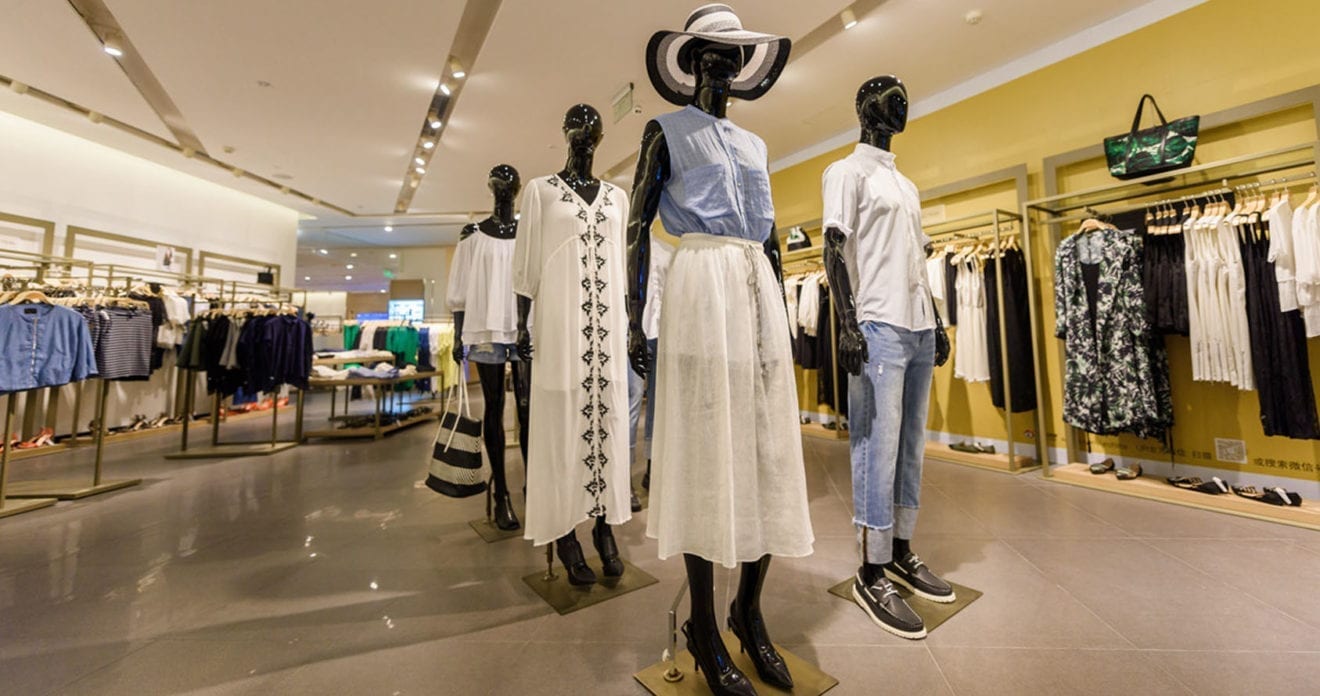
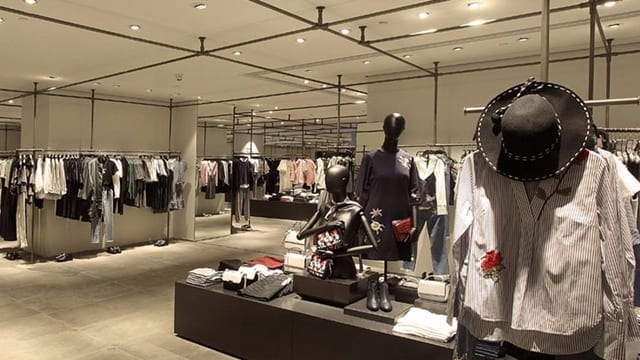
    Chinese fashion brand Urban Revivo has opened its first international store, at Singapore’s Raffles City Shopping Centre.

    Launched in 2006, Urban Revivo specialises in contemporary clothing and accessories for both men and women. It has 150 stores across about 60 cities in China, including Beijing, Chengdu, Guangzhou and Shanghai.

    While the brand refreshes its stores with up to 12,000 new styles every year, all its designs are available in only 12 pieces per store, reports Her World Plus, which features this video tour of the new store:

  • YCH Group to develop high-tech DistriPark in Nantong

    YCH Group to develop high-tech DistriPark in Nantong

    YCH Group, Asia Pacific’s leading integrated end-to-end supply chain management and logistics partner signed a Memorandum of Understanding (MOU) with CPC Nantong Northern New Town Management Committee to develop a DistriPark within the Nantong Integrated Logistics Park to support urban development of logistics infrastructures in Nantong City.

    As a key port and economic centre in the Jiangsu Province, Nantong City is a fast-growing coastal city strategically located along the Yangtze River Delta.  According to a report published by Milken Institute in September 2016, Nantong City is one of the top ten Best-Performing 3rd tier cities in China, characterised by its rapid development and growth of wages, jobs, GDP & FDI in the city.

    The new DistriPark will help to fill development gaps and intensified the growth of logistics infrastructure and capabilities, supporting the rapid urbanisation of Nantong City. The hub will also boost connectivity between the coastal and inland cities of China through the “One Belt, One Road” initiative, bringing further development prospects to China’s inland cities.

    “The DistriPark is strategic and instrumental to YCH’s expansion in the coastal and inland cities of China. With the rapid development and growth of second and third-tier cities in the country, the new facility will provide immediate access to the best-in-class Supply Chain solutions for our clients in the region.” said Dave Lim, Chief Executive Officer of YCH China.

    “The Nantong Integrated Logistics Park was designed to support the rapid growth of consumerism and urbanisation in Nantong City. We are delighted to collaborate with YCH, a notable Singapore company, who will add value in our efforts to develop Nantong into the next major economic centre of China.” said Zhou Yong, Director of CPC Nantong Northern New Town Management Committee.

    YCH has built a comprehensive network in Greater China since the mid 90s, expanding its growing presence in key cities such as Shanghai, Beijing, Tianjin, Hangzhou, Suzhou, Kunshan, Nantong, Chengdu, Xiamen, Shenzhen, Guangzhou, Macau and Hong Kong. In addition to this MOU signing, YCH has also recently launched a Retail Hub in Xiamen, and implemented its EduRISE Talent Development Programme at Jiangsu Vocational College of Business earlier this month.

  • Youku picks Nokia for 3D 360 VR content

    Youku picks Nokia for 3D 360 VR content

    Youku in China has chosen the Nokia OZO VR ecosystem of technologies “to bring the most immersive” VR content to the more than 500 million monthly active users engaged in its online video platform which has daily views of more than 1.1 billion.

    Youku users and content creators are promised the ability to experience and share the highest quality VR content including natively captured spatial audio.

    “China is one of the most progressive VR markets in the world with an appetite for high-quality virtual reality experiences that is enormous and growing,” said Paul Melin, VP of digital media at Nokia Technologies.

    Youku will use the entire OZO VR solution, which includes the OZO Camera, OZO Software Suite, OZO Live and OZO Player SDK in the creation and distribution of content ranging from film and television to news and documentary, as well as professional user-generated content featuring Youku’s top talent.

    Youku will be the first Chinese content producer and distributor to have fully integrated the Nokia OZO ecosystem of technologies.

    Also, Youku will integrate Nokia’s OZO Player SDK and OZO Audio solutions, which are designed “to deliver a superior consumer experience,” into all its platforms, mobile apps and consumer offerings, enabling its enormous audience to enjoy 3D 360 degree VR.

    The OZO Player SDK allows VR professionals to create amazing VR app experiences on most major platforms with a single, unified development interface. Full-featured reference players are also included in the SDK for all supported platforms.

    The multi-platform OZO Player SDK is now available in a free version as well as a Pro tier with more features and larger deployment options.

  • Da Niang Dumplings chain sold to hotel group

    Da Niang Dumplings chain sold to hotel group

    One of China’s largest dumpling chains has been sold to a local hotel group.

    Da Niang Dumplings, previously owned by private equity company CVC Capital Partners, has been bought by Shanghai-based hotel group GreenTree Inns Hotel Management Group.

    Three years ago, when CVC took control, Da Niang Dumplings boasted more than 440 restaurants across China. It operates an integrated business model, manufacturing dumplings, then preparing and serving them at its restaurants, which target the budget end of the market. This is the first foray into food retailing for GreenTree, which manages and franchises more than 2500 hotels inside and outside China.

    CVC is believed to have exited the business in the second half of last year after a fractious relationship with founder Wu Guoqiang. Last February, Wu publicly accused CVC of poor management leading to revenue declines of 10 per cent in 2014 and again in 2015.

  • Business globalisation must be more inclusive, says Jack Ma

    Business globalisation must be more inclusive, says Jack Ma

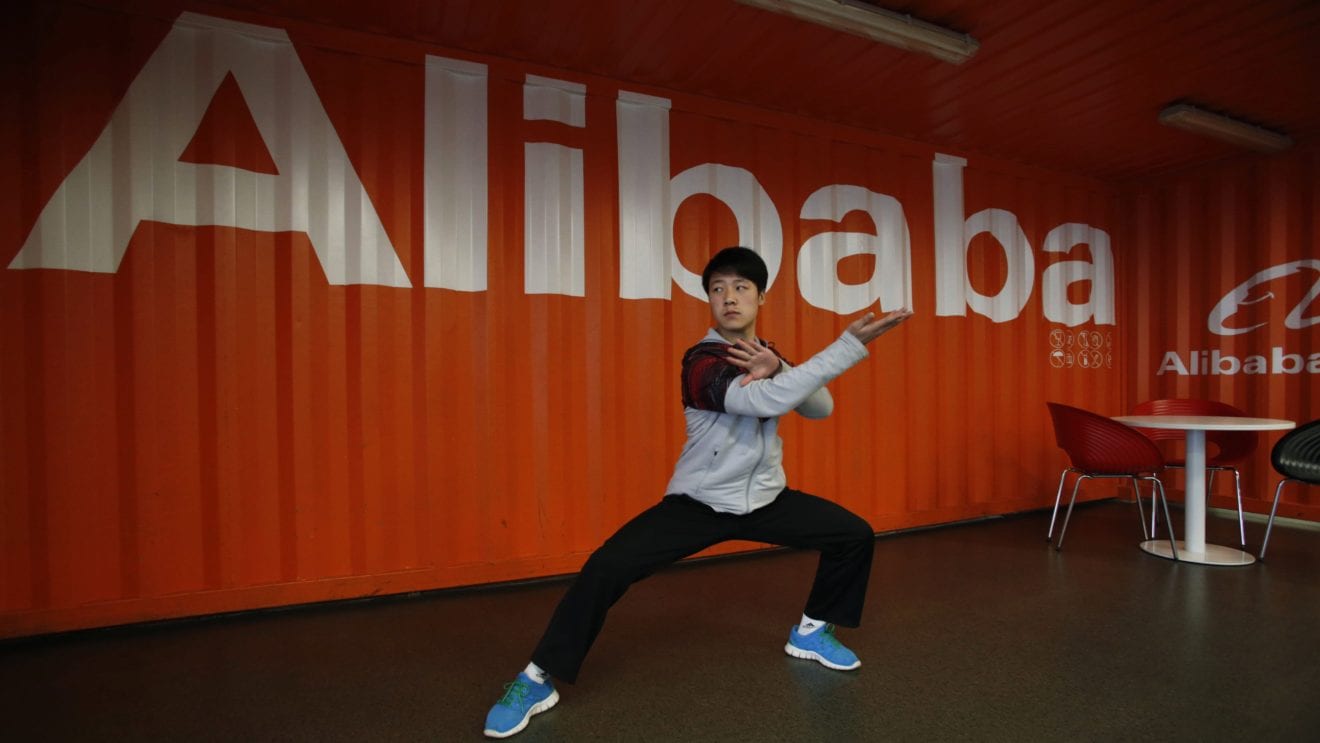
    Alibaba founder Jack Ma says business globalisation is good – but not yet good enough.

    I believe globalisation needs to be improved,” Ma told an audience during the second day of the World Economic Forum annual meeting in Davos overnight. “Globalisation, I think, should be inclusive globalisation.”

    Probed by interviewer New York Times columnist Andrew Ross Sorkin, Ma said his goal is to shift the balance of power in globalisation away from big companies and toward empowering small businesses. He said globalisation was largely controlled by 60,000 large businesses over the past three decades.

    “What if, in the next 30 years, we can support 6 million businesses across the board?” he asked.

    Ma’s appeal for more-equitable opportunities for success follow a commitment he made in a discussion with US President-elect Donald Trump earlier this month to facilitate creation of one million small business jobs in the US over the next five years.

    The Alibaba founder touched on that talk with Trump during his interview with Sorkin, saying he found the President-elect “open-minded, and (he) listened to what I talked about.” The two discussed how to develop US small businesses, promote US agricultural products and more trade between the US and China.

    “He was very happy about the results we had,” Ma said.

    Asked by a member of the audience about some of Trump’s prior negative comments on China’s trade surplus with the US and whether it might lead to a damaging trade war, Ma urged people to “give President Donald Trump some time. He has an open mind.” More broadly, he said a trade war “would be a disaster for the two countries and the world.”

    “I would do anything to stop it,” Ma said.

    Sorkin asked how Amazon’s business model stacked up against Alibaba’s, specifically, whose model is right and whose is wrong.

    “I hope both are right,” Ma said. “The world can never have one model. If you only have one correct model, it’s boring.”

    He said the two companies’ differing business models derive from fundamentally different philosophies. Alibaba is about empowering sellers, services companies, logistics companies and others to build their businesses, rather than owning the entire sales chain and logistic network.

    “Amazon is more like an empire,”he said. “Everything, they want to control by themselves. We want to be an ecosystem… Our philosophy is to empower others to sell, to service, to make sure others are more powerful than us.”

    Ma said he’s looking forward to the day when 10 million small business sellers can compete with a giant like Microsoft and “we can make every company become Amazon.”

    Ma again touted his company’s efforts at weeding out fakes on its platforms using big data. He said Alibaba has made great strides at detecting and taking down counterfeit products and worked with law enforcement to make cases against hundreds of sellers of counterfeiters last year. He said Alibaba spends about RMB1 billion a year on anti-counterfeiting efforts.

    “People criticise us. We are happy about the progress we make,” Ma said.

    Discussing Alibaba’s foray into Hollywood, Ma said the decision to go into movies came a couple of years ago during a periodic strategic review. He said Alibaba decided to enter show business as part of its so-called “2-H Strategy” – standing for happiness and health. He said movies are fun and enjoyable and that, as with all of its businesses, it’s taking a long-term view toward its success. Asked what he hoped to achieve through investment in entertainment, he compared and contrasted Chinese and American movies.

    “In China movies, the heroes are always dead. In American movies, heroes never die. In my movies, I want to make the hero live,” Ma said, drawing laughter from the audience.