Tag: China

  • Wahlburgers to open 100 restaurants in Asia

    Wahlburgers to open 100 restaurants in Asia

    Wahlburgers – the burger restaurant brand founded by chef Paul Wahlberg and celebrity brothers Mark and Donnie – is to launch in Asia.

    Through a joint venture with Hong Kong-headquartered Cachet Hospitality Group (CHG), Wahlburgers will open in Hong Kong, Mainland China and Thailand this year.

    CHG has signed agreements with World Packaging Center to open the first restaurant in Hangzhou and with Shanghai-based Naked Hub, which will open 20 Wahlburgers in their office complexes in Hong Kong and the mainland, the first two in Wuhan, and Shanghai. Thailand’s Big Ho Corporation will open 20 Wahlburgers inside Big C Supercenter stores throughout northern Thailand.

    Actor Mark, musician Donnie and chef Paul hosted a launch party in Hollywood overnight to commemorate the venture.

    “We’re excited about this wonderful opportunity to grow in Asia,” said Wahlburgers CEO Rick Vanzura.

    “Having a savvy, financially strong partner is essential and we have a great partner in the Cachet Hospitality Group, which will bring an unprecedented level of service and strength to the Wahlburgers brand. Cachet is dedicated to family, community and, of course, bringing diverse groups of people together through great food – the very same values that drive Wahlburgers.

    “Thanks to Cachet, we already have our first confirmed restaurant projects outside of North America, and we look forward to making history together,” said Vanzura.

    CHG CEO Alexander Mirza said the timing of Wahlburgers’ Asian debut was perfect. “There is dramatic growth in US-style destination malls with increasing space committed to restaurants as mall owners see both traffic and income rise dramatically.

    “This combines perfectly with the explosive popularity of international restaurant brands in China’s malls and airports, opening the door to tremendous opportunity for Wahlburgers and our Asia Pacific joint venture,” said Mirza.

    The joint venture plans to open 100 restaurants in China and the surrounding region over the next five years.

    “With two strategic partnerships in place, Wahlburgers Asia Pacific is in a strong position to achieve its goal of opening in a variety of locations, including shopping centers, theme parks, residential and office developments and hotel and resort properties,” the partners said in a statement.

    Wahlburgers made its debut in October 2011 in Hingham, Massachusetts. The subject of an A&E reality show, Wahlburgers offers a fun, casual music-filled atmosphere where guests, like family, share great food, a few laughs and lots of love. While its walls celebrate the story through photos and words of the Wahlberg brothers’ life journeys from Dorchester, Mass. neighborhood kids to rising chef and international superstars, it’s the food at Wahlburgers that takes center stage.

    Crafted by chef Paul and served with heartfelt hospitality, the chef-inspired menu features a variety of fresh burgers, housemade condiments, crispy haddock, seared chicken and vegetarian options. Other signature items include Mom’s Sloppy Joe, thin crispy onion rings, tater tots and thick creamy frappes and floats. Gluten free options are available.

    Wahlburgers’ full-service bar offers adult frappes, cocktails, wines and beers including the signature Wahlbrewski – a Harpoon Brewery custom, unfiltered Pale Ale.

  • Macau retail revival outshines Hong Kong

    Macau retail revival outshines Hong Kong

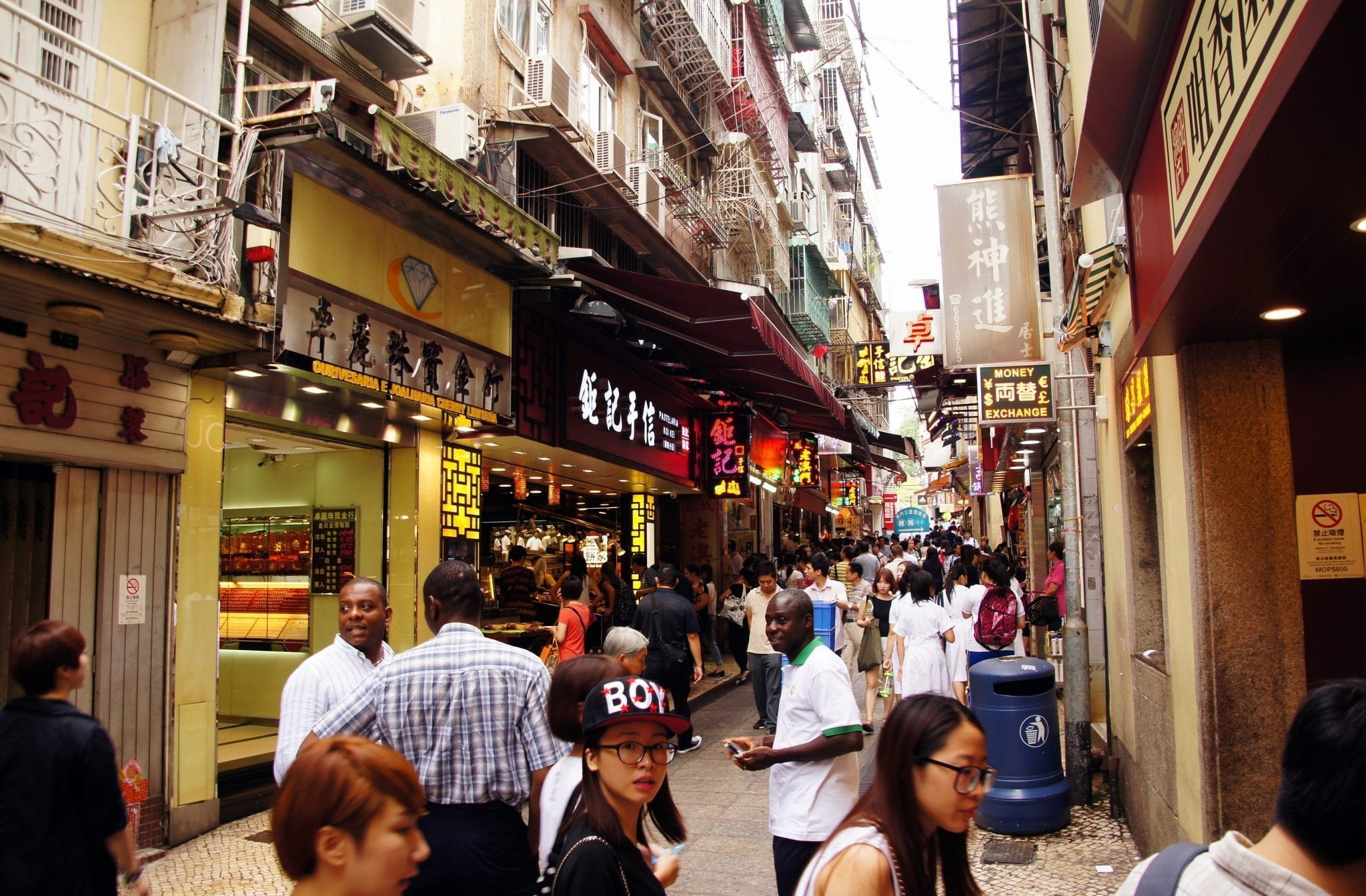
    Macau is enjoying a retail revival, according to the latest government data.

    Macau Association of Retailers and Tourism Services executive committee president Frederick Yip, who organised December’s Macau Shopping Festival festival, says the city’s retail industry will be back on a path of growth again soon. The festival generated total sales of MOP230 million (US$28.8 million).

    Of the total, a sale event featuring branded products between December 23 and 25 saw sales exceed MOP2 million, while another special sales event at Landmark Macau raked in MOP2 million, reports the Macao Daily. About 1800 SMEs took part in the festival.

    Yip says the city’s economy has started to recover since gaming revenue began rebounding in August, with more casino-resort projects nearing completion. Macau’s casino gross gaming revenue for last year was equivalent to US$27.9 billion.

    Free Wi-Fi internet access was provided at the festival for the first time, and Yip says a total of 145,000 hours were used by 475,000 people.

    Also helping boost the economy have been the Macau Grand Prix motorsport weekend and a Food Festival in November.

    Statistics and Census Service (DSEC) survey figures show that 30 per cent of respondents in the catering sector reported a year-on-year increase in turnover for the month, up 4 per cent from October. Most popular were Chinese restaurants, followed by Western restaurants, then Japanese and Korean.

    On the other hand, half of the respondents had a similar decrease in turnover to October.

    In the retail sector, 39 per cent of respondents reported a year-on-year increase for November, up 4 per cent points from October. All leather goods retailers saw their turnover grow, while increases were reported by 62 per cent of adult clothing retailers and 50 per cent of department stores.

    On the downward side of the ledger were supermarkets and watch and jewellery retailers. They were among 53 per cent of surveyed retailers that say their turnover decline – by up to 28 per cent for supermarkets.

    Expecting decline

    But while Yip is upbeat, retailers seem more pessimistic looking ahead, with 40 per cent of respondents expecting their turnover to decline in December. Only 19 per cent of merchants were confident of an increase.

    The survey covered 167 F&B businesses and 135 retailers.

    Meanwhile, below the radar a black economy has been uncovered by the Judiciary Police, reports GGR Asia.

    The police say the value of detected retail transactions in Macau using allegedly unregistered China UnionPay handheld terminals amounted to about MOP4.995 billion (US$625.5 million) last year.

    A total of 25 investigations were opened into cases involving alleged unregistered UnionPay handheld terminals. Of those, 20 were passed as cases to the Public Prosecutions Office for further action, the balance reaching an impasse because of lack of evidence.

    The police identified 53 suspects as part of the investigations: 14 from Macau, 38 from Mainland China and one from Hong Kong.

    Early this month, the Judiciary Police and Monetary Authority of Macau jointly conducted raids against the suspected use of illegally modified UnionPay terminals. The police detained 23 people connected to eight shops, suspected of committing computer fraud and being involved in organised crime.

  • Taiwan’s VAT On Online Retailers Becomes Law

    Taiwan’s VAT On Online Retailers Becomes Law

    On December 28, Taiwan’s President Tsai Ing-wen signed into law the amendment to the Value-Added and Non-Value-Added Business Tax Act to impose tax on foreign online sellers’ supplies to Taiwanese consumers.

    The amendment is intended to raise additional revenues and level the playing field for Taiwanese bricks-and-mortar retail and service businesses.

    The Ministry of Finance is to draw up the required tax regulations and procedures. In addition, it is to establish a website for simplified business registration and for filing VAT returns and paying VAT.

    Foreign online suppliers selling cross-border goods and electronic services to end consumers will have to register for tax in Taiwan through a permanent establishment, or appoint a VAT or non-VAT tax representative. The permanent establishment or agent will be required to file the necessary bimonthly tax returns. Significant penalties will be imposed for non-compliance.

  • Hong Kong’s Credit China FinTech joins GBBC

    Hong Kong’s Credit China FinTech joins GBBC

    Hong Kong based FinTech service provider Credit China FinTech Holdings has signed on as a founding member of the new Global Blockchain Business Council (GBBC).

    The GBBC was established by bitcoin mining company Bitfury and international law firm Covington at the first Blockchain forum of the World Economic Forum in Davos on Tuesday.

    The council aims to act as a forum for businesses, innovators and technologists to come together and explore the opportunities Blockchain has to offer in the business world, as part of efforts to advance the technology.

    Credit China FinTech plans to apply Blockchain in the custody of assets in its online lending business and supply chain finance business, and is exploring using the technology in other business areas.

    The company is therefore committed to the development of the Blockchain ecosystem, and is joining the GBBC to facilitate this development, Credit China FinTech CEO Phang Yew Kiat said.

    “It is our pleasure to represent Hong Kong, China, to be the founding member of the GBBC together with the world’s top business leaders,” he said.

    “With the help of Credit China FinTech’s capabilities and advantages in China and Southeast Asia FinTech industry, we aim to build a better environment for the development of Blockchain technology to be applied in global commerce, communications, financial services, intellectual property, and other areas.”

  • China Mobile taps Brocade software for SDN cloud rollout

    China Mobile taps Brocade software for SDN cloud rollout

    China Mobile will deploy NFV software from Brocade at several of its key data centers as part of its first SDN-based commercial public cloud rollout.

    The operator is deploying virtual traffic management technology from the networking vendor, initially at its Southern Base and Northern Base data centers.

    The deployment will be conducted in conjunction with China Mobile’s strategic SDN and NFV supplier Nokia. Brocade’s software will run within the Nuage Networks virtual service platform, which is being implemented by Nokia as part of a project announced last week.

    China Mobile is playing a major role in the Chinese government’s Internet Plus initiative to support the development of new business models enabled by ICT, such as fixed and mobile internet connectivity, cloud, big data and the IoT.

    As part of this effort, China Mobile has taken on the role of a large-scale cloud service provider for major enterprise and government customers, and is deploying SDN-based cloud services to support these operations.

    “The promise of network functions virtualization is the ability to scale services on demand. When it comes to service providers, they don’t come much bigger than China Mobile in terms of potential scale,” Brocade China country manager Henry Zhu said.

    “We’re naturally delighted that Brocade’s advanced NFV appliance technology has been selected by China Mobile. This is a groundbreaking project within China’s service provider landscape and we are fully committed to ensuring it results in complete success.”

  • China’s Future Mobility plans $1.7 bln electric car plant in Nanjing

    China’s Future Mobility plans $1.7 bln electric car plant in Nanjing

    Chinese electric car venture Future Mobility plans to build an 11.64 billion yuan ($1.7 billion) factory in Nanjing, aiming to capitalise on rising demand for electric cars in the world’s second-largest economy and elsewhere.

    The investment announced on Thursday comes despite a delay to planned funding from technology giant Tencent Holdings and Taiwan manufacturing heavyweight Foxconn , with Hong Kong-registered Future Mobility citing stricter implementation of China’s capital flow controls.

    China has ratcheted up controls on money leaving the mainland since last year in an effort to bolster a weakening yuan and prevent capital flight as the pace of economic growth slows.

    Future Mobility said it is in “close communication” with relevant parties, while a source with direct knowledge of the matter told Reuters that the company has been able to find ample funding from other investors.

    Tencent and Foxconn did not respond to requests for comment outside of business hours.

    The Tencent and Foxconn money currently sits in a China-based fund established before the tightening of capital controls and Future Mobility is working with lawyers to devise mulitiple options to “find a smart way” to complete the investment, the source said.

    The source added that Foxconn and Tencent remain as backers despite the hiccup.

    “We didn’t (initially) find a way to get the funds to come from China to the company outside of China,” the source said. “The money is there.”

    The new factory will eventually have capacity to produce 300,000 cars a year. The company did not give an indication of when it expects to reach that output but said that the first phase of the plant’s construction will be completed by 2019.

    After that initial phase, the factory should be able to produce 150,000 vehicles a year, it said.

    China, struggling with high pollution levels in major cities, is aggressively pushing plug-in vehicles. Its carrot-and-stick approach combines heavy investment and research funding with subsidies, as well as regulations designed to discourage the driving of fossil-fueled cars in big cities.

    Future Mobility said the first product it plans to produce is expected to be a pure-electric medium-sized smart SUV and that vehicles produced at Nanjing will be sold globally.

    A company spokeswoman said that the first car is likely to have a price tag of about 300,000 yuan ($43,700) and is expected to hit the Chinese market in 2019.

  • Festive feasts, online deals bring smile to China retailers

    Festive feasts, online deals bring smile to China retailers

    Retail sales hit their year high in December, buoyed by the festive mood in the food and beverage sector and continued surge in online shopping. Still, inflationary pressures are making themselves felt in consumers’ pocketbooks, climbing to their highest in 30 months.


    Higher prices on shop stickers nationwide played a major role in the 0.1 percentage uptick last month to 10.9%, with price-adjusted sales growth steady at 9.2%.

    Diners notched up 335.2 billion yuan (US$48.8 million) in bills, up 10.6% from a year earlier and an improvement on November’s 10.1% year-on-year gain — perhaps driven by Chinese homeowners celebrating their good fortunes in the property market.

    Consumer goods sales rose 10.9% in December from a year ago, the same as in November but well ahead of gross domestic product growth of 6.7% for the year.

    Vehicle sales jumped 14.4% from 13.1%, and clothing to 7.1% from 5.1%. Food products, another major component, rose 8.6% from 8.8% in November.

    E-commerce for the full year totalled 5.16 trillion yuan, 26.2% up on 2015, and accounting for 12.6% of overall retail sales in China. The percentage was just 9.7% during the first half of 2015.

    A key indicator of consumer spending, China’s retail sales grew 10.4% in 2016, the same as in the first three quarters. After deducting price changes, retail sales clocked in at 9.6%, according to National Bureau of Statistics. Total retail sales were 33.23 trillion yuan in 2016.

  • China bans imports of South Korean air purifiers

    China bans imports of South Korean air purifiers

    China has banned imports of South Korean air purifiers, industry sources said Friday, amid growing concerns Beijing is retaliating against Seoul’s move to install an advanced U.S. missile defense system.

    Air purifiers made by LG Electronics Inc., Shinil Co. and two other South Korean firms were listed as disqualified by Chinese authorities on Dec. 20, along with air purifiers produced by four other foreign manufacturers, due to safety problems and poor performance, the sources said.

    China is believed to be economically retaliating against Seoul’s decision in July to have the Terminal High Altitude Area Defense (THAAD) system deployed on South Korean soil late this year. South Korea says the missile system will not target China but only counter threats from North Korea.

    China recently rejected shipments of bidets made by 22 South Korean manufacturers, citing poor power connection and instructions.

    China has also banned imports of South Korean cosmetics that are widely consumed by Chinese women influenced by the popularity of Korean pop culture in the world’s most populous country.

    Several Lotte Department Stores and its affiliated outlets in China have been under strict tax, safety and hygiene inspections since November, although Chinese authorities have denied any connection to THAAD.

    Lotte, a South Korean retail giant, is expected to conclude a deal soon for the swap of a golf course in Seongju County, North Gyeongsang Province, for a piece of land near Seoul owned by the Defense Ministry for the deployment of THAAD.


  • Trading brightens for Luk Fook Holdings

    Trading brightens for Luk Fook Holdings

    Jeweller Luk Fook Holdings (International) reports a turnround to positive growth in its same-store sales for its third quarter, ended December 31.

    With a relatively low base, the same-store sales growth for the period recorded a “substantially narrowing decline” of 10 per cent from 37 per cent in the second quarter.

    Since September, same-store sales of gemset jewellery products in Mainland China have achieved double-digit growth for four consecutive months.

    Luk Fook’s same-store sales for the quarter turned into a positive growth of 20 per cent from a decline in the previous two quarters. Together with the 2 per cent growth of same-store sales in gold products, mainland sales for the quarter started to see positive growth (5 per cent) for the first time in the current fiscal year.

    The group ended the quarter with 11 new shops – nine in Mainland China and two in Kuala Lumpur. However, it closed an outlet in Macau.

    There was also an increase in its licensed shops in China, with 28 at the end of December. There were 195 own-brand shops – 129 in China, 47 in Hong Kong, 10 in Macau and nine in other countries.

    Together with 1297 licensed shops in China and one in Korea, there were 1493 Lukfook outlets worldwide, of which 1426 shops were in China.

  • Japan’s bakugai phenomenon fading fast

    Japan’s bakugai phenomenon fading fast

    The drastic slowdown of the Chinese duty-free shopping phenomenon known as bakugai (“buying explosion”) continues to hit Japanese tax- and duty-free retailers, with several companies having sharp revenue falls in recent months.

    As a result of the slowing market, South Korean travel retailer Lotte Duty Free and its partners Bic Camera and New Kansai International Airport Company have pulled out of a planned downtown duty-free shop proposed for Osaka.

    The “bakugai” trend began in Japan in 2015 as travelling shoppers from China poured into Japan in waves, says The Moodie Davitt Report. This led to a proliferation of government-backed tax- and duty-free stores, and like all bubbles this one appears to have burst. Read more.

  • Burberry China sales recover

    Burberry China sales recover

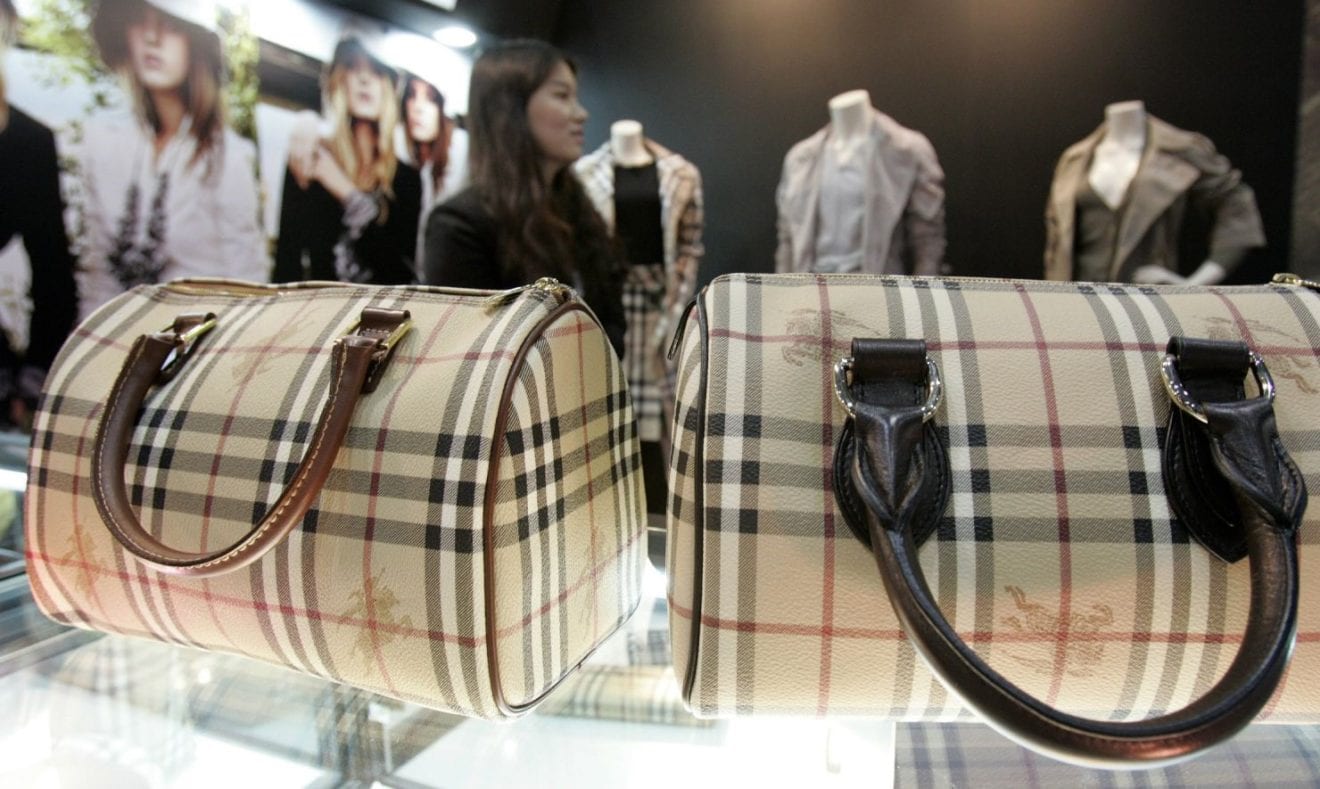
    Burberry says sales in its core China market have improved in the latest quarter, ending a long run of declines.

    And while Hong Kong stores posted yet another like-for-like drop due to weaker footfall, the decline is now in the low single digits.

    Globally, Burberry achieved a 4 per cent increase in wholesale and retail sales for the three months to December 31, totalling US$1.19 billion. This was largely underpinned by an “exceptional” 40 per cent increase in same-store sales in its UK home market.  UK media report the boom was down to Chinese tourists taking advantage of the cheaper pound in high street flagship stores in London, where staff estimate some 70 per cent of customers are from China.

    Globally, retail revenue rose 22 per cent to £735 million.

    The luxury fashion brand singled out Burberry China and Hong Kong sales, reporting Asia-Pacific had returned to growth during the quarter, hitting low single-digit percentages, driven by acceleration in Mainland China and improvement in Hong Kong.

    American trade experienced a low single-digit percentage sales decline, similar to sales trends in the first half, although the company reported an increase in American customer spending globally.

    “With a record number of views of our festive film and strong demand for new products in our collections, this third quarter improvement reflects early progress from our plans to drive Burberry’s performance for the long term,” said Burberry CEO Christopher Bailey.

    Verdict Retail analyst Charlotte Pearce said that although the company’s results have been chequered in recent times, its strong performance is a sign the changes the company is making are working.

    “Burberry’s double digit growth in EMEIA is most notable in Q3, with the retailer reporting continued strong trading in the UK, thanks to the weak pound which has encouraged tourism spending.

    Meanwhile, the innovation and newness of its products aided strong performances in bags, accessories and apparel, with items such as rucksacks and buckle totes standing out,” she said.

    “The brand continues to focus on its presence in the digital space through growing its online business, where mobile has been the driver due to improved payment methods, as well as developing an app, which is currently in its testing phase, in order to build Burberry’s connection with customers.”

    Pearce said the Asian results bode well for Burberry’s recovery.

    “Historically, sales in Asia Pacific have been a source of strength for the renowned British brand, accounting for 38 per cent of retail and wholesale revenue in 2015/16, so the brand should look to identify new markets within the region which indicate fast growing affluence and urbanisation.”

  • Usher in the Auspicious Year of the Golden Rooster with an Exclusive Promotion for Tourists

    Usher in the Auspicious Year of the Golden Rooster with an Exclusive Promotion for Tourists

    Chinese New Year is one of the best chances for traveling as this festival provides the week-long national holidays and a unique vibe of traditional and colorful festivities. As Chinese community in Thailand is one of the largest in the world, the capital city of Bangkok is lit up in colorful festive ambiance and known as one of the most attractive places to visit during this Chinese holiday. Come experience the Thai version of Chinese New Year celebration at “Siam Magnificent Chinese New Year 2017” to be arranged at Siam Paragon, Siam Center and Siam Discovery and bring home a hassle-free, enjoyable memory of a lifetime while enjoying exceptional offers available only at this a must-visit “One Siam” destination.

    BRING IN A GLIMPSE OF CHINATOWN

    Marking the grandest event for Chinese people and expressing the appreciation of Chinese art and culture, we bring in a glimpse of Bangkok’s Chinatown to the all-in-one-place shopping destination as follows:

    • Siam Paragon is set to host “The Marvelous Music Harmonizing Two Realms” between 26 – 29 January in order to demonstrate the good relationship between Thailand – China using music as the links between the two countries’ art & culture. On the opening ceremony, there will be for the very first time music performance by Guzheng & Erhu, traditional Chinese music instrumentals played by Master Li Yang; the Guzheng teacher of Her Royal Highness Princess Chulabhorn Walailak and Master Li Hui, together with traditional Thai music instrumentals played by Korphai Ensemble and the Bangkok Symphony Orchestra (BSO) from 5.00 – 6.30 pm at Parc Paragon. Moreover, other interesting activities include the Chunlian and Duilian calligraphy (a form of auspicious greeting couplets expressing a prosperous year ahead), Chinese paper-cutting, traditional Chinese knotting, and Chinese auspicious painting are the highlights not to be missed at Hall of Fame, M Floor, Siam Paragon
    • Siam Center schedules to host “12 Lucky Shades 2017” exhibition updating 12 auspicious colors suitable for 12 zodiac signs by famous fortuneteller. By boosting more confidence in choosing the right clothing and accessories, the 4 renowned stylists will also give you helpful tips and tricks on how to mix and match your auspicious color with your style in the year of an energetic rooster. The exhibition will take place at 1st Floor, Siam Center from 26 January – 12 March 2017 with an opening ceremony and a Zodiac Sign Mini Fashion Show to be held on 26 January 2017 at 4.00 – 5.30 pm. Siam Center customers can also present their receipts to redeem for a Lucky Pouch with auspicious zodiac signs designed by Mr. Somnuek Klangnok (Kru Parn), a renowned Thai artist.
    • Siam Discovery introduces a “DIY Ceramic Bowl Screen Printing in Siam Discovery Style” workshop aiming to please customers with DIY favors. Those interested can choose their preferred bowl in 2 different sizes then have them screened with a lucky rooster pattern or an auspicious Chinese calligraphy text of their choice, making this DIY Ceramic bowl a limited, one-of-a-kind item in the world. The workshop will run from 26-31 January 2017 at Siam Discovery.

    CHINESE NEW YEAR SPECIAL FOR TOURISTS

    A trip can’t be completed without shopping, especially in Bangkok where shopping is a must activity. Siam Paragon, Siam Center and Siam Discovery offer unrivaled shopping experience suitable for travelers who love varieties and uniqueness. Dropping by this shopping landmark trio during the Chinese New Year 2017, holiday makers and souvenir hunters can rest assured that your splurge will worth every penny.

    Siam Paragon, Siam Center and Siam Discovery offer Tourist Privilege Card for tourists to shop across these three shopping centers with a discount from 5-20%. Tourists also enjoy a welcome package and a birthday privilege upon registration. The welcome package includes Thann Facial Sunscreen and Angbao vouchers valued more than 10,000 Baht from participating brands.

    Enjoy a lot of exclusive tourist offers from 23 January – 9 February 2017 including limited special gifts and promotions as follows:

    • NaRaYa Chinese New Year Collection when spending from 5,000 Baht
    • Thann Body Care Set and Siam Discovery Discount voucher when spending from 10,000 Baht

    Redemption points are available at Tourist Lounge, G floor of Siam Paragon and VIZ Counter, G floor of Siam Center and Siam Discovery.

    Additionally, keep your eyes peeled for a Golden Dragon Parade as they may approach you while shopping during 27-29 January 2017 with ranges of Angbaos, discounted vouchers and many more privilege cards to be enjoyed at more than 100 participating brands throughout Siam Paragon, Siam Center and Siam Discovery!

    DELIGHTFUL GASTRONOMIC JOURNEY

    After taking in these authentic cultural festivities, it is probably the perfect hour for a sumptuous meal. If you are thinking that Chinese New Year is all about a hearty meal with your loved ones, this shopping trio is the right destination to drop by especially during this Chinese New Year. Visa Card offers an exclusive privilege for its cardholders. Dine at participated restaurant using Visa Card and receive special discount and dishes.

    • Siam Paragon reinvents the whole new dining pleasure, with more than 30 globally-renowned restaurants and dessert outlets at The Gourmet Garden, G Floor.
    • Siam Discovery serves the need of Jamie Oliver’s fan anticipating a chance to try out his recipe by introducing the first restaurant of globally-renowned Jamie’s Italian in Thailand at Siam Discovery, G Floor. What’s more, experience the new dining excitement at My Kitchen on the 4th floor where 5 premium restaurants and a dessert outlet are ready to serve their signature dishes.
    • Siam Center offers limitless local and international dining selections at the Food Factory located on the 4th floor for people who love being among a bustling, vibrant surrounding while enjoying a wide variety of delicious food.

    As a must-visit “One Siam” destination, Siam Paragon, Siam Center and Siam Discovery welcome all travelers in the heart of Bangkok during this long holiday and all year round. If one visit is not enough to breathe in all these fulfilling excitements, the shopping landmark trio wholeheartedly welcome you back with a lot more adventures waiting out there.

  • Alpecin Opens Official Retail Channel in China

    Alpecin Opens Official Retail Channel in China

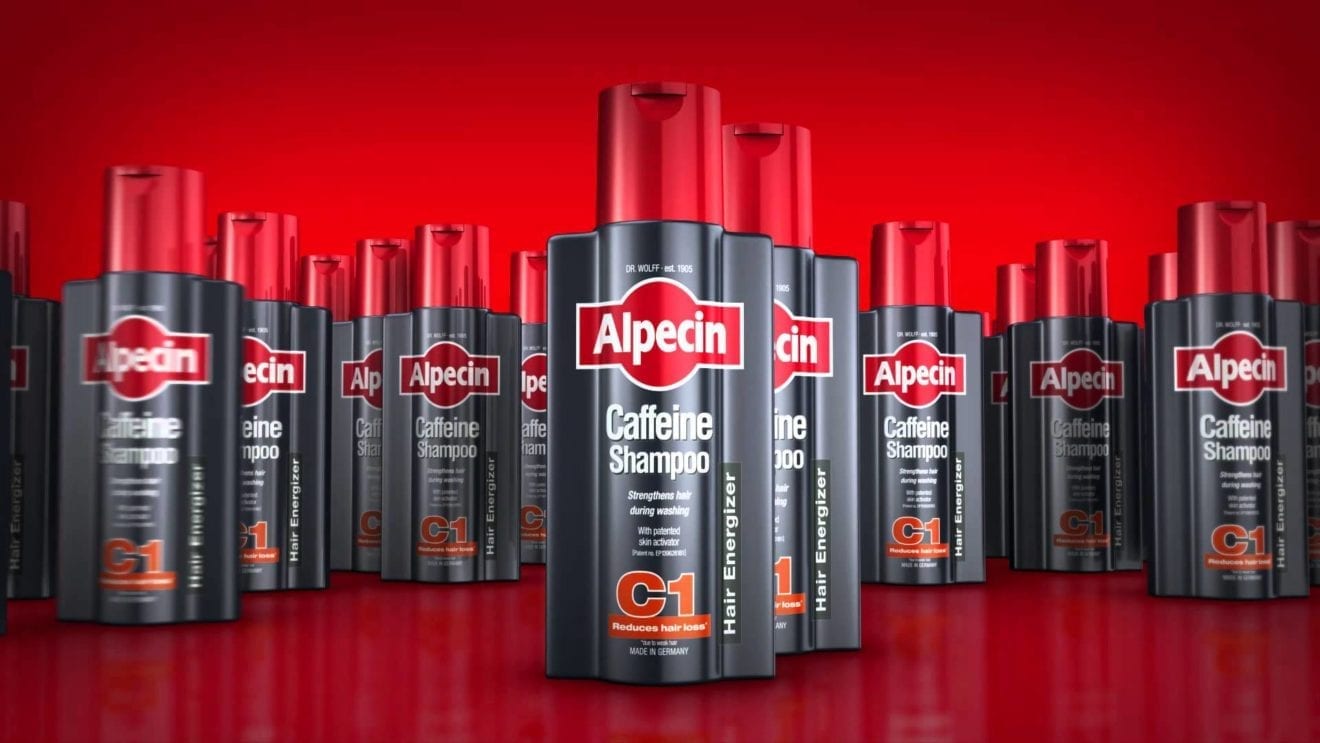
    The power of Chinese overseas retail shoppers has again caught the attention of international media. This time several German media channels have covered the story “First milk powder, now shampoo – Chinese consumers, again, go crazy for our products” — now Chinese cross border shoppers have discovered the German anti-hair loss caffeine shampoo brand “Alpecin”.

    Germany’s biggest business newspaper FAZ reports that the massive interest of Chinese importers, especially for the well-known anti-hair loss product “Alpecin” has led to a situation where some major German retailers have run out of stock due to increased demand.

    Dr Wolff and the retailers are considering to limit sales quantities for Alpecin in Germany to avoid further stock shortages.

    Price increases and stock shortages in China are not be expected.

    Many Chinese consumers are searching for new ways and channels to purchase Alpecin products from abroad, not knowing if the products are real or fake. There is, however, a safer and quicker way to purchase the Caffeine Shampoo Brand as the company entered the Chinese market in April 2016.

    Alpecin’s 3 best selling products are available in over 2,000 Watsons stores in Shanghai, Beijing, Guangzhou etc., and the brand has also initiated online distribution via the online platform Tmall. The brand pledges to its Chinese customers that all its products, whether sold in Germany or China, preserve the same quality standard.

    “We are very happy about the trust of the Chinese customers in our products. We know that this trust is mainly based on the ideal of quality ‘Made in Germany’,” says CEO of Dr. Wolff Mr Eduard Doerrenberg. Knowing that this massive demand for infant formula in Germany led to a massive price increase in Asia “We are not willing to allow any such price surge. We have a regional stable pricing strategy and will not take advantage out of the current situation.”

    Alpecin, a product developed by the scientific research team of the German company Dr. Wolff in the year 1930, is a product that prevents hereditary hair loss. According to studies, 80% of men that suffer from hair loss are prone to that problem due to genetic reasons. Alpecin’s main ingredient that battles this kind of hereditary hair loss is “caffeine”. It penetrates the hair root and promotes longer hair growth phases and therefore prevents hair from falling out early.

  • Capacity and demand grows on Asia routes from Spain

    Capacity and demand grows on Asia routes from Spain

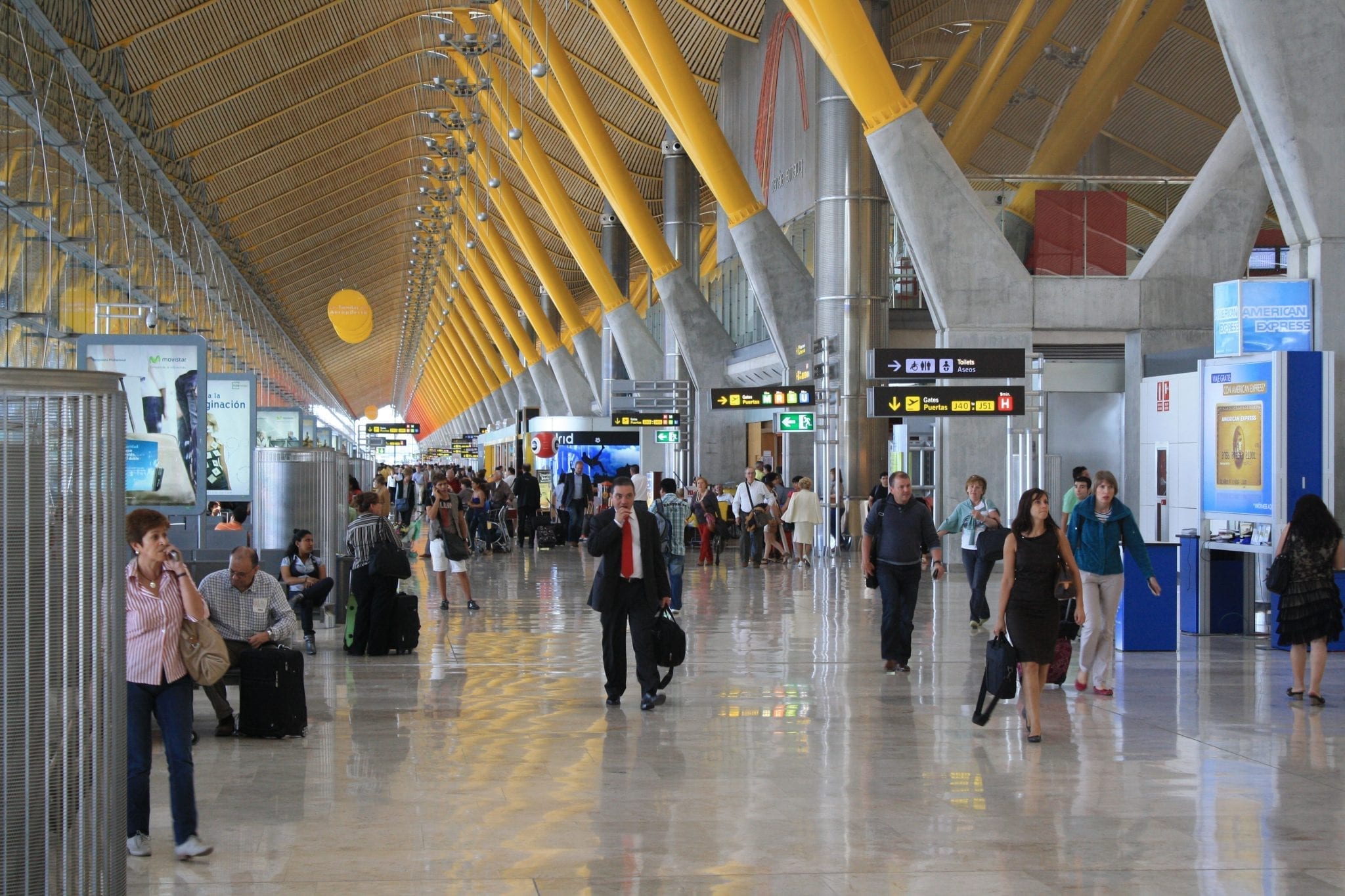
    International outbound flights from Spain were up by 2.7% last year with the biggest increase seen from countries in Asia Pacific; a trend that looks like it will continue in 2017, says travel analyst ForwardKeys.

    Passengers to Asia Pacific destinations were up by 15.7% on the previous year with many countries seeing double-digit growth, including China (up 13%), Japan (+16%), India (+17%) and Vietnam (+32%). This is clearly good news for the dominant travel retailer at Spanish airports, Dufry (World Duty Free). 

    Much of the increase can be attributed to certain airlines dramatically increasing their capacity to the region (up 38%) in 2016.

    “The growth in capacity is partly due to the Chinese seeing Spain as a safe and attractive destination and as a result creating capacity on return flights, creating the opportunity for Spanish consumers to travel on new direct routes to Asia,” says the travel analyst.

    Growth started in the second half of last year helped by Cathay Pacific (Hong Kong – Madrid), Iberia (connecting Madrid with Shanghai and Tokyo) and China Eastern (Madrid –Shanghai). However, it is important to note that Singapore Airlines and Thai Airways dropped routes.

  • China’s BYD plans to sell passenger cars in U.S. in 2-3 years

    China’s BYD plans to sell passenger cars in U.S. in 2-3 years

    BYD plans to sell electric passenger cars in the United States in about two to three years, an executive said on Thursday, as it races to be the first Chinese automaker to sell cars to American drivers.

    BYD, backed by Warren Buffett’s Berkshire Hathaway, specializes in electric and plug-in petrol-electric hybrid vehicles. At present, its U.S. presence is limited to producing buses and selling fleet vehicles such as taxis.

    Li Yunfei, BYD’s deputy general manager for branding and public relations, said its passenger car plan was not fixed as entering the U.S. was a complicated process.

    “It could be adjusted,” Li said at an event in Beijing. “Now we can only say roughly 2 to 3 years.”

    China’s government has used a raft of policies, including billions of dollars in subsidies, to spur a boom in electric and plug-in hybrid sales since 2015. The U.S., meanwhile, has lagged.

    BYD has had false starts in the U.S., with Chairman Wang Chuanfu previously saying the automaker would begin selling in the U.S. in 2010. Other Chinese peers have also encountered delays in entering the market.

    GAC Motor, a subsidiary of Guangzhou Automobile Group, displayed three models at the Detroit Auto Show earlier this month, stating it would enter the U.S. by 2019 instead of a previous goal of 2017.

    A GAC Motor spokeswoman declined to elaborate on the delay.