Tag: China

  • Huawei, Unicom complete FDD Massive MIMO field trial

    Huawei, Unicom complete FDD Massive MIMO field trial

    Huawei and China Unicom have completed field verification of what they are billing as the industry’s first FDD-based Massive MIMO technology.

    The field test used the existing two-antenna receiving terminal on the 20MHz spectrum and an FDD LTE commercial terminal to achieve a peak network rate of 697.3Mbps, nearly five times that of traditional FDD LTE.

    Huawei said the joint test demonstrated that the average mobile phone rate grows up to 87Mbps, enough for the smooth streaming of 4K HD video.

    Massive MIMO architecture requires large-scale antenna array elements and RF transceiver channels. Huawei’s solution uses it AAU technology, which integrates RF and antenna elements. The technology also uses 3D user-level beamforming to improve coverage and reduce interference.

    Huawei president of FDD products Cao Ming said when end-user devices supporting the 3GPP Release 10, 13 and 16 protocols – which define eight, 16 and 32 port multi-antenna technology respectively – become available, the spectral efficiency of Massive MIMO will improve further.

    He said Huawei will continue to drive the development of the FDD LTE Massive MIMO industry chain.

    “Our goal is to bring considerable commercial value to operators through innovative technology,” he said.

    “This successful field verification between Huawei and China Unicom, once again demonstrated the innovative capability of Huawei’s 4.5G Evolution technology. Huawei’s Massive MIMO product has the ability to evolve to 5G to protect the operator’s investment in the coming 5G era.”

  • China Mobile to cooperate with Ericsson on IoT

    China Mobile to cooperate with Ericsson on IoT

    China Mobile and Ericsson have signed an agreement to cooperate on the Internet of Things as part of China Mobile’s Big Connectivity strategy.

    The companies signed a strategic collaboration agreement at the China Mobile Global Partner Conference in Guangzhou, China last month, and announced the development last week.

    As part of the agreement, China Mobile will use the Ericsson Device Connectivity Platform to streamline the provisioning process for IoT services and deploy services to capitalize on potential new business opportunities.

    The operator plans to use the platform to integrate resources from roaming partners and offer enterprise customers worldwide reliable connectivity based on service level agreements.

    “China Mobile expects to have 200 million IoT connections by 2017. We stick to the strategy of open cooperation with our partners for win-win results,” China Mobile EVP Yuejia Sha commented.

    “China Mobile strengthens the collaboration with global leading enterprises of advanced platform, application and intelligent hardware to drive the rapid development of our industry, and provides superior applications and services to our customers.”

    Ericsson said the Device Connectivity Platform has been adopted by more than two dozen operators since it launched in 2008, supporting 1,700 industry customers.

  • PappaRich Malaysia considering IPO

    PappaRich Malaysia considering IPO

    Food chain PappaRich Malaysia is considering a Singapore IPO, possibly this year.

    Insiders say the company, which opened its first restaurant in Malaysia in 2006, aims to achieve a valuation of at least S$200 million (US$140 million) in the share sale.

    PappaRich would follow other Southeast Asia-based restaurant chains including ABR Holdings, which runs Swensen’s ice cream parlours, and kopi tiam restaurant chain Oldtown in gaining a listing to fund expansion.

    paparich-logo


    A PappaRich representative says a listing has always been a consideration as the company considers fundraising options to support its expansion plans.

    Oldtown, which makes instant coffee and runs cafes, has risen 18 per cent in Kuala Lumpur trading over the past 12 months, and shares of Thai dessert chain After You, which raised US$21 million in a Bangkok IPO last month, have surged 167 per cent from their offer price.

    More than a million customers dine at the PappaRich outlets monthly, according to its website. The company has about 100 outlets globally including Australia, China, New Zealand, Singapore and the US.

  • Goodman secures five new customers signing at Goodman Pudong Airport Logistics Park

    Goodman secures five new customers signing at Goodman Pudong Airport Logistics Park

    Goodman Group (Goodman or the Group) is pleased to announce that it has secured five new major customer commitments totalling 98,120 sqm at the Goodman Pudong Airport Logistics Park (GPALP). The leasing success achieved reflects the continued robust demand for well located, high quality warehouse and distribution facilities in and around key gateway cities like Shanghai.

    Located next to the Pudong International Airport’s third runway, which is designated for airfreight only, the park is well serviced by strong transportation infrastructure. It comprises two-storey ramped up warehouses with sustainable features such as LED lighting, low-e glass curtain walls and steel structures made out of recycled materials.

    The five customers who have recently committed to GPALP are:

    • China Postal Express & Logistics, China’s leading postal services provider
    • DSV, a Danish transport and logistics service specialist
    • NTS Logistics Management Company, a leading Chinese integrated transportation firm
    • Shi Hao Vehicle Logistics Solutions, a Chinese vehicle logistics company
    • Success Master Consultancy Co. Ltd., an automobile pre-delivery inspection service provider

    Kristoffer Harvey, Chief Executive Officer, Greater China, Goodman said, “The strong demand for space at the Goodman Pudong Airport Logistics Park underscores our commitment to making it the preferred choice for companies wanting to locate in excellent proximity to China’s second busiest airport. We are pleased to welcome so many renowned customers to this facility and to be able to meet their requirements with our modern logistics solutions and high quality customer service.”

    China Postal Express & Logistics, one of the park’s new customers, committed to a total of 19,769 sqm.

    Wang Aiping, General Manager, Shanghai Branch, China Postal Express & Logistics said, “Shanghai Postal Express & Logistics is a modern and integrated state-owned express delivery and logistics company that professionally operates and manages Shanghai’s postal express and logistics services. Our business covers all of China and more than 200 countries overseas. Goodman has a strong reputation in the market due to the high quality of its warehouses, as well as its excellent property management capabilities.

    “We are very honoured to occupy Goodman’s best-in-class facility, which has been built in line with the highest standards. The adequate amount of space provided by the Goodman Pudong Airport Logisitics Park will play a key role in helping Shanghai Postal Express & Logistics improve its management and operational capabilities, boost its efficiency and provide integrated customer services. Meanwhile, Shanghai Postal Express & Logistics will also offer convenient, rapid, safe and reliable express delivery and logistics services to all segments of society.”

  • Russian Railways eyes high-speed Europe-China cargo trains

    Russian Railways eyes high-speed Europe-China cargo trains

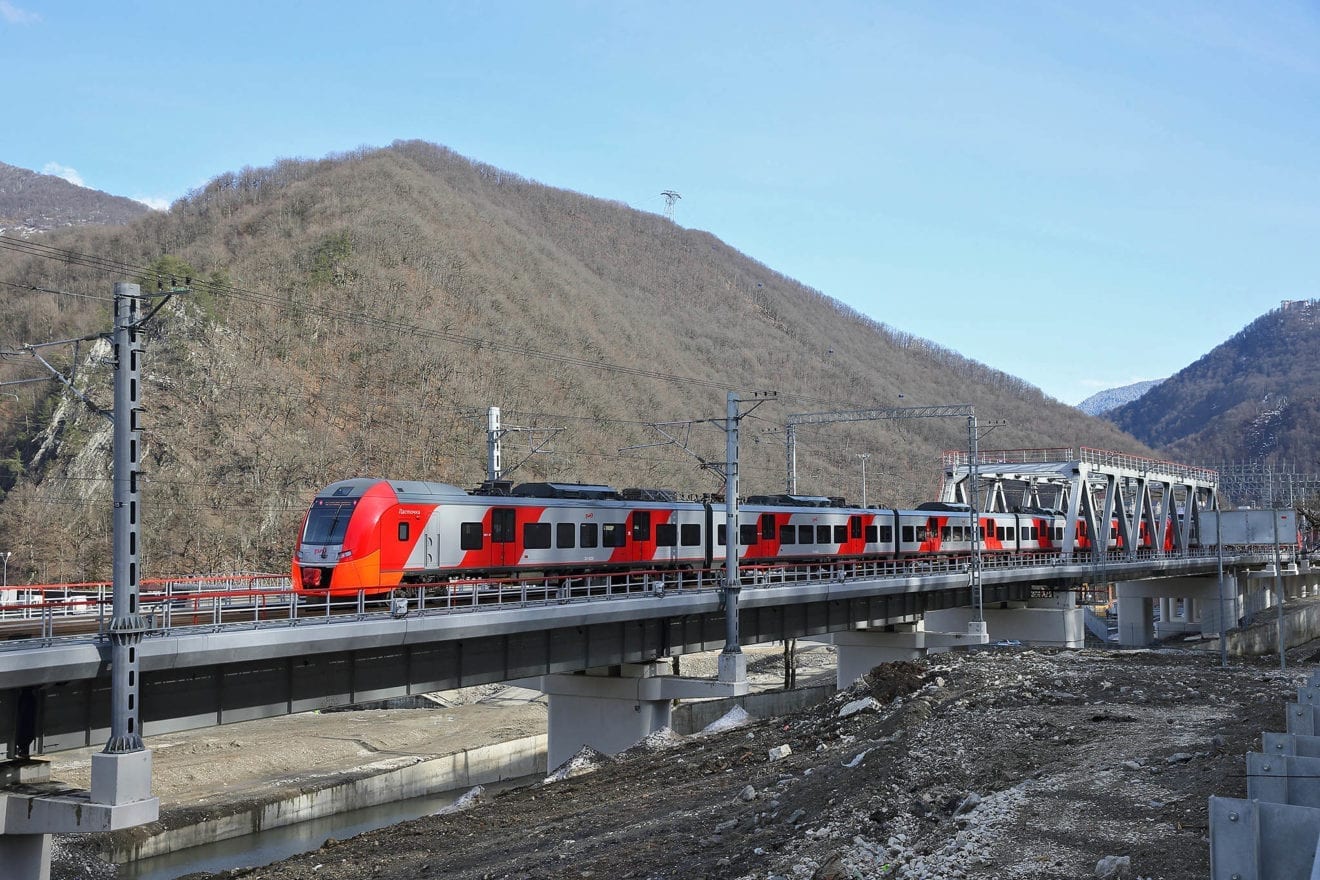
    The president of Russian Railways, Oleg Belozerov, proposed a high-speed cargo railway connection between Europe and China, allowing transport of goods to take as little as two days.

    “We plan to reach China via Kazakhstan and to carry special, high-profit cargoes to Europe via Russia, because a ship sails now 60 days, which is a long time. It sails round India and only then arrives to Europe. With a high speed rail transport we will be able to deliver goods in two days, and to earn extra money for our country,” Belozerov told a United Russia party meeting recently according to an Executive Intelligence Review News Service (EIRNS) report.

    Earlier Russian Railways said it was working on developing a cargo train capable of carrying from 300 to 600 tonnes of cargo at speeds up to 300kph.

    The China-Europe cargo line will be part of the Moscow-Kazan high-speed railway, whose construction should begin in 2017, Belozerov said. With a distance of some 770 kilometers, and a speed of of 350-400 kph, the rail route will cut the time between the two cities to as little as 3-3.5 hours; the current time is 14 hours. The line could be commissioned before 2022-2023.

    The US$16.8 billion railway project could later be extended to China, connecting the two countries across Kazakhstan. The Moscow-Beijing railroad will be 7,769 kilometers, with a travel time of 32.8 hours — four times faster than the current 130.4 hours. The average annual passenger traffic is estimated at 195 million people.

    China is committed to providing $6.5 billion as a credit for 20 years and $1.6 billion as a contribution to the charter capital of the special-project company. The German Initiative Consortium (includes Siemens, Deutsche Bank, Deutsche Bahn, and other companies) is ready to allocate €2.7 billion to finance the construction of the high-speed railway line and to attract up to €800 million for the project.

  • House of Fraser sales plummet under Chinese owner

    House of Fraser sales plummet under Chinese owner

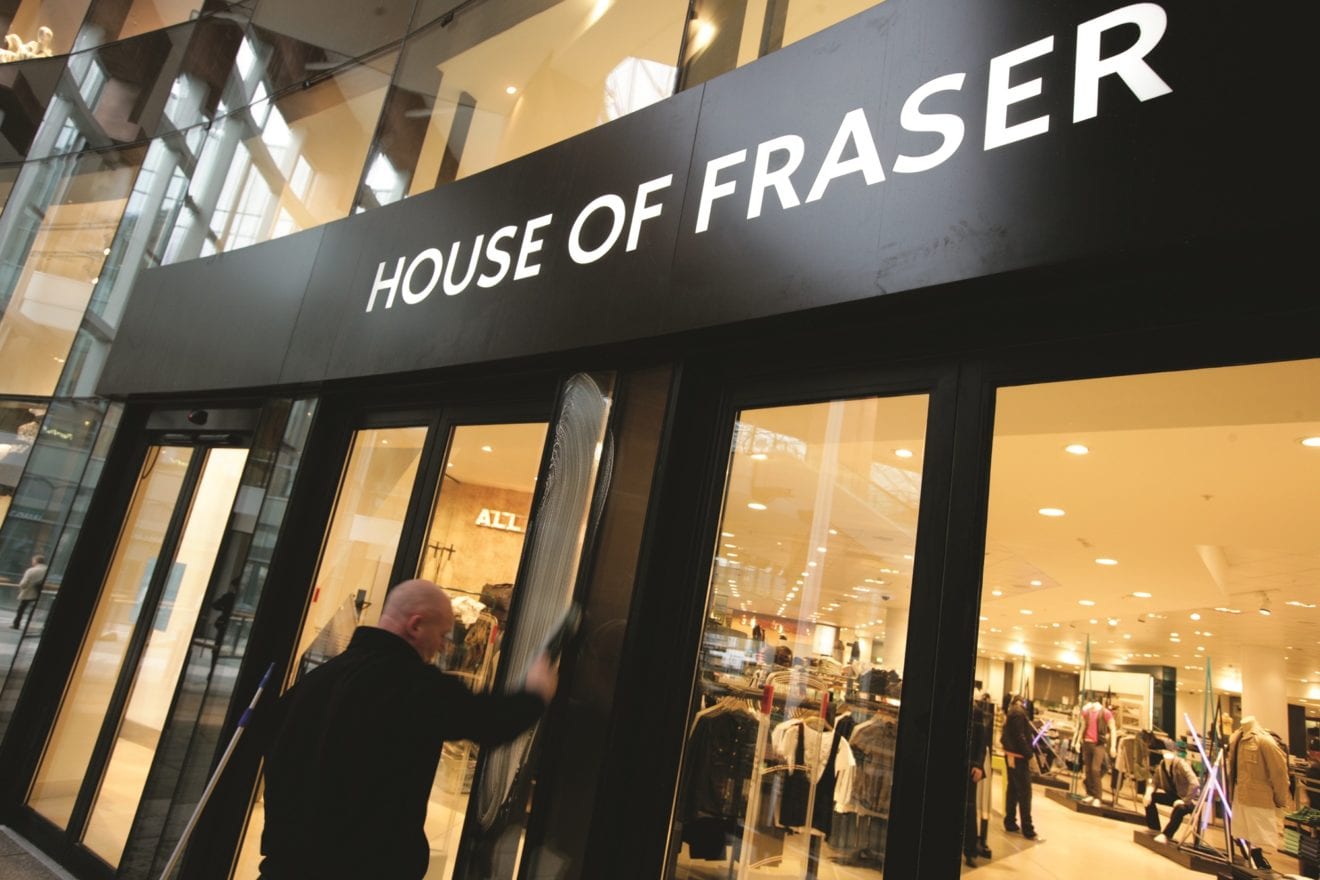
    The global ambitions of House of Fraser’s new Chinese owners have fallen flat, management is disgruntled and profits have dived nearly 50 per cent in the first half year.

    That’s the analysis of Verdict Retail senior analyst Emily Stella, who says the department store’s fate is “being closely watched”.

    Unseasonable weather and consumer uncertainty were factors in the decline, she adds.

    But the news is not all bad.

    “House of Fraser has reported a positive set of results for the Christmas period: the beauty category performed particularly well, with an increase in gifting and the onset of party season. [In the UK] House of Fraser’s Black Friday results were also commendable, with sales rising 2.7 per cent on last year – driven primarily by strong online demand, which represented 41 per cent of total sales across the week-long event.”

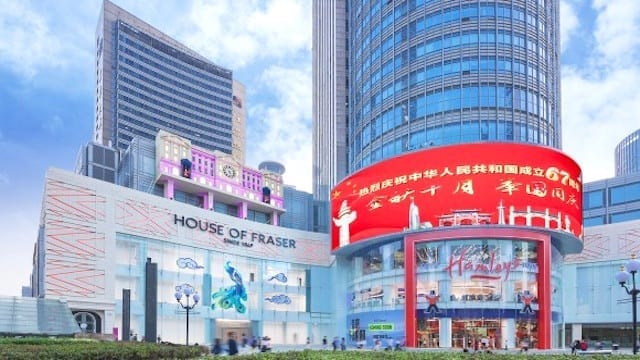
    After repeated postponements, House of Fraser opened its first standalone store in China in Sanpower Plaza in Nanjing in December.  The company is owned by Chinese conglomerate Sanpower Group, whose affiliate C.banner International owns British toy giant Hamleys, which has opened a store in the same centre.

    House of Fraser chairman Frank Slevin said at the opening that the chain will look to benefit from the strong demand by Chinese consumers for UK brands.

    Meanwhile, Stella says the retailer has rightly invested in refurbishing its existing UK stores.

    “These stores have been the retailer’s top performers over the Christmas weeks and supported like-for-like sales growth. Continued investment in its online platform and store estate, as well as offering consumers a broad range of brands will be critical as the retailer faces tougher market conditions in 2017.”

    The true performance of House of Fraser over Christmas will be able to be assessed when rivals M&S, Debenhams and John Lewis reveal their results tonight, providing a benchmark for all.

  • Fast retailing bright faith

    Fast retailing bright faith

    Both consolidated revenue and profit rose for apparel retailer Fast Retailing Group in the first quarter of its latest fiscal year – the three months to November 30.

    Consolidated revenue rose 1.6 per cent year-on-year to reach ¥528.8 billion (U$4.6 billion), while profit soared 16.7 per cent to reach ¥88.5 billion.

    The gross profit margin held steady as the company continued its group-wide cost-cutting drive initiated in fiscal 2016.

    With the group recording a foreign exchange gain of ¥15.6 billion, the consolidated profit rose considerably in the quarter, with profit before taxes increasing by 34.2 per cent to ¥104.2 billion, and profit attributable to the owners of the parent expanding by 45.1 per cent to ¥69.6 billion.

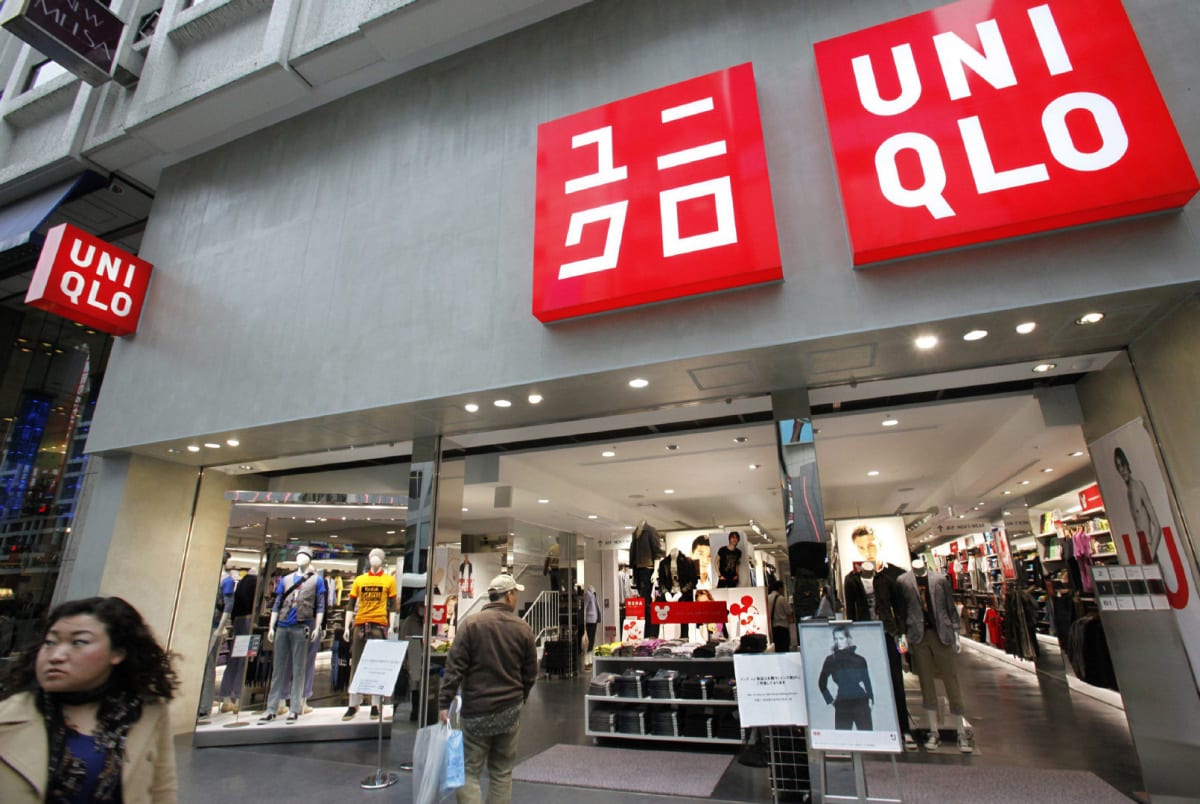
    Breaking down the first-quarter performance into the three individual business segments, Uniqlo Japan increased both revenue and profit, Uniqlo International had a fall in revenue but a rise in profit, and Global Brands had a rise in revenue but a fall in profit.

    With its medium-term vision to become the world’s No. 1 apparel digital retailer, the group is focussing its efforts on expanding Uniqlo International and its low-priced GU casual-fashion brand.

    It is continuing to grow Uniqlo store numbers in each country where it has a presence, opening global flagship stores and large-format stores in major cities. It is also expanding GU, which has grown into a second-pillar brand for the group. It has opened more GU stores within Japan and has been accelerating the brand’s development and store numbers in overseas markets.

    “Another medium-term goal is to revolutionise our entire supply chain, spanning all procedures from planning to design, raw materials procurement, manufacturing and retail into a new supply chain system that can fully satisfy the needs of today’s digital era.

    “The customer-centric, information-driven supply chain is designed to support a comprehensive new digital retailing business model for the Fast Retailing Group.”

    Next month, the group will move all Uniqlo product-related and commercial activities to its central Ariake headquarters.

    Uniqlo Japan

    For the quarter, Uniqlo Japan increased revenue 3.4 per cent to ¥238.8 billion, and profit by 1.8 per cent to ¥45.6 billion. Same-store and online sales grew 2.5 per cent.

    During the period, the number of stores was reduced by six to 800 (excluding 41 franchise stores) at the end of November. Three stores shifted from being directly run to become employee franchise stores.

    Same-store sales declined in September and October because of unseasonal warm weather affecting demand for fall/winter items. Once temperatures dropped in November, same-store sales picked up.

    Uniqlo International

    Revenue eased 0.2 per cent to ¥196.5 billion for Uniqlo International, but there was a 44.6 per cent rise in profit. The fall in revenue was mainly because of the effect of the stronger yen, which pushed down yen-based sales by an average 16 per cent. However, in terms of local currencies, sales rose overall.
    Profit contributions from Uniqlo Greater China and Uniqlo Southeast Asia and Oceania were especially strong.

    Fifteen years after the first Uniqlo store outside Japan opened, the international network surpassed 1000 outlets, settling at 1009 stores at the end of November, an increase of 145.

    Global Brands

    For Global Brands, revenue rose 1.1 per cent to ¥92.7 billion while profit dropped by 22.7 per cent to ¥9.5 billion. The GU casual fashion brand grew revenue but had a profit fall after unseasonal warm weather. GU same-store sales expanded only marginally over the quarter as a whole.

    The group’s Princesse Tam.tam label in France and its J Brand premium denim label in the US continued to lose money, while fashion brands Comptoir des Cotonniers and Theory had steady profits. 

    Humanitarian aid

    In October, Fast Retailing Group decided to donate US$1 million to humanitarian aid efforts in south Sudan.

    In its “All-Product Recycling” initiative, the group delivers clothing collected at Uniqlo and GU stores to refugees and displaced persons, and in November head-office employees visited Myanmar to donate about 60,000 items of clothing. The beneficiaries were internally displaced persons in the Kachin and Rakhine states.

  • Movie company VShine Brothers opens oyster bar

    Movie company VShine Brothers opens oyster bar

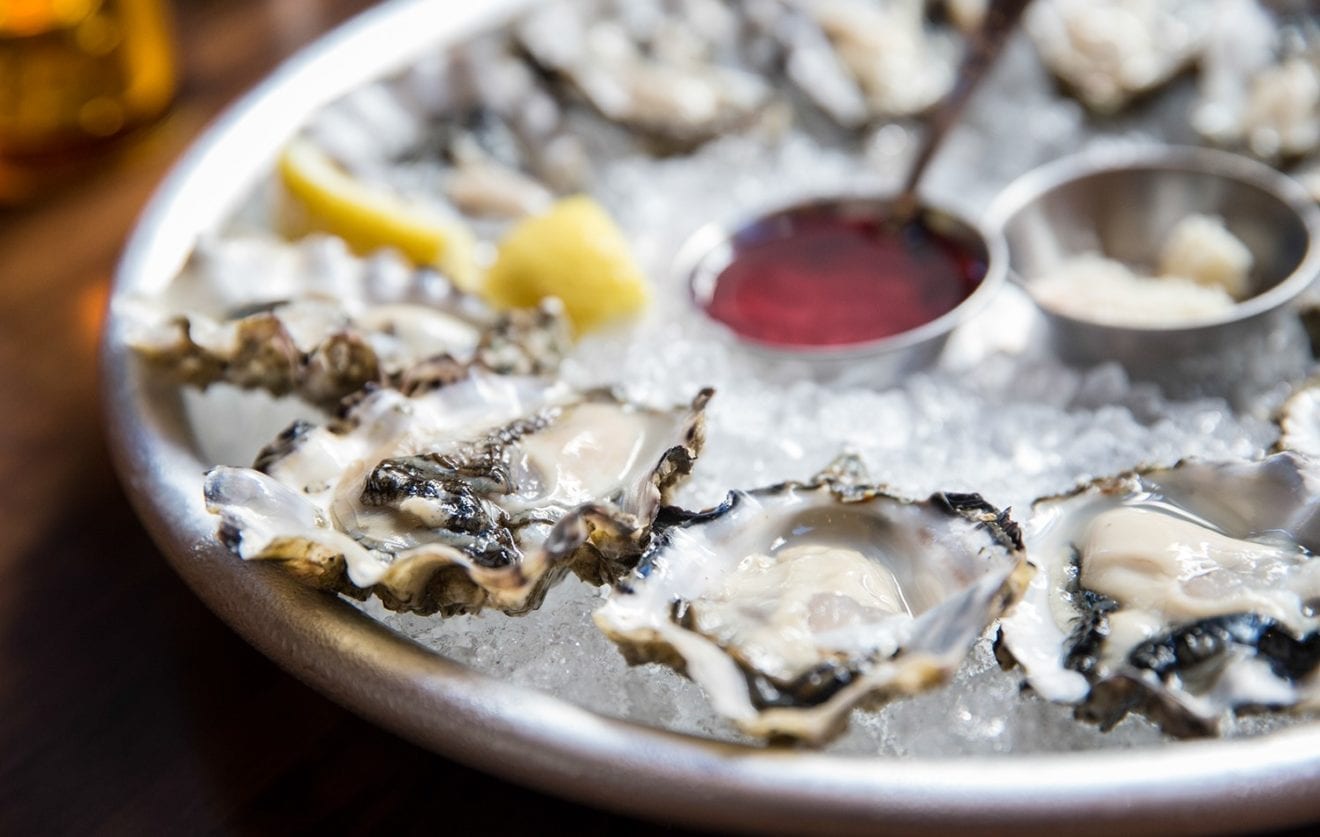
    Movie investment and production company VShine Brothers has opened an oyster bar in Beijing.

    Its VShine Oyster Bar features interior design by A+A Workshop Design, Beijing, inspired by a marine concept.

    A+A Workshop Design says the aim was to create “historical charm” from the 1930s-1940s era. “We use some marine elements such as a cruiseship door, a scuttle, reef stone … the materials used include brass, brick wall, walnut timber wall panels and ceramic tiles.”

    The floor combines marble mosaic and wood, while the ceiling is made of vintage tin-tiles.

    There is a sculptural installation at the entrance – a fake reef stone made of concrete studded with oyster shells.

    At the end of a corridor is a hidden door, which leads to a cigar room with industrial pendant lighting and a vintage Chesterfield sofa as decoration.

    Another touch is glass display cabinets with items including a full suit of armour.

    VShine Brothers was established as Wei Shi Brothers in 2011 and is now a group of companies working in the movie, television and internet sectors. It even has a clothing brand with movie star endorsements.

  • Tender for retail space in Shanghai Pudong airport

    Tender for retail space in Shanghai Pudong airport

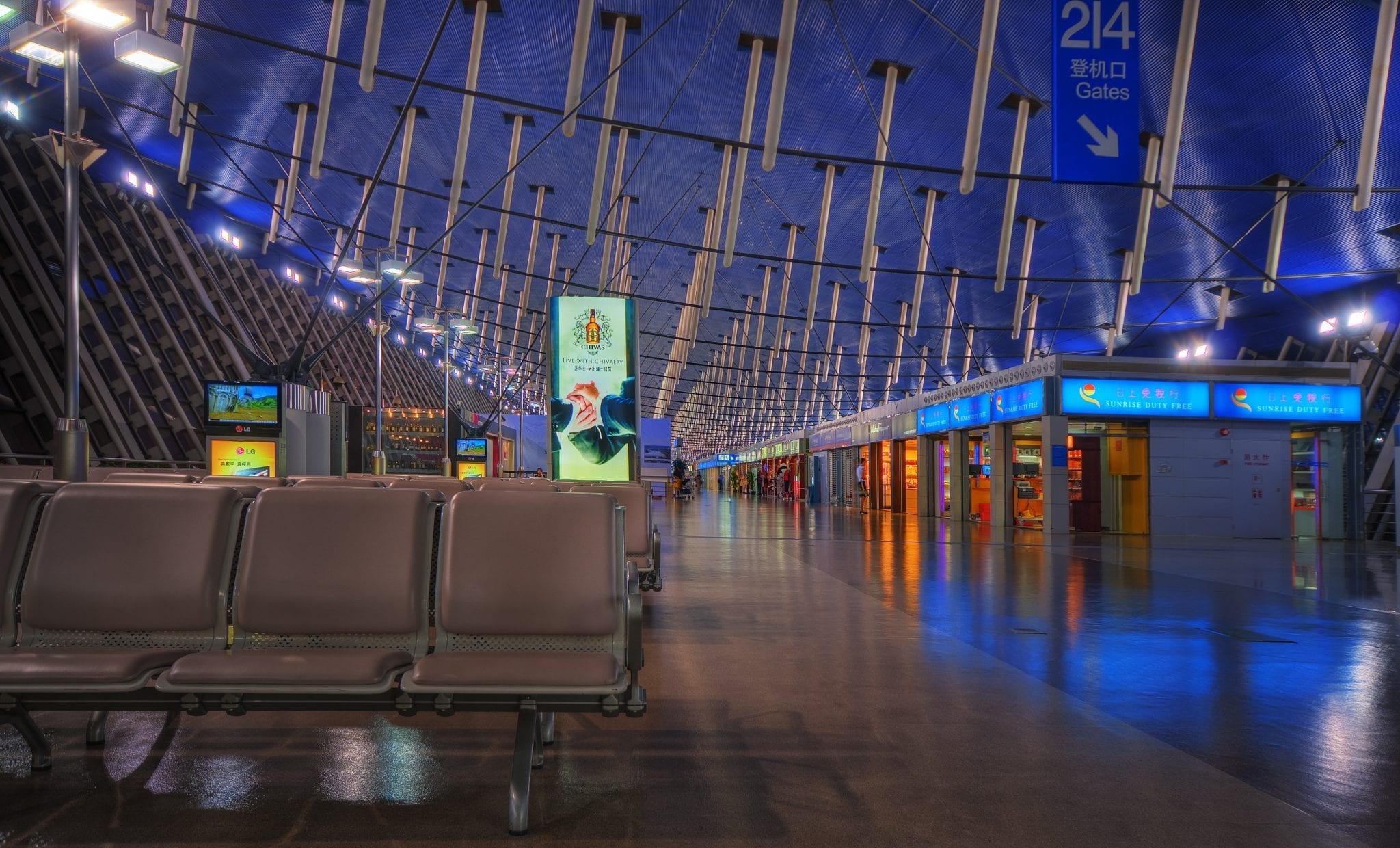
    Shanghai Airport Authority is seeking bidders for retail concessions at Shanghai Pudong International Airport Terminal 2 (domestic).

    It has 38 stores available covering a total of 3300 sqm, with multiple product categories up for tender.

    Likely bidders include Orient King Power, a subsidiary of the Antares Cheng-owned King Power Group (Hong Kong), which expanded its business at Shanghai Pudong Airport last year with fashion and luxury stores, reports The Moodie Davitt Report.

    Saying Orient King Power will target the concessions, GM Mackintosh Feng says it will give it space to introduce more brands into the domestic airside area of Pudong. “In T1 we mainly have China Eastern Airlines and Shanghai Airlines, and in T2 we’ll have Air China and China Southern Airlines.”
    Tenders must be submitted by January 22.

  • Ford bets on Mustang to power up China profits

    Ford bets on Mustang to power up China profits

    Ford Motor is betting on one of its most distinctively American models, the Mustang muscle car, to boost the company’s sales and profits in China.

    Ford began selling the Mustang in China in early 2015, and it is a niche vehicle, selling at a rate of about 3,000 cars a year. Still, that makes the Mustang, which starts at 399,800 yuan ($57,670) the top-seller in a sporty car segment against more expensive vehicles like the Audi TT and the Nissan Skyline GT-R. Mustang last year outsold the Chevrolet Camaro from General Motors Co by nearly 15 to one.

    With styling that harks back to 1960s Detroit muscle cars, the Mustang stands out in a Ford lineup dominated by practical sedans and sport utility vehicles. Ford’s sales in China grew by 50 percent in 2013 and 20 percent in 2014, but in 2015 the pace slowed to 3 percent. In 2016, Ford added the Lincoln luxury brand to its China lineup and expanded sales by 14 percent.

    Industry analysts said Ford’s China market profits and profitability were relatively healthy, with operating margins for Ford’s joint ventures with Chongqing Changan Automobile Co Ltd (000625.SZ) and Jiangling Motors Corp (JMC) (000550.SZ) in the 14-16 percent range over the past three years.

    But competition in the world’s largest car market continues to heat up as global automakers, from GM to Volkswagen AG to Toyota Motor Corp, add more models to product ranges. Indigenous Chinese automakers, too, are launching models that can compete more head-on with global carmakers’ products.

    Ford officials said the company’s China operations did not have specific profit objectives but were trying to keep margins in their current “healthy” range.

    “In terms of having a pricing power on your brand, you want people to be choosing your brand for rational reasons, but if you could also (combine) that with emotional reasons, that’s when you get some pricing power,” Peter Fleet, Ford’s executive in charge of sales and marketing for the Asia-Pacific region told Reuters.

    The Mustang and the F-150 Raptor, a high performance version of Ford’s F-150 large pickup truck, provide the emotion, he said.

    The formula works for Dong Zirui, a 27-year-old small rental car business owner in the northeastern China city of Tangshan who bought a Mustang late last year.

    “The Mustang is a rear-wheel-drive car,” said Dong who decided to buy the Mustang when he spotted photos of it online. “It’s a savage when you try some drifting stunts with the car.” But Dong said he can fit his wife and young son in the car when he needs to.

    Dealers say the Mustang brings in two types of buyers to Ford stores: younger drivers, mostly younger than 30 years of age, from upper-middle class families, who have recently finished their studies and have financial support from their parents, as well as drivers in their 30s and 40s who have work or life experience outside China.

    “Ford has a cleaner sheet in China, so there might be an opening for those halo cars to help the company improve its brand image,” said James Chao, Asia-Pacific chief for consulting and research firm IHS Markit Automotive, referring to China being a relatively young market.

    As Chinese consumers typically make car purchasing decisions based on word-of-mouth advice from their family and friends, Mustang buyers can be influential opinion leaders for Ford.

    Guo Xin, a 30-year-old rally car racer and stunt driver for films and commercials in Beijing, said he liked the Mustang so much that in 2011 he helped form a Mustang Club of China which now has some 2,000 members.

    “Growing up I used to see the Mustang in movies,” said Guo who drives a 2006 Mustang and also owns a 1966 Mustang.

    Guo’s classic Mustang would turn heads even in Detroit. But he cannot take it out on public roads. Used cars brought in from outside China cannot be registered in the country.
  • Forever 21 expand on activewear

    Forever 21 expand on activewear

    US fast-fashion retailer Forever 21 has launched its activewear collection globally at its stores and on its website.

    The Forever 21 Activewear Collection provides low-, medium- and high-impact pieces in an array of soft and neon hues.

    forever-21-activewear-collection-2

    The Fit and Run assortment is designed for high-impact activity and features bold prints, sweat resistance, matching sets and lightweight jackets.

    The Booty Sculpt assortment is designed for medium-impact activity and aims to highlight and define curves. It features black and charcoal hues, with high-waisted shorts, capris and leggings with power mesh inserts.

    forever-21-activewear-collection-1

    For low-impact activity, the Dance and Yoga assortment features soft tones and delicate styles such as loose-fitting joggers and wrap-around tops designed for layering.

    With its headquarters in Los Angeles, Forever 21 was founded in 1984 and has more than 730 stores in 48 countries including Australia, China, Hong Kong, India, Japan, Korea and the Philippines.

  • China is Ted Baker’s savior

    China is Ted Baker’s savior

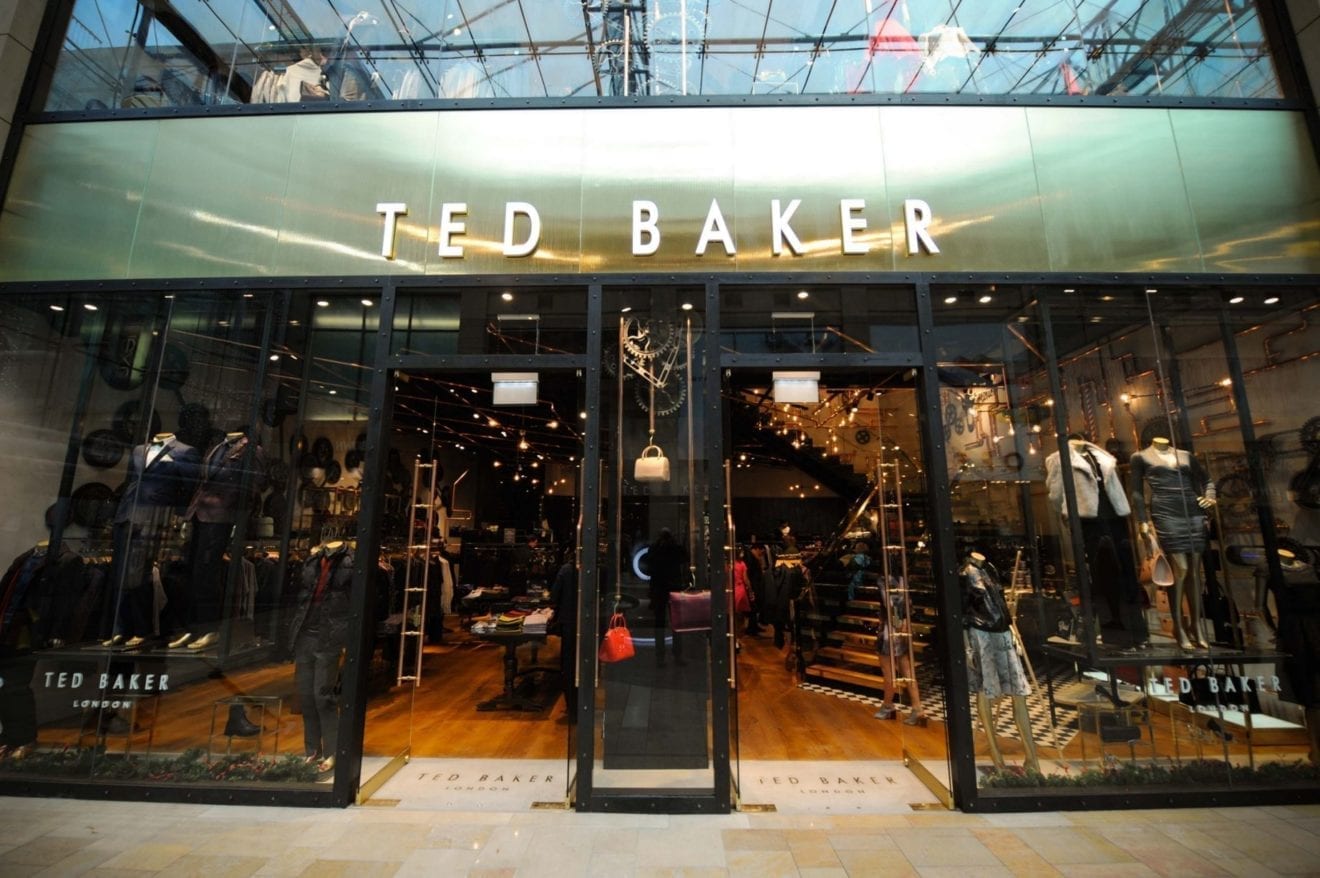
    China has helped drive a solid half year for men’s fashion retailer Ted Baker.

    The UK-based chain has been rolling out concessions in the mainland with a local partner. That helped the company’s average retail square footage to rise by 8.5 per cent over the period to reach 386,252 sqft. Store openings in Indonesia – and its newest market, Bahrain – also helped.

    Additionally Ted Baker’s website now delivers to over 200 countries with the retailer rolling out language specific websites – helping to drive impressive online growth and broaden its global reach.

    Fiona Paton, an analyst with Verdict Retail, describes Ted Baker as a go-to destination for Christmas gifting and self-treating due to its stylish designs, distinctive collection of partywear and its range of high-quality accessories and leather goods which appeal to aspirational shoppers. “It is therefore no surprise that Ted Baker has reported another impressive performance this Christmas.”

    UK retail sales will benefit from Ted Baker’s increasing international brand awareness, as the retailer becomes front of mind among tourists wanting to take advantage of the weaker pound and buy into British brands and premium goods while visiting the UK, says Paton.

    “Over the next five years menswear is going to be the fastest-growing clothing sector in the UK. Ted Baker benefits from a unisex brand appeal so should capitalise on this and invest in its menswear proposition to increase its appeal among new 25-34 year old shoppers looking to graduate from Topman and River Island, and who are prepared to spend more on their clothing.”

    She says refreshing its designs and increasing the frequency of newness in collections will also help protect Ted Baker against emerging competitors, such as Superdry, which launched a premium menswear collection with Idris Elba in 2016, Whistles and Jigsaw.

  • Burberry Korea price cut is needed

    Burberry Korea price cut is needed

    Burberry Korea is under fire for cutting prices “too little, too late”.

    It’s not the first time Burberry has been criticised for its Asian pricing strategy. Last May,

    Jack Chuang, a partner with Hong Kong-headquartered OC&C Strategy Consultants, said that of all the luxury brands, Burberry is the one with the most significant price gap between Asian and European markets.

    “Prices in Mainland China are almost 40 per cent higher than in UK, while in Hong Kong, it is 20 per cent higher.”

    The South Korean office of Burberry recently marked down the price of some of its products to reflect the fallen value of the British pound, but only by a small margin compared with the currency’s depreciation, fashion industry officials said Wednesday.

    Burberry Korea dropped the local price by an average 9 per cent as the pound fell after Britain’s decision to leave the European Union in June last year. Industry officials say the markdown, however, falls far short of the 17 per cent fall of the British currency against the US dollar. The pound’s exchange rate against the South Korean won dropped 17 per cent from 1765.90 won in February last year to 1468.13 won as of January 9.

    The price adjustment in Korea also falls behind Burberry’s decision for Hong Kong, where the fashion brand’s product prices were taken down 10-15 per cent in September. Some of the products were down by 20 per cent. The markdown rate was more than the 9.75 per cent fall of the pound against the Hong Kong dollar at the time.

    Burberry Korea declined to talk on the matter despite repeated calls by news agency Yonhap.

    Consumer groups have long complained that foreign brands often take advantage of their popularity in South Korea to push demands they do not make in other countries or exclude South Korea from their market action.

    Swedish furniture maker Ikea caused ire last year when it kept selling dressers in South Korea that were recalled in the US and Canada after reported accidents involving children that resulted in deaths. The company had argued that the dressers meet local safety regulations. Volkswagen, who already settled on compensation to its consumers in the US from faked emissions tests, has yet to carry out full recalls or offer compensation steps in South Korea.

    US credit card company Visa in May came under fire for deciding to raise the processing fee by 10 per cent for overseas transactions, effective in South Korea but not in Japan or China.

    Such discriminatory actions are more stark at duty-free shops, industry officials say, who fiercely compete to host highly sought brands.

    “In case of popular brands, they often insist on excessive requirements, such as the cost of interior decorations when deciding to open their store,” an official at a Seoul duty-free shop said. “The retailers have to be compliant because of the brand power and because they have to attract customers, and they end up having to accommodate the demands.”

  • Lalamove to expand to 100 Asian cities

    Lalamove to expand to 100 Asian cities

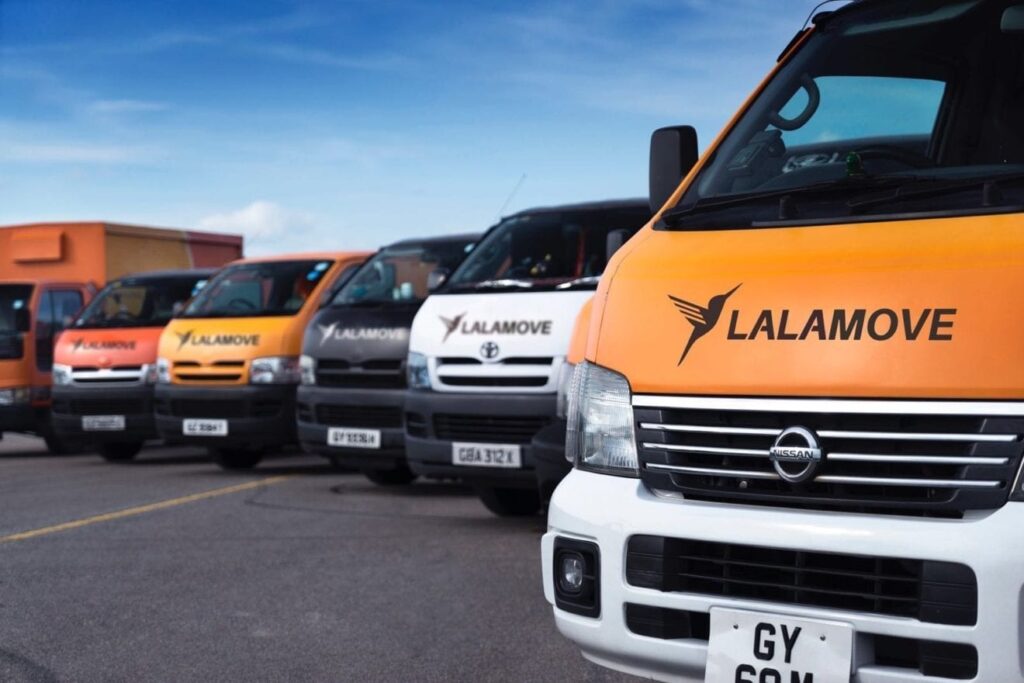
    Hong Kong-based logistics startup Lalamove has raised US$30 million in Series B funding to enable it to push into more than 100 cities in Asia by the end of the year.

    It is already established in 45 cities across China and Southeast Asia.

    Since it launched as EasyVan in 2013, the company has raised a total US$60 million in funding, with its latest round being led by Xianghe Capital from Beijing, with Blackhole Capital participating as a new investor. Previous investors Crystal Steam and Mindworks Ventures also contributed.

    Lalamove MD Blake Larson says the company is close to being profitable.

    Lalamove says it already has the largest service area for intracity deliveries in Asia with more than 500,000 drivers using the platform. More than 5 million people have used the service.

    Founder/CEO Shing Chow said he believes the logistics industry is underpenetrated by mobile platforms, citing the US$1.7 trillion market in China as an example.

    “The evolution of the logistics industry has not been as rapid as some other markets like communication, but we believe we are at a tipping point where transformation will now happen very rapidly.”

    Dubbed the “Uber for logistics” because it applies the on-demand economy to the delivery industry, Lalamove lets users choose pick-up and drop-off points, type of vehicle and either “advance booking” or “immediate delivery”.

    A company can schedule up to 20 stops per order, customise an account with “favourite drivers” and use one-click optimised routing to save time, reports E27.

    In Thailand, Lalamove partnered with Japanese chat company Line to set up Line Man so its user base could buy and deliver documents, packages, groceries and food items.

    In November, the company expanded into the Philippines, where its option to request round-trip deliveries for cash-on-demand was important.

    The company rebranded from EasyVan in November 2014, ahead of its Bangkok launch.

  • Shares of world’s largest footwear maker plunge on false sales data

    Shares of world’s largest footwear maker plunge on false sales data

    Pou Sheng International Ltd, a unit of the world’s largest producer of branded footwear, recorded the largest intraday plunge in its stock price since 2008, after firing its chief financial officer for publishing inaccurate sales figures, and announced the departure of its chief executive.

    Shares of the company tumbled as much as 37 per cent to an intraday low of HK$1.30 in Hong Kong, wiping out HK$4.1 billion of its value. Share prices of Yue Yuen Industrial Holdings, the 62 per cent shareholder of Pou Sheng, fell as much as 9.8 per cent.

    “The Company discovered on 6 January 2017 certain incorrect sales records in the month of December 2016, which could potentially lead to recognition of revenue for sales transactions that did not take place before end of year 2016,” Pou Sheng said in its filing to the Hong Kong stock exchange.

    “The incident revealed weakness over the financial controls,”the Hong Kong-based company said, even though the relevant figures were not significant compared with the group’s overall revenue and did not materially affect any financial information published prior to the announcement.

    The retailer said it has sacked CFO Chen Luo-leng, while CEO Kwan Heh-Der has resigned.

    Pou Sheng is a spin off of Taiwan’s apparel and footwear maker Yue Yuen, which owns factories in mainland China, Vietnam and Indonesia, producing 300 million pairs of shoes every year for Nike, Adidas, Reebok, New Balance, Puma and Timberland.

    Deloitte has been hired by the Hong Kong-based retailer to carry out a check on accounting records of the company, Pou Sheng said.

    Pou Sheng has been in a tight financial spot for the past few quarters, as same store sales growth — a crucial gauge on a retailer’ s business well-being — slowed to 4.6 per cent for the first three quarters of the year from 6.7 per cent for the first half, spurring investor concerns over its long-term prospects.

    The incident has triggered a series of downgrades by research houses on Pousheng and Yue Yuen’s shares.

    “We are worried that a slowdown in Yue Yuen’s retail arm will only be more severe than what the market had feared, and the resignation of the CEO could lead to near term disruption of the company, indirectly affecting Yue Yuen’s financial performance,”a UBS report issued Monday said.

    Credit Suisse cut Yue Yuen’s rating to Underperform from Neutral, as it reckoned its earnings will be weighed down by a projected decline in Pou Sheng’s net profits, according to a Monday note. “This should significantly affect operations and financials of Pou Sheng in the near-term,”the investment bank suggested.

    However, Hugo Suen, an analyst with Sunwah Kingsway, painted a slightly rosier picture for Pou Sheng.

    “After all, this company has the best international sports brands [as its business partners], and the swift action by the board should be able to rescue its reputation in the long term,” Suen said.

    Pou Sheng closed Monday trading at HK$1.61, down 22.22 per cent while Yue Yuen erased some of the earlier losses to settle 6.88 per cent down from the previous close at HK$27.05.