Tag: China

  • Tata Motors” arm reports 12% rise in December retail sales

    Tata Motors” arm reports 12% rise in December retail sales

    Tata Motors’ subsidiary — Jaguar Land Rover (JLR) has achieved its best ever December sales performance in 2016, with total retail sales of 55,375 vehicles, up 12% on the prior year, primarily driven by the ongoing success of the Jaguar F-PACE, Land Rover Discovery Sport and the Range Rover Sport as well as strong demand for the long wheel base Jaguar XFL in China. JLR total retail sales for the full 2016 calendar year also reached record levels with sales of 583,312 units, up 20% compared to 2015.

    JLR’s global retail sales performance for December shows strong growth in China (up 36%), North America (up 30%) and Europe (up 8%) but softer sales in the UK (down 3%) and in other overseas markets (down 16%).

    Jaguar retail sales were up 95% in December 2016, retailing 16,349 vehicles driven by the ongoing success of the F-PACE and strong demand for the long wheel base XFL in China. Jaguar retail sales for the full 2016 calendar year reached 148,730, up 77% compared to 2015.

    Land Rover retailed 39,026 vehicles in December 2016, down 5% compared to December 2015 as strong retail sales of the Discovery Sport and Range Rover Sport were offset by lower sales of the discontinued Defender and Discovery models. Land Rover retail sales for the full 2016 calendar year reached 434,582, up 8% compared to 2015.

  • S4M sets new target in travel retail

    S4M sets new target in travel retail

    Mobile advertising tech company S4M has launched a service to target more than 30 million airport travellers each week.

    Using enriched geo-localised user behavioural and contextual data, the company wants to help brands boost their presence in 30 global airports.

    “Airports are more than just transit areas – they present a huge opportunity for brands to engage with consumers,” says S4M VP of APAC sales Gavin Buxton.

    “The smartphone is an extension of the individual, so it is a must-have touchpoint when creating fully integrated brand experiences. Advertisers should be combining the omnipresence of the mobile medium with real-time geolocation at airports to deliver seamless customer journeys.”

    S4M’s “geofencing” technology helps advertisers analyse and understand mobile user profiles at airports. The company combines anonymous mobile device identifiers with GPS co-ordinates, device language settings and online periods. This mix provides advertisers with more insights into consumer behaviours and offers a new opportunity to engage with travellers at airports.

    “Consumers break away from their daily behaviours when travelling, and the only constant is their smartphones,” says S4M CEO Christophe Collet. “Our goal is to reach people in transit, whether tourists or business travellers, when they are away from their everyday routines. Brands that can deliver tailored messages to their customers, even when they are hundreds of kilometres from home, are truly transforming mobile advertising into a valuable service”.

    About 1 million people a day travel through the Skytrax-rated top five airports in Asia: Singapore Changi, Incheon, Tokyo Haneda, Hong Kong and Beijing.

    More than two-thirds of air travellers are from middle- to high-income groups, according to figures from the World Bank.

    Demographics such as luxury-brand shoppers, digital high-tech users, high-end car buyers and business travellers can be reached in a duty-free setting via mobile. Luxury brands such as L’Oreal have already used S4M’s technology for cross-country campaigns.

    S4M (Success for Mobile) is an innovative advertising technology company that transforms mobile ads into personalised content for individual users. Founded in 2011 by mobile marketing pioneers, it now services more than 350 advertisers internationally. S4M has its headquarters in Paris with more than 95 employees and five offices covering Asia Pacific, Europe, Latin America and the US.

  • CapitaLand to manage La Botanica mall

    CapitaLand to manage La Botanica mall

    CapitaLand Mall Asia has signed its second management contract within five months, to manage the shopping mall in La Botanica, a township in Xi’an’s Chan-Ba Ecological District.

    The mall is being developed by (Xi’an) Property Development, a JV between CapitaLand and Hong Kong-based Henderson Land.

    The deal follow CapitaLand’s announcement in August that it is managing the retail component of Fortune Finance Center in Changsha, China, for Changsha Pilot Investment Holdings. It also follows the acquisition of CapitaMall Xinnan (formerly Galleria, Chengdu) by CapitaLand Retail China Trust in September.

    “We are fast-tracking the growth of our shopping-mall network in western China to capitalise on the region’s favourable economic prospects, which have been boosted by the Chinese government’s Western China development program One Belt, One Road economic initiative as well as the Sino-Singapore Chongqing Connectivity Initiative,” says CapitaLand Mall Asia CEO Jason Leow.

    “CapitaLand’s asset-light expansion strategy through management contracts will continue to gather momentum with this deal in Xi’an, and complement our core strategy of developing, owning and managing malls.”

    Under the contract, CapitaLand will oversee asset planning, pre-opening and retail management for a five-storey mall – four levels above ground and a basement level – with a gross floor area (GFA), excluding car park, of about 50,000 sqm.

    Expected to open in 2019, the mall will double CapitaLand’s retail presence in Xi’an, where it owns and manages CapitaMall Xindicheng, a 60,000 sqm one-stop shopping mall, about 10km south of La Botanica.

    Flagship developments

    Including the mall in La Botanica, CapitaLand manages a portfolio of 14 malls in western China with a combined retail GFA of about 1.13 million sqm. The region is also home to two CapitaLand flagship Raffles City integrated developments – Raffles City Chengdu, which opened in 2012; and Raffles City Chongqing, Singapore’s single largest investment in China at RMB24 billion (about US$3.4 billion) that will be opening in phases from next year.

    Leow says CapitaLand is preparing to open eight more malls this year, six of which will be in China. “As we continue to enhance our retail scale and network through acquisitions and management contracts, we will also look at reconstituting our portfolio to achieve an optimal asset mix to provide us with stability and a strong recurring income stream. ”

    CapitaLand-Henderson (Xi’an) Property Development GM Wu Xianyue says La Botanica is envisioned as a world-class garden city. It is in the heart of Chan-Ba Ecological District, a planned urban area integrating ecological, commercial, residential and cultural components. Targeted for completion in 2023, the township spans 3 million sqm, of which about 87 per cent is pegged for residential use. There is a commercial zone of more than 310,000 sqm, plus a 50,000 sqm central park, seven community schools and a general hospital.

    The shopping mall is at the heart of La Botanica’s commercial zone and will be served by arterial roads, 20 bus routes and a metro line. It is expected to serve an estimated 600,000 residents and working professionals living within a 5km radius. The population catchment is projected to reach about 1 million in the next four years.

  • Alibaba moves to privatise Intime Retail Group

    Alibaba moves to privatise Intime Retail Group

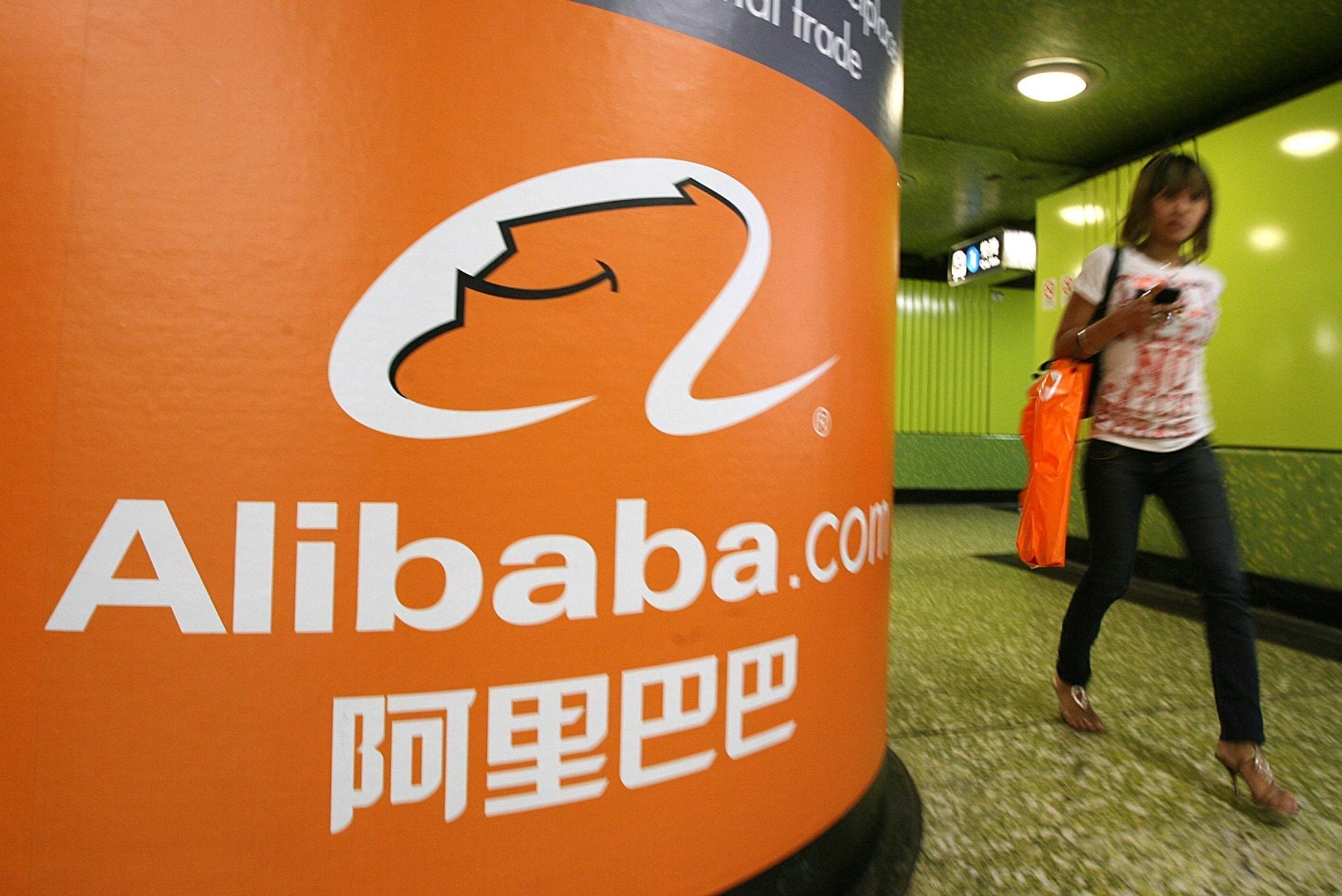
    Alibaba has announced a proposal to privatise the Intime Retail Group, an investment-holding company that manages department stores and shopping malls in China.

    Alibaba Investment, a wholly owned subsidiary of Alibaba Group Holding, together with an entity wholly owned by Shen Guo Jun, the founder of Intime Retail, have asked the board of directors of Intime to put forward to shareholders a proposal to privatise the company by way of a scheme of arrangement.

    Under the proposal, shares in Intime would be cancelled in exchange for a payment by the joint offerors at HK$10 (US$1.29) a share, representing a premium of about 53.59 per cent over the average closing price of Intime shares over the past 60 days, and 42.25 per cent over the closing price of HK$7.03 before trading was suspended on December 28.

    Intime runs 29 department stores and 17 shopping malls, mainly in first- and second-tier cities in China. It has a particularly strong footprint in Zhejiang province, where Alibaba Group is headquartered. Alibaba owns about 28 per cent of the equity interests in Intime pursuant to an initial investment in July 2014 and a conversion into equity of convertible debt securities in June last.

    Under the proposed transaction, Alibaba would become the controlling shareholder of Intime, and it is expected its shareholding in the company would increase to about 74 per cent. This reflects Alibaba Group’s strategy to transform conventional retail by leveraging its substantial consumer reach, rich data and technology.

    Dynamic shift

    The dynamic shift to mobile in China has enabled Alibaba Group to work with brick-and-mortar retailers to integrate online and offline customer data, enhance consumers’ in-store experiences as well as achieve improvements in inventory efficiency and sales turnover.

    As of the quarter ended September, 78 per cent of the gross merchandise volume on Alibaba Group’s China retail marketplaces was generated from mobile, and monthly active mobile users reached 450 million in September.

    “China’s total retail sector is a US$4.5 trillion economy and is growing at 10.7 per cent a year,” says Alibaba Group CEO Daniel Zhang. “Alibaba is working with offline retailers to transform conventional approach, create new consumer shopping experiences and use actions to embrace future opportunities under the new retail model.

    “We don’t divide the world into real or virtual economies, only the old and the new. Those who cling on to the old ways of retailing will be disrupted, and brick-and-mortar businesses will be able to create value for consumers if they are integrated with the power of mobile reach, real-time consumer insights, and technology capability to improve operating efficiency. Our combination with Intime will enable us to tap into the long-term growth potential of a new form of retail in China powered by internet technology and data.”

    Alibaba says the maximum amount of cash needed for the Intime proposal is expected to be about HK$19.8 billion. The two companies are financing the transaction through internal cash resources and/or external debt financing.

    The proposed transaction is subject to customary closing conditions, including approval from Intime’s independent shareholders and the sanction of the Grand Court of the Cayman Islands where the company is registered.

  • Taco Bell China launches in Shanghai

    Taco Bell China launches in Shanghai

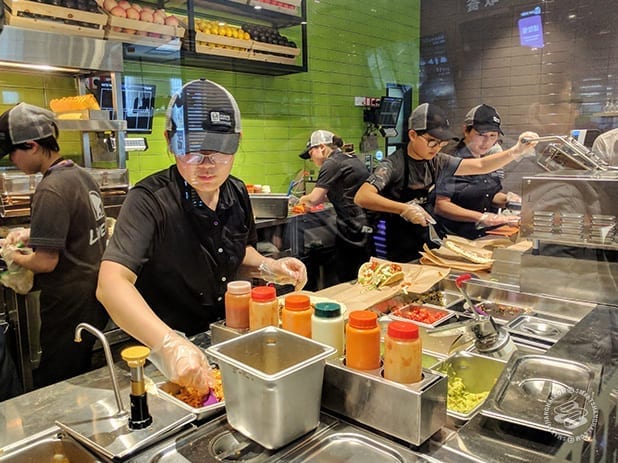
    Mexican-inspired restaurant chain Taco Bell has opened its first outlet in China, near Shanghai’s landmark Oriental Pearl Tower in the Lujiazui business district.

    The restaurant has opened in conjunction with Yum China Holdings, which is the licensee of Yum! Brands in Mainland China.

    “Leveraging our deep insights into Chinese consumer preferences, developed from close to 30 years working in this market, we researched and fine-tuned the Taco Bell menu for China, and the initial response from customers is very encouraging,” says Yum China CEO Micky Pant.

    Favourite items on the brand’s menu have been adapted to local tastes, plus sauces have been developed. Items such as the Shrimp and Avocado Burrito will be offered only in China Taco Bells, and the Crunchy Taco Supreme now has Taco Bell’s signature nacho cheese sauce while the Volcano Chicken Burrito features spicy Sriracha sauce.

    Customers can order shared plates featuring seasoned nacho chips, spicy fried chicken and Mexican fries. Drinks available include cold draft beer and specialty cocktails such as the Margarita and the Mojito.

    There is an open kitchen so customers can see their food being made to order. There are also self-order kiosks.

    The restaurant has been officially launched following a soft opening during which customers have been sharing their experience of the brand through social-media posts, blogs and videos. More than 1000 people took part in a selfie soft-opening promotion.

    taco-bell-shanghai-inside

    California inspiration

    “Built around the concept of ‘Live Mas’, which literally means ‘Live More’, Taco Bell encourages its customers to try new things,” says Pant. “I look forward to creating experiences that surprise and delight people as we expand the Taco Bell brand in China.”

    The Shanghai restaurant showcases Taco Bell’s classic California-inspired look and design. It features surfboards hanging from the ceiling as well as guitars and graffiti art. It also integrates advanced technology throughout, including free Wi-Fi, digital ordering kiosks, digital menu boards and a range of payment options.

    “Building restaurants in new international markets is a key component to the overall growth and evolution of Taco Bell, and we’ve just scratched the surface of our global unit expansion potential,” says CEO Brian Niccol. “The opening of this restaurant in China is an exciting milestone for the brand, as this market holds tremendous growth potential.”

    Taco Bell has more than 7000 restaurants, more than 300 of them in 26 countries outside of the US. It aims to reach 1000 restaurants internationally by 2022.

    Yum China Holdings, with executive offices in Shanghai, has exclusive rights in mainland China to KFC and Pizza Hut as well as Taco Bell. Yum China also owns the East Dawning and Little Sheep concepts. With more than 7300 restaurants and 400,000-plus employees in more than 1100 cities, Yum China generated more than $8 billion in system sales in 2015.

    Taco Bell, a subsidiary of Yum! Brands, was the first quick-service restaurant to offer American Vegetarian Association (AVA) certified menu items. Taco Bell’s 350-plus franchise organisations serve more than 42 million customers each week through 7000 restaurants across the US, as well as through its mobile, desktop and delivery ordering services.

    Based in Louisville, Kentucky, Yum! Brands has nearly 43,000 restaurants in 135 countries and territories. Worldwide, it opens more than six new restaurants a day on average.

  • Kasikornbank expands in China with local incorporation

    Kasikornbank expands in China with local incorporation

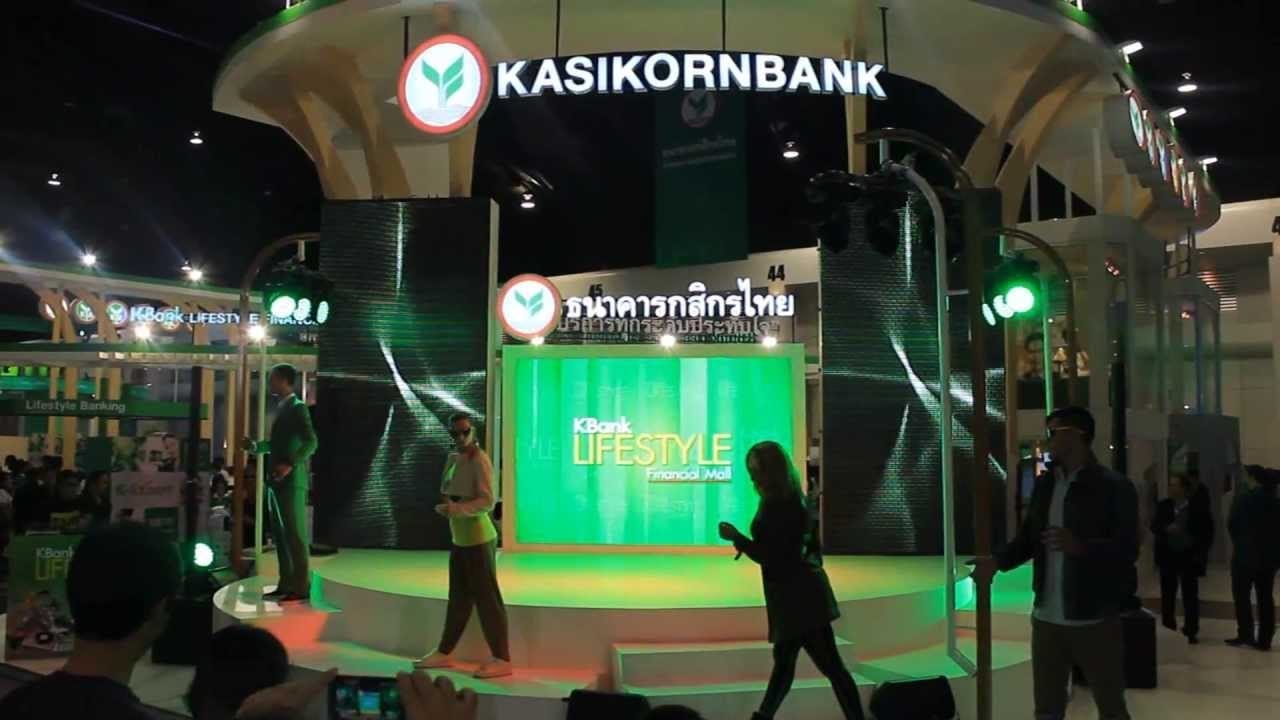
    Kasikornbank will soon be Thailand’s second bank to be locally incorporated in China, with hopes of cashing in further on the growing trade between the two countries.

    Thailand’s fourth largest bank by assets is currently going through the final procedures with the Chinese authorities, with official approval to be completed by mid-2017, Chairman Banthoon Lamsam told reporters on Thursday. Incorporation in China will enable Kasikornbank to operate on the same conditions as a local bank, including offering full-scale renminbi services to local clients. It would become the second Thai bank to incorporate in the country after Bangkok Bank.

     Also in 2017, the bank will open a new branch in Shanghai, its fourth in Chinese territory after those in Chengdu and Shenzhen on the mainland, and one in Hong Kong.

    “China is a super power country, especially at a time when so much change is going on in the global political landscape,” Banthoon said. He added: “The trading power of the West will be more difficult to rely on. We must lead on the East in which China stands as an important country.”

    Neither the economic slowdown nor the massive shadow banking industry in the country seems to bother Banthoon. “China does have its own problems but they have the system to adjust and control so the situation will remain manageable and can go on,” he said.

    Currency settlement

    Additionally, Kasikornbank on Thursday signed an agreement with Chinese fintech firm International Business Settlement to develop a baht-yuan cross-currency settlement system using blockchain technology.

    It will be based on an IBS platform which the Chinese company claims will be a cheaper, quicker and safer alternative to the dominant SWIFT settlement system. IBS Chairman Luo Feng said that his company is working with central banks in Europe and other regions in the world to develop the new settlement and clearing network.

    “IBS has the technology and network to facilitate international settlement that is not based just on the U.S. dollar, at a time when the yuan’s international presence is increasing,” Banthoon said.

    The system IBS is developing will enable direct settlement of transfers between baht and yuan, without the need to use U.S. dollar conversions at any point in the procedure.

  • Why Vietnam should care about how much Chinese tourists splurge

    Why Vietnam should care about how much Chinese tourists splurge

    More spending by Chinese visitors can boost Vietnam’s GDP by 1 percentage point. As more Chinese travel around the world, they leave bigger impacts wherever they go. Now experts say for countries that receive a large number of Chinese arrivals, including Thailand and Vietnam, their economic growth will be influenced by the spending habits of these visitors.

    A 30 percent increase in spending by Chinese tourists would boost Vietnam’s gross domestic product by nearly 1 percentage point, citing Credit Suisse. For Thailand, that would be around 1.6 points.

    Vietnam’s economy is expected to expand 6 percent this year, before speeding up to 6.8 percent next year.

    Mainland China accounted for 30 percent of all tourists to Vietnam, with more than 2.48 million coming in the first 11 months this year, up 54 percent from the same period last year. It was the biggest source market, and only came after Hong Kong in terms of growth.

    In October, the Chinese Tourism Administration released a top 10 list of favorite destinations for Chinese travelers, ranking Vietnam at seventh.

    Edward Lee, an economist with Standard Chartered Plc in Singapore, said that tourism in Southeast Asia will benefit from the growing Chinese demand.

    The number of Chinese tourists into Asia as a whole has grown tenfold since 2000, Lee said. They now account for a quarter of tourists in Thailand, which came first in the China’s list of top 10 favorite destinations.

    “Chinese tourism is pretty big for ASEAN now, and all the countries rely on Chinese visitors to keep coming and keep spending,” Lee was quoted as saying.

    Many direct flights are serving Vietnamese major cities from China. A large number also entered via northern border provinces, particularly Quang Ninh, home to the much loved Ha Long Bay.

    Quang Ninh has announced that it will ease visa requirements for Chinese visitors from January 1, allowing groups of Chinese travelers to stay for up to three days without a visa.

    Harry Sa, a research analyst at the S. Rajaratnam School of International Studies, told that “China can do wonders for the economy and the countries in the region understand.”

    Most countries welcome that, even those that have tensions with China, he said, referring to the overlapping claims in the South China Sea (which Hanoi calls the East Sea) that involve Malaysia, the Philippines and Vietnam.

  • AirAsia named “Most Influential Airline in China” at Beijing awards ceremony

    AirAsia named “Most Influential Airline in China” at Beijing awards ceremony

    AirAsia was named The Most Influential Airline in China at the 2016 New Power of Travel Awards held in Beijing on Friday.

    The awards, hosted by Sina Travel and Youku Travel websites, review the development and trends of China’s travel industry.

    In statement today, AirAsia said Sina is the world’s largest Chinese-language web portal, while Youku is one of China’s top video and online streaming platforms.

    “The two websites evaluate travel-related companies and products based on the content and readership by over 800 million people who visit it.

    “The awards honour outstanding companies and products as voted by users, and provide travel guides on airlines, hotels and destinations for travellers.

    “The awards committee said AirAsia had influenced free and independent travellers in China with its young, passionate and creative brand image since entering the market,” it added.

    Meanwhile, AirAsia North Asia President Kathleen Tan said the airline is focused on presenting the very best content on Chinese social media, as the country is a very important market for it.

    “China is an incredibly dynamic market and we want to deliver an even better travel experience to our fans in China. This includes information on where to find the best food, hidden gems and great travel destinations where amazing memories can be made.

    “In line with this, we are working hard with our travel tourism partners and local governments to bring the world to China and vice versa,” she added.

  • McDonald’s China and Hong Kong deal formally announced

    McDonald’s China and Hong Kong deal formally announced

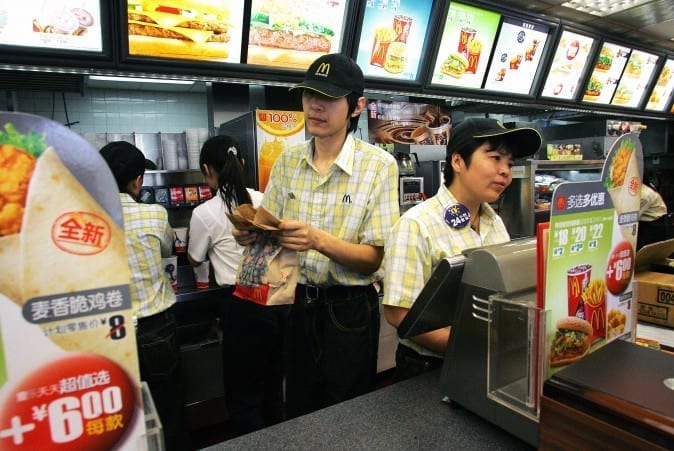
    McDonald’s has confirmed the sale of its China and Hong Kong operations to an investment consortium for US$2.08 billion (HK$16.14 billion).

    Under the deal, the purchasers, Citic Limited, Citic Capital and The Carlyle Group, will open 1500 new outlets.

    Phyllis Cheung, CEO of McDonald’s China, says the Beijing-based Citic companies will together hold a majority 52 per cent stake in the spun-off business and US-based Carlyle and McDonald’s will hold 28 per cent and 20 per cent, respectively. The consortium will run the business for 20 years.

    McDonald’s says it will now re-franchise all its 2600+ stores in Mainland China and Hong Kong to improve sales performances, part of a global effort to cut costs.

    Cheung told China Daily the new company will use its Citic’s strategic relationship with SF Express and Tencent Group Holdings (the owner of WeChat) to facilitate delivery, enhance restaurant convenience and boost its “retail digital leadership and menu innovation”.

    “China and Hong Kong represent an enormous growth opportunity for McDonald’s,” said McDonald’s CEO Steve Easterbrook in a statement confirming the deal, which has been an open secret for some weeks.

    “This new partnership will combine one of the world’s most powerful brands and our unparalleled quality standards with partners who have an unmatched understanding of the local markets and bring enhanced capabilities and new partnerships, all with a proven record of success,” he said.

    The deal will be finalised in mid-2017.

  • Chinese cross-border eCommerce rankings revealed

    Chinese cross-border eCommerce rankings revealed

    Surprisingly, Asia does not feature in the top 10 destinations of Chinese cross-border eCommerce during the holiday season.

    First to market, DHGate.com, a B2B transactional crossborder eCommerce marketplace, has released lists of the 10 destinations accounting for the largest volumes of shipments during the holiday season.

    The data includes the highest-selling product categories, the top countries for GMV (gross merchandise volume), the best-selling products, and the product categories with the largest increase in sales…

    Top 10 product categories
    1. Cell phones and accessories
    2. Consumer electronics
    3. Home and garden
    4. Health and beauty
    5. Sports and outdoors
    6. Shoes and accessories
    7. Apparel
    8. Toys and gifts
    9. Baby/children/parenting products
    10. Lights and lighting

    Top 5 products
    1. Holiday projector using LED lights to project Christmas images
    2. Baby shoes with LED lights
    3. Children’s building blocks, mini-figures
    4. Christmas-themed sequin cushion covers
    5. Nail-art stickers and tools

    Largest increase in sales
    1. Home and garden
    2. Health and beauty
    3. Shoes and accessories
    4. Apparel
    5. Baby/children/parenting products

    Top 10 countries for GMV
    1. US
    2. UK
    3. Canada
    4. Australia
    5. France
    6. Spain
    7. Italy
    8. Holland
    9. Germany
    10. Mexico

    Founded in 2004, DHgate.com services about 10 million global buyers from 230 countries and regions, with 1.4 million global sellers offering 40 million products.

  • Alipay users set spending record

    Alipay users set spending record

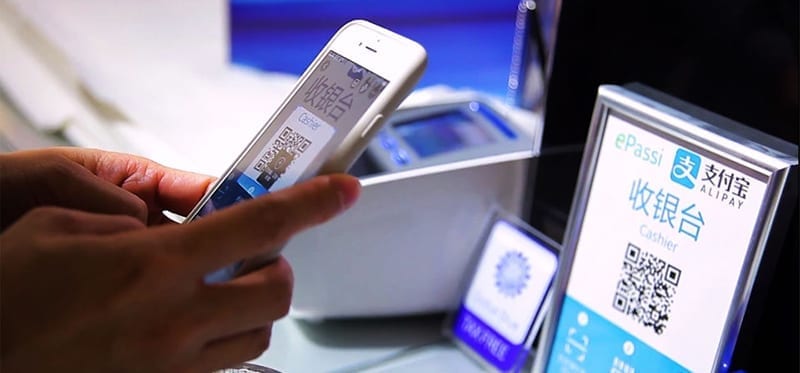
    Users of China mobile wallet app Alipay hit spending records last year both online and in stores.

    Of the app’s 450 million users, most are in Shanghai, paying out an average US$20,400 last year, says the Alibaba spin-off company. This was 1.5 times more than they spent the previous year.

    While the average middle-class wage in Shanghai is $35,000, this does not account for undisclosed income such as from rented property.

    These figures have been released just weeks after the app hit a record 1 billion transactions in a single day.
    Other highlights from Alipay’s year:

    • 71 per cent of Alipay transactions were on mobile devices, up from 2015’s 65 per cent
      Cash-strapped millennials, in China classified as those born in the 1990s, spent an average of $1080 through the app
    • Gen Y, those born in the 1990s, averaged $1590
    • The top 10 destinations outside China where Alipay was used for in-store shopping were South Korea, Hong Kong, Thailand, Macau, Taiwan, Japan, Australia, Singapore, New Zealand and Germany
    • Its single biggest overseas spender splurged $38,900.

    Meanwhile, the company has been signing up airports, major malls and top restaurants so China’s record 133 million overseas tourists can still use the app.

    About 2.3 billion Alipay transactions were chalked up using the built-in Ant Credit Pay, allowing for payment in installments, up 344 per cent from 2015.

    Alipay’s small loans service, Jiebei, issued loans worth $43.4 billion to 12 million users.

  • Ippudo restaurant owner applies for listing

    Ippudo restaurant owner applies for listing

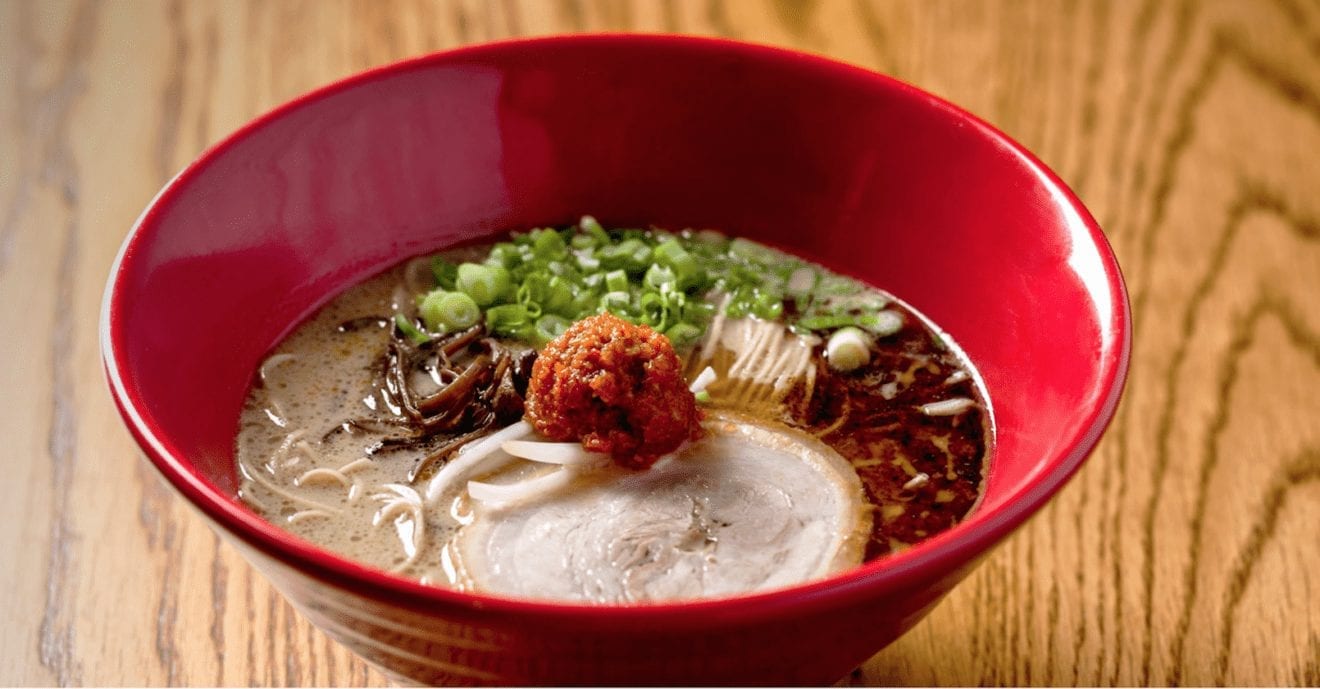
    Ramen restaurant chain Ippudo’s owner is expected to list shares on the Tokyo Stock Exchange as early as March.

    The total market value of the initial offering is projected to be around 30 billion yen (US$259 million).

    Chikaranomoto Holdings has about 60 Ippudo restaurants as well as other brands outside of Japan. It filed an initial listing application in December, which means approval could come next month. The listing is expected to let the group accelerate expansion in domestic and overseas markets.

    Company founder and chairman Shigemi Kawahara opened his first ramen shop in 1985 in Fukuoka Prefecture in southwestern Japan. The company posted group sales of 20.8 billion yen for the year through to March 2016, up 17 per cent from the previous year.

    Ippudo began expanding into foreign markets in 2008, establishing itself first in New York. The chain now has shops in China, France and other countries, and will open its first outlet in Myanmar soon.

    Inspired by New York’s cocktail bars, Chikaranomoto Holdings opened standing-style ramen shops in Tokyo and nearby areas last year, and it plans to open more in Kyushu soon.

    Ippudo also has five branches in the Philippines.

  • China has launched its first UK-bound freight train

    China has launched its first UK-bound freight train

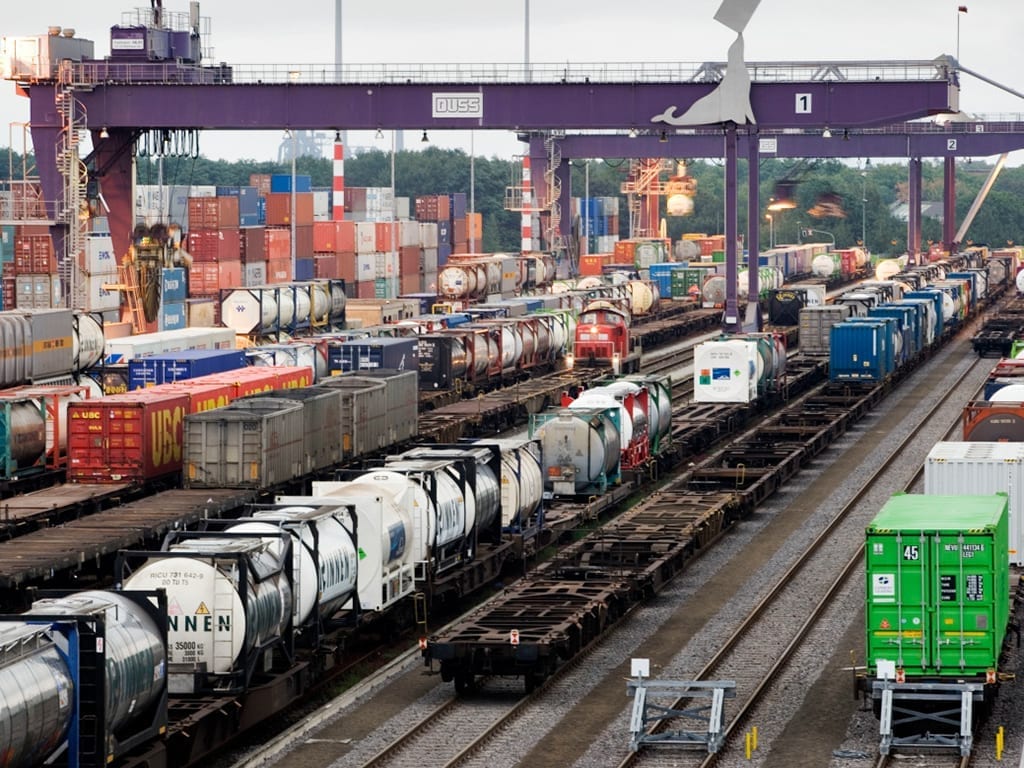
    China has launched its first UK-bound freight train from the city of Yiwu in Zhejiang province to London. The train, which is jointly operated by the Yiwu government and China Railway Container Transport Corp., Ltd., a subsidiary of the state-owned China Railway Corporation, set off from Yiwu West Station and will leave China at Alanshankou, passing through Kazakhstan, Russia, Belarus, Poland, Germany, Belgium, France and the English Channel before arriving at Barking in East London.

    The journey, which is over 12,000km long, is expected to take approximately 18 days.

    According to China Railway, goods carried on the train include household commodities, apparel, textiles and suitcases.

    Yiwu is also the origin of various China-Europe and China-Central Asia trains.

    The new link to the UK is part of China’s Belt and Road initiative and will strengthen trade ties between China and West Europe, according to China Railway.

  • China ivory ban a big win for elephants , if done properly

    China ivory ban a big win for elephants , if done properly

    At the end of 2016, elephants made headlines around the world as China finally announced a timeframe for closing its domestic ivory market – long affirmed by many conservationists to be the single biggest step that could be taken to end the slaughter of elephants.

    The news represents a major win for elephant conservation and the Chinese government deserves commendation. However, close examination of the recent announcement gives some potential causes for concern – it is now imperative that the ban be strongly publicised and enforced, and that any potential loopholes be closed.

    Carved-ivory-legally-on-sale-in-China_2017_01_06.jpg
    Carved ivory legally on sale in China.

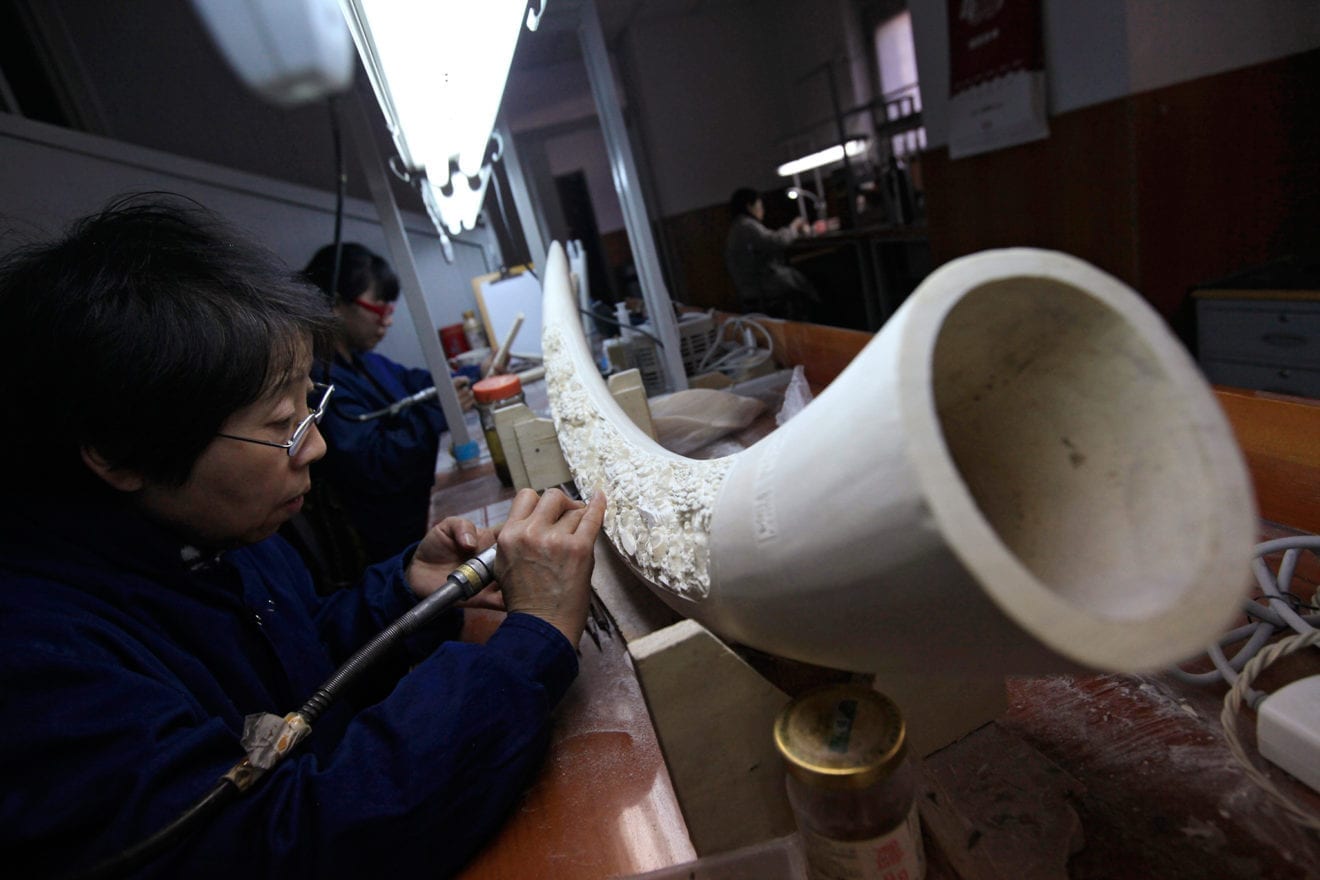
    China is by far the world’s biggest contemporary market for elephant ivory and the final destination for the majority of ivory from poached elephants. The continued existence of a legal ivory trade in China has been a major hindrance in combatting this illegal trade.

    As of the end 2016, there were 34 licensed ivory carving facilities and 130 licensed retail outlets in China permitted to process and trade in “legal” ivory derived from either old (pre-CITES) stock or a CITES-sanctioned one-off sale in 2008.

    However, EIA investigations and research by other groups documented widespread abuse of this poorly regulated system, which enabled the laundering of illegally sourced ivory. Closing this loophole could massively simplify enforcement operations – with no legal market to launder ivory, any processing or sale is illegal and can be immediately dealt with as such.

    China’s intention to close its domestic market was first announced in May 2015 and was restated by President Xi Jinping the following September. On December 28, 2016 a notification of plans to close the domestic market in its entirety by the end of 2017 was finally published.

    Looking into the detail of the document, there is potential for both celebration and concern.

    First, the positives. The notification sets out an impressively ambitious timescale for stopping all ivory carving and retail activities in previously licensed facilities by the end of 2017. Unlike the upcoming ban in Hong Kong, traders have not been given an unnecessary five-year grace period to dispose of stock – stock which should have been exhausted long ago and the imminent illegality of which was well known.

    Ivory-on-sale-in-China_2017_01_06.jpg
    Ivory on sale in China.

    Secondly, a compromise appears to have been reached to maintain the cultural heritage of ivory carving – the main argument from opponents of an ivory ban in China. The notification commits to “proactively guiding the transition of ivory carving techniques”, including providing guidance in using alternative materials and encouraging master carvers to move into museum restoration.

    However, the notification contains a worrying potential loophole which requires urgent clarification. It states that “cultural relics made of ivory that are of legal origin and have been verified by a specialist appraisal body may … be auctioned under strict supervision, to demonstrate their cultural value.” The term translated here as “cultural relic” usually refers to antiques, but not explicitly so. This indicates that limited sales of ivory antiques – and, possibly, even any item judged to have artistic merit created or sold under the previous licensing system and regardless of age – may be allowed to continue. Indeed, the potential loophole has already been interpreted as such by the antiques industry. The current language sends an ambiguous message to markets and risks undermining the effectiveness of the ban and demand-reduction campaigns.

    Also, the Chinese government and the international community must ensure that the ivory market does not simply shift to other areas with weak enforcement or lax legislation, especially in countries bordering China. The open sale of huge amounts of nominally illegal wildlife products – including ivory and tiger products – has been documented in border regions of Vietnam, Laos and Myanmar. In many of these markets, Chinese citizens represent the vast majority of buyers and trade is conducted in Chinese, often with Chinese currency. Targeted collaborative enforcement efforts are urgently required to close these markets and ensure illegal ivory cannot leak across the border into China.

    Overall, the Chinese domestic ivory ban is a major cause for celebration and optimism as we begin 2017. Although the potential loopholes need clarifying and closing, this notification sends a strong and timely signal that the global ivory market is progressively shutting up shop.


  • Nissan’s premium brand Infiniti sells 230,000 vehicles in 2016

    Nissan’s premium brand Infiniti sells 230,000 vehicles in 2016

    Nissan Motor’s premium brand Infiniti sold more than 230,000 vehicles globally in 2016, a 7 percent annual rise, Infiniti said on Wednesday, a record year for a marque that trails rivals in the increasingly crowded premium market.

    The brand distantly lags German luxury competitors like BMW, which can sell almost as many vehicles in a single month, and second-tier luxury leaders like Toyota’s Lexus, which sells at least twice as many cars each year.

    Infiniti annual sales grew 4 percent year-on-year in the United States, its largest market, to more than 138,300, while China sales rose 3 percent to 41,590.

    In December, Infiniti sold 27,200 vehicles globally.