Tag: China

  • Innisfree collaborates with POSPi and Bank of China to launch mobile payment in China

    Innisfree collaborates with POSPi and Bank of China to launch mobile payment in China

    Mintel reports that in 2017, brands will be looking for innovative ways to use data to proactively assist consumers in all aspects of the sales journey to optimise customer service.

    The trio hopes that by adopting the innovative concept and technology, it will enable them to provide a personalised, more engaged and more convenient service to maximise the customer experience.

    Digital growth

    Innisfree, which promotes green sustainability and eco-friendliness, has ploughed resources into presenting its brand as a progressive, authentic and digitally-savvy leading destination.

    To date, it is the natural beauty name’s entry into the Chinese beauty arena that has proved the most lucrative step for the company. Since its expansion into the Chinese market in 2011, it has gone on to open 300 outlets and achieved an annual sales revenue of RMB 5.7 bn (€776 mn).

    “Innisfree, as one of the fastest growing brands under AmorePacific, has inherited the spirit of innovation and achieved a geometric growth over the past 4 years, especially in the Chinese market,” said Cai Jianren, General Manager of Innisfree.

    Celebrating its 17th birthday this year, Innisfree has an e-commerce site to help build brand awareness throughout APAC, secure a global following and increase sales by connecting online marketing efforts with an offline presence.

    With stores located throughout the APAC region, including South Korea, Hong Kong, China, Japan, Taiwan, India, Singapore, Malaysia, and Vietnam, Innisfree has positioned itself as a strong adopter of the online-to-offline (o2o) commerce trend.

    On-the-go service

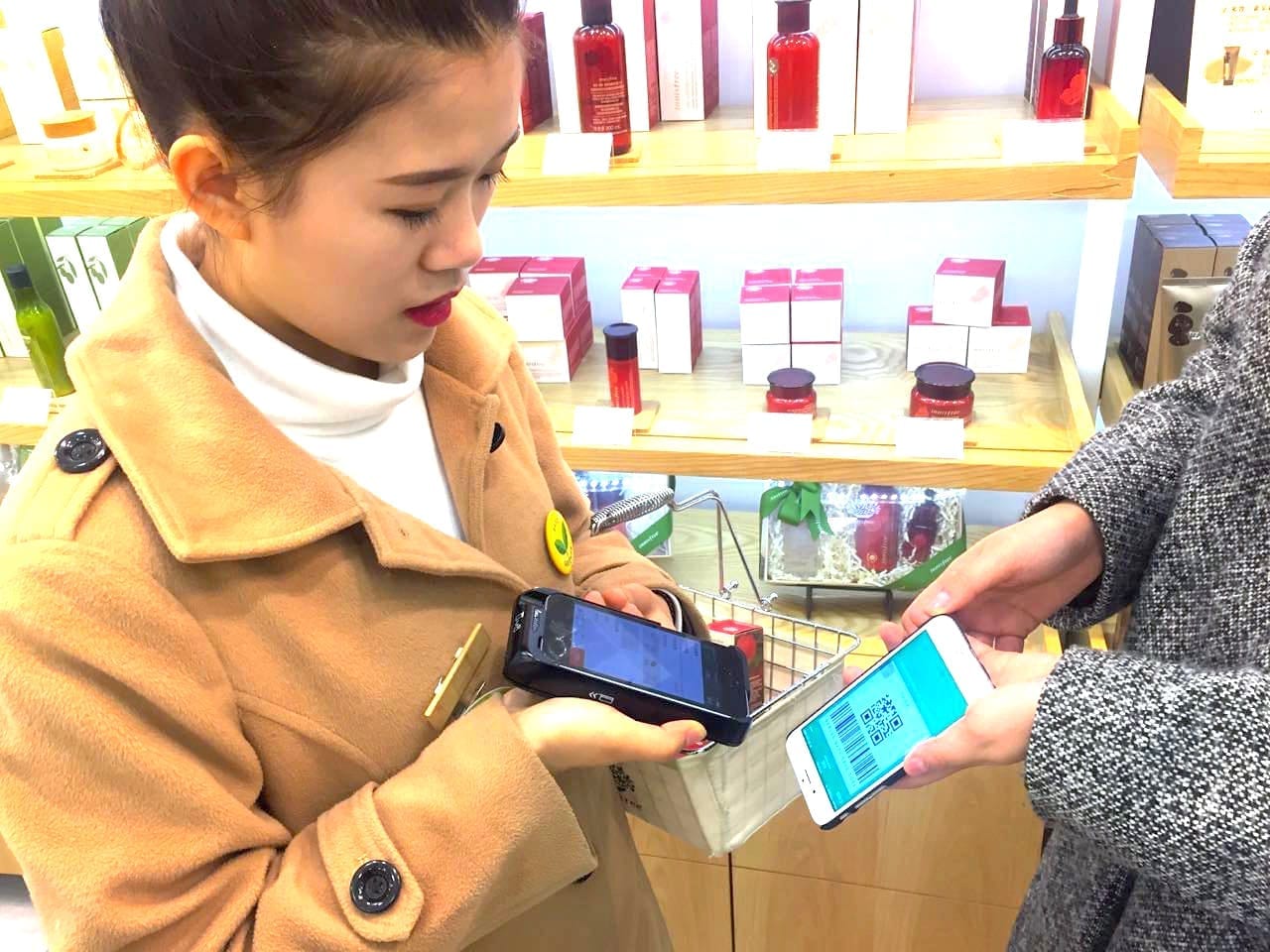
    “The application of mobile POS allows us to offer a personalised service to our customers at retail stores. Each of our salespersons is now equipped with a mobile POS which has successfully eliminated queuing and empowered them to respond to customer’s various requests anywhere, anytime on the floor,” Jianren added.

    Based in Shanghai, POSPi, researches and develops mobile retail technology solutions to help brands move into a smart and intuitive retail environment.

    Feng Yanrong, Senior Manager of Bank of China, highlighted the impact this collaboration is expected to have on the business landscape: “This project marks a new step of Bank of China in the field of mobile POS, which will help multinational retailers enter the smart retail era.”
  • Dalian Wanda revenue drops 14pc

    Dalian Wanda revenue drops 14pc

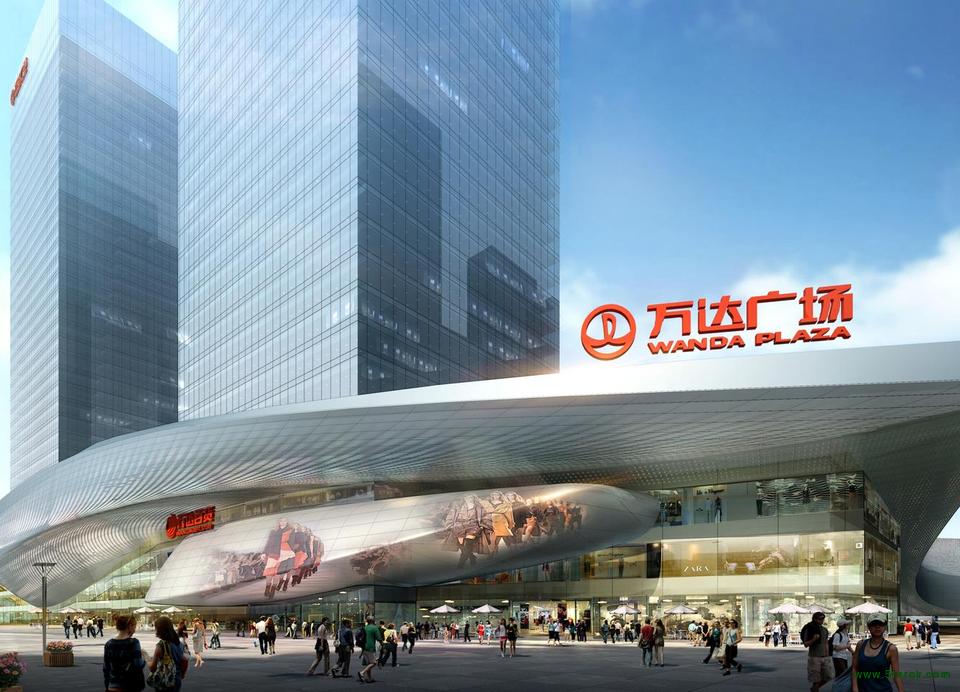
    Dalian Wanda Group’s revenue has fallen for the first time in at least 11 years after a slump in its property business outweighed growth from its entertainment interests.

    Sales last year fell 14 per cent from 2015, while revenue at  Dalian Wanda Commercial Properties, the group’s real-estate unit, dropped 25 per cent to 143 billion yuan (US$20.8 billion).

    Wanda’s operating income rose 3.4 per cent to 255 billion yuan, while profit grew more than 10 per cent, it said, without giving details.

    Wanda’s owner billionaire Wang Jianlin, China’s second-richest man, has been acquiring Hollywood assets – he bought movie production company Legendary Entertainment last year – to help Wanda diversify away from its real-estate roots.

    He told employees at Wanda’s annual meeting in Hefei, the capital city of Anhui province in eastern China, that Ffan.com, a unit that includes internet financing and credit-rating businesses, will raise 10 billion yuan via a private placement this year. He ultimately plans to list the unit by 2020 and target profit of more than 10 billion yuan.

    Wang delisted Dalian Wanda Commercial Properties in Hong Kong last year with the idea of eventually seeking a listing in mainland China, where valuations tend to be higher. He has taken an “asset-light” strategy for his real-estate business in recent years, reducing reliance on property sales and increasing his focus on leasing and management.

    Wanda Cultural Industry Group, which oversees most of Wanda’s theme parks, film production and exhibition businesses, saw sales climb 25 per cent to 64.1 billion yuan last year.

  • Huaqiang North hub new huge change

    Huaqiang North hub new huge change

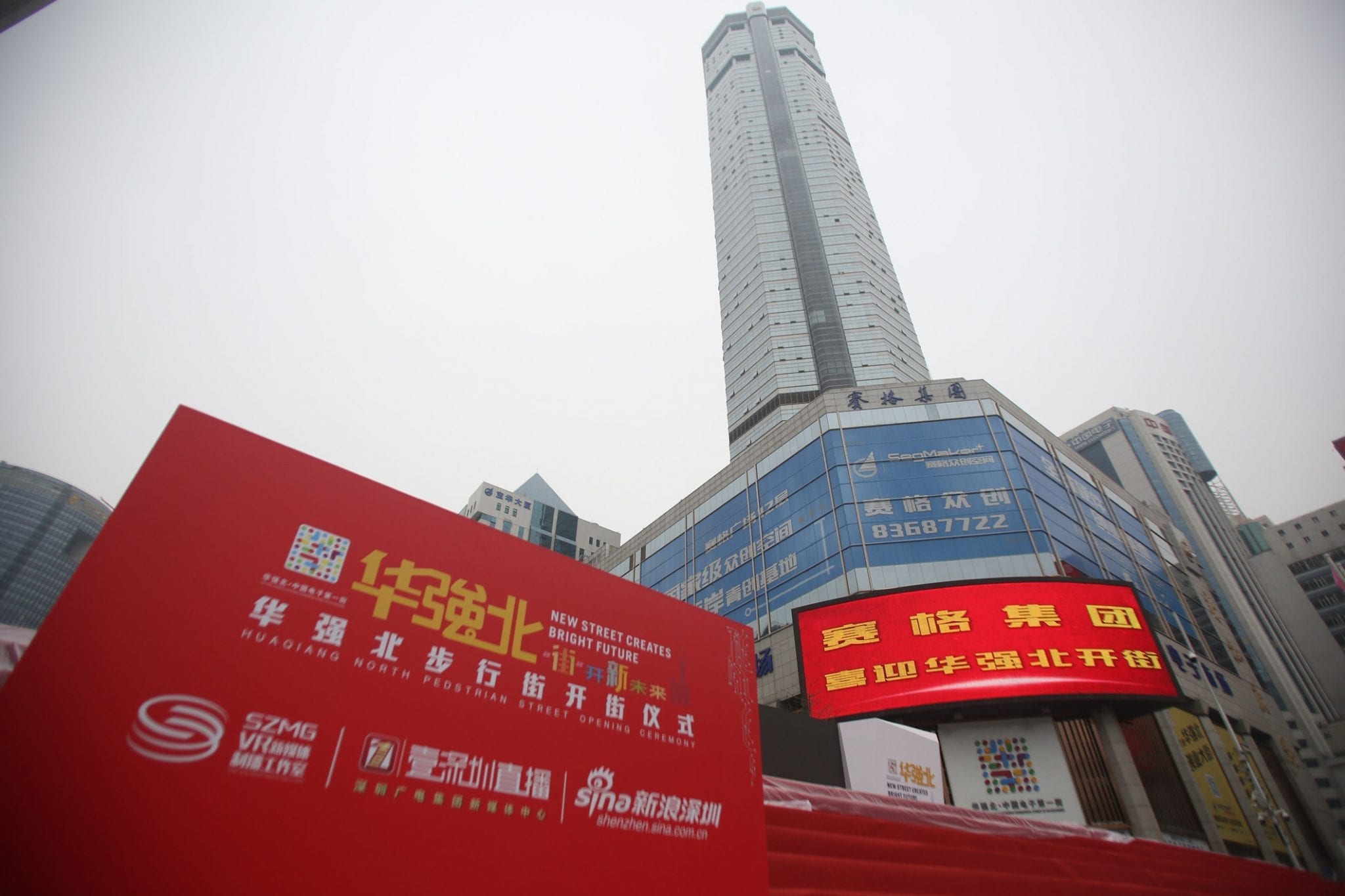
    After four years of being blocked off by construction walls and scaffolding, electronics hub Huaqiang North in Shenzhen has reopened as a pedestrian street.

    Following a grand reopening ceremony, the thoroughfare has been transformed into a 930m pedestrian street with more than 4000 sqm of new business spaces in a new sublevel. The vision is to have a street that integrates fashion and technology.

    About 500,000 people shop at Huaqiang North every day, altogether spending more than 200 billion yuan (US$29.1 billion) each year.

    Many streets and thoroughfares in Huaqiang North have been closed off to pedestrians since March 2013 because of the construction of Line 7 of the Shenzhen Metro. During this time, the Futian district committee and government as well as the Futian Huaqiang North subdistrict office have taken measures to help affected merchants maintain their businesses.

  • Hugo Boss Asia sales rebound

    Hugo Boss Asia sales rebound

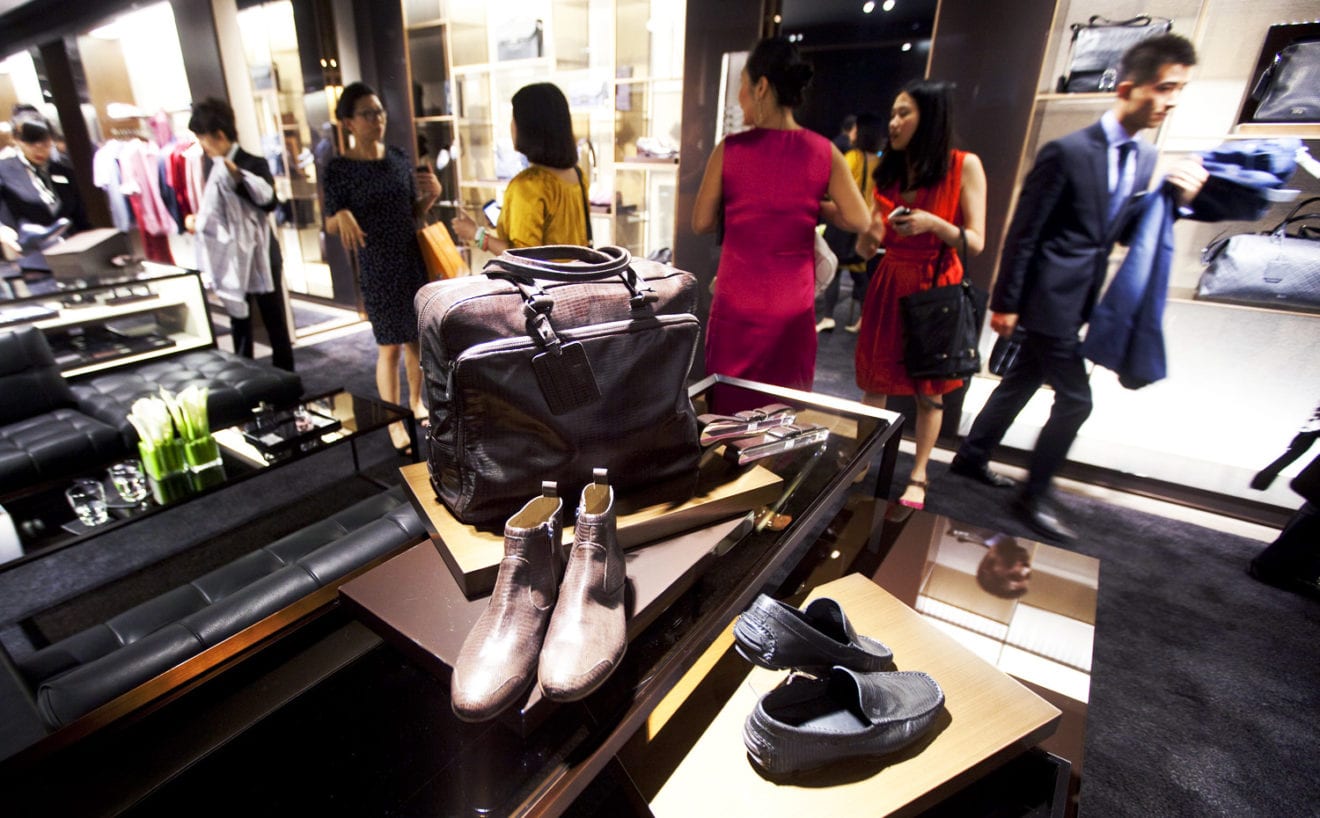
    Rebounding Hugo Boss Asia sales have prompted the German fashion retailer to revise its profit outlook.

    The company’s stock price soared as much as 10 per cent after management said improved sales in Asia and Britain mean its profit decline will be less than previously predicted in the current financial year.

    Hugo Boss Asia like-for-like sales soared 20 per cent in the latest quarter, after currency adjustments.

    Asia accounts for about 20 per cent of Hugo Boss’ global sales and after currency adjustment, regional revenues rose 5 per cent in the fourth quarter – a significant turnaround from the 3 per cent decline of the previous quarter. The increase was aided by adjusting pricing more into line with those of the US and Europe.

    It is now forecasting an operating profit for 2016 which is better than the previously predicted  decline of between 17 and 23 per cent. Final results will be revealed on March 9.

    Rival fashion retailers Gucci and Louis Vuitton have also recently  reported improving sales in Mainland China as consumers open their wallets again, encouraged by government policies aimed at boosting local consumption rather than shopping abroad.

    CEO Mark Langer said in a statement that fourth-quarter results underline the company is on the right track.

    Total sales fell 3 per cent to 725 million euros (US$769 million), down 1 per cent on a currency adjusted basis, but a far better result than the third-quarter’s fall of 6 per cent. The damage was done in the US where sales fell 14 per cent on a currency-adjusted basis, partly due to the brand’s decision to stop selling in discount and outlet stores.

    Sales in Europe rose 2 per cent.

  • India, Myanmar top Consumer Confidence rankings

    India, Myanmar top Consumer Confidence rankings

    India tops the Mastercard Index of Consumer Confidence rankings as the most optimistic market in Asia Pacific, with Myanmar, Vietnam, Philippines and Bangladesh rounding off the top five.

    Overall, consumer confidence in Asia Pacific continues to hold steady, showing stability (within plus or minus five points from the previous survey) in nine out of 17 markets. With an increase of 1.2 points in the overall score from the first half of 2016 to 60.9 points in the second half, Asia Pacific sits just above the 60 point optimistic mark.

    However, the overall stability masks some significant movements across five markets in the region compared to the previous six months. Hong Kong, Thailand and Bangladesh saw more than 10 point improvements, while Malaysia and Taiwan saw more than 10 point decreases.

    Bangladesh recorded the largest gain of 11.2 points to 82.8 points – a significant improvement in overall consumer confidence compared to the first half of 2016 where it saw a relatively smaller increase of 4.2 points. Bangladesh’s increase in score was backed by an improvement in all components, the largest coming from heightened expectations in stock market movements (+24.6 points). Both Thailand and Hong Kong also saw a large improvement of 10.1 points, putting Thailand in optimistic territory and Hong Kong in neutral territory.

    On the other hand, eight of the 17 markets saw a deterioration in confidence levels. The biggest decline in optimism levels was observed in Taiwan, followed by Malaysia, and Myanmar. According to the survey, prospects for the stock market was the key driver of the decline.

    Between November and December 2016, 8723 respondents, aged 18 to 64 in 17 Asia Pacific markets, were asked to give a six-month outlook on five economic factors including the economy, employment prospects, regular income prospects, the stock market and their quality of life. The Index is calculated on a scale of 0 to 100, with zero as the most pessimistic, 100 as the most optimistic and between 40 and 60 as neutral.

  • Celebrate Chinese New Year with Festive Promotions at  Hong Kong International Airport

    Celebrate Chinese New Year with Festive Promotions at Hong Kong International Airport

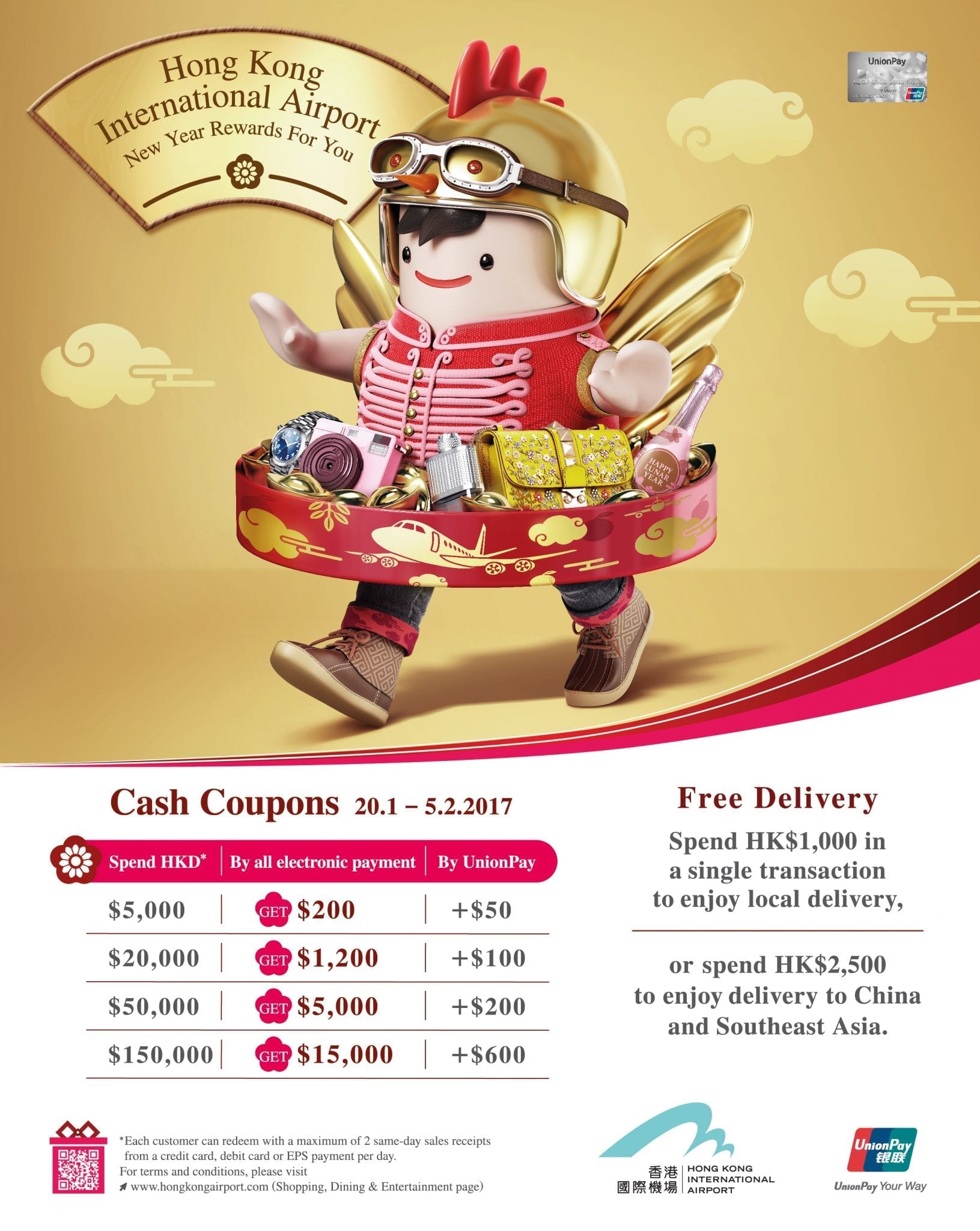
    To welcome the Year of the Rooster, Hong Kong International Airport (HKIA) is launching a series of Chinese New Year promotional activities and offers, including an instant rebate of HKIA cash coupon worth up to HK$15,600.

    Instant Rebate Promotion: From 20 January to 5 February 2017, travellers spending a specific amount by electronic payment at HKIA can redeem cash coupons worth up to HK$15,600. UnionPay cardholders, who make purchases with their cards, can enjoy additional rebates.

    Please refer to the following table for details:

    Spending by Electronic Payments of  

    HKIA Cash Coupons Redemption

    By UnionPay card

    HK$5,000

    HK$200

    Additional HK$50 HKIA Cash Coupon

    HK$20,000

    HK$1,200

    Additional HK$100 HKIA Cash Coupon

    HK$50,000

    HK$5,000

    Additional HK$200 HKIA Cash Coupon

    HK$150,000

    HK$15,000

    Additional HK$600 HKIA Cash Coupon

    Chinese New Year Promotions

    During Chinese New Year, shoppers can enjoy complimentary gift wrapping services at the Departures East Hall redemption counters in the restricted area (near Tiffany & Co.) and take red packets at redemption counters. To heighten the festive spirit, HKIA’s mascot will tour around the seasonally decorated airport in full Chinese New Year attire to meet and greet travellers and take snapshots with them. In addition, a lion dance extravaganza will be held on 1 February, featuring impressive lion dances and showcasing traditional Chinese culture and tradition.

  • Azoya Launch Satisfies Chinese Shoppers’ Cravings for US Products

    Azoya Launch Satisfies Chinese Shoppers’ Cravings for US Products

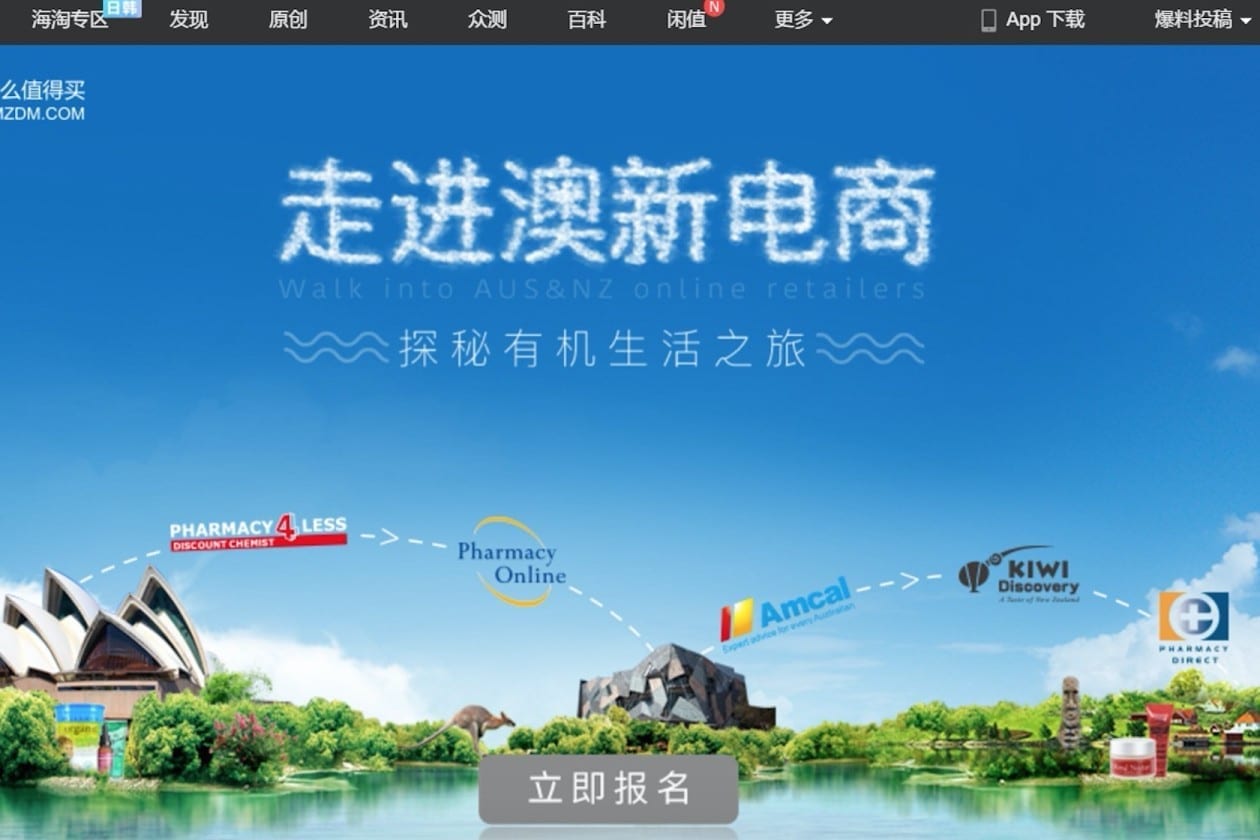
    Today marks the official U.S. launch of Azoya, an integrated turnkey e-commerce solution provider, which will help U.S. retailers and manufacturers break into the Chinese market with less risk in 2017 through fully-managed cross-border e-commerce. Azoya made the announcement to open the National Retail Federation (NRF) annual Big Show, January 15-17, 2017, at Jacob K. Javits Convention Center, New York City, Booth #344.

    As the world’s largest e-commerce market, China is lucrative, growing and ravenous for U.S. products. In 2015, cross-border consumer e-commerce reached $40 billion in 2015 with an annual growth rate of 50 percent.1 Top-selling categories include cosmetics and skincare, baby and mom products, healthcare products, fashion apparel, and groceries.

    “To simplify foreign expansion and ensure long-term growth in China, we build an e-commerce ecosystem for U.S. retail companies,” says Franklin Chu, Managing Director, Azoya International. “Our behind-the-scenes work means Azoya is invisible to Chinese customers who prefer to buy products directly from the U.S. retail company.

    Established in 2013, Azoya International is a leading solutions provider in cross-border e-commerce to China. To date, over 35 retailers in 12 countries have partnered with Azoya to expand into China with ease, including French fashion retailer La Redoute and Feelunique, the largest online beauty retailer in Europe.

  • Stadium Goods finds growth in China

    Stadium Goods finds growth in China

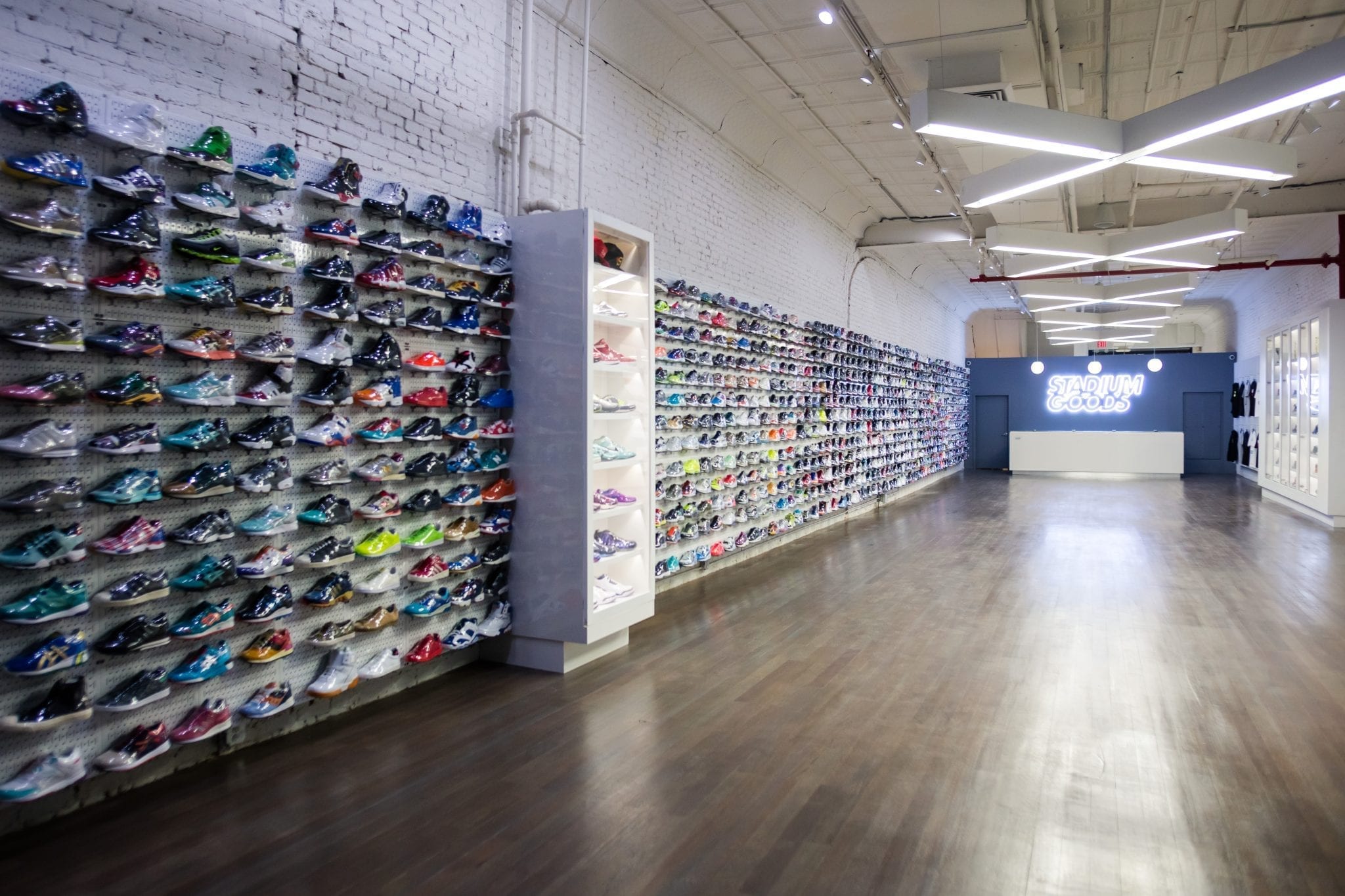
    With ambitions to “scale rapidly”, US sneaker and apparel marketplace Stadium Goods has expanded into China through an exclusive partnership with Tmall Global, an extension of Alibaba Group’s B2C Tmall.com business.

    Stadium Goods co-founder/MD Jed Stiller says the company had already had “tremendous growth” in China.“More importantly, we have helped legitimise the resale model by making it more relevant and accessible to all types of consumers.

    “We’re thrilled to have found the perfect partners in Forerunner Ventures and The Chernin Group, among others, to build on our successes to date as we look to innovate and scale rapidly.”

    Meanwhile, Stadium Goods has just raised more than $4.6 million in fresh equity funding. This will help fuel its expansion into the mainstream footwear market.

    Founded by Still and John McPheters in late 2015, Stadium Goods unveiled StadiumGoods.com and its Soho retail location in New York City, offering sneaker consumers around the world a service-focussed approach to buying and selling collectible footwear, apparel and lifestyle goods.

    “Stadium Goods has transcended a seemingly niche market, proving it can be a critical player in the larger global athletic footwear retail market,” says Forerunner Ventures founder Kristen Green. “There hasn’t been a company of its kind offering this level of aesthetic, product mix or services to date, so we’re very excited to partner with it.”

  • Burberry reports positive Q3, retail sales up 4 percent

    Burberry reports positive Q3, retail sales up 4 percent

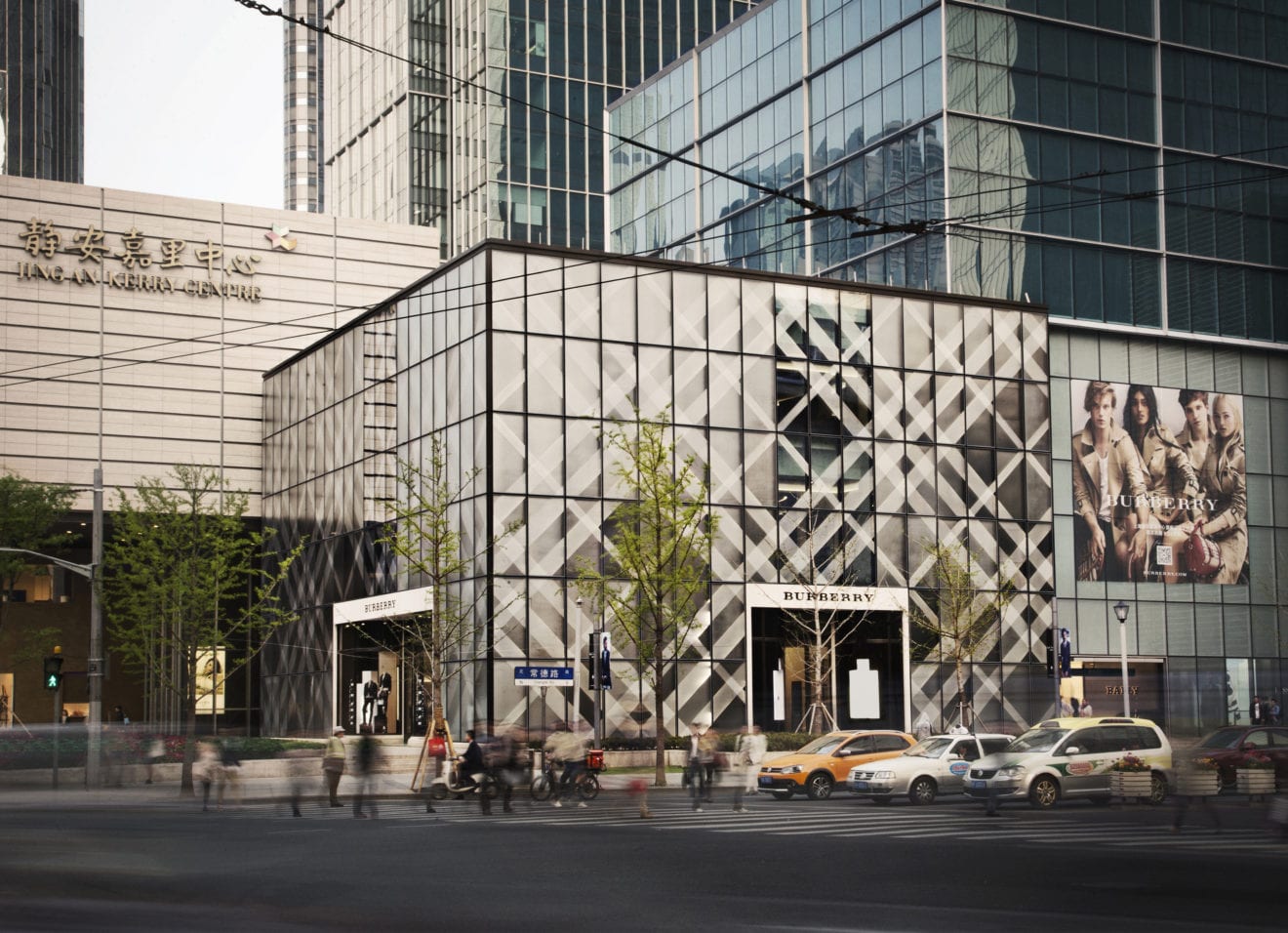
    For the three months to December 31, 2016, Burberry retail sales of 735 million pounds (907 million dollars) improved 4 percent underlying and 22 percent at reported FX. Comparable sales for the period increased 3 percent. The company expects FY17 adjusted PBT to be in line with current market expectations.

    Commenting on the third quarter trading, Christopher Bailey, Chief Creative and Chief Executive Officer, said in a statement, “With a record number of views of our festive film and strong demand for new products in our collections, this third quarter improvement reflects early progress from our plans to drive Burberry’s performance for the long term.”

    The company reported low single-digit percentage growth in Asia Pacific with acceleration in Mainland China, which posted a high single-digit percentage comparable sales growth, despite the impact of the elevation of the store portfolio in Beijing. Hong Kong, the company said, improved to a low single-digit percentage comparable sales decline, with positive conversion offsetting the majority of the footfall decline.

    EMEIA region witnessing a double-digit comparable sales growth, continued exceptional performance in the UK with comparable sales growth of around 40 percent. While Continental Europe remained weak, France saw some improvement compared to Q2. Americas posted a low single-digit percentage decline in the Americas with domestic and travelling luxury customer demand remaining uneven in the United States.

    Burberry said, fashion again outperformed replenishment and led growth across all categories and accessories outperformed, led by strength in bags.

  • SM Prime Holdings: four malls this year

    SM Prime Holdings: four malls this year

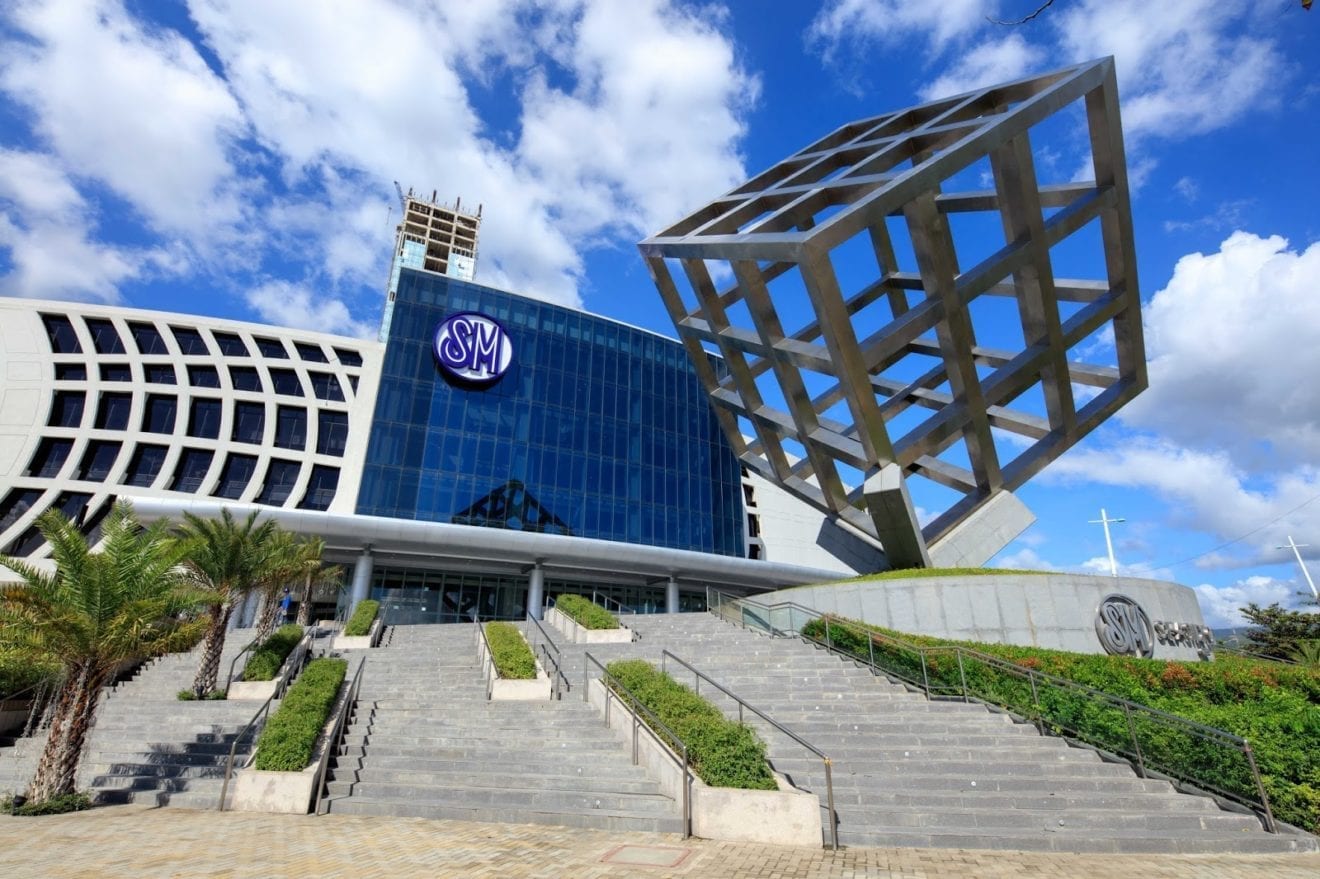
    Property giant SM Prime Holdings aims to open four shopping malls with a combined gross floor area of 292,000 sqm in the Philippines this year.

    SM Prime ended last year with 60 malls across the country, as well as six malls in China.

    President Jeffrey Lim says the company’s focus this year will be on shopping malls and residential space.

    SM Prime’s VP for investor relations, Alexander Pomento, says the malls to open this year are SM Tuguegarao (Cagayan Valley), SM Puerto Princesa (Palawan), Cherry SM Antipolo (Rizal) and SM Premier Cagayan de Oro. Their gross floor area would be 40,000 sqm for Tuguegarao, 70,000 sqm for Puerto Princesa, 30,000 sqm for Antipolo and 152,000 sqm for Cagayan de Oro.

    Pomento says that about 370,000 people are employed in SM Prime’s 60 shopping malls.

    Its latest shopping mall in the Philippines is the 80,000-sqm SM City East Ortigas, which targets customers in the eastern part of Metro Manila.

    In the first nine months of last year, SM Prime grew its consolidated net income by 13 per cent year-on-year to P17.5 billion, buoyed by higher shopping-mall, office and residential development plus hotel revenues.

    For the third quarter alone, SM Prime’s net profit rose by 15 per cent year-on-year to P4.9 billion, supported by a 14 per cent expansion in revenue to P18.5 billion.

    Philippine shopping mall revenue grew by 9 per cent year-on-year to P32.1 billion in the first nine months, while mall rental income expanded by 11 per cent to P26.9 billion.

    In the past two years the group has expanded its shopping mall GFA by 1 million sqm.

    Meanwhile, mall revenue from China rose by 5 per cent year-on-year to P3.1 billion in the first nine months while operating income grew by 6 per cent to P1.5 billion.

    SM has just opened its seventh mall for China in Tianjin.

  • E-commerce firms face rivals from Japan, Thailand, China, South Korea

    E-commerce firms face rivals from Japan, Thailand, China, South Korea

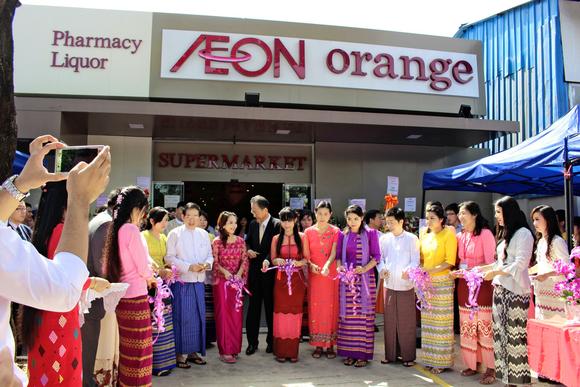
    Aeon, a Japanese e-commerce group, has launched aeoneshop. The website began its operation on January 1, 2017, mostly distributing the products from Japan and the ones bearing Topvalu, an Aeon’s private band. In Vietnam, nearly 1,000 products bear the brand.

    Of the products it distributes, Aeon hopes ‘Me va Be’ (mother and babies) products will be popular with Vietnamese mothers who like Japanese goods.

    Initially, Aeon will only delivery goods in HCMC. Like other e-commerce websites, Aeon will provide free deliveries to orders worth at least VND300,000.

    Analysts said that Aeon’s policies on goods purchases, payments and exchanges are nearly the same as other e-commerce firms.

    With Aeon in Vietnam, the market now has the most powerful rivals in the region. Two months ago, South Korean Lotte launched the Lotte.vn website, hoping for an ambitious plan to hold 20 percent of market share and become a top player in the market.

    Meanwhile, Jack Ma of China, a billionaire who owns Alibaba, has taken over Lazada in Vietnam, while Thailand’s Central Group bought Zalora Vietnam through Nguyen Kim, of which it holds a large capital stake.

    The Vietnamese e-commerce market is known as a ‘money burning machine’, meaning that investors pay big money even though profits are unpredictable.Competing against the four big players from Japan, South Korea, Thailand and China are three Vietnamese groups – Adayroi (Vingroup), Tiki (VNG) and Vuivui (The Gioi Di Dong).

    Lingo, Beyeu and Deca all have left the market because they ‘did not have enough money to burn’. Tiki has reported a loss of VND160 billion in the last eight months since it received investment from VNG.

    Analysts believe that those who have more powerful financial capability will win the battle, leaving the field to foreign companies.

    Commenting about the competitiveness of aeoneshop.com and Lotte.vn, Nhip Cau Dau Tu said they had the advantage of confidence. Lotte.vn focuses on cosmetics and fashion products because ‘South Korean cosmetics’  are popular in Vietnam.

    Aeon focuses on electronics and children’s products because products from Japan have a good reputation among Vietnamese.

    The second advantage is the large store network. Aeon, for example, besides the four shopping malls in HCMC and Hanoi, also has 18 Fivimart shops in Hanoi and 66 Ministop shops in HCMC after acquiring 30 percent of Fivimart and 49 percent of Citimart stakes.

  • Volkswagen won’t make Audi cars with SAIC in China before 2018

    Volkswagen won’t make Audi cars with SAIC in China before 2018

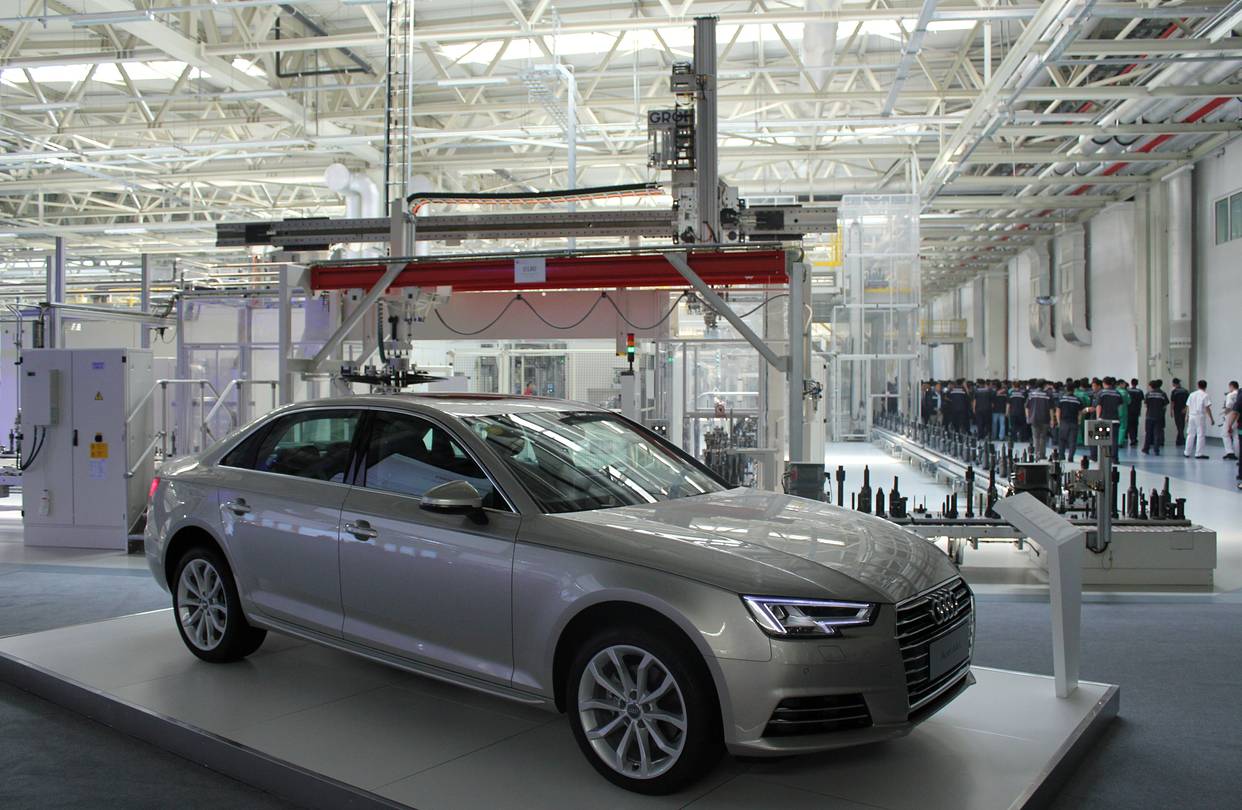
    German carmaker Volkswagen said on Wednesday it would not produce or sell any Audi cars with SAIC Motor until at least 2018, seeking first to strengthen ties with existing Audi partner China FAW Motor Corp .

    VW announced in November a non-binding agreement with SAIC to discuss a partnership regarding Audi AG, which is the best selling premium brand in China.

    Tying up with SAIC, China’s largest automaker, could boost slowing sales for the premium Audi brand as Daimler’s Mercedes and newer entrants such as General Motor’s Cadillac eat into its market share.

    “No sales, no production, nothing this year (2017),” state-owned China Daily on Wednesday quoted VW China chief Jochem Heizmann as saying.

    A VW spokesman confirmed Heizmann’s remarks, saying talks with SAIC were ongoing but that nothing “operational” would happen before 2018.

    “An agreement (with SAIC) could be reached in 2017 and there will be preparation with all the points for sales and production and so on,” an Audi spokeswoman told Reuters.

    “As soon as there is an agreement, there will be measures to fulfil this agreement, but right now we are just in talks and we have no agreement.”

    She added that while larger talks were ongoing, discussions about sales with SAIC were on hold until an agreement is reached resolving concerns of existing FAW dealers.

    Volkswagen gets a larger proportion of the proceeds from the 50-50 tie-up with SAIC than from its 40 percent stake in the venture with FAW.

    Joint ventures with VW and Audi have given FAW a lifeline as it struggles to create successful brands of its own.

    Existing dealers of Audi cars in a letter to the German firm last year said creating a new sales network would further damage an already tenuous situation as existing dealers suffer from slowing sales and generally operate at a loss.

    The Volkswagen spokesman said the priorities were first to strengthen ties with FAW, including with a recently agreed 10-year joint plan, second to resolve concerns of existing Audi dealers, and last, to move forward with a cooperation with SAIC.

    Audi said on Tuesday that its joint venture with FAW would introduce five more plug-in electric cars in China in the next five years, following on FAW and VW agreeing to a 10-year roadmap for the venture.

  • Tourists drive Sa Sa sales

    Tourists drive Sa Sa sales

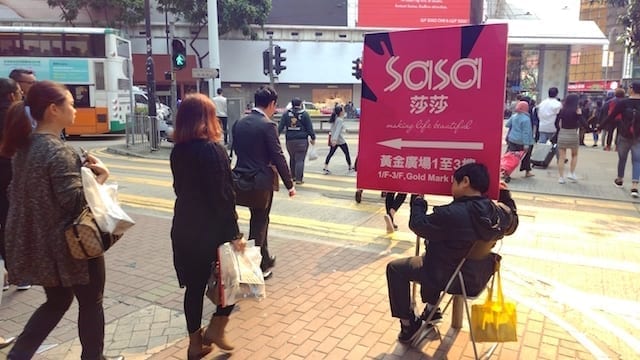
    Sales performance has improved marginally for cosmetics chain Sa Sa International Holdings for its third quarter, to the end of December.

    This was mainly a result of a rise in numbers of mainland customers driving a 5.4 per cent increase in the number of transactions in Hong Kong and Macau while local trade remained flat. However, the average sales per transaction of local customers increased by 0.2 per cent while for mainland customers there was a 3.6 per cent drop.

    Sa Sa sales growth is a result of the group’s ongoing efforts to adjust its product offerings to adapt to the market demand for trendy products, the company says. This also resulted in continued downward pressure on gross profit margin for the quarter.

    For the quarter, the group’s retail and wholesale turnover eased up by 0.9 per cent year-on-year, while the figures for other markets outside Hong Kong and Macau – including China, Malaysia, Singapore, Taiwan and online – were flat.

    Following the gradual tapering of year-on-year retail sales decline in the first and second quarters in Hong Kong and Macau, same-store Sa Sa sales in the third quarter fell by 2 per cent while retail sales rose by 1 per cent.

    Sa Sa had 290 outlets in total at the end of December, up from 283 as at September 30. For Hong Kong and Macau, there were 115 outlets, up by two; China had three more stores for a total of 56; Singapore lost two stores to finish the year with 21; Malaysia gained five outlets for 73; and Taiwan lost a store to end the year with 25.

  • Chinese government clamping down on app stores

    Chinese government clamping down on app stores

    China’s government has issued an order for all app stores on the mainland to be registered.

    In a notice on its website, the Cyberspace Administration of China says its offices should ensure that records are kept on the country’s many app stores.

    “Many apps have been found to spread illegal information, violate user rights or contain security risks,” says the post.

    Unlike in the west, China’s app store market is very fragmented with as many as 150 vying for customers, including market leaders Google Play and Apple’s App Store.

    Registration is necessary, it says, to ensure it is clear who takes responsibility if apps, or app stores, are found to engage in illegal practices.

    Three weeks ago, Apple removed the English- and Chinese-language news apps of The New York Times from its China app store. The US tech giant says the government had told it the apps violated local regulations.

    Google’s store for apps using its Android operating system is blocked in China, with third-party stores taking its place. Most of China’s biggest app stores are controlled by internet and smartphone companies such as Alibaba, Baidu, Qihoo 360, Tencent and Xiaomi, as reported.

    It says Chinese laws are often intentionally broad and open-ended to allow regulators discretion in enforcing them. Concrete steps like the new order for registrations can indicate how laws will be carried out in practice.

  • Alibaba joins forces with counterfeited brands

    Alibaba joins forces with counterfeited brands

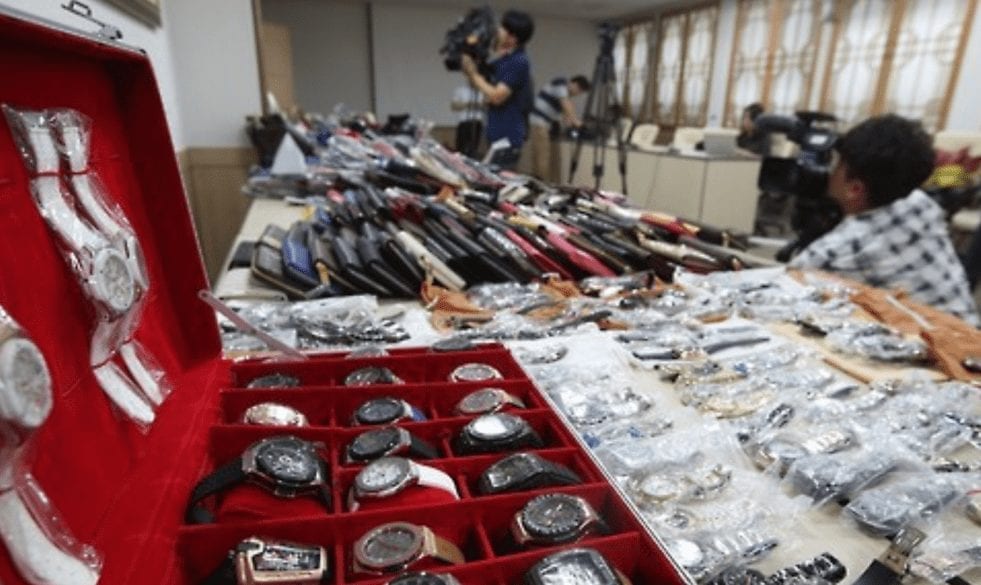
    Chinese eCommerce giant Alibaba has teamed up with some of the world’s most-counterfeited brands to fight against copycats.

    Collaborating with such global brands as Louis Vuitton, Samsung and Swarovski, Alibaba will provide its members with big data and other support to help them block, identify and even take down listings from its marketplaces such as Taobao and Tmall. Those two sites boast 1 billion product listings at any given time.

    In return, the brands have committed to share their anti-counterfeiting data with Alibaba.

    The move follows a lawsuit filed by the internet powerhouse against two vendors selling knock-off Swarovski watches from their online shopping bazaars on Taobao, claiming 1.4 million yuan (US$202,950) in losses. Taobao is the retail platform for smaller merchants.

    “The most powerful weapon against counterfeiting today is data and analytics, and the only way we can win this war is to unite,” says Alibaba’s chief platform governance officer Jessie Zheng.

    “Alibaba welcomes brands and other organisations to join us in what we believe is the world’s first ‘big-data anti-counterfeiting alliance’.”

    Taobao was returned to the US government blacklist of “notorious markets” last month for hosting fake items, four years after Alibaba lobbied American trade officials to drop the platform from the list.

    Listings removed

    Alibaba says it is disappointed by the decision, noting it has “proactively removed more than double the number of infringing product listings than in 2015”. The company employs 2000 permanent staff and 5000 volunteers devoted to spotting fake goods.

    According to the International Anti-Counterfeiting Coalition, a nonprofit watchdog overseeing piracy concerns, China is the biggest market for knockoffs globally with handbags, footwear, watches and iPhones topping the list of most-faked items.

    Louis Vuitton, Nike, Ray Ban and Rolex are among the labels that seem to be more intensely targeted by counterfeiters, says a report by the Organisation for Economic Co-operation and Development (OECD).

    Domestic brands also have fallen victim. Chinese liquor maker Kweichou Moutai has confiscated 300 tonnes of fake Moutai in a three-year drive against bootleggers, whose products can feature packaging identical to genuine products.

    Chinese authorities have also stepped up efforts to root out people involved in marketing fake goods, staging raids and arresting thousands of suspected offenders.