Tag: China

  • Alibaba disappointed in notorious markets branding

    Alibaba disappointed in notorious markets branding

    The Alibaba Group has complained about the United States Trade Representative’s (USTR) inclusion of the Taobao marketplace in its latest “notorious markets” list.

    The Chinese e-commerce giant said the inclusion ignores the action Alibaba has taken against counterfeiters in recent years.

    “In 2016 alone, we proactively removed more than double the number of infringing product listings than in 2015. It is, therefore, unreasonable for the USTR to have concluded that Alibaba is less effective in anti-counterfeiting than when it reviewed our efforts in 2015 and when it removed us from its list four years ago,” the company said in a statement.

    The findings of USTR’s special review into notorious markets highlights specific physical and online markets around the world that are reported to be engaging in and facilitating substantial copyright piracy and trademark counterfeiting.

    “Tens of millions of American jobs and several trillion dollars of our gross domestic product rely on American creative and innovative industries,” said Ambassador Michael Froman in a news release.  “The marketplaces, tactics, and schemes that undermine and threaten America’s creative industries change quickly and require our constant attention.”

    He added that the 2016 List underscores the need for accountable governments everywhere to take on these forms of piracy and counterfeiting at every stage of the global supply chain to prevent final products that put health and safety of end-consumers at risk.

    The USTR report flagged down Taobao “due to the large volume of allegedly counterfeit and pirated goods available and the challenges right holders experience in removing and preventing illicit sales and offers of such goods.”

    The body did acknowledge that Taobao’s parent company, the Alibaba Group “has taken steps to address right holders concerns on Taobao,” such as establishing internal offices focused on IPR and appointing experienced officers to guide these efforts, as well as developing technology to prevent counterfeit sellers from re-opening storefronts.

    “While recent steps set positive expectations for the future, current levels of reported counterfeiting and piracy are unacceptably high,” the report stated.

    Alibaba said the report is inconsistent with the effective collaborative approach the company has taken with brands in the fight against counterfeiting.

    “We are very proud of our highly robust anti-counterfeiting programs and believe we have dedicated far more personnel, financial resources and advanced technologies toward protecting intellectual property than any other e-commerce company,” it said. “Despite this counterproductive action by the USTR, we remain fully committed to protecting the IP of rights holders, both through significant proactive measures and working with brand owners, to combat counterfeiting online and offline.”

  • China’s Oppo builds on smartphone success at home with Southeast Asia push

    China’s Oppo builds on smartphone success at home with Southeast Asia push

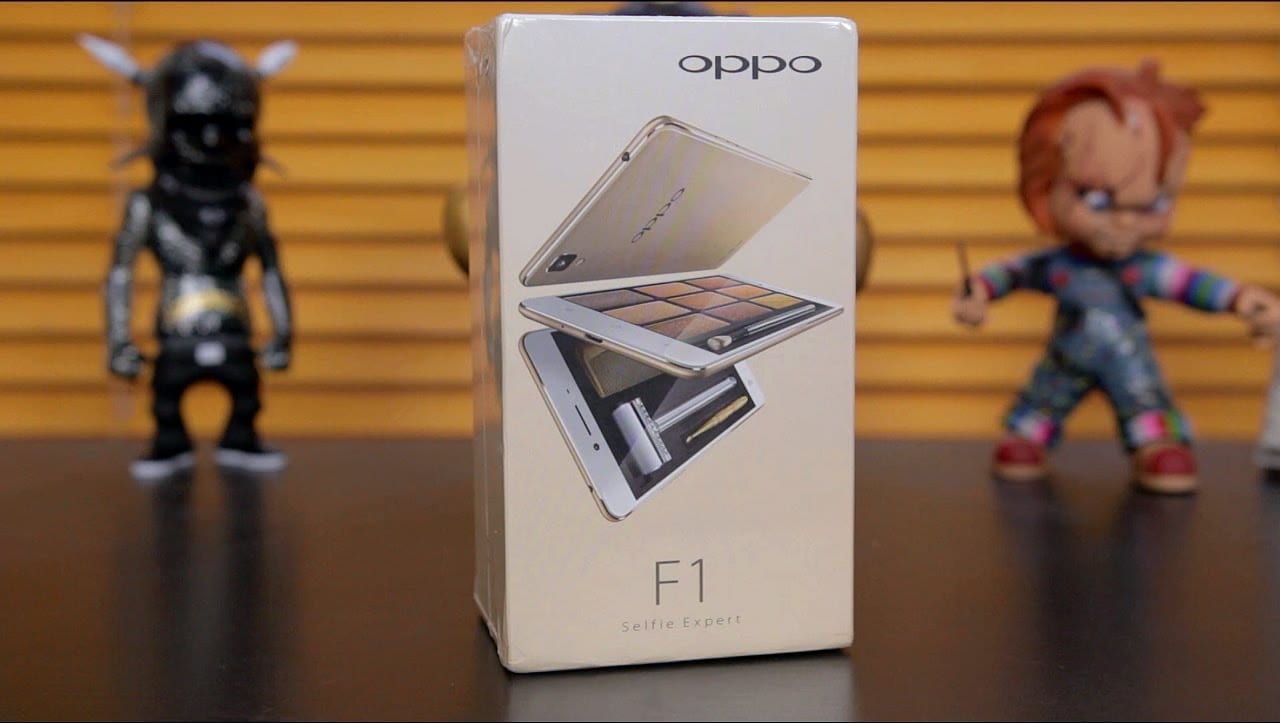
    Chinese smartphone maker Oppo may currently dominate China’s smartphone market with almost one-fifth market share, edging out previous leader Huawei, but the company is already looking to expand even more aggressively into markets such as Vietnam, Indonesia and India.

    Four years ago, Oppo was competing with a sea of rivals, struggling against smartphone giants like Samsung and Apple to gain a slice of the Chinese market. In the third quarter of 2016, the company shipped more than 20 million devices in China, growing over 105 per cent compared to the previous year.

    Just two years after entering the Southeast Asian market, data from market research firms IDC and GFK show that the Chinese smartphone brand has taken the No. 2 spot in both Indonesia and Vietnam.

    “We’re in more than 20 countries and regions, but we are focused on Southeast Asia,” Oppo vice president Alen Wu told in an interview. To market its brand overseas, Dongguan-headquartered Oppo has sponsored variety shows such as X Factor in Indonesia and even cricket tournaments in India, an emerging market for the company.

    Across Southeast Asia, Oppo is playing up its offline-focused strategy. The company currently has about 300 retail points and experience stores that it manages directly, on top of many more third-party retailers that stock the popular phone brand.

    Like its strategy in China, Oppo co-operates directly with retailers to provide both training and salespeople to help them sell smartphones. The salespeople help bring in business for the retailers, allowing shops to sell Oppo devices without much effort.

    We already had a relatively mature offline sales network in China because we used to produce DVD players

    The company also has ambitious plans to expand its presence in the India market, where it works mostly with third-party retailers to sell smartphones to local consumers.

    On Thursday, Oppo announced it would build a sprawling 405-hectare industrial park in the northern city of Great Noida, India. The facility will have an annual capacity of 100 million units, according to the company.

    But Oppo’s market domination in China today didn’t come overnight, it was the culmination of years of groundwork, Wu said.

    Unlike rivals like Xiaomi, which first shot to fame in China and later internationally for pioneering the online-only sales model and selling affordable, high-specification smartphones to consumers, Oppo chose to focus largely on its offline strategy and extensive network of offline retailers in China.

    “We already had a relatively mature offline sales network in China because we used to produce DVD players,” Wu said, adding that the company sells its smartphones at more than 200,000 retail points across China. Of those, 6,500 are Oppo’s experience stores.

    “If we come into contact with five customers every day at each store, that’s a million people every day. It’s a huge outlet for customers to interact with our Oppo brand,” Wu added.

    The company, founded in 2001 by Chen Mingyong, first found its roots in selling DVD players, audio speakers, and later the MP3 player industry. In 2006, it decided to expand into the growing mobile phone market, tapping its existing offline retail network to sell its first smartphone in 2011.

    “For Oppo, we managed to control the quality of our devices, right from our very first product,” Wu said. “Many retailers at the time felt that domestic phones were bad quality, they were resigned to that reality. But Oppo’s products surprised them.”

    Today, Oppo is known among consumers for its fast-charging technology, Oppo VOOC Flash Charge, which can charge a phone battery to 75 per cent in just half an hour.

    “It’s important to find out the painful points for users,” Wu said. “You have to capture their needs before you proceed, find out what needs have not been fulfilled.”

    For Oppo’s target market of millennials, battery life turned out to be one of the biggest issues. But rather than waiting for a breakthrough in battery technology, Wu said the solution was to come up with innovative technology that works around it. To reduce charging time, Oppo increased the current on its proprietary VOOC charger.

    Xiaohan Tay, IDC senior market analyst for client devices research, said Oppo’s offline channel has proved to be an important strategy for the company.

    “In the earlier years when vendors depended on operator subsidies to grow, Oppo was clear in its direction and focused on expanding its offline channels,” said Tay.

    “It also has key strengths such as its VOOC fast charging technology and in the elegant design of its phones. This, coupled with its aggressive marketing tactics, helped it succeed in the market.”

    Wu attributes the success Oppo has achieved today to cumulative efforts, and the laying of a solid foundation for steady growth over the years. Oppo employees often speak of “benfen” – Mandarin for “doing your part” – which comprises a large part of Oppo’s corporate culture.

    “At Oppo, we do what we must to constantly improve and refine operations. Only if your operations are done well can you achieve results,” Wu said. In other words, focus on what needs to be done, and success will follow.

    Oppo never placed its priority on sales, profit, or even ranking in the smartphone market, he said.

    “If you chase these numbers, you may deviate from your original plans … you could lose track of what is beneficial for the business,” he added. “For Oppo, we just focus on doing what’s best for our customers.”

    The company’s rapid ascent has edged out companies like Xiaomi, which was once the darling of the Chinese smartphone industry. In the third quarter, Xiaomi’s market share had fallen to 8.7 per cent, a 42 per cent decline from the previous year, according to data from IDC Asia-Pacific. Apple also saw its market share shrink to 7.1 per cent from 11.4 per cent a year earlier as demand remains tepid for its iPhone 7.
  • Topshop plans expansion in China

    Topshop plans expansion in China

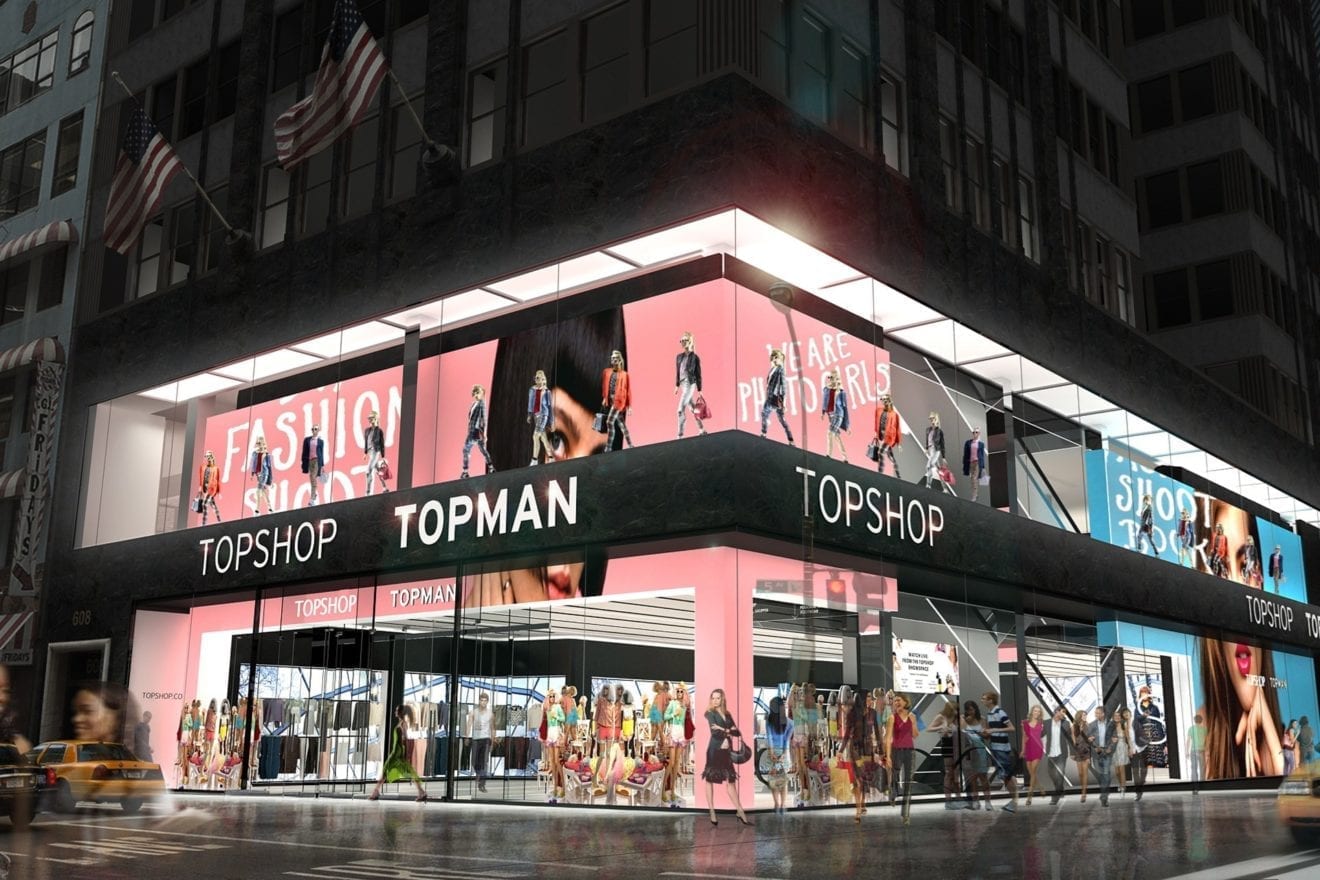
    UK fashion chain Topshop is the latest British retail company attempting to tap into China’s market by opening its first standalone store in 2018.

    The British high-street retailer has agreed a deal with Chinese partner and online fashion retailer Shangpin.com. The e-commerce business had already started to push Topshop into the Chinese mainland by selling the brand on Shangpin.com two years ago.

    Arcadia Group, Topshop’s owner company, said the first shop will open in top tier cities in the spring or summer of 2018 which could be either Beijing or Shanghai.

    Media reports said if the move was successful, as many as 80 outlets could be opened. Arcadia Group would not comment on the plans for 80 stores. Currently Topshop’s only presence in China is a small concession in the Galeries Lafayette department store in Beijing and a handful of shops in Hong Kong.

    Shangpin.com is a members-only website with 30 million registered subscribers, founder and chief executive David Zhao said: “It is gratifying to be trusted by such a world-renowned fashion brand to take them further in China.”

    Topshop is part of retail tycoon Sir Philip Green’s Arcadia Group fashion empire and he described the deal as “the start of a unique, exciting and exclusive partnership that will cement Topshop and Topman’s mission of becoming truly global businesses”.

    Green added:”For the first time, both brands will deliver high fashion to the shop floor and beyond by opening full-scale stores in China – host to the world’s fastest-growing retail economy.”

    The businessman was embroiled in the controversial sale and subsequent collapse of the long-establish UK department store BHS earlier this year. The high-street chain went into administration in April, less than a year after Green sold it for one pound to a consortium.

    The collapse led to the loss of 11,000 jobs and a 571 million pound pensions black hole.

    According to analysts, Topshop is by far the most valuable part of Arcadia Group. Sir Philip owns a 75 percent stake in Topshop after selling 25 percent to US private equity firm Leonard Green in 2012

  • China’s diesel demand likely to rise ahead of Lunar New Year

    China’s diesel demand likely to rise ahead of Lunar New Year

    China’s diesel demand is likely to pick up pace ahead of the Lunar New Year as traders stock up barrels ahead of the festivities and as construction activity picks up in some areas, four trade sources said on Thursday.

    Implied diesel demand in October in China, the world’s second-largest oil user, rose to 3.4 million barrels per day, up 6.4 percent from September and 1.3 percent higher than the same time last year, according to Reuters calculations using official data.

    That is the highest level since at least March this year with implied diesel demand rising in only three months so far this year, the data showed.

    Demand for diesel in November to December is expected to be even higher, traders said.

    “China is having many policies to boost the economy now, so demand will pick up a bit, but by how much is a question,” said a source with a state-owned refiner.

    China’s economy looks set to hit its 6.5 percent to 7 percent growth target as increased government spending and increasing housing demand spur a construction boom.

    Diesel is used to power trucks for industry and for construction.

    First-quarter Chinese diesel demand may rise by 75,000 bpd from the year ago period, based on the industrial recovery, consultants JBC Energy said in a note on Thursday.

    Demand is also picking up ahead of the Lunar New Year period as traders start to stockpile the fuel and as winter consumption of the fuel has increased for heating and back-up power generation, a second source with a state-owned refiner said.

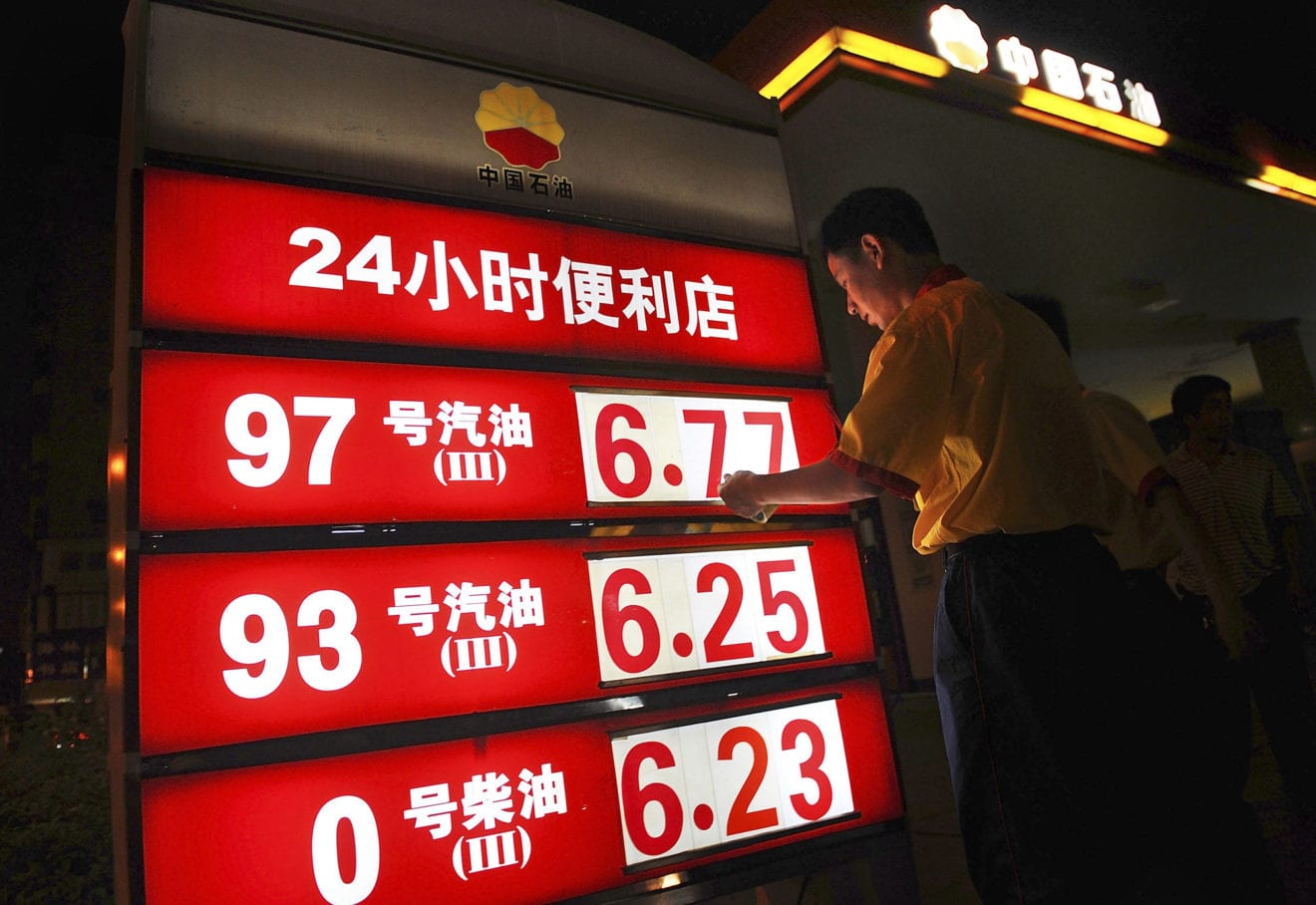
    “China has also been increasing the retail prices, so demand from traders is picking up as they start to fill up tanks,” the source added. China will raise retail diesel prices by 95 yuan ($13.66) per tonne from Thursday, its third increase since Nov. 30.

    China’s diesel stocks at the end of November fell to a record low after refineries tempered production while they upgraded facilities to produce higher-quality fuels in order to meet stricter emissions limits that the country is introducing from Jan. 1.

    Regulations introduced in September that imposed stronger penalties and ramped up inspections to prevent trucks being overloaded with goods also boosted demand for diesel, traders said.

    “The trucks have to make more trips, so this consumes more diesel,” a shipping source said.

  • Reliance on China makes tourism vulnerable

    Reliance on China makes tourism vulnerable

    A senior director at Lotte Duty Free said the Korean retail giant has lost customers recently. “I don’t think the situation will get any better this year,” the director said. The duty-free company saw its customers decrease by at least 10 percent in December compared to the same period last year.

    This year will be tough for Korea’s tourism industry as a whole as more youke, or Chinese tourists, are turning their backs to what was until recently one of their favorite destinations.

    The main cause is geopolitical. After Korea decided to deploy an American Terminal High Altitude Area Defense system (Thaad) missile defense system, Beijing ordered retaliation against a range of Korean businesses, particularly its entertainment exports. The Chinese government denies issuing vindictive orders to reduce tourists to Korea by 20 percent, but the numbers tell a different story.

    Mismanagement of Chinese group tours, such as forcing them to buy merchandise, is another factor.

    In November, the number of Chinese tourists coming to Korea was 520,000, a mere 1.8 percent increase year on year, according to the Korea Tourism Organization. The growth rate in August was 70.2 percent – partly due to a base effect related to the low number in August 2015 during an outbreak of Middle East respiratory syndrome. This dropped to 22.8 percent in September and 4.7 percent in October.

    For the first time in three years, the rate of Chinese tourists to all tourists in Korea fell below 40 percent to 39.5.

    One internal problem in Korea’s industry is group tours that overly emphasize shopping. The tour groups get commissions from the merchants.

    Ms. Wong, a 32-year-old office worker, was hauled to six shopping places in a single day as part of a five-day group tour to Korea in November. The guide informed the group that the stores were certified by the government, adding that all the salesperson were public officials.

    “I really doubted whether any of the stores I visited today were approved by the government,” she said. “I’ve never heard of the brands before and yet the products were all so expensive.”

    Government approval of stores does exist – a system jointly operated by the Korea Tourism Organization and the Ministry of Culture, Sports and Tourism. Three of the six stores Wang went to were not among the 1,004 certified stores. The other three were well-known duty-free stores.

    “There is no case whatsoever in which a public official works as a sales person at a commercial store,” confirmed a KTO spokesman.

    To tackle the problems with group tours, the Korean and Chinese governments have started to launch regulation on the business.

    According to local industry insiders, China’s tourism companies, who organize and send tourists to Korea, have increasingly made demands such as requesting lower fees from the Korean side or charging incentives per person in exchange for sending groups.

    “I heard of one case in which a Chinese travel agency asked for 300 yuan ($43) per person,” said a source working for a domestic travel company.

    Because the local tourism industry depends so heavily on Chinese tourists, local companies find it hard to resist such requests.

    To make up for those concessions, local tour companies try increasing their revenue by taking groups to duty free shops, where they get commissions.

    After the government issued new duty-free licenses in Seoul, competition among the stores got fiercer.

    “About 10 to 20 percent of sales are given to travel companies as commissions when their customers spend money at our branches, but after the competition heated up, I heard some even started paying up to 30 percent,” said one source.

    That’s causing a kind of race to the bottom in terms of profitability. “The competition has gotten so cut-throat,” said another duty free source, “that even with rising sales, profits are constantly going down.”

    Tourism specialists say Korea’s tourism industry has to reduce its dependence on China and shopping.

    They emphasize the importance of enhancing the cultural experiences for visitors.

    Lee Sho wen, 52, and Lee Li Mei, 47, sisters from Taiwan, spent two of their six days in Korea at a cooking class they found on the internet. The OME Cooking Class has provided Korean cooking classes in English and Chinese for foreigners since March 2015.

    Ha Wong Ming, a 27-year-old from Hong Kong, came to Korea for four days to learn K-pop dancing. He practiced the choreography of Big Bang’s “Bang Bang Bang” for two hours at Coreart, which organizes classes in K-pop dance and samulnori, a traditional percussion performance. “The objective is to offer a chance to experience Korean culture,” said CEO Jee Yoon-seong.

    “Shopping tourism has a limit,” said Lee Ki-Jong, a professor of hospitality and tourism management at Kyung Hee University. “Korea is relatively short of natural scenery so we have to focus more on cultural tourism.”

    In terms of diversifying target markets, a rising alternative to Chinese is Southeast Asians, many of whom are already familiar with Korean culture from hallyu, or the so-called Korean wave of cultural exports like K-pop and television serials.

    The number of Indonesian tourists to Korea November jumped 49.2 percent from 2015, according to the Korea Tourism Organization. Visitors from Vietnam rose 38.7 percent and from Taiwan 35.3 percent during the same period.

    Widening the spectrum of visitors can open new opportunities. For example, Taiwanese tourists have a keen interest in visiting Korea’s strawberry fields and picking fruit.

    Indonesians, many of whom have never seen snow, enjoy ski trips to Korea.

  • Hong Kong less of a paradise for shoppers from China

    Hong Kong less of a paradise for shoppers from China

    It used to be widely known as the Pearl of the East, a shopping paradise beckoning residents of China.

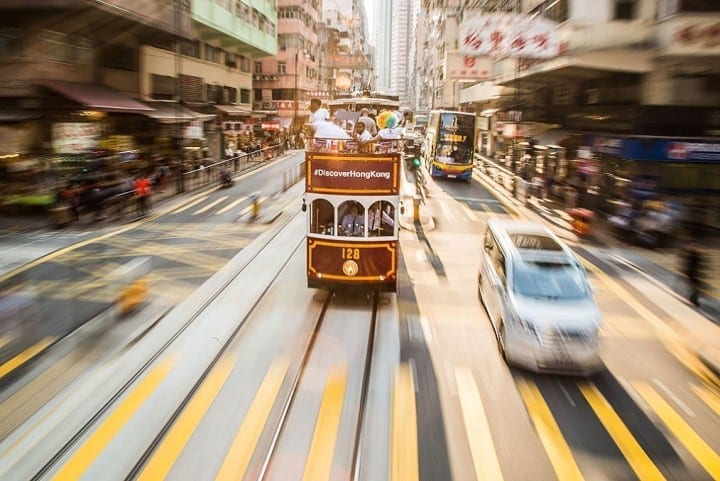
    But these days, Hong Kong has lost much of its lustre and is finding it harder to attract big spenders from China.

    Tourists from China spent an average of HK$7,105 (S$1,300) in Hong Kong in the first half of last year, down 15.8 per cent from the same period in 2015. This is also way below the corresponding figure for 2014 of more than HK$9,000.

    With three in four tourists to Hong Kong hailing from China, the decline in spending has hit Hong Kong’s retail sector badly.

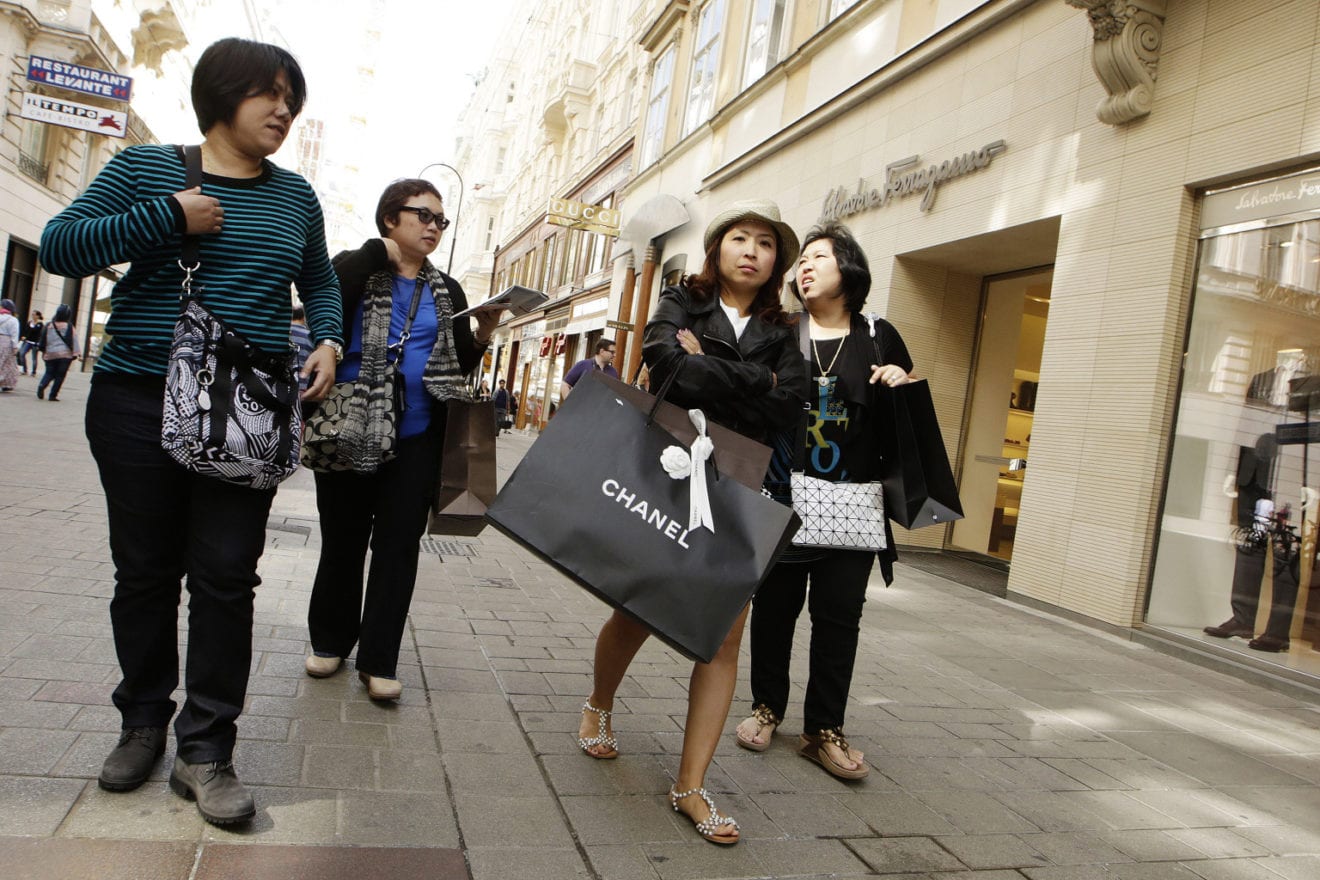
    Last year, no fewer than four major luxury brands have shut at least one of their stores in Hong Kong. The latest is Prada, which closed its flagship boutique at Peninsula Hotel’s shopping arcade yesterday.

    $1,300

    Average amount tourists from China spent in Hong Kong in the first half of last year, down 15.8 per cent from the same period in 2015.

    35.4m

    Tourist arrivals to Hong Kong from China in the first 10 months of last year, down 8.2 per cent from the same period in 2015.

    The Italian fashion brand joined Ralph Lauren, Paul Smith and Tonino Lamborghini in having store closures in Hong Kong last year.

    Analysts expect more to follow. Some have already served notice of their plans to shut their stores.

    Abercrombie and Fitch will pull out of Hong Kong before the lease of its 25,600 sq ft store in Pedder Street expires in 2019. The United States fashion label suffered a 14 per cent year-on-year drop in sales from August to October last year. The company intends to open five stores in China by the end of this month.

    Another US fashion chain, Forever 21, has confirmed that it will shut its 51,188 sq ft store in Causeway Bay shopping district by August.

    Mr Pascal Martin, partner of OC&C Strategy Consultants, said: “Until recently, Hong Kong was a key part of a brand’s strategy to build brand equity with Chinese tourists in view of entering China.

    “This is still true to some extent, but now, brands rely more on building brand equity directly with Chinese visitors in their flagships in Europe and the US, as well as online, rather than in Hong Kong.”

    He added: “Most affluent Chinese tourists have now diversified their travel destinations beyond Hong Kong, to places such as Japan, Korea, Europe and the United States, where they also shop.”

    Hong Kong saw 35.4 million tourist arrivals from China for the first 10 months of last year, down 8.2 per cent from the same period in 2015.

    But things got better during the recent Christmas holiday period from Dec 23 to 26, as Chinese visitor numbers jumped 18 per cent year on year, and overall visitor numbers rose 13.8 per cent, South China Morning Post reported.

    But many tend not to spend much on shopping in Hong Kong.

    Cafe owner Lin Chang, 29, was among the Chinese tourists who visited Hong Kong over the Christmas period. Despite the attractive deals on offer, she did not buy a single item. “I plan to buy a designer handbag, but I want the novelty of getting it in Paris,” said Ms Lin, who spent only two days in Hong Kong before heading off to Paris for a week.

    The retail slump in Hong Kong may not spell bad news for all – the closure of some stores has allowed new players to take over shop space at lower rents, noted Mr Martin.

    Hong Kong still remains an attractive tourist destination, said executive director of the Travel Industry Council of Hong Kong Joseph Tung.

    Mr Tung said: “The latest statistics showed that the number of overseas visitors to Hong Kong has increased in recent months. It means that Hong Kong is still an attractive destination to tourists from other countries, not only mainland visitors.”

  • An iPhone’s journey, from the factory floor to the retail store

    An iPhone’s journey, from the factory floor to the retail store

    Apple buys many of the components for iPhones — like the memory chip, the modem, the camera module, the microphone and the touch-screen controller — from more than 200 suppliers around the world. Foxconn, the Taiwanese company that runs the Zhengzhou facility, even produces some smaller parts, such as metal casings.

    Apple orders many of the components from global suppliers and then sells them, en masse, to one of its contract manufacturers in China. In Zhengzhou, that means Foxconn.

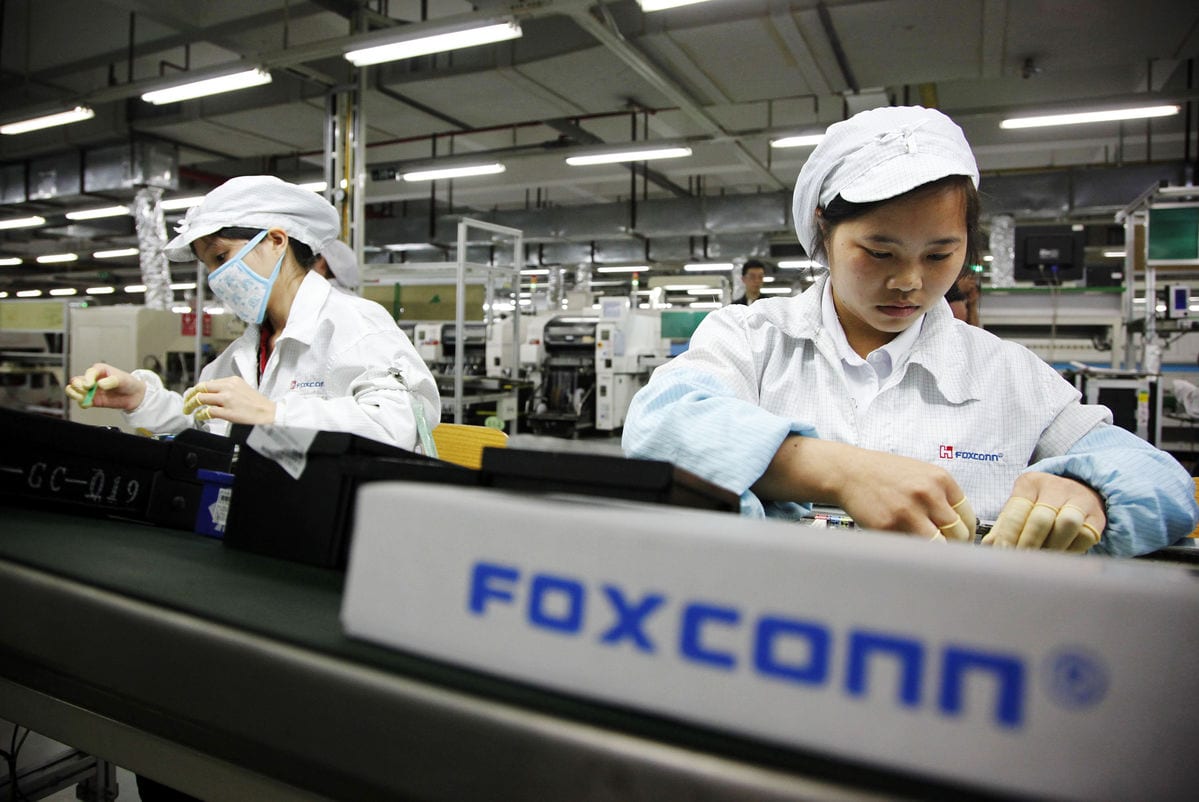
    Foxconn’s facilities in Zhengzhou cover 2.2 square miles and can employ up to 350,000 workers, many of whom earn about $1.90 an hour. The operation does final assembly, testing and packaging.

    There are 94 production lines at the Zhengzhou manufacturing site, and it takes about 400 steps to assemble the iPhone, including polishing, soldering, drilling and fitting screws. The facility can produce 500,000 iPhones a day, or roughly 350 a minute. After the iPhone rolls off the assembly line, it is placed in a sleek white fiberboard box, wrapped and put on a wooden pallet, and then wheeled out to waiting trucks.

    The newly assembled iPhone is transported a few hundred yards beyond the factory gate, where China built a large customs facility. The customs operation sits in a bonded zone, which allows Apple to sell the iPhones more easily to Chinese consumers.

    As the final point of assembly for the iPhone, China also serves as a starting point for Apple’s global tax strategy. In Zhengzhou, often in the customs facility, Foxconn sells the completed iPhones to Apple, which in turn resells them to Apple affiliates around the world.

    The process, most of which takes place electronically, allows Apple to assign a portion of its profits to an affiliate in Ireland, a tax-advantageous locale. The system is not unique to China.

    IPhones bound for the United States and other parts of the world leave customs by truck and are transported three miles to the Zhengzhou airport. The airport has been significantly expanded in recent years, as production of the iPhone has increased.

    Some years ago, personal computers that were made in China were transported to the United States by container ship, with a trip lasting about a month. Smartphones are small enough to be shipped by plane in huge quantities — and cost-effectively. A single wide-body Boeing 747 can easily carry 150,000 iPhones tucked into its aluminum canisters.

    From Zhengzhou, UPS, FedEx and other freight carriers typically fly U.S.-bound iPhones to Anchorage, Alaska. There, they refuel, before going on to Louisville, Ky., a major logistics hub, or other points.

    For an iPhone headed for the China market, customs officials use an electronic system to virtually stamp the goods as “exports” and then restamp them as “imports.” In Zhengzhou, the process happens in the same customs facility just outside the factory.

    Once the products are declared an import, customs can collect a 17 percent value-added tax, a kind of national tax, based on the import price. Afterward, the goods are approved for transport around China. Domestic-bound iPhones are typically loaded onto a large truck and taken on an 18-hour drive from Zhengzhou to Shanghai, in eastern China, where Apple has set up its national distribution center. A single tractor-trailer holds up to 36,000 iPhones. Because the vehicles have about $27 million worth of freight on board, they are equipped with cameras and sometimes accompanied by armed security guards.

    After the iPhone leaves the Foxconn factory in Zhengzhou, it takes two days, on average, to get to a store in Shanghai, a 590-mile trip. It takes three days, on average, to get to a store in San Francisco, some 6,300 miles away.

    IPhones can sell for nearly 20 percent more in China than in the United States.

    Chinese customers pay much higher prices, because of currency fluctuations and the country’s hefty value-added tax.

    A 32-gigabyte iPhone 7 sells for about $776 at the Apple Store in Shanghai. In New York, it goes for $649.

  • Chinese retail is obsessed with Donald Trump

    Chinese retail is obsessed with Donald Trump

    Despite all his contentious campaign rhetoric, Chinese retail has embraced Donald Trump in a big way.

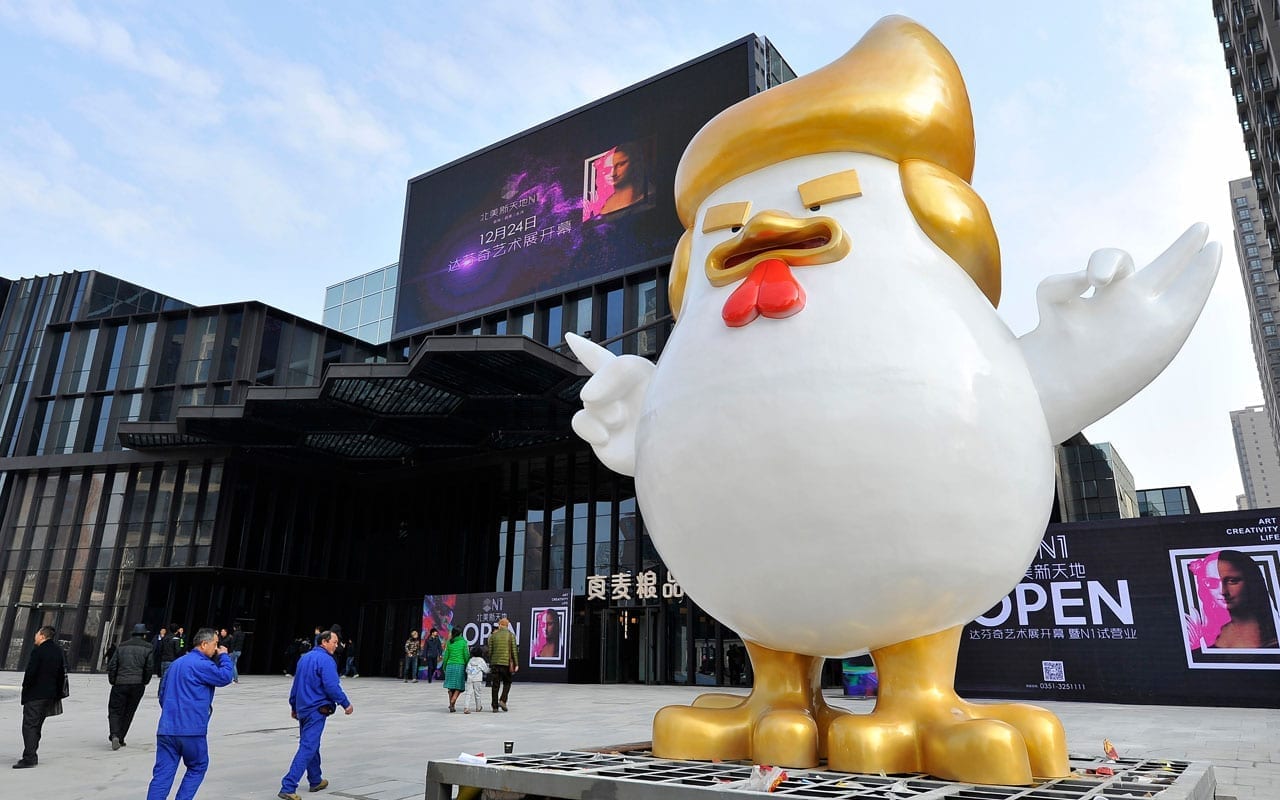
    Take the Trump-rooster statue just erected at a shopping mall in Taiyuan, the capital city of China’s Shanxi province, for example. The enormous effigy —  to celebrate 2017, the Chinese Year of the Rooster — stands 32 feet tall, complete with the president-elect’s unmistakable quiff and hand gestures. In fact, Chinese retailers incorporate Trump’s “look” or name into their products frequently, including caricatured figurines, skincare items, condoms, and more.

    “This is the first time we’ve had a president who is a brand, and it’s not unusual to see various markets try to co-opt brands for their own success,” said Greg Portell, lead partner for consumer industries and retail practice at global consulting firm A.T. Kearney. “But China, in particular, is trying to capitalize on the Trump brand.”

    Without hard data, it’s unclear whether Chinese consumers have bought into the push. But retailers are betting they will.

    Halloween was a good indication. The Jinua Partytime Latex Art and Crafts Factory, among others, started churning out masks of then-candidate Trump. While the company also produced other political masks, including one depicting Democratic presidential candidate Hillary Clinton, workers stockpiled Trump’s, expecting them to sell out in 2016, as reported.

    Now, just weeks before Trump’s inauguration, multiple Chinese retailers have started selling scaled-down versions of that gigantic rooster statue, including Taobao, a large e-commerce site owned by Alibaba. And of course, Alibaba hasn’t missed out on the Trump trend either, offering a multitude of bobbleheads as well as Trump’s iconic red “Make America Great Again” baseball caps — although Amazon, the U.S. equivalent, sells its fair share of paraphernalia too.

    “If you go back to what retailers are looking for in general, they’re looking to drive traffic and drive conversation. Selling products is almost secondary,” Portell noted. “In China, they’re achieving all the above.”

    But China’s Trumpmania isn’t entirely new. In the past decade, Trump has filed 126 trademark applications in China for products from pet care to lingerie, according to data from the Trademark Office of the State Administration for Industry and Commerce, reported by the Washington Post. And the president-elect wouldn’t be filing them if they didn’t make him money.

    But his next battle lies in fighting off other people trying to use his brand. Registered trademarks already exist in China for Trump condoms, paint, and even toilets.

    “It is just a psychological effect,” Zhong Jiye, founder of Shenzhen Trump Industrial Co., told the Washington Post. “They are interested because they want to sit on a toilet or use a urinal that has the name of a U.S. president.”

  • Hong Kong Shopping Festival 2017: Things You Need To Know

    Hong Kong Shopping Festival 2017: Things You Need To Know

    During July to August, Hong Kong conducts special events and stores have special sales for the festival. One can get quality products and prices. During this time, there will be more sales than usual. Many stores will be also open longer than usual. Major discounts will be made available. Customer service will also make available coupons for the sale.

    Hong Kong has always been considered as a world class shopping center. They have the highest in retail rental for stores. In 2015, the Global Shopper Index named Hong Kong as the best to place to shop in Asia. This is based on characteristics such as variety, price, ease of travel, enjoyment and entertainment.

    In fact, it was rated as substantially better than the next city in Asia. One can usually find bargains on most products better than elsewhere in Asia while at the same time enjoying the place. One will also find about the widest variety of products in Asia.

    Hong Kong can be quite warm in July and August, but this is no problem because all malls in Hong Kong have air conditioning. It is not recommended to go out too early the street markets because of the warm weather. It is better after sundown, then one can try the street food and eat outside when it is cooler. There are luxury malls, and there are middle priced malls. One can find some of Asia’s best restaurants in these malls, as rated by the Michelin Guide.

    Access to Central District is a breeze via the Star Ferry terminal in Central or the Central MTR station. On the island, there are also hiking areas, parks, natural parks and beaches, good free zoos, and the vast and renovated Ocean Park amusement park. Much of the island is covered by public forest land that makes the island scenery beautiful and that makes for good and safe natural hiking areas. From Chinese noodle restaurants to gourmet French and Cantonese restaurants in the Landmark or the IFC Towers, one has a wide range of places to eat in Central and Admiralty.

    If you venture out and around the Mong Kok area in Kowloon, there is the The Ladies Market, Fa Yuen Street, Tung Choi Street, Ladies Market’s Sai Yeung Choi Street, or Temple Street. For electronics, the latest is always available. You can get bargains on Chinese-made electronics. There is Golden Computer Center which is a large electronics market. For photography equipment, Stanley Street on Hong Kong Island and Sai Yeung Choi Street on the Kowloon side are where the professional photographers prefer to go for new lenses or cameras. The large Apple stores in Hong Kong sell the latest versions about 10 percent cheaper than in the mainland.

    For cosmetics, in the bigger shopping malls in Central in Hong Kong, you can find most brands of cosmetics. For outlet stores, Hong Kong has several outlet stores. One of them is Citygate that is conveniently located in Tung Chung on Lantau Island and is only 5 minutes from the airport.

  • LeEco Cuts 60 Jobs In Hong Kong

    LeEco Cuts 60 Jobs In Hong Kong

     LeEco may be one of the best-known Chinese smartphone vendors globally after Lenovo, Huawei and Xiaomi, but the company has been in severe financial stress in recent times. The Beijing-based firm recently ventured out of China to establish a global footprint, and towards that end, have entered quite a few new markets over the past couple of years, including India and the U.S.

    However, even as LeEco was marching ahead with its global ambitions, its holding company, Leishi Internet Information and Technology Corp, was struggling financially, with its shares recently halted from trading at the Shenzhen Stock exchange. LeEco itself has been facing a severe cash crunch, with the company’s CEO, Mr. Jia Yueting, even admitting that the expansion efforts “have gone too far”.

    With its finances starting to become a major issue, LeEco was recently rumored to have laid off 1,400 of its employees globally, with the bulk of the job cuts coming in India. While about 200 people at LeEco’s sports video-streaming subsidiary, LeSports, lost their jobs in China as part of an organizational restructuring, almost a thousand LeEco employees were reported to have been laid off in India, mostly in the company’s sales and retail divisions. Reports out of Hong Kong now suggests that the company is also laying off as many as 60 of its employees in its Hong Kong office, although, its existing businesses and membership services will all reportedly continue to function as usual.

    Even in the midst of all this doom and gloom, though, there is a glimmer of hope for LeEco if a recent interview by a senior company executive is anything to go by. According to the president of LeEco’s smart TV business, Mr. Liang Jun, the company has received a fresh round of funding from strategic investors, although, he’s refused to give out any specifics about the reported investments until now. Meanwhile, even though the company’s finances are in a mess right now, reports indicate that at least three LeEco devices with model numbers LE X920, LE X850 and LE X622 are all set to be launched in the coming months. Right now, there’s no timeframe for the launch, but it should happen sooner rather than later if everything goes well from here for the struggling company.

  • Alibaba, Amazon to face off in region as both continue international expansion plans

    Alibaba, Amazon to face off in region as both continue international expansion plans

    After securing dominance in its home market, China’s Alibaba Group Holding is racing to conquer the still nascent e-commerce market in Southeast Asia. Although the size of the market in Southeast Asia pales in comparison with China’s, it is expected to grow 32 percent on average each year through 2025, according to one industry executive.

    US-based Amazon.com Inc also has its sights set on the region, making a face-off with Alibaba all but certain. Alibaba got to the Southeast Asian market first, but its victory is far from assured. Experts said there is no silver bullet for success, especially in an evolving e-commerce market facing difficulties of its own.

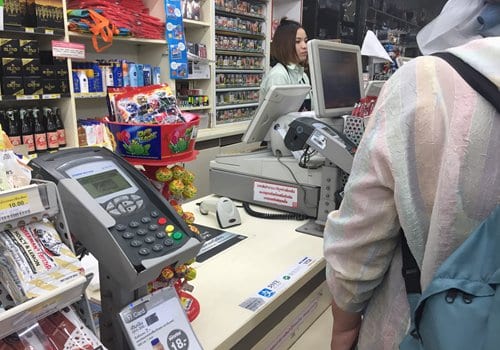
    A 7-Eleven convenience store in Phuket, Thailand, that accepts Alipay, on Saturday. Photo: Zhang Ye/GT
    A 7-Eleven convenience store in Phuket, Thailand, that accepts Alipay.

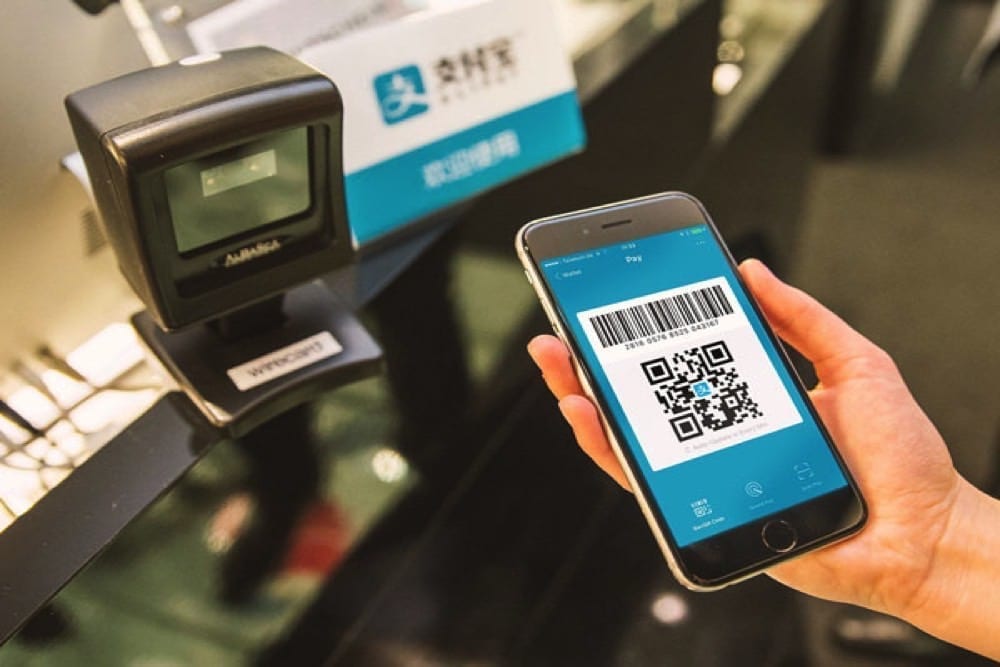
    Among the glossy, green trees in Phuket, the largest island in Thailand, the landscape is dotted by many 7-Eleven convenience stores that accept Alibaba Group Holding’s mobile payment application Alipay.

    “Alipay is available in almost all 7-Eleven convenience stores here, and people are encouraged to use it with random discounts,” an employee at a 7-Eleven store on Thanon Patak Road in Phuket, who declined to be identified, told the Global Times on Saturday.

    7-Eleven has added Alipay to its payment options at more than 9,000 outlets across Thailand since April.

    Alibaba’s move to get Alipay into Thailand is widely perceived as a way to attract Thai smartphone users and technology-savvy consumers as it expands into Southeast Asia in 2016.

    In April, the Chinese e-commerce giant acquired a controlling stake in Lazada, considered the Amazon of Southeast Asia, for $1 billion.

    In November, Alibaba furthered its expansion by taking over the Singaporean online grocer RedMart via Lazada.

    Alibaba’s CEO Zhang Yong said several times at press conferences in 2016 that the company’s next major goal is to help merchants on its platform enter the Southeast Asian e-commerce market.

    However, expanding into Southeast Asia might be easier said than done. In the region, many people are familiar with the concept of e-commerce by name only and don’t have much of an inclination to try it.

    A new frontier

    A 20-something resident in Phuket surnamed Kung was surprised when she heard that Chinese shoppers spent 120.7 billion yuan ($17.4 billion) on online purchases via Alibaba’s bazaars on November 11 alone.

    “My friends and I seldom shop online and do not really intend to do so because we can get whatever we need in the market or at nearby convenience stores,” Kung told the Global Times on Friday.

    The woman’s biggest concern is quality. She dislikes that she can’t feel the texture of clothing sold online and worries about unwittingly buying knockoffs.

    The poor reception for online shopping is reflected on the streets of Phuket, where few express deliverymen can been seen – unlike in China, where they are commonplace.

    Lazada Thailand CEO Alessandro Piscini acknowledged on Thursday that Southeast Asia has a small e-commerce industry.

    At a press conference with about 200 Chinese reporters in Phuket on Thursday, Piscini cited the region’s 3 percent online retail penetration rate (as of November 2015), which represented about $6 billion in sales. By comparison, China had an online retail penetration rate of 14 percent and online sales totaling $293 billion during the same period.

    Still, Piscini was optimistic, saying that the small penetration rate shows that Southeast Asia has a large untapped market for e-commerce. He predicted that the region’s e-commerce market will grow by 32 percent annually to more than $200 billion by 2025, thanks to local government encouragement for the digital economy and urbanization, as well as the region’s rapidly growing middle class.

    By 2020, Southeast Asia’s GDP is expected to grow by an average rate of 5.5 percent a year, Piscini said. Middle-class consumers around 35 years old will account for 60 percent of the region’s overall population, which will grow to 668 million from the current 644 million, according to latest estimates by the global statistical information provider Worldometers.

    Looming rivalry

    Amazon.com reportedly plans to launch in Southeast Asia in the first quarter of 2017, meaning that Alibaba and its US-based competitor will soon clash in the region.

    Amazon’s entry into Southeast Asia will be done via Singapore, where “the level of customer spending and consumer culture is more closely aligned with Western markets,” TechCrunch reported in November, citing unnamed sources.

    The grocery store business is shaping up to be the first battleground in the region between Amazon and Alibaba, according to the report. The rivalry between the two tech mammoths in the Southeast Asian market seems unavoidable as both have stepped up their international expansion.

    “The two account for a huge amount of their home e-commerce markets, with Alibaba holding about 80 percent of online sales in China and Amazon controlling about 60 percent of the US market, so competing for new territory is a logical move,” Lu Zhenwang, founder of Shanghai Wanqing Commerce Consulting, told the Global Times on Sunday.

    Alibaba should not be fazed by the potential threat of Amazon, experts said.

    The Chinese company has an edge on the shopping side, but also got an early start with logistics and payments via acquisitions, experts noted.

    In November, Alibaba’s financial arm Ant Financial signed an investment deal with Ascend Money, a leading online payment firm in Thailand, which also operates in Indonesia, the Philippines, Vietnam, Myanmar and Cambodia. It also snapped up a stake in Singapore’s Singpost, which is experienced at delivering parcels across Asia.

    Dearth of development

    Alibaba may have got to Southeast Asia ahead of Amazon, but being first doesn’t guarantee victory.

    “Southeast Asia is a varied e-commerce market and full of challenges that need to be overcome,” said Liu Dingding, a Beijing-based independent analyst.

    In addition to weak market reception, delivery is also perceived to be a tough issue.

    Lazada Thailand CEO highlighted the complexity of delivery in Southeast Asia during Thursday press conference, citing the region’s underdeveloped infrastructure.

    Liu agreed, noting that the underdeveloped infrastructure hindered the inter-city cargo or parcels delivery, which harmed users’ experiences.

    According to Kung, residents in Phuket usually need to wait for one to two weeks to get their online purchases. In China, this usually takes about three days.

    Against this backdrop, the e-commerce ecosystem in the region is still evolving, giving anyone a possibility to lead the market as long as it can find the right local partners, Liu said.

    “Amazon, though a latecomer to Southeast Asia, still has the chance to win because it has more experience than Alibaba in expanding its business in the international marketplace,” Liu told the Global Times on Sunday.

  • China’s Jiangling Motors unit awarded electric car licence

    China’s Jiangling Motors unit awarded electric car licence

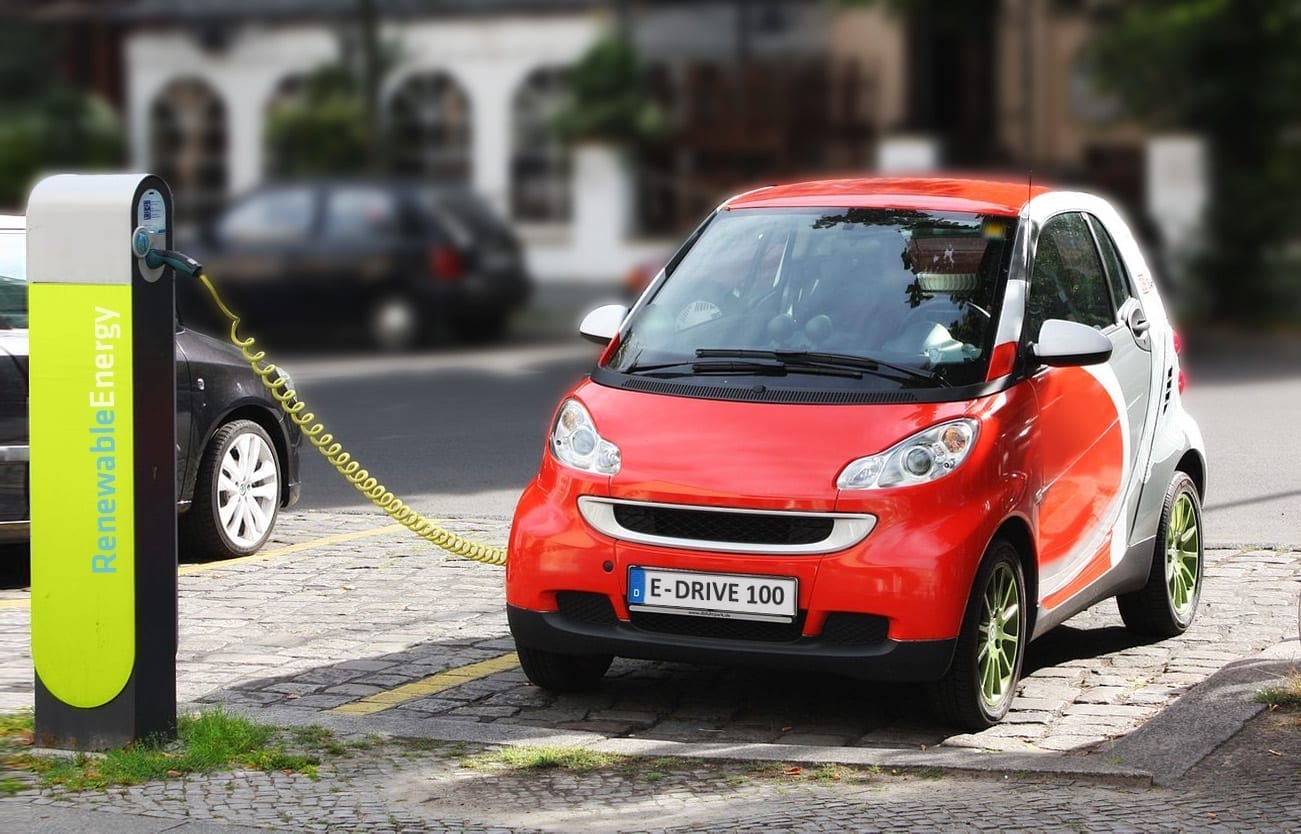
    China has awarded its seventh electric vehicle production license to a unit of Jiangling Motors, according to a posting by China’s state planner, as the country accelerates approvals for green car projects.

    Jiangxi Jiangling Group New Energy Vehicle has permission to proceed with a project to make 50,000 pure electric cars, according to a notice dated Monday in a database administered by the National Development and Reform Commission (NDRC).

    The notice did not give further details. Government records separately show that Jiangling Motors is a shareholder.

    China’s government has employed a raft of policies that spurred a boom in electric and plug-in hybrid cars since 2015. It aims to cut air pollution that frequently blankets urban areas and to push its car industry to leap-frog ahead of global automakers with long experience making internal combustion engine cars.

    The country is accelerating approvals for electric vehicle-only projects under a special programme, having approved a license for Chinese auto parts supplier Wanxiang Group earlier this month, while officials say they will restrict new factories making traditional petrol cars.

  • Apple allegedly deepening partnership with Foxconn

    Apple allegedly deepening partnership with Foxconn

    Apple is turning to manufacturing partner Foxconn to facilitate efforts to expand both research centers and business further into Southeast Asia, and open up facilities in China and Indonesia, according to recent reports

    Foxconn has been manufacturing for Apple for over a decade. While Apple’s Indonesian presence is somewhat limited at the moment, Foxconn has been in Indonesia for several years.

    Not clear is what assistance Foxconn may specifically give Apple, beyond access to already-forged business arrangements with local suppliers and businesses.

    In late November, Indonesian Communication and Information Minister H.E. Rudiantara said that the country’s Communication and Informatics Ministry was “finalizing the plan” for an Apple-led research center in Jakarta. Apple has reportedly already selected a few locations in the country for the center.

    Earlier in the year, Chinese media reported that Apple is launching its first research and development center, located in technology incubation area Zhongguancun Science Park, Beijing. According to reports on the matter, the center has a budget of about $15 million, with a long-term expenditure goal of $45 million over the next few years. The center is allegedly seeking to hire around 500 workers, with no particular focus beyond Apple products and software.

  • YCH Group launches four-storey retail hub in Xiamen

    YCH Group launches four-storey retail hub in Xiamen

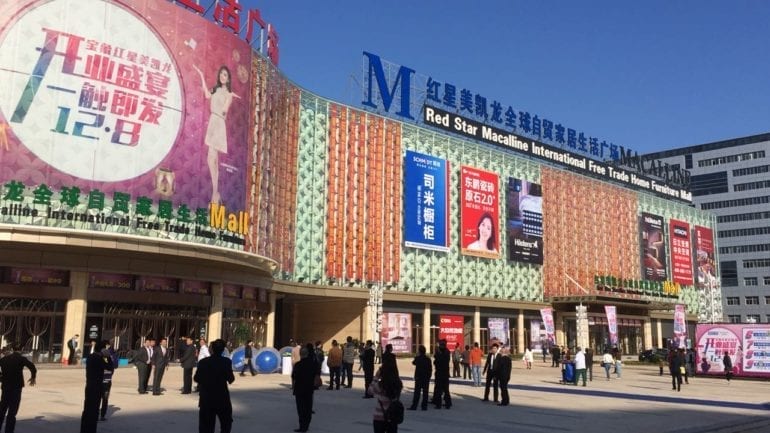
    A new retail hub has launched in Xiamen, China, which will host retail majors Sam’s Club and Red Star Macalline.

    Spanning 55,000 square metres with a built up space of 100,000 square metres, the four-storey retail hub is a “lifestyle-centric’ outfit, designed to support the Pilot Free Trade Zone as the first major mall in Xiamen region.

    Already confirmed as “anchor tenants”, Sam’s Club and Red Star Macalline will occupy some 85% of the retail space. Sam’s Club’s will open its first Xiamen store here, marking the 15th location for the Walmart-owned retailer in China.

    The hub will also house popular eateries such as McDonald’s and Ajisen Ramen. Mall developers XPD-YCH Logistics, a joint venture between YCH Group and Xiamen Port Development, hope the new mall will boast Xiamen’s tourism profile in China.

    The new mall is also conveniently situated within the Pilot Free Trade Zone, meaning it is in close proximity to both air and sea ports and hotels.

    “This will enable them to remain competitive while simultaneously boosting trade and facilities investment for China with the Pilot Free Trade Zone,” he added.

    Xiamen is currently one of the fastest growing cities in China, growing at 6.7% with a population of 4.4 million. Xiamen received 1.63 million tourists from home and abroad, and taking in 1.853 billion RMB in tourism revenue according to statistics released by the Xiamen Tourism Bureau in late 2015.

    As a domestic market, China has also overtaken the US to become the world’s largest retail market in 2016 with total sales of US$4.886 trillion. The new Xiamen mall opened its doors December 15.


  • Top 10 controversies in China’s luxury industry for 2016

    Top 10 controversies in China’s luxury industry for 2016

    From geopolitical disputes to debates over cultural appropriation, China tends to be a place where it’s easy for foreign brands to get embroiled in controversies no matter how hard they try to avoid it. That’s no different for the luxury industry, which saw its fair share of issues this year.

    Below is Jing Daily’s list of 10 major controversies in China’s luxury industry over the course of 2016, in no particular order: 

    1. Lancôme’s canceled Denise Ho concert. Thanks to antagonism by the Global Times, what was supposed to be a lighthearted promotional pop concert sponsored by the French beauty brand turned into a flashpoint in the ongoing tensions between China and Hong Kong. 

    2. Jack Ma’s statement that fake luxury goods are “better quality” and made in the “same factories” as real ones. In a speech to investors in June, Jack Ma incited luxury executives’ anger when he made his declaration about “fake” goods, which he later clarified in a Wall Street Journal op-ed to mean off-brand items. 

    3. The mutiny over Alibaba at the International AntiCounterfeiting Coalition. In another controversy over fakes on Alibaba platforms stirred up this year, luxury brands revolted when the IACC admitted Alibaba in a special “general membership” category. After Gucci, Michael Kors, and Tiffany & Co. quit the group in protest, Alibaba’s membership was suspended.

    4. A Daimler executive’s racist rant in Beijing. A People’s Daily report stating that a Daimler executive in Beijing shouted a racist remark and used pepper spray over a parking dispute resulted in the man being promptly relieved from his position. That didn’t keep the controversy from going viral online and sparking anger, however.

    5. Victoria’s Secret’s mix of dragons with lingerie at its annual fashion show. In a possible attempt to reach Chinese consumers, the brand featured several outfits with China-inspired designs for the Victoria’s Secret Fashion Show, but not all of China’s netizens were impressed.

    6. The revelation of tensions in the 2015 Met Gala planning process. This one isn’t much of a “controversy” per se, but this year’s release of Met Gala documentary The First Monday in May showed the behind-the-scenes debates over the curation of the China-themed exhibition. 

    7. A ban from China for the actress Birkin handbags are named after. While Chinese buyers have been paying record prices for Birkin handbags at auction, 60s icon Jane Birkin has been using her namesake handbag to display political messages. When she wasn’t granted a visa to perform at a concert in Shanghai this summer, Chinese media mentioned her participation in 2008 Tibet protests in France and her use of the handbag to display a Tibetan flag.

    8. China’s K-pop ban poses a problem for luxury brands. Long a source of major publicity for luxury brands in China, Korean pop stars have attracted investment from LVMH through its stake in Korean entertainment company YG Entertainment. But a recent reported ban on Korean TV shows on Chinese television and Korean pop stars entering China has the industry worried about the future.

    9. Taiwan’s mainland tourist slump. Politics have been known to cause significant shifts in where mainland Chinese tourists decide to travel in Asia, and Taiwan learned that lesson the hard way this year. After cross-Strait relations soured following the presidential victory of Tsai Ing-wen, mainland visitor numbers plunged, with a 69 percent decrease during Golden Week.

    10. Donald Trump’s China-related conflicts of interest. As Trump’s business interests around the world remain under scrutiny over conflict-of-interest issues, his China ties are receiving less scrutiny at the moment than links to Russia, but China plays no small role in his business. He’s personally bragged on the campaign trail about the multi-million-dollar luxury apartments he’s sold to elite Chinese buyers, while AFP reported that the Trump Hotel Collection negotiated a memorandum of understanding with China’s largest state-owned enterprise worth around $100 to $150 million.