Chinese top legislature is deliberating a draft law that will regulate and facilitate e-commerce in the country.
The draft law was tabled for review by legislators at the bimonthly session of the National People’s Congress (NPC) Standing Committee, which runs from Monday to Sunday. It is the first reading of the draft by the top legislature.
Explaining the draft to lawmakers on Monday morning, Lyu Zushan, deputy director with the NPC’s Financial and Economic Affairs Committee, said booming e-commerce in recent years had served to reveal loopholes in China’s legal system and commercial rules.
The draft law will facilitate e-commerce growth, help maintain market order and protect consumer rights.
The draft law said the nation should put online and offline commercial activities on an equal footing, and protect the safety of e-commerce transactions.
All e-commerce operators have an obligation to pay taxes and should acquire the necessary business certificates, under the draft.
Operators must also ensure personal information security for consumers. Those that fail will face fines up to 500,000 yuan ($72,000) and could have their business certificates revoked.
They must also work to protect intellectual property, the draft said.
The draft requires third-party e-commerce platforms to offer technical support for “law enforcement activities by relevant authorities.”
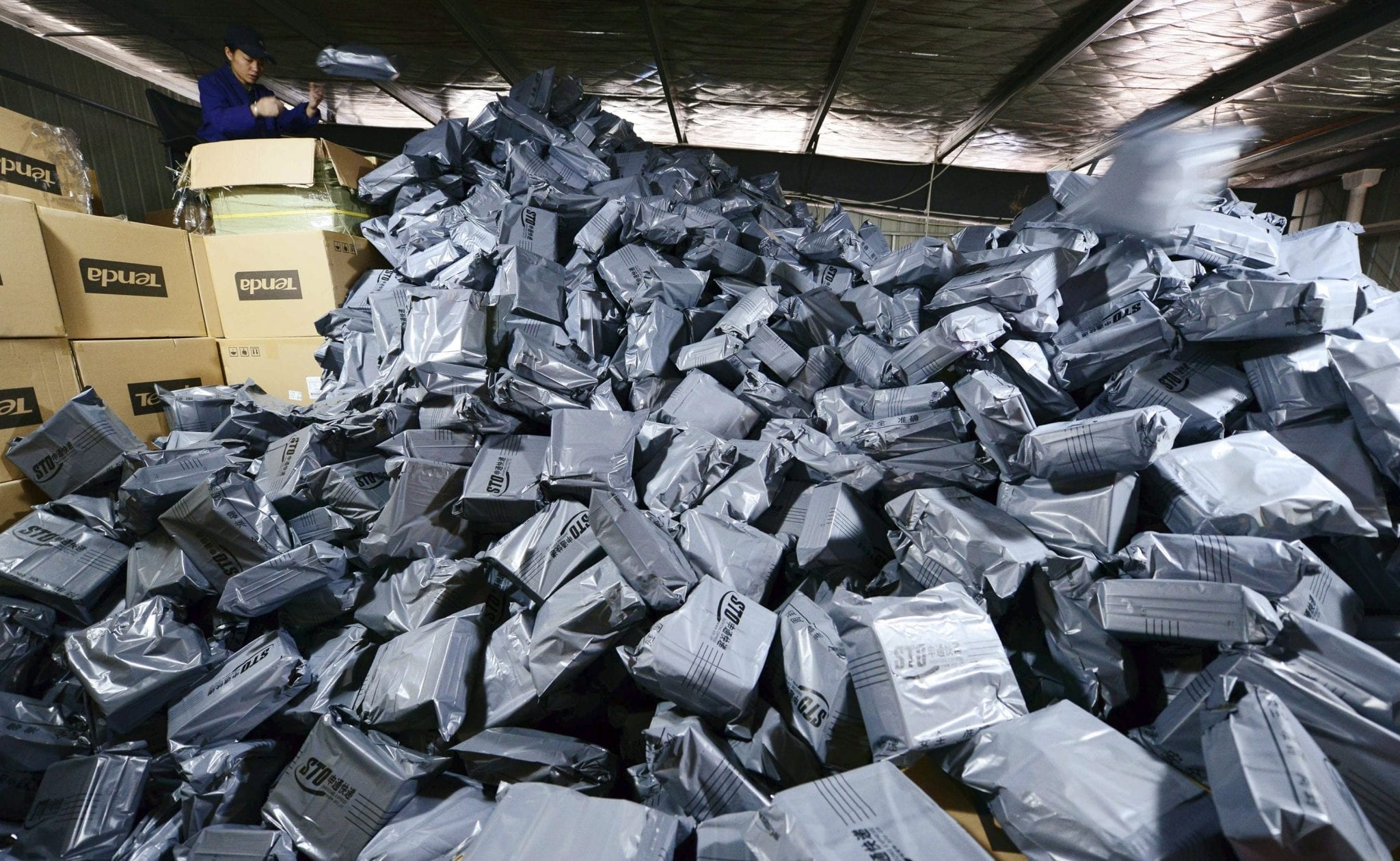
China is the world’s largest e-commerce market. According to Lyu, e-commerce trade amounted to over 20 trillion yuan ($2.87 trillion) in 2015, with online retail sales totaling 3.88 trillion yuan.
Last month, Chinese e-commerce giant Alibaba saw 120.7 billion yuan in gross merchandise volume during its 24 hour Singles’ Day event, an annual online shopping spree on November 11.
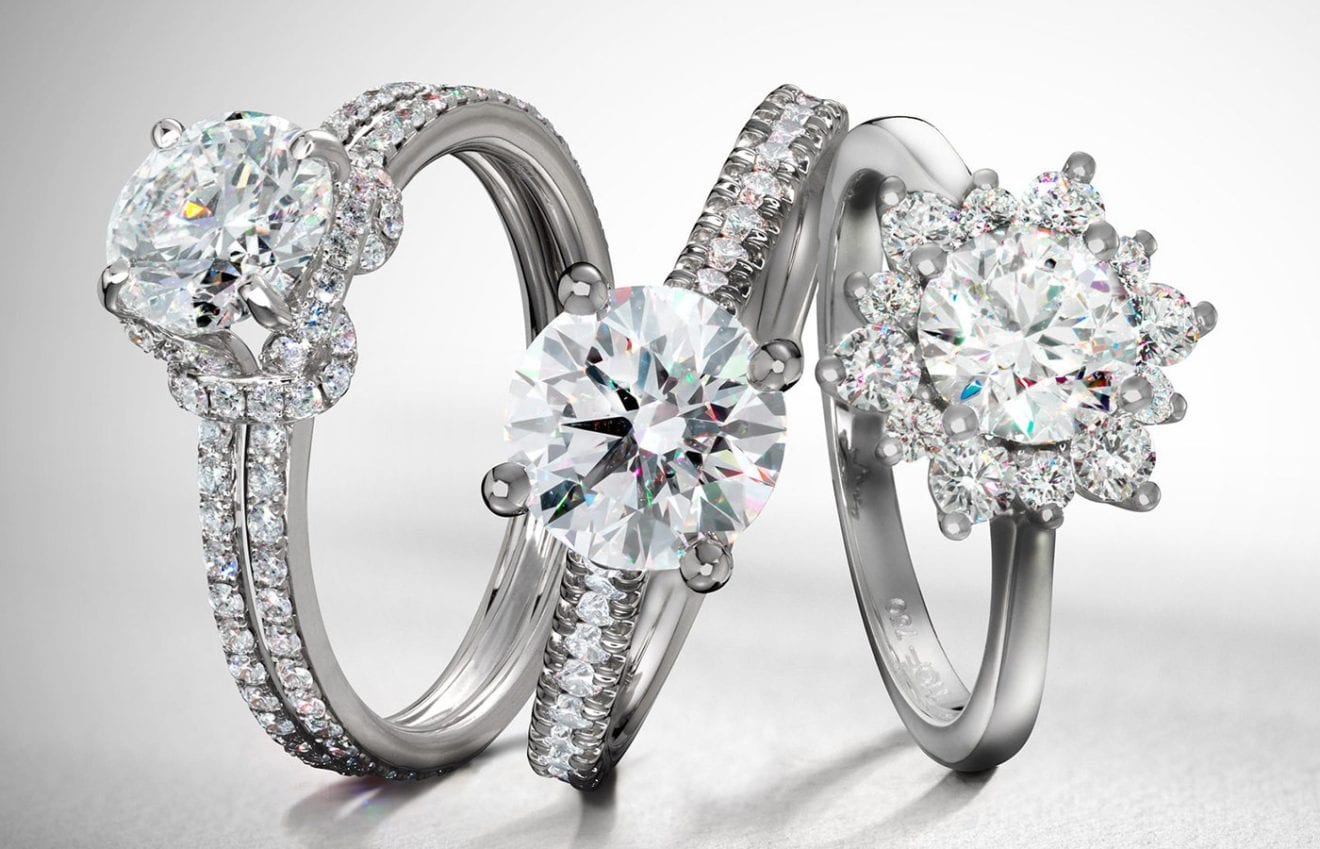
Diamonds may be a girl’s best friend, and that’s especially true of female millennials in China.
According to diamond-producing giant De Beers SA, 68 percent of diamond jewellery sales in China ($6.78 billion in 2015) are driven by millennial women, many of whom are college-educated, not married and quickly cultivating a collection of the gems.
Bloomberg spoke with one 27-year-old Chinese woman who, like many of her peers, has a 15-plus-piece diamond collection including a 2.5-carat solitaire given to her by her parents.
The fact that she’s not married is part of the trend to — as she said — not wait passively for a diamond gift from a man. For Chinese millennial women, independence is the top trait they aspire to: More than 40 percent of them say financial independence is more important than marriage, with 32 percent saying that independence is what personal success looks like to them.
That’s according to research by J. Walter Thompson surveying 4,300 women across nine countries in 2015. Some jewellery companies have made a conscious decision to not even show any couples at all in their advertisements.
A sparkling opportunity
In the top four diamond markets in the world, there are more than 220 million millennial women who spent $26 billion on diamond jewellery last year. Behind China is India but after a significant drop, followed by the U.S and then Japan. Within this four-country demographic, more diamonds have been acquired than any other generation, and yet the demographic hasn’t even come into their most affluent years.
Compared to their Chinese mothers who historically bought jade and gold, these millennial women are struck by the western lifestyle that includes the glamour of Harry Winston and Tiffany gems. Having those diamonds is a status signal of wealth and accomplishment, rather than love. As a result, more jewellery companies have popped up in China trying to get their share of the desire. Boston-based Hearts on Fire was usurped in 2014 by Hong Kong’s Chow Tai Fook, grabbing nearly 6 percent market share.
But it’s not just about status, as the gems are seen as assets that will not depreciate in the way that other high-end items like bags and shoes can due to wear and seasonality.
Gold x diamonds
Chow Tai Fook has noticed this by rolling out lines of jewellery that mix gold with diamonds to make sure their female millennials — half the business — stay engaged, and it has also pulled in celebrities like hunky actor Li Min-ho and rapper G-Dragon — both millennials — to appeal to these women.
But even with diamond jewellery being a sign of independence, the divorce rate in China is more than triple what it was back in 2002 — currently 2.8 per 1,000 people, back just 14 years ago it was 0.9 per that same thousand. More than 3.84 couples went their separate ways in 2015, which is 5.6 percent more than 2014.
But those diamonds are still forever, even if marriage isn’t or has never even happened yet. And diamond companies know this. De Beers research cites the American trend of couples spending more on their second marriage than on their first. Experts say those Chinese millennials may follow suit as well.
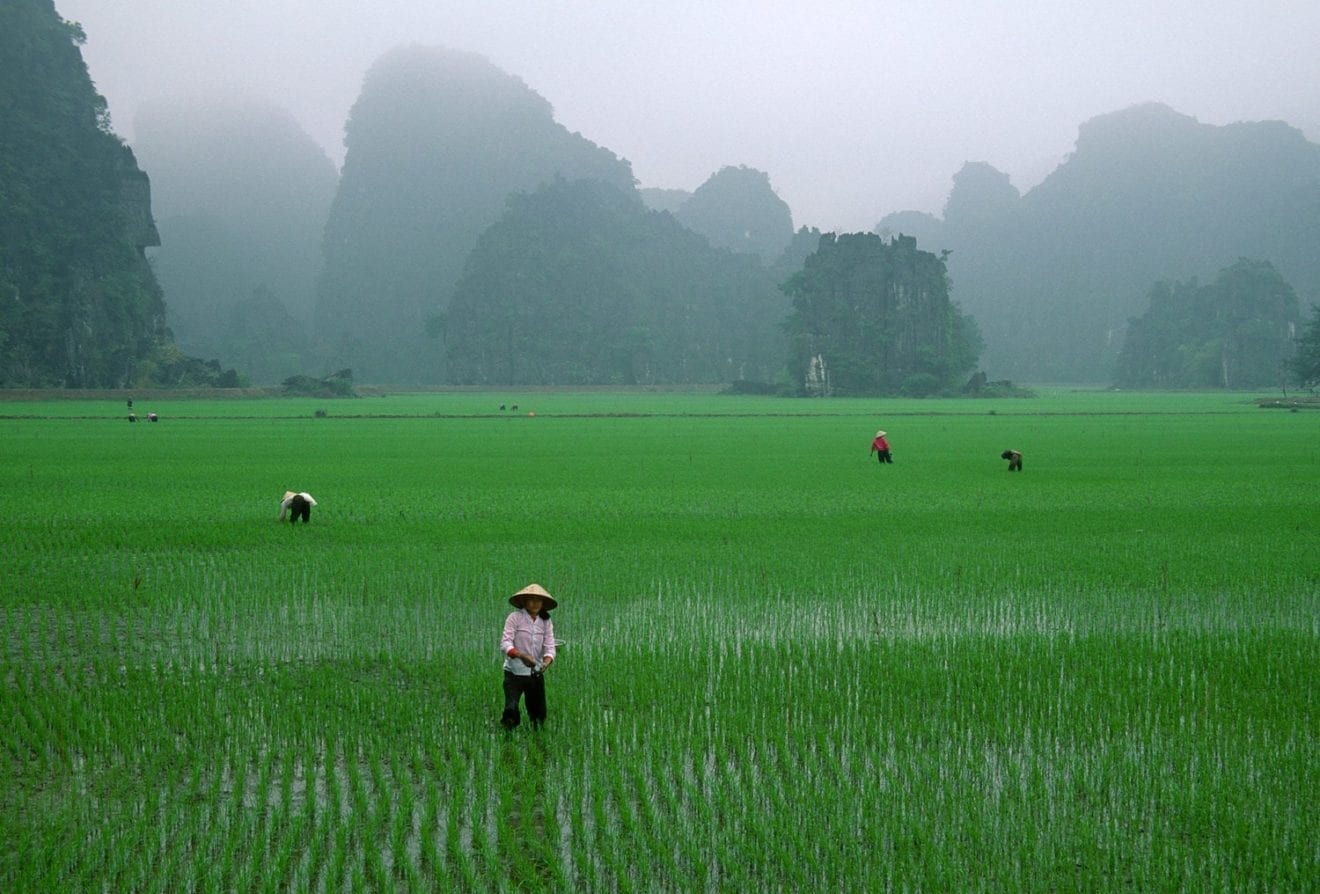
China has authorised 22 Vietnamese businesses to export rice into its market, Việt Nam’s Ministry of Agricultural and Rural Development (MARD) announced.
China’s General Administration of Quality Supervision, Inspection and Quarantine (AQSIQ) has given only 22 firms permission to start exporting rice and rice products starting January 1, counting from the date of departure from the Vietnamese border.
Any businesses not listed by AQSIQ will be banned from exporting to the Chinese market from January 1, the ministry’s Plant Protection Department (PPD), which received the related documents from AQSIQ on December 23, said.
The PPD has notified the Vietnam Food Association, sterilisation companies for exported rice and the 22 listed businesses, and published the list online atwww.ppd.gov.vn
The PPD has ordered the 22 companies to comply strictly with the regulations on food safety and plant quarantine set by both Việt Nam and China. It has also urged sterilisation companies authorised by the AQSIQ to work with rice exporters to maintain the quality of the rice and ensure there are no storage pests.
The AQSIQ has issued the list after carefully considering numerous Vietnamese businesses that had applied for permission to export. A group of Chinese experts had travelled to Việt Nam to inspect 31 enterprises that had previously applied to the local ministry for export rights to China.
Among the several countries that import Vietnamese rice, China tops the list with 35.4 per cent of market share in the first three quarters of 2016, according to MARD.
The total rice export turnover into the Chinese market touched 1.35 million tonnes amounting to $613.4 million, down 23 per cent in terms of quantity and 13.9 per cent in terms of value as compared to the same period in 2015.
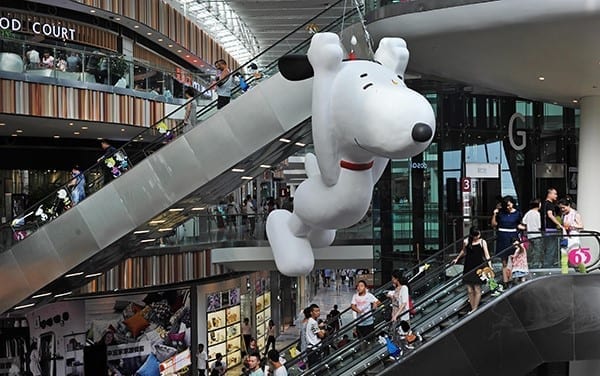
Centres China, Ikea Group’s megamalls unit that entered the country in 2009, is firming up plans to replicate its success in three Chinese cities across the country.
Beginning 2020, it will open one megamall per year.
Typically, a megamall is a shopping mall with an Ikea store, and the future ones may also have apartments, hotel or offices.
The megamalls developed by Ikea Centres China are also known as Livat shopping centers.
In China, its megamalls are located in Beijing, Wuxi in Jiangsu province and Wuhan in Hubei province. They involved investment of 10 billion yuan ($1.44 billion).
Ding Hui, president of Ikea Centres China, said the three centers have been like tests, and produced encouraging results. Hence, Ikea has decided to expand across China.
New shopping centers may come up in major cities such as Beijing, Shanghai, Shenzhen and Guangzhou, as well as in second-tier cities such as Chongqing, Xi’an, Wuhan, Hangzhou, Nanjing and Qingdao.
The fourth in the country, which will entail an investment of about 4 billion yuan, will be a commercial complex in Changsha of Hunan province, Central China, according to Ding.
“It’ll have a shopping mall, Ikea store, apartments, a hotel as well as offices. It will be the first of its kind as other centers don’t house apartments, hotel or offices,” Ding said.
The Wuxi center, the first Livat venture in the Chinese mainland, opened in June 2014. According to Ding, over the past two fiscal years, it saw a 32 percent growth in revenue and 27 percent growth in guest flow to 14.1 million.
The three shopping centers registered 52.6 million visits in Ikea’s fiscal year between September 2015 and August 2016. Combined sales were up 36 percent at 7 billion yuan.
“Through the last year’s budget, Ikea Centres China funneled 25 billion yuan into the development of shopping centers. This will continue until 2025, to ensure one new project comes up per year from 2020,” said Ding.
“Land deals and project sales can no longer generate sustainable profits. So, the competition between shopping malls will become even fiercer in the foreseeable future. This will be a good opportunity for companies such as Ikea Centres China,” said Ding.
Furniture giant Ikea’s malls foray signifies how iconic companies are diversifying for long-term sustainability.
The Nikkei Asian Review recently reported that railway and hospitality group Odakyu Electric Railway is joining forces with the operator of Muji stores to open a hotel next year in China.
“In the past few years, Chinese conglomerates diversified successfully in China. Now, international brands like Ikea and Muji are trying to do the same for better localization,” said Chen Sheng, president of the China Real Estate Data Academy.
Livat shopping centers in China will house companies and brands like Ikea Retail, Auchan Hypermarket, Suning Electronics, Jinyi Cinema, Decathlon, Zara, Mango, H&M, C&A, Gap, Uniqlo. Besides, there will be food and beverage facilities, and entertainment areas for children.
“Ikea Centres China is in talks with leading international hotel brands, including Marriot, InterContinental and Hilton for the hotel space,” said Ding.
According to him, the hotels will be of three-star variety, but will provide four-star hotel experience to customers like middle-income families and business travelers.
Tastefully done up flats complete in all respects will target young working professionals and newly-weds.
Offices will offer shared spaces like pantry, meeting rooms and conference chambers to tenant companies.
Kentucky Fried Chicken (KFC) has launched its first artificial intelligence-enabled store in the Chinese capital city and plans to further expand its layout of smart restaurants, creating more innovative and interesting dining experiences for customers.
With the cooperation of Baidu Inc, China’s largest search engine, KFC started its first smart restaurant in the Financial Street area in Beijing.
At the store, customers are able to take pictures with a machine, which will recognise the diner’s face, sex, age, mood and other features, then help to recommend suitable food and set meals and complete the ordering process.
“If the consumer visits the store again and takes a picture with the machine, it will be able to recognise his or her face and show the previous purchase history, remember the customer’s dining habits, and help to place an order faster,” Wu Zhongqin, deputy director of the Institute of Deep Learning of Baidu Inc, which helped to develop the technology said.
With another machine with an augmented reality, or AR function, customers are able to interact with the machine, change facial expressions by shaking their heads in front of the machine, take photos, and save them to their phones.
In April, KFC, an affiliate of Yum China Holdings Inc, started its first Chinese smart restaurant in Shanghai.
The outlet is equipped with intelligent robot ordering, debuting the use of artificial intelligence in chain restaurants, state-run China Daily reported.
Zhao Li, general manager of Beijing KFC, said smart restaurants are not only about the cool hardware, but more about providing convenience to consumers.
“Our innovations make use of the cutting-edge technologies and they will help to attract more young consumers who prefer fashionable new things. The digitalisation of the restaurant will also help to provide faster and easier services,” she said.
“We believe that the restaurant dining experiences must continue to upgrade. With 5,000 stores in China, we plan to expand such services nationwide soon, to adapt to the digital age and enable more consumers to experience enjoyable ordering experiences.”
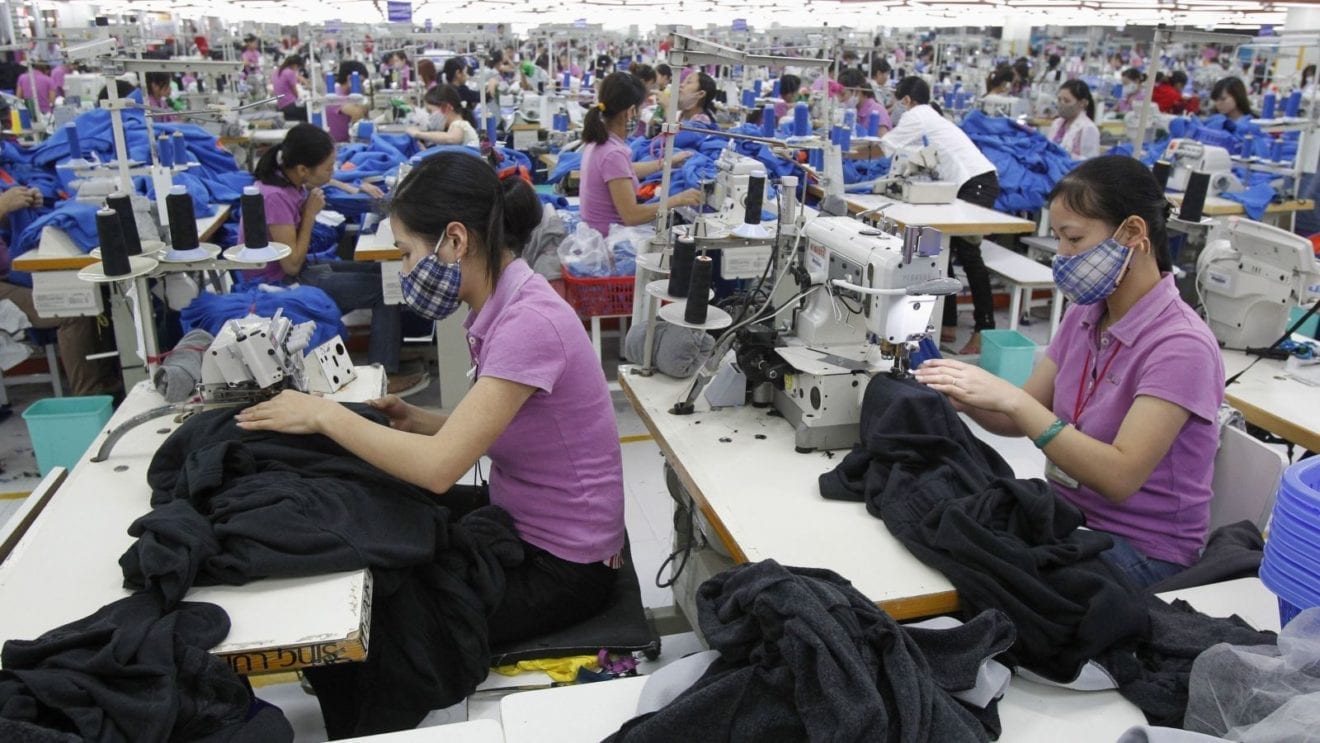
The Made In China label has become synonymous with cheap fabrics and fast fashion — but that’s changing just as quickly as the industry grew.
As the country’s economy shifts from one of manufacturing to consumption, the quick and dirty goods so beloved by the West are likely to be made in other countries with lower labour costs.
Meanwhile, China’s booming middle class is demanding quality and sophistication, and that could mean a $140 billion payday for the Australian economy, experts predict.
Rich Chinese are now the target customer for any Aussie business, and the transaction works both ways. The nation’s newly powerful creators could soon be exporting their ideas straight into your home and wardrobe.
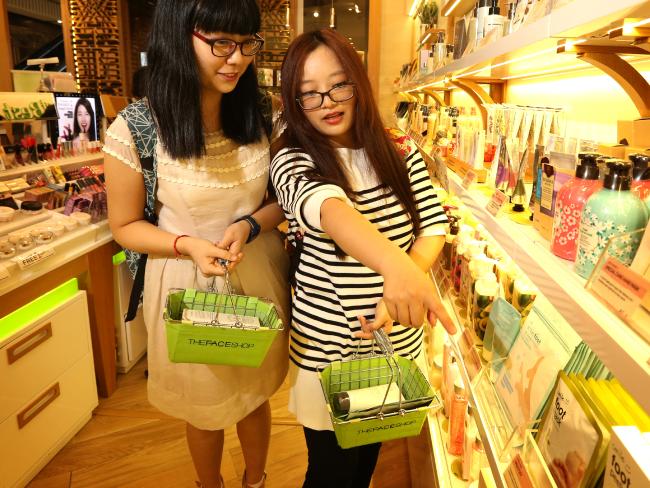
Chinese shoppers spend billions in Australia each year.
LABEL FREAKS TO FASHION GEEKS
As their economy has exploded, the Chinese have gained a reputation for being obsessed with designer labels. If it’s Prada, Gucci or Dior, it’s a status symbol they want in their wardrobe.
But the still fledging market is catching on to what’s seen as truly sophisticated worldwide.
Now the demand is for innovation, style and originality, and China is starting to make its name in the fashion business for more than just factories. The industry has tripled in size and is valued at $85 billion.
Vogue China was only established in 2005, and at the time there were no Chinese supermodels. Now the magazine has a monthly print circulation of 1.8 million to American Vogue’s 1.2 million, and 30 million unique users online.
Its editor Angelica Cheung says the Chinese consumer is increasingly willing to take risks, whether on an original look or a less well-known designer.
If Aussie businesses are agile enough, that could mean important opportunities. China’s middle class have higher disposable incomes than ever, but demand for products is not yet being met.
Alice McCall became the first Australian designer to open their own boutique in China last year, and our wool industry is looking at how it can offer more than raw material to the rapidly developing country.
But if we are too slow, China’s homegrown designers will outstrip the competition domestically and export its own ideas to the world.
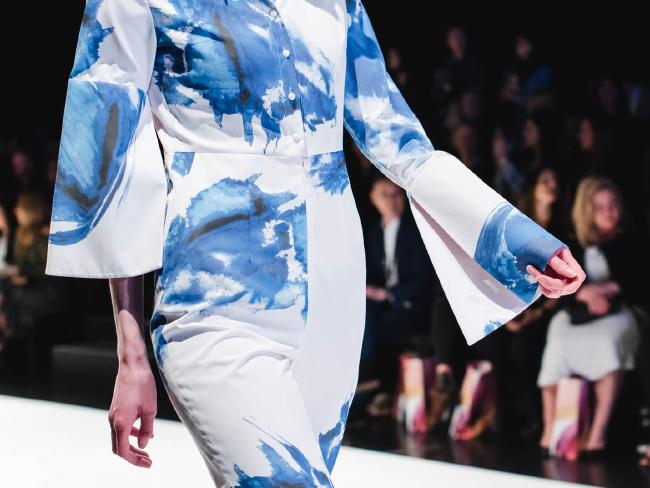
Chinese designers like Madame Zhou are exploring new territory, and their ideas are coming to your wardrobe.Source:Supplied
AUSTRALIA’S $140 BILLION BONUS
The growth of China’s gross domestic product (GDP) is at six per cent compared to 10 per cent ten years ago, with manufacturing only nominally up while services have dramatically increased.
This has coincided with both rapid urbanisation and industrialisation and a new demand for goods and services from overseas, particularly Australia, according to Helen Sawczak, national CEO with the Australia China Business Council.
“This demand has been fuelled by a growing and relatively affluent middle class in China, which conservative estimates have put at 109 million adults,” Ms Sawczak said. “The new middle class in China continues to demand clean, green and safe premium products which includes Australian agribusiness products especially fresh produce, wine, vitamins, health supplements, infant formula. They also want high quality education, property investment opportunities and unique tourism experiences.”
Chinese tourists have the potential to make Australians far richer, with 1.4 million visiting in 2016 and spending billions of dollars.
“Some projections have suggested that by 2025, Australia will receive two million tourists per annum which could impact the Australian economy by $140 billion,” says Ms Sawczak, who recently produced a report entitled The Long Boom: What China’s Rebalancing means for Australia’s Future.
“Chinese tourists tend to be avid shoppers when visiting Australia and our report indicates that visitors are more likely to continue buying Australian products after their trip.”
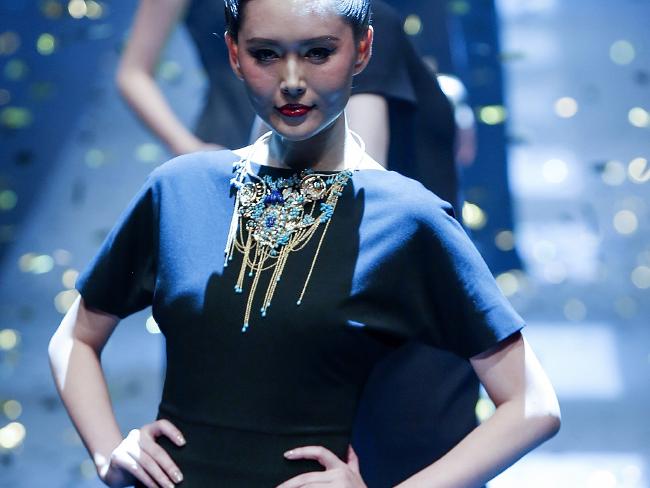
The Mercedes-Benz China Fashion Week made the world sit up and take notice. Picture: Lintao Zhang/Getty ImagesSource:Getty Images
POWER COUPLE
The China Australia Free Trade Agreement has now been in place for a year, substantially removing tariffs on a wide range of products and has helped to facilitate more bilateral trade.
Australian manufacturers are hoping to bypass the multi-million dollar daigou trade, which came to public attention in Australia at the peak of last year’s baby formula shortage scandal.
Tens of thousands of international grey market traders, now better known by the Chinese term daigou, ship groceries and skincare products to friends and relatives in China — selling goods at a premium of up to 50 per cent and making as much as $100,000 a year.
Competition to capture China’s lucrative market is fierce. The Chinese may see Australia as a destination for food and wine, but it is not as synonymous with premium fashion.
But there is an opening. Li Zhang, project director of the Australian Lifestyle Expo, said earlier this year: “Australian brands are seen as healthy, green, organic, natural, environmentally friendly and high quality, therefore their willingness to pay is pretty high.”
The large market could be vital for Australian businesses looking to grow, with Shanghai alone matching our population of 24 million.
China is no longer the world’s factory, and we need to take notice.
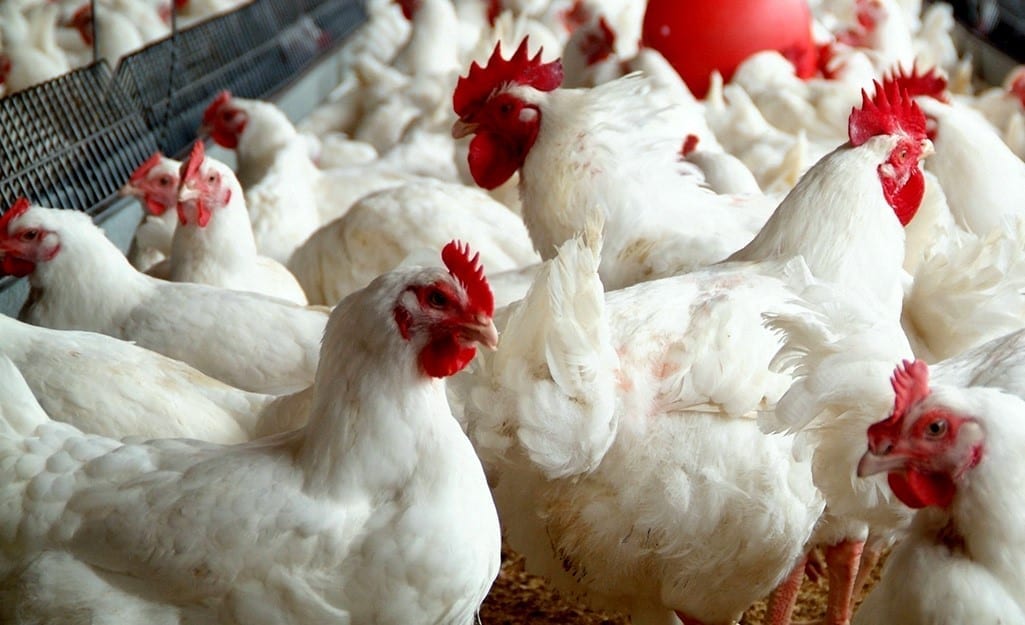
South Korean authorities have culled more than 22.5 million poultry this winter, according to an official, as part of intense efforts to contain its worst bird flu epidemic in recent history that has affected farms across the country.
The total number slaughtered since November 18 accounts for about 15 percent of the country’s poultry stock. The first outbreak was reported at a chicken farm in Haenam, about 420km south of the capital Seoul.
Authorities also plan to kill an additional 2.97 million chickens and ducks across the country in coming days, reported on Saturday.
“Korea has suffered from several bird flu outbreaks since 2003. I can tell you this year is the worst year ever,” Oh Se-ul, chairman of the Korea Poultry Association said.
The outbreak – the first in nearly seven months – was caused by the highly pathogenic H5N6 strain of bird flu, a new type of virus that was first detected in South Korea.
Previous cases
In 2014 South Korea had culled 14 million birds amid a bird flu outbreak.
As of the end of March this year, the country had killed more than 156 million chickens and more than 9.5 million ducks, according to government data.
Because most of the birds culled since last month are egg-laying hens, the consequential shortage in eggs has caused their prices to rise sharply.
In South Korea, the average retail price for 30 eggs has risen nearly 25 percent to $5.68 since November 18 – the highest in more than three years, according to state-run Korea Agro-Fisheries & Food Trade Corp.
According to data from the institution, it is the highest month-on-month increase in egg prices in nearly a decade. Besides the price increases, some stores are restricting egg purchases.
To ease the shortage, South Korea’s agriculture ministry is seeking to import egg-laying chickens and eggs from the US, Spain and New Zealand.
Analysts say the egg shortage is expected to last at least one year as it could take up to two years for egg and poultry industry to raise baby chickens and rebuild flocks.
Yoon Se-young, a farmer in Seoul said that he was worried because the government has not yet announced any plans to compensate farmers who had to cull their poultry.
“It has been a month since I had to kill all my chickens and bury them. However, I have never heard of any clear explanation on how the government will compensate for my loss,” he said.
Jeong In-Hwa, a member of South Korea’s Parliamentary Agriculture Committee said that as the issue of President Park Geun-hye’s impeachment takes the spotlight, the media has failed to highlight the bird flu epidemic.
“As President Park’s impeachment becomes the most important national issue, protesters at candlelight rallies are dominating the headlines,” he said.
“Because of that, the avian flu isn’t getting much attention.”
Japan and China tackle outbreak
Japan and China have also taken serious measures to control the bird flu outbreak that spread across northeast Asia.
Japan launched a new chicken cull on a southern island, days after gassing hundreds of thousands of birds about 2,400km to the north.
Tackling Japan’s sixth outbreak since end-November, Kyushu authorities said they will gas just over 120,000 chickens after the H5 virus was detected on a farm.
The outbreak in Japan’s Miyazaki prefecture follows the gassing of more than 200,000 chickens at a farm in the northern island of Hokkaido last weekend and brings the country’s cull this season to nearly a million chickens and ducks.
The cases in Japan – outbreaks before Miyazaki were all confirmed as H5N6 bird flu – are the first in nearly two years, with the bird cull now standing at its highest in six years.
In China, chickens are being fed more vitamins and vaccines while farmers also ramp up henhouse sterilisation in an effort to protect their flocks.
As part of its protection drive, China now has bans in place on poultry imports from more than 60 countries, including South Korea and Japan as well as parts of Europe now also experiencing a bird flu outbreak.
The last major outbreak in mainland China in 2013 killed 36 people and caused about $6.5bn in losses to the agriculture sector.
According to the website of China’s agriculture ministry, delegations from Japan, South Korea and China gathered in Beijing last week for a symposium on preventing and controlling bird flu and other diseases in East Asia.
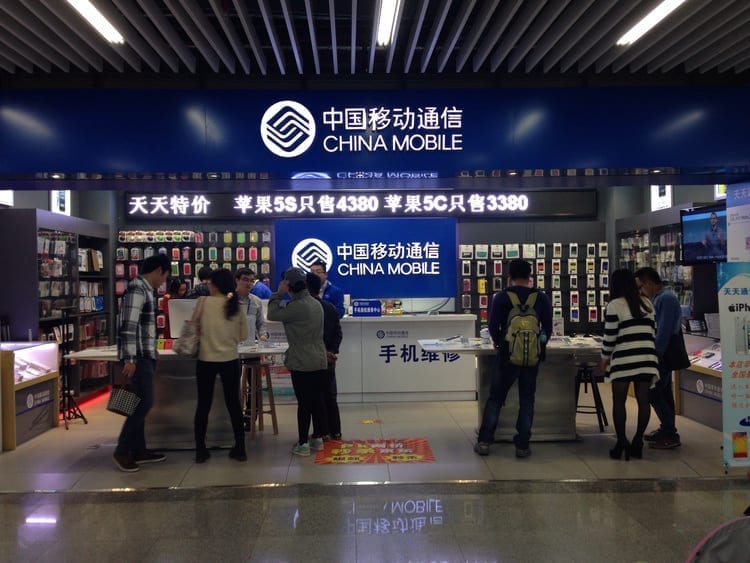
China Mobile, the country’s largest mobile carrier, said its 4G subscriber base reached almost 510 million in November. This represents more than 30% of the world’s total 4G subscribers.
Compared to a net increase of 16.6 million 4G users in October, China Mobile added over 12.5 million TD-LTE subscribers only last month, its slowest monthly growth this year.
By comparison, China Unicom added over 5 million 4G customers in November, taking its 4G LTE subscribers base to 99 million. Smallest rival China Telecom added 4.3 million 4G users in November, bringing the total 4G subscriber base to 117.3 million. The operator added 58.84 million 4G customers in the last 11 months.
Together the three Chinese mobile carriers had over 720 million 4G subscribers in November.
In a separate announcement, China Mobile has signed a letter of intent with Vodafone, Ericsson and Lenovo to cooperate on the development of IoT.
China Mobile will connect its IoT connection management platform with Ericsson’s DCP platform and Vodafone’s IoT platform to provide its enterprise customers with a unified global network access, portal experience and Service Level Agreements (SLAs).
This will help drive China Mobile’s overseas market expansion and enhance the company’s service capabilities, the operator said.
The partnership with Lenovo will see the Chinese PC maker launch a range of notebooks with built-in 4GLTE modules to offer customers with China Mobile’s high-speed 4G mobile internet services.
China Mobile said there are currently almost 100 million devices connected to the operator’s IoT platform and the number is expected to double to 200 million by the end of 2017.
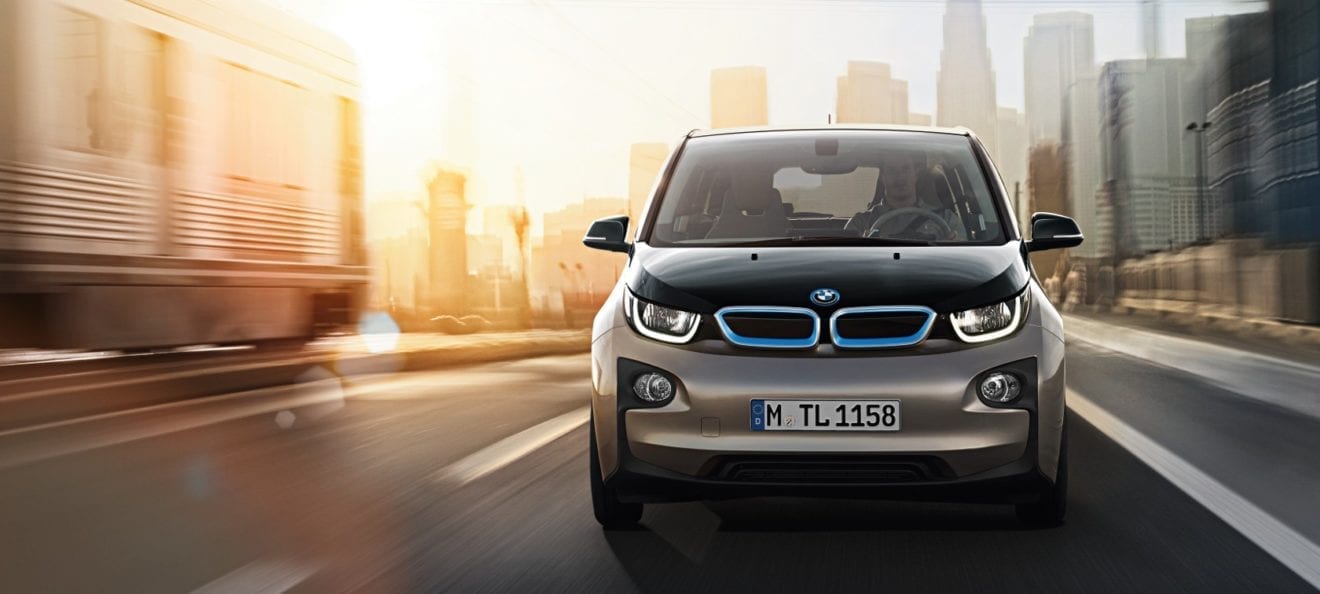
German automaker BMW will recall 1,93,611 cars in China over a defect in their airbags, a quality watchdog here said today.
About 1,68,861 imported cars manufactured between December 9, 2005 and December 23, 2011 as well as 24,750 sedans made between July 12, 2005 and December 31, 2011 will be recalled from August 1, 2017, the General Administration of Quality Supervision, Inspection and Quarantine said.
When the driver and front passenger airbags of the affected vehicles inflate, the gas generators inside may become damaged and cause flying debris, posing safety risks to passengers, the statement said.
BMW has promised to replace the defective parts free of charge, state run Xinhua news agency reported.
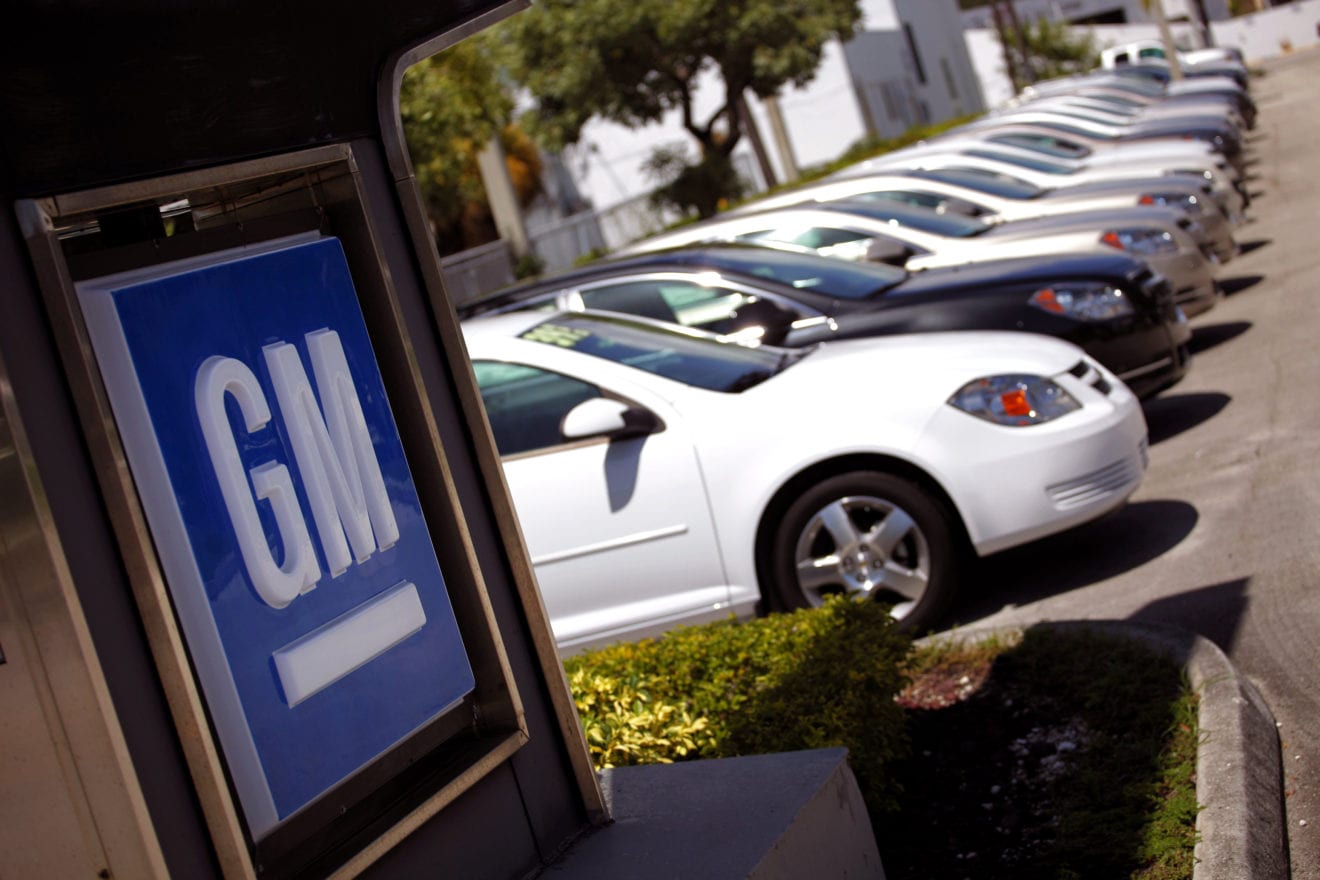
China slapped a $29 million fine on General Motors for antitrust violations, a sign of the growing tensions between the U.S. and the Asian nation.
The largest U.S. automaker is accused of setting minimum prices on some models in its SAIC General Motors joint venture. The Shanghai Municipal Development & Reform Commission, which imposed the 201 million yuan fine, alleged in a statement that GM punished dealers who sold cars for less than the prices set by the Detroit-based automaker. This is the first time China has fined GM, the second-largest foreign carmaker in China by sales.
China-U.S. relations have become strained after President-elect Donald Trump proposed tariffs on Chinese goods, questioned the One-China policy regarding Taiwan and accused the Asian nation of stealing an American naval drone in international waters in the South China Sea. A Communist Party newspaper in November said a “tit for tat” retaliation could follow proposals by Trump for tariffs on the world’s largest trading nation, which had $627 billion in U.S. trade in 2015.
“GM fully respects local laws and regulations wherever we operate,” Irene Shen, a company spokeswoman, said in a text message referring to the penalty. “We will provide full support to our joint venture in China to ensure that all responsive and appropriate actions are taken with respect to this matter.”
Shares of SAIC Motor Corp. fell 1.2 percent to 23.17 yuan in Shanghai, before the penalty was announced. They have declined 3.3 percent since Dec. 14 when reported that GM’s joint venture in China was being investigated for possible antitrust violations. In trading in New York, GM shares fell 0.2 percent to $35.61 at 10:50 a.m.
Last year, China fined Daimler AG’s Mercedes-Benz unit $56 million for monopolistic pricing practices. In 2014, the government penalized Volkswagen AG and Fiat Chrysler Automobiles NV for similar practices as well as a dozen parts makers. The auto component suppliers were fined $200 million collectively.
Since 2011, the National Development and Reform Commission, China’s main economic planner, has pressured carmakers to cut prices as part of an investigation into the auto industry. The NDRC said the probe was meant to ensure market order and protect consumers.
Chinese media have reported that penalties on American companies may be coming. The China Daily reported earlier this month that the government would soon penalize a U.S. automaker for price fixing, citing an interview with Zhang Handong, director of the NDRC’s price supervision bureau. The Global Times wrote in an editorial that orders for Boeing Co. planes could be replaced with models from Airbus Group SE, and that Apple Inc.‘s iPhone sales may suffer a setback.
GM’s retail sales in China rose 8.5 percent this year through November to 3.44 million vehicles, trailing only Volkswagen among foreign automakers. Its German rival boosted deliveries 12 percent to 3.59 million units.
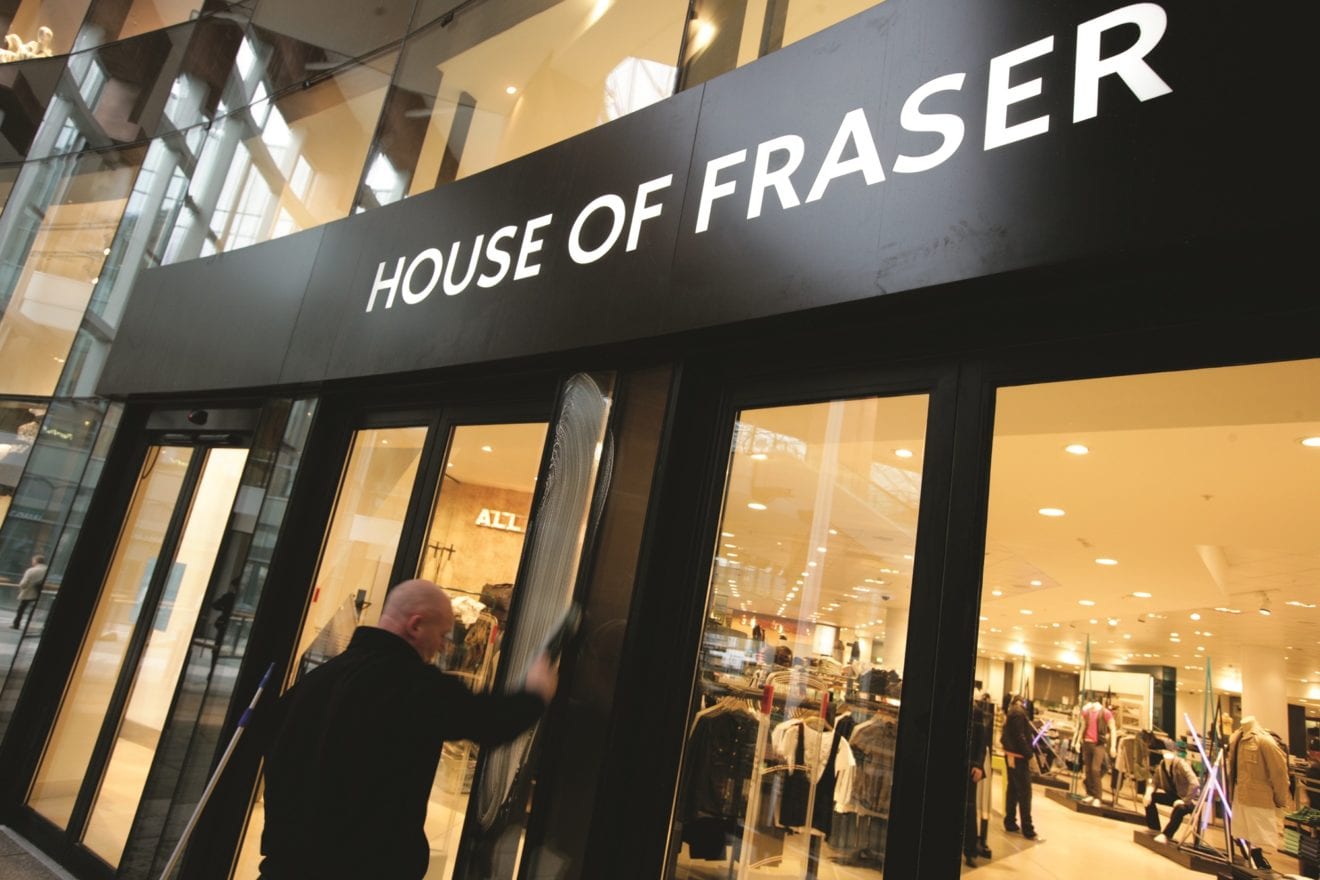
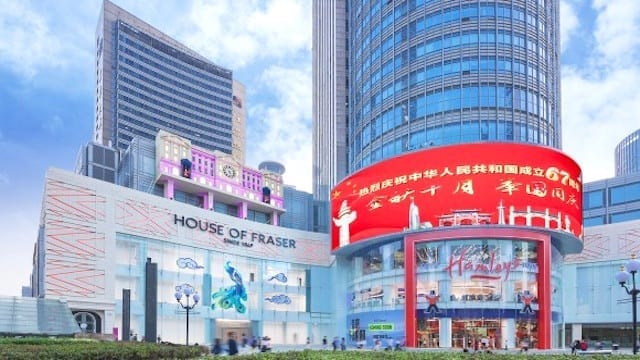
British department store chain House of Fraser has opened its first standalone store in China, in Sanpower Plaza in Nanjing, the capital of Jiangsu province.
Owned by Chinese conglomerate Sanpower Group, the House of Fraser China store spans six floors with more than 425,000 sqft (39,483 sqm) of retail space. It is introducing such brands as Cambridge Satchel Company, Peter Werth and Radley into the Chinese market.
House of Fraser chairman Frank Slevin says the chain will look to benefit from the strong demand by Chinese consumers for UK brands.
In September, the company described trading in the UK as “very challenging”. It said the retail sector there was facing significant change in “structural dynamics as consumers’ shopping habits and delivery expectations continue to evolve”.
“The opening of the store in Nanjing is a strong way to finish the year,” says Slevin.
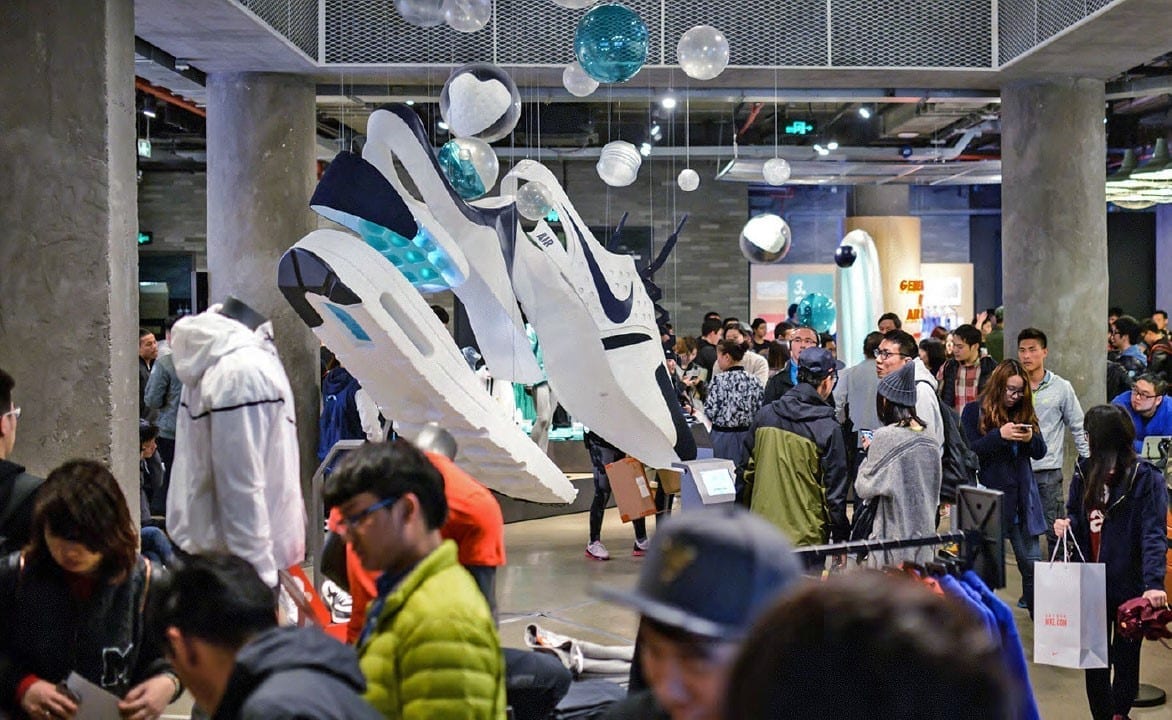
A rebound in basketball drove strong Nike sales and profit growth in the last quarter.
The US-headquartered sports giant has reported a profit rise of 7.3 per cent to US$842 million in the three months to November 30, with sales up 6.4 per cent, to $8.18 billion. Excluding the impact of currency rates, profit rose 8 per cent.
Sales in the basketball category, which includes its Jordan brand, accounted for 15 per cent of wholesale revenue in 2016. And even greater growth is expected in the next quarter after the brand lost momentum in the core category in previous periods.
“We’re seeing incredible momentum in basketball,” said Trevor Edwards, president of Nike Brand. “To be clear, basketball is back.”
Sales in China rose 12 per cent, and in the US by 3 per cent.
Nike has moved to drive more direct sales, improved its online sales apps and adjusted pricing on some of its marquee products, including basketball shoes.
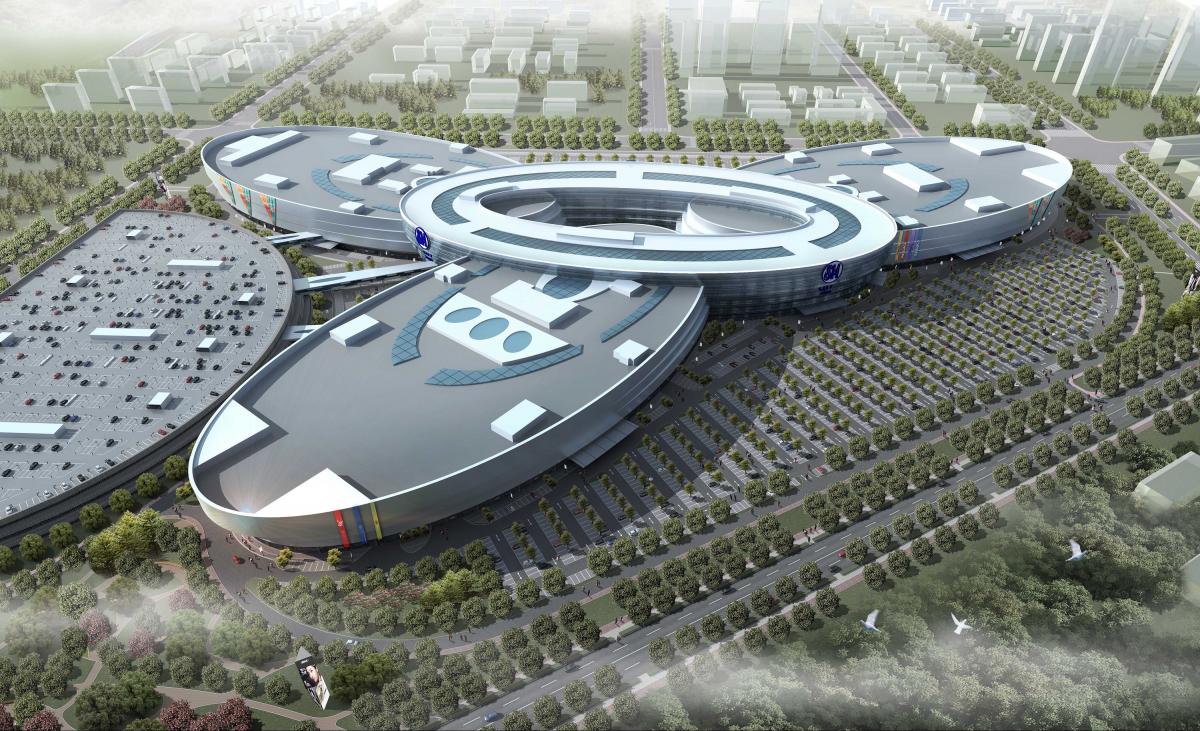
SM Prime Holdings says it has opened its giant new SM City Tianjin shopping centre.
But some property industry sources are expressing concerns that the second-tier Chinese city is already over-malled and wondering how the centre will fare.
“The Philippines biggest retail developer must be hoping that Christmas is catching on in Tianjin,” observed property industry website Mingtandi, described Tianjin as “famously oversupplied”.
The 565,000 sqm property is SM Prime’s seventh mall in China. More are on the drawing board as the Philippine company tries to expand its offshore interests.
“The opening of SM City Tianjin reflects our strong confidence on China’s economy,” said SM Prime president Jeffrey Lim in a statement announcing the soft opening.
“This gives SM Prime a wider perspective on China’s shopping culture, allowing us to capture bigger opportunities as an international integrated property developer.”
SM Prime has malls in Xiamen, Jinjiang, Chengdu, Suzhou, Chongqing and Zibo and 60 malls in the Philippines, boasting a combined gross floor area of 9.1 million sqm both in the two countries.
On a year-over-year basis, China’s retail sales showed strong recovery in November 2016, according to the National Bureau of Statistics of China.
The country’s retail sales rose 10.8% in November, compared to 10% in October. This reading was far above the market’s expectation of a 10.1% rise, and it was the highest since January 2016.
Sector-by-sector performance
Building material sales rose 11%, furniture sales rose 8.8%, home appliance sales rose 14.7%, communications equipment sales rose 17.8%, personal care sales rose 10.7%, automobile sales rose 13.1%, and cosmetics sales rose 8.1%.
Economic impact
These sales improvements in different sectors signify that consumer sentiment is improving. After the slowdown in economic activity in China, the economy is going through a transitional phase. From a manufacturing hub, it’s transitioning to a consumer-based economy. Consumerism will play a large role in the country’s future economic growth.
Consumption patterns are changing in China’s economy. Chinese consumers are becoming more selective toward the products and services that they use. As China is one of the world’s most important economies, improvement in its growth drivers could aid the global economy.
In the next part of this series, we’ll see what indicators investors should look for this week.