Tag: China

  • Huawei goes solar in regional deal

    Huawei goes solar in regional deal

    Huawei’s solar business has received a boost with a deal to partner with Filipino renewables generator Citicore Power.

    The deal, announced in Shenzen on Wednesday and reported in the Filipino press, will see the two companies partner up to deliver solar projects not only in the Philippines, but in other Asian countries including Japan.

    “This comes on the heels of the company’s plans to develop and construct solar projects with a total capacity of 500 MW [megawatts] by 2020 in overseas markets particularly Japan, Malaysia, Indonesia, Thailand, Vietnam, and Myanmar,” Citicore Power said in a statement.

    Citicore said that under the partnership, Huawei “will provide project design support and inverter maintenance support,” including remote, hardware, and solution support.

    “It will also complete or obtain various product tests, network admission, and technology certification for the products. Huawei will also share its global recourses including solar investment partners, consultants, and EPC [engineering, procurement and construction] partners,” the company said.

    Citicore Power operates three large-scale solar farms in Bataan, Negros Occidental and Cebu provinces, with a combined capacity of more than 100 MW

    The company aims to install 1,000 MW of capacity using a range of renewable energy sources, including solar, biomass, wind and hydropower.

  • Opportunities in the Year Ahead for China

    Opportunities in the Year Ahead for China

    Though next year could be a tough one for investors in Chinese real estate, the country’s economy is also more entwined with that of the rest of the world than ever before, speakers said at the 2016 ULI China Mainland Winter Meeting in Shanghai held in December.

    The outlook for 2017 is similar to the view from 1997, the year before the Asian financial crisis, and 2007, the year prior to the global financial crisis, said ULI China Mainland chairman Henry Cheng, CEO of retail specialist Chongbang Group. Cheng, originally from Hong Kong, has been based in China Mainland for nearly 25 years, first with Shui On Group and since 2003 with Chongbang, of which he is a cofunder.

    The main difference between those times and now is that China has much stronger links to the global economy, potentially making it more vulnerable to outside shocks. He also added, “I have not seen the world so messy in all my 65 years.”

    Delphine Yip-Horsfield, chairman and chief design officer of Shanghai-based naked Group, which operates coworking and hospitality businesses, said she has noticed landlords struggling to deal with the effect of e-commerce and changing working patterns. “China’s millennials are entrepreneurial and social media–savvy,” she said. “They want to be excited by their workspace.”

    Sustainability is also higher on the agenda than ever before, with pressure coming from both government and customers, said Ryan Botjer senior managing director and China country head at Tishman Speyer. Sustainable is no longer a synonym for green, he noted. “People are much more concerned about wellness, so factors such as air quality, access to light, and community are much more important than they have been,” he said.

    Cheng noted that sustainability today really refers to adaptability and resilience to changes in the business environment.

    The retail sector is particularly vulnerable to rapid changes in shopping habits and the growth of e-commerce, panelists said. “If you look back ten years, the question was, who is doing retail in China? Five years ago you asked instead, who is not doing retail in China?” said Cheng. “In five years’ time we will be asking, who is still doing retail in China?”

    Chongbang is dealing with changes in the retail real estate business by increasing the experiential elements at its malls and providing off-line services to online businesses, such as fulfillment centers where customers can pick up, try out, and return their purchases.

    Placemaking is becoming increasingly important in China and is a focus for the government, Yip-Horsfield said, but added that she thinks developers are “a bit behind.”

    Prices for development sites in tier-one cities have risen sharply this year. In some cases, developable land costs more per square foot than neighboring developed real estate. “The flour costs more than the bread,” said Charles Chan, China chief executive at Ascendas-Singbridge, the Singaporean state-owned developer and fund manager. “What effect will that have on the market in the near future?” he asked.

    “There is a lot less land available in tier-one cities, and we are seeing some of the earliest commercial developments beginning to age,” said Botjer, “so there will be a lot more redevelopment in the future.”

    An important customer group for Chinese developers will be those in the 45-to-65 age group, Cheng said. “These were the first generation to benefit from the economic development of China since the 1980s—the first generation of affluent Chinese,” he said. He argued that developers will increasingly need to cater to this demographic over the next ten years.

  • Hopes in the shoulder of JuanFu Hong Kong

    Hopes in the shoulder of JuanFu Hong Kong

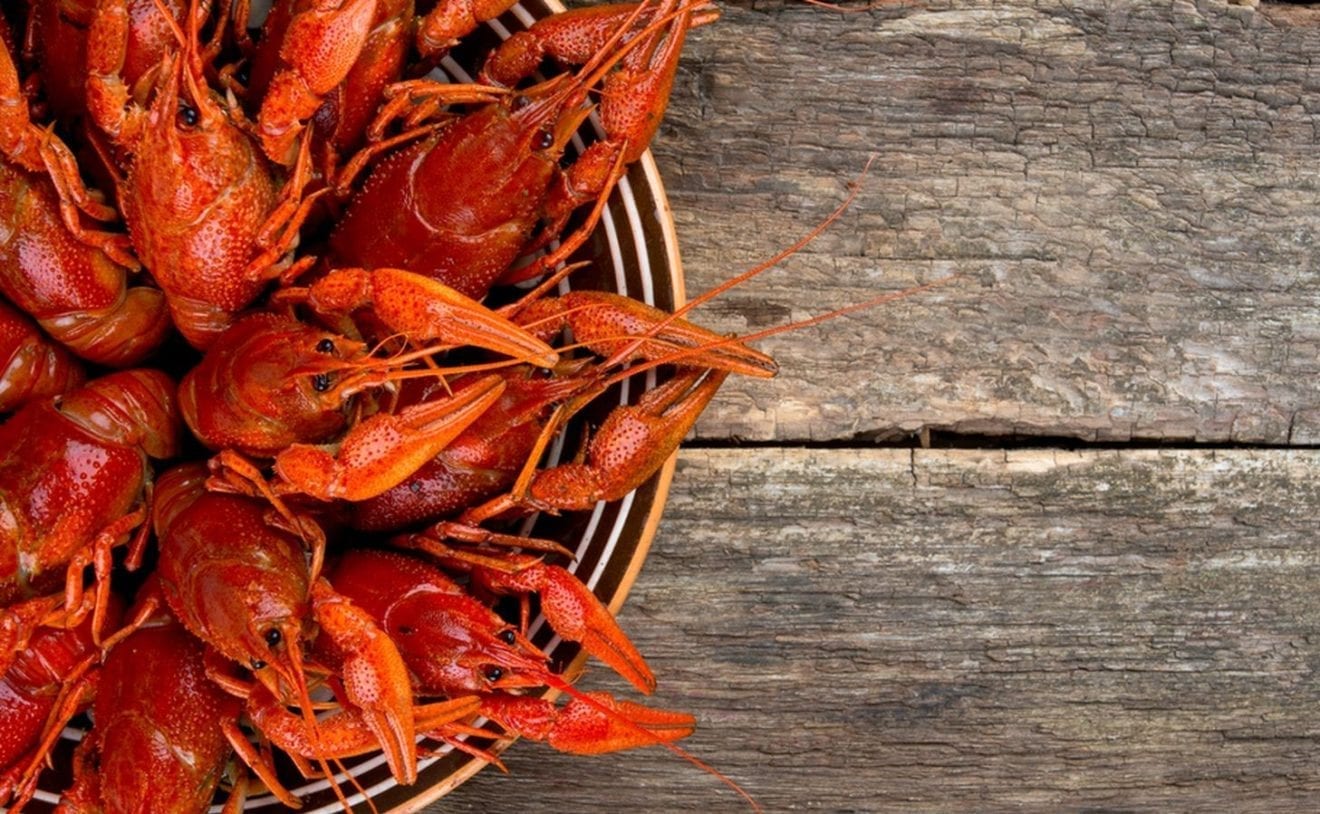
    China-based crawfish specialty brand JuanFu has opened its first restaurant in Hong Kong with hopes this will help it launch worldwide.

    Founded in Shanghai last year, the brand already has 11 outlets spanning different provinces and cities in China. Its Hong Kong outlet in Sheung Wan, Buddies Crawfish, imports crawfish directly from breeding bases in Hunan, Jiangsu and Greece.

    Buddies Crawfish Hong Kong chairman Wu Hsiao says he hopes to promote the brand globally and expand to overseas markets through the opening of the Hong Kong store.

    “Hong Kong is an international city with a good mix of people from different cultures and backgrounds all over the world. The large number of mainland and international visitors offers a good clientele, which also makes Hong Kong the best place for us to promote our brand globally.”

    He believes that a Hong Kong base will help the brand easily enter the Chinese markets in Singapore, Taiwan, Australia and the US.

    “At the moment there are limited supplies of crawfish in the Hong Kong market, so we hope to fill this gap by offering stable supplies of crawfish to the market in different ways. Further down the track we also plan to open another crawfish-themed restaurant and a crawfish fast-food store in Hong Kong, as well as distribute fresh and chilled crawfish to restaurants and supermarkets.”

    Hong Kong’s F&B scene is thriving, says Invest Hong Kong associate director-general of investment promotion Dr Jimmy Chiang. “I am happy JuanFu chose Hong Kong to set up its first restaurant outside the mainland. I believe the brand will make use of the city’s business advantages to expand overseas.”

    Headquartered in Beijing, JuanFu is owned by Shanghai Wan Li Network and Technology, which specialises in developing its own brands for agriculture products.

  • Alibaba Stimulates China’s Rural Online Retail

    Alibaba Stimulates China’s Rural Online Retail

    Using its strengths in marketplace, big data and logistics, Alibaba Group will help rural communities sell their products to cities dwellers so they can stock up on Spring Festival supplies and along the way help give rural economies a lift. At the same time, quality products from all over the world will be brought to Chinese consumers as they celebrate the most important festival on the Chinese calendar.

    Highlights of this year’s upcomg Chinese New Year Shopping Festival include:

    Promotion of two-way trade:

    To promote trade between rural and urban regions, Tmall.com’s fresh food channel will introduce fresh fruit and meat produce from abroad, such as cherries from Australia, orange roughies from New Zealand and kurobuta pork from the US, to Chinese consumers. At the same time, poultry and meat from villages, including chicken from Qingyuan County of Guangdong Province, beef from the Horqin Grassland of Inner Mongolia, organic mutton from licorice-fed lambs in Gansu Province, yak meat from Aba of Sichuan-Tibet Plateau, and mutton from Yanchi County of Ningxia Hui Autonomous Region, will be brought to dining tables in the cities.

    Live broadcasts about rural produce:

    To give urban consumers peace of mind about rural produce, 12 “village celebrities” will conduct live broadcasts via Tmall and Taobao mobile apps and show urban consumers how some of the farm produce are harvested and processed before they end up as delicacies on the dining table.

    Rural family reunion photo project:

    For rural children whose parents have gone to cities to find work, Chinese New Year is often the only time when they get to see their parents when they return home. For communities where a family photo is often considered a luxury, Rural Taobao’s local services booking platform are mobilising its merchants to give away family portrait packages to 10,000 families across 20 counties as a first step that Alibaba says is to assist bring families closer together.

    Rural employment platform:

    A one-stop village employment platform will be launched by Rural Taobao in January to provide job information for workers returning to their home villages for the Chinese new year holidays. Through the project, it is hoped that some of them will be able to find work closer to home. As a part of the project, Rural Taobao representatives will assist job seekers in completing their résumés and entering their information on the platform.

    New Year Eve’s banquet:

    For the elderly and children who are left behind in villages, Rural Taobao is organising a Chinese new year’s eve banquet for 6,000 tables of guests so they can share in a moment of warmth and togetherness.

    Sun Lijun, Vice President of Alibaba Group who oversees the company’s rural business division, said, “Alibaba strives to create closer connections between urban and rural areas in China, narrowing the wealth gap and improving the living standard of those who live in villages.”

    Alibaba Group launched Rural Taobao in 2014, mainly as a platform to promote rural online trade. Alibaba Group Holding Limited is a Chinese e-commerce company that provides consumer-to-consumer, business-to-consumer and business-to-business sales services via web portals. It also provides electronic payment services, a shopping search engine and data-centric cloud computing services. The group began in 1999 when Jack Ma founded the website Alibaba.com, a business-to-business portal to connect Chinese manufacturers with overseas buyers. 

  • Thailand targets counterfeit branded goods

    Thailand targets counterfeit branded goods

    Thailand is clamping down on counterfeit branded goods with plans for a campaign to target tourists.

    The Thai Commerce Ministry is seeking the support of foreign embassies as it launches its “Stop Fake Goods” campaign, aimed at travellers.

    Meantime, the government says it will stringently inspect traders for counterfeit goods, including examining their tax-payment history.

    New Year visitors to Thailand will be urged not to buy fake goods, says director-general Thosapone Dansuputra of the ministry’s Intellectual Property Department. He says the aim is to ensure Thailand moves away from its bad reputation for trading in fakes.

    He says it is illegal for visitors to buy counterfeit products, and the government will set up billboards in tourist spots to warn shoppers and traders not to buy or sell fakes. Both in Thai and English – and Chinese is some areas – the billboards will be posted at airports, BTS and MRT stations.

    Also, Commerce Ministry officers in each province will be on watch for any trading of counterfeit products.
    The department will also join forces with copyright owners, police and the Internal Security Operations Command to inspect areas known for selling fake goods, such as flea markets.

    Thosapone said that to boost the penalties for trading in counterfeit goods, the department is co-operating with the Revenue Department to investigate the tax history of suspected violators.

  • New retail hub rises in Xiamen

    New retail hub rises in Xiamen

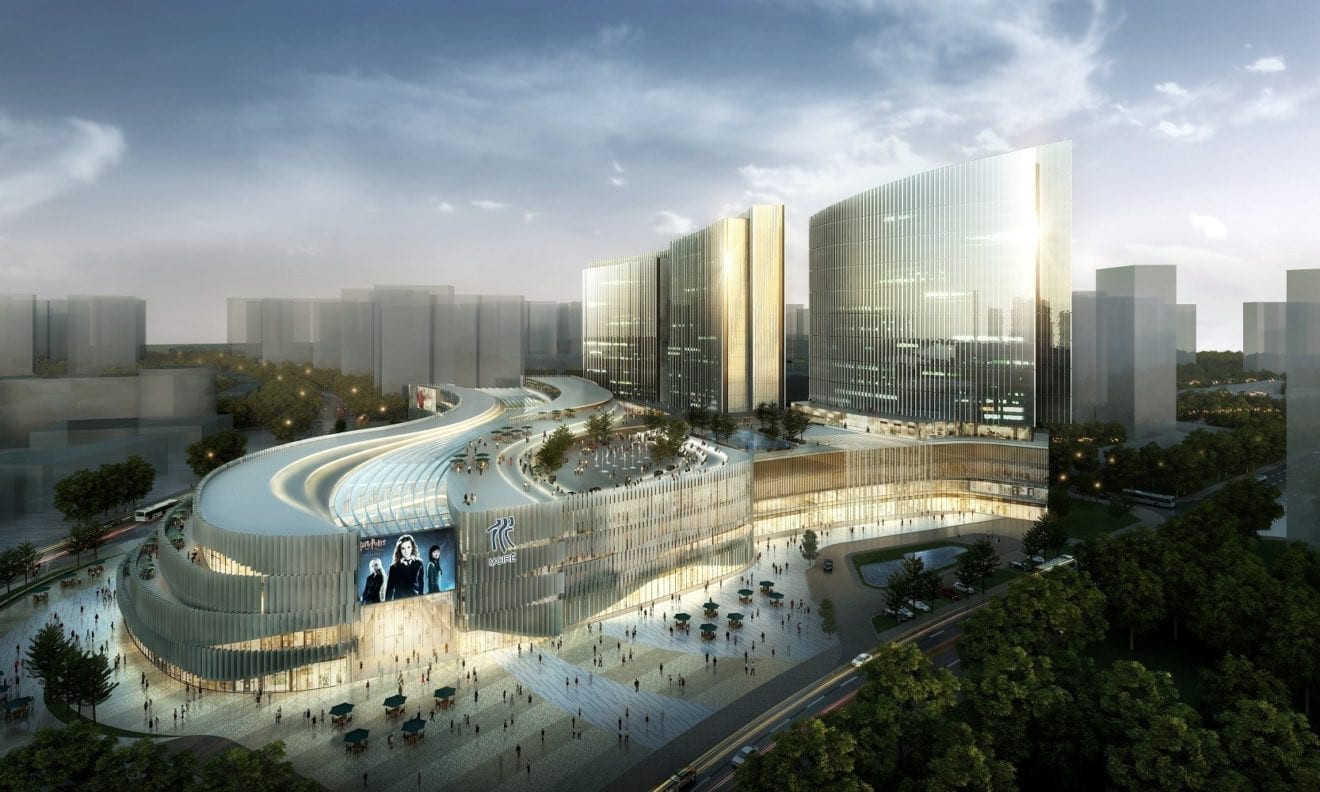
    YCH Group, a supply chain management, and logistics company in Asia-Pacific, has launched a retail hub in Xiamen, China, which is envisioned to support the Pilot Free Trade Zone project in the region.

    The project, which will be the first major mall in the region, will serve the needs of the population in the immediate vicinity and the rapidly growing city of Xiamen. It will be managed by YCH Group on behalf of XPD-YCH Logistics, a joint venture between YCH Group and Xiamen Port Development, a subsidiary of the Xiamen Port Group.

    Spanning 55,000 square meters with a built-up space of 100,000 square meters, the facility was converted from XPD-YCH Logistics’ existing warehouse in Xiamen and will be fully operational this month.

    This comes at an opportune time as Xiamen, which is currently one of the fastest growing cities in China, is growing at 6.7 percent with a population of 4.4 million. Aside from local demand, the mall aims to cater to the burgeoning Chinese retail scene while playing a key role in strengthening Xiamen’s status as one of China’s most popular tourist destinations.

    According to the Xiamen Tourism Bureau, Xiamen receives 1.63 million tourists from home and abroad, and rakes in RBM1.853 billion ($258.9 million) in tourism revenue. Moreover, China has also overtaken the US to become the world’s largest retail market in 2016 with total sales of $4.886 trillion.

    Two of the most well-known brands in China – Sam’s Club and Red Star Macalline – will form the mall’s anchor tenants, occupying approximately 85 percent of the facility. This will be the first Sam’s Club Store opened in Xiamen by Wal-Mart, and will be the 15th Sam’s Club store across 13 cities in China.

    Sam’s Club is a division of Wal-Mart, the world’s largest retailer. It offers an extensive inventory with exceptional value on famous-brand merchandise at “member only” prices for both business and personal use.

    Red Star Macalline, on the other hand, is the largest national home improvement and furniture retail platform in China, with stores in most major cities in China. It targets the rapidly growing middle class in China through the operation of malls that offer home improvement and furniture materials, including flooring, bathroom and kitchen fixtures, with approximately 18,000 well-known brands.

    Strategically situated within the Pilot Free Trade Zone, the mall is located in a highly populated region in Xiamen and is in close proximity to both air and sea ports and numerous famous hotels, bringing numerous trade and business benefits for prospective clients.

    “With the dynamic and growing retail sector in the country, we want to equip retailers with game-changing capabilities that help them simplify processes and optimize costs. This will enable them to remain competitive while simultaneously boosting trade and facilities investment for China with the Pilot Free Trade Zone,” said Koh Yong Seng, Operations Director of North Asia, YCH Group.

  • Ericsson, Huawei, Nokia and Cisco join forces on NFV testing

    Ericsson, Huawei, Nokia and Cisco join forces on NFV testing

    Ericsson, Huawei, Nokia and Cisco have teamed up to launch a new initiative that aims to help telecoms operators address the challenges related to NFV deployment and cloud transformation within multi-vendor network environments.

    The four signed Tuesday a MoU to create the NFV Interoperability Testing Initiative (NFV-ITI), which will address NFV multi-vendor interoperability challenges for telcos, enabling them to optimize NFV deployment and integration costs, and reduce time-to-market for new services.

    While telecos are at different stages of implementing NFV into their networks, the deployment and integration of virtual network functions within today’s multi-vendor environments can introduce new interoperability challenges.

    To addresses these challenges, NFV-ITI members will cooperatively support the interoperability of NFV elements in specific customer situations to accelerate the commercial implementations, and to reduce the time-to-market for new applications and services.

    All existing NFV interoperability related testing activities are triggered by different industry needs, including the European Telecommunications Standards Institute (ETSI) NFV Testing WG, OPNFV testing projects, Network Vendor Interoperability Testing (NVIOT) testing, and the New IP Agency (NIA) interoperability testing.

    NFV-ITI will complement all existing NFV interoperability testing activities in the industry and focus on testing interoperability configurations of commercial NFV solutions used in the telcos’ networks, the companies said.

    It will recommend generic principles, including interoperability test cases, test criteria, processes, methods, guidelines, templates and testing tools, and will also apply best practices from all existing interoperability testing activities in the industry, such as NVIOT forum efforts.

    In addition, NFV-ITI will be well-aligned with the ETSI NFV Industry Specification Group and the OPNFV project.

  • Element Fresh plans Asian franchise roll-out

    Element Fresh plans Asian franchise roll-out

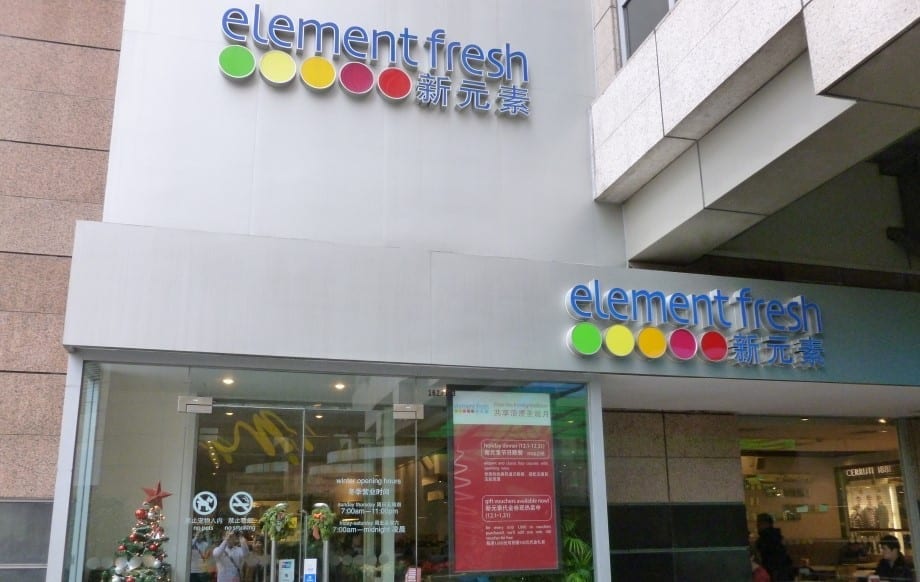
    Chinese international restaurant brand Element Fresh plans to grant development rights to franchisees across Asia, with an initial focus on Hong Kong, Japan, Thailand and Singapore.

    Founded in 2002, the group has nearly 40 restaurants in China, mainly in Beijing and Shanghai.

    It forecasts 80 outlets across China by 2020 while it moves to franchise in key countries across Asia.

    “We seek retail-focussed companies that view our cosmopolitan brand as complementing their existing portfolio and aligned with their business strategy,” says Element Fresh international franchising director Paul Barbone. “Our systems and operations have been fine-tuned and engineered to ease the start-up process through to multi-unit management.”

    Most of the brand’s dishes incorporate superfoods, with the seasonal menu innovation cycle giving diners the chance to try innovative ingredients.

    “We are passionate about fresh food, great taste and quality ingredients, making ‘eating right’ easy for our guests,” says CEO Frank Rasche. “People from dozens of countries come to us every day for our diverse menu and seasonal touches.”

    Recent examples include Salmon & Warm Buckwheat Salad, plus the Spicy BBQ Chicken Cobb salad that includes avocado chunks and chimichurri ranch dressing.

    Element Fresh has also just launched www.elementfresh.org, which details the advantages and benefits for franchise partners while showcasing its latest restaurant prototype.

    Barbone says the website offers information and videos for potential franchise partners. He plans to visit key markets in the coming months to meet with qualified groups, with the goal of having outlets open in select key cities by the second half of next year.

    Founded in Shanghai in 2002, Element Fresh is known for its gourmet salads and made-to-order fruit juices and smoothies, its diverse international menu including American-style breakfasts, and its casual dining ambience and service.

  • Memebox raises $60m in extension round

    Memebox raises $60m in extension round

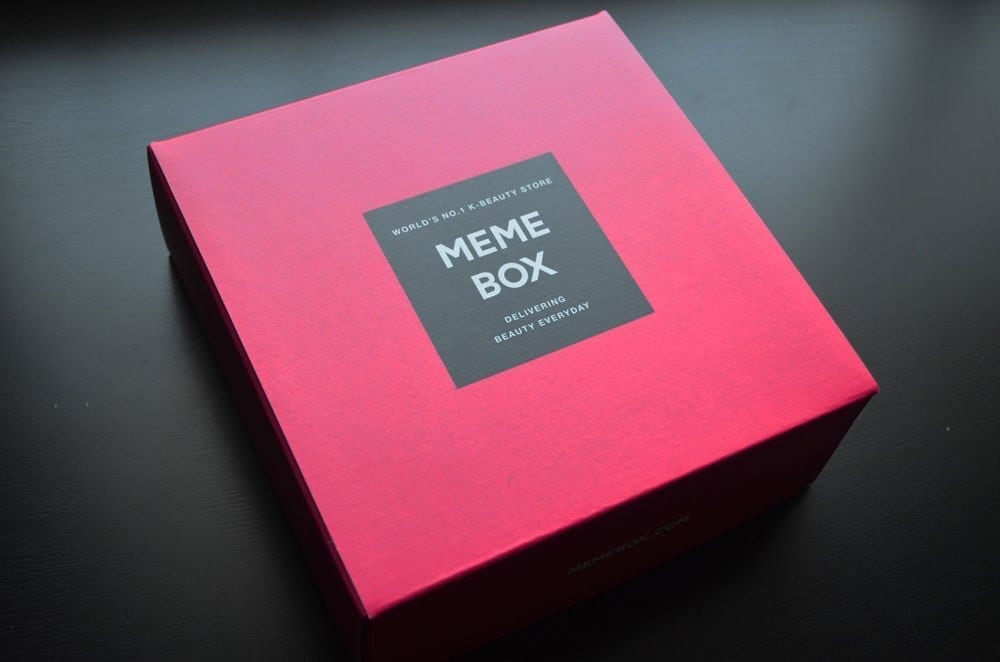
    South Korean cosmetics startup Memebox has raised US$60 million in a Series C extension round led by existing and new investors.

    Investors include Altos Ventures, Cota Capital, Cowboy Ventures, Formation Group, Funders Club, Goodwater Capital, Janet Gurwitch, Mousse Partners and Pear Ventures.

    Memebox says the round is an extension of the $66 million it raised in its initial Series C, bringing aggregate equity funding to $160 million since its incorporation in 2012. The extra investment will allow it to continue streamlining its mobile shopping experience, develop a database of beauty ingredients and products, and build its global footprint.

    As a result of the transaction, Gurwitch, a partner at private-equity firm Castanea Partners and the founder and former CEO of cosmetics company Laura Mercier, joins the Memebox advisory board. She has specialised in beauty companies during her time at Castanea and has served on the boards of Drybar, First Aid Beauty and Urban Decay. She has also served in an advisory role at Dollar Shave Club, acquired by Unilever this year.

    Gurwitch will be advising Memebox on brand strategy, positioning and developing retail partnerships for its four in-house brands – Bonvivant, I’M Meme, Nooni and Pony Effect – in the US market.

    Memebox CEO/founder Hyungseok Dino Ha says the company has been focussed on bringing innovative, high-quality and approachable beauty to consumers worldwide. “We are a global company with offices in six countries with 14 different nationalities.”

    Global streamlining

    There has been a focus on growth in Asia, particularly China, “but with this funding we plan to streamline our global operations at our company headquarters in San Francisco”.

    Memebox evolved from being a subscription box model in 2012 to retailing beauty products then developing its own brands with R&D labs near Seoul. Its four brands have had 60 per cent growth quarter-over-quarter, says the company.

    Memebox invested early in content-driven mobile shopping. It says its mobile app is used for 88 per cent of its global online transactions, with more than 94 per cent of its customers in Asia shopping through the app.

    “What Memebox is doing with mobile and video is unprecedented in the beauty landscape,” says Goodwater Capital managing partner Eric Kim, also a Memebox board member. “Memebox has the heart of a high-end brand, the brain of a deep-data company, and the muscle memory of a social network.”

  • Macau retailers and restaurants struggling

    Macau retailers and restaurants struggling

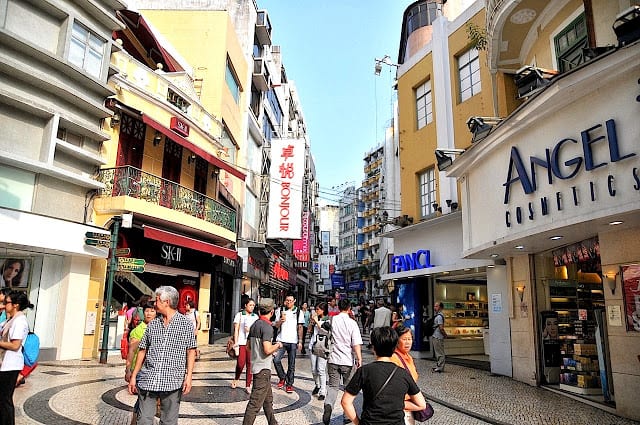
    Most Macau retailers and restaurants have had a difficult October, reporting depressed sales.

    More than half of the city’s dining establishments had strong revenue declines for the month, with just a quarter reporting a slight improvement.

    According to the latest industry climate survey by the Department of Statistics and Census Services (DSEC), the 26 per cent of respondents who had increased turnover say this was driven by an increase in visitors to the city during the one-week National Day holiday.

    Overall, the rise in revenue was 5 per cent compared to September. But for 49 per cent of the Chinese restaurants interviewed and 13 per cent of the Japanese and Korean restaurants, revenue was up by 20 and 6 per cent respectively.

    However, 51 per cent of the respondents reported a decrease in turnover of 12 per cent overall.

    Macau’s retail sector paints a similar picture. About 58 per cent of respondents (1 per cent more than in September) saw their turnover fall, while about 35 per cent (5 per cent more) reported increased sales.

    By sector, leather goods retailers had higher sales, as did 53 per cent of the watches, clocks and jewellery segment, half of adult clothing retailers, 44 per cent of supermarkets and 22 per cent of department stores.

    A 20 per cent or more drop in sales was reported by 78 per cent of department stores and 60 per cent of cosmetics and healthcare retailers.

    Survey respondents do not expect the situation to change soon.

  • Tencent China streams reality show thru LiveU

    Tencent China streams reality show thru LiveU

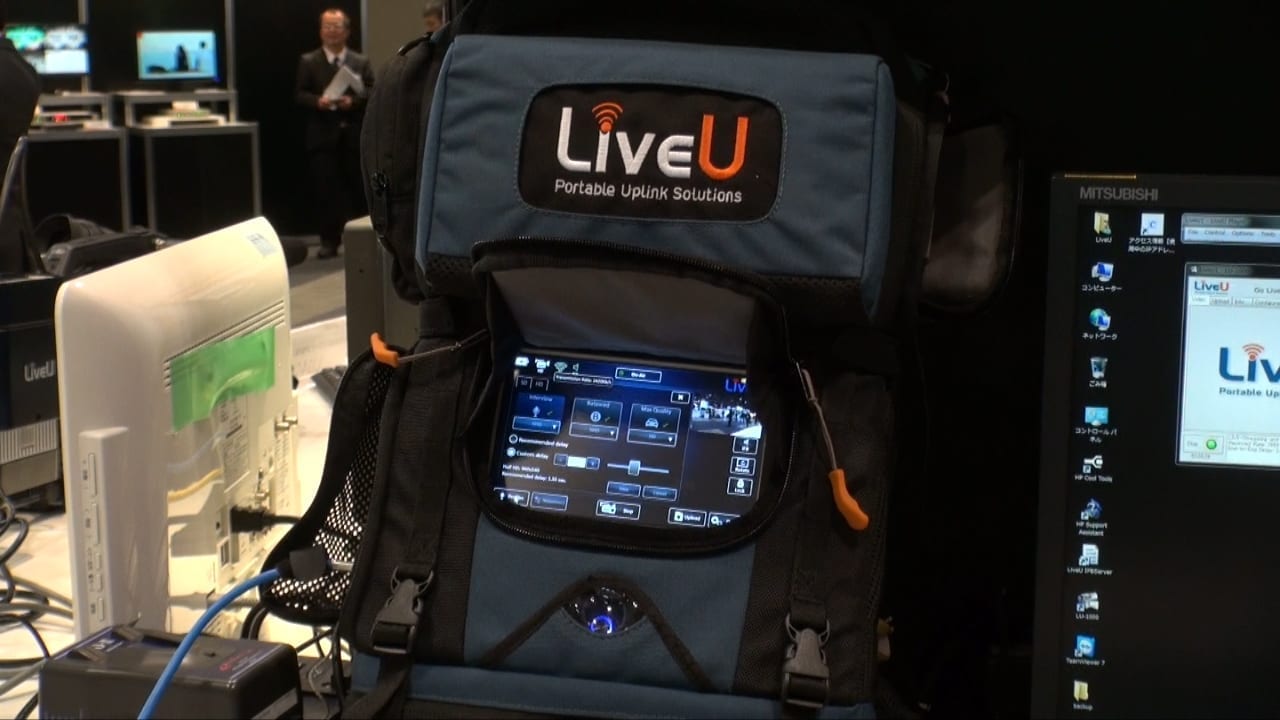
    Tencent is using LiveU’s portable transmission technology to stream live its new reality series called “See where you are going.”

    The live online program follows Olympic champions, movie stars and random guests in six cities around China (Suzhou, Hangzhou, Beijing, Tianjin, Qingdao and Shenzhen) as they perform various tasks.

    Tencent has deployed 10 LU200s, LiveU’s ultra-small transmission units, for the live production. Separate camera crews live stream the different stars in the different locations and viewers can choose one of six different video rooms to watch the video live on any device. At the end of each program, Tencent posts an edited version combining all the different clips online.

    The LiveU units and support are provided by LiveU’s local partner Guanhua Glory with additional support provided by Oneband Systems, an additional LiveU partner.

    Zhao Dongwei, Tencent transmission technology head, said that with the multi-camera chasing of stars, and multi-screen viewing, the show represents a new type of program in China.

    “Involving 6-10 hours per day of live streaming, it was important for us to choose a small, lightweight unit, which could deliver high quality and reliable live video over a long time in multiple locations,” said Zhao. “The LU200 surpassed our expectations, offering a highly cost-effective live transmission solution.”

  • China’s Wanxiang gets approval to produce Karma electric cars

    China’s Wanxiang gets approval to produce Karma electric cars

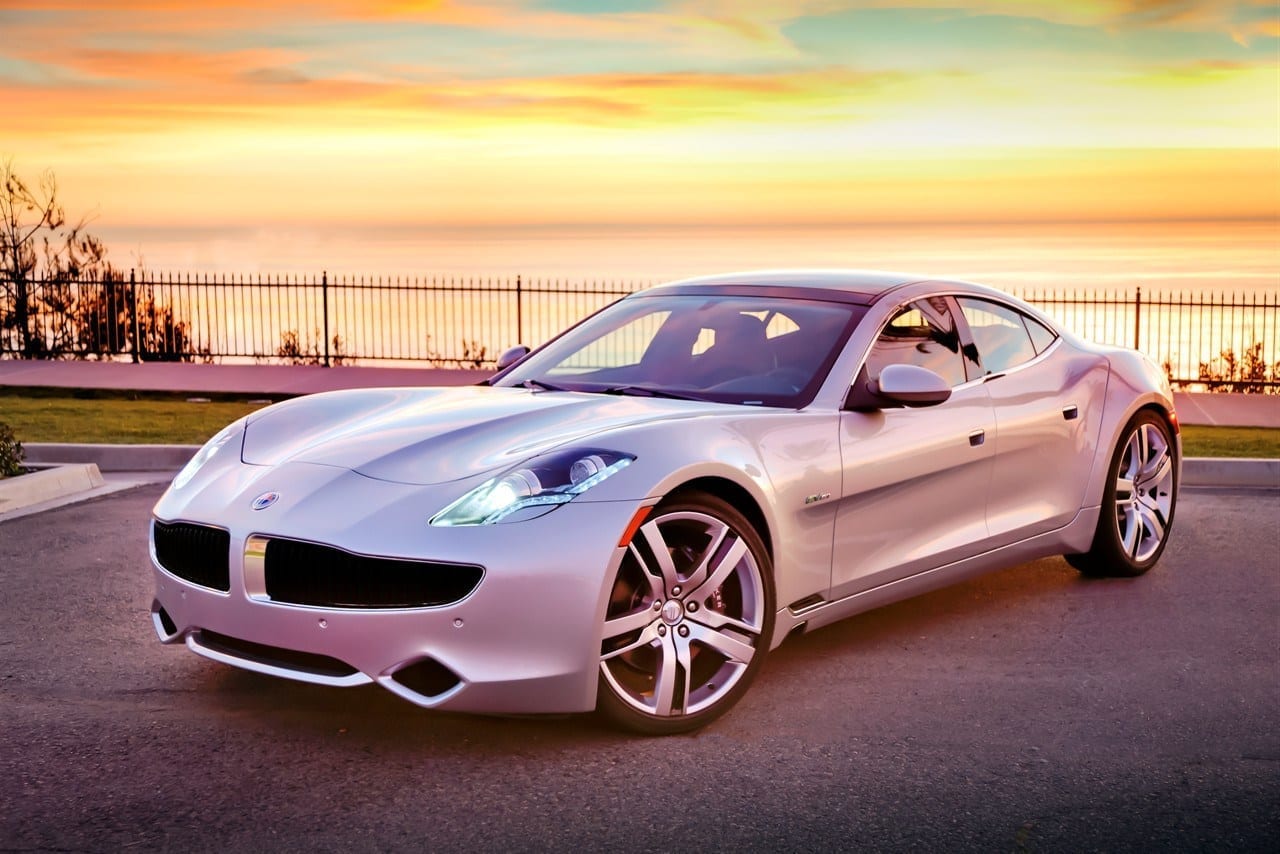
    Wanxiang Group, a major Chinese auto parts supplier which almost three years ago bought the assets of defunct California-based plug-in hybrid carmaker Fisker Automotive, has received approval from local regulators to produce electric vehicles in China.

    According to a notice on Friday on the website of the National Development and Reform Commission (NDRC), China’s top economic and industrial planner, Wanxiang has the green light to build a factory with capacity to produce 50,000 electric cars a year.

    The move means the former Fisker Automotive, which was founded in part with a U.S. government loan and ceased production of its $100,000 plug-in electric hybrid sports cars in 2012 after a series of technical glitches and cost overruns, continues to survive under Chinese ownership after Wanxiang gave it a second life.

    Wanxiang later changed Fisker’s name to Karma Automotive.

    Wanxiang, a Hangzhou-based company which in 2012 also acquired U.S. lithium-ion battery maker A123, became the sixth company to be allowed to produce new-energy vehicles in China.

    More companies are currently being encouraged to enter the automotive industry in China but only if they are willing to produce so-called new-energy cars, mostly all-electric battery cars and heavily electrified plug-in hybrids.

    China has been making a push for electrically-propelled cars by offering incentives to buyers, forcing global automakers to share their technology, and opening its market to tech firms and others to produce electric vehicles.

    Beijing wants such vehicles to serve the mass market, and hopes the technology will help its auto industry close a competitive gap with global rivals which have a century’s head-start in traditional combustion engines.

    Aside from Wanxiang, NDRC has approved five companies to produce new-energy vehicles, including Ch-Auto’s Qiantu Motor, and Changjiang Auto. More companies such as WM Motor, Future Mobility, Singulato Motors are seeking approval.

  • Ladies Market fake products seizure largest for three years

    Ladies Market fake products seizure largest for three years

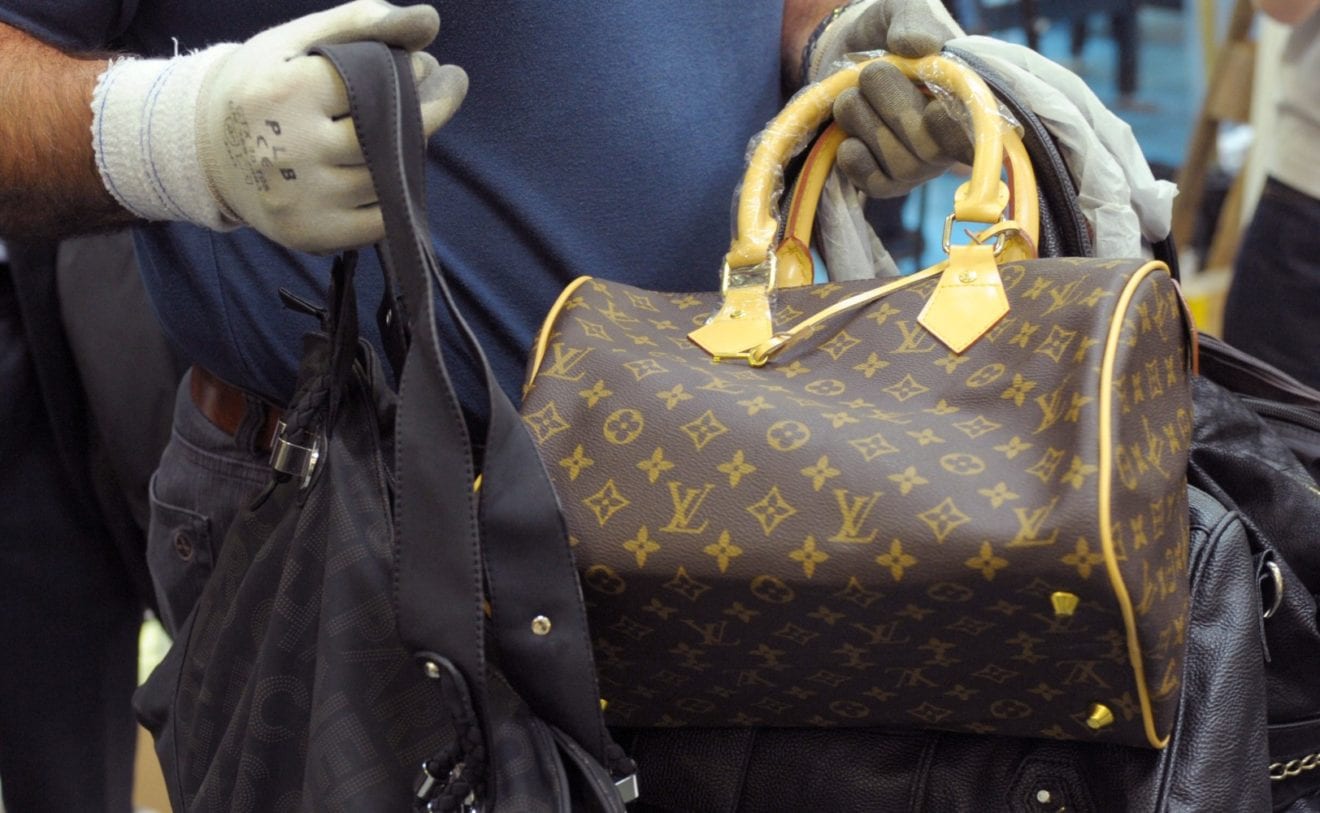
    Hong Kong Customs has arrested 10 people and seized HK$10 million (US$1.2 million) worth of fake products, smashing a counterfeit syndicate at the Ladies Market.

    It was the largest syndicate caught in three raids by the Customs and Excise Department this year on Tung Choi Street in Mong Kok. In January and August, officers nabbed 12 people and seized HK$7.5 million in fake goods.
    Following those busts, the syndicate just nabbed had chosen potential customers more carefully to avoid detection, says Customs official Guy Fong Wing-kai.

    “The gang served only tourists from Europe and America,” he says. “They did not approach locals or Asian tourists in case they were undercover customs officers.”

    The syndicate sold their goods at 5 to 20 per cent of the genuine products’ price, he says.
    An investigation revealed the syndicate sold counterfeit goods at four hawker stalls in the market, using electronic tablets to show clients photos of the products.

    “Some clients were taken to its upstairs showroom nearby, which was packed with about 600 counterfeit products,” says Fong. Four nearby flats were used as warehouses, and a female ringleader went to the mainland regularly to buy the fake products.

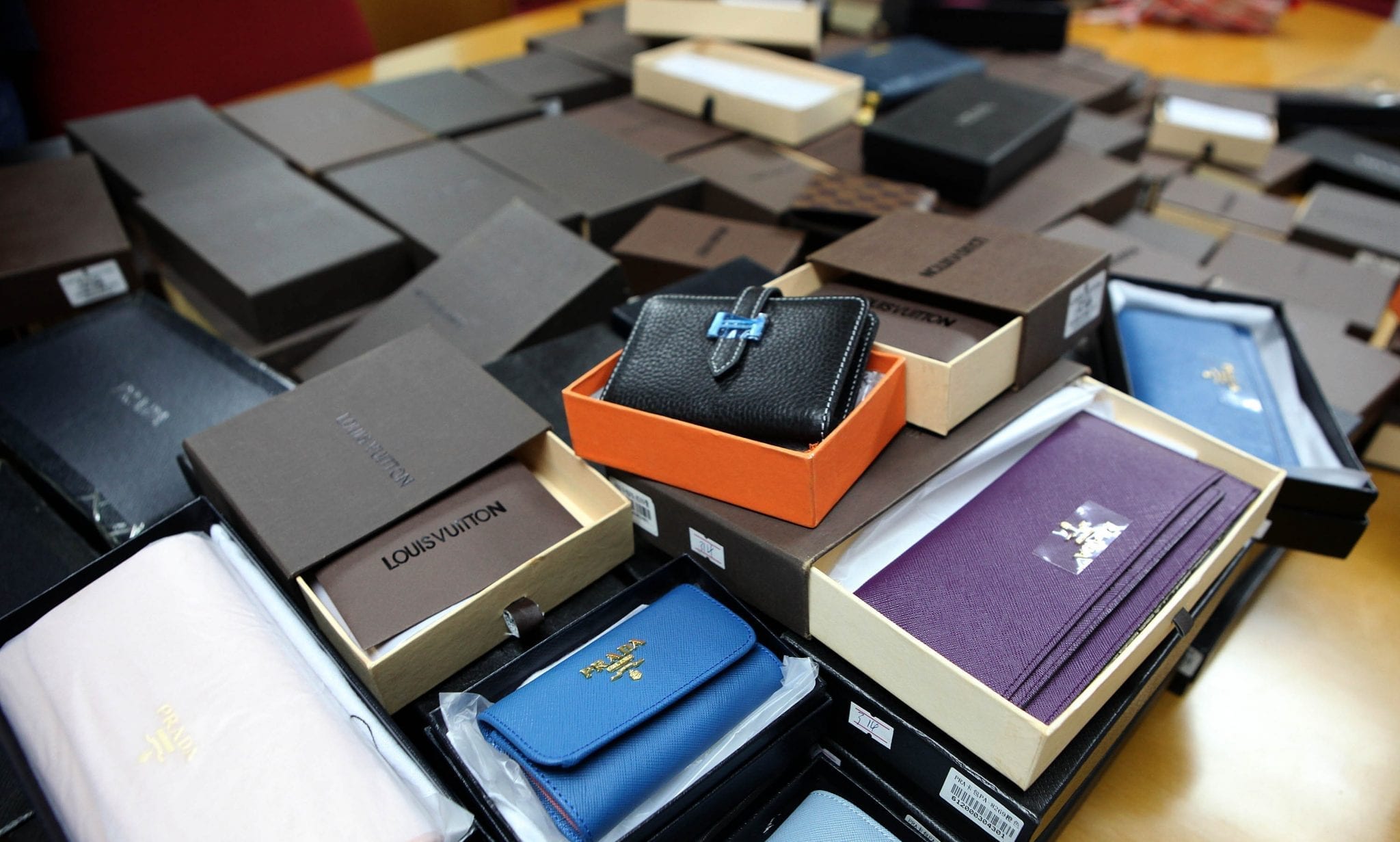
    After a month-long investigation, about 90 Customs officers raided the four hawker stalls, the secret showroom and the four warehouses. Seven men and three women were rounded up and more than 10,000 fake products seized including watches, handbags and leather goods.

    Fong says it was Customs’ largest seizure of fake products in a single operation in the past three years.

    Aged between 24 and 38 years, the 10 Hongkongers are being held for questioning. None have yet been charged.

    Fong says the department will enhance its enforcement activities against counterfeiting during the holiday season. He says that selling counterfeit goods is regarded as a serious crime, carrying a maximum penalty of a HK$500,000 fine and five years in jail.

  • Turner, Snapchat ink content, ad deal

    Turner, Snapchat ink content, ad deal

    Turner and Snap are expanding their partnership by bringing new brands to Snapchat’s Discover platform, extending live coverage of Turner’s premium sports events, and working with several Turner brands to develop Snapchat shows.

    The deal encompasses content, distribution and advertising centered around Turner’s leading portfolio of networks, programming, events and brands.

    “This deal marks the latest strategic move for Turner to innovate within the digital arena and provide complementary viewing experiences for a younger, mobile-centric audience,” said David Levy, president of Turner.

    “Snapchat is a powerful outlet to directly connect with the millennial generation and perfectly aligns with our portfolio-wide strategy to engage with audiences at every touch point,” said Levy.

    As part of this deal, Turner will work with Snap to develop original shows from its series and brands such as TBS, Adult Swim, truTV, Great Big Story and Super Deluxe.

    Turner’s portfolio will create and produce original content from its popular franchises and networks specifically for Snapchat’s mobile-first audience.

    Turner’s Bleacher Report, the digital sports brand for the millennial generation, will launch a Discover Channel in the United States, comprised of videos, images, animations and graphics covering the top stories in sports each day.

    It will join the CNN Discover Channel, which will expand its offering to feature more daily content than ever before, including in-depth, global news stories hand-curated for the Snapchat community.

    The agreement continues to leverage Snapchat’s immersive Live Stories with expanded coverage of Turner’s premium sports content, including the NCAA Division I Men’s Basketball Championship and the PGA Championship.

    The exclusive access around these premium sports properties brings Snapchatters closer to the action with behind-the-scenes coverage, videos and photos from on-site correspondents.

    Turner and Snapchat will collaborate on advertising sales, developing exclusive and immersive ad experiences that provide brands the space to connect with millennials in a dynamic mobile environment within original shows and Live Stories.

    The two companies will also provide sponsors with creative advertising opportunities on the Discover Channels, offering brands a full-screen, creative canvas for mobile storytelling.

  • Sandriver cashmere launches in US

    Sandriver cashmere launches in US

    Luxury cashmere brand Sandriver has officially entered the US market, building on its base of 11 stores in Asia and a worldwide eCommerce presence.

    Sandriver cashmere has been active in the international fashion scene since 2007, sourcing directly from the grasslands of the Alashan Plateau in Inner Mongolia, home to 70 per cent of the world’s cashmere.

    Founder and CEO Juliet Guo (Guo Xiuling) is an Inner Mongolian native, and has built the brand’s own sourcing base of 30 local herding families, some of whom operate on Guo family-owned grasslands.

    Setting itself apart from global fashion giants, Sandriver says it hones its niche role in the industry by merging the traditional sophistication of cashmere with the innovation of modern fashion.

    Its creative team comprises a dynamic group of international designers and artists, including world-renowned Japanese designer and multiple fashion award recipient Junko Koshino, French-Columbian artist Francesca Brenda-Mitterrand, and German and Chinese fashion designers Antje Weidner and Qin Wanyu.

    junko-koshino-sandriver-designer

    Sandriver cashmere continues to attract attention on an international scale and has been presented at major fashion shows in both Tokyo and Paris. Its collections suit a variety of budgets and tastes with prices ranging from around US$100 to $3000 for original designs.

    Product lines include, among others, scarves and wraps for every season, full-length coats and blankets, reversible and ready-to-wear garments and comfortable ensembles. Recent additions include kids wear and luxury travel garments and accessories.

    Sandriver products are available online, shipped directly from Shanghai to the US via DHL Express within four days, and include a local US-based return policy.