Tag: China

  • Arcadia to launch first stores in mainland China

    Arcadia to launch first stores in mainland China

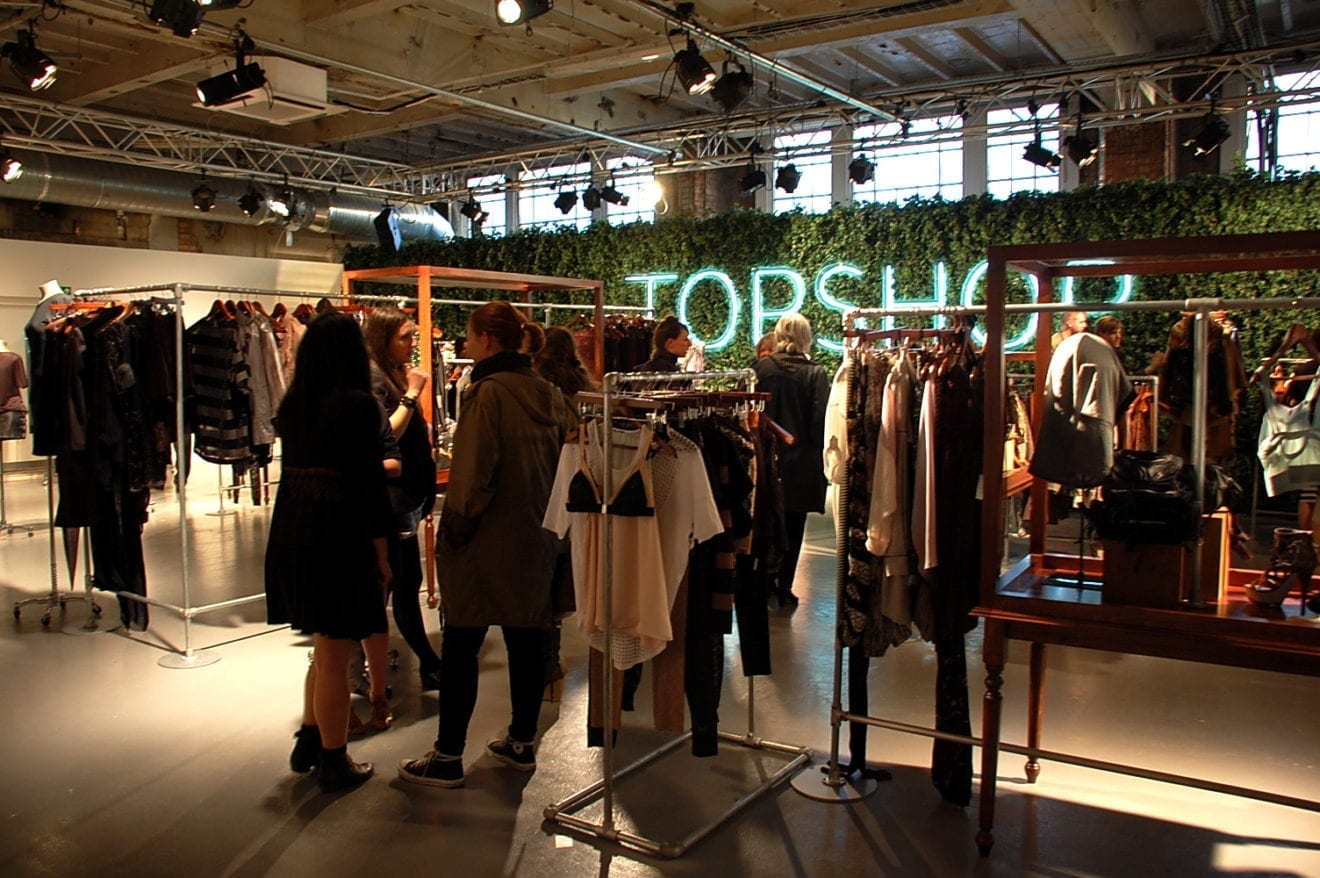
    A deal struck with local retailer ShangPin will see five stores open in the country, with a further 75 in the pipeline if the venture is a success. Topshop opened its first store in Hong Kong in 2013 and Green has been eying further expansion for a number of years.

    The Arcadia Group chairman said the deal would “cement Topshop and Topman’s mission of becoming truly global businesses.”

    He added: “For the first time both brands will deliver high fashion to the shop floor and beyond by opening full scale stores in China – host to the world’s largest growing retail economy.”

    Department store House of Fraser is also poised to open its first Chinese store in Nanjing at the end of this month.

  • Miniso targets 6000 stores by 2020

    Miniso targets 6000 stores by 2020

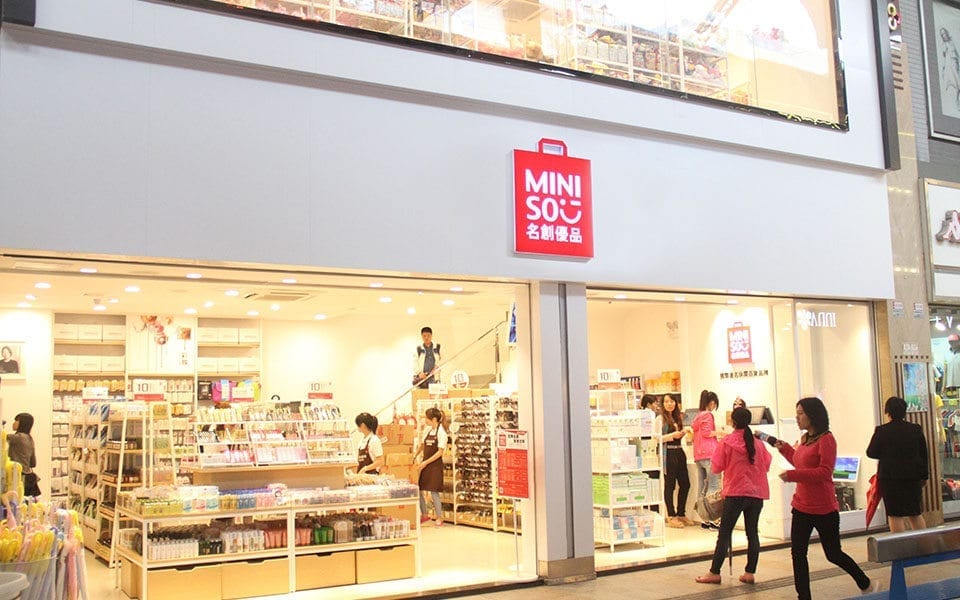
    Chinese discount brand Miniso expects to open 6000 stores worldwide by 2020, co-founder Ye Guofu has told a conference in Singapore.

    He was speaking at a three-day investment conference hosted by Miniso and attended by more than 250 agents, potential agents and suppliers from 100-plus countries.

    Following the event, Miniso signed a strategic co-operation agreement with the Mazuli Group from Israel.

    Also from Miniso at the event, named “Hello! World Miniso – Saiman Fund International Conference on Global Investment”, were global co-founder/chief designer Miyake Junya, Asia-Pacific VP Li Minxin and international department director Huang Zheng.
    While established for only three years, Miniso has opened more than 1400 stores in more than 40 countries and regions. Its global revenue reached RMB5 billion (US$719 million) last year and expected to exceed RMB10 billion this year.

    To help conference attendees understand the brand’s rapid development, Junya spoke about the “Miniso model”, using the brand’s development in Singapore as an example. Miniso launched three stores in Singapore simultaneously, and within a year was able to open more than 20 stores. As well as its quick development, its turnover rates repeatedly set sales records and it grew faster than any other retail brands.

    Junya believes its success is because of its powerful brand, its “high quality, creativity and low price”, the special experience if offers shoppers, and its efficient and reliable supply chain.
    Guests were invited to visit five major Miniso stores in Singapore and one warehouse.
    As a fast-to-market brand, Miniso launches new products every three days and completes goods circulation through retail outlets every 21 days.
    Ye Guofu spoke about the essence of a brand with competitiveness, saying he believes there is no essential difference between online and offline.

    He says the traditional retail industry must undergo transformation, not only because of the impact from eCommerce, but most importantly because of consumers’ ever-growing cleverness.

  • The world’s largest ‘hands-on’ interactive product launch

    The world’s largest ‘hands-on’ interactive product launch

    Ksubaka today revealed the results of the world’s largest hands-on experiential product launch for Milka chocolate brand. In just one month more than 12.4 million consumers had a physical interaction with Milka, learning about the product, its ethos and forming an emotional connection.

    As part of its launch Mondelez China appointed Ksubaka to devise, create and execute a campaign that would get noticed on a scale never seen before. Ksubaka’s media network of 7000+ touch screen playSpots located in over 130 cities across China were used to deliver an in store interactive branded mini game. Consumers were encouraged to learn about the key attributes and history of Milka chocolate through the power of play. To complete the experience shoppers were invited to interlock fingers with a friend (or stranger) to make a Milka chocolate bar, this created a special moment of ‘Tenderness’. Consumers were then encouraged to take a picture and share their moment of tenderness through social channels (and 5,700 did on Weibo) for a chance to visit the origin of Milka – The Alps.

    In just 30 days (October 1st 2016 – October 31st 2016), the campaign has delivered astonishing results;

    • 12.4 Million Shoppers Engaged with the game
    • 299 Million Milka Brand Exposures
    • 81,309 WeChat/Weibo codes scans and shares

    “Ksubaka’s unique experiential campaign, at massive scale, has delivered amazing brand emotion and physical interaction, perfectly fitting with Milka’s brand ethos, that Tenderness is Inside,” said, Stephen Maher, President of Mondelez, China.

    “Brands have always struggled to engage with consumers at the point of purchase, combine that with the pressure online advertising faces to justify its self administered metrics and the opportunity for a new platform that addresses these issues is vast. Our rapidly growing media network is the first to deliver real-time results at the point of purchase at massive scale. Working with Mondelez we have significantly moved the bar to what is expected from a consumer experiential engagement campaign – in just one month millions of consumers have had a physical interaction with Milka, this is the benchmark!” said Julian Corbett, CEO and founder, Ksubaka.

    As one of the billion dollar brands of the Mondelēz International family, Milka chocolate, which originated in the European Alpine area in 1901, is widely popular among customers in more than 30 countries. It is Milka’s insistence on using pure milk sourced from the Alpine areas that has enabled Milka chocolate’s tender taste to last for over a hundred years. Mondelēz China has attached great importance to Milka chocolate as a brand new category in the China market.

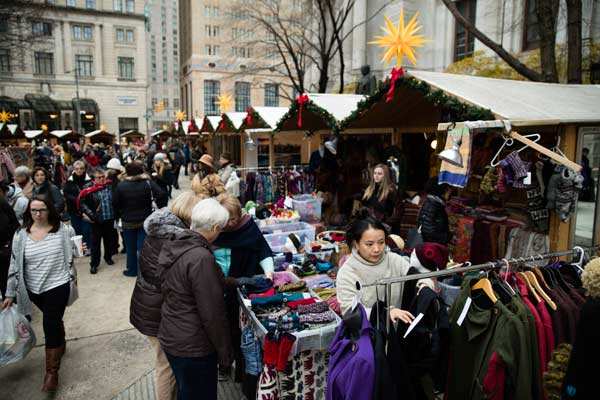
  • Stores push deals in bid to lure holiday shoppers

    Stores push deals in bid to lure holiday shoppers

    Nearly 156 million people — or 66 percent of Americans — plan to or are considering taking advantage of Saturday sales to complete their holiday gift lists, according to a survey released Friday by the National Retail Federation and Prosper Insights & Analytics. The survey found that more people said they planned to shop on Saturday than those who aimed to shop over Thanksgiving weekend in an earlier survey.

    Still, given the quirk in the calendar that makes this weekend the last full weekend before Christmas, retailers including Best Buy, Gap and J.C. Penney, have set an earlier deadline to order holiday gifts this year, according to StellaService, which tracks online services at retailers. Wal-Mart, along with others, is encouraging online shoppers to pick up their merchandise at the store.

    Target will be offering last-minute shoppers deals that are good only for a day on certain in-demand products like children’s sleepwear and fragrance sets.

    Still, plenty of shoppers plan to take their time.

    Christine Bunker Tobia of Queens says she mostly shops at Macy’s but likes to wait to get the best deals. She’s been stopping by Macy’s New York Herald Square store often to check the prices.

    “I’m looking for a special sale,” she said last weekend. “I may wait another week.”

  • BlackBerry, TCL sign smartphone licensing agreement

    BlackBerry, TCL sign smartphone licensing agreement

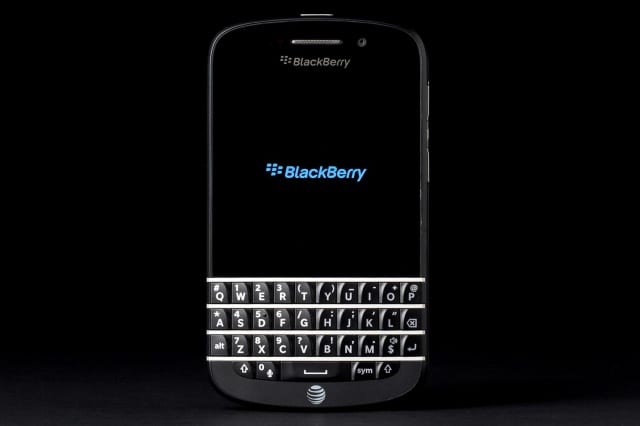
    BlackBerry has agreed to license its brand to China-based handset manufacturer TCL Communications.

    The companies entered a licensing agreement last week which will allow TCL to design, manufacture and distribute BlackBerry-branded phones globally going forward. The devices made by TCL will be coupled with BlackBerry’s security software and service suite.

    “BlackBerry will continue to control and develop its security and software solutions, serve its customers and maintain trusted BlackBerry security software, while TCL will manage all sales and distribution and serve as a global distributor of new BlackBerry-branded mobile devices along with dedicated sales teams,” the company said on Thursday.

    The agreement is the struggling Canadian smartphone maker’s first licensing deal since its announcement to transition to a software company.

    BlackBerry said in September that it would stop producing its smartphone hardware and concentrate on software, a decision which followed a year-long review of the potential profitability of the company’s hardware business by CEO John Chen.

    The new agreement will give TCL, the fourth-largest handset maker in North America, the right to make and sell BlackBerry-branded smartphones in all countries except India, Sri Lanka, Nepal, Bangladesh and Indonesia, where BlackBerry has already struck local licensing deals.

    Prior to this licensing deal, BlackBerry launched two smartphones – the Android-based DTEK50 and DTEK60 – in September and November respectively, which were made under an agreement with TCL.

    Industry watchers said this deal might be a boost for BlackBerry from a short-term financial standpoint by reducing BlackBerry’s operating risk, working capital requirements and potential R&D spend which would have otherwise gone into designing new phones.

    While the deal has an upside, it also exposes BlackBerry to a different kind of a security risk that might drive security-conscious consumers away from the brand and eventually hurt sales.

  • Topshop to open 80 stores in mainland China

    Topshop has signed a deal with a Chinese partner that could lead to up to 80 stores being opened in mainland China with the first opening in spring/summer 2017.

    The British high street retailer has agreed a deal with Shangpin, which already sells the Topshop brand on Shangpin.com. It is anticipated that the first store will be opened in either Beijing or Shanghai in the spring or summer of next year.

    In a statement Topshop owner Sir Philip Green said: “For the first time both brands will deliver high fashion to the shop floor and beyond by opening full-scale stores in China — host to the world’s fastest-growing retail economy.”

    Green owns a 75% stake in Topshop having sold 25% to US private equity firm Leonard Green & Partners in 2012. The brand, which is the jewel in the crown of Green’s Arcadia Group, has 300 stores in the UK and 140 in international territories including 10 in the US.

  • Musgrave wins contract to export Supervalu products to China

    Musgrave wins contract to export Supervalu products to China

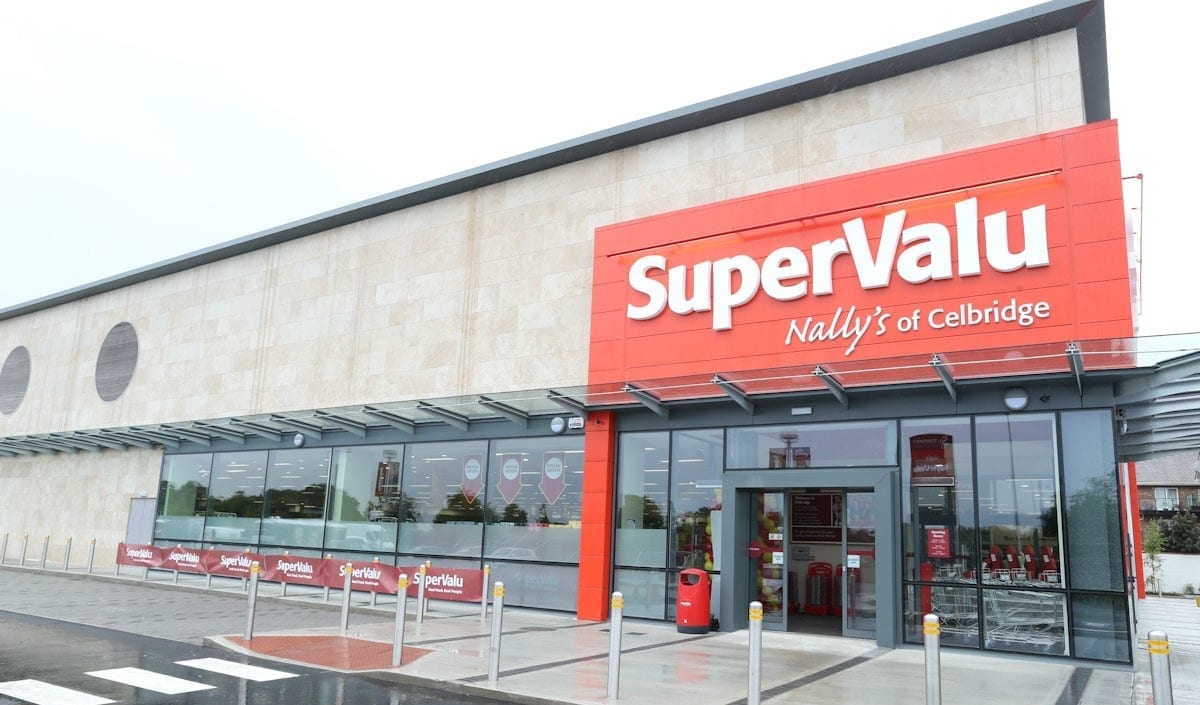
    Irish retailer Musgrave is to begin exporting SuperValu own brand products to China.

    It will initially supply up to 40 own brand products – including SuperValu breakfast cereals, coffee, jam, biscuits and healthy snacks amongst a range of other goods.

    Musgrave has agreed a partnership with Alibaba Group, and will use its Tmall Global ecommerce platform to sell directly to Chinese consumers.

    Tmall Global is an overseas platform and an extension of Alibaba Group’s B2C Tmall business – which enables overseas merchants to enter China’s online retail market.

    Musgrave will also open a flagship SuperValu e-commerce storefront on Tmall Global, making it the first Irish retailer with a presence there.

    Musgrave say the storefront will be offered over time “as a potential route to market” for Irish food producers seeking to access China.

    Alibaba’s logistics affiliate, Cainiao Network, will manage the distribution of products.

    Musgrave CEO Chris Martin said: “Our core business in Ireland is performing well and our grocery retail and wholesale brands occupy leadership positions in their respective markets.

    “We are exploring new opportunities to grow our business including export and we are excited by the opportunity to partner with Alibaba Group.

    “In the past five years Chinese consumers are increasingly purchasing overseas through online shopping.

    “We expect that the heritage of SuperValu and the provenance of our products will be attractive to Chinese consumers.”

    David Lloyd, director of UK and Ireland for the Alibaba Group, added: “Chinese consumers have a desire to discover high quality brands from around the world that they can trust and enjoy.

    “Because of Musgrave’s long history of providing quality food produce, we are delighted to be working with them to bring their high quality SuperValu range to Chinese consumers via our Tmall Global platform”

  • Hong Kong shops struggle as holiday season approaches

    Hong Kong shops struggle as holiday season approaches

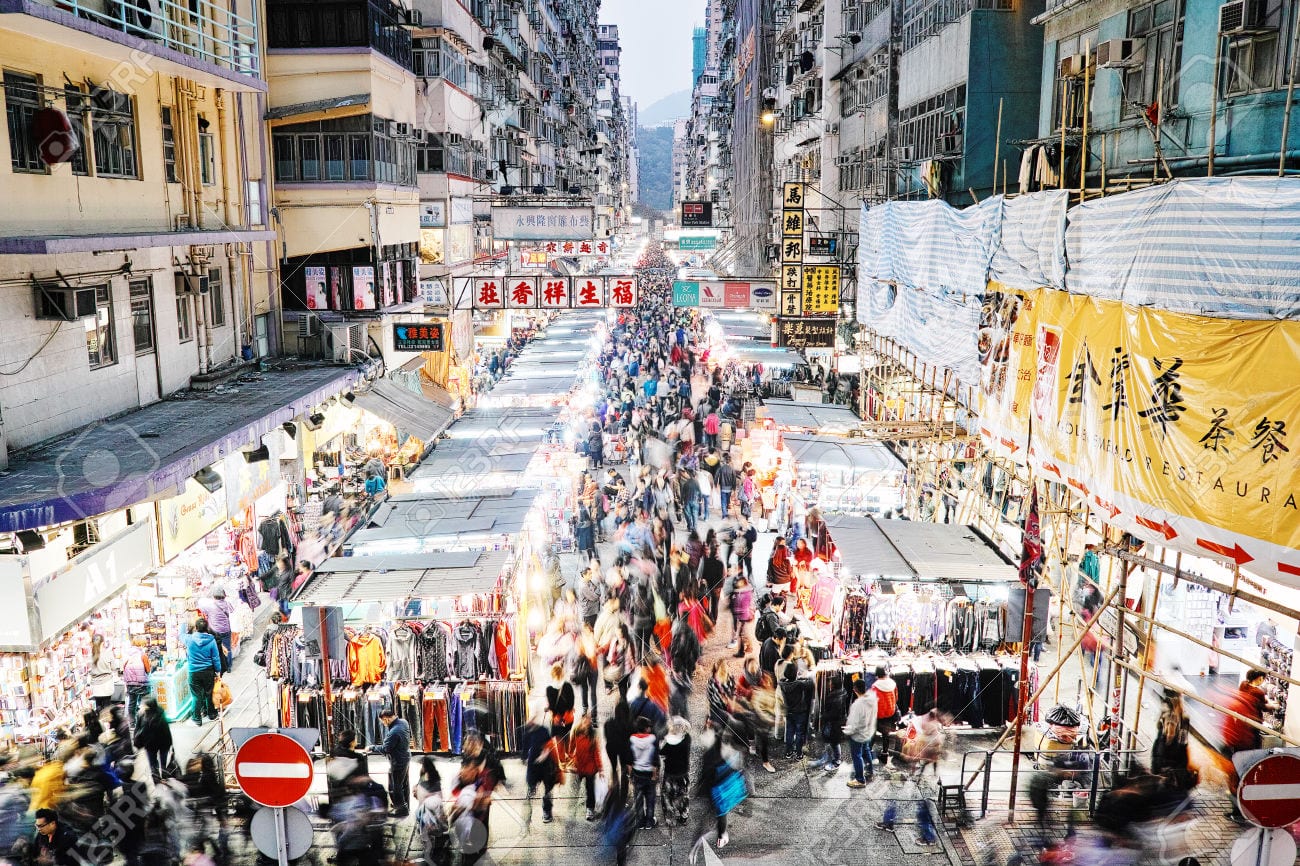
    Hong Kong’s retailers are facing an uphill battle to entice customers into their stores a week before Christmas in the final present buying rush, consumer analysts have said.

    The local retail market has been plagued by a dip in sales this year, attributed in part to a plunge in the number of visitors from the mainland, who account for about 75 per cent of tourists to the city.

    In October, retail sales fell for the 20th month by 2.9 per cent to HK$36.1 billion. But the slump had levelled slightly, from a 10.5 per cent fall in August to a 4 per cent dip in September.

    Many shops brought their Christmas promotions forward by at least two weeks this year to counter the sales decline. The city’s more westernised customer base also meant Christmas remained the annual peak retail season, with sales even higher than during Lunar New Year, the Hong Kong Retail Management Association said.

    Retailers have been increasingly trying to target visitors from Thailand and Malaysia because of the drop in the number of mainland visitors.

    The overall number of tourists to the city in October this year showed a 5.7 per cent decline compared with October 2015, from 5,073,494 to 4,953,705. Despite the dip in mainland visitors, there was an increase in those from “long haul markets”, including the United States, Britain and Germany, according to the Hong Kong Tourism Board.

    Retailers also faced strong competition from online outlets such as Amazon Japan and Taobao, which offer many products at heavily discounted prices.

    Cityplaza on Taikoo Shing Road, Quarry Bay was among the malls pulling out all the stops to attract Christmas shoppers. Its “Look Up Live Happy” campaign featured 50 giant teddy bears flying in hot air balloons, a 180-degree photo booth for customers and a symphonic light show.

    Consumer analysts said Hong Kong’s retailers needed to work harder to improve the efficiency of the customer experience, boost their overall customer service, come up with more innovative incentives and promotions, as well as develop their own online shops to remain competitive.

    Tanya Lau, director and head of consumer and retail practice at Harvey Nash Executive Search APAC, said retailers faced “tough global market conditions” and needed to “keep pace” with changing consumer behaviour.

    “For retailers to stay competitive, they need to specifically understand the customer journey and every detail of what they desire,” she said. “They need to [create] a seamless shopping experience … across all platforms. With a week to go until Christmas, making the buying process as easy as possible is essential.”

    Lau said businesses also needed to make technological improvements, such as introducing electronic payments, and providing better online buying services.

    Meanwhile, Professor Leslie Yip, programme leader of retail management at the Technological and Higher Education Institute of Hong Kong, said many locals would rather use their money for holidays than spend it in local shops. He said retailers needed to work harder to ­understand shoppers’ behaviours, and improve the variety and price range of products, and the overall efficiency.

    “The shopping experience here is kind of inefficient,” he said. “There are not enough self-checkout services; many shoppers are impatient for this. [Some retailers] lack variety due to shop space.

    “They should consider that tourists … have limited time yet want to maximise their shopping experience, while local shoppers want to maximise their experience within a given budget.”

    Yip suggested mall owners should explore ways to promote “mall hopping” across their different retail outlets, such as online treasure hunts, as many shopping centres were located within a short distance of one another.

    But Thomson Cheng, head of the Hong Kong Retail Management Association, said he expected Christmas sales to be “stable” after a “tough year for retailers”.

    He said they had made efforts to promote Christmas early this year to beat the slump, and were expecting a boost to sales next month because of an early Lunar New Year. “We are seeing light at the end of the tunnel,” he said.

    “Retailers need to look at how they can contain costs now. February and March next year will be the hardest time. Shops need to nurture local spending.”
  • Alibaba Group raising stake in SingPost

    Alibaba Group raising stake in SingPost

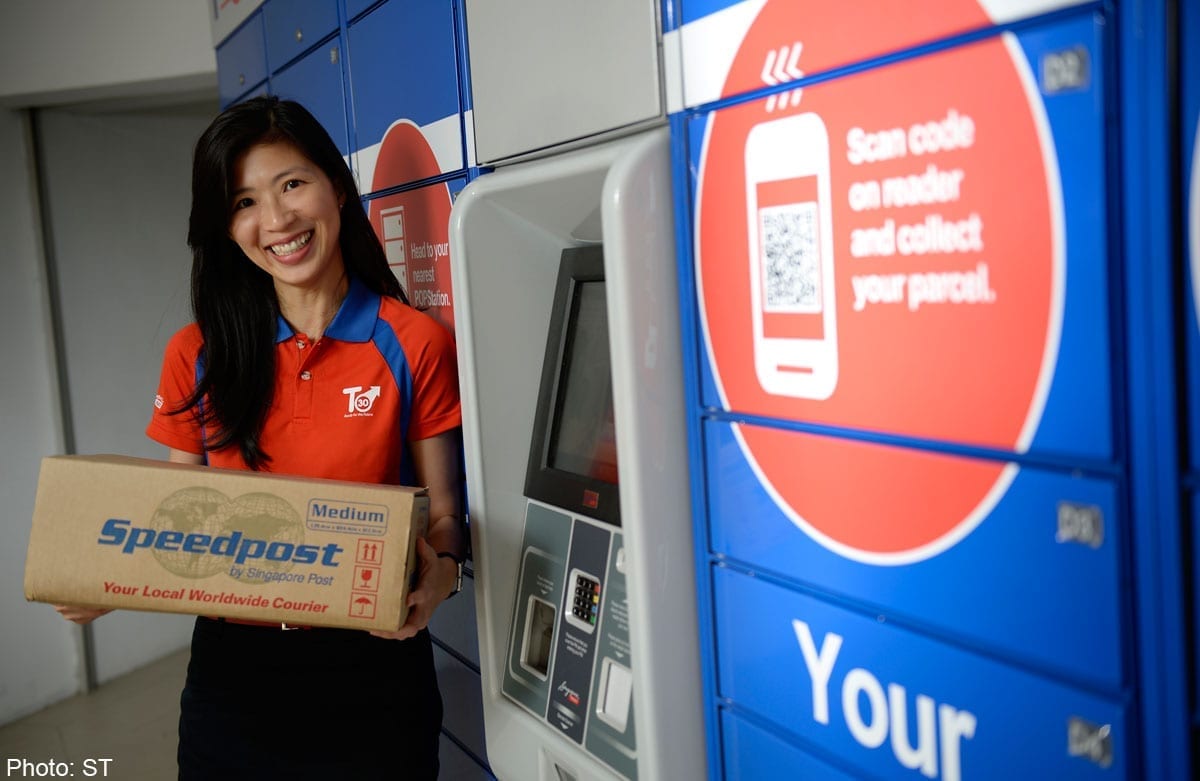
    Chinese eCommerce giant Alibaba Group has been given the go-ahead by Singapore’s stock exchange (SGX) to raise its stake in Singapore Post (SingPost).

    Alibaba Investment, a subsidiary of Alibaba Group Holding, has received in-principle approval from the bourse for the listing and quotation of about 107.6 million new shares in SingPost, says the postal group said in a filing.

    This is subject to compliance with SGX listing requirements, and SingPost shareholder approval.
    Shareholders will be sent a circular with details of the proposed share issuance, and notice of a related extraordinary general meeting.

    The deal aims to be completed by the end of February.

    As Alibaba’s second SingPost investment, it will raise its stake from 10.2 to 14.4 per cent.

  • Toyota recalls 66,830 imported Lexus cars in China

    Toyota recalls 66,830 imported Lexus cars in China

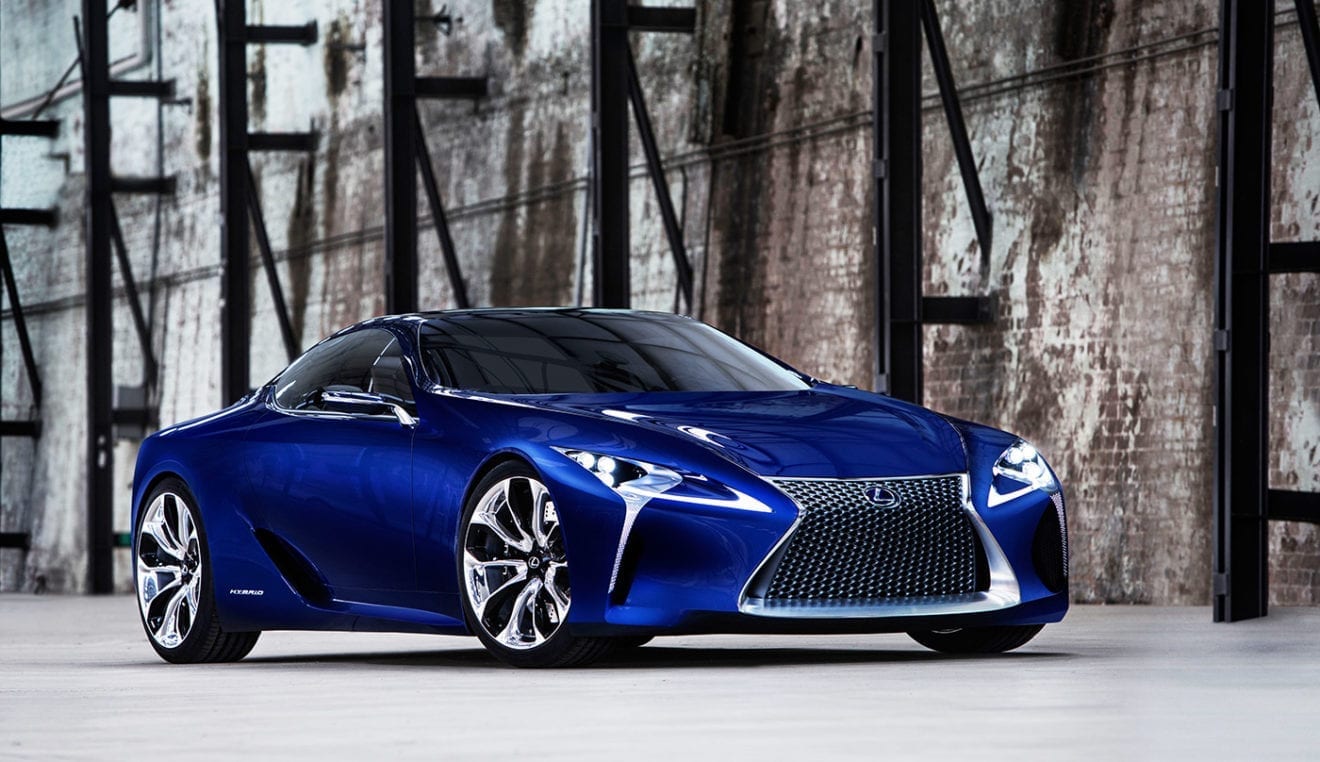
    The Chinese unit of Toyota Motor Corp will recall 66,830 imported Lexus brand vehicles in the country over potential safety issues, China’s quality watchdog said on Friday.

    Some Lexus models, made between June 2014 and December 2016, have problems with their braking software, China’s General Administration of Quality Supervision, Inspection and Quarantine said on its website.

    In October, Toyota issued a recall for about 5.8 million cars in Japan, Europe and China over potentially faulty airbag inflators made by Takata Corp. In June

    The notice urged consumers to immediately contact dealers for inspection and said current stock vehicles will be sold in the absence of defects.

  • Bally first step in India

    Bally first step in India

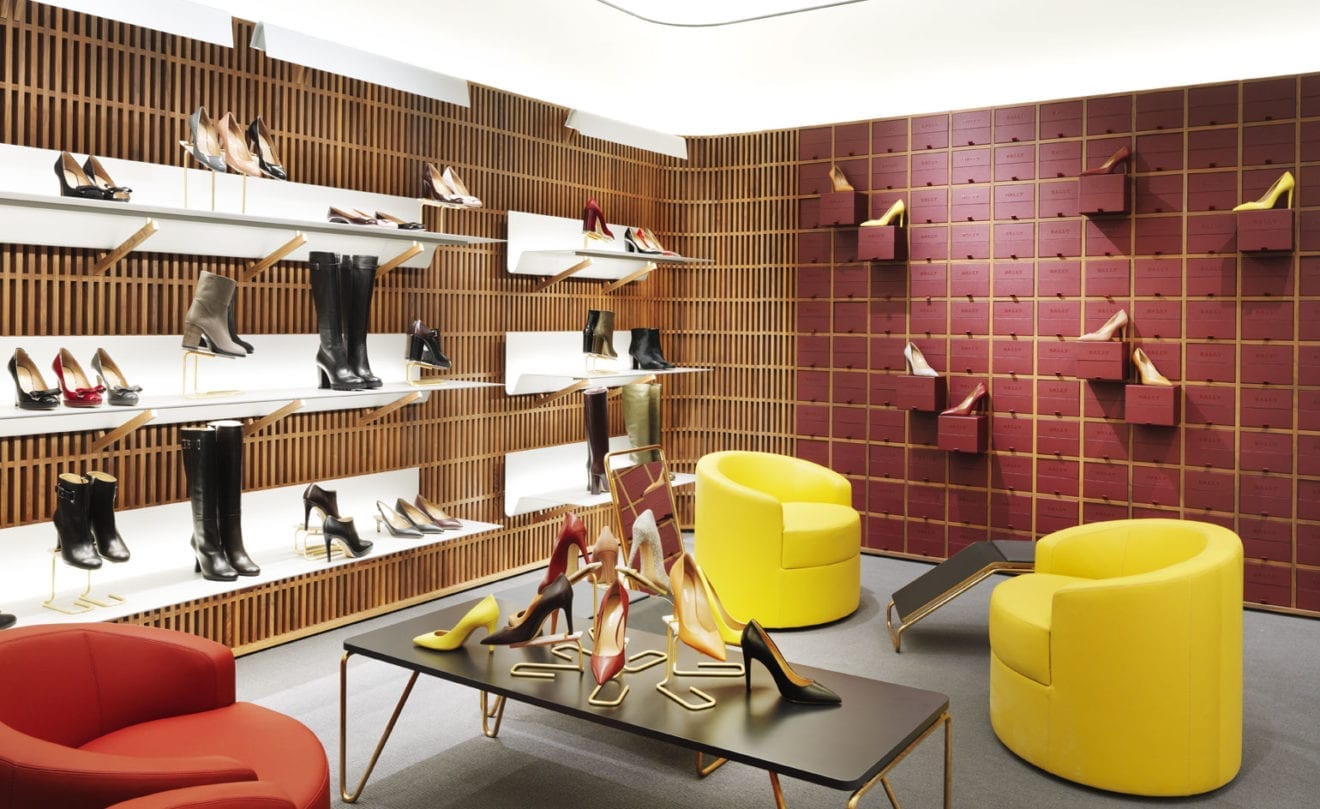
    Reliance Brands will launch Bally India after signing an exclusive distribution and marketing rights agreement with the Swiss luxury brand.

    Bally and Reliance plan to open a store in New Delhi next year and will look at further expansion afterwards in Chennai, Kolkata and Mumbai.

    “In collaboration with Reliance, we have identified a roadmap to develop the brand in proven retail locations,” says Bally CEO Frederic de Narp.

    Bally has embarked on a global expansion program, including the opening of two concept flagship stores in Tokyo’s Ginza and Los Angeles Rodeo Drive this year. Next year it will add two flagship stores – on New York’s Madison Avenue and in Beijing’s China World Mall.

  • How to grow for Luxury brands

    How to grow for Luxury brands

    Luxury brands need to use new technologies and offer experiences for their customers, the second Luxury Society keynote event in Shanghai has been told.

    UCO Cosmetics CEO Arthur Zhang told the event that the early-stage eCommerce model of simply providing a platform for selling products online is dead.

    He said key technologies being experimented and improved upon in China include augmented reality, virtual reality and live-streaming.

    “The millennial generation in China, which already numbers about 300 million people, seeks experiences and emotional connection – they are not just bystanders,” DLG China partner/MD Pablo Mauron told the audience of more than 150 luxury-industry brand executives. “As a result, live-streaming has become a medium for them to express themselves.”

    He told how brands such as Maybelline, Montblanc and Swarovski are taking advantage of these new opportunities.

    Underlining the key message of the event that eCommerce is changing, CEO Thibault Villet of luxury fashion eCommerce platform Mei.com told how a live-streamed show in collaboration with TMall resulted in 65 per cent of the products featured quickly selling out.

    Meaningful data

    Social customer-relationship management (CRM) makes highly targeted messaging and engagement possible, the event was told by Four Seasons Hotels Asia Pacific director of marketing communications John Hamilton. He said the luxury hotel chain has been gaining meaningful data about its customers, which in turn has driven growth. In the past year, through trial-and-error and optimisation, the group has defined a CRM-led content strategy on WeChat.

    Celebrity and key-opinion-leader partnerships can make a big impact in China, said East Entertainment commercial director Qing Dai, who spoke of her experience of partnering luxury brands with appropriate celebrities. One of Easy Entertainment’s most successful was in linking up Cartier with singer/actor Lu Han.

    Baidu GM for East China Wan (Grace) Zhang said Cartier was the most-searched luxury watch brand among the generation born between 1990 and 2000, linked to Cartier’s collaboration with Lu Han.

    Other speakers at the event included Four Seasons Hotel Pudong (Shanghai) GM Arthur Ho, writer Casey Hall of Women’s Wear Daily, Digital Luxury Group founder/CEO David Sadigh and MD for China Pablo Mauron, Baidu senior project manager Di Fu and Sephora China digital manager Vanessa Qian.

    Attendees included representatives of Alexandre de Paris, Baume & Mercier, Bottega Veneta, Bulgari, Cartier, Chanel, Chaumet, Conde Nast, De Beers, Dior, Hublot, Loewe, LVMH, Marc Jacobs, Massimo Dutti, Michael Kors, Montblanc, Nars, Net-a-Porter, Nike, Sephora, Shiseido, Swarovski, TAG Heuer, Tiffany & Co and Vacheron Constantin.

    Luxury Society, published by Digital Luxury Group, is an online destination for luxury-brand executives covering digital and technology matters and with more than 40,000 members across 150 countries.

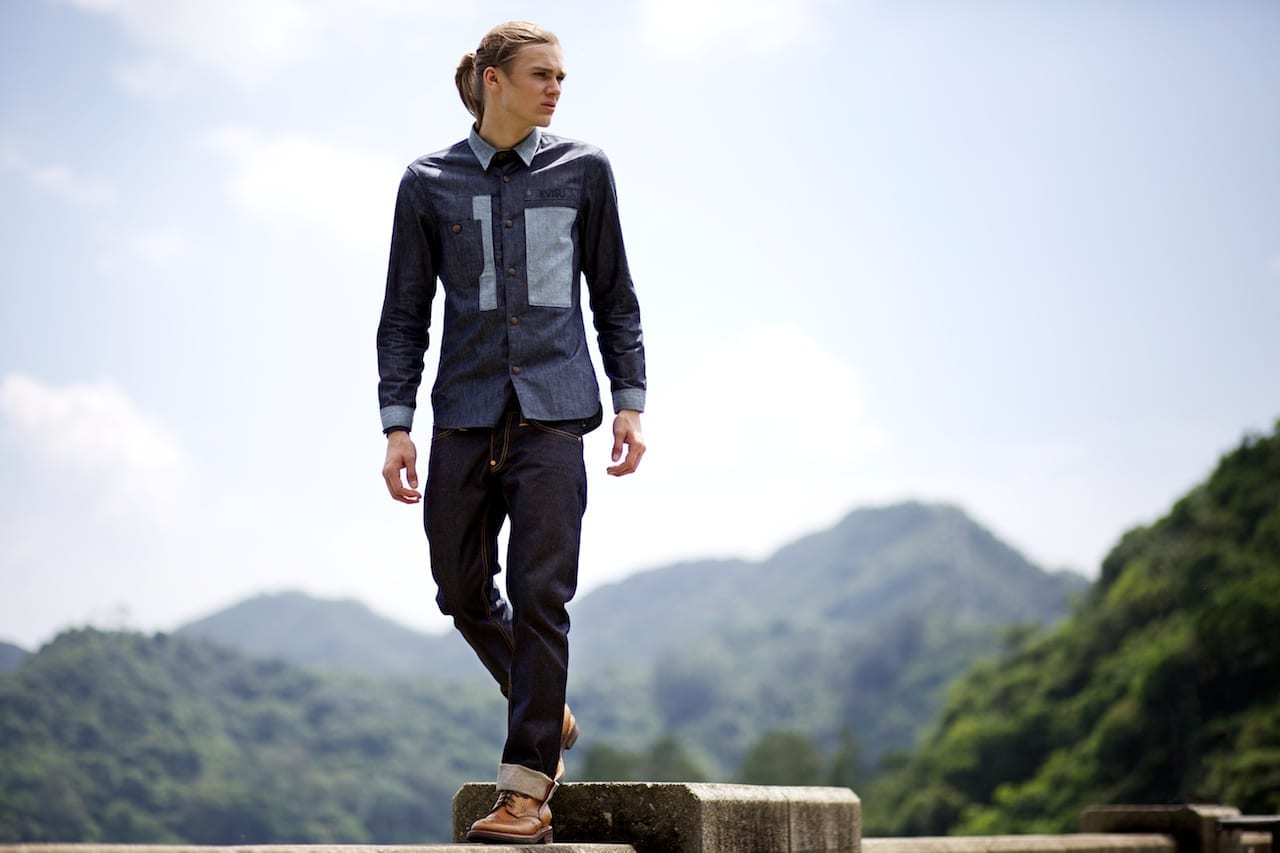
  • Japanese denim brand EVISU Buys Back the Retailing Rights in China for US$40 Million

    Japanese denim brand EVISU Buys Back the Retailing Rights in China for US$40 Million

    Japanese premium denim brand EVISU Group Limited announced the buy-back of the retailing and franchising rights for the China market.

    EVISU Group Limited, the parent company, has reinvested alongside Cassia Investments, a consumer-focused private equity fund, to buy back the interest from New Elegant Trading (Shanghai) Co. Ltd, the joint venture partner in China financially supported by IDG Capital. Acquisition consideration is US$40 Million. David Pun, Chairman and CEO of EVISU Group Limited, will remain the majority shareholder.

    David Pun expressed his excitement about this latest development, “The company made concerted efforts with its China joint venture partner over the past few years to establish brand awareness and secure a footing in China. We think this is an ideal time for the company to integrate its regional China business with headquarters to pursuit the brand’s global objectives in the coming years.”

    In the meantime, EVISU is seeking business expansion globally by forging distribution partnerships for the U.S. and Europe markets. The brand will step up product extensions like EVISUKURO, the latest athleisure collection, and maintain product exclusivity through focused management of wholesale distributors.

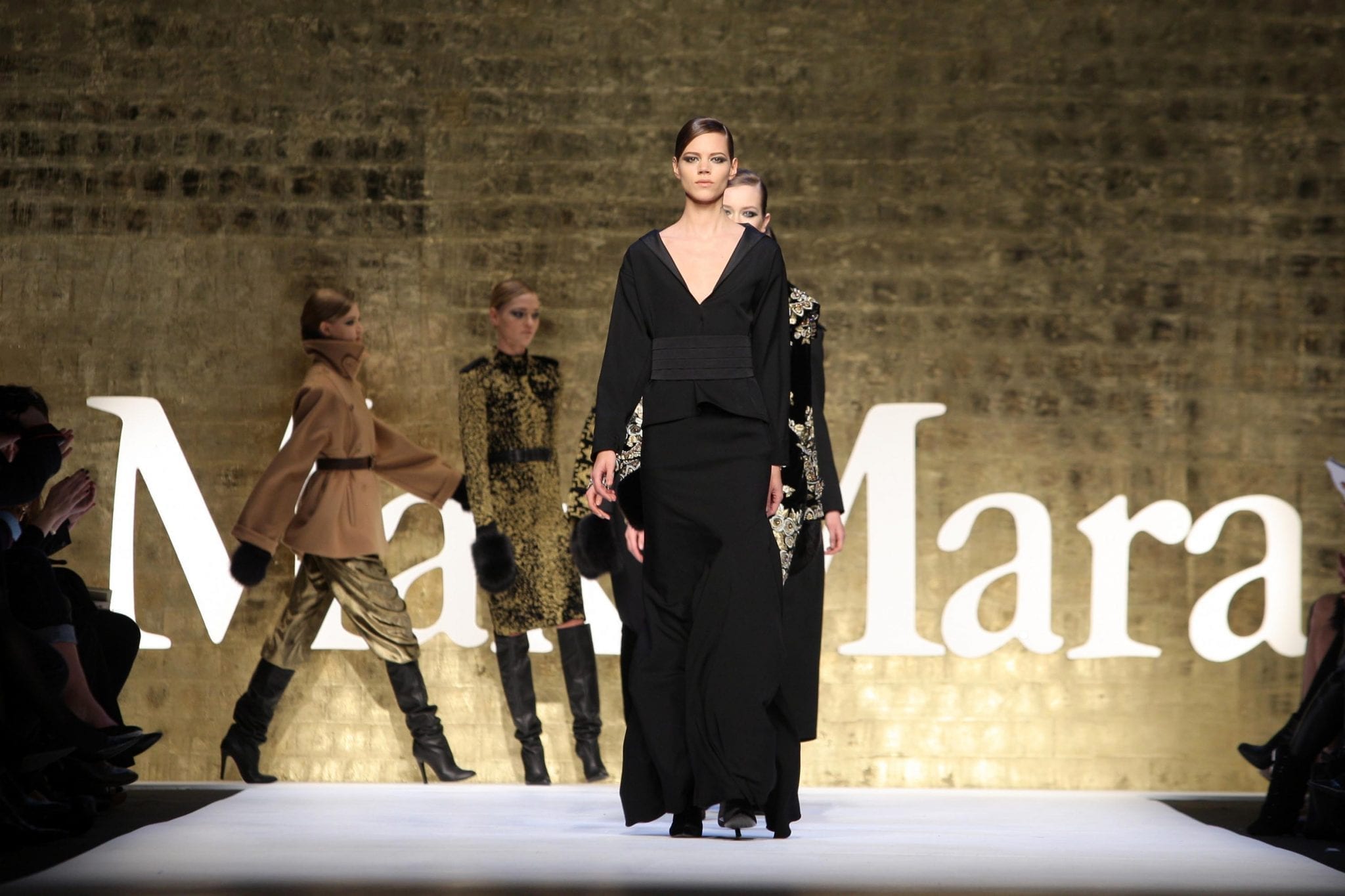
  • First runway show for Max Mara China

    First runway show for Max Mara China

    Luxury Italian fashion house Max Mara hosted its first runway show in Shanghai yesterday.

    It is presenting its pre-collection for fall 2017, as well as a capsule collection conceived in collaboration with Chinese artist Liu Wei, who also created the set for the runway show.

    With the capsule collection, the label is test driving its “see now, buy now” strategy. The collection comprises 11 pieces in upmarket fabrics, inspired by dense urban landscapes. The items will be available from tomorrow in a selection of Max Mara boutiques worldwide, including Paris, and on the label’s website.

    Max Mara opened its first store in China in 1993 and now has 414 boutiques there, including 35 in Shanghai.

    The Italian group has 19 apparel brands, led by Max Mara and Max Sport. It achieved sales of €1.38 billion (US$1.45 billion) last year, with 60 per cent coming from abroad. The company employs 5692 people and has 2668 locations in more than 100 countries.

  • YCH Group opens retail hub in Xiamen

    YCH Group opens retail hub in Xiamen


    The four-storey mall aims to cater to the burgeoning Chinese retail scene while strengthening the Xiamen’s status as one of China’s most popular tourist destinations.

    YCH Group — an integrated end-to-end supply chain management and logistics company in Asia Pacific — has launched its retail hub in Xiamen, China in an effort to support the Pilot Free Trade Zone project in the city.

    To be fully operational from today (15 December 2016), the four-storey facility aims to cater to the burgeoning Chinese retail scene. According to eMarketer’s latest findings, China has overtaken the U.S. to become the world’s largest retail market, with total sales of US$4.886 trillion this year.

    The retail hub will also play a key role to strengthen the status of Xiamen as one of the most popular tourist destinations in China. Xiamen Tourism Bureau revealed on 7 October 2015 that  Xiamen received 1.63 million tourists from home and abroad, and raked in 1.853 billion RMB in tourism revenue last year.

    “With the dynamic and growing retail sector in the country, we want to equip retailers with game-changing capabilities that help them simplify processes and optimise costs. This will enable them to remain competitive while simultaneously boosting trade and facilities investment for China with the Pilot Free Trade Zone,” said Koh Yong Seng, Operations Director of North Asia, YCH Group.

    The mall, which used to be Xiamen Port Development- YCH Logistics’ warehouse, is strategically located within the Pilot Free Trade Zone. It is in close proximity to both air and sea ports, as well as numerous famous hotels.

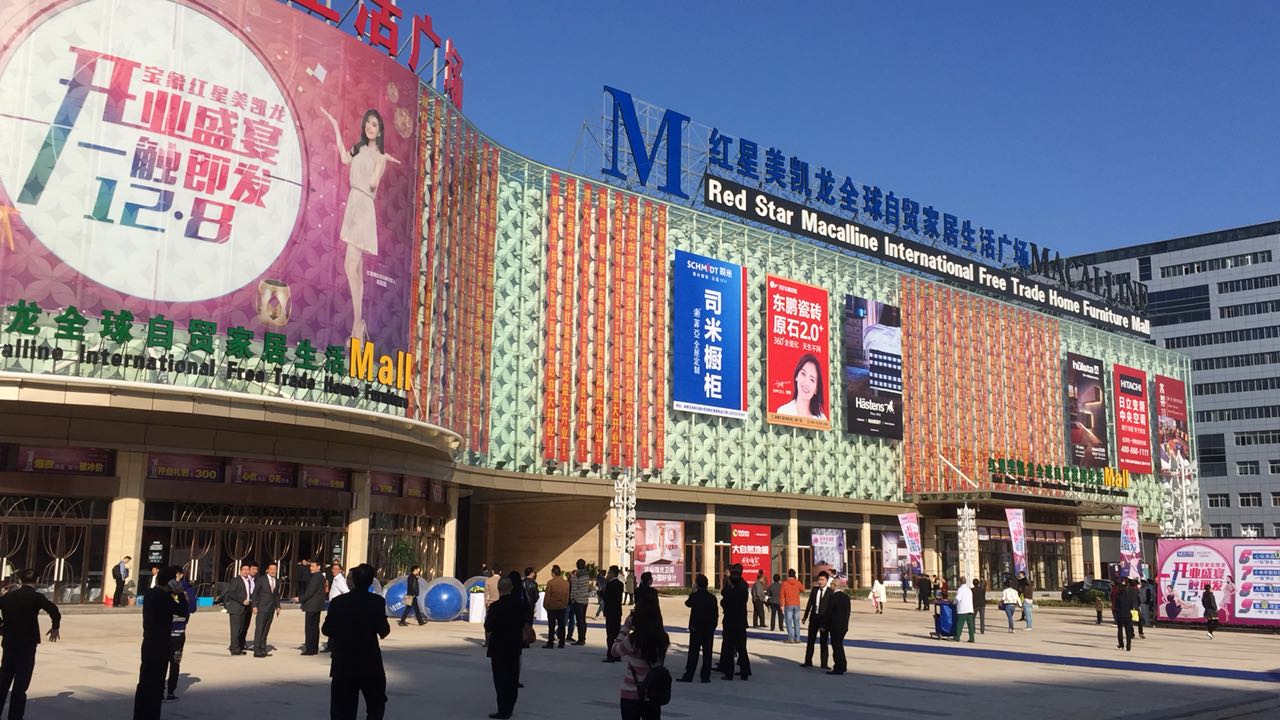
    Sam’s Club and Red Star Macalline will be the mall’s first two anchor tenants, occupying about 85 percent of the facility.

    Sam’s Club is a division of Wal-Mart, which offers an extensive inventory with exceptional value on famous-brand merchandise at “member only” prices for both business and personal use.

    Meanwhile, Red Star Macalline targets the rapidly growing middle class in China through the operation of malls that offer home improvement and furniture materials, including flooring, bathroom and kitchen fixtures, with approximately 18,000 well-known brands.