Tag: China

  • Chinese E-commerce Giant Suning Makes Debut Appearance at CES

    Chinese E-commerce Giant Suning Makes Debut Appearance at CES

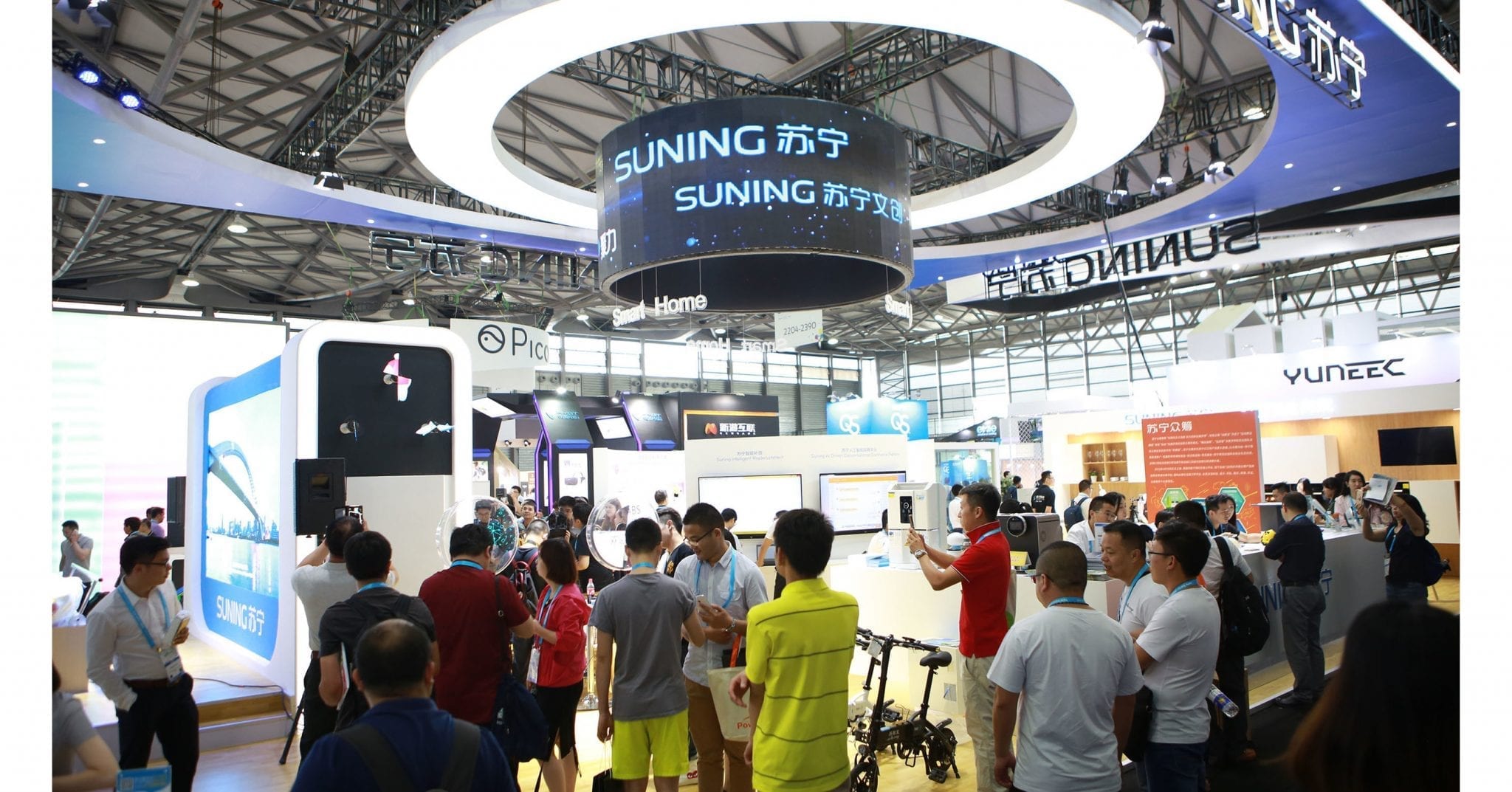
    Suning Commerce (Suning), one of China’s largest e-commerce retailers, is present for the first time when the International Consumer Electronics Show (CES), the world’s largest annual consumer technology tradeshow, throws open its doors in Las Vegas on the morning of January 5, local time.

    In line with the avalanche of “smart retail” and “smart home” products that are sweeping into the marketplace, this year’s CES highlights the technologies that have made the advent of the smart era possible and the conveniences that these newest technologies create for users. Suning showcases zc.suning.com, IT smart home products and other novel solutions in its exhibition zone. An app created by Suning enables interconnection between the Hisense intelligent air purifier, the UCON intelligent remote controller, the Blomberg intelligent refrigerator, the Whirlpool intelligent air conditioner and PPTV televisions. Joshua Xiang, executive vice president of IT at Suning Commerce and the top executive from Suning in attendance at the show, said that the firm is in the process of creating a smart home ecosystem for users by leveraging its online retail platform and bringing together brands.

    CES, the world’s largest and most influential consumer electronics tradeshow, attracts many of world’s top companies who attend annually. As a pioneer in China’s home appliance 3C retail sector, Suning, in collaboration with several of China’s home appliance manufacturers, hosts the “China Innovation” summit forum.

    The company also teams up with AVC and CHEARI to present awards to the many excellent companies and products that have contributed to the “China Innovation” transformation of the country’s economy, as the economic giant exits its earlier “Made in China” role and executes on the “Made in China 2025” initiative. Suning attends CES for the first time, with the aim of not only showcasing its “China Innovation” line of products and solutions, but also providing a model for other Chinese brands who are preparing to enter global markets.

    China Information Technology Industry Federation executive secretary-general Gao Sumei said that several Chinese manufacturers attend the tradeshow where they introduce innovative Chinese consumer electronic products to the world, giving retailers and consumers worldwide an opportunity to learn more about products created in China and paving the way for other excellent Chinese home appliance manufacturers to take their rightful place on the international stage.
     

  • Tax changes lower Mainland cosmetics prices

    Tax changes lower Mainland cosmetics prices

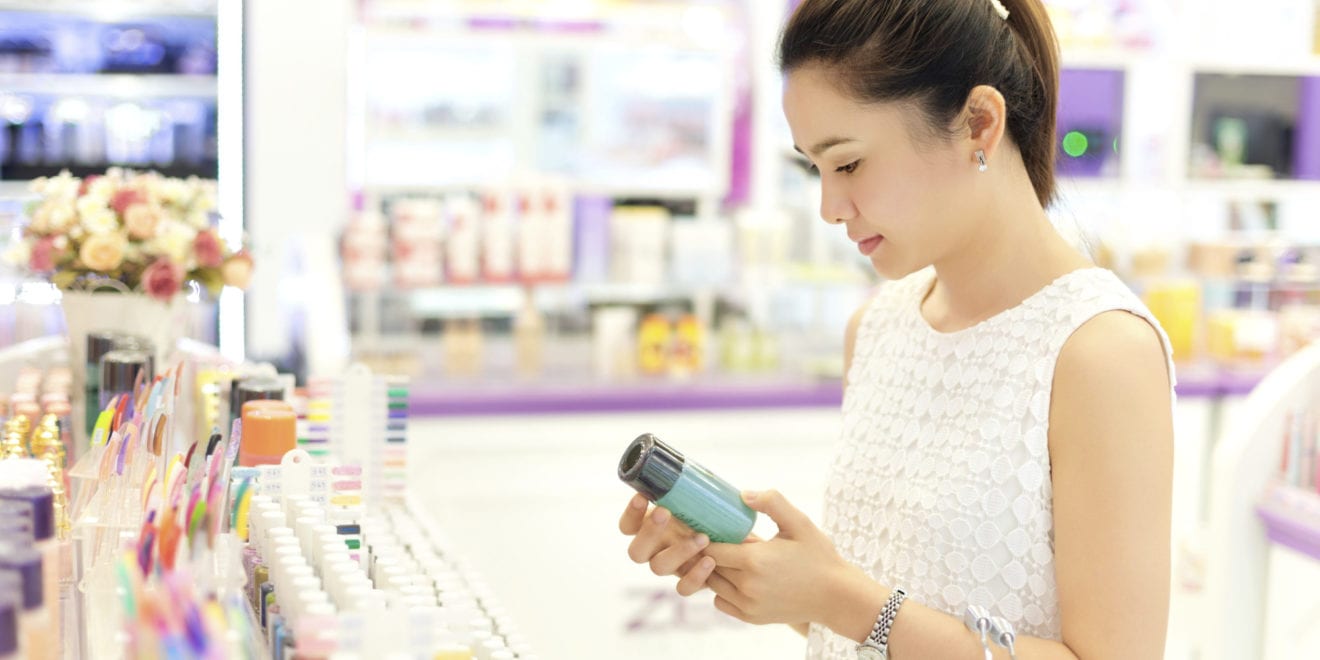
    China’s new import tax regime has enabled cosmetics giants AmorePacific and Estee Lauder to lower their prices in China by up to 30 per cent.

    AmorePacific’s China division says it will reduce Mainland cosmetics prices for 327 lines under the brands of Etude House, Innisfree, Laneige and Sulwhasoo by 3 to 30 per cent from January 15.

    US rival Estee Lauder has confirmed immediate price cuts for more than 300 lines in China, including its namesake label, Bobby Brown, Clinique, Jo Malone, and Mac by as much as 18 per cent.

    This follows Beijing’s move last year to slash its hefty duties on imported cosmetics in an effort to boost domestic consumption, according to AmorePacific, which has its headquarters in Seoul.

    “These global cosmetics names are now narrowing the price gap between China and overseas, and we believe more are probably about to follow suit,” says China Market Research Group director Ben Cavender, noting that with western brands becoming cheaper in the mainland, people may be discouraged from travelling to Hong Kong to make purchases.

    Imported cosmetics previously faced tariffs of 84 per cent, reflecting both import and point-of-sales taxes. The tariffs have now gone down to 29 per cent for most beauty products.
    Before the tariff reduction, many mainland consumers shopped via cross-border online marketplaces or while travelling abroad.

  • Beijing flagship for Delvaux China

    Beijing flagship for Delvaux China

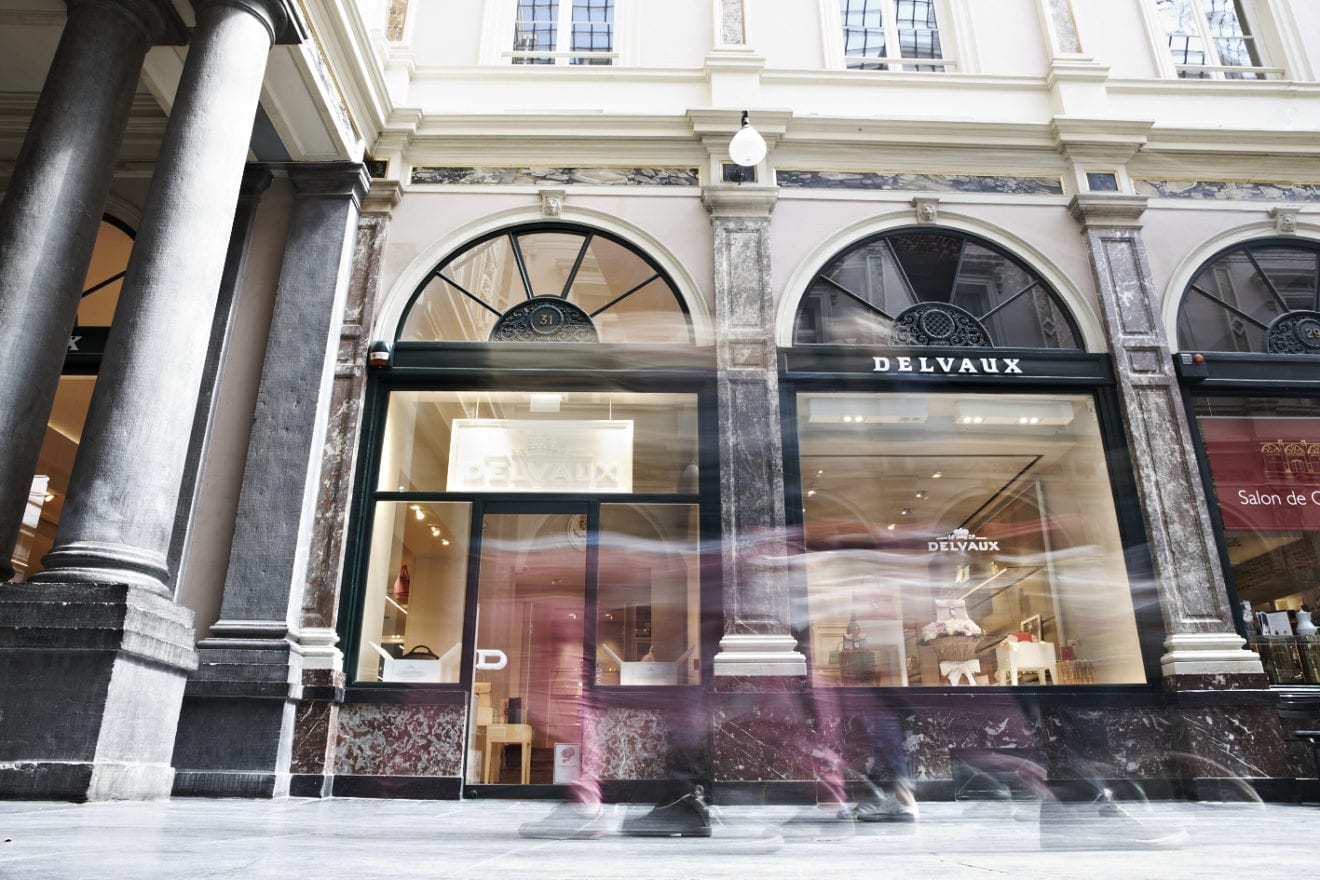
    Belgian handbag brand Delvaux China has opened a flagship store, in Taikoo Li shopping centre in Beijing’s Sanlitun district.

    Delvaux also has boutiques in Galeries Lafayette and the Yintai Center in the Chinese capital.

    Founded in 1829, the brand opened its first boutique in Hong Kong in 2014 after being acquired by Hong Kong investment group Fung Brands in 2011. It opened its first boutique in Hong Kong in 2014, followed the same year by its first Shanghai store, and a year later in Hangzhou and Beijing.

    delvaux-sanlitun-beijing-1

    When it broke into the China market, Delvaux CEO Marco Probst did not expect younger women to buy the bags.

    “Our Chinese clients were a big learning curve for us in the beginning,” he says. “We learned pretty quickly that you can have a 20-year-old girl buying a bag for $20,000, so the customer profile pretty much changed, putting the average age down to 25 to 30. Chinese clients are completely open and they learn so quickly.”

    delvaux-sanlitun-beijing-2

    Two floors

    Covering two floors, the boutique features an upstairs showroom with white walls and shelving plus white couches. For the launch, the showroom features red-leather bags to celebrate Chinese New Year.

    Probst says Delvaux hardly uses advertising campaigns, but gained a boost in interest when Korean actress Gianna Jun of the TV soap My Love from The Star was photographed carrying one of Delvaux’s Tempete bags.

    delvaux-sanlitun-beijing-3

    He says building up brand awareness in China has been achieved through “a slow, organic process” that relies mainly on word of mouth plus service that gives a feeling of exclusivity.

    Delvaux may close its Galeries Lafayette store and open one more in Shanghai and Chengdu for a total of six locations, then “that’s it”, says Probst, who is being careful about over-distributing the brand.

    Meanwhile, the new flagship features mainly classic pieces, as well as the new mostly gold end-of-year Poussiere d’Etoiles collection. Also available is a new sporty style bag, a nod to the athleisure trend in China.

  • Uniqlo China launches click and collect

    Uniqlo China launches click and collect

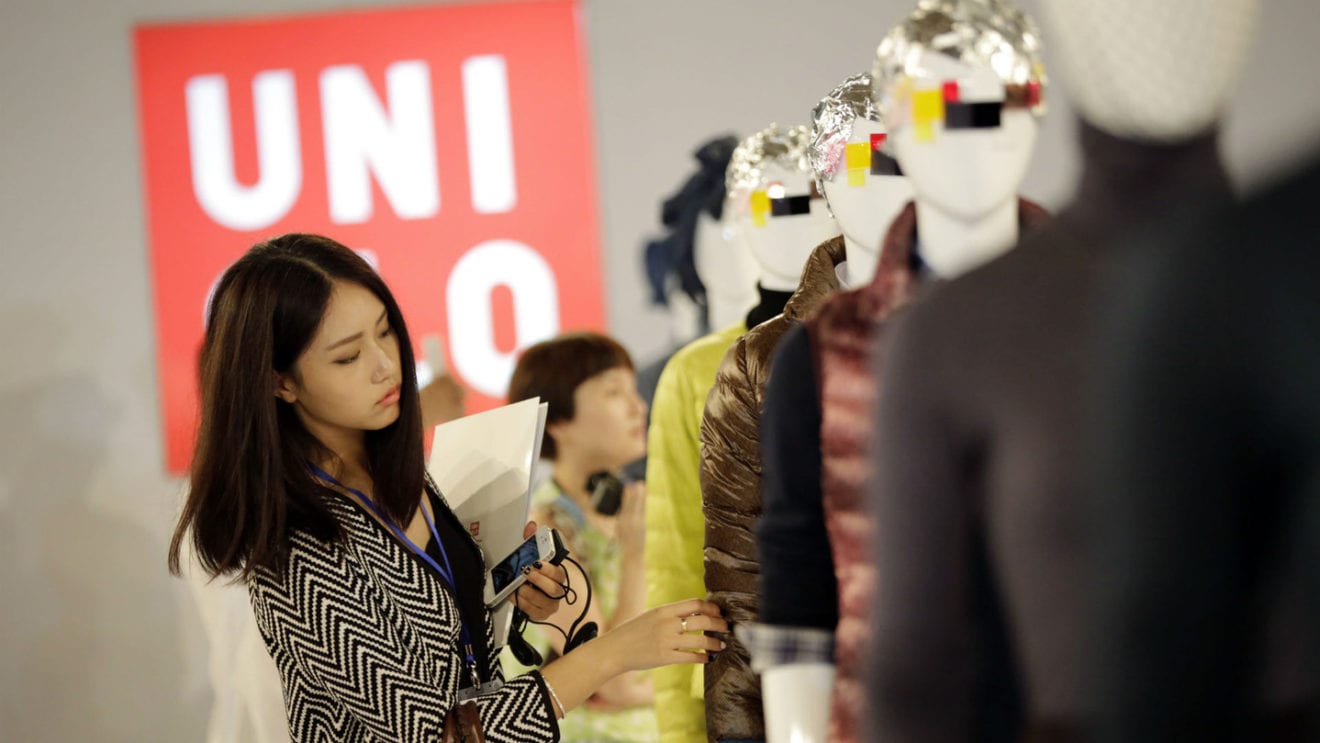
    Fast Retailing’s Uniqlo China casual-clothing chain has launched its click-and-collect service so online customers can pick up their orders at a store.

    Already working in the UK and the US, the service lets shoppers nominate a store where they want to pick up their orders. It also helps the Japanese chain boost traffic in its stores, and will probably be rolled out in other countries.

    Initially, online items can be picked up at any one of about 400 of Uniqlo’s 500 stores in China. Customers can also choose to have their orders home delivered.

    With delayed deliveries a problem in China, Uniqlo says it sees a lot of promise in the new service.

    Its sales in China, including Hong Kong and Taiwan, reached ¥332.8 billion (US$48 billion) for the fiscal year ended August last year, up 9.3 per cent from the previous 12 months.

    Uniqlo opens about 100 new stores a year in China, and at home in Japan last year began allowing online customers to pick up orders at 7-Eleven convenience stores.

  • Fatburger China plans big Beijing presence

    Fatburger China plans big Beijing presence

    Under a franchise deal, California chain Fatburger is about to establish a presence in Beijing.

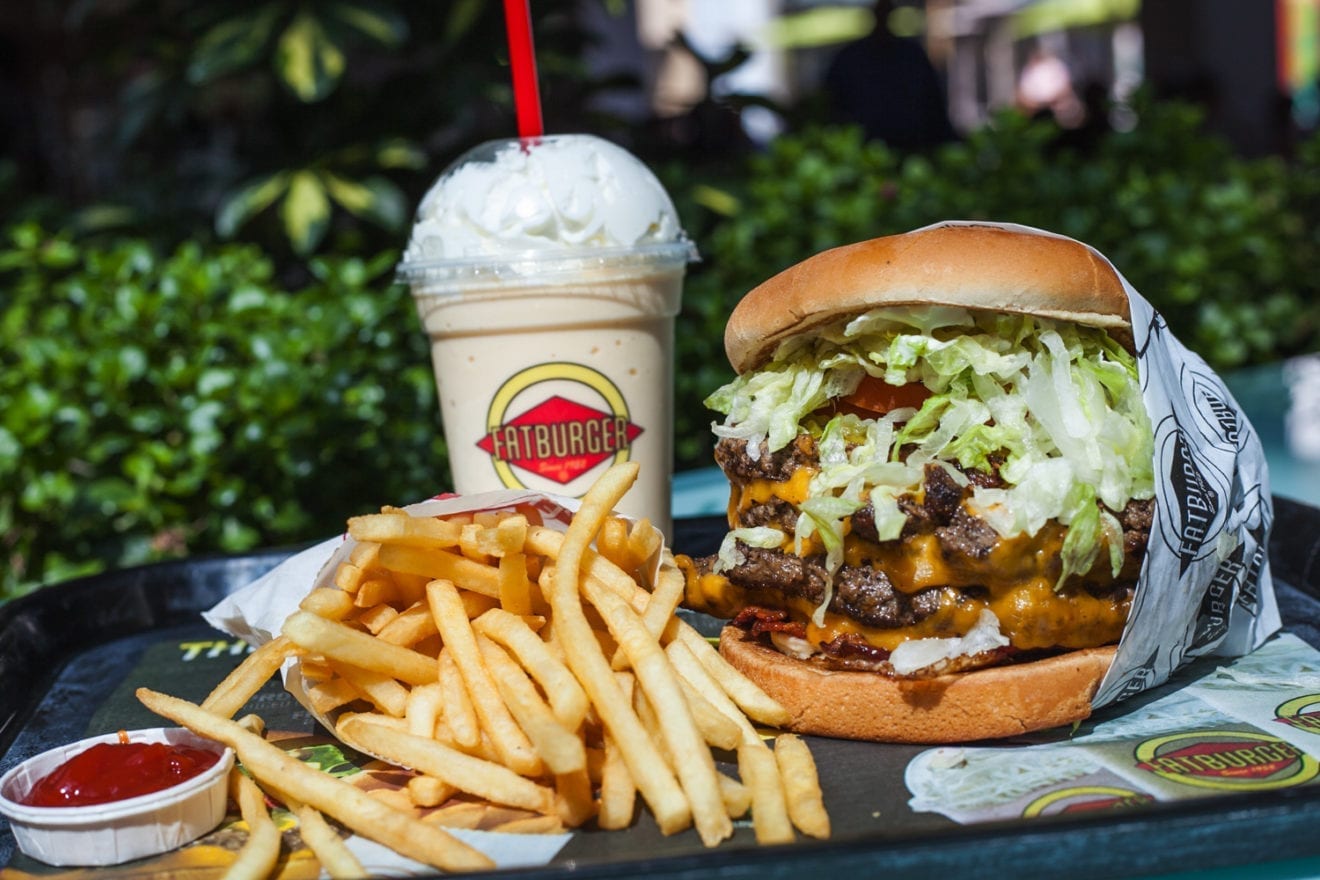
    Known for its made-to-order burgers, shakes and fries, the brand has signed a franchise development contract with Beijing Haisiyamei Restaurant Management, which has committed to build more than 15 Fatburger China restaurants in Beijing.

    This follows the launch of the burger brand in Shanghai, at Sinan Mansions in Huangpu, about to be followed by outlets at BFC and Shanghai Tower.

    In the capital city, the first Fatburger China outlet will be at the Grand Summit Beijing, to be followed by another at Gemdale Plaza Beijing

    Fatburger is aiming to take its all-American dining experience to new territories worldwide, and has opened in 32 countries. It has just launched in the Philippines and has agreements in place for a further 350-plus locations internationally.

    “Sharing core values with key partners is crucial to the growth of the Fatburger brand throughout the world, and we are certain Beijing Haisiyamei Restaurant Management will successfully introduce our menu to new fans,” says Fatburger CEO Andy Wiederhorn.

    Fatburger is a fast-casual restaurant serving burgers crafted specifically for each customer. It started its foray in Asia with its parent, Fog Cutter Capital Group, signing a deal with Puji Capital in Shanghai with the aim of expanding across China, Taiwan and Singapore.

  • Sino Grandness to sell through WeChat Food

    Sino Grandness to sell through WeChat Food

    Sino Grandness Food Industry Group’s full range of own-branded products will be sold online through Wechat Food.

    A mobile platform has been developed by Wechat Food, and under the agreement products such as Garden Fresh beverages, Grandness canned food and Hao Tian Yuan snack food will be available.

    Sino Grandness chairman/CEO Huang Yupeng says the collaboration with Wechat Food is in line with government initiatives to promote the new economy with online and offline business models working together “to achieve synergies in cost savings and to generate greater turnover.”

    He says that although Sino Grandness still generates its revenue predominantly through offline transactions, he is aware of the rapid growth of retail eCommerce sales in China.

    “We are positioning for this new trend through working with partners with established platforms such as Wechat Food to connect the supply chain from the farms to the retail points.”

  • Baidu joins OpenDaylight Project

    Baidu joins OpenDaylight Project

    The OpenDaylight Project, the open source platform for programmable, software-defined networks (SDN), said Chinese search engine Baidu has joined the project at the Silver level.

    This follows a recent announcement by Baidu to open source one of its key machine learning tools, PaddlePaddle, and demonstrates the company’s continued commitment to open source.

    Growing mobile markets in China over the past several years have connected more people to the internet and opened up tremendous opportunities and venues for new business platforms and channel strategies in the region.

    Baidu is advancing artificial intelligence as the next stage of the internet and is using deep learning to enable new technologies for autonomous driving and e-health services.

    The OpenDaylight platform will enable Baidu to optimize and automate their network.

    Liu Ning, system department deputy director at Baidu said SDN platform will enable the company to be a more nimble organization and rapidly deliver new services that meet the changing needs and diverse interests of our users and customers.

    Liu also joins the OpenDaylight advisory group to provide technical and strategic guidance to the OpenDaylight technical steering committee and OpenDaylight developer community based on the challenges of running a real-world network.

    In addition to Baidu, Chinese two major internet players – Alibaba and Tecent- have also joined the OpenDaylight project.

  • Finavia and Helsinki accept China-friendly AliPay App

    Finavia and Helsinki accept China-friendly AliPay App

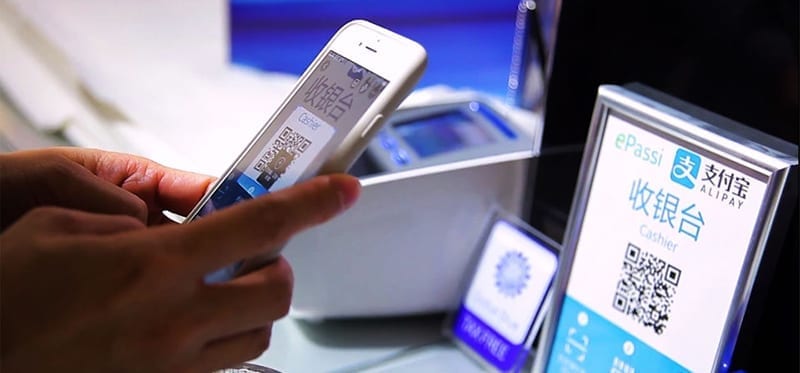
    Finavia’s Helsinki Airport has become one of Europe’s first to use the Chinese-friendly AliPay mobile payment application in an effort to encourage more spending at the location.

    The familiar payment method is expected to encourage more Chinese passengers to spend with increasing confidence at the location, following the adoption of the scheme by the airport’s first retailers last month.

    Commenting on the development, Finavia stated: “Chinese passengers are the most rapidly growing customer group at Helsinki Airport and the group that use the most money. We work hard to offer them the best possible service experience.

    SEVEN SERVICE PROVIDERS NOW OFFER ALIPAY AT HELSINKI

    “Familiar and easy payment options increase the feeling of smooth and safe travel for Chinese passengers,” says Finavia’s Elena Stenholm, Director of Commercial Services at Helsinki Airport.

    “As far as we know, the only other airports accepting AliPay are Münich and Frankfurt. Seven commercial service points have now adopted it at Helsinki Airport and many others are interested. China UnionPay is already available at most airport outlets, adds Stenholm.

    Right now, AliPay can now be used to pay for goods and services at the airport’s Iittala, M-Box, Finspiration, Lindroos and Moomin shop outlets and Finavia says it hopes to have all of the airport’s commercial operators accepting AliPay.

    FINAVIA SAYS ALIPAY HAS BEEN RECEIVED ‘VERY WELL’

    “We work in close cooperation with our commercial partners to develop the customer experience. AliPay has been received very well, and we encourage businesses to enable it. If the biggest commercial operators at the airport come along, the amount of outlets accepting AliPay will increase tenfold at once, says Stenholm.

    As reported before, AliPay is a part of world’s largest online trading company Alibaba. AliPay is China’s leading mobile payment giant which has approximately 400m users according to its own website.

    This development at Helsinki follows the fast rise of Chinese passenger numbers in recent years, with numbers expected to continue increasing for both transfers and overnight stays in Finland.

    In Finland, Lapland is a particular attraction for Chinese tourists. Alibaba’s travel service provider AliTrip has announced that it will bring 50,000 Chinese tourists to Rovaniemi during 2017.

    A SUCCESSFUL STAFF EXCHANGE PROGRAMME


    Finavia has responded by bringing Chinese-speaking service guides to Helsinki Airport and by adding signs in Chinese.

    In autumn 2016, the staff exchange programme between Finavia and Beijing Airport helped increase knowledge of the Chinese service culture and the needs of Chinese travellers.

    Helsinki Airport also has an account with Chinese social media channel Weibo and an account will also be opened with this company in 2017. Weibo has approximately 300m and WeChat more than 800m active monthly users.

    Meanwhile, Helsinki Airport currently claims to be the leading hub for air traffic between Europe and Asia and claims to offer the fastest and shortest route between the continents.

  • Starbucks launches first single-origin Yunnan coffee in China

    Starbucks launches first single-origin Yunnan coffee in China

    Starbucks today launched its first Starbucks Single-origin Yunnan coffee to usher in the New Year in China. Available for a limited time across all Starbucks retail locations in Mainland China, the new Starbucks Single-origin Yunnan coffee pays tribute to four years of close collaboration between the Starbucks China Farmer Support Center and local coffee farmers in Pu’er, Yunnan Province. The introduction of the Starbucks Single-origin Yunnan coffee, which features 100 percent arabica coffee from the region, signifies an important step forward to completing the Starbucks China supply-chain, delivering premium coffee from bean to cup.

    “The Starbucks Yunnan Coffee Project is about creating a positive impact on the local coffee farming communities and we are thrilled to bring this vision to life with the launch of the Starbucks Single-origin Yunnan coffee, especially at the beginning of the New Year,” said Belinda Wong, ceo, Starbucks China. “We will continue to build on the strong foundations established by the Starbucks China Farmer Support Center to deepen our partnership with local farmers and to develop even more localized, high-quality coffee that can be celebrated and enjoyed in Starbucks stores across China and globally.”

    Located at the same latitude as other renowned coffee-producing regions, such as Colombia and Jamaica, Pu’er is the coffee capital of China. The distinctive packaging of the Starbucks Single-origin Yunnan coffee is inspired by its sub-tropical landscape, which is home to soaring mountains, running creeks, and vibrant coffee and tea plantations.

    “Over the past few years, we have been extremely humbled by how the local Pu’er coffee farming community has embraced us as part of their extended family,” said Alan Tong, director, Starbucks Farmer Support Center. “The Starbucks® Single-origin Yunnan coffee is the fruits of labour for many local farmers and I am very excited that we are able to share them with our customers in China. This medium-roasted coffee is rich, multidimensional and consistently captures the unique flavors of Yunnan in a Starbucks cup – herbal notes, balanced acidity, and a smooth and elegant mouthfeel.”

    Yunnan plays an important strategic role in Starbucks growth in China. In 2012, Starbucks established its first Asia-based Starbucks Farmer Support Center in Pu’er with the aspiration to help improve the quality of Yunnan coffee and to share it with the world. Over the past four years, the Starbucks Farmer Support Center has trained nearly 10,000 farmers in Yunnan province on sustainable farming practices. It has also certified over 1,200 farms, covering nearly 11,000 hectares of land, through the company’s Coffee and Farmer Equity (C.A.F.E.) Practices, which ensures high-quality coffee that is grown in a socially and environmentally responsible manner. In the 12 months between 2015 and 2016 alone, the Starbucks Farmer Support Center has certified 576 farms.

    Starbucks has a long history of collaboration with Yunnan coffee farmers. In early 2009, as part of the Starbucks 10th Anniversary celebrations in China, the company launched the Starbucks South of the Clouds Blend, featuring high-quality Yunnan arabica coffee beans. With firm support from the local and provincial governments, the Starbucks South of the Clouds Blend is now available in Starbucks stores in numerous locations across Asia and the United States.

  • Tous Les Jours expansion plan in China

    Tous Les Jours expansion plan in China

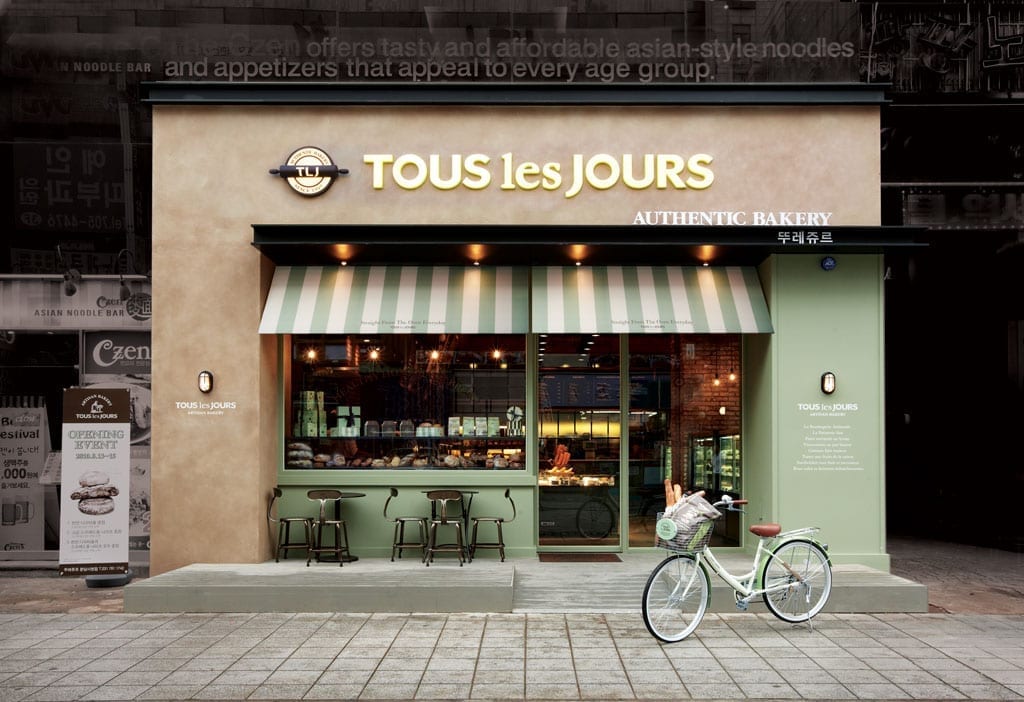
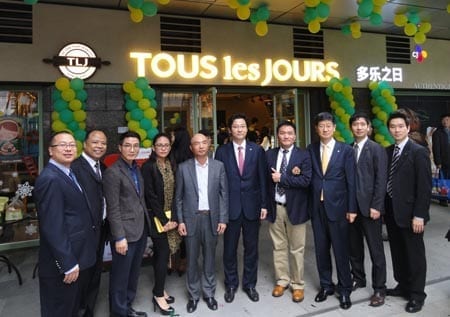
    Korean group CJ Foodville has opened two Tous Les Jours cafes in Chongqing with plans to expand further into China’s inland cities.

    CJ Foodville is running its Tous Les Jours business in China in the form of direct ownership and master franchise. It already has stores in Beijing, Chongqing, Guangzhou, Shanghai, Suzhou, Tianjin and Weihai. It has master franchise chains in 10 provinces plus stores under a master franchise contract in Xinjiang autonomous territory. At the end of December it had a total of 140 stores in China.

    A company official says the aim is to open more than 100 locations in China this year, and more than 1000 by 2020. “With the opening of the Chongqing location, we are set to move into the western part of China.”

  • Jumbo Group signs deal for Vietnam

    Jumbo Group signs deal for Vietnam

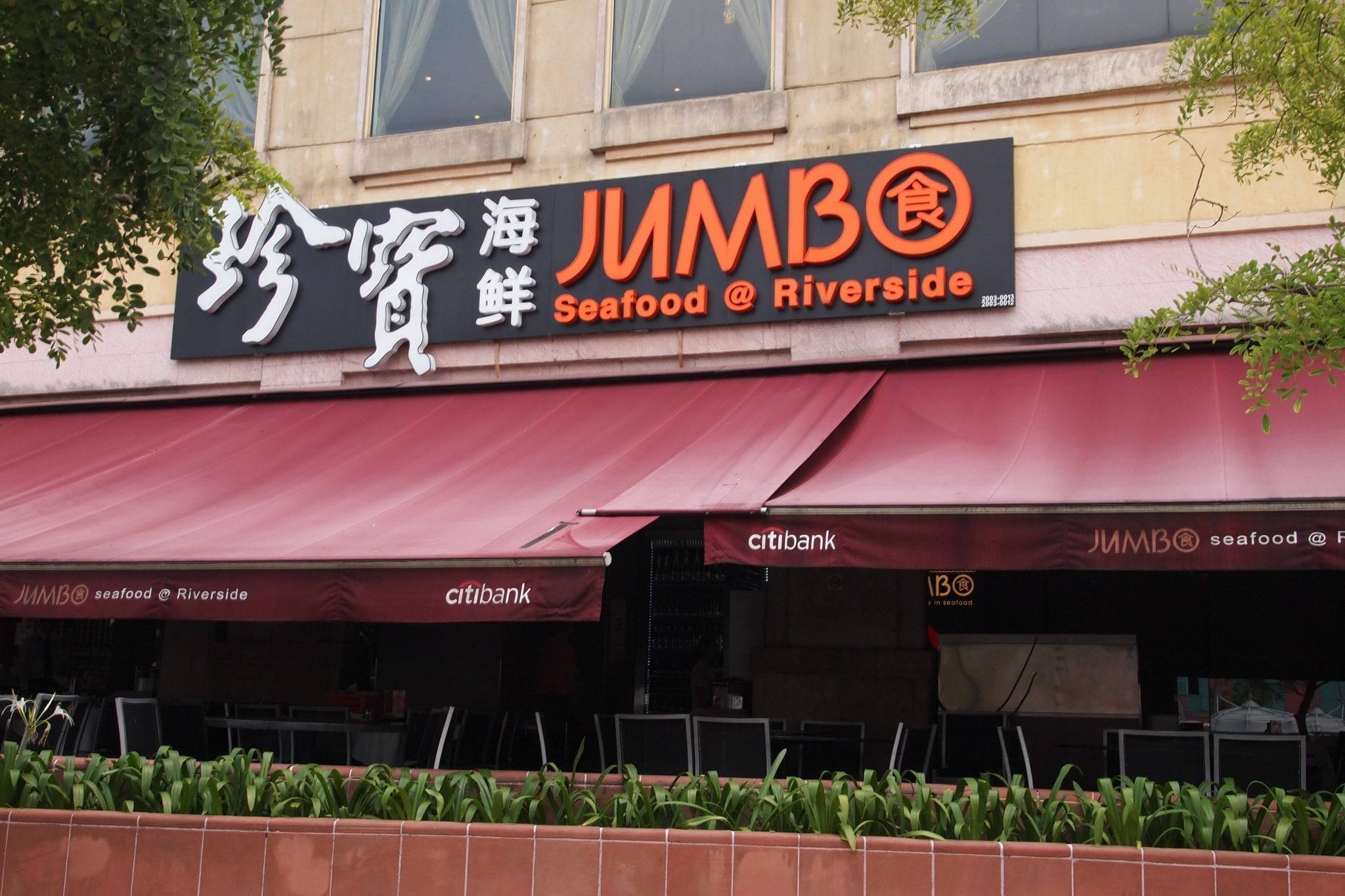
    Singapore seafood restaurant company Jumbo Group has signed a franchise agreement to introduce its brand in Vietnam.

    Known for its chili crab, the F&B chain has granted franchise rights to Vietnam’s Nova Bac Nam 79 Joint Stock Company for it to run Jumbo Seafood restaurants in Ho Chi Minh City and Da Nang.

    Vietnam’s first Jumbo Seafood outlet is expected to open in Ho Chi Minh City in about six months’ time.

    The agreement is for an initial term of 10 years, and it is expected that three Jumbo Seafood outlets will be opened within two years.

    Jumbo Group is a multi-concept dining and F&B group with a network spanning Singapore, China and Japan. It also provides catering services, and in Singapore sells packaged sauces and spice mixes. It has three outlets in Shanghai, with three more planned, and in November reported a full-year profit increase of 17.9 per cent.

  • Scavolini to look for new growth opportunities in China

    Scavolini to look for new growth opportunities in China

    Scavolini, a leading kitchen manufacturer, aims to continue to grow by double digits in China and is preparing to launch a new investment plan in the first half of 2017 as it seeks to turn its strongly-domestic brand into an international one.

    At a recent trade show, Chief Executive Fabiana Scavolini announced the company’s expansion plan with eight store openings to support the company’s international strategy.

    “We have interesting development plans in Africa and Asia, let alone Europe, where we will soon open a store in Madrid,” the CEO said.

    As part of the group’s international expansion, China represents a strategic market where Scavolini has been present for years and which “still offers huge opportunities (Federlegno expects design and furniture sales to increase 40% by 2019, Ed’s note), with a good distribution system and solid roots,” the top manager said.

    Scavolini opened its office in office in Shanghai in 2014 and is also present within the Diesel Living space.

    The 460-square meter Scavolini store in Changzhou, recently opened, is located inside the Red Star Macalline Furniture mall, at about one-hour train from Shanghai; it’s the only showroom in the mall visible from outside, thanks to its three big windows, and is Scavolini’s largest store in China. The Chengdu store is located in the city’s most important shopping center, along with 72 top international brands.

    By June 2017, the company will also open in Shenzhen, Hangzhou, Nanjing, Zhengzhou, Xiamen and Wuxi, for a total of 11 stores in China.

    China’s growth is part of Scavolini’s international retail expansion. Last month, it opened a new store in Boston, and a new opening is expected in New York, where the company already operates a showroom on West Broadway.

    “We have exported to the United States for more than 20 years,” the CEO said. “It’s a double-digit growth market and we are very happy with it, both when we work with final consumers or in the contract segment. We expect additional important growth in 2017,” the manager said.

    The “Scavolini Store” plan is part of a larger distribution strategy, with constant investments to grow the distribution network, especially abroad, where the group operates 300 stores, 150 of which in Europe, around 60 in Russia, 30 in North America, 20 in central and south America, another 20 in Asia and Oceania, for a total of over 1,300 stores worldwide.

    Scavolini, which employs 660, celebrated last year its 55th anniversary and reported revenues of €220 million, 20% of which originated abroad.

  • Taiwan’s NCC urges 2G users to upgrade by June

    Taiwan’s NCC urges 2G users to upgrade by June

    Taiwan’s National Communications Commission has launched a new awareness campaign urging the nation’s remaining 2G subscribers to migrate to 3G or 4G before the 2G licenses expire on June 30.

    The regulator has produced two TV commercials to spread awareness of the advantages of 4G and the necessity of migrating.

    As of November there were around 430,000 remaining 2G subscribers, with 290,000 of these being Chunghwa Telecom customers and the remainder divided between Taiwan Mobile and Far EastTone.

    While all Taiwan’s 2G licenses are set to expire on June 30, triggering the sunsetting of the technology, the regulator has decided to provide a six-month grace period after this date. This will allow any remaining 2G hold-outs to migrate to the newer standards before losing services.

    The three operators are meanwhile offering low-price options to entice 2G users to upgrade.

    Chunghwa Telecom, for example, is offering a special rate of NT$88 ($2.73) per month for customers upgrading from 2G to 4G, which includes 1.5GB of data, 30 minutes of intra-network calls and 5 minutes of cross-network calls.

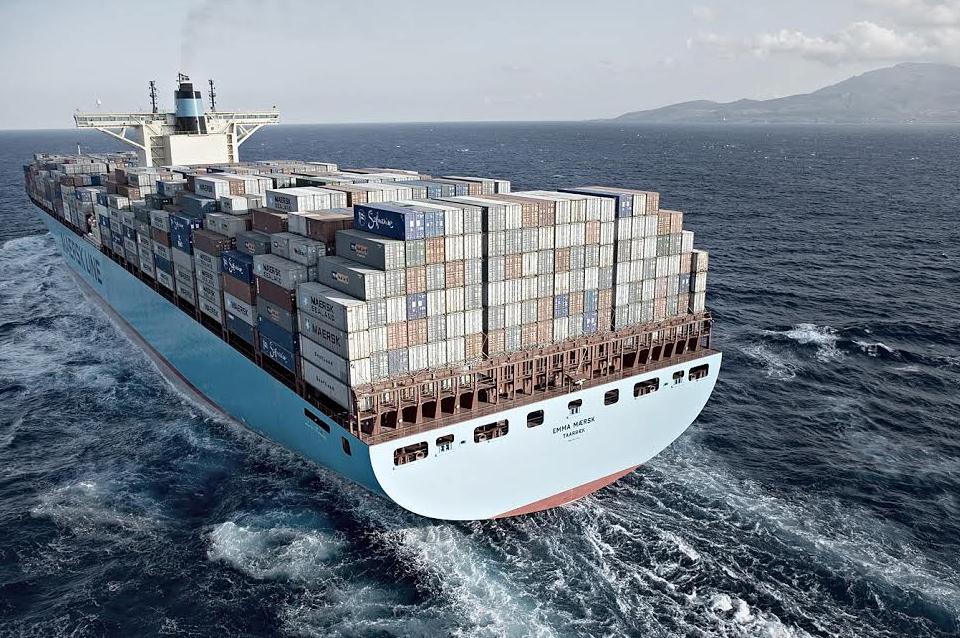
  • Maersk Line appoints new Greater China head

    Maersk Line appoints new Greater China head

    Maersk Line has announced that effective from 1 January 2017, Mike Fang will take up new responsibilities in Shanghai as Head of Maersk Line Greater China.

    Commenting on his new position, Mike Fang said: “I feel privileged that I can take on this new role. Greater China Cluster contributes around 30% of Maersk Line business globally, this is where we have to win in the market place. I’m keen to explore further the opportunities and growth spots with my colleagues and to ‘Make Greater China Cluster Greater’”.

    Robbert van Trooijen, Maersk Line Asia Pacific Region CEO said: “I’m delighted that Mike has decided to take over as the Head of Maersk Line Greater China. Mike has a track record of outstanding performance in many leadership roles in Maersk Line. I believe that his extensive experience, passion for serving our customers and deep insight of the local market will bring great value to our Greater China organization.”

    Mike Fang joined Maersk Line as a sales representative in 1994. In the past 22 years, he has held a succession of leadership positions in Maersk Line’s business in China including leading Maersk Line’s North China and East China organizations respectively from 2012 to 2015. Most recently, he is the Head of Sales in Maersk Line Greater China.

    Mike Fang was born in 1968. He graduated from Hua Zhong University of Science and Technology with a Master degree in System Engineering in 1992 and earned an Executive MBA from the China Europe International Business School (CEIBS) in 2004.

    Mike Fang will take over from Silvia Ding, who is moving to Copenhagen to take the position as Head of Trade Management in Maersk Line. “Moving to headquarter and stretching myself into a job that can make a multiplying impact on our business, customers and organization has always been in my long term career plan in Maersk,” says Silvia Ding, “I can pass the baton to Mike’s capable hands. Together with the rest of the leadership team, I’m sure the performance of Greater China Cluster will be raised to the next level, building on a strong foundation we together created in 2016.”

  • Huawei expects to report growth slowdown for 2016

    Huawei expects to report growth slowdown for 2016

    Huawei has revealed it expects to report a 32% revenue growth for 2016 to 520 billion yuan – a slowdown compared to the 35% growth recorded in 2015, but still a solid performance in a tight market.

    In a new year message, rotating CEO Eric Xu attributed the slower growth to the “flock of black swans – both political and economic” that swept across the globe during the year.

    This year is expected to bring even greater political and economic uncertainties and continued impact from the transformation of the ICT industry, he said. As a result, Huawei plans to take a series of measures to address the critical issues it could be facing.

    These measures will include business transformation and organizational restructuring efforts to position Huawei to better serve carrier customers.

    “Moving forward, we will work to enable carriers’ networks to support more connections; help them position video as a basic service and achieve business success; lead the transformation of their IT systems towards cloud architecture; and assist them in building digital operations that deliver a real-time, on-demand, all-online, do-it-yourself, and social (ROADS) user experience,” Xu said.

    “Where we stand now, Huawei must maintain a global view and adopt a wider perspective of the industry as we help carriers to transform and thrive with more revenue streams. This is a clear strategic decision for us in this new era.”

    The vendor will also strive for greater operational efficiency, develop a contingency plan to deal with financial crises and develop an oversight and accountability system for the company’s consumer business, among numerous other changes.

    “We are in an era of change, and change is opportunity. We must have strategic confidence and enhance our ability to adapt. Don’t cling to what has worked or what we’ve gained previously. Past success is not a reliable indicator of the future, and a long list of accomplishments might end up nothing more than an epitaph,” Xu concluded.

    “Moving forward, we need to hone our skills, step up to the plate, and aim for the stars. As long as we remain practical and stay focused, we will definitely be able to seize the opportunities before us and become an enabler of the intelligent world.”