Tag: China

  • Chinese vendors dominate local smartphone market

    Chinese vendors dominate local smartphone market

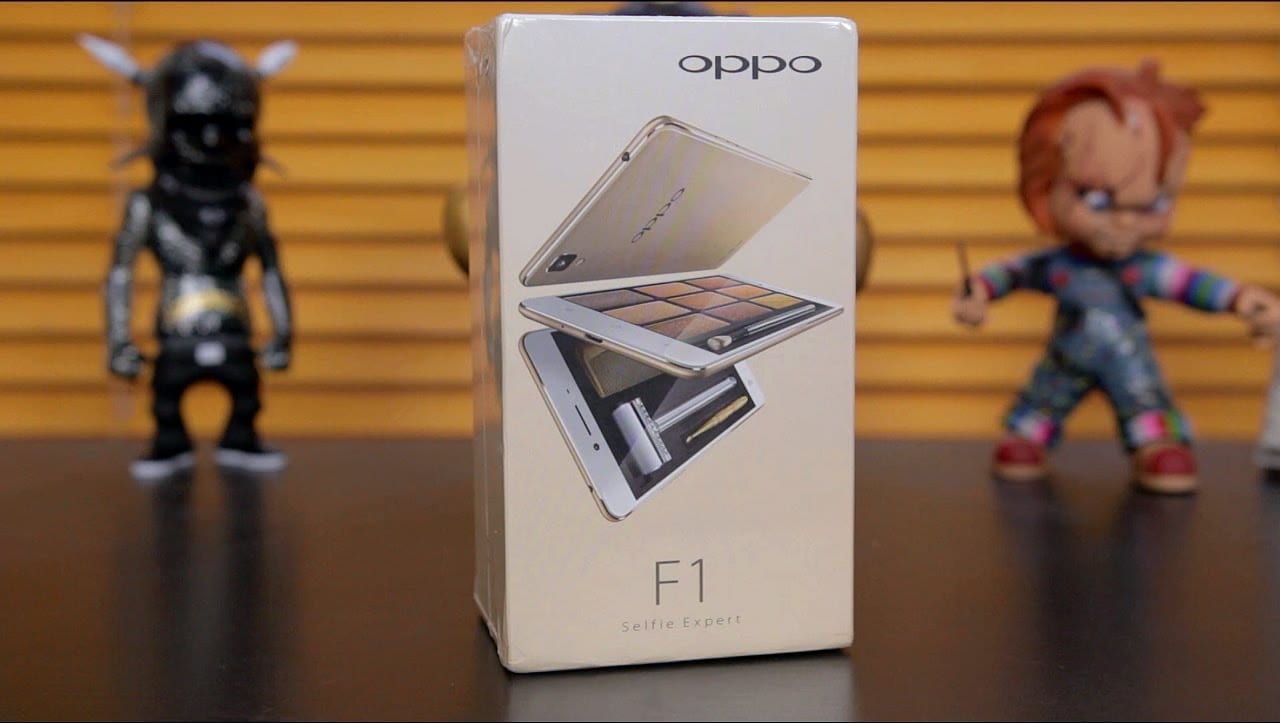
    Top Chinese smartphone vendors are taking up a larger share of their domestic smartphone market, cornering 57% of sales in 2016, IDC estimates. This is up from 46% in 2015.

    The research firm said this shows the growing local acceptance of Chinese vendors in their home countries with the improvement in product features and better marketing messages seen in the past year.

    “Increased dependence on mobile apps has led consumers to seek phone upgrades, thus helping drive the large growth in the fourth quarter. In lower-tiered cities, there was similar demand from consumers, which OPPO and Vivo met by aggressively pushing mid-range smartphones in these cities,” commented Tay Xiaohan, senior market analyst with IDC Asia-Pacific’s Client Devices team.

    A key trend that stood out in 2016, according to IDC, was the slowing growth of the online channel in China.

    “There is no longer a single channel that is seeing exponential growth for smartphones, unlike previous years. Most brands are now using a combination of channels to increase their shipments,” IDC noted.

    Xiaomi, previously focused on online channels, has opened more Mi Home stores to drive offline growth. Apple has also been aggressive in increasing its offline retail presence. Some vendors outside the top five vendor list in 2016, such as Gionee, also saw good growth in 2016 due to its expansion in the offline channel in the lower tiered cities.

    To differentiate itself from OPPO and Vivo – which predominantly target a younger audience – Gionee has been targeting professionals and executives, and hence found a niche market for itself to stand out against its two competitors.

    IDC also observed that for the first time Apple saw a year-over-year decline in the China market. The new iPhone 7 did not create as much of a frenzy compared to the past.

    Despite the decline, IDC does not believe Chinese vendors have actually eaten away Apple’s market share. Most Apple users are expected to be holding out for the new iPhone that will be launched this year, and that will help the brand to see growth in 2017. Apple’s 10-year anniversary iPhone will also likely attract some of the high-end Android users in China to convert to an iPhone.

    In 2017, IDC expects top vendors to continue to taking up a larger share of the market while smaller brands will begin consolidation. Chinese vendors will continue to focus on their international expansion plans. At present, out of the top three Chinese vendors in China, Huawei is the most successful with half of its shipments coming from markets outside of China in the fourth quarter of 2016.

    “We expect these vendors to increase their shipments in the international market, with India as a key target for these top Chinese vendors,” IDC said. “Similarly, Chinese vendors will be aggressive with other new technologies such as flexible screens, augmented reality, and other new areas.”
  • Profits rises for Yum China Holdings

    Profits rises for Yum China Holdings

    Yum China’s full-year operating profit of US$640 million was up 31 per cent led by margin expansion and restaurant openings.

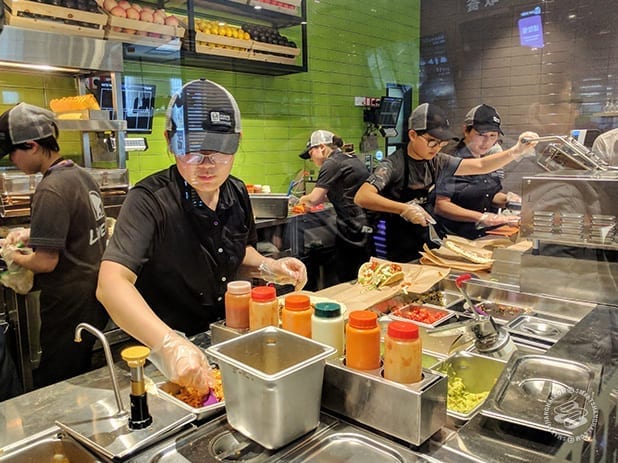
    Its CEO describes it as a “momentous” year for the group, licensee of Yum! Brands in Mainland China. It has exclusive rights on the mainland to KFC, Pizza Hut and Taco Bell, which opened its first restaurant in China at the end of the year. Yum China also owns the East Dawning and Little Sheep concepts outright.

    Total system sales for the year grew 5 per cent, including growth of 6 per cent at KFC and 3 per cent at Pizza Hut Casual Dining, excluding foreign currency translation (F/X).

    Same-store sales were flat, with an increase of 3 per cent at KFC offset by a decline of 7 per cent at Pizza Hut.

    Yum China opened 575 restaurants during the year, representing 5 per cent growth, taking its total to more than 7500 outlets.

    Currency impact

    While retail tax structure reform helped profit growth, this was negatively impacted to the tune of $36 million by foreign currency translation. Excluding F/X and special items, operating profit grew 37 per cent.

    For its fourth quarter, Yum China’s total system sales grew 4 per cent, including growth of 4 per cent at KFC and 6 per cent at Pizza Hut, excluding F/X.

    Same-store sales were flat, rising 1 per cent at KFC and offset by a 3 per cent decline at Pizza Hut.
    The group opened 302 restaurants during the quarter.

    Foreign currency translation negatively impacted operating profit by $5 million.

    CEO Micky Pant says Yum China became an independent, publicly traded company while simultaneously improving its business performance and investing for future growth.

    “We continue to focus on our long-term growth formula: new unit development, same-store sales growth, and continued restaurant margin improvement. Right now, our top priority is consistently delivering positive same-store sales growth.”

    Digital engagement

    There was a focus on product innovation during the year, as well as restaurant refurbishing and digital engagement with customers.
    Pant says it was a groundbreaking year in digital and delivery.

    “Our loyalty programs have more than 80 million members –  ranked number one in the restaurant industry worldwide in terms of number of members.

    “Total delivery sales reached about $700 million, and we were number one among restaurant operators in terms of online sales in China. Cashless payment accounted for about 30 per cent of our company sales.”
    Pant says this year marks the 30th anniversary of the launch of KFC in China, and he believes most the company’s restaurants in China are yet to be built.

    Members in the loyalty programs grew to more than 60 million for KFC and more than 20 million for Pizza Hut.

    Mobile payments reached about 17 per cent of company sales for the year, while cashless payment methods were used for more than $2 billion in company sales.

  • Hong Kong’s Swire to double down on Chinese bakery investment

    Hong Kong’s Swire to double down on Chinese bakery investment

    Over the next three years, Swire Pacific will increase the number of its bakery shops in Chongqing, Chengdu and Guiyang to 1,000 through its wholly owned Swire Foods subsidiary.

    The conglomerate believes the benefits from stable, long-term growth from the food market outweigh the small scale of the business, compared with Swire’s aviation and property businesses.

    Last year, Swire Foods took full ownership of Qinyuan, a leading bakery chain, for HK$1.4bn (US$200m). Selling Chinese and Western-style pastries, it added over 500 retail outlets in Southwest China to Swire’s portfolio. The deal also included a 65,000 square-metre factory producing bakery goods in Chongqing.

    “Bakery is a very market fragmented market in China. We have not yet seen any player dominating the market [so] there a a big opportunity there,” said Max Lau, managing director of Swire Foods, told SCMP.

    He said that the demand was due to rise because Chinese per-capita consumption was currently low, with an average spend on bakery goods of around just 140 yuan (US$20) per person per year.

    This is half the amount spent in Singapore, while Hongkongers spend three times as much as the mainland, and Japanese spend close to seven times as much for their baked goods.

    “Food still serves a basic need for everyone despite the economic slowdown in China,” Lau added.

    “Moreover the retail business is being challenged by the rise of e-commerce in China these days, but food retail cannot be replaced by e-commerce just yet,” he said.

  • China raises retail fuel prices

    China raises retail fuel prices

    China will raise the retail prices of gasoline and diesel for the second time this year as international oil prices increase, the country’s top economic planner said Tuesday.

    Both gasoline and diesel prices will rise by 50 yuan (7.3 U.S. dollars) per tonne from Wednesday, according to the National Development and Reform Commission (NDRC).

    Oil prices on international markets have risen since the Organization of the Petroleum Exporting Countries (OPEC) delivered more than 90 percent of the output cuts they agreed last year. However, higher output in the United States and other oil producers will lead to oversupply in the short term, according to the NDRC price monitoring center.

    International oil prices will continue to fluctuate between 50 and 60 U.S. dollars per barrel in the first quarter, the center predicted.

    Under the current pricing mechanism, if international crude prices change by more than 50 yuan per tonne and remain at that level for 10 working days, the prices of refined oil products such as gasoline and diesel in China will be adjusted accordingly.

  • Zara China closes giant flagship

    Zara China closes giant flagship

    Zara China has shuttered its giant three-story, 3000 sqm Chengdu flagship store in what a retail commentator describes a “fine-tuning” of its retail network.

    The store, at Lesen Shopping Center, No.31, Zongfu Road, was previously occupied by luxury brands Louis Vuitton and Dior. It opened at the end of 2011 as Zara China’s single largest store and closed last weekend.

    Pascal Martin, partner with OC&C Strategy Consultants in Hong Kong, said the flagship was “probably a lower performing site”.

    “Zara recently opened another front nearby, in a trendier part of the city, which seems to be doing well. This move is probably just part of Zara’s ongoing normal fine-tuning of its store network strategy in China.”

    Martin said Zara has already built a strong brand in China and is thus now less dependent on large and expensive brick-and-mortar flagship stores to maintain their brand.

    “Also, Zara has built a powerful eCommerce capability in China. Therefore they can continue to be successful with fewer retail outlets than competitors H&M and Uniqlo.

    “The resulting lower fixed costs should serve them well during the continued retail slowdown and market saturation. We may see them selectively further reduce the size of their 190-store network or relocate some outlets to stronger locations,” he said.

    Zara China opened its first store in Hong Kong in 2004, before expanding onto the mainland two years later. It now has more than 190 stores in the country.

  • Hermes sales rise 7 per cent in Asia

    Hermes sales rise 7 per cent in Asia

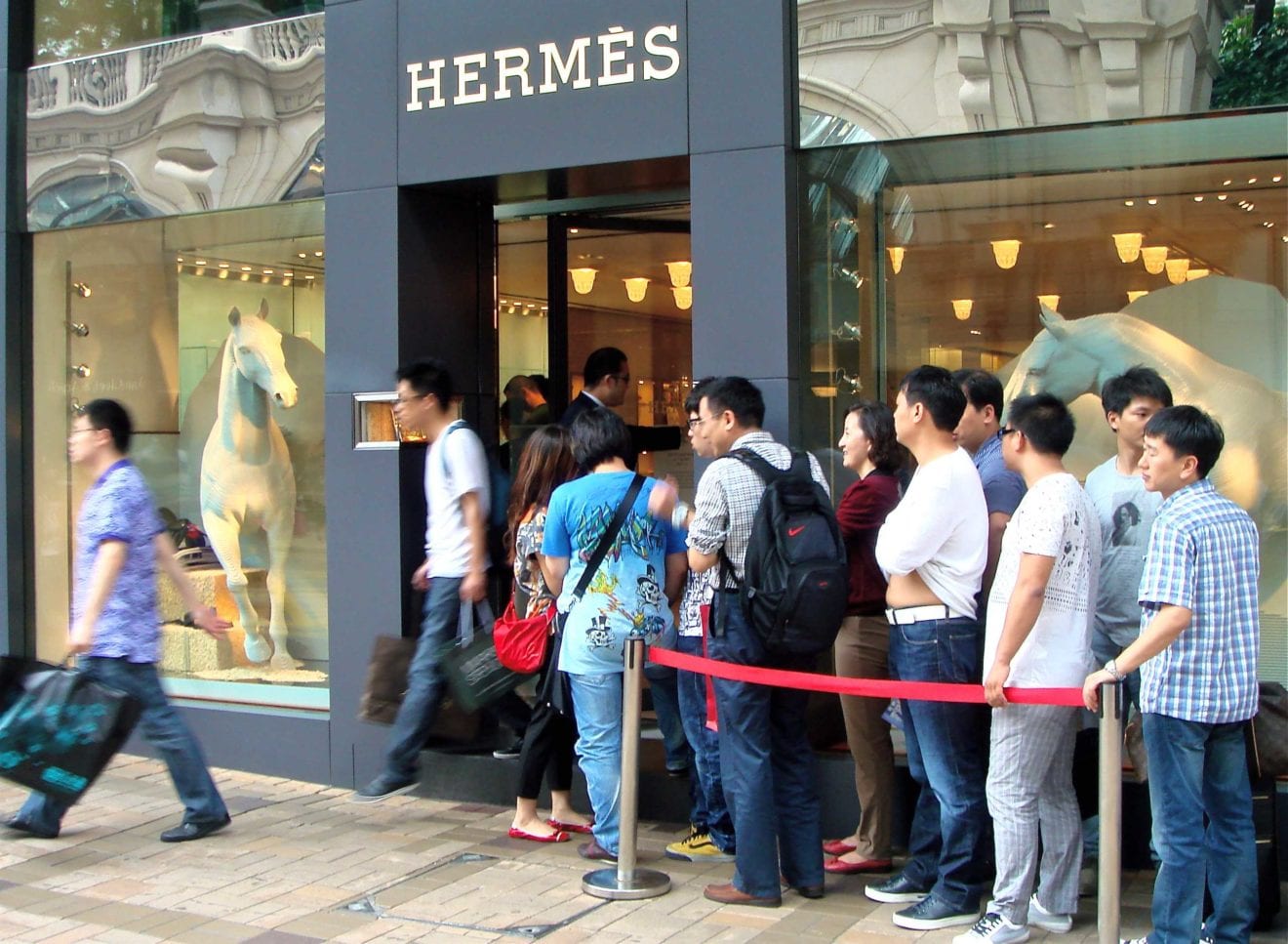
    Hermes sales rose 8 per cent last year for French high-fashion goods manufacturer Hermes International.

    In what it describes as a “difficult context”, the group’s consolidated revenue reached €5202 million (US$5.5 billion).

    Sales growth was sustained in the fourth quarter (up 8 per cent at current exchange rates, and 7 per cent at constant exchange rates), with all geographies progressing.

    Hermes continued to improve the quality of its distribution network, with four store openings and renovation and extension works.

    Japan (up 9 per cent) performed well thanks to its selective distribution network, despite the strengthening of the yen and a high comparison basis.

    Asia excluding Japan (up 7 per cent) pursued growth, particularly with extensions of the Liat Towers and Takashimaya stores in Singapore and store openings in Macau, at Hong Kong Airport and in Chongqing in China.

    In Mainland China, the group says it continued to develop even though the context remains challenging in Hong Kong and Macau.

    Growth over the year was driven by leather goods and saddlery products, which continue to be the mainstay of the group. Otherwise, sales benefitted from a positive momentum at year end in such sectors as silk and the ready-to-wear and accessories division.

    Growth “remarkable”

    Hermes says the 14 per cent growth in leather goods and saddlery was remarkable, thanks to the success of the collections and the diversity of models, particularly the Constance, Halzan and Lindy bags alongside the Birkin and Kelly.

    The ready-to-wear and accessories division was stable over the year, posting a 4 per cent increase in the fourth quarter driven by the latest women’s collections, particularly shoes.

    While sales eased 1 per cent for the silk and textiles business line in the fourth quarter, Hermes says it was a good result in the face of being penalised by events in Europe and slowing sales in Greater China during the first half of the year.

    A 9 per cent growth in sales of perfumes was driven by the success of Terre d’Hermes, the launch of Galop d’Hermes and the latest creations such as colognes Eau de Neroli Dore and Eau de Rhubarbe Ecarlate.

    Down 3 per cent, the watches division was penalised by a still challenging market and a high comparison basis at year end. Sales rose 2 per cent for other Hermes business lines, encompassing jewellery, Art of Living and Hermes Table Arts.

    Meanwhile, Hermes is pursuing its long-term development strategy based on creativity. This year it is celebrating the “Meaning of Objects”.

  • Chinese consumers crave premium products

    Chinese consumers crave premium products

    Chinese consumers are increasingly craving premium-tier products to underscore their success, says Nielsen China.

    The market research company defines premium-tier products as items that cost at least 20 per cent more than the average price for the category.

    The global information company’s retail sales data, which covers major retail chains, shows that factors on both the supply and demand side are driving the growth of the premium segment in China.

    And in a Nielsen survey, 56 per cent of Chinese said they buy premium products in order to feel successful or show their success to others.

    Also, 48 per cent of consumers said they are willing to pay a premium for electronics, followed by clothing and cosmetics (both 38 per cent).

    Many consumers have greater buying power than ever before, with purchasing power growing from 7 to 9 per cent annually in China.

    “With increasing affluence, consumers are craving products that offer an enhanced, premium experience,” says Nielsen China MD Vishal Bali. “Beyond basic needs and benefits, Chinese consumers are making purchase decisions based on how products make them feel.”

    In its study, 65 per cent of online respondents in China said they will try a new and innovative premium product based on the recommendations of friends and family. Additionally, 60 per cent said  of respondents said they are “very willing” to pay for premium products with high quality and safety standards.

    Electronics favoured

    Chinese consumers are most willing to pay a premium for electronics, says the study. Globally, 42 per cent of consumers say they are willing to pay a premium price for electronics, while in China the number reaches 48 per cent.
    Apart from electronics, 38 per cent of respondents in China said they are willing to pay for a premium offering in clothing and cosmetics. Globally however, 39 per cent are willing to buy premium clothing while only 33 per cent say they would buy a premium offering in cosmetics.

    Other key categories where Chinese consumers are willing to pay a premium include dairy products (37 per cent), cars (32 per cent), oral care (31 per cent) and meat and seafood (30 per cent).

    Status is also a more important consideration for consumers in China compared to the rest of the world, with 54 per cent of respondents saying they buy premium products because these items show other people that they have good taste. Premium products are also regarded as an important indicator of accomplishment, with 56 per cent of Chinese respondents saying they buy premium products because it makes them feel successful or (also 56 per cent) shows other people that they are successful.

    “Emotional motivation is a key factor for Chinese consumers, and we see premium products driving this trend,” says Bali. “Consumers want unique experiences they can share with their friends. They want products that express their individual taste while also projecting a positive image of success and status.”

  • Xiaomi targets 10bn yuan revenue from 1000 new offline stores

    Xiaomi targets 10bn yuan revenue from 1000 new offline stores

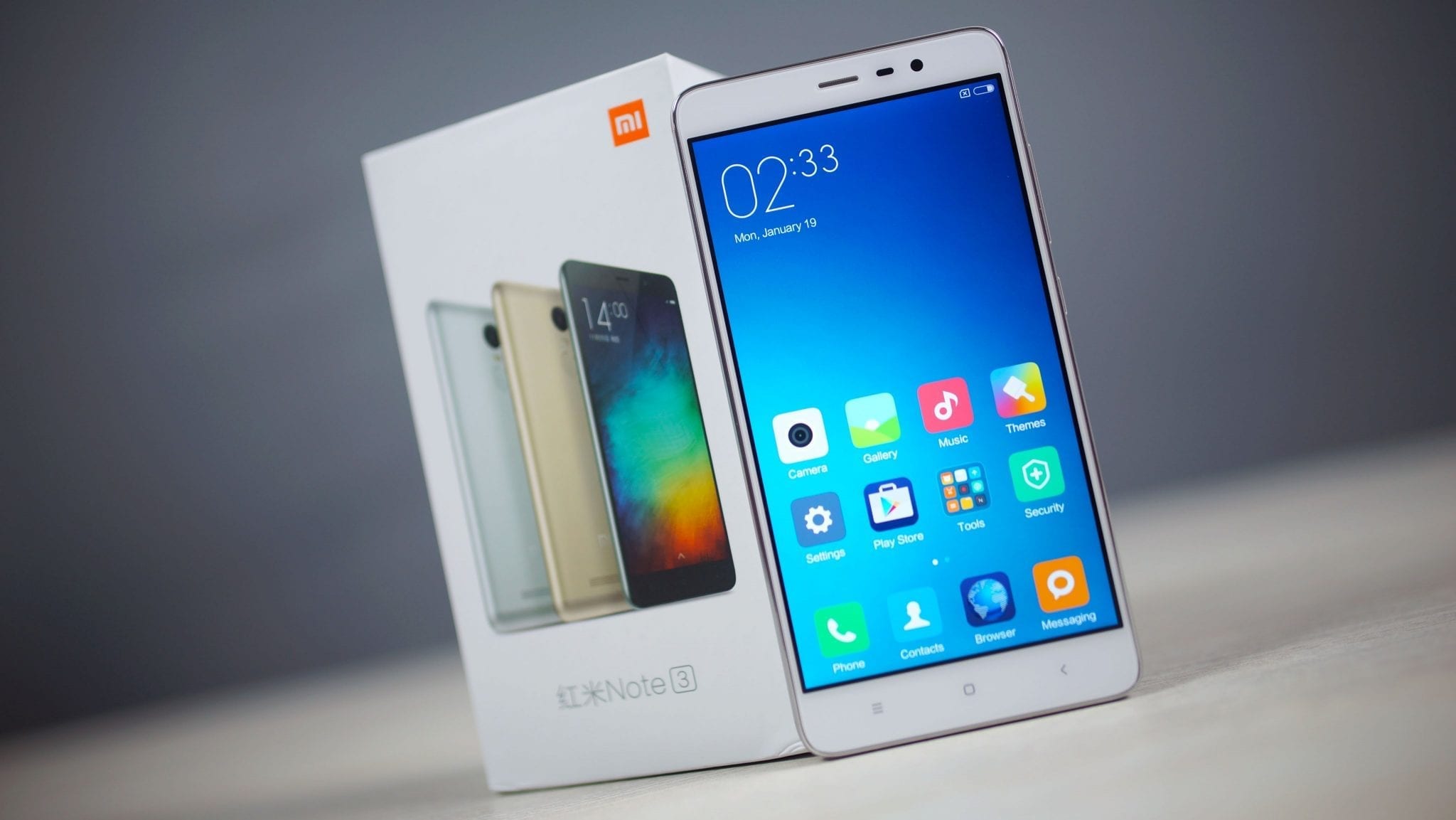
    Chinese smartphone maker Xiaomi has pinned its hopes on offline sales with a plan to open 1,000 brick-and-mortar stores over the next three years, targeting 10 billion yuan in revenue from this channel, its founder and chief executive Lei Jun said on Wednesday.

    Xiaomi aims to boost the number of its physical stores, called Mi Home, to 200 this year from 51 at the end of last year, Lei said at a forum in Yabuli in the northeastern province of Heilongjiang.

    “I am confident that each of the offline stores can achieve sales of 10 million yuan [per month],” he said. That means Mi Home retail stores are expected to contribute 2 billion yuan (HK$3.39 billion) in sales per month.

    Lei said 2016 was a tough year for Xiaomi as he was “confused” about how to expand into more innovative sales channel from just e-commerce.

    Traditionally, running brick-and-mortar stores will inflate costs and erode profits, making it hard to offer high quality and inexpensive products to customers, Lei said. The toughest part is therefore to build new stores with high efficiency to control costs, he said.

    One of the challenges for Xiaomi is that we need to make essential adjustments after rapid growth

    Lei Jun, Xiaomi founder and CEO

    “Unlike other chain stores, Mi Home stores are all self-operated by Xiaomi. At the end of last year, our 51 stores were able to achieve sales per square metre of 260,000 yuan,” he said.

    Lei told his staff last month that Xiaomi has targeted 100 billion yuan in revenue this year, which was subsequently described by market watchers as unrealistic, with many sceptical it was achievable.

    However, Lei said he is confident that Xiaomi can meet the target.

    “Considering Xiaomi’s foundation, this small target is not too difficult to achieve. I am more concerned about how to make our foundation more solid,” he said. “One of the challenges for Xiaomi is that we need to make essential adjustments after rapid growth.”

    Despite China’s continuous growth in e-commerce, companies have been putting increased efforts into expanding offline channels, or integrating their online and offline businesses.

    E-commerce giant Alibaba Group founder Jack Ma Yun has said that e-commerce had become a “traditional business” which would soon disappear. A new retail model which integrates online and offline, as well as logistics and data across a single value chain, would be the next trend, said Ma, who first raised this idea in October last year. Alibaba owns the South China Morning Post.

    This article appeared in the South China Morning Post print edition as:

    Xiaomi targets 10b yuan in offline sales

  • BMW Group achieves new sales record in China in January

    BMW Group achieves new sales record in China in January

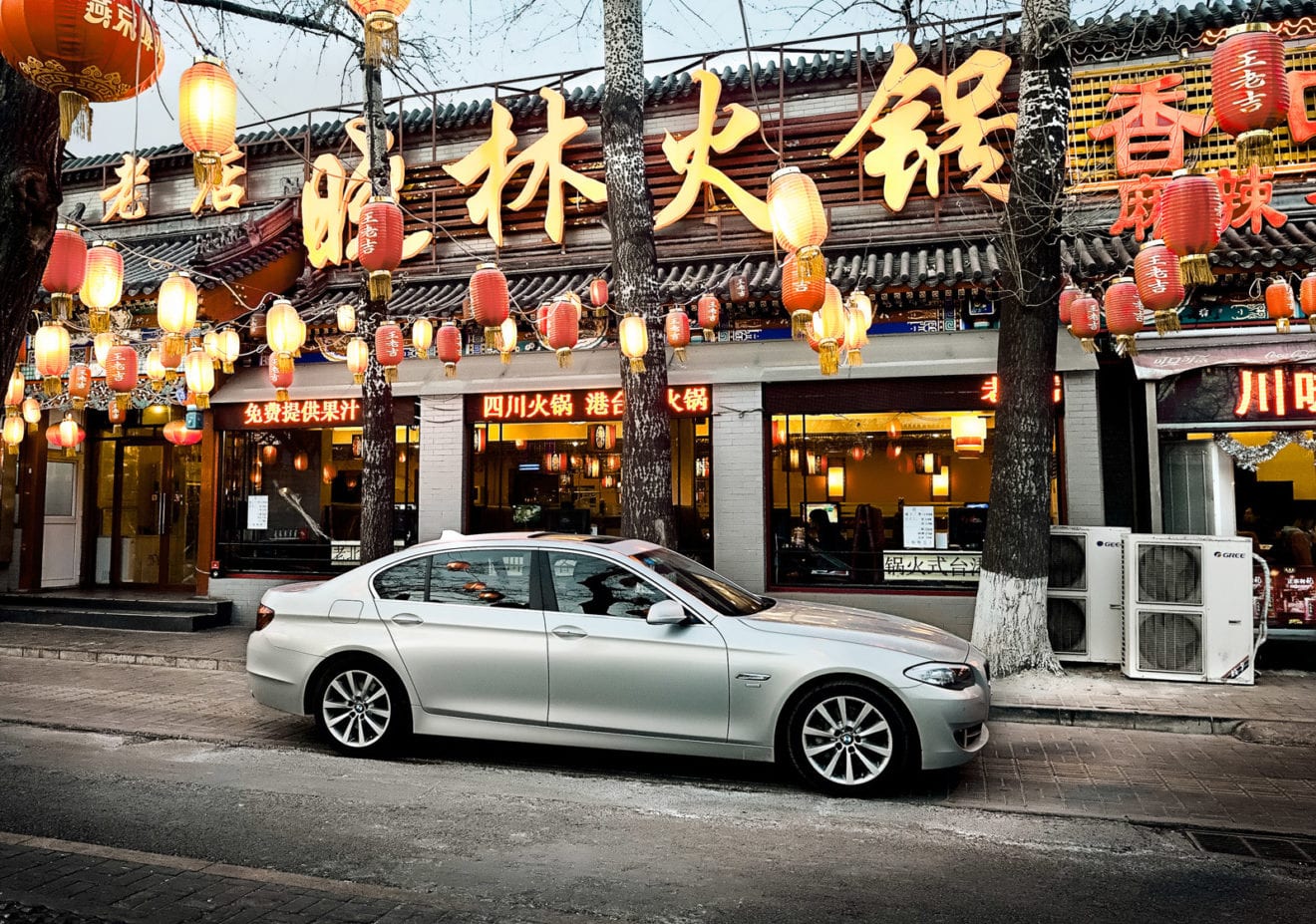
    German automaker BMW Group announced on Friday that its sales in China achieved double-digit growth in January, hitting a new record.

    A total of 51,345 units of the premium brands BMW and Mini have been delivered to Chinese customers, representing a year-on-year increase of 18.2 percent.

    It is the first time the Bavarian automobile company delivered more than 50,000 units in a single month in China, the largest market in Asia for BMW Group, the announcement said.

    In January 2017, a total of 163,288 vehicles were sold worldwide, an increase of 6.8 percent year-on-year. Among them, 21,219 vehicles were delivered to customers in the United States, down by 0.5 percent compared with January 2016.

    “We’ve started the year well. We’re confident that the new models we’re bringing to market this year will ensure further momentum as the year goes on,” said Ian Robertson, member of the board of management responsible for sales and marketing.

  • Lao Dairy Farm carves out healthy market niche

    Lao Dairy Farm carves out healthy market niche

    The farm is located in Naxineua village, Naxaithong district. It keeps a variety of animals, including goats, pigs, ducks, chicken, and fish, but its mainstay is ists herd of dairy cows.

    Farm Director Sengmany Yathotou told last week that they began in 2014 with 16 cows which they kept for the family’s use and tended to after work because the family enjoyed agricultural activities.

    To start with, they never thought about how much milk they obtained from the cows each day and didn’t think about selling it. They used it only for their own consumption, sometimes giving some to their neighbours, friends or relatives.

    After a year, people in the neighbourhood and nearby shops started asking them to provide milk for sale because they had tried it and liked the taste.

    They started to sell the milk in markets and shops in Vientiane such as M-Point Mart, and coffee and cake shops, and have since expanded their distribution from four to eight minimarts.

    Their 16 original cows were bred in Australia but were imported from Thailand. The family now has 110 cows including some calves that were born on the farm.

    Sengmany says the farm is equipped with modern technology that ensures all the milk is hygienically produced and the milk-based products are made on the premises.

    The farm is now promoting its “Crysta” brand and hopes it will become widely recognised and be able to compete with overseas milk brands.

    The cows are milked twice a day, with each giving 10 to 15 litres, making a daily total of about 450 litres.

    Sengmany plans to expand her milk market in the provinces of Luang Prabang, Xieng Khuang and Attapeu, and is currently looking at transport costs.

    “Keeping a dairy herd is still something new for us, especially getting the cows pregnant so that they produce calves. It’s very difficult as we’re not very familiar with this and run the risk of the newborn being a male rather than a female, and of course we would prefer females,” she says.

    “The second challenge is that we have to get more people interested in eating and drinking food produced in Laos. But we’re sure that if they try our products they will find that the taste and quality is the same as international brands.”

    The farm covers more than 10 hectares, including fields of Napier grass and sweetcorn for the cows to eat.

    The family makes pasteurised milk, yogurt, and yogurt drinks.

    The milk is popular with expatriates and is also used to make cheese, which is sold to shops.

    The Lao Dairy Farm employs 40 people including two specialists from Thailand and Vietnam who studied milk production in Denmark.

    “Some of our cows are pregnant and there are three or four births each month, so that means we will have more cows and we’re sure to get at least 700 litres of milk a day in the next three months and then we will expand our market to the provinces,” Sengmany says.

    The cows’ pregnancy lasts for nine months after which they produce milk. The calves can become pregnant when they are one year old.

    Some of her customers ask Sengmany why her products are not cheaper since they are made in Laos. But she explains that everything on the farm is new and imported, especially the medicines and vitamins that are given to the cows. They use high quality materials but she points out that their retail prices are no higher than anyone else’s.

    The Lao Dairy Farm plans to open a cafe on the first floor of Lao-ITECC, which will feature milk and yogurt, as part of its market expansion plans.

  • Starbucks’ social gifting feature launches in China

    Starbucks’ social gifting feature launches in China

    Starbucks has extended its social gifting promotions into China, where it has launched a major expansion program to double its stores within the next five years.
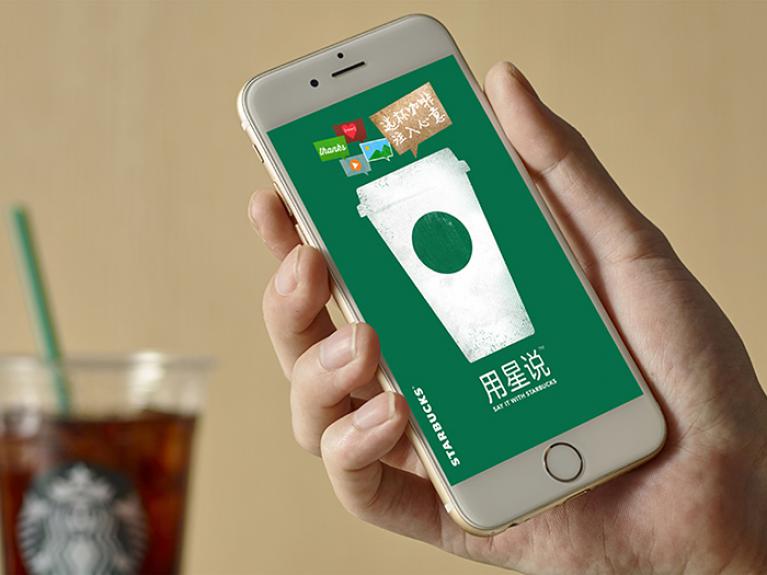
    The coffee giant’s new “Say It With Starbucks” program, created by Starbucks and Weixin, China’s leading mobile social communications app, enables users to gift a Starbucks beverage or digital gift card via a social gifting platform.
    A sister product of WeChat, China’s leading mobile social messaging app, Weixin’s platform has 846 million global monthly active users, as of third quarter 2016. The launch comes on the heels of a strategic partnership between Starbucks and Tencent, WeChat’s developer, in December 2016.
    Users will be able to select from a curated selection of Starbucks-branded gifts and add a personalized message in the form of text, images or video to uplift the day of a loved one, Starbucks explained. Once a gift is received, it will be saved in the recipient’s Weixin app and can be redeemed at any Starbucks store in Mainland China.
    During the initial launch period, Weixin added access to ‘Say it with Starbucks’ users in its Weixin Wallet-function. This partnership makes Starbucks the first retail brand to bring a locally-relevant social gifting experience in China, the coffee giant said.
    Starbucks launched a trial phase two weeks ago among employees and Starbucks customers.
  • CIR finds growth in Chinese travel to Japan and Thailand

    CIR finds growth in Chinese travel to Japan and Thailand

    Chinese outbound travel tilted in favour of destinations in Japan and Thailand in the 12 months to October 2016, according to CiR Business Lounge – creating more sales opportunities for duty-free and travel retailers in key airport locations in these markets.

    New research on the Chinese passenger by duty-free and travel-retail analyst and researcher, Counter Intelligence Retail, pointed to booming growth at Tokyo Haneda airport (HND) of +140% and +96% at Bangkok’s Don Mueang airport (DMK)) – both secondary airports to the two capital cities’ main hubs.

    Haneda’s triple-digit growth enabled the airport to break the one million barrier for international Chinese arrivals, while Don Mueang reached 1.18 million.

    The main hubs of Tokyo Narita (NRT) and Bangkok Suvarnabhumi (BKK) saw respective growth of +1.6% and +17.9%. While their growth was of a lesser scale, these bigger airports handled more absolute numbers of Chinese passengers than their smaller counterparts.

    Other strong airports for Chinese travel among the top 10 destinations were Japan’s Osaka (KIX) at +18.7%, while traffic to Singapore Changi (+17%) and Seoul Incheon in South Korea at (+16.2%) saw a return to growth. South Korea, traditionally strong market for Chinese visitors, suffered dramatically after the MERS virus outbreak in May 2015 but traffic to Incheon has recovered.

    There was less favourable news for duty-free and travel retailers in Taiwan and Hong Kong. Taipei’s Taoyuan International airport saw its Chinese traffic decline by -0.8% to 2.7 million international passengers in the 12 months to October 2016, while Hong Kong – the biggest hub for Chinese travel – was sluggish at +2.3% to 4.5 million.

    CIR president Garry Stasiulevicuis said: “From our CIR Business Lounge data it is clear that Japan and Thailand are the clear winners in the drive for Chinese passengers. The more settled political situation in Thailand has seen Chinese passengers return to the country in droves while Japan’s relaxation of visa regulations (in January 2015) has benefited Chinese travel to Japan.”

    Tokyo Haneda’s astonishing growth can be specifically attributed to the commencement of flights from three new routes out of China, coupled with huge uplifts in seat capacities by airlines already operating flights on this route.

    “It is worth noting that HND’s Chinese traffic boom has come despite the Japanese yen’s strong gains against the Chinese yuan from August 2015 to October 2016,” adds Stasiulevicuis. “Since November, however, the yen has fallen back somewhat which may open the door to even more Chinese travel to Japan.”

    The report is part of a new series from CiR on Chinese passenger shopper behaviours and traffic trends, including forecasts, which complements the newly available Chinese Shopper Tracker.

  • Xiaomi Goes All-In On Retail to Revive China Smartphone Sales

    Xiaomi Goes All-In On Retail to Revive China Smartphone Sales

    After pioneering online flash sales in China to reach the top of the smartphone market, Xiaomi Corp. is turning to old-fashioned retail to arrest its slide. The phonemaker will roll out a chain of about 1,000 brick-and-mortar stores under the Mi Home banner over the next three years, as co-founder Lei Jun mimics a strategy that’s helped the Oppo and Vivo brands leapfrog Xiaomi to the top of China’s smartphone market. The new target accelerates plans outlined just last month to open 200 stores in 2017.

    Xiaomi, which was valued at about $45 billion in 2014, is resorting to traditional selling techniques to make inroads into the next generation of smartphone buyers who eschew buying online. While Oppo and Vivo use a network of resellers to reach consumers in rural areas and smaller Chinese cities, Lei’s strategy would be more akin to Apple Inc.’s, with plans to own and operate its own signature outlets.

    “This is Xiaomi’s biggest problem: how we can overcome the obstacles of our business model,” Lei said in a video clip from a business forum posted by national broadcaster CCTV. “Our model can no longer be online, it has to be new retail.”

    “We have a chance to do 60 to 70 billion yuan in business” from those stores, Lei said without specifying a timeframe.

    Xiaomi is overhauling its approach to try and regain its perch atop the world’s largest smartphone arena. While it’s expanding globally — particularly in India — plugging all manner of household appliances and deepening research into artificial intelligence and online finance, the company still gets much of its revenue from its first hit product.

    Oppo and Vivo’s retail strategy has helped them take two of the top three spots in the Chinese market, providing rebates and incentives for the shop owners that dominate sales in far-flung provinces to push their products.

    That has driven down Xiaomi’s share of the home market. Oppo’s smartphone shipments more than doubled to 78.4 million units last year as it took top spot with a 16.8 percent share, according to IDC data. Huawei Technologies Co. and Vivo both rose at a double-digit pace to rank second and third. Xiaomi’s shipments slumped 23 percent and had just 8.9 percent after topping the market two years earlier.

    Savvy use of social media and flash online promotions, where a limited number of devices are available for a short period, helped build buzz around a company that has drawn comparisons to Apple for the fervor of its fans. But that doesn’t work so well in rural areas, where more than 600 million people live and new buyers want advice and demonstrations.

    Having its own network could also help Xiaomi push a wider variety of products.

    While the company is best known for phones, it’s invested in dozens of startups and now offers air purifiers, drones, speakers, TV set-top boxes and robot vacuum cleaners. Its Mi Home outlets resemble Apple stores with their white walls and spare space, but on display is the wider range of appliances that Xiaomi’s invested in over the years. It operates about 50 locations across China currently.

    Apple has about 40 stores across mainland China, most of which are in large cities, but its iPhones are also sold through about 40,000 locations such as outlets controlled by wireless carriers and spots within electronics chains.

    Xiaomi’s not just relying on offline retail to jazz up its phone sales. The company is close to using its own “Pinecone” processors and could introduce the chipset within a month, the Wall Street Journal has reported. In so doing, it would join Apple, Samsung Electronics Co. and Huawei in employing their own processors, which can heighten the user experience by making hardware and software work together more efficiently.

  • IIDGR establishes its first retail partnership in Asia

    IIDGR establishes its first retail partnership in Asia

    The International Institute of Diamond Grading & Research (IIDGR), part of The De Beers Group of Companies has established its first retail partnership in Asia for its generic polished diamond grading services. The partnership with Soo Kee Group in Singapore formally launches in February under the retailer’s bridal specialist brand, Love & Co. for its proprietary Lovemarque diamond collection.

    Soo Kee Group will become the first Singaporean retailer to offer bespoke IIDGR grading reports.

    Jonathan Kendall, President of IIDGR, said: “We’ve seen a significant uplift in demand for our grading services in many markets, especially in the Far East – alongside the Soo Kee Group partnership, we have plans to expand the grading service elsewhere in Asia. However, we see this as just the start. Increasing numbers of retailers are expressing their desire to use our diamond grading reports as they understand the importance of integrity in their offer to consumers – and with its use of leading De Beers technology, IIDGR is perfectly placed to provide this.”

    IIDGR initially launched its generic grading services in early 2016, with a focus on reliability, integrity, consistency and repeatability. The grading services employ De Beers’ industry-leading proprietary technology as well as highly skilled and experienced gemmology experts. IIDGR issues Diamond Grading Reports and Diamond Identification Reports for any unset, natural, untreated diamonds weighing a minimum of 0.10ct. The Institute grades every clarity and all colours including fancy colours.

  • Ito Yokado To Accelerate Expansion In Mainland China

    Ito Yokado To Accelerate Expansion In Mainland China

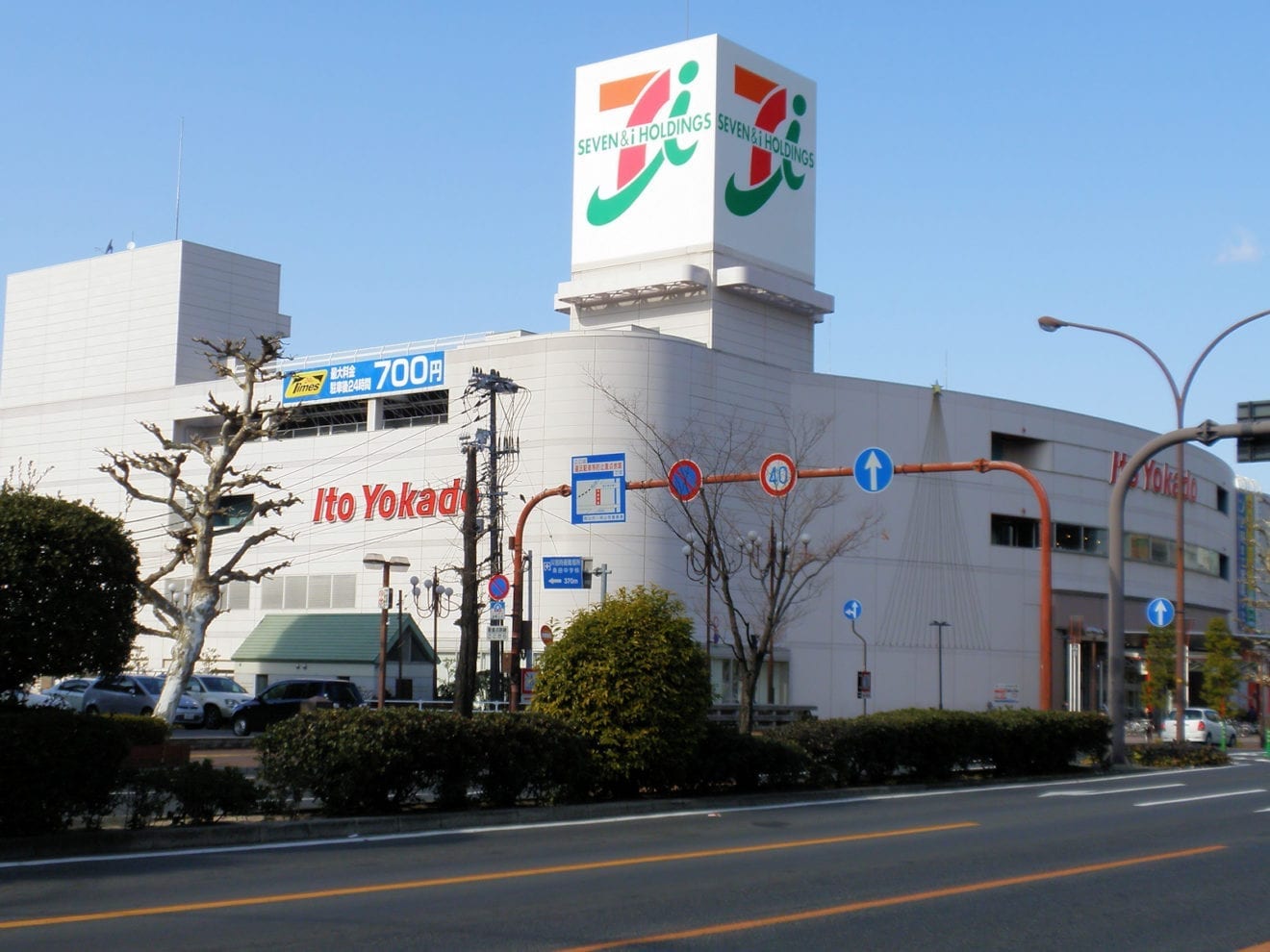
    Seven & I Holdings, parent company of Ito Yokado, will accelerate store expansion in the Chinese mainland market and plans to have 20 stores by 2020, tripling their current number in China.

    Ito Yokado entered the Chinese mainland market in 1997, with its first store openning in Chengdu, Sichuan province. In 1998, the company entered the Beijing market. At present, Ito Yokado has six stores in Chengdu and two in Beijing.

    On January 12, 2017, Ito Yokado opened a new store in Sichuan’s Meishan city and the company plans to launch another new store in Sichuan’s Leshan city in 2019. According to Ito Yokado, the company will increase the number of its general merchandise stores and food supermarkets to ten in Sichuan.

    In 2005, Ito Yokado opened its first food supermarket in Beijing. However, due to the severe competition from foreign supermarket giants like Carrefour and Chinese local enterprises, the Japanese retailer ceased the operations of this food supermarket in December 2016 and only maintains two department stores in the capital city.

    In addition, with the rapid development of e-commerce in China, Ito Yokado also plans to tap the online business. The company will establish a new company in Sichuan this summer and it aims to achieve sales of JPY10 billion by 2020 via online sales.