Tag: China

  • E-Mart calls time on closures

    E-Mart calls time on closures

    South Korea’s largest discount supermarket operator E-mart says it is recommitting to the China market and will stop closing stores there.

    E-Mart once operated 27 discount grocery stores in the mainland, but for the last five years has been constantly returning its model and shutting down underperforming outlets.

    However this week, an E-mart executive signalled a change of course.

    “After the August 3 closure of a branch in Shanghai, there will be no additional shutdowns of the remaining eight branches in east China,” a media spokesperson said.

    E-Mart, part of the Shinsegae corporation, says the restructuring and closures will reduce its net loss by 35 per cent this year and a greater focus on eCommerce will help it approach a hitherto elusive profitability.

    “The region continues to be one of the most profitable regions and some of our branches there are even posting a profit. China is a market that we cannot give up,” the spokesperson said.

    In 2011, E-Mart lost US$95 million on its China operations. It has not made a profit there since and in the first three months of 2015 it reported a $10.4 million loss.

    Despite the company’s poor fortunes in China, E-Mart is planning to open its first store in Vietnam in December and is also targeting Mongolia.

  • Chinese bookstores rank among ‘world’s coolest’

    Chinese bookstores rank among ‘world’s coolest’

    Three Greater Chinese bookstores have been ranked amongst ‘the world’s coolest’ by US-based global news organisation CNN.

    In a newly-released selection posted online CNN observes that old or new, all of the stores round the world its editors selected for the “World’s Coolest” list have fascinating stories, serving as “historic sites, sanctuaries, salons of culture and must-visit entries in any travel itinerary”.

    The three Asian stores making the list are Eslite Bookstore in Taipei, Librairie Avant-Garde in Nanjing, China and 1200 Bookshop in Guangzhou, China.

    The 17,000 sqm Eslite store, which opened in 1999, trades 24-seven and stocks books and magazines in a multitude of languages. Its success has been followed with more stores in Taipei and another in Hong Kong’s Hysan Place.

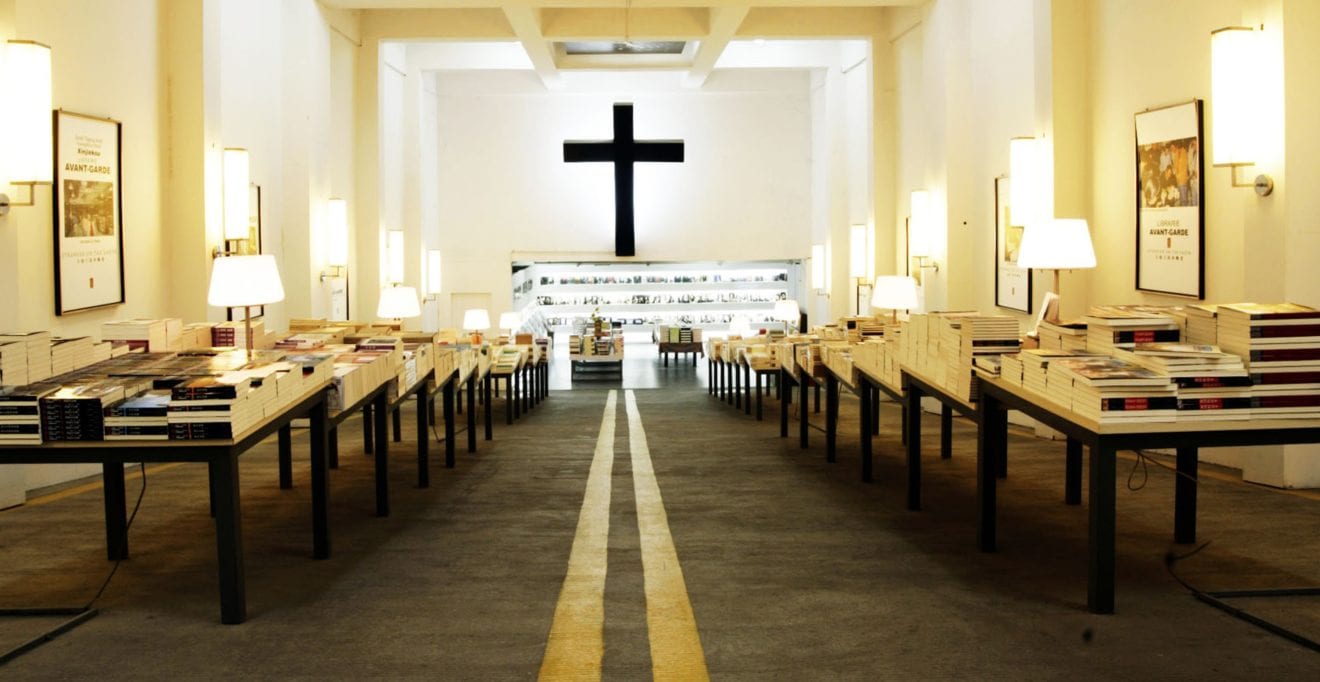
    The Librairie Avant-Garde is described by CNN as “China’s most beautiful bookstore”, located in a massive underground parking lot once used as a bomb shelter.

    “The 4000 sqm store’s unusual features include large crosses, a copy of Rodin’s ‘The Thinker’ and a checkout counter built out of thousands of old books,” writes CNN.

    “A good bookshop should provide space, vision and nurture the city with its humanitarian spirit,” owner Qian Xiaohua told CNN. “It’s a place for people to have dreams in the city.”

    And the 1200 Bookshop, which also trades around the clock, has earned a reputation for great books and coffee as well as a haven for travellers, with backpackers invited to stay in a private room in-store.

    “We are doing business at the store during daytime but making friends at night,” says founder Liu Erxi.


  • Shinsegae opens luxury bike shop

    Shinsegae opens luxury bike shop

    Shinsegae Department Store has opened a bicycle shop at its main store in Chungmuro, being the first department store in Korea that is home to a bicycle shop.

    The shop features classic models from Pedersen Bicycles, often called ‘the Bentley of Bicycles,’ multi-purposed ‘Cargo and Cruiser’ bikes from Johnny Loco, and stylish E-bikes from Mando Footloose.

    The shop’s wide range of bikes from classical to electric will satisfy the needs of many bike lovers. Several models featured in the shop are also of rarities hardly seen on the Korean streets. The shop is located on the first basement level of the Chungmuro store.

  • Dalian Wanda shutters stores

    Dalian Wanda shutters stores

    China’s Superstar days are over.

    Hong Kong listed retail group Dalian Wanda is to close down China’s largest karaoke chain Superstar, a victim of the mainland government’s mission to discourage excessive spending on entertainment and gifts.

    The company has also flagged the closure of an unspecified number of its department stores due to tough competition from online retailers, eating into store sales volumes.

    Some Chinese news media are reporting as many as half of the company’s 90 department stores could be shuttered, but the company remains vague.

    “China’s consumer behaviour is undergoing significant changes, inevitably hurting some large-scale retailers,” said Qu Dejun, president of Dalian Wanda subsidiary Dalian Wanda Commercial Properties.

    Before the Chinese government’s clampdown on entertainment expenses, karaoke parlours were popular destinations for government officials and businessmen entertaining clients and contacts.

    Qu said Superstar would close because the chain’s profits were now very thin due to “national policy”.

    Taiwan karaoke chain Cashbox Partyworld has already trimmed back its mainland karaoke network.

  • CapitaLand posts healthy quarter

    CapitaLand posts healthy quarter

    CapitaLand Limited has today announced a second half after tax group profit of S$464 million – 5.8 per cent up on the same period last year.

    The property giant, which derives 80 per cent of its revenue from Singapore and China, has a portfolio including shopping malls, serviced apartments, office blocks and hotels trading under a variety of banners.

    In a statement, CapitaLand said its operating profit was 87.6 per cent higher than the same quarter last year on account of gains from the change in the use of development properties for sale in China, namely The Paragon (Tower 5 & 6) and Raffles City Changning (Tower 3). These projects are at prime locations in Shanghai and the group has changed its business plans for these projects from strata-sale to leasing as investment properties.

    The result was impacted by an impairment for a development project in China.

    Revenue increased by 17.8 per cent on the back of higher contribution from development projects in China, partially offset by lower revenue from development projects in Singapore and Vietnam.

    The group says it recorded higher rental revenue from its shopping mall and serviced residence businesses during the quarter.

    Lim Ming Yan, president & group CEO, said CapitaLand’s well-balanced portfolio of investment properties and residential projects will continue to generate recurring income and trading profits for the group.

    “While CapitaLand remains focused on Singapore and China as core markets, it is exploring opportunities to expand in growth markets such as Vietnam, Indonesia and Malaysia. CapitaLand has built a significant scale across diversified asset classes and strong expertise in integrated developments, shopping malls, serviced residences and capital management. Coupled with its technology efforts, CapitaLand continues to strengthen its position for growth,” he said.

  • Burberry Beauty Box enters China

    Burberry Beauty Box enters China

    British luxury apparel brand Burberry has opened two more Beauty Box stores in greater China.

    It follows the opening of Beauty Box’s first Asian store in Korea last December in Seoul’s Coex Mall.

    Burberry Beauty Box concepts are now trading in Hong Kong and Shanghai.

    In Hong Kong, the store has opened in Times Square at Causeway Bay. The store closely follows the Burberry Beauty Box flagship in London’s Covent Garden.

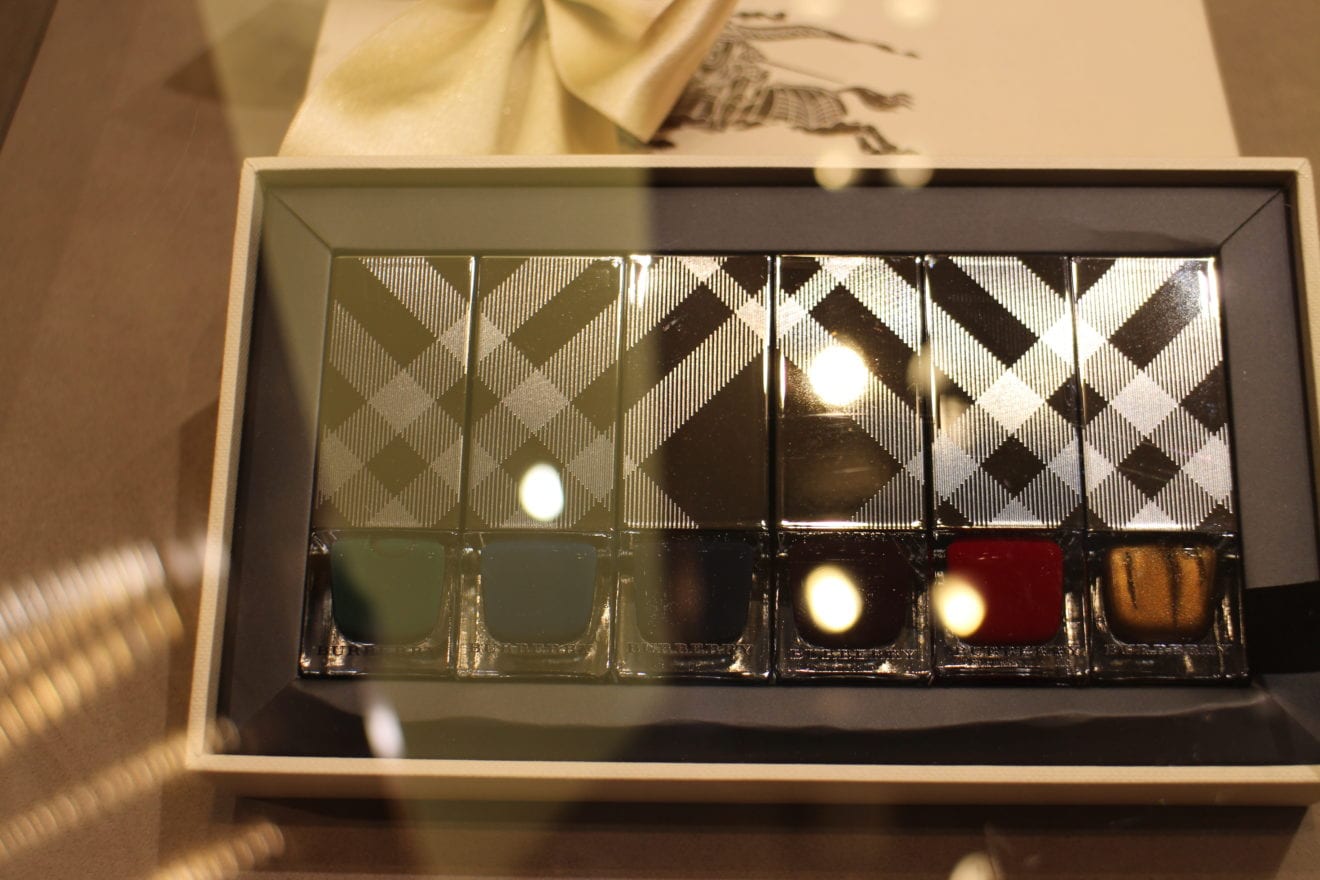
    The new Beauty Box concept focuses on make-up, including Burberry Eyes, Lips, Face and Nails lines, fragrances for men and women, including My Burberry, and assorted luxury accessories.

    It includes a digital Lip & Nail Bar, a 95 degree screen broadcasting Burberry catwalk shows, and the My Burberry Digital Experience that lets customers digitally interact with the brand.

    Customers can order in-store monogrammed labels for 90ml bottles of My Burberry Eau de Parfum and My Burberry Eau de Toilette to create an exclusive, customised gift.

  • Tag Heuer Hong Kong to close store

    Tag Heuer Hong Kong to close store

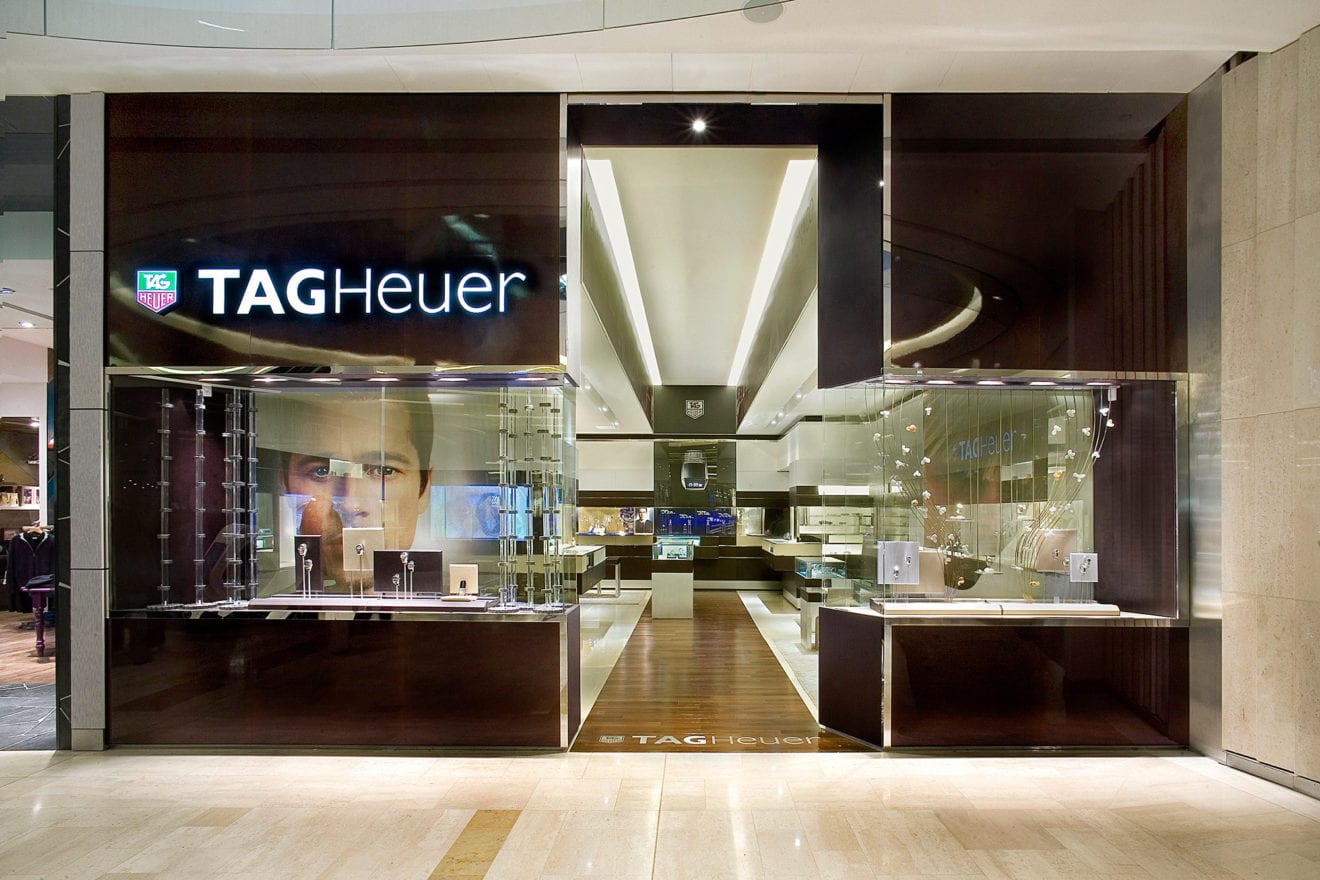
    Tag Heuer is to close one of its Hong Kong stores as it battles high rents and falling sales.

    Tag Heuer Hong Kong’s Causeway Bay store on Russell St will close soon, according to Jean-Claude Biver, the head of Tag Heuer’s parent LVMH’s watch unit.

    While local watch and jewellery retail chains have been adjusting their store networks in the wake of plummeting sales to Chinese tourists over the last 12 months, this is the first significant closure announced by a global luxury player. Rival luxury retail group Kering has hinted it may close some stores, but has not announced firm plans as yet.

    However, the Tag Heuer plan itself is vague.

    “I am not sure if the shop will be closed this year or next but for sure I want to close it because of high rental costs and a drop in traffic,” Jean-Claude Biver told Reuters.

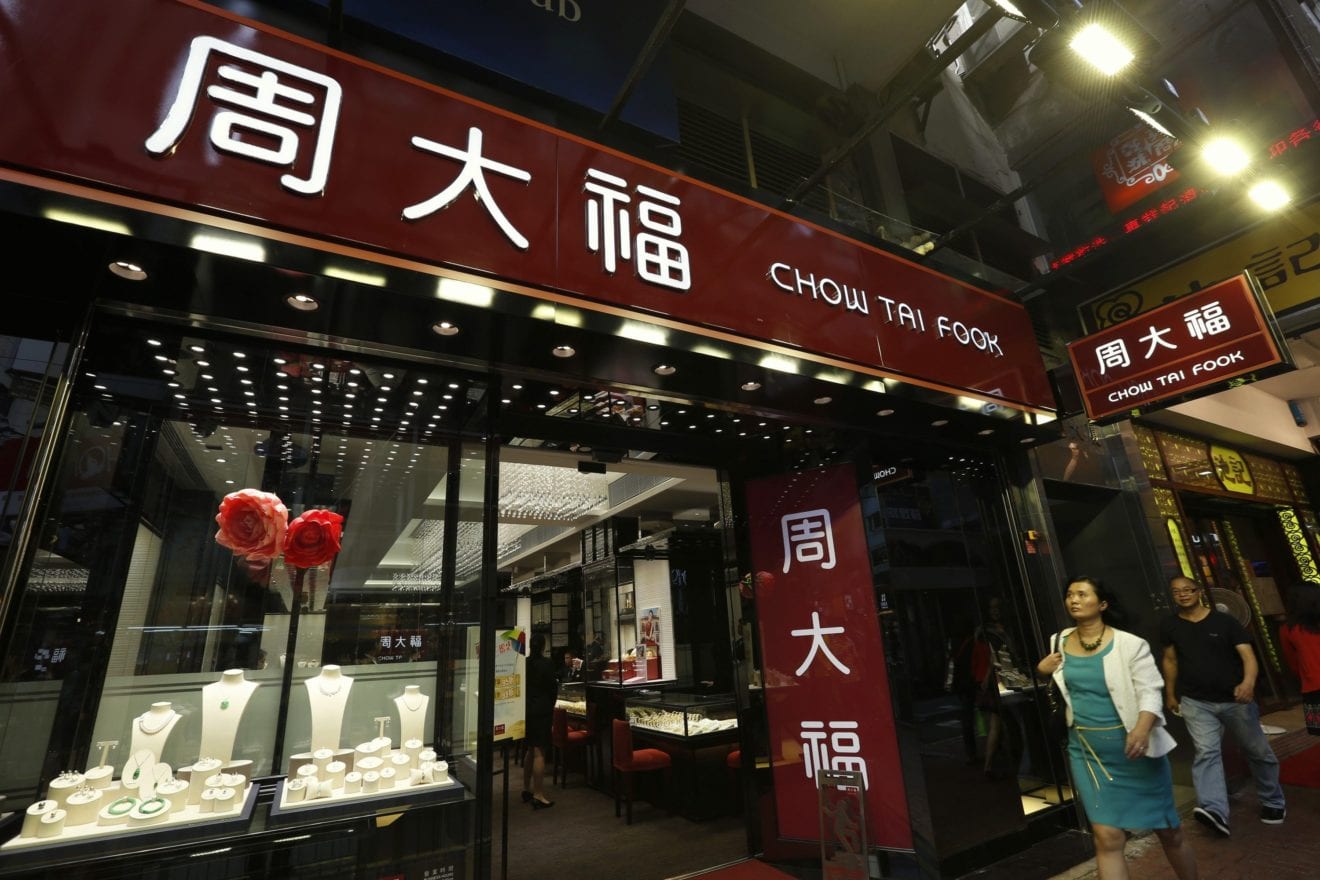
    Local jewellery retailers like Luk Fook and Chow Tai Fook have been renegotiating rents as they come up for renewal, and reporting reductions  of between 10 per cent and 20 per cent.

  • Chow Tai Fook wins 40 per cent rent cut

    Chow Tai Fook wins 40 per cent rent cut

    Jeweller Chow Tai Fook has reportedly re-signed a retail shop rental lease at a 40 per cent reduction.

    It’s a rent reduction which will energise the retail sector, but not doubt send shivers through Hong Kong’s property community.

    Several listed luxury retailers have in recent months been openly discussing expectations of reduced rents when re-negotiating with landlords over lease renewals. Their expectations are grounded in falling sales of luxury goods resulting from Mainland China;s gift-giving crackdown and a reduction in the number of cashed up, big spending Chinese tourists hitting the territory.

    But the sort of reductions being discussed have ranged between 10 and 20 per cent.

    According to Ming Pao, Chow Tai Fook has renewed the lease on its Mong Kok Bank centre branch – shops 6 and 7, on the ground floor.

    The previous rent agreed was $1.3 million in 2012. The new rent rate is 40 per cent lower. Other terms, such as the lease term, have not been disclosed.

  • Sogo ‘resilient’ in tough market

    Sogo ‘resilient’ in tough market

    Department store operator Lifestyle International says its Sogo department stores in Causeway Bay and Tsim Sha Tsui helped it achieve a 15.1 per cent boost in first half year profit.

    In the six months to June 30, group turnover increased 6.6 per cent to HK$3.07 billion and profit attributable to owners of the company to $1.17 billion “The Sogo Causeway Bay store proved resilient,” the company said in its half year report.

    “It put in a steady and solid performance during the review period and delivered a healthy set of business results. The store generated HK$4.493 billion in total sales revenue, representing a slight decrease of 1.4 per cent from the same period last year, largely in line with the market as a whole. As with previous years, the store remained the biggest contributor to the group’s revenue, accounting for 64.4 per cent.”

    That trading result was achieved despite a renovation program and during a period of “relatively weak market sentiment”, which caused a decline in traffic footfall.

    “Notwithstanding the drop in traffic footfall, the store saw an increase in the stay-and-buy ratio that went up by 2.3 percentage points from the same period last year, which reflected customer loyalty for the store.”

    Across the harbour, the Sogo Tsim Sha Tsui store, which moved to a new location in November, has quickly attracted a significant amount of old and new customers, thus enabling it to grow steadily and deliver a better-than-expected performance, the company said.

    “The stay-and-buy ratio, average ticket size and the traffic footfall all performed well above the expectation of the management. During the period, continuous efforts had been made to adjust and refine the brand portfolio and merchandise of the boutique-style store, in reference to customers’ reception and the group’s market research. To enrich the product selection, SOGO TST opened in May the Freshmart in the previously unfilled area of the store, which houses a wine cellar and offers a vast array of food and confectionery items.”

    In Mainland China, Lifestyle’s operations delivered “encouraging results” in spite of the prevailing weak sentiment in the retail market.

    “The performance of operations in bigger cities was relatively more positive, as the decline in consumer confidence showed signs of bottoming out. The larger middle-class population with stronger spending power also enhanced the resilience of operations in big cities. Nonetheless, intensifying market competition remained a challenge. On balance, the generally healthy results of the mainland operations attest the Group’s core competency and its ability to drive operational efficiencies in good or bad times.”

    Shanghai Jiuguang performed strongly throughout the review period, with sales revenue up 9.7 per cent from the same period last year. The group said it had made an extensive effort to adjust the store’s brand and merchandise portfolio over the past years, which was now starting to pay off, and the store is now believed to own the strongest portfolio of cosmetic brands in its locality.

    “While Shanghai Jiuguang’s total traffic footfall fell 10 per cent during the period, the average ticket size was up 5.7 per cent and the stay-and-buy ratio improved by 6.2 percentage points, which again points to strong customer loyalty. In May, the store kicked off its renovation program, which is to be carried out in phases and is scheduled for completion in 2016.

    “Suzhou Jiuguang, which has established itself as a sought-after shopping destination in Suzhou, stayed firmly on a growth trajectory. It turned profitable in 2013 and has remained so since then. For the first half of the year, it reported a 5.1 per cent growth in sales revenue. The traffic footfall and ticket size was up 10.5 per cent and 1.7 per cent respectively, while the stay-and-buy ratio was largely stable at 38 per cent,” Lifestyle reported.

    “Of late, competition in the local department store sector has grown increasingly fierce. Being one of the first department stores to have secured a solid market position in the city, Suzhou Jiuguang enjoys first-mover advantage and has developed a loyal clientele that is still growing. Nevertheless, the group will continue to monitor closely the market situation in order to devise sound and sensible marketing and business strategies to respond promptly to new development in the market.”

    However, Dalian Jiuguang in Northeast China performed “largely in line with the local market situation”, recording a 13.2 per cent negative growth in sales revenue.

    “The results were within expectation of the management, in light of the fragile business environment and weak consumer sentiment of the city over the past few years. However, the group has been realigning the product range and tenant mix to widen the appeal of the store.”

    Shenyang Jiuguang, which opened in October 2013 as the Group’s fourth Jiuguang establishment in mainland China, continued to face a sluggish retail environment, with weak consumer sentiment and restrained economic activity.

    “With persistent efforts to enhance its product mix and to promote a wide range of local and imported products catering to a broad customer base, Shenyang Jiuguang managed to keep its business on a stable footing. For the first half of the year, sales revenue was stable when compared with the corresponding period in 2014. The traffic footfall showed signs of improvement, indicating the group’s marketing strategy is in the right direction. The management is aware that under the current economic climate, it would take notably more time for a young department store like Shenyang Jiuguang to turn profitable.”

    And Beiren Group, an established Shijiazhuang-based retailer in which the Group has strategic investment, continued to deliver “stable performance despite slack demand” in the highly competitive local market. For the first six months of the year, the investment contributed about HK$179.7 million in profit (including profit attributable to non-controlling interest) to Lifestyle International, compared with HK$142.7 million in the same period last year. The significant improvement in share of results was mainly due to the fact that its results in the previous year were negatively impacted by an audit adjustment.

    Beiren Group operates approximately 1.2 million sqm of retail space encompassing 17 department stores, 37 supermarkets and various outlets specialising in electrical appliances, consumer electronics and gold and jewellery. Most of the operations are located in Shijiazhuang.

    Nearly two years since its opening in July 2013, the group’s standalone “Freshmart” store in

    Changning, Shanghai, continued to deliver consistently and satisfactory results. Sales revenue for the first six months of the year saw a year-on-year growth of 11.6 per cent.
  • Kitsune touches down in Hong Kong

    Kitsune touches down in Hong Kong

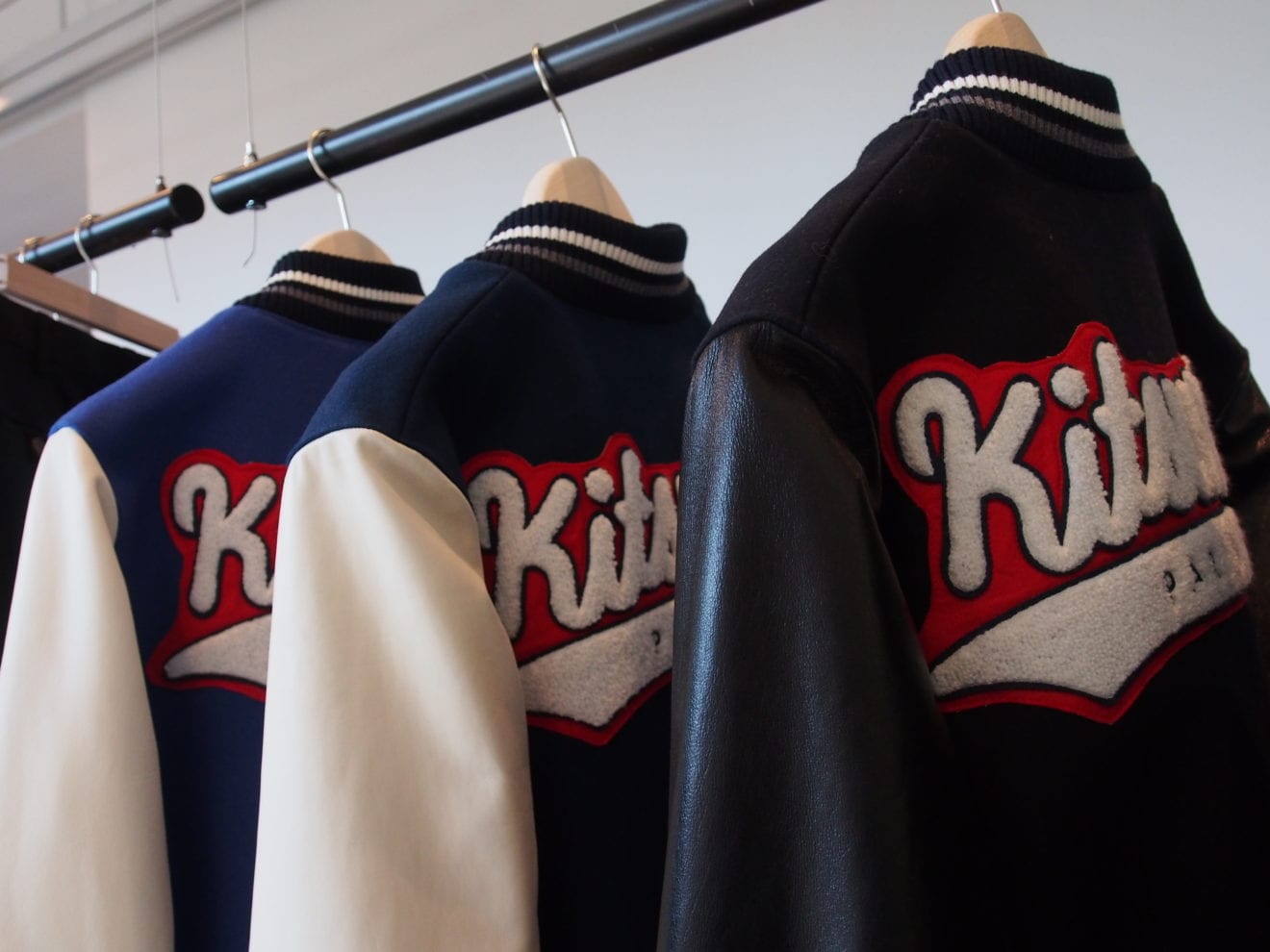
    French fashion label Maison Kitsune has opened its first permanent store in Hong Kong.

    Kitsuné is a French electronic music record label and fashion label created in 2002 by Gildas Loaëc, Masaya Kuroki and the London-based company Åbäke. Kitsune is the Japanese word for “fox” and the brand uses references to foxes in its marketing material.

    “Following the success of our Maison Kitsuné Gallery, the brand’s first ever pop-up shop in Hong Kong inaugurated last March 2015, we’re now settling down in the city for good with the opening of our very own Hong Kong pied-à-terre,” the company announced on its blog.

    Located in Causeway Bay, the 80 sqm store reveals a ‘post-modern chic space fusing the brand’s Parisian heritage with some subtle touches of traditional Asian decors’.

    Co-founders and creative directors Gildas Loaëc and Masaya Kuroki have created a unique retail experience that aligns fashion, music and design, featuring industrial-style floor, black and white tiles, oak shelf with white painted wood bracket, white walls and Asian antique furniture bargain-hunted in Hong Kong.

  • Lotte China loses a trillion

    Lotte China loses a trillion

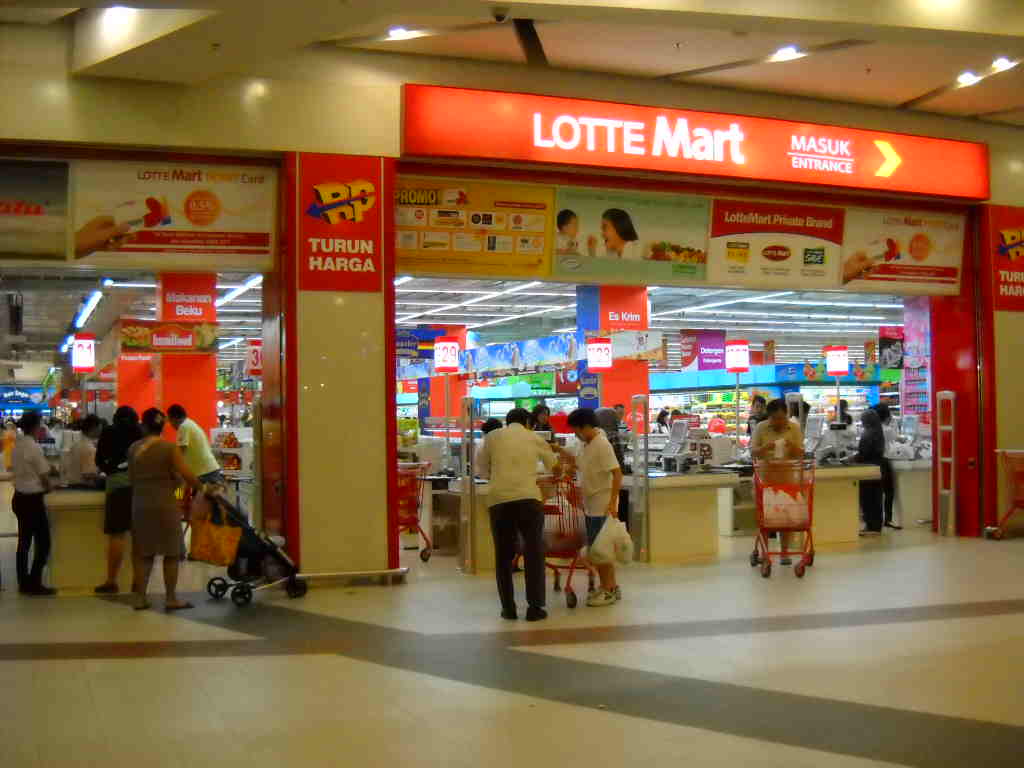
    Reports from Korea suggest Lotte Group has lost more than 1 trillion won (US$853 million) in China in just three years.

    Data assembled by CEO Score shows Lotte China made heavy losses between 2011 and 2014 as South Korea’s fifth largest company struggled to understand the Chinese consumer and build market share.

    Last month, Lotte said it would close four loss-making stores in its Mainland China network – all in in East China’s Shandong Province.

    Lotte is said to be losing market share in Mainland China unable to differentiate itself in the middle ground between local retail chains and the growing power of online retailers such as Alibaba and JD.com.

    CEO Score’s data shows the losses are growing, not narrowing. It started with 92.7 billion won in 2011, reached 250.8 billion won in 2012 and a massive 580.8 billion won in 2014.

    Lotte Mart has 120 stores in China, 116 in Korea, 39 in Indonesia and 10 in Vietnam.

    The company is family owned with the leadership locked in a bitter power struggle and two brothers compete to take control from their 93 year old father.

  • Hong Kong retail sales stable

    Hong Kong retail sales stable

    Hong Kong retail sales are not as depressing as many luxury retailers would have us believe.

    Figures for June released unusually late in the day on Friday show a year on year decrease of just 0.4 per cent, a figure low enough to adjust the first half year’s sales slippage to just 1.6 per cent – from the 2.3 per cent for the first four months.

    But take the effect of inflation out of the equation, and the territory’s retail sales increased by 4.4 per cent in June 2015. In volume terms, sales rose 4.7 per cent in the month, and for the first half of the calendar year are up by 4.7 per cent.

    Basically, it is the luxury sector – high end fashion, watches and jewellery – which is suffering the most. For most other retailers, there’s nowhere near the same level of decline.

    A Census and Statistics Department (C&SD) spokesman indicated that retail sales volume grew moderately further in June over a year earlier.

    “The fall in the sales of jewellery, watches and clocks, and valuable gifts narrowed, while retail outlets selling certain consumer durable goods registered visible growth in sales.”

    But the C&SD spokesman maintained a conservative outlook for the remainder of the year.

    “Looking ahead, the near-term performance of retail sales is still subject to uncertainties, depending on inbound tourism growth and any spillover to consumption sentiment from the recent stock market volatility.

    “Nevertheless, the stable job and income conditions should provide some support. The Government will monitor closely how these factors, as well as the various uncertainties in the external environment, would affect the retail business going forward,” he said.

    By broad retail category, and in descending order of value of sales, the value of sales of jewellery, watches and clocks, and valuable gifts decreased by 10.4 per cent in June 2015 compared with a year earlier.

    This was followed by sales of commodities in supermarkets (down 0.5 per cent), wearing apparel (down 3.8 per cent), commodities in department stores (down 3.3 per cent), medicines and cosmetics (down 4.2 per cent), footwear, allied products and other clothing accessories (down 8.4 per cent), furniture and fixtures (down 3.7 per cent), books, newspapers, stationery and gifts (down 9.5 per cent) and Chinese drugs and herbs (down 4.2 per cent).

    On the other hand, the value of sales of electrical goods and photographic equipment increased by 21.4 per cent in June 2015 compared with a year earlier. This was followed by sales of food, alcoholic drinks and tobacco (up 3.6 per cent) and optical shops (up 0.4 per cent).

    Based on the seasonally adjusted series, the value of total retail sales decreased by 4.4 per cent in the second quarter of 2015 compared with the preceding quarter, while the volume of total retail sales decreased by three per cent.

  • Disney, Uniqlo form global partnership

    Disney, Uniqlo form global partnership

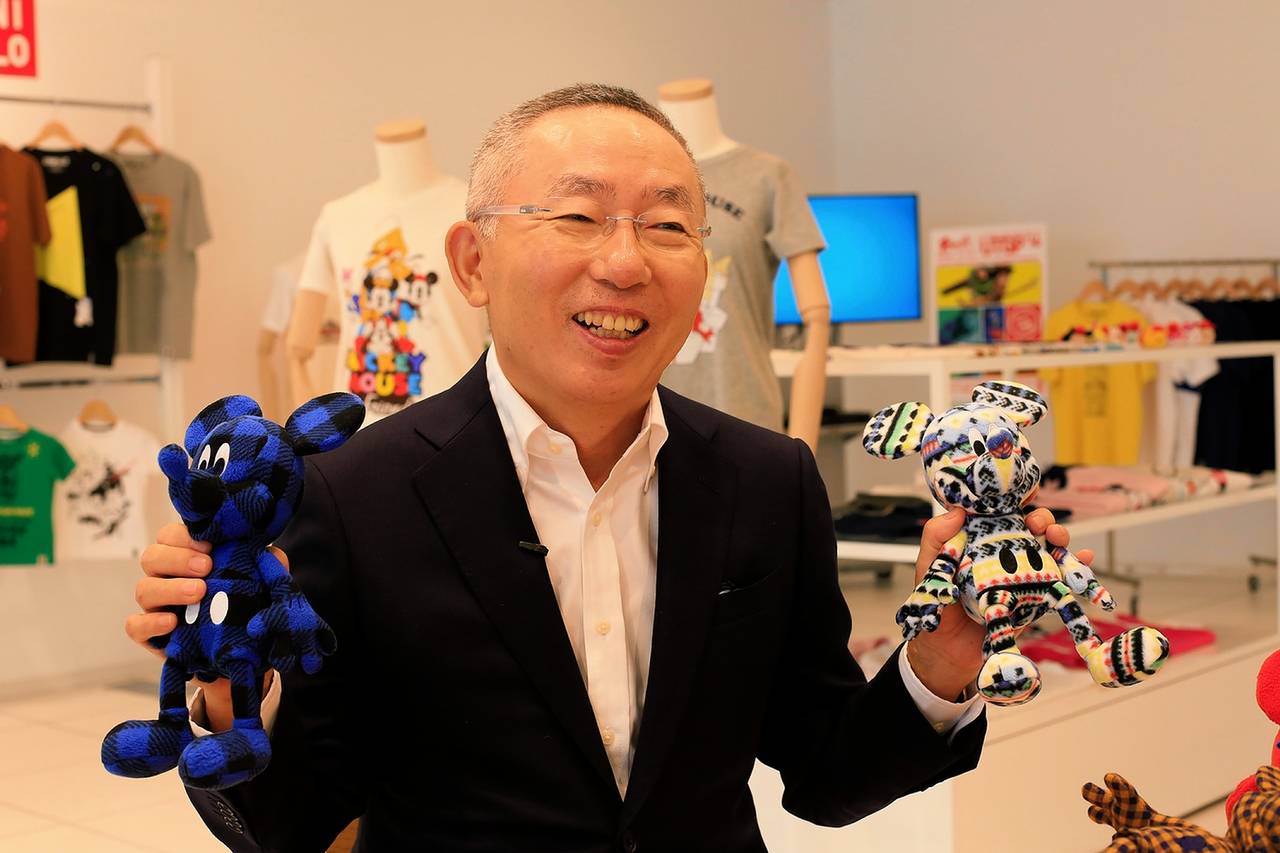
    Uniqlo has announced a global collaboration with Disney Consumer Products, dubbed Magic For All.

    The initiative will see characters from Disney’s brands, including Marvel action, Star Wars adventure and Pixar creativity to everyday Uniqlo LifeWear fashions and introduce “innovative new products, pop-up displays, and in-store and online customer experiences,” the Japanese apparel retailer said in a statement.

    “We want to help everyone’s dreams come true,” said Tadashi Yanai, chairman, president and CEO of Fast Retailing.

    “I look forward to bringing together LifeWear and the magic, excitement and adventure of Disney, Marvel, Star Wars and Pixar to deliver enjoyment to customers all around the world through our products, customer service and shopping experience.”

    Paul Candland, president of The Walt Disney Company Asia, said the entertainment giant prides itself on delivering magical experiences to fans of all ages, “whether it’s at the movies, retail, our theme parks or at home”.

    “Uniqlo shares our passion for storytelling and we look forward to expanding our global collaboration creating unique experiences for fans to immerse themselves in the Disney, Marvel, Star Wars and Pixar brands.”

    The Disney, Uniqlo relationship began in 2009, when the company launched its first collection of UTs (Uniqlo T-shirts) featuring iconic and treasured Disney characters, Mickey Mouse and Minnie Mouse. Through Magic For All, Uniqlo will extend its collaboration beyond the UT and sweat parka lines and introduce new LifeWear items beginning in fall 2015.

    Products will range from Ultra Light Down, fleece, and flannel shirts to umbrellas, plush toys, and other offerings featuring Mickey Mouse and Minnie Mouse and then expand to include popular characters from Star Wars, Pixar Animation Studios’ Toy Story, Marvel’s Avengers and Disney’s Frozen.

    Customers will be introduced to Magic For All at D23 Expo, The Ultimate Disney Fan Event, in Anaheim, California from August 14-16.


    A concept store featuring the full product range will open in Shanghai at the end of September. Currently under construction, it will occupy the fifth floor of the five story Uniqlo Shanghai Global Flagship, the brand’s largest worldwide.

    Global flagships and large-format stores around the world will also offer Disney, Marvel and Star Wars-themed products through newly created Magic For All sections.

    In spring 2016, Uniqlo will open its first store in the US southeast, at Disney Springs in Lake Buena Vista, Florida. This flagship will house the brand’s assortment of Magic For All offerings for men, women and children in a setting that captures the fantasy and magic of Disney.

    On July 13, Uniqlo announced “friendship in Disney-Pixar movies” as the theme for its annual UT (Uniqlo T-shirt) Grand Prix 2016 Design Contest. First launched in 2005, the contest attracts thousands of entries from around the world. The winning designs are included in the following year’s spring summer UT Collection, which is sold worldwide. An exclusive animated short was produced to support the 2016 competition.

  • China Finance Online Announces New Office in Beijing

    China Finance Online Announces New Office in Beijing

    China Finance Online Co. Limited (“China Finance Online”, or the “Company”, “we”, “us” or “our”), a leading web-based financial services company that provides Chinese retail investors with online access to securities and commodities trading, wealth management products, investment advisory services, as well as financial database and analytics services to institutional customers, announced that the Company has moved into a new office in 17th floor of Fuzhuo Plaza A, No.28 Xuanwai Street, Xicheng District, Beijing 100052, P.R.China.

    The office move would result in a substantial reduction to the Company’s current office rental expenses. It is also part of the efforts on team integration in order to improve product offerings and user conversion for iTouGu, the Company’s one-stop mobile platform for retail investors in China.

    About China Finance Online

    China Finance Online Co. Limited is a leading web-based financial services company that provides Chinese retail investors with online access to securities and commodities trading services, wealth management products, securities investment advisory services. The Company’s two prominent flagship portal sites, www.jrj.com and www.stockstar.com, are ranked among the top financial websites in China. In addition to the web-based securities trading platform, the Company offers basic financial software, information services and securities investment advisory services to retail investors in China. Through its subsidiary, Shenzhen Genius Information Technology Co. Ltd., the Company provides financial database and analytics to institutional customers including domestic financial, research, academic and regulatory institutions. China Finance Online also provides brokerage services in Hong Kong.

  • Bottega Veneta May Close Hong Kong Stores

    Bottega Veneta May Close Hong Kong Stores

    Retail rents in Hong Kong have long been among the most expensive in the world, but for years the high operating costs have been worthwhile. Luxury brands could capture not only the highly sophisticated local shoppers, but also mainland Chinese and other foreign tourists. That was, until recently.

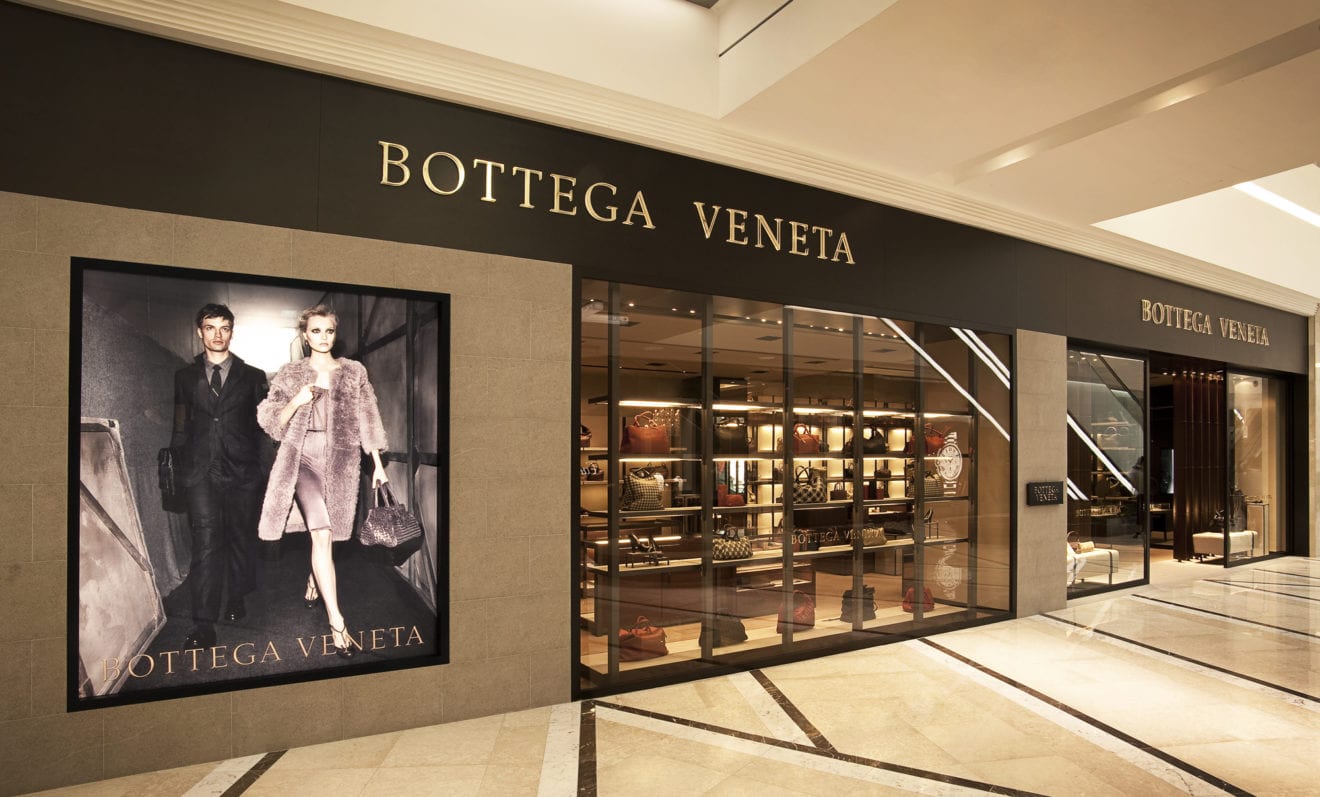
    Sales have slowed markedly for luxury brands in Hong Kong over the last two years. As a result, Kering—the parent company of Gucci, Bottega Veneta, and Yves Saint Laurent—is considering closing some stores.

    Political and economic changes in mainland China, acerbated by the umbrella movement of mass civil disobedience in Hong Kong, have had a negative impact on Hong Kong’s economy. After China’s new leader Xi Jinping launched a crackdown on extravagant spending and corruption in 2013, mainlanders have been spending less.

    Kering confirmed that it has started negotiating rents with landlords in Hong Kong.

    According to Kering’s first half results for 2015, “the downward trend in Asia-Pacific” (excluding Japan) was entirely due to the ongoing decline in consumer spending in Hong Kong and Macau.” Sales in mainland China were up year on year, and South Korea and Australia reported solid sales performances in line with the rise in tourist numbers, the report stated.

    The company confirmed that it has started negotiating rents with landlords in Hong Kong, and also Macau, mainland China, and other international locations.

    “We are very lucid about the situation in Hong Kong where we didn’t see any improvement during Q2 2015. Depending on the outcome of the discussions with the landlords and the business situation, we may consider closing stores in Hong Kong in the mid-term,” a Kering spokesperson said in a statement.

    The company has 58 retail locations in Greater China (mainland China, Hong Kong, Macau, and Taiwan).

    Kering’s revenue in Japan increased 7.4 percent during first-half 2015, driven by increased tourism from mainland China and local clientele.

    The Asia-Pacific region (excluding Japan), again accounted for more than 90 percent of Bottega Veneta’s business in emerging markets. “Sales in this region dropped 4.3 percent year on year, weighed down by a lacklustre luxury goods market in Greater China during the period, despite the very positive trends seen in South Korea, Taiwan, and Australia, where purchases by Chinese tourists increased significantly,” according to Kering’s first half report.

    Other luxury brands are also feeling the pinch in Hong Kong. Burberry has said it is attempting to negotiate rents with landlords in Hong Kong because the U.K.-based company’s sales there have dropped to a two-year low, according to Bloomberg.

    “Asia Pacific experienced a low single-digit percentage comparable decline, impacted by the continued challenging environment in Hong Kong, which decelerated further to a double-digit percentage decline in comparable sales. Mainland China comparable sales grew by a low single-digit percentage and Japan saw exceptional growth, albeit off a small base,” according to Burberry’s first quarter trading update.

    Faith Hope-Consolo, chairman of The Retail Group at Douglas Elliman real estate, said Hong Kong’s market is inundated with luxury brand stores with labels such as Gucci, Prada, Louis Vuitton, and Burberry owned by the likes of The Kering Group, Richemont and LVMH.

    She said, “There has been an introduction of more affordable lines to each brand to address and absorb the consumer choices and support a market whose tourist numbers fluctuate with an ever-changing economy.”