Tag: China

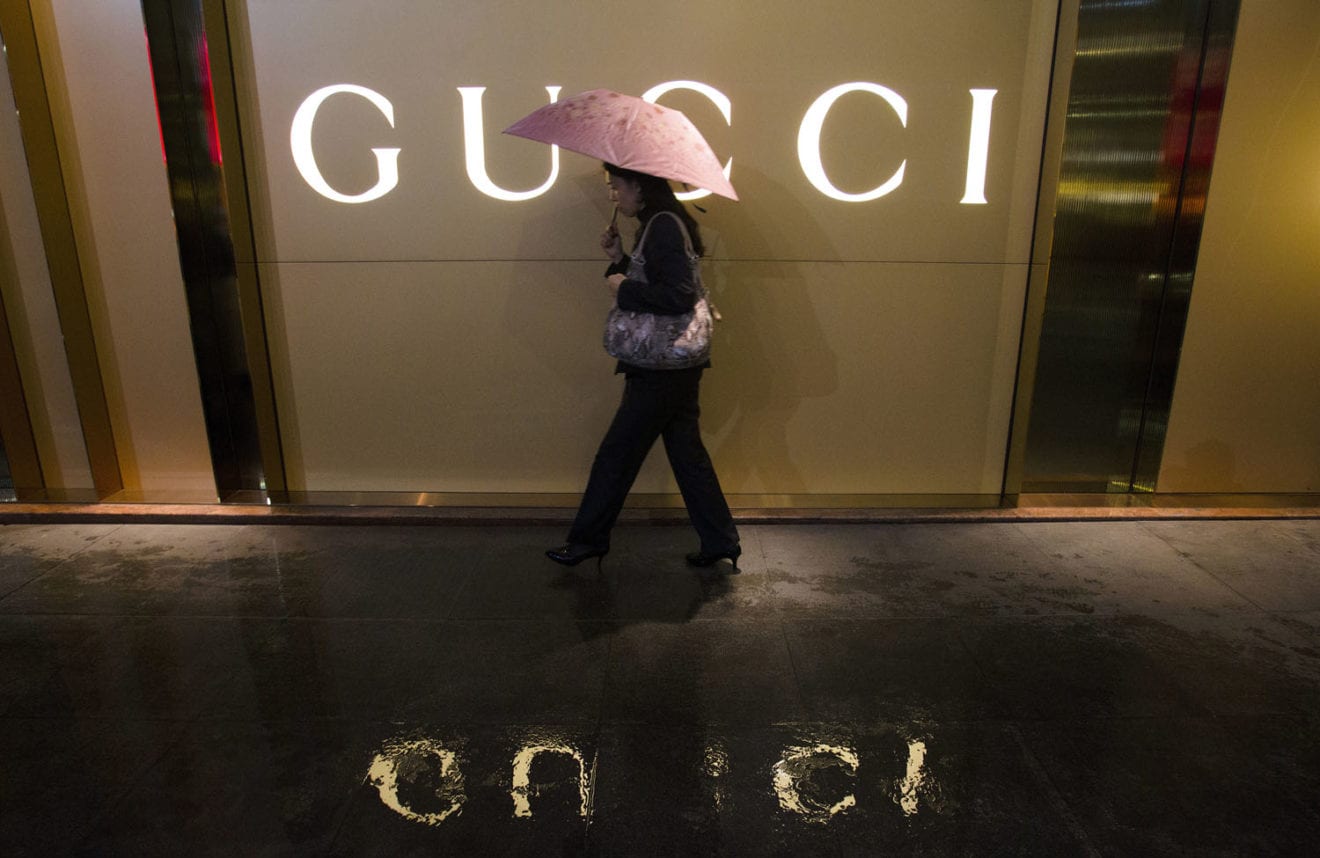
  • Gucci tangles with Hong Kong landlords

    Gucci tangles with Hong Kong landlords

    Retailers such as Burberry Group Plc, Kering SA and Chow Tai Fook Jewellery Group Ltd. are pushing landlords to lower rents on existing properties as luxury brands scale back on declining traffic.

    Commercial rents have dropped the most this year since 2009 amid plummeting sales.

    Hong Kong’s Russell Street in Causeway Bay used to boast the world’s highest retail rents, but it relinquished the top post to New York’s Fifth Avenue last year, Bloomberg News reported.

    TAG Heuer closed its Russell Street store last week, citing high rents and declining traffic.

    Kering, owner of the Gucci brand, has also warned that it may close some of its shops in Hong Kong if rents don’t come down.

    “Many landlords have not necessarily understood that the markets have changed,” Kering chief financial officer Jean-Marc Duplaix was quoted as saying.

    China’s economic slowdown and President Xi Jinping’s austerity and anti-corruption campaigns are among the reasons for the declining number of mainland shoppers in the city.

    Demand has also plunged because the weaker yen and euro have prompted Chinese tourists to favor Japan and France over the city, the news agency said, citing Helen Mak, senior director of research at Colliers International.

    “Unavoidably rents will trend down,” said Marcos Chan, head of research for Hong Kong, Macau and Taiwan at CBRE Group Inc. “We don’t see any reason why retail will quickly see a rebound any time soon.”

    Sales of jewelry, watches and other high-priced gifts fell 15.9 percent in the year ending June, according to data from the Hong Kong Retail Management Association.

    In a July research report, Jones Lange LaSalle Inc. said high-street rents will drop 15 percent to 20 percent this year, which is far worse than the 5 percent drop it predicted at the end of last year.

    Street-level landlords in Central on Hong Kong Island, and across the harbor in Kowloon neighborhoods that cater to mainland shoppers, are also feeling the pressure.

    Average rents fell 15 percent in Tsim Sha Tsui in the first half, Colliers said.


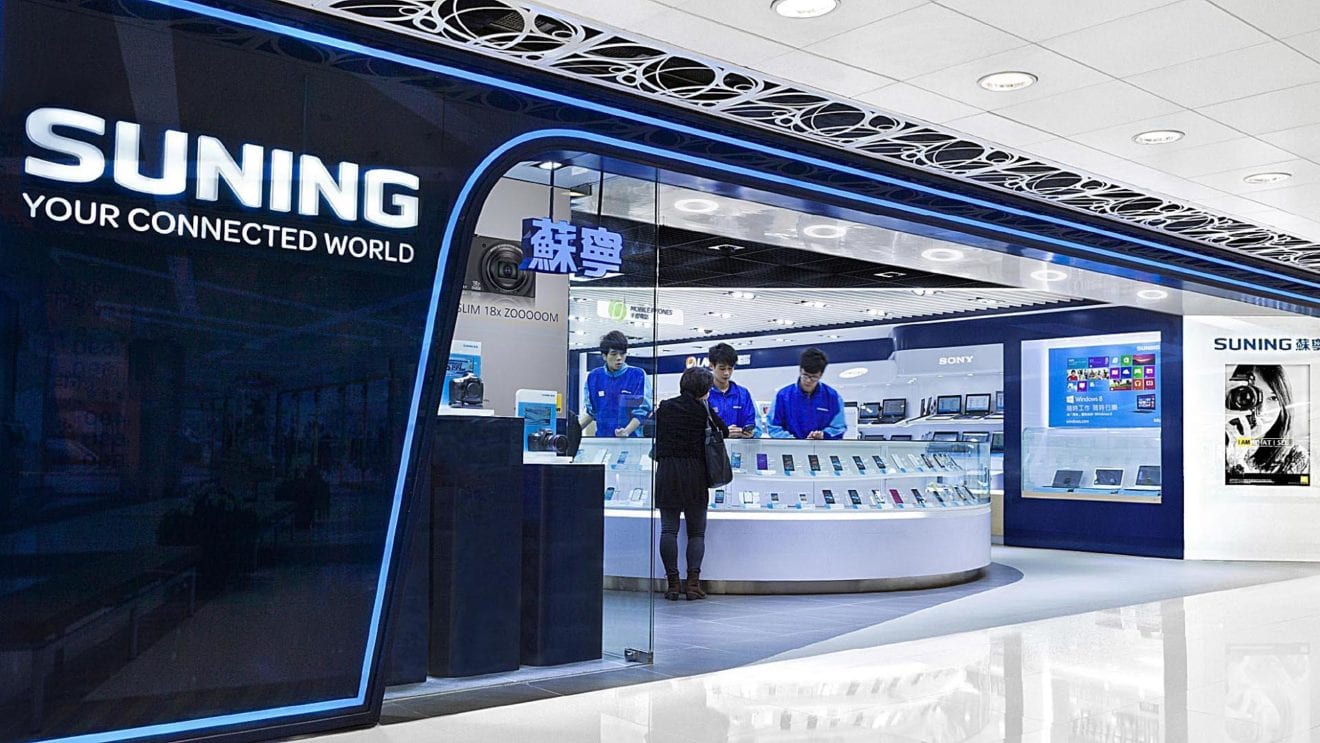
  • Alibaba spends $4.6-billion on Chinese electronics retailer Suning

    Alibaba spends $4.6-billion on Chinese electronics retailer Suning

    Alibaba Group Holding Ltd. will spend 28.3 billion yuan ($4.6-billion) for a stake in Suning Commerce Group Ltd. as China’s biggest e-commerce operator adds a network of electronics stores in its biggest deal ever.

    Alibaba will buy a 19.99 per cent stake in Suning, which in turn will spend as much as 14 billion yuan for shares in the e– commerce company, according to a Business Wire statement on Monday. The companies will partner in logistics and online sales to target deliveries as fast as two hours.

    Alibaba Chairman Jack Ma is beefing up his retail presence after a 24 per cent drop in the company’s market value this year, bolstering the appeal of e-commerce operations facing slowing growth in China. Adding Suning to a partnership with department store operator Intime Retail Group Co. helps Alibaba compete with JD.com Inc., which specializes in selling electronics and has surged in New York trading this year.

    “Suning has one of the largest physical networks for selling appliances and that would help Alibaba’s location-based services,” said John Choi, an analyst at Daiwa Securities Group Inc. in Hong Kong. “Alibaba is becoming much more involved in offline retail through investments.”

    Alibaba’s American depositary receipts gained about 1 per cent to $79.62 at 9:45 a.m. in New York on Monday. The stock has declined about 23 per cent this year.

    Suning has more than 1,600 outlets in about 290 cities in China selling appliances, books and baby products. Alibaba will become the second-largest investor in the Nanjing-based retailer, trailing only Chairman Zhang Jindong.

    Logistics Partnership

    Alibaba is paying 15.23 yuan a share for the stake, which is about 10 per cent more than Suning’s closing price on July 31, its last day of trading before being halted. Shares are up 53 per cent this year.

    “We’re going to be able to leverage on Suning’s physical infrastructure,” Alibaba Vice Chairman Joseph Tsai said during a conference call.

    The companies will link their customer databases so they can tailor services such as in-store mobile payments, Chief Executive Officer Daniel Zhang said.

    The acquisition is Alibaba’s biggest-ever, excluding a $7.1-billion share buyback in 2012 from Yahoo! Inc.

    Alibaba has quickened the pace of its deals this year as its share price plummets in New York trading. Since January, Alibaba has announced 22 deals at a total value of $9.1-billion, compared with 25 deals all of last year at a value of $5.9-billion.

    The Suning partnership will help Alibaba expand in an electronics and appliance retail market forecast to grow 23 per cent to 1.1 trillion yuan by 2018, according to researcher Euromonitor.

    Ground Teams

    Suning will partner with Alibaba’s Cainiao logistics affiliate, enabling the companies to cover almost all of the 2,800 counties and districts in China.

    “Retail e-commerce also needs the ground teams to serve its customers, especially for the electronics appliances,” said Ray Zhao, an analyst at Guotai Junan Securities Co. “It’s difficult for e-commerce players to acquire more good logistics land.”

    Suning’s No. 1 rival, Gome Electrical Appliances Holding Ltd., has taken a different direction in its strategy. Two weeks ago, the Beijing-based company signed a deal to buy a company owned by jailed founder Huang Guangyu for HK$11.3-billion ($1.5-billion). That would help it increase the number of outlets by 50 per cent to 1,714 in 436 cities, exceeding those owned by Suning.

    Alibaba is scheduled to report fiscal first-quarter earnings on Wednesday.

  • Mood darkens for trade in China

    Mood darkens for trade in China

    The business sentiment of Korean companies in China has worsened in the second quarter – particularly in the automotive and electronics sectors – mainly due to the slowdown in overall consumption in the Chinese market on the heels of a wobbling stock market.

    It was the second straight quarter that the business sentiment index remained below the 100 mark.

    According to a report by the Korea Institute for Industrial Economics and Trade (KIET) on Monday, the companies’ business survey index in the second quarter was 71, lower than 77 in the first quarter this year.

    The index reflects business sentiment, considering different business environments like quarterly profit performance, sales, costs and business regulations. As the index ranges from 0 up to 200, a number smaller than 100 means more survey participants expressed negative answers, while the index larger than 100 means more positive answers.

    The slump in business sentiment was the largest in automotive and electronic devices, two industries in which Chinese rivals are quickly catching up on Korean technologies and in which consumer demands change quickly.The survey was taken for a month from June 15, by the Korea Chamber of Commerce & Industry’s Beijing office and a Korean business association in China, on some 226 Korean companies operating in China. They were doing business in seven different sectors, ranging from electronics and automotive to chemical, textile and retail.

    Korean auto companies in China gave 45 points in the second quarter, a lot lower than the 94 points in the first quarter, during which the Chinese auto taste has quickly moved to favor sports utility vehicles (SUVs) that are more affordable than Korean autos.

    Korean electronics companies gave 54 points in the second quarter, also much more negative than the first quarter’s 88 points, after Samsung smartphones lost market share to Xiaomi and Huawei.

    Only Korean chemical and retail industries expressed positive assessments regarding their businesses in the second quarter, each giving 103 points and 100 points, respectively.

    Survey participants said the slowdown of demand in the Chinese domestic market was the main reason for their business hardships in the second quarter, followed by competition with Chinese rivals and elevated labor cost, which raised overall production costs.

    In the first quarter, a steep increase in labor costs was the main reason Korean companies found it hard to do business in China, reflecting the slowdown in the growth of the domestic economy.

    However, the Korea International Trade Association (KITA) rolled out a positive outlook on Monday that the Chinese economy will maintain its growth rate at the 7 percent range in the latter half of the year and Chinese investment is on its way to recovery thanks to state-led infrastructure building projects, which bring up both imports from other companies as well as local real estate transactions.

    The outlook said Korea’s export to China and local production of Korean companies will stay contracted until the third-quarter due to the unstable Chinese stock market and contracted consumption sentiment.

    The Chinese economy is forecast to rebound to last year’s level by the fourth quarter at the latest, the KITA outlook forecast, as the central government there is pushing policies to boost cash liquidity and the real estate market.

    “The sagging domestic economy made Chinese consumers lean towards frugal consumption, which helps local Chinese companies with advanced product quality gulping up market share against foreign products,” said Lee Bong-geol, a senior researcher at the Institute for International Trade at KITA

  • E-Land Group to open large shopping mall in China

    E-Land Group to open large shopping mall in China

    South Korean retail giant E-Land Group said Monday that it plans to open its first shopping mall in mainland China later this year in a joint venture as part of its strategy to tap deeper into the world’s biggest market.

    E-Land Group and Malaysia-based Parkson Group have agreed to establish a joint venture and open “Parkson-New Core Mall” in Shanghai in November.

    The South Korean company said it will be in charge of management of the joint venture, with a 51-percent share.

    Parkson Group is one of the largest department store operators in the Asian region, with 127 stores in China, Malaysia and Indonesia.

    It is the first time for the South Korean retailer to run a large multiplex shopping mall in China, while E-Land now operates around 7,300 apparel stores in the neighboring country.

    E-Land said the Parkson-New Core Mall will house its own fashion, houseware, shoes and accessory brands, as well as American and European luxury goods.

    “China’s retail industry has already reached a saturation point,” said an official from E-Land Group. “We will introduce a new type of retail store in the market.”

    Rival retailers including Lotte Group and Shinsegae have already entered the Chinese market but failed to produce outstanding results due to fierce competition.


  • Korea’s GearX finds favour online

    Korea’s GearX finds favour online

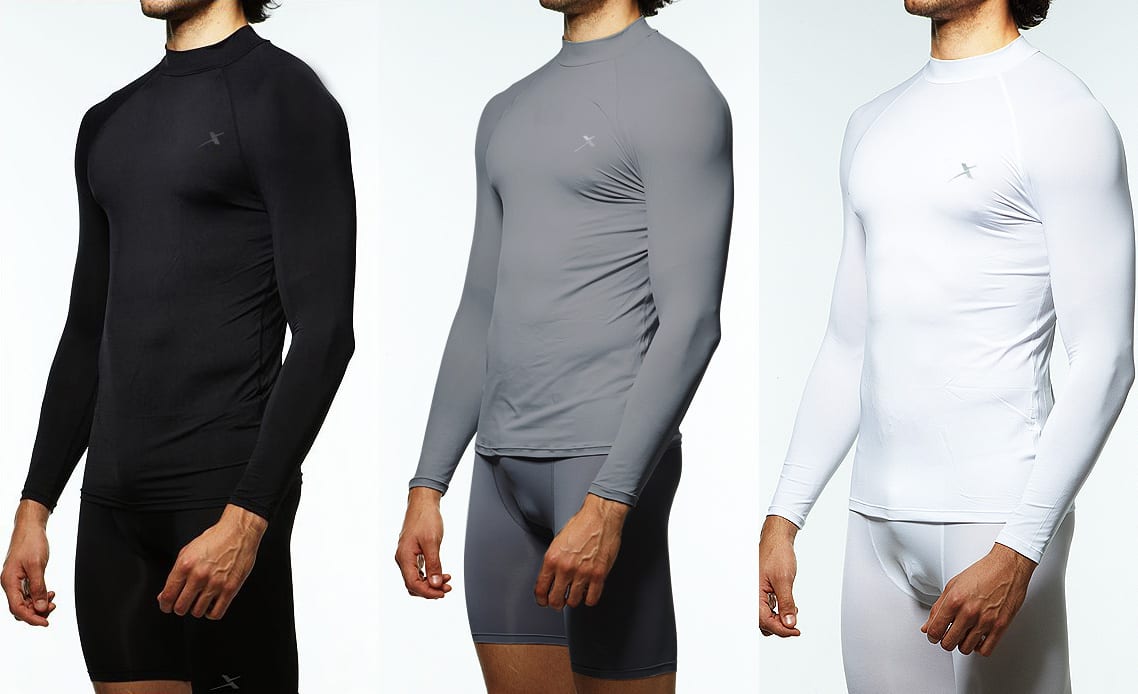
    Korean underwear brand GearX says sales of its functional sportswear online is booming – especially in Japan, China, Southeast Asia and America.

    While not revealing actual sales figures the company says its online mall is succeeding because the brand is building popularity by maintaining reasonable prices for products that boast excellent functions, “contrary to a number of global functional wear brands that started out as offline businesses and formed high price range”.

    Now, Lee is planning to expand GearX’s product range to include functional yoga outfits, running and cycling apparel.

    GearX is running its shopping mall in multiple languages including English, Chinese, andJapanese using the Global Service of cafe24, Korea’s largest shopping mall solution provider. GearX’s products are also available on global online shopping malls such as Amazon.com of America and Qoo10 of Singapore.

    GearX’s products include base layer, rash guard, and underwear; all of them offer fast-drying, UV blocking, and antibacterial features. GearX applies a seamless sewing technique on the clothing to achieve excellent flexibility. Thus, all of GearX products fit the body without extreme tightness.

    “From the very beginning, we focused on developing a highly functional fabric that relieves heat, maintains coolness, and repels insects. As a result, we have become Korea’s first, and only, functional clothing manufacturer to acquire a patent for the fabric,” said Sang-hun Lee, president of GearX.

    “After successfully developing the fabric, he had also developed and introduced a sewing technique that would not irritate the skin considering the the fact that the product is in direct contact with the skin.”

  • Coca Cola’s China rise

    Coca Cola’s China rise

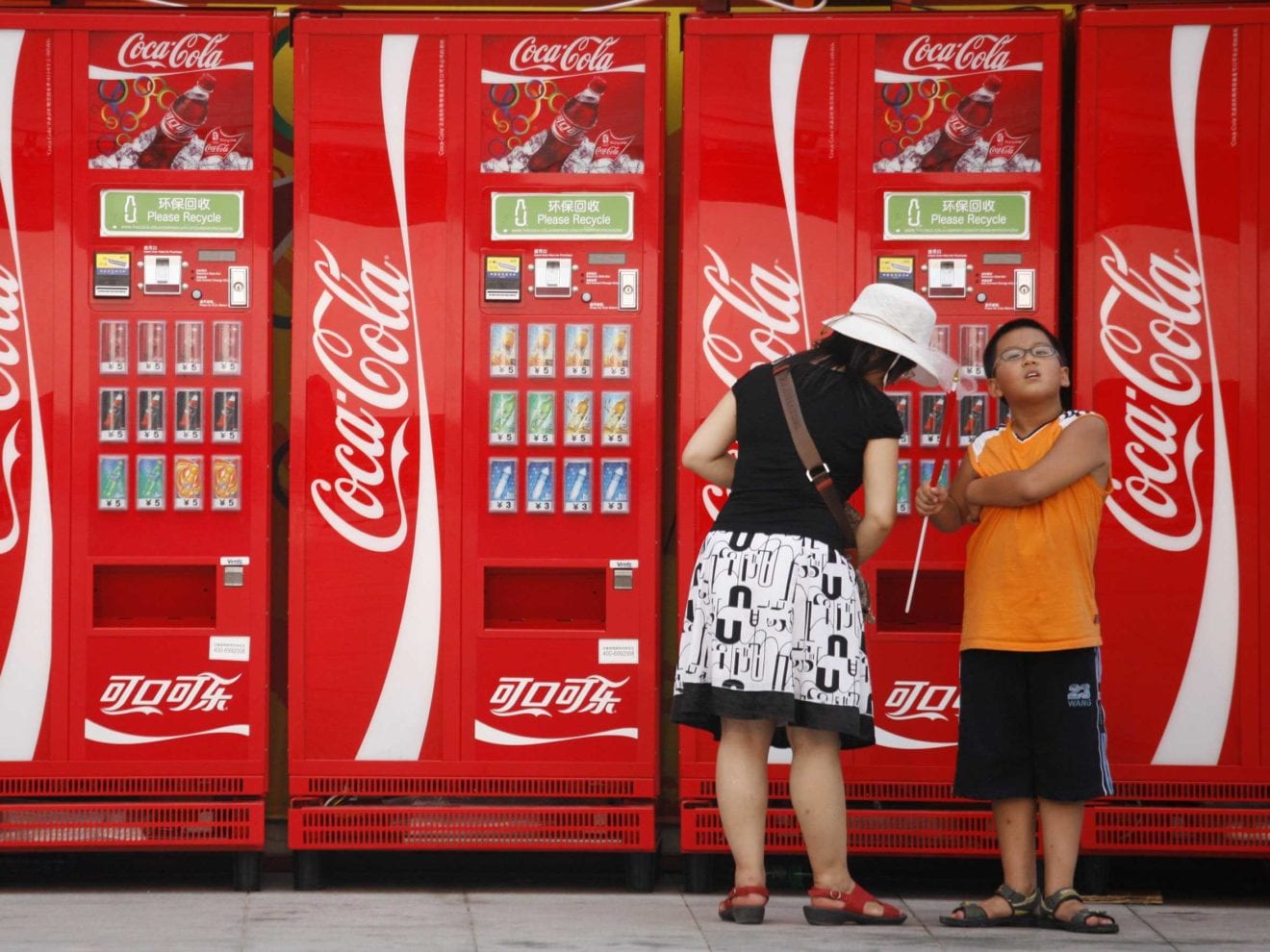
    Coca-Cola has been a symbol of Western commercialism since its founding in the late 19th century, with one of the world’s most highly recognizable logos.

    Forty years ago, it was unthinkable that Coca-Cola would ever be available in what is now one of the brand’s biggest markets: Communist China. The story of its entry into China is not only inspiring, but can also still provide valuable lessons to foreign brands trying to enter the world’s fastest-growing market today.

    Coca-Cola’s factories were nationalised in 1949 under order of Chairman Mao Zedong, who deemed the drink a ‘bourgeois concoction’. After Deng Xiaoping opened the Chinese economy in the late 1970s, the company was eager to return. Its rival, PepsiCo, had just won the bid for the Soviet Union, putting pressure on Coke not to lose the world’s other communist giant.

    It all started when Peter Lee, now known as the first President of Coca-Cola China, received a call from former Coca-Cola Chairman J. Paul Austin asking him to try to launch the brand in China. Lee got to work right away, telexing the China National Cereals, Oils and Foodstuffs Corporation (currently known as COFCO). After a six-month wait, he was finally sent a message saying he was “welcome to come to Beijing for negotiations”.

    Once in China, Lee managed to convince his Chinese counterparts to sign an agreement under the premise that since the country was finally open to tourists from all over the world, “we have a product we believe most tourists will love.” They signed the agreement on Dec. 13, 1978, though the deal was not publicized until after US President Jimmy Carter announced the mutual recognition of the US and China and the re-establishment of diplomatic ties between the two nations two days later on December 15, 1978.

    As the first foreign FMCG-company to enter the Chinese market, Coca-Cola faced various challenges. The company was limited to selling only to tourists with their first shipment in 1979, while under strict supervision of Chinese officials. Coca-Cola, however, wanted to reach Chinese consumers and was punished with a 12-month ban after holding an illegal street promotion in Beijing in 1980. After the restriction was eased, Coca-Cola built its first production facility on Chinese soil, which was wholly owned by COFCO. In 1988, the company had another breakthrough when it launched its first Shanghai cooperative joint venture. From then onwards, it could be said that Coca-Cola truly had entered China.

    After Coca-Cola’s entry to China, its subsidiary brands soon followed in its footsteps. The most successful brand was Minute Maid, which entered China in 2004 with the flavors orange and grapefruit. This decision was very deliberate: Although the Chinese didn’t know Minute Maid very well, it had a strong reputation in the global beverage industry. And by positioning Minute Maid as a “global brand”, it was easier to generate buying confidence among Chinese consumers.

    The Coca-Cola Company started a revolution in China, as well, by focusing not on the brand name Minute Maid in commercials, but on the flavor of the product itself: “Fruit Pulp Orange.” This decision to name the product benefit before the brand name turned out to be a great success: Minute Maid became the first billion-dollar brand to emerge in the Chinese market for Coca-Cola. The success of “Fruit Pulp Orange” also came at a cost—it sparked a huge number of copycats and counterfeits. The lesson learned was that the IP-holder Coca-Cola needed to keep an eye out for counterfeit products in order to protect its trademark.

    Coca-Cola is a model for “first-in-market advantage”. It was the first foreign brand to move into China, and is therefore ingrained in the collective Chinese memory and consumer market.

    This paved the way for other well-known brands: Coke’s main competitor, PepsiCo, entered China in 1981. PepsiCo’s current CEO, Indra Nooyi, remembers her first time in China for PepsiCo where she saw local Chinese eating Lay’s potato chips with chopsticks. Nooyi believes that corporations that want to be successful in China need to behave in a way that also benefits the country. PepsiCo signed a Memorandum of Understanding with the Chinese Ministry of Agriculture in 2011 to “promote sustainable agriculture projects and accelerate the development of the Chinese countryside”. In order to fulfill its promise, PepsiCo has opened eight sustainable demonstration farms in order to educate Chinese farmers how to grow sustainably. Also, they invested in partnerships with more than 10,000 rural Chinese households in the last 15 years.

    In 1995, Red Bull followed Coke’s lead by forming an alliance with the Thai-Chinese Reignwood group to enter China. Today, Red Bull has five manufacturing hubs in China: Beijing, Hubei, Jiangsu, Guangzhou and Hainan, with over 10,000 employees. Its share of the vitamin drink market is also increasing by 20 per cent every year. Just like Minute Maid, Red Bull was able to leverage its global brand to make a successful launch in China. This has also come with the same problem of counterfeit products, but Red Bull maintains it is taking the problem seriously by monitoring the Chinese market attentively and checking cans regularly to protect its trademark from any infringements.

    The five key lessons for building a beverage brand in China are:

    1. Get a ‘first-mover-advantage’ in your beverage category.
    2. Leverage your global brand equities.
    3. Form strategic partnerships that bring scale.
    4. Behave in a way that benefits ‘China’.
    5. Get local with production facilities on Chinese soil.

    Coca-Cola’s entry to China can serve as a model for all FMCG companies that want to enter China. Besides this, it reveals a country with a dynamic market that requires patience, expertise, and adaptability, but in exchange offers the opportunity to grow beyond a company’s imagination.

  • Vipshop doubles income

    Vipshop doubles income

    Chinese online discounter Vipshop Holdings has doubled its profit in the second quarter to June 30.

    It reported total net revenue soared 77.6 per cent to US$1.5 billion, its gross profit by 78.6 per cent to $360 million and its income by 192.5 per cent to $70.6 million.

    Chairman and CEO Eric Shen said the strong quarter was largely driven by expansion of mobile operations and continuing growth in customers and orders in its our core flash sales business.

    “Our smooth and swift execution on the mobile front – with 76 per cent of our gross merchandise value now coming from mobile devices – has helped set us apart in the market, and further clarifies the unique value of our flash sale model for on-the-go shoppers,” he said.

    “Our cross-border expansion, supplier financing initiatives and logistical enhancements have further improved our ecosystem for brands and customers. Going forward, we will focus on expanding our market share and scaling our operations through enhancing the customer shopping experience, attracting new customers and elevating our brand value in China and globally.”

    Donghao Yang, CFO, said Vipshop was on track to meet its 1.5 million sqm warehouse target by the end of the year.

    “We also continue to expand our local delivery and services network, which we are currently using to deliver over 70 per cent of our total orders across almost all provinces in mainland China.”

    The number of active customers for the second quarter of 2015 increased by 47.2 per cent to 14.2 million from 9.7 million in the prior year period. The number of total orders for the second quarter of 2015 increased by 55.2 per cent to 44.9 million from 28.9 million in the prior year period.

  • Dairy Farm buys more Yonghui shares

    Dairy Farm buys more Yonghui shares

    Dairy Farm International has agreed to acquire a further 143 million shares in a placement by Yonghui Superstores for about US$210 million.

    The investment by DFCL is being made in conjunction with JD.com acquiring a 10 per cent interest for consideration of about US$700 million and protects Dairy Farm’s existing 19.99 per cent stake.

    Zhang Xuansong, Yonghui’s chairman, is acquiring a two per cent interest in the enlarged share capital in the placement for US$140 million, and his brother, Zhang Xuanning, the deputy chairman of Yonghui, will between them hold a reduced 29.15 per cent interest.

    Dairy Farm Group CEO Graham Allan, said his company was pleased to support Yonghui and its leadership team with the transaction.

    “The co-operation with JD.com will accelerate Yonghui’s participation in the rapidly expanding

    eCommerce space in China and offer significant opportunities for Yonghui. The related capital raising will strengthen Yonghui further as it implements its store development plans, builds a leading food supply chain in China and invests in an integrated online-to-offline business model.”

    The placement to JD.com requires the approval of Yonghui’s shareholders and certain regulatory approvals in the PRC which will take up to six months to complete.

    Shanghai-listed Yonghui operates hypermarkets and supermarkets from its Fuzhou, Fujian province, headquarters and operates 351 retail outlets across 17 provinces in China.

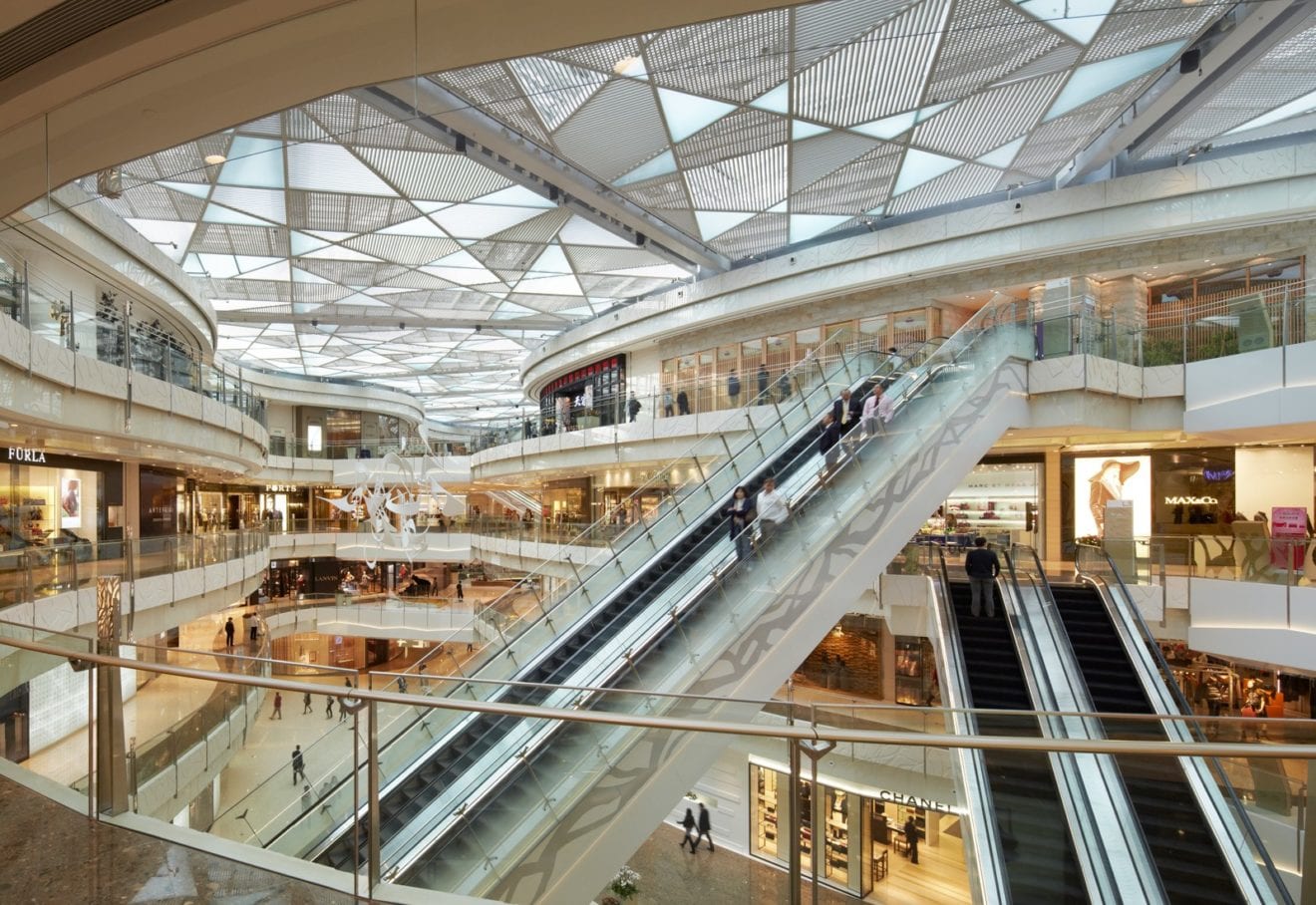
  • After 165 years, Lane Crawford looks forwards

    After 165 years, Lane Crawford looks forwards

    To mark its 165th birthday, luxury department store Lane Crawford invited its community of leading and emerging brands and creative talents to share their vision of the future.

    Their perspectives are transformed into a series of exclusive designs, capsule collections, artistic installations and uniquely curated product showcases that engage customers to imagine what the future may bring.

    With more than 600,000 square feet of retail space, Lane Crawford has 11 points of sale across Hong Kong, Beijing, Shanghai and Chengdu. With an online store, purpose built for China while also shipping globally, Lane Crawford is China’s first luxury omni-channel fashion retailer. Featuring the largest designer portfolio across Womenswear, Menswear, Cosmetics, Home and Lifestyle, and Fine Jewellery in the region, Lane Crawford showcases more than 1000 international brands.

    Innovative Beijing-based architecture and design firm People’s Architecture Office presents its vision of the future of modern living through giant twisting metal tubular structures that customers can climb inside to explore a whole other landscape. Hong Kong-based architectural design studio Sky Yutaka has created a mesmerising kinetic installation where the future is a haunting rendition of machine-made beauty, featuring robotic rain flowers that gently furl and unfurl their petals in response to a flowing stream of water. Musical wunderkinds Mimi Xu and Rosey Chan continue to inspire the future of sound with their distinctive take on classical electronica music accompanied by a stunning multisensory visual narrative. Other creative luminaries such as Li Lihong, Angel Chen and Alan Chan have also contributed their visions of what the world will look like in 165 years.

    Limited Editions

    The store has also collaborated with an array of brands to offer a selection of exclusive editions as part of the 165 celebrations. Womenswear designer and Chairman of the Council of Fashion Designers of America, Diane Von Furstenberg has redesigned her signature wrap dress with a Chinese twist. There are also capsule collections from T by Alexander Wang, MSGM, Ms Min and Chictopia Fine Jewellery exclusives come from Nathalie Melville and Tasaki, and there is an exclusive watch design from Mad.

    Menswear designers including Haider Ackermann, Neil Barrett, Paul Smith, Rick Owens, Uma Wang and Ziggy Chen have been invited to develop the Silk Capsule collection, incorporating the traditional Chinese fabric in refreshing styles.

    In addition, there are limited editions from a number of cosmetic and lifestyle brands. Shanghai Tang presents an exclusive lacquer box set with its signature women’s fragrance collection, including a personalised engraving service. Valmont offers the Elixir Tribute to Lalique in a sublime red lacquer box topped with Lalique crystal.

    On the local front, Tom Dixon brings another global exclusive to the party with the launch of his new coffee range, “Brew”, and the maverick British product designer also curates the “Living Room of the Future” installation, which offers a vision of home entertainment in years to come. Another iconic British brand, Fortnum & Mason has created the exclusive Lane Crawford 165 tea blend special edition. Other home products include a limited-edition “165” scented candle from L’Objet; a specially made game table by Chinese architect and designer Naihan Li; a digital printed rug from Dutch brand Moooi; neon light décor with Chinese characters meaning ‘prosperity’, ‘fortune’ and ‘home’ from Italy’s Seletti; and an Asia-exclusive launch of a new lamp in taupe and brass from Anglepoise.

    Lane Crawford will hold its 165th Anniversary Celebrations Party at the IFC Mall store on September 9. The festivities continue with a weekend of shopping privileges and anniversary-themed prizes across all Lane Crawford stores in Hong Kong from September 11 to 13.

    Who Is Nick Wooster

    Having worked with highly respected fashion brands and renowned retailers around the world, street style guru Nick Wooster demonstrates his flair for fashion and eye for detail by co-curating a dedicated space for modern men’s wardrobe essentials at Lane Crawford IFC Mall, where Wooster + Lardini, his eclectic collaboration with Italian brand Lardini, is also showcased.

    The dapper Wooster will also make a personal appearance at Lane Crawford ifc mall for an exclusive styling session and cocktail party on August 13.

  • Alibaba counterfeit guide launched

    Alibaba counterfeit guide launched

    Alibaba Group has launched an English-language version of its online system for reporting intellectual property (IP) infringements that occur on its giant Chinese e-shopping marketplaces Taobao.com and Tmall.com.

    The system, called TaoProtect, is designed to make it easier for companies to report merchants who are selling counterfeit products on the Taobao and Tmall platforms, facilitating the efficient removal of infringing product listings. Through TaoProtect, companies can also file complaints for other IP violations such as copyright infringement, patent infringement and unfair use of trademarks.

    TaoProtect is similar to another IP-complaint system operated by Alibaba called AliProtect that covers global wholesale marketplace Alibaba.com, global shopping website AliExpress and China wholesale marketplace 1688.com.

    The debut of the English version of TaoProtect will make the system more accessible to Western companies, said Xinghao Wang, Alibaba Group’s U.S.-based senior intellectual property protection manager. “Because the success and integrity of our marketplaces depend on consumer trust, we have comprehensive policies and practices in place to fight IP infringement,” Wang said, including the use of data-analysis technology to monitor the sites for counterfeit-product listings.

    Due to the sheer size of Taobao and Tmall – Alibaba’s China retail platforms host some 10 million active sellers – the company also works with rights holders to make its efforts more effective. That’s where TaoProtect comes in, Wang said. By providing an online system for alerting Alibaba to infringement on Taobao and Tmall, Alibaba is better able to identify suspicious listings that may be missed by the company’s internal countermeasures, he said.

    Wang noted that filing a complaint does not automatically result in takedowns. To safeguard the rights of all parties, the TaoProtect process is set up to determine whether complaints are legitimate, and to ensure that Taobao and Tmall merchants who abide by the platforms’ established rules are not unfairly penalised.

    The reporting system helps serve a larger purpose, too, he said: “Information received through TaoProtect and AliProtect is an essential part of the rule-making effort, and the data in the reporting system may also be used in the monitoring system.”

    In the video, the founder of a US maker of innovative cutting tools explains how he uses AliProtect to keep copycats at bay.

    “The more popular your products are, the higher the likelihood that someone is going to be copying you at some point, that form of flattery that no one really wants,” says TJ Scimone of Slice. By using AliProtect, he says he successfully got knock-offs of his products “shut down (and) off the site.”

  • Hong Kong police seize 30,000 fake bags

    Hong Kong police seize 30,000 fake bags

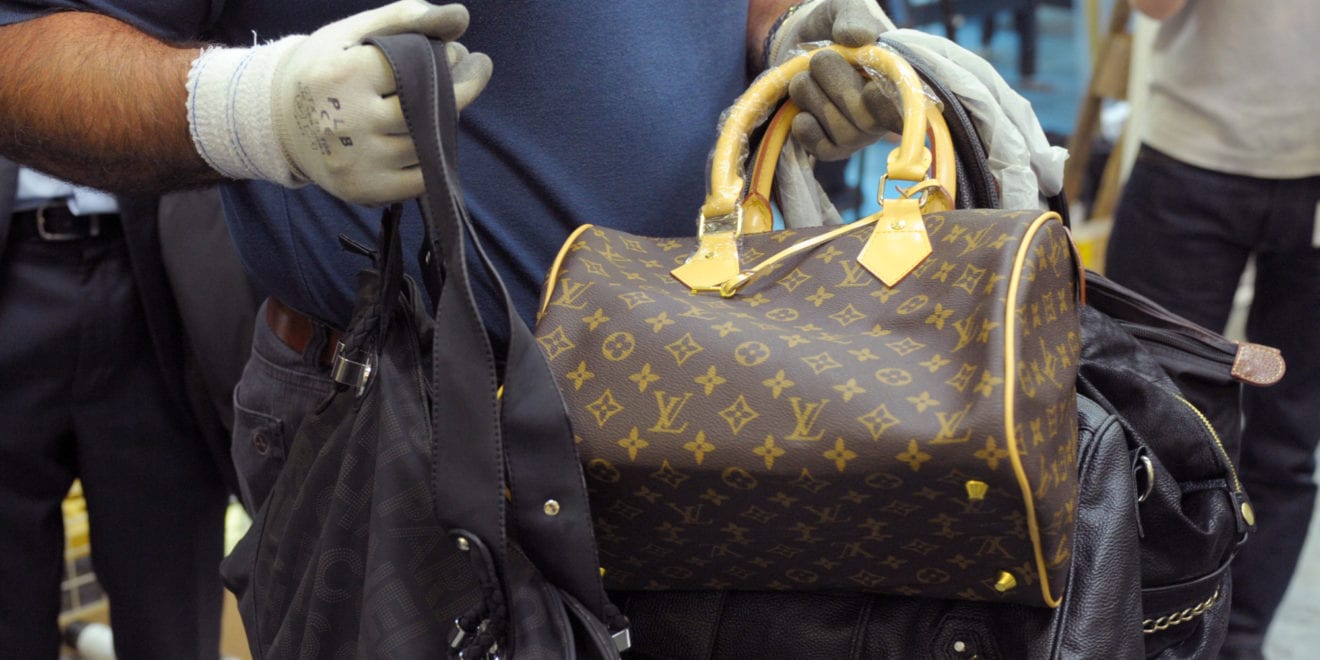
    Hong Kong police and customs officers have made the biggest seizure of counterfeit bags and accessories in a decade.

    The authorities say they netted 30,000 bags in a two day operation on July 28 and 29, details of which have only just been revealed.

    Customs and police say they successfully smashed a syndicate suspected of selling counterfeit goods by operating two upstairs showrooms and a storehouse in Tsim Sha Tsui and Tsuen Wan.

    The operation involved a record seizure in terms of quantity among similar cases in the past decade. The more than 30,000 suspected counterfeit products have an estimated street value of about $3 million, including leather goods, watches, apparel products, footwear, sunglasses and perfume, were seized.

    The syndicate was suspected of establishing a sales network with a membership scheme.

    A man thought to be the mastermind of the syndicate and two women, aged between 32 and 37, were arrested and released on bail pending further investigation.

    The Divisional Commander (Intellectual Property Transnational Investigation) of the Intellectual Property Investigation Bureau of Customs, Cheuk Tak-wai, and the Police assistant divisional commander (operations) of Tsim Sha Tsui Division, Ho Siu-tung, said at a press conference that Customs and the Police would continue to combat counterfeit activities with stringent joint enforcement actions. Customs also appealed to members of the public to shop at retail stores with a good reputation or at official brand stores.

    Under the Trade Descriptions Ordinance, any person who sells or possesses for sale any goods with any forged trademark commits an offence. Upon conviction, offenders are liable to a maximum fine of $500,000 and imprisonment of five years.

  • Amway China in online push

    Amway China in online push

    US direct selling retailer Amway is planning a major push in China where it sees potential with younger consumers.

    Globally, Amway sold US$10.8 billion worth of household goods last year, down eight per cent on 2013.

    In China it has spent a year testing online sales models, creating 10 WeChat accounts and 12 apps through which its sellers can interact with customers. Online already accounts for 30 per cent of its China sales – with mobile sales about one fifth of that and expected to grow to half within 10 years.

    Last week Amway held a digital strategy launch in Guangzhou where it revealed plans to allow consumers to shop through its online platforms and apps with Amway taking responsibilities for delivering the goods to purchasers. That marks a significant variation from its traditional model of having its sellers deliver goods personally.

    Chief marketing officer Frances Yu said the company knows its strength lies in a solid offline relationship it has with customers. “The same will be upgraded further when we move online.”

    Mobile eCommerce will potentially cut costs for Amway’s direct selling staff as they won’t have to rent physical store space, have capital tied up in inventory or cover delivery charges. Amway will assume responsibility for storage and distribution.

    “Our entrepreneurs will be able to spend more time with their clients,” said Yu.

    Amway has opened 10 ‘experience’ stores in China to link online with offline, display products to prospective customers and build brand awareness. Eight more are planned.

    Amway also wants to double its sales distributor network from 60,000 currently to 120,000 by 2025.

  • German giant buys Classic Fine Foods

    German giant buys Classic Fine Foods

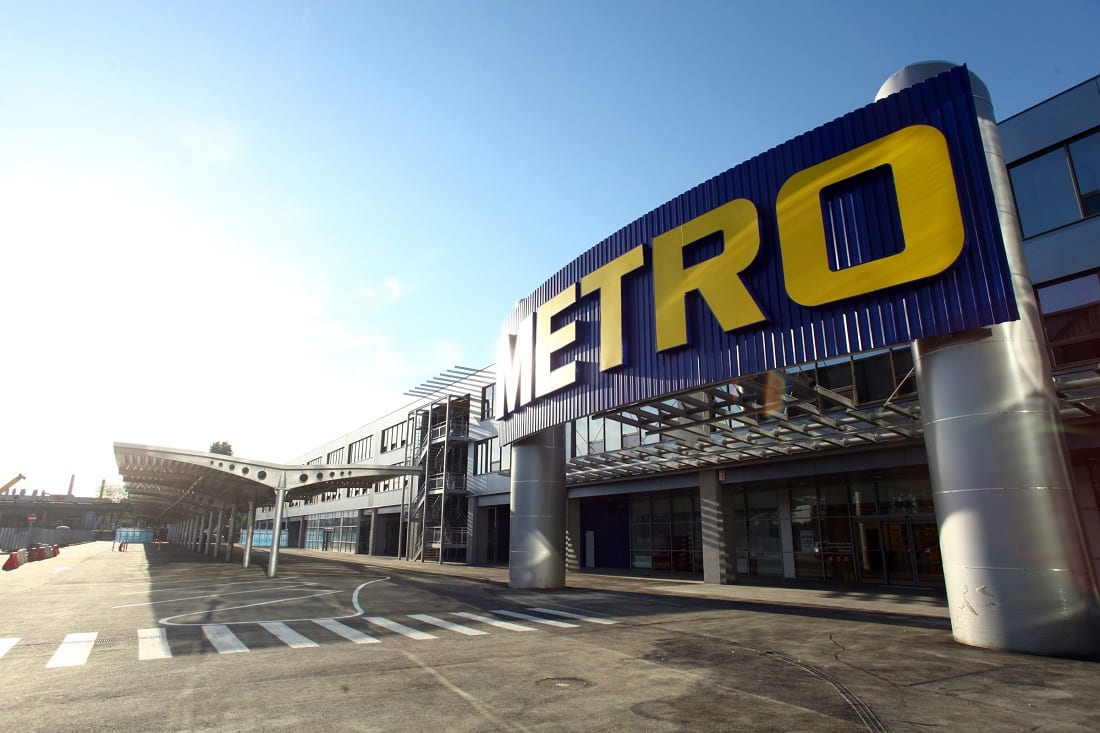
    German retailer Metro AG has paid $290 million to buy Singapore restaurant supplier Classic Fine Foods Group from private equity owned EQT.

    CFF operates in 25 cities, including Singapore, Dubai, Hong Kong, Bangkok, Kuala Lumpur, London, Ho Chi Minh City and Jakarta. The deal will expand Metro Cash & Carry’s presence from 26 countries to 36.

    Metro said in a statement the acquisition would strengthen its wholesale subsidiary Metro Cash & Carry by bolting on an experienced food service distribution arm.

    “It provides access to growth and value creation potential in the attractive premium foodservice distribution markets. The transaction covers the operations and all fixed assets of CFF for an enterprise value of $290 million plus an earn-out of up to $38 million depending on the EBITDA performance in 2015 to 2017,” the company said.

    “Metro Cash & Carry aims to strongly expand its FSD operations. With the acquisition of CFF we strengthen our value proposition and enlarge our wholesale market presence fuelling future sales and earnings growth“, said Olaf Koch, chairman of Metro AG’s management board.

    Pieter Boone, CEO of Metro Cash & Carry, added: “With Classic Fine Foods, we found the perfect partner to expand in high growth Asian FSD markets. CFF has a strong market position and a unique exposure to Asian mega cities and Middle East. CFF partners with some of the world’s most sought after fine food producers and has excellent customer relationships in the high margin premium Hotels, Restaurants and Caterers (HoReCa) segment. The acquisition boosts our FSD capabilities widening the services for our HoReCa customers.”

    CFF, founded in 1999, has its own distribution and warehousing network in the cities in which it operates. Metro says post- acquisition, CFF will remain largely independent, maintaining its own sourcing base and distribution network.

  • Ffan: Wanda’s online store goes live

    Ffan: Wanda’s online store goes live

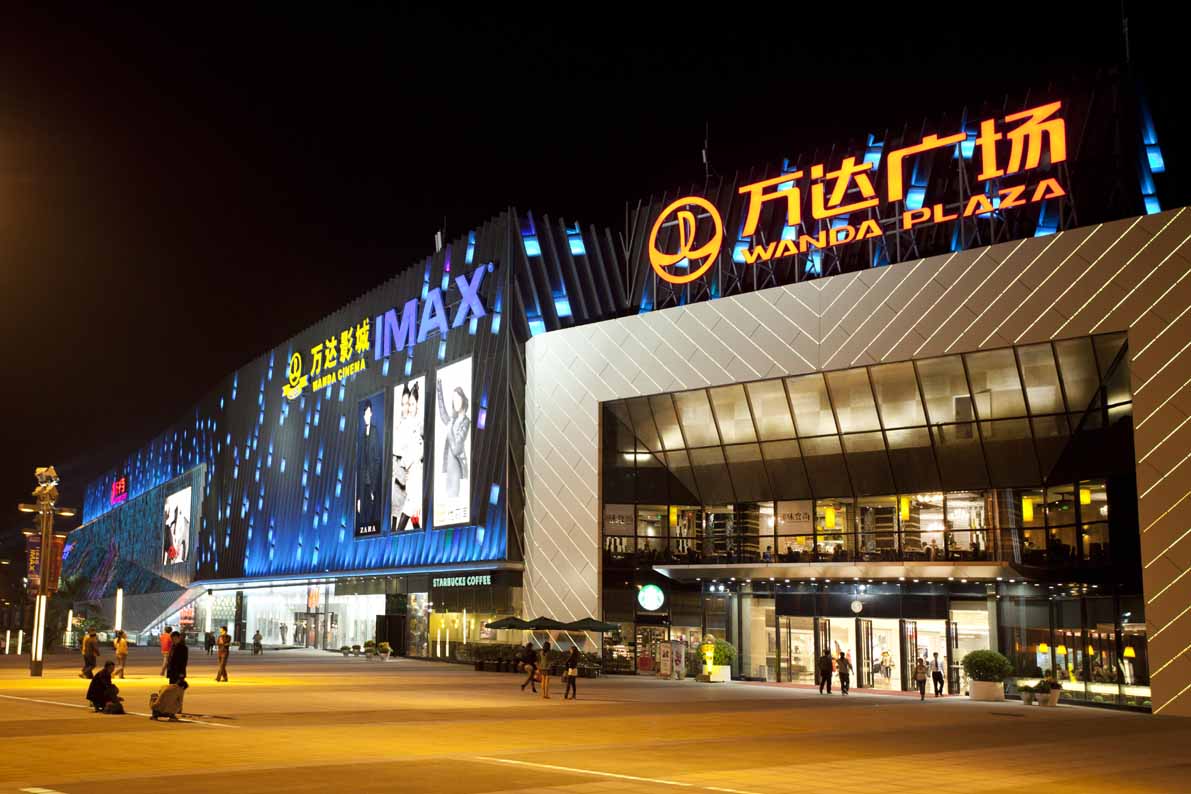
    Nearly a year after three giant Chinese companies teamed up to take on Alibaba, the newly-mintedeCommerce store finally and quietly launched this week.

    The site, Ffan, is the result of a billion-dollar joint venture between Tencent, Baidu, and Wanda Group, a conglomerate best known for its chain of movie theatres and malls.

    The joint venture started with US$814 million in its pocket in August 2014, with Wanda holding a 70 per cent stake, and Tencent and Baidu splitting the remainder evenly. In January, it secured venture capital funding to the tune of US$161 million.

    Local commerce

    The new estore is designed to take on Alibaba’s eCommerce dominance, with a focus on helping people buy local products and services. That’s why visitors to Ffan can choose their city to see local deals.

    Baidu declined to comment on today’s launch and Tencent has yet to reply to Tech in Asia’s inquiry.

    At first glance, Ffan looks odd and rather bare. The only two product categories on the top navigation bar are “food” and “movie tickets.” Browsing through the city-specific food section reveals that most of the products are from retailers at Wanda’s shopping malls across the country. Indeed, users can browse through the Ffan site or accompanying mobile app according to their nearest mall.

    Wanda – a private company which boasted assets of RMB 534.1 billion yuan (US$85.6 billion) in 2014 – has reportedly been plotting a leap from offline retail to ecommerce for several years, but today’s launch doesn’t reveal much that should worry Alibaba or arch-rival JD right now. It’s not a general ecommerce store like Alibaba’s Tmall or JD, and the offerings are slim.

    Sill, Wanda has the reach – across malls, cinemas, hotels, resorts, theme parks, and several other areas – to challenge Alibaba in terms of the fast-growing interest on the web for local, on-demand products and services.

  • Hysan thrives in subdued market

    Hysan thrives in subdued market

    Hysan Development Co chairman Irene Yun Lien Lee says retail locations with proven shoppers’ traffic that have a bustling and unique surrounding atmosphere have become more sought after as retailers compete in an increasingly challenging market.

    That’s the core of the reason Hysan has thrived in the first half year while street-front shops have struggled and for lease signs have appeared in even the most popular shopping destinations, like Causeway Bay.

    “Hysan has always strived to work closely with and provide support as well as add value to our tenants, especially when shop owners are weathering market uncertainty,” said Lee in a half year report.

    “At Hysan’s portfolio in the first half of 2015, we hosted a number of high-profile customer engagement activities and experiences, including a successful dining programme in May in partnership with our food and beverage tenants and shoppers with HSBC credit cards. We also unveiled Leeisure rewards for shoppers, complemented by the inaugural Leeisure electronic and print magazines.”

    The company this week reported group turnover of HK$1.714 billion, up 7.4 per cent on the same period in 2014. And at the end of June, Hysan’s retail portfolio occupancy was 98 per cent, the office portfolio full, and residential portfolio at 95 per cent.

    Contrast that growth with the 2.1 per cent expansion of Hong Kong’s overall economy in the first quarter and the forecast for the year of between one and three per cent, and a drop in retail sales for the first half of 1.6 per cent.

    Lee said Hysan’s strategy in recent years has been to cluster its Lee Gardens portfolio of retail and office space in Causeway Bay.

    “Our iconic, well-recognised and quality Lee Gardens brand is powered by our ownership cluster. This area concentration magnifies our ability to extract synergies amongst our retail, food and beverage and office tenant mix. It also supports our active marketing and events programs to reinforce our brand, build our customer loyalty program, create a sense of community and ensure awareness as a must-visit destination,” said Lee.

    “This long-term vision has helped maintain a strong tenancy demand, an improved and broadened tenancy mix, active stakeholder engagement, and most of all, a well-regarded and sustainable brand.”

    To further emphasise the brand and highlight Lee Gardens’ heritage and distinct character, all buildings on the eastern half of Hysan’s property portfolio in Causeway Bay have been renamed under the Lee Gardens brand name from June 1.

    “We are proud of our long history and we understand our tenants also wish to be more closely associated with this brand,” said Lee.

    Hysan believes the retail market remains underpinned by “solid local support and demand”.

    “Furthermore, as retailers and landlords adapt to the changes in the shopping patterns, including that of the rising prominence of eCommerce, we are confident that the retail sector will be able to weather the market volatility,” Lee said.

    The group’s retail portfolio turnover grew 6.4 per cent to HK$950 million, including turnover rent of HK$50 million, (down $10 million).

    “Our results reflected positive rental reversions in rental renewals, reviews and new lettings across the portfolio, with an average rental increase of around 35 per cent. They also highlighted our strategy to increase the base rent while shifting the focus away from turnover rent. Around 80 per cent of retail leases expiring in 2015 have already been committed.

    The portfolio was 98 per cent occupied as at 30 June 2015, (down two percentage points from December 31st’s ‘no vacancy’ status).

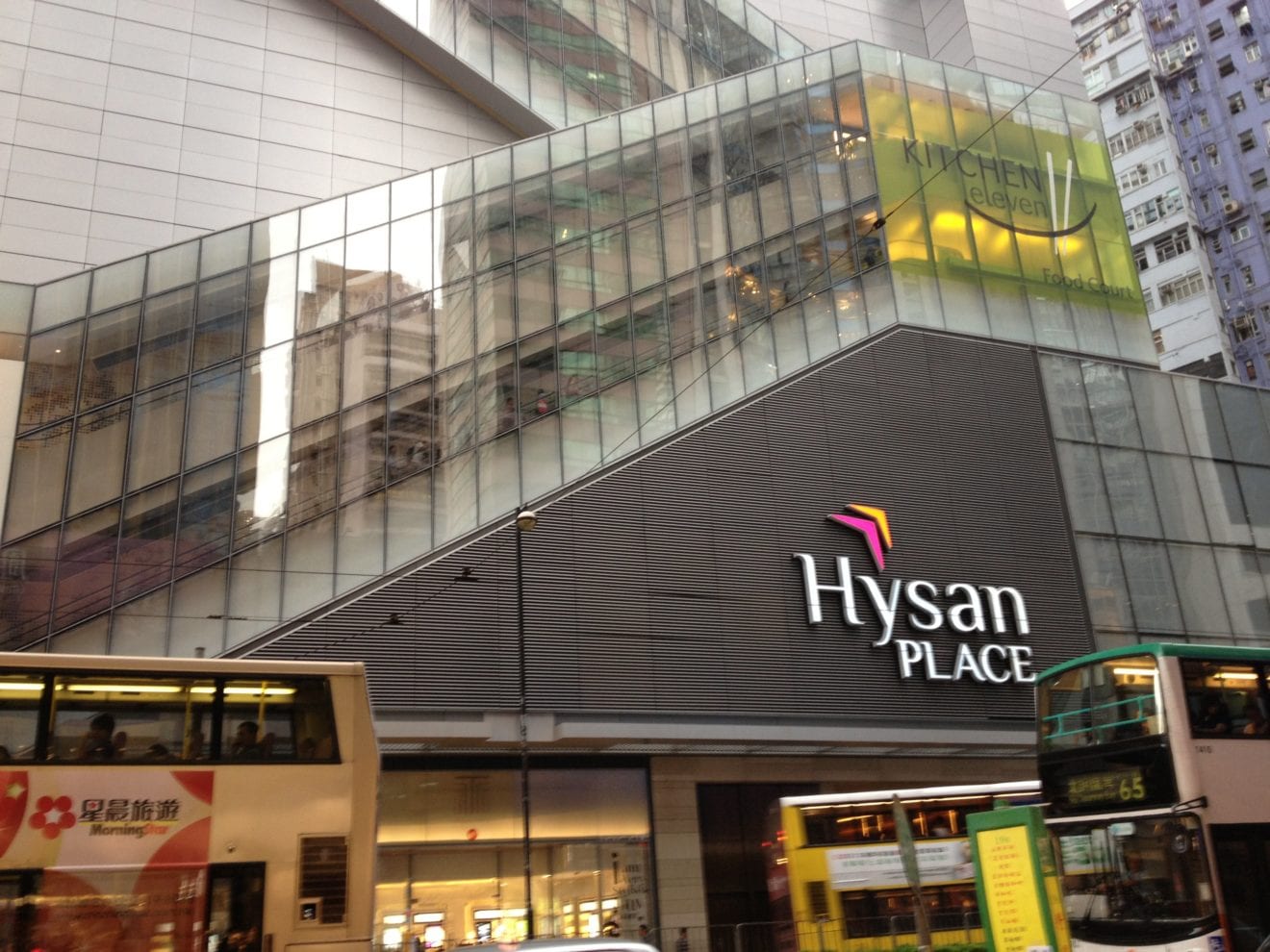
    Hysan Place, a hub for the younger, fashion-forward crowd, achieved around 80 per cent growth in estimated tenant sales. Hysan says this reflects its attractive retail offerings, including some popular digital products.

    “We have been further refining our tenant mix and focusing on more unisex sports and leisure offerings, which match Hong Kong’s growing demand for a healthier lifestyle. Lululemon, the trend-setting yoga apparel brand, for example, is opening its largest Hong Kong store on the first floor. Another popular sector is cosmetics, and DFS T-Galleria has revamped an entire floor to showcase its beauty offerings with a brand new experiential format and expanded product categories, including popular Korean brands.”

    The premium Lee Gardens hub experienced a drop in estimated tenant sales when compared to the first half of last year. The sales there were inevitably affected by the slowing down in tourist spending, but they were also partially attributable to the life cycle and distribution strategy of certain brands.

    Newcomers including Roger Vivier and Dolce and Gabbana Junior helped reinforce both our adult and children’s offerings, and reflected the ongoing demand for quality space by major brands at the Lee Gardens, the company said. The hub’s food and beverage outlets, from traditional Chinese to trendy Asian and Michelin-starred French cuisines, experienced double-digit percentage growth in sales.

    Lee Theatre hub, the urban fashion and lifestyle destination, achieved around 10 per cent growth in estimated tenant sales. The flagship stores at the lower levels of Lee Theatre Plaza, including Uniqlo, Muji and Aland, have proven popular with shopping families, and these shoppers also make good use of the food and beverage outlets on the upper floors of this Causeway Bay landmark.

    “Our curation of the Leighton Centre ground level as a “sports-themed street” has also been successful in creating a new home for sporty apparel and footwear, such as adidas Originals, Asics and Onitsuka Tiger.”