Tag: China

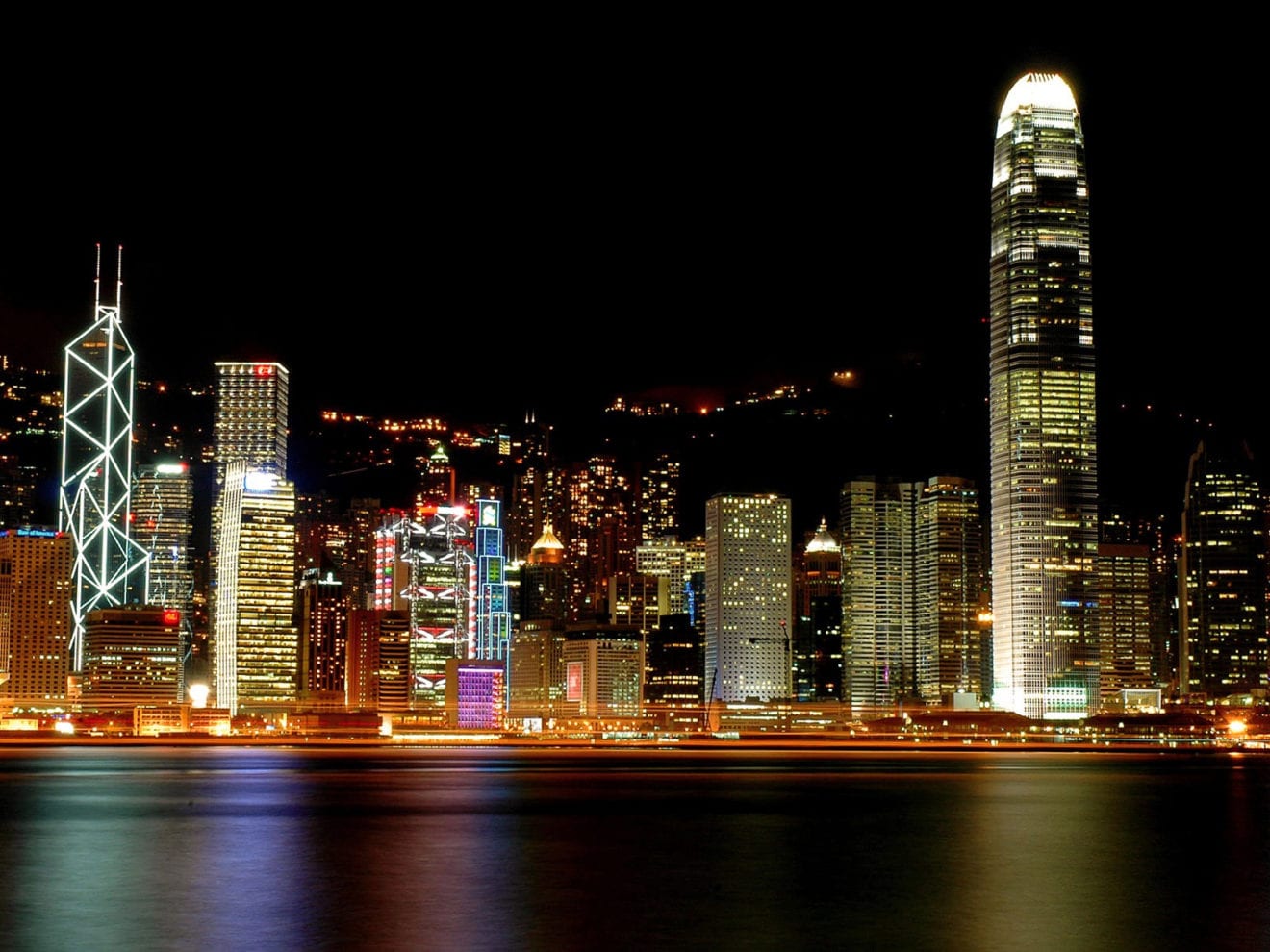
  • Hong Kong’s unemployment rate rises slightly

    Hong Kong’s unemployment rate rises slightly

    Fall in the number of tourists and depreciation in RMB has led to a slight increase in Hong Kong’s unemployment figures.

    According to the latest labour force statistics released by Census and Statistics Department yesterday, the city-stat’s unemployment rate increased from 3.2% in April – June 2015 to 3.3% in May – July 2015.

    The underemployment rate remained, however, unchanged at 1.4% in the two periods.

    Commenting on the latest unemployment figures, the Secretary for Labour and Welfare, Matthew Cheung Kin Chung, said an unemployment rate of 3.3% is still at a low level but with a unsteady global financial market and decrease in number of tourist, the situation may get worse.

    The hospitality and retail industries were identified as sectors contributing to this latest rise in unemployment rate.

    The hospitality sector’s unemployment rate stood at 4.4% – a 1.4% year on increase, while the retail sector saw a 0.1 % increase in unemployment compared to  April – June 2015.

    Unemployment rate in the retail sector stood at 4.1%.

    Shedding light into the matter, managing director of AMAC Human Resources Consultants Limited Alexa Chow Yee Ping said the retail sector is currently on hiring freeze.

    “Resigned staff will not be replaced, it will be a quiet market until Christmas,” she said.

    The insurance industry was also found to have recorded a 0.4% increase in unemployment rate to 1.9% in July.

    Roy Cheung Wai Leung from the Hong Kong Insurance Practitioners General Union said high office rent has out insurance companies under a lot of pressure to cut manpower.

    “Take Kwun Tong for example, the rent of Grade-A offices in the area has increased from HK$11 per square feet five years ago to $25 now.  Many companies need to save cost and lay off agents with underwhelming sales performance,” he said.

    Economics academic professor Terence Chong  executive director, institute of global economics and finance  at The Chinese University of Hong Kong had a more positive view.

    He said the end of European debt crisis implies less fluctuation in the stock market.

    “The Hong Kong-Shenzhen stock through train which will take place soon will be a boost to the economy although I expect the employment market to remain weak in the forth quarter, the unemployment rate should go no higher than 3.5%,” he said.

  • Estee Lauder travel-retail revenue falls

    Estee Lauder travel-retail revenue falls

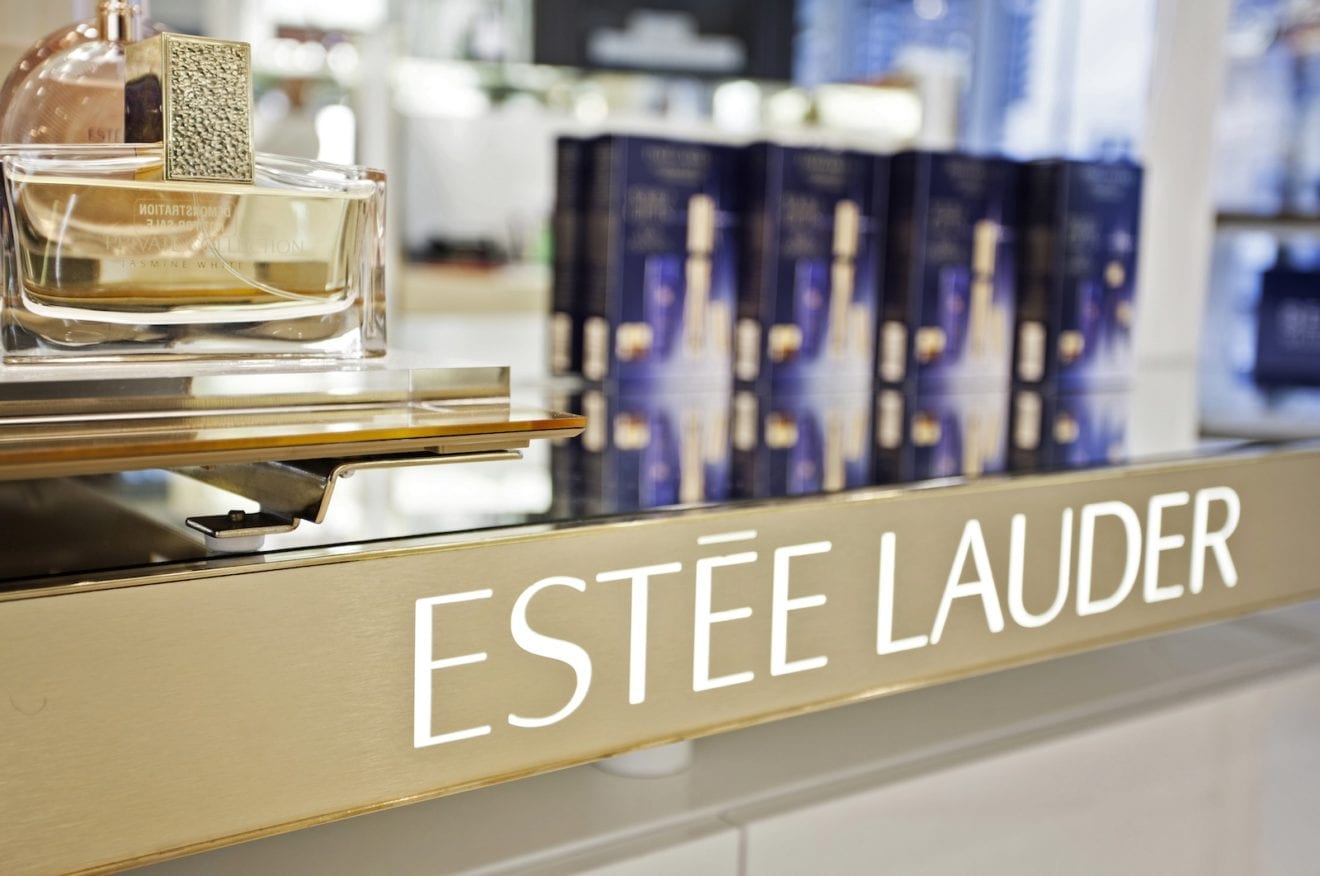
    Cosmetics-giant Estée Lauder Companies reported a decline in travel-retail sales in fiscal year 2015 (ended June 30, 2015), despite an increase in global airline traffic and expanded distribution in the channel.

    The company said that a stronger dollar and the outbreak of Middle East Respiratory Syndrome (MERS), which killed nearly 40 people in South Korea this year, contributed to decline, with travel-retail sales falling by 4% in the last quarter of fiscal year 2015.

    Over 55,000 tourists had cancelled trips to South Korea by the mid-June, according to the World Economic Forum.

    Slower retail growth in Hong Kong and China, as well as a decline in spending by Russian and Brazilian travellers are also expected to impact sales revenue into the 2016 fiscal year.

    The news came as the company also forecasted below-estimated earnings across the whole business for the coming fiscal year, and announced that net sales in the fiscal year ending in June went down to $10.78bn, a 1.7% decrease from $10.97bn the previous year. The company said it missed its 7% growth target because of accelerated sales orders in Latin America and the use of constant currencies to calculate international profits.

    For the three months ended June 30, 2015, the company reported net sales of $2.52bn, compared with $2.73bn the previous year. Skincare products were chiefly affected, with overall sales falling by 16% in Q4.

    However, expanded distribution, including in travel-retail, also helped lift some labels’ revenues. While sales for heritage-brands Estée Lauder and Clinique slumped, the conglomerate’s current global-marketing focus has been on growth for youthful or luxury brands like Smashbox and Tom Ford. Along with Aveda hair-care product, these brands’ expanding travel-retail channels were reported by Estée Lauder Co. to have resulted in year-on-year revenue growth that has helped offset some of this year’s losses.

    The company has said that by adjusting to factors like constant currencies and accelerated orders in the fiscal year 2014, strong underlying growth in the company becomes apparent.

    President and CEO Fabrizio Freda said in the company’s report for the fiscal year 2015 (Q4 and full year): “Together with our powerful brand portfolio and financial discipline we finished our fiscal year with a strong Q4, generating 7% constant currency sales growth, after adjusting for the accelerated sales orders we reported in fiscal 2014.

    He added “For the full year, our adjusted 6% local currency sales growth met our expectations, and we exceeded our earnings per share forecast …Our sales grew at a faster rate than global prestige beauty, due to the success of our multiple engines of growth. Standout performances generated double-digit sales gains in most of our makeup and luxury brands and the online, specialty-multi and freestanding store channels.

    “In fiscal 2016, we expect constant currency net sales growth of 6% to 8% and double-digit earnings per share growth, after adjusting for the accelerated sales orders.”

    Reuters reported on Monday that Estée Lauder Cos Inc shares fell by up to 5.3% to $82.8 per share yesterday, but the value rose to $84.48 today (still down from $90 reported at the beginning of this month). Estée Lauder is currently expanding its travel-retail offering, focusing on colourful, clean brands like Mac and Smashbox, as well as its successful London brand Jo Malone.

  • Wal-Mart says heavy e-commerce investments put a crimp on earnings

    Wal-Mart says heavy e-commerce investments put a crimp on earnings

    The retailer’s global online sales increased 16% in Q2, excluding the impact of the stronger U.S. dollar.

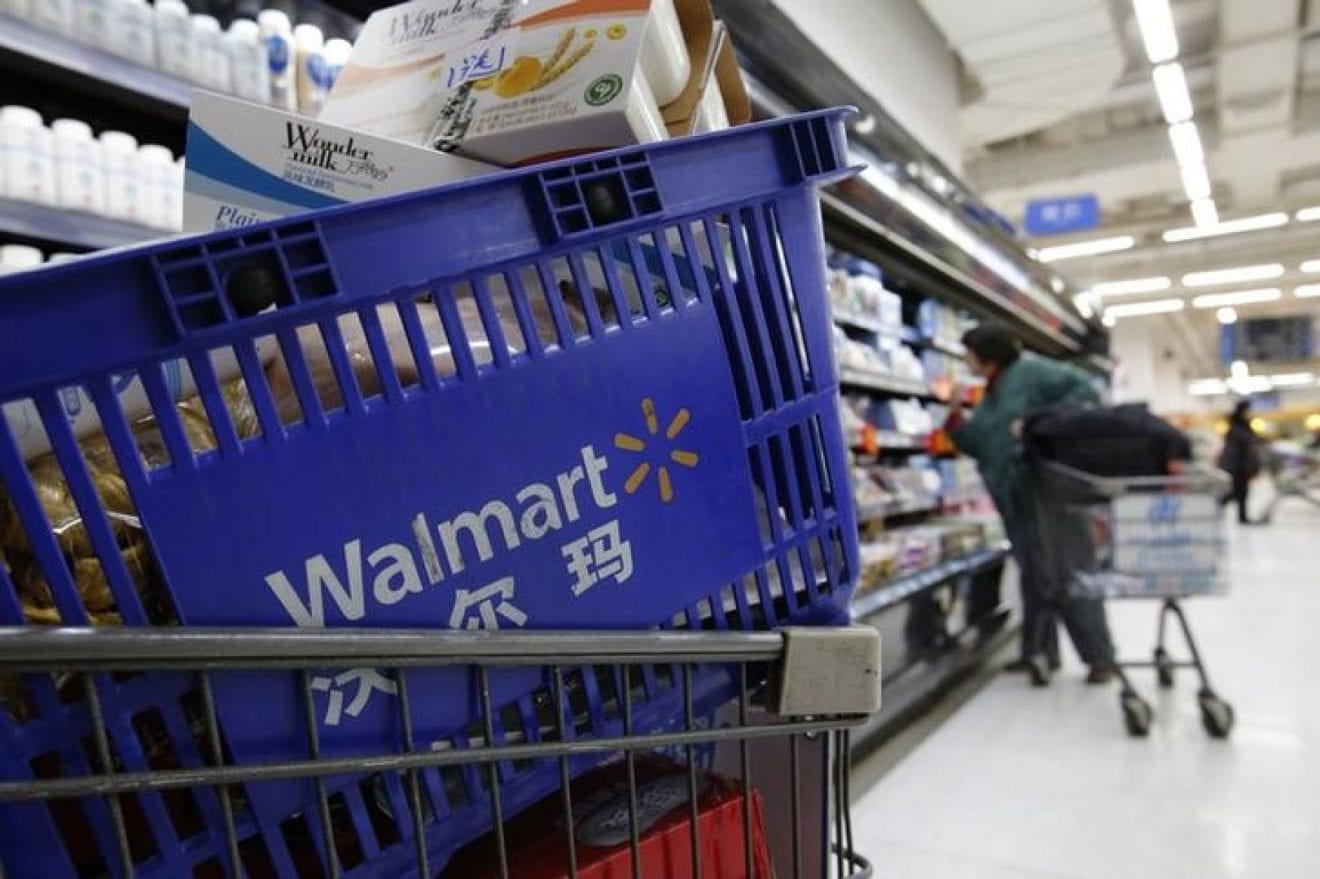
    Wal-Mart Stores Inc. says its heavy investment in e-commerce infrastructure is paying off, with online sales growing by double-digit percentages, but that it hit a rough patch in international online sales and that the spending is weighing on its earnings.

    The retail giant, No. 3 in the Internet Retailer 2015 Top 500 Guide, said Tuesday its global online sales, excluding the impact of the strengthening dollar, grew 16% in the second quarter. But investments in e-commerce are estimated to lower full-year earnings per share by between 6 cents and 9 cents, company officials said. With 3.23 billion shares outstanding, that suggests Wal-Mart will spend between $190 million and $295 million on e-commerce this year.

    “The highlight was solid growth in the Walmart.com and SamsClub.com U.S. businesses, while international was soft, due to economic challenges in several of our key markets,” chief financial officer Charles Holley said on the company’s earnings call. The international results led Wal-Mart to revise its e-commerce sales growth forecast for 2105 to the mid to high teens from the previous mid-20s range.

    Wal-Mart also said its e-commerce investments, meant to vie with Amazon.com and other online retailers, are vital given the competitive environment.

    “We’re pleased that the investments we’ve made are helping to improve our business,” CEO Doug McMillon told analysts during the company’s earnings conference call, according to a transcript from Seeking Alpha. “Even if it’s not as fast as we would like, the fundamentals of serving our customers are consistently improving. In this case, our desired changes require investments, which are pressuring earnings this year.”

    Also in the quarter, the retailer opened two automated online fulfillment centers in the U.S., each bigger than 20 football fields, and two more are coming this quarter, said Holley. The centers will serve customers this holiday season and serve as the cornerstones of Wal-Mart’s fulfillment network, he says.

    On the call, Wal-Mart executives discussed its deal, announced last month, to acquire the remaining 49% it did not already own in Yihaodian, a Chinese online grocery retailer that’s been expanding into other categories and is No. 7 in the Internet Retailer 2015 China 500 Guide. Wal-Mart spent $760 million in the quarter to acquire the remaining 49% of Yihaodian, the online retail site in China with 100 million registered users.

    “Our primary goal is to continue to accelerate Yihaodian’s core e-commerce business and maintain strong local Chinese expertise,” Neil Ashe, CEO of Wal-Mart Global e-Commerce, told analysts. “Now that we are the sole owners, we will be expanding our leadership team from within the Yihaodian business, from within Wal-Mart and from the e-commerce industry in China. We will also leverage Walmart’s global reach and scale to better benefit Yihaodian, including global sourcing. China is an exciting, dynamic, large and competitive market. We are excited about our long-term opportunity in China.”

    For the quarter ended July 31, Wal-Mart reported:

    • Net sales of $120.229 billion, relatively flat from $120.125 billion.
    • Wal-Mart did not report online sales but said e-commerce sales increased 16% globally when adjusting for the strengthening dollar, which is reducing the dollar value of sales outside the United States. The total value of purchases on Wal-Mart’s e-commerce sites in 11 countries increased 18% on a constant-currency basis. That includes sales by outside merchants selling on Walmart.com and other sites that offer goods from other retailers.
    • Net income of $3.475 billion, down 15.1% from $4.093 billion in the same period in 2014
    • A decline in operating income in the retailer’s three primary divisions. At Wal-Mart U.S. it was $4.819 billion, down 8.2%; at Wal-Mart International it was $1.277 billion, down 14.2%; and at Sam’s Club it was $428 million, down 13.4%.
  • Hong Kong pop-up mall aims to ease tensions over mainland shoppers

    Hong Kong pop-up mall aims to ease tensions over mainland shoppers

    From London’s trendy Shoreditch to a downtown revitalisation project in Las Vegas, pop-up shopping malls have become all the rage among urbanites keen to sample craft beer and buy designer sneakers.

    But, in Hong Kong, plans for the first temporary mall are designed to assuage popular anger with visiting shoppers from mainland China — derided by locals as “locusts” — rather than cater to the whims of hipsters.

    As political tensions between Hong Kong and Beijing have risen, the semi-autonomous Chinese territory has seen a growing backlash against the thousands of “parallel traders” who come from the mainland every day in search of cheap baby milk, jewellery and other goods they can sell back home for a profit.

    Now two of Hong Kong’s biggest property developers have teamed up with lawmakers to turn a car park near the Chinese border into a mall made out of shipping containers that is meant to serve mainland visitors attracted by the city’s low-tax shopping.

    Wong Ting-kwong, one of the legislative council members promoting the project, said it would “reduce the nuisance brought by excessive mainland tourists and relieve the traffic inside the city”.

    Mr Wong is a member of the main pro-Beijing political party in Hong Kong, which has frequently come under attack for failing to defend residents’ interests in the face of pressure from the central government in China.

    He hopes that the mall, which will be about the size of two football pitches, according to a recently submitted planning application, will open for business early next year.

    The land for the pop-up mall is jointly owned by Henderson Land and Sun Hung Kai Properties, which are controlled respectively by Hong Kong billionaires Lee Shau-kee and the Kwok brothers.

    SHKP said that if the plan was approved by the government, they would lease the land for a nominal HK$1 ($0.13) per square metre to a charitable foundation, which would run the pop-up mall on a non-profit basis for two years.

    After that period, the developers expect to remove the shipping containers and start construction of a permanent mall on the same site.

    The initiative has succeeded in grabbing the headlines in Hong Kong, but those who have organised protests against mainland shoppers are far from convinced it will solve their problem.

    Ray Wong, a member of HK Indigenous, a group that campaigns against mainland Chinese influence in Hong Kong, said that while the pop-up mall could alleviate some pressures, it could also disturb local residents if it generated too much traffic.

    “I think the root of the problem is that mainlanders don’t trust Chinese goods so they have to turn to Hong Kong for guaranteed quality,” he said.

  • Chinese shoppers feel safer online

    Consumers across Southeast Asia and Greater China feel safer paying in a brick and mortar environment as opposed to online; sole exception is China

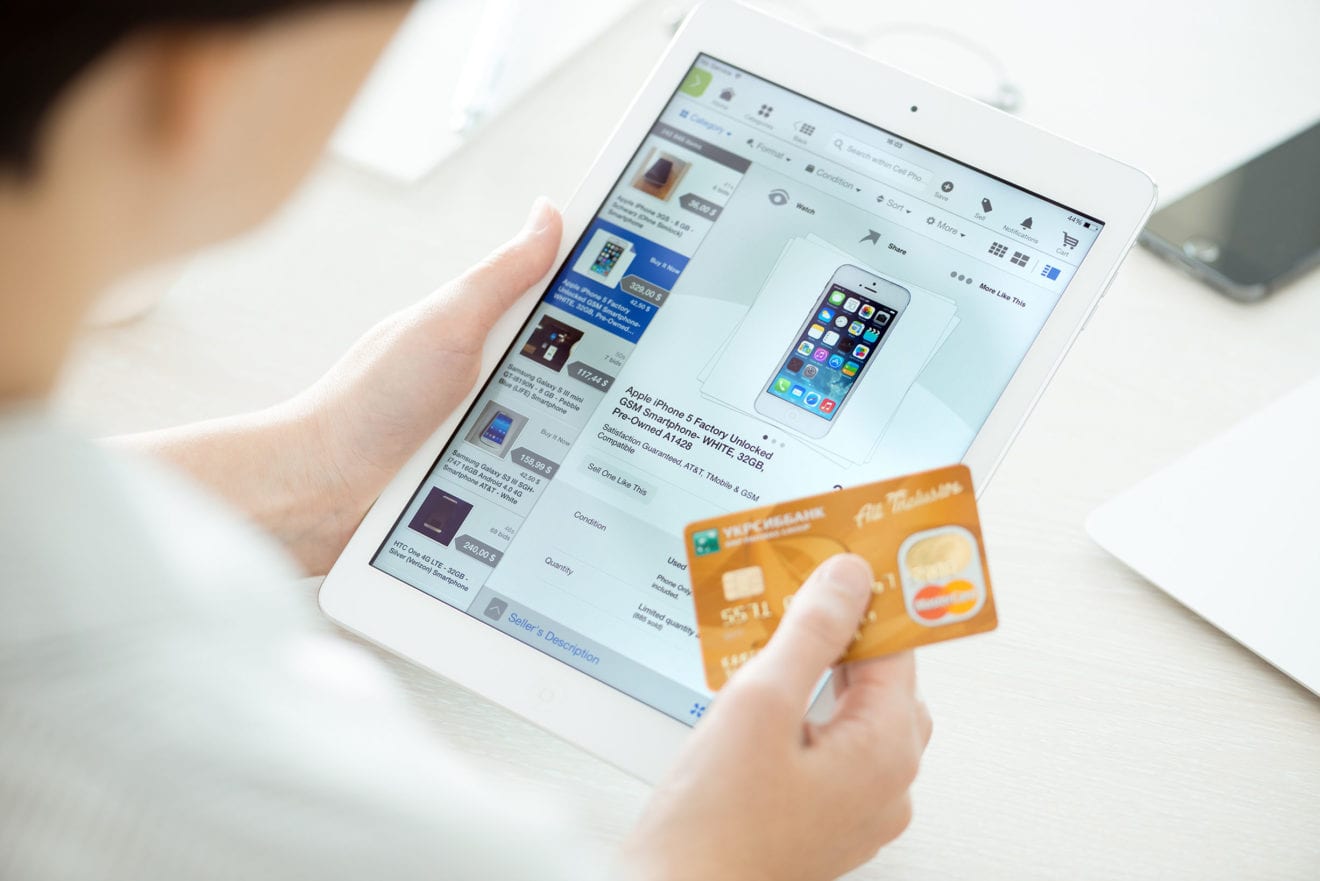
    According to the inaugural MasterCard Safety and Security Index, consumers across Southeast Asia and Greater China cited identity theft and ATM-related fraud as the top two security concerns when it comes to electronic payments.

    Some 42 per cent of consumers in Southeast Asia (Indonesia, Malaysia, Philippines, Singapore Thailand, and Vietnam) were most concerned with ATM-related fraud such as a stolen card, card cloning or skimming. In the Greater China markets (China, Hong Kong and Taiwan), this figure was 31 per cent.

    But the biggest surprise was in confidence in shopping online. The Index showed that in general, consumers across Southeast Asia, and the markets of Taiwan and Hong Kong still feel safer paying in a bricks and mortar environment than buying online. China differed, being the only market where consumers felt paying online was safer than in a physical store; even more so than in Singapore.

    Almost every consumer polled in the Greater China markets had made an online payment in the past year. Consumers in China (62 per cent) particularly favored the use of digital wallets in online electronic payments over those in Hong Kong (14 per cent) and Taiwan (29 per cent).

    Consumers across Southeast Asia (35 per cent) and Greater China (32 per cent) were almost as equally concerned about identity theft in relation to data breaches. This includes personal data such as bank details, personal IDs, addresses, and signatures that are stolen or compromised through websites. In both regions however, it appears that these concerns do not directly stem from consumers’ own personal experiences but rather, as a result of the perceived severity of fraud based on what was reported in the media.

    MasterCard chart1

    Meanwhile, the Index also reinforced that banks continue to play a critical role in ensuring payment safety and security for consumers in Southeast Asia. This is both, because of the high levels of trust consumers place in banks as well as the reliance that consumers have on banks to help them resolve issues that crop up in this area.  Banks are often the first line of defense and recourse for the affected consumer – nearly half of all consumers in Southeast Asia who experienced ATM fraud first approached their card-issuing banks for advice.

    “The fact that most cardholders have a primary relationship with their banks, has an obvious and deep-rooted correlation to their sentiment, around who they trust most when it comes to ensuring the safety and security of electronic payments,” said Ari Sarker, oo-president, Asia/Pacific, with MasterCard.

    “This was emphatically reflected in the feedback from all the markets in Southeast Asia and Greater China. However, in Singapore in particular, in addition to banks, consumers also placed significant trust in the government, which is a natural outcome given the country’s strong regulatory environment and overall reputation around safety and security.”

    None of the respondents surveyed in Southeast Asia placed any trust in local websites, suggesting that there is still a lot of work to be done by local eCommerce merchants to ensure that they meet global security standards for payments and build consumer confidence on this front.

    In Greater China, aside from banks and governments, merchants were also seen to have a growing responsibility in ensuring payment safety and security, with 28 per cent of consumers in these markets going to merchants as their first recourse in seeking resolution for payment safety and security issues. Furthermore, merchants in these markets were instrumental in solving 40 per cent of all online electronic payment disputes.

    These and other key findings of the MasterCard Safety and Security Index will be discussed at the MasterCard Global Risk Leadership conference in Singapore on August 26 – 27. The 20th edition of this conference will gather global payment risk leaders to share best practices in fighting fraud together, as an industry. The conference demonstrates MasterCard’s commitment in helping partners and customers fight fraud using the latest tools, processes, and technologies so there is no one weak link in the payments ecosystem.

    The survey was carried out across in six markets in Southeast Asia (Indonesia, Malaysia, Philippines, Singapore, Thailand, and Vietnam) as well as three markets in Greater China (China, Hong Kong, and Taiwan). A total of 6600 consumers and 100 merchants were polled online and face-to-face between January and May 2015 on questions relating to the payments security landscape, payments in brick and mortar and online, safety and security payment concerns and experience with payment fraud, among others.
  • Lotte.com launches China app

    Lotte.com launches China app

    South Korea’s Lotte.com has launched a Chinese mobile shopping mall service known as ‘china.lotte.com’ to meet demands of consumers chasing the ‘Korean Wave’.

    Growing numbers of Chinese are buying goods online from offshore sources – a practice referred to as ‘Haitao’ locally. And Korean goods – especially in the beauty and fashion categories – are enormously popular among the younger demographic.

    China.lotte.com, launched Wednesday (August 19) is’ exclusively focused on customers from Greater China. After global.lotte.com launched in February last year, Lotte spent a whole year preparing for the Chinese version of the site.

    More than 10,000 lines have been selected for China.lotte.com and another 5000 local Chinese lines are being added progressively.

    Chinese customers can shop using regular payment services including Alipay, UnionPay, Tenpay, PayPal and local Chinese credit cards.

    Lotte.com’s global business team manager Hwang Hyun Jung says China.lotte.com considered even minute details to meet the expectations of the rapidly growing Chinese overseas shopping market.

    “Through meticulous translations and user tests via Chinese supporters, this service is mainly composed of local-friendly user interface,” she said.

    Lotte.com has attracted “hundreds of thousands followers and supporters” via Weibo during the last six months in preparation for the launch.

    The company is also promising to work with Korean small businesses to help expose their brands and products to Chinese consumers via the portal.

  • Aeon Hong Kong to invest in new stores

    Aeon Hong Kong to invest in new stores

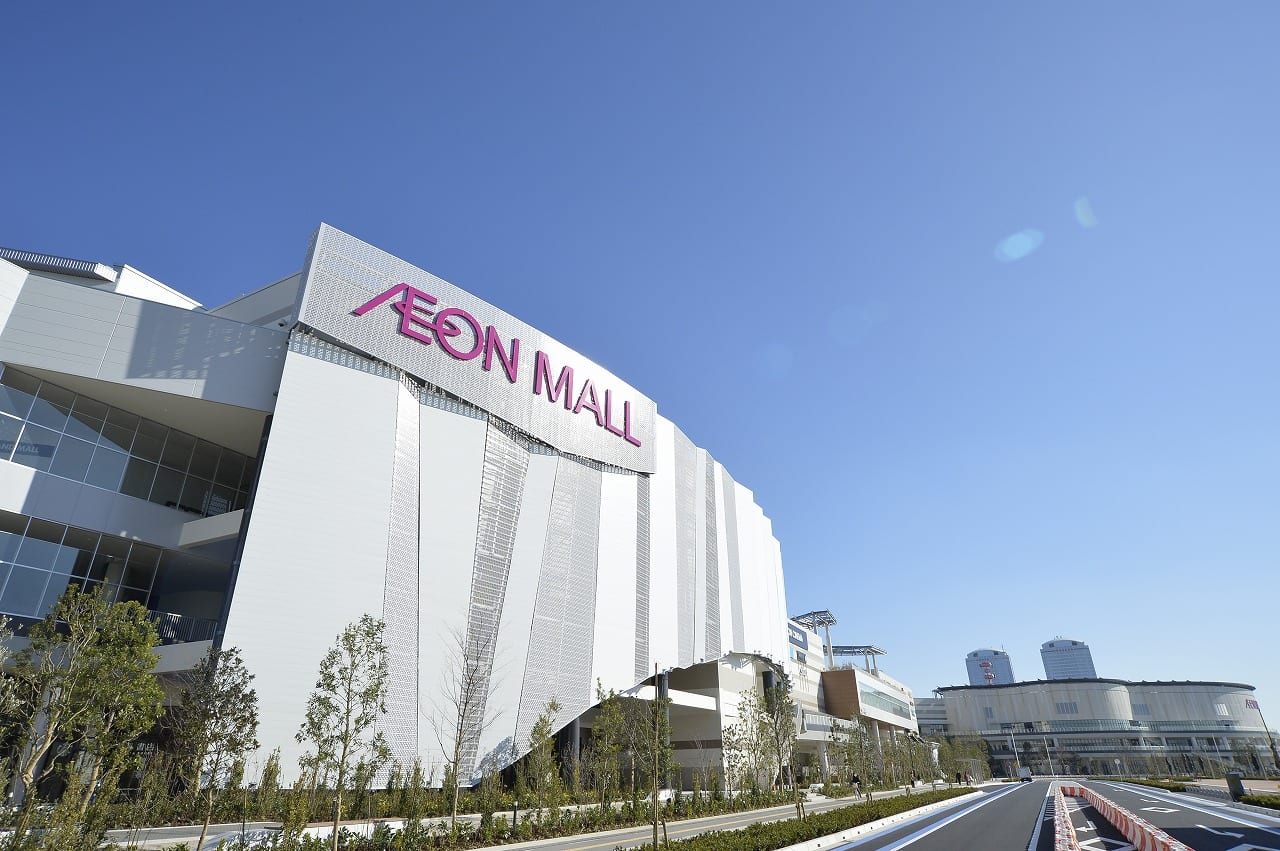
    Aeon Hong Kong is ramping up its store network expansion in the territory and the mainland.

    The Japanese retailer’s locally listed subsidiary has set aside HK$420 million to build new stores and refurbish existing ones, MD Christine Chan Pui Man said in announcing the company’s half year result. The cash – vastly more than the $51 million spent in the first half of this year – will be spent during the second half of 2015 and in 2016.

    Chan said despite a “stagnant” retail industry in both China and Hong Kong, the group improved its sales by 2.4 per cent to $4.499 billion in the six months to June 30, largely from stable growth in the mainland. Gross margin rose from 30.6 per cent to 31.1 per cent due to merchandise enhancement, boosting the core business profit by 20.8 per cent to $43.7 million.

    In the first half of this year Aeon Hong Kong opened four new stores – two in Tsuen Wan, one in Sai Ying Pun and another in Sham Shui Po, giving it a network of 46 on June 30.

    Revenue from the group’s Hong Kong operations was maintained at HK$1.87 billion, down marginally on a year ago, but profit fell from $44.7 million to $23.6 million.

    On the mainland, revenue rose by 6.8 per cent to $2.626 billion and the segment results achieved a turnaround with profit of $20.2 million compared with a loss of $8.4 million last year. Aeon now has 29 stores in south China, no more than at the end of last year.

    With a focus on now expanding the network, Aeon Hong Kong believes the mainland will become a major growth driver of the group.

    “In spite of the unstable macroeconomic environment and the volatile stock market, the PRC is still one of the economies with the largest potential for further business growth,” Chan said.

    In the second half of 2015, a new store will open in Zhongshan and in the first half of 2016, one will open in Panyu and two in Guangzhou and Shenzhen respectively in the second half.

  • Studio City retail tenants revealed

    Studio City retail tenants revealed

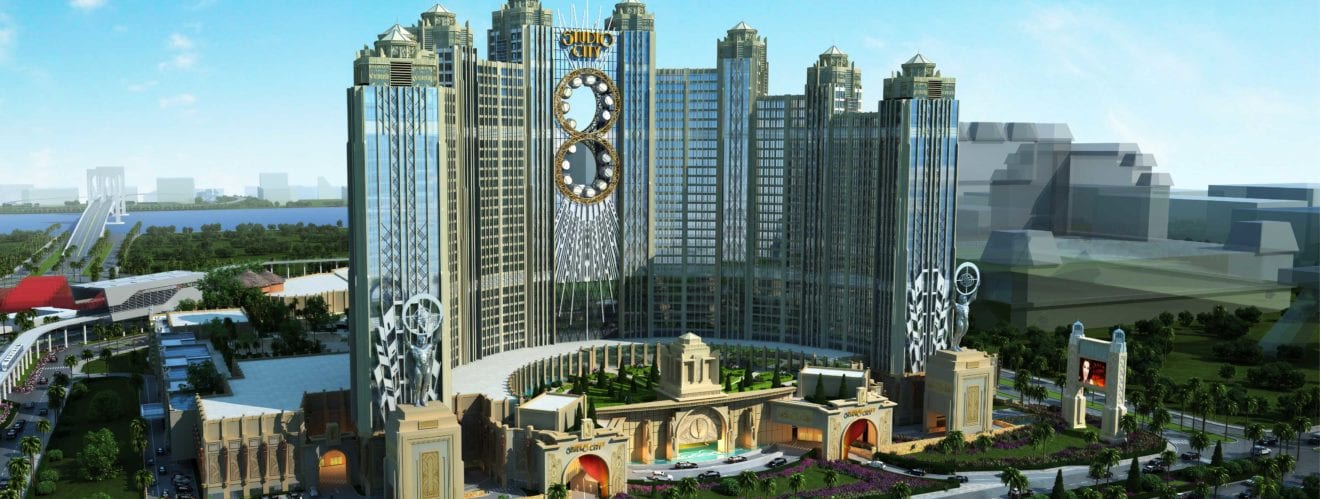
    Studio City and Taubman Asia, have revealed the lineup of fashion brands that will open inside The Boulevard at Studio City.

    A mix of fashion-forward labels and internationally-renowned luxury brands include Macau’s first Balmain, Macau’s first Belstaff, and Tom Ford’s largest store in Asia, amongst many others. The selection was assembled by Taubman Asia and Melco Crown Entertainment’s combined team of retail specialists to meet Chinese consumers’ increasing desire to express their individuality through high quality, expertly crafted clothing and accessories. Bespoke and personal services will be offered to ensure our shoppers take center stage.

    Taubman says The Boulevard at Studio City will bring “an unparalleled shopping experience” to Studio City.

    “Unlike any retail offering to be found in Asia, the unique 35,000 sqm ‘immersive’ retail entertainment environment brings shopping to life by ‘transporting’ visitors to high-energy street-scapes and entertaining them at every turn with featured streets and squares inspired by iconic shopping and entertainment locations, including New York’s Times Square and Hollywood’s Beverly Hills,” Taubman said in a statement.

    “At the futuristic Times Square Macau, inside The Boulevard at Studio City, a variety of entertainment from ‘virtual’ musicians to film stars will be shown through holographic projections.

    “Leveraging our global expertise increating extraordinary retail environments, and our exceptional relationships with the world’s leading brands, our talented team in Asia has brought together an exciting mix of brands for The Boulevard at Studio City,” said René Tremblay, president of Taubman Asia.

    “Our merchandising and management services are the industry standard for performance and excellence. We are thrilled to welcome these brands to our latest project and are committed to supporting them for the long term.”

    List of brands:

    Aeronautica Militare
    Balmain
    Bank of China
    Belstaff
    Boss
    Bottega Veneta
    Bulgari
    Cigar Emporium
    Coach
    Cosmos Food Station
    Din Tai Fung
    Dunhill
    Emporio Armani
    Fendi
    Girard-Perregaux
    Givenchy
    Glashutte Original
    Graff
    Gucci
    Hide Yamamoto
    Hublot
    ICBC
    Trattoria Il Mulino
    Image Digital
    IWC Schaffhausen
    Jaeger-LeCoultre
    Jaquet Droz
    kate spade new york
    Kenzo
    Longines
    McCafe
    McDonald’s
    MCM
    Michael Kors
    Montblanc
    Philipp Plein
    Piaget
    Prada
    Rainbow
    Rimowa
    Roberto Cavalli
    Saint Laurent Paris
    Shiki Hot Pot Restaurant
    Starbucks
    Tag Heuer
    T Galleria Beauty by DFS
    Tiffany & Co.
    Tom Ford
    UM
    Vacheron Constantin
    Valentino
    Van Cleef & Arpels
    Versace Collection
    Ermenegildo Zegna
    Zenith

  • Telent to open Malaysia stores

    Telent to open Malaysia stores

    Chinese outdoor apparel brand Telent says it plans to set up retail points of sale in Malaysia as a first step in a broader Southeast Asian push.

    Telent specialises in the design, manufacture, marketing, brand management and distribution of branded outdoor apparel, footwear and equipment. It is China’s second largest outdoor wear brand measured by retail sales value.

    Telent is undertaking an IPO in Malaysia, issuing 103.39 million new shares at ten US cents each.

    The first new store will open in Kuala Lumpur with other Southeast Asian stores will follow as early as the third quarter of this year, in part funded with the funds raised in the IPO

    Telent Group executive director Hui Tang Tat says the product sales mix percentage in outdoor apparel and outdoor footwear respectively posted 43.8 per cent and 49.5 per cent sales growth last year, while equipment products grew by a more modest 6.7 per cent.

    As of October, Telent had 817 retail points of sale and 23 network distributors across China.

    “The Malaysian market is competitive and building our presence there will offer us a platform and opportunity to expand in this region,” Hui said during a media conference.

    “Perhaps in the next five to 10 years, we can go down the road to tap other Asian markets as we want our brand to be globally recognised,” he said.

  • China Fordoo boosts store network

    China Fordoo boosts store network

    China Fordoo Holdings opened 42 new stores in the first half of this year, helping it boost sales in a soft Mainland retail market.

    Fordoo, a specialist menswear designer, manufacturer and retailer, now has 1494 stores across the Mainland, including two self-managed. Trousers account for 58 per cent of its revenue.

    For the six months to June 30, group profit was about RMB136.9 million (US$21.4 million), up 6.4 per cent on the same period last year. Sales increased by 8.1 per cent to RMB828.4 million ($129.56 million).

    “The increase was mainly due to the expansion of the group’s distribution network and the enhancement of its brand recognition,” the company said in its statement.

    Fordoo said in the first half, China’s economy had entered into a “New Normal” phase.

    “The economy has shifted from high growth to medium-to-high growth, and the economic structure has improved and been upgraded. Under the “New Normal” phase, the economy is increasingly driven by innovation rather than input and investment.”

    Apparel retail growth slowed. Total retail sales of garments, hats, footwear and knitwear in China recorded a 8.3 per cent year on year increase which was 0.4 percentage points lower than that of the corresponding period in 2014.

    “The overall retail market in China remained weak and consumer sentiment showed no sign of notable recovery. However, we are glad that China Fordoo Holdings was able to continue to grow at a stable and moderate pace during the period in terms of number of retail outlets, distributors and revenue.”

  • Corrupt Chinese supermarket exec jailed

    Corrupt Chinese supermarket exec jailed

    The former chairman of China’s Bright Food Group has been found guilty of embezzling US$31 million between 2000 and 2006 when he was chairman of Shanghai Lianhua Supermarket Holdings Ltd.

    Corrupt Chinese businessman Wang Zongnan was sentenced by the People’s Court in Shanghai on Tuesday to 18 years in prison for embezzlement and accepting bribes.

    According to the court hearing, Zongnan had accepted 2.69 million yuan in bribes, hiding the money through the purchase of two villas.

    In 2003, Wang’s parents bought two villas in Shanghai for 2.08 million yuan, 2.69 million yuan below the market price. The sellers were associated to a subsidiary of a company that had owed Wang a favor, according to the verdict. Wang sold the two villas in 2010 and 2013 for 14.8 million yuan in total.

    In the ruling, the court ordered that 1 million yuan of Wang’s personal property be confiscated and more than 12 million yuan in bribes and illegal earnings be returned.

  • Profit falls as QKL Stores buys market share

    Profit falls as QKL Stores buys market share

    QKL Stores  a regional supermarket chain in Northeastern China and Inner Mongolia, has announced improved sales, but lower profit in the second quarter.

    Zhuangyi Wang, chairman and CEO, said the company had boosted its promotional activities in existing stores to strengthen its competitive position.

    Second quarter sales rose 9.2 per cent to US$56.4 million and gross profit decreased 4.3 per cent to $9.1 million.

    “The decrease in gross profit relative to net sales was due to competitions arising from the increasing challenge from the online shopping that have significant pricing pressure on our selling of high margin products.”

    Wang said QKL plans to slow down the pace of its new store openings this year.

    “Currently, we expect to open two new supermarket stores this year. We maintain confidence in our strategy of strengthening our store presence in Tier 4 and 5 cities in northeastern China as well as in our core region of operation around Daqing where the majority of our older stores are based.”

    Based in Daqing, QKL Stores sells a broad selection of merchandise, including groceries, fresh food, and non-food items, through its 40-odd retail supermarkets, hypermarkets and department stores; the company also has its own distribution centers that service its supermarkets.

    “As QKL expands its market presence in northeast China, we are uniquely positioned against our local competitors through our large product offering, strong supplier relationships, efficient distribution network and state-of-the-art IT system,” said Wang.

    “We are comfortable with our opportunities in the second half of the year and believe we’ll see an improvement in operating expenses and net result from the current quarter.”

  • China’s Jollychic.com branches into homewares

    China’s Jollychic.com branches into homewares

    Chinese eCommerce company Jollychic.com, an online global fashion destination, has unveiled a new line of homeware products called J.Home.

    “Increasing demand and lower prices have made Jollychic’s promotional furniture products a viable alternative for clients all around the world, according to Siwei Ma, furniture manager at JollyChic.com.

    “The growing public awareness about global eCommerce and other major advantages of the internet enables our customers to shop for more than 6000 products from different categories, including home decor, bed & bath, dining and pet care.”

    Jollychic.com is a global fashion destination, selling fast fashion and publishing a wide variety of fashion-related content, positioning the website as a growing fashion community. We sell over 50,000 branded and own-brand products through localized mobile and web experiences, delivering from our fulfillment centers in China to almost every country in the world. It runs sites in nine languages: English, French, Spanish, Arabic, Polish and Chinese.

    With the expansion into homewares, shoppers can take advantage of a free interior design consultation with dedicated customer service. An expanded customer loyalty program has been expanded to include a free gift offer that includes mugs and more.

  • China lingerie boom pays off for Cosmo

    China lingerie boom pays off for Cosmo

    Chinese women are splurging more on their underwear, producing rich results for Cosmo Group.

    Cosmo, China’s largest branded intimate wear business in total retail sales and store numbers, says sales revenue soared 27.2 per cent in the six months to June 30. Profit rose 40.7 per cent.

    The company says while it continues to focus on the affordable end of the market, it is expanding its range and reach in the high end of the market, to capture the increasing discretionary spending of China’s rising middle class.

    “The increase in the national per capita disposable income of China… and the increase in retail sales of China’s intimate wear industry in the past three years, according to Frost & Sullivan, entails enormous business potential for the group,” the company said in its earnings statement on Monday.

    “It is believed the group’s strategy of offering consumers with products of high quality standards at affordable prices has effectively rendered it one of the most popular intimate wear brands among the Chinese consumers.”

    For the six months to June 30, Cosmo recorded revenue of RMB2.207 billion and profit attributable to shareholders of RMB 270.35 million.

    In March of this year, Cosmo bought the lingerie brands Ordifen, Rubii and Ilsee, which aided its expansion into high-end intimate wear distribution channels in China, including department stores and shopping malls in tiers one and two cities.

    As at June 30, there were 578 retail outlets of the acquired brands – 344 franchised and 234 self-managed. The majority of these  are located in the shopping malls and department stores in tiers one and two cities in China.

    Immediately after the acquisition, the group launched several initiatives to realise the synergies of the integration and consolidation of the new brands into the group’s operation, including improving its retail capability, strengthening marketing, enhancing logistics, research and development and re-negotiation with suppliers for more favorable terms.

    “The group will improve the performance of the retail outlets on an on-going basis and will also consider establishing new retail outlets in places with high growth potential.”

    At the time of acquisition the new brand portfolio was trading at a loss. Cosmo says the business is already profitable.

  • Ever-Glory sales slide

    Ever-Glory sales slide

    Chinese fashion retailer Ever-Glory International says its sales fell 11.6 per cent in the three months to June 30.

    Total sales for the quarter were US$75.7 million, the slide primarily due to a 6.8 per cent decrease in its retail business to $45.9 million and an 18.1 per cent decrease in its wholesale operation to 29.8 million.

    Ever-Glory had 1204 retail stores as at June 30, 49 more than at the same time last year.

    Total gross profit for the quarter increased 2.4 per cent to $30 million.

    Based in Nanjing, China, Ever-Glory retails branded womens fashion apparel through its own store network under the brands La Go Go, Velwin, Sea To Sky and Idole in China.

    Ever-Glory is also a leading global apparel supply chain solution provider with a focus on middle-to-high end casual wear, outerwear, and sportswear brands. Ever-Glory services well-known international brands and retail stores by providing supply chain management, fabric development and design, sampling, sourcing, quality control, manufacturing, logistics, customs clearance and distribution etc.