Tag: China

  • Foxconn cancels investment plan in Indonesia

    Foxconn cancels investment plan in Indonesia

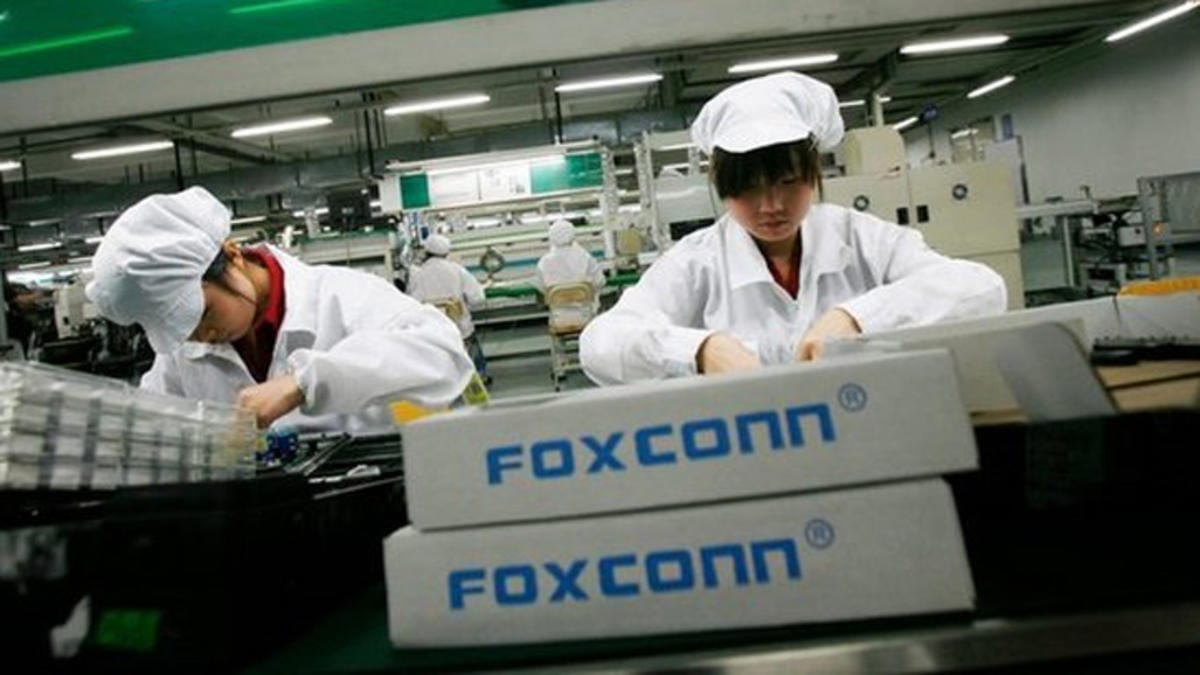
    Taiwan’s Foxconn Technology Group, the world’s biggest electronic components maker, has cancelled plans to invest in a factory in Indonesia, Kontan daily reported on Tuesday, citing the head of an Indonesian business chamber.

    Foxconn, whose flagship listed unit is Hon Hai Precision Industry Co Ltd, said last year it may invest $1 billion in Southeast Asia’s biggest economy.

    But the Apple Inc supplier had decided not to go ahead because of land issues, Indonesian Chamber of Commerce and Industry Chairman Suryo Bambang Sulisto was quoted as telling the business daily, casting doubt on the company’s broader expansion plan in Indonesia.

    Sulisto did not respond to phone calls requesting comment, while Foxconn was not immediately available to respond.

    Foxconn, which assembles products for global phone makers, is one of the companies likely to be affected by a new law due to take effect in 2017 requiring firms that sell smartphones and tablets in Indonesia to produce 40 percent of their content locally.

    Critics say the rule – part of a push by President Joko Widodo to transform Indonesia from an economy that consumes products into one that produces them – could increase costs and restrict access to technology.

    Foxconn had previously planned to invest in hardware such as phones, tablets and televisions, as well as telecommunication services in Indonesia, its spokesman told Reuters last year.

    The company had hoped to tap the domestic market of about 250 million people and use it as a base to export to the rest of Southeast Asia. But talks with authorities had stalled partly because the government was reluctant to accept Foxconn’s request for free land, sources previously said.

    Last month, Foxconn partnered with China’s Xiaomi to assemble phones in India.

  • ‘Trust us’ urges Alibaba.com

    ‘Trust us’ urges Alibaba.com

    Chinese internet giant Alibaba.com has enhanced its vetting of suppliers to boost confidence with its online customers.

    The company says it is adding new features to service designed to reassure buyers – many of them retailers in North America and Europe – that they can trust the sellers offering merchandise on Alibaba.com.

    The Alibaba Trade Assurance program, introduced in January, has been limited to transactions completed via bank transfers, but will soon also cover purchases made with credit cards, Sunny Chhabra, a US-based global marketing and business development executive with Alibaba.com, told delegates to a conference in Las Vegas.

    In addition, the program, which until now will only covered Chinese suppliers selling on the business-to-business Alibaba.com platform, will be extended to other manufacturers and distributors in other countries. India will be the next country added, he said.

    Already 54,000 Chinese suppliers, or about half the number that offer to fill bulk orders on the Alibaba site, participate in Alibaba’s Trade Assurance program. An Alibaba subsidiary called OneTouch vets companies that wish to participate. If a buyer purchases from a participating supplier Alibaba will refund the buyer’s deposit, up to a specified amount, if the goods are not delivered on time or are not of the quality specified.

    “If the supplier is at fault, the buyer gets their money back, Chhabra said. “You’ll be covered by Alibaba. We’ll go after the supplier to recoup our losses.”

    To receive compensation for poor quality, he noted, the buyer will have to engage a service that inspects the goods, either at the factory or at the buyer’s warehouse.

    Buyers now can filter suppliers at Alibaba.com by those participating in Trade Assurance. When a prospective buyer hovers over a participating supplier the amount Alibaba will guarantee appears. That amount varies based on feedback from buyers. If a supplier gets good reports from customers then Alibaba gradually increases the amount it will guarantee.

    When a retailer or other buyer purchases from a participating supplier, the two parties sign a contract on Alibaba.com and the purchase is completed on the site. That’s a departure for Alibaba.com, which, since its introduction in 2003, has served as a way for retailers, wholesalers and other bulk buyers to find mainly Chinese suppliers, but has never been a transactional site. One of the advantages for Alibaba is that now that transactions are completed on the site the Chinese eCommerce giant for the first time gets accurate information about what products companies are buying and how much they are paying, Chhabra said.

    Alibaba executives also said the company has begun allowing some foreign suppliers to sell on 1688.com, a site that until now has enabled Chinese retailers and other companies to buy from Chinese suppliers.

    Alibaba reported that its revenue from international wholesale transactions, mainly Alibaba.com, totaled $201 million, six per cent of revenue and a 12 per cent year on year increase. Revenue from domestic wholesale, mainly 1688.com, was $161 million, five per cent of revenue and a 41 per cent increase over the same period a year ago.

    The bulk of Alibaba’s revenue, more than $2.5 billion, came from its huge online marketplaces in China, primarily Taobao, where some 8.5 million sellers offer products in a wide-open online bazaar, and the more brand-friendly Tmall, which features products from such major Western companies as Nike, Apple, Burberry and Juicy Couture.

    Those Chinese marketplaces, which together account for roughly 80 per cent of online retail sales in China, accounted for 78 per cent of Alibaba’s revenue in the quarter.

  • Chinese medicines drive Zhongzhi growth

    Chinese medicines drive Zhongzhi growth

    Zhongzhi Pharmaceutical Holdings, which operates a network of pharmacies in the Guangdong province of China, has reported strong sales and earnings growth.

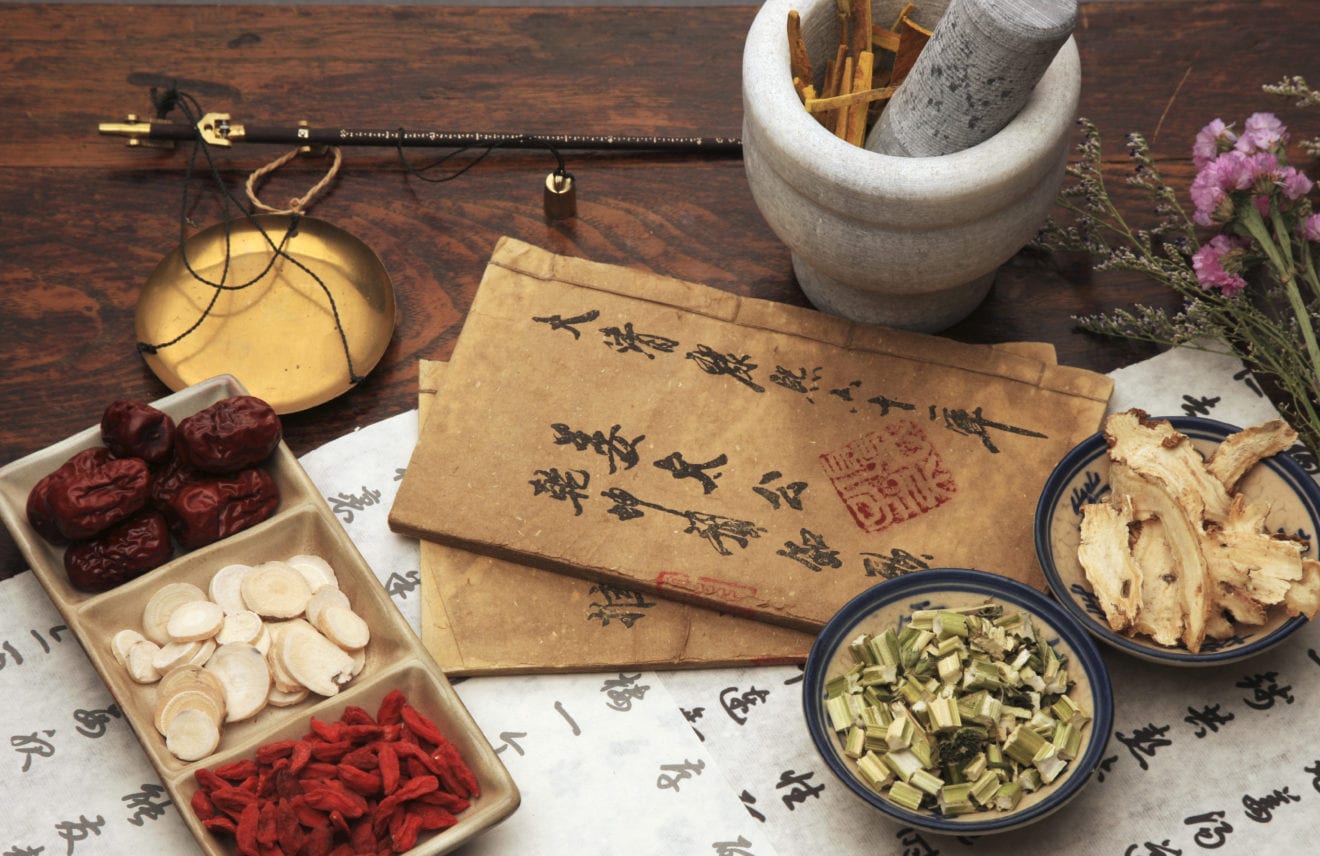
    Zhongzhi develops, manufactures and sells Chinese patent medicines, herbal remedies and food products sold under the core brands of Zeus, Liumian and Caojinghua.

    In the six months to June, the group achieved sales of RMB347.3 million, an increase of 20.6 per cent on the same period last year. Sales of ‘modern’ herbal remedies rose 44.5 per cent as a result of the group’s effort to expand its distribution and marketing network.

    “The continuous growth in the PRC pharmaceutical industry has been driven by favourable demographic trends, continuing urbanisation, the overall economy’s healthy expansion, and income growth which encourage greater public health awareness and consumption of pharmaceutical products,” the company said in its half year report.

    “The demand on pharmaceutical products will remain high and the related consumer expenditure is expected to increase year by year, which is beneficial to the further growth and development of the group. As such, it is anticipated that stable sales growth of our own-branded products in the PRC will continue in the near future.”

    In the year ahead, the company plans to expand its pharmacy network in the Guangdong province, boost its distribution network and expand its production capacity at the same time as putting more resources into researching new products and brand awareness marketing.

    Zhongshan has been operating chain pharmacies in Zhongshan under the Zeus banner for the sale of pharmaceutical products since 2001. As at June 30 it had 201 self-operated chain pharmacies in Zhongshan, five more than last year. Pharmacy sales increased by 15.9 per cent to RMB171.5 million for the six months, contributing 49.4 per cent of the company’s total revenue.

  • Chow Sang Sang local sales slide

    Chow Sang Sang local sales slide

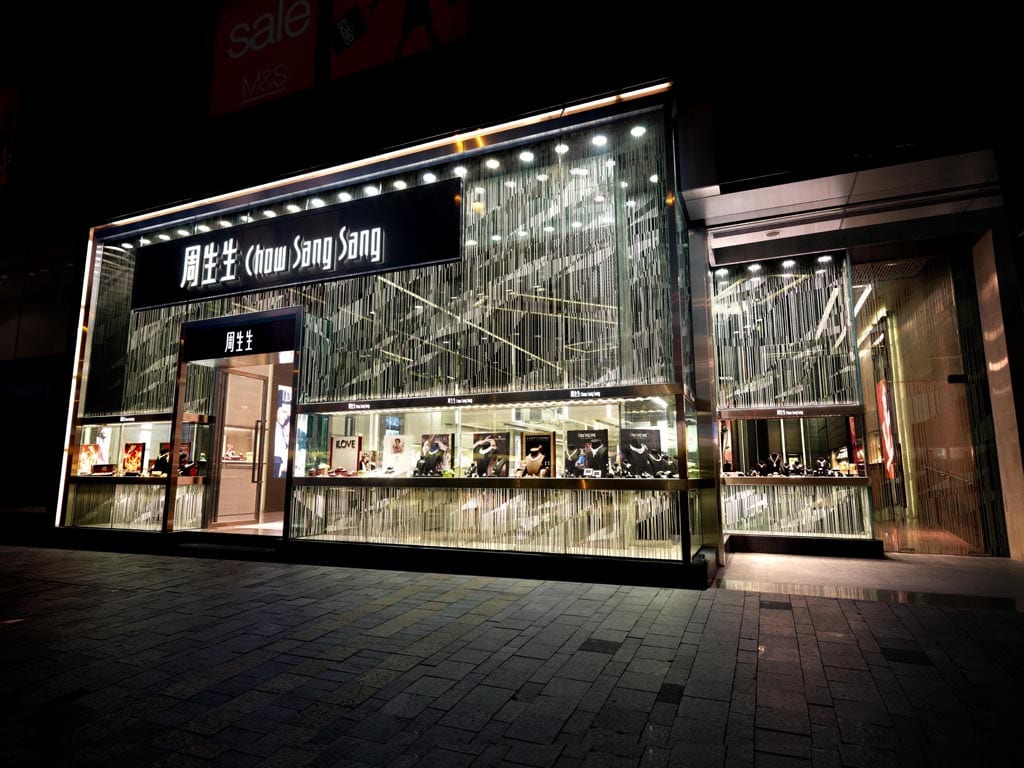
    Jeweller Chow Sang Sang has reported a 12 per cent slump in same store sales in Hong Kong and Macau during the first half of this year.

    But the company’s total sales slipped just one per cent and its profit rose 40 per cent during the six months, due to its disposal of shares in Hong Kong Exchanges and Clearing Ltd. Operating profit was down about 12 per cent.

    The company said while official records show a 5.9 per cent increase in the number of visits to Hong Kong by Mainland Chinese in the first five months, “actual spending by these visitors did not bring much cheer to the luxury retail sector”.

    “Negative sentiments towards cross-border traders and even mainland visitors probably cast a pall over shopping activities. Exchange rate fluctuations caused price differences that made it worthwhile for consumers from the mainland, and even those from Hong Kong, to shop in Japan and Europe for luxury goods.”

    During the half, Chow Sang Sang closed its Metroplaza store in Kwai Chung, but expanded its store in Elements, West Kowloon and converted the fitout to the company’s new generation shop design.

    The company said Macau was especially hard hit by the anti-graft campaigns and the measure to restrict funds outflow. One street-level store was closed there at the expiry of its lease.

    “On the Mainland, the slowing growth in the economy, the continued anti-corruption and austerity drive affected high-ticket spending, but in general the retail sector was healthy.”

    The jeweller opened 21 stores during the half taking its reach to 102 cities. Ten underperforming stores were closed for a net gain of 11 and a total network of 333.

    The company says in the months ahead it will continue to closely monitor its inventory levels. It has revamped its online shops both for the Mainland and Hong Kong and online sales continue to grow.

    “We are making progress in facilitating our online customers to take advantage of the network of physical stores.”

    In Hong Kong the company has acquired space in Citywalk, Tsuen Wan, to open a Rolex and Tudor store.

    The existing store in the same mall shall cease to operate its watch counters.

    In China 18 stores are planned between now and Christmas, along with several refitting and closings.

  • K11 mall founder to build 17 more centres

    K11 mall founder to build 17 more centres

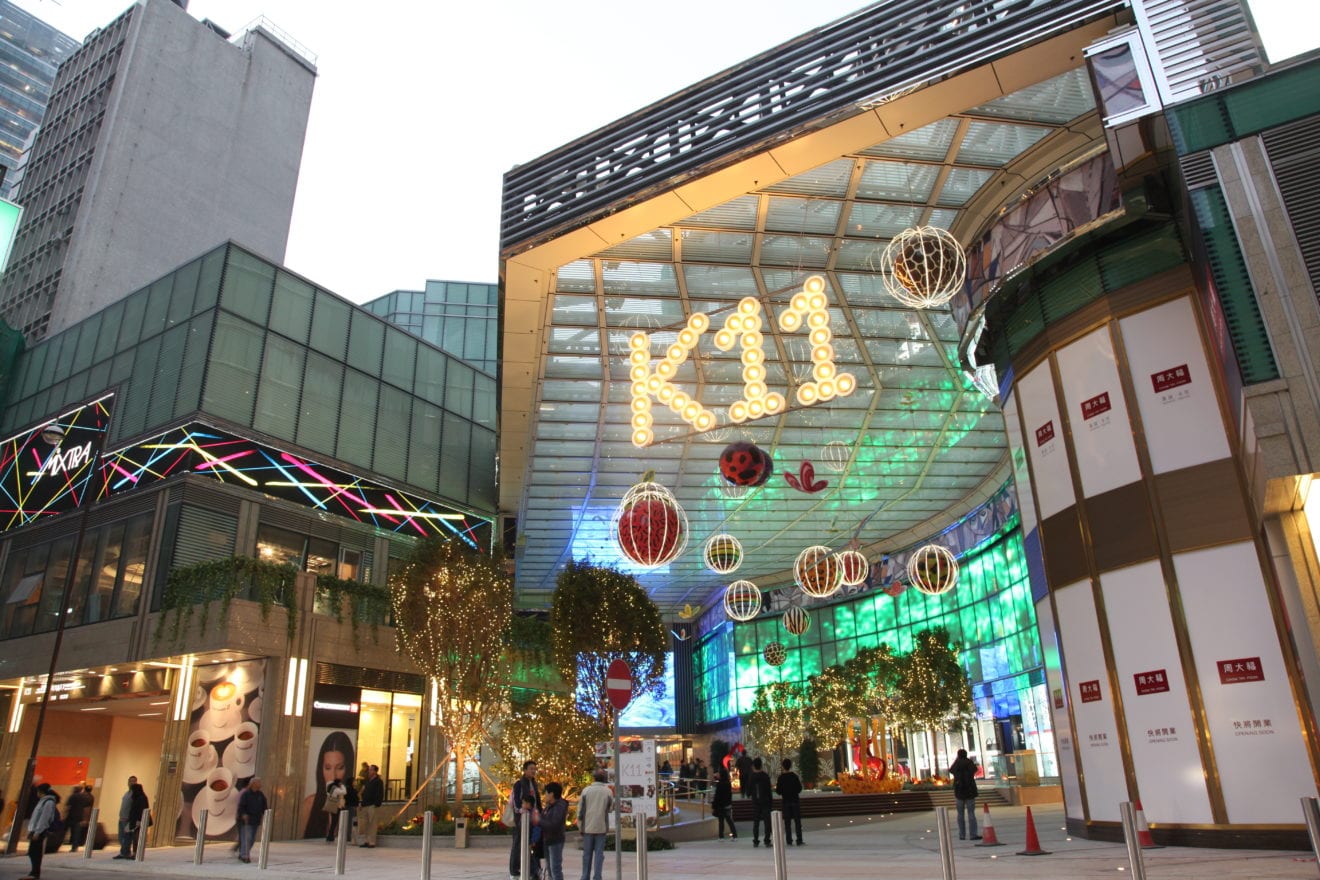
    The founder of the K11 mall concept which debuted in Hong Kong and then was replicated in Shanghai is now planning 17 more centres in Mainland China.

    Chinese billionaire Adrian Cheng founded the nonprofit K11 Art Foundation in 2010,  and subsequently opened the K11 shopping centre in the heart of Kowloon, atop the Tsim Sha Tsui railway station.

    Like its successor in Shanghai, the K11 mall features frequently-changing art installations and exhibitions, merging art gallery with a retail and dining space. Works by artists including Olafur Eliasson, Damien Hirst and Yoshitomo Nara can be found in the malls.

    A spokesman for Cheng’s business New World Development Company says the grand plan is to have 19 K11 spaces – mostly retail centres but also offices.

    Cheng is ranked among the world’s top 20 billionaires aged under 35 with an estimated worth of US$1.4 billion.

  • Johnny Rockets to focus on Southeast Asia

    Johnny Rockets to focus on Southeast Asia

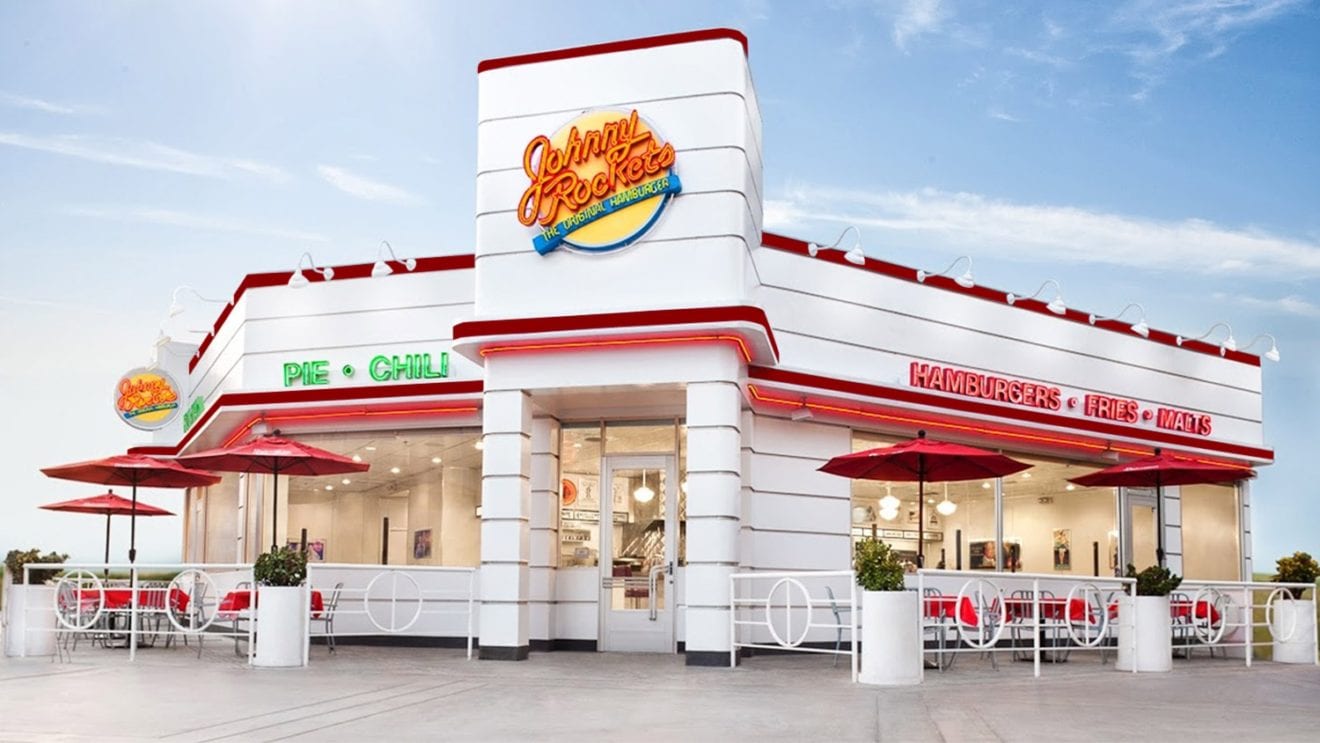
    US burger chain Johnny Rockets says Southeast Asia – particularly Vietnam and Thailand – will be the focus of its global expansion in the short term.

    Based on Johnny Rockets’ “all-ages appeal and current success in the region” the company is seeking area developers for expansion into both new markets.

    “The popularity of American culture and cuisine in Southeast Asian countries is the driving force behind our current success and growth in these markets,” said James Walker, president of operations and development with Johnny Rockets.

    “Due to Thailand’s and Vietnam’s customer base and proximity to other Southeast Asian countries where we operate, we see huge potential for the brand in those countries, and we are actively seeking franchise partners looking for development opportunities.”

    In addition to its Southeast Asia strategy, Johnny Rockets is also seek a partner in entering Hong Kong. Earlier this year, Johnny Rockets announced a 100-restaurant agreement in mainland China, the largest expansion in the company’s history.

    Walker says Southeast Asian consumers have “enthusiastically embraced” American restaurant franchises for years, and that has proven true for Johnny Rockets. The brand currently operates in Indonesia, the Philippines and Malaysia through 14 restaurants and has eight more in development.

    He says Johnny Rockets’ signature American menu, including cooked-to-order hamburgers, crispy fries, hand-spun shakes and sandwiches, coupled with its “Americana experience” appeals to Asians.

    “What we have found is that as the region’s middle class booms, that population segment is looking for and willing to spend more on premium burger concepts. They certainly find that with Johnny Rockets. They also discover and relish our experience and entertainment value.”

  • Roche Bobois to open in Hong Kong

    Roche Bobois to open in Hong Kong

    French luxury furniture retailer Roche Bobois is to open its first store in Hong Kong.

    The store will be the company’s eighth in Greater China and comes soon after the brand’s debut in the southern Chinese city of Chongqing.

    The new showroom will open in September in the ground floor of Horizon Plaza at 2 Lee Wing St.

    Roche Bobois works closely with renowned designers such as Ora Ito, Cédric Ragot, Sacha Lakic, Christophe Delcourt and Stephen Burks and with Haute Couture fashion houses such as Jean Paul Gaultier, Sonia Rykiel Maison and Missoni Home.

    It offers a broad range of exclusive made-to-order designs, manufactured with a high level of customisation in small European workshops. Its collection includes premium-quality furniture, including sofas, armchairs, cocktail tables, dining chairs, sideboards, beds, wardrobes, storage and accessories including lighting, cushions and rugs.

    The company has 250 showrooms worldwide.

    In Chongqing, Roche Bobois opened in the high-end furniture mall Redstar Macalline in the Yubei district, in the city’s northeast.

    In a taste of what Hongkongers can expect, the fit out features marble floors and a Paris skyline on the wall.

  • Clarks steps up in Asia

    Clarks steps up in Asia

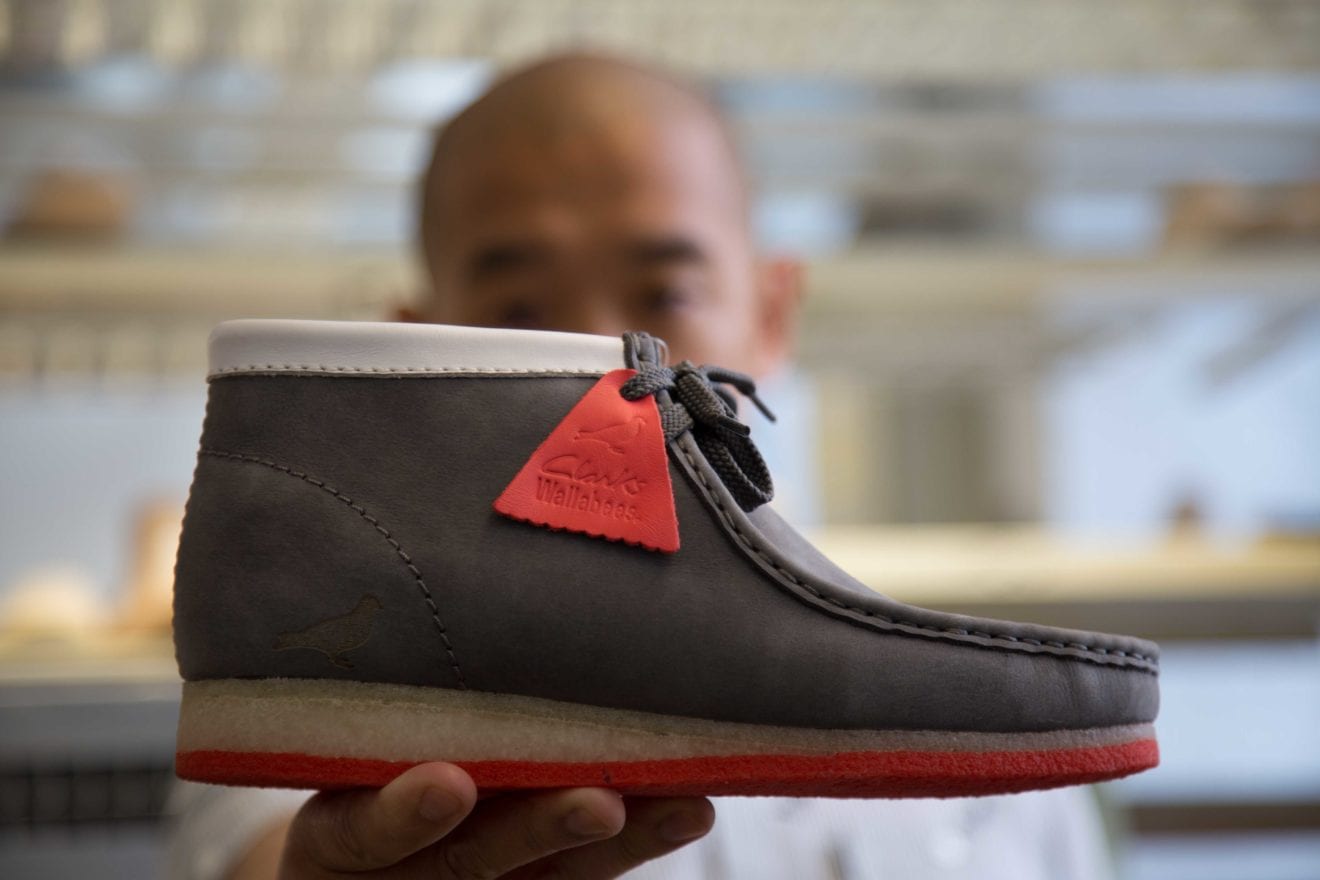
    British footwear brand Clarks says it sees Asia Pacific growth as a “a key strategic focus” for the company.

    The 190 year old, £1.5 billion business, plans to open 100 stores in the region in the next 12 months.

    “As we celebrate a significant birthday, we are as nimble and entrepreneurial as ever and poised for growth,” said Nancy Huang, president of Clarks Asia Pacific.

    “We see great future potential for further expansion and are excited about the possibilities.”

    Clarks, which operates through retail, wholesale, franchise and online channels has a presence in 130 markets worldwide and has been in Asia for 20 years.

    It has a strong footprint in China with 600 points of sale and hundreds of stores across Asia including the markets of India, Japan, Singapore, Malaysia and Indonesia.

    Huang says Clarks’ strong British heritage and reputation for craftsmanship has widely appealed to Asia’s rising middle class. In recent years, the company has invested heavily in building infrastructure, people resources and capabilities in Asia Pacific to support a rapidly expanding set of markets.

    The company will also invest “heavily” in reinvigorating key existing stores in China, Japan and Singapore.

    C&J Clark Limited, owners of the Clarks brand, the privately owned footwear business, was founded in Street, Somerset in the UK by the Clark family in 1825. Still based in Street, the Clarks Group designs, develops and sells a wide range of footwear and accessories for men, women and children. The Clarks brand is renowned worldwide for quality and style with comfort.

  • Jumei sales double

    Jumei sales double

    Jumei, the Chinese online retailer, says its sales rose 99.5 per cent in the second quarter to June 30.

    The e-tailer achieved net revenues of US$308.1 million and its GMV rose by 30 per cent to $376 million as its customer base grew 28 per cent and orders by 58.2 per cent.

    But its gross profit as a percentage of net revenues decreased to 30 per cent from 46.3 per cent in the same period of 2014 reflecting the company’s shift in strategy from beauty product marketplace sales to general merchandise sales that started last September – along with promotional activities associated with baby and maternity products.

    Leo Chen, Jumei’s founder and CEO, said the company was “thrilled” with its quarter.

    “This very strong growth was driven by Jumei Global during what is typically a seasonally light quarter. We continue to strengthen our position as a leading import cross-border eCommerce platform in China – a milestone we achieved last quarter. We are pleased to see both active customers and number of orders grow rapidly while maintaining a high repeat purchase rate.”

    Chen said since transitioning into cross-border eCommerce during the third quarter of 2014, the frequency of customer purchases has grown significantly, increasing 34 per cent from the third quarter of 2014 to the second quarter of 2015, due primarily to Jumei’s diverse global product offerings and expansion into other women’s categories such as baby and maternity and health and wellness.

    “We are confident that our continued investment in category expansion will enhance the customer experience, increase user stickiness and strengthen loyalty to our platform,” said Chen.

    “We recently announced a strategic investment in BabyTree, the largest online parenting community in China and the largest globally as ranked by traffic volume, with daily active users (“DAU”) exceeding 10 million. By integrating Jumei’s supply chain and logistics expertise in cross border ecommerce with BabyTree’s large and growing user base, we believe we will be able to leverage the significant cross-selling opportunities across all Jumei categories to become the dominant female-focused ecommerce platform in China.”

  • China grocery boom accelerates

    China grocery boom accelerates

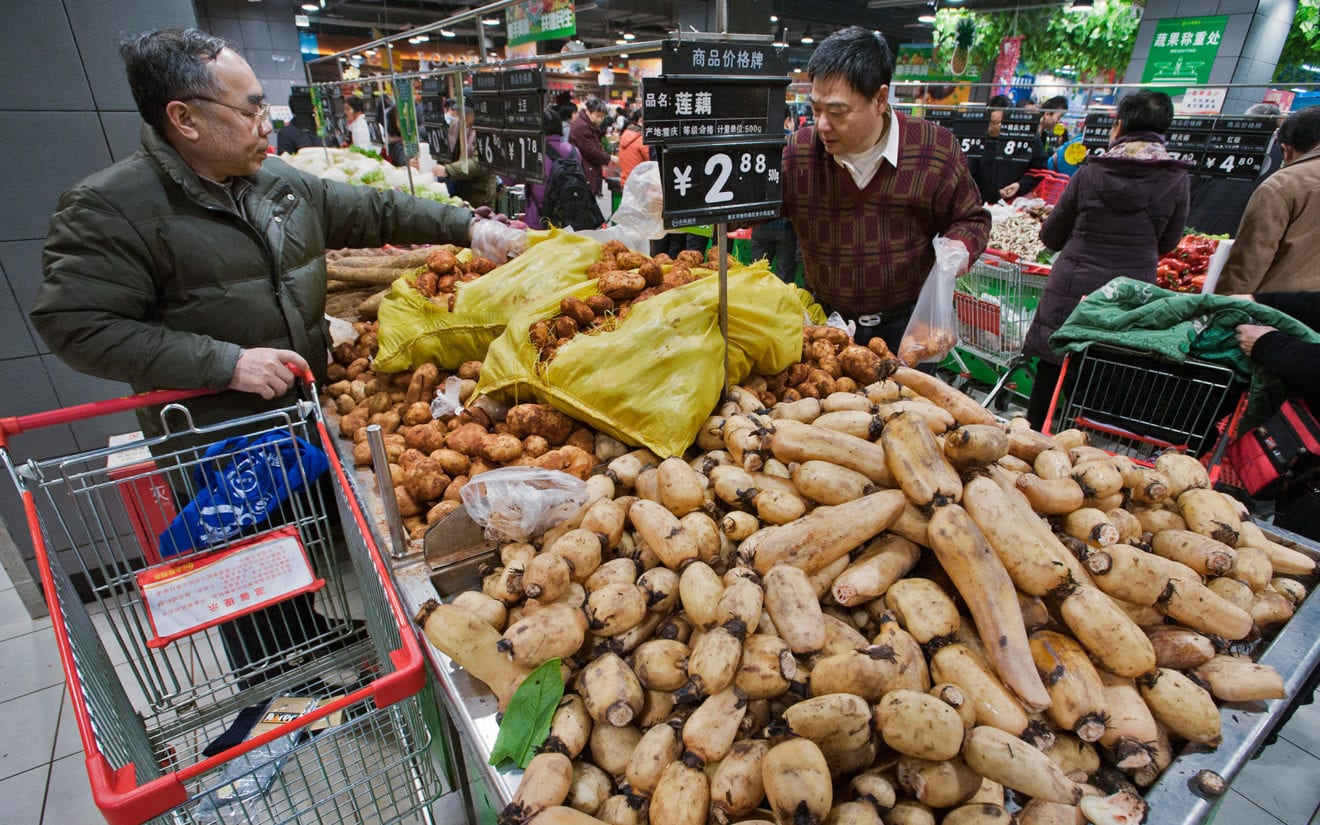
    The China grocery boom is accelerating – but India and the so-called MINT countries are chasing.

    Chinese grocery sales are set to grow by a third between now and 2020 and reach US$1.5 trillion per year, according to new forecasts from IGD. While China will comfortably retain its position as the largest grocery market in the foreseeable future, other markets will grow faster.

    IGD predicts:

    • The grocery sector in India will grow by nearly 80 per cent and be worth just over US$900 billion by 2020.
    • Nigeria’s grocery market will achieve the fastest growth of the largest markets, increasing in value by 85 per cent to hit just over US$300 billion by 2020.
    • The other ‘MINT’ countries will also experience rapid growth – grocery sales in Mexico, Indonesia and Turkey will increase by nearly 40 per cent, 63 per cent and 61 per cent respectively.
    • Indonesia’s grocery market will be worth almost as much as the UK’s (ranked seventh in the world) at US$351 billion by 2020.

    IGD CEO Joanne Denney-Finch says while grocery industry growth prospects appear limited in Europe at the moment, this is a time of tremendous opportunity for grocery companies further afield.

    “The vast majority of global grocery growth will come from Asia, Africa and the Middle East supported by increasing affluence, urbanisation, and rising population. With many European products and brands highly regarded in these regions, this will be a boom time for companies with export skills.”

    On China, she observed: “Although the Chinese growth rate is slowing, it’s still very impressive, particularly in ‘tier three and four cities’. These are regional, medium-income cities, undergoing rapid development. There are many more opportunities for retailers and Western brands. For example, online grocery will enjoy explosive growth in China, though from a modest base, tripling in size between now and 2020. This will be powered by more Chinese having access to the internet through smartphones and other devices.”

    Denney-Finch said in India, while traditional stores will continue to take the lion’s share of the grocery market, consumer spending per capita in real terms will grow faster in the subcontinent than in any of the top grocery markets.

    “Combined with an expanding working-age population this will support the growth of modern convenience and supermarket retailing. Retailers are also rapidly setting up online grocery services hoping to tap into the potential of India’s half a billion smartphone users. Despite restrictions on foreign direct investment (FDI), international retailers continue to see the potential of investing in India.

    “If the expected effects of inflation are stripped out, then India would be the fastest growing of the largest grocery markets while most of the MINT countries would also appear higher up the growth rankings,” she said.

  • Coach Canton Rd flagship opens

    Coach Canton Rd flagship opens

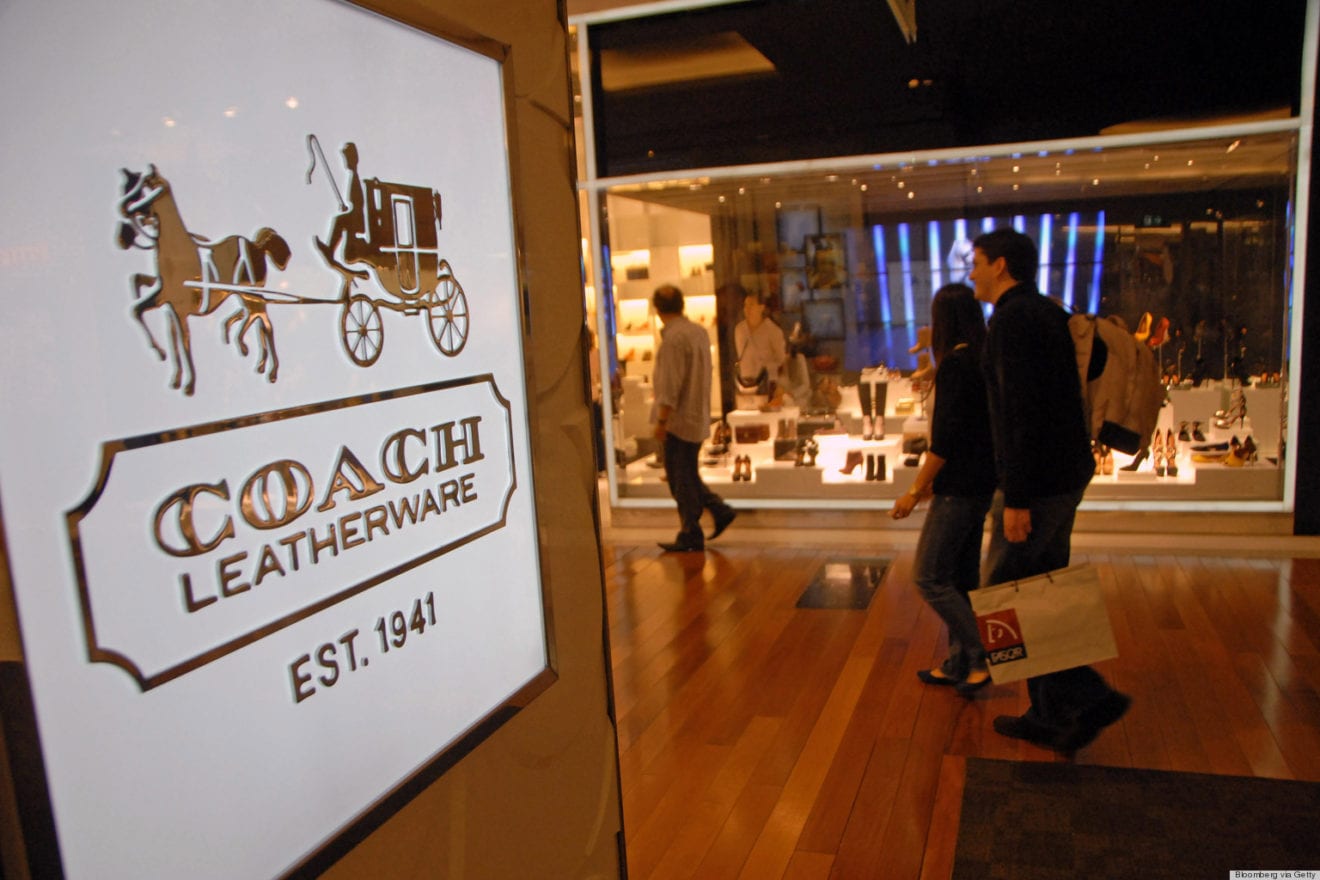
    US fashion brand Coach has opened a new flagship in Kowloon.

    Coach Canton Rd is the company’s second flagship store in the territory and gives it one superstore on either side of the harbour; the other one is located in Central.

    The new 4000 sqft flagship store spans a whole three floors in the Harbour City complex.

    Designed by Coach executive creative director Stuart Vevers, in partnership with world renowned creative firm Studio Sofield, which has also completed projects for Gucci, Bottega Veneta and Tom Ford.

    Store features include a ready-to-wear shop with custom furniture.

    To mark the opening, Coach has released a limited edition Suede Coach Swagger bag available in Navy and Black Cherry, for a limited time exclusively at the new store.

  • E-Land to launch Coffee Bean China

    E-Land to launch Coffee Bean China

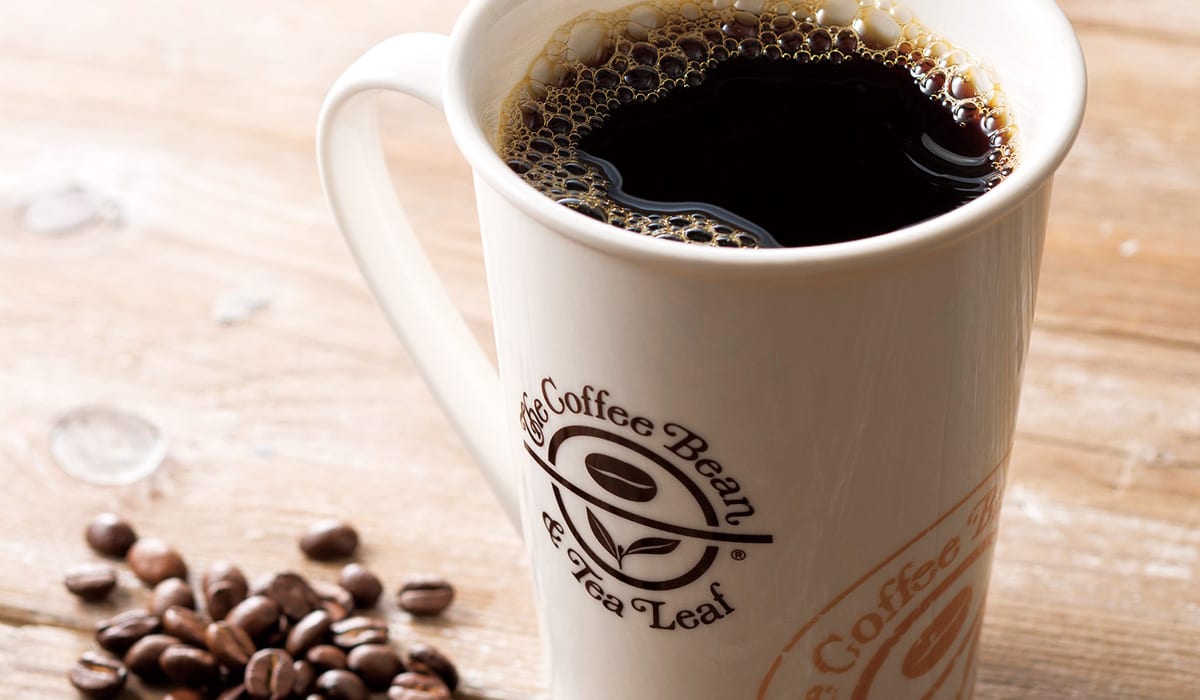
    South Korean retailer E-Land has sealed a deal to launch Coffee Bean China by the end of 2015.

    The California-headquartered cafe chain, also known by its full name Coffee Bean & Tea Leaf, says China will be its 28th international market. The China joint venture plans 700 cafes across the country.

    It has already achieved considerable success in Asia, especially in Malaysia, Vietnam, Singapore and Thailand.

    E-Land operates a vast network of 7000 fashion stores in China and about 20 restaurant brands.

    “Together with E-Land’s vast retail experience and success to ensure our continued growth in China, we’re proud to put our Southern California style of hand roasted coffee and whole leaf teas on the map in yet another country,” said Jeff Schroeder, senior VP of operations at The Coffee Bean & Tea Leaf, in a statement.

    Coffee Bean has more than 1000 cafes in 28 countries and earlier this year opened its first stores in Japan.

    While 700 cafes might seem like a large number in China, it would be dwarfed by rival Starbucks which already boasts 1700 cafes.

  • Carat* opens two new boutiques in Asia

    Carat* opens two new boutiques in Asia

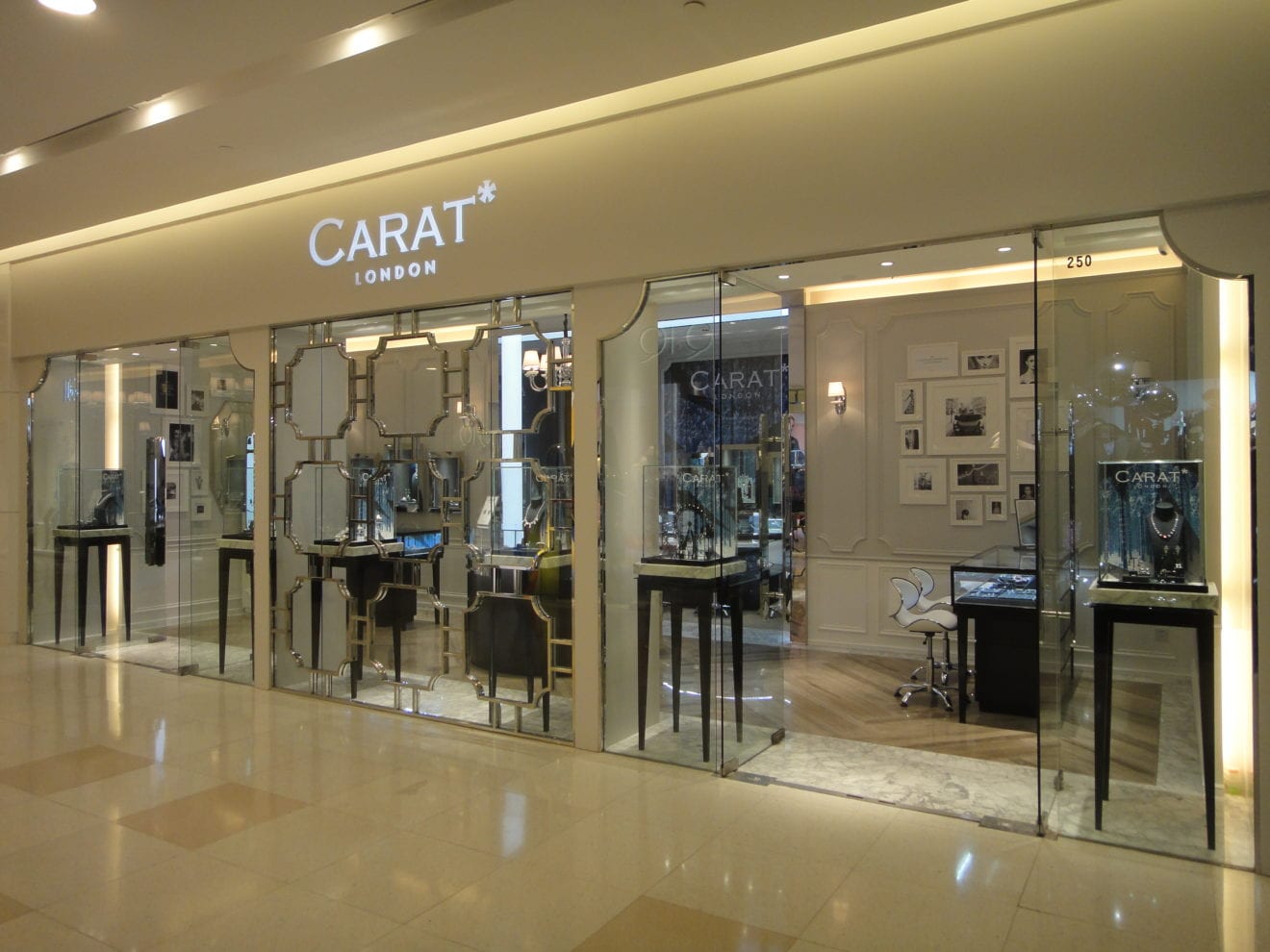
    London jeweller Carat* has opened a new boutique in IFC Mall in Central.

    The store is one of two opened in Greater China in recent weeks – the other being inside IFC Mall in Shanghai.

    Founded by Englishman Scott Thompson in 2003, Carat* describes itself as one of the world’s leading luxury fashion jewellers.

    “Our pieces combine the timeless glamour of a bygone era with a little modern day wearability. Carat* jewellery is about fantasy rather than reality and our jewels are chosen rather than invested, admired rather than shown off. Most importantly, though, our jewels are supposed to be worn rather than hidden in a safe,” the company says online.

    The two new stores feature a “refreshed” Carat* global store model with pale tones and a luxury ambience.

    As well as its stand alone boutiques, the jeweller has shop-in-shops in luxury department store Lane Crawford in Hong Kong, and in Harrod’s in London.

    Carat* designs, develops and assembles jewellery using its own uniquely created gemstones. Each stage of preparation is done by hand – from pre-forming and faceting to polishing and setting.

    The brand has been worn by celebrities all over the world, including Lisa Snowdon, Michelle Williams, the cast of Gossip Girl, Melissa, George, Katherine Kelly, Lucy Jo Hudson, Lydia Bright, Amy Nuttall, Kara Tointon, Juliet Stevenson, and Vicky McClure.

  • K-beauty brand Hera uses DFS as testbed

    K-beauty brand Hera uses DFS as testbed

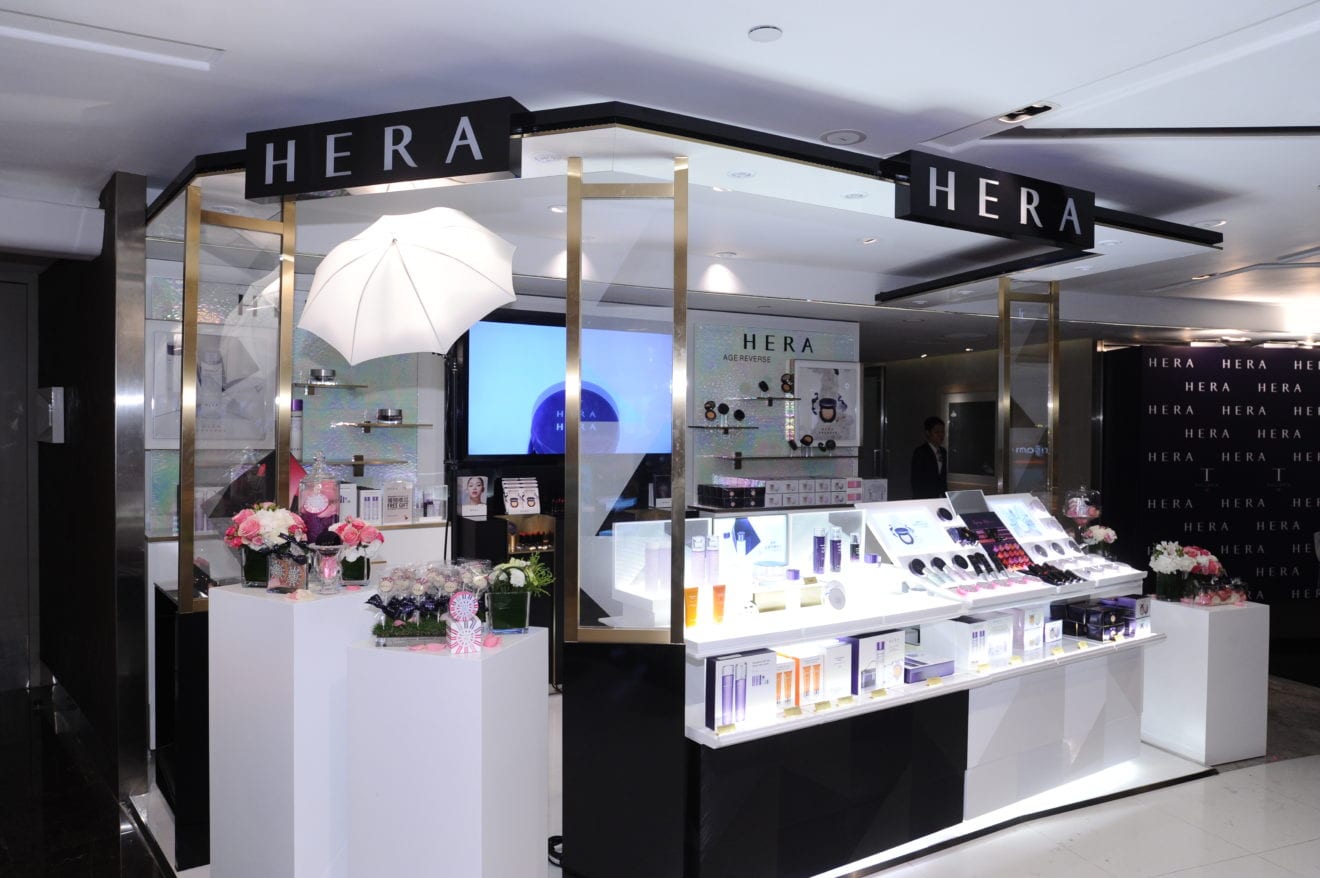
    Luxury duty free and travel retailer, DFS Group, has opened pop-up stores in Hong Kong for the K-beauty brand Hera which the latter is using as a testbed for the global market.

    The T Galleria by DFS on Canton Road houses four pop-ups, with a launch in early August in the presence of Hong Kong actress Charmaine Sheh and Korean movie star Park Eun Hye. Hera’s head make-up artist, Jinsu Lee, was on hand to share beauty tips to achieve the signature K-beauty Seoulista look.

    BRIDGE TO ASIAN MARKETS

    Hong Kong is the largest cosmetics market in Asia and Hera’s first-ever pop-ups are expected to be a bridge to other Asian countries. The DFS units  bestselling fan-favourites, including the Olympia Le-Tan UV Mist Cushion, UV Mist Cushion and Age Reverse Cushion.

    Hera is known in Korea for cutting-edge technology and is popular with women looking to emulate increasingly popular K-beauty styles seen in K-pop music and K-drama TV shows.

    Jinsu Lee will offer Seoulista make-up demonstrations as well as touch-up services to customers with the stores are in place. All four pop-ups will offer a limited supply of product kits to customers with a minimum purchase.

  • UAE retail look to local consumers as Chinese and Russian tourists drop

    UAE retail look to local consumers as Chinese and Russian tourists drop

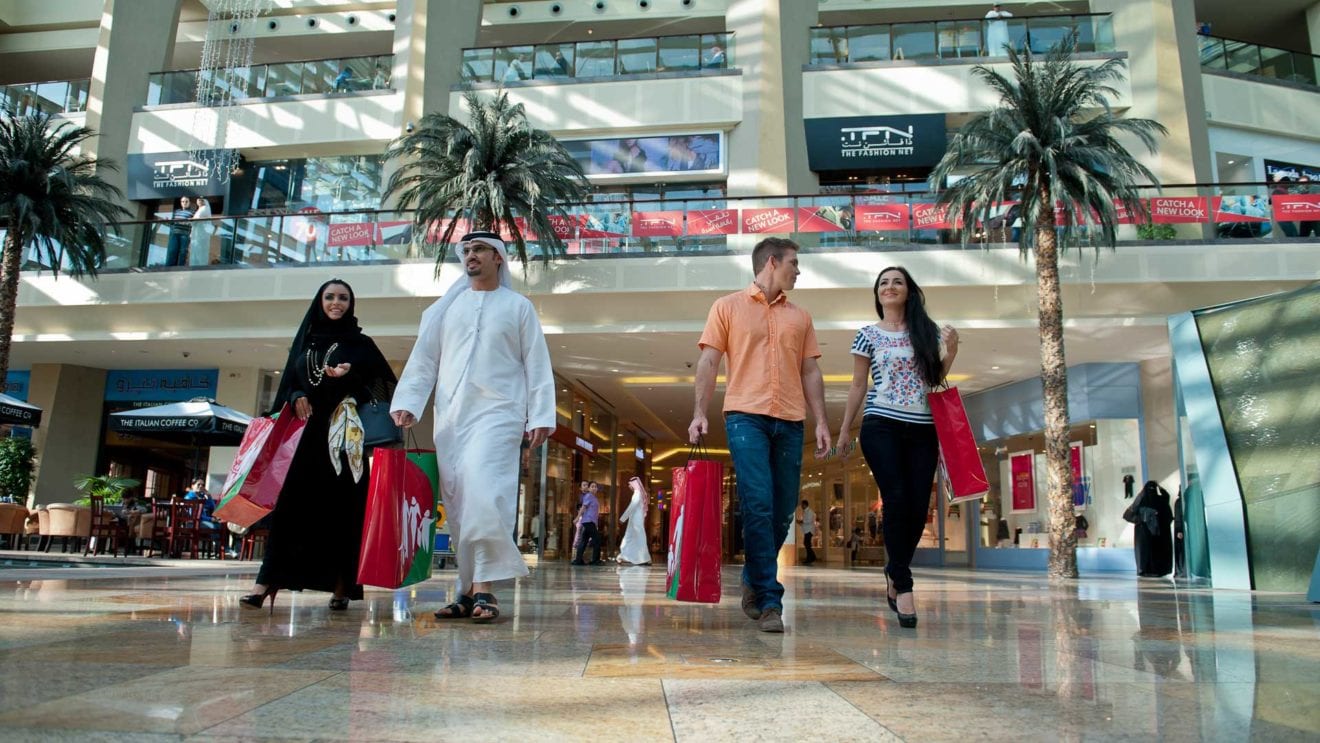
    Spending by Russian and Chinese tourists traveling to the UAE has declined recently and it is hurting not just the luxury shops in Dubai’s sprawling malls but other businesses as well.

    Nasir Mansoor, who manages vehicle rental service company Fast Rent A Car in Dubai, said that this year has been very challenging for them because the number of customers from the two countries has dropped significantly.

    During the peak period, around seven or ten Fast cars would be taken out for a drive by Russian tourists, while Chinese visitors would fill ten tourist buses a week. These days, the rental company is able to rent out, on average, only one car to a Russian customer, while Chinese tourists have dropped to two busloads a week.

    “The Russian tourists play a vital role in [our] car rental [business]. In the past six months, we have seen a noticeable decline in Russian customers who would benefit mostly from our daily and weekly rental services,” Mansoor told Gulf News.

    “Chinese tourists used to bring in business of up to ten bus tours weekly, while today, that number would approximately stand at around two tour trips,” he added.

    The national currency in Russia has been showing its weakness since last year, losing half of its value against the US dollar. The decline has made traveling abroad more expensive for Russians who earn in roubles. At the same time, the economic slowdown in China, coupled with the recent devaluation of the yuan, is not playing well with outbound tourism.

    According to Network International, overall credit or debit card spending by Russian and Chinese shoppers in the UAE dropped by 30 per cent and 22 per cent, respectively, during Ramadan compared to the same period last year. Jones Lang LaSalle noted in its latest report that retail sales in the UAE have slowed down, particularly in the luxury segment, as tourist spending from Russia has declined.

    More visitors are still traveling to the UAE, but arrivals from Russia and the Commonwealth of Independent States (CIS) has been weak. The number of Russian passengers arriving in Dubai dropped by 31.7 per cent in March, while those entering via Abu Dhabi declined by 10 per cent in June.

    Dubai Airports attributed the downtrend to the “continuing economic and social concerns in the region, with most major cities including Moscow, Kiev and St Petersburg recording fewer passengers.”

    “[This is] due to the factor that the rouble’s value has gone down in Russia and there is an economic downturn in China due to export slowdown,” noted Karan Patel, marketing manager for Middle East at 2GIS UAE, a map service comprising detailed business listings and public transport guide.

    The app developer provides map downloads to visitors in the UAE and used to attract huge customer traffic from Russian and Chinese travelers. Recently, however,  “application downloads” are on a decline, owing to the slump in tourist numbers.

    Russian and Chinese foot traffic is also declining at Shoexpress shops in the UAE. Jithan Harichand, the company’s retail operations manager, said that, given the rising cost of living in the UAE, domestic spending isn’t enough to make up for the drop in tourist spending.

    “The past year has been tough economically across the Middle East, Europe, especially Russia and China, thus tourism [has slowed down]. Tourists tend to spend cash in value retailers, thus with the [downtrend], we are dependent on UAE residents,” said Harichand.

    “[But] with inflation in UAE, residents have limited disposable income to spend locally.”

    Anuraag Sinha, managing director of Liali Jewellery in Dubai, said they used to get a lot of business from Russian tourists,  but with the decline in visitor numbers,  sales at their outlets in premium locations have slowed down.

    “The actual drop in the sales value in our sector is high because the tourists that have replaced some of the Russian and other high-spending tourists are not spending as much as the Russians did,” Sinha said.

    “While our stores in certain five and seven-star locations and resorts have suffered, our overall sales have grown as our main focus has been on brand building.”