Tag: China

  • Bulgari Macau’s new generation boutique

    Bulgari Macau’s new generation boutique

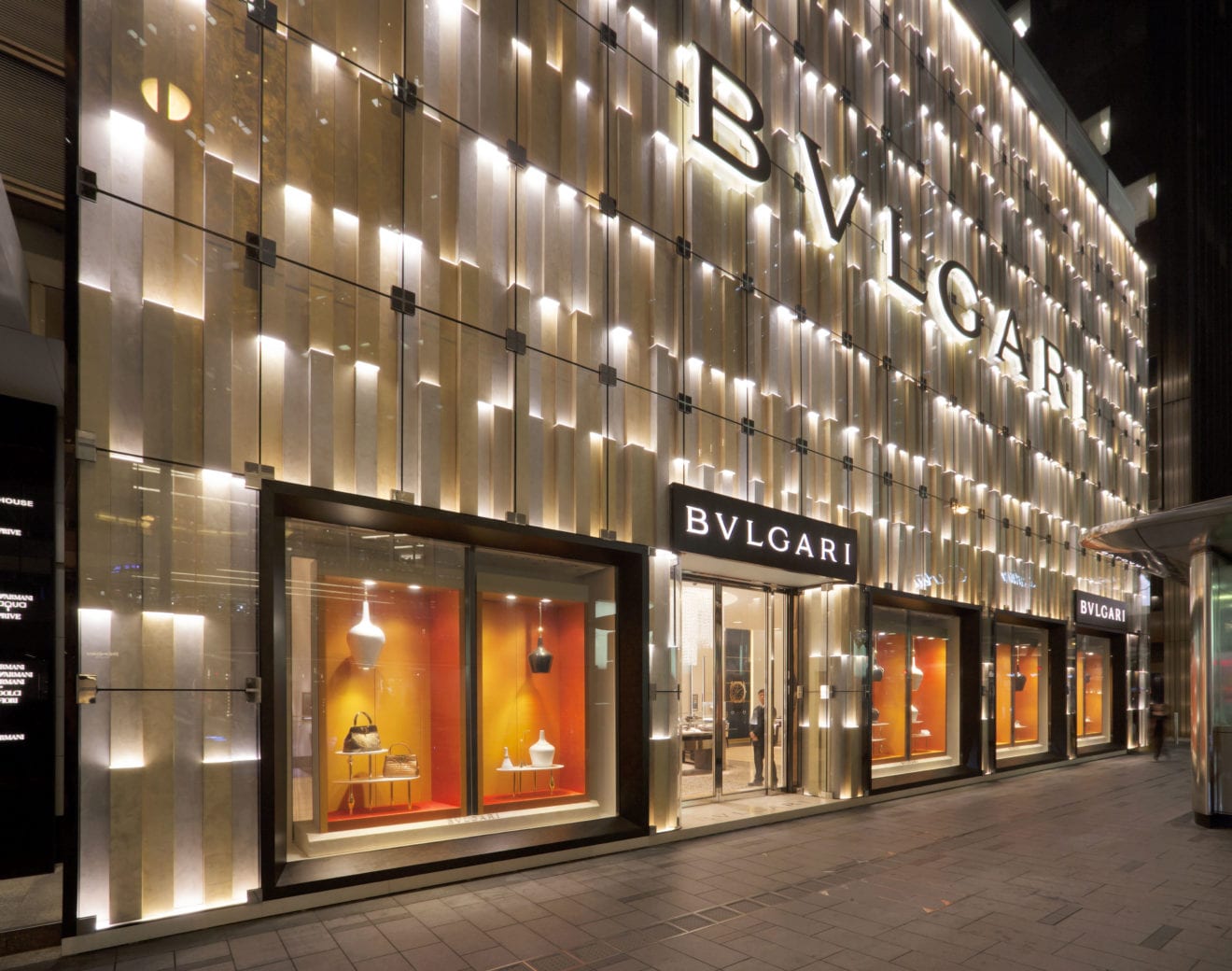
    Bulgari Macau’s new luxury boutique at the Galaxy features the new architectural design concept developed by Peter Marion.

    Following the renovation of the Via Condotti flagship in Rome, the new architectural design concept is being rolled out by the LVMH brand in the most prominent locations worldwide, mirroring the brand’s signature architectural elements and expressing its Mediterranean origins and Roman traditions with a classic Italian approach to modernity.

    The Galaxy Macau store, which began trading in July, is thus one of the first in the world to carry the new image.

    Bulgari says the dominant idea is expressed by “a classic geometry open to modern interpretation, in a continuous interplay between innovation and tradition”.

    The 290 sqm space encompasses the brand’s design key elements, such as the three institutional giant windows alternate with three Condotti showcases and the Condotti eight point star, still present in the original historical flagship in Rome Condotti 10.

    The boutique also houses some furniture selected by Peter Marino himself and conceived by the Italian designers who have had link with the Bulgari heritage, such as the product counters by Carlo Scarpa, the sales tables by Franco Albini, or the central Eros marble table by Angelo Mangiarotti.

    The brand touch is also provided throughout the areas transformed into a Bulgari art-gallery: walls are decorated with Vintage most famous endorsements of celebrities who have been truly fan or ambassadors of the brand’s Italian exciting lifestyle.

    The boutique features an exclusive Bridal, Men, Accessories and VIP area, where the most precious creations can be viewed in total privacy.

    Bulgari Galaxy Macau is located at Shop G094 on the ground floor.
  • London retailers revel in Chinese influx

    London retailers revel in Chinese influx

    Hong Kong retailers wondering where those cashed up, big spending Mainland Chinese tourists have been unzipping their wallets… here is your answer: London.

    According to the Retail Gazette, spending by Chinese Visa card holders rose 44.5 per cent in the UK in July – outstripping spending by tourists from France and Australia.

    Inbound tourists from China now account for more spending than those from any country except the US which retains top spot.

    Retail Gazette reports the growth in Chinese spending was strongest in supermarkets (up 79 per cent) and in high street stores (up 40 per cent).

    Shopping accounted for 40 per cent of Chinese tourists’ spending in the UK

    “China is one of the fastest growing sources of tourism income for the UK and it looks set to become an important driver of growth for the sector,” said Kevin Jenkins, UK & Ireland MD with Visa Europe.

    “Spending on cards has seen a significant boost as Chinese tourists travel to the UK, confident in the use of plastic overseas.

    “With shopping a top attraction for Chinese travellers, UK retailers are likely to consider additional ways to appeal specifically to this audience,” Jenkins said.

    “Pre-travel marketing, multilingual staff and new product lines in store may be three things we see more of.”

  • Global Brands in talks with Alibaba, JD.com

    Global Brands in talks with Alibaba, JD.com

    Global Brands Group is discussing a possible “strategic alliance” with Chinese eCommerce companies Alibaba and JD.com.

    The two e-tailers are declining to comment on the matter, but based on comments by Global Brands CEO Bruce Rockowitz, Bloomberg reports the alliance “could involve online sales of brand-name children’s wear, among other products, through Alibaba’s Tmall and JD.com, and co-operation offline”.

    Rockowitz said a formal announcement is likely later this year.

    “We are working with JD and Alibaba on a strategic alliance, joint venture,” he said. “It’s a relationship or joint venture together that can create a solution online, offline and mobile that none of us can do by ourselves.

    “Both of them want to do something. They don’t have the content, just platforms, but they want to go to the next level.”

    The comments came in the wake of Global Brands’ first full year results announcement earlier this week when it reported stronger margins as it continues to shed non-performing brands in favour of higher end products.

    Last December, Global Brands announced a joint venture with David Beckham and his business partner Simon Fuller. The joint venture, Seven Global, focuses on the continued development of the brand around David Beckham as well as on creating large scale brands in partnership with a select number of high‐profile sports and entertainment icons. The venture will cover all major consumer product categories.

  • UnionPay partners with Latitude19

    UnionPay partners with Latitude19

    Latitude19 Technology says its internet payment gateway is now registered with UnionPay Online Payment, a service for eCommerce transactions that enables UnionPay cards to be accepted over the internet with real-time transaction authorisation.

    The service brings the convenience of transacting over the internet to all Issuers, Acquirers, Merchants, and UnionPay cardholders in a simple and secure way, opening the way for holders of more than 5 billion UnionPay cards to shop online.

    Latitude 19 Technology CEO & founder, Timothy Moore said UnionPay registration is an important milestone in the company’s strategy to become the leading global offshore payment gateway.

    The deal makes Latitude19 the first provider for UnionPay in the Caribbean and Latin America.

    “Our partnership with the world’s largest card association, will fast track our growth and provide valuable solutions for our clients.”

    Latitude19 Technology’s UnionPay International credit card issuing program is based on a globally recognised platform that has been designed to rapidly launch and deploy new programs or expand existing programs in real-time versus taking months with other legacy platforms. It supports debit, credit, or emerging payment programs in plastic, virtual, or mobile form.

    Latitude19 Technology is a Cayman Islands-based secure, international, online payment gateway that offers competitively priced, custom credit card payment solutions for eCommerce merchants.

  • AS Watson opens global flagship

    AS Watson opens global flagship

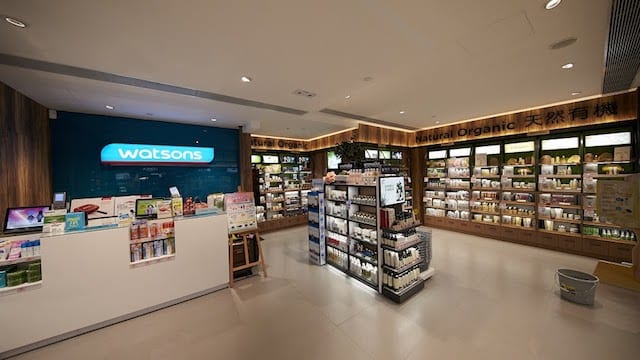
    AS Watson Group has opened its 12,000th store worldwide – in Hong Kong’s Causeway Bay.

    Perhaps fittingly, the store is a three-storey flagship, at 8000 sqft, the brand’s largest store in Hong Kong.

    Located on Yun Ping Rd, the new store features the latest Watsons store design concept internationally, a blend of “contemporary and elegant style”.

    “As an all-rounded health and beauty store, the flagship store provides customers with over 8300 unique products, including 840 healthcare and beauty brands of which 250 are Watsons exclusives,” the company said in a statement.

    The wide selection of products are categorised into different themes, such as organic skincare products, derma cosmetics, baby care area, men’s care area and health checks. Pharmaceutical and beauty consulting services, in-store nursery room and mobile charging stations are available to provide comprehensive customer services.

    At the store’s opening ceremony, Li Tzar Kuoi, Victor, the co-MD and deputy chairman of Watson’s parent CK Hutchison’s Group said Hong Kong has a special place in the company’s heart.

    “Last year, AS Watson Group opened and refitted 76 retail stores in Hong Kong; and for this year, the number is expected to amount to over 80. The capital investment involved would be approximately HK$620 million over these two years,” Li said.

    “We will continue to invest in the city. ”

    Founded back in 1941 as a small dispensary, the AS Watson Group was the 14th company to register in Hong Kong. Now it is the world’s largest international health and beauty retailer and one of the world’s fastest-growing retailers. Watson plans to open 1300 new stores around the world in 2015 – nearly three per day.

    Fortune Centre Watsons Hong Kong Flagship Store has the widest selection of natural & organic skin care products of nine international brands, including the Anumi, a well-known Australian brand with international organic certification, and American brand Burt’s Bees.

    Derma cosmetic products from 12 brands are on sale, including the French cosmetic brands Uriage and Filorga, which will have their exclusive counter, and Watsons’ exclusive brands such as Skin Advanced, CNP. Customers can also enjoy skin analysis and derma cosmetics consulting services.

    A wide range of cosmetic brands, including Clio, Luna and Peripera, etc, from Korea will be exclusively offered in this biggest cosmetic zone among all Watsons stores. Nail brands like Sally Hansen and Depend 7Day will also be available here. Customers can even enjoy makeup or manicure services.

    The Baby Zone offers a large variety of baby products, ranging from diapers, baby wipes, milk powders, etc, giving babies full care and protection. The Men’s Zone offers men’s grooming and health products selections of 14 brands, including Men’s Biore, L’Oréal Men Expert and Za Men, which is a Watson’s exclusive.

    As the Asia’s largest health and beauty retailer, Watsons aims to make customers ‘Look Good, Feel Great’. Nine professionals, including two pharmacists, one dispenser, three health and fitness advisors and three beauty consultants will station in-store to provide customers with professional health consulting and assessment services, such as the Ultrasound Bone Density test as well as measurements for blood pressure and BMI (Body Mass Index).

    The Flagship Store provides customer services such as free wireless internet access, mobile charging stations, baby nursing room, and washrooms.

  • 361 Degrees sees fast recovery in China

    361 Degrees sees fast recovery in China

    Chinese sports brand 361 Degrees says its sales and gross margin improved in the first half year to June 30.

    361 Degrees, listed in Hong Kong, operates 7404 retail stores across Mainland China. It says store productivity continued to be a central theme in future profitability.

    “The current store count of outlets is not likely to increase substantially in the foreseeable future as the retail landscape is fast changing with a new generation of consumers adopting different buying habits,” the company said in its half year statement.

    “The group is very much attuned to these developments and has intensified efforts to promote various initiatives in internet and mobile sales. However, the days for the traditional bricks and mortar store are far from over and particularly in our case, where over 70 per cent of our outlets are in the tier-3 and smaller cities, strong local connections with schools and sports clubs are an inherent advantage, especially as increasing numbers turn to sport as a form of recreation and lifestyle.”

    The group reported its turnover improved by 5.7 per cent year on year, and by 22 per cent over the preceding six months, to register RMB2.2 billion. Gross margin gained a further 1.6 percentage points to 41.3 per cent on the back of lower material costs.

    Operating profit reached RMB485.5 million – 34.4 per cent higher than in 2014.

    Ding Wuhao, president and executive director, said 2015 promises to be “a very good year for the group” as the sportswear industry experiences a steady recovery and the 361 Degrees brand gains further acceptance in the market place.

    Footwear turnover rose 16 per cent as a new portfolio of performance products gained a positive reception from retailers. Apparel turnover fell 3.5 per cent because of a higher comparative base, which was boosted by late deliveries in the fourth quarter of 2013. 361° Kids continued to show growth momentum as it differentiated itself from the regional brands.

  • Global Brands chases higher margins

    Global Brands chases higher margins

    Li & Fung spinoff Global Brands has reported stronger margins as it continues to shed non-performing brands in favour of higher end products.

    The group’s total margin continues to rise, growing as a percentage to turnover from 29.7 per cent to 31.7 per cent in the first half of the current financial year.

    Turnover of US$1.282 billion was down five per cent due to “the tail end of the discontinuation of underperforming businesses” and a weak euro. Excluding those factors, turnover actually grew by about six per cent.

    CEO Bruce Rockowitz said as the company marked its first year as a standalone, listed business it continued to build on a solid foundation “as the partner of choice for American power brands in the affordable luxury space”.

    “We have sharpened our organisational focus around our product categories, as we continue to improve our business mix towards higher margin areas while at the same time driving operational synergies across the organisation. Today, we have a strong portfolio of brands and an excellent platform to take them global through either licensing, ownership or brand management,” he said in a statement.

    Global Brands’ business is always stronger in the second half of the year due to back-to-school sales and a higher concentration of holidays during this period, and the fact that some of the brands, such as Frye and Spyder, together with product categories like winter accessories, are more skewed towards the fall and winter seasons.

    “We continue to invest in and strengthen our business,” said Dow Famulak, president and COO. “Within Licensed Brands, the characters and kids fashion areas continued to perform well. This strong performance comes as we leverage our unrivalled global platform and our position as one of the largest licensees of all major kids entertainment franchises.

    “On the Controlled Brands side, we have added Jones New York to further strengthen our women’s fashion and apparel brands portfolio. We also continue to grow our key Controlled Brands, such as Frye, Spyder and Juicy Couture and have bolstered our management teams across several brands.”

    Added Rockowitz added: “Consumer appetite for leading American affordable luxury brands remains strong, especially as consumers’ demand for these brands has been fuelled by the widespread access to the online arena that makes these brands more popular than ever globally. Looking ahead, we expect our leading businesses to continue to perform well and maintain the course of their growth trajectory. At the same time, we will continue to increase our geographic footprint and look for strategic opportunities to add to our existing platforms, through both licenses and acquisitions.”

  • Li Ning completes resurrection

    Li Ning completes resurrection

    Just a year ago, sports retailer Li Ning seemed down for the count, battling to stem the red ink.  This week it released its half year results to June 30: Revenue rose 16 per cent and it has finally returned to profit.

    The once beleaguered Chinese sports brand – which peaked in brand awareness about the time of the Beijing Olympics in 2004 – has recovered its mojo: Sales are up, it is expanding its store network once more, all the result of a root and branch review of the whole business, from the way it sources and designs products to the way it operates its stores and how it disposes of end of season stock.

    Li Ning has recorded total sales of RMB 3.641 billion – about US$567.5 million. Its profit may have been a modest RMB 260 million (US$40.5 million), but this year both profit and cashflow turned positive. In the same six months last year, Li Ning lost RMB 350 million, or US$54.6 million at today’s exchange rate.

    Significantly, the second quarter was a better one for the business than the first. Li Ning says same store sales in retail registered growth in the high teens on a year on year basis. “The entire store network registered low teens year on year growth,” the company said.

    As at the end of June, Li Ning had 5745 stores, including flagships, conventional stores, factory outlets and discount stores – 119 more than six months earlier.

    During the first half the company “vigorously implemented clearance of obsolete inventory,” optimizing its stock structure to lay a solid foundation for the growth in the second half of the year and into the next.

    Li Ning has also approached senior management of nine leading shopping mall groups in China – including Parkson, Bailian, Grandbuy, RT-Mart, Rainbow and Maoye – to discuss partnerships and expansion plans.

    “In 2015, we have opportunities for opening over 100 new points of sale and renovating over 30 [more] in the premises of these groups,” the company said in its trading results overview.

  • Luk Fook opens Causeway Bay flagship

    Luk Fook opens Causeway Bay flagship

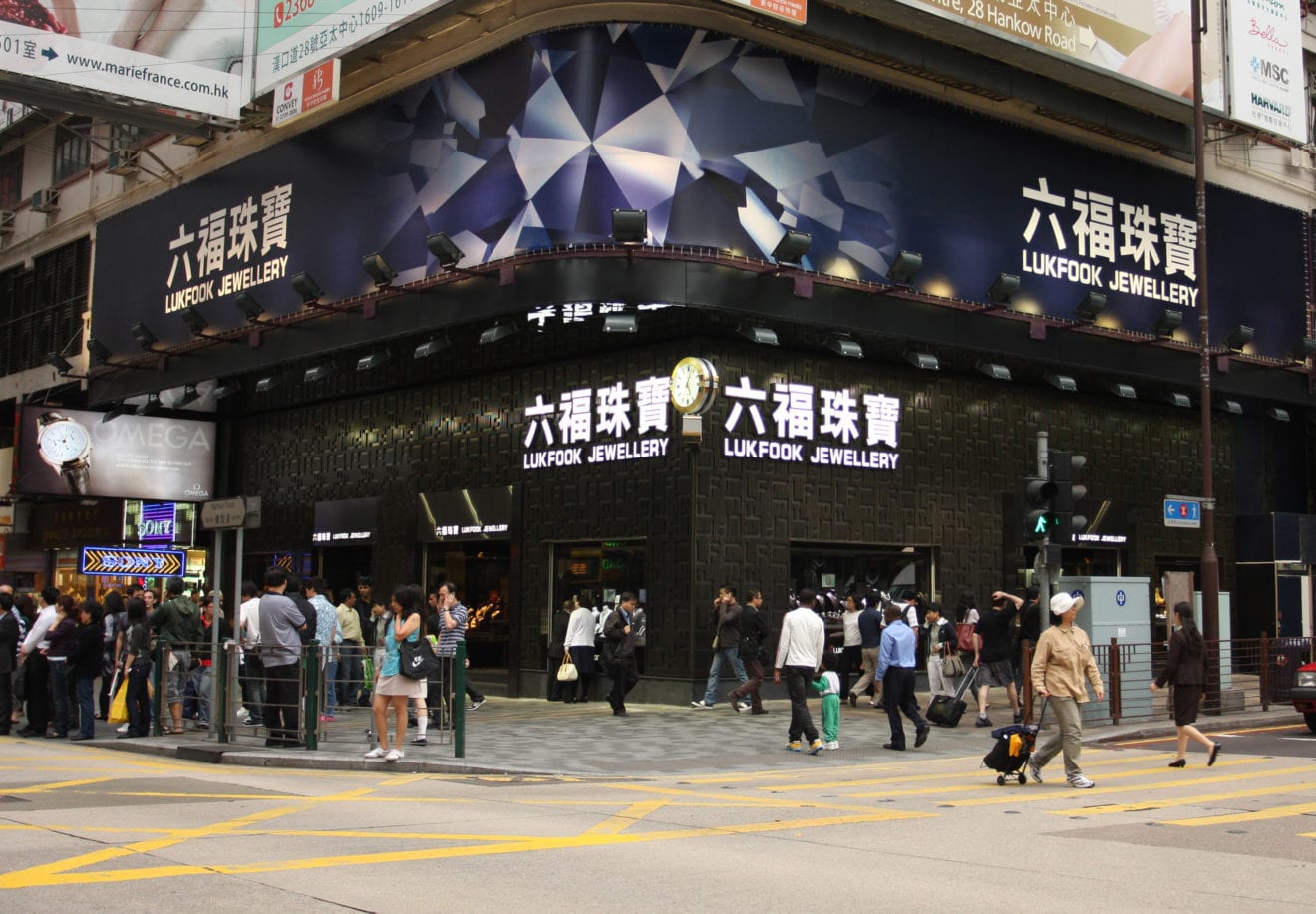
    Luk Fook Holdings has opened a three-storey Lukfook Jewellery flagship store in Causeway Bay.

    The group held a ribbon-cutting ceremony for the new store this week, inviting Japanese cartoon character Rilakkuma to join in the celebrations.

    Wong Wai Sheung, chairman and CEO of Luk Fook said the three storey shop is located in the central area of Causeway Bay, “a shopping hotspot with high pedestrian flow”.

    “We believe that the opening of new shop at a prominent location not only expands our sales network, but also brings convenience to the tourists and local customers for their leisure shopping in Hong Kong. As a globally renowned jewellery brand, the group will continue to optimise the retail network in Hong Kong and provide high-quality jewellery products and excellent services for customers.”
    Featuring prominent three storey tall mega billboard advertising, the store is decorated with luminous materials, such as mirrors and metal steel, with leather interspersed throughout the shop to create a more distinct three-dimensional and multi-layered effect and “a soft yet noble and elegant shopping environment”.

    The first floor of the shop features a ‘Western Wedding Zone’ in the warm, romantic pink tone to display a wide variety of wedding jewellery products. New couples and their families can select wedding jewellery in a comfortable and spacious environment. In addition, our professional sales team offers professional advice, and provides caring value-added services including providing shawl of Chinese-style dress to match with the selected gold jewellery, and free on-site engraving services, etc, for customers to enjoy a superior shopping experience.

    The store is located on the Ground, 1st and 2nd floors of 499 Hennessy Rd.

  • Hugo Boss shareholder says group will boost presence in China

    Hugo Boss shareholder says group will boost presence in China

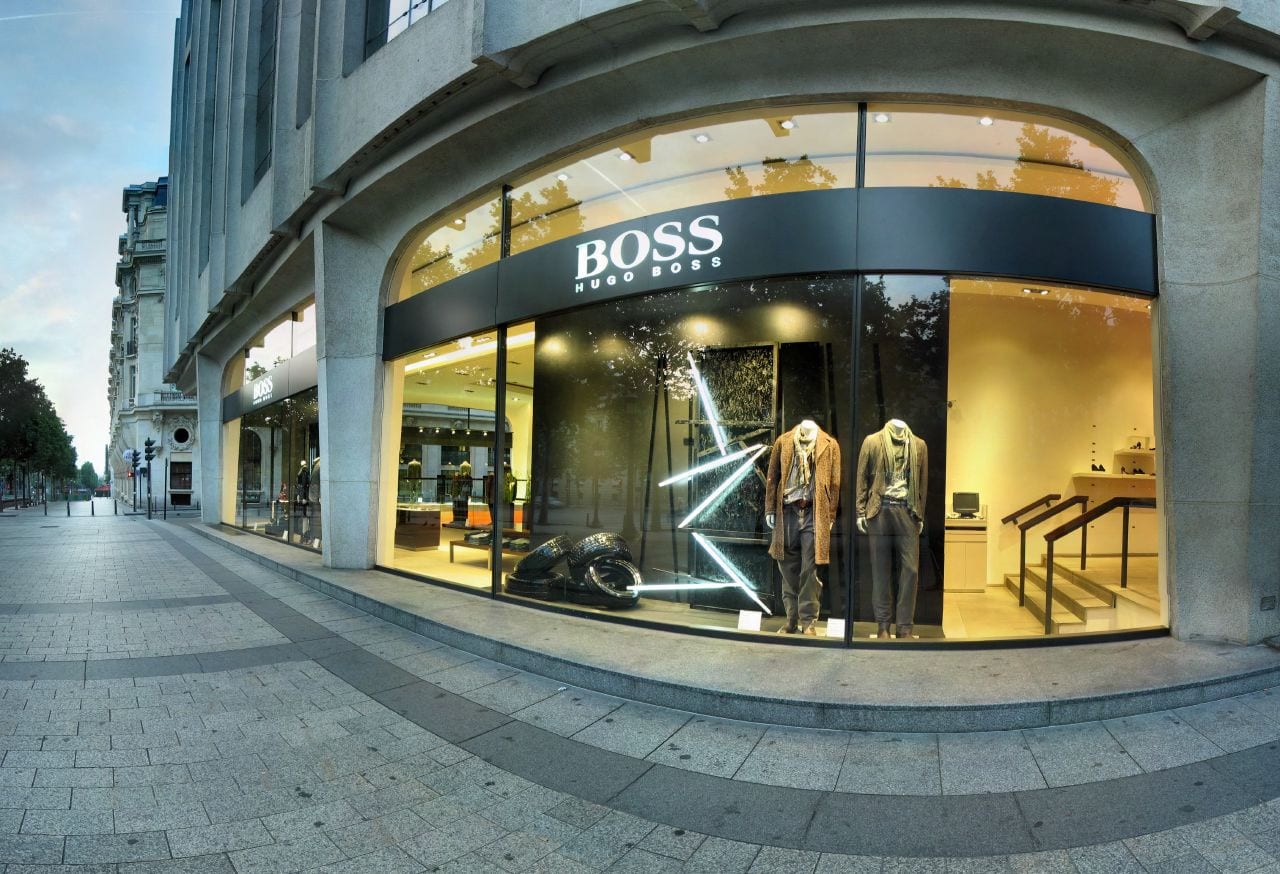
    German fashion house Hugo Boss will expand its presence in China, key shareholder Gaetano Marzotto said in an interview in newspaper Welt am Sonntag.

    Despite slowing growth in the world’s second-largest economy, Marzotto told the paper that he saw the potential for higher sales in China.

    “Up until now China accounts for less than 10 percent of group sales, this could be ramped up,” Marzotto said in an advance extract of an interview to be published on Sunday.

    His family clan holds a 7.95 percent stake in Hugo Boss, making it the company’s biggest shareholder.

    The Chinese are the world’s biggest buyers of luxury goods and have been increasingly shopping abroad as big shifts in exchange rates make luxury items much cheaper for them in Europe than at home.

    Hugo Boss’s currency adjusted sales in the country increased 1 percent in the six months through June versus a decline of 2 percent in the prior year period.

    Finance chief Mark Langer said earlier this month he did not expect an improvement soon in China, which contributes about 8 percent of group sales.

    Hugo Boss recently took over 21 stores in China, previously operated by a partner, to strengthen its brand in the market.

    The group has been spending heavily on expanding its own store network, where sales are more profitable than through other retailers’ shops.

  • Hongkongers must wake up to new yuan reality

    Hongkongers must wake up to new yuan reality

    For a long time, Hong Kong people and corporates enjoyed a free ride on the renminbi as the Chinese currency promised steady appreciation and high returns.

    But the steep devaluation this week has spoilt the party for good, and everyone — be it multinational corporations operating out of IFC 2 or housewives in Ngau Tou Kok — is now seeking to repatriate money back from China to Hong Kong.

    Thanks to the Stock Connect between Hong Kong and the mainland, the daily limit of transferring Hong Kong dollar to renminbi was lifted last year.

    But for those who took advantage of the easier rules and shifted to China assets and chose to stick with them would have got hurt by the yuan’s downward move and the recent A-share collapse.

    Apparently more corporates have been hurt, rather than benefit, from the weaker yuan.

    Among international firms, Apple Inc, for instance, saw its share price move into correction territory on Wall Street as investors were concerned about the tech giant’s large China sales exposure.

    In Hong Kong, the weak yuan led fashion-wear retailer I.T. Ltd. to issue a profit-warning on Thursday, with the firm saying that it estimates a HK$60 million loss from a decline in the value of its renminbi time deposits.

    The tiny retailer’s decision to swiftly mark down its assets sent some shockwaves through local investing circles and also led to a guessing game as to which other cash-rich listed firms might be having huge exposure to the Chinese currency.

    Last month HKTV announced the purchase of a 11 million yuan bond bearing 6.25 interest and another 15 million yuan bond of 4.85 percent interest, but the asset has seen its value come off 4 percent this week.

    Likewise, Asia Financial chief executive Bernard Chan also said his company had HK$400 million exposure in yuan which earned a 3 percent coupon. With the yuan’s devaluation, the effective returns will be zero.

    Apart from corporates, individuals would also now have to think twice on where to park their money once their fixed-term yuan deposits mature.

    As there are fears of further devaluation of the renminbi, the Chinese unit has lost its earlier safe-haven status.

    For investors, the formula that previously gave them super returns on the yuan is no longer working amid China’s new normal.

    On the bright side, imported deflation could help ease the rise in consumer prices in Hong Kong. Prices will remain elevated no doubt, but they are unlikely to climb much higher.

    Meanwhile, a weaker renminbi could also cool down mainland investor interest in Hong Kong property, providing some relief to locals.

    That said, we should also be prepared for the negative consequences of reduced overseas spending power of the mainlanders.

    There might be diminished capital flows into the local stock market, and the tourism and retail industries could also face more rough weather.

    It’s time for Hongkongers to wake up to a new reality.


  • Shopping malls revamp amid onslaught from online retailers

    Shopping malls revamp amid onslaught from online retailers

    As the brick-versus-click-sales war intensifies, shopping malls in Singapore are plotting aggressive strategies to stay ahead in the game while they continue to battle falling tourist arrivals, the oversupply of retail space and growing competition for consumers’ attention.

    Their renewed game plans include reshuffling the tenant mix, exploring more flexible leasing terms with tenants, revamping marketing campaigns and even forming alliances with online sales platforms — all of these aimed at getting consumers to shop more as they spend longer hours at their malls.

    “Landlords are adjusting their marketing strategies and tenant mix and repositioning their properties towards offering more entertainment, services and food and beverage (F&B) outlets, aiming to remain relevant in the midst of shoppers taking to online shopping as well as changing consumer preferences,” said DBS Vickers analyst Derek Tan.

    Mall operators are making more space for restaurants, cafes and bars as well as entertainment and services-oriented businesses, such as education, beauty and wellness, as these remain insulated from the online onslaught, while department stores and retailers that sell products such as books, toys and fashion continue to be hit by the surge in e-commerce.

    Malls now allocate around 35 to 40 per cent of net lettable area to F&B, entertainment and services, compared with about 25 per cent around five years ago, Mr Tan noted.

    The increased focus on F&B, entertainment as well as beauty and wellness is also demand-led, as young Singaporeans today are well-travelled and seek more in terms of enhancing their personal appeal and well-being.

    “Singaporeans today are more sophisticated and want to explore more when it comes to F&B and beauty and healthcare. This is attracting new F&B players from Japan, South Korea, China, the United States and Europe to enter Singapore in a big way. Several Korean and Japanese cosmetic companies are also coming in,” said Mr Wilson Tan, chief executive of CapitaLand Mall Trust Management. He also emphasised the group’s strategic focus on necessity retail that defends it from disruptions in shopper traffic and volatility in sales revenue.

    Besides the onslaught from online retailers offering low-cost shopping and free delivery services, a strong Singapore dollar has prompted Singaporeans to shop abroad as they travel for holidays, making it more challenging for mall owners to attract footfall.

    “Over time, the way people shop will change … In the past, we did more conventional advertisements. As we move ahead, we see mobile and digital platforms becoming a lot more prevalent, and that is where we will be looking at, using new technology to bring people into the shopping malls,” Mr Tan said.

    Malls are scurrying to identify ways to embrace new sales channels that allow traditional and online retailers to coexist and complement each other. Some are exploring the option of partnering with e-commerce players such as Qoo10.

  • Hong Kong retail sector to suffer most from yuan devaluation

    Hong Kong retail sector to suffer most from yuan devaluation

    A weaker yuan means these tourists will now be spending in a more expensive Hong Kong dollar, denting the city’s retail sales even further.

    “Shopping in Hong Kong will get more expensive for mainlanders,” said Nicole Wong, regional head of property research at CLSA, “Landlords need to be more realistic [in setting their rents].”

    Wong said retail rents would in any case have to correct in view of the slump in Chinese spending and that the yuan devaluation would only steepen the fall.

    Big spenders from China had already been skipping Hong Kong and flying directly to Europe, taking advantage of a cheaper currency, she said. The euro has lost nearly 18 per cent in the past year.

    The yuan has lost more than 3 per cent against the US dollar since the People’s Bank of China shocked the markets by devaluing the currency by 1.85 per cent on Tuesday, the most in one day in more than 20 years.

    “Any meaningful depreciation of the yuan could further dampen Hong Kong retail sales as mainland visitors’ spending represented 38 per cent of Hong Kong’s total sales in 2014, compared to below 20 per cent prior to 2008,” wrote Bank of America Merrill Lynch analyst Raymond Ngai in a note to clients.

    The devaluation would be another direct headwind for Hong Kong retail landlords, he said, citing the widespread market expectation of a 10 per cent depreciation of the yuan against the US dollar in the next 12 months.

    Shares in Causeway Bay’s largest retail landlord Hysan Development have fallen for three straight days since Tuesday. In all, it lost 1.7 per cent to close at HK$33 on Thursday. Hang Lung Development, which owns Fashion Walk in Causeway Bay, lost nearly 3 per cent to close at HK$19.80.

    Sogo department store operator Lifestyle International Holdings fell nearly 1 per cent on Thursday. Only Wharf (Holdings), which owns the city’s largest shopping mall Harbour City, but is diversified into areas other than retail, bucked the trend to edge up nearly 0.5 per cent on Thursday after falling 3.7 per cent the previous day.

    Jefferies downgraded Hysan to “hold” from “buy” for its concentration in retail operations.

    Even before the devaluation, global brands have been pushing landlords to cut rents as mainland footfalls have been dwindling amid an economic slowdown as well as the anti-corruption drive on the mainland that has crimped luxury spending. Swiss watchmaker TAG Heuer last week said it was closing a store in Causeway Bay’s prestigious Russell Street.

    Tom Gaffney, head of retail at property consultancy JLL, said some retail outlets in Central and Causeway Bay had asked for rent reductions of up to a fifth.

    But the yuan depreciation is likely to have a mild impact on Hong Kong’s physical property market.

    Sammy Po, chief executive of Midland Realty’s residential department said mainlanders accounted for 20 to 30 per cent of new luxury homes sales in 2011.

    “Today, mainland buyers have dropped to about 4 per cent due to stamp-duty curbs for non-locals,” he said.

    This article appeared in the South China Morning Post print edition as Devalued yuan to hit retail sector

  • Hong Kong fund sales slide by 50%

    Hong Kong fund sales slide by 50%

    The Hong Kong fund industry saw net sales drop by almost a half in the first six months of 2015, new figures reveal.

    The Hong Kong Investment Funds Association (HKIFA) published data on Wednesday which cited a sharp fall in funds to $3.71bn (£2.38bn, €3.34bn).

    Bruno Lee, the chairman of HKIFA, blamed the decrease in sales on global market uncertainty, particularly around China mainland’s A-Share market, the Greek debt crisis, and the potential US interest rate rise. He said volatility in the global currency market was also to blame.

    “Retail investors should review their investment position regularly to ensure their investment strategy is aligned with their long-term personal financial objective and seek for professional investment advice if needed,” Lee said.

    Though net sales fell dramatically, gross sales saw a rise of 14% to $47bn in the first half of 2015, after hovering at $7bn in the first quarter, soaring up by more than $10bn in April, and then dropping back to $7bn towards the end of the second quarter.

    HKIFA said China-related and European equity funds were the key sectors which contributed to the surge in gross sales in the second quarter of this year.

    “The moderate growth in gross retail fund sales and higher equity fund sales percentage indicate a higher risk appetite amongst retail investors,” said Lee.

    HKIFA members are comprised of 82 fund management companies.  It also has 43 associate members, including lawyers, accountants, trustees and other professionals that are involved in the creation and administration of funds.

  • HK retailers arrested for $1.68 million in unpaid wages

    HK retailers arrested for $1.68 million in unpaid wages

     The founders of Hong Kong retail chain DSC, Mr Hui Ming-shun and his wife Lin Wai-yin, have been arrested after the closure of all 14 of its stores on 3 August. They are said to owe approximately $1.68 million in unpaid wages to their staff.

    The couple were arrested on 10 August after they returned to Hong Kong from Macau. They had briefly fled there after the sudden closure of their company, a move which left almost 900 staff jobless. Police apprehended the pair on their return, arresting them from conspiracy to defraud. Approximately 350 employees have filed complaints with the Labour Department.

    In addition to its staff, DSC has also angered landlords and suppliers with the Consumer Council receiving more than 500 complaints. It is claimed that DSC owes more than $1.68 million in unpaid rent and undelivered goods.

    Before 3 August, suspicions were raised when DSC held a summer sale with discounts of up to 50%. Allegedly, the firm only accepted cash payments in-store during the week prior and still encouraged customers to place orders in the days leading up to the closure.

    The company informed its employees of the move by attaching printed notices to the front doors of each of its branches. Claiming the need to dismiss its staff because of financial difficulty, the notices told employees to seek assistance from the Labour Department.

    Tired of the delay, employees took this advice and marched in protest to the Central Government Offices on Tuesday demanding the expedited payment of their unpaid wages. The secretary for Labour and Welfare, Matthew Cheung Kin-chung, expressed his desire for DSC’s founder to declare himself insolvent before that could happen.

    “This morning we contacted the lawyer of Mr Hui to demand him to sign a declaration of insolvency and to determine as soon as possible the amount of money he owed to his employees,” Cheung said. “Once we receive Mr Hui’s declaration, the Labour Department will help the employees to apply for legal aid to petition to wind up the company.”

    In a statement to the Labour Department, Hui’s lawyer stated that his client would not be meeting his staff to discuss the outstanding wages.

    Employees have now asked the Labour Department to draw from the Protection of Wages on Insolvency Fund. This can be a maximum of $48,389 per person with the department first having to determine how much each worker is owed.

    Both founders of DSC remain in police custody. A Labour Tribunal has been planned for 21 August.