Tag: China

  • Dell To Drop $125 Billion In Cold Hard Cash On China To Expands Research And Development

    Dell To Drop $125 Billion In Cold Hard Cash On China To Expands Research And Development

    Michael Dell is no longer beholden to shareholders after taking the computer company he founded private two years ago. As such, he’s free to invest more than $125 billion in China over the next five years as part of his “In China, For China” 4.0 strategy announced today without having to worry about how it might affect the company’s stock price.

    The massive investment will continue to expand and enhance Dell’s research and development team in China, Dell’s second largest market for PC sales. It will also contribute some $175 million to imports and exports, which in turn will sustain more than 1 million jobs in the country.

    “China and the United States are among the countries where the information industry is developing the fastest, resulting in the most vibrant enterprises,” said Mr. Dell. “The Internet is the new engine for China’s future economic growth and has unlimited potential. Being an innovative and efficient technology company, Dell will embrace the principle of ‘In China, for China’ and closely integrate Dell China strategies with national policies in order to support Chinese technological innovation, economic development and industrial transformation.”

    Dell currently employs nearly 2,000 senior engineers in China. In addition to expanding its R&D team in the country, the investment will help to further develop a R&D center for end-to-end solutions specifically intended to serve the Chinese market.

    The PC maker has a major retail presence in China with almost 11,700 stores cover 97 percent of the market. That includes over 100 retail stores for Alienware, the gaming brand that was once a standalone boutique builder.

  • New iPhone ‘will boost Hong Kong’s retail sales’ with mainland China demand a plus

    New iPhone ‘will boost Hong Kong’s retail sales’ with mainland China demand a plus

    Previous iPhone launches have seen long queues in the city, as traders snap up the latest model weeks or months before it is sold across the border. The iPhone 6S will be offered in both markets on September 25, but prices are likely to be 15 per cent lower here, and with limited supply and strong demand, resellers still hope to cash in.

    ANZ senior economist Raymond Yeung said sales of the phone “will give an obvious short-term boost to retail sales and help top-line retail sales in September and October”.

    Lo Lau, owner of a Mong Kok smartphone shop, expected the new phone – with official prices starting at HK$6,388 – to fetch HK$11,000 to HK$20,000 at resale. A street trader said he planned to charge a minimum of HK$12,000 for a 16GB iPhone 6S Plus, the cheapest of the new Apple range.

    Demand for the iPhone has driven record profits for Apple in the past. Speaking at the unveiling of the new model, chief executive Tim Cook said the iPhone market in China had grown 75 per cent year-on-year, compared with 35 per cent globally.

    China is Apple’s second-largest market after the Americas, bringing in US$13.2 billion in the latest quarter, up 112 per cent on the same period last year.

    While ANZ’s Yeung thought the iPhone would have a positive effect on Hong Kong’s retail sector, he warned the overall outlook remained weak. A reduction in tourism and domestic consumption has dragged down sales, while a strong Hong Kong dollar, pegged to the US dollar, has reduced the spending power of overseas visitors, ANZ says.

    At the Apple store in Causeway Bay yesterday, some shoppers who still formed long lines to buy the current generation of iPhones expressed excitement about the new model.

    “I was using the [iPhone] 5, so I need to upgrade to the new one. At least my phone has some resell value, so I can go ahead and trade,” said Joseph Tsang Ka-ho, 40, who was visiting the store to learn more about the 6S.

    But 26-year-old Terry Lam King-wai was less impressed.

    “There’s not much difference between the old and the new iPhone 6S. The appearance is the same, but with a new colour,” he said. “I’ll probably wait for the next generation.”


  • Alibaba feels China pain as it trims sales forecasts

    Alibaba feels China pain as it trims sales forecasts

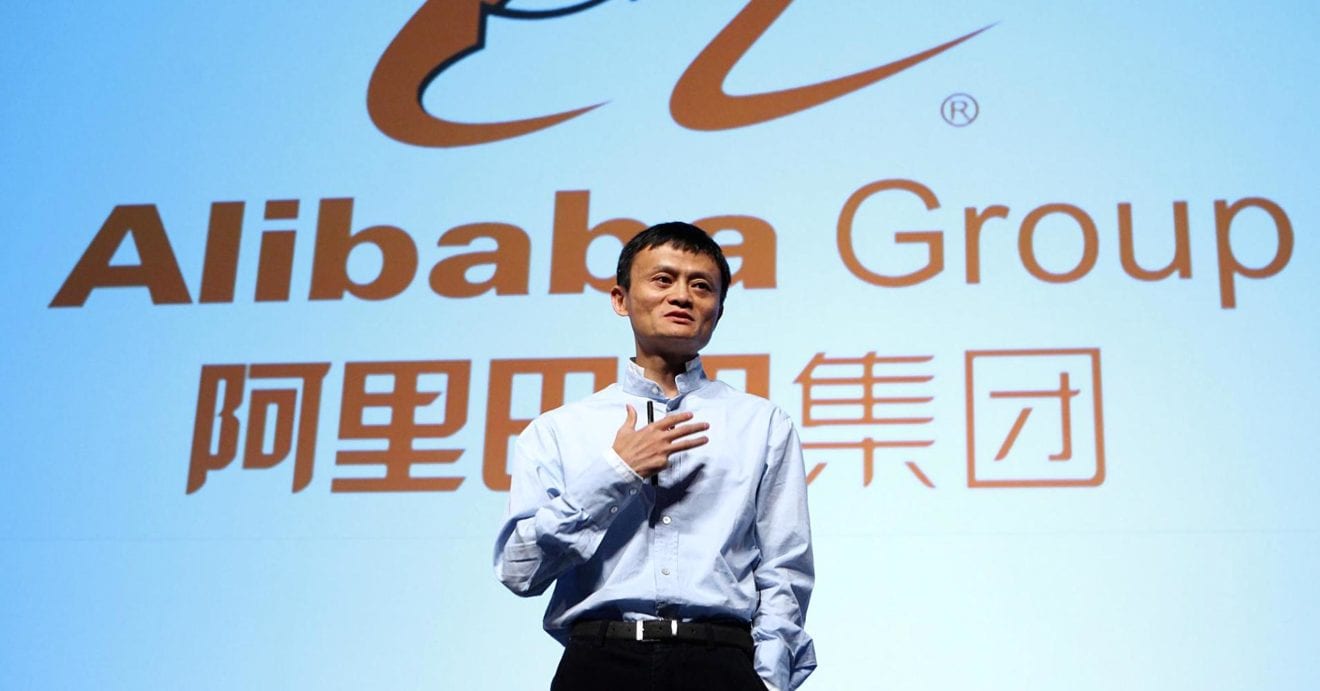
    E-commerce giant Alibaba has succumbed to the crisis gripping the Chinese economy a year after the company became the world’s biggest float.

    Founder and former English teacher Jack Ma became an overnight billionaire when Alibaba launched on the New York Stock Exchange in September 2014, as the firm raised a record-breaking $25 billion (£16.3 billion) in a float valuing the company at $186 billion.

    Alibaba is the biggest player in the Chinese e-commerce market — where spending is set to hit $1 trillion by 2019 — accounting for 80% of online sales in China.

    The firm is also among the top picks of UK retail investors, according to fund manager Hargreaves Lansdown.

    But the company admitted today that a weakening Chinese economy has taken its toll on business, as it slashed forecasts for the total value of transactions it expects to take place in the current quarter.

    This will now be “mid-single digits lower” than the giant’s initial estimates for the quarter.

    Alibaba’s head of investor relations, Jane Penner, said consumers were still willing and able to spend but that the company had been seeing a “negative impact of the magnitude of the spending”. Average order values are also lower, Penner added.

    What is Alibaba?

    The latest fears over the e-commerce giant come a month after it reported its slowest growth in transactions for more than three years.

    Shares in the company are now below their $68 float price after a near-5% slump overnight to $60.91. The stock has halved since the end of May, when Alibaba’s shares hit $119 — valuing the company at a staggering $300 billion.

    The latest bad news out of China comes hard on the heels of a dramatic slump in imports — fuelling fears of a hard landing for the world’s second biggest economy — and a month of turmoil in global stock markets following Beijing’s sudden devaluation of the yuan.

    China also cut its official growth estimates for 2015 this week. China has also cut interest rates five times since November and intervened directly to stem plunging stock markets.

    Rathbones investment director Jane Sydenham said: “Investors are beginning to adjust to what was initially quite a shock in terms of the renminbi devaluation, share repurchases — normally those kind of activities on the part of central banks signal something really quite serious.

    “It’s taken some time for investors to adjust to the fact that clearly, growth is slowing, perhaps more than we’d thought.”

    Despite the gloom from Alibaba, shares rallied in China for the second day running on hopes of more government stimulus.

    Asian markets rose on Wednesday

    Shanghai’s main market gained 2.3% after the finance ministry set out plans to boost infrastructure spending and speed up reform of its tax system to support the economy.

    Japan’s Nikkei also saw its biggest single gain in seven years — rising 7.7% — as markers rallied on comments from prime minister Shinzo Abe raising hopes of a corporate tax cut and a new trans-Pacific trade deal.

  • Macy’s to shutter 5% of its stores in early 2016

    Macy’s to shutter 5% of its stores in early 2016

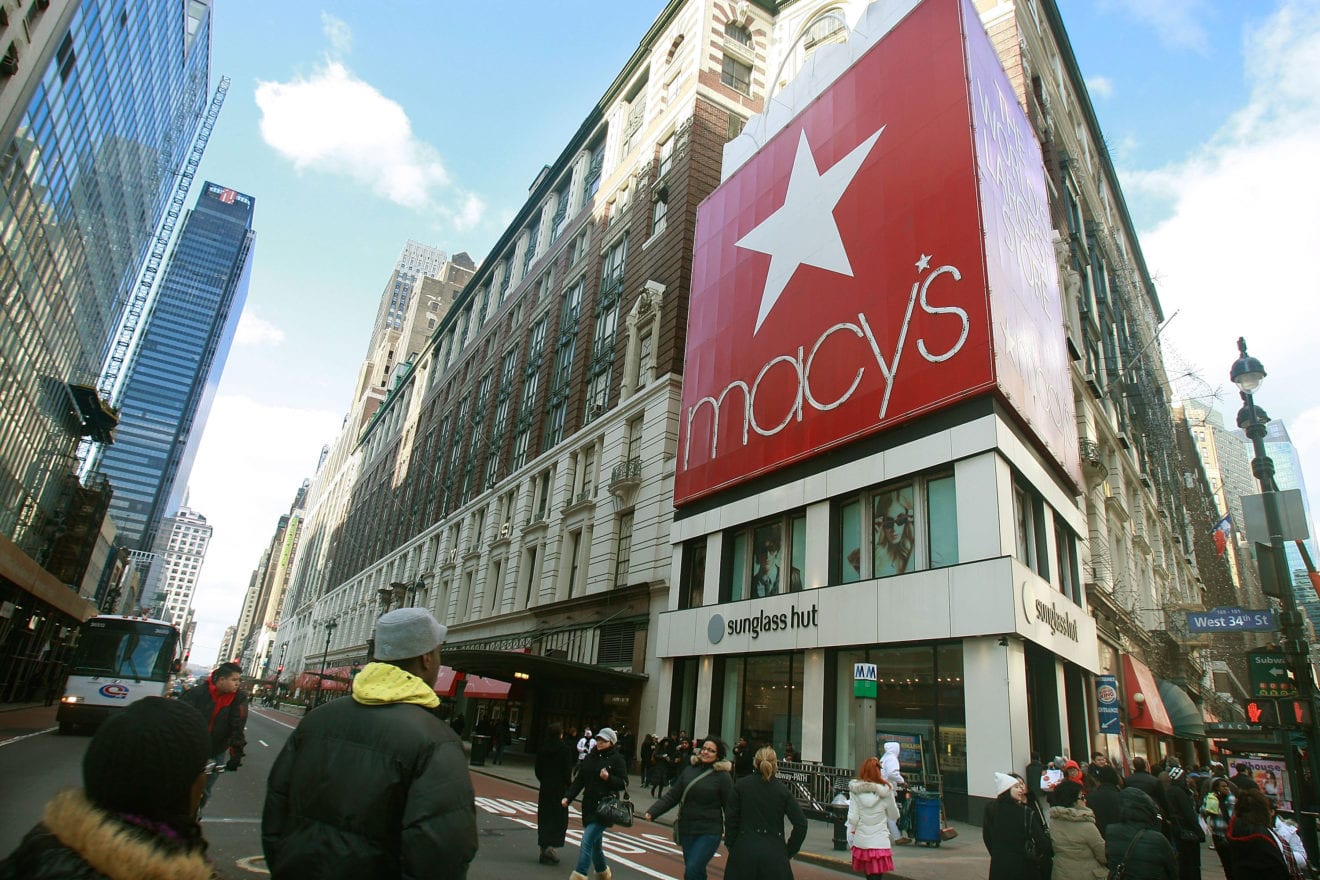
    Macy’s says it will close 35 to 40 stores in early 2016, or as much as 5 per cent of its namesake department stores.Macy’s said Tuesday it hasn’t selected all of the stores that will be closed yet. It expects the locations will have about $300 million in combined revenue. The company says employees who work at the closing stores may be offered positions at nearby locations, and workers who are laid off will be offered severance benefits.

    The Cincinnati-based company says it closes a few underperforming stores every year. The company runs 770 Macy’s stores and has closed 52 locations over the last five years while opening 12.

    Macy’s and other retailers are looking for new ways to boost their sales as middle-class customers try to keep their spending down, looking for deals and doing more of their shopping online. The company is preparing to open six lower-priced Macy’s Backstage stores later this year and intends to open more of them in 2016.

    Over the last few quarters Macy’s has been hurt by the strong U.S. dollar, which has cut into spending by tourists, as well as a labour dispute that slowed down ports on the West Coast. The company reported $28.11 billion in revenue in 2014, up less than 1 per cent from the year before.

    Macy’s is also getting ready to test selling goods online in China through a joint venture with a retailer based in Hong Kong.

    Macy’s Inc. also runs the Bloomingdale’s chain, and earlier this year it bought upscale beauty retailer Bluemercury. It has a total of 885 locations.

    On Tuesday the company said it will experiment with selling consumer electronics, as it will open Best Buy shops inside 10 of its stores in November. Those departments will be staffed by Best Buy employees.

  • Germany’s Metro, China’s Alibaba in e-commerce tie-up

    Germany’s Metro, China’s Alibaba in e-commerce tie-up

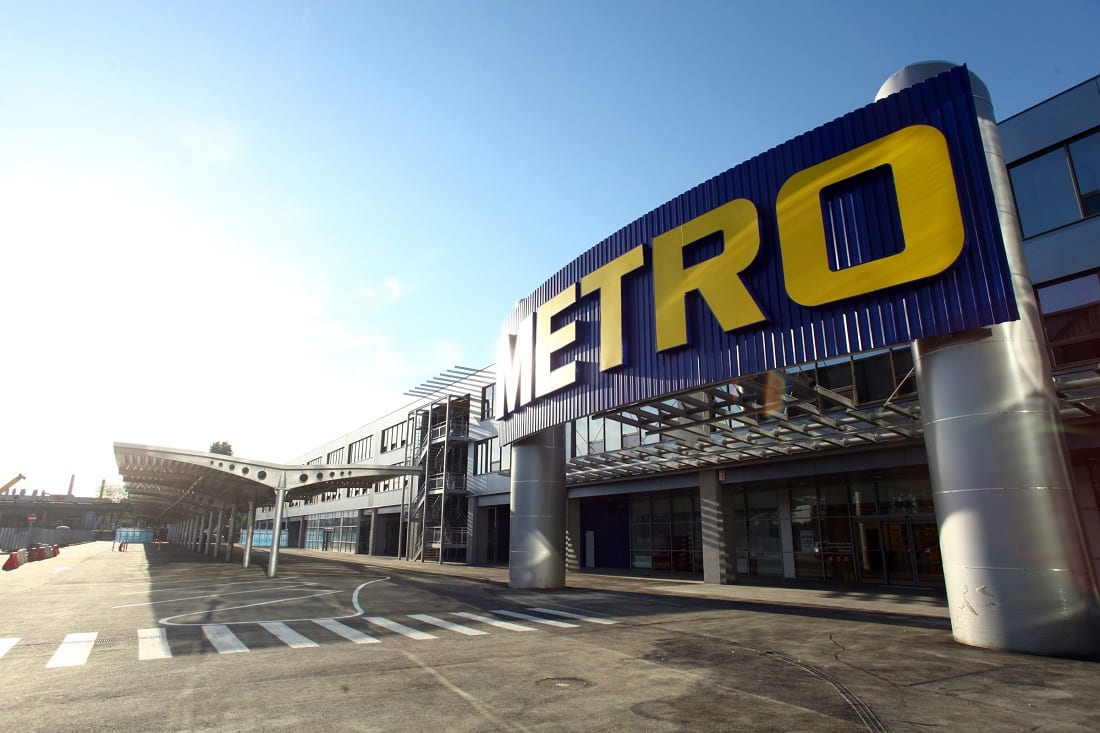
    German retail giant Metro said today it is teaming up with Chinese online retailer Alibaba to tap the potential of the booming e-commerce market in China.

    Metro, which operates more than 80 Cash and Carry wholesale stores in China “is now expanding its channels” by opening an online shop in China offering Metro’s own brands, as well as supplier brands from Germany, it said in a statement.

    “In the first phase, over 100 products in the categories of dairy, canned foods, coffee, and chocolate from Metro Cash & Carry Germany as well as cosmetics goods from Real are to be offered online,” the statement said.

    The product assortment would subsequently be expanded to include more food items from Metro Cash & Carry and non-food from its Real supermarket brand.

    “E-commerce is one of our strategic growth drivers in China,” said chief executive Olaf Koch.

    “Opening the flagship store again shows our clear confidence in the Chinese market. This platform enables us to deliver more quality imported goods and German brands to the Chinese customers,” he said.

    Metro and Alibaba said they would also explore possible cooperation in other areas, such as supply chain and market data.

  • GM China sets year to date retail sales record

    GM China sets year to date retail sales record

    General Motors and its joint ventures booked record retail sales of 2,197,192 vehicles in China during the first eight months of the year, which was up 2.3% year on year. The increase, the automaker said, was driven by successful new product launches and an improved mix of SUVs and MPVs.

    In August, domestic sales by GM and its joint ventures declined 4.8% to 248,815 vehicles, owing to softness in the overall vehicle market.

    GM China president Matt Tsien said: “Recently launched models such as the Buick Excelle GT and Cadillac ATS-L have been well received by consumers and produced solid sales growth.”

    Increased demand for several SUV and MPV models helped offset the market slowdown in August. The Buick Envision and Baojun 560 led the sales growth during the month, rising 161.7%, while sales of the Baojun 730 MPV more than doubled.

    Buick enjoyed its best sales ever in China in the first eight months of the year. Sales rose 5.4% year on year to 581,544 units, led by the Excelle GT and Envision. In August alone, Excelle GT volume jumped 77.6%.

    Cadillac also set a record in the first eight months of the year with sales rising 12% year on year to 49,186 units. Sales of the ATS and ATS-L reached a new high for the period.

    Chevrolet sales declined 7.4% to 391,677 units year over year between January and August. However, sales of the Trax urban SUV surged 146.2% to a record for the eight-month period.

    Baojun sales jumped 282.5% to 223,367 units, an all-time high from January to August. The Baojun 560 SUV exceeded expectations in its first six weeks on the market.

    Wuling sales declined 8.1% to 948,643 units in the January-August timeframe due to continued contraction of the mini-commercial vehicle market.

  • Why Concern Over Apple Growth in China Is Overblown

    Why Concern Over Apple Growth in China Is Overblown

    Apple stock has taken it on the chin in the past several weeks. The stock is down around $110 from an intra-day high of $135 just a few months ago. Most of this decline is due to pervasive fear about declining economic growth in China, and concern over the huge stock market crash there. It seems that, all of a sudden, China has morphed from being one of the premier emerging markets to a huge headwind for global growth.

    Now, attention is turning to the multinational companies that do a lot of business in China, such as Apple. But before investors panic, a dose of calm is appropriate. Here’s why Apple remains one of the strongest businesses on the planet, and will continue to reap tremendous growth in China for many years.

    Tim Cook to the rescue
    CEO Tim Cook has taken the unusual step of contacting the media to address the issue. He emailed CNBC’s Jim Cramer on Aug. 24 to discuss the state of Apple’s business in China, and had this to say:

    I get updates on our performance in China every day, including this morning, and I can tell you that we have continued to experience strong growth for our business in China through July and August. Growth in iPhone activations has actually accelerated over the past few weeks, and we have had the best performance of the year for the App Store in China during the last two weeks.

    Although at times, we should take CEO-speak with a grain of salt, these are strong statements. It’s unlikely Cook would do this if he were not confident in what he was saying. It’s valuable for investors to have a boots-on-the-ground perspective from someone as close to the situation as Cook. And judging by Apple’s recent performance in China, it’s hard to envision the situation changing all that dramatically in a matter of a few weeks.

    Growth In China remains compelling
    The other reason I’m not worried about Apple in China is because I think there is still plenty of growth potential there, even if GDP comes in lower than previously expected. The emerging middle class in China is pushing millions of consumers upward, and Apple is a hugely successful, growing brand.

    Apple’s revenue in China more than doubled last quarter, year over year, thanks to the ongoing success of the iPhone 6. That made China Apple’s fastest-growing geography by a wide margin. There’s little reason to think consumers in China just stopped buying Apple products and services, especially now that we have information directly from management.

    LTE penetration remains low in China, Apple continues to gain share there, and everything coming from the company itself is nothing but positive about China. Even as it pertains to Apple’s other products, the results are very good. For example, Tim Cook stated on the last conference call with analysts that Apple claimed its highest ever PC share in China last quarter, thanks to 33% revenue growth of Macs. Revenue for the App Store also more than doubled in China last quarter.

    Last but not least, retail remains a tremendous catalyst in Apple’s favor. As Cook articulated on the most recent conference call, Apple opened its 22nd retail store in China last quarter. The company is aggressively expanding its retail operations, and is on track to have 40 stores open there by the middle of next year. That’s yet another indicator of strong demand in China.

    Don’t sell on panic
    Apple stock right now is a good bargain. At around $110, the stock trades for 13 times trailing earnings per share and 11 times forward EPS estimates. These valuation multiples represent meaningful discounts to the broader market. While there’s no guarantee that Apple stock won’t get even cheaper, it makes no sense to me to sell at these prices. That’s particularly true because I believe the China fears are way overblown.

    Apple enjoys the luxury of commanding premium prices for its products. Nothing about that has changed in the past few weeks, despite the panic selling. If anything, Apple is a buy here, not a sell, and the market may be in for a big surprise when Apple next reports earnings.

  • China Nepstar turns from loss to profit

    China Nepstar turns from loss to profit

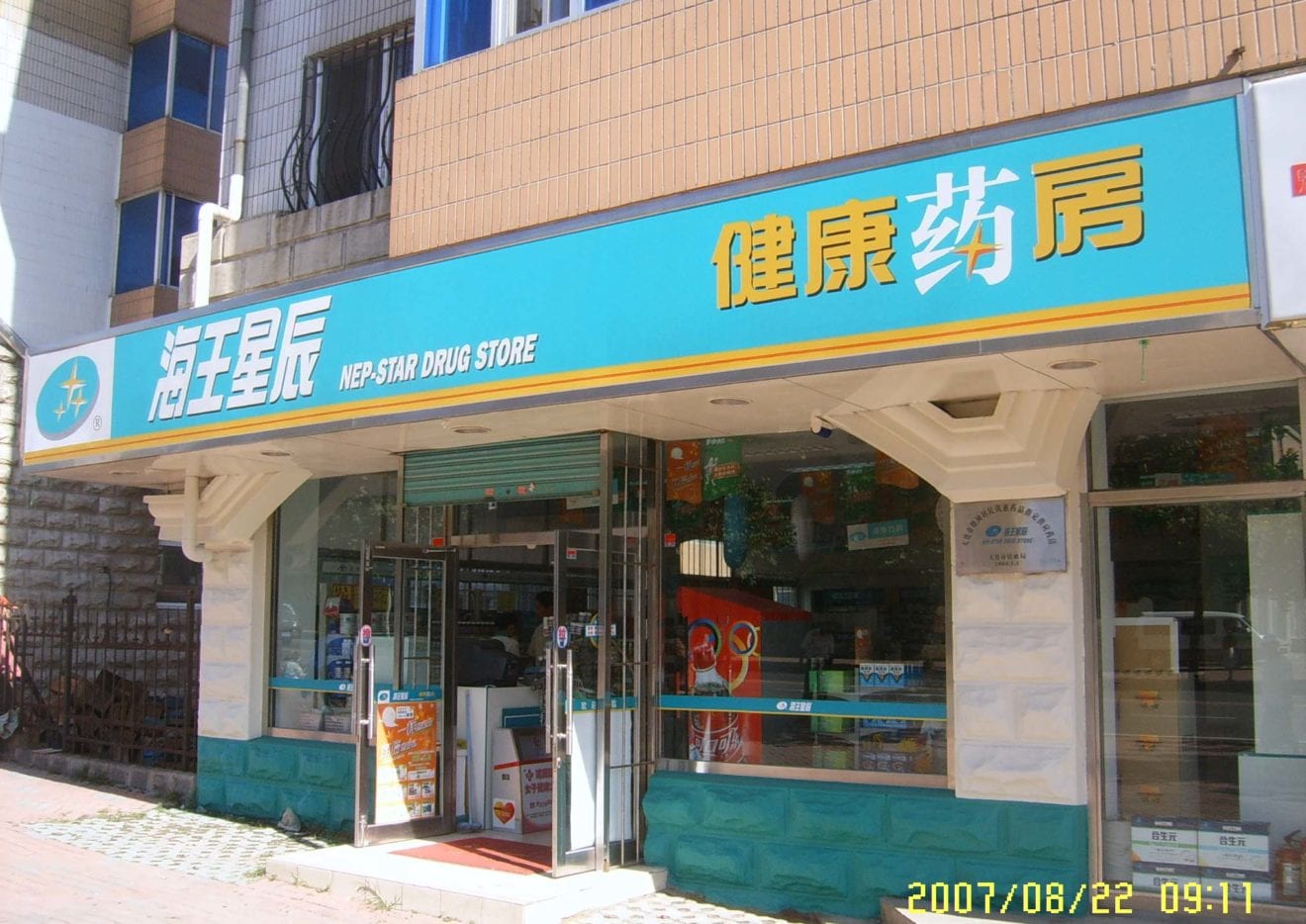
    NYSE-listed pharmaceutical retailer China Nepstar Chain Drugstore says increased staff training and promotional activity fuelled a 12.9 per cent rise in sales in the latest quarter.

    In the three months to June 30, China Nepstar achieved US$125 million in sales, with same store sale up 16.7 per cent year on year. The company reported a net income of $1.4 million compared to a net loss of $2.5 million last year.

    CEO Rebecca Zhang said the same-store-sales growth had accelerated during the quarter due to higher store traffic as a result of effective promotions on pharmaceutical products and professional store service training.

    “While we focus on productivity at the store level, we also managed to achieve better operational efficiency by reducing our general and administrative expenses and constantly optimising our store management,” she said.

    During the second quarter of 2015, the company opened 38 stores and closed 59. As of June 30, it had 1948 directly operated stores in total.

    China Nepstar had a portfolio of 2155 private label products at the end of June 30, which now account for 14.7 per cent of its revenue and 22 per cent of gross profit.

    “As we gradually achieve recovery in growth on profit, we will focus on accelerating our organic revenue growth by fine-tuning our store management system and improving our store image to customers,” Zhang said of the business’ outlook.

  • Tiffany China sales soar

    Tiffany China sales soar

    Jeweller Tiffany & Co says its 30 China stores posted record double-digit sales growth in the second quarter.

    China is the world’s second largest luxury market and accounts for 10 per cent of the US company’s global store network.

    And despite the Chinese economy’s much-publicised slowdown, demand remains high for in fashion brands like Tiffany and Apple.

    Tiffany said in its quarterly earnings report it has no plans to adjust its China strategy despite the devaluing currency and stock market decline.

    Tiffany China will open an unspecified number of new stores in the year ahead and has previously said it is looking at tier 2 cities in addition to building its presence in traditional luxury market hubs of Shanghai and Beijing.

    The company says it expects strong growth in the quarter ahead.

  • One of China’s top 10 e-retailers grows Q2 revenue 30%

    One of China’s top 10 e-retailers grows Q2 revenue 30%

    September 4, 2015, 10:56 AM

    The Beijing-based web-only retailer’s total net revenues in the second quarter of 2015 were 2,312.3 million yuan ($373.0 million), a 29.8% increase from 1781.65 ($280 million) in the corresponding period in 2014. Net loss for the quarter was 21.2 million yuan ($3.4 million), compared to net income of 28.8 million yuan in the second quarter of 2014, or 1.6% of total net revenue in that quarter.

    “During the second quarter of 2015, we expanded our leading position in China’s books and media market, gained additional share in the baby, children and maternity destination category and continued to enjoy some of the highest conversion rates in the industry,” executive chairwoman of Dangdang Peggy Yu Yu said in a statement accompanying the earnings report.

    Dangdang.com was founded by Chinese book publisher Li Guoqing and his wife Peggy Yu Yu, who says she was inspired by Amazon.com when she studied in the United States.  In terms of sales, Dangdang.com is one of the largest book and media e-retailers in China and the company has gradually expanded into other categories, such as electronics and apparel.

    Dangdang also has invested heavily in serving mobile shoppers. “Mobile orders remained close to record levels at 40% of total orders, and we improved monetization of our mobile platform with a sharp increase in mobile advertising revenue,” Yu said. “Our digital business is gaining momentum, driven by our growing catalog of e-books, including original content.”

    Dangdang’s size is still small compare to leading e-retailers, however its executives contend it can challenge the Chinese e-commerce leaders, Alibaba Group and JD.com.

    “I don’t think the position of those leaders is secure. As we all know, the size of the business is not equal to competitive advantage and competitive threshold.  The market will be settled only if the marketing leaders have some unique edges and generate difficult barriers to entry,” Dangdang cofounder and CEO Li Guoqing said last month in a speech at the One Thousand E-commerce Professionals Seminar in China.  “Alibaba’s sales only account for about 5% of retail sales of China and that is not enough barrier to entry. At same time, JD.com’s electronics sales only represent 2% to 5% sales of electronics products in China. If some companies get a new business model, there are still plenty of chances to beat those leaders.”

    Also, Li said few people knew Vipshop, No. 4 in the Internet Retailer China 500, and Yihaodian, No. 7, three years ago, but now they have become e-commerce leaders in their categories in China. Wal-Mart Stores took full control of Yihaodian in July. Vipshop is a discount fashion retailer.

    • Dangdang.com is No. 10 in the Internet Retailer 2015 China 500. JD.com is No. 1. Alibaba is not ranked in the China 500 because it does not own merchandise but rather provides a platform for more than 8 million merchants to sell. However, the gross merchandise value of goods sold on Alibaba’s online marketplaces totaled $109 billion in the first quarter, while JD.com reported $18.5 billion in GMV. By contrast, Dangdang’s GMV in the second quarter was 1,890.6 million yuan ($304.9 million), a 32.1% increase from the same period in 2014.

    For the second quarter ended June 30, Dangdang reported:

    • The combination of product revenue from its own sales and GMV from marketplace sellers reached 4,130.3 million yuan ($666.2 million) and grew 31.8% year-over-year.
    • Active customers were 9.7 million, an increase of 15% from 8.4 million 2014.
    • Total orders for the second quarter of 2015 were approximately 19.5 million, a 19% increase from 16.4 million in 2014.

    For the first six months of 2015, Dangdang reported:

    • Net revenues were 4093.99 million yuan ($644.30 million), up 18.5% from 3454.25 million yuan ($543.58 million) in the same period of 2014.
    • Net income of 7.62 million yuan ($1.2 million), compared with a $35.1 million yuan ($5.52 million) net loss in same period of 2014.
  • Traditional retailers transforming to stay afloat

    Traditional retailers transforming to stay afloat

    The impact of e-commerce on the retail industry in China has meant traditional retailers have been transforming themselves by investing in new sectors, shifting to asset-light business models or exploring the online-to-offline business mode, Shanghai’s China Business News reports.

    It has been forecast that nearly 80% of retail sales growth in Shanghai between 2014 and 2016 will come from the city’s second-tier commercial areas, according to a research report on commercial real estate and shopping centers.

    Beijing, which accounts for 16.66% of the country’s total number of high-net-worth individuals, is considered by retailers to be a market with great growth potential.

    A major factor affecting brands’ considerations in making inroads into a shopping mall is its geographic location. A mall in an area with a low vacancy rate is usually more attractive than that with a high vacancy rate, said Fan Hongjuan, head of retail services at DTZ East China.

    For instance, the vacancy rate in shopping centers in Hangzhou is as low as under 2%, while the rates in Shenyang, Chengdu and Chongqing are more than 10%, Fan added.

    High vacancy rates usually stem from shopping center operators’ incompetence in attracting brands. Brand operators are largely unwilling to set up in shopping centers in remote areas because low business turnover might not offset high rental costs. Even in downtown areas, some shopping centers located in remote parts of the country have been experiencing sluggish business, according to some industry experts.

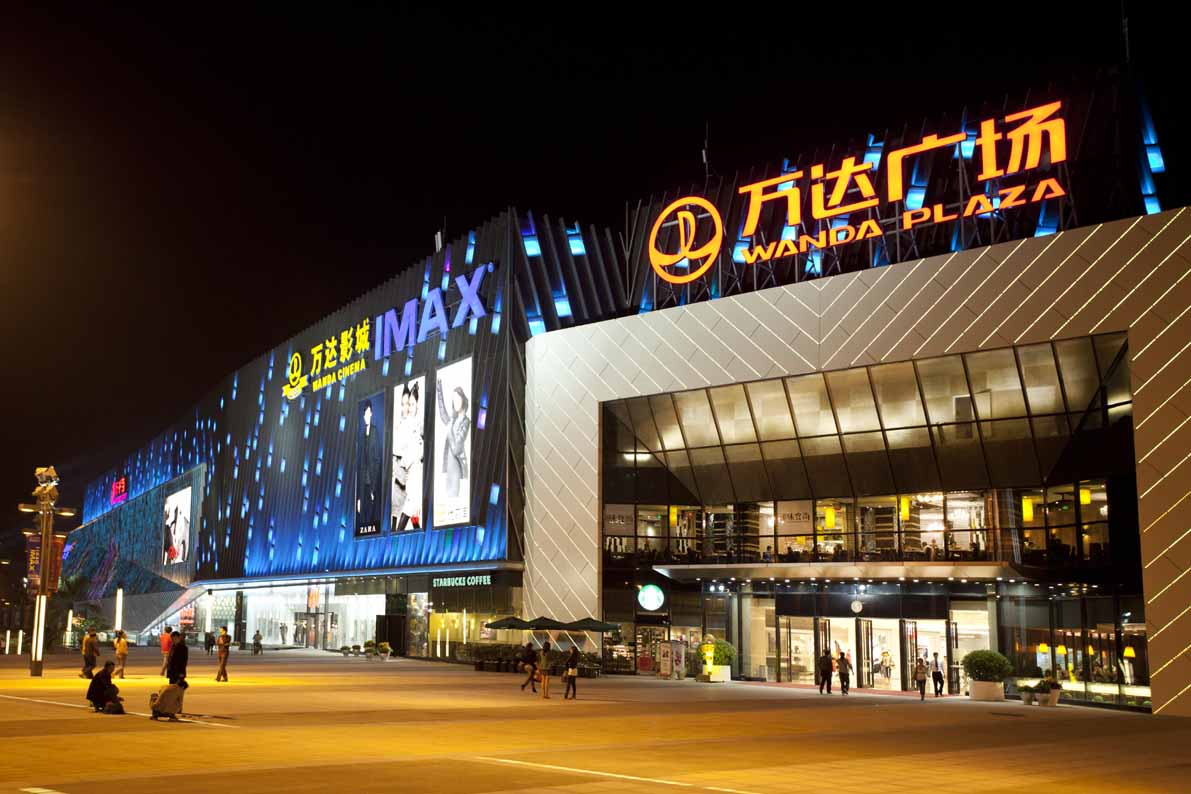
    Under the circumstances, traditional retail business operators are seeking to transform their operating models. Property conglomerate Dalian Wanda Group has devised plans to undergo restructuring of its unprofitable businesses. It has closed a number of its department stores and plans to convert 29 of its 89 karaoke parlors into other types of entertainment outlets, in response to the slump in businesses affected by the country’s slowing economy.

    The business conglomerate has also been engaged in transforming toward an “asset-light” business model in recent years.

    Meanwhile, Beijing Wangfujing Department Store (Group) has been exploring an online-to-offline business mode to cater to consumers born in the 1980s and 1990s, who are expected to be the main force of consumption in the near future, according to the report.

  • Investors switch to Hong Kong office property market amid troubled outlook for retail sector

    Investors switch to Hong Kong office property market amid troubled outlook for retail sector

    Institutional investors are diverting their capital to Hong Kong’s office property market in the wake of a troubled outlook for the retail sector, where yields have been compressed by soaring asset prices.

    Property consultants expect more big-ticket transactions to emerge in the office investment market over the next 12 to 18 months, with investors targeting en-bloc sales.

    John Davies, an executive director of the Hong Kong institutional investment properties team at property consultant CBRE, said interest in office properties was increasing, given that the retail sector was heading for a correction and the mass residential market was under pressure.

    The office sector had become sought after by both investors and end-users because it had offered “stable but steady growth in rental income” since 2010, he said.

    The solid fundamentals of the office sector, including a low vacancy rate and a lack of major new supply from now until 2020, made investors more confident, Davies said.

    “It is quite interesting to see [office demand from] the financial sector in Central has not grown, but the insurance sector, global sourcing firms and engineering consultants doing a lot of regional infrastructure projects have been expanding in decentralised locations in the past decade,” he said.

    For instance, Kowloon Bay was becoming a favourite address among multinational corporations setting up headquarters in Hong Kong.

    There has been chatter in the market that an investor is in talks with Swire Properties to acquire an office project in Kowloon Bay for an estimated US$1 billion. If the deal eventuates, it would be the biggest office transaction in Hong Kong.

    In a stock exchange filing on August 30, Swire revealed it was considering selling its entire interest in a wholly owned subsidiary that holds an office development project in Kowloon Bay.

    Swire won the 46,235 sq ft site in November 2013 in a government tender for HK$2.6 billion, or HK$4,753 per square foot. The project is scheduled for completion in 2017.

    Jonathan Lai, an associate director at Ricacorp Properties, said there was a limited number of quality en-bloc office projects available for sale on the market.

    “Investors are willing to pay a premium for it,” he said.

    Lai said the Kowloon Bay project could prove attractive to real estate funds looking for stable income for three to five years.

    Davies expects more large deals in the next 12 to 18 months.

  • Li Ka-shing’s Moves in China Reveal Good Timing

    Li Ka-shing’s Moves in China Reveal Good Timing

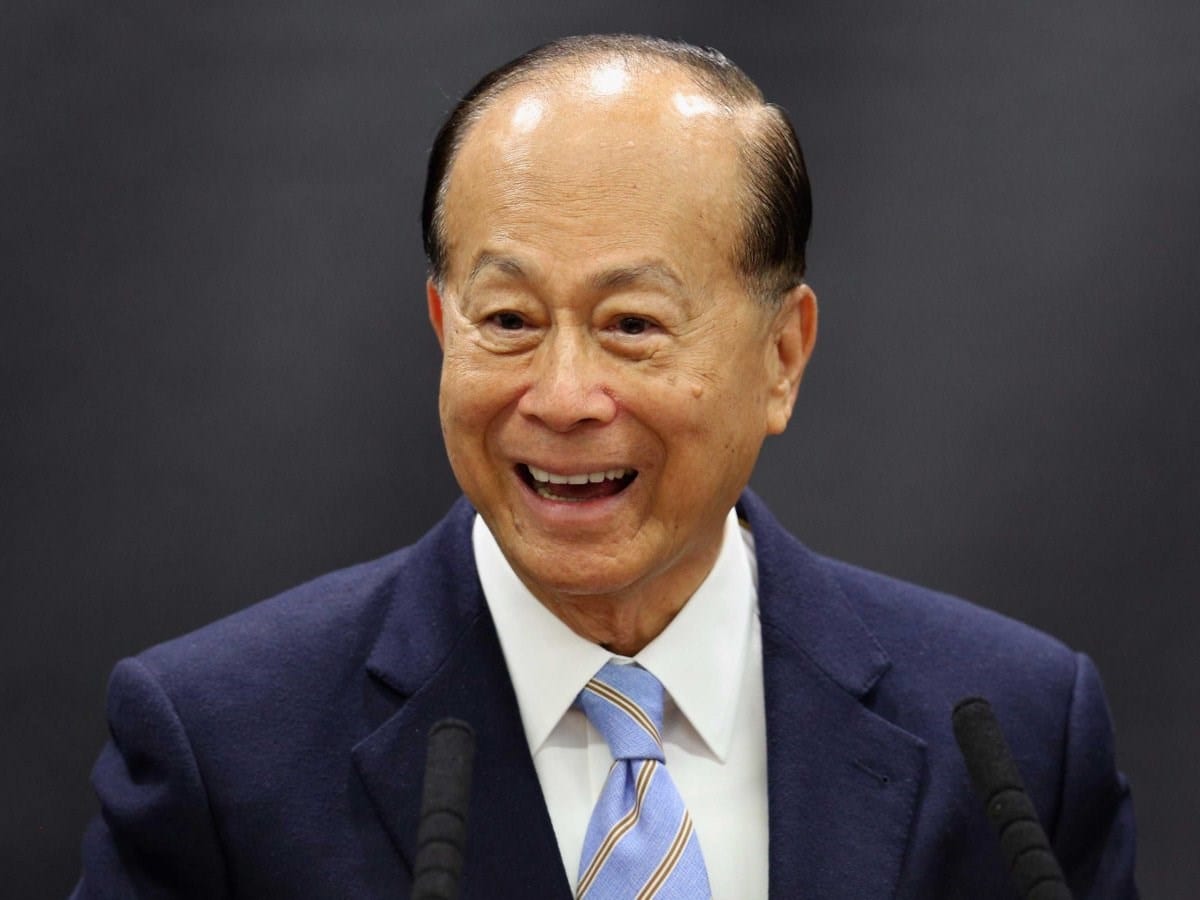
    As investors around the world fret over China’s economic tremors, Hong Kong tycoon Li Ka-shing has less reason to press the panic button: he has been quietly accelerating moves to cut his reliance on the world’s second-largest economy.

    Mr. Li, nicknamed Superman in Hong Kong for the business acumen that made him one of Asia’s richest men, has been trimming his property portfolio in China since 2011. He has also sold off parts of his ports and retail holdings in Hong Kong, which is a conduit for China’s international trade and finance.

    Instead, the 87-year-old tycoon has pivoted his two main conglomerates—Hutchison Whampoa Ltd. and Cheung Kong Holdings Ltd.—toward the old world of Europe. He has spent more than $20 billion in the past 18 months on deals that include buying the U.K.’s second-largest mobile-phone operator, a Dutch drugstore chain and a U.K. train-car maker, as well merging his Italian telecommunications company with a larger rival. Those deals were valued at more than his combined European acquisitions in the previous decade.

    Even before the spree, Europe had overtaken Greater China as the biggest contributor to Hutchison’s operating profit, by a small margin, in 2012. Last year the region accounted for 42% of the total, as Greater China shrunk to 30%.

    In a sign that easy returns from the boom years of China may be over, three people close to Mr. Li’s business say the moves were spurred in part by his belief that he can make more money in Europe—long seen as a collection of plodding economies—than in China, hitherto a magnet for investors because of its rapid growth rates. Company officials have said that the size and scale of investment opportunities in Europe exceed those of Hong Kong, where there is little left for Mr. Li to plow funds into.

    Now, as global markets stumble on concerns over China’s slowing economy, falling stock prices and a sudden devaluation in the Chinese currency, Mr. Li’s moves appear prescient, cementing his status among investors as an oracle. Company insiders and academics who study Mr. Li, however, say that the tycoon was also motivated by a weak euro that made European assets offering steady returns cheaper relative to China.

    “What Mr. Li really excels at is the timing of his selling,” said Woody Wu, an accounting professor at the Chinese University of Hong Kong. “He sells as long as the price is right. He’s a genius when it comes to finance.”

    Mr. Li, who is valued at $24.8 billion by Forbes as of Sept. 5, presides over an empire that is divided roughly into quarters: property, telecommunications, ports and infrastructure as well as retail and energy. Earlier this year, Mr. Li folded his two flagship firms together into CK Hutchison Holdings Ltd. and spun off their property businesses into a separate company, Cheung Kong Property Holdings Ltd. The companies’ combined market value is about $77 billion.

    Both companies outperformed Hong Kong’s benchmark Hang Seng Index, which has fallen nearly 24% since June 12. Shares of CK Hutchison are off 10% over the same period, while the property arm took a 21% hit, showing Mr. Li isn’t immune to any slowdown in China.

    Most of Mr. Li’s property portfolio is in China and nothing thrills Mr. Li like a development deal, according to two people who have worked closely with him. When entertaining clients over bowls of pili nuts at his office on the 70th floor in Hong Kong’s central business district, Mr. Li once pointed to the city’s skyline and boasted that one in eight buildings were made by him, according to a person who has visited him.

    He was among the first foreign developers to enter China after its leader Deng Xiaoping, with whom Mr. Li had close ties, began opening up the nation’s economy. He retained good relationships with subsequent presidents Jiang Zemin and Hu Jintao, although he is seen by China watchers as less close to the current president, Xi Jinping.

    In 2008, Mr. Li surprised observers when he sold a 40-story office tower in the heart of Shanghai’s blossoming financial district to a private investor for 4.9 billion yuan (US$769 million). Three years later, the building fetched a half billion yuan less when it was resold as the market dipped, people familiar with the matter said at the time.

    Mr. Li hasn’t made any significant land acquisitions in China since at least 2012 and has sold off malls and housing developments.

    “It shows [Mr. Li’s companies] are bearish on the market going forward,” said Samuel Hui, a conglomerates analyst at broker CLSA.

    One person close to Mr. Li said he had lost the advantage in know-how for construction that he held in the 1990s in the face of competition from rising Chinese property moguls such as Dalian Wanda Group’s Wang Jianlin, who has replaced Mr. Li as Asia’s richest man.

    Other potential motives attributed by company insiders and academics for Mr. Li’s step back range from the possible souring of his relations with the nation’s power brokers, to the tycoon preparing to hand over the business reins to his eldest son, Victor Li.

    “The more important reason why he’s moving away from China is that his influence there is dissipating,” said Joseph Fan, a finance professor at the Chinese University of Hong Kong who has studied Mr. Li’s career.

    In Hong Kong, where Mr. Li started his empire manufacturing plastic flowers in the 1950s, he has shifted the domicile of his businesses to the Cayman Islands. Last year, he sold a quarter of his Hong Kong retail chain to Singapore sovereign-wealth fund Temasek Holdings Pte. Ltd. Most recently, Qatar’s sovereign-wealth fund bought 16.5% of his electricity assets in the city.

    People close to Mr. Li say he remains in empire-building mode.

    “You still see that energy and strong interest into making deals—megadeals,” said a person familiar with Mr. Li. “I don’t see that he’s tired of doing this.”

  • China is buying about one-fifth of the world’s Apple Watches

    China is buying about one-fifth of the world’s Apple Watches

    Demand from China has helped drive the massive success of the iPhones 6, but will it do the same for the Apple Watch? The early numbers look a bit muted, though still promising.

    Since the device’s release in May, research firm RedTech Advisors/TalkingData estimates that over 1 million of the watches have been sold in China. Sales for the three-month period ending in June topped out at over 626,000, which the company calculates to equal 22% of estimated global sales of 2.8 million devices.

    That’s lower than China’s overall contribution to Apple’s revenues. While the company doesn’t disclose disclose iPhone sales by region, last quarter Apple generated 26% of its revenues from China, driven by sales of its smartphone.

    Growth of the Apple Watch is slowing in China, and sales aren’t expected to increase until November, when China’s e-commerce companies launch their Cyber Monday-esque Single’s Day deals, and then later through Chinese New Year in February.

    RedTech said the uptake for the Apple Watch in China has been slower than other Apple products, but attributes this to a lack of supply rather than demand. The company estimates that 30% of activated Apple watches in China came from “grey market” third-party vendors during the product’s release, but as supply increased, grey-market sales plummeted to 13%. Right now, the firm calculates that 40% of Apple Watch sales are coming from official Apple Stores, another 28% come from its official Chinese online store, and the remainder from third-party vendors, gifts, and overseas vendors.

    Apple is aggressively expanding its retail presence in China, and plans to double its number of retail outlets in China by 2016 to 40.

    It may be difficult determine whether the Apple Watch has been a success for some time, either in China or globally. Smart wristbands, unlike phones, are a relatively new type of hardware. IDC estimates that Apple globally has 19% of wearable market share, a remarkable feat given that Apple’s watch has only been available for just over a three month period.

    But one Apple supplier from Taiwan complained that orders for watch components were lower than anticipated, which suggests Apple had even higher expectations.

  • Chow Tai Fook changes strategies to tackle tough market

    Chow Tai Fook changes strategies to tackle tough market

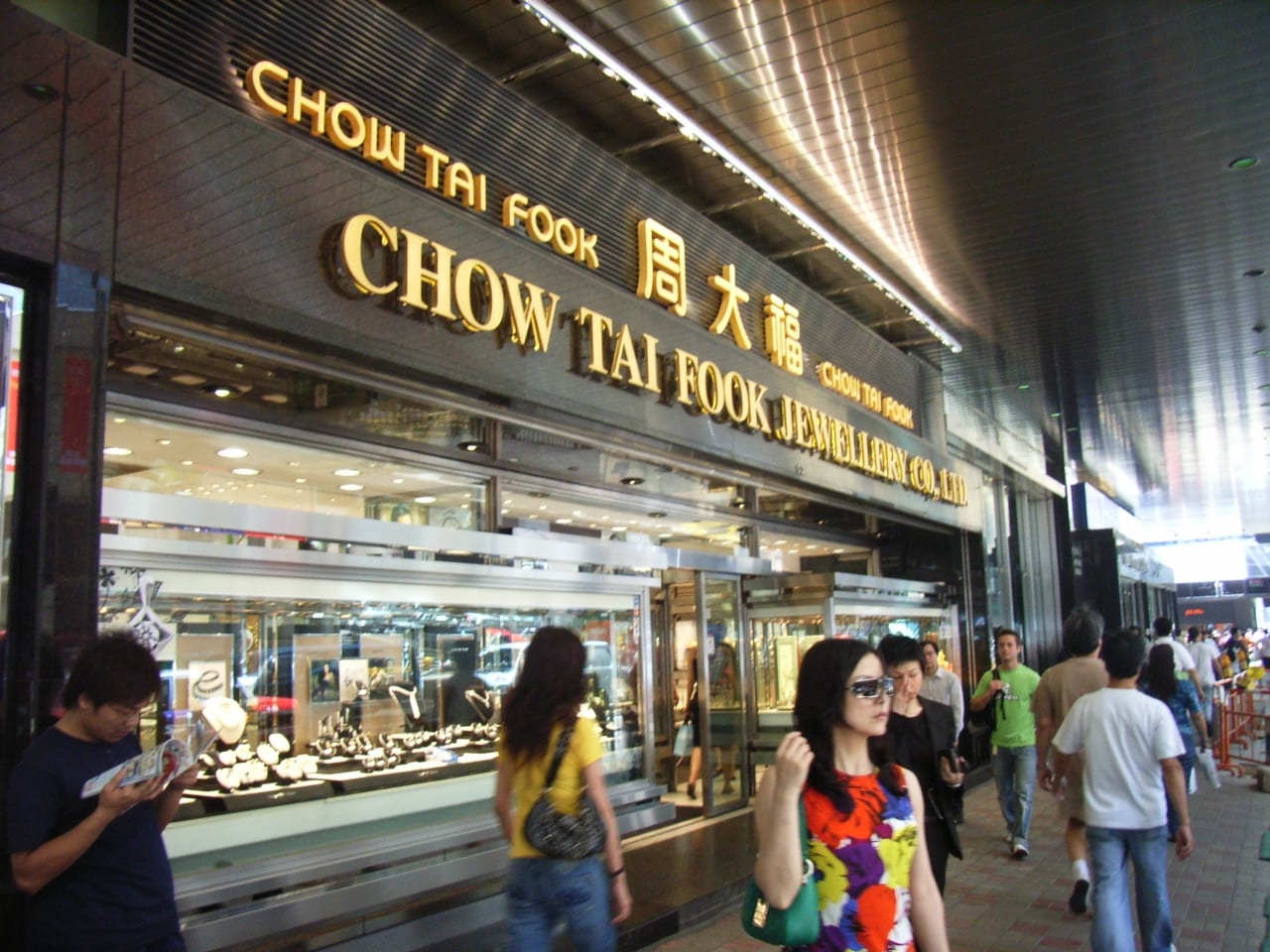
    Chow Tai Fook Jewellery Group is renegotiating store rents and consolidating its retail network in order to manage rental costs, chairman Henry Cheng Kar-shun said on Thursday.

    Amid a downturn in the city’s retail landscape, the largest Hong Kong-listed jeweller in terms of market capitalisation had also shifted focus to smaller-priced items to attract customers, Cheng said.

    Business is getting tougher for retailers, with sales in July dropping 2.8 per cent from a year earlier to HK$37.6 billion, following a 0.4 per cent fall in June. The drop in July was the biggest since March’s decline of 2.9 per cent.

    Sales of jewellery, watches, clocks and gifts all recorded a smaller decrease of 5 per cent, after four months of double-digit falls.

    “There are a number of external factors that are out of our control, such as the macroeconomic conditions, the central government’s policies and the devaluation of China’s currency,” Cheng said. “What we can do is do our best to operate the business well.

    “While we are still making profits in all of our [Hong Kong] stores, we may consider cutting some to maximise profits. For example, if we have three shops on one street, we may opt for two in order to cut costs.”

    Facing a sluggish retail market, commercial landlords are now willing to set more realistic prices and reduce rents.

    Cheng said the company was renegotiating with landlords to lower rents and the extent of rent cuts would depend on the business performance of the store concerned, said Cheng, suggesting the average cut could be between 20 and 30 per cent.

    Chow Tai Fook in June reported net profit for the year ended March fell about 25 per cent to HK$5.46 billion from the previous year.

    Revenue dropped 17 per cent to HK$64.28 billion.

    The average selling price of gem-set jewellery fell 12.7 per cent and that of gold products declined 1.2 per cent.

    The company extended its e-commerce network to strengthen its capability to reach more online customers, particularly the younger generation, said Cheng, adding the online division was making profits.

    He was speaking at an event to mark the company’s unveiling of a diamond piece centred on a 24 D-colour internally flawless diamonds cut from a 507.55 carat rough diamond, known as the Cullinan Heritage, that Chow Tai Fook acquired for HK$275 million in 2010.