Tag: China

  • Ikea sets new records

    Ikea sets new records

    Ikea has set new records in sales and store visits in its latest financial year, to August 31.

    The Swedish furniture and homewares chain now has 328 stores in 28 countries and says it served 771 million customers in the last year.

    Total sales reached US$35.5 billion.

    “We are growing in almost all our markets and we are happy about last year’s sales development,” said president and CEO Pete Agnefjall.

    The chain’s two fastest growing markets are China and Russia.

    “The Chinese middle class continues developing and in pace with its growth an interest for our product rises too,” said Agnefjall.

    “We have more visitors in our department stores now and we have opened three new stores in China during the year. We are going to open three new stores the next year too…”

    Sales were also strong in Germany, North America and Southern Europe.

  • Hong Kong retail has lost its edge

    Hong Kong has lost its edge as the go-to destination for international tourists seeking retail therapy.

    In a presentation to the 22nd CLSA Investors Forum, CLSA’s  head of consumer and gaming research Aaron Fischer, said luxury retail prices in Hong Kong are now higher than in other markets and if they stay that way “the retail market will suffer”.

    He cited an example of a Louis Vuitton handbag priced 20 per cent cheaper in Tokyo than in Hong Kong.

    Tourists – especially those from the Mainland – are now considering the price differential with Europe and other Asian destinations – and concluding there are more exciting tourist attractions, or new experiences, so deciding against Hong Kong.

    He said while there is no danger of the Hong Kong retail market “collapsing” – it would take threats to personal safety from terrorism or a pandemic to cause that – the sector needed to adjust.

    He said Hong Kong luxury brands were over-stored here. Brands like Louis Vuitton and Prada had about 10 stores in Hong Kong – and more in Macau – yet in cities like New York they had just two or three. If the profitability of these brands in Hong Kong was to be maximised, store networks would need to be cut by 20 or 30 per cent.

    “While sales declined, it does not mean these stores are loss-making. They might close one or two stores but they definitely won’t leave Hong Kong,” he added.

    The 22nd CLSA Investors’ Forum provides more than 1400 global fund managers and 230 leading listed corporations from 30 countries a platform for discussion and debate on market drivers including foreign policy and currency volatility; financial, political and structural reform; capital preservation, corporate governance and more.

  • Online fashion rental store Yeechoo re-launches

    Online fashion rental store Yeechoo re-launches

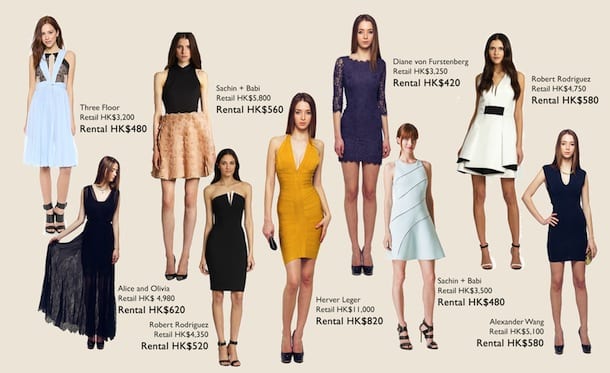
    Online fashion rental store Yeechoo has relaunched, expanding its service outside Hong Kong for the first time.

    The new website was officially released on Monday and from this week the company will ship to customers in Macau, Mainland China, Taiwan and Indonesia.

    The site features new branding and an expanded range of designer and dress collections. It also offers free consultations and trials and makeup demonstrations online.

    “At Yeechoo, what you are choosing is not just a dress, but a set of beautiful experiences,” the company said, revealing its new image.

    “We are Hong Kong/ Greater China’s first online high-end designer dress and accessory rental destination. At only a fraction of the retail price, you get to experience thousands of styles from over 60 luxury brands.”

    It also offers StyleShare, a new initiative it describes as “a pioneer social fashion experience”, allowing customers to borrow ‘pre-loved designer pieces’ and lend  their own, with a community of fashion lovers.

  • ST by Olcay Gulsen Hong Kong opens

    ST by Olcay Gulsen Hong Kong opens

    Dutch fashion brand ST by Olcay Gulsen has made its debut in Hong Kong.

    ST by Olcay Gulsen Hong Kong opened a pop up store to raise brand awareness at Level 1 of Pacific Place on August 31, a prelude to the opening of its first standalone store in the territory, which will open on the lower ground level of Festival Walk at the end of this month.

    ST by Olcay Gulsen was created by designer Olcay Gulsen whose vision was a label offering “affordable luxury clothes” that were keeping up to date with fast fashion trends.

    In just 11 years, Gulsen has developed a significant reputation, not just at home but internationally.

    ST is short for ‘SuperTrash’, her original brand shortened to ST for various ranges including STenim and ST. Girls. The SuperTrash brand specialises in dresses, tops and pants. Her creations are sold in more than 2000 stores worldwide.

    Hong Kong fashion blog Butterboom.com was impressed by the offer in the pop up store.

    “We spotted quite a few dramatic sexy dresses from their fall collection and some great long jacket in teal that we would like in our wardrobe so we are hopeful this brand will make it to fashionista’s list of must-visit shopping stops.”

  • Marks & Spencer to slow China expansion

    Marks & Spencer to slow China expansion

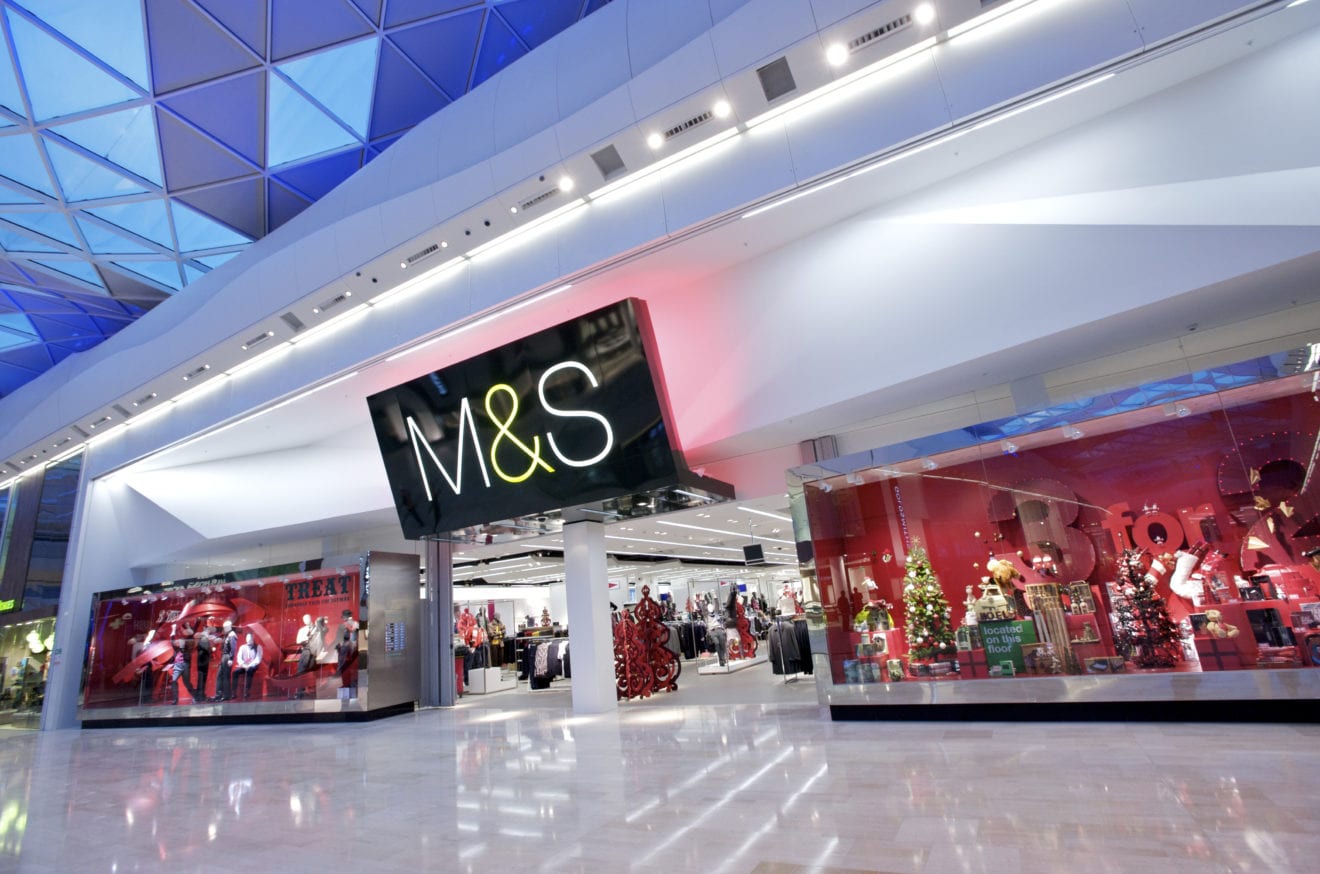
    UK department store chain Marks & Spencer says it will slow its expansion plans in Greater China due to the economic and political turmoil in the two markets.

    The British retailer currently has 20 stores in Hong Kong and 10 in China and had been planning significantly more.

    Back in 2014, CEO Marc Bolland set a target of opening 250 new overseas stores within three years – an ambitious goal even in favourable economic climate.

    This week, M&S’s executive director of marketing & international Patrick Bousquet-Chavanne told news agency Reuters in an interview that while the company remained committed to both markets, the 2014 targets were unreachable.

    “The world has shifted, is a different place… The Syrian situation was very different from what it is today… Putin had not invaded Ukraine and China was growing at close to nine per cent,” he said.

    “It’s reasonable in that context that you would expect a different outlook on the next three years for the company.”

    Last March M&S said it would close five underperforming stores in China to focus on flagship stores and online – and expanding its food offer in Hong Kong.

    He told Reuters M&S still planned a Beijing flagship store during the 2015-16 financial year and that it still planned to open in the cities of Guangzhou and Dalian, but gave no timetable.

    He said the company had seen a softening in its store sales in China as the economy slowed, but no dramatic effect.

    “The sectors in which we trade are not luxury, so we haven’t seen the same dramatic slowdown as some might have,” Bousquet-Chavanne said.

  • Alibaba launches sports company

    Alibaba Group’s expansion into non-eCommerce businesses such as movies and music took another step today as the group announced the establishment of a sports company, aiming to “transform China’s sports industry through Internet-enabled technologies.”

    The company, named Alibaba Sports Group, will be majority owned by Alibaba Group but has backing from Sina Corp., owner of China’s popular microblogging site Sina Weibo, and Yunfeng Capital, a private equity company founded by Alibaba Executive Chairman Jack Ma.

    Alibaba Sports Group will engage in sports media, events, ticketing and other aspects of the industry, leveraging Alibaba Group’s extensive e-commerce, digital entertainment, marketing, cloud computing and other Internet properties, according to an Alibaba press release.

    Alibaba’s Group CEO Daniel Zhang was named chairman of Alibaba Sports. Zhang Dazhong, a veteran of China’s new media and sports industry and a former vice president of Shanghai Media Group, will serve as CEO.

    “Sports has the enduring ability to create shared happiness and encourage healthy lifestyles,” said Zhang in the release. “Alibaba Sports Group aims to transform the China sports industry through the use of Internet-based technologies to bring greater and better products and services to consumers, sports participants and sports fans alike.”

    Alibaba Group’s online shopping site Tmall.com already hosts storefronts for merchandise sold by European football clubs Bayern Munich and Real Madrid. Last month, a documentary of NBA superstar Kobe Bryant was released through Alibaba’s Tmall Set-top Box. Alibaba also has a stake in China’s leading football club Guangzhou Evergrande.

  • Future fashion: Clothes which think

    Future fashion: Clothes which think

    Clothes which change shape; change temperature – and even colour. Welcome to future fashion.

    To celebrate the launch of its new smartwatch, Huawei Consumer Business Group has teamed up with ‘fashion futurologist’ and professor of fashion and technology, Dr Sabine Seymour, to reveal how the integration of technology will transform our wardrobe in the coming decades.

    According Seymour, the transformation in garments will start with our underwear, which will have in-built sensors to track personal data, such as heart rate and body temperature.

    The changes won’t end there, with personalisation in every aspect of our wardrobes. In years to come, we will be able to change the pattern, colour and even the shape and style of our garments.

    “The next development for wearables is going to see technology integrated seamlessly into clothing,” Seymour predicts.

    Her vision of the future of fashion with technology aligns perfectly with Huawei’s point of view on wearables: The Huawei watch embodies this vision, combining classic design with smart technology.

    In the future, we may find there is much more space in our wardrobes, as garments will be able to alter in form, extending and contracting in length, and changing shape and design as required. Therefore, there may only be a need for one dress or shirt and the wearer will be able to download the latest designs.

    Getting hot on public transport or carrying a spare sweater in case of colder weather could also become a thing of the past, as garments will be able to adjust to your body temperature.

    With the rise of 3D printing techniques and on-demand manufacturing, we will see the introduction of the digital cobbler, who can create shoes that fit your feet perfectly, and for the rest of your life.

    Garments will become gesture and touch-sensitive, just like phones, tablets or gaming systems are today, but with a sense of style and a true design aesthetic, explains Seymour.

    Fashion_embracing_technology__-_all_features

    “By connecting your garments to other elements of your life, we will see a move from networked devices to networked people and networked spaces. In future, it will be possible for smart garments to connect to your car, which will adjust your seat according to personal preferences.”

    A major barrier to the networked self is the current limitation of battery life. Using alternative energy sources, such as capturing the kinetic energy of a person as they walk, we will be able to create a new form of sustainable fashion.

  • Dalian Wanda, Suning plan store rollout

    Dalian Wanda, Suning plan store rollout

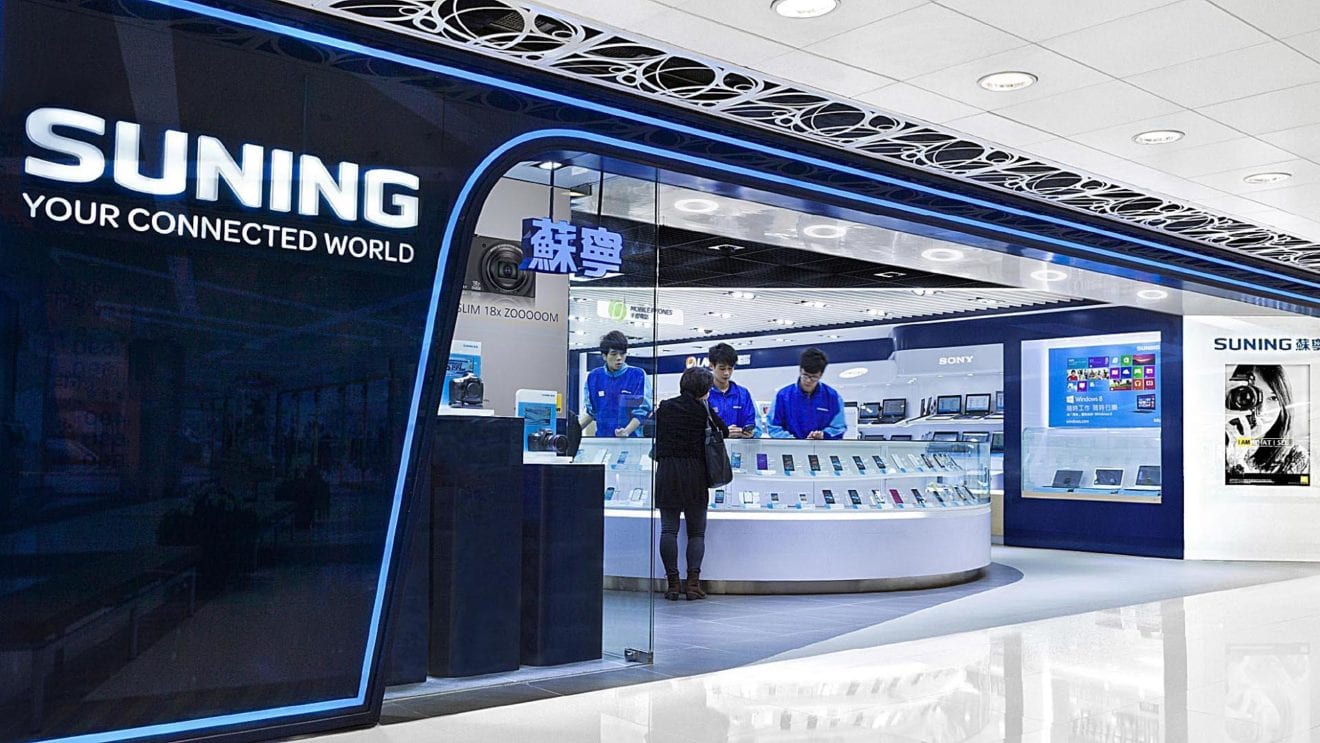
    Mall operator Dalian Wanda Commercial Properties is partnering with Suning to open electronics stores at Wanda Plazas throughout the Mainland.

    The partnership will see 40 stores open by the end of this year with more planned for next year. Suning, now 20 per cent owned by Alibaba Group, currently has a network of 1600 stores throughout China.

    Dalian Wanda has 100 Wanda Plaza shopping centres in China currently and plans to add 35 by the end of this year.

    The company is changing nature from its original model as a department store operator into a services-based company. It recently announced the closure of its Superstar karaoke chain as well as some of its less profitable department stores.

    The company owns the AMC cinema chain in the US, Hoyts in Australia and China’s largest network of movie theatres.

  • Sainsbury’s lands in China through tie-up with ecommerce giant Alibaba

    Sainsbury’s lands in China through tie-up with ecommerce giant Alibaba

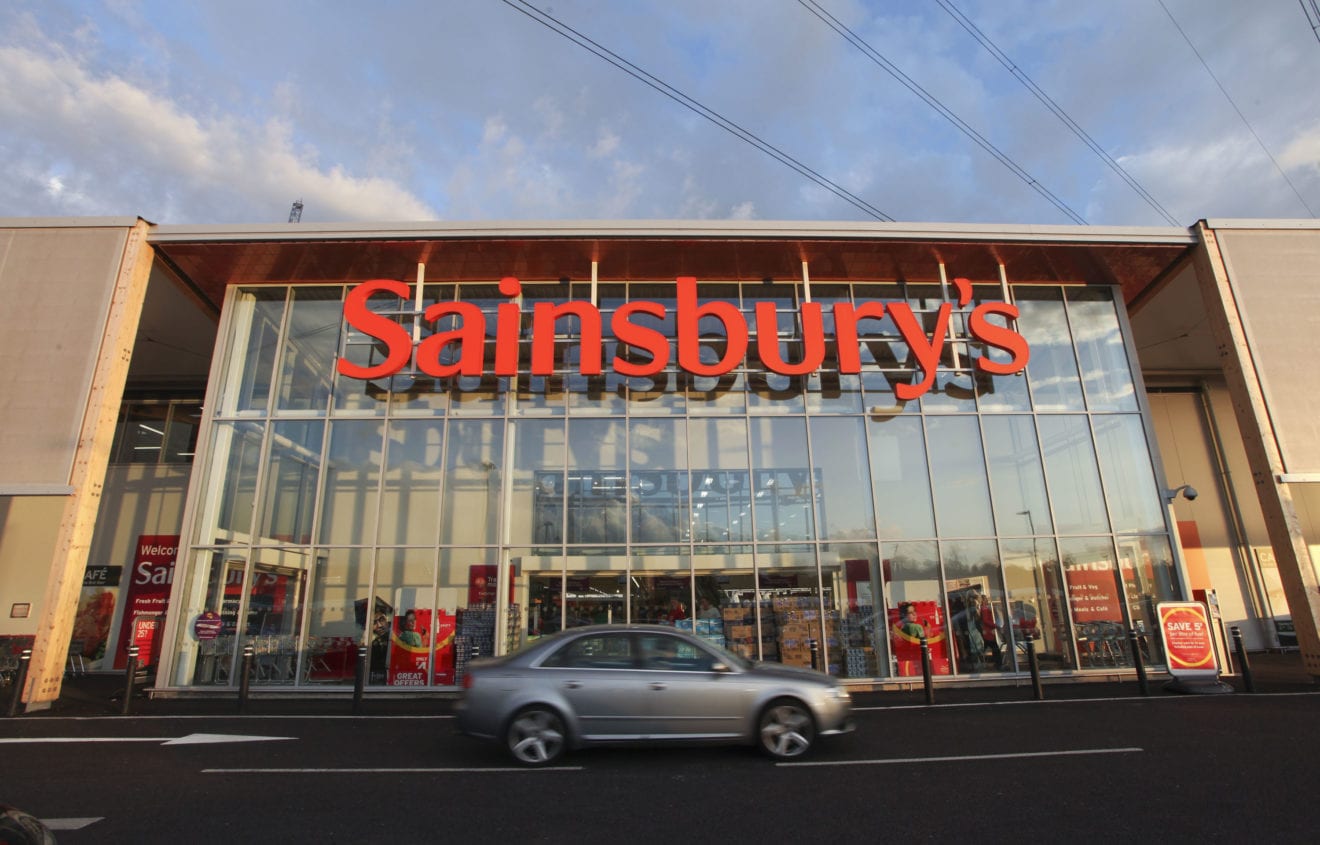
    Sainsbury’s has launched in China through a partnership with Alibaba’s Tmall website five years after first exploring an entry into the country.

    The grocer began testing the waters in China this week, Retail Week has learned, and is initially focusing on selling “high-quality ambient product” to tap into the growing demand in China for premium organic ranges.

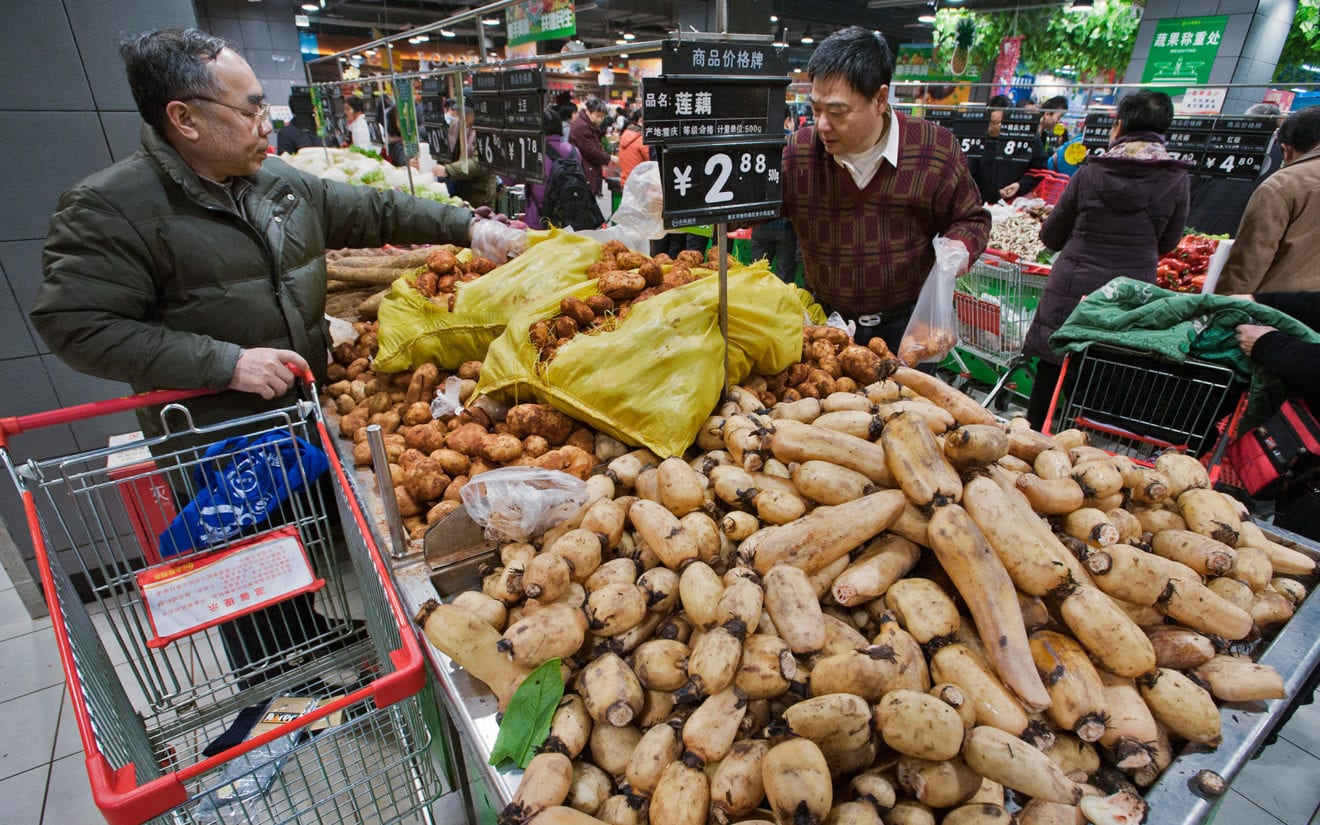
    China’s online grocery market is forecast to grow five-fold to almost $180bn (£115bn) by 2020, according to IGD. It will be worth almost $70bn more than the other top nine online grocery markets combined in 2020.

    However, confidence in the growth prospects of the Chinese economy has taken a hit of late as fears grew the economy’s growth was slowing quicker than expected.

    Chinese consumers are placing a growing emphasis on the provenance of products after a series of food supply scandals in the country.

    In January last year Walmart recalled a donkey meat product in China after tests by The Shandong Food and Drug Administration revealed it contained DNA of other animals, including foxes.

    Sainsbury’s is selling own-brand long-life British milk from a Devonshire dairy on its Tmall website. Other products being sold include a baby range and the components of British afternoon tea, including speciality teas, coffees and biscuits.
    A Sainsbury’s spokeswoman said: “‘We are trialling a small number of ambient products for sale on the Alibaba platform, including So Organic and Taste the Difference lines, for sale through the Chinese online market.”
    It is understood Sainsbury’s is not planning to open any physical stores in the country.

    Sainsbury’s first sent a six-man team to China in order to explore the possibility of opening stores in China in 2010.

    However, plans were shelved, and it is believed top executive Darren Shapland stood down as a result in 2011. Shapland had been asked to study the possibility of overseas expansion, including China.

    The Sainsbury’s spokeswoman said it was too early to say how the launch is progressing, but the grocer may release initial results as early as next week.

  • As Sales Slump, Hong Kong’s Luxury Jewelers Think Local

    As Sales Slump, Hong Kong’s Luxury Jewelers Think Local

    Hong Kong businesses, which used to focus their advertising predominantly on mainland tourists, are now setting their sights on Hong Kongers themselves in an effort to make up for sluggish sales as cross-border visits are drying up.

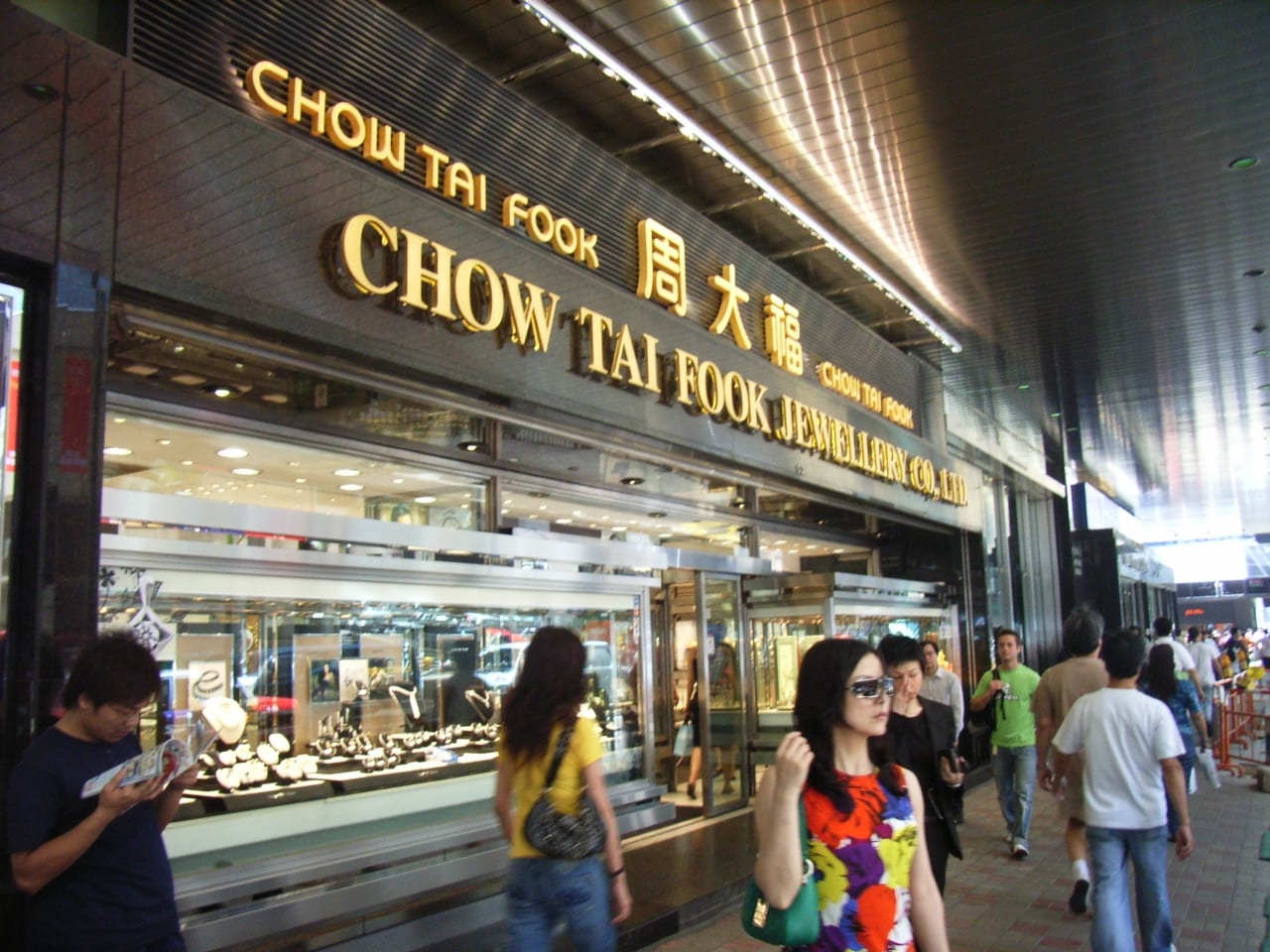
    Luxury jewelers such as Chow Tai Fook Jewellery Group Ltd. and Luk Fook Holdings International Hong Kong Ltd. are tapping into the spending power of the city’s seven million residents through promotional offers and special events. Although their stores are seemingly ubiquitous and their advertisements are plastered all over Hong Kong’s busses, they have not always considered the city’s residents their top priority, analysts say.

    “Previously, jewelers took local consumers for granted,” said Emily Huang, consumer analyst at Barclays. “Although locals grew up with the brand, they wouldn’t buy in bulk like Chinese tourists do.”

    The former British colony has long been the favored destination for mainland Chinese consumers looking to purchase everything from Swiss watches to medicinal oils. Industry experts say that in recent years, spending by mainlanders has accounted for as much as 40% of all retail sales in the city.

    But a crackdown on conspicuous consumption has led some mainlanders to hold back on buying luxury goods – and those that do purchase them are instead flocking to places with weaker currencies, such as Europe and Japan, rather than Hong Kong.

    Tighter visa restrictions for visitors from the southern Chinese boomtown of Shenzhen, which neighbors Hong Kong, have also slowed the flow of cross-border visits.

    In July, nearly 10% fewer mainland Chinese tourists traveled to Hong Kong compared with a year earlier, and retail sales by value contracted by 2.8%. Luxury retailers such as Prada and Burberry now report slumping sales, and Coach last month closed its four-story shop in prime Central district.

    The drop has hit luxury jewelers particularly hard: Chow Tai Fook and Luk Fook reported a respective 24% and 19% contraction in same-store sales in Hong Kong for the three months ending in June,compared to a year ago.

    With retail sales continuing to fall and tourist arrivals slowing, the jewelers have had to innovate to stay afloat. Chow Tai Fook is now organizing parades of its products in residential neighborhoods and is hosting events to bring residents into its shops. Luk Fook has begun planning luncheons and fashion shows for repeat buyers and is offering do-it-yourself jewelry sessions for VIP customers.

    The slump is not just affecting luxury stores; several mid-market businesses, including cosmetics retailers and drugstores, have also been shuttered.

    The city’s major theme parks, Ocean Park and Disneyland, are also shifting their tactics, offering discounts to local ID card holders. A spokesperson for Ocean Park billed the theme park as the “Hong Kong people’s park” in a statement — even though 65% of its visitors are tourists. Disneyland says nearly half its visitors are mainland Chinese.

    “A lot of locals actually stopped going [to theme parks] because there were too many tourists,” said Nicole Wong, an analyst at CLSA. “They can definitely do something to attract more locals to go.” She is more skeptical of the ability of jewelry chains and drugstores to draw local customers, however. “Hong Kong people can’t buy that many drugs,” she said.
    The city’s chief executive Leung Chun-ying has also said he is concerned about the drop in visitor numbers and has cast blame partly on “particular activities that have taken place in Hong Kong in the past year.” The city has been rocked by last year’s pro-democracy Occupy Central campaign as well as by ongoing small-scale protests by Hong Kong groups angry at the influx of mainland Chinese shoppers in specific neighborhoods close to the border.It’s unlikely that consumption by the city’s 7 million residents could make up for the more than 47 million Chinese tourists that streamed into Hong Kong in 2014. Local shoppers usually buy diamonds and gold products in small quantities as gifts for special occasions, not in bulk as visitors typically do. “In the short-term, local spending won’t make up (for) the shortfall in mainland spending,” said Helen Mak, senior director at Colliers International. She added: “How many weddings a year can you have?”The jewelers have adopted an additional strategy: Reaching out to mainland consumers on their home turf. Kathy Chan, Luk Fook’s chief financial officer, said the company sees “great potential” in mainland China and is “opening 100 stores there every year.”

    At 0% growth, the mainland operations of Hong Kong jewelers are far from robust. But less penetration and a much larger market mean the possibility for growth is greater, say the companies.
     

  • JD.com partners with Korean shopping site Lotte.com

    JD.com partners with Korean shopping site Lotte.com

    China’s online direct sales company JD.com has partnered with South Korea’s online shopping site Lotte.com.

    Under the deal, JD.com customers will be able to purchase products from Lotte through JD Worldwide, the company’s cross-border platform.

    Products will cover categories including baby and maternity, cosmetics, fashion, everyday household products, home appliances, food and Lotte-branded products.

    “The demand for products through Korean Mall has been strong and partnering with Lotte will help us meet the growing needs of our users,” said JD Mall CEO Haoyu Shen.

    The announcement follows the successful launch in late March of Korean Mall, which sells authentic imported Korean products on JD Worldwide. Since its launch, dozens of Korean brands started to sell their products to Chinese consumers through Korean Mall. The best-selling product categories include personal care products and cosmetics.

    Lotte.com CEO Hyeong Jun Kim said JD.com’s users are the ideal audience for the company as they look to develop their business in China.

  • China retail sales up 10.8 pct in August

    China retail sales up 10.8 pct in August

    China’s retail sales grew 10.8 percent year on year to 2.49 trillion yuan (390.89 billion U.S. dollars) in August, the National Bureau of Statistics (NBS) said Sunday.

    The growth rate picked up slightly from 10.5 percent in July.

    A key reason for the month-on-month rise in retail sales was rising retail prices, and the August retail sales growth rate is almost the same as in July if one deducts the price factor, said NBS statistician Lin Tao.

    In the first eight months, retail sales grew 10.5 percent.

    Growth in rural areas continued to outpace that in cities.

    Sales in rural areas rose 11.9 percent in August and 11.7 percent in the January-August period, in contrast to the 10.6-percent and 10.3-percent growth seen in urban areas.

    Earnings for catering services in August grew 12.4 percent, 0.2 percentage points higher than July.

    Chinese consumers increasingly favored online shopping. In the first eight months, online sales rose 36.5 percent year on year to 2.24 trillion yuan.

  • Apple To Launch Retail Stores In China, Italy And Belgium By September End

    Apple To Launch Retail Stores In China, Italy And Belgium By September End

    Apple Inc.  announced that by September end, it will open two new stores in Italy and China. The announcement was made on September 9, at its long-awaited annual event in San Francisco, where it also launched a range of its new products.

    According to the company, the Chinese outlet in Nanjing will launch on September 19, while the Florence outlet will debut on September 26; both stores will open at 10 AM. Moreover, Apple unofficially confirmed its plans to launch a new store in Brussels on September 19, which would the company’s first-ever retail store in Belgium.

    The Brussels branch will be located at Avenue de la Toison d’O, the Florence outlet at Republic Square, and Nanjing outlet at Rainbow Joy Shopping Mall. Currently, the Belgium branch sports a board that states: “Creativity, to be continued,” with paintings surrounding the barricade.

    It is evident that Apple’s plan to open three new stores in different countries will help the company expand its product line to a wider customer base. With the event’s worldwide coverage, Apple’s efforts to attract a larger audience may prove successful.

    With the debut of iPhone 6s, iPad Pro, an upgraded Apple TV, and the Watch leather bands, Apple has successfully launched a diverse category of products that will help the company attract clients globally. Customers may be inclined to check the new Apple Stores after the immense hype about the new products.

    With the gradual product shipments, the company has smartly kept its users hooked for updates. Furthermore, with the three new stores scheduled to open in September, Apple has made a conscious effort to place them in central locations, which will help attract larger crowds.

    The new Apple Stores will create new job opportunities for local people, and help recruit potential employees in the respective regions. Through this expansion plan, the tech giant will not only help expand its services to other countries, but also establish improved and reliable relations for future ventures.

    The launch of the new stores, along with subtle hints for a potential store in Antwerp later, may push excited customers get a head start to plan their preorders.

  • Ikea’s impressive year: sales rising for furniture giant

    Ikea’s impressive year: sales rising for furniture giant

    Ikea has announced impressive growth in sales across the globe, achieving £23bn in the year at the end of August. Sales were up by 5% on the previous year in comparable sales.

    The furniture giant has 328 stores across 28 countries, and estimates that they enjoyed 771m visits in its most recent financial year.

    Ikea’s President and Chief Executive Pete Agnefjall said: “We are growing in almost all our markets and we are happy about last year’s sales development.”

    At the forefront of the company’s growth is its China market. Increased mass migration to the major cities in the world’s most populous country has created a stable and huge customer base. China is home to eight of Ikea’s ten largest stores, including two in the city of Beijing: a city of 10m people.

    “The Chinese middleclass continues developing and in pace with its growth an interest for our product rises too. We have more visitors in our department stores now and we have opened three new stores in China during the year (2015). We are going to open three new stores the next year too…”

    Russia, the Swedish retailer’s second fastest growing market, enjoys 14 ‘Mega shopping centres’: a chain of 14 complexes from St Petersburg to Novosibirsk. Russia, like China, has proved a problem for many other retailers.

    Sales in Germany and North America were also positive, and the company also enjoyed “positive progress” in Southern Europe.

    Andy Street, MD at John Lewis, announced last month that the department store chain is gunning for Ikea’s position as the UK’s largest furniture retailer, with aims to surpass the company in the next four years. Retail consultancy firm Conlumino estimates that Ikea will have 6% of the UK market for homeware, furniture and flooring sales in 2015, whilst John Lewis will have 5.8%.

    Ikea can certainly enjoy its success for now, however. Unlike its rival, John Lewis’s most recent financial report was decidedly negative.

    A more detailed financial report for Ikea will be released in December 2015.

  • Starbucks execs optimistic on mobile ordering and China

    Starbucks execs optimistic on mobile ordering and China

    Starbucks is investing heavily in ‘mobile order and pay’, with plans to roll out the feature across the US by the end of this month, CFO Scott Maw said at the Goldman Sachs retailing conference on Thursday.

    Previously, the coffee giant had set itself the end of the year as a deadline to finish implementing the service nationwide, with the Android version poised for release a little earlier.

    “We have a winner, and it’s running ahead of our expectations,” Maw told analysts and investors at an investment conference in New York.

    The mobile ordering and pay feature was introduced last year and is gaining traction. In June Starbucks announced it will spend £30m on a technological revamp of its UK business and Starbucks’ UK MD Mark Fox told Retail Gazette that mobile has played a valuable role in the retailer’s success. Last year, the Seattle based chain process over $2bn in mobile transactions.

    Next year, the app will add suggestions for orders based on consumer data.

    Starbucks has recognised the power of e-commerce and is wielding it to allow for its next revolution: delivery.

    Supposedly, the hazelnut latte maker hasn’t been hampered by the economic stagnancy in China,

    the company “is not seeing any material impact on profitability or revenue,” Maw said. “The number of transactions that we’re seeing is good,” and this quarter’s results are “going to stack up really well in China,” he added.