Tag: China

  • Uniqlo Magic For All to debut in Shanghai

    Uniqlo Magic For All to debut in Shanghai

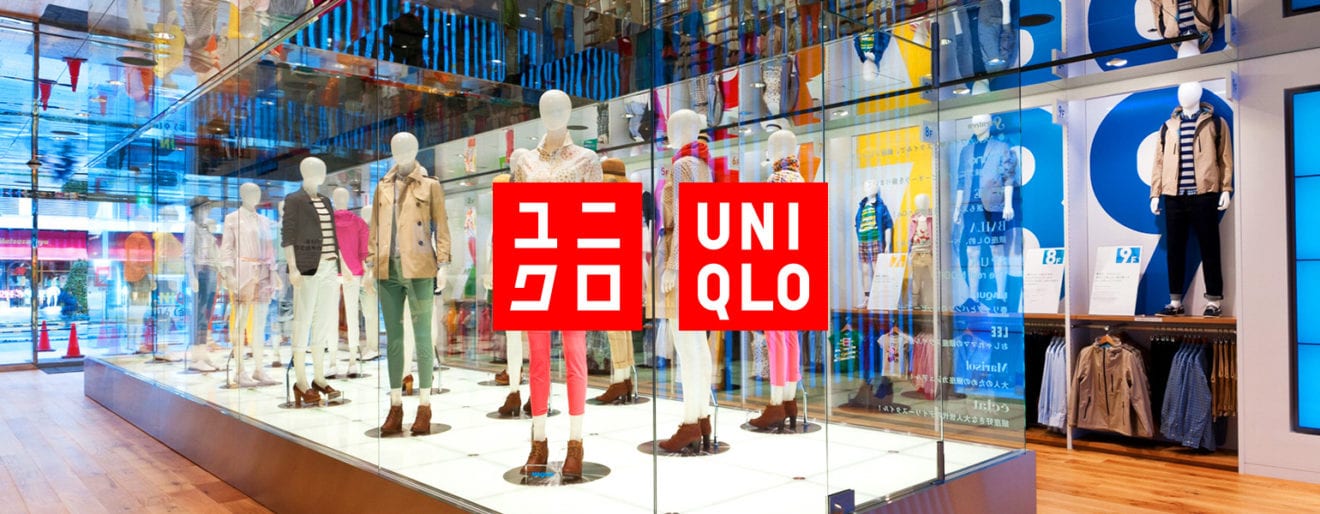
    Uniqlo will open its Magic For All store on the fifth floor of the Uniqlo Shanghai Global Flagship store on Huai Hai Rd on September 27.

    Uniqlo Magic for all 4

    It will be the first execution o fthe new partnership between the Japanese clothing brand and entertainment giant Walt Disney which will see many Disney characters feature on apparel sold by Uniqlo.

    Uniqlo Magic for all 1

    The Magic For All line of LifeWear is part of a global collaboration with Disney Consumer Products that aims to surprise and delight customers of all ages.

    Uniqlo Magic for all 6

    Customers begin their Magic For All journey at the store’s main entrance, where a 1.8 metre Mickey Mouse statue and 100 Mickey Mouse figurines await. Known as the Mickey 100 Series, the inspiration for the figurines was taken from 100 exclusive new designs for Mickey Mouse, which will be on display for the first time in Shanghai. Fifteen of the designs were reproduced on colorful UTs (Uniqlo T-shirts), including five designs for children.

    Uniqlo Magic for all 3

    Inside the Magic For All store, customers are treated to a series of “unique and immersive experiences” found only at Uniqlo in Shanghai. Tinker Bell can be seen flying across wall monitors accompanied by music, and in a world first, the store features Shout Mickey, a special area that captures joyful moments. When a customer shouts ‘Mickey’ toward the lens of a digital camera, the moment is captured and a digital image can be sent to the customer’s mobile device as a memento of the visit. The store also features a Future area, showcasing Uniqlo’s UT range of fashions, and the Colorful Fairy Tale realm for little princesses.

    Uniqlo Magic for all 2

    Unique and innovative being central to the overall shopping experience, the store is the first in China to offer Magic For All options for UTme!, a custom T-shirt design service, and for MY Uniqlo, which enables customers to add special touches to items of clothing.

  • Fung Group tests future retail concepts

    Fung Group tests future retail concepts

    Hong Kong’s Fung Group has unveiled a large-scale ‘lab’ in Shanghai where it is testing a raft of high tech concepts which could shape the future of retailing.

    Named Explorium, the laboratory is an omnichannel platform and exhibition operated by the Fung Group in partnership with data and analytics technology leader IBM, and brand activation company Pico. It is located within more than 23,000 sqm of trade exhibition space at LiFung Plaza, where it provides a controlled setting for businesses to observe and explore in real time how consumers interact with new technologies, products and environments.

    Among technologies in the laboratory, which has been functioning on a soft-opening basis for three months, are virtual-reality fitting rooms, magic mirrors that bring images to life and 3D printing for creating customised products. Brands are also using Explorium to understand opportunities in China for their products and services, based on consumer feedback collected and analysed at the laboratory. Retailers are using it to test different store concepts.

    Unveiling Explorium, Fung Group chairman Dr Victor K Fung said the initiative was sparked by challenges occurring in retail across the world, especially in China.

    “Everything we thought we knew about how consumers decide upon what they buy, where they buy, when they buy, how they buy and how they pay is changing,” he said.

    “Technology is the catalyst empowering consumers. The internet and mobile communications are disrupting the way consumers behave and, in so doing, providing unique opportunities for retailing to come up with new business models. Nowhere is this more evident than in China, one of the world’s most exciting, challenging retail markets.”

    Fung added that he believed the future for retail in China and globally is omnichannel, which is, online-to-offline (O2O) or a combination of “bricks and clicks”.

    “Chinese consumers are setting shopping trends globally, especially with their avid use of social media. And Shanghai is home, arguably, to China’s most vibrant, tech-savvy consumers. That is why we chose Shanghai as the launch pad for this major Fung Group initiative.”

    Fung added that there were no preconceived ideas about which omnichannel business models would emerge from Explorium.

    “As with most experiments of any lasting value, the greatest measure of success may simply be how much we learn from the results,” he said. “A key advantage for participating brands and retailers is that, with Explorium, they can experiment, incubate and iterate at high speed while minimising their cost and risk.”

    IBM global retail industry leader Stephen Laughlin said IBM is gathering data in the Explorium and analysing it for insights.

    “With analytics, IBM can help retailers in the Explorium deliver personalised, relevant marketing interactions to consumers in real-time, delighting them and differentiating the retailer from the competition. Consumers will be able to opt-in to receive offers and rewards from their favorite brands via social media and their mobile device – all tailored to their location and unique preferences.”

    Lawrence Chia, group chairman of Pico Far East Holdings added: “As a state-of-the art omnichannel marketing research laboratory, Explorium delivers substantial value within the omnichannel universe. We are extremely pleased that our unique 360-degree integrated marketing capabilities have played a significant role throughout the planning and implementation of Explorium.

    “Working with leaders from the retail and data technology industries, our strong project team has played a vital part in the strategy, planning and execution of Explorium in areas related to branding, experiential marketing and digital media.”

    Explorium’s Shanghai-based director, Simeon Piasecki, said it is a laboratory for rapidly testing omnichannel business strategies in a realistic environment.

    “We identify and systematically track the changing preferences of consumers. Based on what we learn from each experiment, we move quickly to the next iteration. Explorium is doing all this on a scale and intensity that we believe is unmatched.”

    Already, Explorium, which is membership based, has close to 12,000 active participants registered from among employees and family members of the Fung Group and its business partners IBM and Pico. Typically, members spend over three hours there per visit.

    “Children are among Explorium’s biggest fans,” said Piasecki. “We believe that creating a space where parents and children can bond through learning together and teaching each other will help drive purchases of higher-margin electronic toys, such as drones.”

    He added that while children’s products are a special focus during Explorium’s first phase, it will go on to feature women’s and men’s apparel, and home products.

    “Explorium’s priority in coming months is to design, build, run and measure a greater number and variety of experiments to produce a pool of data that will enable participating brands and retailers to obtain unique insights for their individual businesses,” said Piasecki.
  • Convenience Retail to offload Circle K Guangzhou

    Convenience Retail to offload Circle K Guangzhou

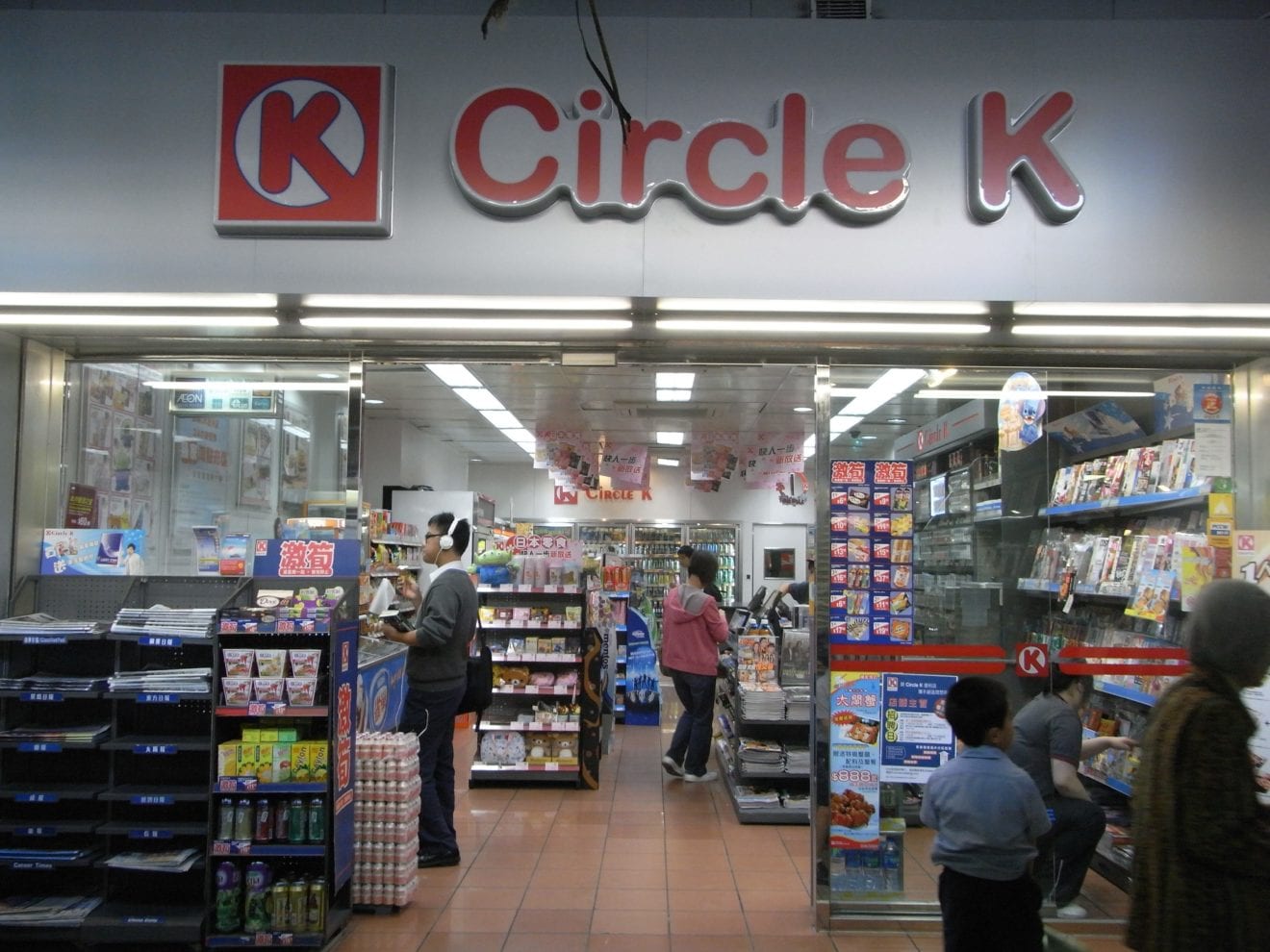
    Convenience Retail Asia, the Hong Kong-listed operator of Circle K convenience stores and Saint Honore Cake Shops in Hong Kong, Macau and Guangdong province, has reported a 36.8 per cent decline in first half year profit.

    While sales increased 5.8 per cent in the half year to HK$2.368 billion, labour and raw material costs increased, reducing its gross margins, and it incurred substantial investment costs in its eCommerce business.

    Along with its results, the company announced it would sell its stake in the loss-making Circle K Guangzhou business to its controlling shareholder and focus on the Circle K business in Hong Kong and Macau. Fung Holdings (1937) Limited will pay CRA HK$104.5 million for its share of the business.

    “The sale of the Circle K Guangzhou will help to create positive momentum for the Group’s financial performance in a difficult retail and economic environment that continues to place pressure on the results of the group,” said Richard Yeung, CRA CEO.

    “This sale, which will also result in a one time gain ($50 million), underlines our focused commitment to delivering long-term growth, profitability and shareholder value.”

    In the half year, turnover for the Circle K business increased 5.7 per cent to HK$1.902 billion, with comparable store sales rising 8.8 per cent in Hong Kong and 2.6 per cent in southern China.

    Turnover for Saint Honore Cake Shops rose 5.5 per cent to HK$498 million, with 4.1 per cent growth in comparable stores sales in Hong Kong. Core operating profit of the group decreased by 34.6 per cent to HK$42 million and net profit declined by 36.8 per cent year on year to HK$31 million.

    During the first half, the group incurred higher expenditure to support intensive marketing campaigns for its e-commerce platform FingerShopping.com, and because of investment in a pilot programme launched in late 2014 with Sinopec Marketing. The pilot program manages 10 petrol stations in addition to Easy Joy convenience stores on behalf of Sinopec Marketing in Guangzhou. Excluding the Projects expenses, core and net operating profit would have decreased, respectively, by 18.5 per cent to HK$57 million and by 16.1 per cent to HK$45 million.

    Gross margin and other income as a percentage of turnover decreased slightly by 0.8 per cent to 36 per cent compared to the same period in 2014, due to rising raw material prices and factory labour costs. Operating expenses as a percentage of turnover increased from 33.9 per cent to 34.2 per cent because of the higher operating costs as well as increased marketing and investment expenditure in projects.

    “Our ability to drive higher comparable store sales despite adverse external conditions is also a reflection of our unwavering commitment to excellent customer service, in-demand products and services, and timely, effective marketing,” Yeung added.

    “We believe these indications of strong brand equity and customer loyalty will be invaluable once the retail sector begins to improve. However, we anticipate that higher costs and declining spending will continue to affect our operations for the remainder of 2015.”

    Yeung said the company’s online consumer platform, FingerShopping.com, continued to make encouraging progress in the first half of the year. Health and beauty is the platform’s most successful anchor category.

    “FingerShopping.com is enjoying increasing customer loyalty and continues to expand its product roster, which includes a number of popular brand names. The group is now testing FingerShopping.com’s delivery services in Guangzhou and has also secured partnerships with leading Hong Kong banks as well as promotional campaigns with major retailers in Hong Kong.”

    CRA says it expects the retail market to remain weak in the foreseeable future and operating costs are likely to remain high.

    “We are trying our best to mitigate the adverse market conditions through our exit from the convenience store business in Guangzhou while continuing to invest in FingerShopping.com, strengthening our operations to retain talent, delivering first-rate customer service and driving cost efficiency,” Yeung concluded.

  • Gome Electrical opens 117 stores in six months

    Gome Electrical opens 117 stores in six months

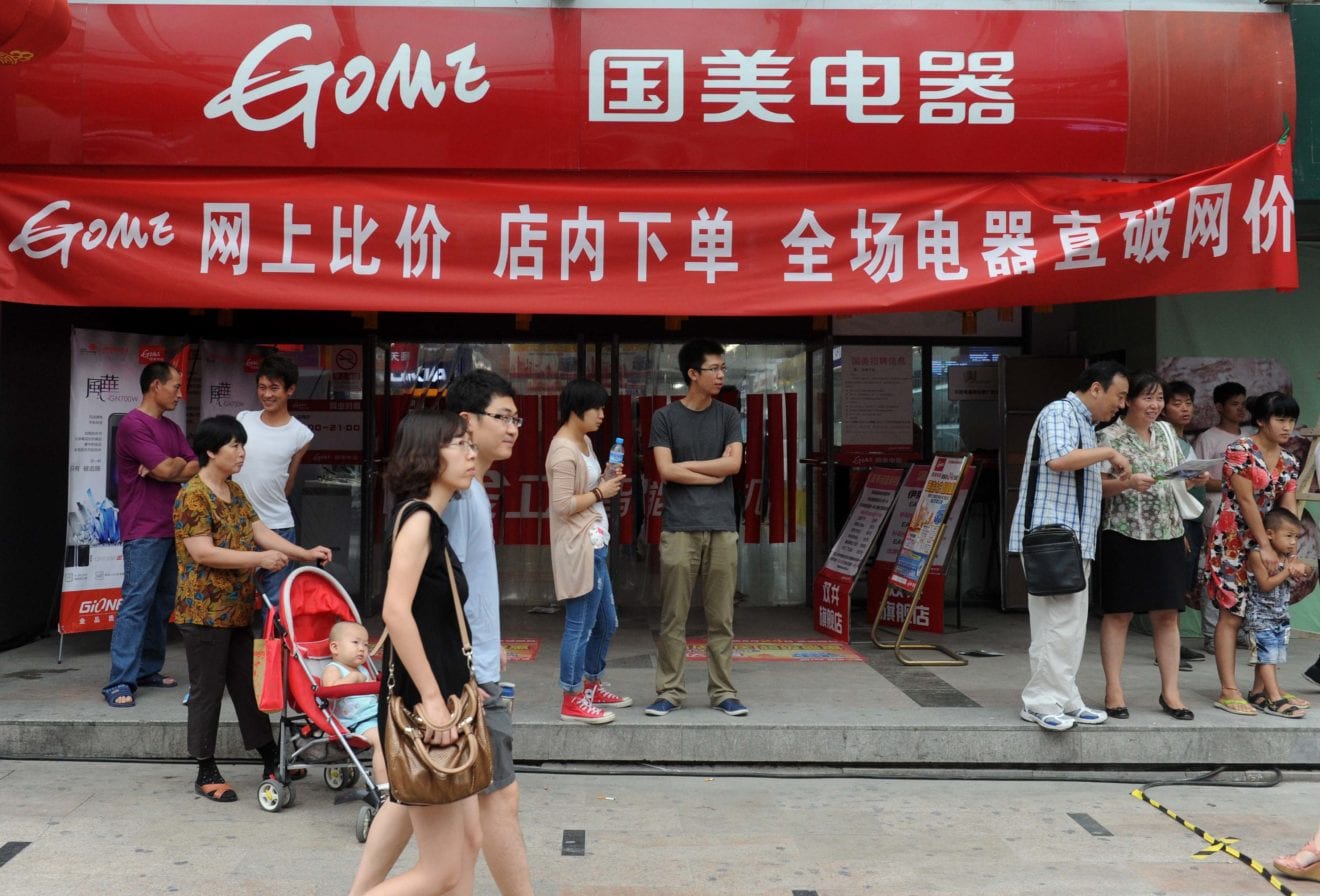
    Gome Electrical has opened 117 stores in six months on its way to an 8.8 per cent increase in sales for the half year.

    Total sales revenue was RMB 31.69 billion and its consolidated gross profit margin was 17.7 per cent.

    The store network expansion program is part of a push into tier two cities in China’s mainland where 84 of the new shops opened. Overall same store sales rose 2.3 per cent in a six month period when retail spending in China was subdued, but in tier two cities, same store sales rose 5.3 per cent.

    Gome now has stores in 41 Chinese cities where it did not have a presence just six months ago.

    Online sales were another growth powerhouse, rising 151.3 per cent in gross merchandise volume. More growth clearly lies ahead with 181 per cent year on year online growth in the last three months of the half year.

    In the remaining half of this year, Gome says it will accelerate even further its move into tier two cities, leading into ‘channel penetration’ in third and fourth-tier cities as well, largely based on eCommerce initiatives.

    “By seamlessly engaging customers across online and offline channels, the group is destined to achieve fuller integration of all channels and grow its ‘total retail ecosystem’,” the company said in its results filing.

    “This will allow customers to enjoy a total retail experience and comprehensive services at any time, any place.”

  • Benoy to design Haitang Bay centre

    Benoy to design Haitang Bay centre

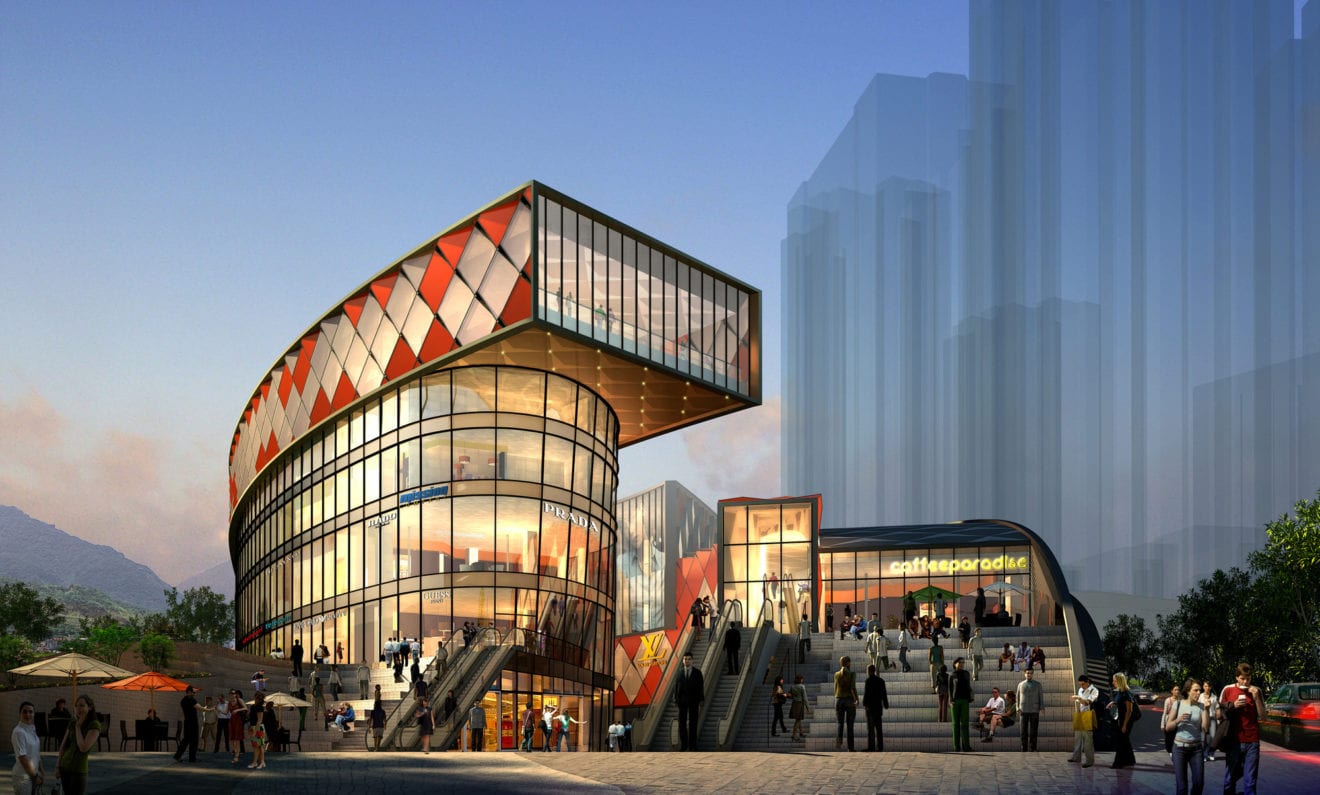
    Global design studio Benoy has been chosen to provide masterplan and architectural design services for a new mixed use development in Haitang Bay, Hainan.

    The project, Benoy’s first in the popular island tourist destination, is the new China International Travel Service (CITS) Sanya Eyot scheme.

    The CITS Sanya Eyot development is located in the new resort area of Haitang Bay in Sanya. Rising as a high-end tourism destination, the area attracts visitors from around the world as a result of its world-class yachting community, international luxury hotel cluster and unspoiled natural assets.

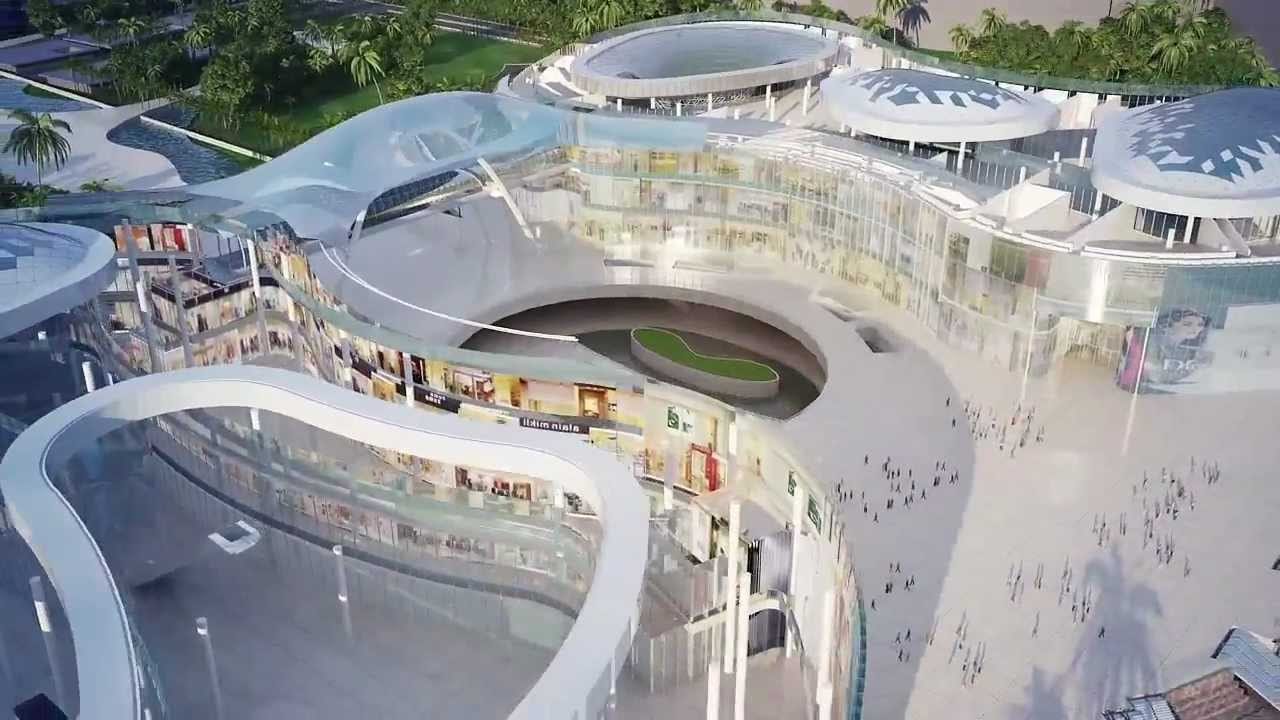
    The scheme will introduce a 32,000 sqm  mixed-use, retail-led destination which will be differentiated from the traditional retail projects currently in Haitang Bay. Benoy’s Masterplan has prescribed strategies for celebrating the island landscape, placemaking and multi-layered environments, to establish a point of difference for this high-profile future scheme.

    “Benoy is incredibly excited to be working with CITS on their future addition for Haitang Bay and crafting a vision for what this development can offer. Through our design, we have aimed to embody the coastal landscape and develop a concept not yet seen before in this area,” said Chao Wu, a Benoy director.

    “Our team has brought new thinking to the retail, entertainment, cultural and art experiences within the development. Our Masterplan is animated by vibrant spaces and offset by quieter zones and there is significant diversity in the programmatic mix to ensure we arouse interest and appeal to a large visitor base.”

    Benoy’s design will feature a combination of indoor and outdoor spaces which will host a multitude of activities including art, water shows, cultural performances, recreational attractions, wellness programs, children’s zones and possibly a wedding chapel.

    Taking inspiration from Sanya’s local fauna, the Egretta Garzetta formed the concept behind the architecture of the development; the sweeping architectural lines mimic the graceful movement of the birds.

    The architecture also prioritises human-scale within the development with a number of small-scale blocks and pavilions designed along the waterfront edge. The collection of forms and differing façade treatments complement the faceted landscape and will add interest and variety to the visitor experience.

    The CITS Sanya Eyot scheme will commence construction in early 2016 and is due for completion at the end of 2018.

    Haitang bay centre by Benoy1

  • New app aids Chinese tourists in Korea

    New app aids Chinese tourists in Korea

    South Korean location-based coupon application provider YAP Company has launched a new app that provides Chinese tourists with various tourism-related information, including shopping and transportation.

    The app, dubbed Kayo, provides a selection of coupons and other information for 100,000 local shops at popular tourist destinations, including Seoul’s major shopping district of Myeongdong or the southern resort island of Jeju.

    YAP Company said it plans to adopt mobile payment services to Kayo in the near future by joining forces with leading Chinese platforms such as Alipay.

    Other features of Kayo include taxi hiring and online translation services.

    “Based on YAP’s high-tech technology, we plan to allow every Chinese visitor to South Korea to enjoy quality search services, discount information and mobile payment just by downloading Kayo,” a YAP spokesperson said. “The new application will also help local shop owners to attract more tourists.”

    The release of the new app came amid a steady rise in the number of Chinese visitors to South Korea. Last year, 6.12 million Chinese visited South Korea, spending about 14 trillion won (US$11.7 billion).

    The company expects the number of Chinese visitors to reach 10 million by 2018.

    YAP Company also operates an application, dubbed YAP, in South Korea, which allows users to download coupons and discount information related to shops located near the users, including major franchises.

    It stands out from its rivals as it uses what it calls “hybrid beacon” technology, which automatically displays discount information when a user enters registered stores.

  • Lao Feng Xiang plans 20 Hong Kong stores

    Lao Feng Xiang plans 20 Hong Kong stores

    Lao Feng Xiang, the Chinese jewellery brand few in the west have ever heard of, is planning to open 20 stores in Hong Kong.

    Lured by the prospect of cheaper rents in high profile locations as Hong Kong’s luxury sector enters a decline, Lao Feng Xiang sees the foray as an opportunity to build its brand awareness outside the mainland.

    Lao Feng Xiang, controlled by the Shanghai Government, has a 167 year history in the mainland – and has a 3000 strong store network. It entered Hong Kong in May and now has two stores trading. Marketing manager Wang Ensheng told Bloomberg that as many as 20 will be trading within a few years.

    “The fact that Lao Feng Xiang opened stores in Hong Kong boosted our reputation,” Wang told Bloomberg in a telephone interview. “Mainland consumers know that we are now a player in this international jewelry hub.

    “This year is the best time to enter Hong Kong, an opportunity that we have waited for years.”

    The first Lao Feng Xiang store opened in Tsim Sha Tsui, an 80sqm boutique which sold more than HK$100 million of jewellery on its opening day.

    Shanghai flagship store in the year 1999

    “Hong Kong is a key market in our internationalisation strategy. We provide more diversified selections at the Tsim Sha Tsui store than any of our 2800 stores on the mainland,” said Wang at the time of the opening.

    “The logic is simple – we want to attract more young people to our fold,” he said.

  • Korea set to woo back Chinese tourists

    Korea set to woo back Chinese tourists

    South Korea’s retail and tourism industries are preparing a slew of promotional and cultural events to woo back Chinese tourists during a long-haul holiday season, pinning their hopes on making up for a summer slump in the wake of a viral respiratory illness, sources say.

    Since the first outbreak in late May, Middle East Respiratory Syndrome (MERS) made a big dent on domestic spending as foreign tourists canceled their planned trips during the peak summer season, while South Koreans avoided shopping centers and other crowded places in June and July.

    While the viral disease hit the tourism and retail industry hard, Chinese tourists have started to return to the once-empty streets of Myeongdong, one of the capital’s most popular shopping districts, over the past month.

    The number of Chinese travellers has increasingly recovered to the previous year’s level since late August and marked an on-year rise since mid-September, the state-run Korea Tourism Organization (KTO) said.

    About 303,000 tourists with Chinese nationality entered the nation in the first two weeks of September, rising 4.8 per cent compared with the same period a year ago, it said.

    “The number of Chinese travelers has sharply risen this month, and the number is expected to completely recover during the Chinese holiday season,” Han Hwa-joon, who oversees the KTO’s Shanghai branch, said. “The recovery pace is faster than expected.”

    Chinese Thanksgiving falls on September 26-27, and together with the Chinese National Holiday running from October 1-7, the holiday season can be extended up to 12 days.

    As the Chinese holiday season draws near, major shopping centers and duty-free operators are making all-out efforts to draw Chinese tourists to make up for a shortfall in sales amid dormant domestic spending.

    According to the KTO, 164,000 Chinese travelers visited the nation during last year’s autumn holiday season and spent 2.4 million won on average, which amounts to about 400 billion won (US$341.5 million) in total.

    During this year’s Chinese National Holiday, the tourism agency expected some 210,000 Chinese will visit the nation, up 30 per cent from a year ago, considering the pace of growth over the past three years.

    “We will host a variety of events even after the Chinese holiday to make up for the fall in tourists during the peak season from June to August,” said Seo Young-chung, a KTO official in charge of Chinese tourism.

    Lotte Department Store plans to host a variety of promotional events targeting Chinese travelers during the golden weeks, providing discounts on payments made through UnionPay, China’s largest credit card issuer, and Alipay, China’s No. 1 mobile payment application.

    Shinsegae, the nation’s leading department chain, said it will give special discounts to Chinese customers, while Hyundai Department Store also started the regular sale season earlier than usual to attract the deep-pocketed travelers.

    Operators of duty-free shops have also stepped up efforts to bring back Chinese travelers, the largest consumer group, which accounted for about 70 per cent of downtown duty-free spending last year, up from around 15 per cent in 2011.

    Lotte Duty Free, the world’s fourth-largest duty-free operator, held a travel fair in Shanghai on September 9, in which senior company officials reached out to Chinese tourism officials to attract Chinese travelers.

    Hotel Shilla, part of Samsung Group and the world’s No. 6 duty-free operator, also presented various sales promotions and tour packages during the fair along with other Samsung units, with the attendance of senior officials.

    “The Korean tourism industry has mostly recovered after the Mers outbreak came under control, and it will make a full recovery in September,” Hotel Shilla CEO Lee Bu-jin told reporters during her visit to Shanghai.

  • Chinese millennials: the new big spenders

    Chinese millennials: the new big spenders

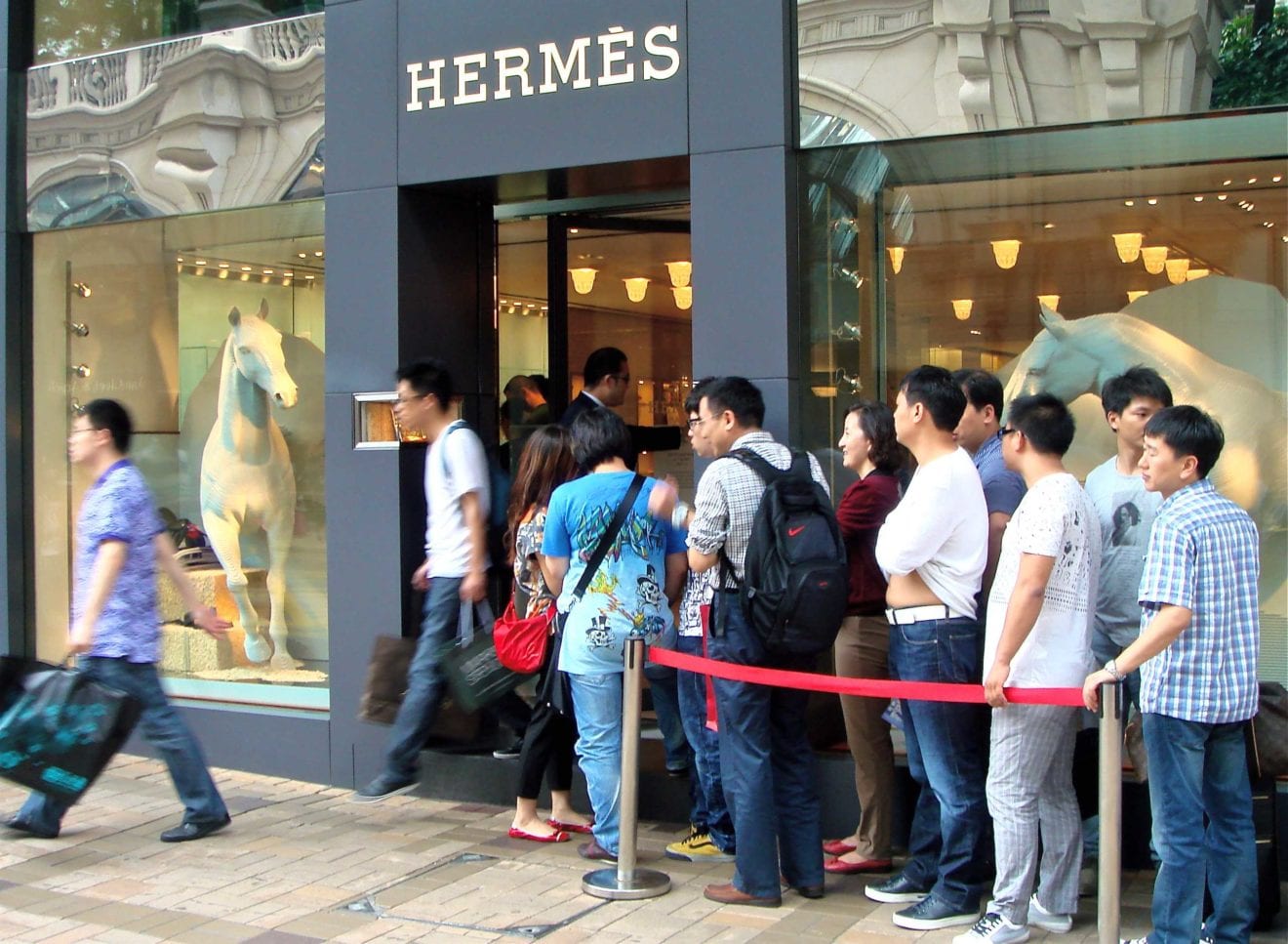
    Chinese millennials – China’s new rich – are looking to spend double the Asia-Pacific average on luxury items in the next year.

    The millennials – those aged 18 to 29 – are already China’s biggest spenders on luxury goods in Asia Pacific, followed by those in South Korea and Hong Kong.

    According to research from MasterCard, the most popular luxury items are high-end tech gadgets, with 25 per cent of millennials in Asia Pacific planning to buy an item such as a smartphone or tablet computer in the next year. This is followed by designer clothes and leather goods (17 per cent) and jewellery (17 per cent).

    Overall, most millennials in the region take approximately a month to consider and research their luxury purchases. More millennials in Asia Pacific (a quarter) buy on impulse than those aged over 30 (a fifth).

    Meanwhile, over a third of millennials in the region prefer Western brands over regional or local, however there is a marked difference across the region. While more than half of millennial shoppers in China, Vietnam, South Korea and Hong Kong prefer Western brands, the majority in India and Indonesia would rather buy local. The top three reasons for preferring Western brands were reliability of quality, followed by value for money and brand loyalty.

    When choosing where to buy luxury goods from, the majority of millennials still prefer purchasing from local brick and mortar stores (64 per cent), instead of local eCommerce sites (nine per cent). Meanwhile a fifth prefer to buy luxury items in-store when travelling overseas, this is especially true of Chinese millennials, 51 per cent of whom are most likely to buy a luxury item in-store while travelling.

    The results are based on interviews that took place between May and June 2015 with 2272 millennials across 14 Asia Pacific markets.

    More findings:

    • Millennials from China intend to spend on average US$4362 on luxury goods over the next year, nearly double that of the Asia Pacific average of US$2584. South Korea (US$2638) and Hong Kong (US$2584) round off the top three.
    • Overall, the majority of millennials in the region will take under a month to research and consider a luxury item before buying it (44 per cent), led by those in India (64 per cent), China (51 per cent), South Korea (48 per cent) and Taiwan (48 per cent).
    • Thai (60 per cent) and Indonesian (50 per cent) millennials are the most impulsive shoppers in the region with at least half buying luxury goods on impulse, above the regional average of 26 per cent.
    • The most careful millennial shoppers are from Vietnam – the majority will only buy a luxury item after two to six months of extensive research (45 per cent), more than the regional average of 20 per cent.
    • Over one-third of millennials across the region prefer western brands to local and Asian brands. More than one in two millennials in China (66 per cent), Vietnam (60 per cent), South Korea (59 per cent) and Hong Kong (52 per cent) would pick a western luxury brand over a local or Asian luxury brand. However, in Indonesia (61 per cent) and India (50 per cent), a large majority of millennials would rather buy luxury goods from a local brand.
    • Most millennials in the region purchase luxury goods in-store rather than online – this is especially so when they are on sale locally (43 per cent) compared to when they are at full price (23 per cent). Only a small percentage of millennials in the region shop for luxury goods on local (nine per cent) and overseas sites (four per cent).
    • Chinese millennials are the most likely to buy luxury goods in-store when travelling overseas (51 per cent), whereas the majority of consumers in India (81 per cent) and Indonesia (50 per cent) buy luxury goods locally in-store at full price.
    • Millennials in Indonesia are the most likely to spend more on luxury goods in the next year than the year before (47 per cent). Across Asia Pacific, most consumers (40 per cent) intend to spend the same amount as they did the year before, 22 per cent plan to spend less while 19 per cent plan to spend more.
  • Bellabox expands to China

    Bellabox expands to China

    Australian beauty subscription service and e-commerce platform, Bellabox, has confirmed its expansion into China in partnership with Australia Post’s Tmall store-front platform.

    The move is part of the beauty company’s growth strategy to become the dominant beauty e-commerce platform across Asia.

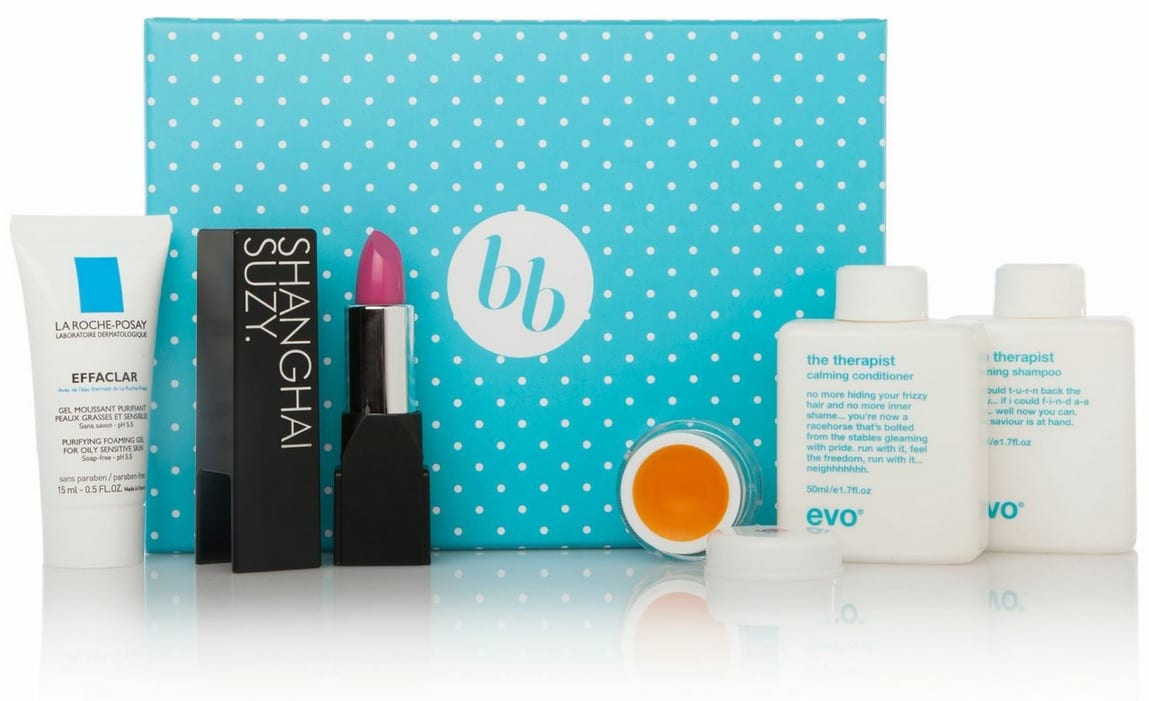
    Supporting its push into China, Bellabox will be moving away from its subscription-based model and introducing limited edition themed beauty boxes exclusively for the Chinese market.

    According to the company these will feature “the best of Australian beauty and cosmetic brands” to provide discerning and brand aware Chinese shoppers with more choice and variety.

    “Chinese consumers are sophisticated shoppers who are selective about the brands they use and buy. We are seeing strong demand for Australian brands as they are perceived to be higher quality and environmentally friendly, for this reason the market represents a huge opportunity for our business,” said Bellabox, CEO and co-founder, Sarah Hamilton.

    Hamilton adds that China is a key market in the company’s continued expansion across the region.

    “The market potential is huge with analysts[1] predicting the cosmetic market will become a US$113.9 billion industry by 2017, of which 25 per cent coming from online sales fuelled by tech savvy millennial. China has a high adoption rate of smartphones and online shopping, it provides the perfect platform for growth and we look forward to working with Australia Post to build our position in the market. ”

    Australia Post’s Tmall service opens the door for local e-commerce players to access China’s traditionally challenging market by crossing language and cultural barriers, and cutting through red tape to sell on a unique marketplace.

    With an audience of more than 300 million estimated Chinese consumers who, in 2014, spent more than half a trillion US dollars online, Tmall presents a strong opportunity for Australian e-commerce businesses.

    Ben Franzi, GM global e-commerce platforms and digital at Australia Post said, “We’re focused on delivering e-commerce solutions that make it easier for Australian retailers to grow, compete and succeed online.

    “Australia Post’s Tmall storefront (auspost.tmall.hk) is helping home grown businesses, like bellabox, sell into China – one of the world’s largest consumer markets.”

    “Bellabox has a tremendous opportunity to benefit from the trust, broad reach and revenue opportunities that comes with Tmall’s reputation and high visitor traffic. We’re excited to partner with bellabox to launch this exclusive offer that ticks the boxes against China’s growing consumer demand for authentic, quality, Australian-made beauty products,” said Ben.

    Bellabox is now one of 36 Australian brands with a virtual storefront on Australia Post’s Tmall store, which this month celebrated its first birthday.

    Bellabox is headquartered Melbourne and works with more than 900 beauty brands to create monthly-customised boxes for 40,000 subscribers.

  • Chinese shoppers still spending on luxury goods

    Chinese shoppers still spending on luxury goods

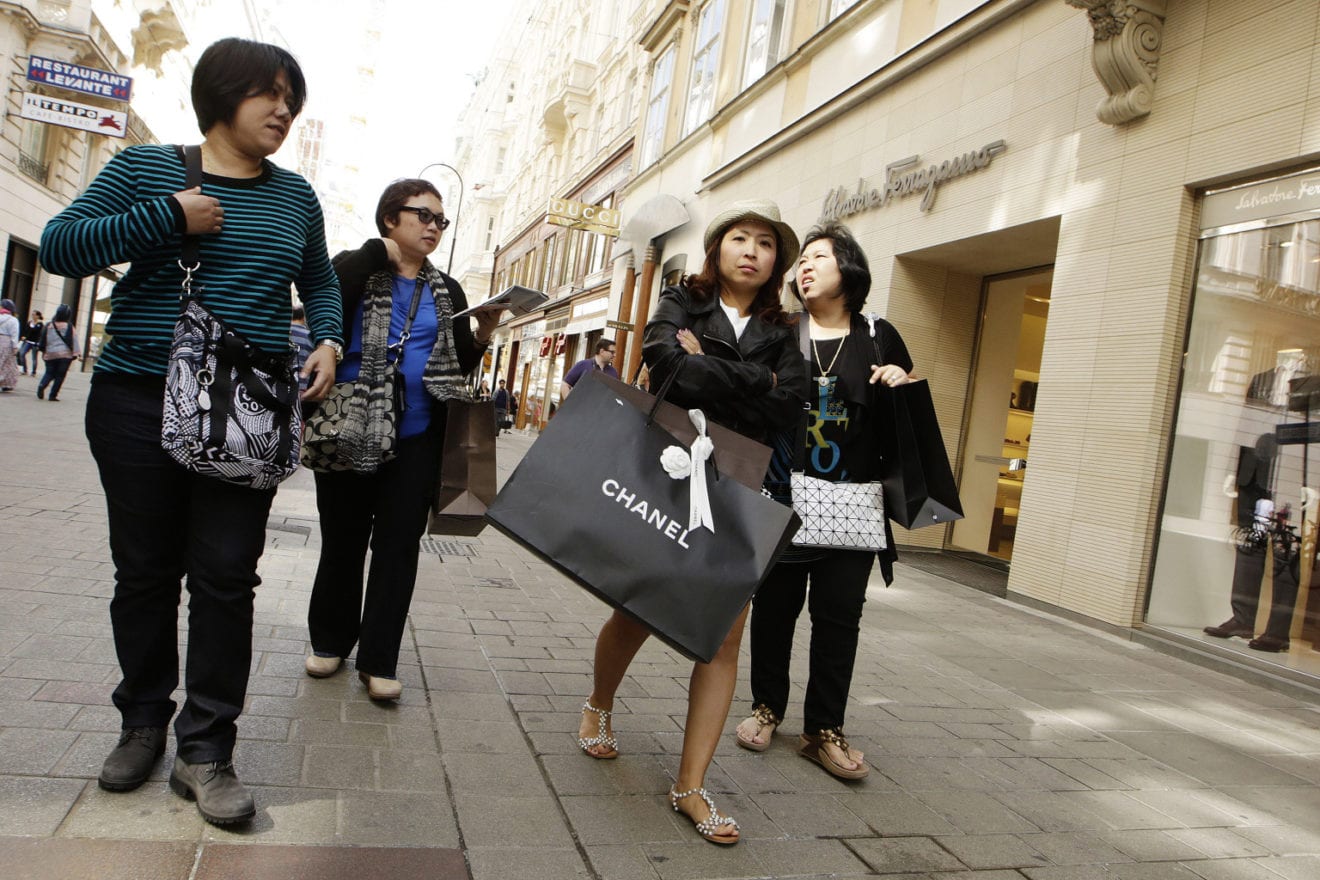
    China’s share market plunge and currency devaluation have not resulted in Chinese shoppers cutting back their spending on luxury goods as had been feared, a top-ranked HSBC analyst said this week.

    Mr Erwan Rambourg, HSBC Global’s co-head of consumer and retail, said the declines in stock prices and in the yuan need to be put in context.

    “The Shanghai composite index has been down roughly 40 per cent since its peak. On a 12-month view, if you had invested 12 months ago, you would still be up about 30 per cent,” he said.

    And while the yuan’s devaluation of about 2 per cent last month instantly made everything more expensive for travelling Chinese shoppers, the currency is still up in value relative to the euro compared with last year, he noted.

    “Purchasing power of the Chinese in Europe is still a lot stronger today than it was just 12 months ago,” said the Hong Kong-based Mr Rambourg, who has been covering the luxury and sporting goods sectors for 10 years.

    “The reason we look at euro-yuan and not (the US) dollar-yuan is because Chinese consumption abroad is mostly taking place in continental Europe, places like France and Italy. So obviously I don’t see that as a big negative.”

    It is the appreciation of the euro that could be a bigger issue than the decline in Chinese equity markets, Mr Rambourg said.

    He said the recent correction of the equity markets in Asia “has had a much bigger impact on Hong Kong than it has had on mainland China”.

    Reuters reported last month that Hong Kong retail turnover fell for the fifth straight month in July, as a slowdown in tourist arrivals further battered sales of big-ticket items such as jewellery and watches, while a plunge in the stock market hurt consumer sentiment.

    Mr Rambourg believes that luxury sales fell in Hong Kong because Chinese spenders have moved to more “fashionable” destinations such as Japan, South Korea and Taiwan.

    HSBC Global Research’s latest report estimated about 70 per cent of luxury revenue in Hong Kong comes from Chinese consumers.

    One of the issues in Hong Kong and Macau is the lack of diversity – Hong Kong is all about shopping, Macau is all about gaming, and there is not a lot that is offered beyond that, said Mr Rambourg.

    But when Chinese tourists go to Japan, they return home to tell people about the culture, creating a snowball effect which goes beyond just the price arbitrage, where some destinations become fashionable and other destinations become less fashionable.

    About 10 per cent of luxury revenue in Japan now comes from Chinese tourists and Mr Rambourg believes this figure will rise as it did in South Korea, which saw an increase from 10 per cent to 30 per cent.

    About 25 per cent of luxury revenue in Singapore comes from Chinese tourists.

    Mr Rambourg suggested that Singapore should look at providing more diversity in terms of the brands represented here in order to draw in more Chinese shoppers.

    While there will be ups and downs, he foresees Chinese consumers becoming dominant over the next decade.

    About 35 per cent of today’s luxury consumers come from China and the figure could double over the next 10 years, he said.

  • China’s fake Apple Stores alive and well, look to profit on iPhone 6s launch

    China’s fake Apple Stores alive and well, look to profit on iPhone 6s launch

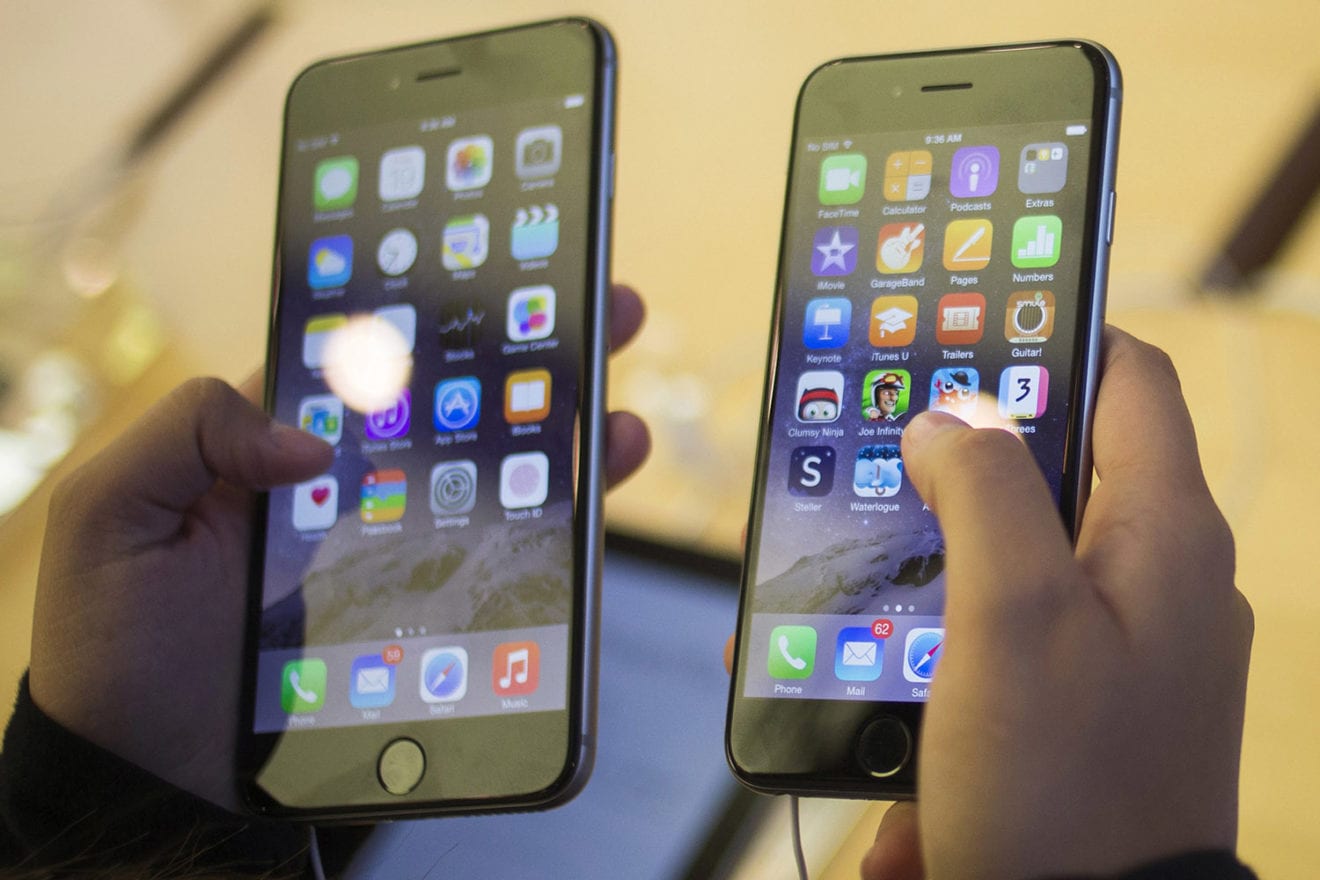
     Thanks to lax copyright enforcement policies, growing demand for all things Apple and a lack of official retail channels, China’s fake Apple Stores are experiencing a resurgence on the back of iPhone 6s preorders.

    In electronics manufacturing mecca Shenzhen, a major cog in Foxconn’s iPhone and iPad production machine, a multitude of counterfeit Apple stores are popping up to take advantage of Friday’s iPhone 6s release, reports Reuters. According to publication estimates, more than 30 storefronts bear Apple’s iconic logo, with some unauthorized outlets kitting out personnel with Apple Store-style blue t-shirts and lanyard name tags.

    As they have in the past, these counterfeit stores are taking advantage of China’s seemingly insatiable iPhone demand. Just hours after iPhone 6s preorders went live last week, Apple’s allotment for the Chinese market sold out, pushing buyers loathe to wait an extra two to three weeks toward unauthorized stores that buy stock from official resellers and flip them for a hefty profit.

    With iPhone viewed as a status symbol in China, many consumers are willing to pay more than double retail prices to get their hands on one the day it comes out. For some buyers the high costs are apparently worth the added cachet that comes with nabbing a copy on day one. Consumers in other markets are also keen to get their hands on Apple’s latest smartphone, but Chinese customers are especially zealous.

    The benefits are more concrete for resellers, who risk minimal retail overhead and an upfront investment by smuggling iPhones in from Hong Kong, the U.S. and other far-flung markets. If successful, however, they stand to haul in huge returns.

    Apple has for years dealt with counterfeit stores, an issue that gained media attention in 2011. While Chinese officials ultimately ordered a handful of operators to shut down, the unauthorized resale industry was never completely wiped out. Now with iPhone 6s, resellers are back in business.

    Part of the problem stems from an inadequate official retail presence in the region. Apple only had 22 stores serving all of China as of June. By comparison, there are 53 Apple Stores in California alone. The disparity is stands in contrast to China’s market potential, which is widely viewed as vital to Apple’s growth and sales sustainability. The company has plans to expand its retail footprint to 40 stores by 2016, however, the most recent being a second Hangzhou location in April.

  • Superdry to launch in China

    Superdry to launch in China

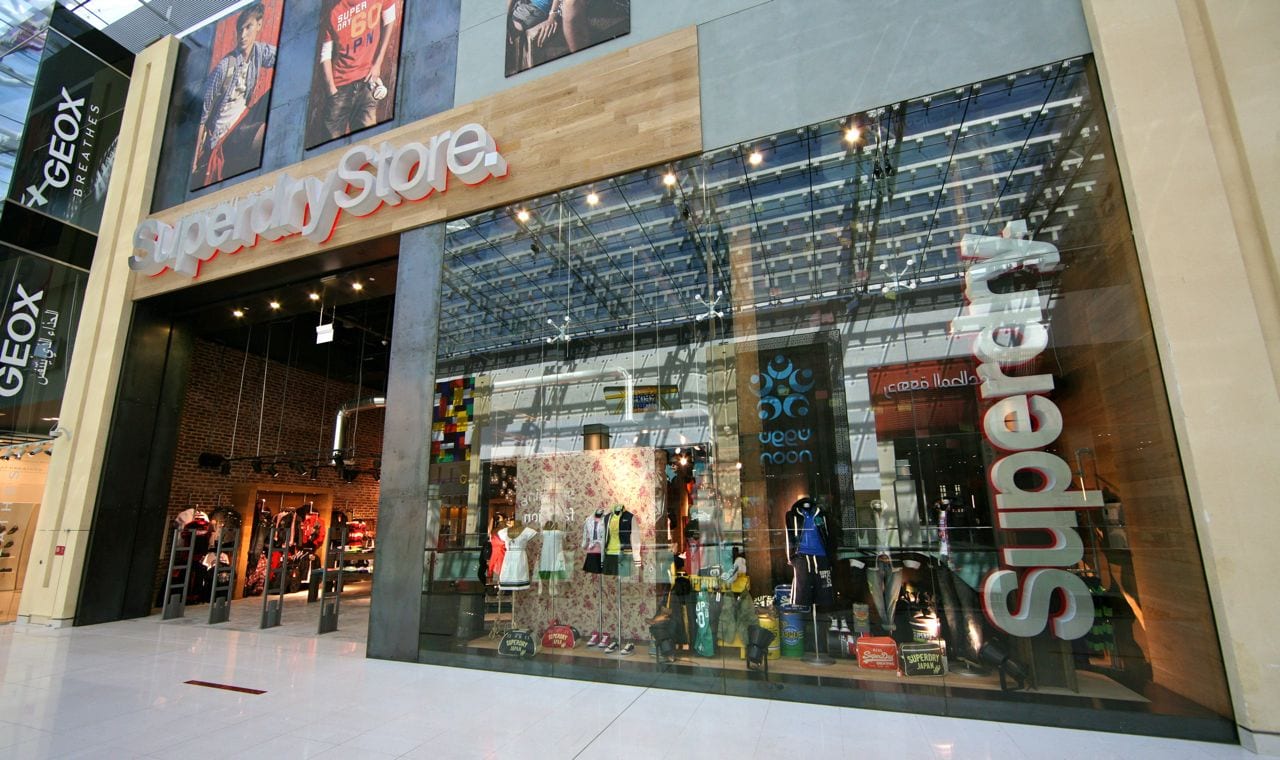
    Superdry was paraded down a catwalk in Beijing to officially launch the company in China.

    The launch event showcased some of the key product lines at the British Embassy Residence.

    The Rt Hon Sajid Javid MP, Secretary of State for Business, Innovation and Skills was at the event, as well as a strong representation of a number of current and former Chinese government officials.

    Mr Javid said: said: “We are delighted to see British brand Superdry join forces with Trendy International Group as they continue to further their international expansion in mainland China.

    “For decades, fashion has been at the core of British culture, something Superdry knows only too well. 2015 marks the UK-China Year of Cultural Exchange and both markets have a great deal they can share with each other.

    “Chinese consumers have a huge appetite for British brands so Superdry is well placed for success. Good luck to both SuperGroup and Trendy International as they embark on this auspicious partnership.”

    The agreed partnership to bring Superdry, the premium British lifestyle brand to China, will see an investment of up to £18 million (180 million RMB), on a 50:50 basis across a minimum period of 10 years. The joint venture was evolved from an initial introduction from the UKTI.

    The Chinese apparel market, with a current total retail value of $351 billion, presents an immense opportunity for the Superdry brand, particularly as it is forecast to become the largest apparel and footwear market in the world, overtaking the US this year.

    Euan Sutherland, CEO of SuperGroup, said: “Today marks a significant milestone in our joint venture with Trendy.

    “We are excited at the prospect of entering this market with such an established and experienced partner. We look forward to gaining a deep understanding of the Chinese market and customer, and this launch marks another significant step in Superdry becoming a global lifestyle brand.”

    The partnership with Trendy, a highly experienced retailer which already operates 3000 stores across China, will offer invaluable market insight and knowledge.

    Trendy will utilise their expertise and knowledge of the Chinese market and consumer to manage the joint venture, with a focus on operations and logistics in China, whilst SuperGroup will provide support from the UK, concentrating on brand guidance and merchandising.

    Both Trendy and SuperGroup believe Superdry has the potential to flourish in this market as it already has the appropriate product offering, pricing model and infrastructure for effective delivery in China.

    For Superdry customers it is about attitude, not age nor demographic. The Superdry product is contemporary and fuses vintage Americana and Japanese-inspired graphics with a British style. With an increasing demand for British brands abroad, Trendy sees Superdry as well-placed.

    Jacky Xu, founder and chief executive of Trendy International Group said: “We are delighted to be working with the SuperGroup team to launch Superdry in China.

    “Superdry is an innovative British brand, which we believe will sit well amongst our existing brands and have great appeal in the Chinese market.

    “Today, there is an increasing shift in consumer tastes in China, as individuals are moving away from the luxury brands to those more influenced by pop culture.

    “We believe Superdry is well placed to take advantage of this shift, presenting an excellent opportunity for our new partnership.”

  • ANZ expands retail footprint in China

    ANZ expands retail footprint in China

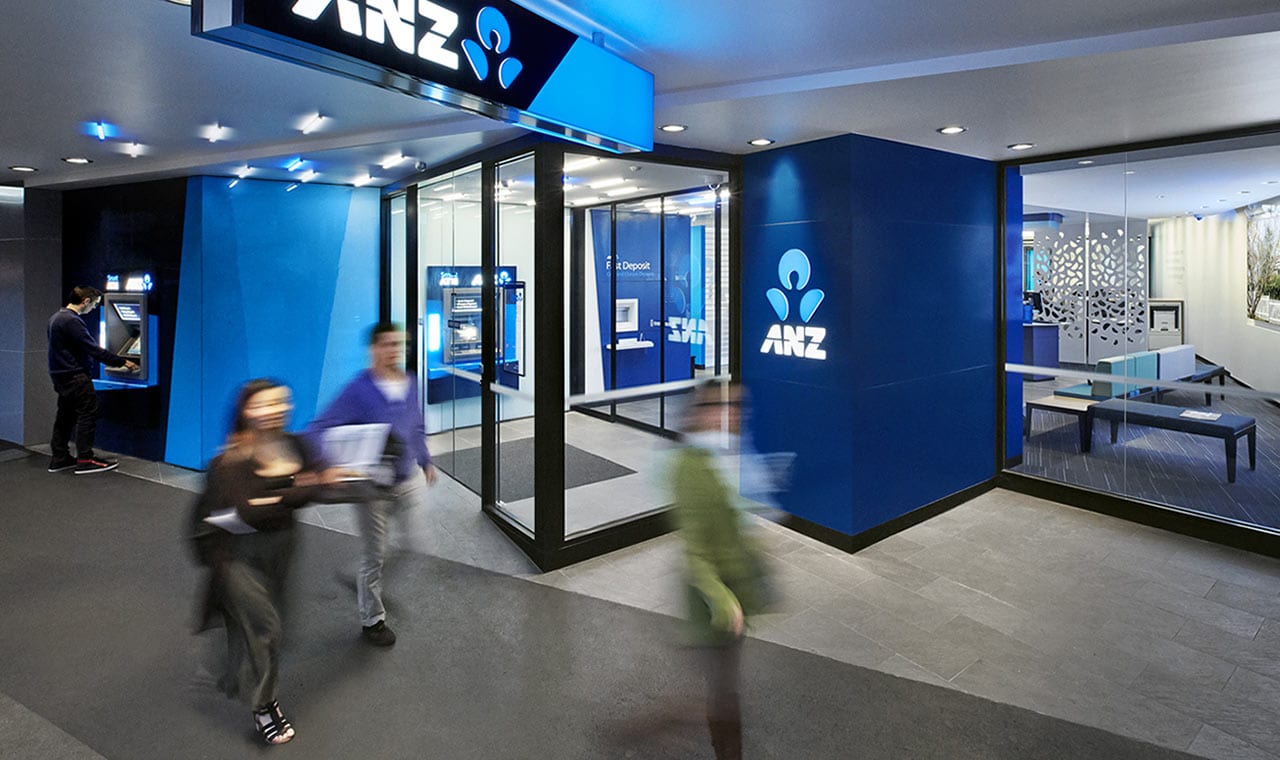
    The Qingdao branch will cover the entire Shandong Province and will offer products and services for ANZ’s corporate customers.

    Mike Smith, chief executive of ANZ, said that with a significant and growing presence in China and a network across 34 markets in the Asia Pacific, Europe, the Middle East and America, the bank is uniquely placed to support its clients looking to grow in Qingdao and the Shandong Province.

    Mr Smith said Qingdao and Shandong Province have established long-term relationships with Australia, and highlighted “major potential” for further growth in bilateral trade and investment.

    “This includes opportunities in industries such as natural resources and agriculture, and the opportunities created through the China-Australia Free Trade Agreement,” he said.

    “With our new branch, we look forward to enhancing cooperation in the Qingdao and Shandong government, and to continuing to support the development of the local financial industry.”

    Huang Xiaoguang, chief executive of ANZ China and head of greater China, said opening the new branch in Qingdao is another step in continuing to grow the bank’s Chinese footprint.

    “As the only locally incorporated Australian bank in China, we will further enhance our capability to provide comprehensive solutions and services to support local enterprises to go abroad,” he said.

    ANZ announced in July the opening of a new branch in Gurgaon, India, to better service its business customers in the country’s north.

  • UPS expands Chinese operations

    UPS expands Chinese operations

    UPS has expanded its presence in 13 additional cities in China improving transit times and extending cut-off times.

    Customers in the cities, situated in Jiangsu, Shandong, Zhejiang, Guangdong provinces, and in Chongqing Municipality, will have direct access to UPS’ full portfolio of services.

    Nando Cesarone, president of UPS Asia Pacific, said: “As China continues to liberalise its economy, balance growth across the country, and improve its infrastructure through initiatives such as ‘One Belt, One Road’, UPS is committed to expanding our presence in China and enabling more businesses to achieve their cross-border pursuits. This expansion is part of UPS’ long-term Asia Pacific strategy to facilitate trade growth within and beyond Asia.”