Tag: China

  • Tesco Asia sell-off ruled out

    Tesco Asia sell-off ruled out

    Tesco has ruled out selling any more of its Asian operations in the wake of the Homeplus South Korea divestment.

    At least for now.

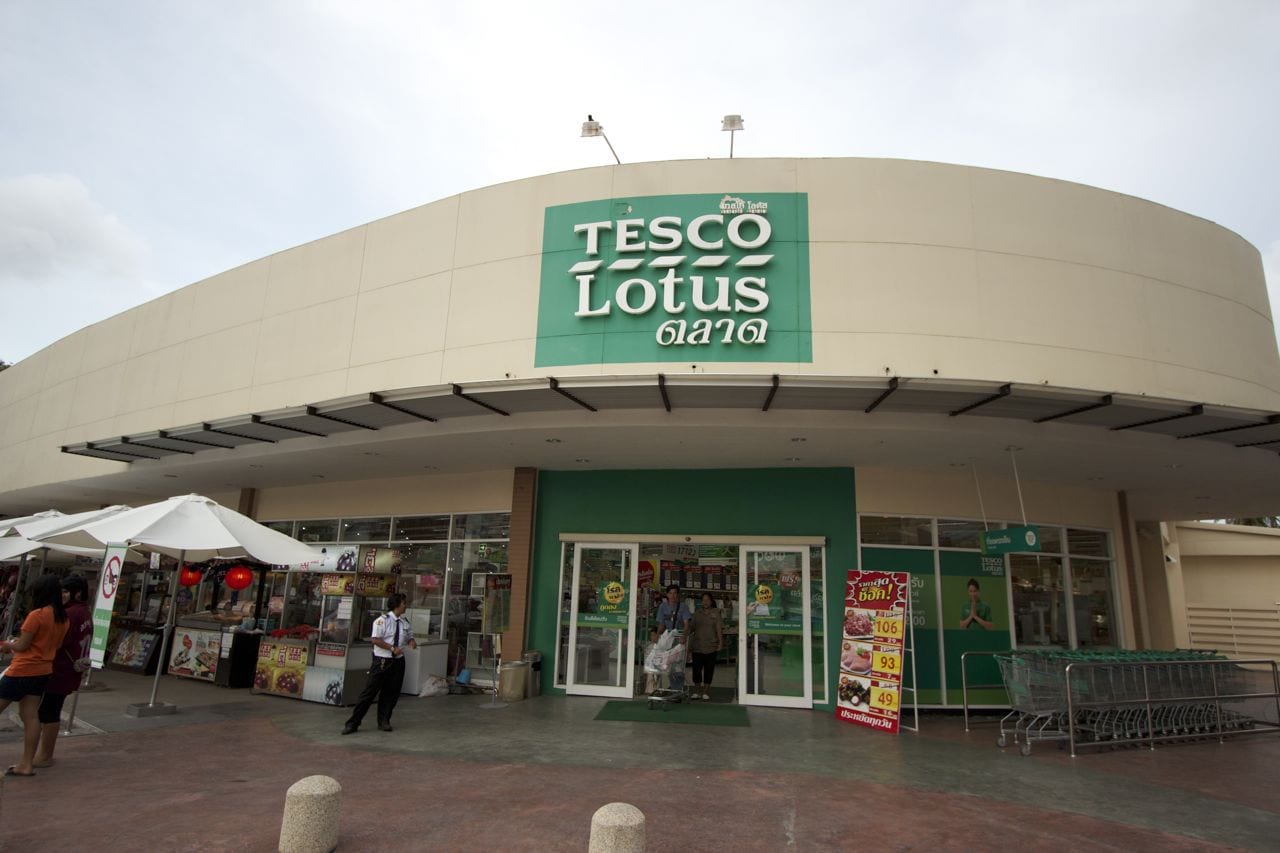
    After the US$6 billion sale of Homeplus and an earlier divestment of a stake in its Chinese operation, Tesco Asia retains a large business in Thailand, trading as Tesco Lotus, and in Malaysia.

    Tesco Chairman John Allan has assured shareholders there are “no immediate plans” to sell off any of the company’s remaining overseas arms, including those in Asia.

    “As we sit here today we believe that we have the right sort of assembly of geographies that we are in,” said Allan.

    “At the moment our intention is to hold what we have and to develop it and make the very best of it.”

    When Tesco’s troubles came to light at the end of last year the company received several opportunistic approaches by parties to buy out the Thai and Malaysian operations. But it ruled out any fire sale at the time and now appears committed to retaining and growing the businesses. The company also has operations in Central Europe and Ireland.

    While Allan conceded he could “envisage circumstances” the company might change its mind, that comment was perceived as a safeguard.

    Selling Homeplus has allowed Tesco to retire about £4.2 billion of its massive £21.7 billion debt mountain.

    The company is still looking for a buyer for its Dunnhumby data business, nine months after it ut the business on the market. Dunnhumby analyses grocery sales data from across the store network and sells it to manufacturers.

    “We have looked at the options around Dunnhumby… We’ve not concluded that. As soon as we conclude it we would announce what it is we intend to do,” CEO Dave Lewis told shareholders.

  • Sa Sa opens JD.com flagship

    Sa Sa opens JD.com flagship

    Sa Sa International says its online arm sasa.com will launch a Sa Sa flagship store on JD.com’s eCommerce platform, JD Worldwide .

    The move opens the way for more than 100 million JD shoppers to access Sa Sa products in the Mainland as well as in Hong Kong.

    “As a leading cosmetics retailing group in Asia, Sa Sa has been striving its best to provide quality products, best value and professional service to its customers,” said the company in a statement.

    “To flexibly respond to the huge demand from Mainland Chinese customers for cosmetics products and the increasing popularity of eCommerce in the mainland, the group proactively expands its eCommerce business in China through sasa.com and continues to improve its service, making every effort to offer a better shopping experience for more consumers.”

    JD.com is China’s largest online direct sales company with over 100 million active users. Its online shopping mall is content-rich, user-friendly and trustworthy and has an efficient delivery service.

    Sa Sa and JD.com say they share a common mission to provide consumers with the best shopping experience, which put the two parties together in forming this partnership.

    Dr Guy Look, CFO & executive director of Sa Sa, said: “By launching a flagship store on JD Worldwide, sasa.com will expand its customer reach in China, while over a hundred million JD users will be able to enjoy direct access to Sa Sa’s wide selection of globally renowned cosmetic and skincare brands.

    “We believe that the strengths of Sa Sa and JD will complement each other to realise synergies in this win-win partnership. We are looking forward to working with them to deliver a premium online shopping experience to customers throughout China.”

  • Mega luxury store opens amid retail slump

    Mega luxury store opens amid retail slump

    Luxury multi-brand footwear and accessories retailer Pedder Group is pulling out all the stops with its new 20,000 sq ft Pedder on Scotts store at Scotts Square that opens today.

    The concept store is the group’s largest free-standing one in Asia. The biggest standalone On Pedder stores in Hong Kong and China stand at 3,500 sq ft and 3,000 sq ft respectively.

    Founded in 2003, the Hong Kong-based Pedder Group is part of the Lane Crawford Joyce Group and operates more than 50 stores and shop-in-shops across Greater China, Singapore and Jakarta.

    Pedder on Scotts takes up the entire second floor at Scotts Square – the size of 20 four-room HDB flats – and stocks more than 100 designer and mid-priced brands of shoes, bags and accessories.

    ´It is an interesting time to secure retail space, not just based on cost, but availability. Our group has always used challenging times in the retail market to expand our retail footprint.` – PEDDER GROUP PRESIDENT PETER HARRIS

    About 40 per cent of the line-up – brands such as American high- street label Sam Edelman, British shoemakers George Cleverley and Foster & Sons, as well as Lock & Co Hatters, one of the oldest milliners in England – are exclusive to the store. At least 10 brands are new to the market.

  • JD.com launches Italian Fashion Mall

    JD.com launches Italian Fashion Mall

    The best of Italian fashion will soon feature on a new fashion mall being created by JD.com.

    JD.com, China’s largest online direct sales company, says the Italian Fashion Mall is dedicated to introducing Italian fashion brands and products to consumers in China. JD.com and Europe Design Center also jointly announced the participation of three renowned Chinese fashion designers – Lin Gu, Ali Tan and Xiaoyan Xu – in Milan Fashion Week. The three designers were selected through a competitive program run by JD.com and Europe Design Center, and their participation marks the first time Chinese designers will participate in Milan Fashion Week.

    The announcement was made at an event during the Milan Fashion Week.

    President of JD Mall’s Apparel and Home Furnishing Business Unit, Lijun Xin said the online mall will offer China’s “increasingly sophisticated and fashion-conscious consumers a fantastic range of choices,” while offering Italian brands and designers a powerful sales platform in China.

    “Fashion has been an important part of JD.com’s development into a comprehensive eCommerce platform, and we look forward to bringing products from the world’s most exciting designers to our 118 million customers.”

    JD.com’s JD Apparel platform features top international brands such as Lacoste and GAP and introduces the latest fashion trends to consumers through JD fashion shows held twice annually in China. Currently there are over 40,000 merchants featured on the JD Apparel platform.

    As part of the JD Apparel platform, JD.com recently launched its “JD Wardrobe” app for mobile devices. The app allows consumers to mix-and-match fashion items in a virtual wardrobe, share selected items with friends and receive fashion advice from virtual fashion experts.

    The Europe Design Center is created by the Director of Design Institute of Politecnico di Milano Arturo Dell’Acqua Bellavitis, and Alan Zhong, director of Future Master project of Italian design cultivation plan, also with the support of Honarary President of Italian National Fashion Association Mario Boselli, and in collaboration with experts from fashion and design sectors, to strengthen the talents and commercial exchange between Italy and China in field of fashion, industrial design, high tech and architecture.

  • Inside Wuhan 1818 mall

    Inside Wuhan 1818 mall

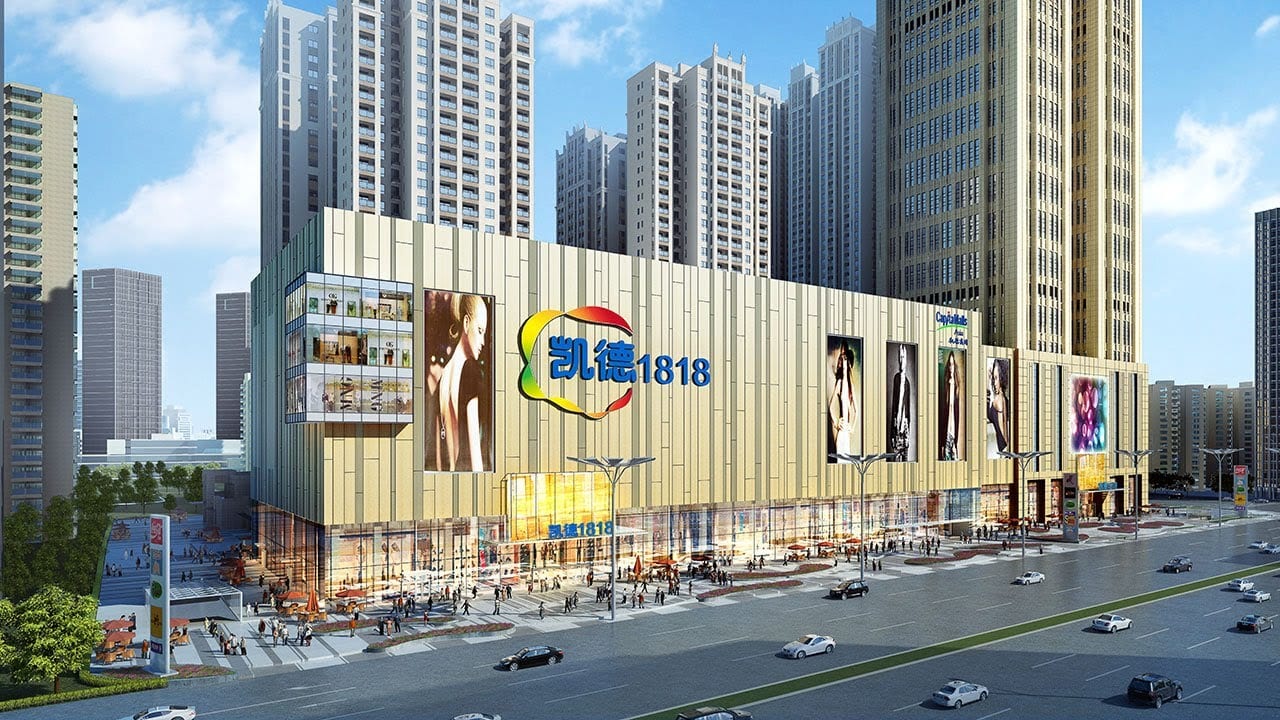
    Wuhan 1818 mall has recently opened in China, delivering a new generation retail and lifestyle centre set to energise the precinct’s urban core.

    The 70,000 sqm, seven storey mall was developed by CapitaMalls Asia  and caters to the needs of the 2.4 million people living and working in the district. It provides a diverse range of quality lifestyle, food and entertainment tenancies, anchored by rooftop cinemas and a basement supermarket and car parking.

    Capitalmall-1818-Wuhan-China1

    “The project opens at a dynamic point in space and time for Wuhan, coinciding with a period of unprecedented change,” said Buchan Group principal, David Macleod.

    “Our design for the centre fits well with the contemporary facelift of the district as Wuhan rapidly evolves into a Future City.”

    The design for the development was inspired by the unique cultural catchment and captures the essence of its past, whilst responding to evolving retail trends of the future.

    “We felt both a responsibility to be respectful of Wuhan’s history and culture in our design, but to look to its future,” said Macleod.  “We felt a need to embrace the needs and aspirations of the new modern urban community.”

    Capitalmall-1818-Wuhan-China

    The interior design concept for the mall expresses aspects of this dynamic through restrained organic patterns crowned by splashes of vibrant colour and dappled light effects.  The prominent podium facade creates an impressive street-edge to the integrated office and residential mixed use precinct, and adds an impressive addition to the quality development portfolio of The Buchan Group and CapitaMalls Asia.

    The centre’s planning was engineered to ensure the mall performs a civic function as an urban meeting place for the local community, encouraging social connections and redefining the art of placemaking in the district. This informed the predominance of formal and informal food and entertainment spaces in the planning and tenancy mix.

    The Buchan Group provided integrated design and delivery services for this ambitious project, including facade and interior architecture, interior design and graphic and wayfinding design services from concept design through to construction site services.

  • H&M backs China, India

    H&M backs China, India

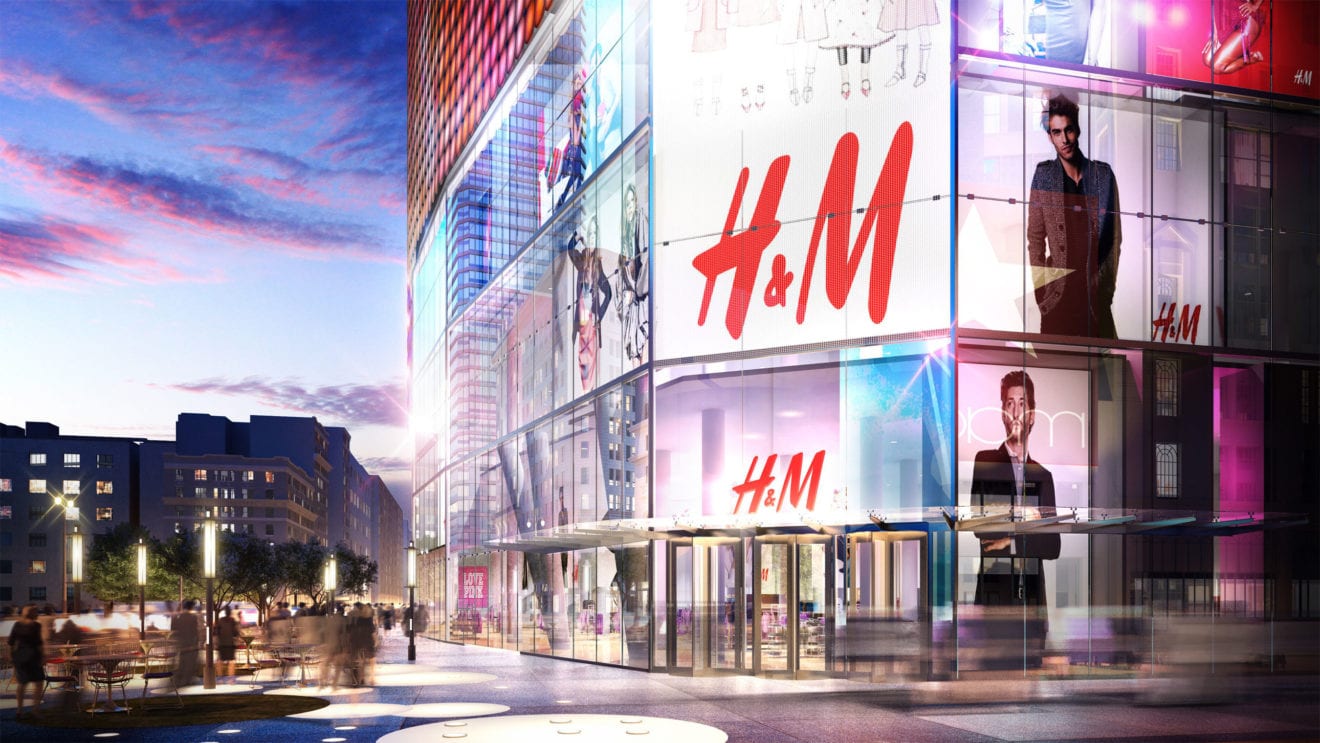
    Sweden’s H&M has followed in the footsteps of archrival Uniqlo in voicing its confidence in the China market despite the economic slowdown.

    Like Uniqlo H&M is aimed at the mass market, not the high end luxury sector most hit by the tightened spending of Chinese consumers.

    H&M says it will open 70 stores in China in the year to November 30, taking its network up to just over 300.

    Like Uniqlo, the company says it sees itself appealing to cost-conscious shoppers.

    In an interview in Hong Kong on Monday, H&M country manager for Greater China, Magnus Olsson, said the brand’s customers say they enjoy spending with H&M and they plan to shop more in future.

    “Those signs we think override some other maybe noise in the marketplace right now. We’re humble but confident.”

    H&M will open its largest store yet in Asia in Causeway Bay, Hong Kong, on October 30.

    H&M group’s sales in the nine months to August rose 22 per cent globally; expressed in local currency, by 12 per cent.

    In the fourth quarter of this year H&M plans to open about 240 new stores – almost three per day.

    It will enter India and South Africa this autumn, with maiden stores in New Delhi this week and in Cape Town in October.

  • Salvatore Ferragamo confident despite China woes

    Salvatore Ferragamo confident despite China woes

    Italian luxury goods brand Salvatore Ferragamo is confident it can weather the impact of falling sales in China, Hong Kong and Macau.

    The company has admitted to slowing growth in Asia, its largest market, but says it will stick to its previous profit guidance and is confident activities in other markets can balance the impact. That guidance is an EBITDA or about euro 320 million – 27 million more than it achieved in 2014.

    In the first half of this year, Asia-Pacific, the brand’s largest market, was the only one where it posted a sales decline, expressed in constant exchange rates. Most of the damage was done in Hong Kong and Macau where the downturn in luxury spending has been well documented.

    In China, most of Salvatore Ferragamo’s peers are reporting challenging conditions, revising their overall expectations based on slowing luxury and discretionary spending there.

    But Salvatore Ferragamo CEO Michele Norsa told journalists at the Milan Fashion Week: “We’ve been giving a very constant and consistent indication regarding this year.”

    However, the company said it would be reviewing prices in markets where the local currency was under pressure. While he did not name China, he did cite Russia and Brazil as examples.

  • Dell Inc Announces $125B Investment In China, Including Artificial Intelligence Lab

    Dell Inc Announces $125B Investment In China, Including Artificial Intelligence Lab

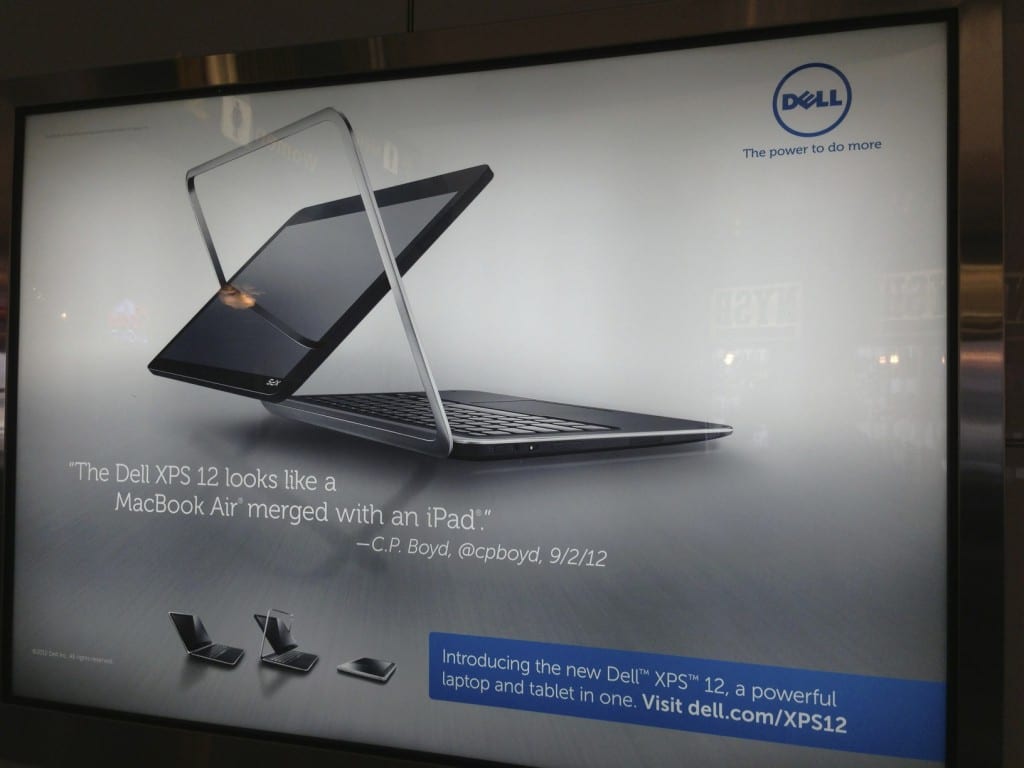
    Computer manufacturer Dell Inc. will invest $125 billion in China over the next five years, as part of a new strategy to expand in the world’s second-largest economy. The company’s CEO, Michael Dell, said in a statement Thursday that the investment would contribute $175 billion to imports and exports and help sustain one million jobs in the country.

    “The Internet is the new engine for China’s future economic growth and has unlimited potential,” Dell wrote in a statement, cited by Reuters.  “Dell will embrace the principle of ‘In China, for China’ and closely integrate Dell China strategies with national policies,” he added. The company also announced that it would be expanding its research and development team in the country, with a view to producing products tailored to the Chinese market.

    As part of the investment, Dell announced that it will create an artificial intelligence lab, in partnership with the Chinese Academy of Sciences, in the country. Dell will work with the state-controlled institute to develop advanced technology relating to cognitive systems and deep learning. It has also signed a strategic partnership agreement with Kingsoft Corp. of Beijing to co-develop and sell products relating to big data and cloud computing, Bloomberg reported.

    Dell currently has three plants, two service centers and two research and development facilities in China, as well as 11,700 retail outlets, according to China Daily. The company already employs nearly 2,000 senior engineers in its research and development team in China.

    Dell’s investment appears to follow a pattern set by other U.S. tech firms, which have made large investments to win over government and business, and partnered with Chinese firms in a bid to navigate the local market more successfully. Late last year Intel announced an investment in Chinese microchip firms, and Hewlett-Packard announced in May that it would sell a majority stake in its server, technology services and storage business in China to a Tsinghua Holdings subsidiary, IT World reported.

    Dell ranked third in global PC shipments in the second quarter after Lenovo Group Ltd and Hewlett-Packard Co, according to research firm International Data Corp. China is the company’s second-largest market, after the U.S.

  • World Cup soccer qualifier exposes China-Hong Kong tensions

    World Cup soccer qualifier exposes China-Hong Kong tensions

    While Hong Kong, soccer minnows ranked just 151 in the world compared to China’s 84, are unlikely to cause an upset, some say the political unease could motivate the underdogs.

    As China celebrated its struggle victory towards Japan in Beijing on Thursday, the nation’s soccer-loving President Xi Jinping might have been momentarily distracted by a much less conclusive end result.

    Chinese riot police were deployed for a Federation Internationale de Football Association 2018 World Cup qualifying match between China and Chinese-ruled Hong Kong that ended peacefully in a 0-0 draw on Thursday, amid echoing tensions from Hong Kong’s democracy protests past year.

    For the day, the index plummeted 485.15 points or 2.24 percent to finish at 21,185.43 after trading between 21,170.86 and 21,692.78 on turnover of 85.82 billion Hong Kong dollars. Nevertheless the result leaves China in third place in its group behind Hong Kong and Qatar, who beat Bhutan 15-0 (though China has a game in hand over Hong Kong).

    “This team has people with black skin, yellow skin and white skin”.

    It is not easy for retail businesses to operate in Hong Kong, because the rent is simply too high.

    Chinese police have conducted days of anti-riot drills outside a 40,000-seat stadium in the southern city of Shenzhen, bordering the Chinese “special administrative zone” of Hong Kong. “This is the only way we can release some of our anger, on the sports field”, Roy Choi, a fan with a group called “Power for Hong Kong” told Reuters.

    And after the game there was further controversy when Hong Kong’s hero, goalkeeper Yapp Hung-fai, who made a number of saves to prevent China scoring, accused Chinese captain Zheng Zhi of insulting him after the match, by calling him a “dog”. Analysts said players were unwilling to take risk amid so many uncertainties. “They have arranged a lot of “local” fans to support the China team”. Soccer will develop into a obligatory topic in faculties, with new textbooks for all college students.

  • Tag Heuer teams with JD.com

    Tag Heuer teams with JD.com

    Tag Heuer, the Swiss luxury watchmaker, has chosen to partner with JD.com to open its first online store in China.

    The exclusive partnership will see Tag Heuer open an online flagship on JD.com’s Marketplace platform.

    The store will offer product lines specially selected for China’s increasingly sophisticated online consumers, featuring cutting-edge designs across multiple price points. The store will also feature a 360-degree “virtual” product display where consumers can experience products prior to purchasing.

    JD.com says its support in brand marketing, logistics, payment and after-sales service will help ensure customers enjoy a first-rate online shopping experience.

    “JD.com’s reputation for product authenticity and unparalleled customer experience make it the ideal eCommerce partner in China for Tag Heuer, one of Switzerland’s most iconic and trusted brands,” said Tag Heuer’s GM of Greater China, Leo Poon.

    “The coming of age of China’s young consumers, combined with the explosive development of e-commerce, present an enormously exciting opportunity for innovation and growth. By deepening our access to our key target customer market in China through JD.com’s huge upwardly mobile user base, I am confident that this partnership will ignite unprecedented consumer interest in Tag Heuer’s premier luxury timepieces.”

    To mark the opening, Tag Heuer will launch sales of its “Tag Heuer Formula One Women GEM special edition” wristwatch in the Chinese market for a limited time exclusively on the JD.com platform.

  • IKEA positive on China despite economic slowdown, CEO says

    IKEA positive on China despite economic slowdown, CEO says

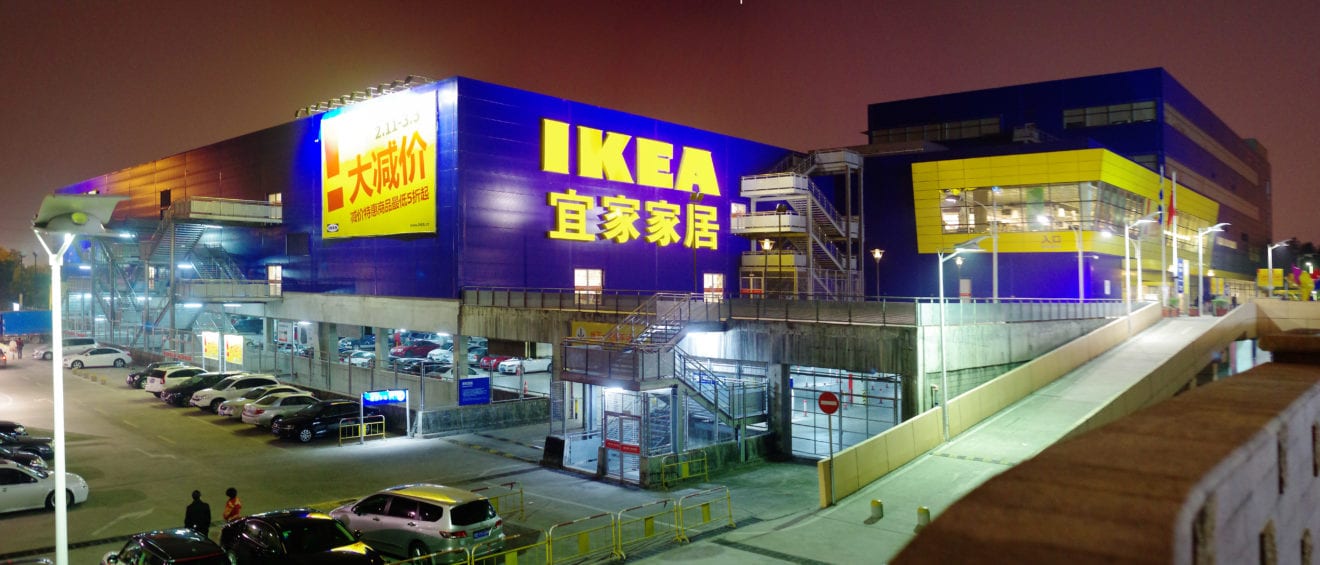
    IKEA does not expect a slowdown in demand for its products in its fastest-growing market, China, despite a sluggish economy, and the world’s biggest furniture retailer is sticking to investment plans for the country, its chief executive said.

    A faltering economy has prompted several international retailers to rethink their China strategies, with Britain’s Marks & Spencer saying this week that its expansion drive there could be slower than hoped.

    Sweden’s IKEA Group, which owns most of the IKEA stores worldwide that are best known for their budget self-assembly furniture, is however not reappraising its growth plans for China, Chief Executive Peter Agnefjall said.

    Having opened three stores in China in the fiscal year to Aug. 31, it plans another three this year, and expects to expand at at least the same pace also in the following three, he told Reuters in an interview.

    “We are very, very small still in China,” he said.

    “What we see is that many people in China appreciate the IKEA offer and we are making it more accessible to them through new stores. And the middle class will continue to grow, I’m pretty confident about that, so we have a positive view on China.”

    IKEA entered China in 1998 and has stepped up expansion in recent years, making the country a priority growth market.

    The China business, which still accounts for a small share of group turnover, saw “solid double-digit growth,” above 15 per cent, last year with its 18 stores, with very strong growth also in comparable stores, Agnefjall said.

    An online store in China is however not on the immediate agenda but will open only once the group has in place new e-commerce platforms that are in the works.

    “It all depends on how well we succeed with that,” Agnefjall said.

    ONLINE PLANS

    IKEA’s website had 1.9 billion visitors in the 2014/15 year, up from 1.5 billion the year before. Online sales were however still just a fraction of group turnover, although they exceeded €1-billion for the first time, Agnefjall said.

    Companies across the retail sector have rushed to step up e-commerce in the past few years to keep up with rapidly changing consumer patterns, but IKEA has been taking it slower.

    IKEA certainly aims longer-term to be a full multichannel retailer, Agnefjall said, but will first finish developing the necessary IT-solutions, and work out how to manage the logistics of large-scale online furniture trade.

    “You have to have a reasonable service level. I have respect for doing this with quality rather than with speed, and that’s the way we are driving it,” Agnefjall said.

    IKEA sells online in 13 of its 28 markets, having added no online markets last year, Agnefjall said.

    “We are investing heavily to make all IKEA markets e-commerce markets. The front end is one thing, to make a new web and e-commerce capabilities online. But the big work lies in the underlying distribution flow.”

    IKEA has begun piloting a new web platform in Ireland that it hopes to roll out to all markets in coming years, and is developing an e-commerce platform to connect to it.

    On the distribution side, IKEA is trying out a handful of pickup points and Agnefjall expected several more to open in the coming years.

    “You have to organize the e-commerce in a thorough way in order to create the right conditions for serving your customers in a good way. We are also investing a lot of energy to convert IKEA to a multi-channel retailer.”

    IKEA Group, which runs 328 stores and is controlled by the Stichting INGKA Foundation in the Netherlands, reported on Tuesday an 11 per cent rise in group sales for the fiscal year, with comparable stores accounting for 5 per cent, to a record €31.9-billion ($35.7-billion U.S.).

    Sales rose in nearly all its markets, with China the fastest-growing followed by Russia. Agnefjall said the United States was now roughly neck-and-neck with Germany as IKEA’s single biggest market.

    IKEA is targeting group sales of €50-billion by 2020.
  • McDonald’s China to accept Alipay

    McDonald’s China to accept Alipay

    Alibaba’s AliPay has received a major boost in its quest to become a generally accepted payment system in the mainland.

    McDonald’s China has announced it will accept Alipay in more than 2100 restaurants.

    The launch will commence in Shanghai this month and spread across all the fast food chain;’s locations in China by March 2016.

    “McDonald’s will work together with Ant Financial and Alipay to upgrade its services by integrating data technologies,” Ant Financial sais in a statement.

    “All restaurants in China are undergoing system upgrade and the set-up will be complete to accept Alipay as its new payment method by March, 2016.

    “It will take customers only two seconds to pay their meals at McDonald’s after introducing Alipay to its outlets by scanning the QR code in users’ Alipay. It will be more convenient and efficient for both customers and cashiers.”

    Another venture set up between Alibaba and Ant Financial – Koubei – allows consumers to pay for goods using their smartphones. Koubei is expected to be accepted by McDonald’s China also.

    Alipay’s McDonald’s China deal follows another announced last week with hotel chain Marriott as Alipay gains growing momentum in gaining market share from more traditional systems like UnionPay and even cash. Walmart starting accepting Alipay in May and KFC announced a partnership in June.

    “Alipay is now accepted in over 200,000 offline retailers and eateries across China and another 30,000 shops in Seoul, Korea, Hong Kong, Singapore, Japan and Germany,” Ant Financial.

  • Beauty e-tailer JD.com plows ahead with strengthening its Asia reach

    Beauty e-tailer JD.com plows ahead with strengthening its Asia reach

    The Hong Kong office is intended to help JD.com expand its local market presence and warehousing capabilities, enabling it to better engage with brands and retailers across Singapore and major Southeast Asian markets, who are looking to tap the online retailer’s 118 million active users in Mainland China.

    The company plans to employ a team there to focus on targeting and attracting new retail partners from around the region.

    We have seen rapid growth in demand from our customers for Asian brands and products, and from leading brands and retailers across the region who want to reach our huge base of upwardly mobile customers,” says JD.com’s chief human resources officer, Rain Long. 

    “This new office will expand our ability to attract and service brands from around the region, and ultimately to ensure that we continue to bring our customers the most exciting and diverse selection of international products.”

    To help with warehousing, customs clearance and shipping services from Hong Kong to Mainland China, JD.com has teamed up with logistics provider, Cosco Logistics.

    “This partnership gives our customers easy access to more of the best Asian and international products, and allows more regional and global retailers to target our unrivaled base of Chinese consumers directly from Hong Kong,” said Carol Fung, Vice President of JD.com.

    Sa Sa also jumps on board..

    As part of its efforts in Hong Kong, JD.com also announced that Asian cosmetics retailer Sa Sa will launch a flagship store on its platform offering a range of international cosmetics brands and products available online in China.

    It will be synchronized with the company’s global ecommerce portal, Sasa.com, to ensure that JD.com’s customers have easy and immediate access to the full range of products available on Sa Sa’s global site.

    “We’re excited to partner with JD.com and to give Chinese consumers more extensive access than ever before to Sa Sa’s huge selection of globally renowned cosmetics brands. JD.com has an unmatched reputation for guaranteeing quality, convenience, and service, and we’re looking forward to working with them to deliver a premium online shopping experience to consumers throughout China,” said Sa Sa Chief Financial Officer, Dr. Guy Look.

  • New Disney park in China to bolster sales, Uniqlo chief says

    New Disney park in China to bolster sales, Uniqlo chief says

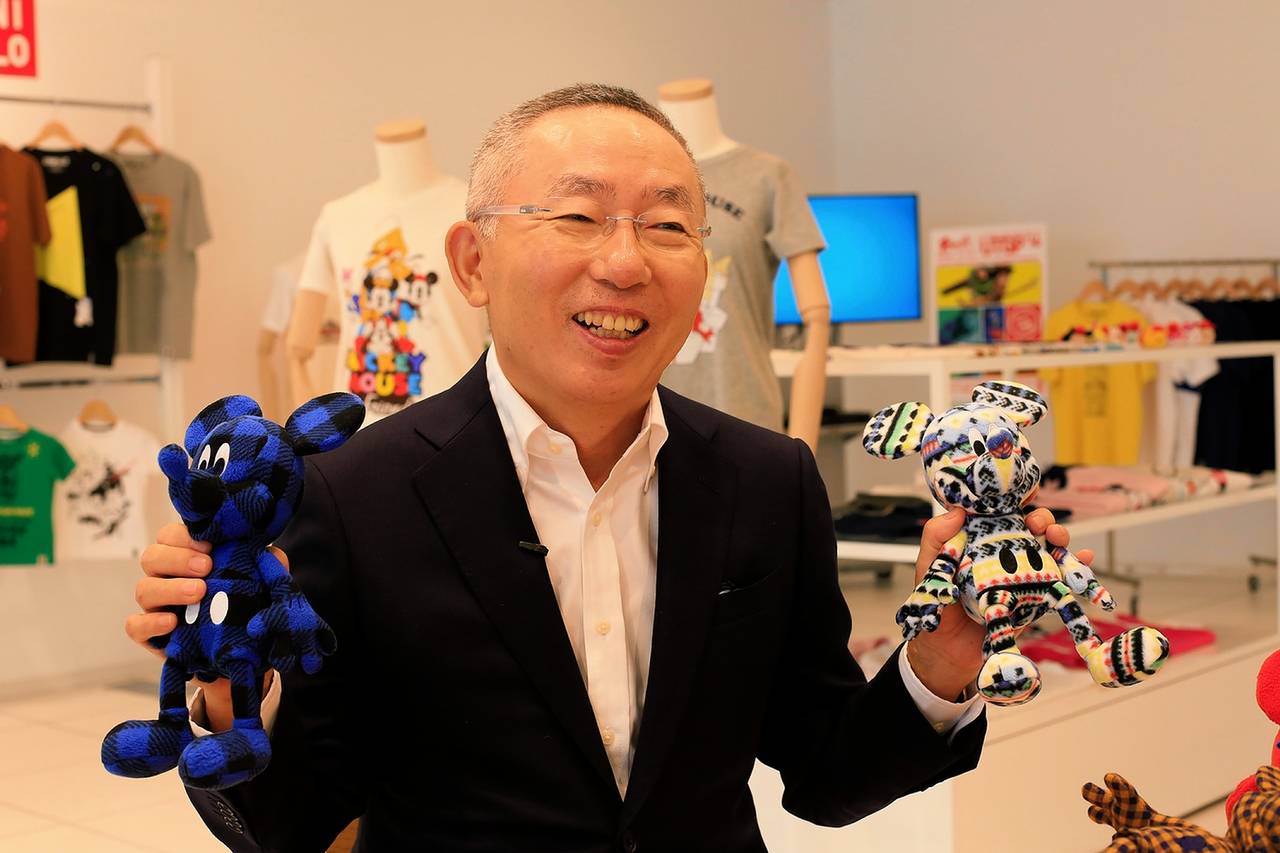
    Fast Retailing Co. Chairman Tadashi Yanai said Walt Disney Co.’s new park in Shanghai will help his Uniqlo casual clothing brand expand in China, shrugging off concerns over an economic slowdown in the Japanese retailer’s largest overseas market.

    “The opening of the Shanghai Disneyland gives both of us, Uniqlo and Disney, a business opportunity,” Chairman Tadashi Yanai told reporters in Shanghai, where Uniqlo will open a new Disney-inspired concept store. “Our business is getting absolutely no impact” from China’s slowdown, he said.

    Starting Sunday, Uniqlo will devote an entire floor at its six-story China flagship store in central Shanghai to products jointly designed with Disney. A human-sized Mickey Mouse statue greets visitors to the store, where T-shirts and toys depicting characters such as Tinker Bell, Woody of Disney Pixar’s “Toy Story” animated films, and Darth Vader from the Star Wars movies are on display.

    Japan’s richest person, Yanai plans to open 100 stores a year in China as Uniqlo competes with Hennes & Mauritz AB’s H&M and Inditex SA’s Zara to win over consumers in the world’s most populous country. The retailer’s design tie-up comes as Disney prepares to open its $5.5 billion Shanghai theme park next year, its biggest foreign investment and a bet on the country’s booming middle class.

    The Disney collaboration should help Uniqlo boost sales in China “as buzz builds around the opening of Shanghai Disneyland,” said Bloomberg Intelligence retail analyst Thomas Jastrzab. “Expanding store-specific limited edition merchandise offerings should help Uniqlo increase regular foot traffic and improve customer loyalty.”

    Fast Retailing rose 3.3 percent to ¥46,800 ($388.09) at the close of trading in Tokyo on Friday. The shares are up by 6.3 percent so far this year, compared with the 3.3 percent gain in the benchmark Topix index.

    Uniqlo has about 360 stores in mainland China, the most in any country outside Japan, where it has almost 850 shops. The company plans to expand its Greater China network, including mainland China, Hong Kong and Taiwan, to 1,000 outlets.

    China is a key market for Fast Retailing as Yanai attempts to turn Asia’s biggest clothing retailer into the world leader, with a target of ¥5 trillion in sales by 2020 from its forecast of ¥1.65 trillion for the fiscal year ended Aug. 31.

    Yanai said demand for Uniqlo products will increase amid an economic slowdown in China. Everyday clothes with basic designs and advanced materials that Uniqlo sells at affordable prices fit well as China shifts its focus to consumer purchasing from manufacturing, he said.

    “An economic slowdown in China could boost Uniqlo’s sales, particularly as shoppers increasingly look for value-for-money when purchasing clothing essentials such as T-shirts and pants,” Jastrzab said.

    China’s apparel and footwear market is highly fragmented, with market leader Bestseller AS, owner of brands such as Jack & Jones and Vera Moda, holding a 1.7 percent market share by value in 2014, according to Euromonitor International. Uniqlo ranks eighth with 0.6 percent, while Inditex is ninth with 0.5 percent and H&M is out of the top 10 with 0.4 percent.

    “Our concept of manufacturing is fundamentally different and unique,” said Yanai. “We don’t chase trends, but we would rather want to incorporate fashion into our basic clothes.”

  • H&M plans to open another 240 stores by end of the year

    H&M plans to open another 240 stores by end of the year

    Hennes & Mautitz AB (H&M), Swedish multinational retail-clothing company, known for its fast-fashion clothing for men, women, teenagers and children plans to open an additional 240 new stores this year. In the third quarter, H&M opened 36 new stores, but in the fourth quarter 240 new stores are scheduled to open, most of which will be in China and the US. H&M already has 299 locations in China, but growth in the country’s apparel industry makes it a promising hotbed for retailers.

    China, in particular, will account for much of the expected growth, encompassing almost one-third of regional demand for clothing by 2018. As the Asian clothing and apparel sector is expected to grow rapidly over the next five years. Annual average expenditure growth on clothing and footwear, at 9.5%, will comfortably outstrip that of any other region, said PricewaterhouseCooper’s retail consultants in their 2015-2016 outlook report on the retail and consumer products sector in Asia.

    Beyond its traditional flagship brand, H&M also owns premium brand Cos. The company hopes to introduce Cos in China as well, catering to the country’s growing upper-middle class.

    Cheap prices and a continuous supply of new looks keep customers coming back to chains like H&M and Zara. And according to Ms. Paula Rosenblum, Forbe’s retail analyst. H&M’s success comes amid a growing demand for fast fashion.

    But despite fast fashion’s growth, chains including H&M are increasingly facing criticism over both environmental and social justice concerns.

    Though fast fashion offers consumers a wider variety of styles, the rising trend has also been tied to growing amounts of textiles in landfills. In the US alone, clothing, footware, and other non-durable textiles generated 12.4 million tons of landfill waste in 2013. Only about 15 percent, or 1.8 million tons of the textile waste was recovered for reprocessing or recycling, reported the US Environmental Protection Agency.

    Furthermore, many fast fashion retailers rely on cheap labor to produce high quantities of their products. Many laborers used to come from China, but with rising wage demands, companies have looked to Taiwan, Indonesia, Vietnam, and Bangladesh, among other southeast Asian countries instead.

    According to Bloomberg Business, H&M has seen significant growth this year, second only to the Spanish clothing retailer Zara in size. Third-quarter sales grew 16 percent, surging to nearly 46 billion Swedish kronor, with revenue coming in at 39 billion kronor.