Tag: China

  • More Indian consumer use social media for feedback than Japanese

    More Indian consumer use social media for feedback than Japanese

    Indian consumers are more digital savvy for reporting and resolving customer service experiences over social media than their counterparts in Japan and Hong Kong, says a survey by American Express.

    According to the American Express Global Customer Service Barometer (CSB), which did a random online survey of 1,000 respondents each in the three Asian countries this year, 71% Indians use social media to get a customer response, same as last year but significantly up from 54% in 2012. In Japan, only 29% used social media for customer response while in Hong Kong the number stood at 29%.

    While 41% Indians said they always receive resolution of their customer service issues through social media, for Japan and Hong Kong the numbers stand at 12% and 18%, respectively.

    In selecting a company to do business with, consumers in India and Japan give top priority to ‘good product’ followed by ‘good value for the price’, while the order stood reversed in the case of Hong Kong. All three countries ranked ‘excellent customer service’ third in importance, the survey said.

    While most consumers are willing to give a company at least one more chance after receiving poor service before they consider switching, 33% immediately consider switching after initial poor customer service experience.

    Indians customers are the most reactive with 73% having dropped an intended purchase or transaction due to poor customer service as compared to 56% and 40%, respectively, for Hong Kong and Japan.

    As for sharing their experiences, on an average, consumers tell 39 people about their good experiences (41 in 2014), and 42 people about their bad experiences (48 in 2014), the report said. As much as 98% talk about their good customer service experiences at least some of the time.

  • Burberry shares down 12% following China slowdown

    Burberry shares tumbled 12 per cent, the largest drop in three years, as theluxury group warned that its sales had been hit by a slowdown in China.

    In an example of how the global luxury market is struggling, Burberry said that retail sales were affected by “an increasingly challenging environment for luxury, particularly Chinese customers”.

    Total retail sales grew just 2 per cent to £774 million in the six months to the end of September, while like-for-like sales slowed to 1 per cent. Crucially, in the Asia Pacific area, sales experienced a “mid-single digit percentage decline” while “Hong Kong

  • ShenYang MixC Mall opens

    ShenYang MixC Mall opens

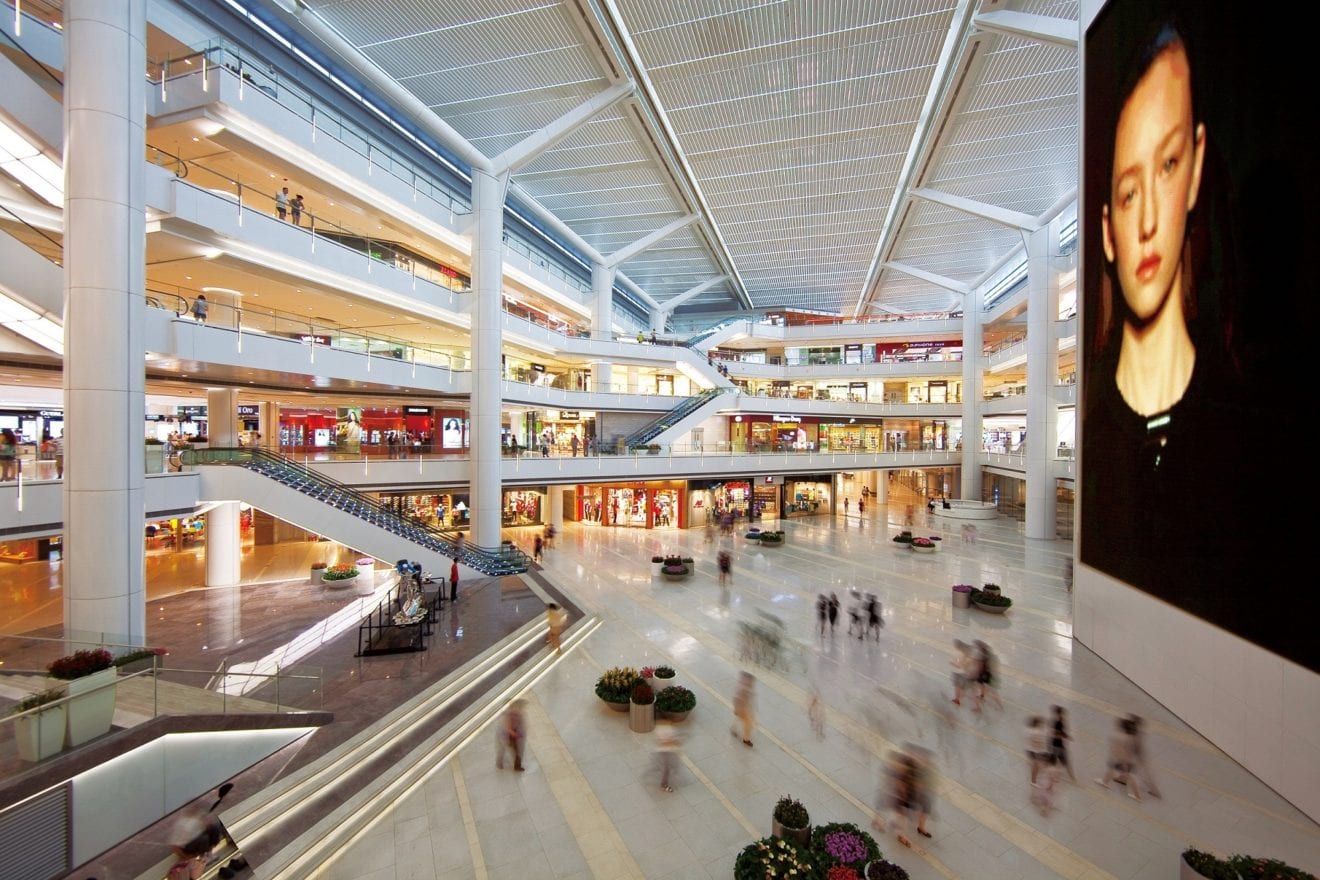
    CR Land recently celebrated the opening of its ShenYang MixC Mall in China’s Liaoning Province.

    The centre’s opening completed a 30 month design and delivery partnership with The Buchan Group’s Shanghai studio.

    MixC Mall in Shenyang 2

    “CR Land’s design brief was to attract the local office and residential communities, particularly Gen Y and young families, by providing an elegant and efficient mall design that would also function as ‘a place to celebrate,’” said principal David MacLeod.

    “This allowed us to be more playful with our built forms and lighting when designing the interiors.”

    MixC Mall in Shenyang 1

    As a result, The Buchan Group was able to integrate strong ceiling, lighting and floor patterning to provide precinct differentiation, as well as creating a bold, unified design intent that tied the elongated centre together.

    The five-level ShenYang MixC Mall is anchored by a major entertainment and food precinct at the uppermost level, and extends two levels below ground to a fast fashion precinct connected to basement car parking and MRT hub, making the mall the major component in one of the largest mixed–use projects in the city.

    The Buchan Group provided integrated interior architecture and interior design services to all public mall areas, as well as a number of specialised customer service facilities.

  • Belstaff counterfeit sites shut down

    Belstaff counterfeit sites shut down

    Luxury fashion brand Belstaff has won a court battle against online counterfeiters, winning $42 million in damages and leading up an unprecedented 676 copycat websites being shut down.

    The win was announced by MarkMonitor, a specialist in enterprise brand protection, which worked with Belstaff to identify and pursue the copycats.

    MarkMonitor used technology to identify some 3000 websites selling counterfeits products – more than 800 of them managed by one individual based in China.

    After the evidence was collected, a civil lawsuit was lodged in the US, with counterfeiters ordered to pay the $42 million and nearly 700 websites handed over to the brand.

    “There are other high profile luxury brands that have taken advantage of the US counterfeiting law, however we believe that our case has set the bar even higher due to the unprecedented number of sites that were taken down in one go,” said Elena Mauri, head of legal with Belstaff.

    “The whole legal process took less than four months and none of the single top 20 websites that were cited in the case are still in operation today. We certainly wouldn’t hesitate to take this legal route in the future, and we will continue to take a zero tolerance approach to any further illicit counterfeiting behaviour.”

    The legal result follows the company’s decision to embark on a major protection program for all of its IP – from registering of trademarks to individual products, including seeking external help from MarkMonitor.

    The program was put in place to monitor the full range of the different marketplaces and individual websites selling counterfeit products. The search also focused on any websites using the Belstaff name in their domain name, as well as generic sites listing counterfeit products.

    Gavin Haig, Belstaff CEO, said eCommerce has been a major driver of the brand’s growth.

    “However, alongside the clear benefits of venturing into the online retail market, we were aware of the potential negative impact from counterfeiters. Right from the outset, we have been determined to stop our customers falling prey to counterfeiters. We want to do everything in our power to protect our loyal customer base and our hard-earned 91 year old heritage.”

    The majority of the counterfeit products were jackets and outerwear, particularly counterfeit copies of Belstaff’s best-selling leather jackets. The copies were many seasons old; designs no longer in production.

    MarkMonitor’s technology is capable of exploring an entire network of sites, including both the index and non-index results, as well as examine fundamental criteria such as the website’s design and the payment processes.

    Jerome Sicard, regional manager, Southern Europe, said the court decision sends a stark warning to online counterfeiters and underlines the increasing importance of online brand protection.

    “This is not the first case of its kind, however the Belstaff ruling is unusual due to the substantial number of websites being handed over to the brand.”

  • Massive opportunity for China retail investment

    Massive opportunity for China retail investment

    China retail is “rife with opportunity” for retail and property investment according to a new report released at China Mall 2020.

    Taubman Asia, a subsidiary of US mall REIT Taubman Centers, and Mingtiandi, China’s leading source of retail intelligence, released at the Hong Kong China Mall 2020 conference today a white paper with industry-leading insights on the future of China’s retail sector. The report analyses the challenges and opportunities for retail in the world’s second largest economy and provides a holistic overview and insights on the swift growth and dynamics of Chinese consumer behaviors over the past 15 years.

    “China is uniquely positioned to build a modern, connected, and relevant retail real estate sector by 2020,” said Michael Cole, executive editor of Mingtiandi, and managing researcher for China Mall 2020.

    “China’s malls of the future will be those that embrace powerful new technological capacities made for digital marketing and incorporate smart design elements to meet increasing consumer and retailer needs – differentiating the retail experience.”

    Specifically, the report discusses several key drivers that will inform the future development and success of Chinese malls, including:

    • Shopping center designs will need to be rethought to accommodate shoppers looking for cultural and social experiences as much as for visitors looking to tick items off their shopping lists;
    • Integration of digitally-enabled strategies, such as online-to-offline (O2O) and big-data level resources will be needed to bring management of offline retail on par with online competitors;
    • Adoption of mobile technologies, to meet consumer demand for on-the-go research in stores, will be needed to keep in tune with a market of mobile-connected shoppers; and
    • Mall development, including innovative leading strategies that bring together the right mix of retailers at a pace that matches the increasing urbanisation of China and is able to anticipate the evolving needs and expectations of the Chinese consumer.

    René Tremblay, president of Taubman Asia, said the company has always been optimistic about the growth and untapped potential of the China market, “and we were encouraged to see the results of Mingtiandi’s independent research affirm this view”.

    “We believe the industry is undergoing its first stage of evolution, and we are well placed to lead the development of this next generation of malls in China – leveraging our 65 years of international development and design experience, as well as our robust local team.”

    He said that while media reports often focus on how the macro environment has played a key role for a shopping slowdown sweeping the country, China Mall 2020 forecasts the sustainable growth of Chinese consumption, and suggests the cause of the retail sector’s struggles might lie more on bullish planning and early optimism of some retailers.

    Similarly, while addressing the threats of an online retailing boom, the in-depth study showcases how traditional retailers and mall developers are on their way to fine-tune their marketing strategies, leveraging new technologies to drive more business.

    Guohua Zhang, China MD of Taubman Asia said the retail scene in China is becoming increasingly sophisticated.

    “Instead of viewing external forces as threats, many malls in China are utilising a powerful mix of digitally enabled strategies that leverage mobile, social platforms and big data together with traditional marketing approaches. These kinds of innovations are critical to our approach for the market.”

    China Mall 2020 also analyses how the unique social context in China has evolved shopping malls from a shopping oriented destination to a public space cultivating social and cultural experience for the Chinese population.

    The full report is now available for download on the Taubman Asia China Mall 2020 website. Taubman Asia, the sponsor of the project, is an active leader in retail real estate in the region. Its portfolio in China includes two CityOn lifestyle projects underway in Xi’an and Zhengzhou and The Boulevard at Studio City in Macau, which will open in October 2015. The company also owns Hanam Union Square in Greater Seoul, opening late 2016, and manages operations for the IFC Mall in Seoul which opened in August 2012.

  • Karl Lagerfeld to go online in 97 markets

    Karl Lagerfeld to go online in 97 markets

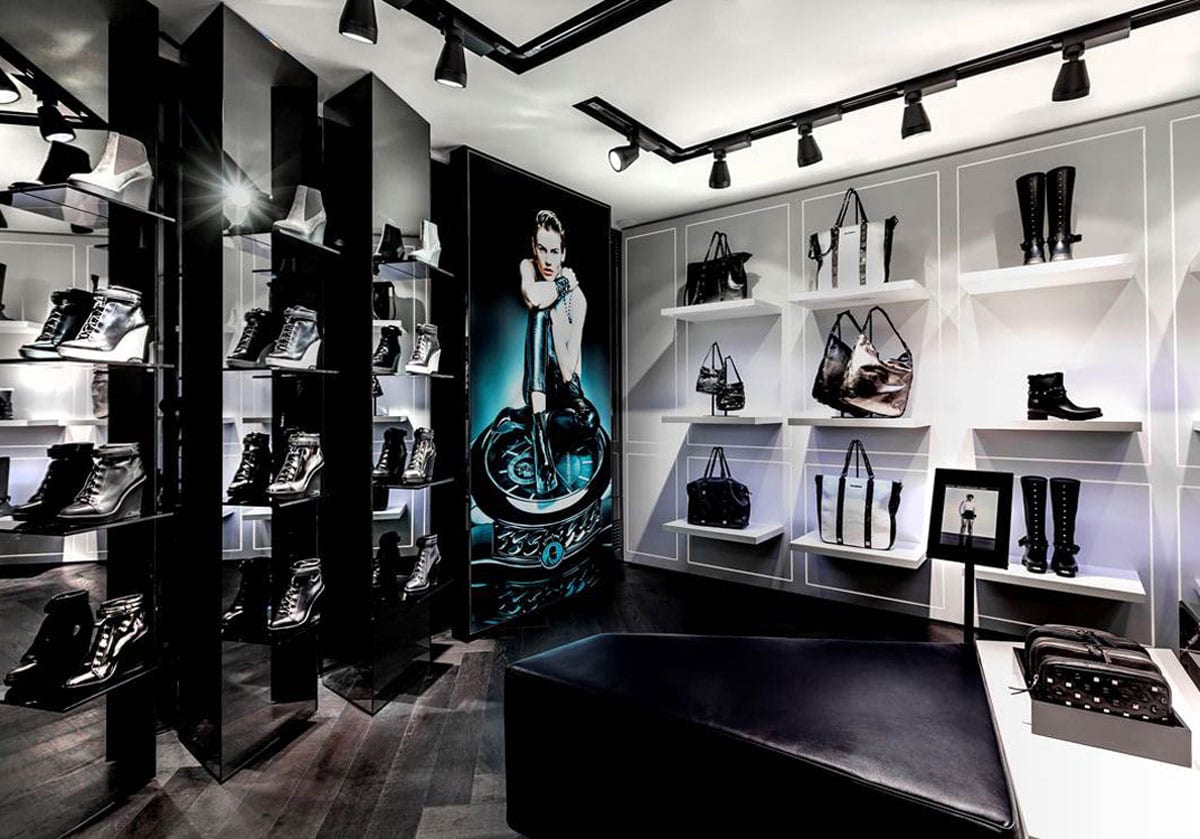
    Fashion designer Karl Lagerfeld is to enter 97 international markets online.

    The move marks a dramatic expansion of the company’s current online strategy which is to partner with leading department store brands, such as Harvey Nichols and Harrods, and selected online-only retailers Stylebob.com, Luisviaroma.com and Zalando.com.

    Now, Karl Lagerfeld is opening online stores under its own name in a raft of countries yet to be listed, but definitely including Japan.

    The brand, founded by the 82 year old French-based German designer and photographer, just two years ago commenced a physical store rollout and now has 20 directly operated and another 20 franchised in markets as diverse as China (eight stores), the Middle East (six) and, of course, Europe. Over the next few years it aims to expand that network to about 100 globally.

    Karl Lagerfeld Group CEO Pier Paolo Righi says online sales already represent “a significant part of the business” and he expects the new program with Italy’s Yoox Net-a-porter Group to soon account for a double digit share of the fashion group’s total revenues.

    The new websites will launch in early November offering broader ranges than its pages on existing partner websites – a broad collection of womenswear along with licensed products including watches, fragrances and eyewear.

  • Walmart China partner sells out

    Walmart China partner sells out

    Walmart China’s local business partner wants out of its joint venture.

    State-backed China Resources Group has put the minority interests it has in 21 Walmart China stores on the market, seeking US$525 million. Most of the interests equate to about 35 per cent of the respective stores.

    China-based spokesman for Wal-Mart David Fu confirmed the sale in an email to Reuters. He said the firm respected the “investment decision” of its partner.

    “Wal-Mart believes that the transfer of minority interest will not influence Wal-Mart’s operation and development in China,” he said.

    The affected stores are located in various parts of China, including the western Sichuan province and the capital city Beijing.

  • Roger Dubuis Hong Kong plans more Macau stores

    Roger Dubuis Hong Kong plans more Macau stores

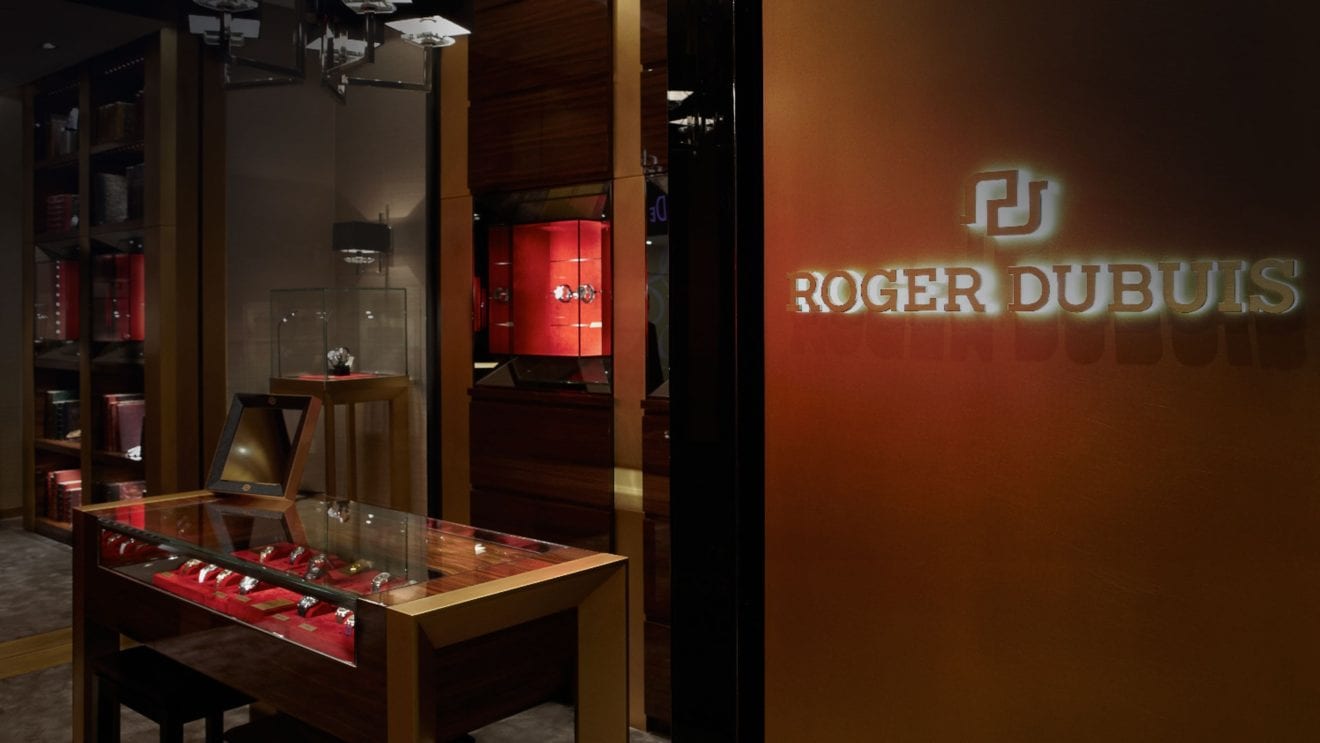
    Luxury watch brand Roger Dubuis says it will open more stores in Macau and Hong Kong despite the recent contraction of the market.

    Roger Dubuis Hong Kong has four stores and there are a further three in Macau. The Swiss brand debuted here in 2000 and is aiming to be one of the world’s top five luxury watch retailers by 2020.

    Despite price tags ranging from HK$150,000 to HK$10 million, Roger Dubuis is unconcerned by the broader trend and is eyeing the longer term growth opportunity in the SARs and the mainland as the number of Chinese with high disposable income grows.

    Two new stores will open in Macau next year and potentially another in Hong Kong.

    CEO Jean-Marc Pontroué told the Hong Kong Economic Journal a new store will open in Nanjing in the mainland next year as well. That follows the opening of its first mainland store in Beijing last July.

  • Pepsi smartphone planned for China

    Pepsi smartphone planned for China

    PepsiCo will market a range of mobile phones and accessories in China later this year.

    The US beverage giant will licence its brand to a manufacturing partner with the Pepsi smartphone just one of a range of planned licensed products which will also include apparel.

    “Available in China only, this effort is similar to recent globally licensed Pepsi products which include apparel and accessories,” a Pepsi spokeswoman told Reuters by email.

    No further details were released about the phone’s specifications – or the manufacturing partner.

    It won’t be the first technology product born of a partnership between Pepsi and an electronics brand. Last year it teamed up with Danish avant garde audiovisual manufacturer Bang & Olufsen to create Pepsi-branded products to support the soft drink brand’s soccer campaign.

  • Parkson Retail restructure knocked back

    Parkson Retail restructure knocked back

    A plan to simplify the complex ownership structure of Parkson Retail Asia operations has been rejected by independent shareholders.

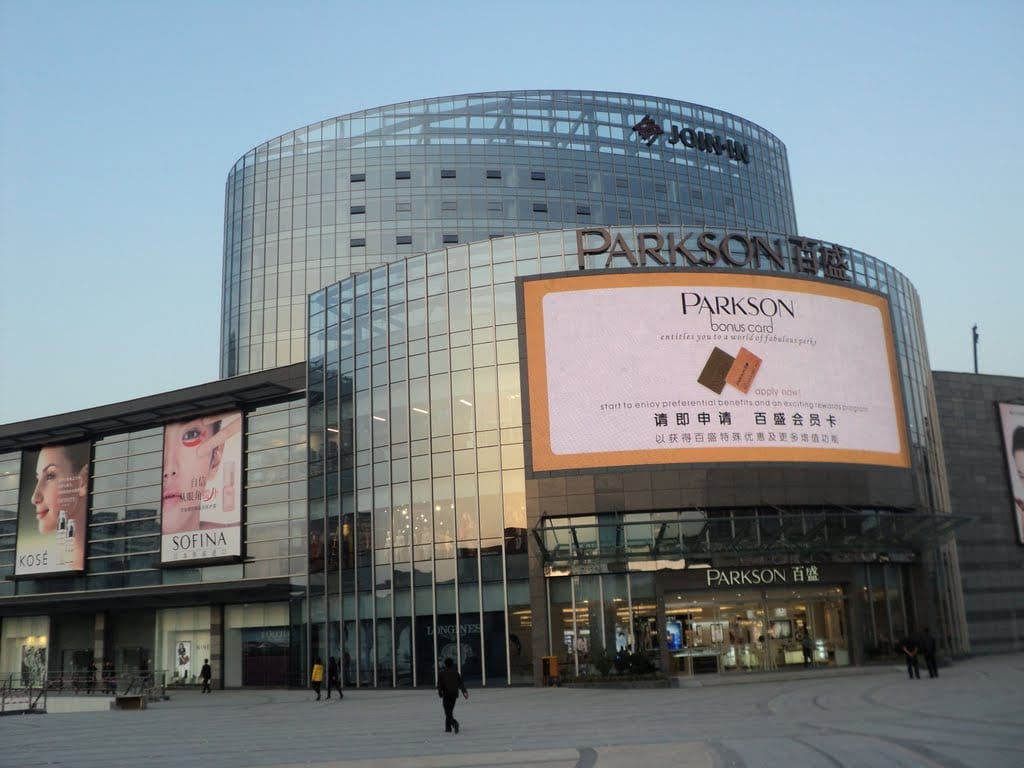
    The proposal, defeated by a 63.44 per cent vote against at a shareholders meeting on Monday, would have seen the Singapore-listed Parkson Retail Asia parked under Hong Kong listed Parkson Retail Group, which in turn is a subsidiary of Malaysian-listed Parkson Holdings.

    The side effect of the vote is that Malaysian shareholders have missed a proposed cash distribution arising from the internal reorganisation.

    Parkson Retail Asia has 67 stores in Southeast Asia which were to be merged with the Parkson Retail Group network of stores in Greater China.

    Parkson Holdings says the companies will now continue to operate under the status quo.

  • Stradivarius launches the chain’s new website in China – stradivarius.cn

    Stradivarius launches the chain’s new website in China – stradivarius.cn

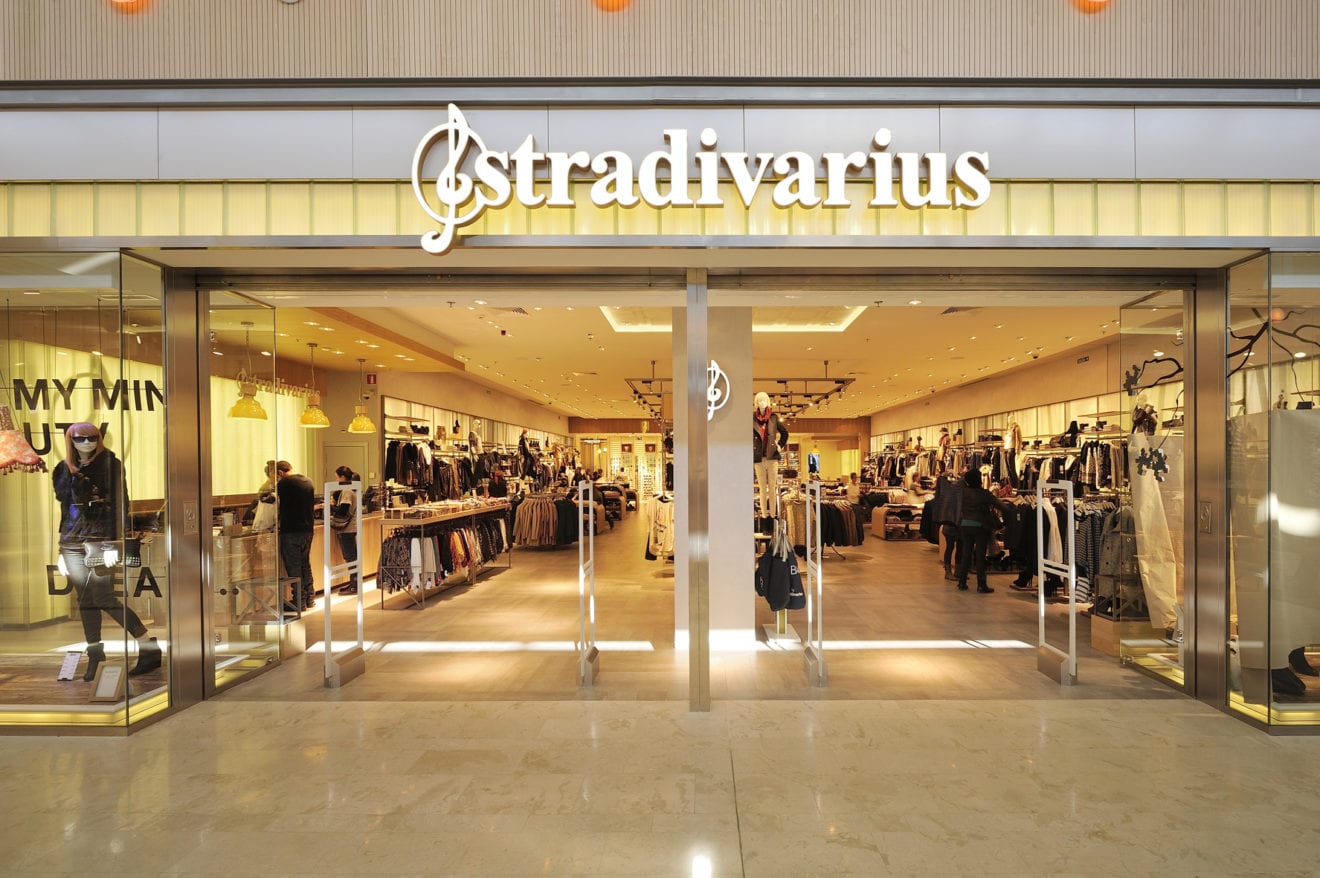
    The chain has 65 bricks & mortar stores in China and also sells its products online via both its own website (www.stradivarius.cn) and the T-Mall platform

    An event celebrated in Shanghai’s Union Building provided the backdrop for presentation of Stradivarius’s new website in China, which reinforces the brand’s e-commerce presence in this market. Stradivarius gained an initial foothold in the Chinese e-commerce market last April when it launched online sales via the T-Mall platform, on which the rest of the Inditex Group’s brands are also represented.  Just eight months later, on 8 September, Stradivarius direct online sales platform, www.stradivarius.cn, went live, adding to the chain’s network of 65 stores in China.

    The Shanghai event, dubbed “The Event Paper: Asia edition”, took place on the top floor of the Union Building, a neo-renaissance building dating to 1916. From its rooftop terrace, the guests were able to enjoy stunning views of the Bund, the Chinese financial capital’s most cosmopolitan district.

    The party was attended by international top model Liu Wen, the leading lights from the Asian press and it girls from all over the world. Moreover, Cate Underwood, the star of the brand’s FW15 collection campaign and DJ, took care of the music. A dedicated event report can be downloaded from the Stradivarius website.

  • Nestlé warns against China’s dreary economy

    Nestlé warns against China’s dreary economy

    Nestlé just became the fourth major Western brand in the past two weeks to report dreary Chinese sales during the year so far.

    According to the Swiss food and drink colossus, sales in the Asia, Oceania, and sub-Saharan Africa regions fell by 3.1%. A “slower sales recovery in China” took part of the blame.

    Overall sales dropped 2.1%, and the company’s stock opened Friday down by about 3%.

    But it’s not the first company to report dreary sales in China in October — and that says something worrying about the country’s economy.

    The Indian-owned UK carmaker Jaguar Land Rover described “continued accelerated slowing of economic conditions in China,” paired with damage to 5,800 cars stored at Tianjin during the colossal chemical explosion at the port. Sales of Jaguar Land Rover models slumped by 32% in China.

    Yum Brands also struggled to market KFC and Pizza Hut in China. KFC sales rose by only 3% year-on-year, and Pizza Hut sales actually fell by 1%. In a country where economic growth is apparently close to 7%, that’s a pretty miserable performance.

    On Thursday, Burberry also reported on discouraging Chinese sales, with overall revenue from the country falling and the share price of the luxury-clothes brand falling 16% at Thursday’s open.

    Nothing much connects KFC, Pizza Hut, instant coffee, Burberry scarves, and Land Rover cars — some products are pitching themselves at China’s growing middle class, while others are focused very much on the most elite sliver of society. Consumption fell or was weaker than expected across the board.

    It’s not all doom and gloom; there have been some positive indicators. Retail spending during China’s Golden Week holiday still surged, rising 11% on the previous year.

    A note from Goldman Sachs also said that while industrial commodities like iron ore and copper had seen their prices plunge, consumer-focused commodities like gasoline (and coffee) had seen rising demand in China over the past year.

    Analysts at the investment bank Jefferies referred to China’s “parallel economies” in a note on Thursday — on the one hand, there’s the “old economy” — industrial- and commodity-focused, reflecting China’s extremely rapid growth during the late-20th century and first 10 years of the 21st.

    On the other hand, there’s the new economy — consumer and services-focused, with higher incomes and less of an overwhelming emphasis on exports. The extent to which the country is able to transition from the old to the new will have a major impact, both for China and the Western firms operating there.

  • Mainland China helps Chow Tai Fook figures

    Mainland China helps Chow Tai Fook figures

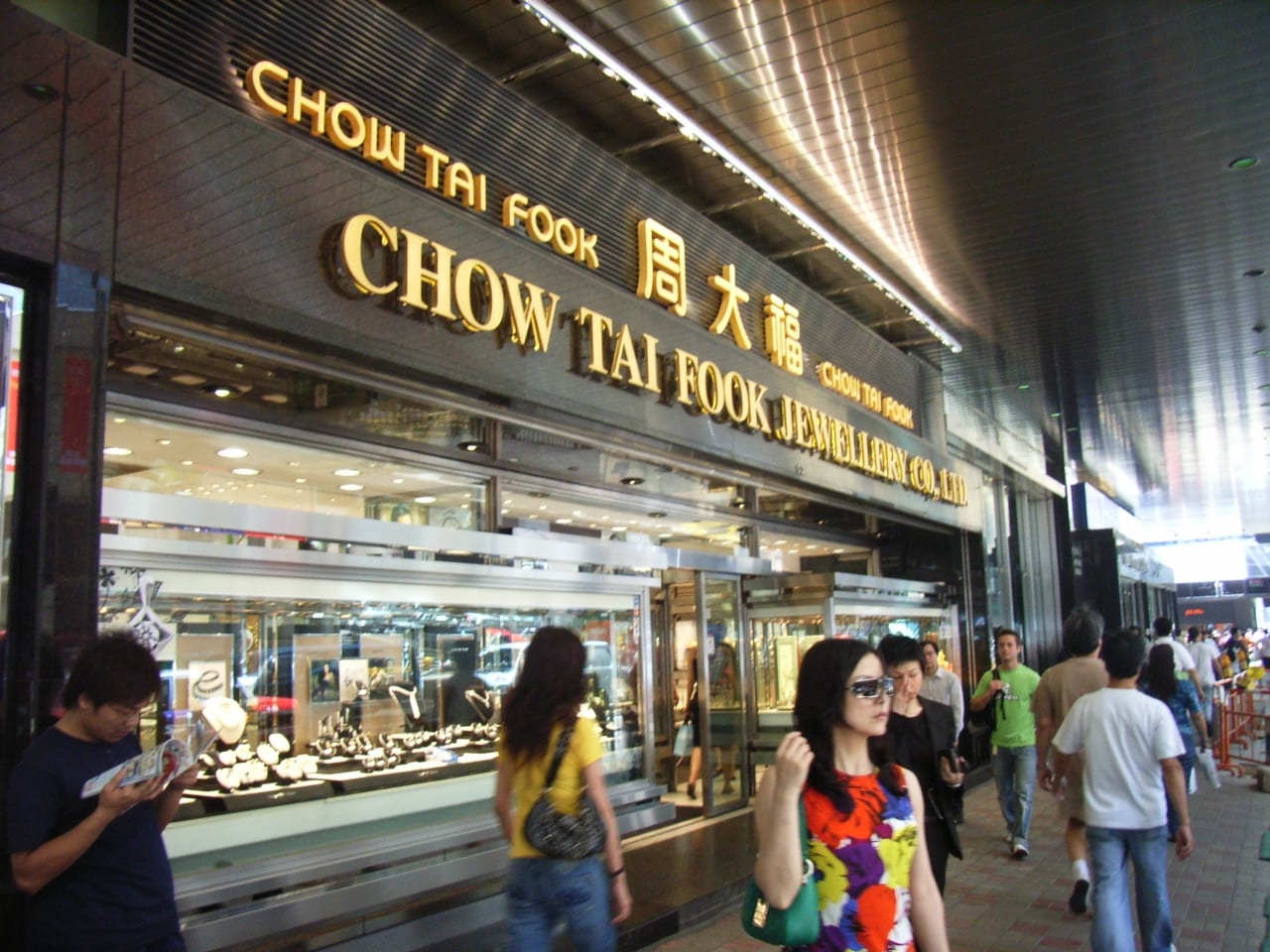
    Chow Tai Fook Jewellery Group has reported a four per cent year-on-year increase in retail sales in the three months to September 30.

    The welcome increase was attributed to surge in demand for gold as a result of falling gold commodity price since mid July.

    The Hong Kong listed company says same store sales fell three per cent in value terms and rose one per cent in volume terms.

    Mainland China stores led the growth, with Hong Kong and Macau shops showing a same store decline of 13 per cent and an overall decline of five per cent. Volume fell 18 per cent.

    But in China, same store sales rose six per cent in value and 13 per cent in volume.

    Chow Tai Fook described the Hong Kong and Macau retail market as “continuing lacklustre”.

    Sales of gem-set jewellery there fell 24 per cent on a same store basis, but just four per cent in the mainland.

  • Asian banks failing customers

    Asian banks failing customers

    Affluent Asians expect more from their banks according to new research.

    In an increasingly competitive retail banking market, affluent middle class consumers in Asia expect greater recognition and reward for their loyalty according to a report by the Collinson Group. This expectation is particularly high in China (82 per cent), India (79 per cent) and Singapore (66 per cent) showing Asian banks score poorly.

    “These consumers seek more personalised communications with less than half of consumers in Singapore feeling they receive a high level of personal service and only 35 per cent of consumers feeling that their bank knows and understands them,” said the research house.

    Collinson Group interviewed 4400 affluent middle class consumers (within the top 10-15 per cent income bracket) in Singapore, China, India, Brazil, Italy, the UAE, the UK and the US. It reveals the changing attitudes and expectations of this group towards banks.

    The research shows that while Singaporean consumers are the least satisfied with the service they receive from their banks of all the countries surveyed, they are also the least likely to switch providers, because they feel there is little to differentiate banks. This presents an opportunity for those retail banks which invest in recognising and rewarding customer loyalty.

    Chris Rogers, director of market development with Collinson Group says banks are losing their position as a ‘one-stop shop’ for financial services, with savvy consumers choosing a range of financial service providers.

    “Customers are increasingly looking elsewhere for additional services.”

    Collinson Group research has previously highlighted how today’s affluent consumers place a higher priority on family, altruism and enriching experiences ahead of short-term satisfaction and this is reflected in their expectations of banks. Some 81 per cent of Chinese expect their banks to be ethical.

  • InBev-SABMiller tie-up would include China’s biggest beer

    InBev-SABMiller tie-up would include China’s biggest beer

    A potential prize for AB InBev in its bid for SABMiller is a Chinese beer that is the world’s biggest seller. But any deal will face Chinese regulators who have barred the two brewing giants in the past from cooperating.

    China already drinks one-quarter of the world’s beer and is the focus of intense foreign interest because even with its economy cooling, demand is growing while Western markets are flat or declining.

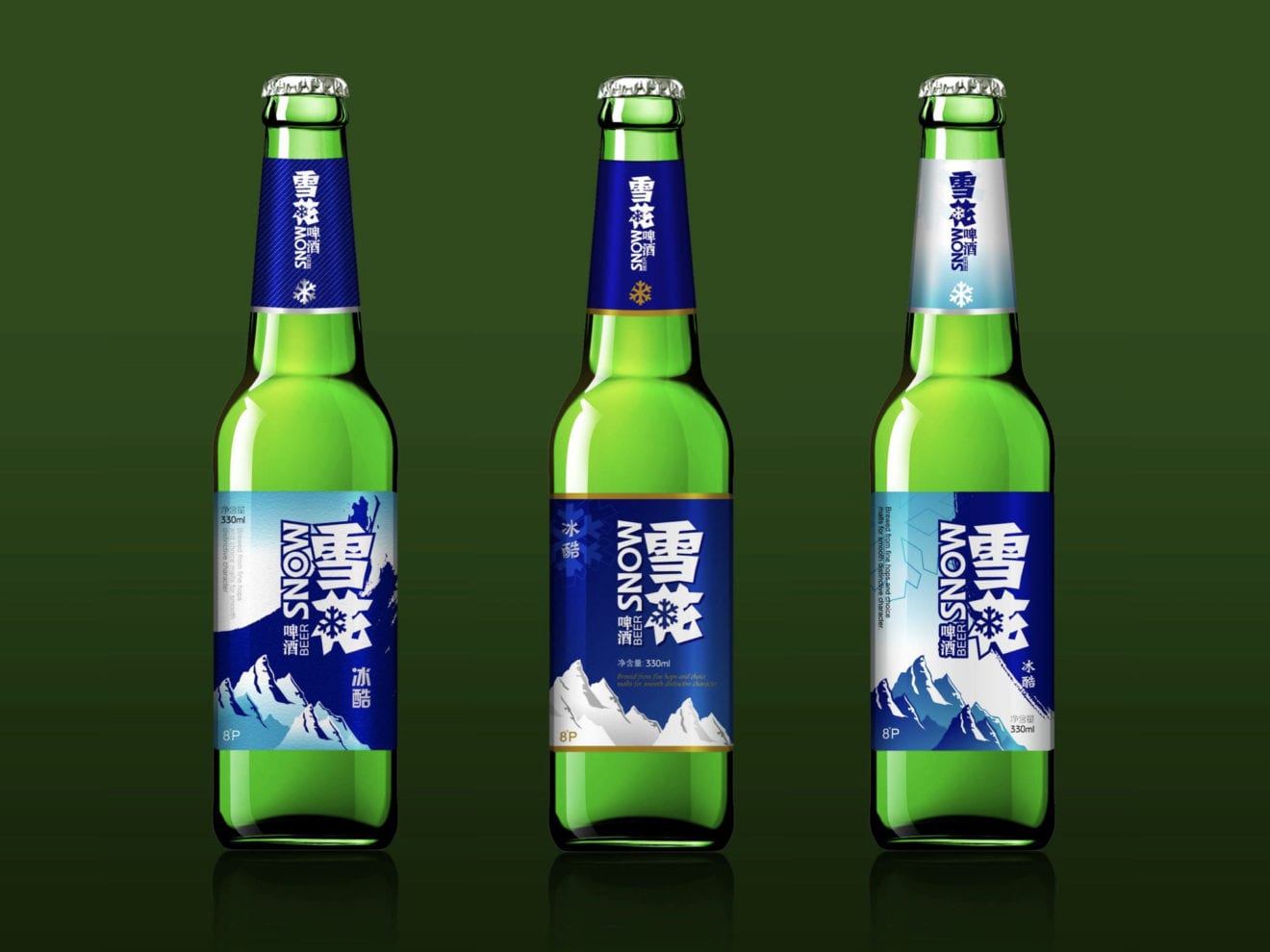
    SABMiller has a leading position with a 49 percent stake in Snow, a joint venture with a state-owned partner that sold 11.8 billion liters (3 billion gallons) of suds last year, or more than one out of every 20 glasses drunk worldwide. That could dramatically expand InBev’s Chinese footprint, which already includes Budweiser, Beck’s and Stella Artois.

    “No one outside China knows what Snow is, but it is the biggest brand in the world,” said industry analyst Spiros Malandrakis of Euromonitor.

    Total Chinese beer sales are expected to rise 2.6 per cent this year to 52.2 billion liters (13.6 billion gallons), or more than double the global forecast of 1 per cent growth, according to Euromonitor.

    Competition in China’s crowded beer market is intense, which keeps prices low and profits slim.

    Despite that, global brewers are buying or launching mass-market brands. Some hope to attract Chinese drinkers who might trade up to more expensive versions as incomes rise.

    In China since 1984, InBev’s Anheuser-Busch unit, brewer of Budweiser, has 39 beverage plants and 26,000 employees.

    SABMiller launched Snow with China Resources Enterprise, Ltd. in 1994. Today, it has 98 breweries and says it accounts for more than one in every five cans or bottles of beer sold in China.

    Other competitors include Heineken and Carlsberg, Japan’s Kirin and Asahi and Chinese brands Tsingtao and Yanjing.

    In a reflection of competitive pressure, it was only last year that SABMiller said it collected its first half-year dividend of $228 million from the Snow partnership.

    If Belgian-based AB InBev wants to keep that business, it needs to win over Chinese anti-monopoly regulators who have singled out both companies for curbs on their activities to preserve competition.

    As a condition of Chinese approval for its 2008 purchase of Anheuser-Busch, InBev was barred from linking its brands with SABMiller. Those also include domestic beers Harbin, Sedrin and Double Deer.

    Both also are prohibited from buying any more Chinese breweries.

    A merged company would control more than 40 per cent of China’s beer market, according to Song Tao, an analyst for Guotai Jun’an International, a Chinese brokerage.

    “That may trigger an anti-monopoly investigation,” said Song. “If the deal fails to get passed, InBev has to sell its holdings in CRE. Then CRE will face competition from InBev, and their future will become unclear.”

    Mergers between rivals in China run counter to the ruling Communist Party’s desire to make the economy more productive by promoting competition.

    China didn’t enact its first anti-monopoly law until 2007 but regulators have enforced it aggressively.

    In 2009, they blocked Coca-Cola Co. from buying a Chinese fruit juice maker, Huiyuan. Regulators said even though Coke had no fruit juice brand, adding Huiyuan to its popular carbonated drinks might hurt competition in beverages overall.

    Companies that want to merge are required to notify regulators if their combined annual revenue would exceed 2 billion yuan ($310 million) and each did more than 400 million yuan ($64 million) in business the previous year, according to Song Ying, an anti-monopoly specialist for the Anjie Law Firm in Beijing.

    “The Ministry of Commerce will consult with some of the main stakeholders in this industry and maybe the relevant industrial associations to ensure that the potential merger deal will not put restrictions on market competition or raise the barriers to entry,” said Song.

    At the same time, brewers are scrambling to adapt as Chinese drinkers join their Western counterparts in migrating to craft beers.

    Already, specialty brews including Stella, Hoegaarden and Belgium’s Chimay and Duvel priced at up to 37 yuan ($6) a bottle are sold in supermarkets in major Chinese cities.

    “This highlights the speed of the sophistication of the Chinese palate,” said Malandrakis of Euromonitor.

    For a global brewer, he said, that means taking over a popular but low-profit brand such as Snow would be part of a strategy to guide Chinese drinkers to more expensive varieties.

    “Essentially the consumers would drink Snow for a couple of years,” he said. “And then when they move into the middle class, they would switch, the company hopes, to imported beers from its brands.”