Tag: China

  • What should British retailers consider before expanding into China?

    What should British retailers consider before expanding into China?

    A Chinese delegation headed by president Xi Jinping is nearing the end of its four-day state visit to the UK, in a bid to improve business ties between the two countries. Despite the headlines of a slowdown in China, the country’s retail market remains one of the world’s largest – and as recent ventures into the country by Sainsbury’s and Mountain Warehouse suggest, it is too significant to ignore.

    Tapping into the Chinese market remains merely on the wish list for many retailers, but there are a number of important factors they should consider in order to realise their dreams of making it in China.

    Know your customer

    A recent report from Goldman Sachs declared that there is no such thing as the “average Chinese consumer”, and identified four key tiers.

    First, the crème de la crème. There are around 1.4 million movers and shakers with an annual income per capita of around $500,000 (£323,535).

    Second, the urban, ‘narrow’ class, with a population of 146 million people with an annual income of around $11,000 (£7,118).

    Next, the urban mass, which consists of 236 million people with an annual income per capita of just over $5,500 (£3,559), followed by the 387 million rural workers who earn just over $2,000 (£1,294).

    Retailers should also be aware of the differences and sensitivities between age groups. Those in their fifties and forties are likely to have experienced poverty and austerity. Those in their thirties and the millennials may not have experienced hardship and could be ‘second-generation rich’.

    Social media

    There is no Google, Facebook, YouTube, Twitter or WhatsApp in China. Instead, it has Baidu, Renren, Youku, Weibo and WeChat.

    Tommy Hilfiger and Burberry are just some of the retailers that have used Chinese social media channels to secure hundreds of thousands of followers and fans – and ultimately boost sales.

    Physical vs online

    To take advantage of China’s online grocery market, which IGD estimates will be worth more than $180bn by 2020, Sainsbury’s recently launched on Alibaba’s Tmall site.

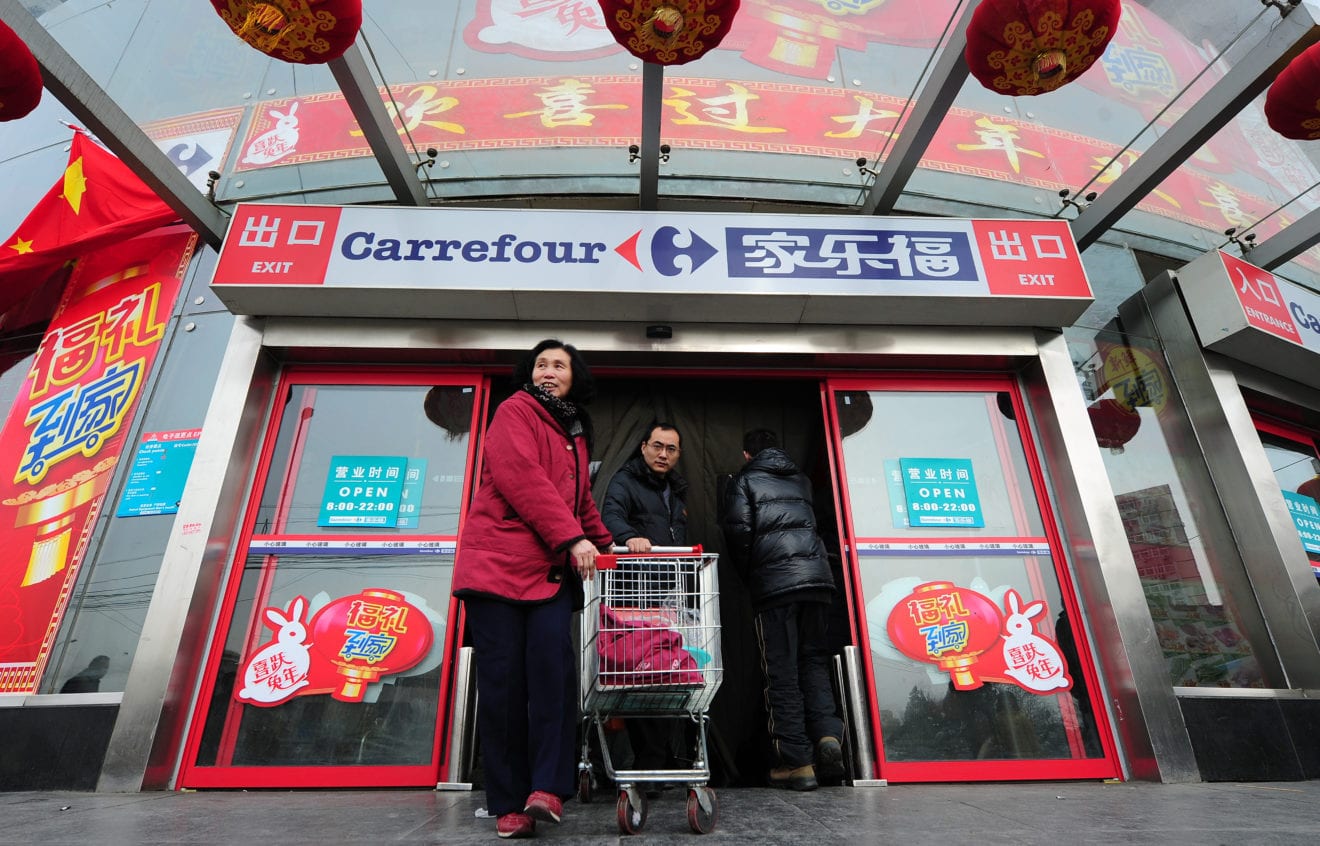
    Grocery chains with physical stores such as Walmart and Carrefour have observed a change in tastes and trends, along with an increase in online competition.

    Following a spate of high-profile food scandals, Chinese consumers are placing greater emphasis on food provenance. These are all key considerations for retailers looking to expand to China.

    Retail technology

    Slowly, but surely, an increasing number of retailers in China have started to introduce free in-store wifi.

    With the consent of the shopper, wifi can provide retailers with valuable insight to identify popular offers, trends and deliver advertising or even exclusive “wifi only” promotions and discounts.

    Chinese shoppers love showrooming. Research from McKinsey found that only 16% of consumers who did their research on a mobile actually bought the product at the store. Yes, that is a threat. But forward-looking retailers need to see this as an opportunity to provide Chinese shoppers with an immersive retail experience.

    New retail technologies such as beacons can provide an engaging shopping experience – and are delivering results. Chinese jewellery retail outfit Chow Tai Fook used beacon-supported location and proximity marketing with WeChat to generate sales of more than $15m (£9.7m). Other technologies that could bring the retail experience to life include augmented reality, self-service apps, in-store navigation and automated kiosks.

    Information silk road

    Turn back the clock two millennia and the ancient world of commerce depended on a thriving Silk Road. Then – just like now – traders built strategic alliances to gain a competitive edge.

    Fast-forward to today and it is an Information Silk Road. Chinese consumers – like their Western counterparts – are discerning and have little patience for downtime. New retail technologies can be dazzling and futuristic – but, ultimately, they are only as good as the networks they run on.

  • Online Sales Boosted Chinese Retail in September

    Online Sales Boosted Chinese Retail in September

    According to the National Bureau of Statistics of China, retail sales reached 2,527.1 billion yuan, up by 10.9% in September as against 10.8% in August 2015. The iShares China Large-Cap ETF was up 2.6% from a year ago as of October 19. China Xiniya Fashion Limited lost 43.1%, whereas China Mobile Limited gained 4.5% over the same period.

    Retail sales jumped in rural areas more than in urban areas

    Retail sales in rural areas rose 380.3 billion yuan, up by 12.1% year-over-year. In contrast, retail sales in rural areas rose by 2,146.8 billion yuan in September, up 10.7% year-over-year. In terms of different consumption patterns, catering services saw a 12.1% jump in September, increasing 272.1 billion yuan from a year ago. Retail sales of goods rose 2,254.9 billion yuan, up by 10.7%.

    Online retail sales are picking up in China

    Online retail sales of goods and services were up 2,591.4 billion yuan, increasing 36.2% year-over-year. Of that, the online retail sales of physical goods totaled 2,151.0 billion yuan. Online retail sales jumped 34.7%, accounting for 10.0% of the total retail sales of consumer goods. The online retail sales of non-physical goods were 440.4 billion yuan, a rise 43.6%. Of the total online retail sales of physical goods, food, clothing, and other commodities went up by 42.7%, 26.3%, and 37.7%, respectively.

    Internet retailers Alibaba, 500.com, and China Dangdang have lost 20.1%, 32.7%, and 42.2%, respectively, over the past year as of October 19. An uptick in Chinese retail sales is a positive sign, as it implies that domestic demand is rising with better consumer sentiment and may boost growth in the struggling economy.

    For more information, read China’s Growth Rate Fell below 7% in September. For the latest updates on the economic front, refer to our Global ETF Analysis page.

  • How some retailers are using O2O strategies to boost sales

    How some retailers are using O2O strategies to boost sales

    A slowdown in mainland tourist inflow has prompted Hong Kong’s retailers to step up efforts to attract those who are still making their way to the city.

    To grab the attention of the visitors, shops and other tourism-dependent entities are launching new online-to-offline marketing campaigns.

    One key way of reaching the customers has been to gather information on people visiting Ocean Park, the marine-life theme park that is popular with Chinese tourists.

    Mainlanders seeking to visit Ocean Park normally book their tickets through agents and have to leave some sort of contact information, usually their phone numbers.

    Now some marketing firms are gathering those telephone numbers and using them to craft O2O campaigns for their retail sector clients.

    Hooking up with the ticket agents, the marketing firms gain access to those phone numbers. Then they approach the ticket buyers by asking if they are willing to receive some Hong Kong-related information and promotions.

    Once the consent is secured, they will send discount e-coupons to the visitors on behalf of retailers, as Kevin Ng, a consultant with the Hong Kong Productivity Council, told a seminar recently.

    Since people who have bought Ocean Park tickets will definitely come to Hong Kong, such marketing activities will be very specific and targeted, leading to a greater chance of doing business.

    Sheung Wan is known for its cluster of shops selling Chinese herbs and dried seafood. Even those traditional businesses have begun using the innovative O2O route to win more business, according to Ng.


  • Apple’s Tim Cook hearts China

    Apple’s Tim Cook hearts China

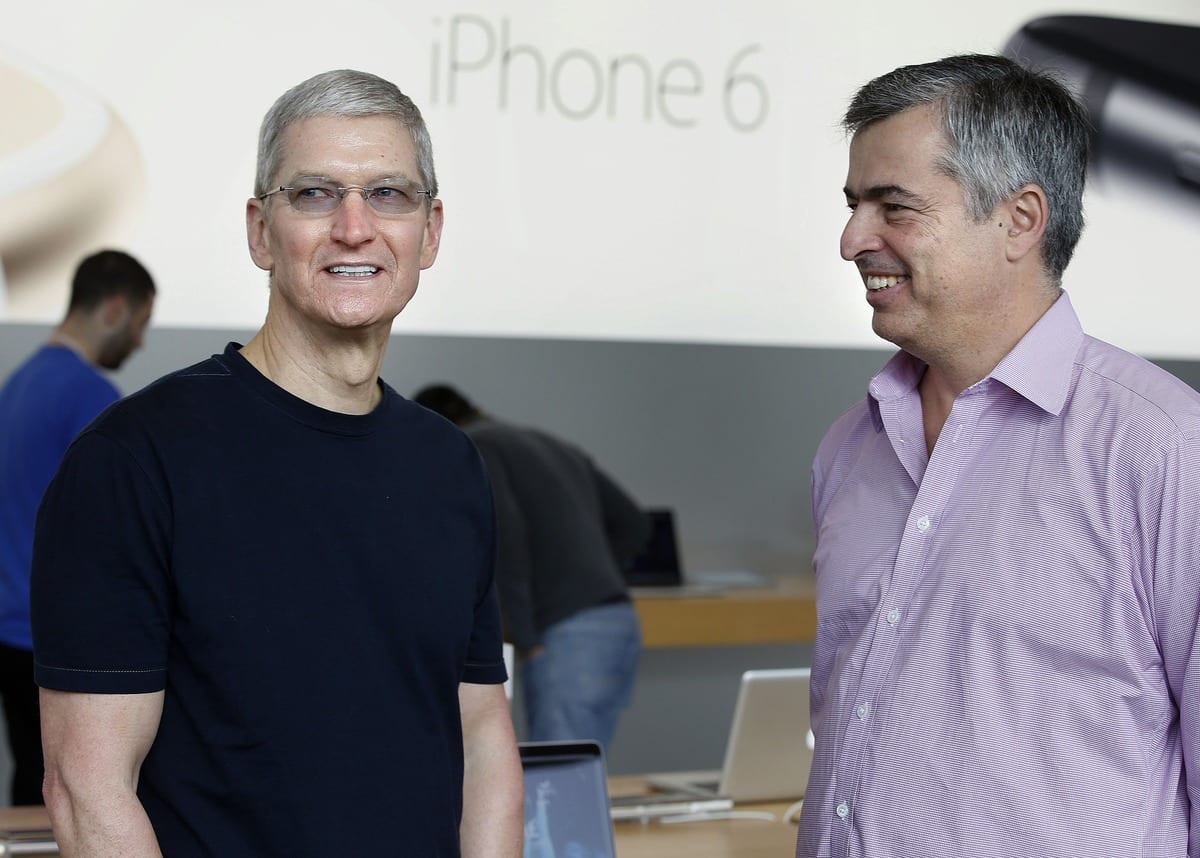
    Tim Cook, soft-spoken Southerner that he is, often can be a man of few words. During a conference call with analysts Tuesday afternoon to announce Apple’s strong fourth-quarter results, he dismissed a question from a Goldman Sachs analyst with a terse “I don’t know the answer to that,” followed by silence.

    Asked about China, however, the Apple CEO turned positively rhapsodic. In fact he soliloquized a stem-winder so passionate, its content speaks volumes to the country’s place in Apple’s future.

    “We’ve been able to grow without the market growing,” Cook said, after the company announced that sales in what it calls “Greater China” (including Hong Kong and Taiwan) doubled to $12.5 billion in the quarter. “iPhone 6 was the largest-selling phone in mainland China,” he said.

    Then, Cook countered the oodles of commentary calling into question China’s economic growth. “Frankly, if I were to shut off my Web and shut off the TV and just look at how many customers are coming into our stores and coming online, I wouldn’t know there was any economic issue at all in China. I think there’s a misunderstanding, particularly in the Western world, which contributes to the confusion.”

    In fact, Apple recently opened its 25th retail store in China, on the way to 40 soon. Cook said that no matter the near-term gyrations, Apple is in China for good. “We’re investing in China for the decades ahead,” he said. “China will be Apple’s top market in the world. That’s not just for sales. The developer community is growing faster than any country in the world.” Cook was there last week and said he was impressed with the software developers he met. As for the retail customers he encountered? Their enthusiasm was “infectiously contagious.”

    Cook didn’t stop there. “Nobody’s asking me about iPad on the call,” he said, referring to Apple’s tablet computer, whose sales declined 20% from the previous year. “In China, for 68% of the people who bought an iPad, it was the first tablet they had owned, and 40% of those had never owned any Apple product.”

    Apple remains a global juggernaut. It’s easy to see why its CEO, who spent years of his life flying back and forth from California to Apple’s partner factories in China, is bullish on the world’s second biggest economy, short-term issues be damned.

  • Morton’s sky bar officially opens at the IFC Mall

    Morton’s sky bar officially opens at the IFC Mall

    Sip on a mortini and dance the night away to the Sound of Shanghai DJs, bottle service and cocktail promotions from 6:00 – 11:00 p.m. on Thursdays, Fridays and Saturdays at the outdoor rooftop Morton’s Sky Bar in Lujiazui.

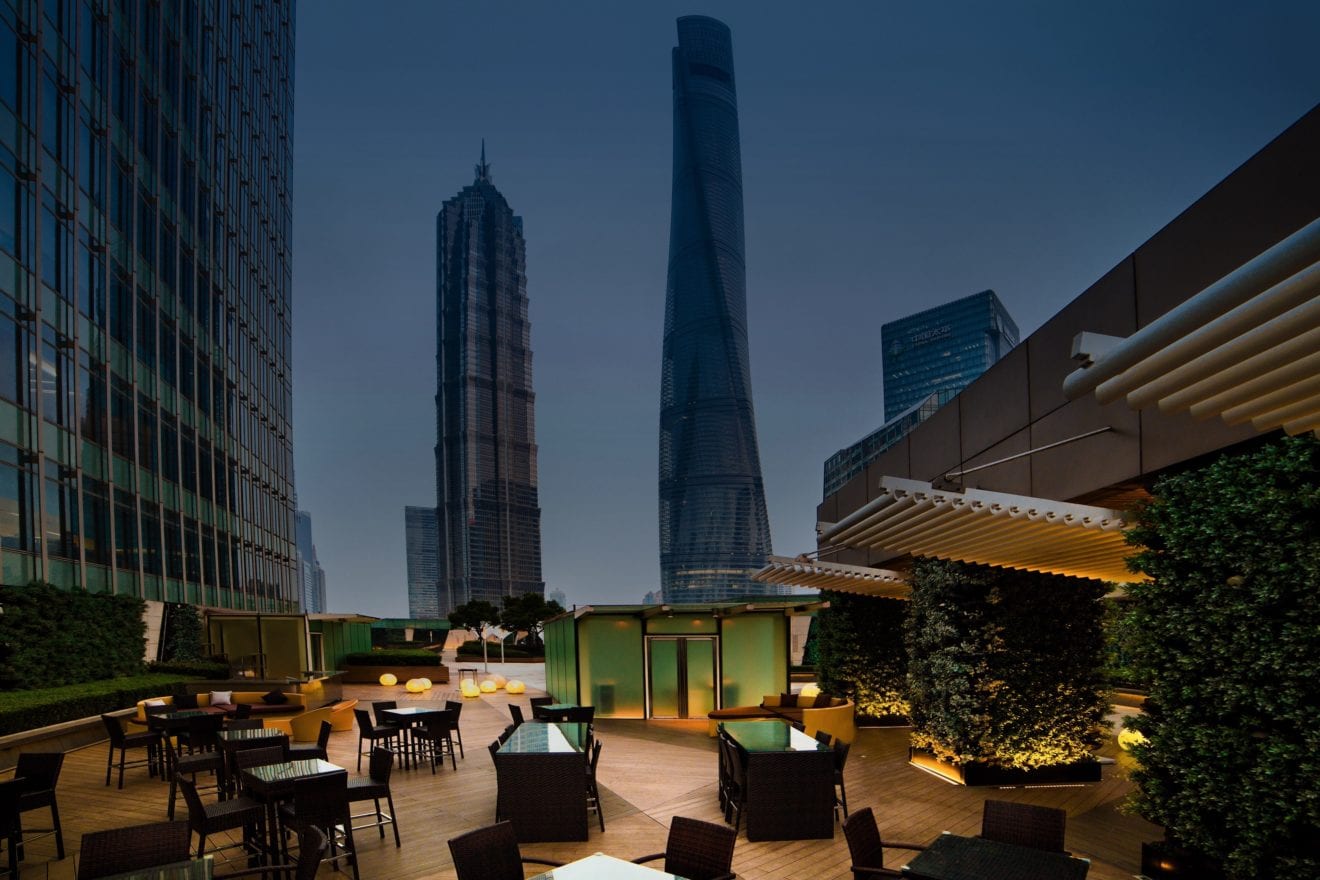
    Located on the 5th floor atop the Shanghai ifc mall, the rooftop terrace of the prestigious Shanghai ifc mall, Morton’s Sky Bar – the only bar atop the ifc mall rooftop, is the newest addition to the biggest Morton’s in the world.

    After stepping inside the Morton’s The Steakhouse, guests are transported to a rich and inviting environment which captures the quintessential American steakhouse experience. With the addition of the Sky Bar, a visit to Morton’s creates a unique opportunity to experience luxury nightlife in Shanghai like never before. With a spectacular view of both the iconic Oriental Pearl and Shanghai Tower – one of the latest additions to the Lujiazui skyline – after-work drinks just got a lot more interesting.

    Morton’s Sky Bar will offer a special drink menu only available on the 5th floor rooftop. For just 68 + 10% rmb per glass, guests can choose from Morton’s premium selection of 10 cocktails. Morton’s featured cocktails highlight a selection of classics cocktails; the sophisticated Cosmopolitan and straight Gin and Tonic are sure to be crowd pleasers.

    In addition, guests can also enjoy premium bottles service on Morton’s Sky Bar rooftop terrace. Purchase a bottle of Grey Goose Vodka, Bombay Sapphire Gin, Glenfiddich 12 Year Scotch Whisky or Moet & Chandon Champagne (prices vary) and Morton’s will sweeten the deal with complimentary mixers and two of Morton’s signature Bar Bites menu items. As an added bonus with bottle service, a bartender will pour and mix the cocktails tableside. For wine enthusiasts, Morton’s Shanghai glass-encased cellar also stocks more than 250 labels available from the world’s finest wineries.

    Legendary Sound of Shanghai DJs Azz and Kadwell will hold it down on the outdoor bar every upcoming Thursday, Friday and Saturday with some mixed-style house music played between 6:30 and 9:30 p.m.

    “After five years of operating in Shanghai, we’re very excited to open the outdoor rooftop terrace with the introduction of Morton’s Sky Bar,” says Frederic Fusseau, General Manager of Morton’s Shanghai Steakhouse. “We expect the popularity of our MORTini nights to spill into the rooftop where partygoers can start the night with drinks and music in our laidback rooftop bar.”

    With a name that has been synonymous with premium dining and cocktails for decades, an evening at the Morton’s Sky Bar atop ifc mall – accompanied by DJ’s and a spectacular view of the city – is sure to be a shanghai hotspot. 

  • King Baby Studio Announces Five New Stores in China

    King Baby Studio Announces Five New Stores in China

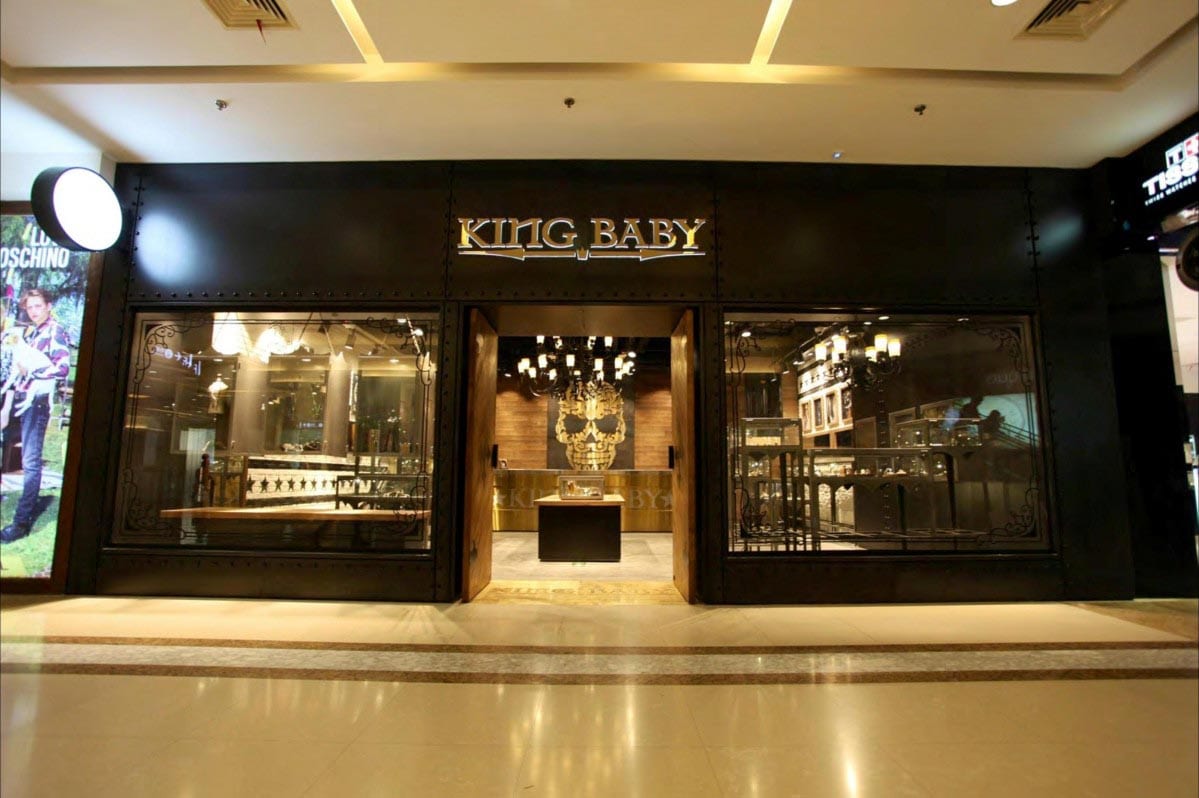
    King Baby strengthens its presence in China by opening five brand new stores – for a total of seven – in China. King Baby is one of a handful of brands exporting “hand-made in the USA” products to China.

    About the new King Baby Locations:

    The Grand Gateway 66 (Shanghai) is in the heart of the Shanghai Xujiahui business and shopping district and contains 1.1 million square feet of retail and entertainment space. The mall adds a Western-style experience to the dynamic Xujiahui commercial district and is located above the subway making it a convenient location for customer traffic.

    The Wanda Plaza (Wuhan) is one of the most unique landmarks in the region, the Han street Wanda Plaza is located in the central part of Wuhan’s central culture area, known as the “Pearl of the crown”. Han Street houses shopping malls, restaurants, and cultural and recreational sites. Hanjie Wanda Square is a luxury-shopping plaza which houses international brand stores, world-class boutiques, catering outlets and cinemas. The shopping mall belongs to Wanda Group, which is the biggest shopping mall group in China.

    The Mixc (Hangzhou) is a luxury mall which has been built in a new Hangzhou Central Business District area along the Qianjiang river, which is surrounded by high-end apartment building, office building, service apartment and Hyatt Regency hotel.

    Joy City (Tianjin) opened for business in 2011. Measuring 530,000 m2, this Joy City in Tianjin is located at the convergence of three traditional commercial circles in Tianjin and is a one-stop urban shopping complex covering experiential shopping malls, international A-1 office buildings, hotel-style service apartments and high-grade residences. You can experience high-end services provided by the super five-star IMAX cinema, the all-star theatre skating rink, the role playing center for children (Babyboss) or the exquisite supermarket Ole.

    Hisense Plaza (Changsha) is the joint project of Hisense Plaza and China’s most well-known property developer Huayuan Property. It’s the podium building of “Huayuan-Hua center”’s city complex The project locates in central Changsha and occupies one-kilometer core river view. Hisense Plaza is devoted to becoming the top shopping center in Central China — the total planned area is over 130,000 square meters (the whole building is nearly 200,000 square meters).

    “King Baby is thrilled and excited to have the opportunity to share American handmade jewelry and accessories along with our passion and lifestyle to China. We believe that quality, tradition, and ‘Made in the U.S.A.,’ are worth their weight in gold,” says founder Mitchell Binder.

    King Baby’s collections capture the spirit of Americana with rock n’ roll sex appeal and includes sterling silver pendants, beaded bracelets, earrings, and accessories detailed with fossilized mammoth ivory, locally mined jet and turquoise.

    “Management is confident with the development of King Baby business in China and very happy to see the progress on this market. More stores will open in a near future,” says Mr. Ching, The Retail Group LTD.

    Los Angeles-based King Baby designs, markets and sells premium artisan jewelry. The collection consists of men’s and women’s sterling silver and gold pendants, bracelets, earrings, and accessories. The company has retail stores in Santa Monica, CA, Los Angeles, CA, Nashville, TN, and Las Vegas, NV. In the United States, the company also distributes merchandise to better department stores and boutiques, including, Saks Fifth Avenue, Harvey Nichols, and Kitson. The brand also sells directly and through distributors to better department stores and boutiques worldwide.

  • Alibaba confounds China slowdown with 32% revenue rise

    Alibaba confounds China slowdown with 32% revenue rise

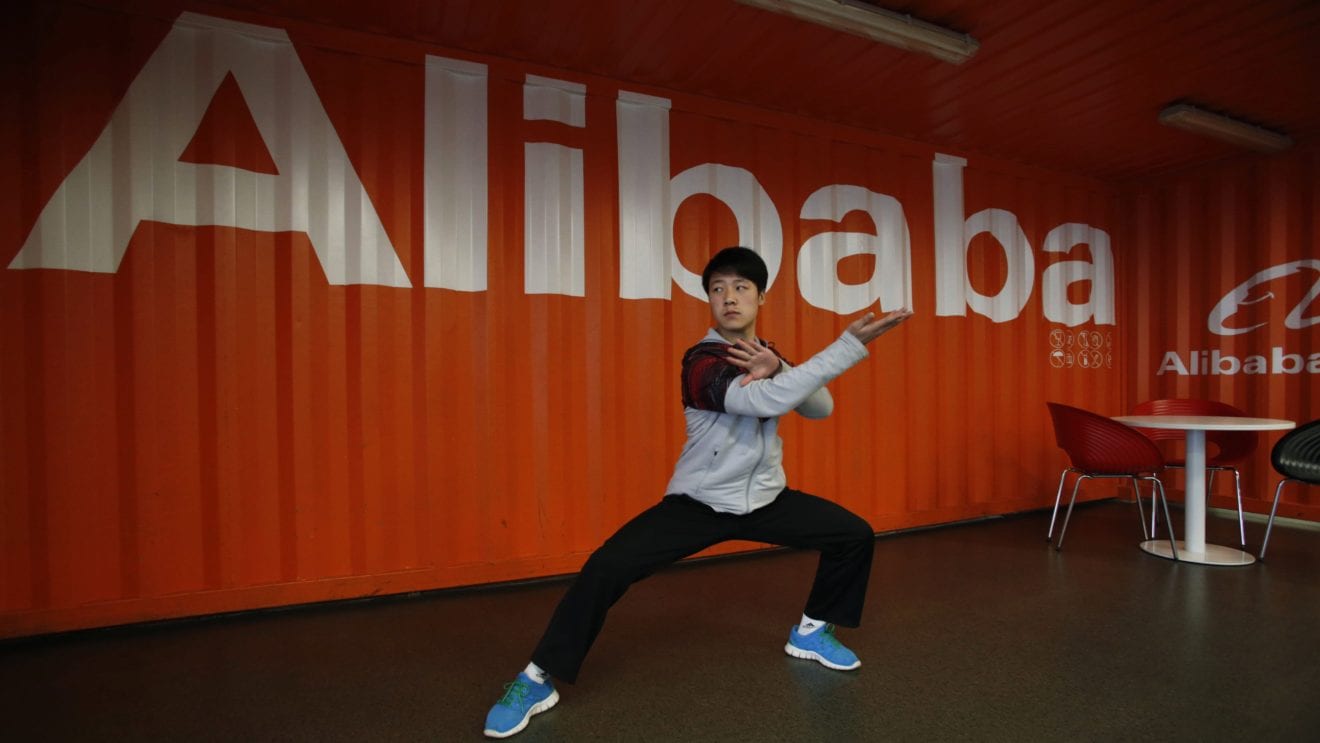
    The Chinese e-commerce giant Alibaba has reported a stronger than expected 32% rise in second-quarter revenue, even as the value of transactions on its platforms grew at a slower pace.

    Revenue from mobile platforms, an increasingly important area for the company, nearly tripled to $1.66bn (£1.1bn), with mobile gross merchandise volume (GMV) accounting for 62% of total transactions on Alibaba’s China retail marketplaces.

    “Mobile is the trend and Alibaba is capturing that trend,” said Tian Hou, an analyst at TH Capital Research.

    Alibaba’s New York-listed shares were up 10% in premarket trading. Shares of Yahoo, which owns 15% of Alibaba, were up 7%. The total value of transactions on Alibaba’s retail marketplaces in China rose 28% to $112bn, but this was the slowest growth in more than three years.

    The lower GMV growth was not unexpected. In early September, Jane Penner, Alibaba’s head of investor relations, said the total value of transactions during the quarter would be smaller than originally expected due to lower order values. Revenue rose to $3.49bn in the three months to the end of September.

    The jump in revenue added weight to recent comments from Jack Ma, Alibaba’s founder and chairman, that concerns about slowing consumption in China were overdone.

    The earnings report comes about two weeks before Alibaba’s singles day shopping festival on 11 November, which last year netted sales of more than $9bn .

    The company reported net income attributable to shareholders of $3.58bn, or $1.40 per share. Alibaba earned 57 cents per share, beating the average estimate of 54 cents.

    Alibaba, facing increasing competition from its rival JD.com, has been branching out from its core online shopping platforms in an attempt to stem a slowdown in revenue growth. During the quarter, the company invested $4.6bn in Suning Commerce Group in a move to bolster its ability to compete in logistics and electronics – two areas of strength for JD.com.

    The company has also poured more money into ventures outside China, for example by investing in One97 Communications, the parent of the Indian online retailer Paytm, and taking part in a funding round for the Indian e-commerce company Snapdeal.com.

    Alibaba shares closed at $76.35 on Monday, down about 36% from their record high of $120 in November 2014. Yahoo closed at $33.40.

  • How big is Apple’s green initiative in China?

    How big is Apple’s green initiative in China?

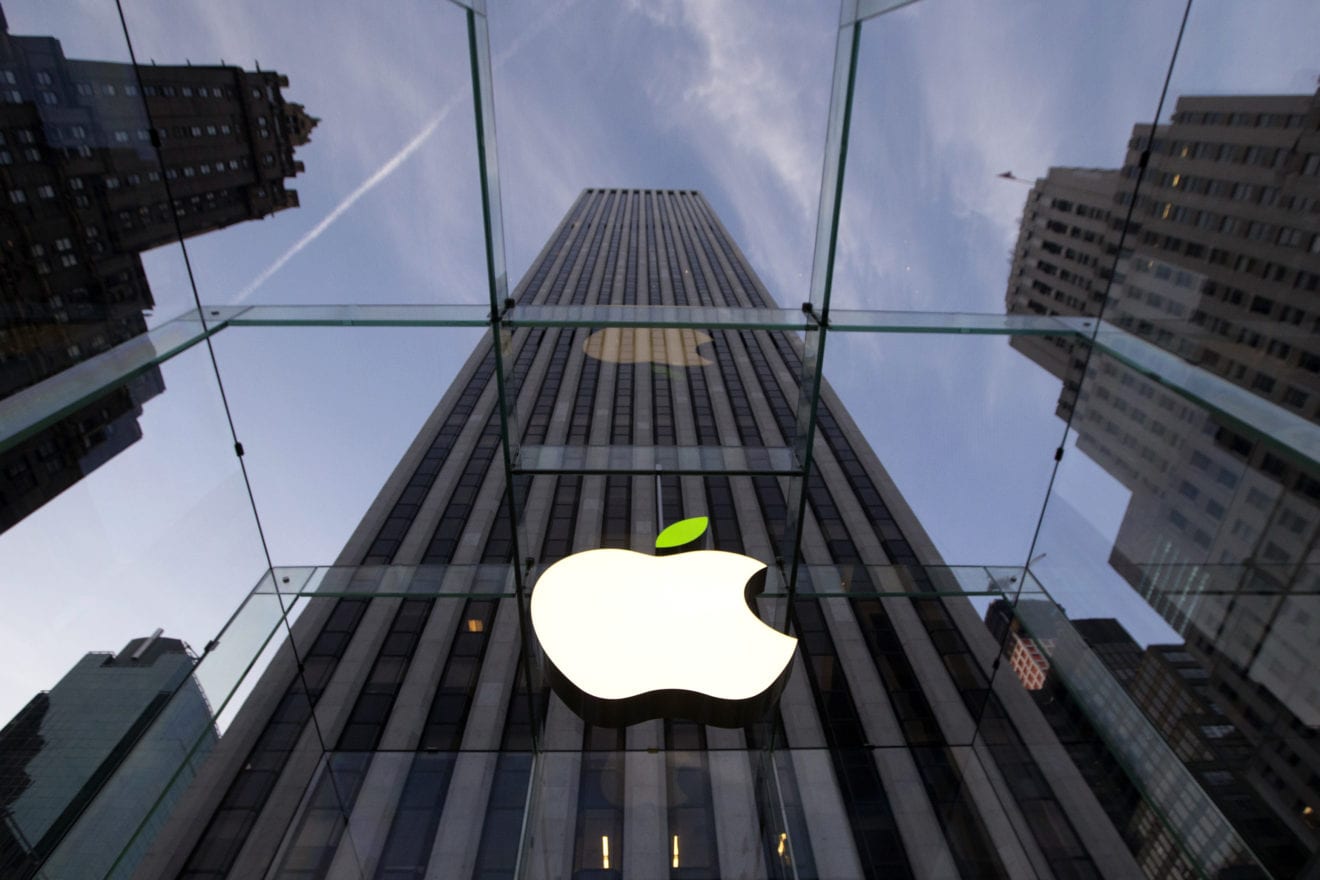
    It’s not easy to convey the scale of the two initiatives Apple announced today to reduce its carbon footprint in China—Building 200 megawatts of solar projects in the provinces on its own and partnering with its Asian suppliers to install another 2 gigawatts of new clean energy.

    Apple’s press release offered some helpful analogies.

    —The 40 megawatts of solar projects already completed in the Sichuan Province produce more than the total amount of electricity used by all of Apple’s offices and retail stores in China.

    —The 200 megawatts of solar projects planned for the northern, eastern and southern regions of China will produce enough energy to power 265,000 Chinese homes in a year

    The combined programs will avoid over 20 million metric tons of greenhouse gas pollution in China between now and 2020, the equivalent of taking nearly 4 million passenger vehicles off the road for a year.

    “Climate change is one of the great challenges of our time, and the time for action is now,” said Tim Cook, Apple’s CEO. “The transition to a new green economy requires innovation, ambition and purpose.”

    It also takes a lot of money. Apple achieved 100% carbon neutrality in its U.S. operations in part by generating its own clean energy and in part by buying credits from other clean energy providers. Now it’s doing the same in China.

    Not every company can afford that. Still, Apple is getting plaudits for leading by example.

    “We need governments and companies to transition us to renewable energy as rapidly as possible,” said Gary Cook of Greenpeace, an organization that played Apple’s scold not that many years ago. “Apple’s announcement today is a major step forward in building a renewably powered supply chain for its products.”

  • Why a tourist’s death should serve as a wake-up call for HK

    Why a tourist’s death should serve as a wake-up call for HK

    Hong Kong’s retail and tourism sectors have suffered another setback as mainland media have, with good reason, reportedly widely the tragic death of a Chinese tourist in the city this week.

    Already reeling from slowing sales, the latest negative publicity about a “forced shopping” trip that went horribly wrong for a visitor was something that local tourism-related businesses could ill afford.

    Now, as the damage has already been done, what can Hong Kong do to redress the situation and prevent such incidents from happening again?

    And what are the broader lessons for local tourism authorities?

    On Monday, a mainland visitor was beaten up by a gang of men after he intervened in a brawl between a fellow tour group member and the tour guide.

    In the incident that took place at a jewelry store in Hung Hom, the 53-year-old man stood up in support of a female fellow tourist who was being berated for not making any purchases at the store. 

    Following a loud argument and some scuffles, the man was dragged out of the shop and beaten up by a gang of four men.

    The beating was so severe that the victim, a person named Miao Chunqi, later died in hospital. 

    China’s state media, not surprisingly, has covered the news in detail, portraying it as a reflection of the chaotic Hong Kong tourism market and lack of protection for mainland shoppers.

    The Global Times, for instance, wondered if there is enough rule of law in Hong Kong’s tourism industry.

    Following the earlier scathing criticism over anti-parallel trading protests in Hong Kong, the latest commentary on cross-border shopping issues is bound to put off more mainlanders. 

    While some reports say that the assailants of Maio were from the mainland, Hong Kong’s tourism authorities still cannot avoid facing difficult questions.

    The tragic incident could, in fact, serve a purpose if the government wakes up to the uncomfortable truth regarding many tour groups from China.

    The root of the problem is that some low-quality tour service operators in China have been offering “zero” price tours to Hong Kong to force tour members to spend in specific shops in Hong Kong.

    The tour operators hope to more than make up for the cheap tours by reaping commissions from the retail outlets with which they have prior arrangements.

    While some Chinese tour members know such norms and are willing to spend in the shops they are taken to, some of them resent being put under pressure and refuse to make purchases.

    It is then that conflicts arise with the tour guides and trip organizers, leading to violence in some cases.

    The distorted service chain has been in existence for many years, but authorities in both Hong Kong and China have shown little inclination or courage to tackle the issue.

    One reason why they have been reluctant to shake up things is this: officials fear that disrupting the trade will go against the process of deepening the commercial ties between China and Hong Kong.

    Even after several reports of mainland shoppers being taken for a ride, the Leung Chun-ying administration has failed to act over the issue of errant tour service providers.

    Now, with the shocking case of a tourist’s death following a “forced shopping” trip, one only hopes that it will finally be a wake-up call for the government. 

    The time has come for our chief executive to address the industry problems, fixing things at home as well as putting pressure on Chinese authorities to clamp down on shady tour services firms. 

    The task is not too difficult if Leung musters the will and determination and the political courage to take on some vested interests.

    Is he up to the challenge?


  • China’s 500m middle class consumers

    China’s 500m middle class consumers

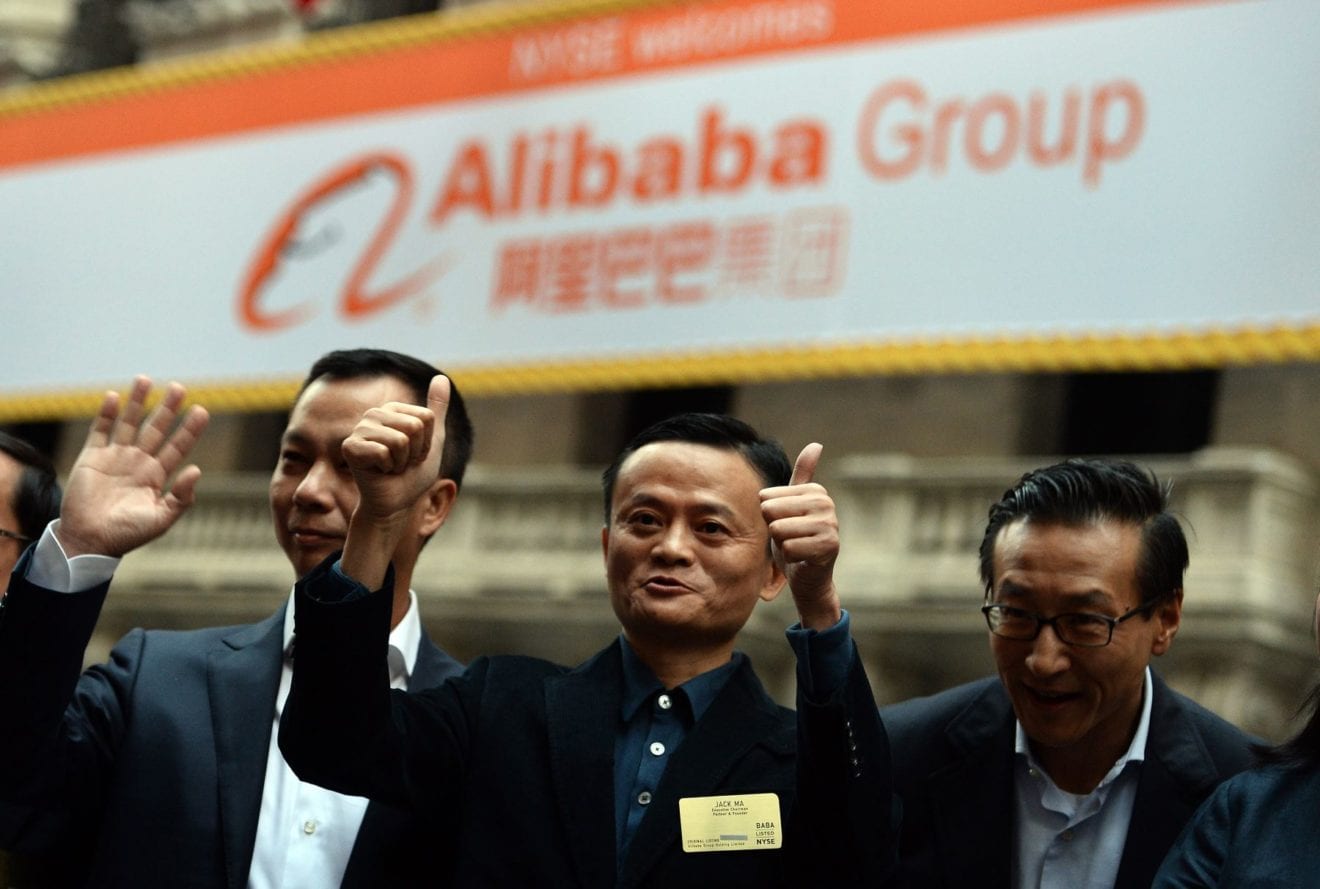
    Within the next ten to twenty years there will be 500m middle class consumers in China, according to Jack Ma, and there will be huge opportunities for smaller Western brands to gain a foothold in this market.

    “In the last 20 years China was focused on exporting, in the next 10-20 years China will focus on importing,” the founder of ecommerce giant Alibaba told a business gathering in London. “We’re coming here to help small businesses in the UK, in Europe, to sell to China.”

    To this end the company has made its London office a regional hub and opened offices in Italy, France and Germany.

    Some 5,000 overseas brands from 25 countries are expected to take part in Singles Day, Alibaba’s annual online shopping extravaganza on November 11, which this year will feature 6m products from more than 40,000 merchants and 30,000 brands.

    Last year shoppers from 175 countries placed orders on Alibaba’s platforms during the first 40 minutes, as the company upgraded the event into a global online shopping carnival by helping Chinese shoppers purchase overseas products and overseas buyers acquire goods from China.

    The ecommerce business has announced it will this year be “merging bricks with clicks”. Jeff Zhang, president/China retail marketplaces, explained this was a theme of the 2015 event and “marks the first step in achieving the full integration of the digital economy and physical commerce”.

    Some 180,000 stores in 330 cities across China are using a variety of omnichannel strategies to make shopping more convenient and rewarding.

    So, for example, customers entering one of these stores will get text notifications from their Taobao mobile app and can then scan an event barcode to win discounted e-coupons to redeem on the 11.11 shopping day.

    Leading retail brands – including Suning, Intime and Haier – will have special in-store experience zones where consumers can try out displayed products before scanning the barcodes and purchasing them at the discounted prices reserved for sales on 11 November.

  • Hamleys to be sold to Chinese footwear retailer

    Hamleys to be sold to Chinese footwear retailer

    Hamleys, the 255-year-old toy retailer, is poised to be sold to a Chinese footwear company for an estimated £100m.

    C.banner International Holdings has confirmed that discussions to buy Hamleys from its French owner are at an “advanced stage”.

    The company released a statement on the Hong Kong Stock Exchange on Thursday afternoon saying it was: “in the process of negotiating and finalising the definitive documentation with a view to entering into a legally binding agreement in the near future.” But it added that no definitive agreement had been entered into.

    The expected sale comes during the state visit to Britain by the Chinese president, Xi Jinping, that sealed £40bn worth of trade deals, including an £18bn investment in the Hinkley Point nuclear plant, controlled by EDF of France.

    Hamleys is best known for its seven-storey flagship store on Regent Street in London, where Father Christmas will soon greet youngsters. The expected move to Chinese ownership is the latest episode in the store’s turbulent recent ownership history, which has seen it pass into Icelandic and then French hands.

    The store has become part of the London tourist trail and is seen as quintessentially British, despite its foreign ownership – a trait it shares with several other local landmarks. Harrods, one of the capital’s other big historic retail brands, is owned by Qatar Holdings; Hong Kong-based Dickson Concepts owns Harvey Nichols; while Royal tailor Gieves & Hawkes is part of Hong Kong-listed Trinity Ltd.

    C.banner International, which specialises in women’s footwear under brands including MIO and Sundance, said it was interested in Hamleys’ strong brand as part of a plan to diversify its business. It also wants to develop a “strategic partnership” to distribute toys and children’s products via British department store House of Fraser – which was bought by Chinese conglomerate Sanpower last year.

    Yuan Yafei, the billionaire chairman of Sanpower, is thought to have family links to C.banner International, which is led by chairman Chen Yixi.

    Hamleys was launched as Noah’s Ark in 1760 by William Hamley, a Cornishman from Bodmin, who stocked tin soldiers, wooden horses and rag dolls.In 1881, a new branch of the shop opened in Regent Street, although at a different location from its current spot.

    The company was once listed on the London Stock Exchange, but was snapped up by Icelandic retail investor Baugur for £59m in 2003. Since then it has passed through a string of foreign owners.

    Icelandic bank Landsbanki took control of the store in 2009 after Baugur got into financial difficulties during the global financial crash. Four years later it was sold on to French retailer Groupe Ludendo, which operates hundreds of toy shops across France, Belgium, Switzerland and Spain.

    Under its series of owners, Hamleys has expanded across the UK – adding stores in cities including Cardiff, Glasgow and Manchester. In recent years it has also expanded overseas, including opening Europe’s largest toystore in Moscow in March. It is said to be considering expansion into the US.

    The revolving door for owners in recent times reflects an uneasy history for the spectacular toy store. In 1931 Hamleys was forced to close. It reopened later that year after being bought out by Walter Lines, co-owner of Tri-ang Toys. Lines was rewarded with a royal warrant from Queen Mary in 1938.

    The Regent Street store was bombed five times during the second world war and staff are said to have served at the shop entrance wearing tin hats during the blitz.

    Hamleys was issued with a second royal warrant by Queen Elizabeth II, who bought toys there for her children in 1955.

  • Xiu.com Signs Online Retail MOU With UK Trade & Investment

    Xiu.com Signs Online Retail MOU With UK Trade & Investment

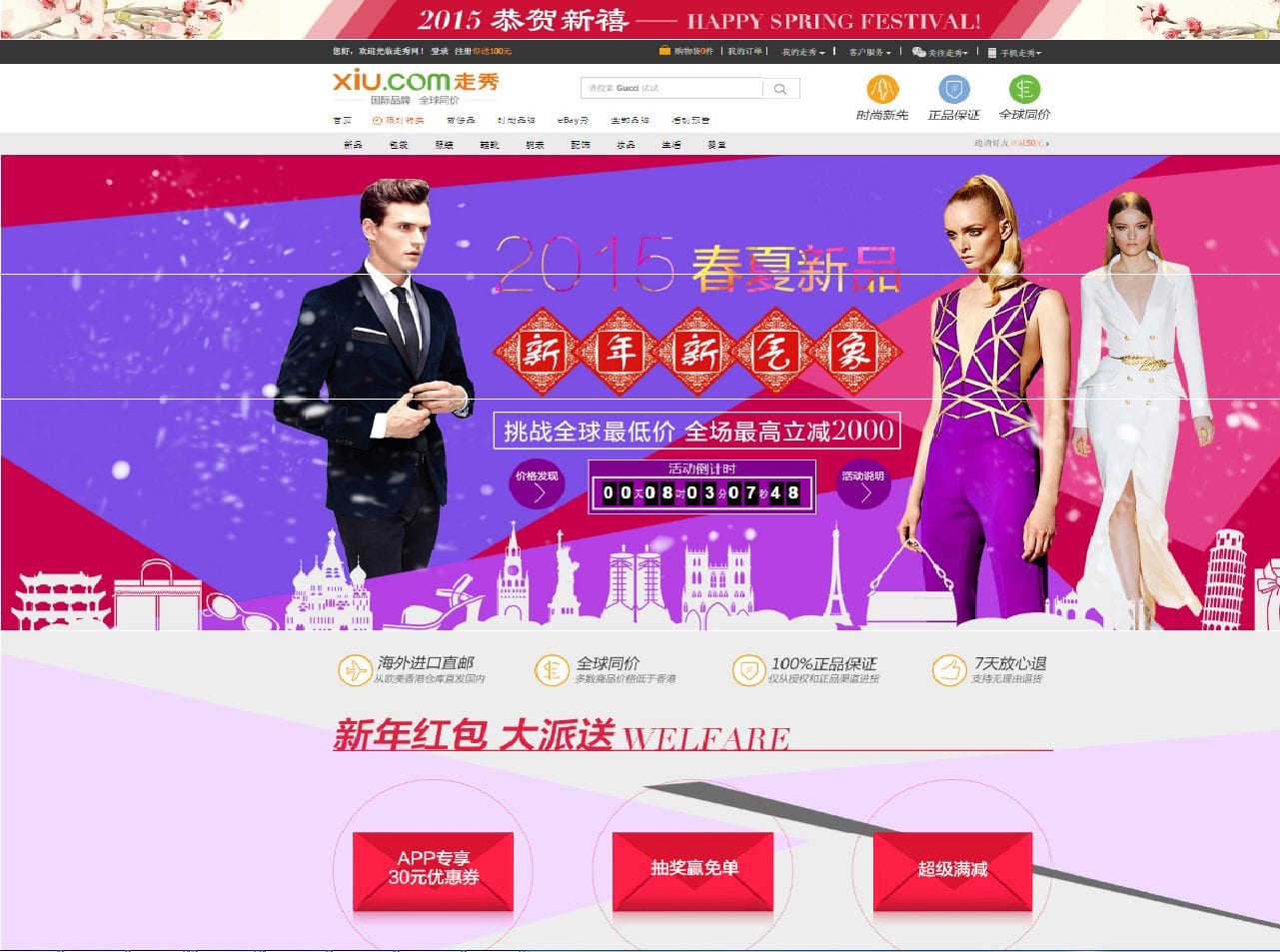
    As a leading Chinese e-commerce company’s representatives and invited by UK Trade & Investment and British Embassy Beijing, Xiu.com’s CEO Ji Wenhong and Director of Overseas Division Summer Lu attended business meeting of the state visit on Oct. 21 and gave a speech at the Sino-UK Retail Summit on Oct. 22.

    Xiu.com has signed a MOU with UK Trade & Investment and provides an e-commerce platform for brands of U.K reaching Chinese consumers.

    Under the agreement, Xiu.com and UKTI work together to help U.K. companies seize the rising opportunity of online shopping in China and globally. Xiu.com also promises to provide U.K. brands a precise online selling solution, which based on numerous operational data collected in the past seven years.

    Several U.K. brands have begun to sell on Xiu.com. Henri Lloyd, an apparel brand specializing in sailing and a sponsor of Formula 1 sailing tour, is among them and it sells products on Xiu.com at the same price in Europe.

    Another example is historic Scottish cashmere brand Johnstons of Elgin, which produces cashmere products for Hermes and Burberry. In China, high end cashmere products cost as much as 10,000 RMB in Chinese stores, on Xiu.com consumers only need to pay about 1,000 RMB for the products of same quality.

    Also, Xiu.com and U.K. government have jointly introduced Cheany, a U.K. shoe brand never sold into China before, to Chinese online shoppers.

    Xiu.com, a partner of UKTI in e-commerce, opened its U.K. office in London in 2014 to connect more U.K. brands.

    Xiu.com also joins “Shopping is Great”, which is part of GREAT Britain Campaign, an initiative that promotes creative ideas from Britain in business innovations. Xiu.com will mark all U.K. products on xiu.com with its LOGO.

    This March, Prince William’s visit to China is one of many activities of GREAT Britain Campaign and Xiu.com delivered a speech at an event organized by U.K. government during Prince William’s visit as well.

    Singles’ Day, the world largest online shopping festival is approaching and Xiu.com is working hard to get the most of it. Maureen Mou, Xiu.com’s Senior Vice president says, more than 600 overseas brands plan to join the promotion on Xiu.com at this year Singles’ Day and promises to sell their products at 20% to 40% discount.

  • Stradivarius China goes online

    Stradivarius China goes online

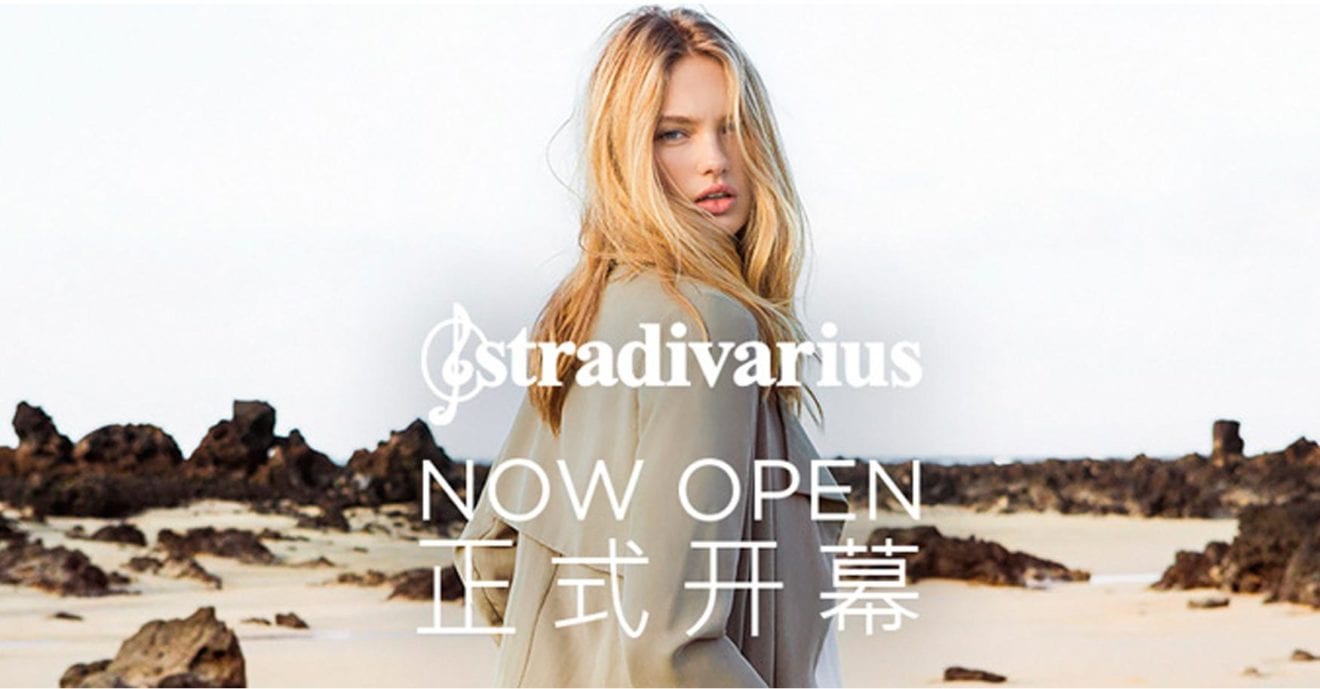
    Inditex brand Stradivarius has opened its own online store in China to complement its existing online store on T-Mall.

    Stradivarius, a sister brand to Zara, has 65 bricks & mortar stores in China. The direct site went live last month, less than six months after the brand made its T-mall eCommerce debut in the world’s most populous country.

    A formal launch event took place at Shanghai’s Union Building, dubbed “The Event Paper: Asia edition”. From its rooftop terrace, the guests were able to enjoy stunning views of the Bund, the Chinese financial capital’s most cosmopolitan district.

    The party was attended by international top model Liu Wen and Cate Underwood, the star of the brand’s FW15 collection campaign.

  • China wounds Burberry bottom line

    British luxury brand Burberry says Chinese luxury spending patterns have impacted on its sales in the six months to September 30.

    While the brand’s global retail sales rose two per cent to £1.105 billion in the half year, CEO Christopher Bailey described the market as “increasingly challenging” for luxury customers, especially in China.

    “The external environment became more challenging during the half, affecting luxury consumer demand in some of our key markets. In response, we have intensified our focus on driving sales and productivity, while taking swift action on discretionary costs.

    “While mindful of this external volatility, our plans for the festive season position us well to return to a more positive sales trend in the all-important second half. Looking further ahead, we maintain our focus on – and confidence in – the long-term growth opportunities for our business across channels, regions and product categories.”
    Retail revenue was £774 million, up one per cent on a same stores basis.

    But it was a different story in Asia.

    “Asia Pacific delivered a mid single-digit percentage comparable sales decline in the half, impacted by a further year-on-year deceleration in Hong Kong in the second quarter compared to the first, as footfall continued to drop,” the company said in a statement. “Mainland China comparable sales decreased slightly in the half, in the context of weakening consumer sentiment in the market in the second quarter. Excluding Hong Kong and Macau, comparable sales were broadly unchanged year-on-year in the first half.”

    Japan, however, was a standout.

    “Japan saw comparable sales growth well in excess of 50 per cent, albeit off a small base (with total sales now accounting for around two per cent of global retail/wholesale revenue).

    “Good progress was made during the half in expanding our retail presence, with the addition of our sixth free-standing store, in Shinjuku, Tokyo and the opening of a further six department store concessions, bringing the total to 19. We also assumed operation of 10 childrenswear concessions.”

    The company also expanded its beauty distribution, through Sephora globally and with Shiseido in Japan.

  • Alibaba seeks Youku Tudou buyout

    Alibaba seeks Youku Tudou buyout

    Alibaba is bidding to buy the remaining shares in Youku Tudou, dubbed ‘China’s Youtube’ in a deal which values the company at US$5.2 billion.

    The eCommerce already owns 18.3 per cent of the online video on demand service and says it will pay cash for the balance from its cash assets.

    Youku Tudou is publicly listed and Alibaba has offered a premium of 30.2 per cent over the pre-offer share price. The bid already has the support of the site’s founder Viktor Koo.

    Alibaba CEO Daniel Zhang said digital products, especially video, “are just as important as physical goods in eCommerce”.

    “Youku’s high-quality video content will be a core component of Alibaba’s digital product offering in the future,” he said.