Tag: China

  • China’s Taobao villages show e-commerce can transform rural India

    China’s Taobao villages show e-commerce can transform rural India

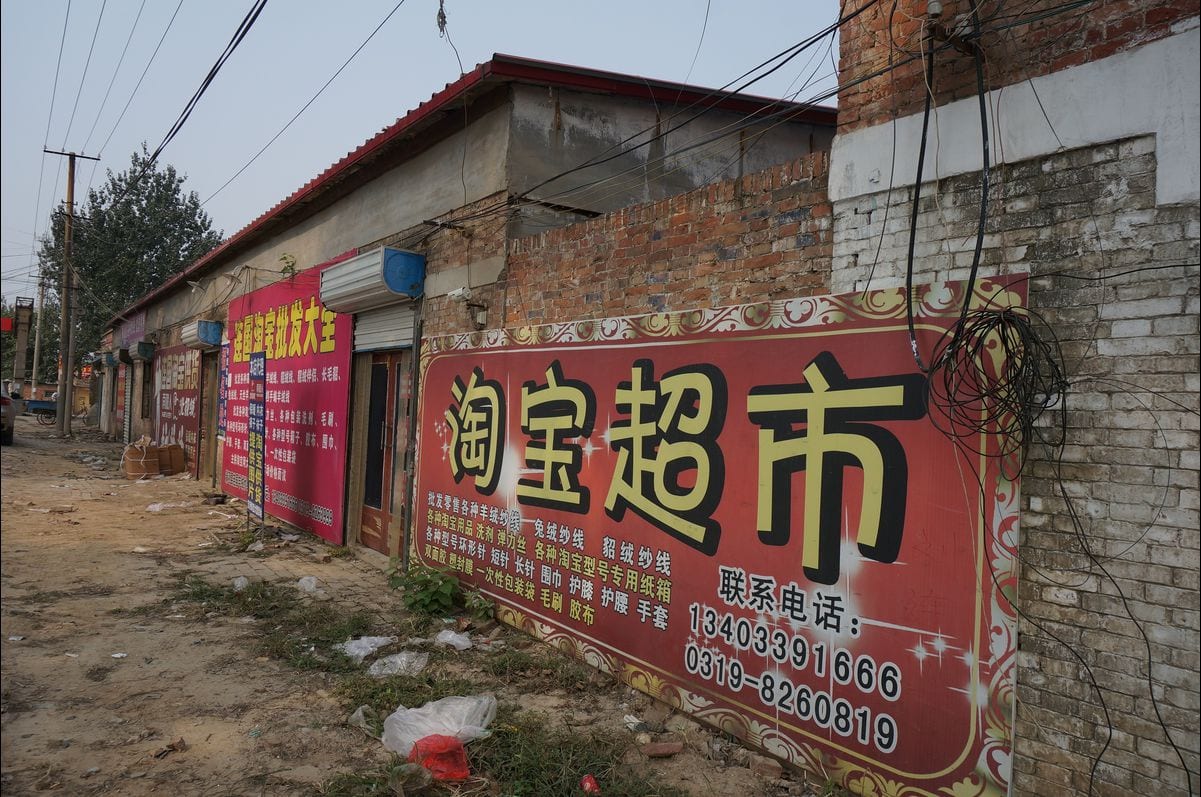
    Narendra Modi’s Digital India is a scheme that includes connecting all Indian villages with broadband. He says this will empower rural Indians, without spelling out all the details. He should learn from China’s Taobao villages, which have been transformed by e-commerce.

    China’s e-commerce giant, Alibaba, has pioneered rural e-commerce through its rural arm, Taobao, claiming this has created 280,000 rural jobs in 2014 alone. The Chinese government has picked 55 poor counties for grants to develop industries using e-commerce. Taobao villages have risen from 20 in 2013 to 211 in 2014, and the trend continues. These villages now cover 70,000 rural producers.

    Some of the output of rural industries and farms is destined for big cities. But a lot is also consumed in other villages. E-commerce provides Chinese villagers the huge choice of goods enjoyed by urban folk. India’s rural market is booming, but e-commerce India is associated almost exclusively with urban distribution. We need rural e-commerce for Indian Taobaos.

    Indian villages desperately need low-end manufacturing to create jobs for youngsters who have no interest in farming. Large industries cannot do the job. What’s needed is infrastructure plus marketing and financial linkages that enable rural entrepreneurs to start small-scale industries.

    Alibaba defines a Taobao village as a cluster of rural e-tailers where at least 10 per cent of village households engage in e-commerce or at least 100 online shops have been opened by villagers, and transaction volume is at least RMB 10 million ($1.6 million). Indian Taobao equivalents will have to start with more modest targets: they have limited purchasing power and limited production capacity . But, as in China, they have access to the cheapest rural labour, giving them the potential to compete, provided they overcome logistical disadvantages.

    City manufacturers have the best infrastructure and marketing networks, and so dominate in most countries. Alibaba has shown that Taobao villages can use the e-commerce route to overcome their logistical disadvantages. Encouraging the clustering of rural units has helped create the minimum trade volume needed to attract trucking and financing services. Alibaba itself has a financing arm. None of this requires government subsidies. But government investment in rural roads, electrification and broadband is necessary .

    In effect, Taobao villages transform villages into towns. The first Taobao village, Dongfeng, became a centre for low-cost furniture production by over 1,000 households. With access to cheap local timber and labour, they were able to quote competitive e-prices.They immediately got orders, which in turn stimulated supporting services. By 2014, the Dongfeng region had 40 logistics companies providing transport.

    CNBC reported last year on Beishan, another Taobao village, that once specialized just in breadmaking. It now has a company with annual sales of $8 million worth of camping gear, such as sleeping bags, beating big brands.
    India has long tried to promote rural industries through its Khadi and Village Industries Commission, which operates through state khadi departments. KVIC runs a wide network of “Khadi Gram Udyog” shops. The results are unsatisfactory despite substantial subsidies and reservation of various products (like saris) for handlooms. The ethos of KVIC is Gandhian, not commercial. A women’s group like Lijjat Papad has been far more successful, because it is commercially oriented, and not run by bureaucracies.

    The curse of every rural area is the huge gulf between what the farmer or rural artisan gets, and he much higher price paid by urban consumers. To some extent this is justified: the cost of quality con rol, grading, transport, wholesaling and retailing is substantial. Nevertheless, e-commerce holds the promise of slashing the logistical costs and linking he producer directly to consumers, helping the rural producer get a better price even as the consumer gets a lower price.

    This indeed was the original aim of ITC’s echoupal, which got much publicity but achieved only limited success. Eliminating the middleman was again the theme of “farm-to-fork” giant retailers like Reliance. Here too, the results have been modest, even in states that abolished compulsory sales through government mandis.

    E-commerce has the potential to beat e-choupals and retail chains. It can go far beyond agriculture to rural manufacturing. But it will require supporting investment in rural roads, electrification and broadband. This cannot be done by state KVIC departments. Rather, chief ministers will have to push for good rural infrastructure, plus a climate where doing business becomes easy. Once that is done, small industries and transport companies will quickly come up on their own. E-commerce companies will rush in, just as Alibaba has in China.

    Modi won the general election promising millions of jobs for villagers. Critics say this is a pipe dream. But China has shown that the Taobao route can indeed create millions of rural jobs. So can India.

  • Fung Group launches omnichannel retail lab

    Fung Group launches omnichannel retail lab

    Virtual-reality fitting rooms, magic mirrors and 3D printing are among innovations being trialled at a large-scale laboratory in Shanghai where businesses can experiment with omnichannel techniques and trends shaping the future of retail.

    The initiative is led by the Fung Group, the Hong Kong-based multinational with international brands and retail operations across China, and parent of sourcing giant Li & Fung.

    Named ‘Explorium’, the laboratory is being operated in partnership with data and analytics technology leader IBM, and brand activation company Pico. It is located within more than 23,000 sq m (nearly 250,000 sq ft) of trade exhibition space at LiFung Plaza, where it provides a controlled setting for businesses to observe and explore in real time how consumers interact with new technologies, products and environments.

    Brands are also using Explorium to understand opportunities in China for their products and services, based on consumer feedback collected and analysed at the laboratory. Retailers are using it to test different store concepts.

    Fung Group chairman Dr Victor Fung says the initiative is sparked by challenges occurring in retail across the world, especially in China.

    “Everything we thought we knew about how consumers decide upon what they buy, where they buy, when they buy, how they buy and how they pay is changing,” he explains.

    “Technology is the catalyst empowering consumers. The internet and mobile communications are disrupting the way consumers behave and, in so doing, providing unique opportunities for retailing to come up with new business models. Nowhere is this more evident than in China, one of the world’s most exciting, challenging retail markets.”

    Dr Fung adds that he believes the future for retail in China and globally is omnichannel – either online-to-offline (O2O) or a combination of bricks and clicks.

    “Chinese consumers are setting shopping trends globally, especially with their avid use of social media. And Shanghai is home, arguably, to China’s most vibrant, tech-savvy consumers. That is why we chose Shanghai as the launch pad for this major Fung Group initiative.”

    Participating brands and retailers are encouraged to experiment, incubate and iterate at high speed “while minimising their cost and risk,” with no preconceived ideas about which omnichannel business models would emerge from Explorium.

    IBM is gathering data in the Explorium and analysing it to help retailers “deliver personalised, relevant marketing interactions to consumers in real-time, delighting them and differentiating the retailer from the competition,” according to IBM global retail industry leader Stephen Laughlin.

    Consumers will be able to opt-in to receive offers and rewards from their favourite brands via social media and their mobile device – all tailored to their location and unique preferences.

    While children’s products such as toys are a special focus during Explorium’s first phase, it will go on to feature women’s and men’s apparel.

    “Explorium’s priority in coming months is to design, build, run and measure a greater number and variety of experiments to produce a pool of data that will enable participating brands and retailers to obtain unique insights for their individual businesses,” explains the project’s Shanghai-based director Simeon Piasecki.

  • Sports fashion demand drives Stella sales

    Sports fashion demand drives Stella sales

    Shoe marketer Stella International has reported increased sales in the second quarter on the back of growing demand for sports fashion footwear.

    In the three months to September 30, consolidated revenue from its China retail business and its manufacturing operations amounted to US$569 million, up 4.3 per cent year on year. For the nine months to September 30, revenues totalled US$1.366 billion, an increase of 7.9 per cent.

    “Looking forward, the group expects orders for the group’s footwear products will pick up further towards the end of this year and the beginning of 2016, as its customers continue to expand their global presence and as demand for sports fashion footwear continues to grow,” the company said in a stock exchange filing.

    “Order levels will also be supported by greater efficiency and improved utilisation at the group’s production facilities in inland China and Southeast Asia.

    “The group cautiously expects shipment volumes to reach 58 million pairs by the end of 2015.”

    Stella produces shoes for brands including Clarks, Deckers, Ecco, Rockport, Timberland, Wolverine, Cole Haan, Guess, Jones Group, Kenneth Cole and Michael Kors. It also designs, develops and manufactures footwear for high-fashion brands including Alejandro Ingelmo, Alexander Wang, Armani, Bally, Balmain, Brian Atwood, Givenchy, Kenzo, Marc by Marc Jacobs, Marciano, Miu Miu, Paul Smith, Prada, Sigerson Morrison, Via Spiga and Y3.

    And taking advantage of its manufacturing expertise, the wide acceptance of Stella’s products by brand customers, the company has successfully expanded into the Chinese and global footwear retail market through its own brands Stella Luna, What For, JKJY by Stella and joint-venture brand, Pierre Balmain.

    Stella says it will continue to implement strict cost controls and efficiency improvement measures to preserve its profitability. This includes placing a renewed focus on leveraging its competitive strengths to pursue new promising product segments, such as sports fashion footwear.

    “The group also remains committed to building the long-term competitiveness of its retail business with the opening of new standalone stores and shops-in-shops in quality locations. It will also continue to boost its branding efforts in Europe to further grow the value of its brands among Chinese consumers.”

  • Daphne International sales slump

    Daphne International sales slump

    Hong Kong-listed shoe retailer Daphne International has reported a third quarter same store sales slump of 19.7 per cent as it continues to cull its store network.

    As earlier reported, Daphne issued a profit warning in July after reporting a fall in same store sales of 16.9 per cent in the first half of 2015, and by 17.7 per cent in the second quarter.

    In the first six months of the year, Daphne closed 181 stores – 117 directly-managed and 64 franchised stores, the majority in the second quarter. But it still has 6221 points of sale.

    Daphne operates the Daphne and Shoebox retail brands in Mainland China.

    During the third quarter, same-store sales of the group’s core brands business recorded a decline of 19.7 per cent year on year, but the company explained that was from a high base effect of 6.3 per cent growth during the same period last year.

    Overall, the same store sales decline of its core brands for the first three quarters of 2015 was 17.9 per cent.

    “The same-store sales decline was more driven by the lower average selling price, although both ASP and sales volume recorded a decrease,” the company disclosed.

    “The group continued the consolidation of the sales network, with a net closure of 219 points of sale during the third quarter (a reduction of 191 directly-managed stores and 28 franchised stores), and therefore had a total of 6002 POS under its core brands business as at September 30.”

    The one bright spot was an undefined growth in sales in its eCommerce sales during the third quarter.

  • The new niches in China’s ecommerce market

    The new niches in China’s ecommerce market

    Alibaba’s sales is only 5 percent of total retail in China and JD.com’s sales of electronics products represent about 2 percent to 5 percent of total electronics retail as well, according to Dangdang.com’s CEO Li Guoqing.

    If you only look at the Chinese ecommerce giants’ recent financial report, most people would agree that the competition has settled because Alibaba alone has accounted for about 80 percent of the market share in online shopping sales. The combined sales from Alibaba and JD.com have close to about 90 percent of the Chinese online retail market.

    However, at least one executive of a Chinese e-retailer thinks the position of those leaders is not secure. “The size of the business is not equal to competitive advantage and competitive threshold.  The market will be settled only if the marketing leaders have some unique edges and generate difficult barriers to entry,” says Li Guoqing, cofounder and CEO of Dangdang.com, in a speech in One Thousand Ecommerce Professionals Seminar in China:

    Alibaba’s sales only account for about 5% of retail sales of China and that is not a enough barrier to entry. At same time, JD.com’s electronics sales only represent 2% to 5% sales of electronics products in China. If some companies get a right new business model, there are still plenty of chances to beat those current leaders.

    Li says people seldom know Vipshop, the number 4 internet retailer China 500, and Yhd.com, the number 7 internet retailer China 500, three years ago, but now they have become ecommerce leaders in their categories in China.

    In other words, new horizons may be coming for niches within China’s ecommerce market in the same way that we see companies like Warby Parker and Zappos coming up in the USA. Keep on a lookout for these small well-branded niche companies in China, while you look past the big guys like Alibaba and JD.

  • Alibaba announces 11.11 global shopping festival

    Alibaba announces 11.11 global shopping festival

    Alibaba has officially launched its 11.11 Global Shopping Festival this year in a ceremony at its headquarters Hangzhou, China.

    The e-commerce giant said its push for this year’s festival is for Alibaba to serve as  the “gateway to China” for brands worldwide. Representatives from 39 countries, more than 40 partnering international brands, and nearly 30 fresh food associations from around the world attended the launch.

    “There are currently 300 million middle class in China, and that number will rise to 500 million in 10 to 15 years. This will be an opportunity for every nation,” he said. “China’s consumption power will rise quickly and that will not only drive China’s economy but also the world’s economy.”

    Alibaba CEO Daniel Zhang, who was instrumental in creating the first 11.11 sales event in 2009 when he led Tmall.com, said that the sales event has evolved from a marketing event for online shopping into a global phenomenon that involves consumers in China and around the world.

    “This year’s 11.11 will focus on four key themes: omni-channel, mobile, logistics, and globalization. It showcases the scalability and power of Alibaba’s entire ecosystem,” he said.

    This year’s 11.11 is also expected to bring to life Alibaba’s overall globalization strategy outlined by Michael Evans in his first public appearance as president of Alibaba.

    More than 40,000 participating merchants, 5,000 participating international brands from 25 countries, and more than 6 million products available for purchase in this year’s one-day shopping frenzy.

    Last year, the 24-hour festival generated $9.3 billion in gross merchandise volume, dwarfing Cyber Monday in the US.

  • Here’s a new tissue that could help wipe out deforestation

    Here’s a new tissue that could help wipe out deforestation

    Experts say bamboo offers enormous potential to protect the natural environment and biodiversity as well as mitigate climate change, given its strong root systems to combat soil erosion and capacity to lock up carbon dioxide from the atmosphere.

    There is a growing array of products made of bamboo in the market today – from bicycles to sunglasses – offering sustainable alternatives to timber and other forest products.

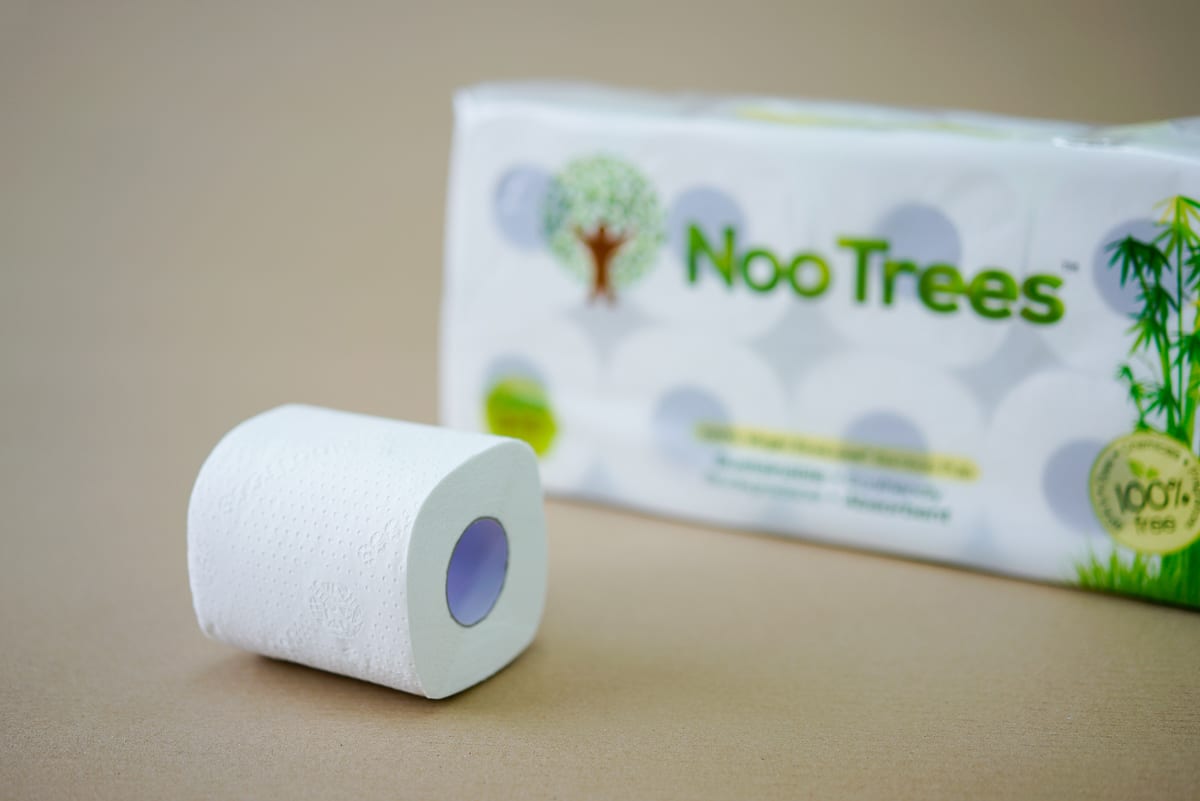
    Early this month, NooTrees, a new brand of sustainable consumer products wholly owned by Singapore-based luxury retail group FJ Benjamin, joined the movement and launched a series of biodegradable bamboo-based wet wipes and tissue paper products to supermarkets.

    The new line targets environmentally-conscious consumers looking for products that do not destroy natural resources while costing the same as traditional options. Tissue paper products are often produced from the virgin pulp of trees grown in timber plantations.

    The problem is that much of the land cleared for these plantations were once forest areas, which are rich in carbon stock and natural habitats for wildlife such as orangutans and tigers.

    NooTrees’s range of bamboo-fibre tissue paper and wet wipes presents a viable solution to the environmental problem of deforestation and also offers a skincare product that is hypo-allergenic, the firm said in a statement.

    The recent haze pollution caused by the burning of peatland and forested areas in Indonesia has increased awareness among Singaporean consumers of the implications of deforestation.   

    However, despite zero-deforestation pledges by pulp and paper companies, some pulpwood suppliers are still linked to illegal burning of plantations. These plantations are putting companies’s supply chain at risk of violating their own commitments – and thus, ending up selling products that could be linked with forest destruction and air pollution.

    Companies’s transparency is also called to question as the traceability of the raw materials is hampered by insufficient data. For example, sometimes nobody knows who or which company owns a patch of land that is burning.

    David Ward, who founded the brand in November last year and is general manager of NooTrees, said that he is confident that the brand will find a following in Singapore who are supportive of companies that truly make a positive impact on people’s lives.

    Experts advocating bamboo as an alternative source to timber and other forest products say the plants have enormous potential to protect the natural environment because of their strong root systems to combat soil erosion. The plant also grows fast and therefore, can lock up carbon dioxide from the atmosphere, helping mitigate climate change.

    Ward noted that scientists have been searching for alternative fibres for the tissue paper sector. “Bamboo consistently comes out as the best long-term alternative and best possible future material to match the growing future demands for toilet and tissue paper as the world population increases,” he explained.

    He told Eco-Business that NooTrees only works with bamboo pulp manufacturers that are certified by the Forest Stewardship Council and International Standards Organisation.

    There is continued interest in bamboo, which has now become a booming US$6 billion industry in China, Ward stressed. He added that the plant has a high regeneration rate and the ability to produce five to six times the amount of paper pulp per hectare compared to regular trees.

    NooTrees said its products’s biodegradability compared with conventional polyester-based wet wipes also addresses the issue of waste management. Because they biodegrade within 45 days in a landfill, they do not end up as waste that clogs wastewater pipes and recycling plants.

    “We are starting in Singapore as we want to make a positive impact to the people living here and then elsewhere across the region and the world,” said Ward.

    And yes, NooTrees confirmed that no critically-endangered wildlife, especially pandas, were deprived of their food sources in the making of these tissue products.

  • Apple Inc. To Open The Largest Store In China Tomorrow

    Apple Inc. To Open The Largest Store In China Tomorrow

    Apple Inc. confirmed the upcoming launch of its 21st Apple Store in China, scheduled to open in Dalian on October 24, 2015. The latest retail outlet is situated in Parkland Shopping Mall on 19 Jiefang Road. Earlier in 2012, the iPhone maker claimed that the store in Dalian may potentially be the Apple’s “largest” retail outlet ever.

    The company’s new outlet is located in Dalian’s Zhongshan District, a populated area usually flooded with tourists from Japan, Korea and China. And it also serves as a popular port and financial center. Apple confirmed that the store was set to open its doors on Saturday at 9:30 AM.

    As Apple pursues its aim to open the “largest flagship store” in Parkland Mall, the company may also decide to transfer that title to its other upcoming retail outlet for Dubai, scheduled to open on October 29. The tech giant’s store in the Mall of Emirates also marks it as its first expansion plan in the Middle East.

    Apple is aware of its strong influence in Chine, and has been working on the Dalian project for past three years. Through this, it is clear that the tech giant takes China as one of its main consumer markets for Apple products. Even though Apple might not make its Dalian outlet the “largest” one, its former plans do so indicate that it may have other exclusive plans for its store in China.

    The company has also invited US locals to apply for potential jobs at the upcoming store, with recruitment beginning earlier this year. By introducing a new store in China, Apple may help create increasing job opportunities for local citizens as well. By providing customers with basic Apple Store services such as a Genius Bar, workshops, tutorials and more at the upcoming Apple Store, it is evident Apple is attempting to integrate its standard store elements into the upcoming branch to ensure it can authentically deliver according to its original standards and help boost its reputation even further in Chinese markets.

    By launching an Apple outlet in one of the most visited locations in Dalian, Apple’s plan may help it increase its user base even further. The company’s efforts to attract a larger target market is expected to be successful due to its easy access to numerous strangers and tourists who visit Parkland for shopping. The tech giant will be able to benefit from its store location and may attract foreigners to its variants, further promoting its services to a larger audience through its China retail outlet.

    Moreover, it is highly possible that Apple’s new store will help boost business for surrounding retailers as well, enabling the company to secure a relationship with Dalian businesses for future ventures. As far as its store in Dubai is concerned, the iPhone maker is deliberately choosing shopping plazas and malls to introduce its outlets, so that it can target wider audiences.

    It isn’t confirmed that the tech giant still plans to make its Dalian branch the “largest” outlet. However, the store’s launch this Saturday is expected to attract many customers from China, Korea and Japan.

  • Yi Hua signs cross-border eCommerce pact

    Yi Hua signs cross-border eCommerce pact

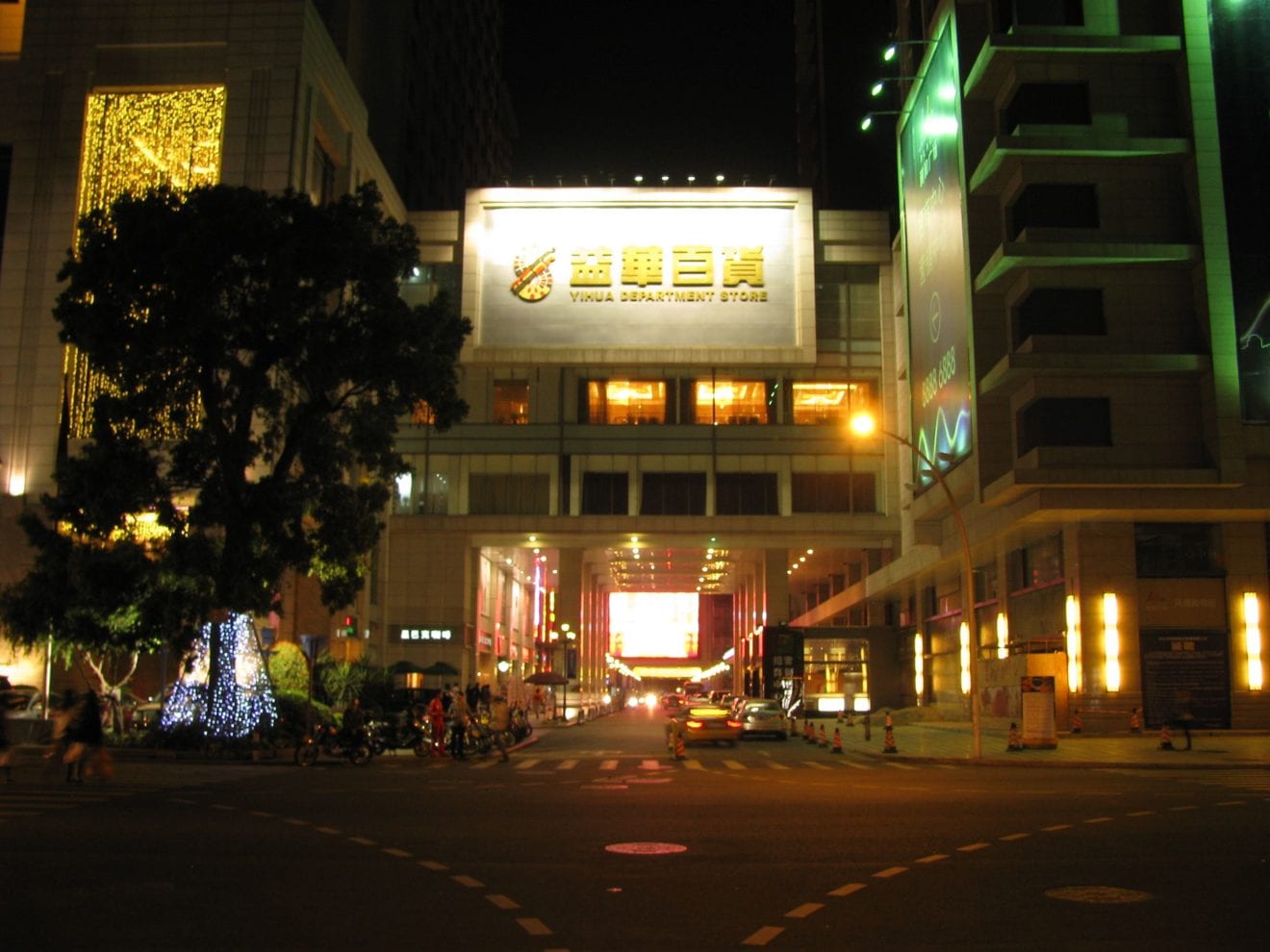
    Yi Hua Department Store Holdings has entered into a strategic purchasing pact with China Merchants Food to jointly develop cross-border eCommerce and bonded merchandise business.

    Yi Hua operates a group of retail businesses in Mainland China, including supermarkets, department stores, electrical appliance retailers and furniture stores, and provides consulting and planning services. Since August this year, the company has started importing merchandise and developed a cross-border eCommerce business.

    Integrating with its bricks and-mortar imported merchandise direct sales stores, this online-to-offline (O2O) business model uses its fully-fledged sales channels and comprehensive online network for the sale of imported goods, the company says.

    Under this week’s pact, Yi Hua will entrust the purchase of imported merchandise to Hong Kong-based China Merchants Food, which will provide logistics, storage, and distribution as well as customs clearance and inspection services.

    Most of the cooperation will centre around two imported merchandise direct sales stores opened in Zhongshan City and Jiangmen City since August. The Yi Hua board believes combining its retail and distribution network with the overseas purchasing network and superior financial strength of China Merchants Food, will lower purchasing costs, ultimately resulting in a win-win situation for both companies.

    Furthermore, Yi Hua will be able to widen its merchandise purchasing channels.

    “These will build a firm foundation for the group to quickly develop cross-border eCommerce and imported merchandise direct sales experience stores in the next step,” the company said in a statement.

  • Competition cramps Country Style

    Competition cramps Country Style

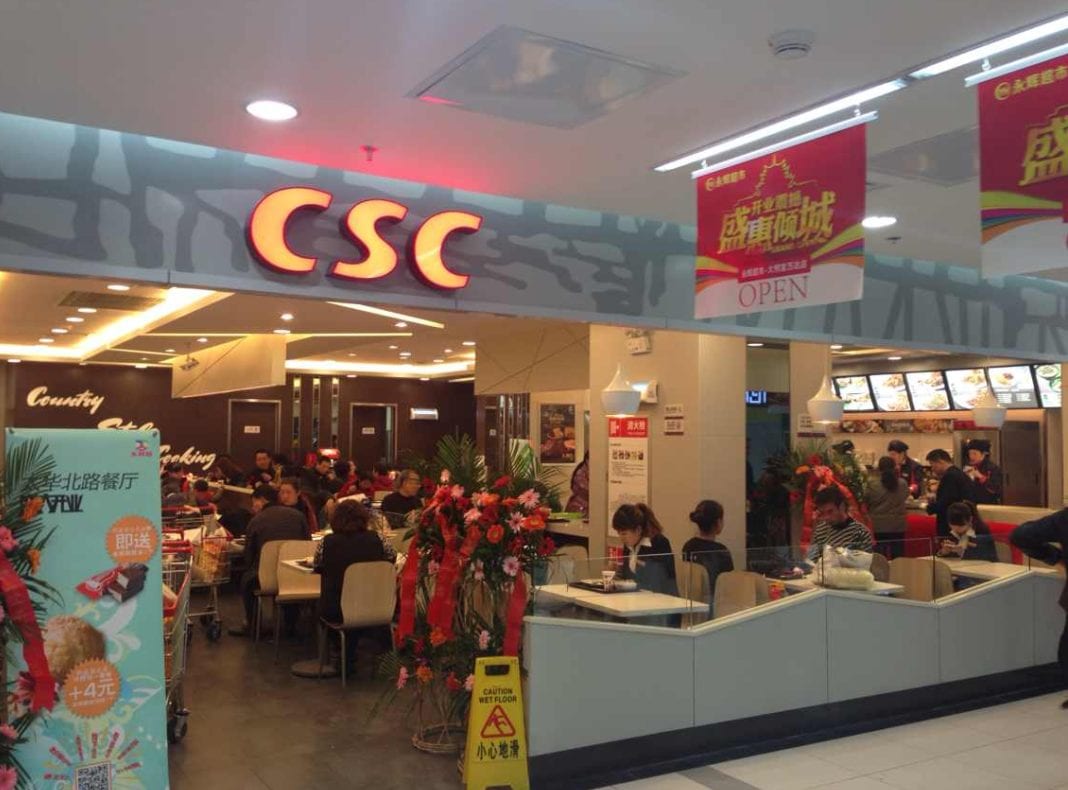
    Country Style Cooking Restaurant Chain, a quick service restaurant operator in China, says sales fell in the third quarter, despite the opening of 10 new outlets.

    In the three months to September 30, the company expanded its network to 355 restaurants,a net 23 more than a year ago. The new openings included six under the brand name Mr Rice.

    Country Style Cooking said it currently anticipates its revenue for the third quarter of 2015 to be about RMB388 million (US$61 million), compared to RMB409.1 million (US$64 million) in the same quarter of 2014.

    “The lower-than-expected revenue was mainly due to the intensified competition, which also negatively impacted the company’s quarterly same store sales,” it said in a statement.

    It plans to report its third quarter 2015 results in mid-November.

    Country Style directly operates all of its restaurants under brands of CSC and Mr. Rice and is the largest quick service restaurant chain in Chongqing municipality, the home of Sichuan cuisine.

  • How Chinese shop in Korea

    How Chinese shop in Korea

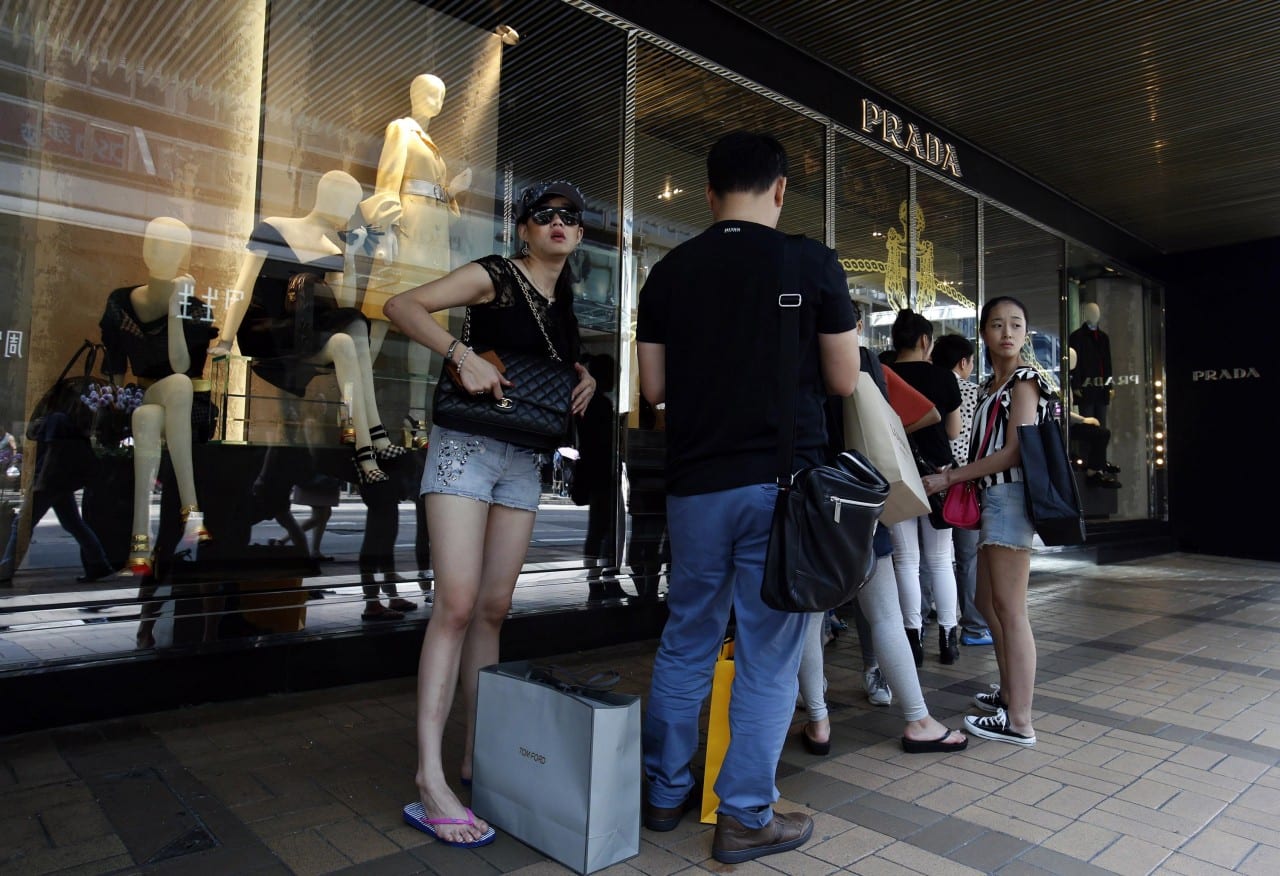
    Japanese and South Korean retailers are smiling… but these scenes are enough to make a Hong Kong retailer weep: Watch how Chinese shop over Golden Week… in Tokyo, Seoul or Boston… Not in Hong Kong, their traditional destination.

    Chinese tourists, famous for leaving shelves bare when they shop abroad, went on a shopping spree in Korea, Japan and the US during last week’s National Holiday of the People’s Republic of China, better known in Asia as Golden Week.

    Tour guides say that the average Chinese tourist that visits Japan spends approximately 20,000 to 30,000 Yuan, which is around US$3140 to $4720, on shopping.

    Shopping is actually the main reason for travel during Golden Week.

    This year, Chinese tourists flocked to duty free stores in Seoul, Busan and Jeju, as shown in the photographs, as well as large discount stores and markets, clearing shelves of stock, according toKoreabizwire and Yonhap news service.

    The Korean press reported instances of Chinese tourists buying “hundreds of thousands of won worth of cosmetics” in just two to three hours at duty free stores.


    In Japan, Chinese tourists were bought over the counter drugs in bulk: cough medicine, painkillers, glasses, sleep shades and stationary are popular Japanese products among Chinese tourists. Baby products, also.

    Earlier this year, during the Chinese New Year Holiday, Japanese electronic rice cookers and bidets were cleaned off the shelves by Chinese tourists.

    In the US there were similar stories, Koreabizwire reported.

    According to a local tour operator in Boston, Chinese tourists stopped by a Gucci Outlet to buy bags, and most of them bought three or four bags at once, with some purchasing as many as seven at once.

    “They were shopping as if they were just grabbing free stuff,” said a local guide.

  • US, Asia weigh down Hugo Boss

    US, Asia weigh down Hugo Boss

    Deterioration of the market environment in Asia and a slowdown in the Americas weighed on sales and earnings performance of German fashion brand Hugo Boss in the third quarter of 2015

    The company said its sales were marked by “high levels of volatility” in the third quarter to September 30. The group’s own retail business in particular developed unevenly over the period.

    “While performance in Europe remained strong and in line with original expectations, momentum in Asia and the Americas deteriorated considerably towards the end of the period. This was due to sales declines in China as well as a negative development in the Group’s US own retail and wholesale businesses,” the company said in a statement.

    “Weaker demand from tourists contributed to the slowdown in the US.”

    Third quarter group sales declined one per cent, excluding currency effects. Expressed in euros, they increased by four per cent to euro 744 million. Own retail same store sales remained stable year on year in local currencies.

    “Due to particularly challenging sales trends in the group’s directly operated stores as well as continued investments in the medium- and long-term growth potential of Hugo Boss, EBITDA before special items declined by eight per cent to euro 168 million in the third quarter, on a preliminary basis,” the company reported.

    “In addition, the group’s financial result was impacted by a negative charge of around euro 16 million related to adverse exchange rate movements of the Brazilian Real and the Swiss Franc in particular.”

    In light of weaker than expected trading in the third quarter, the group now forecasts sales and EBITDA to both increase between three and five per cent on a currency-adjusted basis in the full year.

    “This outlook is based on the assumption that fourth quarter retail comp store sales will remain stable or develop positively compared to the prior year quarter.”

  • Artway sales surge

    Chinese electrical retail giant Gome says sales by its takeover target Artway during the first half year rose 7.85 per cent year on year, to RMB10.858 billion.

    Same store sales rose 3.66 per cent overall, while in second tier cities same store sales rose 5.93 per cent, demonstrating the success of Artway’s focus on smaller centres.

    Gross profit margin rose by 0.85 percentage points to 20.28 per cent.

    Profit for the period was RMB256 million, up 75.34 per cent compared to the same period last year.

    Gome Electrical Appliances, the Hong Kong-listed Chinese electrical appliances retailer – is planning to spend US$11.268 billion acquiring rival Artway, allow it to expand its presence from 269 cities to 436 cities across Mainland China.

    As at June 30, Artway operated 590 stores, including eight self-owned stores, covering 17 provinces in China (including Jiangsu, Zhejiang, Shanghai, Fujian, Jiangxi, Hunan, Hebei, Henan, Liaoning, Jilin, Heilongjiang, Inner Mongolia, Shanxi, Guizhou, Guangxi, Shaanxi and Xinjiang). It opened 56 stores and closed 22 in the six month period, representing a net increase of 34 stores.

  • JD.com opens US office

    JD.com opens US office

    JD.com, China’s largest online direct sales company, has opened its first US facility, a new research and development center located in Silicon Valley.

    Situated in Santa Clara, the new office will focus on developing and enhancing new and existing technologies that will improve the user experience for its customers in China and boost the company’s offerings.

    The facility will also allow easier interactions between the company and US retailers, partners and brands seeking to establish or expand their presence in China on JD’s shopping platforms.

    “Given the scope and strength of American brands, products and capabilities, the US was the obvious choice as we sought a location for our first office outside of Asia,” said Richard Liu, founder and CEO of JD.com.

    Chen Zhang, senior vice president of JD.com and head of R&D for JD Mall will initially oversee the new office, which will focus on areas such as cloud computing, mobile applications and big-data infrastructure, and will provide both rotational job possibilities for engineers in China and opportunities for certain skilled technical workers in the area.

    Last July JD.com launched US Mall on its website, dedicated exclusively to meeting the demand in the Chinese market for authentic imported American products.

  • China Jo-Jo online sales soar 438 per cent

    China Jo-Jo online sales soar 438 per cent

    China Jo-Jo online sales soared 438 per cent in the last half year as more shoppers chose to buy direct rather than on the company’s Alibaba shop front.

    Sales on Alibaba rose 130 per cent year on year.

    China Jo-Jo Drugstores, listed on the US Nasdaq exchange, says sales on its site www.dada360.com, set a record consolidated gross profit margin of 25 per cent.

    China Jo-Jo’s online sales are principally driven by four categories of products including: medical devices, OTC drugs, toiletries and nutritional supplements through the presence of six ePharmacy platforms online, including the company’s official branded website and marketplaces in Alibaba andJD.com.

    The company’s online pharmacy sales for the last four years has been led by Jo-Jo’s flagship store through Alibaba’s marketplace, however for the month of September, 2015, sales from China Jo-Jo’s own B2C website surpassed sales from the flagship store, “which is indicative of the great demand for online pharmacy services in China,” the company said in a statement.

    Sales from China Jo-Jo’s eCommerce platforms represent 30 per cent of the overall sales from its physical retail stores, which increased by 10 per cent year on year.

    Primary reasons for the rapid growth in China Jo-Jo’s ePharmacy business are the unmet demand for competitively priced shopping alternatives for which the Company carries roughly 8000 products across its retail and online businesses.

    “For the half year period, a major contributing factor to adoption of online sales is the web traffic driven to our B2C sites from “private insurance card” member holders. Private insurance cards are a fast growing segment of the company’s business whereby member incentives for card holders include discounts, promotions and prescription reimbursements from large private insurance carriers in China. The number of qualified customers using commercially available private insurance cards in this period was up 20 per cent to roughly 220,000 participants, while the variety of products available online increased 50 per cent year over year,” the company said.

    Qi Li, president of China Jo-Jo commented:, “2015 has ushered in a new era in China and the launch of nascent but rapidly growing online pharmacy industry. We expect continued success as the industry matures, creating an evolved ecosystem to service the needs of our customers for many years to come.”