Tag: China

  • I.T. Limited sales rise despite Hong Kong

    I.T. Limited sales rise despite Hong Kong

    Apparel business I.T. Limited has boosted sales by 5.1 per cent to HK$3.393 billion in the first half year despite a slowdown in Hong Kong.

    But the company recorded a net loss of $31 million due to a non-recurring foreign exchange losspreviously reported totaling $79.6 million. Without that, profit would have increased by 32.8 per cent to $48.6 million.

    Gross profit increased by 1.4 per cent to HK$2.026 billion at a gross profit margin of 59.7 per cent, slightly down on the 61.9 per cent of a year ago.

    In Hong Kong, retail sales slipped 3.6 per cent to $1.571 billion, but I.T. Limited noted that was a lesser fall than the broader apparel market in the city. Same store sales fell by 0.9 per cent.

    But in China, where it has more than 580 stores, the company increased sales by 19.1 per cent to $1.336 billion.

    Total Macau sales rose 6.2 per cent to $101 million despite lower than expected tourist traffic.

    And Japan continued to outperform with total retail sales of HK$222.4 million, representing 6.9 per cent increase in Hong Kong dollars, or 27.5 per cent in local currency.

    The company said in the Hong Kong market, a slow economic recovery alongside diminished inbound tourist traffic growth (from Mainland China in particular), which was attributed predominantly to the strength of the HK dollar and the easing of immigration in multiple tourist destinations such as Europe, Japan and Korea, has placed “unprecedented challenges on the consumer retail market”.

    “Similarly, Mainland China, where domestic headwinds continued to cause considerable impact on consumer appetite and maintained lingering concerns about the economic prospect of the country, demonstrated by the depression of external import demand, has created a challenging economic environment for retailers in the region,” I.T. Limited said in its filing.

    “At this juncture, consumer sentiment across these regions remained weak, and retail sales growth was largely boosted by sales promotions.”

    The company said having a multifaceted business model with “inherent flexibility” will allow it to remain resilient in the face of the market challenges.

    “We also believe that innovation and differentiation are among the most relevant tools to support our position as a fashion leader across our operating regions and allow us to adapt to the rapidly changing fashion markets. To that end, the group continues to focus and invest in further strengthening its fashion platform through a combination of international brands assortment upgrades and new fashion concepts establishment within the in-house brands segment.

    “Today, we have a balanced portfolio showcasing a collection of the latest distinctive international brands alongside multiple innovative in-house brands, all of which have their own unique identities that complement each other well.”

    In the first half year, I.T. Limited’s house brands accounted for 56.8 per cent of its revenue.
  • Jenny Bakery Shanghai store scam

    Jenny Bakery Shanghai store scam

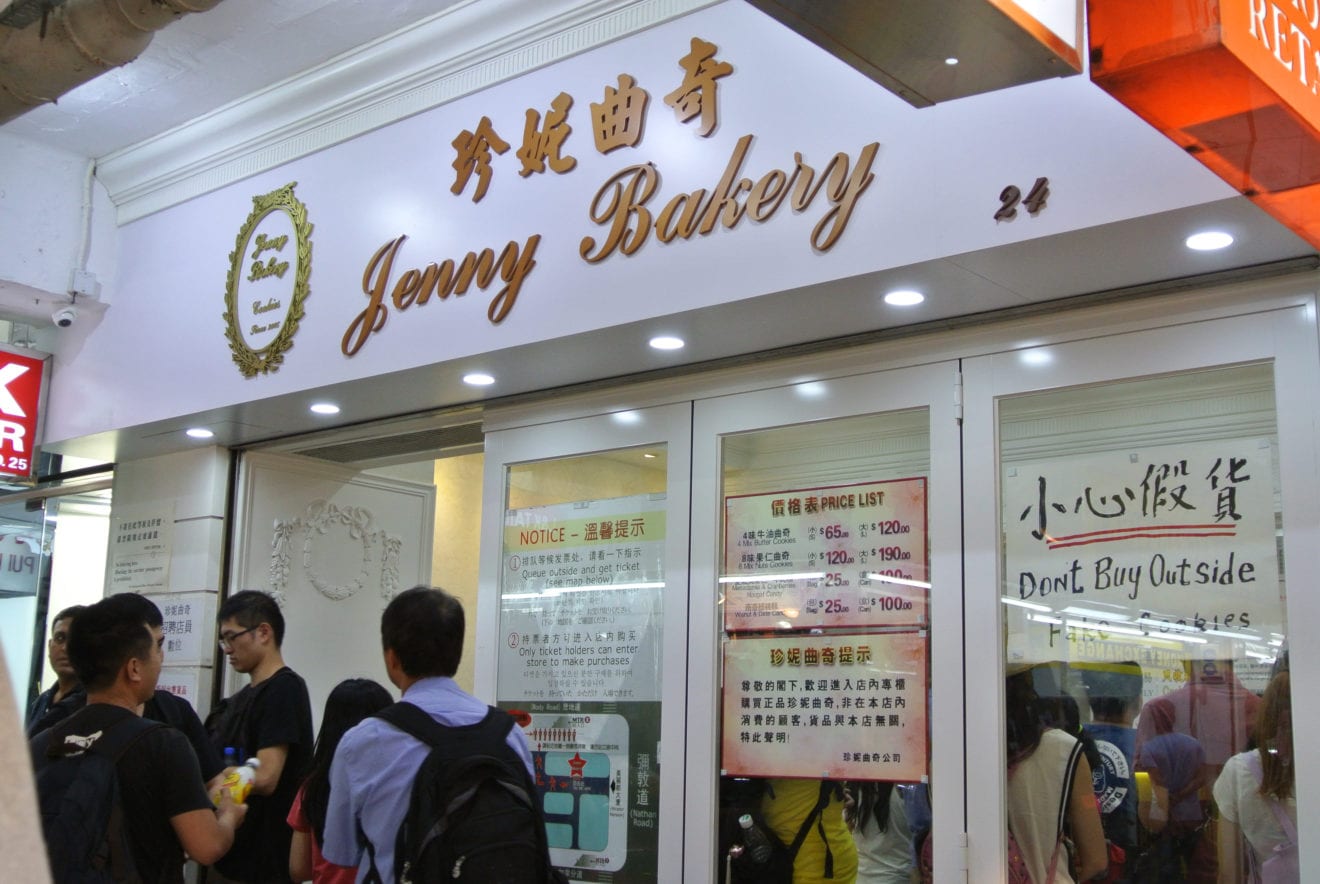
    A Jenny Bakery Shanghai store scam has angered the Hong Kong brand’s owners – not to mention Shanghai city officials and hundreds of customers who queued for hours only to find the cookies were copies.

    In the latest example of Mainland China’s seemingly contagious penchant for copying brands and labels and ripping off other people’s IP, crooked entrepreneurs launched a promotional campaign for the Shanghai opening of popular Hong Kong baker Jenny Bakery. It was even located in a respected shopping centre – the Global Harbour mall in the city’s Putuo District.

    Chinese media say that promotional material for the new store suggested the maker of the “most tasty cookies in Hong Kong had come to Shanghai”.

    The difference was in the signage: The Shanghai store bore the branding JENNY BAKERY (in capitals); the original Hong Kong business signage is Jenny Bakery. The Shanghai store even sold similarly packaged products: cookies in tins with teddy bear graphics which bore a strong likeness to the Hong Kong packaging.

    But such is the laxness of Chinese IP laws, it appears all that Putuo District city officials could do was reprimand the copycat scammers. They have been told to make it clear it has no association with the Hong Kong business and warned they could be fined if investigations prove they deliberately misled customers.

    The scammers had priced boxes of cookies at 98 yuan, or US$15.80 – nearing double the price of the original Hong Kong product, which sells for HK$70, or about US$9.

    While Jenny Bakery made it clear it does not have any stores in the mainland and that all its cookies are handmade, JENNY BAKERY maintained it had done nothing wrong by selling cookies baked at a factory in Shenzhen. The company said it was a legally registered brand and its business is legitimate.

    The Shanghai store has since closed, but not before affixing a notice to its door claiming it was the only legal owner of the brand name in the mainland – which is actually true; it was registered in Shenzhen earlier this year.

  • Alibaba in Singles Day sales clash

    Alibaba in Singles Day sales clash

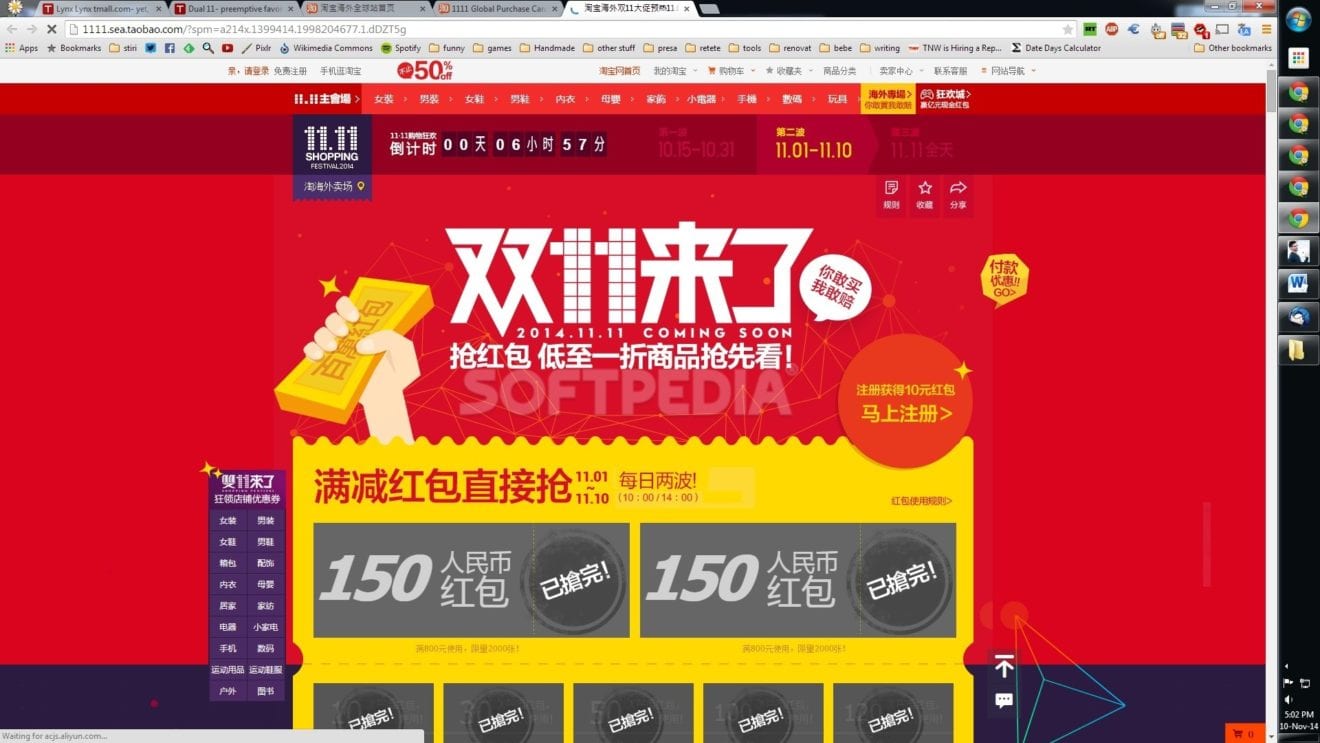
    China’s two largest internet retailers have clashed in the run-up to Singles Day, the world’s biggest online sales day, on 11 November.

    Alibaba has been accused by its smaller rival JD.com of “forcing retailers” to promote their sales exclusively with its own outlet, Tmall.

    JD.com has lodged a complaint with the Chinese industry and commerce watchdog but Alibaba denies the allegation.

    The retail giant claims its rival is “panicking because they’re losing”.

    “They simply can’t match our customer and merchant experience and logistical scale because Alibaba wins with customers and merchants as we provide a superior experience for users on our platforms,” said Jim Wilkinson, Alibaba’s senior vice president of international corporate affairs.

    The Wall Street Journal reported that a shoe retailer called Mulinsen had declined to promote JD’s Singles Day event.

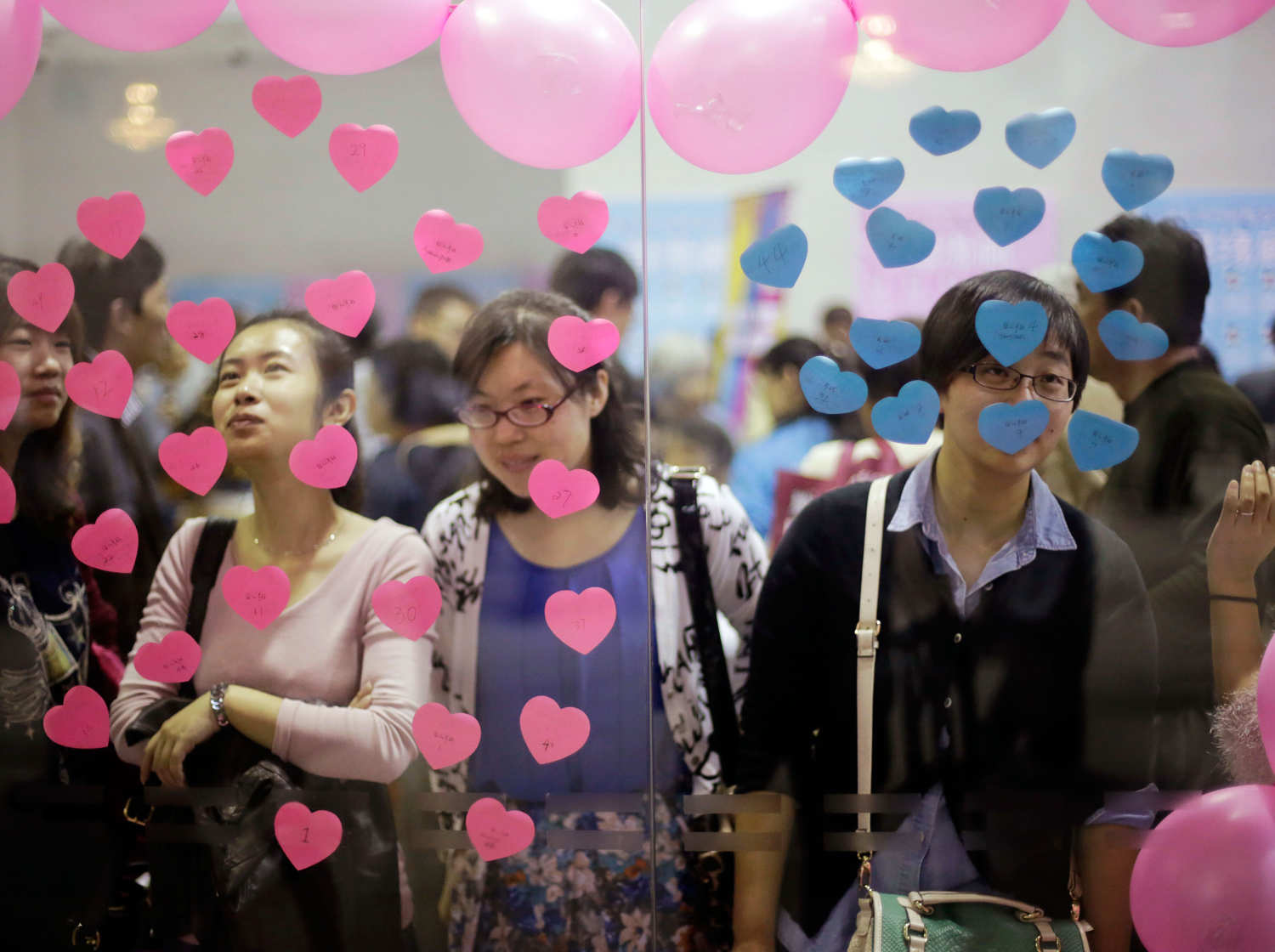
    Singles Day began in the early 1990s as a day for people not in relationships to treat themselves, in the spirit of Valentines Day.

    The Chinese State Administration for Industry and Commerce (SAIC) has accepted the complaint and warned retailers “not to use malicious marketing methods to engage in competition” ahead of the event, according to the Xinhua news agency.

    A recent change in legislation bans online retailers limiting promotional activity by their merchants on other platforms.

    Last year, Alibaba recorded $9.3bn (£5.9bn) sales during the annual event, which it adopted in 2009.

  • Apple’s ‘best year ever”

    Apple’s ‘best year ever”

    Tech giant Apple has reported its fourth quarter results – and concluded its “best year ever”.

    In the three months to September 26, the company achieved sales of $51.5 billion and a quarterly net profit of $11.1 billion. That compares to sales of $42.1 billion and a net profit of $8.5 billion, in the same quarter last year.

    The company’s gross margin was 39.9 per cent compared to 38 per cent a year ago. International sales accounted for 62 per cent of the quarter’s revenue.

    Apples says its growth was fuelled by record fourth quarter sales of iPhones, the expanded availability of the Apple Watch, and all-time records for Mac sales and revenue from services.

    “Fiscal 2015 was Apple’s most successful year ever, with revenue growing 28 per cent to nearly $234 billion,” said CEO Tim Cook.

    “This continued success is the result of our commitment to making the best, most innovative products on earth, and it’s a testament to the tremendous execution by our teams,” he said.

    “We are heading into the holidays with our strongest product lineup yet, including iPhone 6s and iPhone 6s Plus, Apple Watch with an expanded lineup of cases and bands, the new iPad Pro and the all-new Apple TV which begins shipping this week.”

    Luca Maestri, Apple’s CFO, said the company’s record September quarter results drove earnings per share growth of 38 per cent and operating cash flow of $13.5 billion.

    “We returned $17 billion to our investors during the quarter through share repurchases and dividends, and we have now completed over $143 billion of our $200 billion capital return program.”

    In the quarter ahead, Apple is predicting revenue of between $75.5 billion and $77.5 billion and a gross margin which could reach 40 per cent.

  • Coca-Cola Tmall flagship opens

    Coca-Cola Tmall flagship opens

    Coca-Cola, one of the world’s most iconic beverage brands, is opening a flagship store on Alibaba Group’s Tmall online marketplace.

    The Coca-Cola Tmall store comes just in time for the Global Shopping Festival, the world’s biggest online sale, on November 11.

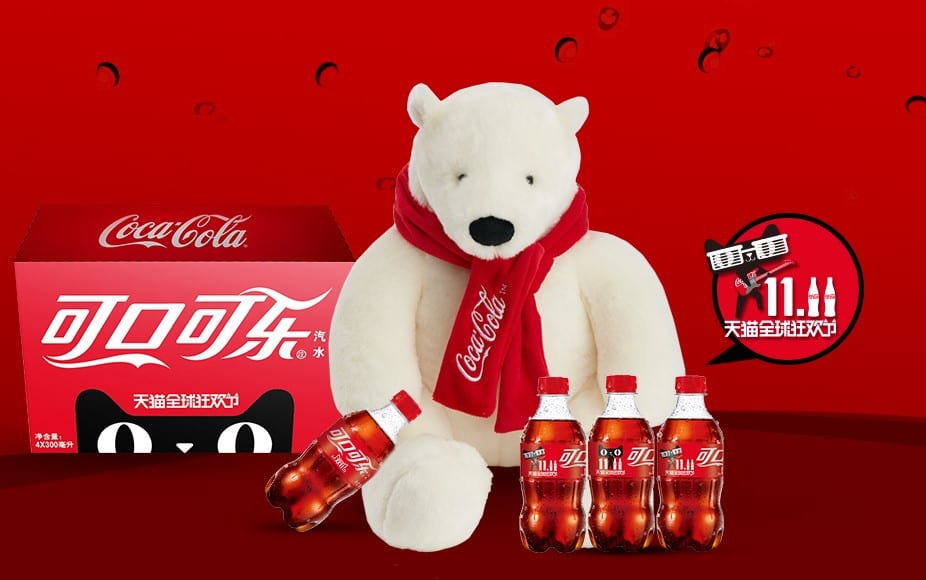
    Coca-Cola has designed special packaging for the 24-hour 11.11 festival and its shop, now in trial operation in preparation for an official launch in early November, is already pre-selling four-packs of Coke priced at RMB 29 yuan (US$4.60) containing bottles adorned with images of Tmall’s cat mascot or the 11.11 festival logo.

    The shop will soon sell other Coca-Cola brands including Sprite, Fanta and Minute Maid, as well as related merchandise like the beverage company’s classic polar bear dolls, according to Coca-Cola.

    Coke and Alibaba have also agreed to collaborate on branding, marketing, offline services and the launch of exclusive products, according to a Chinese language press release issued by Alibaba. The collaboration shows a commitment by both parties to “embrace change and adapt to e-retail,” said Henrique Braun, Coca-Cola president of greater China & Korea, noting that the internet “has gradually changed people’s lives and consumer behavior.”

    The addition of Coke to its roster of merchants and brands participating in the 11.11 festival is a coup for Alibaba. The company has emphasised this year’s shopping bonanza is meant to be a global event, with overseas and global retailers selling directly to Chinese consumers through Tmall and consumers all over the world buying goods on Alibaba’s AliExpress international marketplace.

    Alibaba expects more than 5000 international brands from 25 countries and regions to participate in festival this year.

    To whet shoppers’ appetites for the sale, Alibaba and Coca-Cola plan to give away five million bottles of 300ml Cokes. Starting from November 1, the bonus bevvies will be distributed randomly to consumers who order other merchandise through Tmall.

    • Original reporting by Alizila, an independent but Alibaba-funded news resource on Alibaba’s global activities.
  • China’s Singles Are Big Spenders

    China’s Singles Are Big Spenders

    The U.S. has holidays like Valentine’s Day and Christmas when couples are expected to exchange gifts, but China’s Singles’ Day proves even lonely hearts can get in on the retail action — and according to a recent Nielsen study, China’s lone wolves plan to do just that.

    In a study conducted by Nielsen and released to Reuters, 56 percent of 1,000 Internet users in China said that they planned on spending more on Singles’ Day than they had in 2014. Nearly 33 percent indicated they would purchase roughly the same amount, and only 6 percent said that they planned on pulling back on Singles’ Day spending.

    “It’s not a huge surprise that consumers are planning to spend more during this year’s [Singles’ Day],” Yan Xuan, president of Nielsen Greater China, told Reuters. “Income levels and Internet penetration continue to rise throughout China, so this is a natural progression.”

    Greater spending totals in 2015 could push Singles’ Day into unprecedented territory for retail holiday traffic. MarketWatch reported that Alibaba, China’s largest eCommerce marketplace, processed more than $2 billion in sales in the first hour, 11 seconds of Singles’ Day 2014 alone. By the time the day drew to a close, the site had surpassed $9 billion, 43 percent of which was due to mobile purchases.

    Since the first “official” Singles’ Day in 2009, Alibaba’s sales alone have skyrocketed by more than 5,740 percent, and it appears that trend will continue. According to Reuters, the average Singles’ Day shopper is projected to spend about $277.76 in 2015, 22 percent more than the average shopper spent in 2014.

    MarketWatch explained that Alibaba CEO Jack Ma has expressed a desire to turn China’s Singles’ Day into a global retail holiday on the same level as Black Friday and Cyber Monday, and if these sales numbers continue, retailers in other countries might have no choice but to follow China’s lead.

  • Walkerhill emphasises importance of Chinese consumers

    Walkerhill emphasises importance of Chinese consumers

    Korean travel retailer Walkerhill Duty Free has outlined the importance of Chinese consumers to overall business while presenting an overview of the leading brands, which have driven growth in Korean Duty Free.

    Speaking as part of a morning workshop last week in Cannes, which focused on South Korea, the world’s largest single travel-retail and duty-free market, which registered sales growth of 22.8% last year giving it a global market share of 12.3%, SK Walkerhill Duty Free senior vice-president Mikyong Kwon said: “Eighty percent of our customers are Chinese. Our brand loyalty is very high built up over 50 years. There is a strong emphasis on Chinese customers.”

    She added: “Walkerhill Duty Free grew 46% in 2013 compared to the previous year and the majority of our customers were Chinese.”

    Pressed by the audience as to whether the retailer relies too much on Chinese customers, she commented: “It is our role to cater to Chinese consumers. There was a time when we dependant on Japanese customers.”

    In terms of brands, total cosmetics sales in Korean travel-retail grew 38% in 2014 versus the previous year. “We have seen outstanding growth of Korean brands in sales and market share. Sulwahsoo, Laneige and Etude House are enjoying accelerated growth.

    “For Walkerhill, number one is WHOO from LG then MCM, Sulwahsoo and Laneige.”

    She added: “I would like to draw your attention to these Korean brands which are leading the sales growth of Korean duty-free. There is still room for growth in the next five or 10 years.”

    Meanwhile, Kwon is remaining positive despite the Middle East Respiratory Syndrome (MERS) outbreak from May to July, which stunted growth. Kwon said: “Although growth has slowed because we hit by MERS we should still reach last year’s sales figure.”

    Regarding Walkerhill’s online and mobile strategy Kwon said online and mobile was definitely the direction to go. “Fifty percent of Koreans are shopping online before departure,” she commented.

    Kwon’s presentation followed a speech from Silla University Professor Yang Song-Hoon, who emphasised the importance of Chinese consumers. “In 2014 there were 6.1 million Chinese tourists in Korea. They are our biggest customer and comprise 40% of total visitors. Their expenditure is double compared to other tourists.”

    According to Song-Hoon, who said facial mask-packs were the hottest items purchased by inbound Chinese travellers in Korea, souvenirs are important purchases for Asian consumers. He explained: “Asian tourists have a duty to express their apologies to family and friends that did not accompany them on their trip. Tangible souvenirs are a means of expressing thanks.”

    Reflecting on this year’s MERS outbreak, Song-Hoon said: “Korea learnt an expensive lesson from MERS outbreak. To rebound from the adverse effect of MERS our government took measures to return to normal. It committed public money including a tourism fund.”

  • Luxury fashion brands diversify into food and beverages in Asia

    Luxury fashion brands diversify into food and beverages in Asia

    Luxury brands have begun to expand beyond their core but saturated fashion businesses into the food and beverage sector in Asia.

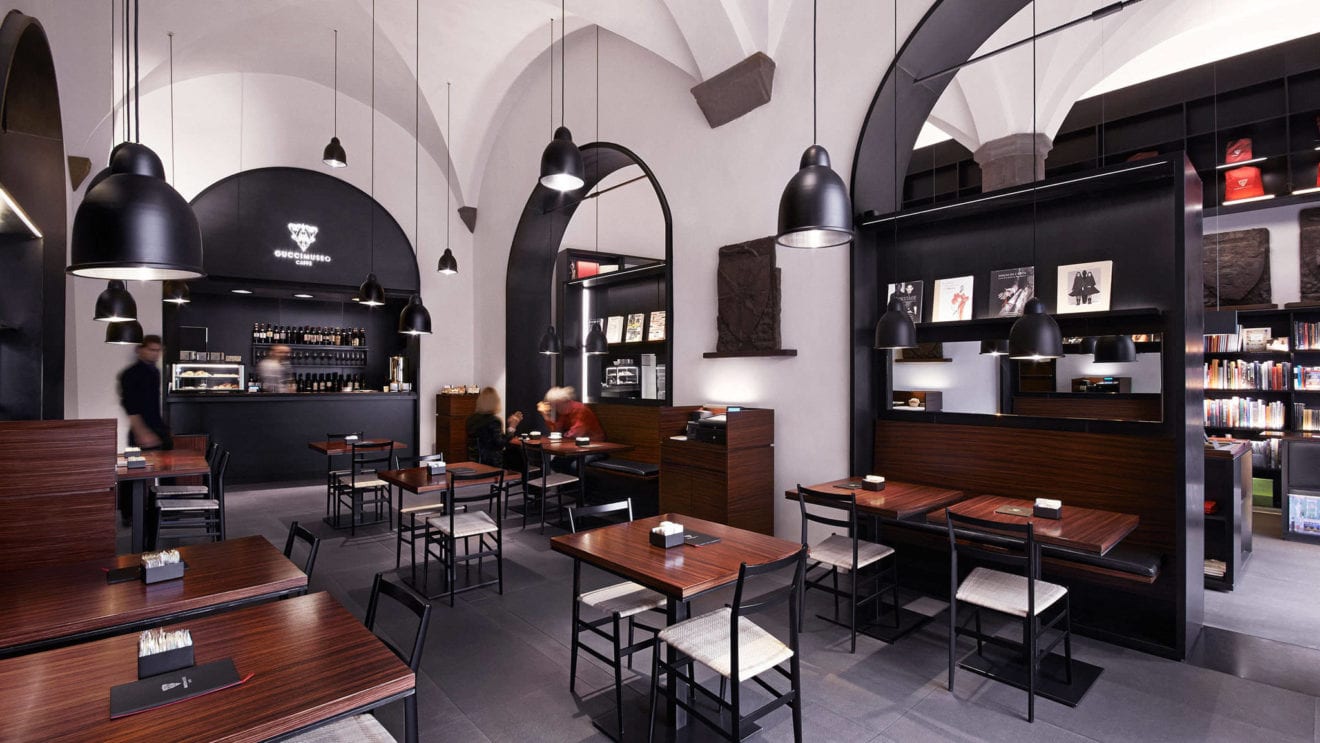
    Iconic fashion brand Gucci, for example, opened 1921 Gucci in Shanghai iAPM, which is owned by Sun Hung Kai Properties in the Pudong financial district of the city.

    “This is the luxury brand’s first fine dining restaurant in the world,” Maureen Fung Sau-yim, director of Sun Hung Kai Development (China), a unit of Sun Hung Kai Properties.

    The 360 square metres shop has received a good response since opening about three months ago, said Fung.

    The luxury restaurant is aimed to enhancing customers’ intrinsic aspirations which plays a role in luxury consumer behaviour. It would become part of a trend as mainland Chinese have been changing their shopping habits, she added.

    Adding an F&B component in stores enables luxury retailers to provide their consumers with a more complete experience in which they can shop, relax and socialise, said international property consultant CBRE.

    It cited another example in Cafe Dior by Pierre Hermé on the top floor of Christian Dior’s flagship store in Seoul. It helps transition the brand from being totally fashion-oriented to more lifestyle-driven.

    In its report known as The Future of Luxury Retail in Asia Pacific, CBRE said most major luxury retailers are now well established in the Asia Pacific region with mainland China and Hong Kong being two of the most penetrated markets at 89 per cent and 81 per cent, respectively.

    “However, the high growth period for luxury retailers in the region is gradually coming to an end,” said Henry Chin, Head of Research, CBRE Asia Pacific.

    Apart from food and beverage, CBRE has identified other emerging trends such as childrens’ wear and the growth of the affordable sector, anticipating that they will partially offset some of the negative effects caused by China’s slowdown and compensate for the loss of demand.

    As of 2014, Asia Pacific was home to 807 million people aged below 14, representing more than 20 per cent of the total population, offering an enormous opportunity for growth in this segment.

  • ING researches online banking venture in China

    ING researches online banking venture in China

    ING reported third-quarter underlying pretax profit of 1.50 billion euros ($1.64 billion), compared with 1.49 billion euros in the same period last year, beating analysts’ mean forecast.

    The figures, and an upbeat outlook, came as many leading European-based banks, including Deutsche Bank, Credit Suisse and Standard Chartered are shedding thousands of jobs and reorienting their businesses to meet stricter capital requirements.

    Morgan Stanley analysts, who have an “overweight” rating on ING shares, said the numbers were better than expected thanks to falling provisions on bad loans. They dipped to 261 million euros from 322 million euros.

    ING stock was the best performer on the Amsterdam stock exchange, rising more than 4 percent. They are up 26 percent year to date.

    CEO Ralph Hamers said the bank was considering entering the Chinese online banking market with local partner Bank of Beijing, and was in the preliminary stages of researching the option.

    Hamers said he believed the Chinese stock market had stabilized and measures taken by the government would “help economic recovery by the end of this year.”

    Chief risk officer Wilfred Nagel said Chinese loan default rates, though they had risen, were still lower than in Europe. He said the Chinese retail banking sector was an attractive opportunity.

    “China adds the size of the GDP of the Netherlands to its economy every year. This is still in absolute terms an economy that grows quite strongly,” he said.

    ING’s online banking platform is helping it add 1,000 retail customers per week in Germany.

    Nagel said the Chinese discussions were at an early stage and no decisions had yet been taken on timing or ownership.

    In the earnings report, ING said it grew its lending portfolio by 1.6 billion euros.

    Net interest margin improved slightly quarter-on-quarter to 1.46 percent from 1.45 percent.

    “In Europe, sentiment is holding up,” Hamers said. “We see a recovery in bank lending in countries like Belgium and Germany.”

  • Hip & Bone China plans 50 stores

    Hip & Bone China plans 50 stores

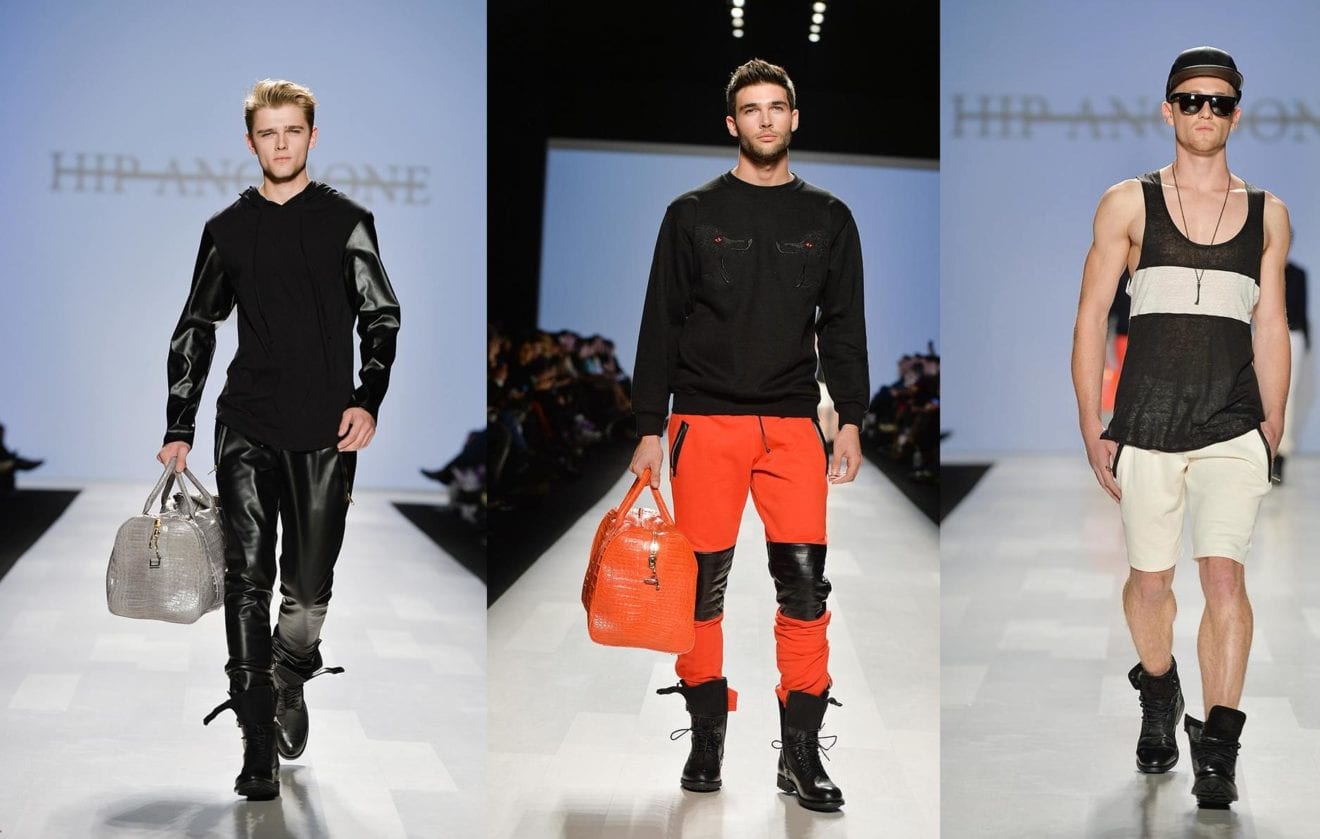
    Fast-rising Canadian street sportswear fashion label Hip & Bone has formed a joint venture with MRH SpaRotica Groupe to roll out 50 stores in China over the next five years.

    Hip & Bone China will leverage the existing MRH vertical and franchise networks providing a unique platform for collaboration and a dedicated Hip & Bone design studio in Shanghai. More than 50 Hip & Bone retail stores will be developed within five years, the first five due to open during Spring/Summer 2016.

    “Hip & Bone epitomises our dedication to evocative premium fashion brands that forge emotional connections with consumers, with design that’s ever relevant to millennial generations globally” said Richard Kisembo, MRH CEO.

    “We are dedicated to developing design language in product and marketing that crosses the cultural bar through a more engaging product array that’s ‘market right’. The Hip & Bone design center in Shanghai was opened in August as a base dedicated to deciphering local design trends and customising style for the ardent Hip & Bone Chinese consumer.”

    Carlos Fogelman, CEO of Hip & Bone, says participation in fashion weeks in Shanghai, Berlin, Mila, Toronto and New York has helped the brand “transcend borders and cultures with outstanding reviews across major publications”.

    “We are excited about this partnership.  MRH SpaRotica Groupe is comprised of an outstanding group of people who are tremendously experienced in the Chinese market. Their passion and  keen business sense are fundamental to the growth of Hip & Bone in this exhilarating market,” said Fogelman.

    Established just three years ago, Hip and Bone has quickly built a strong profile in the street sportswear clothing and accessories market, with a wide range of products and lines ranging from clothing, leather accessories, footwear and jewellery.

    “Hip & Bone revives the modern man’s wardrobe with an array of redefined basics. Designed to endure changing tastes and fashions, Hip & Bone fuses luxurious materials with relaxed silhouettes to be enjoyed in an everyday setting,” the company says in a self-description.

    MRH owns and operates retail stores, distributes merchandise through franchisees, and operates eCommerce websites in the fashion & leather goods; lingerie & intimate goods; perfume, body & cosmetics; and selective retailing sectors.

  • Macau Shopping Break to lure tourists

    Macau Shopping Break to lure tourists

    Sands Resorts has launched the Macau Shopping Break promotion in a bid to lure tourists to the Cotai Strip and boost retail spending.

    Timed to coincide with the upcoming festive season, Sands Resorts Cotai Strip Macau has launched a special hotel package – the Macao Shopping Break – allowing guests to maximise their experience at four hotels across the integrated resort, including savings of up to 40 per cent on room rates.

    Guests also have the chance to win some of HK$195,000 in prizes.

    The promotion runs from this week until February 7, with guests able to book rooms for stays during the same period at The Venetian Macao; Conrad Macao, Cotai Central; Holiday Inn Macao Cotai Central and Sheraton Macao Hotel, Cotai Central with packages available from as low as MOP/ HK$1198.

    Guests can also enjoy discounts with our “Shop & Dine Specials” discount booklet redeemable at over 125 specially selected international designer shops and outlets within Sands Resorts Cotai Strip Macao.

    And guests who book rooms via the Macao Shopping Break will automatically be entered into the Macao Shopping Break Lucky Draw Campaign for a chance to win luxurious prizes totalling $195,000. One winner will be drawn every two weeks in bi-weekly draws from Nov. 12, 2015 to Feb. 11, 2016, offering seven prizes including suite accommodation and tempting surprises. Three winners will be drawn in a Grand Draw on February 15, with prizes including suite stays and luxury travel amenities from DFS T-Galleria.

  • China Apus to invest Rs 100 crore in Indian startups

    China Apus to invest Rs 100 crore in Indian startups

    China’s Apus group plans to invest an initial amount of Rs 100 crore in Indian startups as part of its aim to build a positive ecosystem for the ever growing startup community in the country.

    Apus group was founded in 2014 and is among the top 10 developers on Google Play. Apus Launcher is the group’s flagship app with more than 200 million downloads.

    “The group will offer support to these companies via programmes focussed on developing and building a positive ecosystem for their growth. These programmes will range from providing incubation to free Apus traffic,” the company said in a statement.

    The company will offer an open platform to all startups and will aim to deliver the right guidance and resources till the time they gain enough exposure in their targeted markets.

    “Startups shortlisted under this programme will also have access to tools and experts helping them to enhance decision making capabilities,” it said.

    The company said it has over 25 million users from India and targets 80 million users by 2016 by setting up a local operation centre and also by providing more localised service and experience to Indian users and augment India specific content.

    Founder and CEO of Apus Group Li Tao said as an emerging market, India’s market potential is great and it offers one of the greatest ecosystems for startups.

    “We had similar situation in China three to five years ago and India represents an important market for us. We are looking to further strengthen our presence as we evaluate more partnership opportunities with more firms as we look to strengthen our relationship with India,” Tao said.

  • Olympic hero goes for gold with new retail technique to boost sales

    Olympic hero goes for gold with new retail technique to boost sales

    Chinese gymnast Li Ning wowed the world with one of the highest double pikes in Olympic history to clinch a third gold medal at the 1984 Los Angeles Games. Now a sporting goods retailer, he is counting on another tactic to win over shoppers.

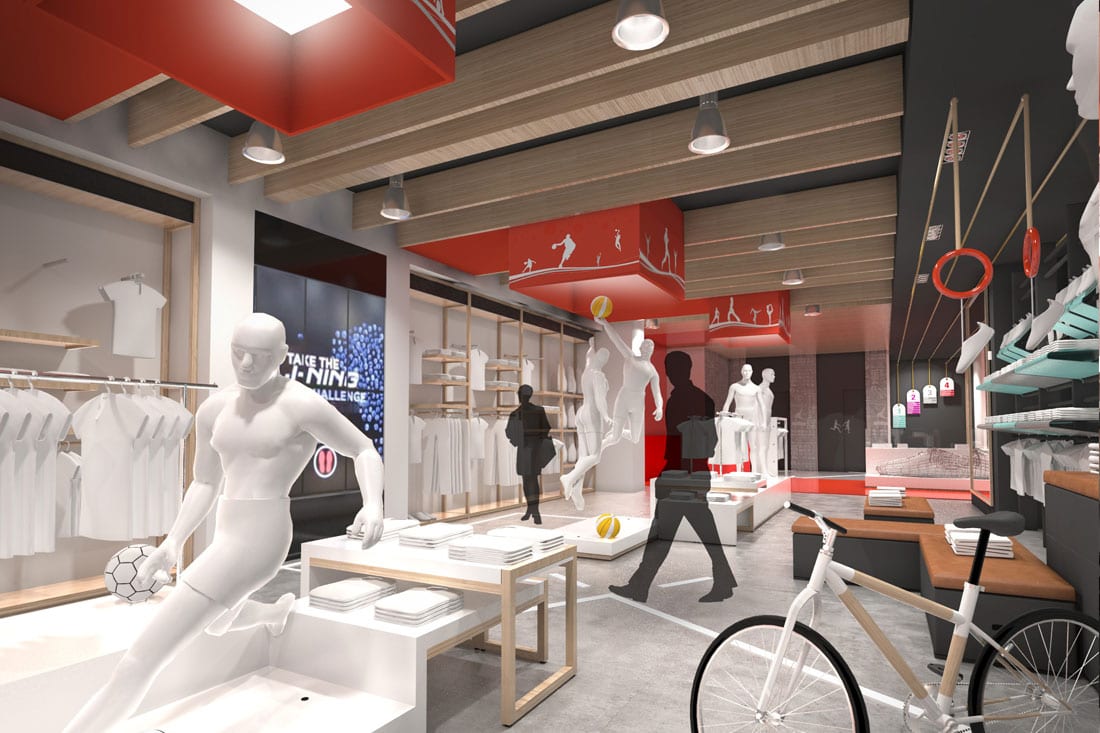
    Li is enticing customers to his namesake Li Ning Co stores, where they can look at and try on the latest range of Xiaoqiang basketball shoes, and Furious Rider and Rouge Rabbit runners-but not take them home. Instead, buyers are directed to the Internet to make purchases online.

    The Web-only strategy, which has generated 22 million yuan ($3.5 million) in sales during the first month, may help it reverse three straight years of losses.

    Companies from home appliance maker Haier Electronics Group Co to clothing purveyor Grana have also introduced the showroom model. Li sees it improving inventory management, a complex exercise in China, where there are about 140 cities with more than 1 million people.

    “In the past, we’d sell flagship products in physical stores,” Li, who founded his retail business in 1990, two years after retiring from gymnastics, said. “Even when we sell them online now, we have thousands of shops to promote the products, with only one warehouse behind us.”

    Distributing goods to online customers from a single warehouse cuts storage and handling costs, resulting in savings that can be passed to customers.

    It can also improve stock management, something the company has been working on to boost profitability.

    “The showroom approach might be a good way to boost sales in China in the face of rising rental and labor costs, ongoing logistics issues, and the boom in Internet retailing,” Sun Fangting, a senior analyst with market researcher Euromonitor International, said.

    The tactic may be especially helpful in penetrating smaller cities and urban areas. Online retail sales reached $165 billion in China last year, accounting for almost a fifth of the global total, according to Euromonitor.

    Haier Electronics plans to progressively strip inventory from 3,000 of its 38,000 stores across China, with 125 of these targeted to have display-only merchandise by the end of the year, the company said.

    The changes mean future shops will feature interactive, computer-simulated household models that enable customers to visualize how products will look and fit in their homes.

    In reformatted stores, sales staff assist customers to make purchases online and facilitate their interaction with designers. Goods such as refrigerators and washing machines can also be paid with cash, and delivered the same way as online-purchased products.

    Reformatted stores have recorded a 7 percent to 8 percent increase in sales, Chairman and CEO Zhou Yunjie said.

    In comparison, revenue from shops yet to be converted to online-only has declined as much as 20 percent, weighed down by an industry-wide slowdown in home appliance sales.

    Zhou said he expects the transformation of physical stores to lower inventory and staff costs by about 30 percent.

    “Integrating conventional shops with Haier’s online retail business will provide a better customer experience,” Zhou said. “Customers need to feel and see the products.”

    Showrooms make that integration possible.

    “The future is not a lot of stores,” Bruce Rockowitz, CEO of Global Brands Group Holding Ltd, said. “It’s going to be a future of showrooms in key places, and stores that showcase the brands and build the image.”

    Grana, a Hong Kong-based online clothing retailer, opened a permanent showroom in the special administrative region last month, enabling customers to try clothes on before buying them.

    The company, which ships its brand of garments to eight countries, plans to open showrooms in Singapore, Australia and the United States next year.

    “It’s really mixing the best of online and offline into one showroom concept,” CEO Luke Grana said. “Coming in, they can have fresh lemonade and we can talk to them. We can suggest styles and they can get their fits right. It’s what you can’t get from just pure online shopping.”

    The showroom approach may also suit other areas of retail, including home-wares, furniture and personal beauty care.

    “The whole nature of stores as we know it will change,” Tim Parker, chairman of Samsonite International SA, said. “(The showroom strategy) adds more value to businesses that have to keep very large inventories in the stores.”

  • Li Ning sells stake in Double Happiness

    Li Ning sells stake in Double Happiness

    Sportswear maker and retailer Li Ning has sold a 10 per cent stake in the Double Happiness table tennis business to Viva China.

    The deal is worth RMB 125 million in cash and will increase Li Ning’s net cash position by 25 per cent relative to the reported interim net cash position.

    Li Ning says it expects an additional disposal gain in excess of RMB200 million, in part from the revaluation of the company’s remaining 47.5 per cent stake in Double Happiness.

    “The net proceeds will be mainly used for investment in product development of the five core sports categories under Li-Ning brand and further expansion of the company’s distribution channels, and general corporate purposes,” the company said in a statement.

    “The transaction increases transparency for investors with respect to Li Ning’s core business through the deconsolidation of Double Happiness. It will also allow the management of Li-Ning and Double Happiness brands to better focus on their respective businesses.”

    After the settlement, Li Ning will remain the largest shareholder in Double Happiness, but will no longer have control of the business.

    Terence Tsang, Li Ning’s CFO, said Double Happiness is one of the top performing brands for the company.

    “This transaction will help unlock its embedded value and provide it with flexibility to develop its strategy. At the same time, Li Ning’s improved cash position will boost our liquidity further so that we are better positioned to capture any upcoming business opportunities in terms of product development and distribution channel expansion.”

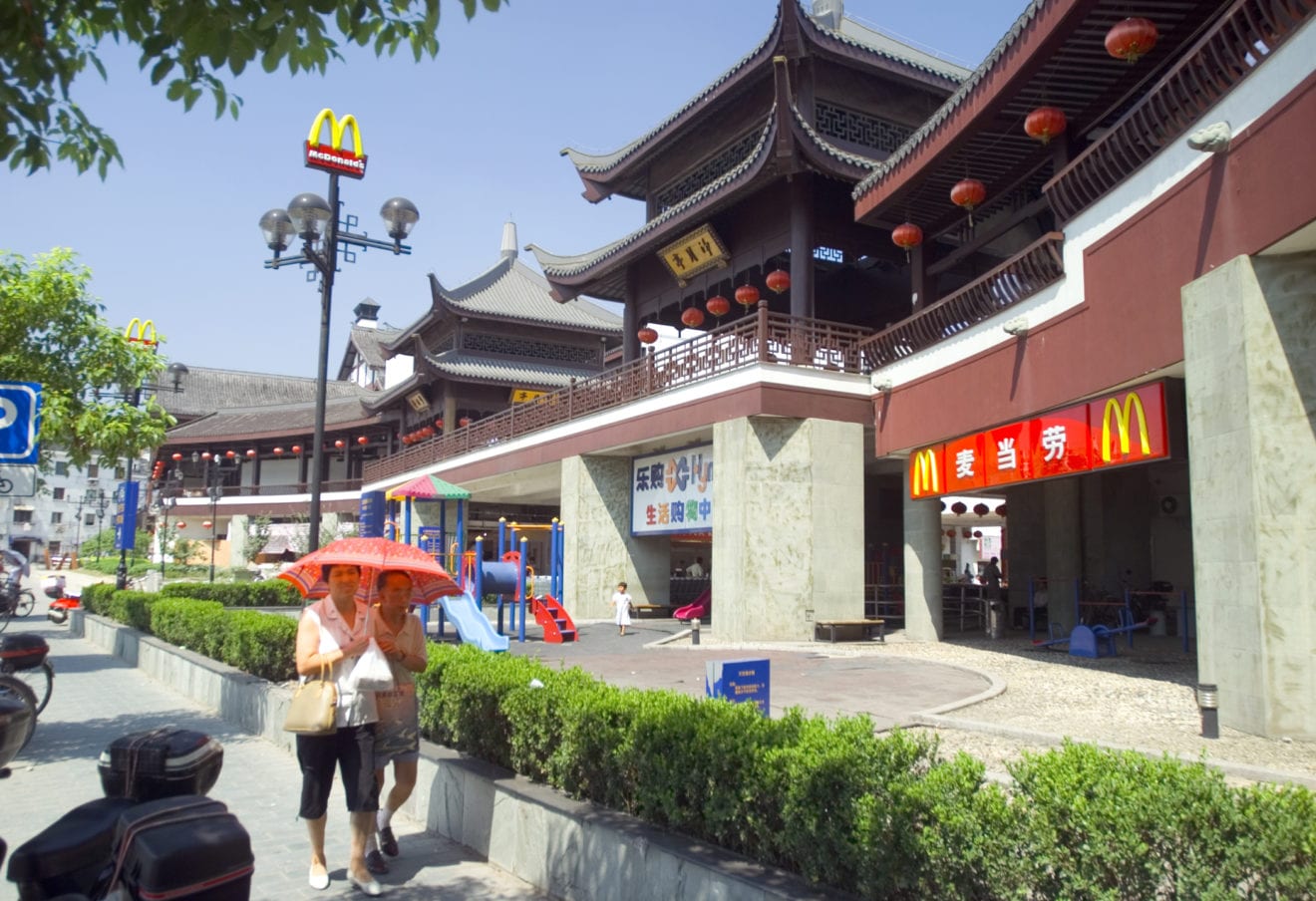
  • McDonald’s China rebounds

    McDonald’s China rebounds

    After a long running series of quarterly sales declines, McDonald’s says it global sales rose four per cent in the last three months.

    And McDonald’s China has played a key role in the recovery.

    President and CEO Steve Easterbrook said the company was encouraged by its operating performance for the quarter, with positive comparable sales across all segments, including the US, “as well as sales recovery in China following the prior year supplier issue”.

    “In the High Growth Markets segment, third quarter comparable sales increased 8.9 per cent, reflecting very strong comparable sales performance in China and positive performance in most other markets. Operating income increased 39 per cent (68 per cent in constant currencies). Emphasis on value and breakfast during the quarter contributed to China’s sales recovery.”

    The company suffered a major setback in China a year ago after some of its stores were found using expired products.

    Elsewhere in the world, McDonald’s has also seen recovery in the UK, Australia and German markets.

    Easterbrook said the latest figures underline the “fundamental strength of the McDonald’s System”, perhaps a reference to recent media commentary questioning the concept and estimating as many as 30 per cent of McDonald’s franchisees in the US are technically insolvent.

    Unfortunately, the company did not releases specific breakdowns on sales by country market within its ‘High Growth Markets’ business unit which comprises countries like China and Vietnam.

    In its home market, initiatives like extending the breakfast menu to all day and new product lines were helping lure customers back in store.

    In tandem with its results announcement, the fast food company made a commitment to phasing out chicken fed antibiotics.