Tag: China

  • L’Oreal sales soar 13.2% to $20.4bn in first 9 months

    L’Oreal sales soar 13.2% to $20.4bn in first 9 months

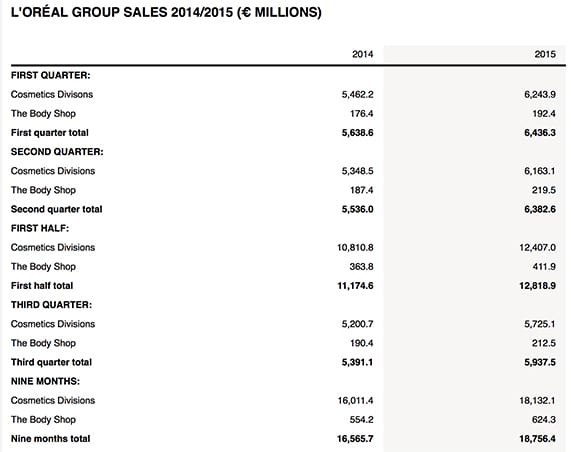
    L’Oréal has released its nine-months sales results pointing to strengthened growth in the North American Consumer Products Division; maintained growth in Western Europe; a temporary third quarter slowdown for L’Oréal Luxe in Asia; strong e-commerce sales (projected at +€1bn in 2015); a slowdown in travel retail; and ‘significant’ sales and profit growth.

    Commenting on the figures – including the top line €18.76bn ($20.4bn) in total 9-month sales – Jean-Paul Agon, Chairman and CEO of L’Oréal, said: “At the end of September, the Group’s reported growth is strong, at +13.2%, still supported by a very positive currency effect.

    “In the third quarter, the Consumer Products Division is confirming the gradual strengthening of its growth, notably through strong momentum in make-up with its three brands: Maybelline, L’Oréal Paris and NYX. The Active Cosmetics Division continues to forge ahead and the Professional Products Division keeps outperforming a lacklustre market.

    “L’Oréal Luxe experienced a temporary slowdown as a result of market turbulence over the summer in Asia, in Hong Kong and in Travel Retail. By geographic zone, North America’s growth is gradually increasing and Western Europe confirms its positive trend. In the third quarter, the New Markets have been hampered by the difficult Brazilian market, market turbulence in Asia and the taking over of agents’ contracts in the Middle East. In China, sales growth is in line with earlier quarters.”

    Loreal 9m sales 2015

    Agon, added that ‘despite a global context that is still volatile’ the company remains confident for the year as a whole. He said: “The beauty market remains dynamic. In each Division, our brands are pushing forward with successes such as Maybelline and NYX in the Consumer Products Division, Yves Saint Laurent, Kiehl’s and Urban Decay at L’Oréal Luxe, Redken in the Professional Products Division and La Roche-Posay at Active Cosmetics.

    “Finally, the acceleration of our digital transformation is making us stronger, in particular with the rapid increase (+40%) of our e-commerce sales which should significantly exceed one billion euros this year. We are confirming our ambition to outperform once again the beauty market in 2015 and to achieve significant growth in both sales and profits.”

    Looking at the first nine-months sales to September 30, the company said that on a like-for-like basis and based on a comparable structure and identical exchange rates, sales growth of the L’Oréal group would have been +3.7%. It adds that the net impact of changes in scope of consolidation was +1.2%, while growth at constant exchange rates registered +4.9%.

    The company said that currency fluctuations actually had a positive impact of +8.3% and if September-end exchange rates (€1 at $1.12) are extrapolated up to December 31, then the impact of currency fluctuations would be +6.7% for the whole of 2015.
    L'Oreal 2014 2015 sales

    Turning to the product divisions, L’Oréal said that at the end of September, the Professional Products Division posted growth of +3.2% like-for-like and +13.4% based on reported figures.

    The company said: “Hair care is the largest contributor to growth, powerfully driven by the latest innovations, such as Thérapiste by Kérastase, Pro Fiber by L’Oréal Professionnel, and Frizz Dismiss by Redken. The dynamic trend in hair colour is continuing across all brands.

    “Professional skincare with Carita is expanding rapidly in Western Europe. All the geographic Zones are growing. Eastern Europe is accelerating, while Brazil is slowing the growth rate in Latin America.”

    L’Oréal Consumer Division

    As for the Consumer Products division, the beauty giant recorded a rise of +2.3% like-for-like and +11.2% based on reported figures. The company commented that gradual improvement growth trend continues and thanks to the new momentum of Maybelline, the strong expansion of NYX, and the success of L’Oréal Paris, this division is strengthening its leadership in the make-up market.

    L’Oréal also notes that hair care is winning market share, thanks notably to L’Oréal Paris. For Garnier, the Ultimate Blends’ successful launch process has continued in many European countries. At the same time, the division is outperforming the markets in Eastern Europe, Asia, Pacific, Africa and the Middle East, while the ‘strong make-up dynamic’ is said to be accelerating the division’s growth in the US, while e-commerce is growing fast across all Zones.

    Meanwhile, L’Oréal Luxe posted growth of +5.8% like-for-like and +17.9% based on reported figures. Within the more detailed picture, Yves Saint Laurent grew strongly, driven by make-up, men’s fragrances with L’Homme and women’s fragrances with Black Opium. L’Oréal added that Giorgio Armani remained dynamic across all geographic Zones.

    The company added: “Urban Decay is accelerating worldwide with the high-profile launch of the Naked Smoky palette and is building a global beauty offering with initiatives in foundations and lipstick. Kiehl’s is launching Daily Reviving Oil Concentrate and continuing its double-digit growth.

    “Growth at Lancôme is being driven by market share gains in Europe, the success of the fragrances La vie est belle, Miracle and the newly released La Nuit Trésor; Grandiôse and Hypnôse Volume à Porter mascaras; and the acceleration of its Génifique facial skincare.”

    L’Oréal adds that despite a market that slowed in the third quarter in Asia and in Travel Retail, L’Oréal Luxe has strengthened its worldwide position with significant gains in Western Europe, in Asia, Pacific, in the Middle East and in Latin America.

    Active Cosmetics division

    The company’s Active Cosmetics division also improved its performance further with strong growth of +7.3% like-for-like and +9.7% based on reported figures. L’Oréal reported that Vichy is innovating with Neovadiol Substitutive Complex Serum, a formula that acts on skin changes linked to menopause.

    At the same time, Roche-Posay is renewing its expert franchise for oily skin with the launch of Effaclar K(+). The company adds that the brand is continuing to post double-digit growth in all geographic Zones, with ‘outstanding performances’ in France, Brazil and China. The successful international roll-out of SkinCeuticals is continuing.

    The beauty company also reported that all geographic zones continue to contribute to growth, with sales accelerating in the third quarter and new markets maintaining growth at more than 10%.

    Western Europe recorded growth of +2.1% like-for-like and +4.5% based on reported figures, with L’Oréal Luxe is continuing to act as a growth driver. Garnier is also said to be winning market share in hair care and skincare, while L’Oréal is continuing to outperform the market in Germany and the UK thanks to L’Oréal Luxe.

    In North America L’Oréal posted growth of +3.0% like-for-like and +25.4% based on reported figures. Both the Active Cosmetics and Professional Products Divisions drove growth and notably thanks to the La Roche-Posay and Redken brands.

    Kiehl’s and Urban Decay also contributed to the development of L’Oréal Luxe, while the Consumer Products Division also grew with good make-up contributions from L’Oréal Paris, Maybelline and above all NYX, which is described as ‘growing at a remarkable pace’. Meanwhile, the Body Shop recorded growth of +2.0% like-for-like and +12.6% based on reported figures.

    Commenting on other markets, the company reported a mixed picture, beginning with the Asia and Pacific territories: “At the end of September, L’Oréal posted growth of +4.4% like-for-like and +21.9% based on reported figures. Kiehl’s, Yves Saint Laurent and Giorgio Armani are contributing to the dynamism of L’Oréal Luxe, in a context of slower third-quarter growth in Hong Kong and Travel Retail Asia.

    “The Consumer Products Division is performing well in India, Australia and Thailand. In China, growth at L’Oréal Paris is accelerating, while Magic is undergoing a transitional period. The Active Cosmetics Division is growing strongly, thanks to the success of La Roche-Posay.”

    Tough Brazilian market

    By contrast, in Latin America sales grew by +5.5% like-for-like and by +4.7% based on reported figures. Excluding Brazil, sales achieved double-digit growth, thanks to L’Oréal Paris, Maybelline and Lancôme, although the company says that the Brazilian market is being held back by a very difficult economic environment and by the reform of the IPI (Tax on Industrialised Products).

    Looking at Eastern Europe, L’Oréal said that the zone posted figures of +9.5% like-for-like and -4.1% based on reported figures. The Consumer Products and Professional Products Divisions recorded double-digit growth, boosted by Russia, Turkey and Ukraine.

    As for Africa and the Middle East, sales growth amounted to +9.8% like-for-like and +28.1% based on reported figures. L’Oréal said: “The reorganisation of part of our distribution network in the Gulf States caused a temporary growth slowdown in the third quarter. The Group is strengthening its positions at a time when most markets in the Zone are seeing their growth rates decelerate.

    “Egypt and Saudi Arabia are still posting strong performances. L’Oréal Paris and Garnier are gaining market share. Yves Saint Laurent, Giorgio Armani, Kérastase and La Roche-Posay are also recording solid growth rates.”
  • Saturation hits luxury retail, but new trends provide hope

    Saturation hits luxury retail, but new trends provide hope

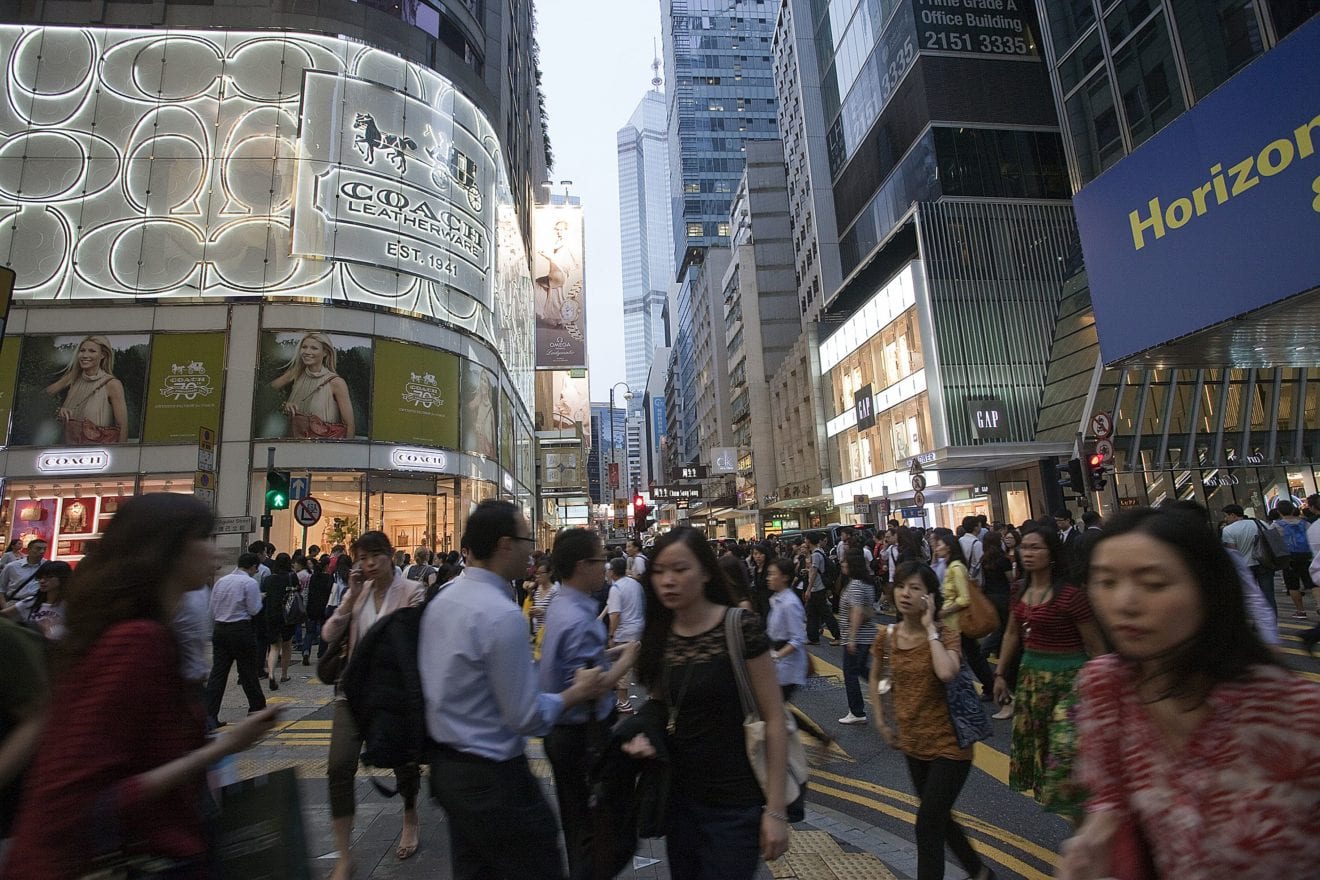
    The Asia Pacific region is experiencing a slowdown in the luxury retail sector, but new emerging trends are set to provide the retail sector with a solid new stimulus for demand in the coming years, according to the CBRE’s special report, ‘The Future of Luxury Retail in Asia Pacific: New Demand Drivers and Shifting Occupier Requirements’.

    Most major luxury retailers are now well established in Asia Pacific with China and Hong Kong being two of the most penetrated markets at 89 per cent and 81 per cent, respectively. However, following several years of rapid expansion, these markets are approaching saturation point.

    “Accounting for one-third of personal luxury goods sales globally in 2014, Asia Pacific is a key region for international luxury brands with key markets including China, Hong Kong, Japan, Singapore, South Korea and Taiwan. However, the high growth period for luxury retailers in the region is gradually coming to an end,” said Dr Henry Chin, Head of Research, CBRE Asia Pacific.

    ”Over-saturation, surging operational costs and weaker retail sales – especially in Hong Kong due to the slowing mainland China economy – have prompted retailers to consolidate their existing store networks and slow their rate of entry into new markets focusing on operational efficiency,” said Dr Chin.

    CBRE has identified three emerging trends which will partially offset some of the negative effects arising from the slowdown and compensate for the loss of demand: Emergence of Affordable Luxury, Inclusion of F&B and Growth of Luxury Childrenswear.

    “With the momentum behind these trends, this will account for a bigger slice of leasing demand for prime retail space,” says Joel Stephen, Senior Director, Head of Retailer Representation, CBRE Asia. “Retailers and landlords can benefit from the projected growth in these market segments,” he adds.

    Emerging retail trends are already impacting luxury retailers’ real estate requirements, resulting in new, and in some cases, weaker demand for different types of retail property, the report said.

    Some of the key trends that CBRE have identified include weaker interest in department stores despite continued interest in prime locations; stronger focus on flagship stores; increased popularity in short-term opportunities for brands to set up exhibitions, pop-up and concept stores, and workshops, to generate greater consumer awareness; affordable luxury brands continuing to drive demand; and more interest in upper floor retail space, but limited to top-tier malls and driven by F&B and childrenswear segments.

  • 11.11.2015: Here’s what to expect on Wednesday

    11.11.2015: Here’s what to expect on Wednesday

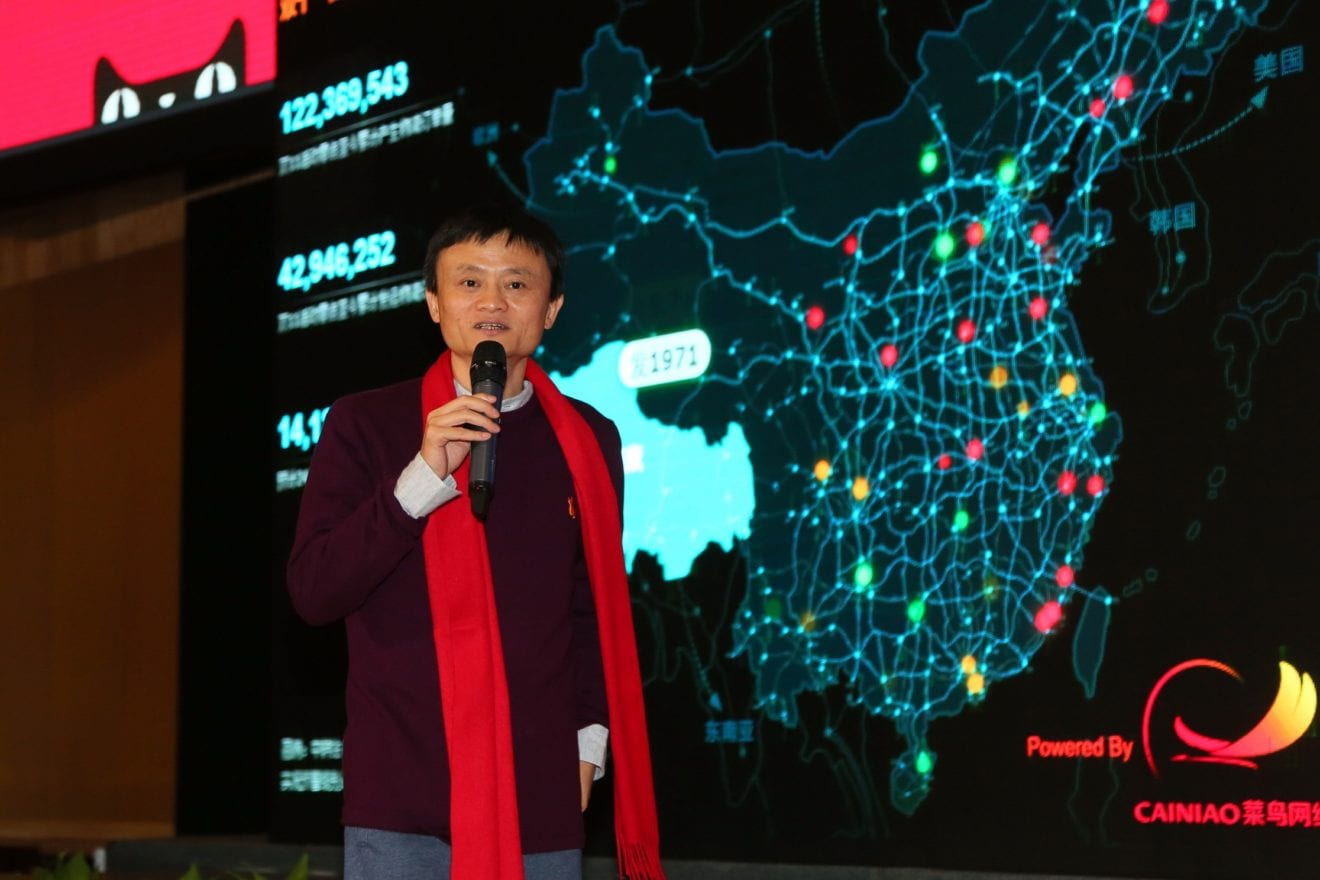
    There are just days to go before Alibaba Group holds its 11.11 Global Shopping Festival. Merchants are laying on stock and pre-packing popular products to ready them for shipment. Delivery companies are training hundreds of thousands of temporary workers hired to help deliver the massive volume of parcels generated during the November 11 online sale, held on China’s Singles Day holiday.

    Consumers are gathering digital discount coupons for use during the 24-hour shopping frenzy, locking in deals in pre-sales events, and limbering up their clicking fingers. For members of China’s young and tech-savvy spending class, the 11.11 sale is a race against time as they log on at midnight to vie to complete web purchases for limited stocks of coveted products while millions of others are jamming the Internet trying to do the same. Last year, the total value of purchases on Alibaba’s websites blew past RMB 1 billion (US$157 million) in GMV just three minutes after the sale began. Twenty-four hours later, the total was $9.3 billion – enough to set a Guinness World Record.

    Will this feat be surpassed this year? China Post, the PRC’s postal service, estimates that 760 million packages will be generated by Singles Day sales held by all Chinese online-shopping websites on Nov. 11. That’s up significantly from 540 million packages produced last year, according to the post office.

    For its part, Alibaba Group – which started the sale in 2009 are runs China’s largest online marketplaces – isn’t making predictions. If past is prologue, though, then last year’s results might be indicative. Check out the infographic at the end of this story to see the 2014 sale highlights.

    This year, Alibaba is pushing its 11.11 festival in new directions by involving more international merchants and shoppers. The event will feature more than 6 million products from over 40,000 merchants and more than 30,000 brands from 25 countries, including the US, China, Japan, South Korea and European nations. Participating international brands include P&G, Unilever, Burberry, Estee Lauder, Zara, Huggies, Macy’s, Costco, Apple, Nike, Friso, Topshop, and Uniqlo, to name a few.

    Through Alibaba’s China and international marketplaces including AliExpress, its global B2C website, merchants will be selling directly to consumers in more than 200 countries and regions, according to Alibaba. Still, the company expects the majority of transactions to occur In China, where key product categories for the sale include baby and maternity, fashion and apparel, cosmetics, electronics and home appliances, health and nutrition, grocery, and fresh foods.

    Alibaba is also pushing several other initiatives for 11.11.

    The company has lined up brick-and-mortar retailers to participate through mobile and omnichannel commerce. More than 1,000 retail brands, with 180,000 brick-and-mortar stores in 330 cities across China, have joined the event. They’ll be offering smartphone-enabled shoppers a more integrated and interactive shopping experience whether shopping online or in participating stores. Omnichannel will also give merchants greater insights into customer demographics and shopping habits, according to Alibaba.

    Underscoring the trend in China toward shopping by smartphone instead of PC, nearly 43 per cent of sales took place on mobile phones during the 11.11 sale last year. mCommerce is expected to play an even bigger part this year. The sale will feature marketing campaigns for mobile shoppers, such as rewards of discount e-coupons to consumers who shake their phones while using the Taobao or Tmall mobile applications during promotional periods.

    Ordering the goods is one thing. Delivering them quickly is another. Alibaba’s logistics affiliate, Cainiao Logistics, is bolstering domestic and international shipping capabilities for the sale to ensure faster deliveries to consumers.

    Cainiao, the backbone of a network of 3000 logistics companies linked by centralised information platform, estimates that its partners will deploy more than 1.7 million delivery personnel, 400,000 vehicles, 5000 warehouses and 200 airplanes to handle deliveries for the sale. Cainiao has also launched a “Hassle-Free Logistics Service” consisting of 49 international delivery partners and 74 warehouses that can support 4 million cross-border package deliveries per day, the company says.

    This formidable infrastructure will soon be tested. The countdown to 11.11 has begun.

  • Osim struggles in ‘soft market’

    Osim struggles in ‘soft market’

    Health appliance retailer Osim says its core business is helping it maintain stable gross margins in a retail market it described as “soft” throughout the region.

    Osim’s core is its 546-strong chain of Osim branded stores in 23 countries, which sell therapeutic devices including massage aids. Nearly half of those stores are in Mainland China.

    The company also operates 214 GNC/RichLife stores and 49 TWG Tea cafes with three more planned to open by the year’s end.

    Osim said last week its third quarter sales were S$142 million and profit before tax $10 million. But during the last nine months it has incurred legal fees of $7 million relating to its TWG Tea operation.

    “This has been another challenging quarter where retail sales across the core countries have been soft. This quarter has seen further challenges from gyrating markets and currency turmoil in the region,” the company said in last week’s filing.

    “Despite these challenges, our dominant brand has enabled us to maintain a stable gross margin and cash generative business with cash and cash equivalents growing again in the quarter. We are using our strong balance sheet to invest in new products and continuing our marketing activities.”

    The company expects trading conditions to remain challenging in the short term but says it is cautiously optimistic about its prospects for the remainder of the financial year following the launch of uMagic in key markets and other upcoming planned product launches.

  • Tmall.com fresh food offer expanded for 11.11

    Tmall.com fresh food offer expanded for 11.11

    As Chinese consumers continue to upgrade their diets with food ordered online directly from international outlets, Tmall.com is gearing up for this year’s 11.11 Global Shopping Festival by offering a wider assortment of international food and beverages for the giant 24-hour e-sale.

    On offer at the Tmall.com fresh foods subsite (miao.tmall.com) is beef from Australia, apples from the U.S., pineapples from the Philippines, lobsters from Canada, avocados from Mexico, kiwi fruit from New Zealand, and crabs from Russia, along with a host of other overseas delicacies.

    Tmall has added wine to the mix: Overseas wineries that have recently opened Tmall virtual stores include California’s Robert Mondavi and Penfolds from Australia. Currently Tmall’s fresh food vertical has listings for more than 100,000 products from more than 70 countries and regions.

    For food and beverage companies participating in the 11.11 festival this year, the sale is less about discounts and more about opening Chinese consumers’ eyes to the high-quality foreign products that, thanks to cross-border e-commerce, they can buy direct from overseas by shopping on Tmall. It’s also a chance to raise brand awareness and introduce new products and trends to millions of Chinese consumers.

    “Our goal for 11.11 is to get Chinese customers to be more discerning,” said Pete Yu, business development manager for Dole (Shanghai) Fruits and Vegetables Trading Co, the international fruit brand’s branch in China. “While good at discovering delicacies, we hope they can also tell the quality of fruit and understand the significance of quality.”

    Dole launched its Tmall shop in September, 2014, offering a variety of fresh-fruit imports such as pineapples and bananas from the Philippines, pears from Belgium, oranges from Australia and longans from Thailand. During the Nov. 11 sale last year, the company completed 17,000 orders.

    Yu said that this year, Dole aims to offer consumers quality fruits at affordable prices, rather than try to shift huge volume at deep discounts.

    “We believe Chinese customers will gradually accept idea of being healthy, and will be willing to pay a slightly higher price for fruits that meet international standards” such as Dole’s non-GMO papayas, he said. He added that the company is satisfied with the progress Dole’s eCommerce business has achieved so far.

    “Like many other international brands in the fresh food industry, our growth is strong and steady.”

    Yu’s insights were echoed by Li En, deputy director of eCommerce at Ocean Family, which has been selling high-end fresh seafood including shrimps from Argentina and king crabs from Chile on Tmall since 2011.

    Ocean Family has a strong offline wholesale network reaching tables of many luxury restaurants and supermarkets, Li said. Selling direct to online shoppers through Tmall provides direct exposure to potentially millions of new customers around the country.

    “By offering the best products and services at reasonable prices on Nov.11, we want to attract more customers to try new products, building a virtuous circle,” he said.

    Some food sellers join the 11.11 festival – the largest online sale in the world – to launch new products during a period of peak Tmall traffic. During a special 11.11 promotion last year, Tmall said it sold more than 90,000 live lobsters from Canada, which subsequently became a popular fresh food item sold on the site throughout the year.

    This year, crawfish from the US states of Washington and Louisiana are slated to make their China market debut.

    “Chinese people have the tradition of eating crawfish, but the water and habitat of crawfish have been polluted in China,” said Yu Zhongyan, CEO of Aichen (Shanghai) Trading Co, which runs a fresh food store on Tmall. Shoppers who order crawfish online during the 11.11 festival can expect to have the live crustaceans shipped by air and delivered directly to their homes within 48 hours.

    “We are confident that wild crawfish from the US will be welcomed by Chinese consumers,” Yu said.

    At this year’s 11.11 Global Shopping Festival kick-off ceremony, Tmall signed strategic collaboration agreements with fresh food associations and government bodies from 25 countries to facilitate fresh food imports. Cainiao, Alibaba’s logistics arm, and its partners can deliver fresh food to homes in more than 246 Chinese cities within 24 hours.

  • Gloss coming off Starbucks Asia growth

    Gloss coming off Starbucks Asia growth

    Global coffee giant Starbucks has finished its financial year on a high, reporting a 17 per cent increase in annual revenue to a record US$19.2 billion.

    But is the Starbucks Asia Pacific business underperforming?

    Neil Saunders, CEO of Conlumino, believes so. He says the company’s last quarter figures were boosted by the acquisition of the balance of its Japan joint venture from partner Sazaby League. Globally it finished the quarter with 1666 more cafes than in the previous year, an impressive figure in itself.

    “For a company of Starbucks size and scale, such results are exceptional and a testament to the company’s innovative attitude, as well as the continued relevance of coffee across many geographies,” says Saunders.

    “While the overall numbers are strong, there is an interesting trend in the detail: namely that although Starbucks performed well across many geographies – including in the more mature core Americas territory – performance in Asia Pacific was surprisingly muted.”

    Saunders says while total revenue held up well, rising 110 over last year, this is mainly because of the Japanese acquisition.

    The opening of 767 new stores in Asia-Pacific (which is essentially Asia given Starbucks has only 25 cafes in Australia and 26 in New Zealand, both run by franchise partners) certainly helped.

    “However, on an underlying basis, same store sales only rose by six per cent – a slightly disappointing outcome, and one that is partly attributable to the general slowdown in China,” says Saunders.

    “If the emerging markets proved to be soft, the same cannot be said of the Americas where comparable sales rose by eight per cent. Here some of the menu changes, including the continued growth of the food offer, have helped to push up average ticket within existing stores. However, in our view the various digital initiatives Starbucks has been developing and pursuing have also paid dividends. Its popular digital app is already widely used for payment, and locks in loyalty both by saving customers time at the register and by making Starbucks a destination by virtue of the fact that the card is preloaded with cash. It is also notable that the average ticket from customers using the mobile app for payment tend to be higher. Naturally, some of this is because Starbucks enthusiasts and most loyal customers are more likely to have the app. However, we also believe that the rewards and advertising, which the app supports, help to stimulate add-on sales.”

    Saunders says Starbucks’ plan to drive evening sales through offering alcoholic beverages and an enhanced food menu in US and UK stores is also encouraging.

    “These improvements should be in a quarter of US stores by the end of 2019. In our view, they’re another example of why Starbucks outperforms: it evolves and innovates its in a way that’s relevant to customers.”

    Next year, Starbucks says it plans to open about 900 new stores in Asia-Pacific, two thirds of them licensed. And it says it expects it earnings in the region to be flat or even down.

  • Alibaba goes Dutch

    Alibaba goes Dutch

    Alibaba says new relationships sealed with Dutch organisations in recent days will help continue to lay the groundwork for European expansion of its eCommerce businesses.

    Alibaba Group says it has established several partnerships and collaboration agreements with Dutch organisations including airline KLM and the Dutch Consulate.

    Announced during a visit to Alibaba’s campus in Hangzhou, China, by a delegation of Dutch companies and government officials, the agreements included the launch of a Holland “pavillion” onTmall Global, an Alibaba online marketplace that provides a streamlined sales and logistics channel for overseas companies to sell directly to Chinese consumers.

    Alibaba, which is positioning its shopping websites as a cost-effective gateway to China for foreign brands and merchants, has in recent months established a number of online pavillions showcasing the products of countries such as the US, UK, France and South Korea. Built in partnership with the Dutch Consulate, the Holland pavilion on Tmall Global will feature popular Dutch brands such as Nutrilon, Hero Baby, Philips and Friso, Alibaba said in a statement.

    Meanwhile, Dutch supermarket chains Albert Heijn and Attent have launched new flagship stores on Tmall Global, while Alibaba’s travel website, Alitrip, has announced agreements with KLM and theNetherlands Board of Tourism & Conventions. The latter struck a deal with Alitrip to establish a destination page for Chinese travellers on the website and to “explore new ways of collaboration,” according to Alibaba.

    KLM agreed to launch an Alitrip.com flagship store selling airline tickets and other services to Chinese travellers.

    The visiting Dutch delegation included Dutch King Willem-Alexander, who is touring the PRC as part of an official state visit. Alibaba Group executive chairman Jack Ma, who hosted the delegation with other Alibaba executives, said in a speech that “Holland is a nation that can make impossible possible… Alibaba is also a company that loves to take challenges, loves to innovate, and loves to try new things”.

    “Many people said 16 years ago our dream was impossible, but we have made it a reality today,” Ma said. “Now we have over 120 million people shopping on our marketplaces each day, where they have access to products and fresh produce from far-away countries around the world such as Holland.”

    Alibaba, which dominates China’s eCommerce market, has said that increasing the size of its global e-commerce operations is a key long-term strategy. The company has been beefing up its European ties, this month announcing the expansion of its London office and the establishment of a new office in Milan, with locations in Germany and France to follow. Ma was recently appointed as a business advisor to UK Prime Minister David Cameron.

    Alibaba also plans to highlight international eCommerce and cross-border shopping during its upcoming 11.11 Global Shopping Festival, a massive 24-hour sale to be held Nov. 11. More than 80 Dutch brands currently offer products and services on Alibaba’s Tmall and Tmall Global marketplaces, and many will participate in Tmall’s 11.11 festival promotions, the company said.

  • Four trends to shape food retailing future

    Four trends to shape food retailing future

    “Genuine revolutions in food retailing are rare, but we’re living through one now.”

    That’s the view of Joanne Denney-Finch, CEO of the food and grocery researcher IGD, speaking who addressed last week’s Asia Pacific Retailers Convention and Exhibition (APRCE) conference in Manila.

    She believes the drivers of change are based on increasing population growth, especially in Asia and Africa, and urbanisation as well as rapid technological changes, and outlined four big trends that will shape the future of global food retailing:

    • The reinvention of stores.
    • The link between the online and offline world.
    • New ways of marketing.
    • Changing supply chains.

    “Change is sweeping through every part of international food retailing. The revolution is so big and powerful, that no-one knows exactly what the future will look like,” said Denney-Finch.

    “While this is creating the most challenging conditions for food retailers I’ve ever seen, there are many opportunities too. Retailers around the world are responding creatively and starting to build a new future.”

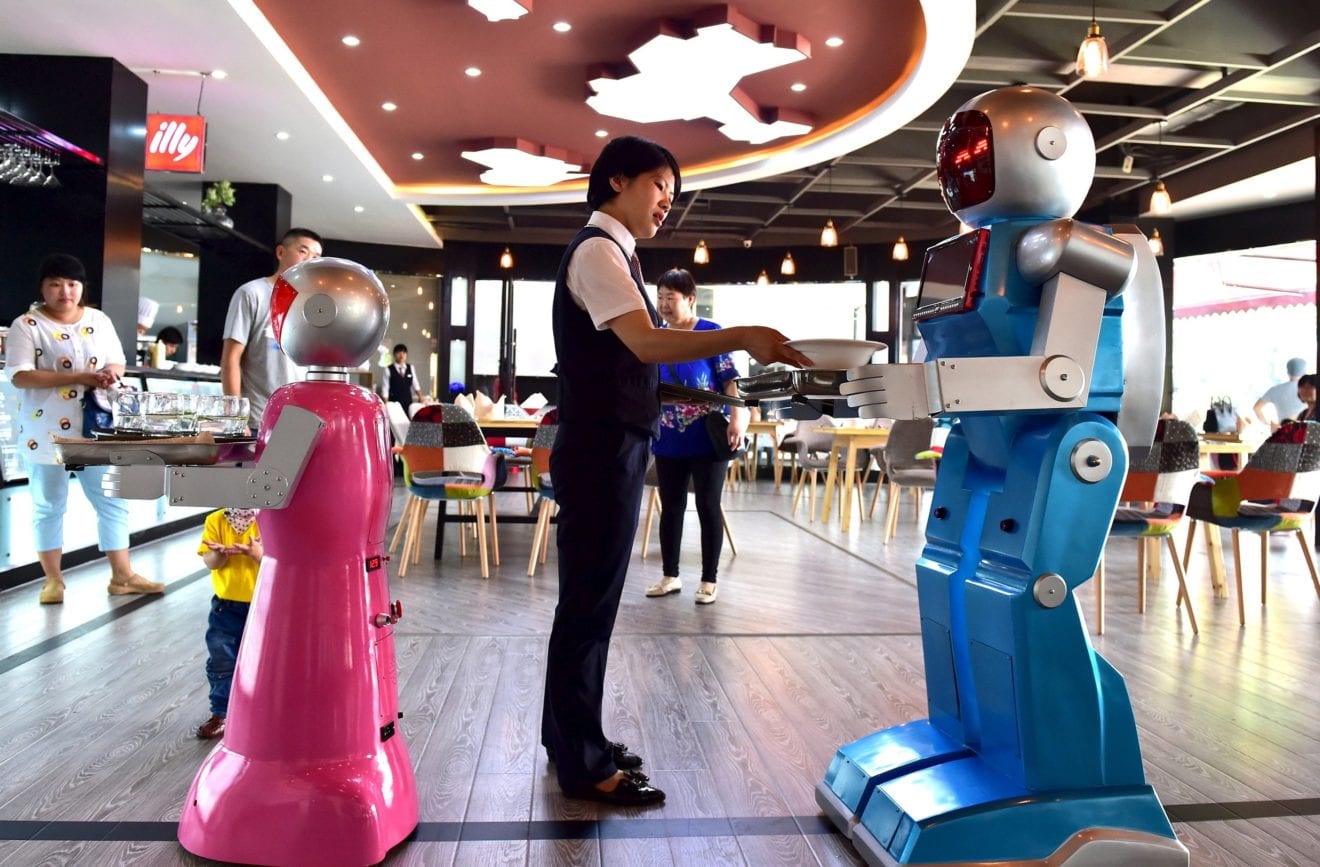
    On the reinvention of stores, Denney-Finch, said: “Technology is making a big difference to help improve the customer experience. Robots are starting to appear in stores around the world. In some Japanese shops, they meet and greet shoppers and give them advice on where to find products, while in Spain they are being used to give nutrition advice. They are a novelty at the moment, but robots will be a common sight in the future and we can expect them to patrol stores, looking for gaps on shelves and replenishing them.

    “Beyond technology, retailers are finding various ways to make shopping easier, more exciting and informative. Various British retailers have set up convenience sections within their largest stores where everyday items like bread and milk are grouped together to save time for top-up shoppers. Thailand’s Central Food Group has an expert Australian butcher to give shoppers advice on international product that they’re not familiar with.”

    On the merger of the online and offline worlds, Denney-Finch said: “Many retailers are viewing online and offline as two complementary ways to help shoppers buy whatever they want, anytime, anywhere and in the most convenient way to them. It’s what’s known as ‘omnichannel retailing’ and gives retailers the opportunity to regain loyalty. Phone apps are one way to link the online and offline worlds. People using the Walmart app, for example, shop there twice as often and buy 40 per cent more than other shoppers. Alliances are another way to utilise omnichannel shopping. The Chinese online platform Yihaodian, now owned by Walmart, has partnered with Family Mart stores to offer product collection.”

    On new ways of marketing, Denney-Finch, said: “In my view the most important role of marketing is to help build consumer trust and that requires a commitment to transparency and traceability. Stew Leonards stores have a live ‘web cam’ where you can watch their suppliers fishing. Some companies are also using computer game techniques to make promotions more exciting. In Singapore, McDonald’s provides an alarm clock phone app that wakes people up and delivers a new surprise each morning such as a discount or a game.”

    On changing supplying chains, Denney-Finch, said: “For many years, big food retailers were able to buy everything their customers wanted, at short notice and at a good price. However, with demand growing so quickly, as well as climate change and many other factors there’s more uncertainty about food supplies. So many retailers are thinking further ahead and building longer-term relationships with suppliers. For instance, Tesco has agreed to buy the whole banana crop every year from some regions of South America.”

    To conclude, Denney-Finch, said: shopper expectations will continue to rise in the future.

    “In response, retailing will become more flexible, personalised and exciting than ever before. New solutions are emerging every day from every part of the world. So the challenge for retailers is not just to reach the world class standards of today, but to set and deliver new standards for tomorrow.

    “Retailing in Asia is exceptionally dynamic, building on all the energy that comes naturally from such fast growing economies. So I confidentially predict that many Asian companies will be amongst the leaders of the retail revolution for the next 20 years and beyond.”

  • FedEx prepares for eCommerce boom

    FedEx prepares for eCommerce boom

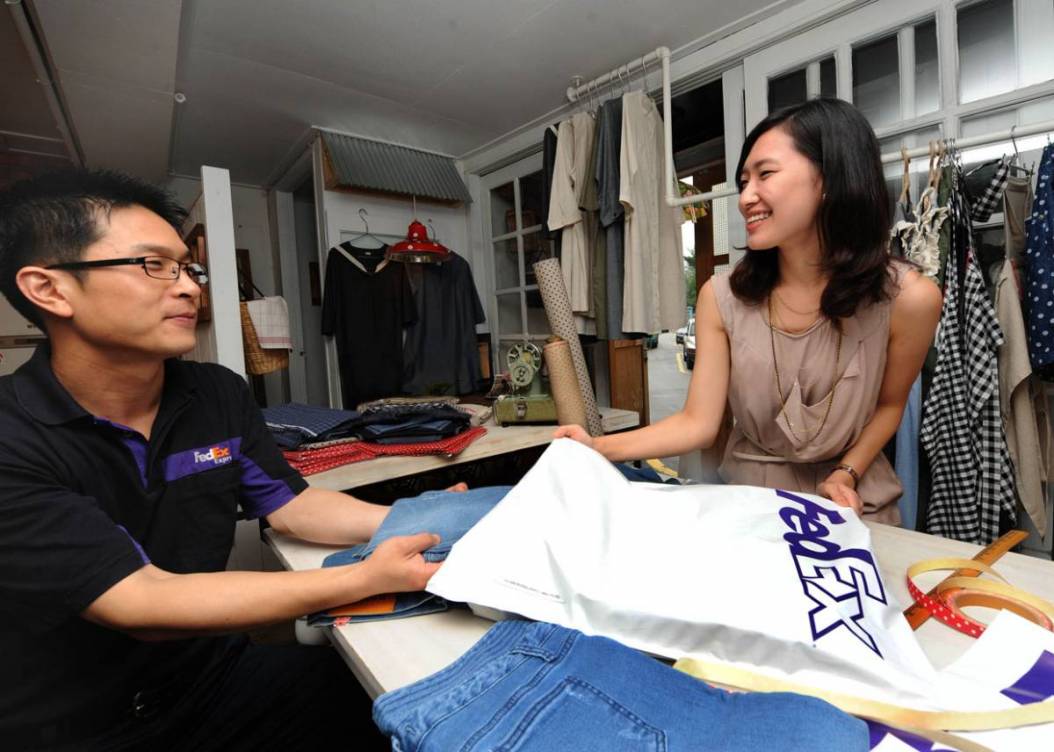
    FedEx Asia Pacific is predicting a record breaking Singles Day in Asia this November 11.

    “Due to the huge popularity of the occasion in recent years, China’s State Post Bureau anticipates that this year will see a maximum of 140 million packages being handled per day on the days immediately following Singles’ Day – an increase of 40 per cent compared to the same period last year,” said FedEx in a statement.

    “The rise of eCommerce is particularly pronounced in our region, and this translates into ever-increasing volumes of shipments at this time of year,” said Karen Reddington, president, FedEx Express Asia Pacific.

    “Our strategic investments, operational strength of our network, and more than 17,000 dedicated team members across the region – backed by more than 300,000 of their colleagues worldwide – are poised to deliver a holiday season to remember.”

    Globally, FedEx is also expecting record volumes on the US’ Cyber Monday (November 30) and the first two Mondays in December, when the company expects to move more than double its average daily volume.

    It expects a record-breaking 317 million shipments between Black Friday (November 27) and Christmas Eve – a 12.4 per cent increase over last year’s peak seasonal volume.

    FedEx says it has added 7000 delivery vehicles to its fleet and added 30 aircraft to its fleet over the last year. Across its network 55,000 package handlers, drivers and other support positions have been added to help meet the peak demand.

    FedEx Express is the world’s largest express transportation company, covering more than 220 countries and territories.a

  • Chinese tourists deliver record sales for McArthurGlen

    Chinese tourists deliver record sales for McArthurGlen

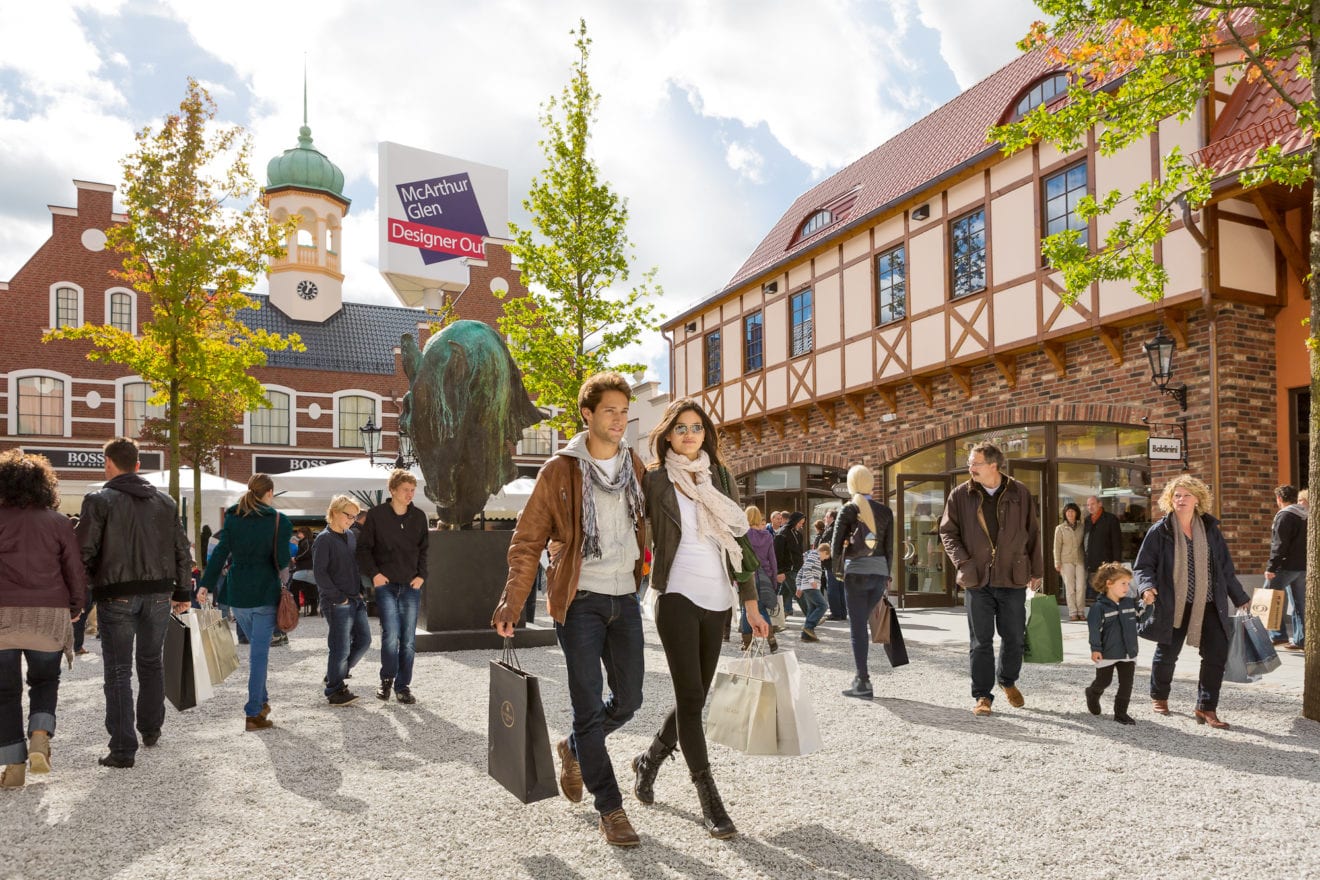
    Chinese travellers have delivered a record spend for European outlet mall operator McArthurGlen.

    The company operates 20 Designer Outlets in Europe specifically geared to serve Chinese tourists – and one in China.

    Spending by Chinese customers is growing faster than any other nationality visiting the Designer Outlets. Sales to Chinese travellers increased by 80 per cent in the first nine months of 2015, compared with the same period last year.

    And spending by Chinese shoppers grew more than seven-fold between 2010 and 2014. The centres offer tax free shopping alongside year-round savings of 30 to 70 per cent.

    McArthurGlen’s Designer Outlets offer the largest choice of luxury and premium lifestyle brands in the European outlet market. The centres are home to nearly 3000 stores and 900 brands. At the same time, the centres are part of the local tourism fabric, within easy reach of major European city centres by shuttle bus or public transport, including: Vienna and Salzburg in Austria; Luxembourg, near the centre in Belgium; Lille and Reims (the Champagne region) in France; Berlin and Hamburg in Germany; Athens in Greece; Düsseldorf, near Roermond, its centre in Holland; Florence, Milan, Naples, Rome and Venice in Italy; and Bath, Cardiff, London, Manchester, Nottingham and York in the UK.

    Anthony Rippingale, head of tourism with McArthurGlen, says the company is now heading for yet another record year, welcoming more Chinese shoppers than ever before.

    “As the biggest operator of designer outlets in Europe, our Chinese customers have always been extremely important to us, and even more so now given that they account for nearly one in four euros spent by our international shoppers, and rising. We have also just had our most successful Golden Week ever.”

    McArthurGlen engages with Chinese customers from when they start planning their European trip, whether through our office in Beijing, or through social media in China (including Weibo and WeChat) and its centre websites which are available in Chinese.

    Once Chinese shoppers arrive in Europe, the centres provide Chinese-language maps and guides and UnionPay is accepted in most stores. The most popular Designer Outlets offer special promotions, including limited-edition gifts and additional savings, during key Chinese holidays, namely Golden Week and Chinese New Year.

  • Starhill Global REIT boosts revenue

    Starhill Global REIT boosts revenue

    Singapore based Starhill Global REIT has posted a 16.8 per cent increase in revenue in the first quarter, to September 30.

    YTL Starhill Global REIT Management, the manager of the trust, says revenue rose to S$56.8 million and net property income rose 10.2 per cent to $43.6 million. The growth was mainly driven by the full-quarter contribution from the recently-acquired Myer Centre in Adelaide, Australia, and the performance of its Singapore portfolio, partially offset by lower contributions from China and foreign currency movements.

    Starhill Global’s Singapore portfolio, comprising interests in Wisma Atria and Ngee Ann City on Orchard Rd, contributed 60.1 per cent of total revenue, or $34.1 million during the quarter, led by positive rental reversions achieved in previous quarters, partially offset by higher operating expenses.

    The Singapore retail portfolio recorded negative rental reversions of 7.3 per cent for leases committed during the quarter to accommodate new retail concepts, but these accounted for less than three per cent of the revenue, excluding the Toshin master lease at Ngee Ann City Retail.

    Wisma Atria Retail revenue increased 7.7 per cent. Tenant sales at Wisma Atria rose 1.1 per cent year on year, mainly due to contributions from tenants which have recently started their operations at the mall. However, shopper traffic was down 9.7 per cent, as the strata area owned by Isetan remained closed for its renovations.

    Isetan’s new tenant in the basement level, Mango, opened in September 2015.

    The trust’s Australia portfolio, comprising Myer Centre Adelaide and the David Jones Building and adjoining Plaza Arcade in Perth, Western Australia, achieved a net property income of S$8.6 million, 113.2 per cent higher than the previous corresponding period mainly due to the full-quarter contribution from the recently acquired Myer Centre Adelaide, but partially offset by depreciation of the Australian dollar against the Singapore dollar and lower occupancies at David Jones Building. The trust is in negotiations with tenants over redevelopment plans at Plaza Arcade to accommodate anchor tenants and optimise upper-storey space.

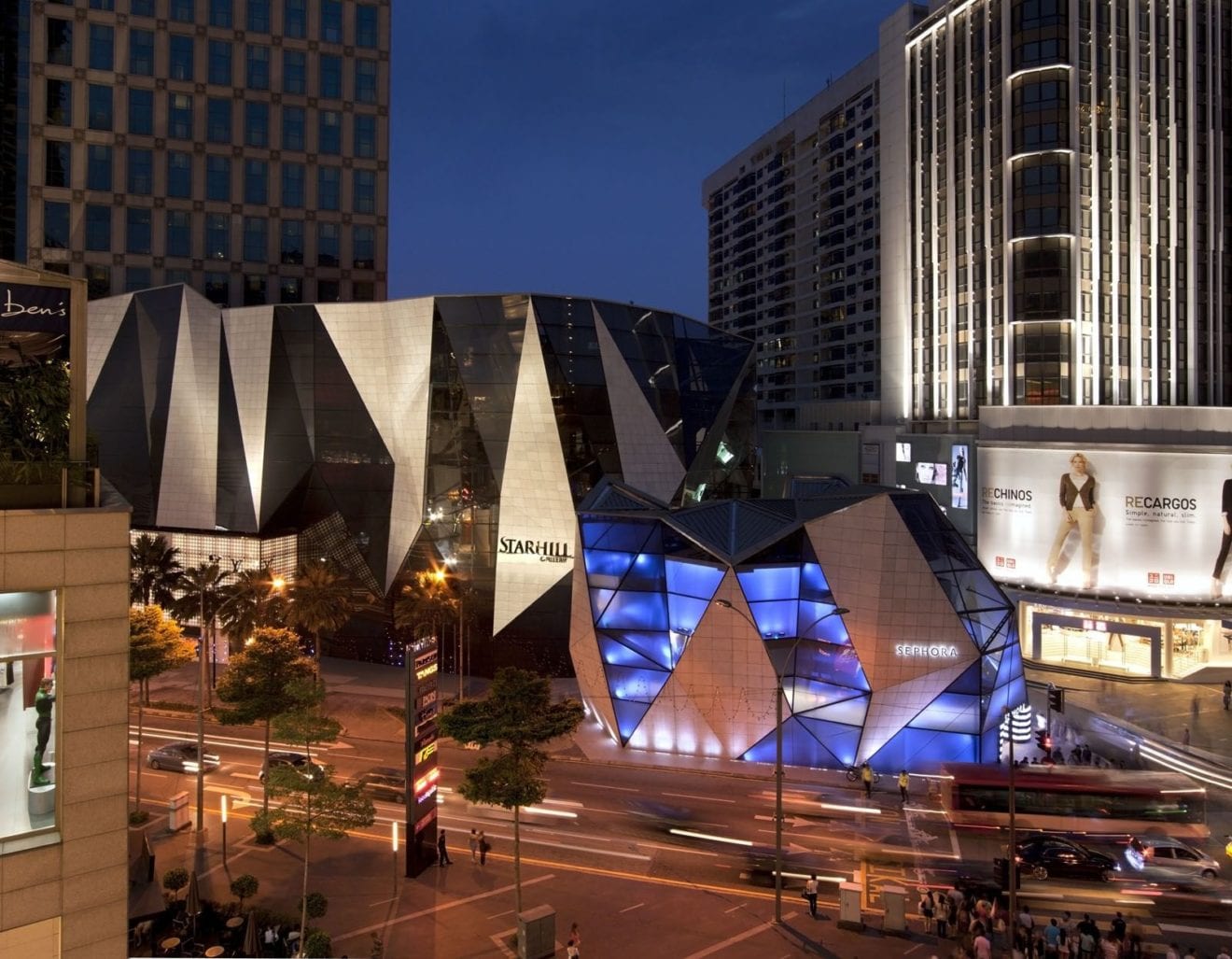
    The trust’s Malaysia portfolio, comprising Starhill Gallery and interest in Lot 10 along Bukit Bintang in Kuala Lumpur, contributed 11.5 per cent of total revenue, or S$6.5 million in the quarter.

    NPI was approximately S$6.3 million, down 16 per cent on the previous corresponding period, mainly due to depreciation of the Malaysian ringgit against the Singapore dollar and reversal of excess provision of property taxes in the previous corresponding period following the revision in property tax assessment.

    Renhe Spring Zongbei in Chengdu, China, contributed 3.4 per cent of total revenue, or S$1.9 million and its NPI was S900,00, a decline of 27.5 per cent.

    “The decline was largely attributed to lower revenue as the high-end luxury retail segment continues to be impacted by the austerity measures the central government has put in place, as well as increasing challenges and competition from new and upcoming malls in the city,” said YTL Starhill Global REIT Management in a statement.

    The Japan portfolio, which comprises five properties located in central Tokyo, contributed two per cent of total revenue and achieved NPI of $900,000, 11.5 per cent higher than in the previous corresponding period, largely attributable to higher occupancies and lower operating expenses, partially offset by depreciation of the Japanese yen against the Singapore dollar.

  • Tse Sui Luen battles the downturn

    Tse Sui Luen battles the downturn

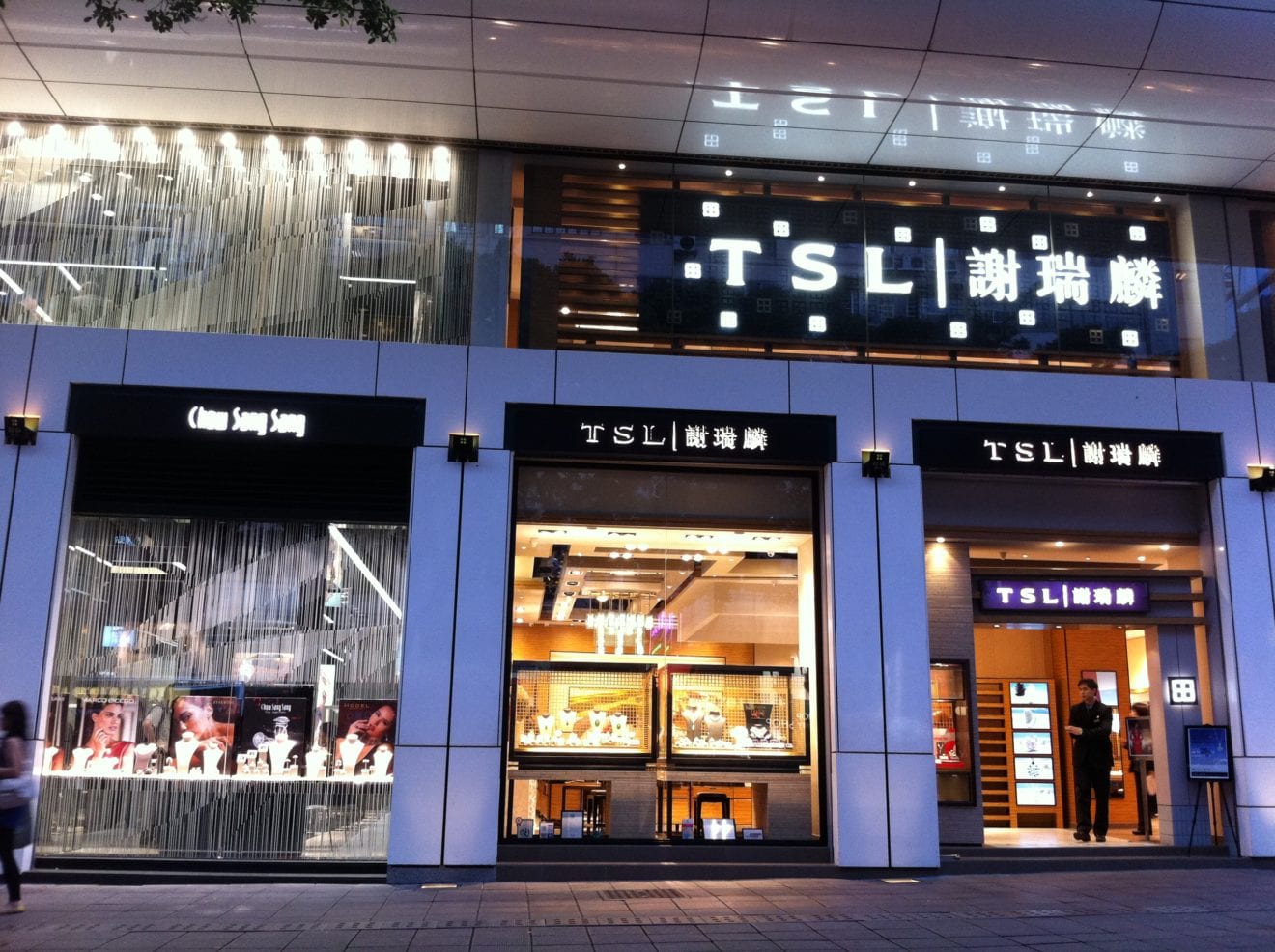
    A shift in focus away from the high end has partly buffered jeweller Tse Sui Luen from the Hong Kong luxury downturn.

    The group has released trading figures for the first half year revealing a decrease in turnover of just 3.6 per cent to HK$1.753 billion. While the decline was attributable to the slump in Hong Kong luxury retailing and the reduced spending by Mainland tourists, Tse Sui Luen defied the downward sales trend thanks to strong growth in its Mainland China franchise business.

    Nevertheless, the profit attributable to owners of the company declined by 40.2 per cent from HK$25.8 million to HK$15.5 million.

    “Due to the growth in our high-end luxury segment in China slowing down, we shifted our focus to the development of the self-consumption market and high craftsmanship gem-setting jewellery in the premium mass market,” explains chairman and CEO Annie Yau Tse.

    “Thanks to the right strategy and an expanded franchise network, we saw the same store sales growth from Mainland China was 2.3 per cent while the whole business grew by five per cent in the region.”

    Tse says the company’s sales in Malaysia grew by 14 per cent in the first half year prompting plans to open one or two more retail stores in the market during the forthcoming year.

    In Hong Kong and Macau, says Tse, the number of tourists from Mainland China dropped in the first half and their spending on luxury products and higher-priced gifts decreased. Instead of buying luxury goods, these customers turned towards more popular commodities in the mass markets.

    “As a result, the sales in Hong Kong and Macau for the period under review decreased by 19 per cent and same store sales growth was minus 20 per cent.”

    Despite the challenging market, the group opened two new stores in Hong Kong – one in Olympian City and the other in Plaza Hollywood, Diamond Hill in the first half. Another two new stores located in Tuen Mun and Wong Tai Sin were opened in October – aimed at local consumers who are end users in the self-consumption product segment.

    Tse Sui Luen says easing retail rents have resulted in a three per cent drop in the group’s rent spend for Hong Kong and Macau shops in the First Half.

    In Mainland China the group plans to increase the pace of store openings in order to better serve its customers. As of August 31, it had 169 self-operated stores and 56 franchised stores. By October 29, that had grown to 175 and 65 respectively, spread across 80 cities. The group plans more than 100 stores in Mainland China during the next two years.

    Tse believes the current market fluctuations in China and Hong Kong-Macau are “cyclical and transitory”.

    “In order to facilitate a more rapid growth of the group’s franchise sales network in Mainland China, we will continue to explore more opportunities to work with local business partners. We also expect our e-business channel to maintain its high growth rate in the second half of this year. We are cautious but confident that based on our solid foundation and the business know-how our experienced management team possessed, we will be able to mitigate the challenges of this cyclical downturn and create value for our shareholders.”

  • Shenzhen Tong launches NFC transport and payment service in China

    Shenzhen Tong launches NFC transport and payment service in China

    ZTE Nubia Z9 and Z9 Max owners across the Chinese city of Shenzhen can now use a service launched by transportation operator Shenzhen Tong to make NFC mobile payments for public transportation and for purchases in retail stores.

    The company is making use of Oberthur Technologies’ (OT) Pearl secure elements embedded in the ZTE NFC devices for the service.

    “OT provides the Shenzhen Tong applet enabling the service, available from both Shenzhen Tong and Nubia mobile wallets, as well as the connection between the transport operator and the handset manufacturer through OT’s China Secure Hub,” OT says. “Nubia Z9 and Z9 Max owners are now able not only to securely access all public transportation services in Shenzhen, but also pay in retail stores.

    “All they need to do is download the Shenzhen Tong Dianshang application or the Nubia application and Nubia OTA (over the air) service upgrade. Once the corresponding applet is remotely installed on Pearl by OT, users simply have to hold their smartphone near the contactless reader in the bus or the subway or near the contactless payment terminal in stores.”

    “With the Shenzhen Tong smartphone NFC application, we expect to further enhance the experience of our customers in public transportation and in retail shops,” says Wang Dongjun, general manager at Shenzhen Tong.

    “OT is supporting several Chinese public transport operators in major megalopolis like Shenzhen for the deployment of their services on flagship smartphones of various brands equipped with our eSE,” adds Marek Juda, managing director of OT’s connected device makers business.

  • Aeropostale chooses India over China for growth

    Aeropostale chooses India over China for growth

    Aeropostale, an American mall-based fashion retailer for young men and women, is eyeing revenues of around Rs 500 crore from the Indian market in the next four years. The teen retailer launched its first store in the Capital in partnership with textile major Arvind and said India would be among its top three markets within that time period.

    Aeropostale has been grappling with diminishing sales in its largest market, the US, where it operates around 800 stores. It has been facing stiff completion from fast-fashion stores such as, H&M and Forever 21. Since then, it has taken the licensing route to expand into other markets. Interestingly , the brand has chosen India over China.

    “India will become one of our most important markets.China is overcrowded with foreign brands at the moment.Latin America, which brings us revenues of around $100 million, is our second-largest market after the US,” Kenneth Ohashi, senior VP, international and global licensing at Aeropostale, told TOI.

  • Five Manchester City online stores launched in Asia

    Five Manchester City online stores launched in Asia

    English Premier League club Manchester City has partnered with EZ Shopnet to launch five online stores serving Asian fans.

    Manchester City online stores will be launched for customers in China, Hong Kong, Japan, Korea andSoutheast Asia.

    As the club’s new online retail partner for Asia Pacific, Hong Kong-based EZ Shopnet will help to meet fast growing demand across Asia Pacific for official Club merchandise. Each of the five stores operates in local languages and currencies, with local customer support enabling the club to get official merchandise to its fans quickly and cost effectively.

    Manchester City is following the lead of rivals Manchester United and Chelsea in cashing in on the growing fan base for EPL across broader Asia. It recently opened a regional management office in Singapore.

    Omar Berrada, group commercial director for City Football Marketing, which brokers Manchester City’s commercial partnerships and manages all of its retail and licensing, said that through EZ Shopnet, the club can get even closer to its growing fan base across Asia Pacific and deliver them a better and quicker service.

    “We have seen an enormous growth in our followers in the region and we are extremely happy that they will have easier access to official City kits and our wide range of merchandise than ever before.”