Tag: China

  • Garuda, Lion Air to Add Bali-China Routes Next Year

    Garuda, Lion Air to Add Bali-China Routes Next Year

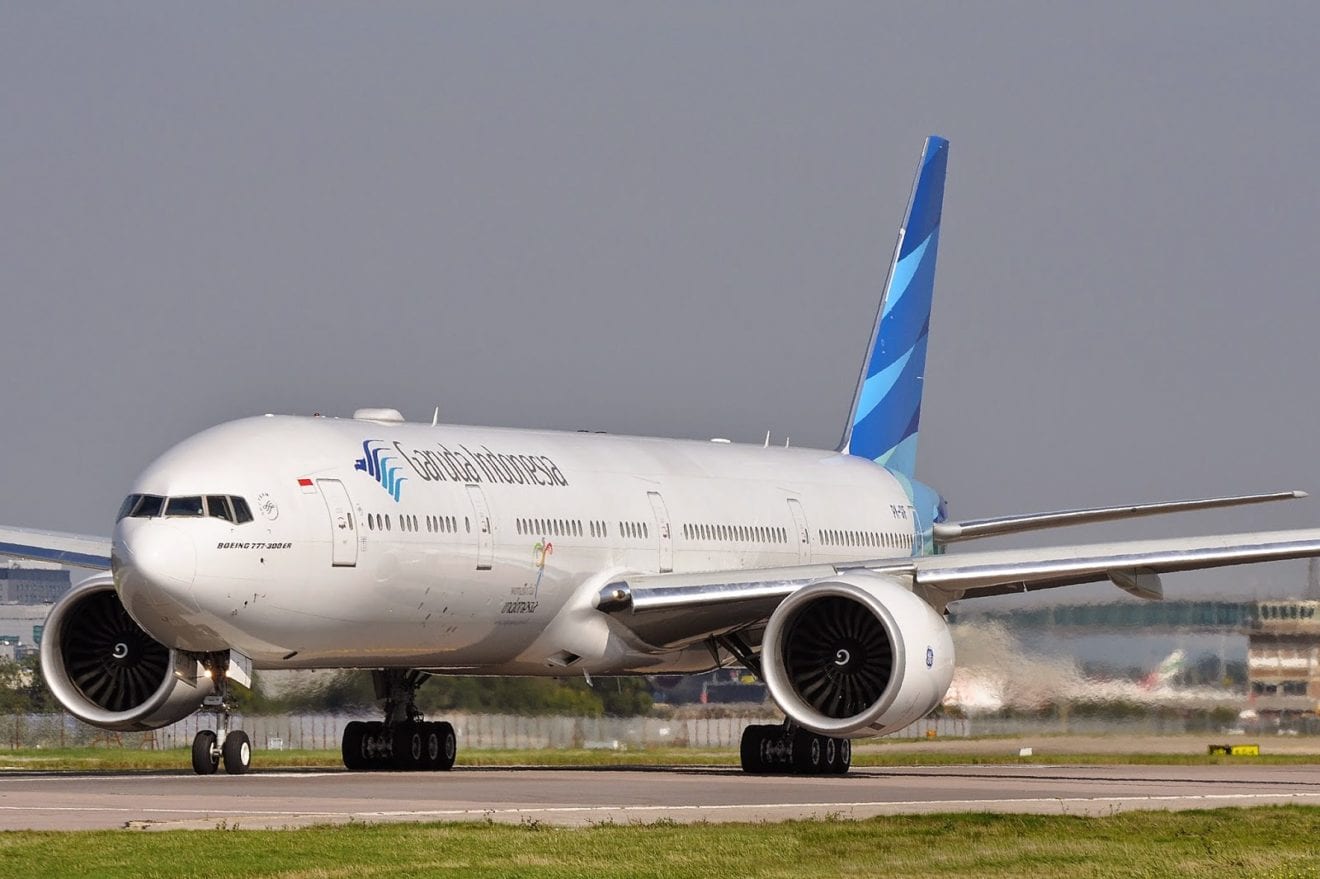
    Flagship airline Garuda Indonesia and Lion Mentari Airlines are adding direct flights to more Chinese cities from Bali next year in a move that would boost tourism for both countries.

    Garuda will launch the Guangzou-Denpasar and Shanghai-Denpasar routes in January, the company’s president director Arief Wibowo said in recent interview.

    “We will deploy our wide-body Airbus A330-300, which previously served hajj pilgrims,” Arief said, adding that the aforementioned flights will be available three times a week.

    Garuda now serves passengers traveling from Jakarta to Beijing, Shanghai and Guangzou.

    Lion is currently applying for a license from China authorities to fly into eight of its cities, including Shanghai, Guangzhou, and Nanning.

    “We are optimistic because the number of tourists coming from China is growing and the demand [for flights to Bali] is quite big,” said Lion Air director Edward Sirait.

    The number of Chinese tourists visiting the archipelago almost tripled to 926,000 last year, from 337,000 in 2008.

  • Giordano Hong Kong sales rise in soft market

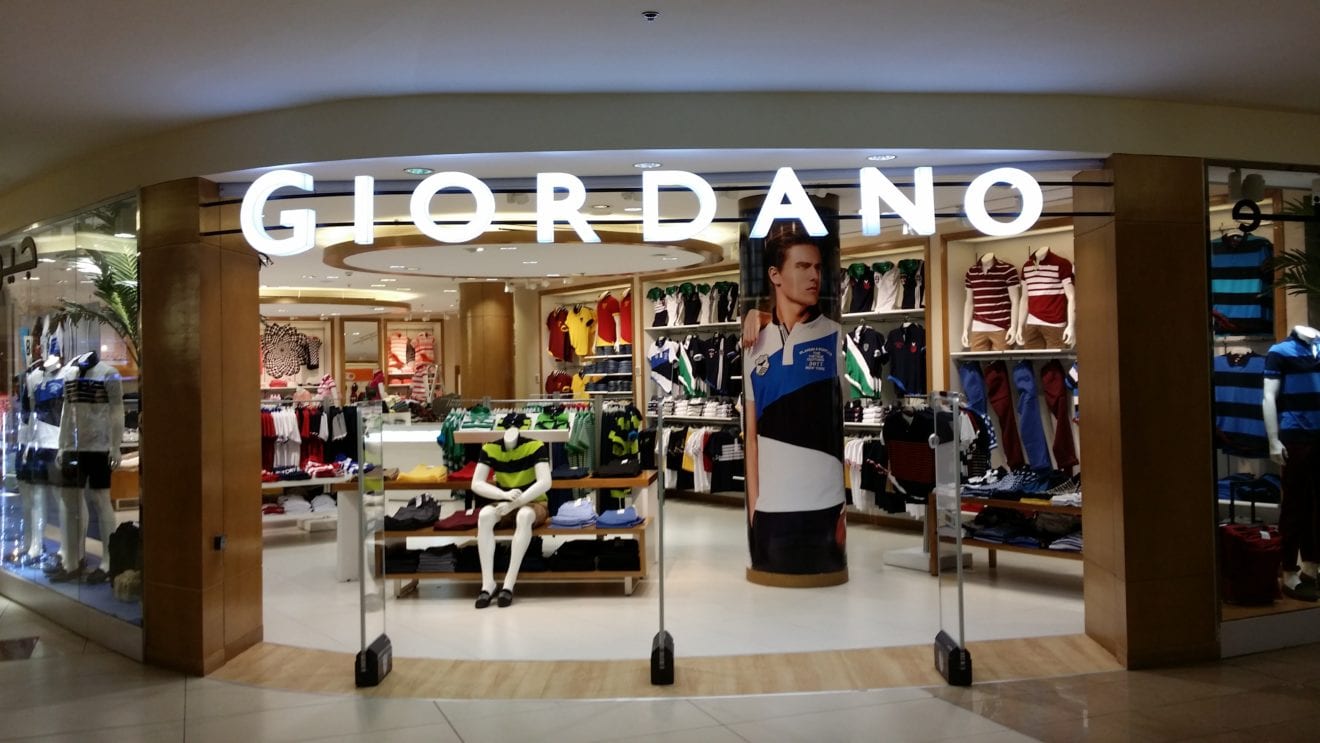
    Giordano Hong Kong sales rise in soft market

    Giordano Hong Kong sales increased by four per cent in the last quarter, with same store sales up a staggering 12 per cent in a stagnant retail market.

    The company says with the decline in Mainland China visitors to Hong Kong and Macau, the company has repositioned its product range to focus on more basic essential products. “This resulted in strong volume growth compared to the same period last year.”

    Total sales for the quarter to September 30 were HK$1.240 billion, three per cent lower than the same period last year. On a constant currency basis, sales increased by two per cent.

    Despite encouraging results in its home market, Giordano reported the depreciation of local currencies against the US dollar in Southeast Asia, Taiwan and Australia is depressing reported sales growth at the group level, and pushing costs up in those markets.

    In the first half of 2015, the company completed the acquisition of its franchisees’ operations in Kuwait and Qatar. Excluding these transactions, sales would have decreased by four per cent and on a constant currency basis, sales would have increased by one per cent

    Brand sales for the quarter were flat compared to the same period last year. Comparable store sales for the quarter increased by four per cent, mainly due to improving performance in Mainland China, Hong Kong and Singapore.

    The total number of stores in the group declined by 19 to 2359 primarily due to the closure of unprofitable stores in Mainland China.

    Gross margin for the quarter grew by 0.1 percentage point to 58 per cent, despite higher purchase costs due to weak overseas currencies, which reduced gross margin by 1.4 percentage points.

    Gross profit for the quarter was HK$719 million, a decline of three per cent over the same period last year.

    Sales in Southeast Asia declined by seven per cent, reflecting the impact of weak local currencies which on average depreciated by 16 per cent against the Hong Kong dollar in the last 12 months. However, on a constant currency basis, sales grew by nine per cent. Comparative store sales grew by eight per cent in the quarter with strong recovery from last year in Singapore and Thailand in particular.

    Sales in the Middle East have climbed by 11 per cent with strong growth in the UAE.

    Giordano’s new budget brand “Beau Monde” is still under development.

    “At the end of the period we had 14 shops and we expect to increase this to 25 shops by the end of the year. As we improve the merchandise for this new brand, we expect to reach break even profitability in the fourth quarter of 2015 or the first quarter of 2016. This will enable us to develop this brand faster in 2016,” the company said in its stock exchange filing.

    “As we reposition our brands through the exit of non-performing shops and poor quality locations, we are also investing in store upgrades, and by December we expect to have upgraded two thirds of our store portfolio in the past two years. During the third quarter, we upgraded/opened 39 self-managed stores and 51 of our franchisees’ stores. By the end of 2015, we expect to have upgraded/opened 200 shops in the year. This compares with 397 shops renovated in 2014.”

  • New Apple Store Opens in Chengdu on November 21

    New Apple Store Opens in Chengdu on November 21

    Apple, continuing its aggressive retail expansion in China, has announced that it will be opening its 22nd retail store in the country in Chengdu, a major city in Sichuan Province, on Saturday, November 21 at 10:00 AM local time. The new store is slated to open less than a month after the grand opening of the 21st Apple Store in China in the major port city of Dalian on October 24.The new Chengdu store will be located in the upscale Taikoo Li shopping plaza at 8 Middle Shamao Street in the Jinjiang District, where several high-end retailers such as Gucci, Omega and Zara are located. The store will be open 10 AM-10 PM local time everyday and offer traditional Apple Store services, including the Genius Bar, Workshops, JointVenture, events and seminars.

    Apple has also posted new job listings for its first retail store in Singapore, which is rumored to open in late 2016 at the Knightsbridge four-story luxury shopping center. The company is looking for Specialists, Geniuses, Creatives, Business Specialists and other traditional Apple Store positions.

    Apple does not currently have an official retail presence in Singapore, a large city-state and country south of Malaysia in Southeast Asia, but the Apple Online Store and dozens of Apple Authorized Resellers operate in the region. The closest physical Apple Stores are located several hours away by plane in Australia and Hong Kong.

  • Xiaomi Brand Dominates Singles Day In China

    Xiaomi Brand Dominates Singles Day In China

    Celebrated every Nov. 11, Singles Day is a tradition that dates back to 1993 which initially involved bachelors from Nanjing University who would like to go out, meet, and party with others. The celebration soon included single women and became a huge holiday in China where single individuals go out in massive meet-and-greet events.

    Singles Day is China’s version of USA’s Black Friday, where Chinese businesses spur sales by offering attractive deals and huge price cuts on their products. Xiaomi, already a popular smartphone brand that offers cheap smartphones and other mobile devices, initiated its Singles Day strategy from Nov. 1, offering daily promos and sweet deals and ultimately culminated its run on the big day itself, according to Digital Trends.

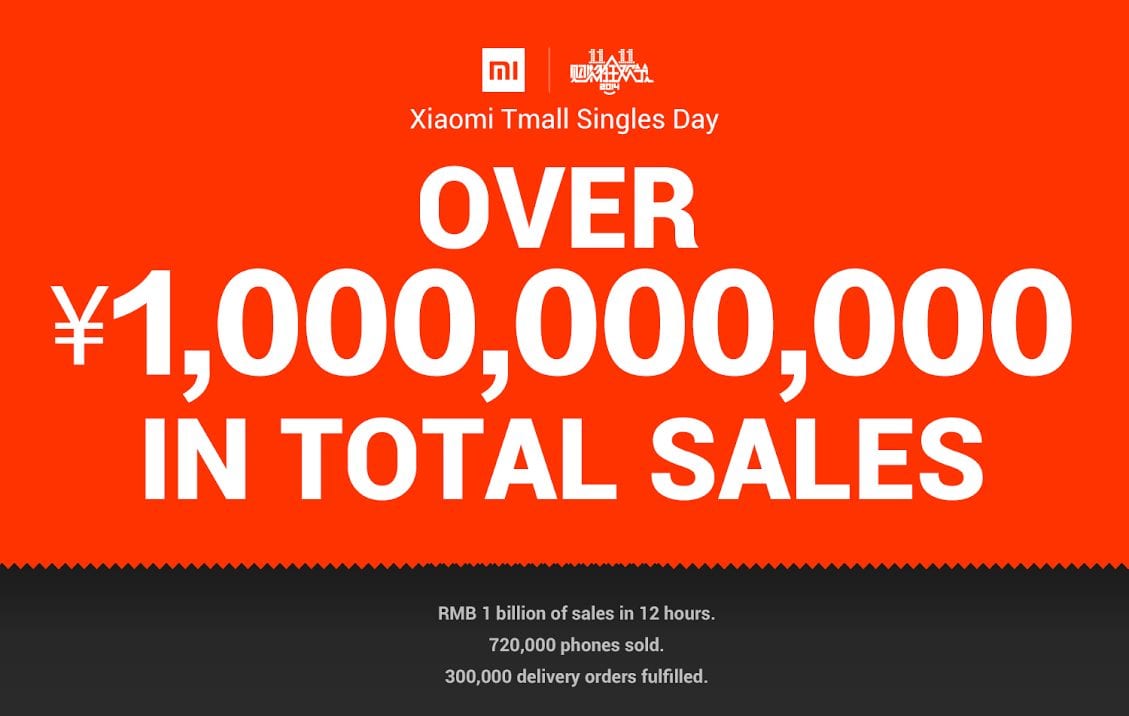
    During the build-up, Xiaomi even provided a teaser on a new smartphone. The strategy proved to be successful, as the smartphone maker immediately raked in $16 million by 12:12 am on Nov. 11. Thirteen minutes later, sales reached $31 million. Two minutes before 1:30 am, Xiaomi already has $63 million in the bank. By the end of Singles Day, Xiaomi’s sales reached a whopping $188 million.

    According to a statement by the China-based smartphone manufacturer, the $125 Redmi Note 2 was their bestselling smartphone. Xiaomi’s smartwatch, the Mi Band Pulse, was the company’s most popular device, which did not come as a surprise, given its $16 price tag.

    Xiaomi’s success is based on its strategy of providing cheap smartphones with high-end features, and China is its biggest market. Recently, top competitor Huawei has overtaken Xiaomi as China’s top smartphone vendor in the last quarter, CNBC reports.

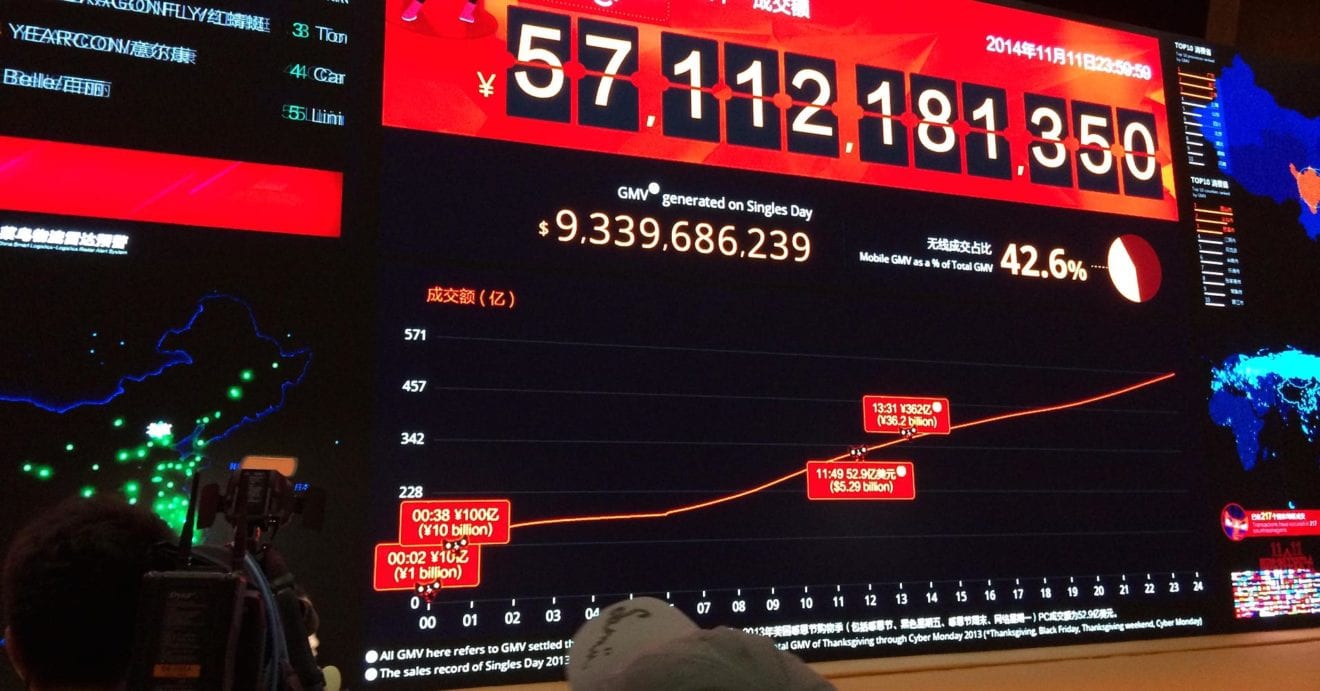
    Meanwhile, China-based online market company Alibaba also broke its own record on Singles Day. The e- ommerce giant clocked in $14.3 billion in sales via its online payment service. On last year’s Singles Day, Alibaba registered $9.3 billion in sales. This year’s figure represents a 60 percent jump from the previous year, indicating the company’s continued growth in a crowded Chinese market.


  • Genting adds premium cruise brand solely for Asia

    Genting adds premium cruise brand solely for Asia

    Malaysia-listed leisure and hospitality group, Genting, best known for its resorts and casinos, is setting up Asia’s first regionally-based premium cruise brand.

    Within its Genting Hong Kong operation [one of five public companies] which was formerly called Star Cruises, the company has announced the launch of Dream Cruises for Asia, which is one of the fastest growing markets in the world according to cruise association CLIA.

    The region also delivers strong duty free and travel retail spending says analyst CiR. According to its Asian Cruise Travellers report, 73% of Asian cruisers make DF&TR purchases, with almost half (46%) buying fashion/accessories.

    Genting – valued by market capitalisation at over MYR94bn ($22bn) at 31 August – is expected to take full advantage of the high-spending nature of Asian passengers – particularly the Chinese – with a large shopping offer on board Dream Cruises’ first vessel, Genting Dream when it sets sail in November 2016. It will carry 3,400 guests and 2,000 crew, a very high crew-to-guest ratio.

    A sister ship World Dream will follow in November 2017. Both were ordered by Genting Hong Kong and are under construction.

    THATCHER BROWN NAMED PRESIDENT

    The company has appointed cruise veteran, Thatcher Brown as President of Dream Cruises. Brown had been with Crystal Cruise Lines – which Genting bought in May 2015 – since its formation in 1988.

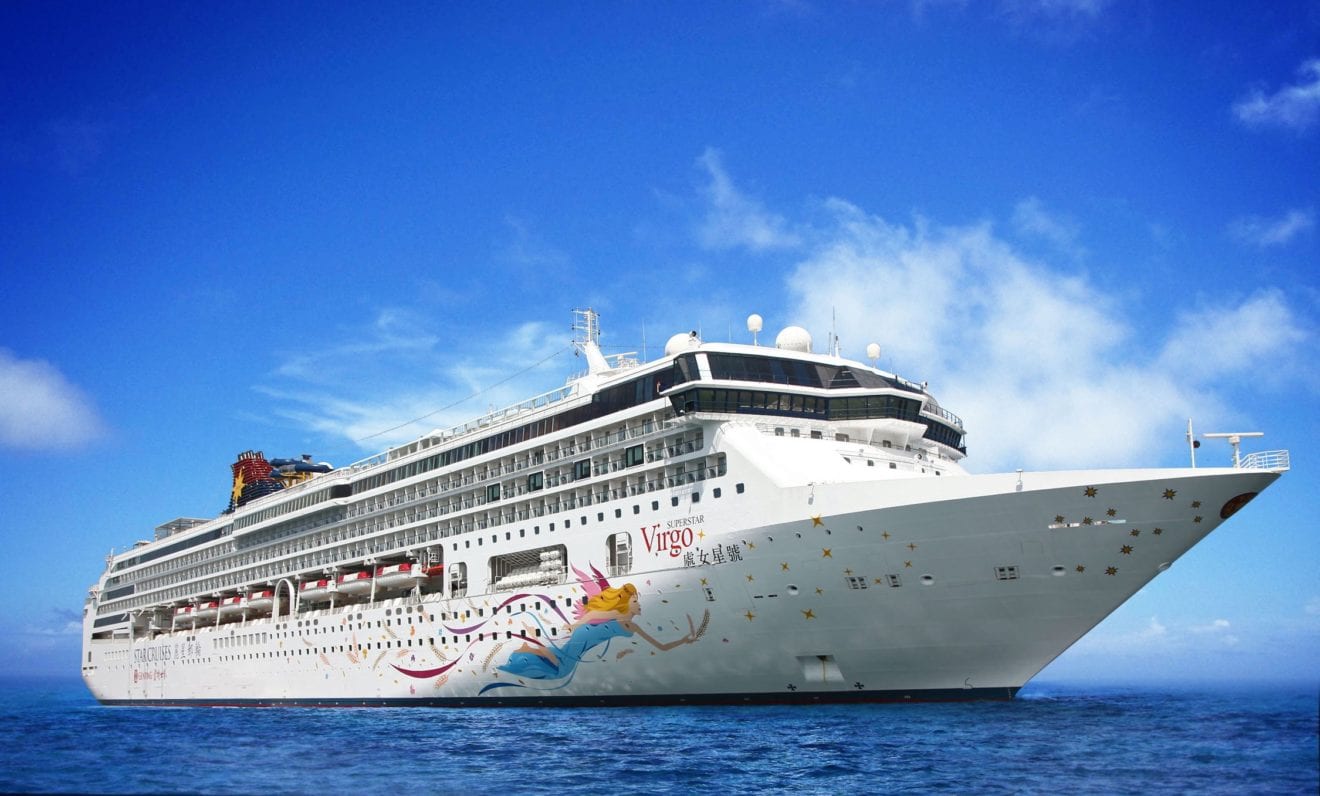
    “The launch of Dream Cruises completes the company’s mission of having a brand for each of the three major cruise market segments: Crystal Cruises for the luxury market, Dream Cruises for the premium market, and Star Cruises for the contemporary market.”At the launch event aboard SuperStar Virgo, a Star Cruises vessel, Genting Chairman and CEO, Tan Sri Lim Kok Thay, said: “Being the first company to offer cruises in China over 20 years ago with Star Cruises, we conceived Genting Dream three years ago to be the only purpose-built premium category new build for the Asian, and specifically Chinese, market.

    THREE CHINESE HOMEPORTS

    Genting Dream will have two exclusive floors of Dream Suites from 32sq m to 183sq m in size with butler services. Around 70% of Genting Dream’s staterooms will have private balconies.

    From next November, Genting Dream’s homeports will be in Guangzhou (Nansha Port), Hong Kong and Sanya and the ship will serve a bih catchment in the Pearl River Delta and Hainan. It will also cater to international guests flying into the airports of Guangzhou, Shenzhen, Zhuhai, Macau, Hong Kong and Sanya.

    Itineraries from Guangzhou will offer a year-round, two-night weekend cruise that calls at Hong Kong and a five-night weekday cruise calling at Halong Bay, Danang and Sanya.

    The Hong Kong homeport will feature a seven-night itinerary calling at Guangzhou, Halong Bay, Danang, Sanya and either Shenzhen or Zhuhai using Nansha Port. The Sanya homeport will also feature a seven-night itinerary calling at Guangzhou, Hong Kong, Shenzhen or Zhuhai using Nansha Port, Halong Bay and Danang.

  • Alibaba smashes Singles’ Day records, so why did shares dip?

    Alibaba smashes Singles’ Day records, so why did shares dip?

    November 11 is a day of sombre reflection across much of the West, with Commonwealth nations observing Remembrance Day while Veterans’ Day is an official public holiday in the US.

    It’s a world away in China, though, where it’s Singles’ Day – an idea begun in 1993 by four lonely Chinese students who reckoned the 11th day of the 11th month (note the four single ‘one’ digits) would make a great day to celebrate being unattached.

    It became a sort of anti-Valentine event, where those without partners bought themselves gifts and – as you do in China – enjoyed lots of karaoke.

    Enter e-commerce giant Alibaba – owned by Jack Ma, up until February China’s richest man – which swooped on the event to offer discounts on its goods.

    November 11 in China has since morphed into an orgy of online spending. More and more firms have jumped on the bandwagon to make it the world’s biggest day of internet shopping.

    On Wednesday, Singles’ Day smashed sales records by midday. Shoppers were out in droves, racking up $5 billion of sales in the first 90 minutes on Alibaba, roughly double last year’s haul in the same period, reports the Financial Times. Alibaba also netted nearly twice the entire take of last year’s Cyber Monday – the day the US, fresh from feasting on Thanksgiving turkey, feasts on shopping deals – itself a record.

    Alibaba’s sales on the day rose 60% from last year to $14.3 billion. Another online retailer, JD.com, reported record transactions of more than 20 million.

    But despite beating records, Alibaba shares dipped nearly 2%. Why weren’t investors impressed?

    It’s because those concerns about China’s slowing growth still won’t go away – a point that Jack Ma himself highlighted on Thursday. Although he believes the government’s 7% GDP target for this year is achievable, he told CNBC: “I believe the next five to 15 months will be a tough time for China for various reasons, of course, one, the anti-corruption will definitely have some effect.”

    Jasper Lawler, a market analyst at CMC Markets, adds that Alibaba continues to be used as a US proxy for Chinese economic health “so shares dropped alongside industrial production figures”.

    Another batch of mixed data from China on Wednesday did little to allay concerns that the world’s second largest economy is slowing.

    “Industrial production growth matches its weakest since 2008, although retail sales improved,” wrote Mike van Dulken and Augustin Eden at Accendo Markets. Coupled with Alibaba’s new Singles’ Day record “we have further evidence of the nation’s shift from export-led to consumer economy”.

    Michael Hewson, chief market analyst at CMC Markets UK, remains concerned about retail sales in China.

    “The latest October retail sales numbers did improve to 11%, from 10.9% in September, which is still below the levels we were seeing at the end of last year of 11.8%,” he writes.

    “Furthermore this modest improvement doesn’t really chime with the stories circulating out of China at the beginning of October during Golden Week about surging sales in the restaurant, cinema and travel sales sector.

    “According to some reports, turnover at restaurants and retailers totalled more than one trillion yuan during the seven days, which equates to over $156 billion, so for retail sales to only improve 0.1% does seem rather at odds with the early October optimism.”

    Alibaba shares closed on the New York Stock Exchange at $79.85 on Wednesday, down more than 20% in the year to date. However, they’ve recovered from a yearly low on September 28 of $57.39 to trade currently at $80.00.
  • Drone maker DJI plans retail outlet in Shenzhen

    Drone maker DJI plans retail outlet in Shenzhen

    Chinese drone maker DJI Technology Co is opening its largest retail store in Shenzhen, Guangdong province, later next month.

    The 800-square-meter store will give DJI, which claims to control about 70 percent of the global drone market, a boost in the retail sector and help ward off competition from overseas players.

    DJI said in a statement that the store has floor space larger than the passenger cabin of an A380 aircraft. It will be located in a busy shopping district named OCT Harbor, and will open for business later next month.

    She Shuanglin, a researcher who tracks the drone market at research firm Analysys International, expects the new store to spark demand for drones.

    “DJI plans to open similar stores in other cities like Beijing and Shanghai so that customers can see and experience their entire range of products,” She said. “But it will need big stores to display the entire range of products.”

    Drone maker DJI plans retail outlet in Shenzhen

    Wang Tao, founder and CEO of DJI Innovation Technology Co, operates a drone in Shenzhen, Guangdong province. The turnover of China’s civil-use drone market is on track to soar to 2.3 billion yuan this year, according to an Analysys International estimate.

    Retail prices for the company’s drones start at around 4,000 yuan ($630), with high-end products priced above 20,000 yuan.

    The company has indicated it will not go in for a sizable expansion and will stick to just one or two outlets in each city, She said.

    DJI already has several authorized and small-sized stores in major cities.

    Turnover of the civil-use drone market in the country is set to reach 2.3 billion yuan this year, a 55 percent jump from a year earlier, according to an Analysys International estimate. Demand for drones in the country is likely to exceed 11 billion yuan by 2018, it said.

    Overseas drone makers are also eyeing the rapidly growing market in China.

    Nicolas Halftermeyer, chief marketing officer of France-based Parrot SA, told China Daily in an earlier interview that the company sees China as a key market for its inexpensive drones designed as kids’ toys.

    Parrot’s drone business generated 44.4 million euros ($47 million) in revenue in the third quarter of this year, a 60 percent surge over a year earlier.

    DJI, however, is planning a slew of measures, like ramping up hiring, to counter competition.

    It is also building a development center in Silicon Valley in the United States and has hired top engineers from companies like Apple Inc and Tesla Motors Inc.

    Darren Liccardo, former head of Tesla’s autopilot project, joined DJI in August to head its engineering, systems and application development.

    Rob Schlub, a former antenna expert from Apple, joined DJI’s research facility in Palo Alto, California, to oversee the entire development team.

    She from Analysys International said the cash-rich DJI is making aggressive investments in overseas recruitment to maintain a technology edge over its challengers.

    “DJI will remain focused on unmanned aviation and high-performance camera development in the coming years,” said She.

    DJI said it has a 1,500-member R&D team in Shenzhen. Its US facility will be responsible for advanced technology development.

  • LeSportsac to expand China footprint

    LeSportsac to expand China footprint

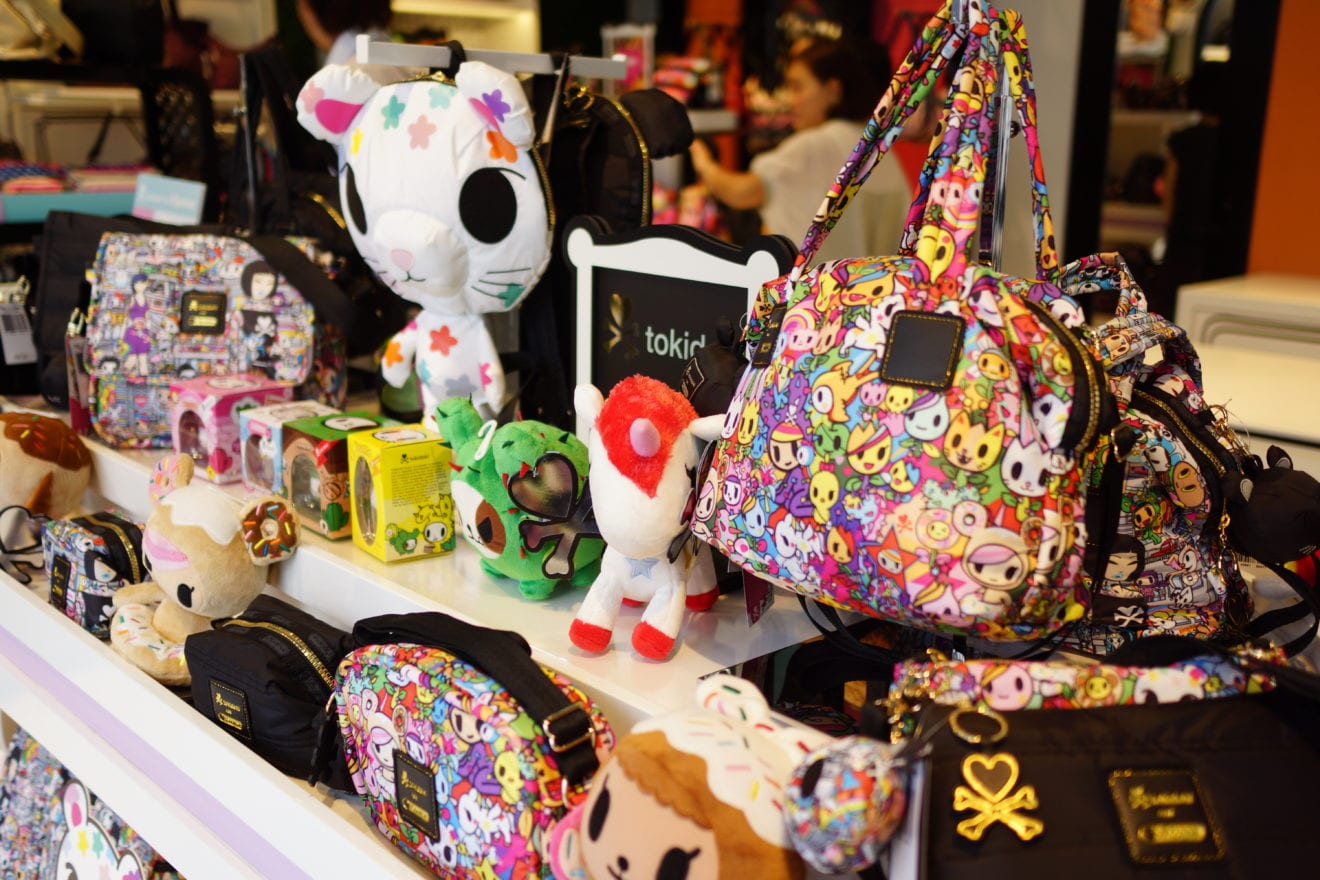
    Japanese trading house Itochu has formed a joint venture with Hong Kong based Novo Fashion Retail Group to ramp up the LeSportsac retail presence in Mainland China.

    Itochu signed an exclusive distribution agreement with Novo back in 2007 to supply LeSportsacs to outlets in major department stores and other retailers.

    This month, the two companies will launch a joint venture, its name not yet revealed,

    to focus on the LeSportsac range of casual nylon bags. Standalone stores are a possibility, given the brand’s strong appeal and name recognition in China.

    Itochu distributes the US-founded LeSportsac brand in 35 countries and Novo specialises in marketing western brands in Greater China.

    Initial plans are to double the network of stores selling LeSportsac to about 100 over the next three years, with a concentration on larger cities, and to broaden the bags’ online availability.

    The new venture is also likely to work on expanding the range to include products designed specifically for the China market, based on customer feedback.

  • Singles Day set to shatter records

    Singles Day set to shatter records

    Singles Day spending tomorrow will undoubtedly shatter last year’s record spend of US$9.3 billion, predicts KPMG.

    November 11 is known in China as Singles’ Day, an annual one day event which sees online retailers slash prices of products and China’s shoppers treat themselves to a wealth of discounted goods. Popularised by eCommerce giant Alibaba in 2009, Singles’ Day in China has now become the world’s biggest online retail sales day, eclipsing all other promotions days including Black Friday and Cyber Monday.

    Last year’s sales fell just short of $10 billion, but Jessie Qian, partner in charge, consumer markets with KPMG China, says that barrier will surely be broken tomorrow

    “We expect that China Singles’ Day spend this year will be bigger than ever, illustrating the buying power of the Chinese consumer and the increasing prominence of the date in the Chinese retail calendar.”

    KPMG recently survey 10,000 online Chinese luxury consumers – China’s Connected Consumers – also revealed that the maximum amount Chinese consumers felt comfortable paying online for a single item was RMB 4200 – more than double the RMB 1900 found in 2014.

    The study also found that Chinese luxury shoppers are increasingly open to buying luxury products online. For most categories, from jewellery to cosmetics, and wine to leather goods, respondents reported a willingness of 75-95 per cent to buy online.

    “Not only did we see a higher amount spent on average for popular categories such as bags, women’s apparel and cosmetics, but we also noted a significant increase in spending on watches and jewellery,” said Qian.

    “All these illustrate that online luxury shopping is set to grow as Chinese consumers are growing increasingly more comfortable with online purchasing.”

    Qian concluded: “With the speed of change around new channels in China, companies must develop the right strategies to survive and thrive in an increasingly disruptive environment. Formulating an effective online to offline (O2O) strategy will be essential for retailers to remain competitive in the digital age with the increasing smartphone technologies and the need to harness social media platform.

    “Meanwhile, using analytics to turn the transactional data into insights to improve products and user experience, as well as to unlock new opportunities, will be crucial for e-retailers to stand out in the increasingly competitive market.”

  • Walmart’s Asia CEO predicts great things in Chinese retail

    Walmart’s Asia CEO predicts great things in Chinese retail

    US retail giant Walmart upholds a firm belief in the potential of Chinese economic growth, according to its Asia CEO Scott Price. 

    Speaking at the Asia-Pacific Economic Cooperation (APEC) CEO Summit, Price said that he expects that China will drive more than half of the world’s retail growth over the next decade.

    This is largely due to the emergence of the Chinese middle class, as well as the shift from a primarily manufacturing based economy to one based on services. Events like Singles Day, China’s biggest online shopping date, have shown that there is a huge demand in the country for good retail.

    Retail sales figures in the country were up by 10.9% year on year in September and 11% in October, and on Singles’ Day the ecommerce giant Alibaba earned a record $14.3bn in sales in just 24 hours: an increase of 60% on 2014.

    Walmart itself owns Yihaodian, a Shangai based e-commerce business, which according to Price had “a great Singles’ Day”, though he did not reveal sales figures.

    Price also referred to a “gamut of opportunities” that can be found in supposed O2O, or ‘Online to Offline’ retail, which sees customers paying over the internet and picking items up in a store.

    “We think online-to-offline is critical,” he said, as “customers look for convenience, and convenience is not just one mode.”

    Despite this enthusiasm, O2O is currently unprofitable in China, as retailers are more interested in getting as much of a market share as they can. However, a recent report from HSBC predicted that “profits should emerge as the market matures.”

    According to HSBC, the online portion of O2O revenues increased by 80% on year in the first half of 2015, reaching $47bn. In tangent, China’s retail sector is becoming less fragmented and consumers are purchasing more frequently, indicating that there may well be great promise for O2O in the future.

    Price also referred to the future potential of brick and mortar stores, a required component of O2O. A number of online retailers have invested in a physical presence recently, such as the Amazon book store which opened earlier this month.

  • Dufry Asia aims to double business

    Dufry Asia aims to double business

    Dufry Asia sees huge growth opportunities in the Asia region despite the current softness in the Hong Kong, Macau and Singapore markets.

    In an interview with TRBusiness the CEO of Dufry Group, Julian Diaz, said the company plans to double its sales in Asia Pacific within five years. Currently, the region accounts for just nine per cent of its total business.

    “The situation right now in Asia and in other parts of the world is not going to stop Dufry from going ahead with development,” he told TRBusiness.

    “The reality of the passenger growth over the next 10 years in Asia is that it is going to grow more than any other region in the world.”

    Díaz said Asia presented challenges given it comprises different markets, but Dufry has overcome that in other regions, and is confident it can break through in Asia.

    “I think this is a challenge, but this was also a challenge when we started in the Americas, when we started in Europe, when we started in North America.

    “All these businesses presented their own challenges. I know one thing, we are going to pool resources and the team in order to really develop the company in Asia,” he said.

  • Exporting the key to Asian SME growth

    Exporting the key to Asian SME growth

    If you’re an Asian SME and a retailer and you are not pursuing an export strategy – you’re missing out, according to a study completed by FedEx.

    Small- to medium-size enterprises throughout Asia Pacific that export to overseas markets are twice as likely to be experiencing growth of 11 per cent or more than SMEs who are focused solely on their home market.

    That’s the conclusion of a new global research study commissioned by FedEx Express, the world’s largest express transportation company.  In the survey that includes six key markets in the region –China, Hong Kong, Japan, Singapore, South Korea and Taiwan – 22 per cent of exporting SMEs reported that they were growing rapidly, compared to just 11 per cent of SMEs that sell only in their home market.

    The independent study, entitled Global opportunities: Examining Import and Export Trends Among Small Businesses, reveals the considerable revenue opportunities on offer to SMEs that export.  In Apac, SMEs reported that exports generate an average of US$1.8 million in revenue each year – the highest of the four global regions in the study.  In certain Apac markets, this figure was far higher: Taiwanese SMEs generate an average of US$2.8 million in revenue per year from exports, the highest level of export-driven revenue in the study, while Hong Kong SMEs came in second place, generating an average of almost US$2.6 million.

    “Small businesses are a critically important part of the Asia Pacific economy, and this study shows how they are able to thrive when they grasp the opportunity to sell to markets beyond their own borders,” said Karen Reddington, president, FedEx Express Asia Pacific.

    “However, while many Asia Pacific SMEs see the potential of exporting, they are not confident in their ability to translate that potential into business success as they feel they lack the necessary advice and support. This should serve as a wake-up call to all stakeholders. Helping SMEs to succeed in overseas markets can only be good for the entire region,” she said.

    Despite this significant opportunity, many SMEs are still hesitant about targeting overseas markets.  Currently, only 36 per cent of Apac SMEs are exporting, despite a much higher proportion (77 per cent) recognising that there is a whole world of customers out there.

    One of the reasons for this seems to be a lack of advice and support. Only 10 per cent of Apac SMEs believe they already have sufficient support to succeed in international markets – the lowest level among the four global regions in the study.

    Logistics plays a vital role in tackling this confidence gap. SMEs in Singapore and Taiwan ranked logistics providers as their top source of expertise on exporting, and SMEs in five out of six Apac markets rank logistics providers among their top sources. A reliable logistics service provider plays an important role in connecting SMEs with overseas opportunities and shaping the experience that SMEs provide to their customers.

    Despite the perceived barriers, SMEs are optimistic about the prospect of exporting in the future. Some 52 per cent of Apac SMEs anticipate they will be doing so by 2020, an increase of 16 per cent on the current level. They are even more positive when it comes to international business growth: 61 per cent anticipate greater revenue from overseas business in five years’ time, compared to just 45 per cent that predict this for their domestic business.

    The study was conducted by market research consultancy Harris Interactive on behalf of FedEx Express to provide insights into global import and export behavior among SMEs and the challenges they face. Completed in September, the results are based on interviews with 6891 senior executives from 13 markets across four regions, including 3315 from Apac.

  • China formula boom boosts a2 Milk

    China formula boom boosts a2 Milk

    China’s booming demand for baby formula had prompted dairy company a2 Milk Co to boost its earnings forecast for the 2016 financial year.

    The company, which operates in Australia and New Zealand, said the demand for its a2 Platinum infant formula was “growing exponentially”, with sales hitting $NZ38 million for the first for months of the new fiscal year, compared to a total take of $NZ42m for the entire 2015 financial year.

    Baby formula now accounts for around half of a2 Milk’s total group revenue, the company told shareholders at its annual general meeting today.

    The group expects total revenue of $NZ285m for the year, up from its previous forecast of $NZ267m, and raised earnings before interest, tax, depreciation and amortisation guidance to $NZ22, nearly double prior estimates.

    The bullish outlook comes amid headline grabbing reports of supermarket shelves being emptied of milk formula after customers — often Chinese tourists, migrants or students — remove stock by the pallet-load to sell online at home at inflated prices. The reports have caused an uproar among parents and consumer groups, who have called on the government to intervene.

    But a2 Milk said demand was growing amongst both Australian and Chinese customers. The group said the growing success of a2 Platinum products was based on the reputation of the a2 Milk brand in Australia, while positive perceptions around Australia and New Zealand’s “clean and green” sourcing, was also helping drive strong demand from China.

    The company said retail stock shortages were continuing despite production volumes increasing, while demand was continuing to exceed supply.

    The group said it was building branded flagship stores across selected e-commerce retailers to build and capitalise on the growing demand in China.

    “The a2 Milk Company is on the cusp of converting our recent investments into significant and meaningful business platforms, both in Australia and abroad, which will generate significant growing returns across the coming years.” chairman David Hearn said.

  • Worldpay processes over 1000 payments per second during China Singles Day

    Worldpay processes over 1000 payments per second during China Singles Day

    Worldpay processed on average over 9,000 transactions per minute globally during China Singles Day 2015 with        transactions peaking at 1,111 transactions per second during the day’s busiest sales period.

    The number of transactions Worldpay processed on Singles Day more than doubled between 2014 and 2015, rising 146%. The total value of Singles Day transactions rose 320% between 2014 and 2015.

    In the UK the total value of China Singles Day transactions made on cards in the UK grew 251% and the volume of transactions was up 307%.

    Shane Happach, chief commercial officer, Global e-commerce at Worldpay, said: “We’ve been tracking the rise of China Singles Day for a few years now, and it’s incredible to see just how quickly the event has risen to prominence. Alibaba just revealed that Singles Day was the biggest ecommerce day in history, and our global transaction figures only reinforce just how relevant this event has become for online shoppers everywhere. It will be interesting to see how this year’s BlackFriday sales stack up, particularly with many major retailers announcing they’re opting out.”

  • New rules will ‘wipe out’ Chinese online payment agents

    New rules will ‘wipe out’ Chinese online payment agents

    New regulations proposed by the Chinese government will deliver an immediate boost to state-ownedChina UnionPay, potentially forcing its smaller Chinese online payment agents out of business.

    The ‘Method of Network Payment Service Management for Third-Party Payment Agents’, proposed in August 2015, is set to restrict consumers’ daily and annual spending on online purchases through private third-party payment agents such as Alipay and Tenpay. But the new law exempts China UnionPay, giving it a clear market advantage.

    According to Timetric, the new law will present serious challenges for small private third-party agents trying to get a foothold in the online retail market.

    Under the draft law, the transaction amount made through third-party payment agents will be determined on the level of security measures incorporated within the online platform. Furthermore, all private third-party payment agents will be forbidden from offering financial services such as deposits, loans, financing or currency exchange services to consumers.

    Chinese regulators say the law aims to protect consumer interest and privacy and clamp down on counterfeit products and poor customer service offered by online private third-party payment agents.

    But in practice it appears on the surface to be a tool to protect UnionPay’s market dominance in the short term and protect the government’s interests, rather than those of consumers.

    “If implemented, the new legislation is anticipated to wipe out smaller private third-party agents, due to the increased operational costs of implementing multiple security measures”, said Kartik Challa, an analyst at Timetric.

    In China, UnionPay (CUP) is the sole scheme provider of payment cards. According to central bank regulations, all banks and card issuers operating in the country are required to route their Yuan-based transactions through CUP’s electronic payment network. However, following a complaint filed by the US against China via the WTO with regards to discriminating against foreign companies in 2012, the WTO directed the Chinese government to open up its payment cards market to foreign operators. Consequently in October 2014, the Chinese government announced its decision to allow foreign companies to set up their own payment card clearing businesses, effective from June 1, 2015.

    Ultimately, says Challa, the move will open the way to stronger competition for CUP – but not in the short term.

    “This move by the Chinese government is anticipated to intensify competition in the Chinese payment cards market, and end CUP dominance as the country’s only authorised card clearing organisation. However, Visa and MasterCard have a long way to go before they can make a dent in CUP’s market share, as they need to build up infrastructure from scratch”, comments Challa.

    China is one of the largest and most mature eCommerce markets in the world, increasing at a CAGR of 56.99 per cent over the last four years, from US$68.7 billion in 2010 to $417.3 billion in 2014.

    Factors, such as the rapid adoption of smartphones, growing internet penetration as well as availability of secure online payment mechanisms and a growing preference for online shopping – especially among the rural population– contributed to this growth.

    Timetric is a provider of online data, analysis and advisory services on key financial and industry sectors. It provides integrated information services covering risk assessments, forecasts, industry analysis, market intelligence, news and commentary.a