Tag: China

  • JD.com posts huge GMV sales increase

    JD.com posts huge GMV sales increase

    JD.com, China’s second largest eCommerce player, has reported a 76 per cent increase in core GMV sales in the third quarter to RMB111.0 billion (US$17.5 billion).

    Excluding Paipai.com – which the company is closing down by the end of this year – unique customers, annual active customer accounts increased by 62 per cent to 126.9 million year on year.

    Net revenues for the quarter RMB44.1 billion (US$6.9 billion), an increase of 52 per cent from the third quarter of 2014.

    The company fulfilled 329.7 million orders during the quarter, an increase of 85 per cent from the 178.2 million of the same period in 2014.

    But JD.com still fininshed the three months with a loss of RMB530.8 million (US$83.5 million) and a net margin of negative 1.2 per cent.

    “This was another quarter of strong growth, as JD.com increasingly becomes China’s source for fast, worry-free shopping online,” said Richard Liu, founder and CEO.

    “Our partnership with Tencent’s dominant Weixin and Mobile QQ platforms puts JD.com at the fingertips of virtually every Chinese mobile online consumer, and continues to drive rapid user growth. Looking ahead, we will stay focused on enhancing user experience, deepening ties with leading brands and working to further expand JD.com’s leadership in mobile eCommerce.”

    Sidney Huang, JD.com’s CFO, said third quarter results were “very healthy, with encouraging user growth and robust performance across all of our product categories”.

    “As China’s direct B2C eCommerce leader, JD.com is benefitting from the industry-wide shift to direct-sales eCommerce as we continue to invest strategically in our core business and high-growth initiatives,” he said.

    As at September 30, JD.com had approximately 90,000 merchants on its online marketplace and a total of 94,615 full-time employees.

  • Vipshop sales soar

    Vipshop sales soar

    Vipshop, the Chinese online discount retailer, says it boosted sales by as much as 63 per cent in the last quarter.

    The US-listed company says it expects revenue to be between RMB8.6 billion (US$1.349 billion)  and RMB8.7 billion ($1.365 billion). But that is less than its earlier guidance of RMB9.1 billion to RMB9.3 billion.

    “The weaker-than-expected preliminary third quarter results for total net revenue are partially driven by the warmer-than-expected fall weather in China, which caused customers to delay purchases of relatively higher-priced autumn and winter apparel,” the company said in a stock exchange disclosure.

    The preliminary, unaudited results are based on management’s initial review of operations for the quarter to September 30, and remain subject to change based on management’s ongoing review of the third quarter results.

  • China retail sales surprise

    China retail sales surprise

    October figures for China retail sales show a surprise 11 per cent leap year on year.

    It seems that while the commentators were talking about how China’s economy was nodding off, consumers were out spending.

    Total retail sales of consumer goods during the month reached 2,827.9 billion yuan, or US$442.939 billion.

    From January to October, the total retail sales of consumer goods reached 24,435.9 billion yuan, up by 10.6 percent year-on-year.

    October retail sales in urban areas rose 10.8 per cent and in rural areas by 12.2 per cent.

    From January to October, retail sales in urban areas rose 10.4 per cent and in rural areas by 11.8 per cent.

    Online sales for the first nine months of this year totalled 2,948.4 billion yuan, an increase of 34.6 per cent year-on-year. Sales of  food and clothing rose 41.2 per cent and 24.4 per cent respectively.

  • Parkson expands into food to stem losses

    Parkson expands into food to stem losses

    Hit with a 15 per cent sales slump since the introduction of GST in Malaysia, embattled department store operator Parkson is set to enter new categories – gourmet food, supermarkets, beauty  – and import new fast fashion brands.

    The company has invested RM100 million (US$22.8 million) into a rebranding and repositioning project.

    It will also introduce variations of its reform into other countries where it operates: Vietnam, Indonesia, China, Myanmar and Cambodia.

    Parkson Retail Asia director Datuk Magic Lee said in a media briefing that the group expected sales to fall as much as 15 per cent after GST came into effect and that the company has also been hit by a heavy devaluation of the ringgit.

    “We will keep doing this. Retail needs to keep changing or it will get boring. We will continue investing in new businesses, bringing in new brands, even in food and beverage. We plan to bring in a bakery in the future.”

    Parkson plans to launch three “affordable” fast fashion brands from Korea into Malaysia soon, targeting about RM60 million in annual sales from the stores in stores. Those brands are Spao, Mixxo and Who.A.U. The first concessions will open on November 27.

    Lee says the company plans to build a portfolio of about 100 brands in its apparel offer and will also continue to open new stores throughout the region.

    “At the moment, we are very aggressive in South-East Asia. In Malaysia, we open three or four new outlets each year, and in Indonesia between three and five outlets,” he said.

    “In Southeast Asia, we are still fairly competitive. Competition here [in Malaysia] is not so severe. Many strong brands have not come to Southeast Asia yet, so we can bring these brands in.”

    Lee says while the company expects the weak consumer sentiment in Malaysia to continue, the company plans to remain proactive “so when the market is ready, we are ready too”.

    He hopes the rebranding campaign will fuel at least a 50 per cent rise in sales year on year.

  • Bizpluss.in targets $20 billion sales

    Bizpluss.in targets $20 billion sales

    Indian B2B eCommerce startup Bizzplus.in has added 32 suppliers from China to its portfolio, giving 50 brands direct access to its Indian business customers.

    And the company says it aims to become a US$20 billion turnover business within the next three years.

    Its next priority is to add suppliers from the UK, UAE and Europe as it aims to supply 100,000 retailers in the first phase of its growth plan.

    Among the 50 new Chinese suppliers are TCL, Toshiba and G’Five.

    “This new venture will disrupt the long supply chain and will directly connect the retailers and suppliers between India and China for better pricing,” said Yasharth Verma, executive director of Bizpluss.

    “Today with 100 per cent production, the demand is only for 50-60 per cent compared to 120 per cent before. Suppliers from electronics, electrical home appliances and home furnishing are the top categories from China region. Next, we will get children products and garments from European countries,” he said.

  • China is our future says Walmart Asia CEO

    China is our future says Walmart Asia CEO

    China will drive more than half the world’s retail growth over the next decade, Walmart Asia CEO Scott Price has told the Asia-Pacific Economic Cooperation (APEC) CEO Summit in Manila.

    Despite slowing economic growth, the world’s largest retailer still believes in the power of the world’s most populous nation, referring to October’s retail sales figures showing 11 per cent year on year growth, and September’s 10.9 per cent.

    The Singles Day record set last week of US$14.3 billion further underlined the spending potential of Chinese consumers.

    Price highlighted the performance of the company’s wholly-owned Chinese online retail subsidiary Yihaodian on Singles Day which he described as “great’ without revealing data.

    He said the company had opted to take full ownership of Yihaodian this year to make the most of the “gamut of opportunities” in the burgeoning online-to-offline (O2O) market where shoppers order online and collect instore.

    “We think online-to-offline is critical, as customers look for convenience, and convenience is not just one mode.”

  • Paipai.com axed to fight counterfeiting

    Paipai.com axed to fight counterfeiting

    China’s number 2 eCommerce player JD.com has axed its consumer to consumer online storePaipai.com in a bid, it says, to cut sales of counterfeit goods.

    The store will be closed by December 31 and after a transitional period of three months, the company will completely close down the website of Paipai.com.

    “The shutdown of the C2C platform is in line with the company’s policy to combat the marketing and sale of counterfeit products and the company will make persistent efforts to protect the interests of consumers and brands,” JD.com said in a statement.

    Paipai.com, along with another site Wanggou, were acquired from WeChat parent Tencent in March 2014. The combined businesses have a goodwill and intangible asset value of US$400 million, making it a very expensive gesture in the war against counterfeit goods in Mainland China.

    The company says it has yet to calculate the book value of the loss given the two websites are accounted for in the books as a combined entity and Wanggou will continue to operate.

    While JD.com is amputating a limb, Alibaba is undergoing a high profile battle in the US courts with French luxury brand owner Kering which alleges Alibaba has failed to take sufficient steps to counter the trading of counterfeit goods on its various websites, as reported by Inside Retail Asia last week.

  • Pitney’s Borderfree Expands Online Catalog to Woo China

    Pitney’s Borderfree Expands Online Catalog to Woo China

    Pitney Bowes Inc. subsidiary Borderfree is expanding its online shopping catalogue for Chinese online customers to serve their penchant for America-based consumer products. The company intends to provide these customers with more options for American brands in fashion, sports apparel and lifestyle accessories ahead of the upcoming holiday season.

    In particular, Borderfree has extended its partnership with China’s e-commerce giant Alibaba Group Holding’s subsidiary company, Ant Financial’s Alipay (an online payment services provider). This will allow China-based consumers to purchase directly from the retailer’s websites using localized payments. Borderfree’s collaboration with Ant Financial helps obliterate currency and logistics barriers, allowing leading global retailers to explore the Chinese soil.

    Borderfree realizes that customer security is paramount in online transactions and hence, is working closely with payment and marketing platform “Alipay ePass” (which allows U.S. merchants to gain access to Chinese consumers with an Alipay account), to woo in major crowd this holiday season. On the other hand, this deal also enables Alipay’s 400 million registered customers to access the products of a wide range of international retailers including Aéropostale, MotoSport, Bloomingdale’s, Macy’s and Saks Fifth Avenue at comparable prices.

    In our opinion, the incredible growth of online shopping in China, which likely accounts for over 40% of the world’s retail e-commerce according to EMarketer, is enough to bank on the profitability of this particular deal. Moreover, the fact that the U.S. happens to be the leading e-shopping destination of the world further brightens the commercial attractiveness of Pitney Bowes.

    Earlier in June, Pitney Bowes completed the acquisition of Borderfree to complement its e-commerce business. Encouragingly, this gave the company a first-mover advantage for exploring a multibillion-dollar market, which enjoys a double-digit growth rate. Notably, company sources suggest that the rapidly growing Chinese e-commerce sector is emerging as the key driver of the nation’s overall economic growth, primarily fueled by increased Internet penetration and surge in smartphone ownership.

    We believe the approaching holiday season will witness colossal growth in online purchase data, and this bodes well for Pitney Bowes’ profitability. Moreover, integration of the Borderfree business with its global e-commerce business will help the company reap significant cost-synergies in the long run.

    Pitney Bowes currently has a Zacks Rank #3 (Hold). A better-ranked stock in the industry is Advanced Emissions Solutions, Inc., that holds a Zacks Rank #2 (Buy).


  • Apple’s Fifth Retail Store in Beijing Opens November 28

    Apple’s Fifth Retail Store in Beijing Opens November 28

    Apple has announced that its fifth retail store in Beijing, and 27th in China, opens Saturday, November 28 at 10 AM local time. The store will be located in the new Chaoyang Joy City shopping mall at 101 Chaoyang North Road in Beijing’s city proper Chaoyang District.

    The new store will be open 10 AM-10 PM local time everyday and offer traditional Apple Store services, including the Genius Bar, Workshops, JointVenture, events and seminars. Apple’s four other retail stores in Beijing are located at China Central Mall, Sanlitun, Wangfujing and Xidan Joy City.

    Apple has opened more than seven new retail stores in China this year, including locations in Chongqing, Dalian, Hangzhou, Hong Kong, Nanjing and Tianjin. The company is committed to expanding its footprint in China, an increasingly important market, under the leadership of retail chief Angela Ahrendts.

  • ASOS launches mobile apps for iPhone, iPad and Android in China

    ASOS launches mobile apps for iPhone, iPad and Android in China

    Developed using retail technology specialist Red Ant’s award-winning RetailOS mobile commerce accelerator, the apps are:In a first for the UK’s largest independent online fashion and beauty retailer, ASOS has launched mobile apps for iPhone, iPad and Android to the Chinese market.

    • Fully transactional mobile app designed specifically for the 700 million-strong Chinese smartphone user market
    • Feature rich and fully shoppable with hybris commerce platform and Alipay
    • Features include Catwalk for all products, access to personal profiles, wishlists and Chinese social sharing

    Social media buzz suggests it has been well-received by ASOS customers and the fashion industry:

    • “I appreciate the fashion sense of ASOS’ fashion buyer, the items on the app attracted me so much and the app is more convenient than selecting on the website. I can also share the items with my friends from my phone, it is very warm and useful for us.”

    Men’s Health Assistant Editor Yu Qing

    • “Cool! Finally I can view the ASOS products in clear categories instead of spending a lot of time searching for what I want on Tmall. It’s more convenient.”

    Rayll Beauty Fashion Editor Kich

    ASOS’ general manager – China, Daniel Jenks, said: “ASOS is dedicated to delivering the best possible experience to our customers in China, and the launch of our apps, backed by Red Ant’s expertise, is a significant step towards ensuring they receive a high-quality, mobile-first service which meets all of their needs in an increasingly sophisticated marketplace. We’re delighted with the results so far and in the space of a few weeks, app downloads and sales have exceeded our expectations to form a substantial mix of our sales.”

    Red Ant’s CEO Dan Mortimer said: “As the UK continues to forge stronger and more profitable business relationships with China, we are delighted to be the mobile partner of choice in the Far East for one of the world’s most successful and reputable online retailers. The local knowledge and expertise of our team on the ground in Asia has been invaluable in developing an app which makes the most of the commercial opportunities presented by the world’s biggest mobile market.”

  • China forecast to lead APAC in online spending

    China forecast to lead APAC in online spending

    China will lead the Asia-Pacific region in online spending this holiday season with $150 billion in sales forecast, new research from Adobe Digital Index reveals.

    China’s booming economy has led to the highest anticipated online spend in the region (55 percent), with nearly half of the country’s consumers surveyed (49 percent) predicting an increase in their online spend for the period.

    The average Chinese Internet user is predicted to spend a total of $210 online during November and December, driving one-fifth of total online sales for the year.

    Adobe’s global Online Shopping Prediction is based on an analysis of 55 million product SKUs and aggregated and anonymous data of more than one trillion retail websites over the last seven years. The holiday season represents 20 percent of worldwide online spending – with Austria and the US at the top of the list.

    Across the rest of APAC, consumer spend is expected to remain steady year-on-year with 14 percent and 16 percent of Australians and Singaporeans respectively, anticipating they will increase their total spend this holiday season.

    Japan is expected to see the second highest online spend in the region with $37 billion in online sales (a 5 percent year-on-year growth) predicted, followed by Australia at $7 billion.

    The survey found that consumers in APAC are not only shopping online more, they are also becoming increasingly efficient, with 20 percent or more in each country surveyed saying they expect to spend less time holiday shopping this year compared to last – a saving that could give them more time to spend with their families and friends.

    “Holiday shopping is a huge investment and consumers get more sophisticated every year with their online and mobile shopping in order to secure the most popular gifts at the best prices,” said Tamara Gaffney, principal research analyst, Adobe Digital Index.

    Meanwhile, Gaffney said Southeast Asia is expected to lead the charge in mobile shopping with 21 percent of e-commerce purchases to be transacted via smartphones and around 10 percent via tablets.

    Japanese shoppers won’t be too far behind, with 24 percent of e-commerce purchases predicted to be made via smartphones and 6% via tablets.

    Consumers are also finding online shopping less stressful than heading to the stores. In Australia, almost one-in-five (19 percent) consumers rated offline shopping as extremely stressful, compared to only 6 percent who said the same about online shopping. China is the only country in the region where online and offline shopping are seen as equally stressful.

  • What Are The Key Drivers Of Growth For Estee Lauder?

    What Are The Key Drivers Of Growth For Estee Lauder?

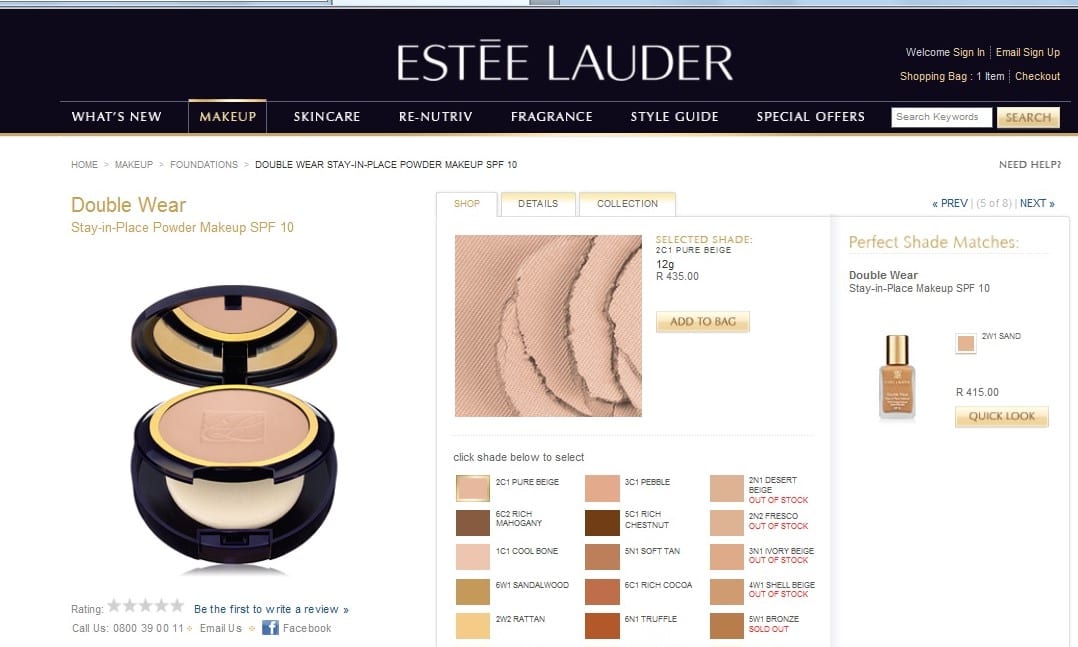
    Focus on the online sales channel, digital initiatives, and revival of its travel retail channel, will be the key drivers for Estee Lauder‘s (NYSE:EL)  growth in the future.  While travel retail showed tremendous growth in 2014, the slowdown in China and natural calamities had a negative impact in 2015.  Estee Lauder feels this setback is temporary and we believe new product launches and initiatives in this segment will boost its revival, and will be a key driver of growth for the company. With booming e-commerce and mobile internet penetration, we believe focus on online sales will be another driver of growth for the company, especially in emerging economies such as China.

    Revival Of The Travel Retail Channel

    In the fiscal year 2014, Travel Retail was one of the highest growth channels for Estee Lauder contributing to 13% of its product distribution. Global Airport retailing information reveals that by 2016, airport retail spending will be $23.2 billion for Asia Pacific, whereas for the Americas and Europe the figures will be $10.1 billion and $12.4 billion. Estee Lauder is leveraging this trend primarily to capture the Asian market. In May 2014, the company launched a flagship boutique at the Detroit Metro Airport, a primary gateway to Asia, via Delta Airlines. This boutique offers a collection of all its luxury brands, High-Touch services, along with other facilities such as a first-class lounge area, free Wi-Fi, and updated information on the flights. Growth in the travel retail channel slowed down in Q4 2015 due to the macroeconomic slowdown in China and spread of MERS virus in Korea, but the company believes this setback is temporary. It is continuing to emphasize  skincare, its most profitable product category, to boost travel retail sales. Estee Lauder recently launched a vast array of products under several brands including Clinique, Bobbi Brown, Jo Malone, Tom Ford, and M.A.C., at the Tax-Free World Association (TFWA) Exhibition, held at Cannes in October. The products include face contouring, eye makeup, lipstick, serums, treatment creams, and fragrances. These new products will be available across Estee Lauder’s travel retail channel. [].We believe revival of the travel retail channel will be a key driver of Estee Lauder’s revenues in the future.

    Focus on Online Channels And Digital Initiatives

    The shift towards online shopping is evident from the tremendous growth in e-commerce.  New York based research agency, L2 ThinkTank.com found that while the global beauty industry grew at 6% in 2013, sales through the e-commerce channel witnessed a 29.1% growth during the same period. To leverage this trend, Estee Lauder is selling 14 of its brands directly to consumers online through approximately 120 of its own e-commerce and mobile commerce sites.  The company also launched  “Forecast,” a mobile application under its Clinique brand, which provides weather information and skin care tips based on weather conditions.  To expand in the Chinese market, Clinique opened its  flagship store on Alibaba’s Tmall. According to the National Bureau of Statistics cited in Statista, the online transaction value of cosmetics retailing in China is forecast to grow by 123% in 2015. Given the market potential, we believe Estee Lauder’s focus on online sales and digital initiatives, around the use of social media and mobile apps for promotion, will be key drivers of its revenue in the future.


  • How Agencies Are Adapting to China’s E-Commerce Boom

    How Agencies Are Adapting to China’s E-Commerce Boom

    This week, Saatchi & Saatchi China announced it was bringing on 48 hires from a local e-commerce services provider called Bysoft. It’s the latest example of how international agencies are adjusting their offer to cater to China’s e-commerce boom.

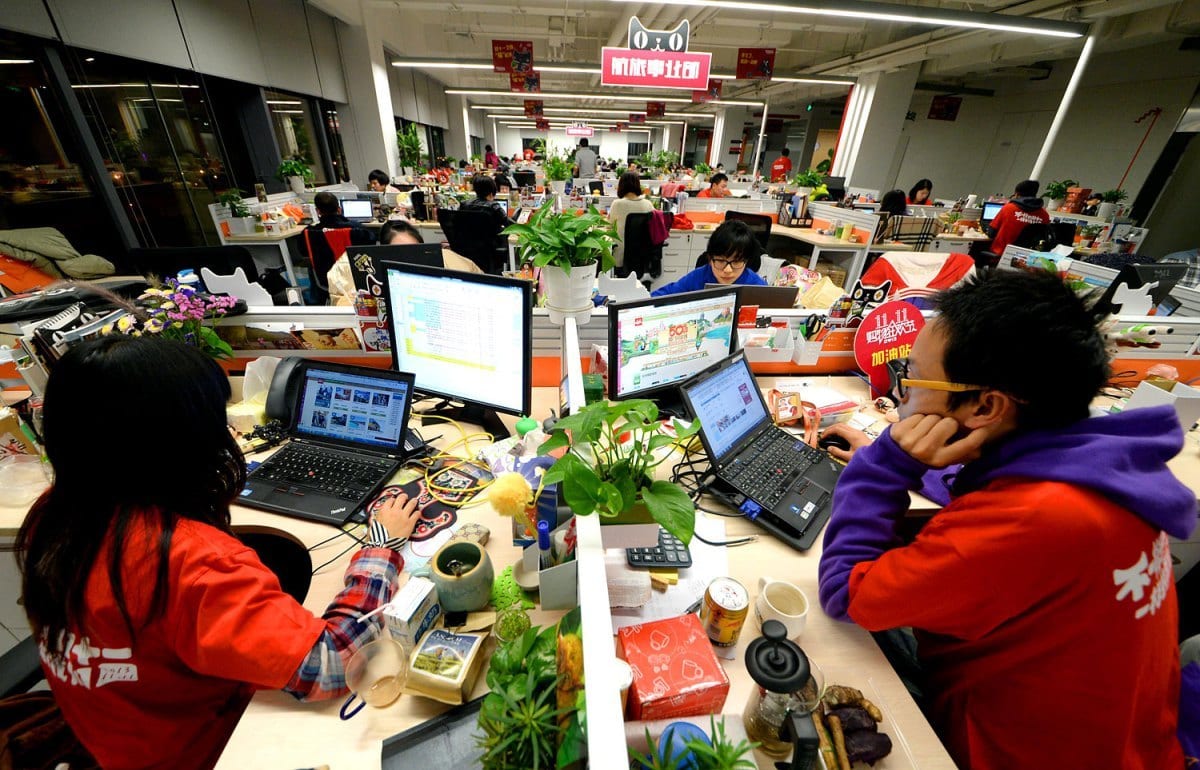
    In China, now the world’s largest e-commerce market, almost anything can be bought online – from exotic imported produce to cheap locally made clothing, from iPhones to Cadillacs. Online purchases are a greater percentage of retail in China than anywhere else. This year 15.9% of retail will be via digital, according to eMarketer. In the U.S. that figure is just 7.1%.

    Given China’s rapid embrace of e-commerce, “marketers and agencies are having to adapt at warp speed to build capabilities and potential capabilities in this area,” said Greg Paull, Hong Kong-based principal of agency-management consultancy R3 Worldwide.

    Agencies are trying different tactics. WPP China CEO Bessie Lee told an investors’ conference last week that two WPP companies, Kuvera and Salmon, were doing “a very hard-core e-commerce service. What does that mean? It means managing the e-commerce storefront for our clients, finding warehousing, managing warehousing, finding logistics partners for our clients, doing CRM (and) customer service for our clients for their online stores.” The agencies do marketing but are also distributors and store managers for clients, Ms. Lee said, adding: “So this is new money that we probably never had before.”

    Like many agencies, Dentsu’s Carat is expanding its e-commerce team. When Chinese internet giant Alibaba hosted its massive one-day online shopfest on Nov. 11, logging $14.3 billion in merchandise sales, Carat had a 28-hour war room for clients including Mondelez, handling everything from media optimization to brand-shop management to product replenishment to competitor tracking. China’s e-commerce boom also factored into a new partnership between Dentsu’s Carat, Mondelez and internet giant Tencent to work together on data, research and content.

    The company that Publicis Groupe-owned’ Saatchi hired staff from, Bysoft, has cast itself as a one-stop solution that includes digital marketing and operations, with a warehouse and fulfillment system for brands, and a client list including Adidas and Durex. Two of the hires were Cyril Drouin, Bysoft’s CEO, who takes charge of Saatchi’s China e-commerce strategy, and Christine Wang, Bysoft’s managing director. (Saatchi says it wasn’t an acquisition of Bysoft, but a recruitment of talent from the company.)

    Did you know 40%+ shoppers impulse buy and 71% in-store phone usage is checking prices? Gain deep understanding of consumer behavior and why this enables digitally-centric brands to gain advantage.

    Learn more

    Bysoft, founded in 2003, is one of dozens of standalone e-commerce agencies to pop up in China; many promise brands a range of services from marketing to operations, which is attractive to some brands. Alibaba-backed Baozun handles digital marketing, store operations, customer services and warehousing and has clients including Nike and Burberry. It had a $110 million initial public offering on the Nasdaq this year.

    The Chinese e-commerce market is fast-changing and complex, with different platforms than elsewhere – not only Alibaba’s marketplaces, but also online superstore JD.com and many verticals. Many brands are still figuring out their strategy, and the big question is how agencies will eventually fit into the landscape.

    “Are marketers going to push their business into a standalone e-commerce agency or into the existing creative digital agencies?” Mr. Paull asked. The argument in creative agencies’ favor is that “in the end an e-commerce customer is still a customer, and the work needs to be treated with same brand integrity you would treat any other work.”
  • Hugo Boss’s sales suffer amidst the falling Chinese economy

    Hugo Boss’s sales suffer amidst the falling Chinese economy

    Hugo Boss has recently announced that it is anticipating challenges in the Chinese and US markets, which will have a negative impact on sales next year. While a decline is expected, the brand plans to continue investment in its stores and online platform.

    The German fashion retailer* announced in a presentation for its investor day that 2016 sales growth is likely to be lower than its long term target for a high single-digit increase, adding that it would only reach 2020 targets for a core earnings margin of 25% if the overall market recovered.

    These results come just a year after one of Hugo Boss’ main brands BOSS opened two new flagship stores in Hong Kong.

    Earlier this month, Burberry recorded a 9% increase in pre-tax profits, while still in the midst of a “challenging” trading environment due to China’s suffering economy. The British brand said sales at stores open for a year or longer have been affected by the Chinese climate, especially those in Hong Kong, a major shopping destination for mainland visitors.

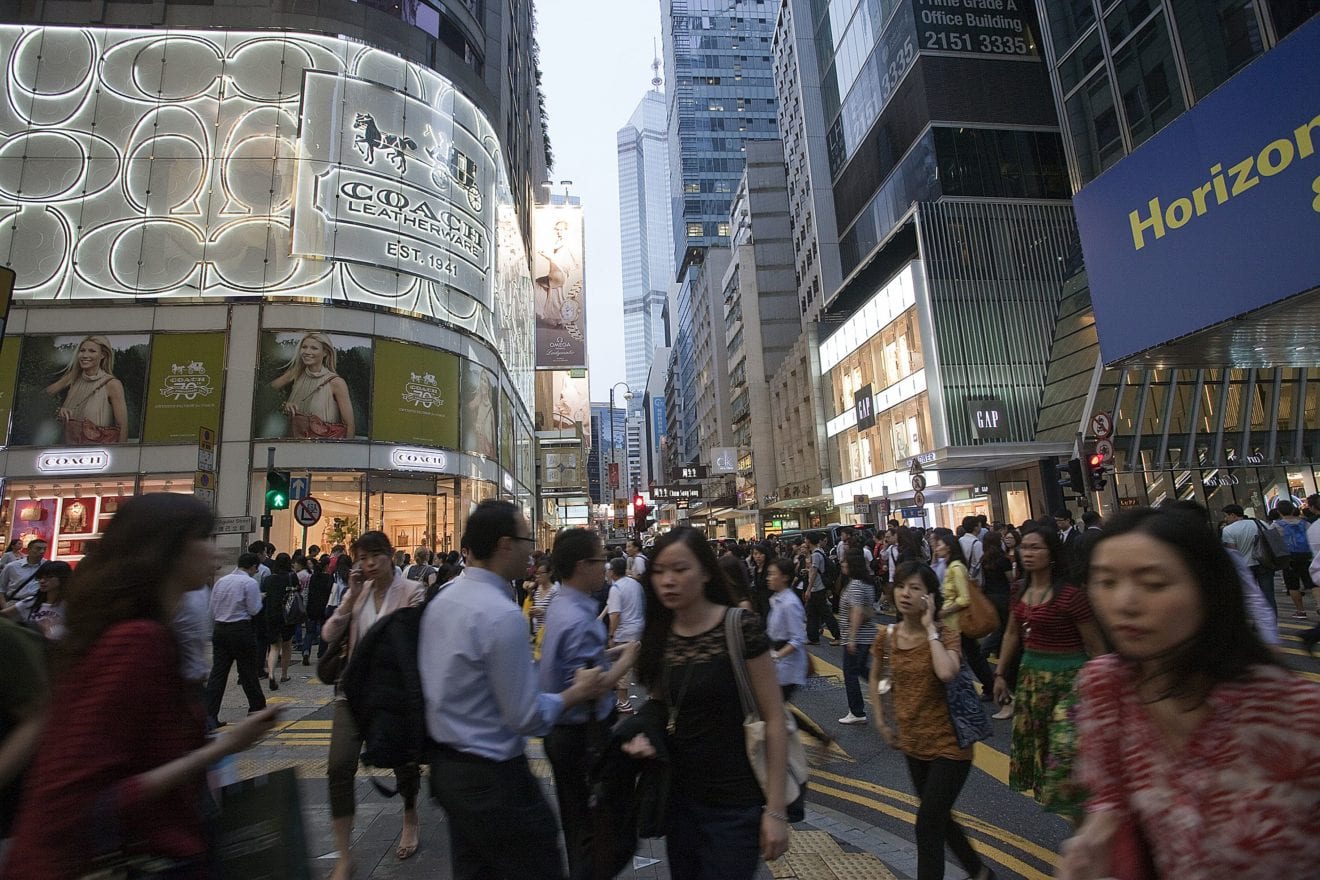
    Up until its recent economic downturn, Hong Kong was viewed as China’s shopping centre, housing the world’s luxury and most expensive retailers. However, failing sales have led to cuts in rents and ultimately struggling retail sales, following years of luxury growth in the region.

    Both Boss and Burberry have faced a declining demand in China as well as an overall decrease in luxury retail spending. Burberry is poised to downsize its biggest store in Hong Kong, while it has been suggested that French house Louis Vuitton will also be assessing sales performance in its 8 China stores in second-tier cities.

  • Yue Yuen sales rise on retail rollout

    Yue Yuen sales rise on retail rollout

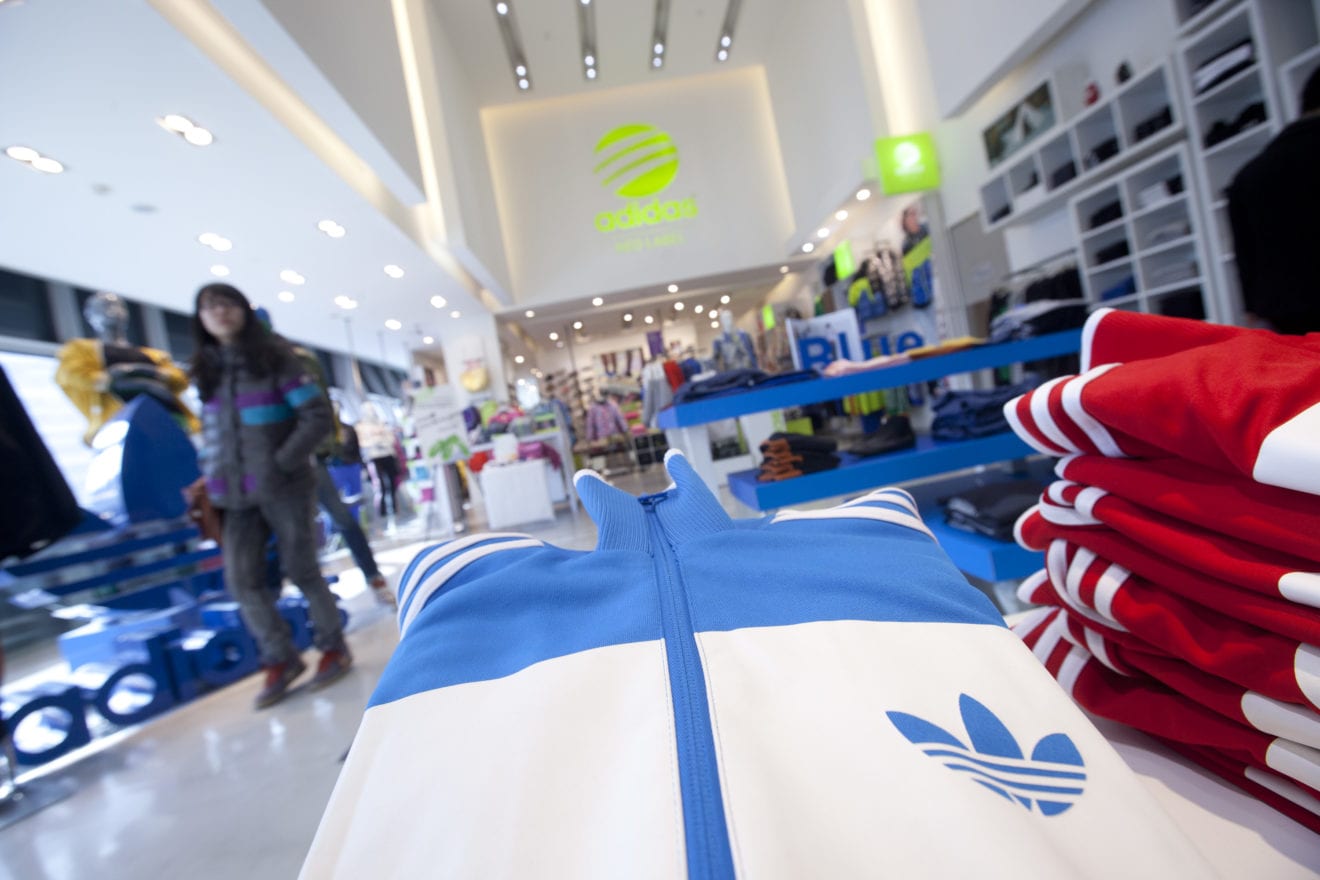
    The world’s largest branded athletic and casual footwear manufacturer and retailer Yue Yuen Industrial says retail and wholesale sales of sportswear in Greater China rose 19.6 per cent in the first nine months of this year, due to an expanding store network.

    Yue Yuen operates more than 6000 retail stores and concessions across Greater China under its own name as well as the international brands it manufactures for.

    Total sportswear sales reached US$1.7 billion compared to US$1.456 billion in the same period last year. Other factors in the growth were the company’s efforts to increase efficiency and a better merchandise selection.

    Sales of athletic shoes were up by 3.4 per cent and sales of casual shoes were down by 5.6 per cent. The total volume of shoes sold increased by just 1.1 per cent to 231.4 million pairs for the period.

    Hong Kong listed Yue Yuen designs and makes shoes for brands including Nike, Crocs, Adidas, Reebok, Asics, New Balance, Puma, Timberland and Rockport as well as operating its own network of retail stores under the YY Sports brand, through subsidiary Pou Shen.

    The increased athletic shoes and sportswear sales helped boost Yue Yuen’s overall revenue by 5.8 per cent to US$6.3 billion and gross profit by 9.1 per cent to $1.422 billion. Total net profit attributable to owners of the company was $285.6 million, up 36.6 per cent year on year, according to figures filed with the stock exchange.

    Pou Shen, which opened 771 new points of sale during the nine months, increased its gross profit by 32.5 per cent to $566.5 million due to management’s strategy to concentrate on the retail business, improved operating efficiency, and better procurement of inventory.

    YY Sport instore wide