Tag: China

  • Luk Fook profits slump 42% on weak Hong Kong, Macau sales

    Luk Fook profits slump 42% on weak Hong Kong, Macau sales

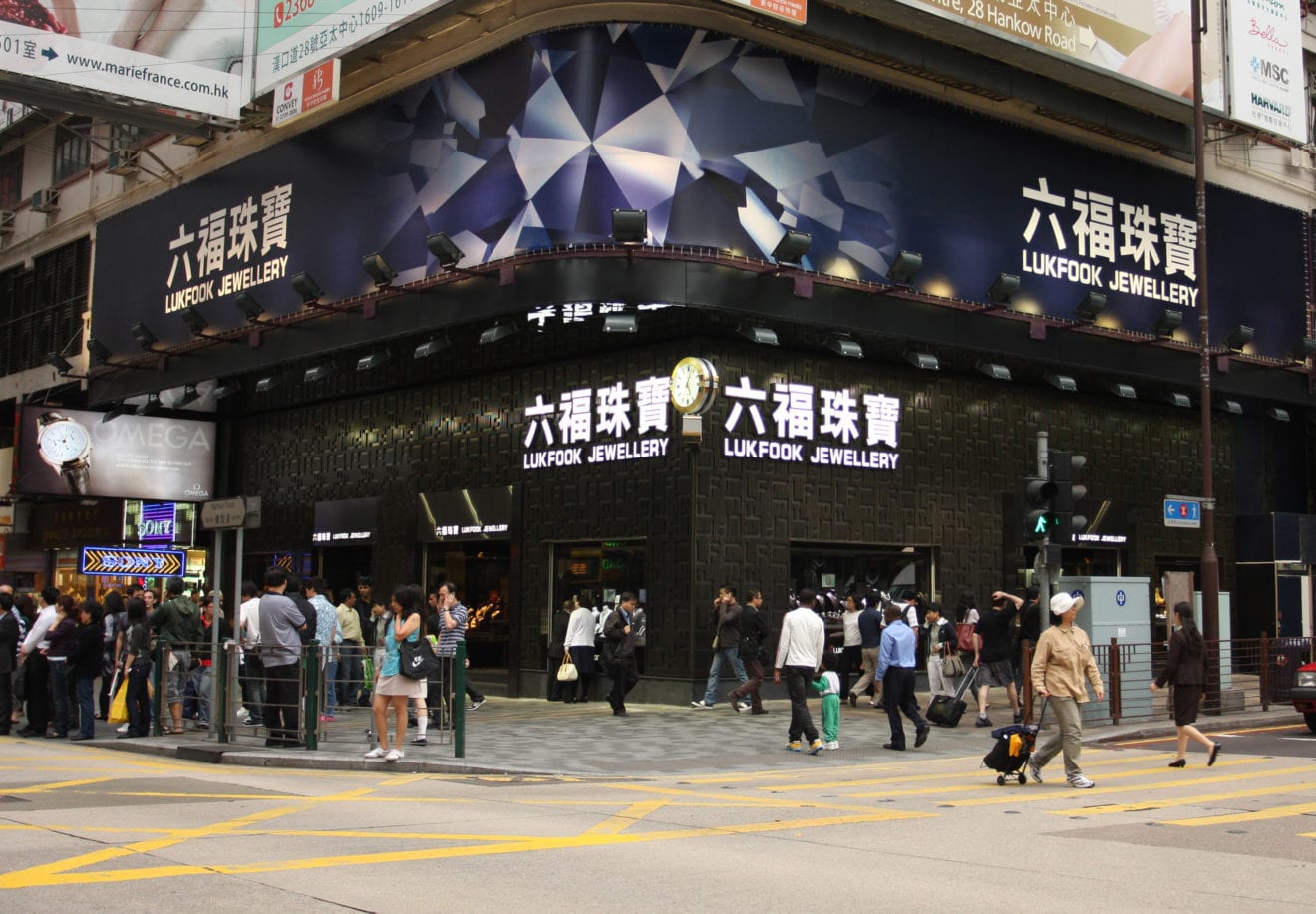
    Jeweller Luk Fook Holdings is looking to Mainland China to restore growth after a heavy drop in profits due to the Hong Kong and Macau market slump.

    Lukfook Group says its sales declined 7.7 per cent to HK$6.965 billion in the half year to September 30 and profit attributable to shareholders slumped 42.4 per cent to $463 million.

    Same store sales across the business fell 11.6 per cent, largely due to falling sales of gem‐set jewellery products in Hong Kong and Macau. Sales fell 16.2 per cent in Macau alone.

    However in Mainland China, gem-set jewellery sales rose 17.5 per cent, marking the 10th consecutive quarter of positive growth in that market.

    Wong Wai Sheung, chairman and CEO of Lukfook Group said the slowing economic growth in Mainland China, relaxed visa requirements and currency devaluation in Europe, Japan and Korea as well as a strong Hong Kong dollar against other currencies had caused Mainland tourists to switch to overseas for consumption.

    “These adversely affected the retail industry in Hong Kong and Macau and hindered the recovery of the retail business of the group.”

    Hong Kong rents also took their toll on Luk Fook profits.

    “The decrease in revenue, together with the increase in total rental expenses mainly contributed by the high rental of the loss‐making new shops in certain Hong Kong prime locations, resulted in the increase in the total operating expenses to revenue ratio to 14.6 per cent (2014:13.0%),” the company said in its filing.

    The company opened a net total of 29 Lukfook shops (including 23 licensed shops and six self‐operated shops), and four 3D‐Gold self‐operated shops established by the new joint venture (the group has 51 per cent equity) with a licensee in Mainland China. The number of shops in Hong Kong and Macau and overseas remained unchanged. As at September 30, the group had 1412 Lukfook shops globally in Mainland China, Hong Kong, Macau, Singapore, Korea, the US, Canada and Australia; and four 3D‐Gold shops operated in Mainland China.

    Mainland Chinese visitors remained the primary customer group for the Hong Kong retail business, which contributes 60 per cent of the group’s turnover.

    Wong Wai Sheung said with continuing uncertainty in the global economy, the overall operating environment will remain challenging in the short term.

    “However, in the long run, as the per capita income in Mainland China increases, the group believes that there will still be strong customer demand for jewellery products, therefore the group remains positive about the mid‐ to long‐term business prospects. The group will continue to optimise the retail network, maintain the expansion strategy of focusing on the development in the Mainland China market, and further strengthen the cooperation with eCommerce platforms to expand our distribution channels, and also offer more fashionable and affordable jewellery products which are suitable for wearing in workplace, in order to attract middle‐class consumers.”

  • BMW 2 Series saloon unveiled at Auto Guangzhou 2015

    BMW 2 Series saloon unveiled at Auto Guangzhou 2015

    What will become the new BMW 2 Series saloon was unveiled recently at Auto Guangzhou 2015, one of the largest international motor shows in China

    The car, which will take on such as the Audi A3 saloon and the Mercedes CLA, was unveiled as the BMW Concept Compact Sedan and, according to BMW design chief Adrian van Hooydonk, reveals the potential the company sees in a compact sedan.

    “It not only gives the driver and passengers generous amounts of space within a compact area but does so while providing the sporting ability you’d expect from BMW and an elegance otherwise only available in large BMW sedans,” said Mr van Hooydunk. “The quality and intrinsic value of the BMW Concept Compact Sedan are clear signals of our premium intentions for the car.”

    BMW says the compact and agile exterior of the new car creates a familiar sedan silhouette based around a striking three-box design. Hallmark BMW proportions imbue the car with a dynamic allure unrivalled in its segment. Its sweeping bonnet and long wheelbase stretch the car visually, while the slightly set-back greenhouse further underlines its sporting nature.

    The interior of the new car and its BMW family ties are immediately evident. Elongated horizontal lines and surfaces creating a generous feeling of space provide a counterpoint to the cabin’s driver focus and sporty styling.

    We will have more in due course.

    Online shopping

    Speaking of BMW, the company’s UK arm has rolled out a system where buyers can now carry out the whole process of buying a car online. Previously, some steps could only be completed at a dealership.

    Customers can specify a car, arrange a test drive if necessary, agree financing options and payment method, and get a trade-in value for their own car before finalising the delivery date.

    Help is available from a ‘BMW Genius’ or a sales executive at the retailer via live chat or email, if needed.

    Sales and marketing chief Ian Robertson said: “We are the first car manufacturer to offer a digital sales solution for the entire product range and the full end-to-end buying or leasing process online.

    “Now, the customer can do it all from the comfort of their home. The integration of the BMW Genius via live chat and retailer messaging functions where the customer is able to get personalised support in real time, makes this system unique and a new benchmark for the automotive industry.”

    Before being rolled out nationally, BMW Retail Online was trialled with nine UK retailers and proved such a success 95% of BMW UK retailers have decided to offer this service to their customers.

    Nigel Hurley, Sytner Group BMW divisional managing director, whose retail outlet took part in the trial, said: “This is great news for retailers. It forms part of our ever more customer-centric focus and makes life easier for the customer. We see this becoming an increasingly important channel in the future.”

    Watch this space for further developments on the online sales developments.

  • Monica Vinader Hong Kong opens at Harbour City and Sogo

    Monica Vinader Hong Kong opens at Harbour City and Sogo


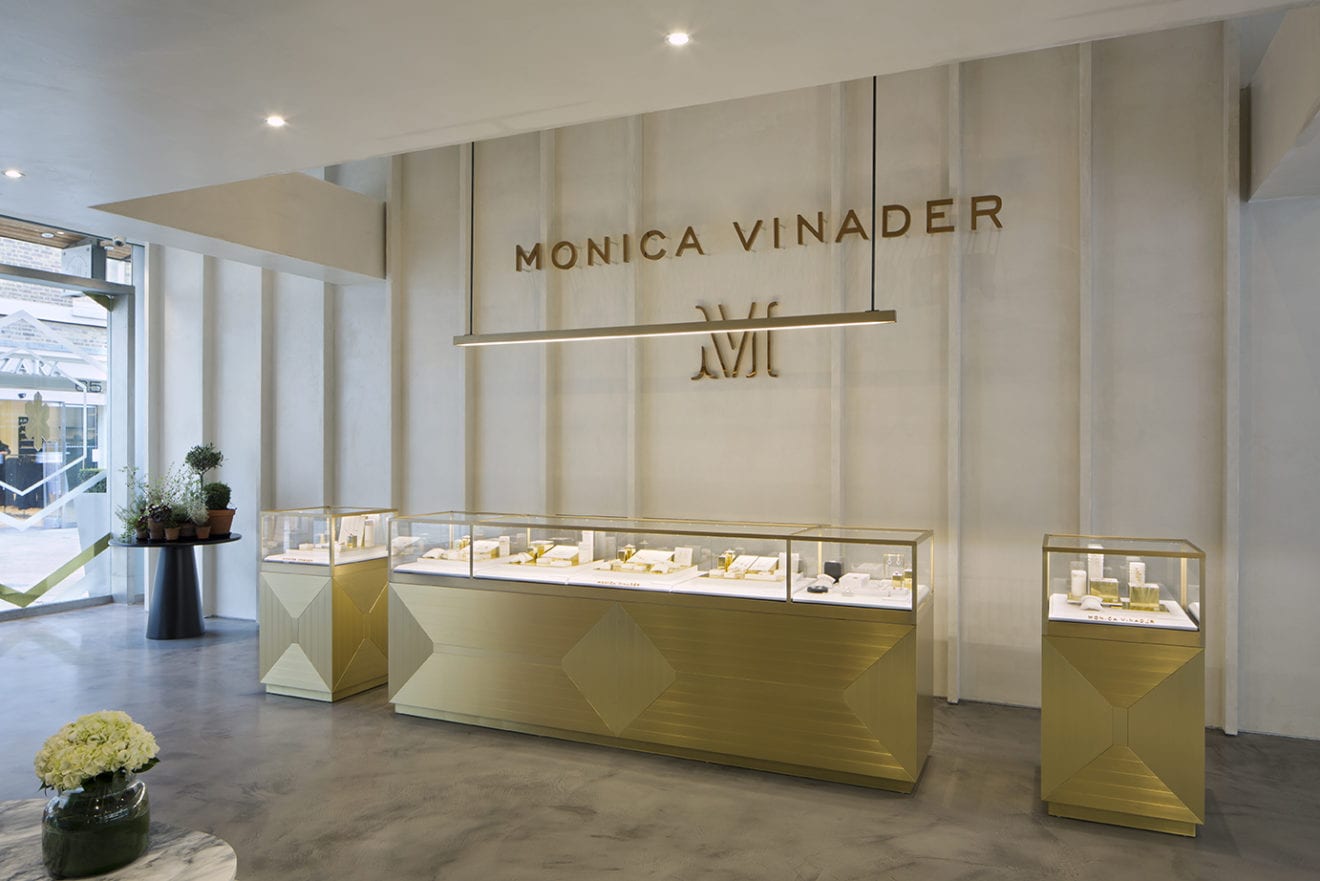
    A year since the opening of its first store at IFC Mall, jeweller Monica Vinader has opened a second store at Harbour City in Kowloon and a counter at the prestigious department store Sogo.

    Monica Vinader Hong Kong

    “I am honoured that the brand has been so well received in Hong Kong, which is such a sophisticated, international city,” said Monica Vinader, CEO & founder of the brand.

    The new Monica Vinader Hong Kong store’s interior features custom fixtures and fittings that create a vibrant and welcoming luxury shopping environment.

    Monica Vinader Hong Kong 1

    It offers all the Monica Vinader collections, from the recognisable Friendship bracelets, to bespoke cut gemstone jewellery and contemporary diamond collections.

    The retailer’s complimentary, same-day engraving service, offered in Monica Vinader stores around the world, will also be available from the Harbour City boutique. Customers will be able to engrave personal messages, motifs or hand-drawn doodles onto bracelets and pendants to make them truly unique.

    The store is located on Level 3 of Ocean Terminal and trades from 10am to 10pm.

    Monica Vinader Hong Kong 2

  • Xiaomi Redmi Note 3, Mi Pad 2 unveiled in China

    Xiaomi Redmi Note 3, Mi Pad 2 unveiled in China

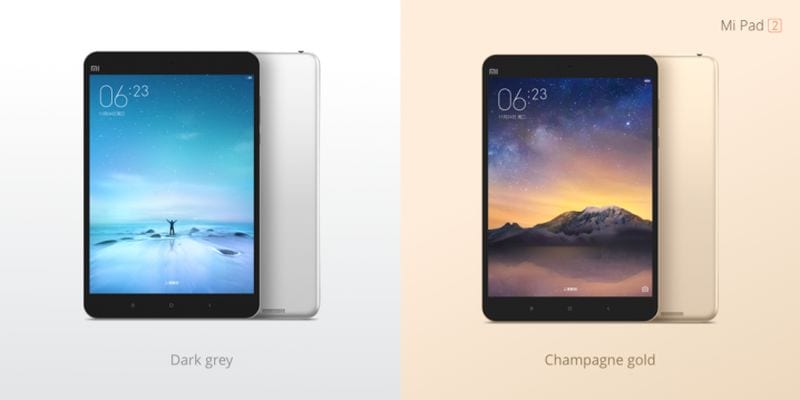
    Xiaomi has this week launched two new devices to its ever growing lineup, namely the Xiaomi Redmi Note 3 phablet and the Xiaomi Mi Pad 2 tablet.

    While these two devices probably won’t be heading across the Pacific (or Indian Ocean, for that matter) any time yet, it’s worth noting just how impressive these two devices are.

    The Redmi Note 3 for one features a 5.5-inch 1080p display, up to 3GB of RAM, a MediaTek Helio X10 processor with eight cores, and up to 32GB of internal storage. There’s also a huge 4000mAh battery in its wholly metal boody, a fingerprint sensor at the rear, and will ship with Android Lollipop.

    xiaomi redmi note 3 1

    The cameras are also impressive, sporting a 13MP rear and 5MP front camera combo, with the rear sporting a two tone flash setup.

    The most impressive thing though? It’s price. At launch, the device will retail for RMB 899 in China, or around US$140 in the States. That’s ludicrous value.

    But not stopping there, the company also outed an iPad mini 4 competition in the Mi Pad 2.

    And yes, it looks just like the iPad. That’s somehow not such a terrible thing though, especially since the Mi Pad 2 now features a 7.9-screen with a 2046×1536 display, an Intel Atom heart, and a depth of only 7mm.

    xiaomi mi pad 2

    Arguably, the Mi Pad 2 won’t keep up with the iPad mini 2 or Microsoft Surface Pro 3 in a straight line, but it’s going to retail for around US$200 in China — or about three times less than the cheapest last generation Microsoft Surface.

    Other specs include a huge 6190mAh battery, an 8MP rear 5MP front camera combo, 2GB of RAM and up to 64GB of internal storage. The company has also bolted a USB Type-C port on it for charging and data transmission. And lastly, there’s a Windows 10 option, which should appease some doubters if this device ever does make it west.

    Unfortunately, the company didn’t launch the Xiaomi Mi 5 at the event, but these two devices at least hint at Xiaomi’s targets for 2016.

  • Brazilian Airline Azul Sells Stake to HNA Group of China

    Brazilian Airline Azul Sells Stake to HNA Group of China

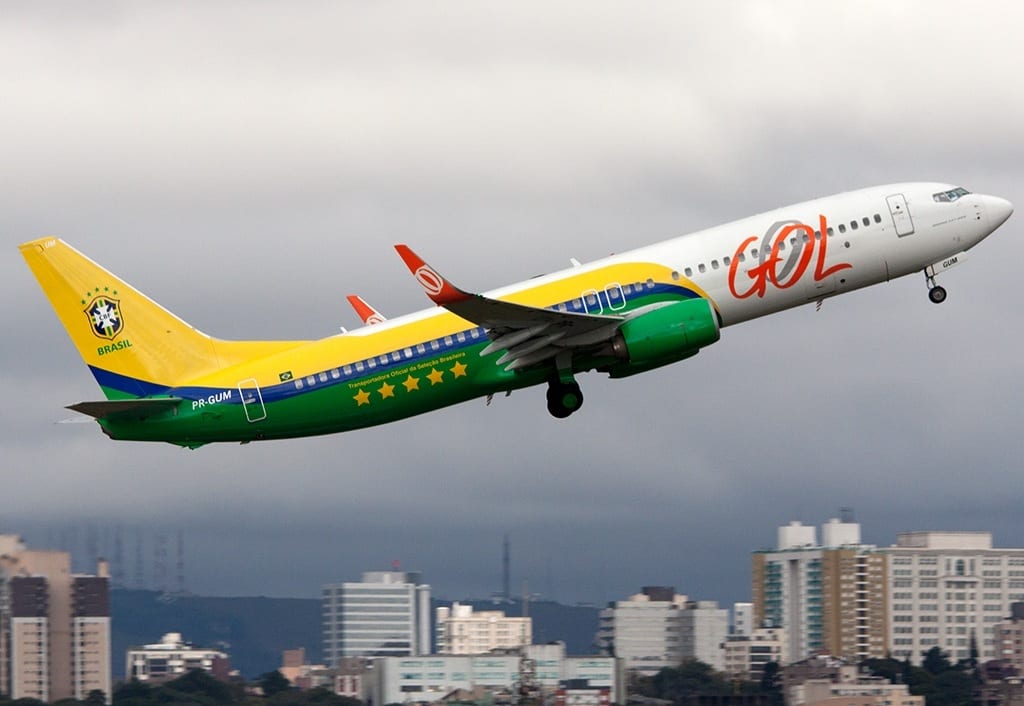
    The airline announced on Tuesday that it had sold a 23.7 percent stake to HNA Group of China for $450 million.

    HNA, which earlier this year bought Swissport International, an air cargo services company, for $2.8 billion, owns China’s Hainan Airlines. It is also active in hospitality, retail and financial services. It had about $28 billion in revenue last year.

    It is Azul’s second time turning to China for capital this year. In May, it raised $200 million from the Industrial and Commercial Bank of China, and a company spokeswoman said that it planned to raise an additional $200 million from Chinese banks before the end of the year.

    Chinese companies may be ramping up their interest in Brazil. Petrobras signed a deal in May for $10 billion in funding from the Chinese banks, then arranged another $2 billion in October.

    And China Three Gorges, a utility company, is expected to bid in a multibillion-dollar auction of electricity generation concessions scheduled for Wednesday morning.

    “We are seeing significant inbound acquisition opportunities into Brazil in recent months from Chinese entities and investors and expect this to continue as Chinese companies look to expand their influence around the globe,” said Stuart K. Fleischmann, a partner at Shearman & Sterling who acted for Azul on the HNA investment.

    Azul is not just looking to China. The company also sold a 5 percent stake to United Airlines for $100 million in June, and a spokeswoman said Tuesday the company still planned to hold an initial public offering, already delayed three times, when market conditions improve.

    Mr. Neeleman, an American born in Brazil while his father was a journalist here, founded Azul in 2008. The airline has received funding from the private equity firms TPG Growth, Weston Presidio, Bozano, Fidelity, Zweig-DiMenna and Peterson Partners.

    It has since grown to become Brazil’s third-largest airline, but after years of rapid growth in the sector, Brazil’s recession has finally started to take a toll on airline passenger transport, which in August started to decline.

    But Mr. Neeleman has been using Azul as a base to expand internationally.

    In June, Mr. Neeleman partnered with the Portuguese investor Humberto Pedroso to buy a 61 percent stake in Portugal’s national airline, TAP, in return for assuming TAP’s debt of 1.06 billion euros and a promise to inject at least 338 million euros in cash.

    And Mr. Neeleman said in a statement on Tuesday that the deal with HNA “might result in the company entering the Asian market through interline and code-share agreements.”

    Azul’s only current international destination is the United States. It operates daily flights from Brazil to Orlando and Fort Lauderdale.

    Seabury Securities advised Azul and UBS and Bravia Capital advised HNA on the transaction.

  • Hugo Boss sees weakness in China, US persisting in 2016

    Hugo Boss sees weakness in China, US persisting in 2016

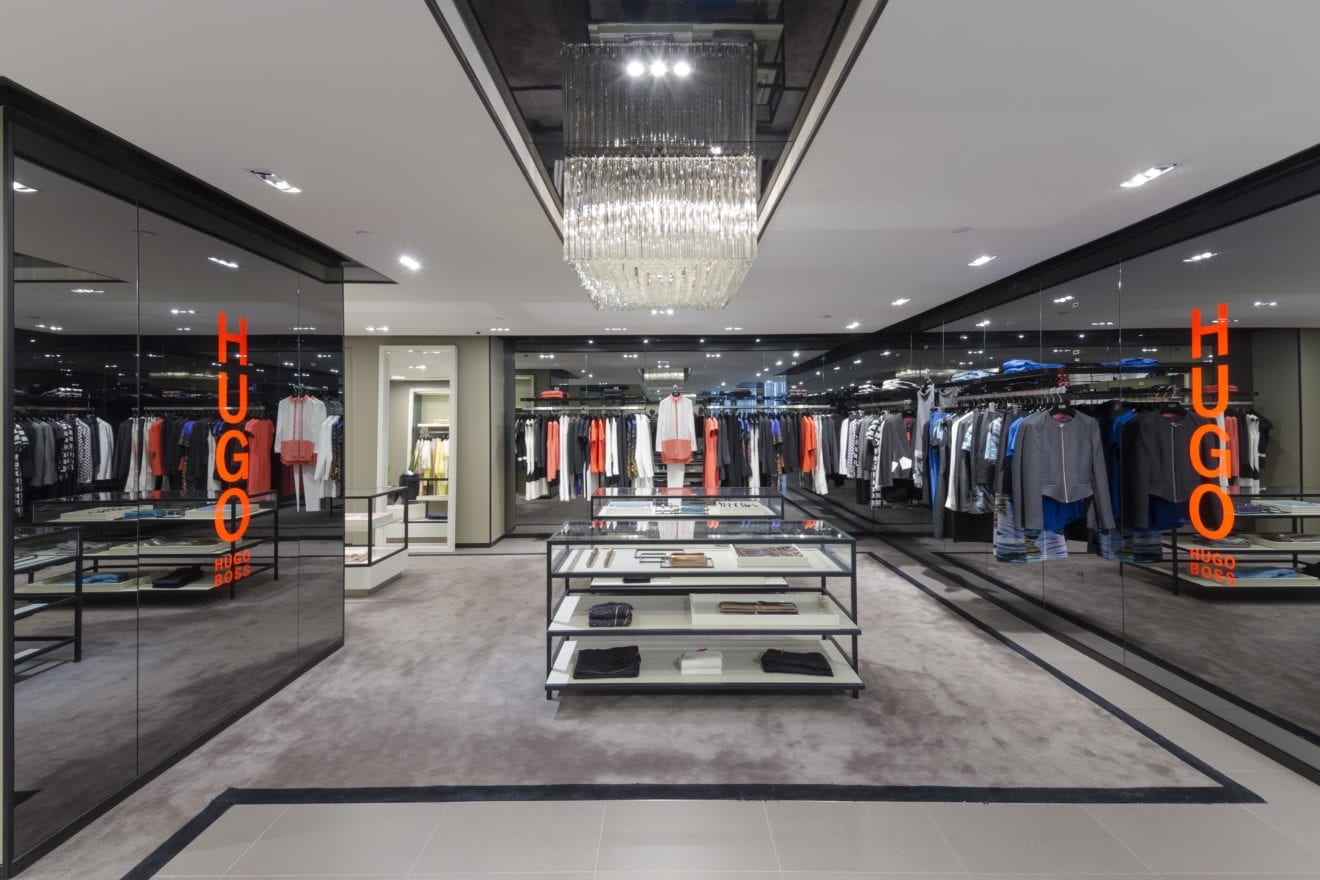
    German fashion house Hugo Boss expects challenges in China and the US market to keep a lid on sales growth next year, but it said it would keep investing in its website and stores.

    In a presentation released ahead of an investor day on Tuesday, Hugo Boss said it expected 2016 sales growth below its long-term target for a high single-digit rise and said it would only reach its 2020 target for a core earnings margin of 25 percent if the overall market recovered.

    However, it said lower capital expenditure and a further improvement in it management of working capital would help boost free cash flow in 2016, adding it remained committed to maintaining an attractive dividend payout policy.

  • China Jo-Jo Drugstores turns a profit

    China Jo-Jo Drugstores turns a profit

    Chinese pharmacy retailer China Jo-Jo Drugstores has finally turned a profit, thanks to booming online sales and partnerships with health insurers.

    The US-listed retailer achieved second quarter sales of US$22.6 million, up 22.4 per cent on the same period last year. And it turned a loss of $40,000 last year into a $150,000 profit for the quarter.

    Year to date, revenue totaled $43.9 million up 25.7 per cent year on year, gross profit of $8.4 million was up 58.3 per cent and gross margin of 19 per cent compared to 15.1 per cent last year.

    “We are pleased with China’s Jo-Jo’s mid-year progress as the company continues to focus its efforts in growing the online pharmacy division which experienced triple-digit growth in the period,” commented Lei Liu, chairman and CEO.

    “ In large part, due to strategic cooperation with large insurance companies and fast-growing private healthcare insurance programs, our online pharmacy sales have expanded quickly in this quarter. The consumer demand for expanded online pharmacy services continues to play an integral role in the rebalancing of the company’s revenue mix while providing the opportunity to enhance organic sales growth at our physical chain drugstores,” he said.

    “China Jo-Jo continues to explore new sales and marketing channels to grow its consumer base including establishing programs to promote “mobile app” shopping with major vendors.”

    The company also continues to optimise its product mix across its online storefronts and physical stores.

    Retail drugstore sales, accounted for approximately 58 per cent of the total revenue for the three months ended September 30, and increased by $697,097, or 5.6 per cent.

    Same-store sales decreased by approximately $343,219, or 2.9 per cent, while new stores contributed $952,255 in revenue.

    Online pharmacy sales increased by approximately $3,609,016, or 122.4 per cent for the quarter. China Jo-Jo continues to operate several online pharmacy storefronts including China Jo-Jo’s own official branded store in addition to working with other B2C’s online platforms which direct customers back to China Jo-Jo’s own websites.

    Its own branded website sales in the quarter increased by 406.2 per cent, primarily as a result of the active cooperation with large insurance companies in China, to sell online products to customers who have purchased health insurance from them.

  • Amazon China and Baidu join hands

    Amazon China and Baidu join hands

    The two Internet giants in China, Baidu and Amazon have reached in an agreement to strengthen their respective positions in the strong Chinese market.. The two companies, digital heavyweights, formalized the agreement Thursday, December 3, 2015 in a press release.

    As an element of partnership Baidu search engines will be installed by default on Kindle ebook reader produced by Amazon, as well as the Fire tablets that are sold in China. In return, Amazon will be included into the mobile application store of Baidu. Amazon will also be incorporated in Baidu’s online video platform iQIYI. This announcement was made following the release of Youku Tudou by Alibaba, another heavyweight of the Chinese web.

    Baidu is growing in the music industry online with Baidu Music by merging its activities in this sector with Taihe Entertainment Group, covering China as well as Taiwan and Hong Kong. The company has a catalog of 10,000- 700,000 compositions and recordings. Baidu Music is attempting to enter into a direct competition with QQ Music (Tencent) and especially Apple, which offers Apple Music. The latter was launched in China in September 2015. Baidu has also signed a partnership with Ctrip and Qunar in October.

  • Massive Innisfree China store planned

    Massive Innisfree China store planned

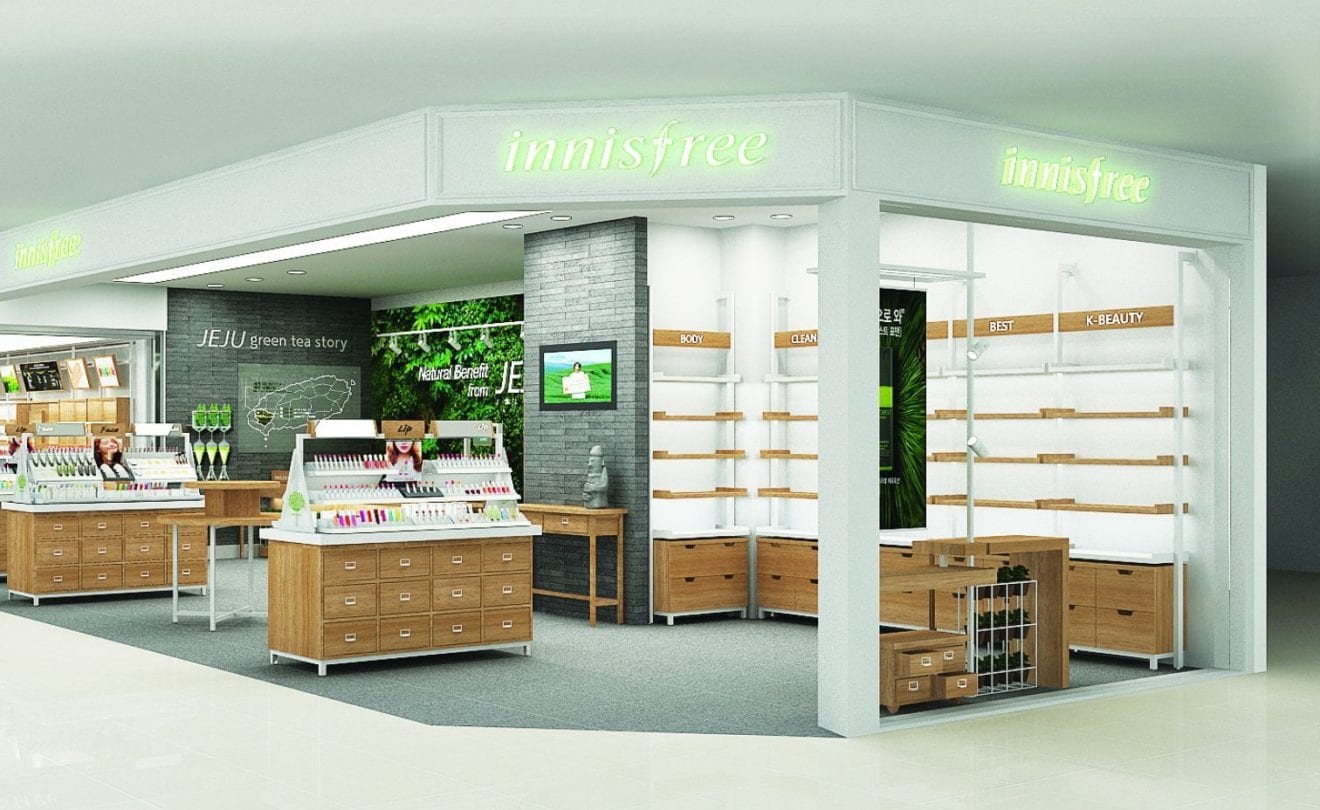
    Innisfree, the Korean natural cosmetics brand owned by Amore Pacific, is to open its largest store yet, in China.

    Amore Pacific announced Innisfree China will open an 827 sqm flagship store in Shanghai.

    This is the largest store among all of Innisfree’s retail locations, and reportedly the largest cosmetics store in China.

    Since Amore Pacific launched an online store in April 2012, it has been operating 200 offline stores all over China, including in Shanghai, Beijing and Shenyang. Innisfree’s ‘Green Tea Seed Serum’ and ‘Volcanic Ash Pore Mask’ are its highest-selling products.

    Management of Amore Pacific said Innisfree is popular among picky Chinese consumers in their 20s and 30s.

    “We think that the concept of our products made from natural ingredients found on Jeju Island, and the trust in Amore Pacific is an attraction to Chinese consumers.”

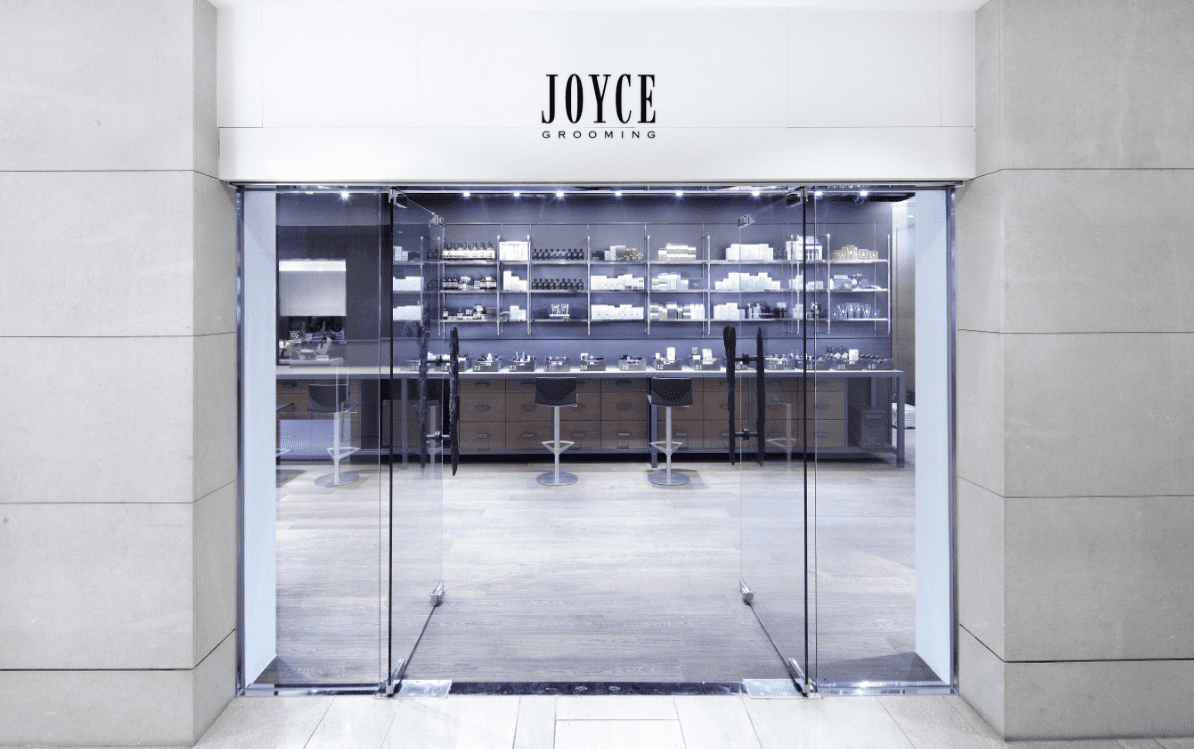
  • Joyce Boutique plunges into the red

    Joyce Boutique plunges into the red

    Listed fashion boutique operator Joyce Boutique says it will continue to take a cautious approach to business expansion and focus on consolidation of the Joyce multi-label business towards higher-productivity stores in the year ahead.

    It will renovate and expand the Joyce flagship store in Central and relocate the Shanghai Joyce flagship store to a bigger space within Plaza 66 to introduce a completely new look and unique shopping experience to customers.

    The move follows revelation of a HK$34.9 million half year loss for the company – a major turnaround from the $32.8 million profit in the same period last year.

    Sales slumped 10.9 per cent, and gross margin lost 3.5 percentage points, the company has reported to the stock exchange.

    “The persistent fall-off in customer spending on luxury goods in Hong Kong and Mainland China drove down the sales performance of the luxury retail market in the period. Depreciation of the euro and yen against the dollar and renminbi led to an increase in overseas shopping and online shopping for luxury goods and impacted on bricks-and-mortar local retailing.” the company said in its interim report.

    Joyce Boutique’s Hong Kong, turnover dropped by 10.3 per cent against the same period last year and accounted for 82.5 per cent of group turnover (2014: 81.9 per cent). Further impacted by declined gross margin and increased rental costs, the Hong Kong division incurred an operating loss of $12.6 million for the period (2014: a profit of $36.6 million).

    Mainland China turnover declined by 14.6 per cent versus the same period last year and operating results turned into a loss of $22.9 million from last year’s profit of $3.1 million, chiefly the result of a general decline in turnover and margin and an additional $7.6 million provision made for a loss making shop in Shanghai.

    Joyce Boutique inside

    The joint venture with Marni made a loss contribution of $1.0 million (2014: profit of HK$1.3 million) due to a drop in turnover and an increase in operating costs.

    “In view of the difficult trading environment, the group adopted a cautious shop strategy. While opening new shops for three potential brands as planned in the previous financial year (the first Hong Kong shop for Thom Browne at On Lan St, the first China shop for Sacai at Beijing Sanlitun and the first Macau shop for Alexander Wang at Galaxy Macau), the group closed certain non-performing shops to improve shop productivity,” the company reported.

    As well as the change in store focus and the renovation of the Hong Kong and Shanghai flagships, the company says it plans to further strengthen customer loyalty and drive sales from VIP customers through enhanced personal stylist services and the introduction of private customer mobile apps.

    Joyce Boutique says it expects the near term trading environment will remain “tough and challenging”.

    “Rental levels in prime shopping malls remain high relative to turnover. Online shopping and overseas shopping for luxury goods will continue to impact on bricks-and-mortar specialty retailing. In view of the challenges, the group will focus on driving cost efficiency and shop productivity, fashion editing and reducing business risks through taking cautious approach to business expansion and stock purchase planning.”

  • Asian eCommerce boom reshaping logistics sector

    Asian eCommerce boom reshaping logistics sector

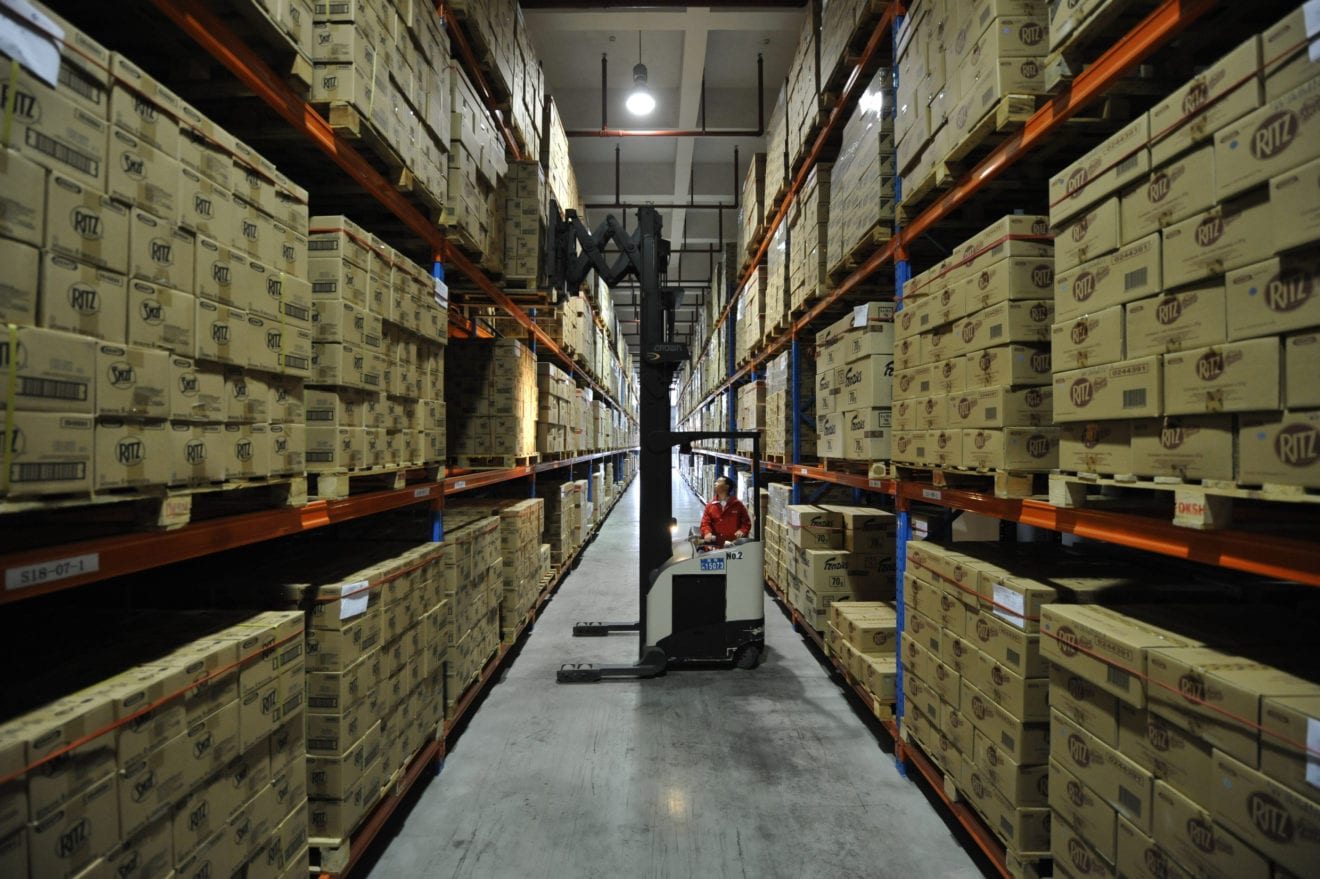
    The Asian eCommerce boom is driving major changes in logistics developments and networks across the region, according to CBRE’s latest Global & Emerging Logistics Hubs report.

    “With a trickle-down effect to inventory management, this is leading to changes in the global supply chain network,” said Dennis Yeo, regional head, industrial & logistics services with CBRE Asia.

    “Speed-to-market is more important than ever. The service demands brought about by eCommerce – for example, shorter delivery times to consumers – has changed the entire retail supply chain of getting goods to consumers, including regional distribution strategies. The technical ability of locations and buildings to support the ever-increasing demands for both scale and speed of output is an ever-more important determinant of market position.”

    In Asia, the eCommerce and e-tailing market has been particularly strong, with eCommerce upending the traditional bricks-and-mortar distribution networks, forcing retailers and third-party logistics firms to adapt to an increasingly demanding consumer.

    “eCommerce shipments are smaller in size and require more technology and expertise to execute efficiently. As a result, modern logistics facilities are being developed in the traditionally strong logistics hubs of Tokyo, Seoul and Taipei. Besides the developed markets, the new consumer class in the emerging markets is creating opportunities for logistics development in in China, India and Vietnam,” said Yeo.

    Hong Kong under threat

    Meanwhile, the report concludes that while Hong Kong will remain one of the top global logistics hubs in the world, for the next decade, the territory will be in strong competition with several emerging Asia hubs including China’s Beijing, Hangzhou, Nanjing, Suzhou, and South Korea’s Busan.

    “Hong Kong has maintained its global logistics hub status due to its efficient transportation network and highly developed logistic services. It ranks third in the World Bank’s Logistics Performance Index,” said Darren Benson, executive director, industrial & logistics, brokerage services, CBRE Asia.

    “As the traditional global gateway to China, Hong Kong is likely to remain the hub for global distributors, due to its local trade and transport regulations and its ease of connectivity via seaports.“

    Hong Kong is currently the fourth largest global seaport by container volume, while emerging hubs such as Shanghai, Shenzhen and Busan rank first, third and fifth respectively. These emerging locations share a number of characteristics, including significant investments in infrastructure, new trade policies and agreements, and more advanced supply chains and technologies. As these cities continue to improve their regional transportation infrastructure so their viability for international trade increases.

    The shift in global supply chain dynamics and creation of new logistics hubs in Asia may also be spurred by China’s plans to revive the Silk Road trade route.

    In 2013, China launched a new strategic initiative, known as “one belt, one road,” which aimed to revive the importance of the Silk Road. The new Silk Road has two parts: the Silk Road Economic Belt, a land-based route that will connect central China to the Middle East and Eastern Europe, and the Maritime Silk Road, a sea-based path that will link South China to Southeast Asia, East Africa and Europe.

    In Asia, low-end manufacturing – such as garment and textiles production and electronics component assembly – has steadily been moving from Southern China to Western China and Southeast Asia. Southern China, encompassing the Pearl River Delta, has traditionally been the light industrial manufacturing center of the world, however, as wages continue to rise and China attempts to move up the manufacturing value chain, there has been a shift to more sophisticated heavy industry manufacturing.

  • Char Raises The Bar for Steaks in Shanghai

    Char Raises The Bar for Steaks in Shanghai

    Great food is produced long before it ever gets to the kitchen. Soil, sunlight, clean air and water, and scrupulous farming practices are essential ingredients for any quality dish. Quality and authenticity are especially true for steak. It’s why CHAR in the Hotel Indigo Shanghai on the Bund serves Wagyu, Black Angus, and grass-fed beef from some of the world’s most renowned cattle ranches. Diners can explore this further starting in January 2016, on the last Thursday of every month, when CHAR will host a Beef Appreciation Steak Masterclass. The class will be from 1-3pm in CHAR for RMB 350 per person, which also includes a light lunch. Reservations are highly recommended.

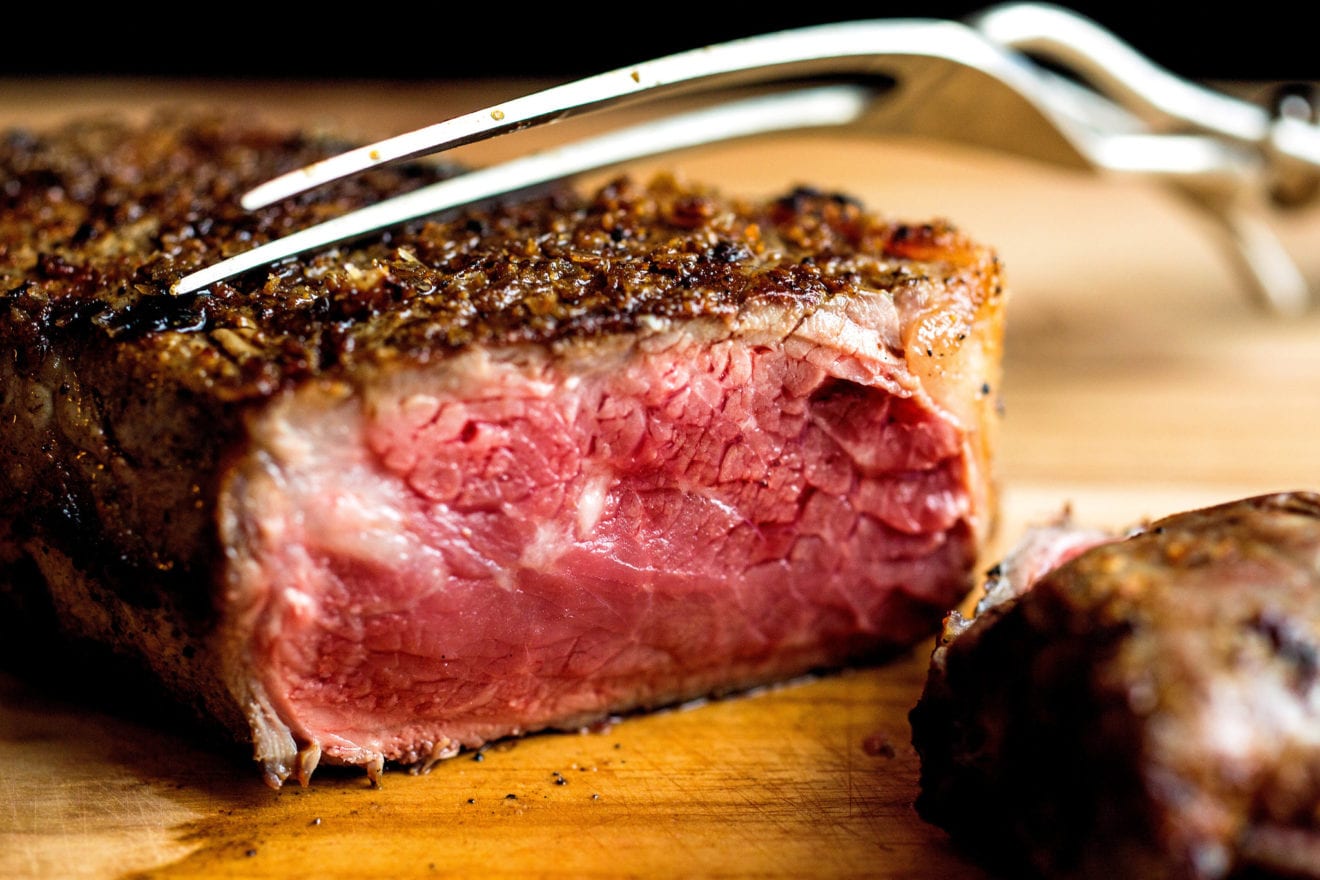
    The CHAR Steak Masterclass begins with a classroom style lecture available in English or Chinese and presented by one of Shanghai’s largest and most reputable Australian beef imports. Topics covered will be on animal husbandry, why the diet is important, the various cuts of beef, the types of cows, dry aging and ultimately, how to select a quality beef product. This will be followed by a practical demonstration by Chef Willmer Colmenares himself where he will point out visual indicators of quality such as marbling, color and texture. Participants will sample some of the beef and then be able to use this knowledge when enjoying beef in the future. Lastly, Chef Willmer will discuss various means of preparation from the oven to the pan to the grill and which one is preferred. So what are some of CHAR’s 11 different steak offerings?

    David Blackmore beef is, without question, the crown jewel of CHAR’s menu. It is the Rolls Royce of beef. This Australian ranch only raises cattle with bloodlines that can be fully verified and traced back to Japan. It’s grain-fed for 600 days, using traditional Japanese farming methods. The end result is an exceptional marbling score of 9+. This means a steak that tender, succulent, and devastatingly rich. A slice of it will melt on the tongue like a pat of butter. And as if that weren’t indulgent enough, CHAR serves their Blackmore fillets with foie gras, lobster, sautéed wild mushrooms, and shaved truffles.

    Tajima Wagyu is another exemplary beef on offer at CHAR. This unique strain of cattle is what made Japanese beef famous. Its luxuriant marbling produces a luscious texture, and excellent flavor. CHAR sources beef from full-blood Tajima cattle raised in the Australian countryside. 500 days of a traditional Japanese cattle diet gives this beef a marbling score of 7–9. Guests can savor a 220g Tajima eye fillet or 300g rib eye, both seared to tender, juicy perfection.

    Australia is also renowned for world-class certified Black Angus beef, and Jack’s Creek is one of the most respected names in the business. Top-quality cattle are fed a proprietary, high-energy grain diet for 150 days to produce beef with a 3+ marbling score. It’s tender, succulent, and can be experienced at CHAR with a 250g eye fillet or a 300g sirloin.

    Grass-fed beef has built a strong reputation not only for its unique flavor but for its nutritional benefits, too (a grass diet produces a leaner meat than grain diet). Cape Grim has struck a perfect balance between leanness, tenderness, and flavor with its famous grass-fed beef. Their cattle are raised in the pristine pasturelands of Northern Tasmania, where they graze on an all-natural diet of grass. Guests can enjoy this premium beef as a 250g eye fillet or a 500g bone-in rib eye.

    But it doesn’t stop at world-class steaks. Chef Will Colmenares has created a menu of creative gourmet indulgences inspired by the cuisine of Asia, the Mediterranean, and Latin America to complement the steaks. He puts an intriguing twist on that steakhouse staple, lobster bisque, by infusing it with lemongrass and adding mussels, scallops and a lime cream. His coconut-and-lime-marinated lobster and salmon ceviche brings an unexpected freshness to the menu. Avocado and jalapeño give the dish a zesty flair. His creamy roasted bone marrow with seasonal mushrooms, smoked octopus, and potato flan is a fun and inventive exploration of taste and texture. And of course, there is no shortage of fresh seafood, with a selection of imported live oysters and CHAR’s “Seafood Harvest”, a sharable shellfish tower, featuring half a lobster, king prawns, a crab claw, Irish king razor clams, mussels, oysters, and Amur Caviar.

    Then for something sweet, there is a bevy of creative desserts, like Colmenares’s “Piña Colada”, a tropical treat made with caramelized pineapple, rum, honey jelly, and coconut ice cream. Or guests can take a decadent escape with a spicy hot chocolate fondant with tonka bean ice cream and rum ganache.

  • Apple Pay China launch slated for February

    Apple Pay China launch slated for February

    Tech giant Apple will launch its mobile payment system Apple Pay in China by early February, according to a report in the Wall Street Journal.

    Citing people familiar with the discussions, the newspaper says Apple has reached agreement with China’s four state-run banks to clear the way for the payment system to be used via its iPhone smartphones.

    The move will place it in direct competition with local online payment platform Alipay, run by Alibaba Group, and its affiliated company Ant Financial, and UnionPay, the state run monopoly credit card system.

    But while the banks are on board, the Wall Street Journal claims Apple may yet face more hurdles before it can launch the service, with banking and eCommerce regulations overseen by a number of government agencies.

  • Jollibee scouring China, US for acquisitions

    Jollibee scouring China, US for acquisitions

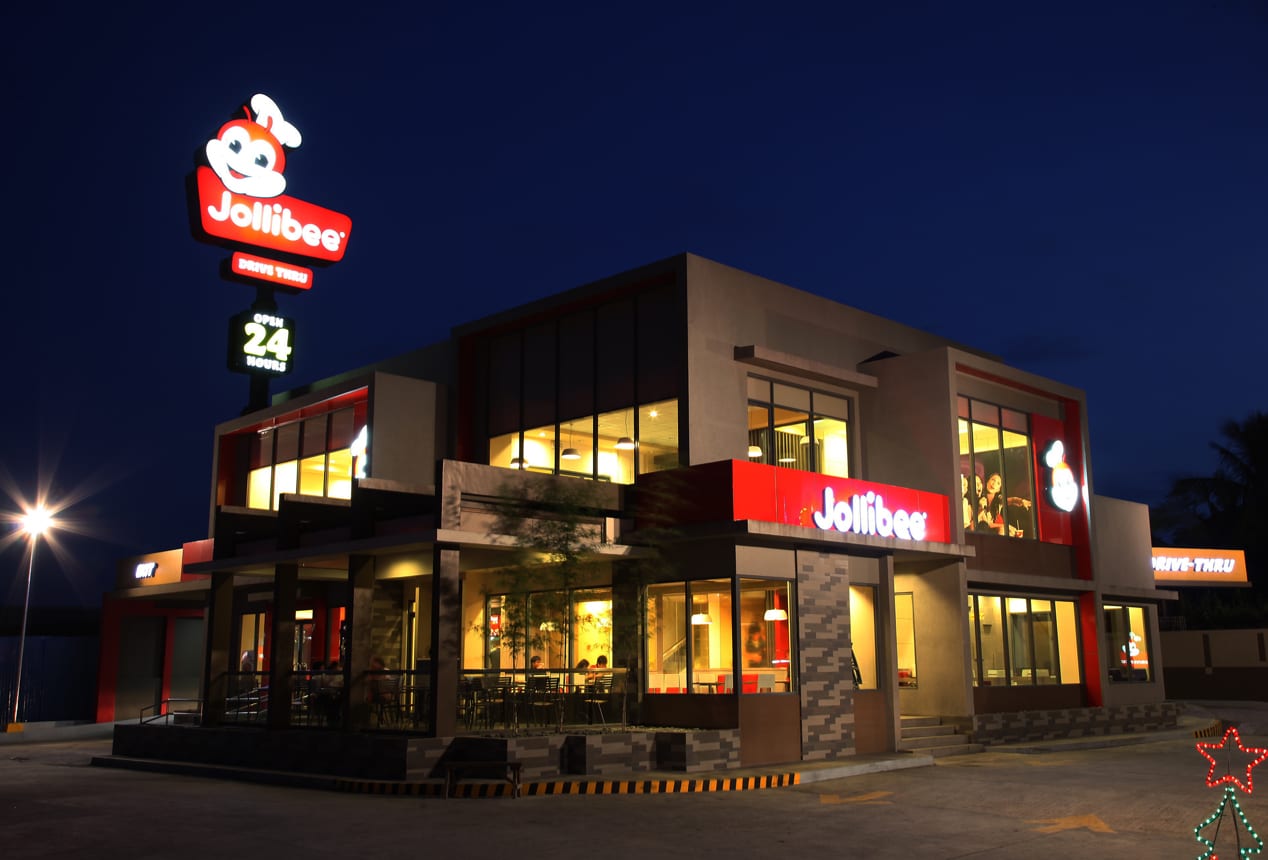
    Philippines-based Jollibee Foods is actively searching for at least two more established fast food or QSR restaurant chains to boost its brand portfolio.

    Jollibee chairman Tony Tan Caktiong says the company will pay up to $100 million for each investment and it is specifically looking at opportunities in China and the US.

    The comments follow the company’s recent purchase of a 40 per cent stake in fast growing US fast food operator Smashburger, for which it shelled out $99 million.

    The search is part of a strategy to increase the proportion of the company’s revenue sourced from outside the Philippines. Jollibee openly aspires to become one of the world’s largest fast food operators and it already ranks 10th as defined by market capitalisation – and first in Asia.

    But to be truly considered a global player, the company needs to derive at least 50 per cent of its income from offshore – currently that share sits at about 20 per cent.

    Earlier this month, Jollibee said it planned to enter seven new international markets over the next two years, along with 20 additional outlets in Vietnam, and another 12 in Brunei during coming months.

    Dennis Flores, VP for international operations of Jollibee, has revealed the company plans to take its mainstay Jollibee burger restaurant brand Jollibee into the UK, Italy, Canada, Malaysia and Oman in 2016. Forays into Australia and Japan will follow in 2017.

    Jollibee, publicly listed in the Philippines, had been actively seeking an investment in a leading US growth brand to gain a foothold in the US, as part of its broader plan to become an international restaurant operator. It currently operates and franchises a network of more than 3000 restaurants worldwide under the trade names Jollibee, Chowking, Greenwich, Red Ribbon, Yonghe King, Hong Zhuang Yuan, Mang Inasal, Burger King Philippines, San Pin Wang, and Jinja Bar. Jollibee also has a 50 per cent interest in the Super Foods Group, which operates and franchises restaurants under the Pho 24 and Highlands Coffee brands throughout Vietnam.

    Jollibee’s network outlets have reached 3,023 worldwide, with 2,393 of them in the Philippines, and 630 outlets abroad.

  • BHG REIT IPO to raise $120 million

    BHG REIT IPO to raise $120 million

    Chinese retail player Beijing Hualian Group is planning to list its BHG REIT in Singapore this year.

    If it proceeds, it will mark just the first IPO on the Singapore SGX Mainboard in 2015.

    The BHG Retail REIT wants to issue 150.1 million shares at $0.80 per unit which gives the listing a value of $120 million.

    BHG REIT’s initial portfolio will comprise a 60 per cent interest in Beijing Wanliu Mall in Beijing; Hefei Mengchenglu Mall in Hefei’s North First Ring retail hub; Chengdu Konggang Mall, in an emerging residential area in Chengdu; Dalian Jinsanjiao Property, leased to a hypermarket; and Xining Huayuan Mall in Xining’s Ximen-Dashizi retail hub. These properties have a combined gross floor area of about 263,688 sqm.

    Under its plan, BHG’s existing Singapore-incorporated units Beijing Hualian Group (Singapore) International Trading and Beijing Hualian Mall (Singapore) Commercial Management, will subscribe for 148.31 million and 24.636 million shares, respectively.

    And it has four cornerstone investors already on board who would subscribe for a total of 169.651 million units. These investors are China Hi-Tech Holding Company, China Life Insurance Company, China Merchants Bank Asset Management and Dr Chanchai Ruayrungruang.

    With all these investments rolled together, the gross proceeds of the IPO would come to $394.2 million and give the REIT a market capitalisation of about $597.2 million post float.

    The listing is sponsored by Beijing Hualian Department Store Company, part of the BHG Group, with more than 20 years in retailing. The company manages retail properties, operates supermarkets and hypermarkets and retail distributorships as well as a luxury department store in Beijing.

    “As part of the BHG Group, BHG Retail REIT will benefit in terms of acquisition growth in China where the sponsor has an active real estate presence,” the group says in its prospectus.