Tag: China

  • HKTDC Design Gallery Wan Chai relaunched

    HKTDC Design Gallery Wan Chai relaunched

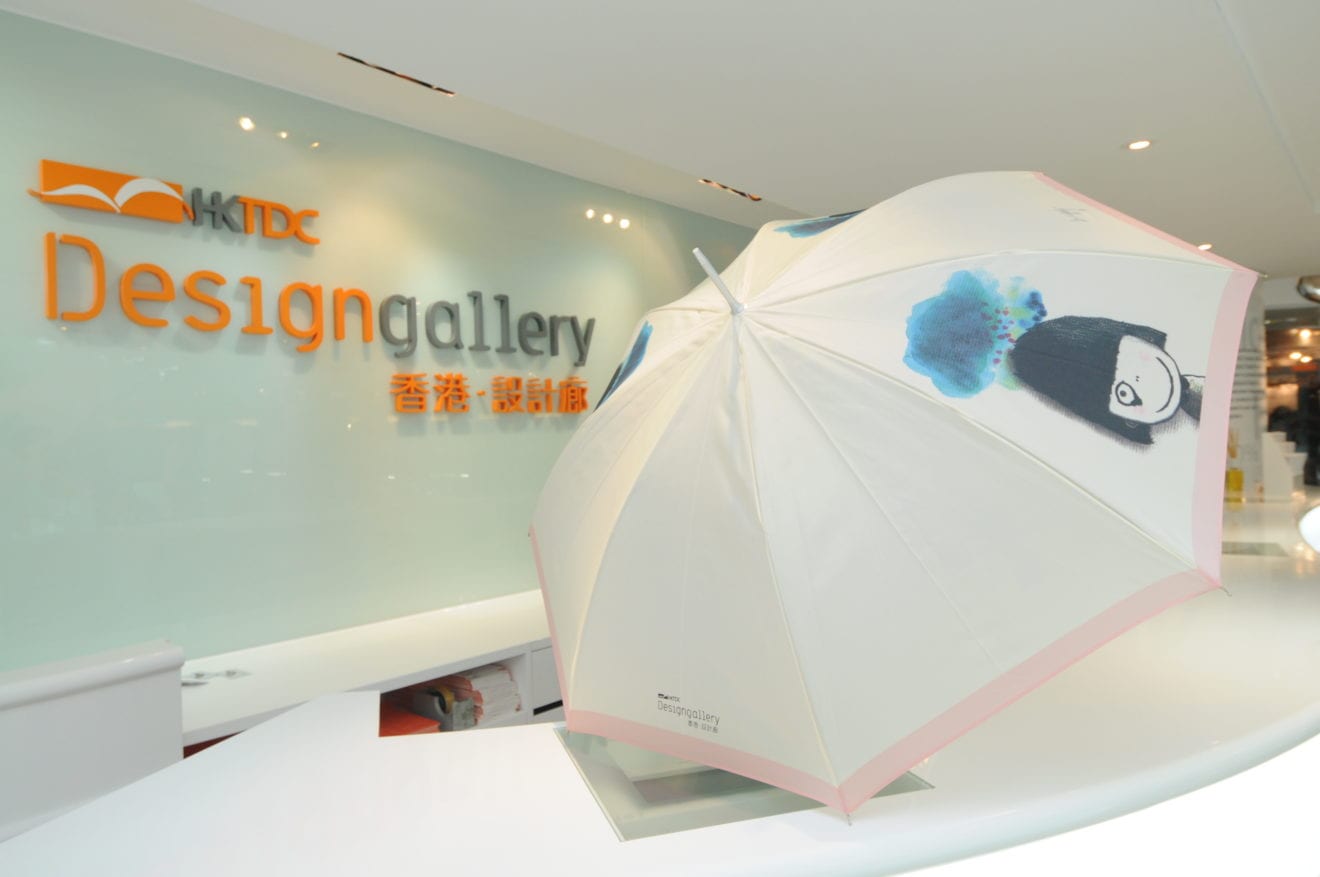
    The Hong Kong Trade Development Council has unveiled a revamped HKTDC Design Gallery shop at the Hong Kong Convention and Exhibition Centre.

    HKTDC executive director Margaret Fong was joined by famous Hong Kong actor Moses Chan and many of the city’s top designers at an opening ceremony yesterday.

    The store was created to promote products invented back in 1991.

    The diverse variety of products on offer highlights the extraordinary creativity of Hong Kong designers in areas ranging from jewellery, watches, electronics and fashion to home products, gifts and children’s items.

    The revamped HKTDC Design Gallery Wan Chai shop showcases nearly 5500 innovative products from more than 230 Hong Kong designers and brands in eight distinctly designed zones.

    Hong Kong designer brands feature in DG Discover; handbags and accessories in DG Vogue; environmentally friendly products in DG Green; baby and children’s products in DG Mini; home goods and gifts in DG Delights; electronic and digital goods in DG Smart; high-end luxury products such as jewellery, watches and leather and cashmere goods in DG Luxe; and collaborative creations by Hong Kong designers and international brands that combine the best of East and West in DG Plus.

    Featuring minimalist geometric shapes and a circular motif, the design of the revamped HKTDC Design Gallery shop creates a vibrant atmosphere to engage customers and elevate brand image. Light wood colours, grey gradients and black linear accents are used to create a comfortable, contemporary environment. The DG Luxe zone is distinguished from other areas of the shop by the use of dark wood colours and deep grey fabric lining.

    At the opening ceremony, Fong said that thanks to the support of local residents, visitors and traders, the shop has been attracting more than 1 million customers each year.

    Apart from new Design Gallery shops in Beijing, Shanghai, Chengdu, Wuhan and other mainland cities, Fong also spoke about the HKTDC’s strategy of collaborating with department stores and lifestyle shops to set up “shops in shops” in Hong Kong and on the Chinese mainland, to bring the best Hong Kong brands to more customers.

    Fong said the HKTDC is also establishing online shops on leading Hong Kong eCommerce platforms such as ShopThruPost, YesStyle and Zalora, as well as Taobao, Tmall and JD.com on the Chinese mainland, in an effort to develop eCommerce opportunities for Hong Kong businesses.

    Between now and December 2015, customers who make a one-time purchase of HK$300 or more at any HKTDC Design Gallery shop in Hong Kong will be entitled to lifetime membership with the DG Club. Members are entitled to a special shopping discount and can earn points to redeem for exclusive gifts or instant cash rebates. To celebrate the re-launch of the HKTDC Design Gallery Wan Chai shop, members will be awarded double points for purchases made between 16 and 18 November 2015.

    The HKTDC Design Gallery Wan Chai Shop is located on the ground floor of the Hong Kong Convention and Exhibition Centre, 1 Harbour Rd, Wan Chai.

  • Ever-Glory in sales slump

    Ever-Glory in sales slump

    Nasdaq-listed, Chinese fashion retailer Ever-Glory International Group has reported a third quarter plunge in same store sales of 21 per cent.

    Wholesale sales fell 10.9 per cent with total company revenue down 15.3 per cent to US$118.6 million.

    Wholesale sales fell the most in Mainland China, Germany and Japan and in European markets in general.

    The company operated 1188 stores at the end of September, compared to 1137 a year earlier.

    Gross profit decreased 4.4 per cent to $32.3 million, compared to $33.8 million last year, with gross margin up 310 basis points to 27.3 per cent compared to 24.2 per cent last year.

    Gross profit for retail business increased 3.6 per cent to $22.4 million. Retail gross margin increased 1130 basis points to 47.5 per cent from 36.2 per cent.

  • Hermes Asia sales rise despite downturn

    Hermes Asia sales rise despite downturn

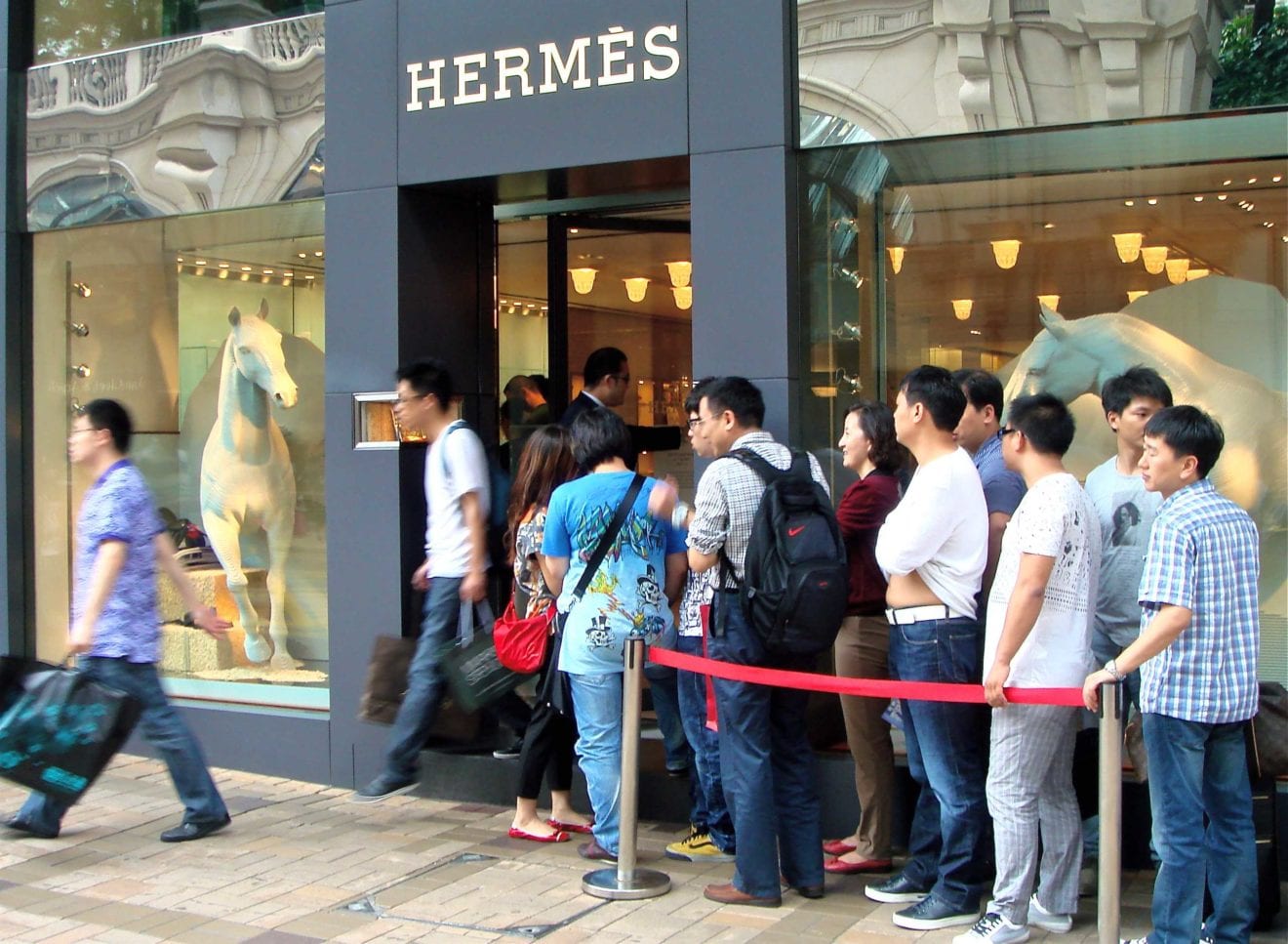
    French luxury label Hermes has managed to increase its sales in Asia despite the challenges in Hong Kong and the Mainland.

    The company says it achieved five per cent sales growth during the first nine months of this year in Asia excluding Japan – where sales rose a whopping 19 per cent.

    The Hermes Asia performance was due to the opening of the Maison Hermès in Shanghai in September 2014. Sales in the region improved “in spite of a difficult context in Hong Kong, Macao and to a lesser extent in continental China”.

    Globally, the brand posted sales growth of 19 per cent at current exchange rates and nine per cent at constant exchange rates, consolidated revenue reaching €3.443 billion.

    The brand’s leather goods and saddlery products grew the most – up 12 per cent – sustained by the increase in production capacities at two new sites in Isere and Charente.

    Dynamic sales in ready-to-wear and accessories –  up nine per cent – stem mainly from the success of fashion accessories and the latest ready-to-wear collections.

    The silk and textiles division grew by three per cent, despite challenges in China, and the perfume division rose six per cent.

    Watch sales fell two per cent, largely due to the category’s decline in Asia, excluding Japan.

    Gold jewellery sales helped its ‘other’ category to achieve 12 per cent growth.

    Hermes says despite the economic, geopolitical and monetary uncertainties around the world, the group is sticking with its medium-term goal for 2015: revenue growth at constant exchange rates of eight per cent.

  • Asos Mobile Apps in China Go Live

    Asos Mobile Apps in China Go Live

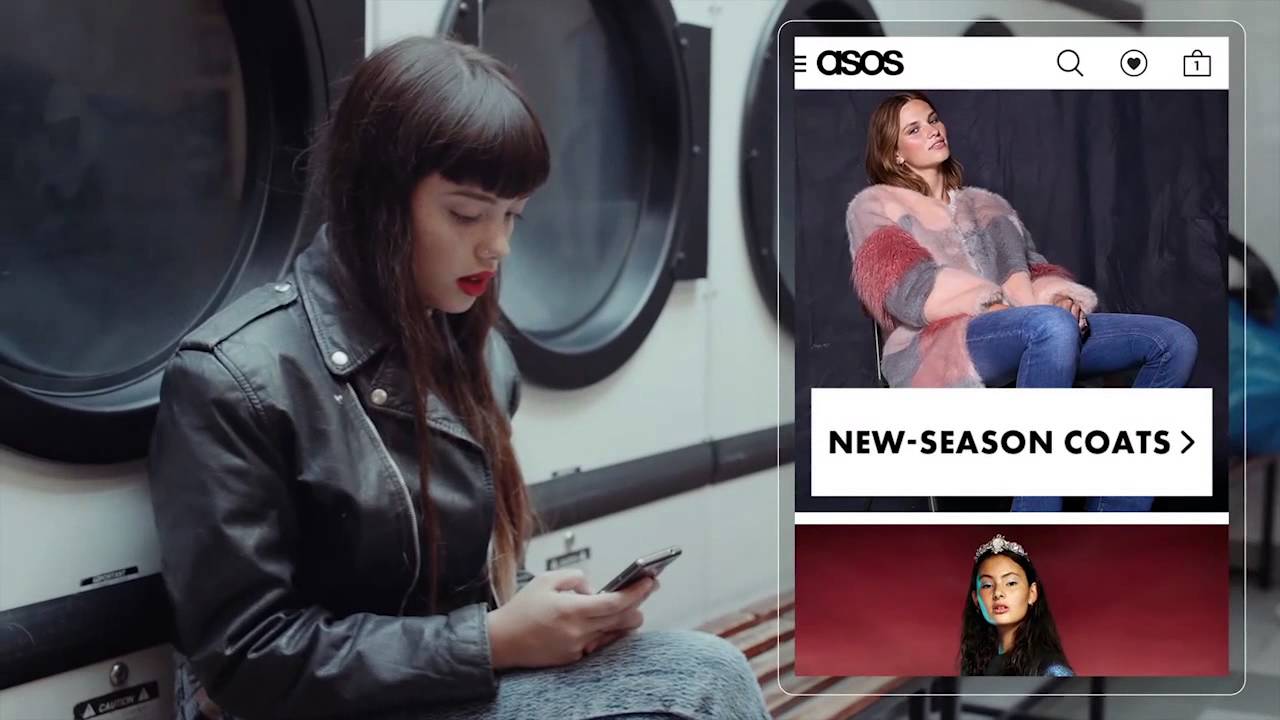
    In a first for the UK’s largest independent online fashion and beauty retailer, ASOS has launched mobile apps for iPhone, iPad and Android to the Chinese market.

    Developed using retail technology specialist Red Ant’s award-winning RetailOS mobile commerce accelerator, the apps are:

    • Fully transactional mobile app designed specifically for the 700 million-strong Chinese smartphone user market
    • Feature rich and fully shoppable with hybris commerce platform and Alipay
    • Features include Catwalk for all products, access to personal profiles, wish lists and Chinese social sharing

    Red Ant’s CEO Dan Mortimer said: ‘As the UK continues to forge stronger and more profitable business relationships with China, we are delighted to be the mobile partner of choice in the Far East for one of the world’s most successful and reputable online retailers. The local knowledge and expertise of our team on the ground in Asia has been invaluable in developing an app which makes the most of the commercial opportunities presented by the world’s biggest mobile market.’

    ASOS’ General Manager – China, Daniel Jenks, said: ‘ASOS is dedicated to delivering the best possible experience to our customers in China, and the launch of our apps, backed by Red Ant’s expertise, is a significant step towards ensuring they receive a high-quality, mobile-first service which meets all of their needs in an increasingly sophisticated marketplace. We’re delighted with the results so far and in the space of a few weeks, app downloads and sales have exceeded our expectations to form a substantial mix of our sales.’

  • China pledges to boost retail, health and travel sectors to lift consumption

    China pledges to boost retail, health and travel sectors to lift consumption

    China will promote the development of the retail, health, travel and sports sectors in a bid to boost domestic consumption, the cabinet said on Sunday.

    In a statement on its website, the State Council said it will encourage financial institutions to accept a broader range of collateral for extending loans to “lifestyle-related businesses”.

    Other sectors that the government highlighted are service ones related to families and the elderly, culture, law, accommodation and catering as well as education and training.

    The State Council said the government will also expand consumer credit, improve the system of Internet payments and study the management of credit card fees “to further reduce overall expenses” related to their use. No details were given.

    The government will crack down on price-gouging as well the sale of counterfeit goods, and prosecute monopolies and businesses engaged in unfair competition, according to the statement.

    Top leaders have flagged a “new normal” of slower growth as it tries to shift the world’s second-largest economy to sustainable, consumption-led development.

    China’s economy is on track this year to grow at its slowest pace in more than two decades. Chinese growth dipped to 6.9 percent in the third quarter, the weakest since the global financial crisis, hurt partly by cooling investment.

    Earlier this month, the government said it will increase financial, fiscal and tax policy support to drive consumption.

  • Duty-free industry in crisis of stagnation

    Duty-free industry in crisis of stagnation

    Thousands of jobs are under threat in the wake of the Korea Customs Service’s shock decisions last Saturday in awarding duty-free licenses in Seoul.

    Two major players had their licenses revoked. Lotte Group plans to close its World Tower branch in Jamsil, southern Seoul, that posted 500 billion won ($430 million) revenue last year, and SK Networks’ Walkerhill duty-free shop is being forced to cease operations after 23 years.

    The selection process for duty-free outlets has been criticized as it mandates renewal every five years. Some observers feel this goes against the Park Geun-hye administration’s creative economy drive, which has a key premise of creating jobs by letting companies freely enter promising industries.A total of 2,200 workers are on the verge of losing their jobs at the two operators.

    Regardless of the commitments, a sense of insecurity lingers among new and old duty-free store operators because of the uncertainty over duty-free license renewals in five years.Other affiliates under the Lotte Group umbrella have guaranteed that they will hire workers from the duty-free stores, and new operators – Doosan, Shinsegae and Hanwha (selected in the summer) – have promised to absorb those from SK.

    Han Gyeong-ran, 49, has worked at Lotte’s World Tower branch for 17 years. She is a sales manager at a small-size jewelry brand inside the outlet, but now that the entire store is shutting down in six months, she will lose her job because the jewelry brand is housed at the Jamsil outlet and not the Sogong branch, which will remain intact.

    “I am just at a loss, not knowing what to do to provide for my old age,” she said.

    “I don’t know how you could say getting rid of a company that has invested 300 billion won for a single duty-free outlet and depriving those employees of jobs is what the government describes as job creation.”

    Last year, when Lotte lost its duty-free license at Gimhae International Airport in Busan to Shinsegae and shut down the store, only half of the 390 Lotte employees were transferred to Shinsegae.

    “There are many lawmakers who have remained silent over the verdict this time on the duty-free shop licenses for fear of being mistaken as defending those companies that failed,” said Lee Hahn-koo, a lawmaker with the ruling Saenuri Party. “After proclaiming it would produce more jobs, the government is actually doing the opposite, which is preposterous.”

    Before the Park government introduced a new system in 2013 that put each license up for open competition every five years prior to expiry, renewal for downtown duty-free shops was a semi-automatic, rubber-stamping process for 10 years at a time.

    Martin Moodie, chairman of the Moodie Report, a U.K.-based online publication devoted to the global travel retail and duty-free sector, told some Korean media outlets in 2013 that weakening duty-free shops in their home market “seems a misguided and short-sighted step.”

    “The five-year deal is a disaster and will kill what little quality there is. The margin pressure on brands will get far worse, too,” a senior executive for one of the world’s leading luxury brands was quoted as saying by the Moodie Report on Sunday.

    He added that some leading brands may opt in the future to position themselves in Korean domestic stores with permanent high-quality environments rather than facing a potential change in duty-free retail partners every five years, given there is “no difference between Korean duty-free and tax-refund pricing [depending on foreign exchange rates].”

    Companies that had their license renewed or newly issued may not have time to celebrate as stumbling blocks lie ahead.

    A group of lawmakers led by Rep. Hong Jong-haak from the main opposition New Politics Alliance for Democracy has proposed a revision of a bill that will force duty-free store operators to pay 100 times the licensing commission they are paying now – from 0.05 percent of annual revenue to 5 percent.

    That means the Sogong branch of Lotte Duty Free will have to pay 10 billion won in commission to the Korea Customs Service each year after the revision, when it currently pays 1 billion, or 0.05 percent of the 2 trillion won annual revenue.

    If approved, the move will inevitably force duty-free shops to hike the prices of goods, which will lead to Korea becoming less attractive to tourists, particularly big-spending Chinese, and shrinking tourism to Korea.

    The Korean government’s process goes against systems in Europe and neighboring countries such as China, Japan and Taiwan, which have been ramping up their duty-free industry as its golden goose that draws huge foreign currencies.

    The Korean duty-free business has grown exceptionally in the last five years. Earnings from duty-free have exceeded that of China and the United States and held the No.1 spot since 2012. According to a survey by the Korea Tourism Organization, the biggest reason foreigners visit Korea was to shop. In fact, 72 percent of the poll picked shopping. As a result, the Korean duty-free business raised $7.78 billion last year.

    But a change in duty-free licensing regulations will force companies to become very cautious in their investment strategies and wary of business expansion.

    Lotte was not alone in heavily investing in expanding its duty-free business. Walkerhill recently invested 100 billion won in doubling the size of its duty-free stores. It was scheduled to open up next month.

    The licensing regulation is also likely to affect future plans, even for newcomers such as Doosan.

    “It takes a huge amount of investment when starting a duty-free business, and it takes a minimum of 10 years before it settles,” said Choi Young-soo, former chairman of the Korea Duty Free Association and former vice president of Lotte Hotel in charge of the duty-free business. “If you have to get government approval every five years, who would invest a large amount and even hire regular employees?

    “When doing business whose main customers are foreigners, whether a company monopolizes is meaningless. If we continue with such a policy, we will loose the Chinese tourists to the Japanese.”

    Han Enny, CEO of Enny Trading Corporation, which supplies cosmetics to duty-free stores including Lotte and Walkerhill, was frustrated at the recent licensing decision.

    “We have products shipping in that we plan on supplying to the duty-free stores next spring, but it seems we would have to cancel those orders,” Han said. “We have built our credibility for years just to get a contract with foreign companies, but it seems it’s all going to crumble.

    “Luxury companies’ products that have high demand from Chinese consumers make trade relations based on long-term trust, but if this continues, they wouldn’t be interested in opening up stores in Korean duty-free stores.”

    Other countries have been taking the opposite direction in their strategies as they have realized how lucrative duty-free businesses can be.

    Swiss duty-free retailer Dufry was ranked No. 2 in the world in 2013. But it recently became the biggest in the industry, bumping off previous No. 1 DFS, after buying another Swiss duty-free retailer that was ranked the world’s No. 7, Nuance Group, last year and adding Italy’s World Duty Free in August. LS Travel Retail, the French duty-free retailer and world’s No. 4, expanded further when it bought North American duty-free business Paradises in August.

    As of last year, the world’s top four duty-free companies accounted for 25 percent of the duty-free market, a sharp increase from the 16 percent in 2010.

    “The duty-free business in a core pillar in a country’s tourism industry development,” said Kim Seung-wook, a economics professor at Chung-Ang University. “The customs service agency needs to focus on lowering the entry level of duty-free stores and think more on ways to help foreign tourists open up their wallets, rather than focusing on regulations.”
  • 2016 Toyota Innova launched at Guangzhou Auto Show

    2016 Toyota Innova launched at Guangzhou Auto Show

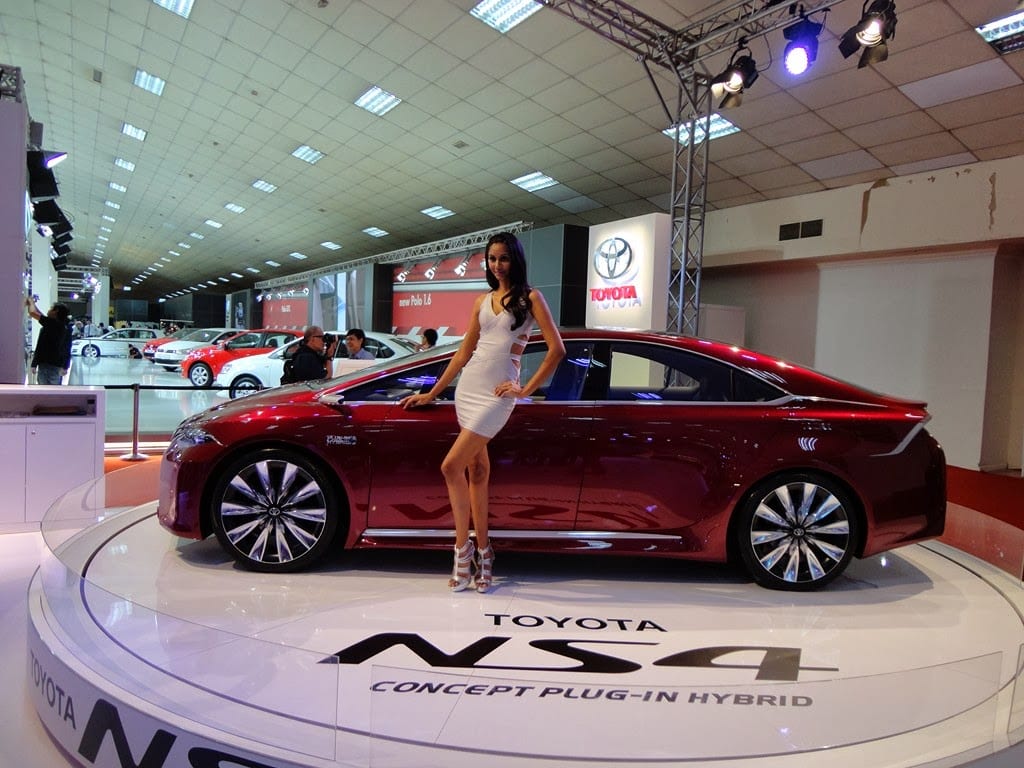
    Toyota Indonesia have launched the second generation Toyota Innova at the ongoing Guangzhou Auto Show in Indonesia for IDR 282 million. The new generation Toyota Innova is the third car from Toyota this year, after Toyota Hilux and the all new Toyota Fortuner.

    Moreover, the new generation Toyota Innova completes the company’s Innovative International Multipurpose Vehicles (IIMV) model changeovers.

    Toyota will launch the upcoming MPV in India next year and will be unveiled in the country at the 2016 Auto Expo in New Delhi.

    The Indonesia Toyota Innova is available in three trim levels- G, V and Q.

    Engine:

    The new-generation Toyota Innova 2016 is built on Toyota New Global Architecture (TNGA) platform.

    The new Toyota Innova will come with a 2.4L diesel engine producing maximum power output of 147bhp and maximum torque of 360Nm, mated to a five-speed manual transmission and a six-speed automatic transmission.

    Dimensions:

    The 2016 Toyota Innova will come with a wheelbase of 2800mm, and will be 4745mm in length, 1820mm in width and 1800mm in height.

    Design:

    The new Toyota Innova will come with a completely new design making it more appealing to the customers than the previous models.

    Toyota Innova

    The rear end of the 2016 Toyota Innova will get inverted L-shaped tail lamps with LED lights.

    The front portion of the new car will consist of projector headlights with integrated LED DRLs and will come with a large front hexagonal grille. The rear end of the 2016 Toyota Innova will get inverted L-shaped tail lamps with LED lights.

    Toyota Innova

    The front portion of the new car will consist of projector headlights with integrated LED DRLs and will come with a large front hexagonal grille.

    Moreover, the new Toyota Innova will consist of 17-inch alloy wheels.

    Features:

    The India bound Toyota Innova will come with  a cabin which is well-equipped with an 8-inch touchscreen infotainment system with voice control and Bluetooth connectivity, a multi-function steering wheel, a Smart Entry Key, and dual-zone climate control function.

    Toyota Innova

    The new Toyota Innova will come with a multi-function steering wheel, a Smart Entry Key, and dual-zone climate control function.

    Moreover, the new Toyota Innova 2016 also comes with Anti-lock Braking System (ABS), Electronic Brakeforce Distribution (EBD), with the top variant gets 7 airbags and Hill Start Assist.

    Toyota Innova

    The India bound Toyota Innova will come with a cabin which is well-equipped with an 8-inch touchscreen infotainment system with voice control and Bluetooth connectivity.

    Competition:

    The 2016 Toyota Innova will rival the Renault Lodgy and Maruti Suzuki Ertiga in India.

    Price:

    We estimate the 2016 Toyota Innova to come with a price tag of Rs 13 lakh- Rs 20 lakh (ex showroom Delhi).


  • Louis Vuitton looks for shops to close in China

    Louis Vuitton looks for shops to close in China

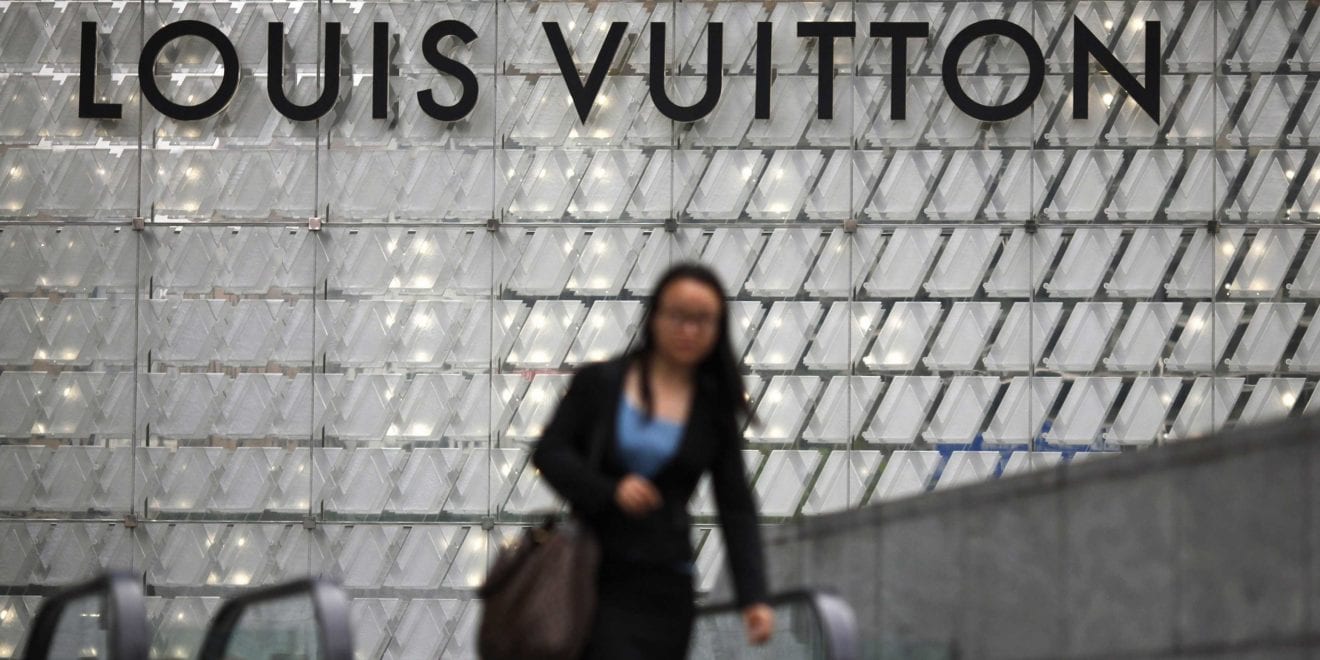
    Louis Vuitton is about to get smaller in China, and other luxury goods makers might follow as the heady days of expansion in that market are over.

    The French maker of monogrammed luggage is reviewing eight stores in second-tier cities, or about a fifth of the total in China, according to a source familiar with the situation.

    While some might be moved or refurbished rather than closed outright, the Chinese store count will drop, said the source, who asked not to be identified as the plans are private and no final decision has been made.

    Vuitton is closing stores “to avoid being overexposed” as market dynamics change and more Chinese shop abroad, said Mario Ortelli, an analyst at Sanford C. Bernstein in London. “This is something that is quite normal when you have a fast expansion of a store network.”

    Vuitton is evaluating its exposure to China as consumers shift more of their spending to Japan and Europe, where the weak yen and euro make it even cheaper to shop. A government campaign against extravagance has also weighed on demand in China and neighboring markets. Watchmaker TAG Heuer shuttered a store in Hong Kong in August and Burberry Group PLC said earlier this month it would reduce the size of its largest store in the territory.

    Vuitton has 41 stores in China out of 453 worldwide, according to Exane BNP Paribas. A spokesman for parent company LVMH said Vuitton would continue to invest in its retail network in China, adding that the company would open two stores and refurbish two there next year. He declined to comment on closures.

    Closures by other luxury goods makers might follow, Exane analyst Luca Solca said.

    Kering SA-owned Gucci and Burberry, both of which have also struggled in China, have more stores there than Vuitton, Exane said.

    Chinese consumers account for about a third of global luxury sales. Gucci has 57 stores in China, while Burberry has 55.

    “As more sales move abroad on the back of large price gaps, mainland China stores risk poor space productivity, hence the adjustment,” Solca said.

    A Burberry spokesman said: “There is no change in our plans as we continue to evolve our Chinese store network.”

    A spokesman for Kering declined to comment on store plans in China.

    LVMH chief financial officer Jean-Jacques Guiony last month said that Vuitton might shut a couple of boutiques in China where it has two in second-tier cities. Its Chinese store count should remain “reasonably flat for the years to come,” he said.

    Globally, the market for personal luxury goods is set to grow as little as 1 percent this year, the weakest rate since 2009, Bain & Co estimates.

    LVMH, whose full name is LVMH Moet Hennessy Louis Vuitton SE, reported third-quarter fashion and leather goods sales that rose 3 percent on an organic basis, trailing estimates.

  • Brands, retailers the biggest losers on Singles Day

    Brands, retailers the biggest losers on Singles Day

    While consumers reaped the rewards on Singles Day, at least one retail consultant is questioning the damage done by the US$14 billion 24-hour spendathon.

    “The clear winners are consumers, marketplaces and couriers and delivery companies,” explains Richard McKenzie, partner with Oliver Wyman. “However, for sellers and brand owners, the picture is less clear.

    “While the event undoubtedly helped top line sales for some, some of those sales are not truly incremental. Additionally, GMV growth on Singles’ Day is much faster than overall GMV growth, meaning the pull forward effect could be exacerbated. In 2014, a significant proportion of sales were returned within 10 to 15 days.”

    McKenzie says given the heavy discounting – not to mention the additional advertising and operating costs before and during Singles’ Day – he questions how many sellers and brand owners are making incremental profits.

    “For product categories that are purchased on a regular basis, having a competitive offer on Singles’ Day can prevent customers from trying competitors’ products, while not participating could mean losing some customers during the event and in the future. For products purchased infrequently, the bottom-line benefits of heavy discounting on Singles’ Day are unclear.

    “For example, in the UK, many retailers initially embraced the Black Friday retail event (similar to Singles’ Day) over the past two years, but some have already declared that they will not participate anymore, for the reasons discussed here.”

    McKenzie also points out mall foot traffic declines sharply during such online events.

    “Going forward, sellers and brand owners need to carefully consider what they want to achieve from Singles’ Day – beyond a simple spike in sales.

    “Leveraging the opportunity to increase brand awareness and consumer stickiness could make participation truly meaningful.”

    But given the huge sales revenues and records being set, McKenzie says Singles’ Day is definitely here to stay.

  • KFC China sales bounce back

    KFC China sales bounce back

    Yum! Brands has revealed same store sales figures for its KFC China and Pizza Hut China networks.

    The US company, which last month revealed plans to spin off its Chinese operations into a separate company, said total Chinese October same-store sales grew an estimated five per cent, compared to same-store sales growth of six per cent in September.

    In October, KFC China sales rose 10 per cent but Pizza Hut China sales declined nine per cent.

    “We are reiterating our guidance for the fourth quarter of China Division same-store sales growth of zero to four per cent, with positive same-store sales growth at KFC and negative same-store sales at Pizza Hut Casual Dining,”the company said in a statement.

    “As previously stated, same-store sales remain difficult to forecast in China, and our overlaps become more difficult for the balance of the year.”

    Yum China has 6900 KFC and Pizza Hut restaurants, but has struggled for more than two years after high profile food safety scares involving suppliers.

    Mid last year, a Chinese TV network screened footage of a supplier mixing allegedly expired meat with fresh meat. The company, a subsidiary of OSI Group, was a minor supplier to Yum! and its contract was cancelled immediately. But the TV news footage was sufficient to spook Chinese customers, many of whom stopped eating at KFC China outlets.

  • New Look China powers ahead

    New Look China powers ahead

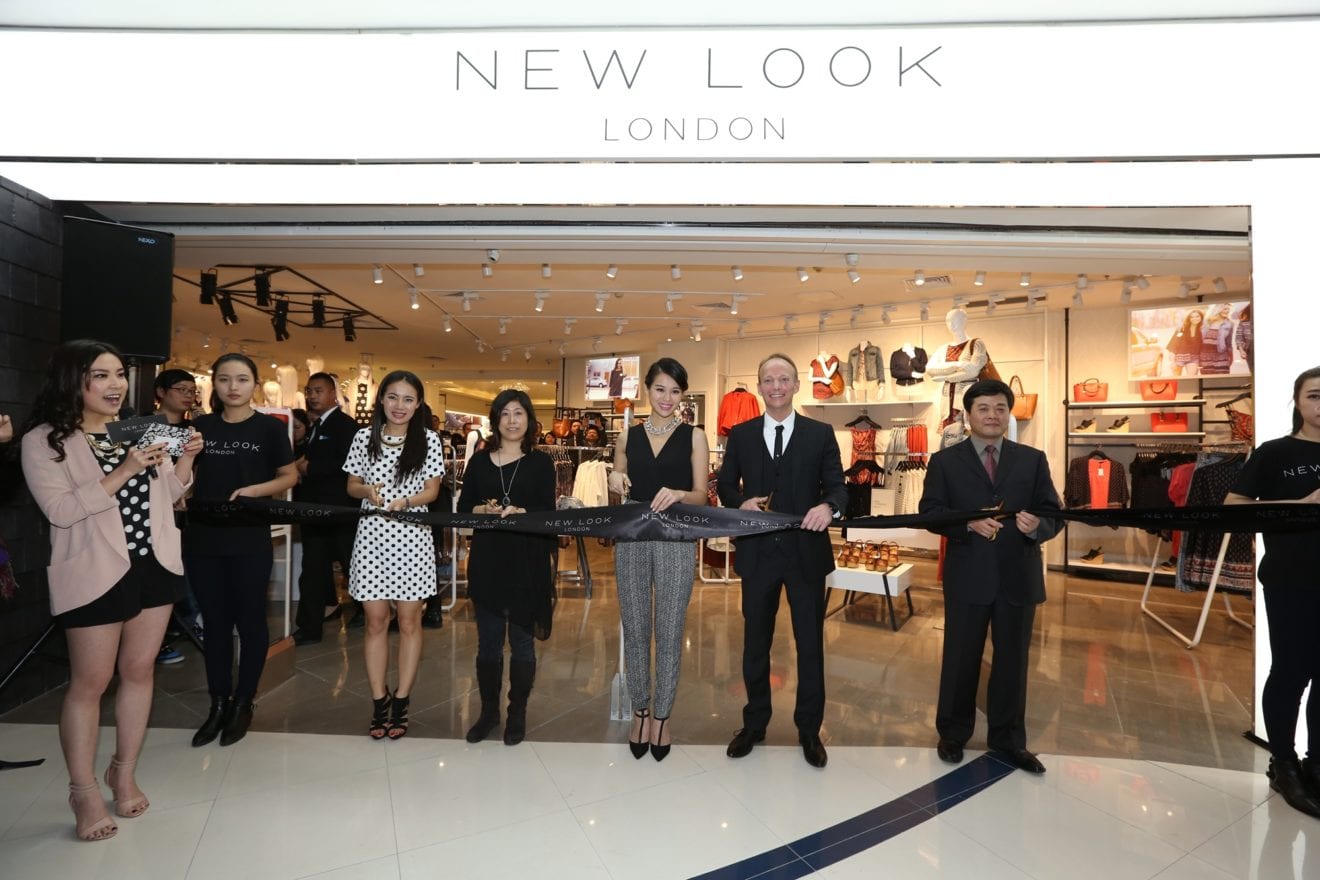
    New Look China sales are soaring on the back of a rapid mainland rollout of the UK fashion brand.

    Globally, New Look recorded a stellar rise in both sales and profits in the first half of this financial year – driven by fast growth in China and the successful launch of the fast fashion brand’s first standalone menswear stores

    New Look was bought by South African investment company Brait in June, which said at the time a focus on Chinese expansion was a priority. In the last six months it has opened 52 stores in China and has signed leases for a further 33 stores scheduled to open by next March.

    Sales for the 26 weeks to September 26 climbed 5.9 per cent to £756 million. Pre-tax profit climbed 40.6 per cent, despite a whopping  £93.2 million bill for costs relating to the takeover of the business.

    “Our Chinese stores continue to perform well as customers continue to react favourably to our fashion-forward offer,” CEO Anders Kristiansen said in the company’s results statement. “We remain on target to have 85 stores open in the country by [financial] year end.

    “With the support of our new owners, Brait, we are planning to increase investment in our strategic initiatives to accelerate our growth,” he said.

    Globally, New Look has 385 stores, and it plans to continue to open more in its home market. It also plans to continue to grow its online business. Some 31 per cent of New Look customers buying online use the ‘click and collect’ service – collecting their purchases in a physical store rather than waiting for delivery.

  • Kering ratchets up legal fight with Alibaba

    French-headquartered luxury brand owner Kering has unsuccessfully sought to fast track its legal suit against Alibaba after what it considered “greatly troubling” comments by Jack Ma.

    Kering, which owns Gucci and Yves Saint Laurent among others, filed suit against the Chinese eCommerce giant in May after it considered more passive efforts to get Alibaba to stop selling counterfeit versions of its goods on its websites were not bearing fruit.

    Last week Kering has asked a US judge to waive the mandatory obligation of mediation between the two parties, citing a quote by Ma in a magazine article.

    Kering’s lawyers say the company was “greatly troubled” by Ma being quoted in Forbes saying there was no chance of settling.

    “I would [rather] lose the case, lose the money… But we would gain our dignity and respect,” Ma was quoted saying.

    Kering’s lawyers argued if this is indeed Ma’s position, mediation would be futile.

    But Judge Kevin Castel disagreed, on Monday urging the parties to continue with mediation.

    “Needless public comments can undermine talks. Yet public positions and positions in confidential talks have been known to vary… The Court strongly recommends that the parties proceed to mediation,” he wrote in an order.

    Kering maintains Alibaba is a giant conduit for counterfeiters and alleges the company has knowingly made it possible for traders to sell fake good on its sites.

    According to a letter to the judge, seen by Reuters, Kering’s counsel said of the interview: “It leaves the impression… that Alibaba‘s request for mediation was not made in good faith, but rather as a tactic to delay this case and to force Plaintiffs to expend resources spinning their wheels in an expensive and time-consuming mediation.”

    An Alibaba spokesman Bob Christie said Ma had made the comments prior to Kering agreeing to Alibaba‘s proposal to mediate.

    “If they want to return to the path of litigation, instead of mediation, we will vigorously defend our legal rights and reputation,” he said in an email to Reuters.

  • Ecommerce offers a cheaper and faster way to market in China

    Ecommerce offers a cheaper and faster way to market in China

    Todd Fryhover, president of the Washington Apple Commission, joined China’s Singles Day celebration for the first time, hoping to sell 1.2m apples from Washington State in 24 hours.

    To help him out was the marketing juggernaut of Alibaba, the Chinese ecommerce company, where Washington apples are sold through branded website Tmall, one of a number of foreign food brands that are finding a ready market in China amid health scares over domestic produce.

    Singles Day, which began as a student celebration of singledom in the early 1990s, was reinvented by Alibaba in 2009 as a mass festival of conspicuous consumption, and more and more foreign companies are joining, hoping to use the holiday as a marketing exercise to get their brands out to the Chinese public.

    Mr Fryhover wants everyone in China to have “a repeatable, wonderful experience on Washington apples”. China is number six on the list of 60 countries that import apples from Washington’s 450 growers, but he thinks it will be number one by next year.

    He may be right. By midnight, as a video billboard in Alibaba’s Beijing auditorium showed, $14.3bn of merchandise had been bought via Alibaba’s platforms in 24 hours.

    Western companies are increasingly turning to online commerce, a cheaper and faster way to get to market than setting up store chains or penetrating the opaque retail market in China.

    To do this they are learning to love China’s internet conglomerates, informally known as BAT — Baidu, the search company, Alibaba and Tencent, the social media and gaming company. The three have begun to dominate economic life in China with amazing speed, doing everything from retail to finance to transportation, and moving into healthcare and even agriculture.

    In just a few years, the BAT conglomerates has been able to monopolise every aspect of daily life that could conceivably be put on the web and sold to the public. “They all want to own the customer, they want to be with them every second of the day, when they watch a video, chat to their friends, buy groceries, or go to a restaurant” says Chris DeAngelis from the Beijing-based Alliance Development Group.

    China’s internet giants are becoming what analyst Anne Stevenson-Yang of J Capital Research calls “tech Keiretsu”, referring to the national champions that dominated the Japanese economy in the 20th century with interests in multiple industries. “When companies are this big in China, the difference between public and private is not that important,” she says. “For all intents and purposes these companies have become the ministry of the internet.”

    But fierce competition means foreign sellers have many options for courting Chinese middle class buyers who are looking to buy imported goods abroad due to concerns about home-made counterfeit goods.

    Alibaba offers a number of options for sellers, including the free eBay-like platform Taobao, which is basically an online flea market. Most big brands set up on Tmall, which resembles an Amazon market place, a platform where big brands can set up stores and have more control over their sales and supply chains. Tmall’s first store from a fortune 500 company was Procter & Gamble, launched in 2008, which has grown 100 times since then, according to P&G vice-president Jasmine Xu.

    This year on Singles Day Ms Xu says that P&G made its first Rmb100m ($16m) in six minutes, compared with eight hours last year. “[Tmall] is a key platform to drive brand building in addition to sales,” she says.

    Some merchants have been loath to list on Alibaba, however. It gets vast online traffic, but the pressure to discount and the prevalence of fakes means it is “hard to protect a brand on Tmall,” says one consultant.

    But there are plenty of alternatives. JD.com, Alibaba’s rival, which is increasing its market share, has attracted a number of brands to its online store.

    China in many ways is more switched on to the internet than other countries which have had it for longer– Jim James

    Meanwhile, waiting in the wings is Tencent’s social media app WeChat, which has more than 500m users and is growing rapidly. Fearful of flooding the app with advertising and products, Tencent has been holding back on “monetising” WeChat.

    But advertising on WeChat is just one way of getting attention, and many companies have found they can win huge marketing success simply by using WeChat for word-of-mouth marketing.

    Fans of English country living, for example, can join a WeChat group devoted to Aga cookers, the iconic English oven brand, watch videos about cooking on an Aga, swap messages about it, and, thanks to the software which embeds the store in the chatroom, even buy one on impulse.

    “WeChat is unusually versatile; its better than Facebook, better than WhatsApp for marketing,” says Jim James, head of EastWest Public Relations in Beijing, which designed the Aga WeChat group.

    “China in many ways is more switched on to the internet than other countries which have had it for longer.”

  • Online Shoppers Rose in China, Supported Alibaba’s Revenue Growth

    Online Shoppers Rose in China, Supported Alibaba’s Revenue Growth

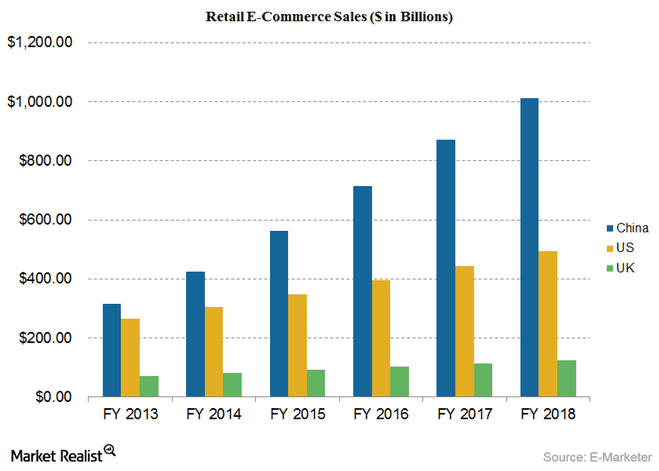
    According to eMarketer, China and the US accounted for ~55% of the global Internet retail sales in fiscal 2014. It also mentioned that China and the United Kingdom have a higher proportion of “online-to-total retail sales compared to the US.” It’s important to note that ~27.5% of China’s population bought goods and services online in fiscal 2014 while 10% of the total retail transactions were through the online mode.

    In comparison, 73% of the United Kingdom’s population made online transactions. E-Commerce accounted for 13% of the overall retail sales in fiscal 2014. While the United Kingdom is positioned eighth in total retail sales, it’s third in global online retail sales.

    part2

    Alibaba, Amazon, and eBay will look to capitalize on the huge potential of rising online sales. This could be positive for their revenue and bottom line.

    Online shoppers rose in China

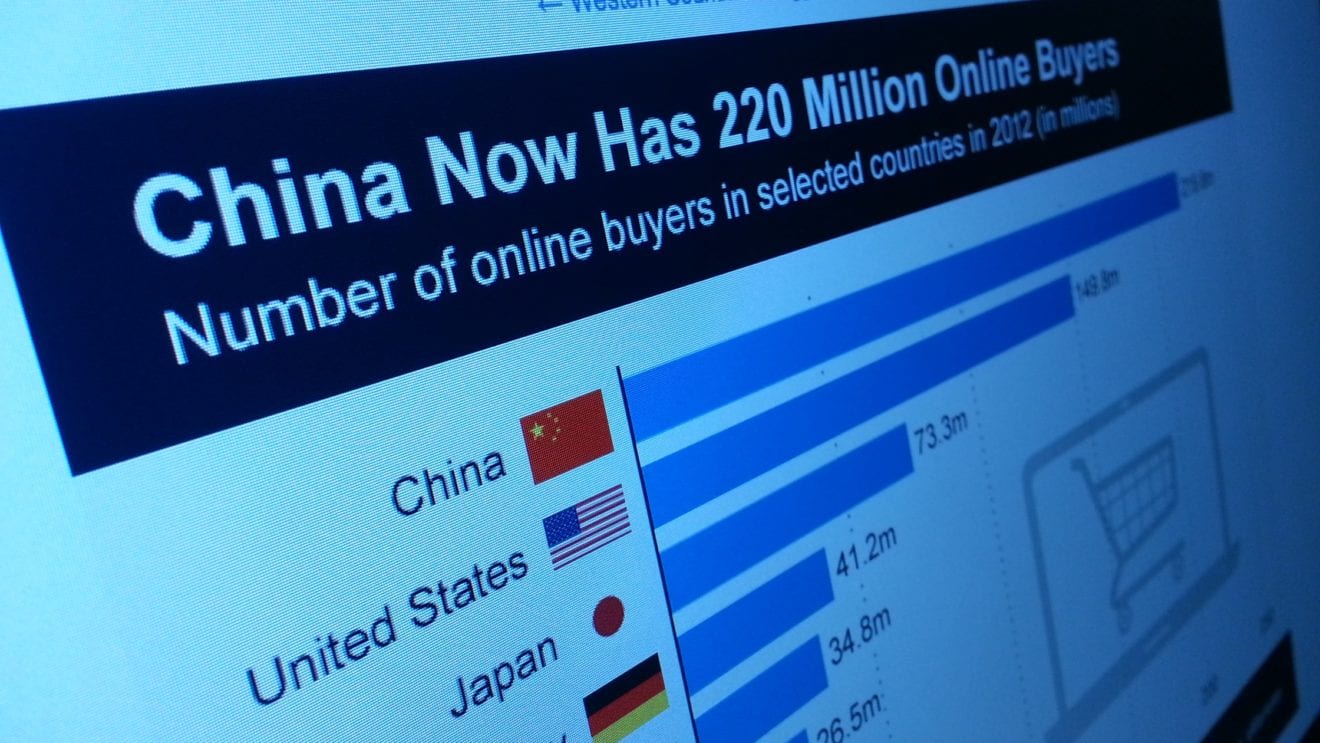
    According to eMarketer, there were 148 million online shoppers in China in 2010. The shoppers accounted for 11% of the population and 32% of the total Internet users in the country. By the end of fiscal 2013, the number of online shoppers in China grew to 302 million. The shoppers accounted for 22% of the population and almost 49% of total Internet users in the country. By the end of fiscal 2020, the online shoppers will likely to grow to 700 million. Alibaba saw its revenue rise from $1.8 billion in 3Q13 to $3.5 billion in 3Q15.

    Amazon is part of the iShares U.S. Consumer Services ETF (IYC) and the First Trust Dow Jones Internet IndexSM Fund (FDN). It accounts for 6.80% and 11% of the ETFs, respectively.

  • China’s Retail Sales Rose in October

    China’s Retail Sales Rose in October

    China’s total retail sales of consumer goods rose 11.0% year-over-year (or YoY) to 2.8 trillion yuan in October. The data indicated better-than-expected growth in retail sales and a slight improvement from September’s rise of 10.9%.On a year-to-date (or YTD) basis from January to October, the total retail sales of consumer goods reached 24.4 trillion yuan, up by 10.6% YoY.

    The sale of mobile phones, building materials, and household products led to the strong growth in retail sales.

    Chinas Retail Sales Continue to Rise 2015-11-17Enlarge Graph

    A rise in retail sales is a step toward the transition of the Chinese economy from an export-oriented to a consumer-driven economy. This is highly recommended because export orders are falling due to weak global demand. This is the aim of Chinese authorities as well. However, with the slowdown in Chinese local and foreign sales, an increase in retail sales comes as a surprise and a bright spot in the Chinese economy.

    E-commerce played a major role in driving up retail sales. From January to September, the national online retail sales of goods and services grew 34.6% YoY to 3.0 billion yuan, according to the National Bureau of Statistics of China.

    Some of the leading players in China’s e-commerce segment are Alibaba Group Holding, Baidu, JD.com, NetEase, and 58.com.
    Urban retail sales of consumer goods rose 10.8% YoY to 2.4 trillion yuan in October. On a YTD basis, urban retail sales rose 10.4% YoY to 21.0 trillion yuan.
    Rural areas have become a major source of retail sales growth. Retailers are focusing on rural China to increase the penetration of e-commerce. In October, rural retail sales rose 12.2% YoY to 0.38 trillion yuan. On a YTD basis, they rose 11.8% to 3.4 trillion yuan.

    The Clough China Class A ETF (CHNAX), the Guinness Atkinson China & Hong Kong ETF, and the Eaton Vance Greater China Growth Class A ETF (EVCGX) have more than 10% exposure to the consumer discretionary sector. So a rise in retail sales would benefit them the most.

    However, the John Hancock Greater China Opportunities Class A ETF (JCOAX) had only 6.4% of its assets invested in the consumer discretionary sector. So a rise in retail sales will have a lesser impact on the performance of that fund.