Tag: China

  • How Chinese shop in Korea

    How Chinese shop in Korea

    Japanese and South Korean retailers are smiling… but these scenes are enough to make a Hong Kong retailer weep: Watch how Chinese shop over Golden Week… in Tokyo, Seoul or Boston… Not in Hong Kong, their traditional destination.

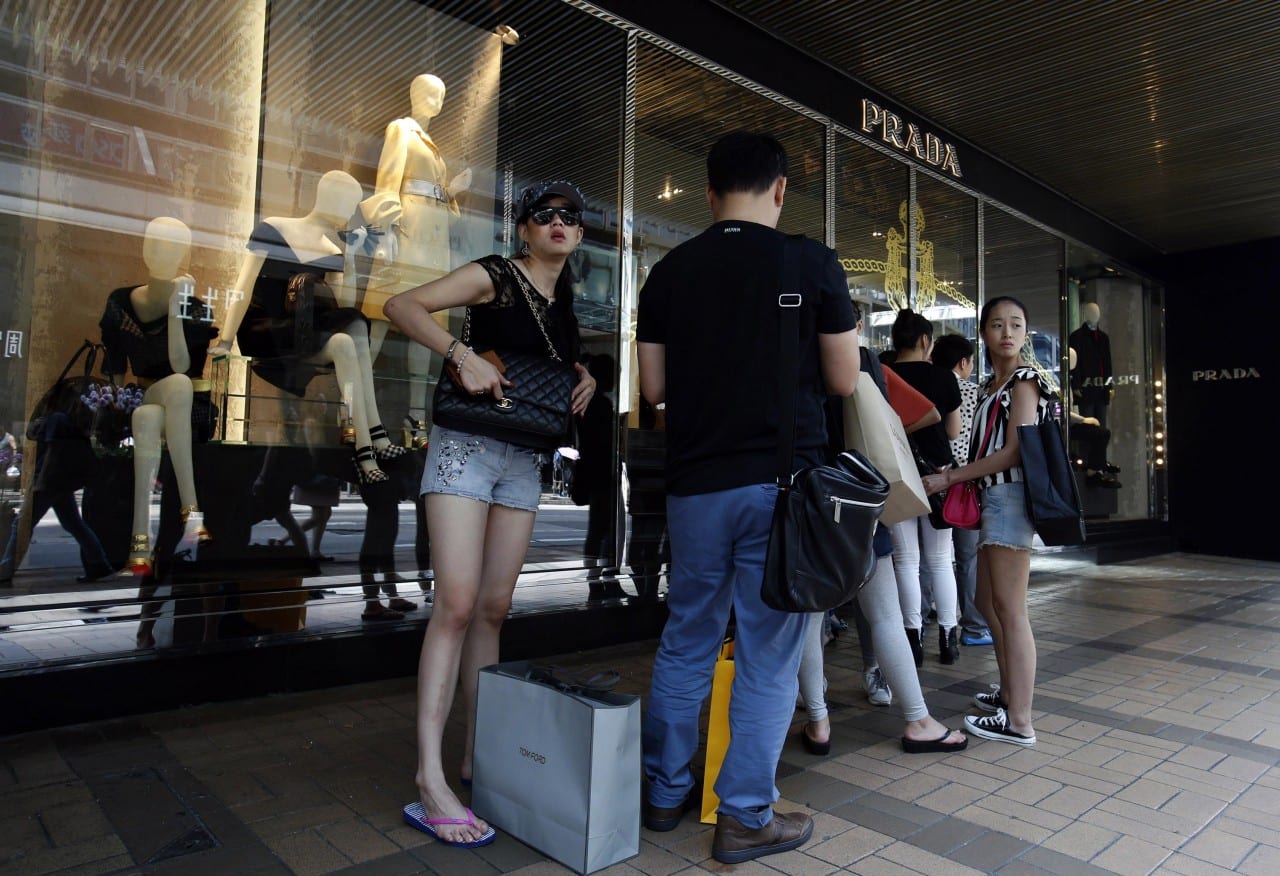
    Chinese tourists, famous for leaving shelves bare when they shop abroad, went on a shopping spree in Korea, Japan and the US during last week’s National Holiday of the People’s Republic of China, better known in Asia as Golden Week.

    Tour guides say that the average Chinese tourist that visits Japan spends approximately 20,000 to 30,000 Yuan, which is around US$3140 to $4720, on shopping.

    Shopping is actually the main reason for travel during Golden Week.

    This year, Chinese tourists flocked to duty free stores in Seoul, Busan and Jeju, as shown in the photographs, as well as large discount stores and markets, clearing shelves of stock, according toKoreabizwire and Yonhap news service.

    The Korean press reported instances of Chinese tourists buying “hundreds of thousands of won worth of cosmetics” in just two to three hours at duty free stores.


    In Japan, Chinese tourists were bought over the counter drugs in bulk: cough medicine, painkillers, glasses, sleep shades and stationary are popular Japanese products among Chinese tourists. Baby products, also.

    Earlier this year, during the Chinese New Year Holiday, Japanese electronic rice cookers and bidets were cleaned off the shelves by Chinese tourists.

    In the US there were similar stories, Koreabizwire reported.

    According to a local tour operator in Boston, Chinese tourists stopped by a Gucci Outlet to buy bags, and most of them bought three or four bags at once, with some purchasing as many as seven at once.

    “They were shopping as if they were just grabbing free stuff,” said a local guide.

  • US, Asia weigh down Hugo Boss

    US, Asia weigh down Hugo Boss

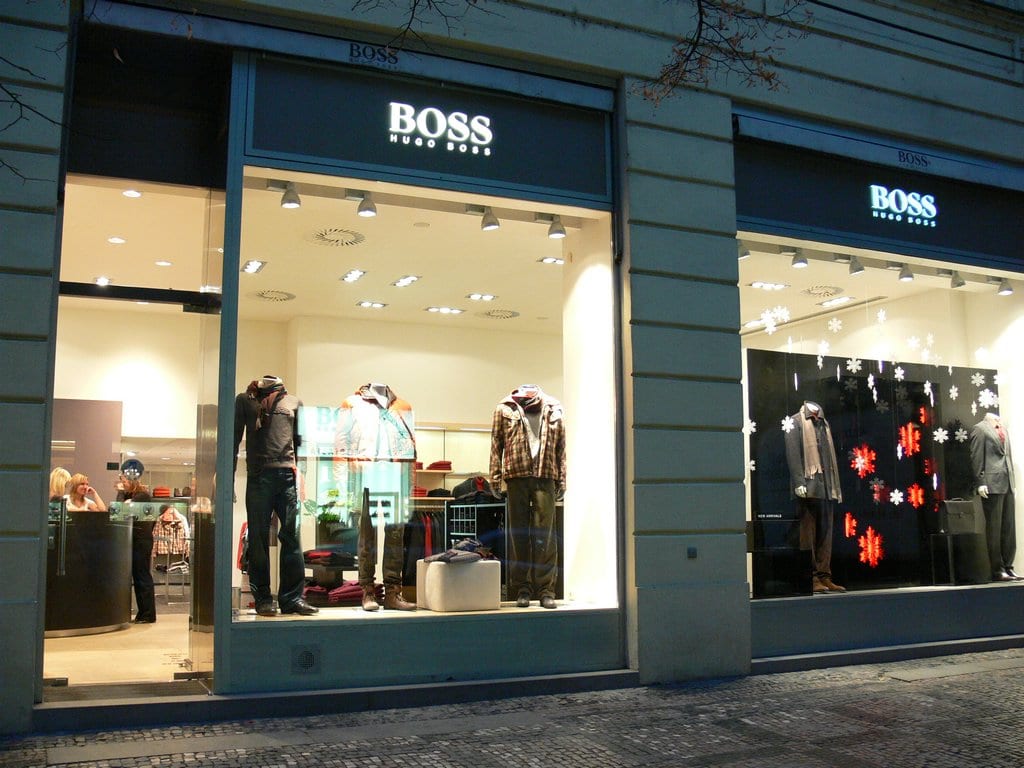
    Deterioration of the market environment in Asia and a slowdown in the Americas weighed on sales and earnings performance of German fashion brand Hugo Boss in the third quarter of 2015

    The company said its sales were marked by “high levels of volatility” in the third quarter to September 30. The group’s own retail business in particular developed unevenly over the period.

    “While performance in Europe remained strong and in line with original expectations, momentum in Asia and the Americas deteriorated considerably towards the end of the period. This was due to sales declines in China as well as a negative development in the Group’s US own retail and wholesale businesses,” the company said in a statement.

    “Weaker demand from tourists contributed to the slowdown in the US.”

    Third quarter group sales declined one per cent, excluding currency effects. Expressed in euros, they increased by four per cent to euro 744 million. Own retail same store sales remained stable year on year in local currencies.

    “Due to particularly challenging sales trends in the group’s directly operated stores as well as continued investments in the medium- and long-term growth potential of Hugo Boss, EBITDA before special items declined by eight per cent to euro 168 million in the third quarter, on a preliminary basis,” the company reported.

    “In addition, the group’s financial result was impacted by a negative charge of around euro 16 million related to adverse exchange rate movements of the Brazilian Real and the Swiss Franc in particular.”

    In light of weaker than expected trading in the third quarter, the group now forecasts sales and EBITDA to both increase between three and five per cent on a currency-adjusted basis in the full year.

    “This outlook is based on the assumption that fourth quarter retail comp store sales will remain stable or develop positively compared to the prior year quarter.”

  • Artway sales surge

    Chinese electrical retail giant Gome says sales by its takeover target Artway during the first half year rose 7.85 per cent year on year, to RMB10.858 billion.

    Same store sales rose 3.66 per cent overall, while in second tier cities same store sales rose 5.93 per cent, demonstrating the success of Artway’s focus on smaller centres.

    Gross profit margin rose by 0.85 percentage points to 20.28 per cent.

    Profit for the period was RMB256 million, up 75.34 per cent compared to the same period last year.

    Gome Electrical Appliances, the Hong Kong-listed Chinese electrical appliances retailer – is planning to spend US$11.268 billion acquiring rival Artway, allow it to expand its presence from 269 cities to 436 cities across Mainland China.

    As at June 30, Artway operated 590 stores, including eight self-owned stores, covering 17 provinces in China (including Jiangsu, Zhejiang, Shanghai, Fujian, Jiangxi, Hunan, Hebei, Henan, Liaoning, Jilin, Heilongjiang, Inner Mongolia, Shanxi, Guizhou, Guangxi, Shaanxi and Xinjiang). It opened 56 stores and closed 22 in the six month period, representing a net increase of 34 stores.

  • JD.com opens US office

    JD.com opens US office

    JD.com, China’s largest online direct sales company, has opened its first US facility, a new research and development center located in Silicon Valley.

    Situated in Santa Clara, the new office will focus on developing and enhancing new and existing technologies that will improve the user experience for its customers in China and boost the company’s offerings.

    The facility will also allow easier interactions between the company and US retailers, partners and brands seeking to establish or expand their presence in China on JD’s shopping platforms.

    “Given the scope and strength of American brands, products and capabilities, the US was the obvious choice as we sought a location for our first office outside of Asia,” said Richard Liu, founder and CEO of JD.com.

    Chen Zhang, senior vice president of JD.com and head of R&D for JD Mall will initially oversee the new office, which will focus on areas such as cloud computing, mobile applications and big-data infrastructure, and will provide both rotational job possibilities for engineers in China and opportunities for certain skilled technical workers in the area.

    Last July JD.com launched US Mall on its website, dedicated exclusively to meeting the demand in the Chinese market for authentic imported American products.

  • China Jo-Jo online sales soar 438 per cent

    China Jo-Jo online sales soar 438 per cent

    China Jo-Jo online sales soared 438 per cent in the last half year as more shoppers chose to buy direct rather than on the company’s Alibaba shop front.

    Sales on Alibaba rose 130 per cent year on year.

    China Jo-Jo Drugstores, listed on the US Nasdaq exchange, says sales on its site www.dada360.com, set a record consolidated gross profit margin of 25 per cent.

    China Jo-Jo’s online sales are principally driven by four categories of products including: medical devices, OTC drugs, toiletries and nutritional supplements through the presence of six ePharmacy platforms online, including the company’s official branded website and marketplaces in Alibaba andJD.com.

    The company’s online pharmacy sales for the last four years has been led by Jo-Jo’s flagship store through Alibaba’s marketplace, however for the month of September, 2015, sales from China Jo-Jo’s own B2C website surpassed sales from the flagship store, “which is indicative of the great demand for online pharmacy services in China,” the company said in a statement.

    Sales from China Jo-Jo’s eCommerce platforms represent 30 per cent of the overall sales from its physical retail stores, which increased by 10 per cent year on year.

    Primary reasons for the rapid growth in China Jo-Jo’s ePharmacy business are the unmet demand for competitively priced shopping alternatives for which the Company carries roughly 8000 products across its retail and online businesses.

    “For the half year period, a major contributing factor to adoption of online sales is the web traffic driven to our B2C sites from “private insurance card” member holders. Private insurance cards are a fast growing segment of the company’s business whereby member incentives for card holders include discounts, promotions and prescription reimbursements from large private insurance carriers in China. The number of qualified customers using commercially available private insurance cards in this period was up 20 per cent to roughly 220,000 participants, while the variety of products available online increased 50 per cent year over year,” the company said.

    Qi Li, president of China Jo-Jo commented:, “2015 has ushered in a new era in China and the launch of nascent but rapidly growing online pharmacy industry. We expect continued success as the industry matures, creating an evolved ecosystem to service the needs of our customers for many years to come.”

  • The Macallan pop up tours Asian cities

    The Macallan pop up tours Asian cities

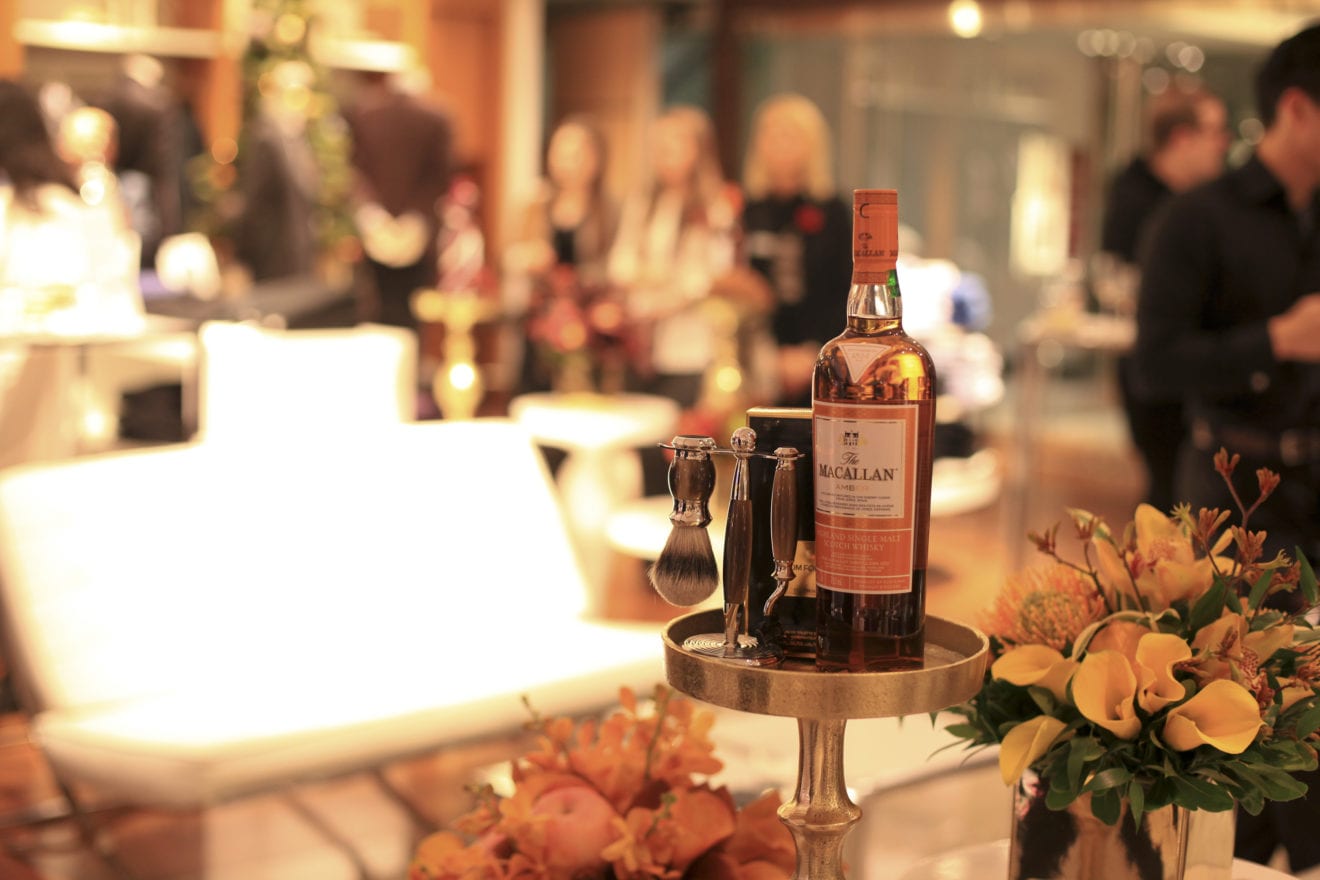
    A 465 sqm pop up store promoting Macallan single malt whisky is touring major Asian cities.

    Designed by agency Fitch, the unique pop up is by day a shopping and exhibition area, open to any walk-in customers. In the evening, the space is transformed into a bar offering reserved tasting sessions. Guests have the opportunity to enjoy The Macallan, talk with whisky experts, and connect with like-minded connoisseurs.

    After a month inside Shanghai’s Jing An Kerry Centre, the pop up moves to Taipei’s Dunhua South Rd on October 21 for a month, and then on to Seoul and Singapore.

    Fitch says the pop up is designed to take guests “on a journey of discovery with The Macallan, through a highly interactive and sensorial experience”.

    Macallan’s regional brand director, Coral Gill, says the Toast The Macallan pop up is a regional consumer engagement program that serves as a distinctive platform for The Macallan to reach and connect with more consumers.

    “Toast the Macallan is into its second year in the region and this event in Shanghai was the first time this exclusive event was run for 30 days, allowing even more consumers to engage and share the experience with the brand.”

  • More Indian consumer use social media for feedback than Japanese

    More Indian consumer use social media for feedback than Japanese

    Indian consumers are more digital savvy for reporting and resolving customer service experiences over social media than their counterparts in Japan and Hong Kong, says a survey by American Express.

    According to the American Express Global Customer Service Barometer (CSB), which did a random online survey of 1,000 respondents each in the three Asian countries this year, 71% Indians use social media to get a customer response, same as last year but significantly up from 54% in 2012. In Japan, only 29% used social media for customer response while in Hong Kong the number stood at 29%.

    While 41% Indians said they always receive resolution of their customer service issues through social media, for Japan and Hong Kong the numbers stand at 12% and 18%, respectively.

    In selecting a company to do business with, consumers in India and Japan give top priority to ‘good product’ followed by ‘good value for the price’, while the order stood reversed in the case of Hong Kong. All three countries ranked ‘excellent customer service’ third in importance, the survey said.

    While most consumers are willing to give a company at least one more chance after receiving poor service before they consider switching, 33% immediately consider switching after initial poor customer service experience.

    Indians customers are the most reactive with 73% having dropped an intended purchase or transaction due to poor customer service as compared to 56% and 40%, respectively, for Hong Kong and Japan.

    As for sharing their experiences, on an average, consumers tell 39 people about their good experiences (41 in 2014), and 42 people about their bad experiences (48 in 2014), the report said. As much as 98% talk about their good customer service experiences at least some of the time.

  • Burberry shares down 12% following China slowdown

    Burberry shares tumbled 12 per cent, the largest drop in three years, as theluxury group warned that its sales had been hit by a slowdown in China.

    In an example of how the global luxury market is struggling, Burberry said that retail sales were affected by “an increasingly challenging environment for luxury, particularly Chinese customers”.

    Total retail sales grew just 2 per cent to £774 million in the six months to the end of September, while like-for-like sales slowed to 1 per cent. Crucially, in the Asia Pacific area, sales experienced a “mid-single digit percentage decline” while “Hong Kong

  • ShenYang MixC Mall opens

    ShenYang MixC Mall opens

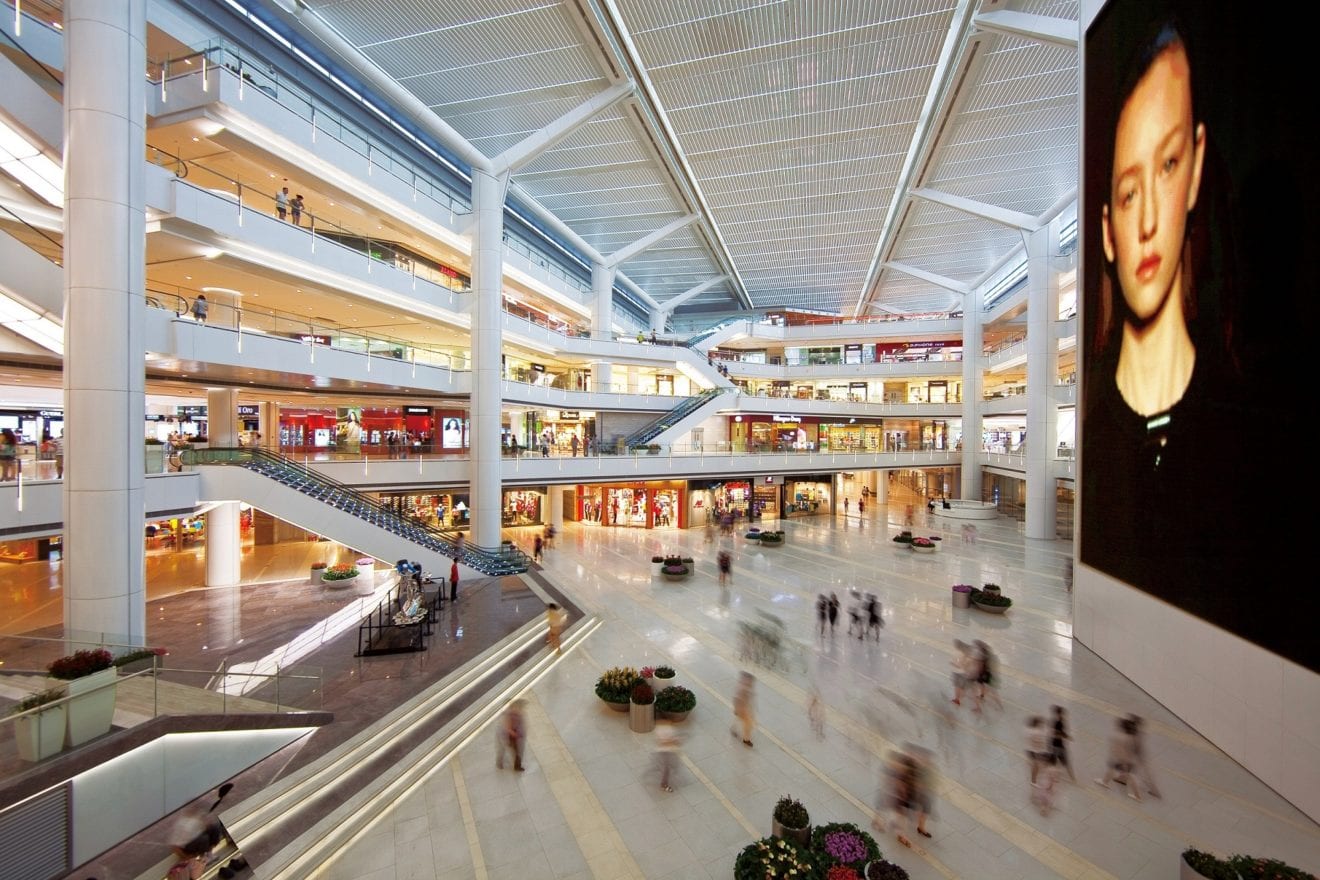
    CR Land recently celebrated the opening of its ShenYang MixC Mall in China’s Liaoning Province.

    The centre’s opening completed a 30 month design and delivery partnership with The Buchan Group’s Shanghai studio.

    MixC Mall in Shenyang 2

    “CR Land’s design brief was to attract the local office and residential communities, particularly Gen Y and young families, by providing an elegant and efficient mall design that would also function as ‘a place to celebrate,’” said principal David MacLeod.

    “This allowed us to be more playful with our built forms and lighting when designing the interiors.”

    MixC Mall in Shenyang 1

    As a result, The Buchan Group was able to integrate strong ceiling, lighting and floor patterning to provide precinct differentiation, as well as creating a bold, unified design intent that tied the elongated centre together.

    The five-level ShenYang MixC Mall is anchored by a major entertainment and food precinct at the uppermost level, and extends two levels below ground to a fast fashion precinct connected to basement car parking and MRT hub, making the mall the major component in one of the largest mixed–use projects in the city.

    The Buchan Group provided integrated interior architecture and interior design services to all public mall areas, as well as a number of specialised customer service facilities.

  • Belstaff counterfeit sites shut down

    Belstaff counterfeit sites shut down

    Luxury fashion brand Belstaff has won a court battle against online counterfeiters, winning $42 million in damages and leading up an unprecedented 676 copycat websites being shut down.

    The win was announced by MarkMonitor, a specialist in enterprise brand protection, which worked with Belstaff to identify and pursue the copycats.

    MarkMonitor used technology to identify some 3000 websites selling counterfeits products – more than 800 of them managed by one individual based in China.

    After the evidence was collected, a civil lawsuit was lodged in the US, with counterfeiters ordered to pay the $42 million and nearly 700 websites handed over to the brand.

    “There are other high profile luxury brands that have taken advantage of the US counterfeiting law, however we believe that our case has set the bar even higher due to the unprecedented number of sites that were taken down in one go,” said Elena Mauri, head of legal with Belstaff.

    “The whole legal process took less than four months and none of the single top 20 websites that were cited in the case are still in operation today. We certainly wouldn’t hesitate to take this legal route in the future, and we will continue to take a zero tolerance approach to any further illicit counterfeiting behaviour.”

    The legal result follows the company’s decision to embark on a major protection program for all of its IP – from registering of trademarks to individual products, including seeking external help from MarkMonitor.

    The program was put in place to monitor the full range of the different marketplaces and individual websites selling counterfeit products. The search also focused on any websites using the Belstaff name in their domain name, as well as generic sites listing counterfeit products.

    Gavin Haig, Belstaff CEO, said eCommerce has been a major driver of the brand’s growth.

    “However, alongside the clear benefits of venturing into the online retail market, we were aware of the potential negative impact from counterfeiters. Right from the outset, we have been determined to stop our customers falling prey to counterfeiters. We want to do everything in our power to protect our loyal customer base and our hard-earned 91 year old heritage.”

    The majority of the counterfeit products were jackets and outerwear, particularly counterfeit copies of Belstaff’s best-selling leather jackets. The copies were many seasons old; designs no longer in production.

    MarkMonitor’s technology is capable of exploring an entire network of sites, including both the index and non-index results, as well as examine fundamental criteria such as the website’s design and the payment processes.

    Jerome Sicard, regional manager, Southern Europe, said the court decision sends a stark warning to online counterfeiters and underlines the increasing importance of online brand protection.

    “This is not the first case of its kind, however the Belstaff ruling is unusual due to the substantial number of websites being handed over to the brand.”

  • Massive opportunity for China retail investment

    Massive opportunity for China retail investment

    China retail is “rife with opportunity” for retail and property investment according to a new report released at China Mall 2020.

    Taubman Asia, a subsidiary of US mall REIT Taubman Centers, and Mingtiandi, China’s leading source of retail intelligence, released at the Hong Kong China Mall 2020 conference today a white paper with industry-leading insights on the future of China’s retail sector. The report analyses the challenges and opportunities for retail in the world’s second largest economy and provides a holistic overview and insights on the swift growth and dynamics of Chinese consumer behaviors over the past 15 years.

    “China is uniquely positioned to build a modern, connected, and relevant retail real estate sector by 2020,” said Michael Cole, executive editor of Mingtiandi, and managing researcher for China Mall 2020.

    “China’s malls of the future will be those that embrace powerful new technological capacities made for digital marketing and incorporate smart design elements to meet increasing consumer and retailer needs – differentiating the retail experience.”

    Specifically, the report discusses several key drivers that will inform the future development and success of Chinese malls, including:

    • Shopping center designs will need to be rethought to accommodate shoppers looking for cultural and social experiences as much as for visitors looking to tick items off their shopping lists;
    • Integration of digitally-enabled strategies, such as online-to-offline (O2O) and big-data level resources will be needed to bring management of offline retail on par with online competitors;
    • Adoption of mobile technologies, to meet consumer demand for on-the-go research in stores, will be needed to keep in tune with a market of mobile-connected shoppers; and
    • Mall development, including innovative leading strategies that bring together the right mix of retailers at a pace that matches the increasing urbanisation of China and is able to anticipate the evolving needs and expectations of the Chinese consumer.

    René Tremblay, president of Taubman Asia, said the company has always been optimistic about the growth and untapped potential of the China market, “and we were encouraged to see the results of Mingtiandi’s independent research affirm this view”.

    “We believe the industry is undergoing its first stage of evolution, and we are well placed to lead the development of this next generation of malls in China – leveraging our 65 years of international development and design experience, as well as our robust local team.”

    He said that while media reports often focus on how the macro environment has played a key role for a shopping slowdown sweeping the country, China Mall 2020 forecasts the sustainable growth of Chinese consumption, and suggests the cause of the retail sector’s struggles might lie more on bullish planning and early optimism of some retailers.

    Similarly, while addressing the threats of an online retailing boom, the in-depth study showcases how traditional retailers and mall developers are on their way to fine-tune their marketing strategies, leveraging new technologies to drive more business.

    Guohua Zhang, China MD of Taubman Asia said the retail scene in China is becoming increasingly sophisticated.

    “Instead of viewing external forces as threats, many malls in China are utilising a powerful mix of digitally enabled strategies that leverage mobile, social platforms and big data together with traditional marketing approaches. These kinds of innovations are critical to our approach for the market.”

    China Mall 2020 also analyses how the unique social context in China has evolved shopping malls from a shopping oriented destination to a public space cultivating social and cultural experience for the Chinese population.

    The full report is now available for download on the Taubman Asia China Mall 2020 website. Taubman Asia, the sponsor of the project, is an active leader in retail real estate in the region. Its portfolio in China includes two CityOn lifestyle projects underway in Xi’an and Zhengzhou and The Boulevard at Studio City in Macau, which will open in October 2015. The company also owns Hanam Union Square in Greater Seoul, opening late 2016, and manages operations for the IFC Mall in Seoul which opened in August 2012.
  • Karl Lagerfeld to go online in 97 markets

    Karl Lagerfeld to go online in 97 markets

    Fashion designer Karl Lagerfeld is to enter 97 international markets online.

    The move marks a dramatic expansion of the company’s current online strategy which is to partner with leading department store brands, such as Harvey Nichols and Harrods, and selected online-only retailers Stylebob.com, Luisviaroma.com and Zalando.com.

    Now, Karl Lagerfeld is opening online stores under its own name in a raft of countries yet to be listed, but definitely including Japan.

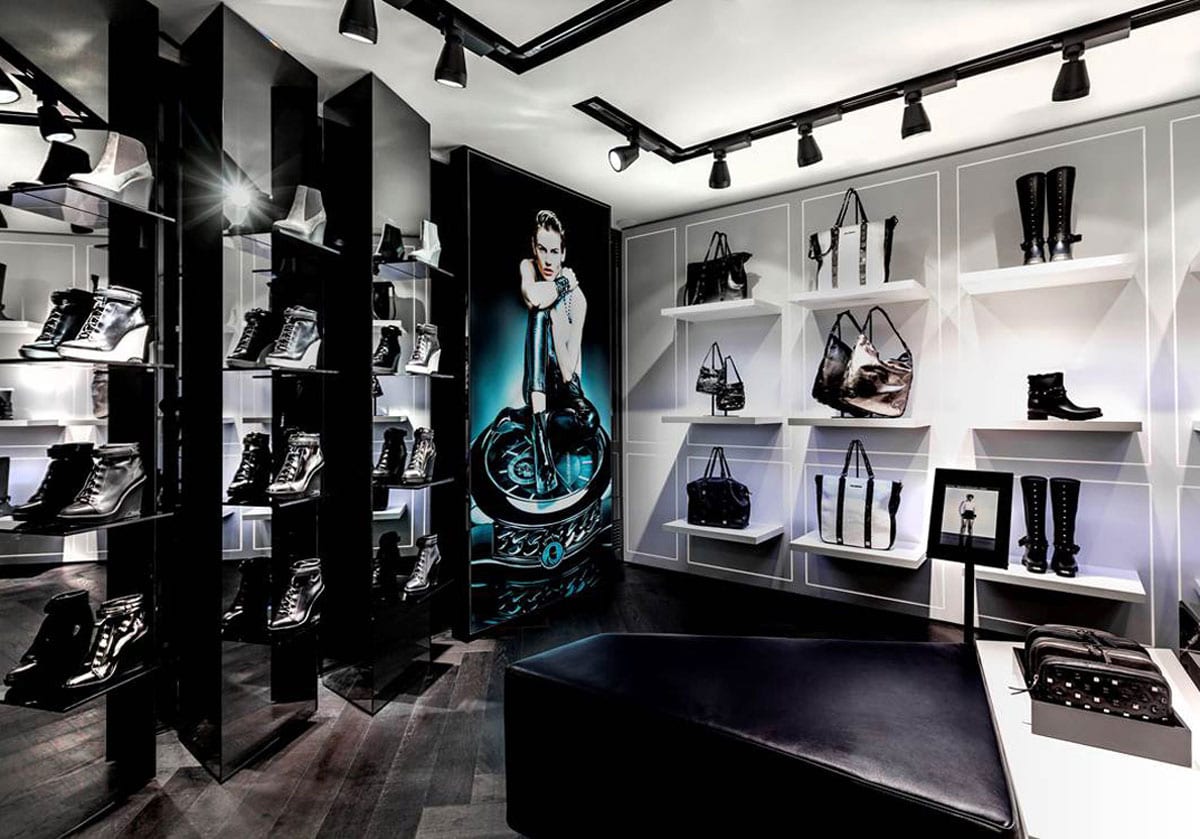
    The brand, founded by the 82 year old French-based German designer and photographer, just two years ago commenced a physical store rollout and now has 20 directly operated and another 20 franchised in markets as diverse as China (eight stores), the Middle East (six) and, of course, Europe. Over the next few years it aims to expand that network to about 100 globally.

    Karl Lagerfeld Group CEO Pier Paolo Righi says online sales already represent “a significant part of the business” and he expects the new program with Italy’s Yoox Net-a-porter Group to soon account for a double digit share of the fashion group’s total revenues.

    The new websites will launch in early November offering broader ranges than its pages on existing partner websites – a broad collection of womenswear along with licensed products including watches, fragrances and eyewear.

  • Walmart China partner sells out

    Walmart China partner sells out

    Walmart China’s local business partner wants out of its joint venture.

    State-backed China Resources Group has put the minority interests it has in 21 Walmart China stores on the market, seeking US$525 million. Most of the interests equate to about 35 per cent of the respective stores.

    China-based spokesman for Wal-Mart David Fu confirmed the sale in an email to Reuters. He said the firm respected the “investment decision” of its partner.

    “Wal-Mart believes that the transfer of minority interest will not influence Wal-Mart’s operation and development in China,” he said.

    The affected stores are located in various parts of China, including the western Sichuan province and the capital city Beijing.

  • Roger Dubuis Hong Kong plans more Macau stores

    Roger Dubuis Hong Kong plans more Macau stores

    Luxury watch brand Roger Dubuis says it will open more stores in Macau and Hong Kong despite the recent contraction of the market.

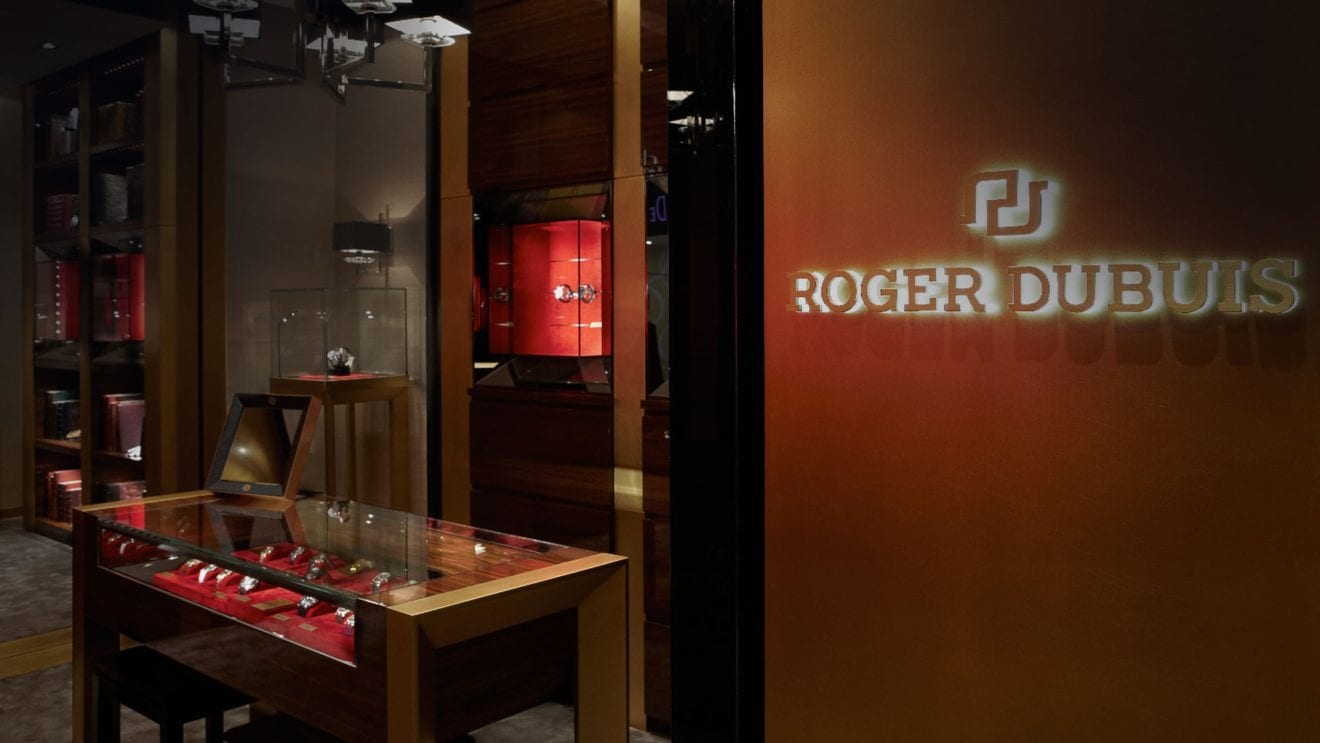
    Roger Dubuis Hong Kong has four stores and there are a further three in Macau. The Swiss brand debuted here in 2000 and is aiming to be one of the world’s top five luxury watch retailers by 2020.

    Despite price tags ranging from HK$150,000 to HK$10 million, Roger Dubuis is unconcerned by the broader trend and is eyeing the longer term growth opportunity in the SARs and the mainland as the number of Chinese with high disposable income grows.

    Two new stores will open in Macau next year and potentially another in Hong Kong.

    CEO Jean-Marc Pontroué told the Hong Kong Economic Journal a new store will open in Nanjing in the mainland next year as well. That follows the opening of its first mainland store in Beijing last July.

  • Pepsi smartphone planned for China

    Pepsi smartphone planned for China

    PepsiCo will market a range of mobile phones and accessories in China later this year.

    The US beverage giant will licence its brand to a manufacturing partner with the Pepsi smartphone just one of a range of planned licensed products which will also include apparel.

    “Available in China only, this effort is similar to recent globally licensed Pepsi products which include apparel and accessories,” a Pepsi spokeswoman told Reuters by email.

    No further details were released about the phone’s specifications – or the manufacturing partner.

    It won’t be the first technology product born of a partnership between Pepsi and an electronics brand. Last year it teamed up with Danish avant garde audiovisual manufacturer Bang & Olufsen to create Pepsi-branded products to support the soft drink brand’s soccer campaign.