Tag: China

  • Asia Pacific Travel Retail Association launches member survey

    Asia Pacific Travel Retail Association launches member survey

    The Asia Pacific Travel Retail Association (APTRA) has launched a survey among its members to ascertain priorities for the 2016/2017 APTRA research programme.

    According to APTRA, it is a fundamental mission to further the knowledge of members through studies conducted in partnership with accredited research agencies into past performance of the duty-free and travel-retail industry in the Asia/Pacific and current trends in consumer behaviour to facilitate future development.

    APTRA president Jaya Singh commented: “The business environment of today and indeed the future, is getting increasingly sophisticated and demanding. We live in dynamic times and the greater the level of insights we can achieve through our research platform the greater the relevance that all our stakeholders and members can deliver.”

    Recent reports have covered a range of topics including Chinese, Indian and Korean consumer behaviour, Cambodian travelling consumer trends, impact of security regulations and product category reports into fashion and accessories, confectionery, gifting and eyewear. Although the full research reports are available exclusively to APTRA members through www.aptra.asia, key findings are shared with members and other interested parties at APTRA Insights Seminars staged around the Asia/Pacific.

    In September, a total of over 250 participants attended the latest APTRA Insights Seminars which took place in Hong Kong, New Delhi and Seoul.

    Topics included key results of the APTRA m1nd-set study into Chinese, Korean and Indian travellers, analysis of e-commerce behaviour from KPMG, Chinese social-media landscape and potential of WeChat marketing from China International Duty Free and potential of technology to reach travellers on the move from geo-location marketing company NEAR.

    Singh added: “Through its research programme, APTRA provides actionable insights which enable members to understand their customers better and identify future opportunities. We want to target our research where it is most needed so we have asked members to nominate future subjects for research.”

    Commenting on the seminars, he said the “the response from delegates to the recent APTRA Insights Seminars was extremely favourable and we intend to schedule similar seminars into the programme next year.


  • Luxury shoppers in China spending 28 per cent more per online purchase than in 2014, study shows

    Luxury shoppers in China spending 28 per cent more per online purchase than in 2014, study shows

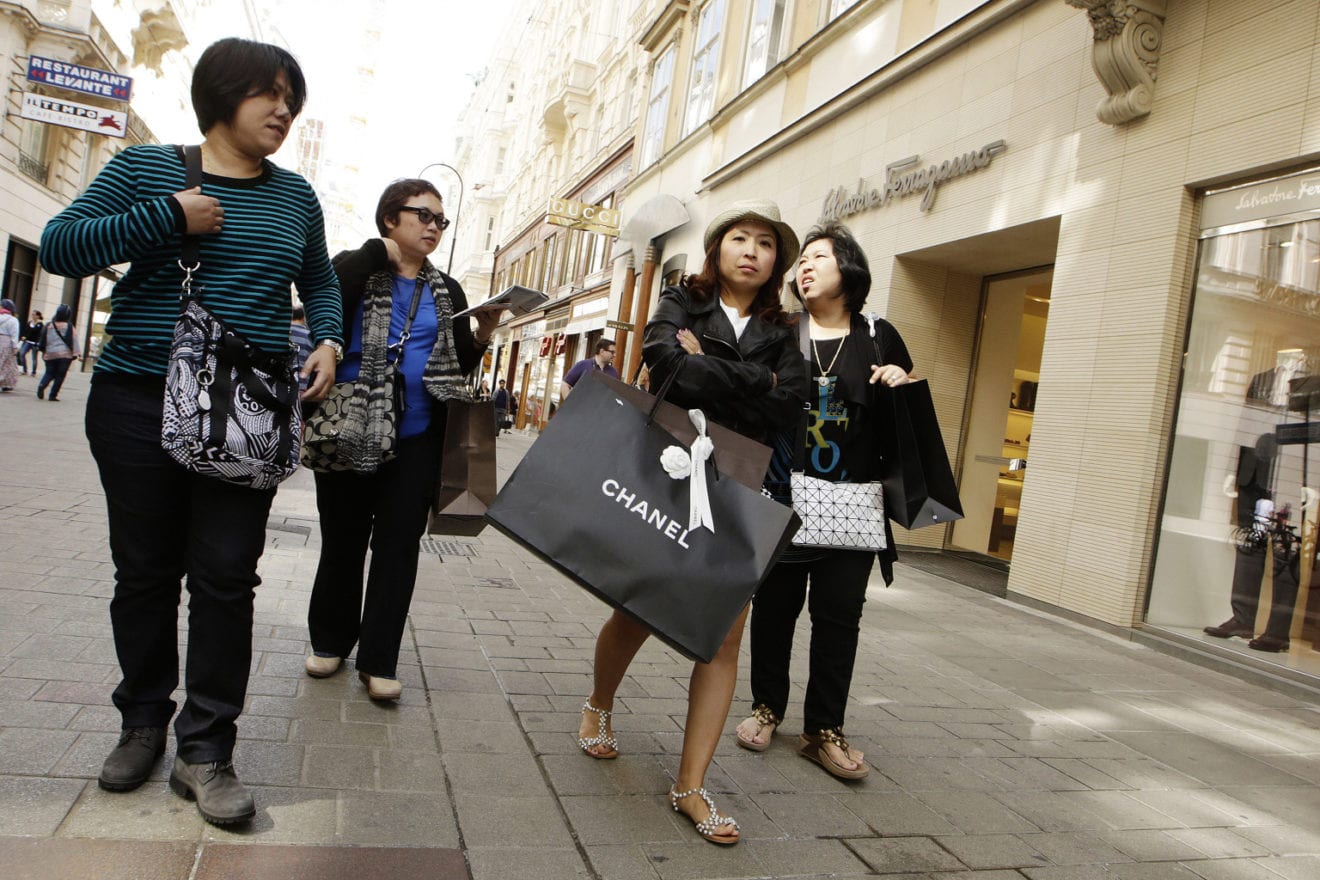
    Unfazed by the country’s economic slowdown, luxury shoppers on the Chinese mainland have increased their purchases online as a range of e-commerce options provide attractive deals – from cosmetics and clothes to cars and property.

    That trend was uncovered from a joint survey of 10,150 luxury consumers in China by global professional services giant KPMG, online luxury retailer Mei.com and Chinese media firm Sina’s Nasdaq-listed micro-blogging service Weibo. The survey was called China’s Connected Consumers 2015.

    “The pace of change in today’s marketplace in China is taking retailers and brands by surprise,” Egidio Zarrella, the clients and innovation partner for China at global professional services giant KPMG, said on Tuesday.

    The new KPMG-led study found that the average spending by mainland luxury shoppers has increased 28 per cent to 2,300 yuan (US$362) for each single e-commerce purchase, up from 1,800 yuan average in last year’s survey.

    It also found that 45 per cent of respondents in the latest survey said they have bought many luxury items online.

    While only 1 per cent said they have bought domestic and overseas properties and cars online, about 50 per cent of those surveyed said they have not ruled out making those purchases online in the future.

    “China’s luxury consumers are looking for something beyond the physical shopping experience,” Zarrella said.
    “They are moving from just owning a luxury product to experiencing luxury, including gourmet dining, fine wines, private flights, bespoke safaris, luxurious travel tours, spa treatments, art auctions and an ever increasing range of investment services.”
    In a report early this year, management consulting firm Bain & Company estimated that China’s luxury market reached 115 billion yuan last year, down 1 per cent from the previous year, as Beijing cracked down on lavish spending by government officials.

    The country’s luxury market was largely expected to remain under pressure because of the slowing economy. Mainland China’s gross domestic product growth was exactly 7 per cent in the first and second quarters of this year, compared with close to 8 per cent last year.

    Zarrella, however, pointed out that e-commerce spending in the world’s second-largest economy shows a completely different picture.

    The survey, which had respondents from 90 Chinese cities, found an increase in the average amount spent on luxury purchases in most product categories.

    It showed that a higher amount was being spent on average for popular categories such as bags at 109 per cent, women’s apparel at 58 per cent and cosmetics at 18 per cent. There was also a significant increase in spending on categories such as watches at 126 per cent and jewellery at 65 per cent.

    The top-selling product categories in China’s e-commerce market are cosmetics, women’s shoes, bags and leather goods, women’s apparel and accessories.

    “Price is becoming less of a driver [for online sales],” said Thibault Villet, the chief executive at Mei.com. “But value remains important as customers are well informed about global prices since most of them travel.”

    The study found that Chinese luxury online shoppers prefer to buy on so-called online-shopping platforms, such as e-commerce giant Alibaba Group’s Tmall.com.

    “Tmall controls over 50 per cent of the total business-to-consumer e-commerce market in China,” Villet said.

    That preference was attributed to the multiple online merchants in such platforms, the extensive information on products and pricing, peer ratings of sellers, regular promotional activities and payment gateways like Alipay and Tencent Holdings’ Tenpay.

    Villet said Mei.com plans to open its own e-commerce platform dedicated to luxury goods by next year to better compete on the mainland.

    He said the exponential growth of smartphone adoption on the mainland has also helped boost mobile e-commerce purchases. “We expect Mei.com to be fully mobile by the end of 2016,” he added.

    Mobile e-commerce sales will account for more than half of online retail shopping in mainland China by next year, according to New York-based research firm eMarketer.

    It forecast mobile e-commerce would make up 10.9 per cent of all retail sales in the country next year and 55.5 per cent of online retail shopping as the sector grew to a record US$505.74 billion, up from an estimated US$333.99 billion this year.

    The government-backed China Internet Network Information Centre has reported the number of users who accessed the internet through mobile devices reached 594 million in June, up from 557 million in December last year, while the overall number of internet users rose to 668 million from 649 million.

    Andrew Taylor, a co-founder of Juwai.com, which connects Chinese buyers to overseas property, said mobile browsing by consumers in China was a major driver of brand awareness for his company.

    “We see that many of the more affluent customers who look for luxury properties use [Tencent’s instant messaging service] QQ and call us,” Taylor said.

    “The younger consumers contact us through [Tencent social mobile messaging platform] WeChat and Sina Weibo.”

    So-called online-to-offline activities is a trend that will continue. Zarrella said that physical stores have a role to play in triggering e-commerce purchases of luxury goods.

    “We see a growing number of online platforms launching pop-up shops in malls, or have tie-ups with physical stores to give buyers an opportunity to inspect these products,” Zarrella said.

    Thomas Crampton, the global managing director at Social@Ogilvy, the worldwide practice of marketing group Ogilvy & Mather involved in social media, said an online-only approach in China is not sustainable for brands.

    “At some point, each brand will need a face-to-face touchpoint,” Crampton said.

    “We helped an automotive brand, analyse, interpret and optimise the shopper journey,” he said as an example. “From a traditional purchase cycle of over 200 days, the brand managed to sell over 300 cars in a matter of three minutes through WeChat.”
  • IMAX China Listing Underperforming

    IMAX China Listing Underperforming

    The demand for IMAX China shares has not met expectations, according to a filing on Wednesday.

    The $248-million initial public offering (IPO) of IMAX China Holding Inc. in Hong Kong saw a relatively weak demand from retail investors, according to a filing on Wednesday.

    The demand for new listings in Asia Pacific stock markets has been hurt by the weakening of the Chinese stock markets earlier this year, as well as the rather sporadic performance of other equity markets around the world.

    IMAX China Holding Inc., majority-owned by the giant screen movie theater equipment maker of the same name, is most likely a casualty of this market slowdown.

    There have been some signs of improving confidence in the market, with China Huarong Asset Management Co. and China Reinsurance Group interested to make their Hong Kong IPOs this week, worth a combined $5 billion. However, market players and analysts have said that it is still too early to predict a recovery.

    “Sentiment has not recovered, it’s not that strong yet because the market remains volatile recently,” according to Jasper Chan, a Corporate Finance Officer at brokerage Phillip Securities in Hong Kong.

    The IMAX China IPO was priced last week at HK$31 ($4) per share, near the bottom of its marketed range. Demand for shares from retail investors accounted for a mere 70 percent of the shares that were offered, according to the filing.

    In comparison, the listing of Yunnan Water Investment Co. Ltd. in May was demanded by retail investors 354 times the number of shares offered.

    In April, the listing of Shanghai Haohai Biological Technology Co. Ltd. was oversubscribed around 180 times the shares offered.

    However, the institutional tranche of the deal was oversubscribed, according to IMAX China.

    The IMAX Corp. China unit debuted on the Hong Kong stock exchange on Thursday, marking the first listing by a major global brand there since 2011.

  • Asia luxury goods market still growing

    The Asia luxury goods market is still growing rapidly despite negative press about Hong Kong, Macau and deteriorating China spending.

    Luxury goods retail sales in Asia-Pacific are expected to reach US$134.9 billion by 2019, growing at a CAGR of seven per cent during 2014-2019, according to the report Luxury Goods Retailing Market in Asia-Pacific, 2014-2019 Market and Category Expenditure and Forecasts, Trends, and Competitive Landscape.

    Japan will remain the largest Asia Pacific luxury goods market amid a slowdown in China and India’s luxury goods market is the fastest growing in Asia-Pacific, driven by rising disposable income, growing fascination towards luxury brands, and the desire of high earners to differentiate themselves from others.

    The report says jewellery, watches and accessories is the largest and fastest growing category in the region, driven by higher spending on jewellery and watches by Chinese, Japanese, and Korean consumers.

    The Hong Kong luxury goods market is struggling due to political unrest and reduced Chinese spending. A luxury tax exemption is expected to boost luxury goods consumption in Indonesia.

    Social messaging apps is a trending marketing channel for luxury brands, as the digital channel is influencing the purchasing decisions and pattern of consumers.

  • Despite Slowdown, China’s Outbound Tourists Reach 242 Million

    Despite Slowdown, China’s Outbound Tourists Reach 242 Million

    As Chinese tourists head across the globe for Golden Week this week, luxury retailers are worried that an ailing stock market and devalued yuan will lead to muted growth compared to holiday seasons of the past. But according to newly released figures, long-term growth prospects remain strong for Chinese travelers, who are expected to double in number over the next decade.

    Some destinations may be in for a Chinese spending slump when it comes to luxury shopping over the holiday. According to recent figures released by Global Blue, UK luxury retailers are especially expected to feel the pain of China’s current economic woes during Golden Week.

    The retail tourism firm reported that the devaluation of the yuan in June led to a 2 percent year-on-year decline in Chinese tourist spending in August for the UK, down from 8 percent growth in spending between January and July.

    According to an official statement, “Global Blue is anticipating the Golden Week rush will be significantly weaker this year, and the decline could continue throughout the fourth quarter as Chinese are left disinclined to book trips abroad.”

    But retailers shouldn’t fret too much about long-term prospects, as a recent study published by HSBC found that outbound Chinese traveler numbers are expected to hit 242 million by 2024—a number more than double last year’s amount, which was estimated by HSBC to be 116 million. In addition, a recent report by the Fung Business Intelligence Center and China Luxury Advisors found that outbound Chinese traveler spending will hit $422 billion by 2020, up from an estimated $200 billion this year.

    Even as retailers fret about their sales prospects for this Golden Week, not everyone is expected to lose out. A weak euro still makes Europe a popular destination despite the devalued Chinese currency, and Global Blue found that Chinese shopper numbers in Europe rose by 74 percent in the first half of this year.

    Online travel agency Ctrip still expects outbound tour bookings to double for the period, and has reported that Hong Kong, Tokyo, and Bangkok are the top three holiday destinations for Chinese tourists. While luxury retailers in some destinations may be noticing the slowdown much more than others, those that keep their eye on the prize when it comes to Chinese travelers are more likely to have a fruitful decade to come.

  • Asia mCommerce shopping soars

    Asia mCommerce shopping soars

    Asia Pacific consumers are increasingly likely to make their online purchases and bill payments through mobile devices (mobile phone or tablet), rather than via desktops, according to Visa’s 2015 Regional eCommerce Monitor Survey.

    The survey, which polled 11,760 respondents from 13 markets in Asia Pacific, found respondents reported an average 22 per cent increase from 2014 in Asia mCommerce shopping.

    Respondents from Indonesia (36 per cent), Mainland China (34 per cent) and Taiwan (28 per cent) reported the greatest growth in mCommerce during the year.

    The rising popularity of mCommerce among Asia Pacific consumers is narrowing the gap with traditional eCommerce channels such as laptops or desktop computers across the region. In Thailand, consumers are as likely to purchase using their mobile devices as through desktops, while the mCommerce-eCommerce gap in markets such as Mainland China (eight per cent), Korea (nine per cent) and Indonesia (nine per cent) is decreasing.

    Visa’s regional director for eCommerce, Conor Lynch said the results show that making purchases on the go through mobile devices is becoming the norm in Asia Pacific.

    “As consumers get more comfortable using their smart devices to research, browse and purchase, mCommerce should soon overtake traditional eCommerce habits, strengthening this channel of engagement between consumers and retailers.”

    The survey also found travel, bill payments and movies were the top spending categories for eCommerce in general across Asia.

    For mCommerce, the top three categories are also fashion, bills and movies at 27 per cent each.

    “Across Asia Pacific, we are seeing that ticket-size, as well as the nature of the purchase, impacts how consumers purchase goods and services online. Consumers in this part of the world, are already comfortable purchasing smaller ticket-sized, everyday items by clicking the purchase button on an app or checkout button on a mobile device,” Lynch said.

    Another continuing trend revealed by the survey is the tendency for consumers to engage in cross-border online shopping. In particular, consumers from Singapore (77 per cent), Australia and Hong Kong (75 per cent) and New Zealand (74 per cent), are the most likely to make online purchases from retailers abroad, well above the regional average of 55 per cent. On the other hand, consumers from Japan (81 per cent), Taiwan (61 per cent) and Vietnam (57 per cent) are more likely to shop at domestic online stores.

    When shopping online with an overseas retailer, price (68 per cent), access to products (60 per cent), paying and delivery processes (40 per cent) and reputation of products (29 per cent) are key motivations for Asia Pacific consumers.

    The Visa eCommerce Monitor Survey 2015 was conducted by ORC International Singapore with 11,760 consumers, aged 15 to 55 years and across 13 countries and markets – Australia, Mainland China, Hong Kong, India, Indonesia, Japan, Malaysia, New Zealand, Singapore, South Korea, Taiwan, Thailand and Vietnam in May and June 2015.

  • Tesco Asia sell-off ruled out

    Tesco Asia sell-off ruled out

    Tesco has ruled out selling any more of its Asian operations in the wake of the Homeplus South Korea divestment.

    At least for now.

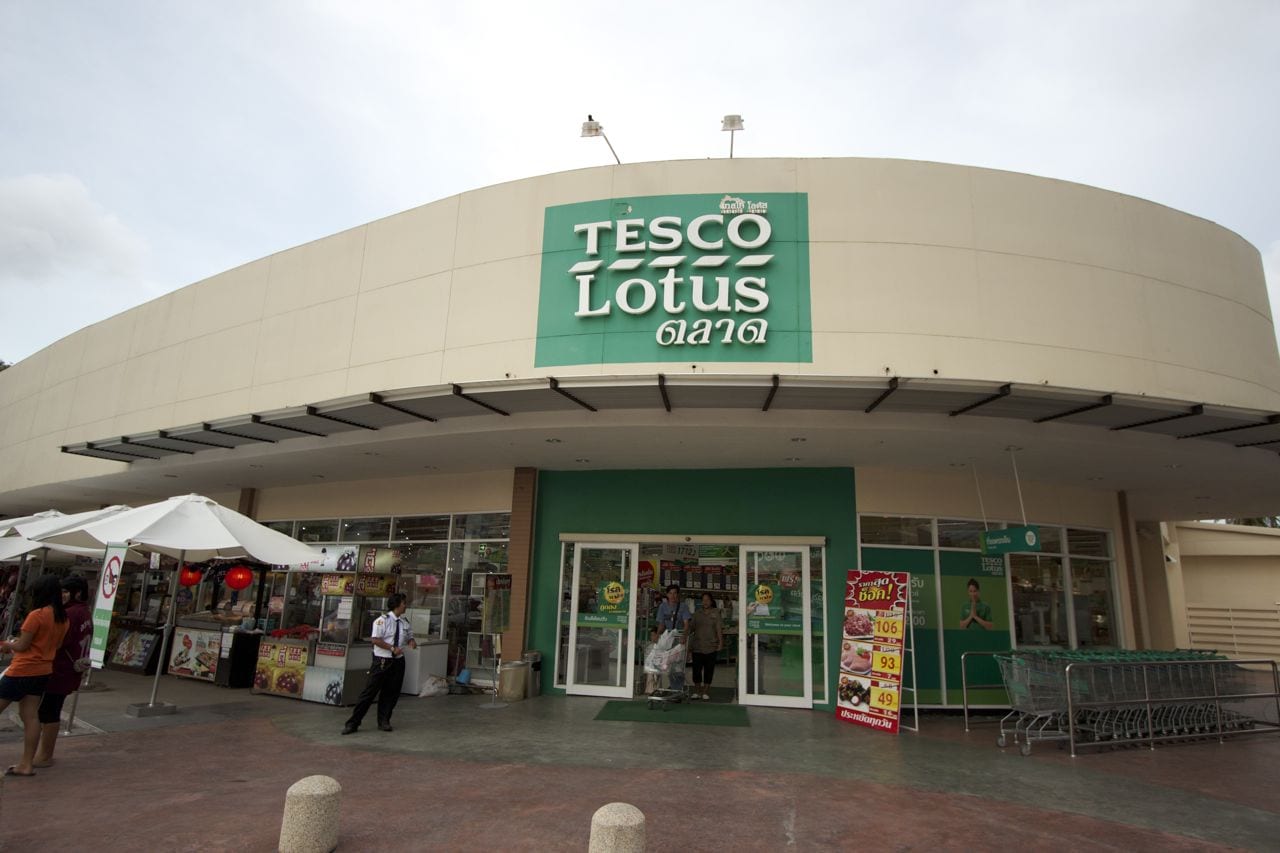
    After the US$6 billion sale of Homeplus and an earlier divestment of a stake in its Chinese operation, Tesco Asia retains a large business in Thailand, trading as Tesco Lotus, and in Malaysia.

    Tesco Chairman John Allan has assured shareholders there are “no immediate plans” to sell off any of the company’s remaining overseas arms, including those in Asia.

    “As we sit here today we believe that we have the right sort of assembly of geographies that we are in,” said Allan.

    “At the moment our intention is to hold what we have and to develop it and make the very best of it.”

    When Tesco’s troubles came to light at the end of last year the company received several opportunistic approaches by parties to buy out the Thai and Malaysian operations. But it ruled out any fire sale at the time and now appears committed to retaining and growing the businesses. The company also has operations in Central Europe and Ireland.

    While Allan conceded he could “envisage circumstances” the company might change its mind, that comment was perceived as a safeguard.

    Selling Homeplus has allowed Tesco to retire about £4.2 billion of its massive £21.7 billion debt mountain.

    The company is still looking for a buyer for its Dunnhumby data business, nine months after it ut the business on the market. Dunnhumby analyses grocery sales data from across the store network and sells it to manufacturers.

    “We have looked at the options around Dunnhumby… We’ve not concluded that. As soon as we conclude it we would announce what it is we intend to do,” CEO Dave Lewis told shareholders.

  • Sa Sa opens JD.com flagship

    Sa Sa opens JD.com flagship

    Sa Sa International says its online arm sasa.com will launch a Sa Sa flagship store on JD.com’s eCommerce platform, JD Worldwide .

    The move opens the way for more than 100 million JD shoppers to access Sa Sa products in the Mainland as well as in Hong Kong.

    “As a leading cosmetics retailing group in Asia, Sa Sa has been striving its best to provide quality products, best value and professional service to its customers,” said the company in a statement.

    “To flexibly respond to the huge demand from Mainland Chinese customers for cosmetics products and the increasing popularity of eCommerce in the mainland, the group proactively expands its eCommerce business in China through sasa.com and continues to improve its service, making every effort to offer a better shopping experience for more consumers.”

    JD.com is China’s largest online direct sales company with over 100 million active users. Its online shopping mall is content-rich, user-friendly and trustworthy and has an efficient delivery service.

    Sa Sa and JD.com say they share a common mission to provide consumers with the best shopping experience, which put the two parties together in forming this partnership.

    Dr Guy Look, CFO & executive director of Sa Sa, said: “By launching a flagship store on JD Worldwide, sasa.com will expand its customer reach in China, while over a hundred million JD users will be able to enjoy direct access to Sa Sa’s wide selection of globally renowned cosmetic and skincare brands.

    “We believe that the strengths of Sa Sa and JD will complement each other to realise synergies in this win-win partnership. We are looking forward to working with them to deliver a premium online shopping experience to customers throughout China.”

  • Mega luxury store opens amid retail slump

    Mega luxury store opens amid retail slump

    Luxury multi-brand footwear and accessories retailer Pedder Group is pulling out all the stops with its new 20,000 sq ft Pedder on Scotts store at Scotts Square that opens today.

    The concept store is the group’s largest free-standing one in Asia. The biggest standalone On Pedder stores in Hong Kong and China stand at 3,500 sq ft and 3,000 sq ft respectively.

    Founded in 2003, the Hong Kong-based Pedder Group is part of the Lane Crawford Joyce Group and operates more than 50 stores and shop-in-shops across Greater China, Singapore and Jakarta.

    Pedder on Scotts takes up the entire second floor at Scotts Square – the size of 20 four-room HDB flats – and stocks more than 100 designer and mid-priced brands of shoes, bags and accessories.

    ´It is an interesting time to secure retail space, not just based on cost, but availability. Our group has always used challenging times in the retail market to expand our retail footprint.` – PEDDER GROUP PRESIDENT PETER HARRIS

    About 40 per cent of the line-up – brands such as American high- street label Sam Edelman, British shoemakers George Cleverley and Foster & Sons, as well as Lock & Co Hatters, one of the oldest milliners in England – are exclusive to the store. At least 10 brands are new to the market.

  • JD.com launches Italian Fashion Mall

    JD.com launches Italian Fashion Mall

    The best of Italian fashion will soon feature on a new fashion mall being created by JD.com.

    JD.com, China’s largest online direct sales company, says the Italian Fashion Mall is dedicated to introducing Italian fashion brands and products to consumers in China. JD.com and Europe Design Center also jointly announced the participation of three renowned Chinese fashion designers – Lin Gu, Ali Tan and Xiaoyan Xu – in Milan Fashion Week. The three designers were selected through a competitive program run by JD.com and Europe Design Center, and their participation marks the first time Chinese designers will participate in Milan Fashion Week.

    The announcement was made at an event during the Milan Fashion Week.

    President of JD Mall’s Apparel and Home Furnishing Business Unit, Lijun Xin said the online mall will offer China’s “increasingly sophisticated and fashion-conscious consumers a fantastic range of choices,” while offering Italian brands and designers a powerful sales platform in China.

    “Fashion has been an important part of JD.com’s development into a comprehensive eCommerce platform, and we look forward to bringing products from the world’s most exciting designers to our 118 million customers.”

    JD.com’s JD Apparel platform features top international brands such as Lacoste and GAP and introduces the latest fashion trends to consumers through JD fashion shows held twice annually in China. Currently there are over 40,000 merchants featured on the JD Apparel platform.

    As part of the JD Apparel platform, JD.com recently launched its “JD Wardrobe” app for mobile devices. The app allows consumers to mix-and-match fashion items in a virtual wardrobe, share selected items with friends and receive fashion advice from virtual fashion experts.

    The Europe Design Center is created by the Director of Design Institute of Politecnico di Milano Arturo Dell’Acqua Bellavitis, and Alan Zhong, director of Future Master project of Italian design cultivation plan, also with the support of Honarary President of Italian National Fashion Association Mario Boselli, and in collaboration with experts from fashion and design sectors, to strengthen the talents and commercial exchange between Italy and China in field of fashion, industrial design, high tech and architecture.

  • Inside Wuhan 1818 mall

    Inside Wuhan 1818 mall

    Wuhan 1818 mall has recently opened in China, delivering a new generation retail and lifestyle centre set to energise the precinct’s urban core.

    The 70,000 sqm, seven storey mall was developed by CapitaMalls Asia  and caters to the needs of the 2.4 million people living and working in the district. It provides a diverse range of quality lifestyle, food and entertainment tenancies, anchored by rooftop cinemas and a basement supermarket and car parking.

    Capitalmall-1818-Wuhan-China1

    “The project opens at a dynamic point in space and time for Wuhan, coinciding with a period of unprecedented change,” said Buchan Group principal, David Macleod.

    “Our design for the centre fits well with the contemporary facelift of the district as Wuhan rapidly evolves into a Future City.”

    The design for the development was inspired by the unique cultural catchment and captures the essence of its past, whilst responding to evolving retail trends of the future.

    “We felt both a responsibility to be respectful of Wuhan’s history and culture in our design, but to look to its future,” said Macleod.  “We felt a need to embrace the needs and aspirations of the new modern urban community.”

    Capitalmall-1818-Wuhan-China

    The interior design concept for the mall expresses aspects of this dynamic through restrained organic patterns crowned by splashes of vibrant colour and dappled light effects.  The prominent podium facade creates an impressive street-edge to the integrated office and residential mixed use precinct, and adds an impressive addition to the quality development portfolio of The Buchan Group and CapitaMalls Asia.

    The centre’s planning was engineered to ensure the mall performs a civic function as an urban meeting place for the local community, encouraging social connections and redefining the art of placemaking in the district. This informed the predominance of formal and informal food and entertainment spaces in the planning and tenancy mix.

    The Buchan Group provided integrated design and delivery services for this ambitious project, including facade and interior architecture, interior design and graphic and wayfinding design services from concept design through to construction site services.

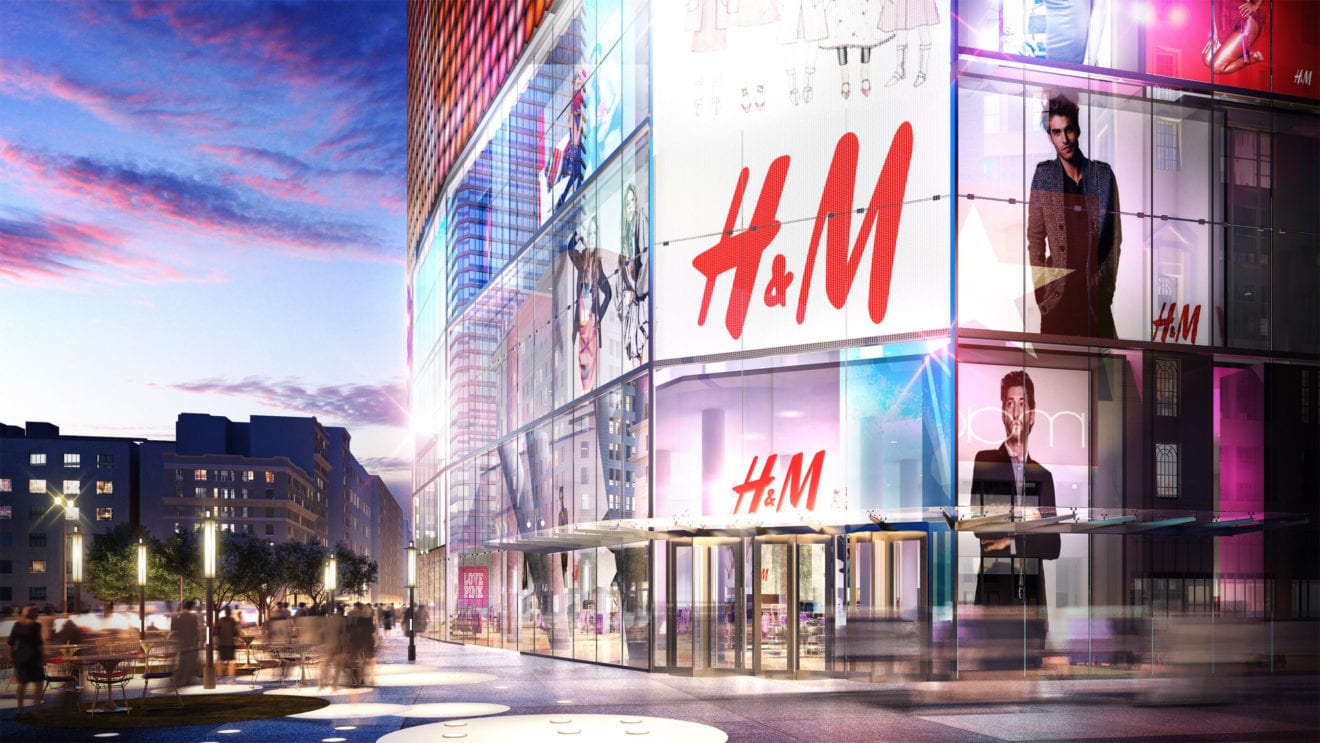
  • H&M backs China, India

    H&M backs China, India

    Sweden’s H&M has followed in the footsteps of archrival Uniqlo in voicing its confidence in the China market despite the economic slowdown.

    Like Uniqlo H&M is aimed at the mass market, not the high end luxury sector most hit by the tightened spending of Chinese consumers.

    H&M says it will open 70 stores in China in the year to November 30, taking its network up to just over 300.

    Like Uniqlo, the company says it sees itself appealing to cost-conscious shoppers.

    In an interview in Hong Kong on Monday, H&M country manager for Greater China, Magnus Olsson, said the brand’s customers say they enjoy spending with H&M and they plan to shop more in future.

    “Those signs we think override some other maybe noise in the marketplace right now. We’re humble but confident.”

    H&M will open its largest store yet in Asia in Causeway Bay, Hong Kong, on October 30.

    H&M group’s sales in the nine months to August rose 22 per cent globally; expressed in local currency, by 12 per cent.

    In the fourth quarter of this year H&M plans to open about 240 new stores – almost three per day.

    It will enter India and South Africa this autumn, with maiden stores in New Delhi this week and in Cape Town in October.

  • Salvatore Ferragamo confident despite China woes

    Salvatore Ferragamo confident despite China woes

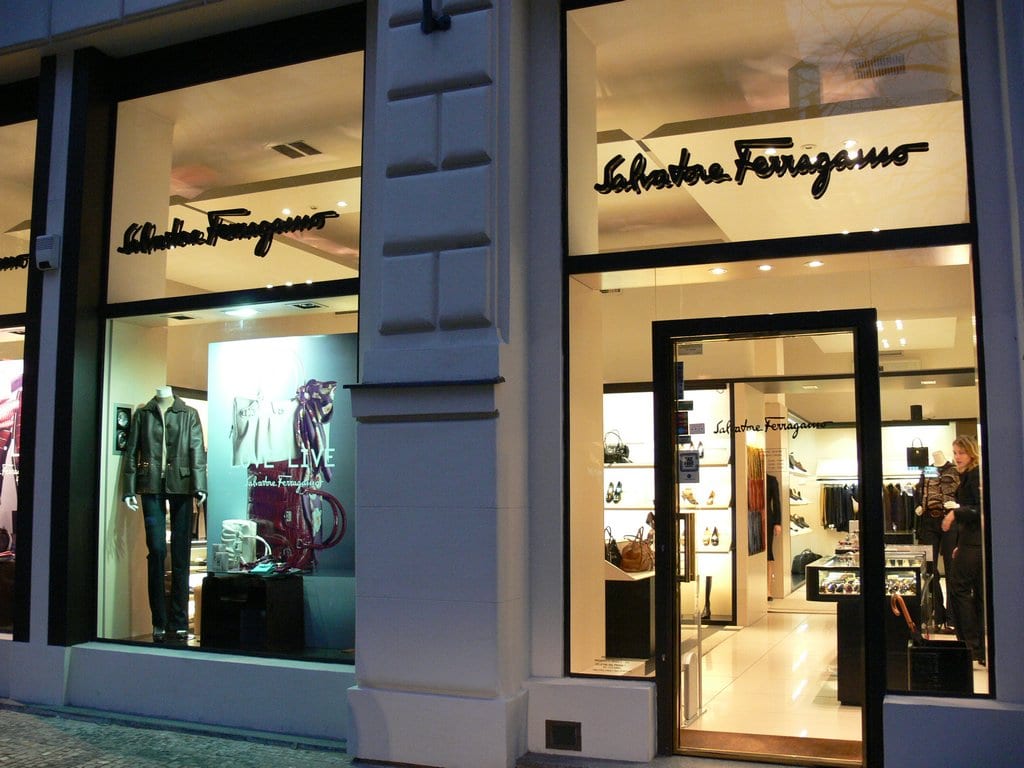
    Italian luxury goods brand Salvatore Ferragamo is confident it can weather the impact of falling sales in China, Hong Kong and Macau.

    The company has admitted to slowing growth in Asia, its largest market, but says it will stick to its previous profit guidance and is confident activities in other markets can balance the impact. That guidance is an EBITDA or about euro 320 million – 27 million more than it achieved in 2014.

    In the first half of this year, Asia-Pacific, the brand’s largest market, was the only one where it posted a sales decline, expressed in constant exchange rates. Most of the damage was done in Hong Kong and Macau where the downturn in luxury spending has been well documented.

    In China, most of Salvatore Ferragamo’s peers are reporting challenging conditions, revising their overall expectations based on slowing luxury and discretionary spending there.

    But Salvatore Ferragamo CEO Michele Norsa told journalists at the Milan Fashion Week: “We’ve been giving a very constant and consistent indication regarding this year.”

    However, the company said it would be reviewing prices in markets where the local currency was under pressure. While he did not name China, he did cite Russia and Brazil as examples.

  • Dell Inc Announces $125B Investment In China, Including Artificial Intelligence Lab

    Dell Inc Announces $125B Investment In China, Including Artificial Intelligence Lab

    Computer manufacturer Dell Inc. will invest $125 billion in China over the next five years, as part of a new strategy to expand in the world’s second-largest economy. The company’s CEO, Michael Dell, said in a statement Thursday that the investment would contribute $175 billion to imports and exports and help sustain one million jobs in the country.

    “The Internet is the new engine for China’s future economic growth and has unlimited potential,” Dell wrote in a statement, cited by Reuters.  “Dell will embrace the principle of ‘In China, for China’ and closely integrate Dell China strategies with national policies,” he added. The company also announced that it would be expanding its research and development team in the country, with a view to producing products tailored to the Chinese market.

    As part of the investment, Dell announced that it will create an artificial intelligence lab, in partnership with the Chinese Academy of Sciences, in the country. Dell will work with the state-controlled institute to develop advanced technology relating to cognitive systems and deep learning. It has also signed a strategic partnership agreement with Kingsoft Corp. of Beijing to co-develop and sell products relating to big data and cloud computing, Bloomberg reported.

    Dell currently has three plants, two service centers and two research and development facilities in China, as well as 11,700 retail outlets, according to China Daily. The company already employs nearly 2,000 senior engineers in its research and development team in China.

    Dell’s investment appears to follow a pattern set by other U.S. tech firms, which have made large investments to win over government and business, and partnered with Chinese firms in a bid to navigate the local market more successfully. Late last year Intel announced an investment in Chinese microchip firms, and Hewlett-Packard announced in May that it would sell a majority stake in its server, technology services and storage business in China to a Tsinghua Holdings subsidiary, IT World reported.

    Dell ranked third in global PC shipments in the second quarter after Lenovo Group Ltd and Hewlett-Packard Co, according to research firm International Data Corp. China is the company’s second-largest market, after the U.S.

  • World Cup soccer qualifier exposes China-Hong Kong tensions

    World Cup soccer qualifier exposes China-Hong Kong tensions

    While Hong Kong, soccer minnows ranked just 151 in the world compared to China’s 84, are unlikely to cause an upset, some say the political unease could motivate the underdogs.

    As China celebrated its struggle victory towards Japan in Beijing on Thursday, the nation’s soccer-loving President Xi Jinping might have been momentarily distracted by a much less conclusive end result.

    Chinese riot police were deployed for a Federation Internationale de Football Association 2018 World Cup qualifying match between China and Chinese-ruled Hong Kong that ended peacefully in a 0-0 draw on Thursday, amid echoing tensions from Hong Kong’s democracy protests past year.

    For the day, the index plummeted 485.15 points or 2.24 percent to finish at 21,185.43 after trading between 21,170.86 and 21,692.78 on turnover of 85.82 billion Hong Kong dollars. Nevertheless the result leaves China in third place in its group behind Hong Kong and Qatar, who beat Bhutan 15-0 (though China has a game in hand over Hong Kong).

    “This team has people with black skin, yellow skin and white skin”.

    It is not easy for retail businesses to operate in Hong Kong, because the rent is simply too high.

    Chinese police have conducted days of anti-riot drills outside a 40,000-seat stadium in the southern city of Shenzhen, bordering the Chinese “special administrative zone” of Hong Kong. “This is the only way we can release some of our anger, on the sports field”, Roy Choi, a fan with a group called “Power for Hong Kong” told Reuters.

    And after the game there was further controversy when Hong Kong’s hero, goalkeeper Yapp Hung-fai, who made a number of saves to prevent China scoring, accused Chinese captain Zheng Zhi of insulting him after the match, by calling him a “dog”. Analysts said players were unwilling to take risk amid so many uncertainties. “They have arranged a lot of “local” fans to support the China team”. Soccer will develop into a obligatory topic in faculties, with new textbooks for all college students.