Tag: China

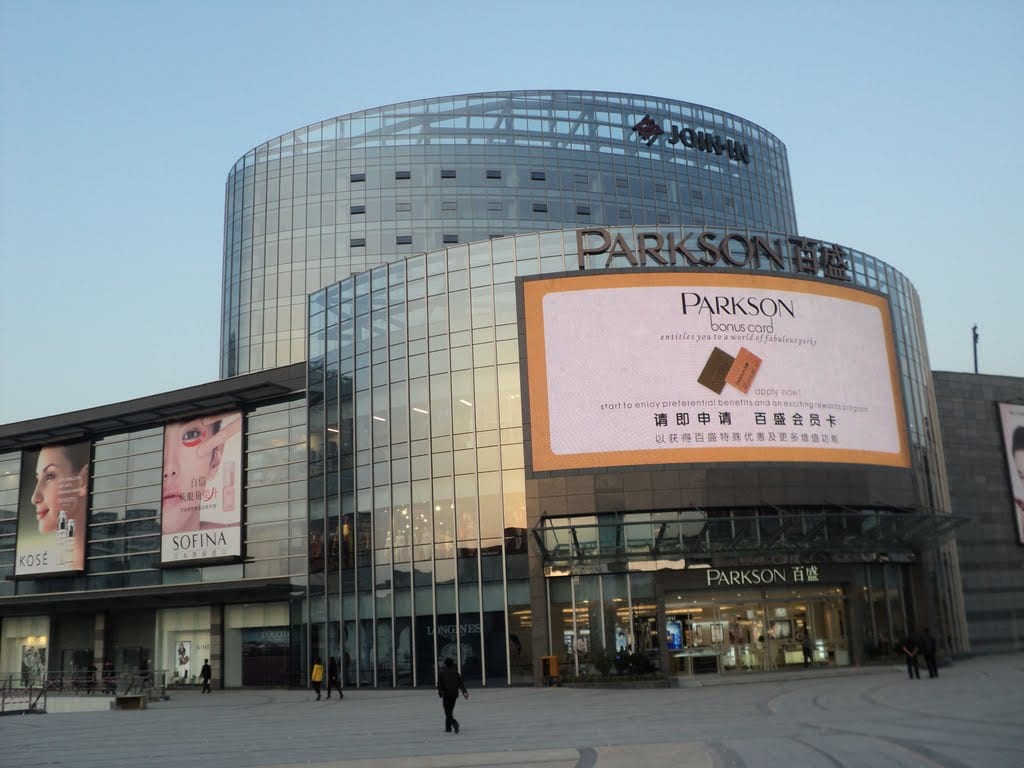
  • Parkson Retail restructure knocked back

    Parkson Retail restructure knocked back

    A plan to simplify the complex ownership structure of Parkson Retail Asia operations has been rejected by independent shareholders.

    The proposal, defeated by a 63.44 per cent vote against at a shareholders meeting on Monday, would have seen the Singapore-listed Parkson Retail Asia parked under Hong Kong listed Parkson Retail Group, which in turn is a subsidiary of Malaysian-listed Parkson Holdings.

    The side effect of the vote is that Malaysian shareholders have missed a proposed cash distribution arising from the internal reorganisation.

    Parkson Retail Asia has 67 stores in Southeast Asia which were to be merged with the Parkson Retail Group network of stores in Greater China.

    Parkson Holdings says the companies will now continue to operate under the status quo.

  • Stradivarius launches the chain’s new website in China – stradivarius.cn

    Stradivarius launches the chain’s new website in China – stradivarius.cn

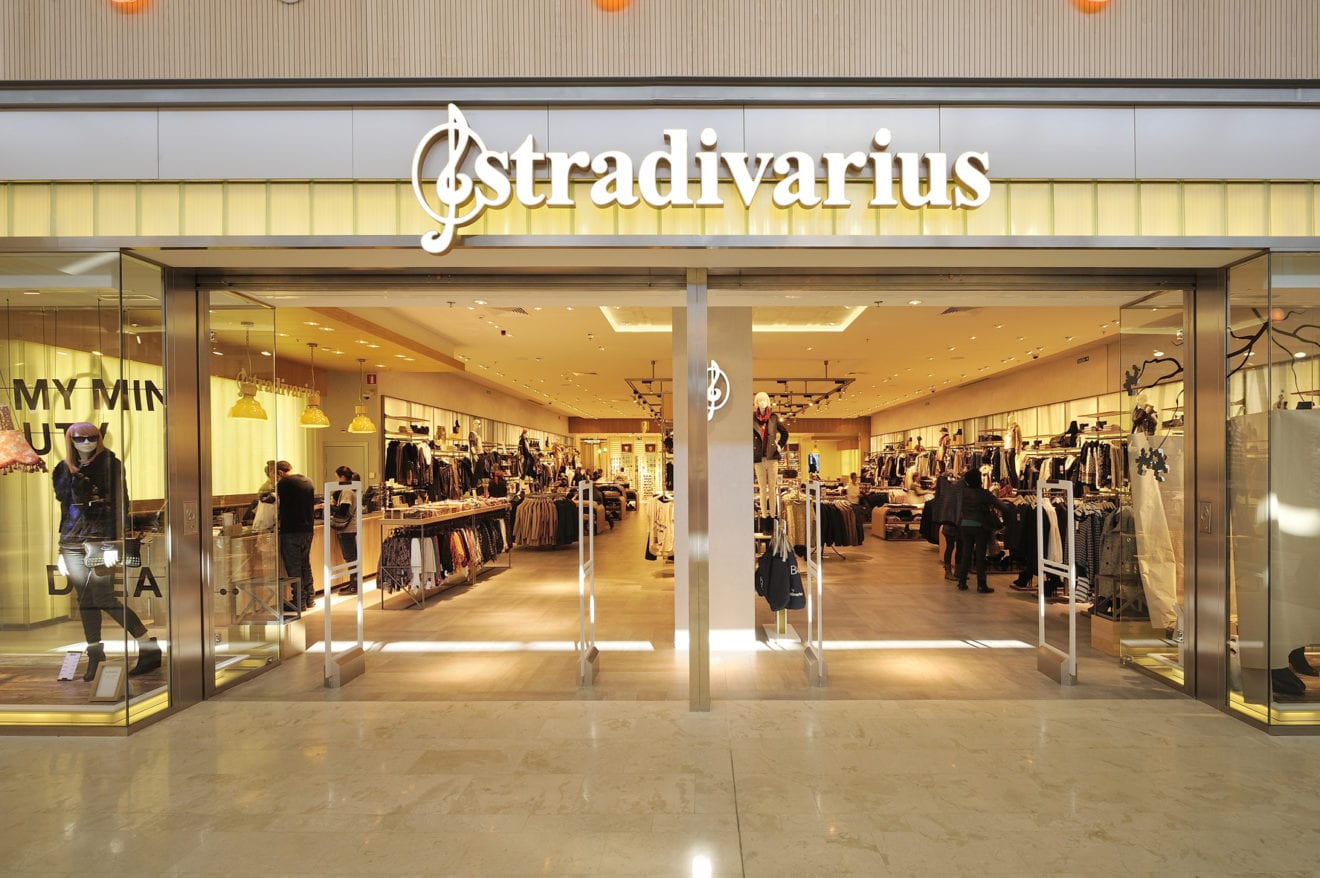
    The chain has 65 bricks & mortar stores in China and also sells its products online via both its own website (www.stradivarius.cn) and the T-Mall platform

    An event celebrated in Shanghai’s Union Building provided the backdrop for presentation of Stradivarius’s new website in China, which reinforces the brand’s e-commerce presence in this market. Stradivarius gained an initial foothold in the Chinese e-commerce market last April when it launched online sales via the T-Mall platform, on which the rest of the Inditex Group’s brands are also represented.  Just eight months later, on 8 September, Stradivarius direct online sales platform, www.stradivarius.cn, went live, adding to the chain’s network of 65 stores in China.

    The Shanghai event, dubbed “The Event Paper: Asia edition”, took place on the top floor of the Union Building, a neo-renaissance building dating to 1916. From its rooftop terrace, the guests were able to enjoy stunning views of the Bund, the Chinese financial capital’s most cosmopolitan district.

    The party was attended by international top model Liu Wen, the leading lights from the Asian press and it girls from all over the world. Moreover, Cate Underwood, the star of the brand’s FW15 collection campaign and DJ, took care of the music. A dedicated event report can be downloaded from the Stradivarius website.

  • Nestlé warns against China’s dreary economy

    Nestlé warns against China’s dreary economy

    Nestlé just became the fourth major Western brand in the past two weeks to report dreary Chinese sales during the year so far.

    According to the Swiss food and drink colossus, sales in the Asia, Oceania, and sub-Saharan Africa regions fell by 3.1%. A “slower sales recovery in China” took part of the blame.

    Overall sales dropped 2.1%, and the company’s stock opened Friday down by about 3%.

    But it’s not the first company to report dreary sales in China in October — and that says something worrying about the country’s economy.

    The Indian-owned UK carmaker Jaguar Land Rover described “continued accelerated slowing of economic conditions in China,” paired with damage to 5,800 cars stored at Tianjin during the colossal chemical explosion at the port. Sales of Jaguar Land Rover models slumped by 32% in China.

    Yum Brands also struggled to market KFC and Pizza Hut in China. KFC sales rose by only 3% year-on-year, and Pizza Hut sales actually fell by 1%. In a country where economic growth is apparently close to 7%, that’s a pretty miserable performance.

    On Thursday, Burberry also reported on discouraging Chinese sales, with overall revenue from the country falling and the share price of the luxury-clothes brand falling 16% at Thursday’s open.

    Nothing much connects KFC, Pizza Hut, instant coffee, Burberry scarves, and Land Rover cars — some products are pitching themselves at China’s growing middle class, while others are focused very much on the most elite sliver of society. Consumption fell or was weaker than expected across the board.

    It’s not all doom and gloom; there have been some positive indicators. Retail spending during China’s Golden Week holiday still surged, rising 11% on the previous year.

    A note from Goldman Sachs also said that while industrial commodities like iron ore and copper had seen their prices plunge, consumer-focused commodities like gasoline (and coffee) had seen rising demand in China over the past year.

    Analysts at the investment bank Jefferies referred to China’s “parallel economies” in a note on Thursday — on the one hand, there’s the “old economy” — industrial- and commodity-focused, reflecting China’s extremely rapid growth during the late-20th century and first 10 years of the 21st.

    On the other hand, there’s the new economy — consumer and services-focused, with higher incomes and less of an overwhelming emphasis on exports. The extent to which the country is able to transition from the old to the new will have a major impact, both for China and the Western firms operating there.

  • Mainland China helps Chow Tai Fook figures

    Mainland China helps Chow Tai Fook figures

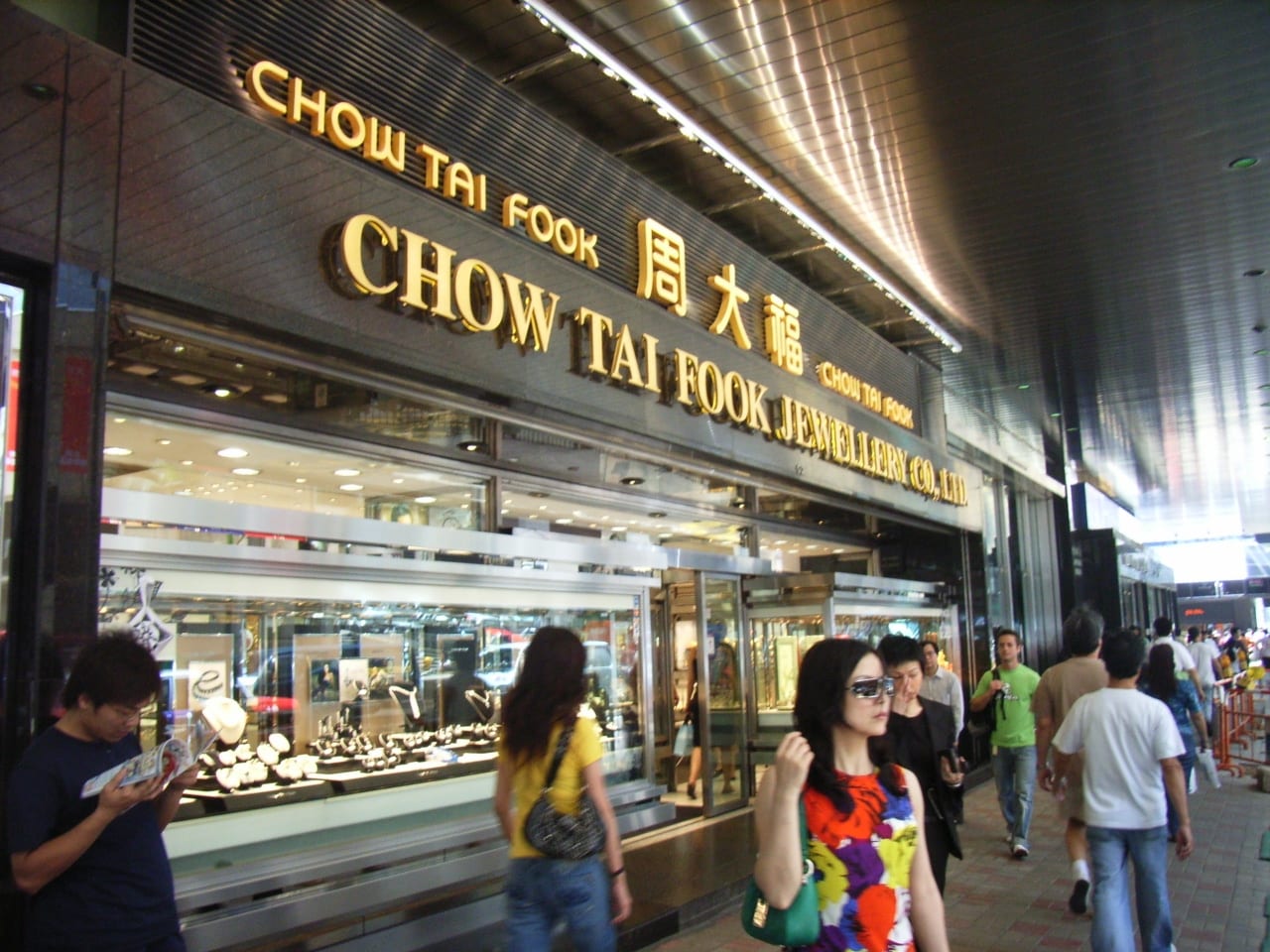
    Chow Tai Fook Jewellery Group has reported a four per cent year-on-year increase in retail sales in the three months to September 30.

    The welcome increase was attributed to surge in demand for gold as a result of falling gold commodity price since mid July.

    The Hong Kong listed company says same store sales fell three per cent in value terms and rose one per cent in volume terms.

    Mainland China stores led the growth, with Hong Kong and Macau shops showing a same store decline of 13 per cent and an overall decline of five per cent. Volume fell 18 per cent.

    But in China, same store sales rose six per cent in value and 13 per cent in volume.

    Chow Tai Fook described the Hong Kong and Macau retail market as “continuing lacklustre”.

    Sales of gem-set jewellery there fell 24 per cent on a same store basis, but just four per cent in the mainland.

  • Asian banks failing customers

    Asian banks failing customers

    Affluent Asians expect more from their banks according to new research.

    In an increasingly competitive retail banking market, affluent middle class consumers in Asia expect greater recognition and reward for their loyalty according to a report by the Collinson Group. This expectation is particularly high in China (82 per cent), India (79 per cent) and Singapore (66 per cent) showing Asian banks score poorly.

    “These consumers seek more personalised communications with less than half of consumers in Singapore feeling they receive a high level of personal service and only 35 per cent of consumers feeling that their bank knows and understands them,” said the research house.

    Collinson Group interviewed 4400 affluent middle class consumers (within the top 10-15 per cent income bracket) in Singapore, China, India, Brazil, Italy, the UAE, the UK and the US. It reveals the changing attitudes and expectations of this group towards banks.

    The research shows that while Singaporean consumers are the least satisfied with the service they receive from their banks of all the countries surveyed, they are also the least likely to switch providers, because they feel there is little to differentiate banks. This presents an opportunity for those retail banks which invest in recognising and rewarding customer loyalty.

    Chris Rogers, director of market development with Collinson Group says banks are losing their position as a ‘one-stop shop’ for financial services, with savvy consumers choosing a range of financial service providers.

    “Customers are increasingly looking elsewhere for additional services.”

    Collinson Group research has previously highlighted how today’s affluent consumers place a higher priority on family, altruism and enriching experiences ahead of short-term satisfaction and this is reflected in their expectations of banks. Some 81 per cent of Chinese expect their banks to be ethical.

  • InBev-SABMiller tie-up would include China’s biggest beer

    InBev-SABMiller tie-up would include China’s biggest beer

    A potential prize for AB InBev in its bid for SABMiller is a Chinese beer that is the world’s biggest seller. But any deal will face Chinese regulators who have barred the two brewing giants in the past from cooperating.

    China already drinks one-quarter of the world’s beer and is the focus of intense foreign interest because even with its economy cooling, demand is growing while Western markets are flat or declining.

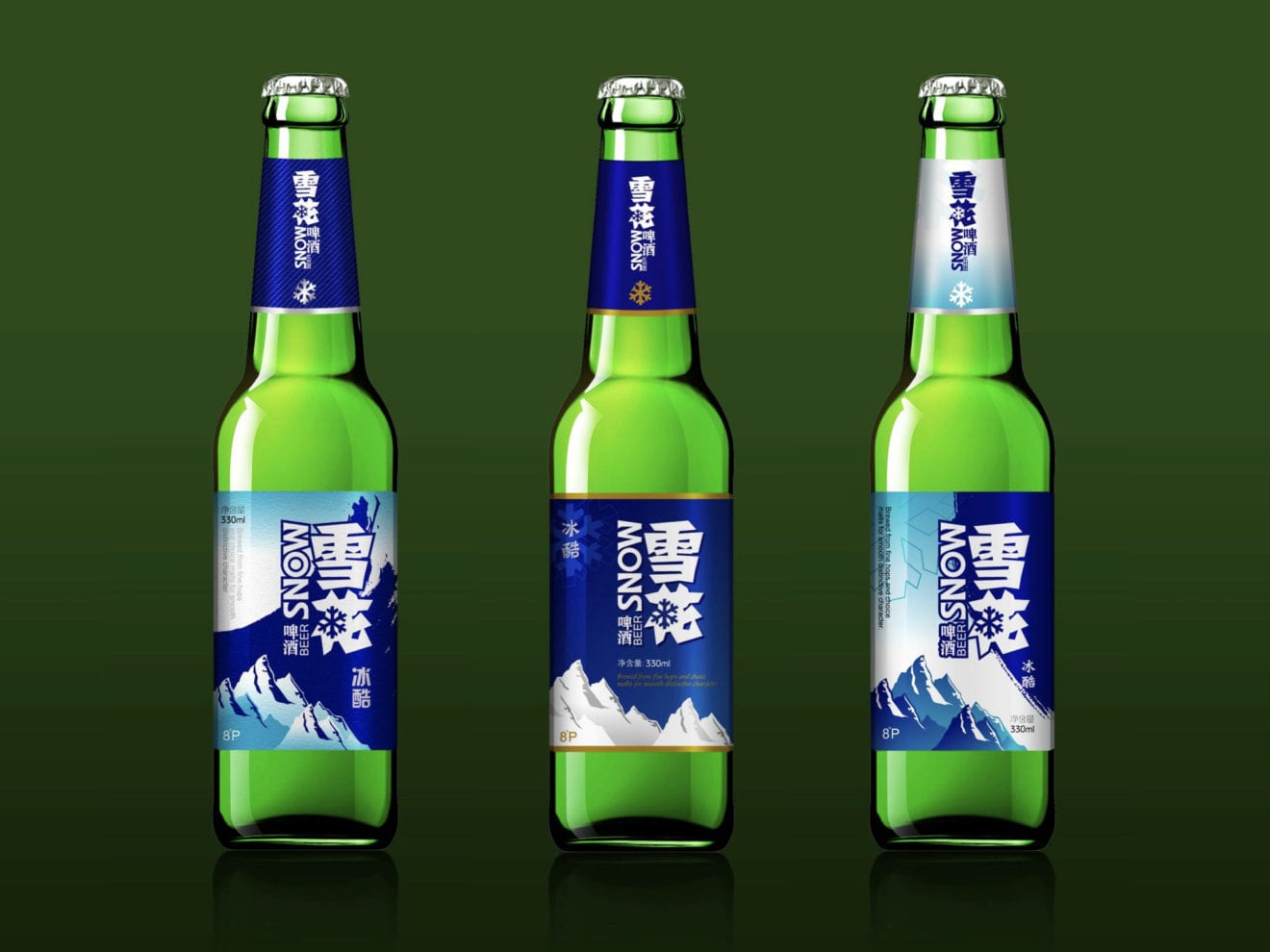
    SABMiller has a leading position with a 49 percent stake in Snow, a joint venture with a state-owned partner that sold 11.8 billion liters (3 billion gallons) of suds last year, or more than one out of every 20 glasses drunk worldwide. That could dramatically expand InBev’s Chinese footprint, which already includes Budweiser, Beck’s and Stella Artois.

    “No one outside China knows what Snow is, but it is the biggest brand in the world,” said industry analyst Spiros Malandrakis of Euromonitor.

    Total Chinese beer sales are expected to rise 2.6 per cent this year to 52.2 billion liters (13.6 billion gallons), or more than double the global forecast of 1 per cent growth, according to Euromonitor.

    Competition in China’s crowded beer market is intense, which keeps prices low and profits slim.

    Despite that, global brewers are buying or launching mass-market brands. Some hope to attract Chinese drinkers who might trade up to more expensive versions as incomes rise.

    In China since 1984, InBev’s Anheuser-Busch unit, brewer of Budweiser, has 39 beverage plants and 26,000 employees.

    SABMiller launched Snow with China Resources Enterprise, Ltd. in 1994. Today, it has 98 breweries and says it accounts for more than one in every five cans or bottles of beer sold in China.

    Other competitors include Heineken and Carlsberg, Japan’s Kirin and Asahi and Chinese brands Tsingtao and Yanjing.

    In a reflection of competitive pressure, it was only last year that SABMiller said it collected its first half-year dividend of $228 million from the Snow partnership.

    If Belgian-based AB InBev wants to keep that business, it needs to win over Chinese anti-monopoly regulators who have singled out both companies for curbs on their activities to preserve competition.

    As a condition of Chinese approval for its 2008 purchase of Anheuser-Busch, InBev was barred from linking its brands with SABMiller. Those also include domestic beers Harbin, Sedrin and Double Deer.

    Both also are prohibited from buying any more Chinese breweries.

    A merged company would control more than 40 per cent of China’s beer market, according to Song Tao, an analyst for Guotai Jun’an International, a Chinese brokerage.

    “That may trigger an anti-monopoly investigation,” said Song. “If the deal fails to get passed, InBev has to sell its holdings in CRE. Then CRE will face competition from InBev, and their future will become unclear.”

    Mergers between rivals in China run counter to the ruling Communist Party’s desire to make the economy more productive by promoting competition.

    China didn’t enact its first anti-monopoly law until 2007 but regulators have enforced it aggressively.

    In 2009, they blocked Coca-Cola Co. from buying a Chinese fruit juice maker, Huiyuan. Regulators said even though Coke had no fruit juice brand, adding Huiyuan to its popular carbonated drinks might hurt competition in beverages overall.

    Companies that want to merge are required to notify regulators if their combined annual revenue would exceed 2 billion yuan ($310 million) and each did more than 400 million yuan ($64 million) in business the previous year, according to Song Ying, an anti-monopoly specialist for the Anjie Law Firm in Beijing.

    “The Ministry of Commerce will consult with some of the main stakeholders in this industry and maybe the relevant industrial associations to ensure that the potential merger deal will not put restrictions on market competition or raise the barriers to entry,” said Song.

    At the same time, brewers are scrambling to adapt as Chinese drinkers join their Western counterparts in migrating to craft beers.

    Already, specialty brews including Stella, Hoegaarden and Belgium’s Chimay and Duvel priced at up to 37 yuan ($6) a bottle are sold in supermarkets in major Chinese cities.

    “This highlights the speed of the sophistication of the Chinese palate,” said Malandrakis of Euromonitor.

    For a global brewer, he said, that means taking over a popular but low-profit brand such as Snow would be part of a strategy to guide Chinese drinkers to more expensive varieties.

    “Essentially the consumers would drink Snow for a couple of years,” he said. “And then when they move into the middle class, they would switch, the company hopes, to imported beers from its brands.”
  • Burberry second-quarter sales hit by China slowdown

    Burberry second-quarter sales hit by China slowdown

    Burberry has reported a slowdown in sales as it felt the impact of a challenging global luxury market, particularly in China and Hong Kong.

    • Retail sales growth slows to 2% in first half
    • Luxury retailer points to “weakening consumer sentiment” in China
    • Share price slips 12% to lowest point since April 2013
    • Analyst brands full-year profit forecast “ominous”

    Retail sales on an underlying basis rose 2% to £774m in the six months to the end of September after 8% growth in the first quarter, the fashion retailer and brand said. Group sales were flat at £1.1bn.

    “In the second quarter, demand from luxury consumers, particularly Chinese customers was affected by a more challenging external environment,” Burberry said.

    Across the Asia-Pacific region Burberry recorded a “mid-single-digit” drop in sales because of “deceleration” in Hong Kong, while in China sales fell “slightly” due to “weakening consumer sentiment” in the second quarter.

    Burberry’s chief executive and chief creative officer Christopher Bailey said: “The external environment became more challenging during the half, affecting luxury consumer demand in some of our key markets.

    “In response, we have intensified our focus on driving sales and productivity, while taking swift action on discretionary costs.”

    Looking ahead, Burberry, which owns 218 stores worldwide, said full-year pre-tax profits will be “broadly in line with the average of those analysts who have recently updated forecasts”.

    It added: “Our assumptions include a return to mid-single-digit percentage growth in comparable sales in the second half, ongoing cost efficiencies, a reduction in performance-related pay and a benefit of about £10m to reported profit if exchange rates remain at current levels.”

    However, independent analyst Nick Bubb branded the profit forecast provoked alarm bells. “The worry beforehand was that group performance would be hit by the slowdown in China and the comment that ‘for FY 2016, we expect that adjusted PBT will be broadly in line with the average of those analysts who have recently downgraded forecasts’ is ominous,” he said.

  • A Chinese online retail giant has Australia in its sights

    A Chinese online retail giant has Australia in its sights

    The possibility that China’s second-largest online retail giant will enter the Australian market poses a huge potential threat not just to bricks-and-mortar shops but to the slow-growing domestic online retail sector as well.

    That is the conclusion of Invast’s chief market analyst Peter Esho, who has just returned from a trip to China and was gobsmacked by the pace and scale of the digital revolution taking place there.

    He says the slowdown in overall Chinese GDP doesn’t capture the explosive growth in the tech space and widespread acceptance of online shopping, especially on mobiles.

    Nasdaq-listed JD.com is the Chinese equivalent of Amazon, second in size only to Alibaba. It started out selling electronics and has since moved into fashion, cosmetics, food and virtually every other consumer category (25 million SKUs in 2013 and it seems to have stopped counting since then.)

    With its own logistics infrastructure, its promise of same-day delivery has whacked physical shopping in parts of China.

    Esho believes that JD.com is eyeing the Australian market as part of its expansion plans in a push that could disrupt global competitors.

    “JD.com is considering an expansion into Australia which will see the Chinese online retailer potentially pipping Amazon.com to become the first truly global online retailer with an Australian operation,” he says.

    This could not only disrupt traditional stores, but many online retailers whose business model has been based on importing from Chinese manufacturers and selling to Australian consumers.

    “JD.com removes that middle-market opportunity,” Esho says, because it would link Chinese manufacturers directly with Australian consumers with same-day delivery.

    Despite years of speculation, Amazon has yet to set up a local operation in Australia, with rumours about warehouse space amounting to nothing. Its prices and shipping have also steadily risen in recent years, making it less attractive to local consumers.

    JD.com however has already established relationships in Australia including a logistics agreement with Australia Post after it set up its own Australian online mall earlier this year, which sells goods from Australian producers directly to Chinese consumers.

    It has signed up firms including Treasury Wine Estates, Blackmores and meat business Sanger to tap swelling demand from middle-class Chinese for well-regulated Australian food and health products. The company also bought a small stake in Murray Goulburn, and now sells its milk powder at about a 100 per cent mark-up.

    The Australian mall joined similar stores from the United States, Japan, France and South Korea selling authentic international brands on JD.com into a country flooded with cheap knock-offs.

    JD.com is one of the world’s largest e-commerce firms, with a market capitalisation on the Nasdaq of $US38 billion. It has 118 million active customer accounts and filled 689 million orders last year, according to its most recent results. Annual revenue growth is 61 per cent and the shares gained 4 per cent in 12 months, while Alibaba slumped 25 per cent.

    Within China, JD.com has 166 warehouses in 44 cities and delivers many products within one hour of the order being placed. Compare that with some online Australian retailers where one or two days can go by before even a confirmation email is sent to the shopper.

    Online shopping has slowed in Australia in recent months, growing at an annual rate of 7 per cent in August, according to NAB’s monthly online retail sales index. That is slightly faster than the comparable growth at retailers (excluding cafes and restaurants) of 4.7 per cent.

    Overall, online retail makes up about 7.1 per cent of retail spending, a similar proportion to the e-commerce market in the United States although annual growth in the US is a much faster at 14.1 per cent, according to the Commerce Department. In China, online retail grew 50 per cent last year.

    If a new global entrant with an established logistics model and massive buying power takes aim at the Australian market, it will not only undercut existing players but could also expand the market for an efficient, reliable everything store.

    “We are a large, unserviced market,” says Esho. “A lot of the problem with online is the delay in delivery, and that’s JD’s competitive advantage.”

  • Tie-up between Alibaba and Tencent a wake-up call for ‘bricks and mortar’ retailers

    Tie-up between Alibaba and Tencent a wake-up call for ‘bricks and mortar’ retailers

    Last week’s proposed merger between two of China’s leading consumer lifestyle sites was a wake-up call for firms that have yet to start an e-commerce platform in an economy where online transactions are tipped to total half of all consumer sales within seven years , experts say.

    Consolidation is raising barriers to entry in China’s highly competitive and rapidly growing online-to-offline (O2O) sector, where cab-hailing mobile application Uber and other firms try to draw customers to physical services via the internet. That means new entrants better have deep pockets and a smart business plan.

    Unless you have something special to offer, “a bricks and mortar strategy is basically dead in China”, said Shaun Rein, the Shanghai-based founder of China Market Research Group. And even then, O2O companies were still in cash-burning mode, “building market share but not generating revenues”, by subsidising services like a restaurant meal or cinema ticket to attract hits, Rein said.

    Last Thursday’s deal was a case in point. Valued at US$15 billion or more, the tie-up unites Alibaba-backed Meituan.com with Tencent-funded Dianping.com to create a dominant O2O player in services such as finding online deals, as well as in the group buying of coupons and accessing of ratings.

    The combined firm will now overshadow the sector’s third major player, the Baidu-owned Nuomi, which itself only recently unveiled plans to invest US$3.2 billion over the next three years, as it bids for a slice of an e-commerce market expected to grow from US$672 billion this year to US$1.97 trillion by 2019, according to eMarketer.

    Unfavourable demographics and competition from e-commerce create worse than expected headwinds to conventional consumer bands/products and distribution channels

    Jefferies analysts

    The speed at which China’s e-commerce market has grown has not surprised onlookers who say consumers savour the convenience of online shopping and home delivery rather than having to deal with gridlocked streets and polluted air.

    Chinese consumers bought 12.4 per cent of their retail products online last year. That number should rise to 33.6 per cent in 2019, forecasts eMarketer, and Rein predicts it may hit 50 per cent by 2022. By comparison, online retails sales in the United States, where retail space per capita is four times higher than in China, are expected to total just 9.8 per cent of total sales by 2019, barely budging from 6.5 per cent last year, eMarketer data shows.

    Those numbers are translating into a lot of deal making. There have been US$58.4 billion of internet deals involving Chinese companies this year, already almost double the amount for the whole of last year, Bloomberg data shows.

    China’s offline retailers have “to embrace e-commerce or fade away”, said Duncan Clark, chairman of BDA, a Beijing-based tech sector consultancy, while adding that managers must be mindful of the costs involved.

    Referencing the recent tie-up, Clark said: “Alibaba and Tencent are pragmatic when it comes to combining their proxies if it means ending ‘subsidy wars’ which get out of control. Its okay to toss in a few tens of millions of dollars into supporting a proxy, perhaps even a few hundred million, but beyond that logic kicks in and the temptation of combining forces to create a dominant player is too hard to resist.”

    The competition would only increase, Clark said, given improvement in logistics allowing same-day delivery of even refrigerated items.

    The lack of an e-commerce strategy is already weighing on investor sentiment, with a recent Chinese consumer report by investment bank Jefferies ranking a swathe of retailer and department store stocks “neutral” in part because of competition from online platforms.

    “Unfavourable demographics and competition from e-commerce create worse than expected headwinds to conventional consumer bands/products and distribution channels,” Jefferies analysts wrote.

    Challenges still exist for established retailers wanting to make the switch.

    “A lot of executives used to bricks and mortar can’t make the transition,” Rein said.

    Understanding the product range and service level expected by digital consumers was tough for people used to doing business in a different way, he said.

    “The competition is fierce and a lot will go out of business,” Rein said.

  • Capital Group, Samsung Asset Management form strategic partnership in Korea

    Capital Group, Samsung Asset Management form strategic partnership in Korea

    Capital Group and Seoul-based Samsung Asset Management on Wednesday announced a strategic partnership to cooperate on developing active investment strategies for institutional and retail investors in Korea.

    Capital Group, with $1.4 trillion in assets under management, and Samsung Asset Management, Korea’s top manager with $166 billion in AUM, “will work together to co-develop retirement solutions and asset allocation products and enhance SAM’s active investment capability,” a news release said.

    Under the agreement, Capital Group will help its Korean partner become familiar with “Capital-style active management,” and work to provide management know-how in areas such as business management and client management.

    A Seoul-based spokesman for Samsung Asset Management said the partnership with Capital Group would be a cornerstone of the firm’s goal of becoming one of Asia’s top three home-grown asset management companies by 2020.

    Sung-hoon Koo, SAM’s CEO, said in the release that the partnership will pave the way for his firm to “upgrade its active equity investment capability and implement life cycle asset allocation product strategies.”

    The news release also quoted Tim Armour, chairman of the Capital Group, saying the “broader plan is to co-design investment solutions to fulfill the savings, retirement and insurance-linked needs of Korean investors.”

    The Samsung spokesman, in a telephone interview, and Tom Joyce, Capital’s head of global media relations, in an e-mail, said details of the economics of the relationship — specifically how co-developed products would be distributed and revenues shared — had yet to be worked out. “It is too early to say what the pricing and structures will be,” noted Mr. Joyce, adding “the economics will be worked through.”

    Separately, the news release said the partnership will include selecting and using “appropriate Capital Group products and services across multiple Samsung distribution channels.”

    Mr. Joyce didn’t respond directly to a question about whether this was the first time Capital Group had entered into such a partnership. Instead, he cited Samsung’s interest in learning more about Capital’s system and “way of investing,” while noting Capital’s interest in learning “how Samsung markets and distributes products to Korean investors.”

    According to data provider eVestment, Capital Group listed roughly $275 million in AUM managed on behalf of Korean investors.

  • China Xiniya Fashion sales plummet

    China Xiniya Fashion sales plummet

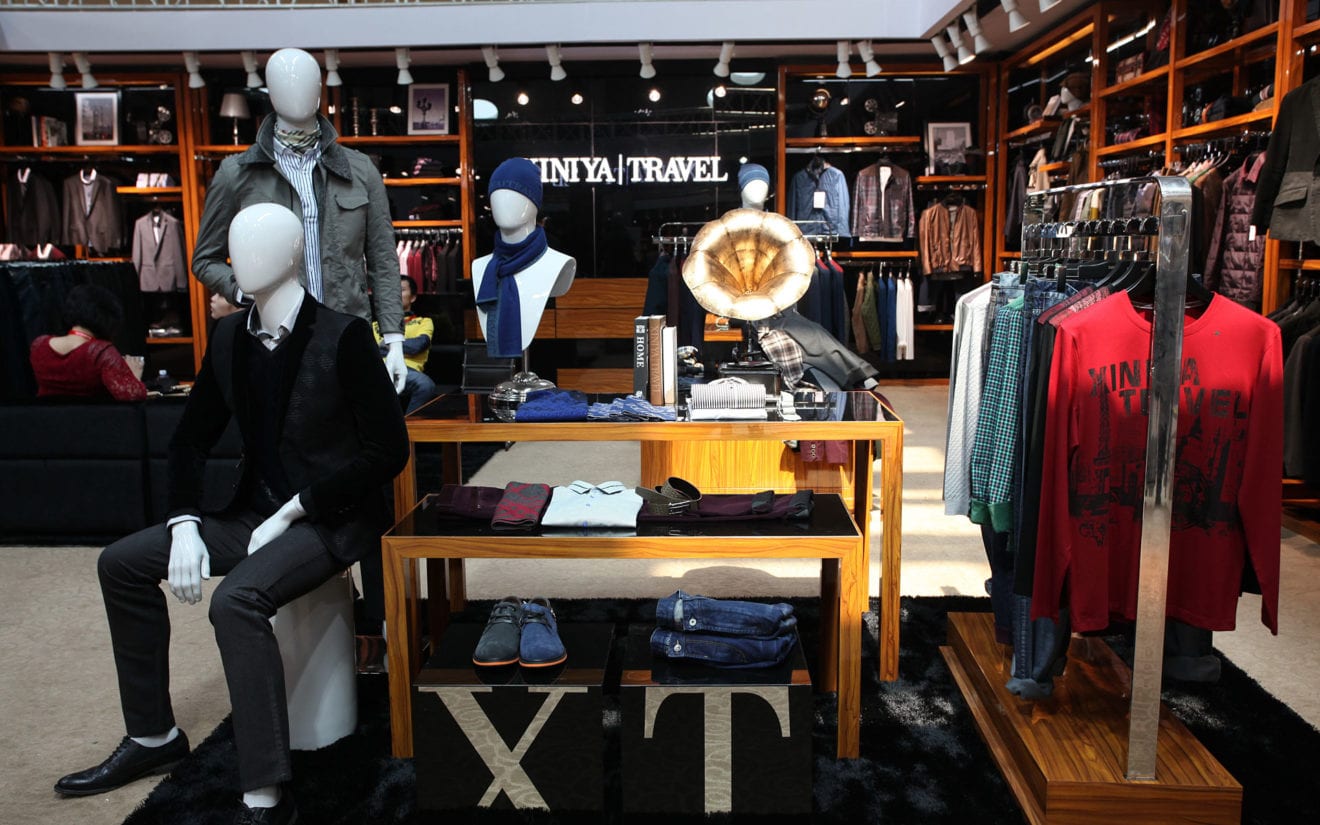
    Menswear retailer China Xiniya Fashion says its second quarter sales nearly halved this year.

    Revenue during the second quarter of 2015 decreased by 47.2 per cent to RMB106.4 million, compared to RMB201.7 million in the second quarter of 2014.

    Gross margin fell from 27 per cent to 20.8 per cent and the company turned a pre-tax profit of RMB18.4 million into a loss of RMB8.7 million.

    That despite the net addition of 31 authorised retail outlets ( 64 opened, 33 closed) taking the network to 635 as at June 30/

    Despite the appalling firgures, chairman and CEO Qiming Xu managed a positive spin on the company’s situation.

    “To further support and stabilise our retail network during this transition period, we implemented the second phase of our inventory buyback. We are beginning to see a definite positive impact on our business from the buyback initiatives and expect this progress to continue for the rest of the year,” he said.

    “Confidence from our distributors and existing and prospective authorised retailers has improved, evidenced by the increase in orders from our sales fair and the net increase in number of authorised retail outlets.

    “While we expect the economic environment to remain challenging, we are confident that our strategy to adjust our business will ensure the long-term sustainability of our business and brand.”

    The company said its 2015 Winter Collection Sales Fair in June in Xiamen City, showcased more than 500 new products. Orders increased 15 per cent over last year’s figures.

    Of the reduced margin, the company observed: “The decrease in gross margin was primarily due to an increase in research and development expenses as a percentage of total sales in the second quarter of 2015 and a decrease in retail prices to improve the price competitiveness and attractiveness of the company’s products to consumers.”

    Xiniya specialises in men’s business and casual apparel in China. It targets male working professionals in China aged 25 to 45 , seeking fashionable clothing to suit their working and lifestyle needs.

  • Playboy drops full monty for bigger piece of China

    Playboy drops full monty for bigger piece of China

    Playboy will no longer publish images of fully nude women in its magazine from next spring. You can blame China for that.

    The porn pioneer, which gave generations of pubescent boys around the globe their first glimpse of breasts, earns a surprisingly rock solid 40 percent of its revenues in China.

    Not from its magazine, which is banned in the country, but from the happy returns on licensed merchandise.

    From Heilongjiang to Guangdong, Tibet to Shandong, it’s not uncommon to see men and women wearing t-shirts or carrying handbags donning the ubiquitous bunny logo—a rabbit head wearing a tuxedo bow tie.

    Or upon closer inspection at high-end department stores, dress shirts and suits, women’s apparel, bags and shoes, belts and wallets, and luggage, not to mention bath products and fragrances, liquor and jewelry and a lot of other things Playboy has slapped a logo on.

    “China is one of our most important markets,” Playboy CEO Scott Flanders said in a statement earlier this year. “To achieve this leadership position without ever having a media entity in China is a testament to the tremendous power of our brand.”

    And that brand translates into hard cash.

    Last year, roughly one-third of Playboy’s US$1.5 billion global retail sales came from China, said CNN. Over the past decade, the company has made US$5 billion in retail sales in the country.

    “In China and other Asian markets, Playboy has positioned itself as a lifestyle brand for sophisticated, suave, fashion-conscious consumers by working with strong licensees in premium mass-market apparel, sportswear, eyewear, et cetera,” said Torsten Stocker, greater China retail partner at AT Kearney, in an interview with the Financial Times.

    In recent years, Playboy has partnered with top tier retailers and brands in Asia, such as Lane Crawford (Hong Kong, Beijing and Shanghai), Isetan (Tokyo) and Marc Jacobs (global).

    In May, Playboy announced plans to build flagship stores in major Chinese cities, and expand its retail presence from 3,000 to 3,500 outlets, in partnership with Handong United, a recently formed group.

    While Playboy will continue to feature loads of perfectly airbrushed models in various stages of undress, explicit nudity in the magazine risks complaints from shoppers and tarnishing a brand built over the company’s 20-year history in China.

    Is distributing pictures of naked women really a business liability?

    “You could argue that nudity is a distraction for us and actually shrinks our audience rather than expand it,” Playboy’s Flanders argued last year.

    Besides, despite China’s anti-porn measures, Chinese consumers—and pervs everywhere—can get as much smut as they want on the internet.

    “You’re now one click away from every sex act imaginable for free. And so it’s just passé at this juncture,” said Flanders.

    Playboy will also continue its tradition of investigative journalism, in-depth interviews and fiction, notes the New York Times, a move that will be appreciated by those who buy the magazine “for the articles”.

    The company cleaned up its website last year (stopped showing pictures of naked women) and saw traffic quadruple and the median age of its readers move from 47 years of age to 30, “an attractive demographic for advertisers,” the Washington Post quoted a statement from Playboy as saying.

    Playboy is a household name in China, with 97 percent brand awareness among Chinese consumers, according to research firm Penn Schoen Berland.

    “As one of the most famous and treasured brands in China, Playboy is considered the ‘must-have’ fashion choice by men and women across the Mainland,” said Xiaojian Hong of Handong United.

    Through licensing agreements, Playboy-branded consumer products are now in 180 countries.

  • China’s JD.com expands operations to Silicon Valley

    China’s JD.com expands operations to Silicon Valley

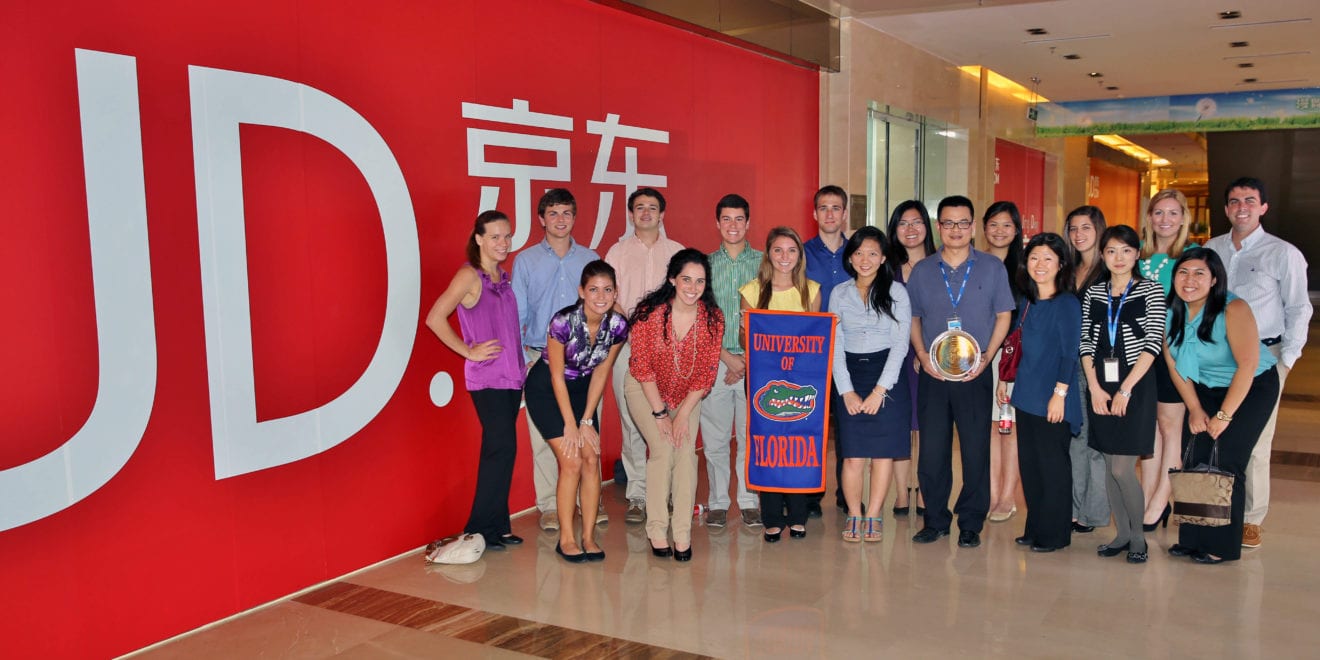
    JD.com, China’s second-largest e-commerce services provider by sales, has expanded its operations in the United States, with the opening on Monday of a research and development facility in Santa Clara, California — right in the centre of Silicon Valley.

    “Given the scope and strength of American brands, products and capabilities, the US was the obvious choice as we sought a location for our first office outside of Asia,” said Richard Liu Qiangdong, the founder and chief executive of JD.

    The move followed JD’s unveiling last month of a new office in Hong Kong that was set up to help the Beijing-based company better engage with major brands and retailers across Asia.

    Dennis Weng, the chief technical advisor for JD Mall, has been tasked to initially oversee the new US facility, which will focus on areas such as cloud computing, mobile applications and big-data infrastructure to improve the online retail experience for its customers in mainland China and boost the company’s US-sourced offerings.

    JD’s research and development operation is also expected to provide both rotational job possibilities for engineers in China and opportunities for certain skilled technical workers in Silicon Valley.

    “Our nearly 120 million active customers stay loyal because they know we work continuously to improve their shopping and fulfillment experience by implementing the most advanced technologies and processes,” said Rain Long, JD’s chief human resources officer and general counsel.

    Nasdaq-listed JD launched a “US Mall” marketplace on its website, dedicated exclusively to meeting the demand on the mainland for authentic imported American products.

    “As we build out and staff our new facility in the coming months we look forward to forging new partnerships and attracting new talent that will help JD.com achieve its goals of delivering an unparalleled level of service and quality,” Long said.

    JD, which posted second-quarter revenue of 45.9 billion yuan (US$7.2 billion), claims it has the largest fulfilment infrastructure of any e-commerce company in mainland China.

    It operates seven so-called fulfilment centres and a total of 166 warehouses in 44 cities. In addition, its own staff runs 4,142 delivery stations and pick-up stations in 2,043 counties and districts across the country.

    Efforts to widen JD’s international sourcing capabilities are in line with the company’s announcement in August of expanding into 100,000 villages across mainland China by the end of this year. This marks the company’s most aggressive domestic market expansion since 2013, when it started its foray into lower-tier cities..

    “Management expects to see more than 50 per cent order contribution from lower-tier cities in the near term,” Jefferies equity analyst Cynthia Meng said in a report.

    Meng said the fastest-growing product categories on business-to-consumer e-commerce platform JD Mall included apparel and shoes, home furnishing, watches, food and beverage, cosmetics and baby products.

    JD’s rural expansion would heat up competition with domestic market leader Tmall.com, e-commerce giant Alibaba Group’s business-to-consumer operation, in that fast-growing market segment.

    The number of online shoppers in rural mainland China increased 40.6 per cent year-on-year to 77.14 million at the end of December, according to data from the China Internet Network Information Centre.

  • Apple iPhone 6s Sales in China Below Expectations, Says Boutique Researcher J.L. Warren

    Apple iPhone 6s Sales in China Below Expectations, Says Boutique Researcher J.L. Warren

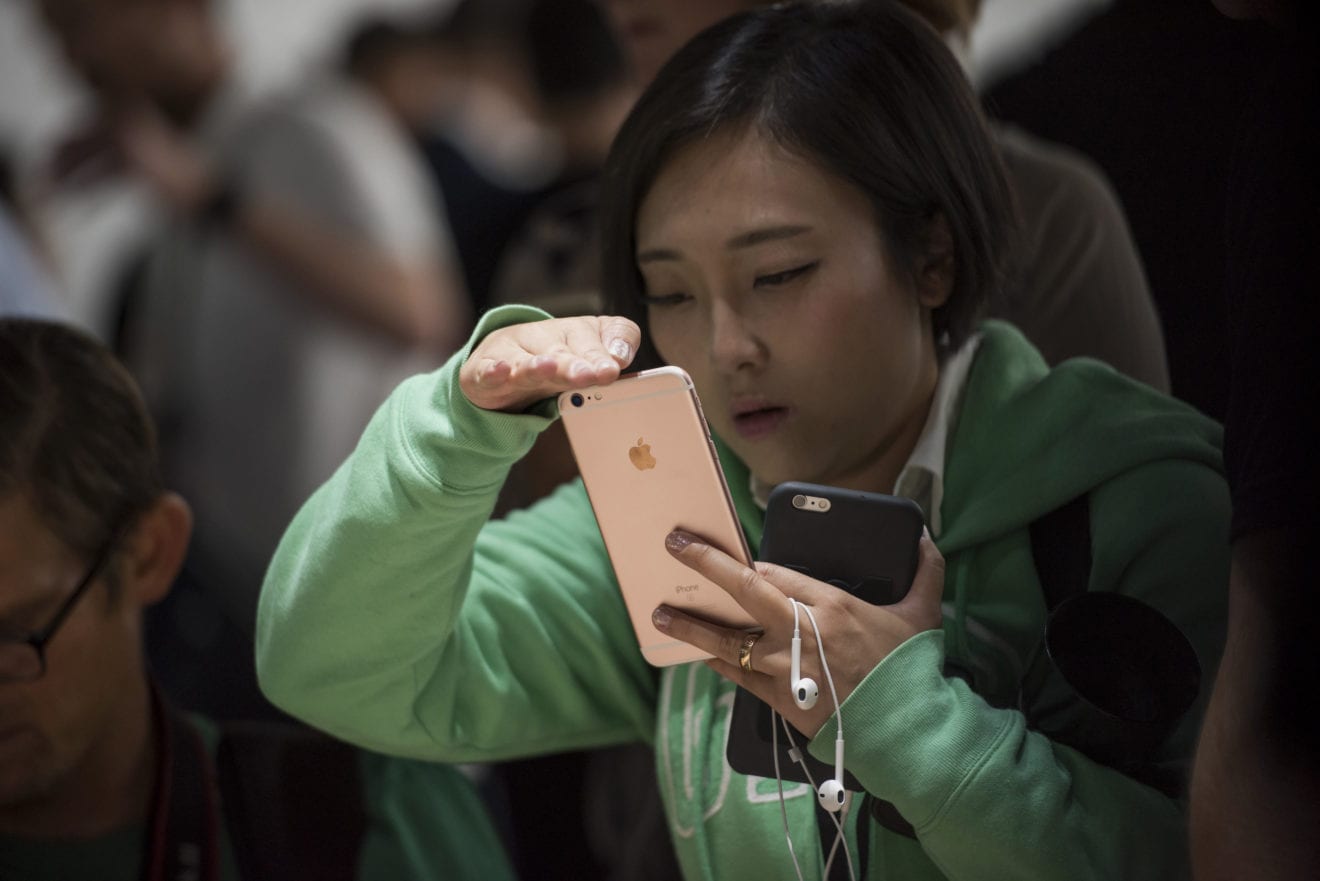
    Junheng Li with boutique research shop J.L. Warren Capital this morning opines that Apple‘s (AAPL) rollout of its iPhone 6s is failing to meet expectations, citing as the main reason a failure of the Chinese market to deliver.
    “According to information and/or data readily available from AAPL suppliers, we consider that the iPhone 6s initial launch in the 12 markets globally, is not meeting market expectations,” writes Li.

    Oddly enough, although Apple announced on September 28th that its first-weekend sales of the 6s beat last year’s 10 million for the iPhone 6, selling more than 13 million units, Li argues the result was underwhelming.

    “During the first week (including weekend) or 3 days post launch, we estimate ~13million units were sold. This number is lower than original expectations, largely due to an overestimated demand from mainland China.”

    Li cites some China market data from something called Gray Market Marker, which apparently collects the price of iPhones trading on the black market:

    AAPL launched the iPhone 6s simultaneously in Hong Kong and mainland China which cannibalized sales in HK. According to the largest grey market make [sic] a consumer electronics trading platform, the current spot prices for many models even on the launch data (9/30/2015) were below the official retail prices, unprecedented in the iPhone launch history. In total, we estimate that ~2.5-3 million of units of the 6s were sold in the mainland and ~1.5 units sold in HK. In comparison with previous years iPhone launches, when the mainland was not included in the initial launch, only 30% of the 6s purchases were from mainland, vs. 50% in previous years.

    (One point not addressed by Li is whether the premium can be expected to be lower, or even absent, precisely because the iPhone 6 was only available on the black market last year, having been left out of rhr first round of retail sales.)

    Li offers one explanation for why she thinks sales to China are below plan: “Since ZTE and Huawei already launched smart phones with 3D force touch, the new screen is not novel to Chinese consumers.”

    Li also offers some other tidbits, such as that the iPhone that comes in rose gold finish was the best seller, making 45% of sales.

    As for the outlook, she opines,

    We believe that China is the biggest moving piece for AAPL’s global sales in 2015, given it is about 20+% of the company’s global market and the demand for the iPhone is growing at ~20% according to our research. We currently project 200 million units of sell-in for iPhone 6/6+ and iPhone 6s/6s+ combined in 2015, which is 10million sell-through units lower than, the current street consensus.

    Apple shares today are down 81 cents, or 0.7%, at $110.50.

  • Hong Kong Suffers for Its Devotion to the Peg

    Hong Kong Suffers for Its Devotion to the Peg

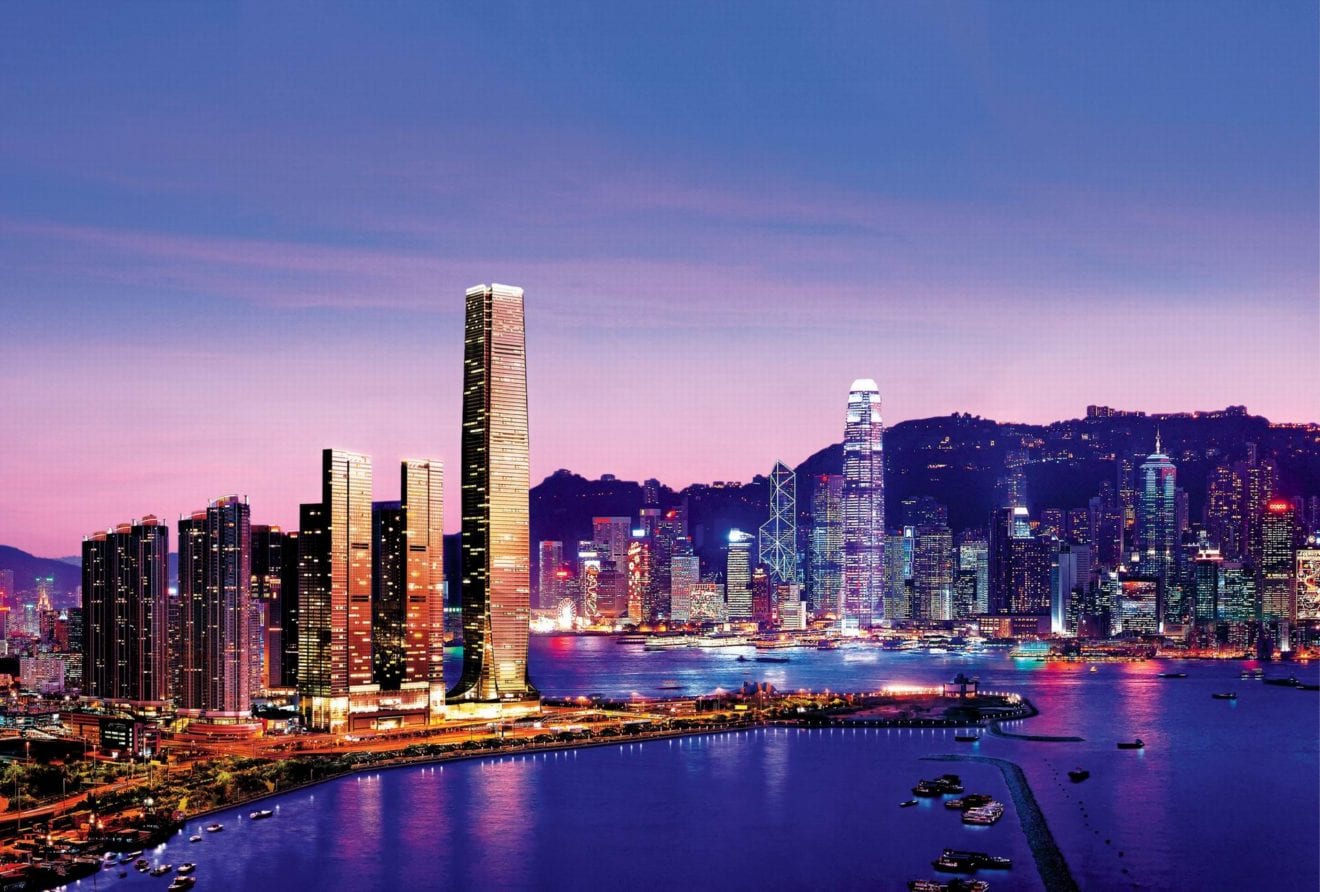
    Hong Kong has pegged the value of its dollar to the greenback since 1983. The peg was meant to ensure financial stability as the city embarked on the long process of re-integrating with China. Since then its currency has been one of the most stable in the region. To lock the HK ­dollar’s trading range against the greenback into a narrow band, about 7.75 to the US dollar, the Hong Kong Monetary Authority (HKMA) buys and sells the two currencies. Whenever the Federal Reserve raises or lowers interest rates, Hong Kong follows suit.

    That means Hong Kong is caught between tightening monetary policy in the US and the economic slump of its main trading partner, China. If the Fed moves on the rate soon, Hong Kong will have to raise interest rates even as the mainland’s slowdown puts pressure on the city’s wages and property prices. “It’s a double whammy,” says BNP Paribas economist Mole Hau.

    “Nobody was in the mood to buy an apartment”

    China’s surprise devaluation of the yuan last month helped trigger currency declines worldwide and increased speculation about Hong Kong’s willingness to keep putting up with such pain. In the options market, bets on an end to the peg jumped to their highest in more than a decade. On his blog in late August, Hong Kong Financial Secretary John Tsang warned that the economy may slow from the 2.6 per cent growth rate it managed in the first half of the year. “Hong Kong still needs to face the challenges brought by the fluctuating financial markets, weak foreign trade, and slower tourism,” he wrote.

    Hurt by the Chinese devaluation as well as low prices for oil and other commodities, regional currencies have declined an average 6.4 per cent against the US dollar in the past six months. That’s making the prices at the city’s stores more expensive for visitors, including the Chinese.

    As tourist arrivals from China fell 9.8 per cent in July compared with a year earlier, the Hong Kong retail industry’s sales for the month fell 2.8 per cent to HK$37.6 billion ($4.85 billion). That was the fifth consecutive month of declines, and much worse than the 1.2 per cent contraction economists surveyed by Bloomberg had predicted.

    Home prices in Hong Kong have increased 60 per cent since 2010, fuelled by strong demand from the mainland and low interest rates. But Hong Kong in August had the weakest home sales in 17 months. With the stock market plummeting, “nobody was in the mood to buy an apartment,” says Louis Chan, chief executive officer of the residential unit of Centaline Property Agency, one of the city’s two largest brokers. Home prices may start falling as much as 10 per cent a year starting in 2016, says Cusson Leung, an analyst with JPMorgan Chase.

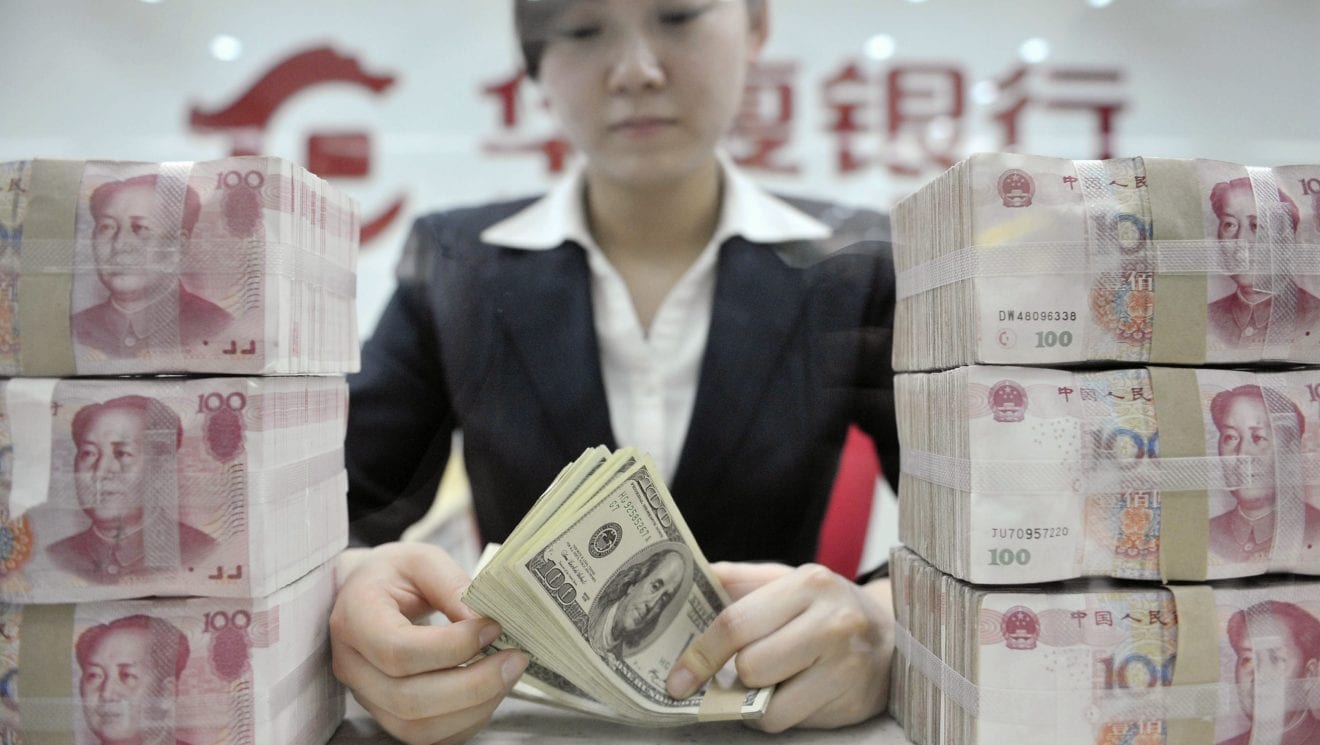
    Investors and economists have been talking about the peg’s demise since China regained control of the city in 1997. There’s always the possibility of the HKMA pegging the HK dollar to the yuan instead of the greenback. Zhang Yichen, chairman and CEO of Citic Capital, the Chinese investment bank, says that won’t occur soon. Speaking at the World Economic Forum in the Chinese city of Dalian on 9 September, Zhang said the Hong Kong government will be hard-pressed to end the peg until the yuan becomes a truly convertible currency, meaning that it must be exchangeable for foreign currencies in unlimited amounts.