Tag: China

  • Tag Heuer teams with JD.com

    Tag Heuer teams with JD.com

    Tag Heuer, the Swiss luxury watchmaker, has chosen to partner with JD.com to open its first online store in China.

    The exclusive partnership will see Tag Heuer open an online flagship on JD.com’s Marketplace platform.

    The store will offer product lines specially selected for China’s increasingly sophisticated online consumers, featuring cutting-edge designs across multiple price points. The store will also feature a 360-degree “virtual” product display where consumers can experience products prior to purchasing.

    JD.com says its support in brand marketing, logistics, payment and after-sales service will help ensure customers enjoy a first-rate online shopping experience.

    “JD.com’s reputation for product authenticity and unparalleled customer experience make it the ideal eCommerce partner in China for Tag Heuer, one of Switzerland’s most iconic and trusted brands,” said Tag Heuer’s GM of Greater China, Leo Poon.

    “The coming of age of China’s young consumers, combined with the explosive development of e-commerce, present an enormously exciting opportunity for innovation and growth. By deepening our access to our key target customer market in China through JD.com’s huge upwardly mobile user base, I am confident that this partnership will ignite unprecedented consumer interest in Tag Heuer’s premier luxury timepieces.”

    To mark the opening, Tag Heuer will launch sales of its “Tag Heuer Formula One Women GEM special edition” wristwatch in the Chinese market for a limited time exclusively on the JD.com platform.

  • IKEA positive on China despite economic slowdown, CEO says

    IKEA positive on China despite economic slowdown, CEO says

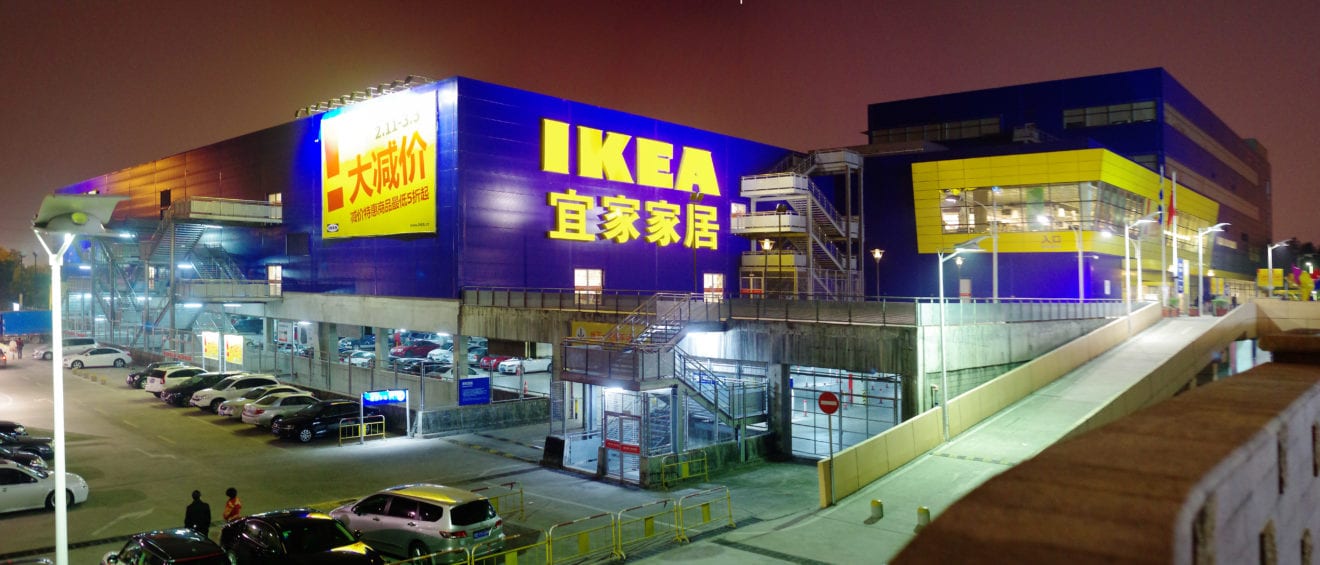
    IKEA does not expect a slowdown in demand for its products in its fastest-growing market, China, despite a sluggish economy, and the world’s biggest furniture retailer is sticking to investment plans for the country, its chief executive said.

    A faltering economy has prompted several international retailers to rethink their China strategies, with Britain’s Marks & Spencer saying this week that its expansion drive there could be slower than hoped.

    Sweden’s IKEA Group, which owns most of the IKEA stores worldwide that are best known for their budget self-assembly furniture, is however not reappraising its growth plans for China, Chief Executive Peter Agnefjall said.

    Having opened three stores in China in the fiscal year to Aug. 31, it plans another three this year, and expects to expand at at least the same pace also in the following three, he told Reuters in an interview.

    “We are very, very small still in China,” he said.

    “What we see is that many people in China appreciate the IKEA offer and we are making it more accessible to them through new stores. And the middle class will continue to grow, I’m pretty confident about that, so we have a positive view on China.”

    IKEA entered China in 1998 and has stepped up expansion in recent years, making the country a priority growth market.

    The China business, which still accounts for a small share of group turnover, saw “solid double-digit growth,” above 15 per cent, last year with its 18 stores, with very strong growth also in comparable stores, Agnefjall said.

    An online store in China is however not on the immediate agenda but will open only once the group has in place new e-commerce platforms that are in the works.

    “It all depends on how well we succeed with that,” Agnefjall said.

    ONLINE PLANS

    IKEA’s website had 1.9 billion visitors in the 2014/15 year, up from 1.5 billion the year before. Online sales were however still just a fraction of group turnover, although they exceeded €1-billion for the first time, Agnefjall said.

    Companies across the retail sector have rushed to step up e-commerce in the past few years to keep up with rapidly changing consumer patterns, but IKEA has been taking it slower.

    IKEA certainly aims longer-term to be a full multichannel retailer, Agnefjall said, but will first finish developing the necessary IT-solutions, and work out how to manage the logistics of large-scale online furniture trade.

    “You have to have a reasonable service level. I have respect for doing this with quality rather than with speed, and that’s the way we are driving it,” Agnefjall said.

    IKEA sells online in 13 of its 28 markets, having added no online markets last year, Agnefjall said.

    “We are investing heavily to make all IKEA markets e-commerce markets. The front end is one thing, to make a new web and e-commerce capabilities online. But the big work lies in the underlying distribution flow.”

    IKEA has begun piloting a new web platform in Ireland that it hopes to roll out to all markets in coming years, and is developing an e-commerce platform to connect to it.

    On the distribution side, IKEA is trying out a handful of pickup points and Agnefjall expected several more to open in the coming years.

    “You have to organize the e-commerce in a thorough way in order to create the right conditions for serving your customers in a good way. We are also investing a lot of energy to convert IKEA to a multi-channel retailer.”

    IKEA Group, which runs 328 stores and is controlled by the Stichting INGKA Foundation in the Netherlands, reported on Tuesday an 11 per cent rise in group sales for the fiscal year, with comparable stores accounting for 5 per cent, to a record €31.9-billion ($35.7-billion U.S.).

    Sales rose in nearly all its markets, with China the fastest-growing followed by Russia. Agnefjall said the United States was now roughly neck-and-neck with Germany as IKEA’s single biggest market.

    IKEA is targeting group sales of €50-billion by 2020.

  • McDonald’s China to accept Alipay

    McDonald’s China to accept Alipay

    Alibaba’s AliPay has received a major boost in its quest to become a generally accepted payment system in the mainland.

    McDonald’s China has announced it will accept Alipay in more than 2100 restaurants.

    The launch will commence in Shanghai this month and spread across all the fast food chain;’s locations in China by March 2016.

    “McDonald’s will work together with Ant Financial and Alipay to upgrade its services by integrating data technologies,” Ant Financial sais in a statement.

    “All restaurants in China are undergoing system upgrade and the set-up will be complete to accept Alipay as its new payment method by March, 2016.

    “It will take customers only two seconds to pay their meals at McDonald’s after introducing Alipay to its outlets by scanning the QR code in users’ Alipay. It will be more convenient and efficient for both customers and cashiers.”

    Another venture set up between Alibaba and Ant Financial – Koubei – allows consumers to pay for goods using their smartphones. Koubei is expected to be accepted by McDonald’s China also.

    Alipay’s McDonald’s China deal follows another announced last week with hotel chain Marriott as Alipay gains growing momentum in gaining market share from more traditional systems like UnionPay and even cash. Walmart starting accepting Alipay in May and KFC announced a partnership in June.

    “Alipay is now accepted in over 200,000 offline retailers and eateries across China and another 30,000 shops in Seoul, Korea, Hong Kong, Singapore, Japan and Germany,” Ant Financial.

  • Beauty e-tailer JD.com plows ahead with strengthening its Asia reach

    Beauty e-tailer JD.com plows ahead with strengthening its Asia reach

    The Hong Kong office is intended to help JD.com expand its local market presence and warehousing capabilities, enabling it to better engage with brands and retailers across Singapore and major Southeast Asian markets, who are looking to tap the online retailer’s 118 million active users in Mainland China.

    The company plans to employ a team there to focus on targeting and attracting new retail partners from around the region.

    “We have seen rapid growth in demand from our customers for Asian brands and products, and from leading brands and retailers across the region who want to reach our huge base of upwardly mobile customers,” says JD.com’s chief human resources officer, Rain Long. 

    “This new office will expand our ability to attract and service brands from around the region, and ultimately to ensure that we continue to bring our customers the most exciting and diverse selection of international products.”

    To help with warehousing, customs clearance and shipping services from Hong Kong to Mainland China, JD.com has teamed up with logistics provider, Cosco Logistics.

    “This partnership gives our customers easy access to more of the best Asian and international products, and allows more regional and global retailers to target our unrivaled base of Chinese consumers directly from Hong Kong,” said Carol Fung, Vice President of JD.com.

    Sa Sa also jumps on board..

    As part of its efforts in Hong Kong, JD.com also announced that Asian cosmetics retailer Sa Sa will launch a flagship store on its platform offering a range of international cosmetics brands and products available online in China.

    It will be synchronized with the company’s global ecommerce portal, Sasa.com, to ensure that JD.com’s customers have easy and immediate access to the full range of products available on Sa Sa’s global site.

    “We’re excited to partner with JD.com and to give Chinese consumers more extensive access than ever before to Sa Sa’s huge selection of globally renowned cosmetics brands. JD.com has an unmatched reputation for guaranteeing quality, convenience, and service, and we’re looking forward to working with them to deliver a premium online shopping experience to consumers throughout China,” said Sa Sa Chief Financial Officer, Dr. Guy Look.

  • New Disney park in China to bolster sales, Uniqlo chief says

    New Disney park in China to bolster sales, Uniqlo chief says

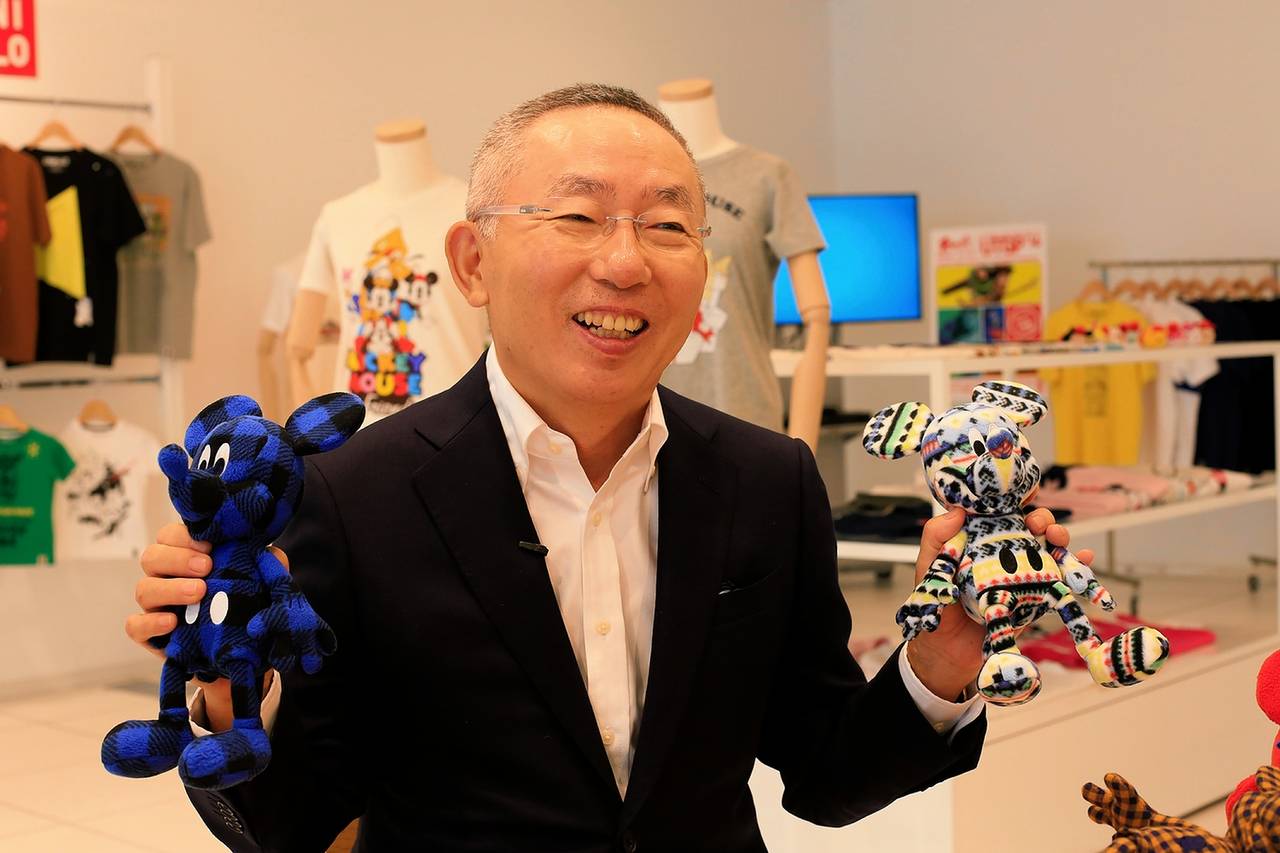
    Fast Retailing Co. Chairman Tadashi Yanai said Walt Disney Co.’s new park in Shanghai will help his Uniqlo casual clothing brand expand in China, shrugging off concerns over an economic slowdown in the Japanese retailer’s largest overseas market.

    “The opening of the Shanghai Disneyland gives both of us, Uniqlo and Disney, a business opportunity,” Chairman Tadashi Yanai told reporters in Shanghai, where Uniqlo will open a new Disney-inspired concept store. “Our business is getting absolutely no impact” from China’s slowdown, he said.

    Starting Sunday, Uniqlo will devote an entire floor at its six-story China flagship store in central Shanghai to products jointly designed with Disney. A human-sized Mickey Mouse statue greets visitors to the store, where T-shirts and toys depicting characters such as Tinker Bell, Woody of Disney Pixar’s “Toy Story” animated films, and Darth Vader from the Star Wars movies are on display.

    Japan’s richest person, Yanai plans to open 100 stores a year in China as Uniqlo competes with Hennes & Mauritz AB’s H&M and Inditex SA’s Zara to win over consumers in the world’s most populous country. The retailer’s design tie-up comes as Disney prepares to open its $5.5 billion Shanghai theme park next year, its biggest foreign investment and a bet on the country’s booming middle class.

    The Disney collaboration should help Uniqlo boost sales in China “as buzz builds around the opening of Shanghai Disneyland,” said Bloomberg Intelligence retail analyst Thomas Jastrzab. “Expanding store-specific limited edition merchandise offerings should help Uniqlo increase regular foot traffic and improve customer loyalty.”

    Fast Retailing rose 3.3 percent to ¥46,800 ($388.09) at the close of trading in Tokyo on Friday. The shares are up by 6.3 percent so far this year, compared with the 3.3 percent gain in the benchmark Topix index.

    Uniqlo has about 360 stores in mainland China, the most in any country outside Japan, where it has almost 850 shops. The company plans to expand its Greater China network, including mainland China, Hong Kong and Taiwan, to 1,000 outlets.

    China is a key market for Fast Retailing as Yanai attempts to turn Asia’s biggest clothing retailer into the world leader, with a target of ¥5 trillion in sales by 2020 from its forecast of ¥1.65 trillion for the fiscal year ended Aug. 31.

    Yanai said demand for Uniqlo products will increase amid an economic slowdown in China. Everyday clothes with basic designs and advanced materials that Uniqlo sells at affordable prices fit well as China shifts its focus to consumer purchasing from manufacturing, he said.

    “An economic slowdown in China could boost Uniqlo’s sales, particularly as shoppers increasingly look for value-for-money when purchasing clothing essentials such as T-shirts and pants,” Jastrzab said.

    China’s apparel and footwear market is highly fragmented, with market leader Bestseller AS, owner of brands such as Jack & Jones and Vera Moda, holding a 1.7 percent market share by value in 2014, according to Euromonitor International. Uniqlo ranks eighth with 0.6 percent, while Inditex is ninth with 0.5 percent and H&M is out of the top 10 with 0.4 percent.

    “Our concept of manufacturing is fundamentally different and unique,” said Yanai. “We don’t chase trends, but we would rather want to incorporate fashion into our basic clothes.”

  • H&M plans to open another 240 stores by end of the year

    H&M plans to open another 240 stores by end of the year

    Hennes & Mautitz AB (H&M), Swedish multinational retail-clothing company, known for its fast-fashion clothing for men, women, teenagers and children plans to open an additional 240 new stores this year. In the third quarter, H&M opened 36 new stores, but in the fourth quarter 240 new stores are scheduled to open, most of which will be in China and the US. H&M already has 299 locations in China, but growth in the country’s apparel industry makes it a promising hotbed for retailers.

    China, in particular, will account for much of the expected growth, encompassing almost one-third of regional demand for clothing by 2018. As the Asian clothing and apparel sector is expected to grow rapidly over the next five years. Annual average expenditure growth on clothing and footwear, at 9.5%, will comfortably outstrip that of any other region, said PricewaterhouseCooper’s retail consultants in their 2015-2016 outlook report on the retail and consumer products sector in Asia.

    Beyond its traditional flagship brand, H&M also owns premium brand Cos. The company hopes to introduce Cos in China as well, catering to the country’s growing upper-middle class.

    Cheap prices and a continuous supply of new looks keep customers coming back to chains like H&M and Zara. And according to Ms. Paula Rosenblum, Forbe’s retail analyst. H&M’s success comes amid a growing demand for fast fashion.

    But despite fast fashion’s growth, chains including H&M are increasingly facing criticism over both environmental and social justice concerns.

    Though fast fashion offers consumers a wider variety of styles, the rising trend has also been tied to growing amounts of textiles in landfills. In the US alone, clothing, footware, and other non-durable textiles generated 12.4 million tons of landfill waste in 2013. Only about 15 percent, or 1.8 million tons of the textile waste was recovered for reprocessing or recycling, reported the US Environmental Protection Agency.

    Furthermore, many fast fashion retailers rely on cheap labor to produce high quantities of their products. Many laborers used to come from China, but with rising wage demands, companies have looked to Taiwan, Indonesia, Vietnam, and Bangladesh, among other southeast Asian countries instead.

    According to Bloomberg Business, H&M has seen significant growth this year, second only to the Spanish clothing retailer Zara in size. Third-quarter sales grew 16 percent, surging to nearly 46 billion Swedish kronor, with revenue coming in at 39 billion kronor.


  • Uniqlo Magic For All to debut in Shanghai

    Uniqlo Magic For All to debut in Shanghai

    Uniqlo will open its Magic For All store on the fifth floor of the Uniqlo Shanghai Global Flagship store on Huai Hai Rd on September 27.

    Uniqlo Magic for all 4

    It will be the first execution o fthe new partnership between the Japanese clothing brand and entertainment giant Walt Disney which will see many Disney characters feature on apparel sold by Uniqlo.

    Uniqlo Magic for all 1

    The Magic For All line of LifeWear is part of a global collaboration with Disney Consumer Products that aims to surprise and delight customers of all ages.

    Uniqlo Magic for all 6

    Customers begin their Magic For All journey at the store’s main entrance, where a 1.8 metre Mickey Mouse statue and 100 Mickey Mouse figurines await. Known as the Mickey 100 Series, the inspiration for the figurines was taken from 100 exclusive new designs for Mickey Mouse, which will be on display for the first time in Shanghai. Fifteen of the designs were reproduced on colorful UTs (Uniqlo T-shirts), including five designs for children.

    Uniqlo Magic for all 3

    Inside the Magic For All store, customers are treated to a series of “unique and immersive experiences” found only at Uniqlo in Shanghai. Tinker Bell can be seen flying across wall monitors accompanied by music, and in a world first, the store features Shout Mickey, a special area that captures joyful moments. When a customer shouts ‘Mickey’ toward the lens of a digital camera, the moment is captured and a digital image can be sent to the customer’s mobile device as a memento of the visit. The store also features a Future area, showcasing Uniqlo’s UT range of fashions, and the Colorful Fairy Tale realm for little princesses.

    Uniqlo Magic for all 2

    Unique and innovative being central to the overall shopping experience, the store is the first in China to offer Magic For All options for UTme!, a custom T-shirt design service, and for MY Uniqlo, which enables customers to add special touches to items of clothing.

  • Fung Group tests future retail concepts

    Fung Group tests future retail concepts

    Hong Kong’s Fung Group has unveiled a large-scale ‘lab’ in Shanghai where it is testing a raft of high tech concepts which could shape the future of retailing.

    Named Explorium, the laboratory is an omnichannel platform and exhibition operated by the Fung Group in partnership with data and analytics technology leader IBM, and brand activation company Pico. It is located within more than 23,000 sqm of trade exhibition space at LiFung Plaza, where it provides a controlled setting for businesses to observe and explore in real time how consumers interact with new technologies, products and environments.

    Among technologies in the laboratory, which has been functioning on a soft-opening basis for three months, are virtual-reality fitting rooms, magic mirrors that bring images to life and 3D printing for creating customised products. Brands are also using Explorium to understand opportunities in China for their products and services, based on consumer feedback collected and analysed at the laboratory. Retailers are using it to test different store concepts.

    Unveiling Explorium, Fung Group chairman Dr Victor K Fung said the initiative was sparked by challenges occurring in retail across the world, especially in China.

    “Everything we thought we knew about how consumers decide upon what they buy, where they buy, when they buy, how they buy and how they pay is changing,” he said.

    “Technology is the catalyst empowering consumers. The internet and mobile communications are disrupting the way consumers behave and, in so doing, providing unique opportunities for retailing to come up with new business models. Nowhere is this more evident than in China, one of the world’s most exciting, challenging retail markets.”

    Fung added that he believed the future for retail in China and globally is omnichannel, which is, online-to-offline (O2O) or a combination of “bricks and clicks”.

    “Chinese consumers are setting shopping trends globally, especially with their avid use of social media. And Shanghai is home, arguably, to China’s most vibrant, tech-savvy consumers. That is why we chose Shanghai as the launch pad for this major Fung Group initiative.”

    Fung added that there were no preconceived ideas about which omnichannel business models would emerge from Explorium.

    “As with most experiments of any lasting value, the greatest measure of success may simply be how much we learn from the results,” he said. “A key advantage for participating brands and retailers is that, with Explorium, they can experiment, incubate and iterate at high speed while minimising their cost and risk.”

    IBM global retail industry leader Stephen Laughlin said IBM is gathering data in the Explorium and analysing it for insights.

    “With analytics, IBM can help retailers in the Explorium deliver personalised, relevant marketing interactions to consumers in real-time, delighting them and differentiating the retailer from the competition. Consumers will be able to opt-in to receive offers and rewards from their favorite brands via social media and their mobile device – all tailored to their location and unique preferences.”

    Lawrence Chia, group chairman of Pico Far East Holdings added: “As a state-of-the art omnichannel marketing research laboratory, Explorium delivers substantial value within the omnichannel universe. We are extremely pleased that our unique 360-degree integrated marketing capabilities have played a significant role throughout the planning and implementation of Explorium.

    “Working with leaders from the retail and data technology industries, our strong project team has played a vital part in the strategy, planning and execution of Explorium in areas related to branding, experiential marketing and digital media.”

    Explorium’s Shanghai-based director, Simeon Piasecki, said it is a laboratory for rapidly testing omnichannel business strategies in a realistic environment.

    “We identify and systematically track the changing preferences of consumers. Based on what we learn from each experiment, we move quickly to the next iteration. Explorium is doing all this on a scale and intensity that we believe is unmatched.”

    Already, Explorium, which is membership based, has close to 12,000 active participants registered from among employees and family members of the Fung Group and its business partners IBM and Pico. Typically, members spend over three hours there per visit.

    “Children are among Explorium’s biggest fans,” said Piasecki. “We believe that creating a space where parents and children can bond through learning together and teaching each other will help drive purchases of higher-margin electronic toys, such as drones.”

    He added that while children’s products are a special focus during Explorium’s first phase, it will go on to feature women’s and men’s apparel, and home products.

    “Explorium’s priority in coming months is to design, build, run and measure a greater number and variety of experiments to produce a pool of data that will enable participating brands and retailers to obtain unique insights for their individual businesses,” said Piasecki.

  • Convenience Retail to offload Circle K Guangzhou

    Convenience Retail to offload Circle K Guangzhou

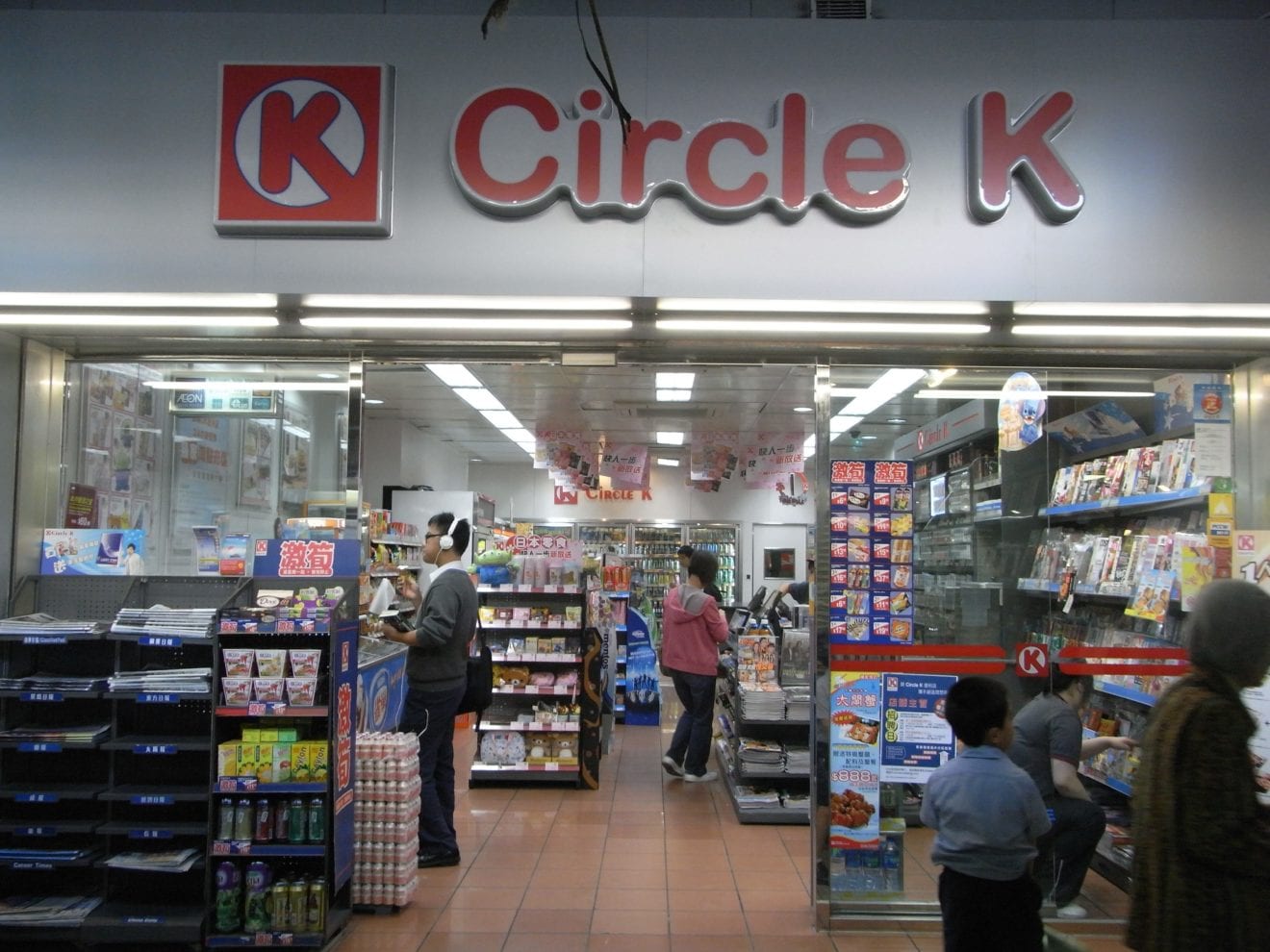
    Convenience Retail Asia, the Hong Kong-listed operator of Circle K convenience stores and Saint Honore Cake Shops in Hong Kong, Macau and Guangdong province, has reported a 36.8 per cent decline in first half year profit.

    While sales increased 5.8 per cent in the half year to HK$2.368 billion, labour and raw material costs increased, reducing its gross margins, and it incurred substantial investment costs in its eCommerce business.

    Along with its results, the company announced it would sell its stake in the loss-making Circle K Guangzhou business to its controlling shareholder and focus on the Circle K business in Hong Kong and Macau. Fung Holdings (1937) Limited will pay CRA HK$104.5 million for its share of the business.

    “The sale of the Circle K Guangzhou will help to create positive momentum for the Group’s financial performance in a difficult retail and economic environment that continues to place pressure on the results of the group,” said Richard Yeung, CRA CEO.

    “This sale, which will also result in a one time gain ($50 million), underlines our focused commitment to delivering long-term growth, profitability and shareholder value.”

    In the half year, turnover for the Circle K business increased 5.7 per cent to HK$1.902 billion, with comparable store sales rising 8.8 per cent in Hong Kong and 2.6 per cent in southern China.

    Turnover for Saint Honore Cake Shops rose 5.5 per cent to HK$498 million, with 4.1 per cent growth in comparable stores sales in Hong Kong. Core operating profit of the group decreased by 34.6 per cent to HK$42 million and net profit declined by 36.8 per cent year on year to HK$31 million.

    During the first half, the group incurred higher expenditure to support intensive marketing campaigns for its e-commerce platform FingerShopping.com, and because of investment in a pilot programme launched in late 2014 with Sinopec Marketing. The pilot program manages 10 petrol stations in addition to Easy Joy convenience stores on behalf of Sinopec Marketing in Guangzhou. Excluding the Projects expenses, core and net operating profit would have decreased, respectively, by 18.5 per cent to HK$57 million and by 16.1 per cent to HK$45 million.

    Gross margin and other income as a percentage of turnover decreased slightly by 0.8 per cent to 36 per cent compared to the same period in 2014, due to rising raw material prices and factory labour costs. Operating expenses as a percentage of turnover increased from 33.9 per cent to 34.2 per cent because of the higher operating costs as well as increased marketing and investment expenditure in projects.

    “Our ability to drive higher comparable store sales despite adverse external conditions is also a reflection of our unwavering commitment to excellent customer service, in-demand products and services, and timely, effective marketing,” Yeung added.

    “We believe these indications of strong brand equity and customer loyalty will be invaluable once the retail sector begins to improve. However, we anticipate that higher costs and declining spending will continue to affect our operations for the remainder of 2015.”

    Yeung said the company’s online consumer platform, FingerShopping.com, continued to make encouraging progress in the first half of the year. Health and beauty is the platform’s most successful anchor category.

    “FingerShopping.com is enjoying increasing customer loyalty and continues to expand its product roster, which includes a number of popular brand names. The group is now testing FingerShopping.com’s delivery services in Guangzhou and has also secured partnerships with leading Hong Kong banks as well as promotional campaigns with major retailers in Hong Kong.”

    CRA says it expects the retail market to remain weak in the foreseeable future and operating costs are likely to remain high.

    “We are trying our best to mitigate the adverse market conditions through our exit from the convenience store business in Guangzhou while continuing to invest in FingerShopping.com, strengthening our operations to retain talent, delivering first-rate customer service and driving cost efficiency,” Yeung concluded.

  • Gome Electrical opens 117 stores in six months

    Gome Electrical opens 117 stores in six months

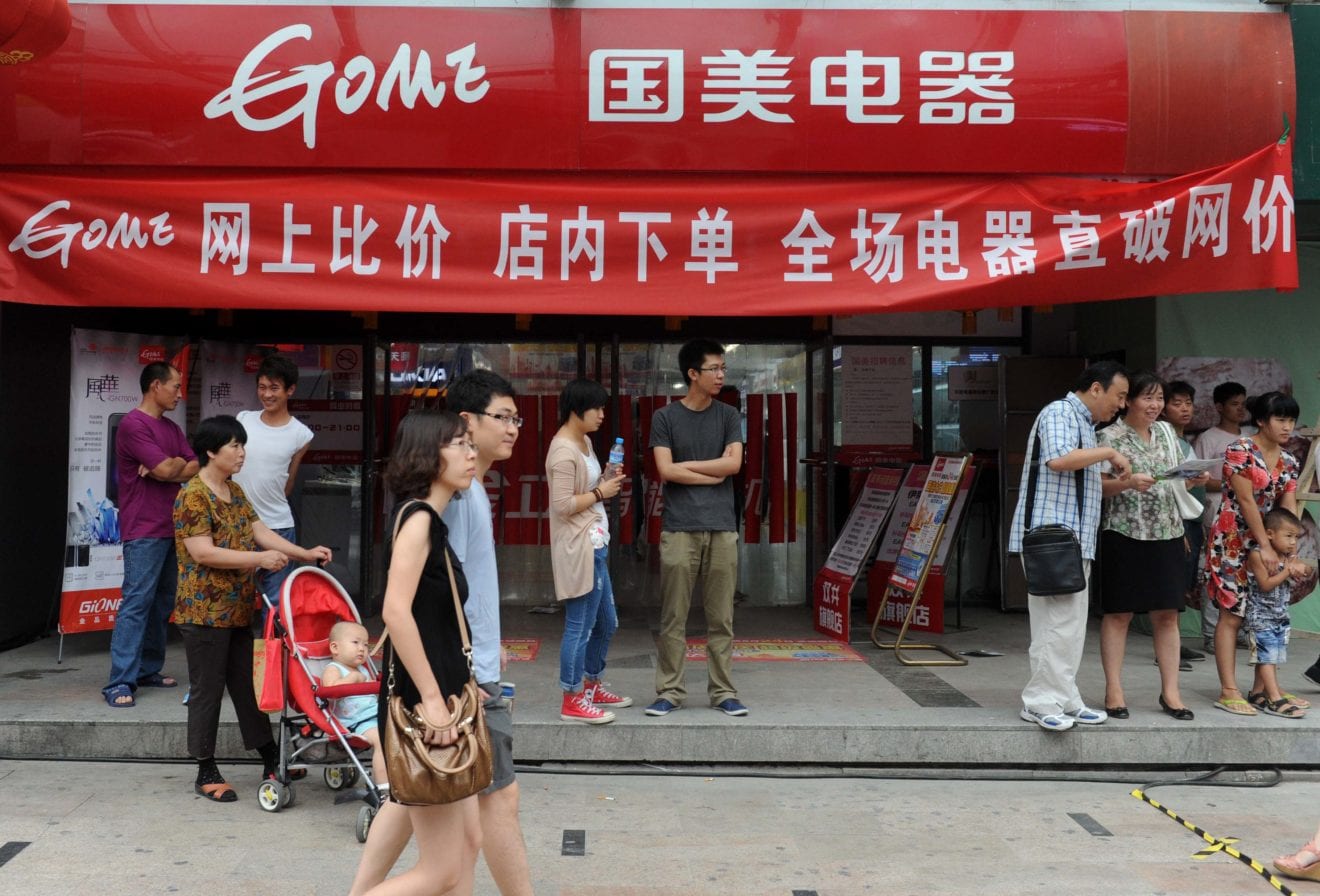
    Gome Electrical has opened 117 stores in six months on its way to an 8.8 per cent increase in sales for the half year.

    Total sales revenue was RMB 31.69 billion and its consolidated gross profit margin was 17.7 per cent.

    The store network expansion program is part of a push into tier two cities in China’s mainland where 84 of the new shops opened. Overall same store sales rose 2.3 per cent in a six month period when retail spending in China was subdued, but in tier two cities, same store sales rose 5.3 per cent.

    Gome now has stores in 41 Chinese cities where it did not have a presence just six months ago.

    Online sales were another growth powerhouse, rising 151.3 per cent in gross merchandise volume. More growth clearly lies ahead with 181 per cent year on year online growth in the last three months of the half year.

    In the remaining half of this year, Gome says it will accelerate even further its move into tier two cities, leading into ‘channel penetration’ in third and fourth-tier cities as well, largely based on eCommerce initiatives.

    “By seamlessly engaging customers across online and offline channels, the group is destined to achieve fuller integration of all channels and grow its ‘total retail ecosystem’,” the company said in its results filing.

    “This will allow customers to enjoy a total retail experience and comprehensive services at any time, any place.”

  • Benoy to design Haitang Bay centre

    Benoy to design Haitang Bay centre

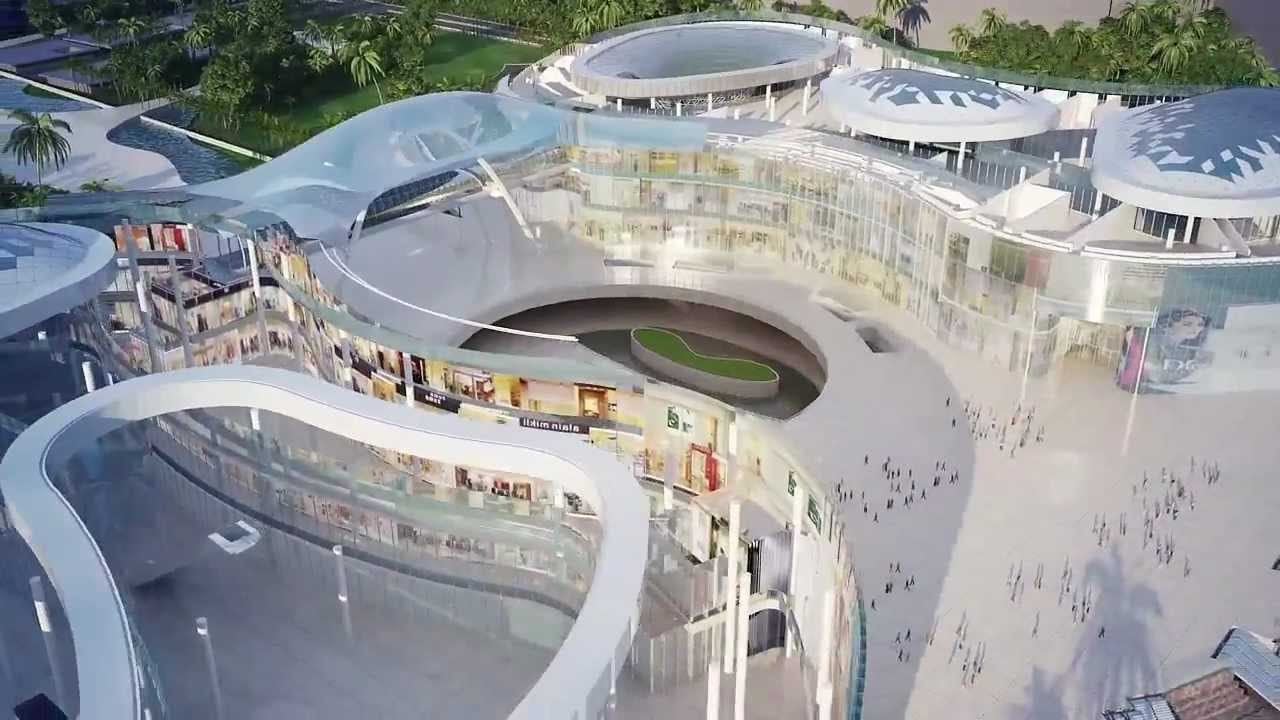
    Global design studio Benoy has been chosen to provide masterplan and architectural design services for a new mixed use development in Haitang Bay, Hainan.

    The project, Benoy’s first in the popular island tourist destination, is the new China International Travel Service (CITS) Sanya Eyot scheme.

    The CITS Sanya Eyot development is located in the new resort area of Haitang Bay in Sanya. Rising as a high-end tourism destination, the area attracts visitors from around the world as a result of its world-class yachting community, international luxury hotel cluster and unspoiled natural assets.

    The scheme will introduce a 32,000 sqm  mixed-use, retail-led destination which will be differentiated from the traditional retail projects currently in Haitang Bay. Benoy’s Masterplan has prescribed strategies for celebrating the island landscape, placemaking and multi-layered environments, to establish a point of difference for this high-profile future scheme.

    “Benoy is incredibly excited to be working with CITS on their future addition for Haitang Bay and crafting a vision for what this development can offer. Through our design, we have aimed to embody the coastal landscape and develop a concept not yet seen before in this area,” said Chao Wu, a Benoy director.

    “Our team has brought new thinking to the retail, entertainment, cultural and art experiences within the development. Our Masterplan is animated by vibrant spaces and offset by quieter zones and there is significant diversity in the programmatic mix to ensure we arouse interest and appeal to a large visitor base.”

    Benoy’s design will feature a combination of indoor and outdoor spaces which will host a multitude of activities including art, water shows, cultural performances, recreational attractions, wellness programs, children’s zones and possibly a wedding chapel.

    Taking inspiration from Sanya’s local fauna, the Egretta Garzetta formed the concept behind the architecture of the development; the sweeping architectural lines mimic the graceful movement of the birds.

    The architecture also prioritises human-scale within the development with a number of small-scale blocks and pavilions designed along the waterfront edge. The collection of forms and differing façade treatments complement the faceted landscape and will add interest and variety to the visitor experience.

    The CITS Sanya Eyot scheme will commence construction in early 2016 and is due for completion at the end of 2018.

    Haitang bay centre by Benoy1

  • New app aids Chinese tourists in Korea

    New app aids Chinese tourists in Korea

    South Korean location-based coupon application provider YAP Company has launched a new app that provides Chinese tourists with various tourism-related information, including shopping and transportation.

    The app, dubbed Kayo, provides a selection of coupons and other information for 100,000 local shops at popular tourist destinations, including Seoul’s major shopping district of Myeongdong or the southern resort island of Jeju.

    YAP Company said it plans to adopt mobile payment services to Kayo in the near future by joining forces with leading Chinese platforms such as Alipay.

    Other features of Kayo include taxi hiring and online translation services.

    “Based on YAP’s high-tech technology, we plan to allow every Chinese visitor to South Korea to enjoy quality search services, discount information and mobile payment just by downloading Kayo,” a YAP spokesperson said. “The new application will also help local shop owners to attract more tourists.”

    The release of the new app came amid a steady rise in the number of Chinese visitors to South Korea. Last year, 6.12 million Chinese visited South Korea, spending about 14 trillion won (US$11.7 billion).

    The company expects the number of Chinese visitors to reach 10 million by 2018.

    YAP Company also operates an application, dubbed YAP, in South Korea, which allows users to download coupons and discount information related to shops located near the users, including major franchises.

    It stands out from its rivals as it uses what it calls “hybrid beacon” technology, which automatically displays discount information when a user enters registered stores.

  • Lao Feng Xiang plans 20 Hong Kong stores

    Lao Feng Xiang plans 20 Hong Kong stores

    Lao Feng Xiang, the Chinese jewellery brand few in the west have ever heard of, is planning to open 20 stores in Hong Kong.

    Lured by the prospect of cheaper rents in high profile locations as Hong Kong’s luxury sector enters a decline, Lao Feng Xiang sees the foray as an opportunity to build its brand awareness outside the mainland.

    Lao Feng Xiang, controlled by the Shanghai Government, has a 167 year history in the mainland – and has a 3000 strong store network. It entered Hong Kong in May and now has two stores trading. Marketing manager Wang Ensheng told Bloomberg that as many as 20 will be trading within a few years.

    “The fact that Lao Feng Xiang opened stores in Hong Kong boosted our reputation,” Wang told Bloomberg in a telephone interview. “Mainland consumers know that we are now a player in this international jewelry hub.

    “This year is the best time to enter Hong Kong, an opportunity that we have waited for years.”

    The first Lao Feng Xiang store opened in Tsim Sha Tsui, an 80sqm boutique which sold more than HK$100 million of jewellery on its opening day.

    Shanghai flagship store in the year 1999

    “Hong Kong is a key market in our internationalisation strategy. We provide more diversified selections at the Tsim Sha Tsui store than any of our 2800 stores on the mainland,” said Wang at the time of the opening.

    “The logic is simple – we want to attract more young people to our fold,” he said.

  • Korea set to woo back Chinese tourists

    Korea set to woo back Chinese tourists

    South Korea’s retail and tourism industries are preparing a slew of promotional and cultural events to woo back Chinese tourists during a long-haul holiday season, pinning their hopes on making up for a summer slump in the wake of a viral respiratory illness, sources say.

    Since the first outbreak in late May, Middle East Respiratory Syndrome (MERS) made a big dent on domestic spending as foreign tourists canceled their planned trips during the peak summer season, while South Koreans avoided shopping centers and other crowded places in June and July.

    While the viral disease hit the tourism and retail industry hard, Chinese tourists have started to return to the once-empty streets of Myeongdong, one of the capital’s most popular shopping districts, over the past month.

    The number of Chinese travellers has increasingly recovered to the previous year’s level since late August and marked an on-year rise since mid-September, the state-run Korea Tourism Organization (KTO) said.

    About 303,000 tourists with Chinese nationality entered the nation in the first two weeks of September, rising 4.8 per cent compared with the same period a year ago, it said.

    “The number of Chinese travelers has sharply risen this month, and the number is expected to completely recover during the Chinese holiday season,” Han Hwa-joon, who oversees the KTO’s Shanghai branch, said. “The recovery pace is faster than expected.”

    Chinese Thanksgiving falls on September 26-27, and together with the Chinese National Holiday running from October 1-7, the holiday season can be extended up to 12 days.

    As the Chinese holiday season draws near, major shopping centers and duty-free operators are making all-out efforts to draw Chinese tourists to make up for a shortfall in sales amid dormant domestic spending.

    According to the KTO, 164,000 Chinese travelers visited the nation during last year’s autumn holiday season and spent 2.4 million won on average, which amounts to about 400 billion won (US$341.5 million) in total.

    During this year’s Chinese National Holiday, the tourism agency expected some 210,000 Chinese will visit the nation, up 30 per cent from a year ago, considering the pace of growth over the past three years.

    “We will host a variety of events even after the Chinese holiday to make up for the fall in tourists during the peak season from June to August,” said Seo Young-chung, a KTO official in charge of Chinese tourism.

    Lotte Department Store plans to host a variety of promotional events targeting Chinese travelers during the golden weeks, providing discounts on payments made through UnionPay, China’s largest credit card issuer, and Alipay, China’s No. 1 mobile payment application.

    Shinsegae, the nation’s leading department chain, said it will give special discounts to Chinese customers, while Hyundai Department Store also started the regular sale season earlier than usual to attract the deep-pocketed travelers.

    Operators of duty-free shops have also stepped up efforts to bring back Chinese travelers, the largest consumer group, which accounted for about 70 per cent of downtown duty-free spending last year, up from around 15 per cent in 2011.

    Lotte Duty Free, the world’s fourth-largest duty-free operator, held a travel fair in Shanghai on September 9, in which senior company officials reached out to Chinese tourism officials to attract Chinese travelers.

    Hotel Shilla, part of Samsung Group and the world’s No. 6 duty-free operator, also presented various sales promotions and tour packages during the fair along with other Samsung units, with the attendance of senior officials.

    “The Korean tourism industry has mostly recovered after the Mers outbreak came under control, and it will make a full recovery in September,” Hotel Shilla CEO Lee Bu-jin told reporters during her visit to Shanghai.

  • Chinese millennials: the new big spenders

    Chinese millennials: the new big spenders

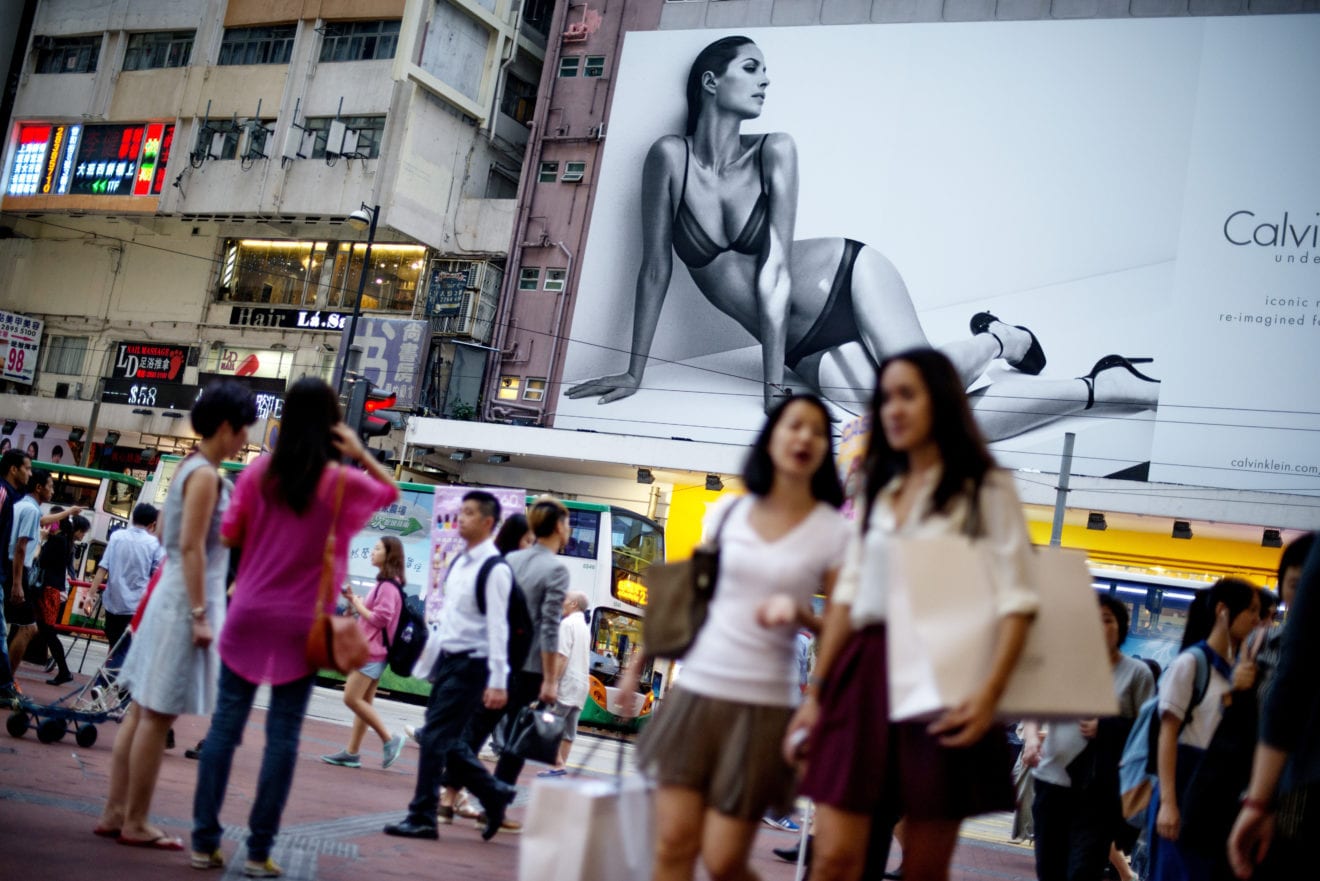
    Chinese millennials – China’s new rich – are looking to spend double the Asia-Pacific average on luxury items in the next year.

    The millennials – those aged 18 to 29 – are already China’s biggest spenders on luxury goods in Asia Pacific, followed by those in South Korea and Hong Kong.

    According to research from MasterCard, the most popular luxury items are high-end tech gadgets, with 25 per cent of millennials in Asia Pacific planning to buy an item such as a smartphone or tablet computer in the next year. This is followed by designer clothes and leather goods (17 per cent) and jewellery (17 per cent).

    Overall, most millennials in the region take approximately a month to consider and research their luxury purchases. More millennials in Asia Pacific (a quarter) buy on impulse than those aged over 30 (a fifth).

    Meanwhile, over a third of millennials in the region prefer Western brands over regional or local, however there is a marked difference across the region. While more than half of millennial shoppers in China, Vietnam, South Korea and Hong Kong prefer Western brands, the majority in India and Indonesia would rather buy local. The top three reasons for preferring Western brands were reliability of quality, followed by value for money and brand loyalty.

    When choosing where to buy luxury goods from, the majority of millennials still prefer purchasing from local brick and mortar stores (64 per cent), instead of local eCommerce sites (nine per cent). Meanwhile a fifth prefer to buy luxury items in-store when travelling overseas, this is especially true of Chinese millennials, 51 per cent of whom are most likely to buy a luxury item in-store while travelling.

    The results are based on interviews that took place between May and June 2015 with 2272 millennials across 14 Asia Pacific markets.

    More findings:

    • Millennials from China intend to spend on average US$4362 on luxury goods over the next year, nearly double that of the Asia Pacific average of US$2584. South Korea (US$2638) and Hong Kong (US$2584) round off the top three.
    • Overall, the majority of millennials in the region will take under a month to research and consider a luxury item before buying it (44 per cent), led by those in India (64 per cent), China (51 per cent), South Korea (48 per cent) and Taiwan (48 per cent).
    • Thai (60 per cent) and Indonesian (50 per cent) millennials are the most impulsive shoppers in the region with at least half buying luxury goods on impulse, above the regional average of 26 per cent.
    • The most careful millennial shoppers are from Vietnam – the majority will only buy a luxury item after two to six months of extensive research (45 per cent), more than the regional average of 20 per cent.
    • Over one-third of millennials across the region prefer western brands to local and Asian brands. More than one in two millennials in China (66 per cent), Vietnam (60 per cent), South Korea (59 per cent) and Hong Kong (52 per cent) would pick a western luxury brand over a local or Asian luxury brand. However, in Indonesia (61 per cent) and India (50 per cent), a large majority of millennials would rather buy luxury goods from a local brand.
    • Most millennials in the region purchase luxury goods in-store rather than online – this is especially so when they are on sale locally (43 per cent) compared to when they are at full price (23 per cent). Only a small percentage of millennials in the region shop for luxury goods on local (nine per cent) and overseas sites (four per cent).
    • Chinese millennials are the most likely to buy luxury goods in-store when travelling overseas (51 per cent), whereas the majority of consumers in India (81 per cent) and Indonesia (50 per cent) buy luxury goods locally in-store at full price.
    • Millennials in Indonesia are the most likely to spend more on luxury goods in the next year than the year before (47 per cent). Across Asia Pacific, most consumers (40 per cent) intend to spend the same amount as they did the year before, 22 per cent plan to spend less while 19 per cent plan to spend more.