Tag: China

  • Huawei clarifies Android, SD card support for new and existing phones

    Huawei clarifies Android, SD card support for new and existing phones

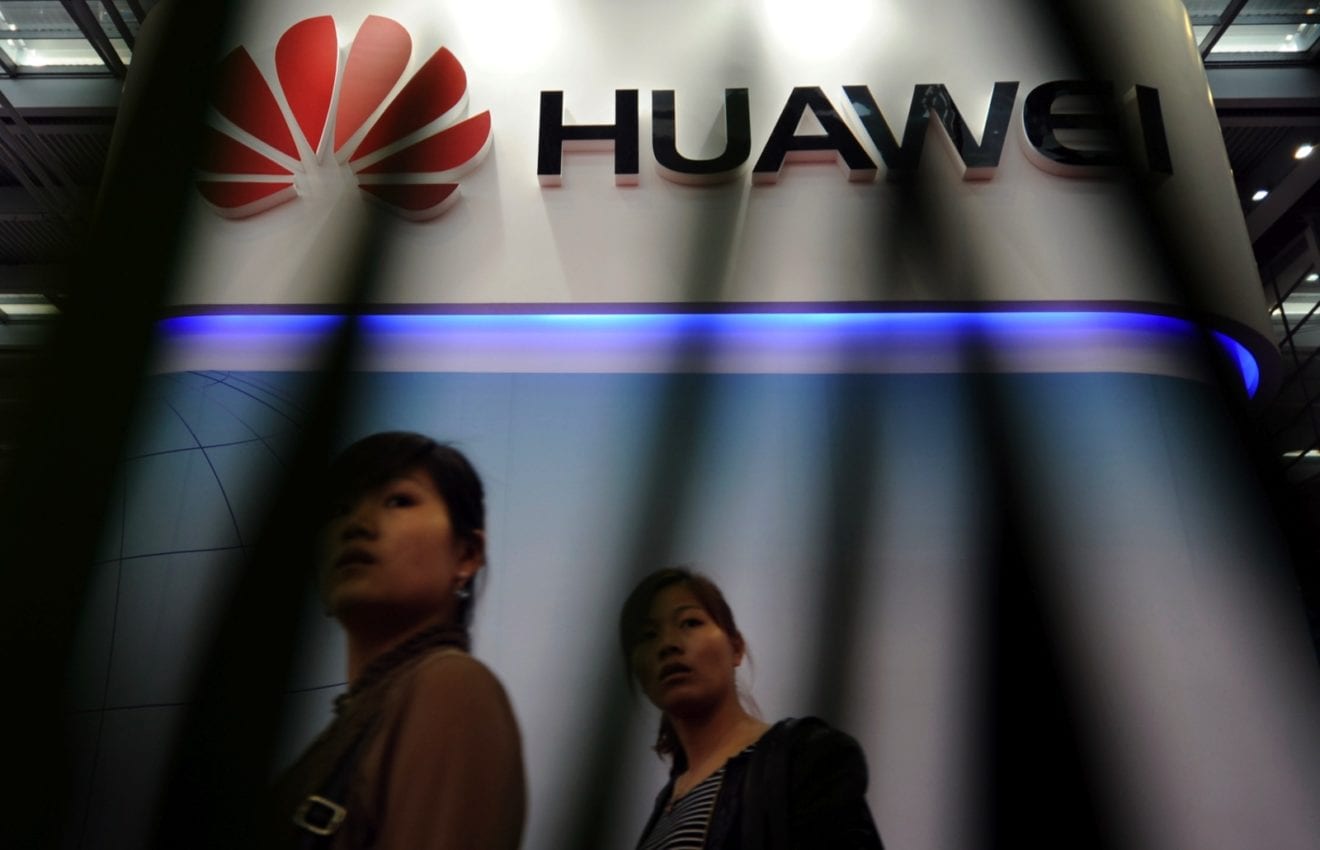
    The West’s crusade against Huawei’s phone and 5G businesses has had the world talking about a new tech cold war with China, as the company is being used as a pawn in a larger game by the White House administration.

    Currently, there is a 90-day stay on the marching orders that the government sent to American companies to stop doing any business with Huawei, including providing software as Google does with its mobile operating system.

    This pretty much came as a shock to the hundreds of millions of Huawei users outside of China who learned that in a short while their phones might be hobbled when it comes to Google apps, software, and security updates, quickly losing value.

    We probed Huawei and its Honor subsidiary to clarify what exactly will and won’t work if the trade arguments with China don’t get resolved in due time, and it turns out that the apocalyptic scenarios about SD card support, or a cease of service functioning on existing phones, were a bit overblown.

    As far as future Huawei and Honor phones like an eventual Mate 30 Pro are concerned, though, the situation is pretty much in limbo. Moreover, the Honor 20 Pro didn’t get Google-certified in time before the ban hammer dropped.

  • McDonald’s China Teams up loyalty program with Ele.me app

    McDonald’s China Teams up loyalty program with Ele.me app

    McDonald’s customers in China can now earn loyalty points when they order a Big Mac or Filet-o-Fish through Ele.me, Alibaba Group’s on-demand delivery platform.

    Ele.me users can activate a McDonald’s membership card with just one click on the app to earn loyalty points for purchases and receive vouchers worth up to RMB 88.5 (US$12.80). The fast-food giant attracted nearly 20,000 new members on its first day of launching the service on May 20, while single-day orders increased about 20 per cent week-on-week, McDonald’s China said.

    McDonald’s China is one of the first restaurant chains to pilot the new Ele.me service, one of the app’s latest tools to help the food-and-beverage sector seamlessly connect their online and offline operations.

    “McDonald’s is an important strategic partner for us, and we are thrilled to fully integrate their loyalty program with our platform. We look forward to continuing to work together to improve the delivery experience for consumers and provide even more services, benefits and perks,” said Hu Xiaoyu, VP of Ele.me.

    There are more than 3100 McDonald’s restaurants in Mainland China, more than 2000 of which also have a virtual presence on Ele.me. McDonald’s China launched its membership program last year, rewarding members for purchases made in-store or via its app and mini-program. It now counts more than 75 million members.

    “Integrating our loyalty program with Ele.me helps us provide more customers with a complete set of membership services and benefits, which ultimately enhances the delivery experience,” said Emily Pang, head of brand extension at McDonald’s China.

    Also among the first batch of global restaurant chains to bring their membership program to Ele.me are Burger King, Dairy Queen and Papa Johns, all of which reported higher sales in the 30 days that followed their launch. Burger King was the first to opt in last November, and has since attracted 2 million new members, with members contributing to nearly 40 percent of its gross merchandise volume on Ele.me.

    Ele.me plans to roll out even more features, such as birthday perks and member-only sales campaigns, to “bring more value to every purchase,” Hu said.

  • China is experiencing a convenience-store Expansion

    China is experiencing a convenience-store Expansion

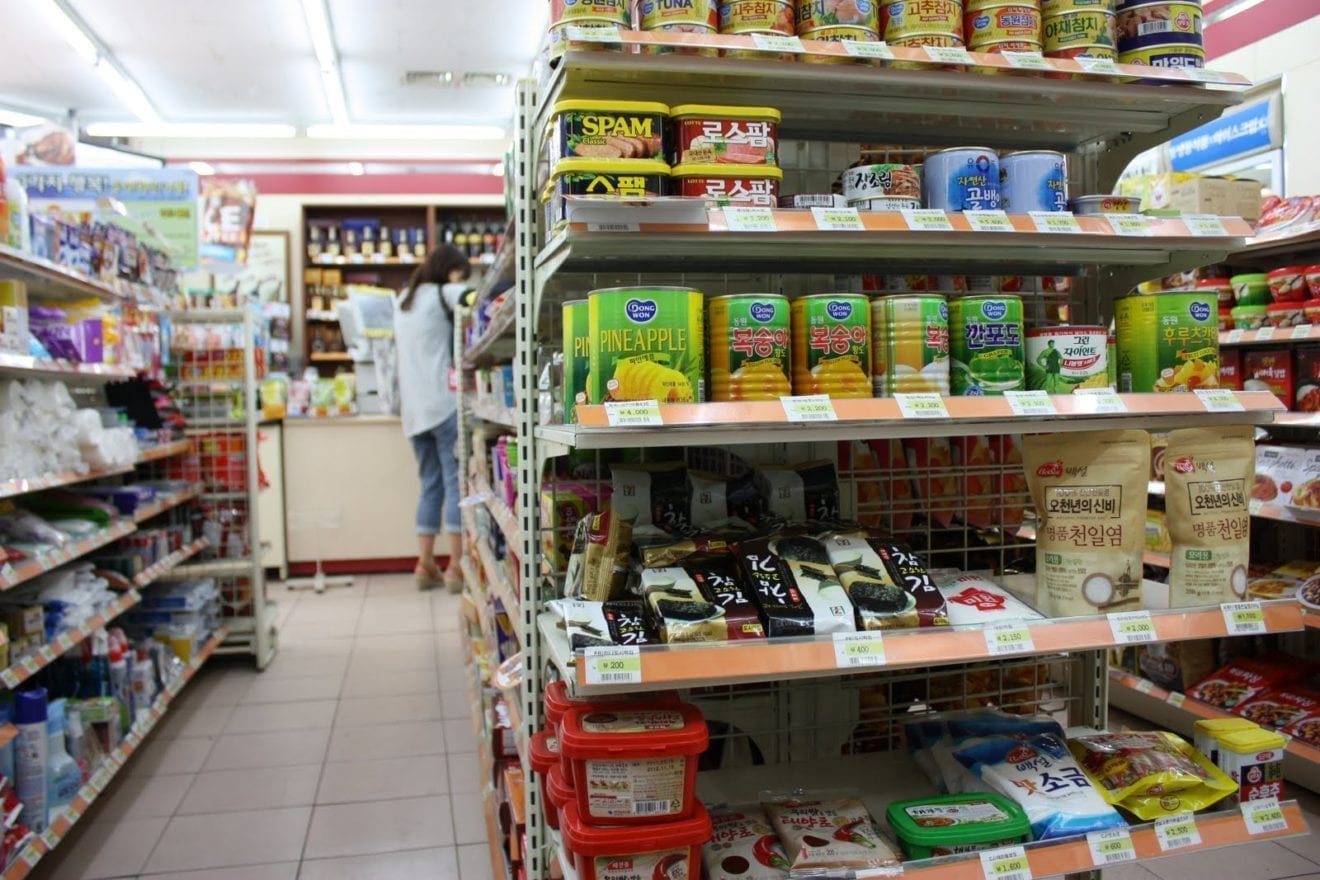
    China is experiencing a convenience-store boom.

    Nearly 12,000 new convenience stores were opened on the mainland last year, according to the China Urban Convenience Store Index, an increase of 18 percent.

    The index, released by the China Chain Store and Franchise Association, showed that new convenience stores took up 62 percent of all new openings in the territory. Around two-thirds of these were opened under a franchise arrangement.

    Typically, franchised convenience stores in China show a return on investment at the two-year mark.

    While first-tier cities are thought to have reached saturation point in terms of convenience-store market penetration, the field remains open for second and third-tier cities.

    “There is a big potential for more regional players to deepen their market penetration,” said secretary general of the China Chain Store & Franchise Association Peipei Liang, adding that hypermarket operators are now turning to smaller-scale and community stores for a new growth point.

    Association figures show that the top 100 chain stores reached sales of CNY240 billion (US$34.9 billion), and an increase of 7.7 percent on the previous year’s results. These players also benefited from a 55.5 percent increase in online revenue.

  • Yum China eyes Thailand with A Fresh Hotpot Concept

    Yum China eyes Thailand with A Fresh Hotpot Concept

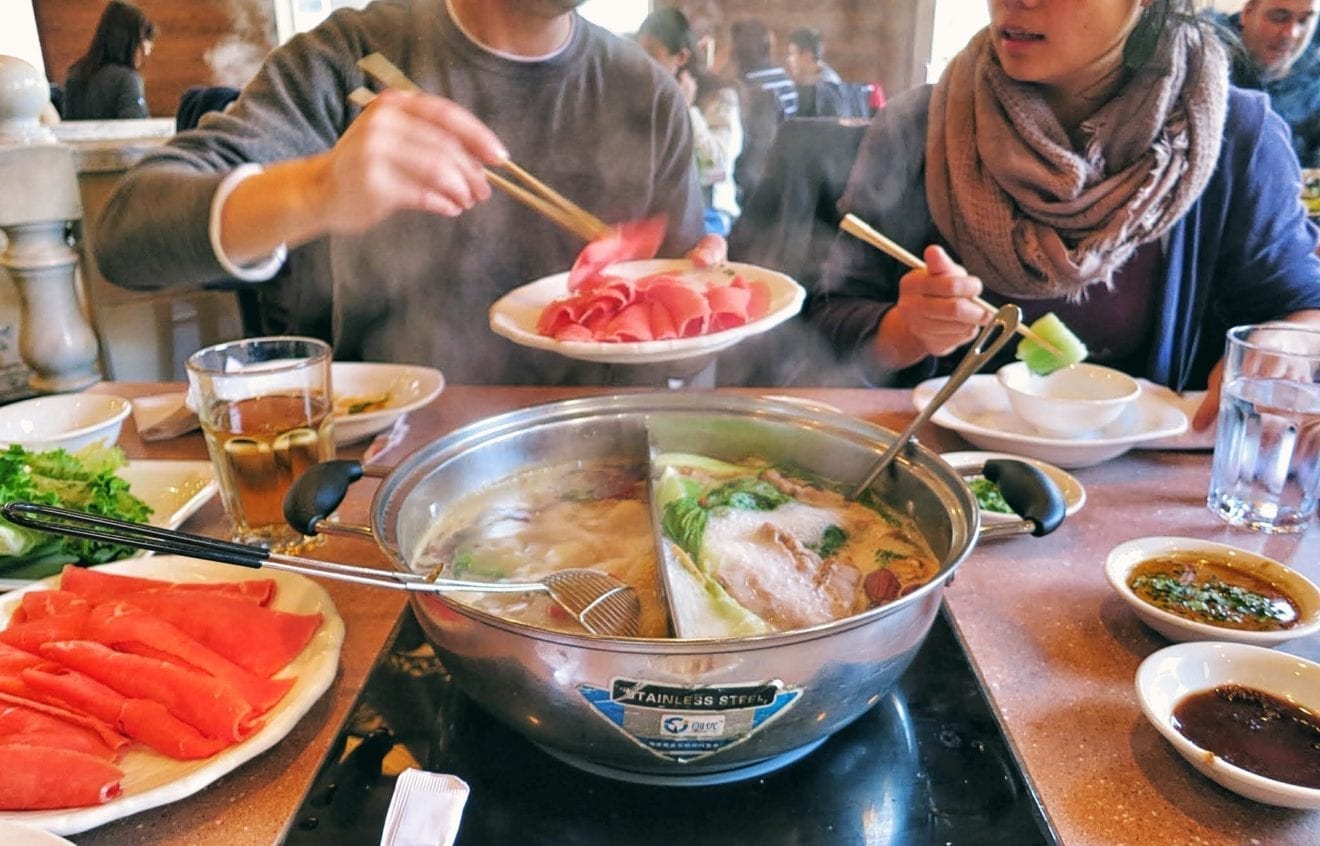
    Yum China looks to expand Asian footprint for hot-pot restaurant brand.

    Quick-service restaurant firm Yum China Holdings is seeking entry into the Thai hotpot market, reportedly worth THB5 billion (US$156.7 million).

    The company is seeking a local partner to launch its Little Sheep Mongolian hotpot chain in the territory.

    “The food and beverage industry in Thailand is one of the most developed markets in the world,” said Yum’s senior specialist for franchise development Isa Jiang. “Thailand also has a rich history of hotpots, as well as food culture.”

    Sixty-six Little Sheep outlets opened in China last year, as well as a further 10 abroad. Seventy of the openings were franchised. The restaurant is currently operated in 300 locations across 130 cities.

    “Ma la, or Sichuan hot chillies, is growing in popularity with Thais,” said business advisory firm Gnosis MD Sethaphong Phadungpisuth, “and we believe that Little Sheep will fit well with Thai tastes.”

    “Southeast Asia and the US have the highest projections for expansion this year,” observed Jiang. “We are focusing on Malaysia, the Philippines and Indonesia. Shabu restaurants are quite popular in Thailand, but we are confident in our key product’s characteristics, especially our meat and broth.”

  • Starbucks China opens First Signing Coffee Store in Guangdong

    Starbucks China opens First Signing Coffee Store in Guangdong

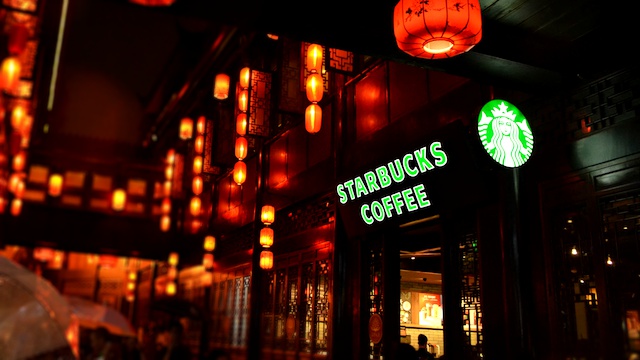
    Starbucks China has opened its first Signing Store, staffed entirely by deaf or hearing-impaired people.

    The store is in Guangzhou, in Guangdong Province which is home to about 4 percent of China’s deaf population. It is Starbucks’ third Signing Store, following outlets in Washington DC and Malaysia.

    Sign language symbols are printed on umbrellas in front of the store, and there are indicators throughout the store. Deaf baristas will wear aprons with the word “Starbucks” embroidered in sign language.

    The store is equipped with a customized ordering system. Customers and partners will be able to communicate using notepads and two-way digital displays. For customers new to sign language, there will be a dedicated area for customers to write down their orders on an electronic board and wireless vibrating pagers will notify customers when their orders are ready.

    The cafe also features exclusive artwork and unique merchandise designed by deaf artists.

    The initiative aims to offer employment and career-advancement opportunities for the deaf and hard-of-hearing community as well as “a welcoming hub for those passionate about improving accessibility and experiences for all”. It is located near the Guangdong Disabled Association and Guangdong Deaf People Association.

    “Starbucks is committed to creating equal opportunities for everyone, as well as a unique third-place experience that addresses a wide range of community needs,” said Belinda Wong, CEO of Starbucks China. “The new Signing Store is an example of how we are building inclusive environments and careers for our partners.”

    Store staff, who have been recruited from across China, are fluent in Chinese sign language.

    To create an inclusive environment and encourage customers to learn more about the deaf community, the store will also offer sign-language lessons and coffee workshops in sign language.

    “The Guangdong Deaf People Association is proud to partner with Starbucks to provide training and opportunities for the deaf and hard of hearing community,” said Yitao Fan, vice chairman, China’s Deaf People Association and president of Guangdong Deaf People Association. “Thanks to Starbucks, deaf partners are empowered to develop their careers in a vibrant and supportive environment, while the store provides a strong platform to drive societal awareness around deaf culture and the needs of the community.”

  • Vans and China drive strong Profit

    Vans and China drive strong Profit

    Outdoor apparel giant VF Corporation says sales from continuing operations surged 12 percent last financial year, to US$13.8 billion.

    Vans proved a standout brand for the group, with sales rising 24 percent on a constant-currency basis, while geographically, China proved a powerhouse, sales there up 22 percent.

    The North Face brand achieved a 9 percent increase in sales year on year.

    “Fiscal 2019 marked one of the most significant periods of transformation in VF’s 120-year history, highlighted by our announcement to spin off our jeans business as an independent, publicly traded company,” said Steve Rendle, chairman, president and CEO. “Despite the tremendous workload, we remained sharply focused and delivered another year of strong financial results and top quartile returns to our shareholders.”

    Rendle said the company’s portfolio is well positioned heading into the 2020 financial year, with growth and momentum strong, fuelled by investments made in support of the company’s long-term strategy.

    “The bold decisions we continue to make to evolve our company underpins the transformational journey we’re on to deliver on our commitment to be a purpose-led, performance-driven and value-creating enterprise capable of delivering sustainable long-term shareholder value,” he said.

    The company projects full 2020 fiscal-year revenue to be between $11.7 billion and $11.8 billion, reflecting growth of approximately 5 per cent to 6 per cent compared to historical results excluding Kontoor Brands, or about 7 per cent to 8 per cent on a constant dollar basis, excluding the impact of acquisitions net of divestments.

  • Arm cuts ties with Huawei

    Arm cuts ties with Huawei

    In the latest development in the ever-churning Huawei news cycle, chipmaker Arm is suspending business with the Chinese vendor to comply with the US restrictions.

    The BBC reported Wednesday that Arm sent out a company memo that said its employees must discontinue “all active contracts, and any pending engagements” with Huawei and its subsidiaries. The memo also said that Arm’s designs contained “U.S. origin technology,” which it believes is affected by the Trump administration’s ban.

    Losing Arm’s technology would be a big blow to Huawei in the smartphone sector. Huawei, currently the second-largest smartphone vendor behind Samsung, uses Arm’s mobile device processors as the key element of its smartphones.

    “Arm is complying with the latest restrictions set forth by the US government and is having ongoing conversations with the appropriate US government agencies to ensure we remain compliant,” according to Arm’s statement.

    “Arm values its relationship with our longtime partner HiSilicon (Huawei’s chip arm), and we are hopeful for a swift resolution on this matter.”

    Last week, the Trump administration blocked Huawei from buying goods made from 25% or more of U.S.-originated technologies or materials, and previously accused the world’s largest telecommunications vendor of being a spy for the Chinese government via backdoors in its telecom gear.

    On Tuesday, the US Department of Commerce’s Bureau of Industry and Security (BIS) announced it would allow some companies to continue to do business with Huawei under specific conditions. The BIS said it would issue a temporary general license (TGL) to Huawei and its 68 affiliates to authorize some U.S. telecom companies to continue to engage in export transactions with Huawei for the next 90 days, which took some of the immediate heat off of Huawei.

    Google had announced that it would no longer allow access to software updates for its Android operating system and apps that are used in Huawei’s smartphones and tablets, but reversed course after the BIS decision was announced.

    In other Huawei news, Panasonic said on Wednesday that it would stop shipments to Huawei of some of its components, but that won’t have as big an impact as losing Arm.

    Huawei said its own operating system for smartphones and tablets would be operational this fall, but would only use it if the company no longer has access to Google’s Android and Microsoft Windows’ operating systems.

  • Mislatel cleared to receive congressional franchise

    Mislatel cleared to receive congressional franchise

    China Telecom backed joint venture Mislatel Corporation has been cleared to secure a congressional franchise to become the Philippines’ third mobile player.

    Mislatel, the joint venture established with businesses owned by Philippines tycoon Dennis Uy, has received congressional approval to acquire the franchise owned by Mindanao Islamic Telephone Co.

    The National Telecommunications Commission will now make preparations to issue a certificate of public convenience and necessity and an allocation of spectrum for the operator. The allocation is expected to be complete by mid-June.

    But Mislatel will first be required to pay a 25.7 billion peso bond, which it will need to forfeit if it does not meet its rollout and other commitments to the government.

    These commitments include achieving 84% population coverage within five years, and reaching a minimum average internet speed of 27Mbps within the first year of operations, increasing to 55Mbps after this time.

    Mislatel won the selection process to become the market’s third major player in November last year. But the company was recently forced to postpone its planned launch date in early 2021 due to delays receiving the congressional franchise.

  • Spar International to expand into China

    Spar International to expand into China

    Grocery retail franchise Spar International will open more than 150,000sqm of retail sales space in China this year.

    The firm’s store-development plans include compact hypermarkets and a “new generation” of supermarkets in Northern and Southern China.

    Spar International, which operates more than 13,000 stores in 48 countries worldwide, is coming off a strong financial year with global sales of €35.8 billion (US$40 billion). The group launched 335 new locations last year, and entered four new countries.

    “Our strong network of Spar partners and supply chains across four continents gives the brand a competitive advantage in an increasingly global marketplace,” said Spar CEO Tobias Wasmuht, “while our multi-format strategy allows us to respond to changing customer needs.

    “Our continuous compound annual growth of 5.2 per cent over the last three years creates a strong platform to build from for the future and indicates that our ‘Better Together’ strategy, launched in 2016, continues to deliver for the organisation, our partners and our customers.”

    The Spar brand is present in seven Asia Pacific territories, with €1.96 billion ($2.2 billion) in sales achieved from 573 stores last year. Spar China’s footprint accounted for 830,043sqm and sales of €1.5 billion ($1.67 billion) during the financial year, with particularly strong growth in the Shandong and Guangdong provinces. The firm’s Thailand operations expanded to 45 stores and recorded a sales growth of 96.2 per cent.

  • Chinese consumers adore pre-owned shopping online

    Chinese consumers adore pre-owned shopping online

    More and more mainlanders are using apps and websites to shop for pre-owned products.

    The popularity of shopping for pre-owned products online is on the rise in China, a trend being driven by a new consumer focus on sustainability and the rise of “recommerce” super apps, which integrate all possible functions related to shopping for secondhand goods.

    China has a nascent but fast-growing secondhand market, according to the China Center for Internet Economy Research, a Beijing-based research think tank, which estimates the size of the market at RMB 500 billion (US$71.1 billion) in 2017. It predicts that number will double by 2020. And monthly active users on recommerce platforms in China grew 46.4 per cent last year, almost double the growth rate of the users in the overall e-commerce sector, according to US research firm Nielsen reported.

    Despite those big numbers, China’s recommerce boom is only beginning. Compared to mature recommerce markets in the west, where secondhand markets (including used cars) sometimes account for as much as 10 per cent of GDP, China’s second-hand market was about 0.6 per cent of GDP in 2017.

    Some factors unique to China are behind its potential to close the gap: Firstly, the purchase of pre-owned items was once a taboo – because it was seen as a sign of financial struggle and was, therefore, a source of social shame. Now, it is considered smart shopping. Secondly, improved standards of living are a recent phenomenon in China. They’re just decades old, following in line with the country’s “reform and opening” since 1979. But as the ability for Chinese consumers to accumulate more climbs with their spending power, the market for secondhand goods grows as well.

    Sustainability is the new black

    Cost-conscious shopping aside, Chinese consumers these days are increasingly focused on sustainability, and that is driving the secondhand goods market as well. A Mintel survey showed that more than half of urban Chinese consumers buy or rent second-hand products because it is good for the environment. Among a trendsetting subset of that group – well-educated, sophisticated shoppers –  the percentage climbs to 63 per cent and trumps affordability as the top reason to participate in recommerce.

    Chinese millennials, in particular, are emphasising rational consumption and sustainability in their shopping habits. According to survey data from Sootoo Institute, which researches the internet sector in China, 50 per cent of recommerce-platform users in China are under the age of 24, while 34 per cent are between 25 and 30. More than 60 per cent of the total 200 million users on Alibaba Group’s recommerce platform, Idle Fish (or Xianyu in Mandarin), the largest such platform in China, were born after 1990.

    Perhaps it is not surprising, then, that recommerce platforms such as Idle Fish have built-in features to encourage and reward sustainability. Idle Fish has partnered with Alibaba affiliate company Ant Financial to offer users access to its sustainability mini-program, “Ant Forest,” which is featured on Ant Financial’s mobile-payments platform Alipay. Users can redeem points awarded by Ant Forest for recycling to have trees planted by Ant Financial in China. The total recycling activity on Idle Fish last year translated into the planting of about 230,000 trees.

    Super apps and ‘Fish Ponds’

    Recommerce in China is unique also for the way in which Chinese consumers shop for pre-owned items. Super apps, such as Taobao and Tmall, are the preferred online destinations for commerce because they offer channels for all kinds of shopping. The same goes for Idle Fish, which allows users to buy, rent, give away or even donate their unwanted things in every conceivable product category. For consumers in the US to do the same, they would need to separately use the Rent the Runway, eBay, ThredUp, Goodwill and Facebook (marketplace) apps.

    Then there’s the community and entertainment aspects of the recommerce shopping experience in China. While secondhand shopping in the west is typically a transaction-driven experience, in China, it is a social one. For example, Idle Fish’s “Fish Ponds” are micro-communities within the app that group users by common hobbies, such as fishing, photography or fitness. Within each “pond,” users exchange information about their hobby and post used items for sale. Besides the pond, there is even a separate channel for celebrities, where they sell their personal items to followers. This is particularly popular for luxury shoppers, who trust the authenticity of items owned by celebrities and aspire to follow their fashion tastes.

    The play for brands

    Brands should not overlook the opportunity to capture loyal customers in this new generation of environmentally conscious consumers in China. Some, such as Swedish fast-fashion brand H&M, are already doing just that. H&M has partnered with Idle Fish to give shoppers credit to spend on its Tmall flagship store for each bag of used clothing or textiles they give back to the brand for recycling or repurposing.

    In the future, the “recycling-and-reward” steps will also be additional consumer-engagement points that brands can leverage to increase boost loyalty. Also, we will likely see more brands open official stores on recommerce platforms, making recycling part of the usual shopping journey. The chance to shop vintage styles could increase brand loyalty. For example, brands could offer pre-owned jeans on recommerce platforms while accepting trade-ins from customers, offering another way to maintain connection beyond the initial sale of new items.

  • Goodbaby opens Chengdu Flagshop Store

    Goodbaby opens Chengdu Flagshop Store

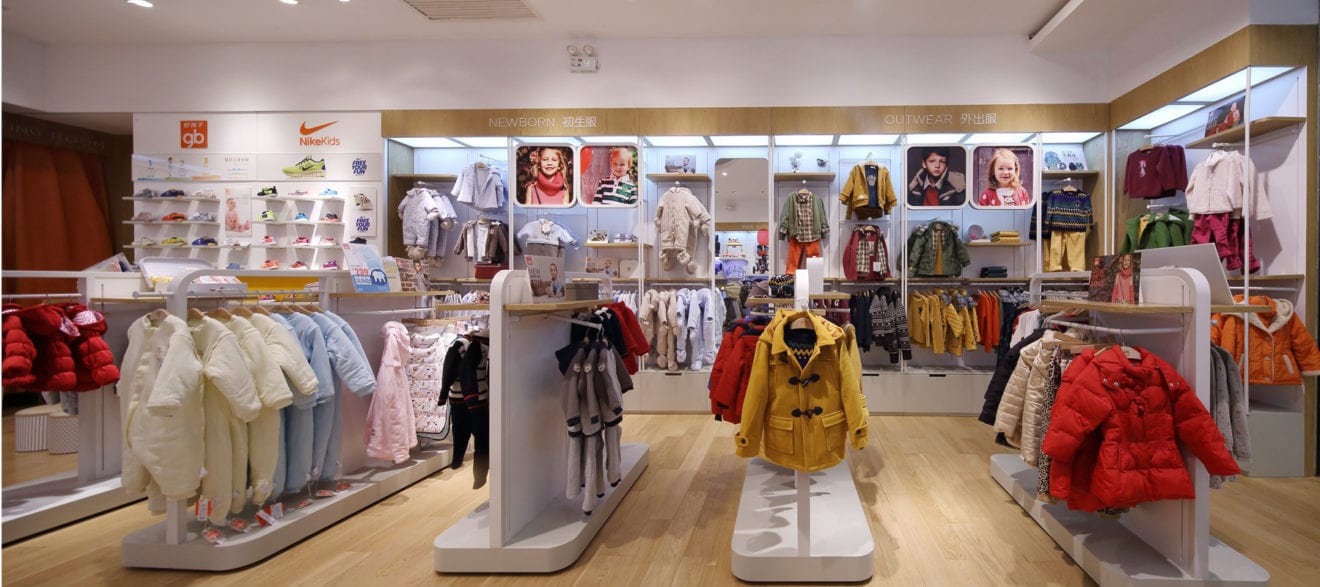
    Goodbaby International has opened two flagship stores in Chengdu, China.

    One of the new stores is located at International Finance Square (IFS), the other at Chengdu Joy City. Both opened last Saturday.

    The stores represent the parenting-products retailer newest offline store model and were designed by an unnamed “well-known designer” who has previously cooperated with many globally renowned luxury concept stores.

    “The key to mom-and-child products lies in experience,” said Goodbaby China CEO Jiang Rongfen.

    “The new global flagship stores are designed with both the sensitive and sensible factors of the consumers’ shopping behaviors in mind.”

    The designer aimed to create an immersive, scenario-based smart lifestyle environment for parenting families, where consumers can experience and interact with the products to make better shopping decisions with the help of AI, VR and AR technologies, as well as making one-stop shopping convenient.

    “Our goal is to make every customer willing to share their satisfactory experience with their friends,” Jiang said.

    With Chengdu considered an up and coming fashion hub in China, Goodbaby decided to launch its new Hey Box smart products at the two flagship stores.

    “It is usually said that winning Chengdu’s consumers is a big step towards winning China’s consumers,” said Jiang.

    Goodbaby was set up in China 1989 as a global company with local operations in China, Germany and the US. At the core of its range are baby carriages and child car seats.

  • Google to ban Huawei’s access to Android

    Google to ban Huawei’s access to Android

    Huawei’s consumer business has been dealt a potentially devastating blow to its future prospects after US president Donald Trump formally added the vendor to a list of companies that American companies cannot trade with if they don’t obtain a license.

    Huawei was added to the entity list of banned companies covered by the national emergency Trump declared last week, which gave him the power to regulate commerce to ostensibly protect national security.

    In the wake of Huawei being added to the list, Google has barred Huawei from receiving some updates to Android, announcing that it is “complying with the order and reviewing the implications”.

    US Chipmakers including Intel, Qualcomm, and Broadcom also reportedly told employees that they will cease supplying Huawei until further notice.

    But the US Commerce Department has subsequently issued a three-month exemption allowing Huawei to continue to purchase and access American products in order to maintain existing networks and provide software updates to existing devices.

    The exemption will not Huawei to purchase US components for new products. On the bright side for Huawei, the Commerce Department has announced it may extend the exemption further than the initial 90 days.

    In various communications including one sent to Globe Telecom in the Philippines, Huawei has pledged to continue providing security updates and after-sales services for its devices.

    Huawei founder and CEO Ren Zhengfei has meanwhile taken a bullish stance over the impact of the ban, telling Japanese media that the company’s growth “may slow, but only slightly.”

    The vendor had been anticipating the ban for some time, and has been investing in producing homegrown chips and further developing its own operating system in preparation.

    Ren has rejected the prospect of building manufacturing facilities in the US – even if the government asks Huawei to.


  • Wolverhampton Wolves to open Shanghai Football Store

    Wolverhampton Wolves to open Shanghai Football Store

    English Premier League football team Wolverhampton Wanderers is opening a retail store in Shanghai.

    The July 15 opening, timed to coincide with the Premier League Asia Trophy in which the club is participating, will see the Wolves Megastore become one of the first anchor tenants of the Bund Financial Centre Mall. The location is situated on the Shanghai Bund near the headquarters of the club’s Chinese owner Fosun.

    “We see China as a key market for us, both in terms of fan acquisition and also developing the commercial aspirations of the club,” said Wolves MD Laurie Dalrymple, “and timing the store opening for when the first team and staff are in Shanghai was a natural fit.”

    The store will stock Wolves-inspired fashion lines unique to the Chinese market along with replica products.

    A series of Wolves pop-up stores will also be opening in Nanjing, Hangzhou and Chengdu.

  • 10 Corso Como Leaving Shanghai

    10 Corso Como Leaving Shanghai

    Italian fashion concept store 10 Corso Como is withdrawing from China.

    The firm’s Shanghai retail outlet, which has been open since 2013, will be shuttered late this month in the absence of interest in a license and lease renewal from its local partner Trendy Group.

    The Milanese brand launched its early version of the concept store format at the beginning of the 90s, leading to global popularity and continuing global expansion – its New York location opened just late last year.

    Trendy Group is a late 90s fashion conglomerate that operates more than 3000 retail locations in almost 300 cities worldwide, and holds brands such as Ochirly, Five Plus, Coven Garden, Trendiano and Miss Sixty.

  • China driving global cellular IoT adoption

    China driving global cellular IoT adoption

    An “exceptional adoption” in China has lifted the global number of cellular IoT subscribers by 70% to reach 1.2 billion in 2018, says a report released by Berg Insight.

    The research firm predicts that there will be 9 billion IoT devices connected to cellular networks worldwide by 2023.

    China, which accounted for 63% of the global installed base in 2018, is expected to continue to be the key driver for IoT adoption, as the Chinese government is actively driving adoption as a tool for achieving domestic and economic policy goals.

    “China is deploying cellular IoT technology at a monumental scale”, said Tobias Ryberg, principal analyst and author of the report.

    According to data from the Chinese mobile operators, the installed base in the country increased by 124% year-on-year to reach 767 million at the end of 2018.

    China has overtaken Europe and North America in penetration rate with 54.7 IoT connections per 100 inhabitants, Ryberg said.

    He said the role of the government is the main explanation for why China is ahead of the rest of the world in the adoption of IoT.

    “The most distinctive characteristic of the Chinese IoT market is however the way that the government is systematically using new technology to implement its vision for urban life in the 21st century,” Ryberg said.

    “At the same time the private sector also implements IoT technology to improve efficiency and drive innovation.”

    China has witnessed widespread adoption of connected cars, fleet management, smart metering, asset monitoring and as well as new consumer services like bike sharing.

    The report also analyses the IoT business KPIs released by mobile operators in different parts of the world and found significant regional differences.

    While China has the world’s highest IoT penetration rate, Europe seems is doing better job in terms of monetizing the IoT business.

    According to the report, the monthly ARPU for cellular IoT connectivity services in China was only €0.22 ($0.25), compared to € 0.70 in Europe.

    Global revenues from cellular IoT connectivity services increased by 19% in 2018 to reach €6.7 billion. The ten largest players had a combined revenue share of around 80%.