Tag: China

  • China Mobile is world’s most valuable telco brand

    China Mobile is world’s most valuable telco brand

    China Mobile is the most valuable telecoms brand in Asia-Pacific, and the third most valuable in the world, according to Brand Finance’s latest Telecoms 300 brand value report.

    China Mobile’s brand value has increased 4.6% in 2019 to $53.22 billion, cementing its position behind AT&T ($87 billion) and Verizon ($71.15 billion) on the top 20 leaderboards.

    Other Asia-Pacific operators in the top 20 include Japan’s NTT Group (5th with a brand value of $41.67 billion), China Telecom (9th, $20.63 billion), Japan’s SoftBank (10th, $19.29 billion) and au (11th, $16.62 billion), Australia’s Telstra (14th, $10.5 billion), and China Unicom (16th, $10.23 billion).

    But with the exception of China Mobile and au, whose position on the leaderboard remained unchanged, all the Asia-Pacific operators in the list fell either one or two places.

    Further down the list, Vietnam’s Viettel had a strong performance, with its brand value increasing by 36% to $4.3 billion, while Ooredoo increased to 41st on the top 50 rankings with a 12% increase in brand value to $3.78 billion.

    The report also ranked telecoms brands by relative strength based on metrics including marketing investment, stakeholder equity, and business performance.

    By these criteria, Thailand’s AIS was named the world’s strongest telecoms brand, overtaking China Mobile. Malaysia’s Digi was ranked as the third largest brand, while relative newcomer Reliance Jio Infocomm from India was named fifth. Telkom Indonesia (8th) and Singtel (9th) also made the top 10.

  • BoConcept Asia continues Expansion

    BoConcept Asia continues Expansion

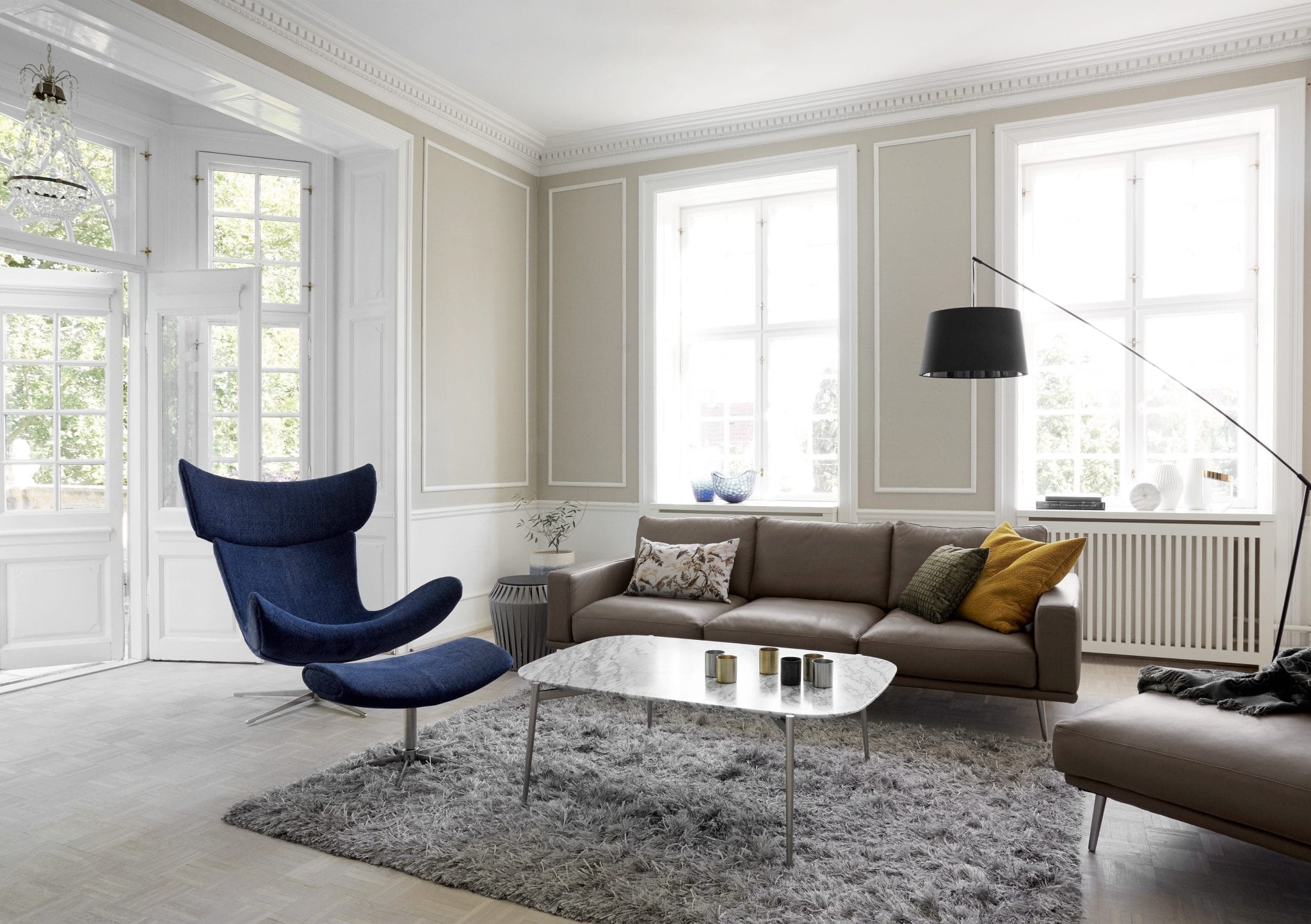
    Furniture and homewares retailer BoConcept has opened new stores in three Asian countries in recent months as it continues to expand its footprint in the region.

    The new stores are in Kyoto, Japan, Zhengzhou, China; and Ho Chi Minh City, Vietnam.

    BoConcept already has about 300 stores in more than 65 countries and is seeking to more than double its network within the next few years.

    The Kyoto store, which opened in March, is the brand’s 16th store in Japan and its 71st in Asia.

    The Zhengzhou store, in Henan Province, marks its 24th in China and the Vietnamese stores it’s sixth in the market. Both opened last month.

    The store is located in the suburb of Thao Dien, a popular area for expats.

  • ZTE opens first cybersecurity lab in China

    ZTE opens first cybersecurity lab in China

    ZTE has launched the first in a series of planned dedicated cybersecurity labs aimed at reassuring customers of the security of its solutions, and developing end-to-end security products and services.

    The new lab in Nanjing, China will help ZTE provide customers with end-to-end security products and services.

    It also aims to help ZTE increase transparency and enhance trust with all third parties, including customers and global regulators, in light of the national security concerns that are prompting several countries to ban the use of equipment from Chinese vendors in 5G rollouts.

    The lab will provide security assessment and audit services such as source code review on ZTE products including 4G and 5G solutions.

    It will also offer security design audit, procedural document review, black box testing and penetration testing services, and facilitate research and development collaborations with other industry stakeholders and academia.

    Moving forward, the company plans to collaborate with major security organizations to jointly conduct security assessment, certification, training and consulting.

    Following the establishment of the Nanjing lab, ZTE plans to also launch cybersecurity labs in Italy and Belgium respectively in the near future as it builds out a global network.

    “The security lab is an open and cooperative platform for the industry,”  ZTE CSO Zhong Hong said during a speech at the opening of the new lab.

    “ZTE plans to gradually achieve the cybersecurity goals through three steps: first, meeting the requirements of cybersecurity laws, regulations and industry standards as well as certification schemes; second, conducting an open dialogue to enhance transparency and establishing cooperation with customers as well as regulatory agencies; and third, sustaining the open cooperation mechanism to contribute to cybersecurity standardization.”

  • Starbucks China opens Signing Coffee Store in Guangdong

    Starbucks China opens Signing Coffee Store in Guangdong

    Starbucks China has opened its first Signing Store, staffed entirely by deaf or hearing-impaired people.

    The store is in Guangzhou, in Guangdong Province which is home to about 4 percent of China’s deaf population. It is Starbucks’ third Signing Store, following outlets in Washington DC and Malaysia.

    Sign language symbols are printed on umbrellas in front of the store, and there are indicators throughout the store. Deaf baristas will wear aprons with the word “Starbucks” embroidered in sign language. The store is equipped with a customized ordering system. Customers and partners will be able to communicate using notepads and two-way digital displays. For customers new to sign language, there will be a dedicated area for customers to write down their orders on an electronic board and wireless vibrating pagers will notify customers when their orders are ready.

    The cafe also features exclusive artwork and unique merchandise designed by deaf artists.

    The initiative aims to offer employment and career-advancement opportunities for the deaf and hard-of-hearing community as well as “a welcoming hub for those passionate about improving accessibility and experiences for all”. It is located near the Guangdong Disabled Association and Guangdong Deaf People Association.

    “Starbucks is committed to creating equal opportunities for everyone, as well as a unique third-place experience that addresses a wide range of community needs,” said Belinda Wong, CEO of Starbucks China. “The new Signing Store is an example of how we are building inclusive environments and careers for our partners.”

    Store staff, who have been recruited from across China, are fluent in Chinese sign language.

    To create an inclusive environment and encourage customers to learn more about the deaf community, the store will also offer sign-language lessons and coffee workshops in sign language.

    “The Guangdong Deaf People Association is proud to partner with Starbucks to provide training and opportunities for the deaf and hard of hearing community,” said Yitao Fan, vice chairman, China’s Deaf People Association and president of Guangdong Deaf People Association. “Thanks to Starbucks, deaf partners are empowered to develop their careers in a vibrant and supportive environment, while the store provides a strong platform to drive societal awareness around deaf culture and the needs of the community.”

  • Alibaba Acquires 104 million monthly Active Users

    Alibaba Acquires 104 million monthly Active Users

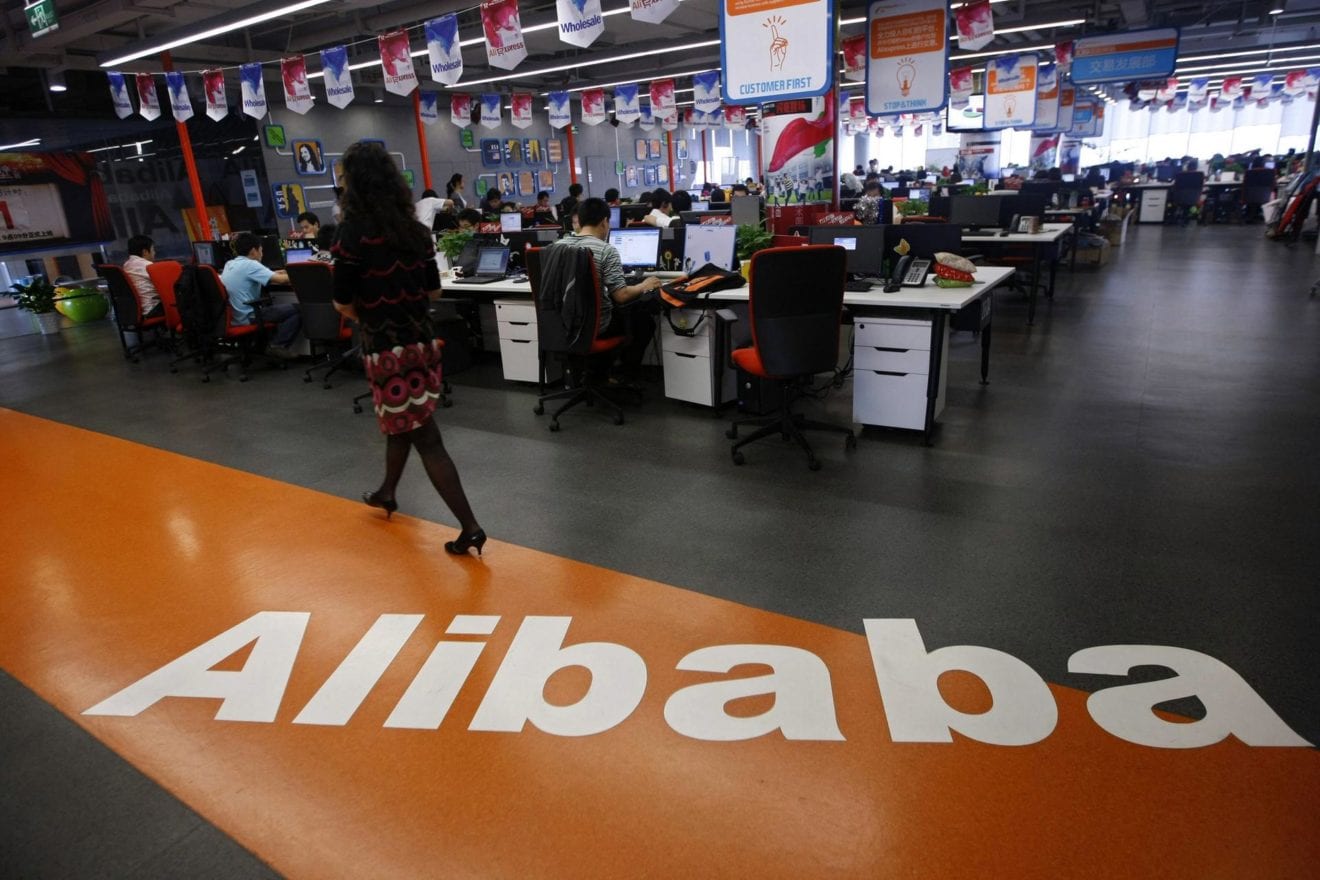
    Alibaba Group added 104 million monthly active users to its Chinese online retail marketplaces during the year to March 31.

    That stellar growth, driven by successful user-acquisition programs such as referrals through the Alipay app, took the total to 721 million. At the end of last year, the figure was 654 million, while quarter-on-quarter growth was 22 million.

    A standout feature of the growth is that Alibaba is cutting through into lower-tier, less developed cities which accounted for 70 percent of user growth last quarter.

    The figures were included in the company’s annual results, which, as reported earlier, included revenue growth of 51 percent during the year to March 31 to US$56.2 billion and net income up 31 percent to $13.1 billion.

    Chinese marketplaces recorded total gross merchandise volume (GMV) of $853 billion last year, up 19 percent on last year, which keeps the company on track to achieve its US$1 trillion total GMV target by the end of 2020.

    The company said its Taobao platform continues to grow fast. This year, a new interface was launched aimed at improving the user experience through content innovation and intelligent personalized recommendations.

    “It delivers a customized shopping experience by segmenting users based on behavior data and providing them with more recommendations to enhance product and content discovery,” the company said in a statement. “The new interface also includes Taobao’s innovative content, such as curated posts, short-form videos, and live-broadcast events. These initiatives drove strong growth in user engagement, purchase conversion, and annual active consumers.”

    Meanwhile, Alibaba’s mainstay Tmall is gaining wallet share and growing faster than the sector average, the company said.

    The growth of physical goods GMV, excluding unpaid orders, accelerated to 33 percent year-on-year in the quarter to March 31, compared to 29 percent in the previous quarter.

    “This robust growth was driven primarily by a strong performance of fast-moving consumer goods (FMCG), apparel, electronics, and home furnishing categories during the March quarter.”

    Its premium Luxury Pavilion channel boosted its brand lineup to more than 100 luxury brands, all of which have also opened Tmall flagship stores

  • Parkson Retail to open store above Chinese railway station

    Parkson Retail to open store above Chinese railway station

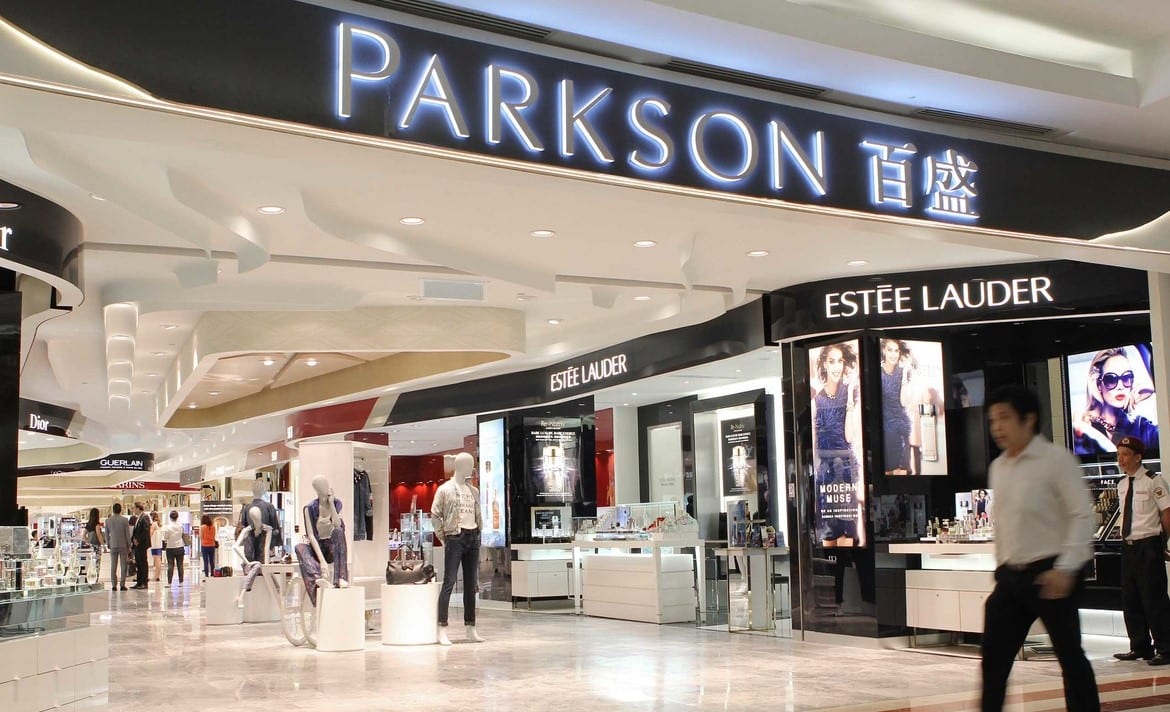
    Parkson Retail Group is preparing to occupy a complex above Nanjing Railway Station in Chinese Jiangxi.

    The group, a Hong Kong-listed firm controlled by Malaysian Parkson Holdings Bhd, won its US$6.1 million bid for the tenancy of buildings above the Bayi Guan Station of the Nanchang Rail Transit Line 1 in the city.

    The 12-year tenancy will allow a 42,903sqm retail space for the firm, although no formal agreement on the tenancy has been signed as of yet.

    A statement from the firm read: “The tenancy, if materialised, may constitute a discloseable transaction for PRGL,” given its alignment with the firm’s development strategy for the province.

  • Restaurant Brands International eyes massive China expansion

    Restaurant Brands International eyes massive China expansion

    Restaurant Brands International, parent of the Burger King, Tim Hortons and Popeyes Louisiana Kitchen brands, is eyeing significant expansion in China despite current trade tensions.

    The firm is aiming to surpass 40,000 locations in the territory within 10 years, making the firm one of the world’s largest restaurant chains.

    “Our view is that we want to be there, and we will be there for the long term,” said company CEO Jose Cil. “It’s an amazing consumption market, growing tremendously.”

    The firm is making its intentions known in an atmosphere of a deteriorating trade relationship between China and the US. Before tensions heightened last week, China was already on track to experience its worst GDP growth in 29 years.

    Restaurant Brands is aiming to launch 1500 Tim Hortons locations within China within the next decade as the brand’s growth is slowing in its home Canadian market. There are currently just four Tim Hortons in the territory, compared to more than 1000 Burger King restaurants.

  • Bern’s Intersport partners with Suning in China

    Bern’s Intersport partners with Suning in China

    Bern retailer network Intersport has entered into a franchise agreement with major Chinese omnichannel retailer Suning.

    The move gives Intersport a more significant presence in the huge Chinese sports market both in the offline and online arenas. It enables Suning to launch Intersport stores in specified provinces and municipalities in China, distributing Intersport products within the territory.

    “Intersport’s global expansion is progressing,” said Intersport International CEO Steve Evers. “We are proud to announce our partnership with Suning, the leading Chinese retailer, to boost our sports retailing business in this rapidly growing market. This alliance of two strong partners with complementary businesses and competencies will form the basis for long-term success in the Chinese sports retail market.”

    “Football, fitness, and a penchant for a healthy lifestyle are increasingly popular in China,” said Suning VP Gary Gong. “For this reason, Suning took the strategic decision to extend its retail business into the sports equipment market.”

    Suning has 12,871 stores in more than 600 cities in China. Its e-commerce platform claims more than 407 million registered users.

  • Alibaba not affected by the Trade War

    Alibaba not affected by the Trade War

    Alibaba executive chairman Joe Tsai told analysts the company’s position as “China’s number-one platform for overseas brands” puts it on the right side of the trade war between the US and China.

    While discussing the group’s recent full-year results, which saw Alibaba grow revenue 51 per cent during the year to March 31, 2019, to US$56.2 billion (RMB376.8 billion) and net income 31 per cent to $13.1 billion (RMB80.2 billion), Tsai said he wanted to address the “elephant in the room”.

    “First, the reduction of the US trade deficit. China’s commitment to purchase more American products means China will over the next several years become a net importing country,” Tsai said.

    “We are the platform of choice for global producers of products and brands selling into China because we have the reach and deep insights on over 650 million active Chinese consumers on our platform. The scale and effectiveness of our access to Chinese consumers is simply unrivaled.”

    Alibaba’s active customers grew to 654 million over the year to March 31- an increase of 104 million year on year.

    Tsai said the ongoing trade negotiations also create an opportunity for other markets to do more foreign business within China, satisfying growing demand from the Chinese public as the country’s economy shifts from an “export economy to a domestic consumption economy”.

    “As we look at the evolution of the Chinese economy, Alibaba is on the right side of all of the issues,” Tsai said.

    Alibaba was recently ranked as the world’s most valuable retail brand outside of the US by research firm Kantar earlier this week, which valued the brand at US$131.2 billion, up 48 per cent on last year.

    Partly, this was due to the group’s New Retail strategy, which this year saw Alibaba partner with Starbucks to enable on-demand coffee delivery across 35 cities throughout China.

    “If you want to see the future of retail, look to China,” the report said.

    “In many ways, it is leading the world… Chinese consumers are using mobile in every aspect of their lives.”

  • FamilyMart is suing its Chinese partner

    FamilyMart is suing its Chinese partner

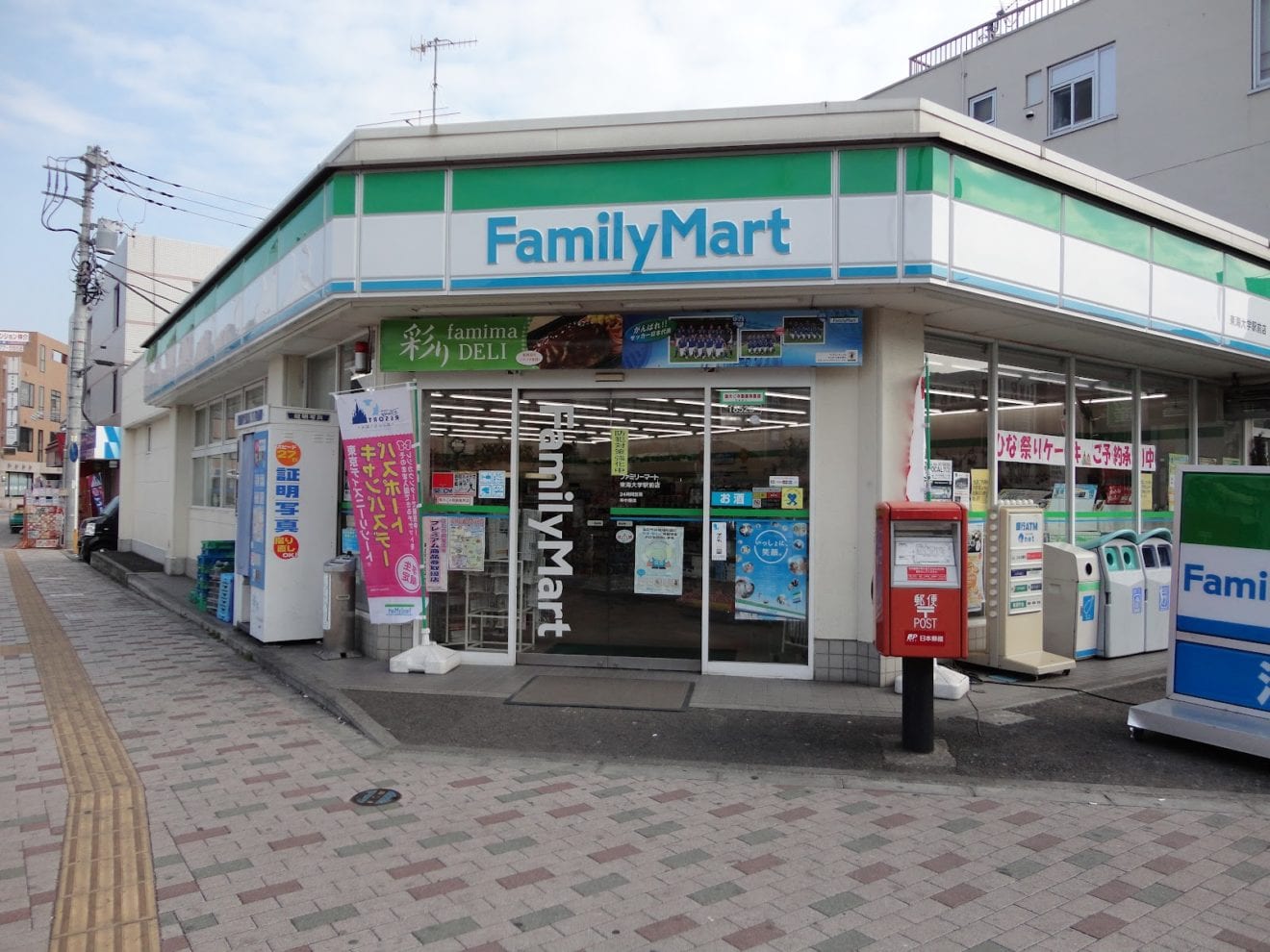
    FamilyMart is suing its Chinese partner in a dispute over royalties which could spell the end of the joint venture.

    With 2500 stores across China, FamilyMart has the second-largest network of foreign players, but the highest market share at around 8.4 per cent, according to Euromonitor data. The Chinese business, owned by Taiwan-based Ting Hsin International Group, is considered a mainland entity having had a presence there since the late 1980s.

    Japan’s FamilyMart UNY has lodged a suit in the Cayman Islands, where both companies are registered, seeking to force Ting Hsin to relinquish its 60 per cent stake in the venture, according to documents sighted by Bloomberg. It claims the Chinese company has not been fairly sharing the profits from the chain’s expansion in China.

    But Ting Hsin counters that familyMart is seeking royalty fees three times higher than rival chains such as 7-Eleven, which is also Japanese owned.

    A FamilyMart spokesperson says the company cannot comment on matters of litigation. Ting Hsin cited confidentiality agreements for not commenting.

    However FamilyMart UNY is alleging that Ting Hsin sought to reduce the royalty fee it pays for using the brand from 1 per cent of sales to 0.3 per cent or less. At one point, it allegedly withheld royalty payments for seven months.

    Ting Hsin has also been accused of failing to adequately disclose transaction data which would allow familyMart UNY to gain an accurate picture of the business’ performance in China.

  • New outlets boost Koufu Sales

    New outlets boost Koufu Sales

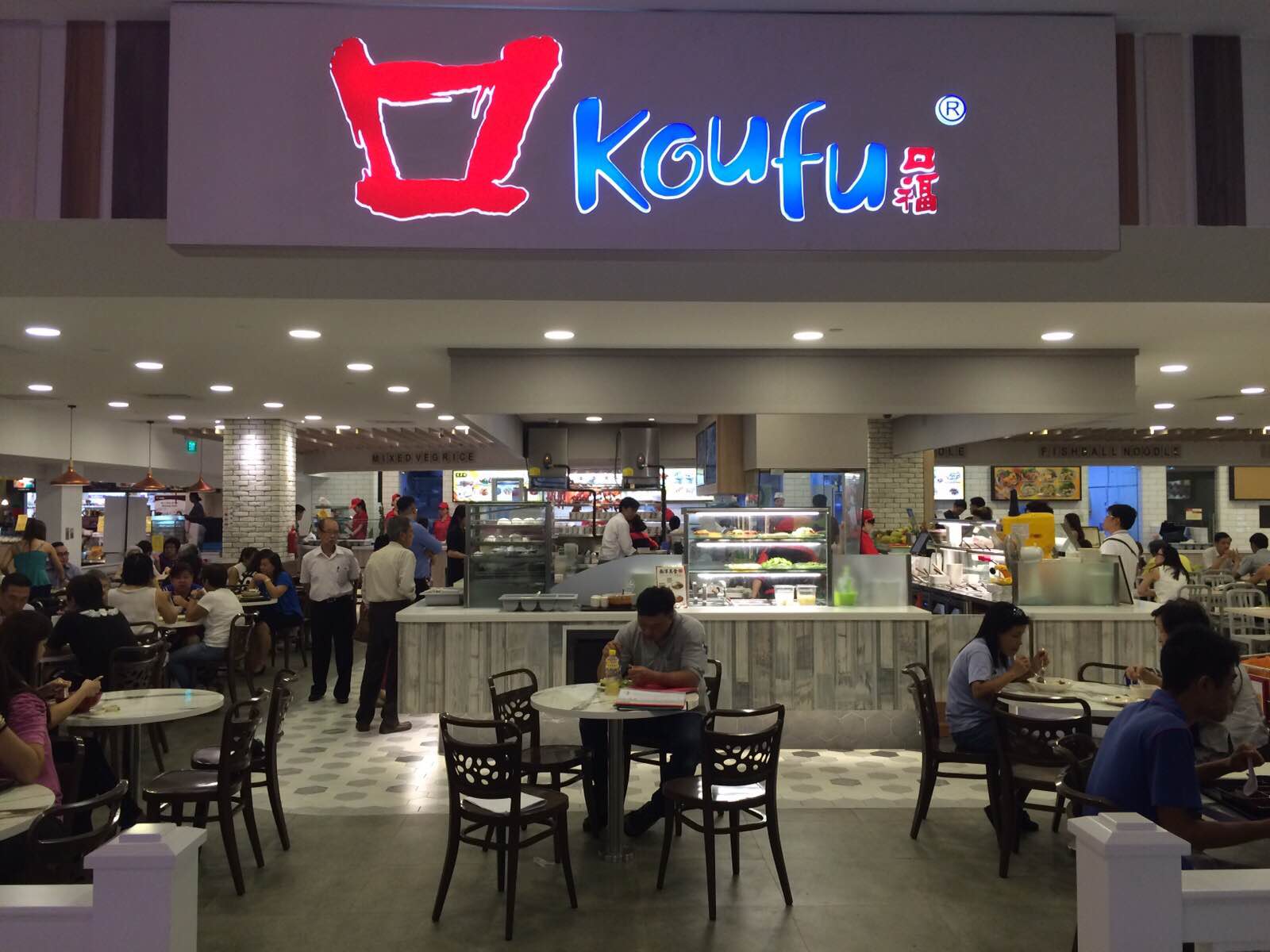
    Singaporean food court and coffee shop management firm Koufu has reported 12.3 percent net profit growth for this year’s first quarter to S$7 million (US$5.13 million) on higher contributions across its business segments.

    The growth in net profit outpaced the 4.9 percent growth in Q1 revenue to $57.8 million compared to $55.1 million during the same period last year.

    “We are pleased to have achieved a strong start for the year,” said Koufu’s executive chairman and CEO Pang Lim. “We remain firmly focused on the expansion of our market share in food courts and coffee shops, growing our F&B concept stores, and bringing new food options and varieties to consumers both locally and in the region, leveraging on our distinct portfolio of brands.

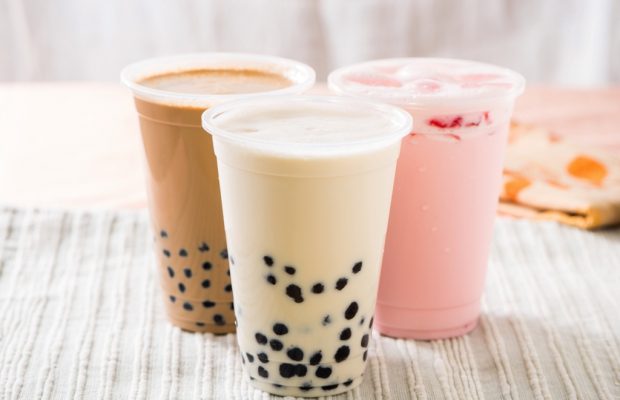
    “We are encouraged by the strong reception of our R&B Tea brand and will continue to nurture this fast-growing brand in Singapore and in the region. Overseas, we have opened our second tea-beverage kiosk at Macau University this quarter and are currently negotiating terms with potential partners to operate both the R&B Tea and Elemen brands abroad. In Singapore, we will continue to seek and secure new premises to expand the number of F&B outlets in pursuit of sustainable growth.”

    Koufu’s synergistic business segments – outlet and mall management as well as F&B retail – both registered increased contributions during the period. The outlet and mall management segment, which contributed 51.4 percent of the group’s revenue, achieved a 9.2 per cent rise in segment revenue during the period. F&B Retail, which contributed 48.6 percent of the group’s revenue, saw a 0.7 percent growth to SGD28.1 million. The improved performance from both segments was due to new openings and overall robust revenue growth from all outlets that outweighed store closures during the quarter.

    The group’s islandwide network numbers 49 food courts, 15 coffee shops, a hawker center and a commercial mall under the outlet and mall management segment, while the F&B retail segment constitutes 73 self-operated F&B stalls, 16 F&B kiosks, eight quick-service restaurants, and three full-service restaurants.

  • Customs seizes $7 million worth of fake goods

    Customs seizes $7 million worth of fake goods

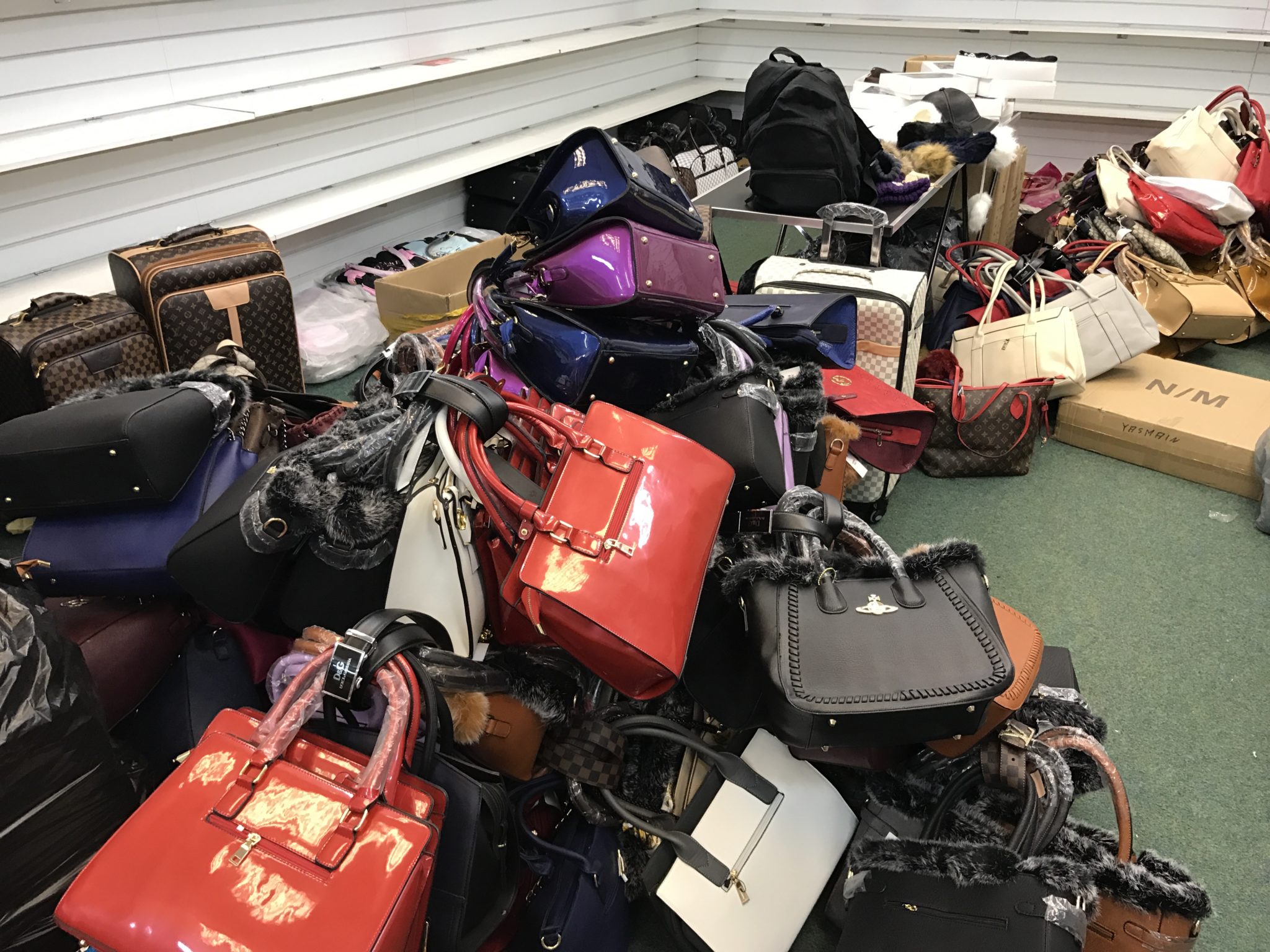
    Hong Kong Customs has seized 55,000 items of fake goods destined for the US during a three-month campaign to combat cross-border counterfeiting. The haul, some of which is shown in the accompanying photograph, included trainer, apparel, mobile phones and accessories, handbags and Beats-branded headphones.

    Customs officers estimated the value of the haul to be about HK$7 million.

    “Hong Kong Customs has been working closely with the US Customs and Border Protection using intelligence exchanges, and took targeted enforcement action between January and April including stepped-up inspection of suspicious express courier parcels destined for the US,” said a Customs spokesperson.

    “Hong Kong Customs will continue working closely with overseas law enforcement agencies to combat cross-boundary counterfeiting activities through intelligence exchanges and joint enforcement actions.”

    Under the Trade Descriptions Ordinance, any person who imports or exports any goods to which a forged trademark is applied commits an offense. The maximum penalty upon conviction is a fine of $500,000 and imprisonment for five years.

  • Holidays boost Chinese e-commerce Numbers

    Holidays boost Chinese e-commerce Numbers

    An extended May Day holiday has proved a boon for Chinese e-commerce, especially among millennial consumers and high-end brands.

    Food orders among the generation group rose 112.4 per cent during the holiday period compared to last year, according to figures recorded at online delivery platform Eleme. Alibaba tourism platform Fliggy recorded a 500 per cent increase in the purchase of tourism products among people born after 2000, while online hotel orders from young parents with children under the age of three increased 77 per cent.

    Additionally, quality home appliances are now among the most highly sought-after products purchased on e-commerce sites.

    “This year’s May Day Holiday showed that people have stronger high-quality consumption demands, reflected not only in high-quality products but also in services,” said the Academy of China Council for the Promotion of International Trade’s head of international commerce Zhao Ping.

    “The growth has been driven by a surge in disposable incomes and the middle-income population,” she added.

    Millennials have now surpassed Gen-X consumers as the biggest e-commerce spenders, according to a report by market consultancy CBNData.

    “The younger generation, especially those born after 1990 and 1995, are more used to ‘fingertip’ consumption and are fast becoming disrupters in the e-commerce sector,” said CBNData business analyst Yang Qin.

  • Urban Tea to roll out More China Stores

    Urban Tea to roll out More China Stores

    Chinese beverage and baked-goods retailer Urban Tea says it plans expansion from the middle of this year.

    The company will expand its network to 28 stores initially, through a combination of franchise partnerships and opening its own stores, with plans to speed up the rollout next year.

    Last October, Urban Tea set up a subsidiary company Shanghai Ming Yun Tang Tea, which controls Hunan Ming Yun Tang Brand Management Co (Hunan MYT), to focus on catering, along with health, training, retail and wholesale. Headquartered in the Changsha Xingingmen Fanchen International Center, Hunan MYT will integrate strategic brand positioning, offline operations, store management and brand marketing – all which will be used to expand the planned retail cafe network.

    Hunan MYT will operate stores under three brands: Buoyance Manor, Your Ladyship Tea (pictured) and Meet Honey. Buoyance Manor mainly features bakery products and coffee. Your Ladyship Tea sells specialty teas and light snacks and Meet Honey will primarily sell snacks and kitchen goods such as coffee mugs and tea cups.

    Currently, the company operates seven stores itself in Hunan province branded Buoyance Manor, along with a tea shop in Changsha Youyou Township.

    Urban Tea plans to focus on health and nutrition, using fresh, green, high-quality ingredients, positioning itself as an “all-natural baker”. Beverages offered include milk teas, fresh fruit teas and coffee.

    Light meals include salads, sandwiches, tacos, pizza, pastas and other meals primarily drawing from French cuisine and other western cuisines, and emphasising healthy meals and fresh ingredients.

    The company says it has established a research-and-development centre and will place an emphasis on seasonal research and product development, by picking fresh fruits, using seasonal tea, and using in season grains.

    “By offering seasonal menus we ensure fresh delivery to meet customers health and dietary needs to cultivate long term customers,” the company said in a statement.

    Urban Tea CFO Kan Lu said: “Our professional operations and R&D teams have many years of industry experience. We desire to make every product uniquely impressive to our customers, and bring consumers fresh, healthy and beautiful food and beverages.”

  • Carrefour China Sale not on the Agenda

    Carrefour China Sale not on the Agenda

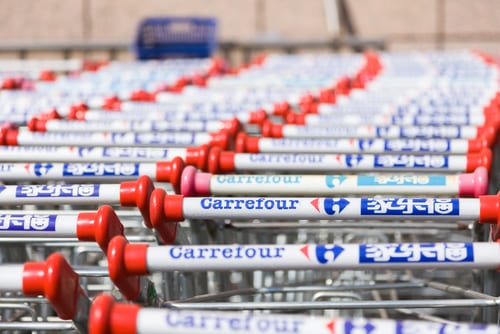
    Carrefour has denied business media reports it is considering selling all or some of its Chinese retail business.

    According to an article, quoting “people familiar with the matter”, the French retail giant is mulling options for the future of the Carrefour China business where sales fell 10 percent last year to €3.6 billion.

    Carrefour “is working with an adviser and has begun reaching out to potential suitors”. Its sources asked not to be identified because the deliberations are private.

    However, a spokeswoman for Carrefour responded saying a sale of the business is “not on the agenda.”

    Analysts estimate the Carrefour China business could fetch about US$1 billion if it was sold in total, however, options being considered to include selling a share to a local partner – or do not sell any of it. No final decision has been made as yet.

    The first Carrefour China supermarket was opened in 1995 when the French company was one of the first foreign retailers to enter the market. Since then it has opened about 245 stores, mostly large-format hypermarkets.

    In March, Carrefour reported its Chinese business had boosted profit 11-fold to €45 million.

    “China is a retailing laboratory for the world,” said Thierry Garnier, president and CEO of Carrefour China at the time. “For Carrefour, China is a specific market that has helped us to learn and to understand the future.”

    And last month the company said it was partnering with local electronics retail Gome to open stores-in-stores in Carrefour hypermarkets selling electrical goods after a successful trial in 11 stores.