Tag: China

  • Huawei insists global smartphone production levels are as Expected

    Huawei insists global smartphone production levels are as Expected

    There’s been much ado about Huawei’s tough road ahead as key US partners and major parts suppliers are prepared to turn their backs on the world’s second-largest smartphone vendor at the end of a 90-day reprieve granted shortly after President Trump’s announcement of a potentially business-ending ban.

    But although it’s pretty obvious the political tensions are already negatively impacting the Chinese company’s sales and brand image in the Western Hemisphere, Huawei reps and executives continue to insist the situation is not as bad as certain reports make it out to be. After essentially suggesting the White House didn’t do the tech giant any favors by giving it the aforementioned “stay of execution”, Huawei is adamantly denying a fresh rumor regarding current smartphone production.

    In a short statement issued to Cnet and a number of other international news outlets, the company specifically and explicitly refuted the claims made in a Chinese media report about a Foxconn manufacturing shutdown of Huawei mobile devices. Apparently, “global production levels are normal, with no notable adjustments in either direction.”

    At first glance, that may seem reassuring, but clearly, these are extremely volatile circumstances, with lots of moving parts and unpredictable future developments. Just because Huawei might be going about its business like nothing has happened or is about to happen, that doesn’t mean a production halt or at least a downgrade are not in the pipeline. If the embargo on collaborations with US companies stands, market researchers expect a significant slowdown of the Chinese tech giant’s incredible recent growth.

    For the time being, it looks like Huawei is working on the assumption the US-China trade war will somehow cool down in the next couple of months, allowing it to continue selling hundreds of millions of Android phones around the world.

  • Lower tourist spend hits Tiffany & Co sales

    Lower tourist spend hits Tiffany & Co sales

    Tiffany & Co sales were hit by what CEO Alessando Bogliolo described as “dramatically lower worldwide spending attributed to foreign tourists” during the first quarter.

    Globally, sales fell by 3 per cent in the three months to April 30, to US$1 billion and comparable sales fell by 5 per cent. “Significant foreign exchange headwinds” were also responsible for the result, with sales down a more modest 2 per cent on a constant-currency basis.

    While not releasing breakdowns by country, Bogliolo said global sales attributed to local customers, led by sales in China, grew year on year. “We believe this growth in sales to local customers reflects progress in executing our strategic priorities, including innovations across products, communications and the customer experience, and that Tiffany is positioned for improving trends in the second half of 2019.”

    Net earnings of $125 million were 12 per cent lower than the prior year’s $142 million.

    Tiffany & Co sales in Asia-Pacific declined 1 per cent to $324 million and comparable sales declined 5 per cent due to the effect of foreign currency translation; on a constant-exchange-rate basis, total sales rose 3 per cent and comparable sales were unchanged.

    “These results reflected a continuation of strong growth in Mainland China and mixed results in other markets,” the company said in a statement. “These sales results also reflected lower spending attributed to foreign tourists.”

    In Japan, total net sales declined 4 per cent to $145 million and comparable sales declined 4 per cent, but on a constant-exchange-rate basis, total sales and comparable sales were equal to the prior year. These results were also affected by lower spending attributed to foreign tourists.

    In Europe, total net Tiffany & Co sales declined 4 per cent to $102 million and comparable sales declined 7 per cent. In the Americas, total net sales declined 4 per cent to $406 million, and comparable sales declined 5 per cent.

  • Alibaba’s 618 Mid-year Shopping Festival targets Specific China Regions

    Alibaba’s 618 Mid-year Shopping Festival targets Specific China Regions

    Alibaba Group has launched this year’s 618 Mid-year Shopping Festival from Taobao and Tmall, allowing brands and merchants to tap into China’s less-developed regions with 1.5 million new products and multiple promotions.

    This year’s festival aims to engage customers in emerging cities, counties and villages across China. To do so, Taobao and Tmall are boosting promotional resources to elevate excitement and help brands reach this rapidly growing market. Altogether, more than 200,000 brands and retailers will participate in the shopping event.

    The shopping event officially started on June 1 and will continue though June 18. Within the first hour, from midnight to 1am, gross merchandise volume (GMV) exceeded that of the first 10 hours last year. And at 11.23am, less than 12 hours after the start, total GMV surpassed last year’s full-day figure.

    Branded products are so far proving extremely popular. Top brands like Apple, Xiaomi, Haier, Aux, Midea, L ‘Oreal, Lancome, Nike and Adidas each notched more than RMB100 million in sales in the first hour. Among them, Apple sold over RMB100 million worth of products in two minutes and 45 seconds, while Midea and Nike both hit that mark in four minutes.

    “In addition to rising discretionary spending, consumers in China’s less-developed regions are becoming more-sophisticated shoppers who are looking for lifestyle upgrades,” said president of Taobao and Tmall Jiang Fan. “This increased consumption potential could mean bright prospects for our merchants. People in these areas might have less access to physical shopping facilities than those in big cities, and this year we are working closely with our partners to address their needs and offer them the same good quality products on our platforms with innovative and fun programs.”

    The number of people living in smaller cities and rural areas accounts for nearly 70 per cent of China’s total population, according to Chinese market-research firm Analysys. These consumers are catching up with first- and second-tier markets in valuing quality over price. Tmall’s figures also show that more than half of the sales generated on its Luxury Pavilion comes from customers outside China’s first- and second-tier cities.

    In view of this trend, Taobao and Tmall are leveraging Alibaba Group’s ecosystem and technology and an array of marketing channels and tools to build momentum from early June. Key initiatives to offer opportunities in fast-growing markets and enhance customer engagement include:

    Tmall product debuts – About 1.5 million products will debut on Tmall during the festival with customers enjoying heavyweight promotional offers on these items. Many were developed by brands on an accelerated cycle, thanks to consumer insights provided by Tmall. In addition to deals on the 1.5 million new products, brands are offering millions of other products at a discount. All products are available to consumers nationwide, but brands are paying special attention to the needs and desires of customers in lower-tier Chinese cities.

    Flash Sales – Alibaba’s flash sales channel, Juhuasuan, allows brands to offer deep discounts to reach new customers in fast-growing markets. Juhuasuan will organise dozens of 618-themed group-selling campaigns featuring must-buy items recommended by brands. Statistics show that Juhuasuan is a tried-and-true channel for brands to attract first-time buyers. Since last year, 80 per cent of the transactions for branded goods through Juhuasuan were from new customers, and nearly half were from lower-tier cities.

    Taobao Livestreaming – Few marketing tools have proved more effective than livestreaming for brands to introduce and recommend 618 products to potential consumers in less-developed regions. Last year, sales generated by Taobao Livestreaming exceeded RMB100 billion. This year, US brands, including Stadium Goods, the streetwear and sneaker resale store backed by LVMH Luxury Ventures; Korean beauty brands, like Laneige and Innisfree; and Japanese cosmetics brands Shiseido will host livestreams for 618.

    Daily Deals – This channel on the Taobao app provides special offerings directly from manufacturers and is highly popular among consumers from less-developed areas in China. Equipped with insights from consumer preferences and behaviors, manufacturers are able to adjust their production processes on a real time basis to meet consumer demands. These manufacturers will introduce 100,000 promotional items for the 618 celebration.

    With a reach of 654 million annual active consumers in China, strong technical support and in-depth market knowledge, Alibaba’s ecosystem is offering a strong growth potential for brands.

    Alibaba Group’s annual results this year reflect that growth potential, with more than 70 per cent of the more than 100 million new active users added during the year ended March 31, 2019 coming from less-developed cities.
  • Huawei’s troubles could hurt the entire smartphone market

    Huawei’s troubles could hurt the entire smartphone market

    After putting on a brave face for the last few weeks and insisting the Chinese company is prepared for whatever US President Trump might throw at it down the line, Huawei has finally acknowledged its incredible recent rise through the ranks of the world’s largest smartphone vendors is likely to slow down.

    But while Apple, Samsung, and Xiaomi are expected to derive important gains from Huawei’s global losses, Canalys is taking a look today at another big potential loser in this extremely complicated equation. The research firm thinks the entire smartphone industry will be hurt by “uncertainties surrounding the US/China trade talks, the US Executive Order signed on 15 May and subsequent developments.”

    Although it’s obviously impossible to project the long-term repercussions of current tensions between the US and Chinese governments, as “subsequent developments” remain up in the air, Canalys is already reducing its 2019 smartphone shipment forecast to 1.35 billion units. That would represent a decrease of 3.1 percent from last year’s total, which in turn marked a worrying decline for an industry that was used to steady, impressive growth until not long ago.

    That essentially stopped when manufacturers got into a rut, failing to innovate like before and convince people to upgrade from their awesome high-end handsets to eerily similar and only slightly awesomer new flagships. With the advent of 5G connectivity and increasingly bolder designs pursuing the foldable and bezelless dreams, analysts are now widely expecting a (slow) recovery of global smartphone sales.

    But if Canalys is right, we may have to wait until 2020 for a boost in shipments. Specifically, this year’s 1.35 billion units are projected to rise to 1.39 billion for a sequential growth of 3.4 percent after consecutive declines of 4.5 and 3.1 percent in 2018 and 2019 respectively.

    Of course, this year’s total is exceptionally volatile and tricky to forecast, greatly depending on whether or not Huawei will ultimately be allowed to continue doing business with US companies. The current assumption is that “restrictions will be imposed stringently” on the Chinese vendor at the end of Trump’s 90-day reprieve, hampering its overseas potential for “some time.”

  • Raffles City Hangzhou conferred World Gold Winner of Retail Category at 2019 FIABCI World Prix d’Excellence Awards

    Raffles City Hangzhou conferred World Gold Winner of Retail Category at 2019 FIABCI World Prix d’Excellence Awards

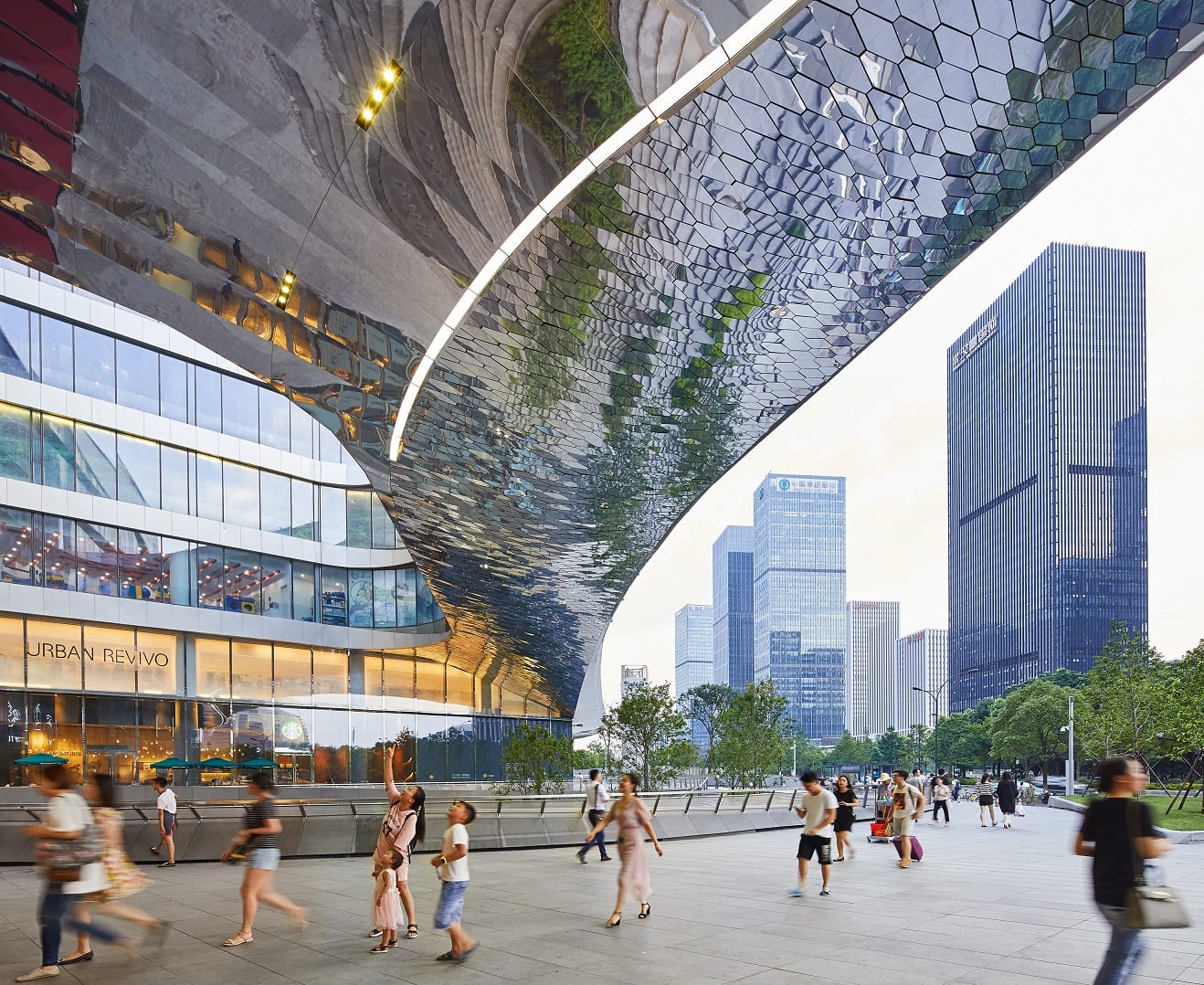
    Raffles City Hangzhou, CapitaLand’s largest operational Raffles City development, has been named the World Gold Winner in the Retail Category at the prestigious 2019 FIABCI World Prix d’Excellence Awards held in Moscow, Russia on 30 May 2019. This follows the footsteps of ION Orchard in Singapore and Raffles City Chengdu in China, which won in the same Retail Category in 2013 and 2015 respectively. Raffles City Hangzhou is the only commercial development from China feted at this year’s Awards.

    The annual FIABCI Awards, dubbed the Oscars of real estate, recognise projects that exemplify excellence in all the disciplines of real estate, such as best practices in sustainability and positive contributions made to the community. It is considered one of the most reliable indicators of a development’s worth and its impact on the future of commercial real estate. Mr Lucas Loh, President & CEO of China, CapitaLand Group, said: “We are honoured that Raffles City Hangzhou has received the highest accolade in the Retail Category at the 2019 FIABCI World Prix d’Excellence Awards, which celebrates the crème de la crème of real estate projects around the globe. This is the second Raffles City development in China after Raffles City Chengdu to clinch the prestigious award, underscoring the high and consistent quality of our signature Raffles City portfolio.”

    “CapitaLand is continually pushing the boundaries of urban development with smart, sustainable and human-centric designs that add value to the communities it operates in. With Raffles City Hangzhou, we set out to create a landmark development in the new city centre that will serve as the heart of civic and commercial activities. We are heartened that Raffles
    City Hangzhou has not only achieved commercial success since its opening, it has received recognition from global industry experts. As CapitaLand marks 25 years in China this year, we remain firmly committed to meeting the changing needs and aspirations of Chinese consumers as the country enters new stages of urbanisation and urban renewal.”

  • Online fashion retailer Mogu reports Steep Growth Numbers

    Online fashion retailer Mogu reports Steep Growth Numbers

    Chinese online fashion and lifestyle retailer Mogu has reported an 18.7 per cent increase in gross merchandise value (GMV) for the year to March 31, to RMB17.408 billion (US$2.594 billion).

    The company’s revenue for the year reached RMB1.074 billion (US$160.1 million), an increase of 10.4 per cent year on year.

    However the number of active buyers in the year to March remained the same as the previous year, at 32.8 million.

    The company said it live-video broadcast business continued to grow strongly with associated GMV increasing 138.1 per cent year on year.

    “We delivered another quarter of solid growth,” said Qi Chen, Mogu’s chairman and CEO. “During the past quarter, we continued to expand, optimise and elevate the supply chain for our fashion ecosystem by enriching content, increasing user engagement on our live-video broadcasts, and facilitating more repeat repurchases,” he said.

    “Looking ahead, we will continue to strengthen our unique three-way fashion ecosystem by further growing our content creation community of fashion key opinion leaders and live-video broadcast hosts, elevating the fashion-product supply chain and supporting deeper collaboration between merchants and KOLs, and ultimately facilitating greater user and community engagement through rich and high-quality interactive fashion content and products.”

  • Aldi China Opened in Shanghai Last June 7th

    Aldi China Opened in Shanghai Last June 7th

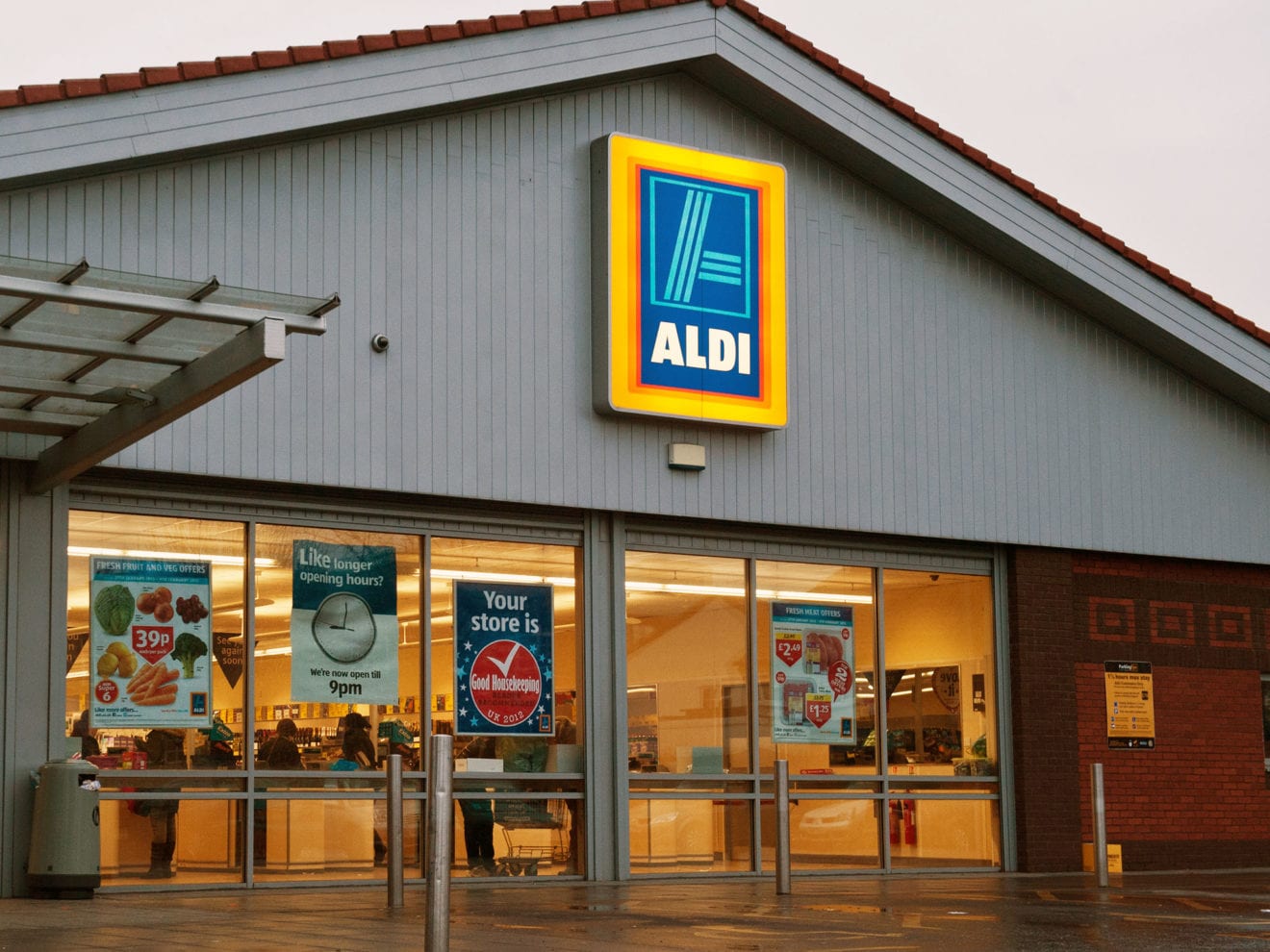
    Aldi will launch in China a week from now opening the first of 11 stores initially planned for Shanghai. But the Aldi China store format will be considerably different to the German discount grocer’s shops in the other 11 offshore markets it has entered: sources in Germany report the stores will have a more upmarket feel, stocking cosmetics and a broader range of dairy products.

    The stores will carry the signature brand positioning line “Everyday value – hand picked for you”.

    The location of the first two stores are in “noticeably prosperous neighbourhoods,” reports Lebensmittel Zeitung.

    The first Aldi China store opens on Friday June 7, and has been described by Aldi insiders as “more modern than company stores in Europe”. They will stock shelf-stable goods imported from Europe and Australia and fresh produce sourced locally.

    Nick Miles, head of Asia-Pacific at IGD, said that while Aldi Sud (South) has been testing the Chinese market for some time, having launched on Alibaba’s Tmall Global platform in April 2017, China will be “a new challenge” for the discount retailer.

    “Aldi currently operates stores in Europe, Australia and North America. Trading in Asia, and particularly China, will be very different. Many international retailers have entered this market over the past 20 years and not succeeded, while discount is a grocery channel that doesn’t currently exist in China – or Asia – in any meaningful way. Discounter Dia sold its business in China in April last year, while Lidl has recently pulled back from selling products via online platforms in the market,” said Miles.

    Lebensmittel Zeitung reports that Aldi South has been working on a plan to enter China through its thriving Australian subsidiary. “The growing business contacts between these two countries mean that the no-frills retailer can also draw on Australian suppliers with considerable experience in exporting to China.”

    Miles, meanwhile, predicts a significant challenge for Aldi will be overcoming potential resistance to its own-label lines.

    “Brands are king in China, while Aldi relies heavily on its private-label ranges.”

    Another challenge is that online grocery retailing and digital technology in retail are “exploding in the market” while Aldi’s business model has traditionally been through physical stores.

    “Aldi will be aware of all these challenges and more but plans to position its stores so that they appeal to China’s rapidly growing middle class and their desire for high-quality, imported products. It has ambitions to open 50-100 stores in the medium term and will be aware to not spread its operations too wide – a mistake other retailers have made in the past.”

    Choosing Shanghai to launch Aldi China makes sense because of the city’s population of more than 30 million, the sophisticated supply-chain infrastructure in the city and the local population’s relatively higher level of income compared with other Chinese cities. It is also a major global logistics hub.

    Meanwhile, IGD forecasts China to overtake the US and become the world’s largest grocery market by 2023.

    “The opportunity for Aldi to be present in the market is therefore clearly significant, but it will not come without its risks,” added Miles.

  • Song Fa Bak Kut Teh Restaurant Chain to enter Taiwan

    Song Fa Bak Kut Teh Restaurant Chain to enter Taiwan

    Food Republic Taiwan is to open Song Fa Bak Kut Teh restaurants in Taiwan.

    The BreadTalk subsidiary has entered a franchise deal with Song Fa Holdings to develop and operate the Teochew pork-rib stew brand in Taiwan for the next 10 years.

    The first two outlets in Taiwan will be opened in popular Taipei malls.

    “Both malls have strong existing tenants and are household names among the local populace and tourists alike,” said Henry Chu, BreadTalk CEO.

    “With the addition of a star attraction like Song Fa Bak Kut Teh, we are confident to deliver the illustrious Song Fa experience to our customers in Taiwan.”

    Founded in 1969, Song Fa Bak Kut Teh has 10 outlets in Singapore, seven in Indonesia, six in China, and one in Thailand.

  • Tesla Promotes Lower Priced China-Made Model 3

    Tesla Promotes Lower Priced China-Made Model 3

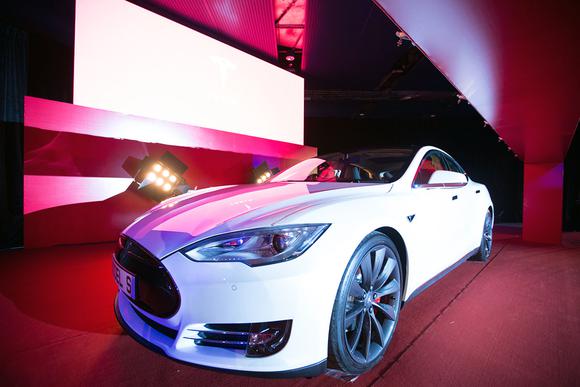
    U.S. electric vehicle (EV) maker Tesla Inc said on Friday it would price its China-made Model 3 vehicles from 328,000 yuan ($47,529), 13% cheaper than those it currently imports as it pushes sales in the fast-growing market.

    The carmaker has been building a factory in China since January where its initial output will be Model 3 cars. Pre-orders for the vehicles will also start on Friday, the company said on its website.

    The “standard range plus Model 3” is 49,000 yuan cheaper than China’s current cheapest version, also standard range plus, even though it remains unclear whether the carmaker will qualify for China’s subsidies for new energy vehicles.

    The starting prices for five different versions of China-made Model 3s range from 328,000 to 522,000 yuan. Customers can expect to receive the car in 6-10 months, the company said in a press release.

    It also said buyers will only need to put down a deposit of 20,000 yuan and that financing options on offer meant that monthly payment installments will start from 1,100 yuan.

    “The price drop is to make Tesla more accessible,” it said.

    The higher-end version of the Model 3 will still be imported from the United States.

    Investors are focused on whether the gross profit margin on the Model 3 will remain around 20% in China.

    Doubts about the Model 3’s production rate and sales performance have hit Tesla’s share price in recent months.

    Producing cars locally is likely to help Tesla minimize the impact of Sino-U.S. tit-for-tat import tariffs, which has forced the EV maker to adjust the prices of its U.S.-made cars in China.

    Keeping prices in check will also help Tesla fend off competition from a swathe of domestic EV startups such as Nio Inc, Weltmeister and XPeng Motors, as well as established carmakers including Volkswagen AG and General Motors Co.

    Tesla’s so-called Gigafactory is China’s first wholly foreign-owned car plant and is seen as a reflection of the country’s broader shift to open up its car market.

    Pictures of the Shanghai plant posted on Tesla’s social-media account showed the construction of its main section was nearly done. The company also held a recruitment event this week for car manufacturing and logistics workers.

    Tesla forecast its deliveries in 2019 would reach 360,000 to 400,000 vehicles and said it may produce as many as 500,000 vehicles if its China factory reaches volume production in the fourth quarter.

  • DHL Starting drone deliveries in China

    DHL Starting drone deliveries in China

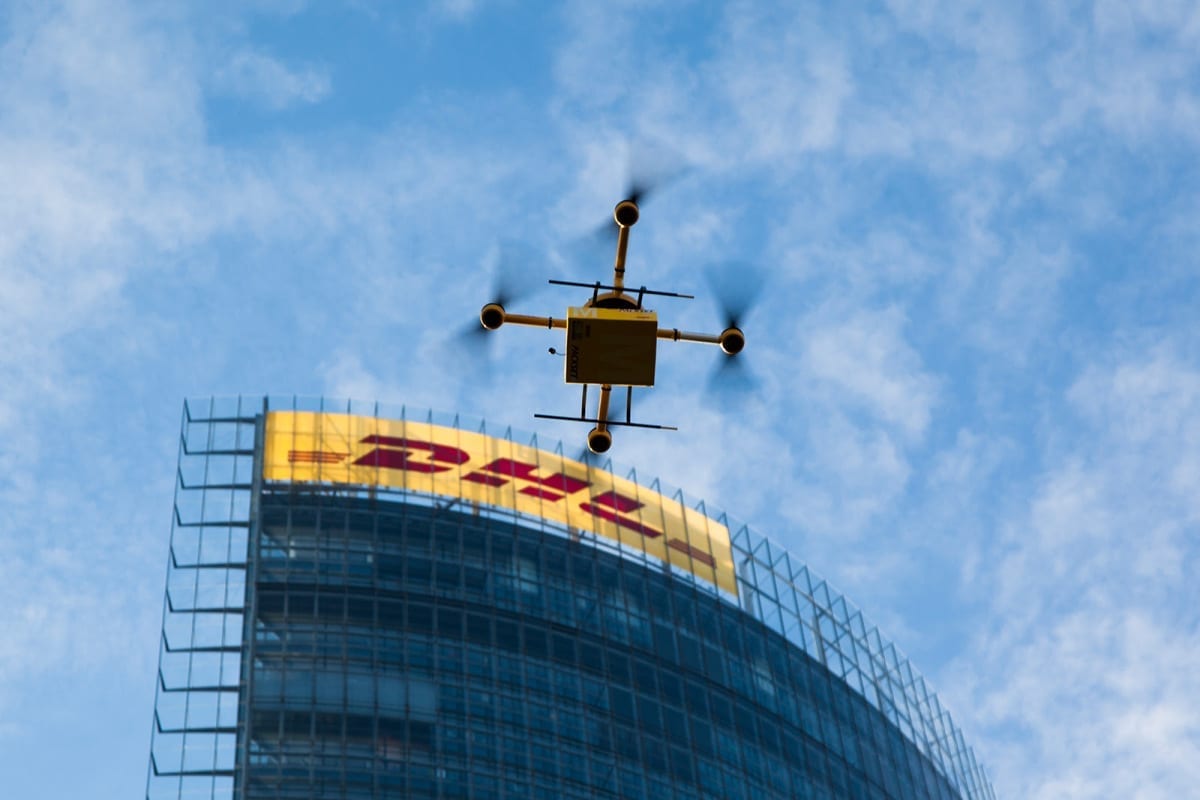
    DHL China is to start delivering goods by drones, cutting the delivery time on a route in Guangzhou from 40 minutes to just eight.

    The international express delivery-service provider has entered into a strategic partnership with autonomous aerial-vehicle firm Ehang to jointly launch a fully automated smart drone-delivery solution to tackle last-mile delivery challenges in Chinese urban areas.

    Using the most advanced Unmanned Aerial Vehicle (UAV) in Ehang’s newly-launched Falcon series, the new intelligent drone delivery solution overcomes the complex road conditions and traffic congestion common to urban areas. It reduces one-way delivery time from 40 minutes to eight minutes and can save costs of up to 80 per cent per delivery, with reduced energy consumption and carbon footprint compared with road transportation.

    “We are delighted to be partnering with Ehang to set a new innovation milestone with this new fully-automated and intelligent drone logistics solution,” said DHL Express China CEO Wu Dongming, “which combines the strength of the world’s largest international express company together with one of the leading UAV companies in the world. This is an exciting time for the logistics sector, with continued growth of the Chinese economy and cross-border trade, particularly in South China and the Greater Bay Area, which is home to an increasing number of SMEs and startups. This means there is a tremendous volume of logistics needs, which in turn creates new opportunities for implementing innovative solutions that can continuously drive growth with greater efficiency, sustainability and lower cost.”

    The new customised route, which has been exclusively created for a DHL customer, covers a distance of approximately 8km between the customer premises and the DHL service center in Liaobu, Dongguan, Guangdong Province.

    “Together with DHL we are very glad to bring the first smart drone delivery service route to China in Guangzhou; this marks a new beginning in building air logistics for smart cities,” said founder & CEO of Ehang Hu Huazhi. “Riding on today’s launch, we expect smart drone delivery as an innovative logistics solution to be expanded and realised in more areas, and we look forward to working with DHL in building the eco-system for a multi-dimensional urban air transport system.”

    The EHang Falcon smart drone, with eight propellers on four arms, is designed with multiple redundant systems for full backup, and smart and secure flight control modules. Its high performance features include vertical take-off and landing, high accuracy GPS and visual identification, smart flight path planning, fully-automated flight and real-time network connection and scheduling. As a fully-automated and intelligent solution, the drones, which can carry up to 5 kg of cargo per flight, take off and land atop intelligent cabinets that were specifically developed for the fully autonomous loading and offloading of the shipment. The intelligent cabinets seamlessly connect with automated processes including sorting, scanning and storage of express mail, and will feature high-tech functions such as facial recognition and ID scanning.

    This smart drone delivery solution will enhance DHL’s delivery capabilities and create a new customer experience in the logistics sector that opens up even more opportunities for sustainable growth and greater economic contribution. Given the growing prominence of B2C business operations and delivery in China, employing drones in express delivery services offers an innovative solution for meeting the increasing demands for time-sensitive delivery, particularly for last mile delivery in urban areas.

    Building on the launch of its first fully automated, intelligent drone delivery solution in China, DHL will continue to identify new routes that can be developed for clients in need of tailored customer services and logistics solutions and will work closely with EHang to create a second generation of drones in the near future that will further improve capacity and range in drone-operated express delivery.

  • Starbucks China Reshuffles Management

    Starbucks China Reshuffles Management

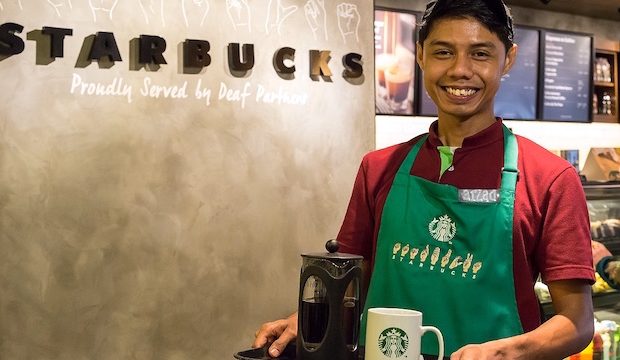
    Starbucks China management has been restructured as the company gears up for a more intense focus on its digital business. From June 1, CEO Belinda Wong, becomes chairman and CEO of Starbucks China.

    Two distinct business units will be created – Starbucks Retail and Digital Ventures – the heads of which will report directly to the newly created office of the chairman and CEO, Starbucks China.

    Leo Tsoi has been appointed SVP, COO & president of Starbucks Retail and Molly Liu has been appointed VP & GM of Digital Ventures.

    Wong will oversee new business development in China and focus on long-term sustainable growth.

    “The new team structure is for the next phase of growth and managing resources to balance the short-term needs of the business and the long-term strategic priorities in China,” said Starbucks group president, international, channel development and global coffee and tea, John Culver.

    “While paying more attention to customers and partners, we will accelerate the pace of innovation to capture the new opportunities in the third-place experience and digital innovation,” he said.

    Wong has headed the China business since 2011 and under her leadership, the company has grown at a rate faster than any other of the brand’s global markets. Among her achievements were setting up the New Retail partnership with Alibaba, integrating the East China business in 2017 and creating the “Coffee Wonderland” experience with the Starbucks Reserve Roastery in Shanghai.

    After 20 years in China, the company has grown to 3800 stores in 165 cities, serving 9 million customers every week.

    “For 20 years, we have worked steadily to achieve a long-term and healthy development in China,” said Wong. “For the next chapter of growth, we will stay true to our mission, values and guiding principles. About 53,000 Starbucks partners in China will work together to continue our innovation ventures and bring our passion of coffee to our customers to enhance the third-place experience.

    “We will also support our partners in their professional development to realise their full potential and give back to the community where we live in. ‘In China, for China’, we will continue to fulfill our commitment in developing a long-term and healthy development in China, making Starbucks as a faster, stronger and more loving company,” she said.

  • Kidsland launches FAO Schwarz store in Beijing

    Kidsland launches FAO Schwarz store in Beijing

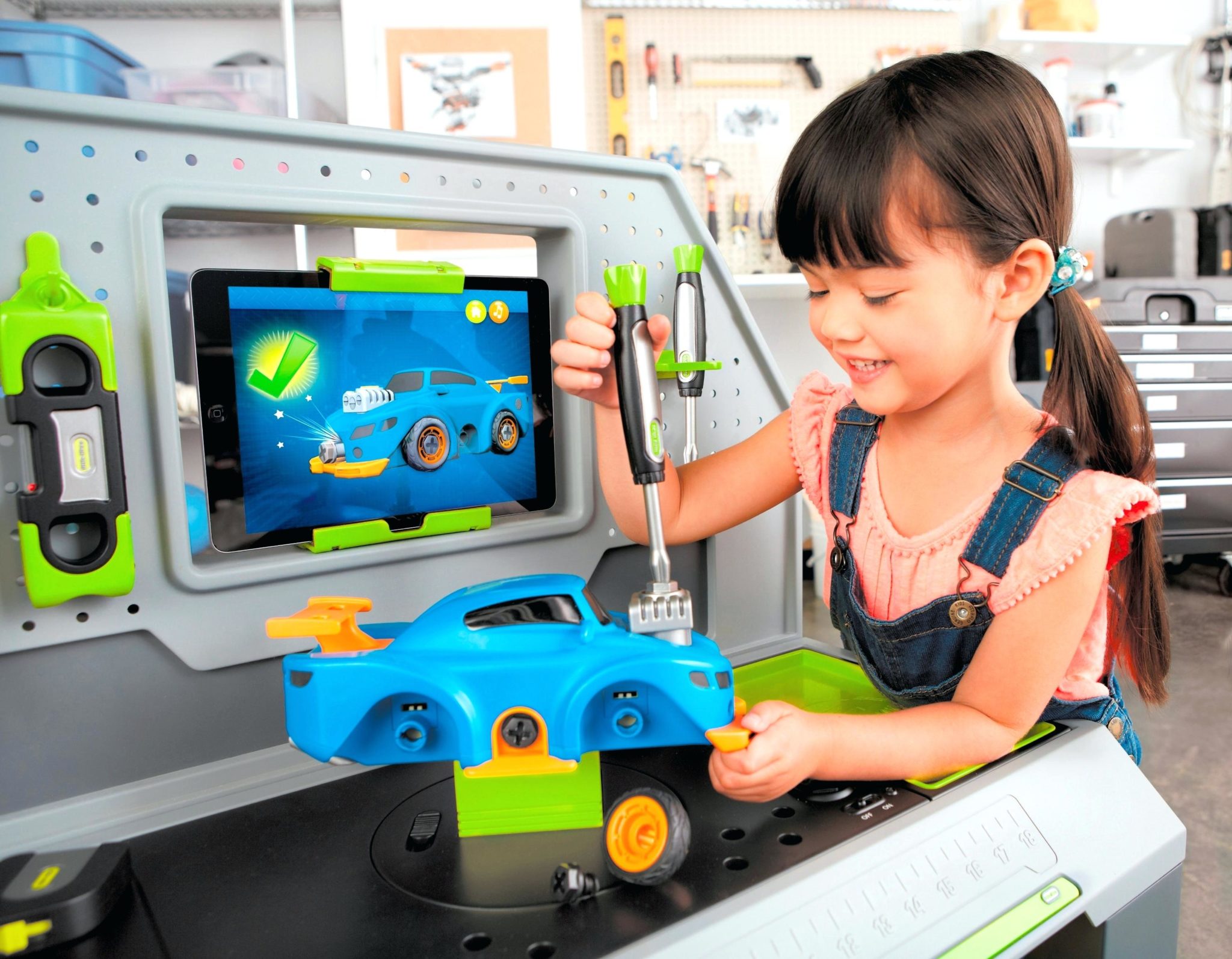
    China’s largest toy retailer and distributor Kidsland has introduced FAO Schwarz, an international toy brand store with 157 years of history, in its first Asian flagship store.

    The FAO Shwarz Beijing flagship is located inside the Kidsland flagship store at China World Mall in a prime shopping and lifestyle district.

    Staff wearing soldiers’ uniforms from Grimm’s Fairy Tales are positioned at the entrance to greet and escort customers into the 30,000sqft store, interacting with customers throughout the shopping experience. The store also features “toy demonstrators” who invite customers to play with the toys. The “Toy Soldiers” and demonstrators are overseas-trained and make up 20 per cent of the staff.

    Founded in 1862, FAO Schwarz is one of the oldest toy stores in the world. The brand returned to New York last November with a new 20,000sqft flagship at Rockefeller Center in Manhattan.

    Kidsland has a comprehensive online and offline integrated sales network within China. In December it counted 257 independent stores in 44 cities within the region, along with 519 self-operated consignment counters and 931 distributors covering more than 3000 additional points of sale. Kidsland also represents multiple brands in operating 18 online stores in China.

    “The introduction of FAO into China reflects our confidence in the potential of the Chinese economy and market development,” said chairman and CEO of Kidsland Lee Ching Yiu. “We believe there is strong demand for quality toys among families and young people, so this is an important advantage for Kidsland to provide quality experiential retailing there. In this way, we hope to serve as a bridge, enabling Chinese consumers to experience the latest and best toys in the world.

    “FAO Schwarz plans to open a large flagship and several medium-sized stores in China in the next two years. We will also establish a kidsland experiential retail flagship store, and in the coming one to two years, we will open a mid-sized kidsland retail store to bring an enriched retail experience to wider spectrum of the public.”

  • Eight bidders left to Take Over Metro China

    Eight bidders left to Take Over Metro China

    Eight, not four, bidders have until June 10 to lodge a non-binding bid for the cash-and-carry business.

    Yonghui Superstores – part-owned by Dairy Farm Group – is among at least eight bidders shortlisted by Metro AG to tended for its Chinese business.

    The Metro China business is estimated to be worth between US$1.5 and $2 billion, but with eight consortiums in the running, the price is more likely to be at the higher end of the scale.

    Alibaba – in partnership with Taiwanese retailer RT-Mart International – and US retail giant Walmart, which already has 400 hypermarkets in China, are also on the shortlist.

    The other finalists are Suning Holdings, supermarket chain Wumart Stores, private equity group Primavera Capital, a consortium of Boyu Capital and property developer China Vanke and fresh-food delivery group Meicai.

    None of the shortlisted companies commented about the Metro China sale.

    With the sale process shrouded in secrecy, there have been differing reports to date on the progress. Last month, four companies were shortlisted.

    The sale process is expected to be completed in September, with the shortlisted bidders given until June 10 to lodge non-binding offers.

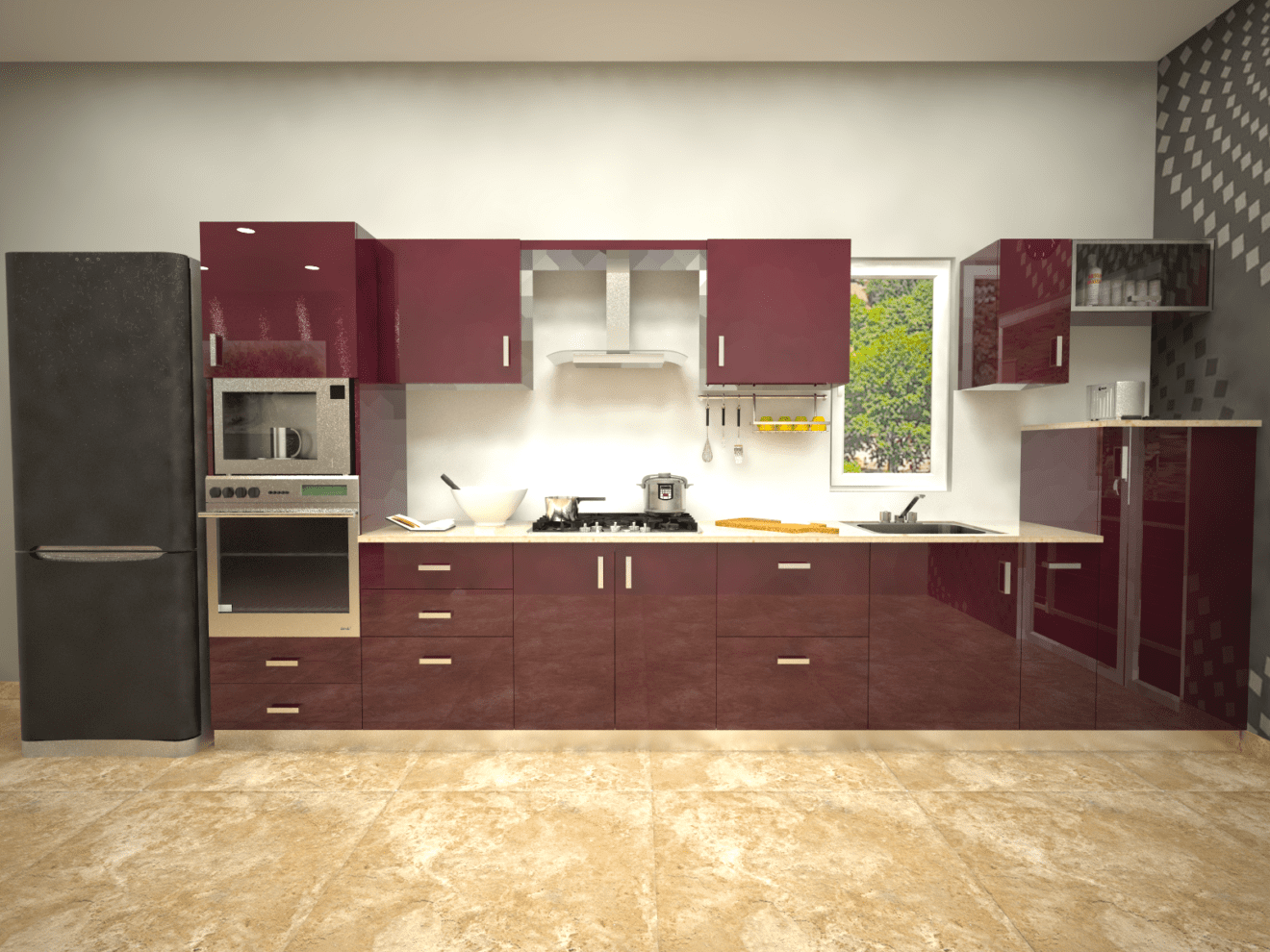
  • Ixina Kitchens opens first China stores

    Ixina Kitchens opens first China stores

    European kitchen retailer Ixina has opened stores in both Beijing and Shanghai, marking the brand’s official launch in China.

    Brought to China by Gome Retail, Ixina plans to open six more stores this year – including in Wuxi and Nanjing – expanding to 100 within the next three years.

    China’s kitchen furniture and appliances market is estimated at more than RMB400 billion (US$57.86 billion) currently.

    The president of Gome Retail, Wang Junzhou, says selling individual products far from meets new consumption habits, with package solutions more popular.

    For more than a year, Gome Retail has extended its business scope and strategic outreach based on its strong home appliance supply chain. New businesses such as Comfortable Home, Ixina and Kitchen Space have now been introduced, and a self-operated home-decoration business will soon be launched.

    “These businesses are essential approaches to achieving Gome Retail’s Home Life strategy,” said Wang.

    Gome Retail currently operates more than 2100 stores in 630 Chinese cities.

  • UBS Sets its Sights on China

    UBS Sets its Sights on China

    UBS hopes to grow its wealth management business in China, and as the country slowly opens up its financial sector, it could soon challenge local players that currently dominate the market, said Edmund Koh, President, UBS Asia Pacific, who spoke to Christine Tan in the latest episode of Managing Asia, broadcast on CNBC on 24 May.

    I think China is going through the same process Hong Kong and Singapore went through over the last 20 years but they will accelerate given the advancement of technology and also the internationalization of the Chinese population. So currently, it’s dominated by the local banks through more of retail wealth management but not the sophistication that is needed for legacy planning, said Koh.

    I think amongst the foreign banks, to be number one is there for the taking because nobody is really dominating that area,» he added, noting «For China, you have to be patient.

    Under his leadership, UBS’ invested assets in the region have grown by about 70 percent, Koh estimated. UBS crossed the $400 billion mark for invested assets in Asia Pacific in the first quarter of 2019, making it the first wealth manager in the region to reach this milestone.

    The bank saw strong growth in Asia, with record net new money inflows of $16.3 billion in the first quarter of 2019, a $10 billion jump from the year before, where it saw inflows of $6.3 billion in the same period, and just short of the $17.2 billion it brought in over the whole of 2018.

    He said hopes his team, under the leadership of wealth management Asia Pacific co-heads Amy Lo and August Hatecke, will soon be able to reach $500 billion. «I would tell them if they are any good, it should be less than two years. That’s how long I would give it myself,» Koh said.

    Managing the UBS’ 23,000 employees in the region and maintaining its position as the leading private bank in the region is no easy task, but Koh said his secret is self-belief, energy and purpose.

    My purpose, along with my colleagues, has been very clearly articulated. If we don’t do well, people will be unemployed because we manage some of the biggest families that are huge employers around the region. That drives me. It’s not the 50 basis points of loan spread or 75 basis points of investment. That is just part of the process.

    Koh, who in October 2018 became the first Singaporean to hold the position of president of UBS Asia Pacific, was previously the bank’s head of wealth management for Asia Pacific and country head Singapore. He joined UBS in 2012 as head of wealth management for Southeast Asia, following stints at Taiwan’s Ta Chong Bank, where he served for four years as president and director, and DBS Banks, where he was managing director and regional head, consumer banking from 2001 to 2008.