Tag: China

  • Asia shares slip as China’s Huawei in legal hot water; focus on Sino-US talks

    Asia shares slip as China’s Huawei in legal hot water; focus on Sino-US talks

    Asian shares stumbled on Tuesday and the dollar hovered near two-week lows as prospects for a long-awaited Sino-US trade deal was dealt another blow after the United States levelled sweeping criminal charges against China’s telecom giant Huawei. MSCI’s broadest index of Asia-Pacific shares outside Japan got off to a shaky start with losses accelerating as other regional markets opened.

    Australia and New Zealand led the losses, with their benchmark indices down 0.7% each while South Korea’s KOSPI was off 0.3%. Chinese shares opened in the red too, with the blue-chip index down 0.2%.

    Japan’s Nikkei slid about 1%. US stock futures also lost ground following from a torrid overnight session on Wall Street, with E-Minis for the S&P 500 down 0.4%.

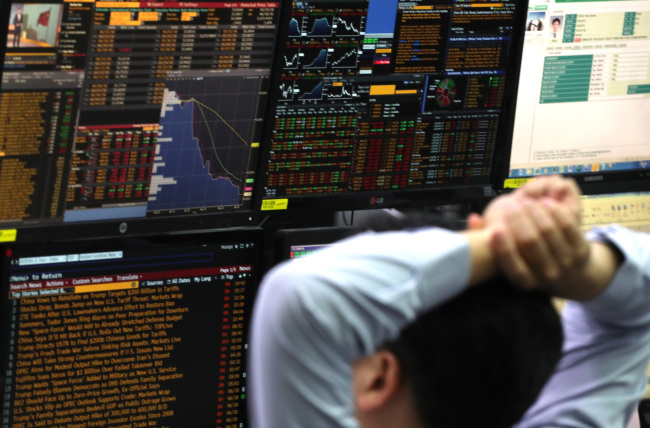
    Investor sentiment, already shaken by pessimism over global growth, took another hit after the US Justice Department unsealed indictments against China’s top telecom equipment maker, Huawei, accusing it of bank and wire fraud to evade Iran sanctions and conspiring to steal trade secrets from T-Mobile US Inc.

    The jolt to Huawei could undermine prospects for a trade deal between the economic giants as markets nervously await a fresh round of trade talks with Chinese Vice Premier Liu He set to meet US officials on Wednesday and Thursday.

    Further complicating matters, China triggered the legal process on Monday for the World Trade Organization to hear Beijing’s challenge to US tariffs, and berated the United States for blocking the appointment of judges who could rule on it.

    Souring US-China relations roiled global markets for much of last year, and have kept investors on the back foot this month. The trade war’s broadening impact on world growth is one reason the US Federal Reserve has signalled it will be patient on policy after raising rates four times in 2018.

    Overnight, markets got a reminder of the potentially damaging economic impact of the Sino-US trade war as Wall Street stocks were hit by profit warnings.

    The losses came as shares of Caterpillar and Nvidia Corp nosedived after the two manufacturers joined a growing list of companies cautioning about the crippling effects of softening Chinese demand.

    Caterpillar plunged more than 9% for its worst single-day drop since August 2011 while chipmaker Nvidia slid 13.8%.

    “Both companies are seen as industry bellwethers and their disappointing results provide further evidence that this time China’s slowdown is for real,” said Rodrigo Catril, Sydney-based strategist at National Australia Bank.

    The downbeat global growth impulse mean investors will look for further confirmation the Fed will pause its rate-hike cycle at a two-day policy meeting ending Wednesday.

    Overnight on Wall Street, the Dow and S&P 500 each closed down 0.8% and the Nasdaq was off more than 1%.

    WARNING BELLS

    Worryingly, earnings at China’s industrial firms too shrank in December, pointing to more troubles for the country’s vast manufacturing sector already struggling with a decline in orders, job layoffs and factory closures.

    Slowdown fears slugged the US dollar which faltered to its lowest in two weeks on Monday. The dollar’s index, which measures the greenback against a basket of major currencies, was last at 95.758.

    Against the safe haven Japanese yen, the dollar was down at 109.17, on track for a third straight session of losses.

    Markets will have more catalysts this week with over a 100 of the S&P500 companies reporting results, including Amazon, Apple and Facebook.

    Many economists, including the International Monetary Fund, have cut their forecasts for global growth this year citing the US-China trade war.

    “Slowdown is feeding into some acute areas of economic unease,” US investment bank Citi said in a note, citing recent disappointing factory output data out of Europe and China.

    “In some respects, markets seem to have reacted more to recent negative changes in economic data than at other points in recent decades,” it added, while noting investors are now pricing in a 1% contraction in global earnings per share (EPS) this year.

    “This would be the worst year-on-year percentage change in EPS since 2015” even though economic growth is seen much higher this year than in 2015.

    Elsewhere, Sterling dithered against the dollar ahead of voting in Britain’s parliament on Tuesday that aims to break the Brexit deadlock. It was last at $1.3148

    Oil bounced after hefty overnight losses. US crude was last up 16 cents at $52.15 a barrel while Brent gained 18 cents to $60.11.

    US gold futures hovered near a seven-month high around $1,302.3 per ounce. Spot gold was last at 1,303.3 after breaking above a key psychological barrier of $1,300 an ounce on Friday.
  • Sam’s Club plans to have 40 stores in Chinese mainland by 2020

    Sam’s Club plans to have 40 stores in Chinese mainland by 2020

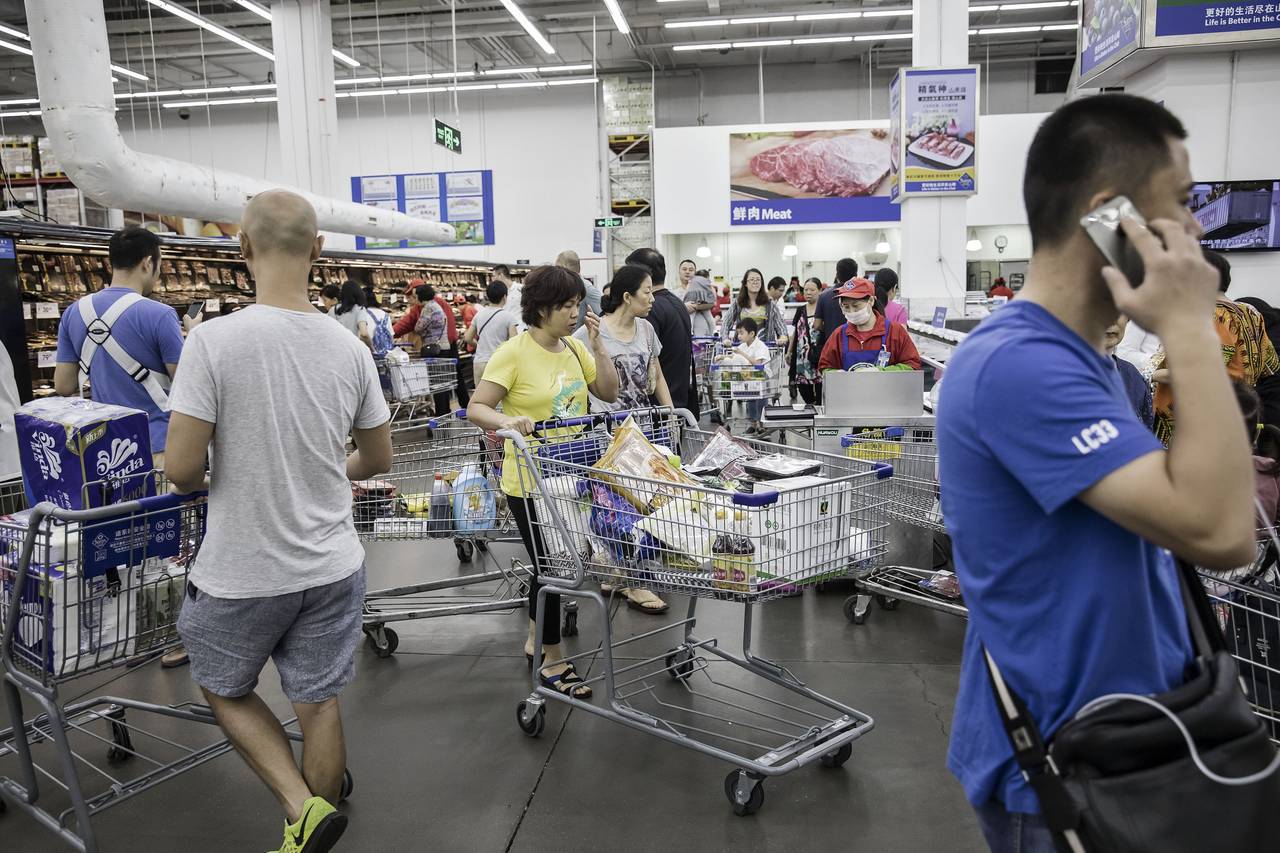
    Sam’s Club China plans 40 more stores across China by the end of the year – with online sales anticipated to account for 13–15 per cent of its income throughout the territory by that time. The company says it will shortly launch a Sam’s Club store in Shanghai’s Qingpu, the second in Shanghai for the brand, which first opened in the city eight years ago in Pudong.

    Sam’s Club operates as a members-only retail chain with a 2 million-strong membership.

    “As we expand our business across China we also want to control quality and to make sure shoppers enjoy the shopping experience”, said president of Sam’s Club China Andrew Miles.

    Sam’s Club’s existing Shanghai store underwent renovations that were completed last month, adding a wine tasting space, pharmacy, jewellery counter and optical center for eyewear.

    “The remodelling of existing storefronts doesn’t just reflect a newer format but the way we treat our members and how we recruit members and introduce Sam’s Club” said Miles.

    Membership of Sam’s Club China costs CNY260 (US$39) per annum, with premium memberships available at CNY680 ($100) annually. The majority of members join via WeChat.

  • New commercial landmark set to open at Huaihai Road

    New commercial landmark set to open at Huaihai Road

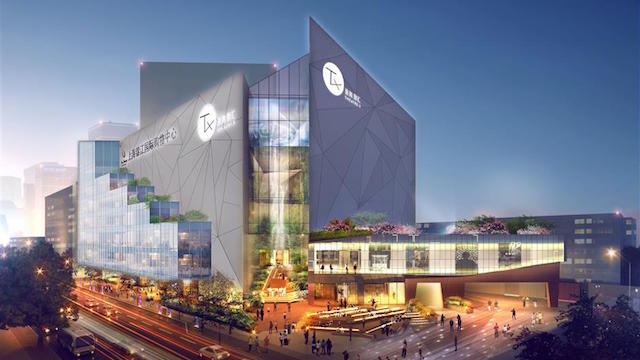
    Chinese mall operator Bailian is merging two disused department stores on Shanghai’s Huaihai Road in partnership with urban renewal firm URF to create Theatre X. The two malls on the city’s prime retail street were formerly trendy shopping destinations. Huating Isetan on 527 Huaihai Road M was the first Japanese Isetan outlet in China, while Bailian’s No.1 Department Store next door once enjoyed great popularity – both commercial gems of the 1990s.

    The new Theatre X shopping mall will merge the two sites, according to an announcement, and offer “interactive and immersive experiences” to consumers. The 25,000sqm property will offer popular international brands, shared spaces for pop-ups, and exhibition stages for Ted Talks – with developers expecting the venue to become a “pilgrimage site for trendsetters.” It will feature a 40m-high waterfall and giant digital screens.

    Theater X is set to open in September, with further developments in the immediate vicinity expected to follow.

  • Time for South Korean cosmetics to face challenges

    Time for South Korean cosmetics to face challenges

    South Korean cosmetics stores that have been the drivers of the ‘K-Beauty’ industry for the past 15 years are facing a crisis, exposing their limitations. The cosmetics industry is undergoing a series of transformations due to decreased demand from China and a change in distribution structure resulting from stagnant domestic demand and increased competition.

    Nowadays, it is common to see health and beauty shops (H&B) such as Olive Young and LOHBs reorganise and shift their main focus online.

    According to cosmetics industry analysts, the size of the South Korean cosmetics stores’ market was 2.29 trillion won (US$2.05 billion) in 2017, which reflects a rapid decrease since the peak in 2016. It is estimated that total sales last year decreased by 15 per cent from the previous year.

    With sales decreasing, the industry is closing down branches. The number of South Korean cosmetics stores began to shrink in 2017 and is estimated to have fallen to 5200 last year.

    Popular brand Skinfood is facing an imminent crisis. The company, once a huge hit with the phrase “Don’t eat, give it to your skin” entered corporate restructuring last October, after encountering difficulty securing liquidity due to excessive debts.

    Those who suffer the most in the process are franchise owners, who are protesting that the company is trying to avoid the worsening situation without taking responsibility.

    The causes of the decline of the retail shop are numerous. The first reason is the excessive competition within the industry.

    Add to this, China’s retaliatory actions as part of the THAAD missile crisis in 2017 led to huge decrease in sales.

    Changes in distribution structure have also played a role. H&B shops are now leading the market, offering a variety of brands in one place, instead of a closed structure.

    These types of stores are a gaining competitive edge as they can sell occupy low and medium-priced brands and new venture brands as well as establish strategic products.

    Retail shops became a mainstream cosmetics market in the early 2000s. Amid the economic slump, retail shops continued to grow in number as brands gradually added fast product launch strategies and functional products aligned with trends based on affordable prices.

    Chinese tourists clearing out the shops in the wake of the Korean wave contributed to the growth of retail shops. However, in the current situation, retail shops are only beginning to restructure.

    While some chains of South Korean cosmetics stores are choosing to downsize their branches, others have chosen to invest aggressively.

    Those who chose aggressive investment plans in a bid to become global cosmetics companies hope to achieve economic success despite the difficult situation and uncertain prospects for the future.

  • Companies, workers struggle as cracks appear in China’s economy

    Companies, workers struggle as cracks appear in China’s economy

    Cracks are opening in China’s mighty economy: investors are backing away from deals, factories are moving abroad and companies are shedding jobs. The world’s second-largest economy is losing steam, hitting its slowest growth in almost three decades last year, and flagging further in recent months. While gross domestic product grew at 6.6% in 2018 – a rate that would be the envy of most nations – China’s efforts to cut its debt mountain have weighed on the economy.

    Private businesses in particular face new hurdles as costs rise and financing becomes harder to come by, while the trade war with the United States has not helped.

    Here is a look at some of the struggles faced by Chinese companies and people:

    Game over for gamers

    Feeding China’s addiction to video games seemed an easy bet for Beijing Yixin Technology, a tech startup behind the mobile game Farm Take Home.

    The game allows players to harvest wheat, raise chickens and plant apple trees – a bucolic refuge from the pressures of urban China.

    But in real life, the tech firm has struggled to find investors.

    “In December our company’s funding ran out, we had an investment lined up, but the money never came through,” said chairman Cui Yi. “This month I arranged another investor, then he backed out too. I think we can’t hold out.”

    His company is not alone.

    Venture capital funding dried up at the end of last year. Total investment in the fourth quarter fell 13% from a year earlier, according to data from Preqin market research.

    Policymakers are partly to blame, pushing a war on debt and financial risk that has cut the funding flowing into investment firms, industry insiders say.

    Another government diktat halted new video game approvals for months – officially due to youth gaming addiction concerns – sending firms like Beijing Yixin into a deep freeze.

    Trade war

    Other companies are facing the fallout from the trade war with the United States.

    More than a handful of exporters have sought to get around US tariffs by building factories outside China, according to a review of public stock filings.

    Others are sending workers home early for Chinese New Year or cutting overtime.

    Last month China’s exports fell.

    “It has hit our profits,” Harry Shih, manager of Runfine Bearings in eastern Zhejiang province, said of the trade war.

    Washington slapped 25% taxes on many types of ball bearings in July. Shih said he had shared the cost increase with his customers, roughly half of whom are from the US.

    “Business is going down for most companies including factories. Like me they have the same problems, profits are going down” as costs rise, said Shih.

    Job crunch

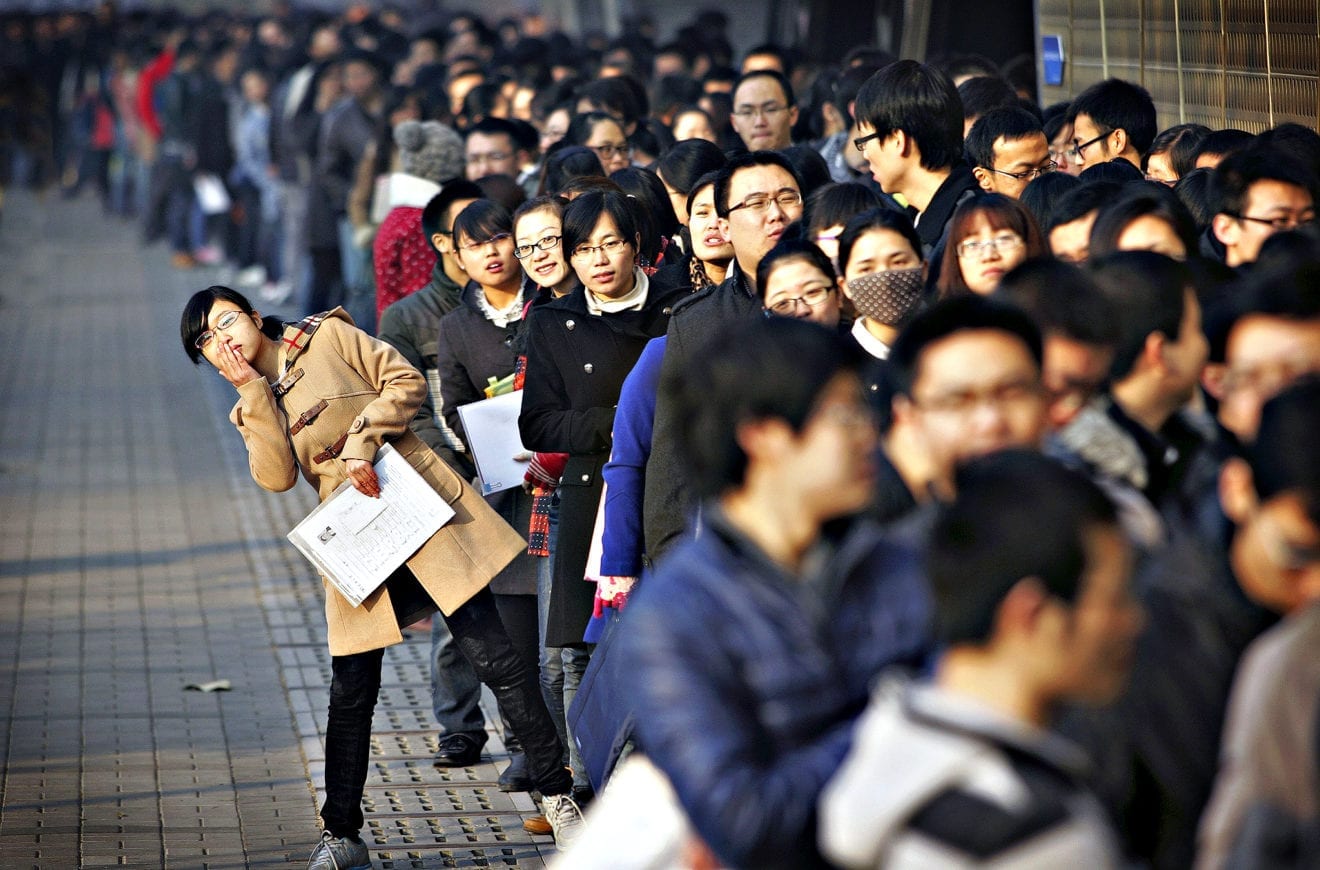
    Official data shows unemployment at a stable rate, rising slightly to 4.9% last month. But independent data paints a different picture.

    In October-December advertised tech positions fell by 20% from a year earlier, after declining 51% in the third quarter, according to data from Zhaopin, China’s largest recruitment website and Renmin University.

    China’s economy “faces downward pressure, and to some extent this pressure will be transmitted to the job market,” said Meng Wei, a spokeswoman for the National Development and Reform Commission, China’s state planner.

    A lawyer who consults on labour disputes, Guo Xuehai of Beijing Zhonghai Law Firm, said, “there are definitely more employees coming for help than before,” but added this was usually the case at this time of the year.

  • China will flood US with its product

    China will flood US with its product

    Turnover in the Chinese retail industry will eclipse that of the US later this year, according to analyses. “Nothing is going to stop them,” said one commentator as new data emerged showing a fast-narrowing gap between the two markets. The fact China would overtake the US was never in doubt – China’s population of 1.4 billion is vastly more than the US population of 325 million.

    According to data from eMarketer, total Chinese retail sales will grow 7.5 per cent this year to reach US$5.636 trillion. But growth in the US is likely to be significantly slower at just 3.3 per cent, reaching $5.529 trillion.

    Not even the slowdown in China’s economic growth is likely to affect the figures – a rebound may even hasten the milestone.

    GlobalData Retail MD Neil Saunders says a big factor in the speed of China’s retail growth is the way the industry has evolved. In the US, retailers were established well before the advent of the internet meaning adapting to the new online environment has meant managing their brick-and-mortar stores while pursuing growth online.

    But in the US, the market began to mature in an online world, and online spending there will account for more than 30 per cent of total retail sales this year. In the US, online is predicted to account for less than 11 per cent.

    “The US retail environment grew up in a very different era,” says Saunders. “It grew up before the internet. There is a historical difference and an evolutionary difference, which has created this very different backdrop to retail.”

    The rapid rise of the Chinese retail industry has been fuelled by rising incomes across the country, the urbanisation of the population and a burgeoning middle class.

  • Burberry sales saved by Mainland China

    Burberry sales saved by Mainland China

    A mid-single-digit rise in Burberry sales in Mainland China in the third quarter helped produce a solid result for the luxury fashion retailer. The strong China performance helped mitigate reduced footfall in the Americas and a subdued European market where tourist spending showed only a small improvement. Global same-store sales rose just 1 per cent.

    However, CEO Marco Gobbetti said the company was buoyed by improvements and ongoing customer excitement ahead of new product delivery – the launch of new creative director Tisci Riccardo’s first runway collection which will hit stores next month.

    “I am pleased with our progress in the quarter as we continued to build brand heat around our new creative vision and shift consumer perception of Burberry. Excitement is growing ahead of next month’s launch of Riccardo’s debut collection,” said Gobbetti.

    “We will continue to manage the business dynamically as we reposition the brand. We confirm our outlook for the full year.”

    He said the company was seeing a continued shift in consumer perceptions of the brand, driving increases in digital engagement and drawing endorsements from key influencers. Increased Burberry sales can only follow.

  • Retail project “Taikoo Li Qiantan” Shanghai opens door

    Retail project “Taikoo Li Qiantan” Shanghai opens door

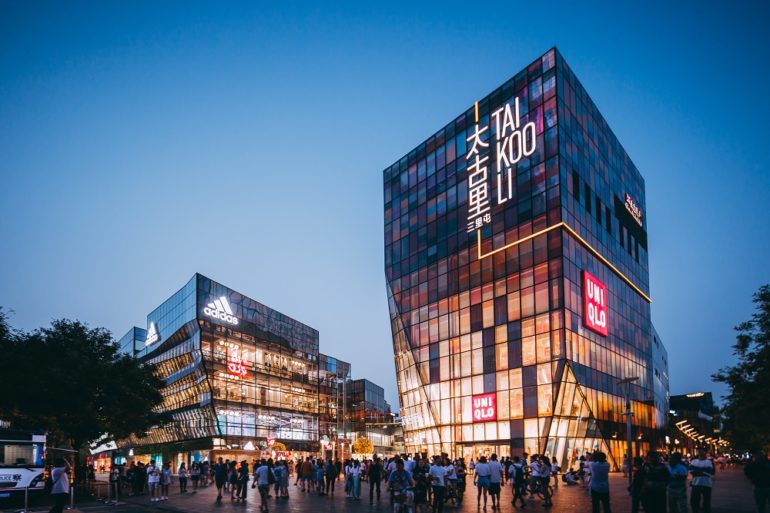
    Swire Properties and Lujiazui Group officially announced the naming of their joint-venture retail project as “Taikoo Li Qiantan”. Located in the heart of the Pudong Qiantan International Business District, this project embodies Swire Properties’ “Taikoo Li” concept, which is well-known for its distinct open-plan, lane-driven architectural design.

    Taikoo Li Qiantan will offer a gross floor area of approximately 1.3 million sq ft (120,000 sqm) and was created in accordance with a ‘naturalism’ design concept; blending elements found in nature with contemporary architecture. The project is a major component of a larger mixed-use development, which will also feature a 56-floor Grade-A office tower – “New Bund Centre” as well as a five-star luxury hotel – “New Bund Shangri-La Hotel”, both invested by Lujiazui Group.

    Qiantan is a new international business district and a rapidly developing hub for art and culture, business, entertainment, residential and world-class sporting facilities. The area is fast-becoming known for its high quality of life and excellent accessibility thanks to the well-developed transportation infrastructure. Qiantan is already home to many multinational corporations and global institutions, including New York University Shanghai and Wellington College International Shanghai. The project will be directly connected to the Oriental Sports Centre metro station which comprises three metro lines – offering direct access to major residential and commercial districts including Lujiazui, Xujiahui, People’s Square and Disneyland.

    Mr Xu Erjin, General Manager of Shanghai Lujiazui Group said, “Following the success of The Bund and Lujiazui, we are confident that the Qiantan International Business District will become yet another remarkable CBD, and our plan is to create a ‘Lujiazui 2.0’, which builds on the successful elements from Lujiazui.

    “Qiantan is quickly becoming a landmark area in Shanghai, and Taikoo Li Qiantan will be a valuable addition to this district, offering unparalleled retail, F&B and leisure experiences to local communities and the greater Shanghai population.”

    Mr Han Zhi, Director-Retail of Swire Properties, said, “Taikoo Li Qiantan marks our third ‘Taikoo Li’ project in Mainland China building on the success of Taikoo Li Sanlitun in Beijing and Sino-Ocean Taikoo Li Chengdu. We are delighted to bring this distinct retail experience to Shanghai. By once again combining local elements with the Taikoo Li concept, we are confident that our second major investment in Shanghai, after the successful launch of HKRI Taikoo Hui in 2017, will become a new retail landmark for residents and visitors.”

    Taikoo Li Qiantan has commenced the leasing process, and is scheduled to open in phases beginning from the end of 2020.

  • Greater China helps ease Tod’s Group European challenge

    Greater China helps ease Tod’s Group European challenge

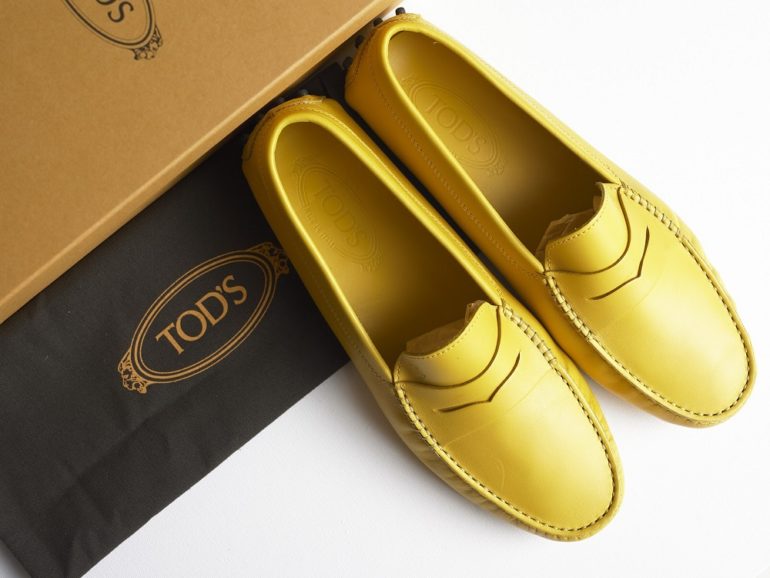
    Luxury fashion retailer Tod’s says Greater China sales rose 3.2 per cent last year, to reach €218.7 million. Releasing annual sales results, the Italian-based company said Greater China sales growth accelerated during the fourth quarter, especially on the mainland which now accounts for 60 per cent of its Asian turnover. Hong Kong and Macau also performed well, although the company did not disclose detailed figures for the two territories.

    Tod’s consolidated global sales reach €958.2 million at constant exchange rates, which was essentially the same as for 2017. Tod’s and Roger Vivier were affected by currency fluctuations.

    Retail sales reached €622.3 million, with wholesale revenue comprising the rest. However same-store sales fell by 3 per cent, due to declines across Europe which erased the China growth. In Italy, consumers were spooked by political and economic uncertainties and greater Europe by lower sales to tourists.

    “Last year’s sales results were substantially in line with our expectations, despite the growing international economic and political uncertainties,” said chairman and CEO Diego Della Valle.

    By label, Hogan sales rose 1.8 per cent, Tod’s and Roger Vivier held steady and Fay slipped 3.4 per cent.

  • Has China’s poker ban affected the Asian market?

    Has China’s poker ban affected the Asian market?

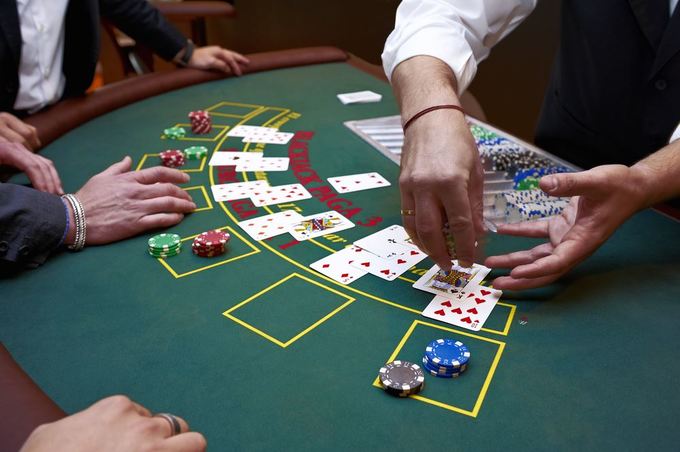
    It’s been almost a year since the government decided to ban online poker apps and promotion in China. In the months since the ban took effect, both the live and online industry continued to rumble on in neighboring countries. But did the local Asian market experience any negative or even positive effects from the ban?

    Chinese Black Friday

    In April of 2018, the Chinese Government shocked the local poker industry by announcing that as of the 1st of June that year, poker would no longer be recognized as a competitive sport. The day the ban was due to take effect was quickly dubbed “Chinese Black Friday,” and Texas Hold ‘em lovers across the nation reeled as they took in the news. But the fact that poker was no longer a competitive sport was the least of their worries.

    The government decided to prohibit any poker-related apps for mobile devices or desktops, too. They also went so far as to prohibit all social media channels from mentioning poker in any way whatsoever. In one fell swoop, they had crippled the local poker community that now had no means of connecting to play or even discuss the game.

    The local poker industry had been experiencing a period of steady growth to make matters worse. Revenues had increased year-on-year, and in 2017, they were projections to increase by 73 percent per paying customer. Not only would players no longer be able to play, but businesses who had invested heavily in the booming industry stood to lose everything.

    What Happened Next

    Poker experts the world over predicted a dire situation for the Asian poker market, and while it didn’t quite pan out that way, the industry did feel the effects. Many neighboring countries that would hold live tournaments in their casinos had previously held online qualifying events in China using play money. The ban resulted in a significant drop in the number of Chinese players making the trips abroad to play.

    The promotion ban had the most far-reaching effects, though. With Chinese tourists providing a massive boost to many neighboring nations, promoting poker events and casino trips were commonplace. But the ban prevented such marketing tactics, and casinos and gambling destinations were no longer able to promote their services to the biggest tourism market in Asia.

    However, all was not lost, especially in Macau. The expectation was that the self-governing region would suffer the most from the ban as much of its tourism business comes from China, with a large portion of that being poker players who have qualified for live events. But surprisingly enough, the tourist numbers increased once the ban took effect.

    It seems that the poker ban had little effect on their tourism figures. Perhaps this was due to Chinese poker players now realizing that their only opportunity to play was while on holiday in Macau. Whatever the reason, it’s clear that the negative impact of China’s ban on its neighbors was temporary.

    Current Online Poker Business Trends

    It’s safe to say that while live events across Asia weren’t affected too badly, the online market was a little different. The biggest negative effects were, of course, felt by the top online providers who had invested heavily in the local online industry. China had the potential to become one of the biggest online poker markets in the world, but unfortunately, that chance has now passed. Local players were no longer able to play in any way, shape or form with the market now closed.
    However, the Asian market has continued to grow, although at a slower rate now that China has left the table. Online poker tournaments are still quite popular, with global tournaments often boasting a large percentage of Asian players, hinting at the fact that there is still a hunger for the online version of the game in Asia. This point brings us to India.

    In 2017, the Indian online gaming industry was worth an estimated $290 million (USD). And with the industry set to grow further, the top players have looked to this market to replace the losses from China. Admittedly, not every one of the nation’s 120 million online gamers play poker, and there are several states where the game is not permitted, but the potential to increase online poker’s share of that rather large pie is there for all to see.

    The Future

    It’s hard to predict what may happen in the future, but since the Chinese ban came into effect, one thing has become abundantly clear: the poker industry both online and live still thrives. Existing poker markets, such as the Philippines, Malaysia and Macau have flourished while emerging markets such as Vietnam are finally starting to see the returns on their investment in poker. And with Japan also set to enter the market with casinos ready to open by 2024, the future does look bright for live poker.

    Such will likely have a positive effect on the online game in the region. Online poker providers usually sponsor major events, and with more casinos opening than closing, there will be a significant market for local online satellites to qualify for live tournaments held throughout the region. The future also looks bright for online poker.

    So, to answer our earlier question on the effects of the Chinese online poker ban, we’d have to say that yes, the ban has affected the Asian market, but not in the way we expected. While local players struggle to play, tourism in neighboring countries has enjoyed a boost while live poker and online poker both look set to boom in the coming years. Perhaps China will retake their seat at the poker table soon, but for now, the industry survives without them.

  • Jollibee to sue Chinese copycat

    Jollibee to sue Chinese copycat

    Jollibee Foods has confirmed it is taking legal action against a copycat restaurant in China. A recent Facebook post which went viral featuring the Chinese restaurant – named JoyRulBee – drew much attention among internet users in the Philippines, after a Filipino couple travelling in Guangxi spotted the the familiar mascot and documented the knockoff.

    Pictures and a video showed that both the exterior and interior of the restaurant were close copies of the Jollibee brand, while the menu was also markedly similar.

    Jollibee’s response to the post indicated the firm was already aware of the existence of the copycat restaurant and has initiated legal proceedings to protect its trademark.

  • Alibaba develops new technology to help the blind shop online

    Alibaba develops new technology to help the blind shop online

    E-commerce giant Alibaba has developed new technology to make it possible for blind and partially sighted people to shop online, according to an article on Alibaba’s news site Alizila. Alibaba plans to launch Smart Touch, an affordable silicone sheet that goes on top of smartphone screens, later this year. The plastic film includes three mini buttons on each side that sensory-enabled. Pressing on each one will trigger a different command, such as “go back”, “return to homepage” and “confirm”.

    Depending on the app, the buttons can lead to different destinations, such as “My Shopping Cart,” “Tmall Global,” and “Tmall Supermarket” in the Taobao app.

    Smart Touch is a joint effort of Alibaba’s Damo Academy and China’s Tsinghua University to improve the smartphone experience for the blind.

    The technology also has an “ear touch” feature, which gives blind and visually impaired users a simple way to listen to text clearly and privately in public, without the need for headphones. It senses when the users is holding the phone to their ear and automatically routes the sound output from the loudspeaker to the earpiece speaker.

    In October last year, Alibaba added Optical Character Recognition (OCR) technology to the pages of its online marketplace Taobao, an artificial intelligence-driven feature that reads text written on images.

    Before adopting OCR, Taobao’s 300,000 daily active users who are blind or have reduced vision would have used screen-reading software that simply announced “image” as it scanned the page. By early December, OCR was being used to read close to 100 million images per day, Alizila reported.

    “Images are becoming ever more important in the shopping experience,” said Wang Yongpan, algorithm specialist who led the OCR upgrade.

    “A typical product page on the site contains about 40 images, and most product specifications and descriptions are often found within images, rather than typed out in plain text.”

    Yongpan said that while Alibaba has been using OCR for many years in various capacities, the technology’s accuracy in reading images has grown exponentially due to advances in machine learning.

    According to Taobao president Jiang Fan, making the platform more inclusive, user-friendly and a home for creativity is part of its larger strategy.

    “If I had to do one thing this year, that would be to make Taobao simpler and bring [us] back to our original purpose,” he said.

    “Alibaba is famously known by its motto, ‘To make it easy to do business anywhere’.”

    The OCR launch was driven by Alibaba’s “Barrier-Free Lab”, which started with a handful of employees in 2011 and has since grown to hundreds of volunteers, ranging from programmers to user-experience designers.

    Now, similar tools can be seen across Alibaba’s ecosystem, expanding from Taobao to B2C e-commerce site Tmall, payments affiliate Alipay, online delivery platform Ele.me, enterprise chat app Dingtalk, navigation firm Amap, music streaming app Xiami and internet browser UC Web, from desktop to mobile.

  • Mainland China, US and Japan fuel I.T Group sales growth

    Mainland China, US and Japan fuel I.T Group sales growth

    I.T Group sales slipped in the company’s home market, but the fashion retailer is achieving high growth in Mainland China, the US and Japan. Unaudited sales data for the three months to November show an 8.5 per cent year-on-year improvement in Japan and the US and 6.8 per cent growth on the mainland. Hong Kong and Macau sales slipped by 1.8 per cent in the same period.

    Figures for the nine months to November are even better in the US and Japan, up 11.1 per cent, while sales growth in the home market reached 4.8 per cent and on the mainland 1 per cent.

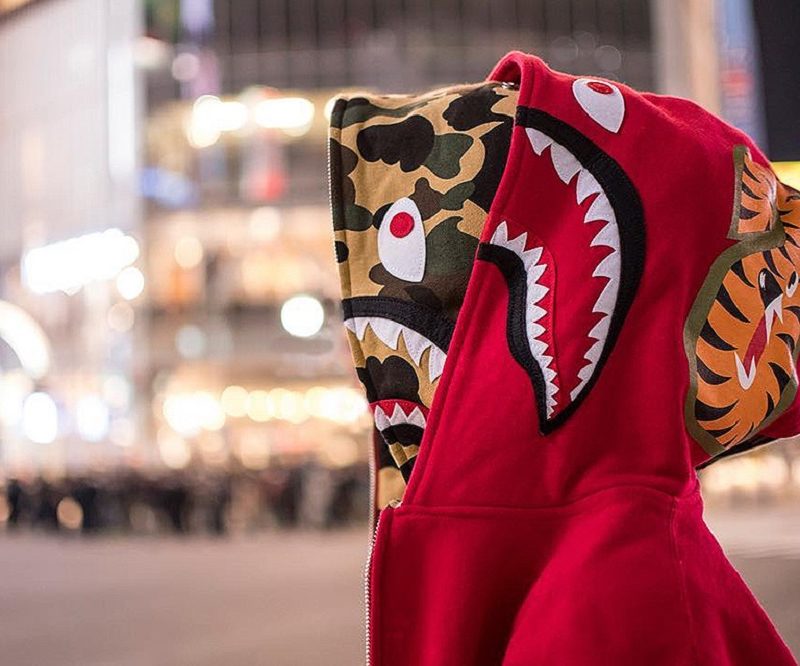
    I.T Group operates its own brands, including Chocoolate and 5cm, concept stores Izzue and Double-Park; international brands it has local licences for including Kurt Geiger and Camper; and A Bathing Ape, which the company rescued from Japanese owners in 2011.

    Chairman Sham Kar Wai said “complex macroeconomic conditions” affected the business in all three regions during the third quarter.

    “Our Hong Kong and Macau operations registered negative same-store sales growth as a result of multiple typhoons, and weaker consumption appetite during the period. In contrast, our Mainland China business delivered positive same-store sales growth, and our Japan and  the US regions continued to progress on a positive trend.”

    He said the group continued to execute measures to safeguard its gross margin, including holding back discounting.

    “However, enhancements to gross margin was overshadowed by the negative impact of the depreciation of currencies of our merchandise purchase. As a result, gross margin decreased during the period.”

    Sham Kar Wai said the company has been even more cautious about the overall operating environment over the last few months, as the recent escalation of trade dispute between Mainland China and the US has cast “greater uncertainties on the future economic outlook”. “Moreover, the warm weather in Hong Kong and Macau may further weigh negatively on the consumer spending momentum across the region.”

  • Taoyuanming Shanghai tests automated stores

    Taoyuanming Shanghai tests automated stores

    Swedish-Chinese firm MobyMart is expanding its automated store format in China in collaboration with Shanghai fruit retailer Taoyuanming. Two stores are operating, one in Hefei and one outside Shanghai. While expansion in the region is the firm’s priority this year, its long-term sights are set on Europe and North America. According to brand co-founder Per Cromwell, MobyMart initially opened a corner-store-format mobile vending platform for coffee, which evolved into MobyMart, a mobile platform for “vending everything”.

    “We found a very visionary fruit retailer in the suburbs of Shanghai, Taoyuanming, and basically they had physical stores but they wanted to have unmanned stores,” said Cromwell.

    “We saw that we didn’t actually need to make too many adjustments to our existing system because basically what we had to do was pre-pack all the fruit — we needed to have fixed units and not have people buying by weight … and when we opened it up to the public it was an instant success.”

    The store carries around 50 SKUs at a time.

    Taoyuanming is reportedly so pleased with the results that two more automated stores are scheduled to open early this year, which may be followed by staffless stores if successful.

    The firm’s strategy is to provide a platform to small retailers.

    “If you are for instance a fruit store outside Shanghai and you want to expand from a few stores to 10 stores in your neighbourhood, then you can’t really start buying BingoBoxes because it’s quite complicated and expensive technology,” says Cromwell.

    The MobyMart model relies on customers scanning their product, while cameras and sensors serve as a back-up. This  “very simple technology” allows for opening “a lot of stores at a very low cost,” Cromwell says.

    “It won’t be 100-per-cent staffless because you still need someone circulating the store and making sure everything’s fine and restocked, but one person in one day can operate eight to 10 stores depending on how spread out they are. So you have much more efficiency with the staff you do have.”

    He added that AI and big data will help store operators know what products will be needed at what locations and at what time.

    “If we have a request of some sort, that is something that will also solve the last mile problem,” he said.
    The whole store and system is expected to retail for around US$15,000. MobyMart also has a prototype mobile store with automated driverless vehicle capacity – although its rollout is restricted by legislation around the technology.

  • Freshly brewed coffee is rising in China

    Freshly brewed coffee is rising in China

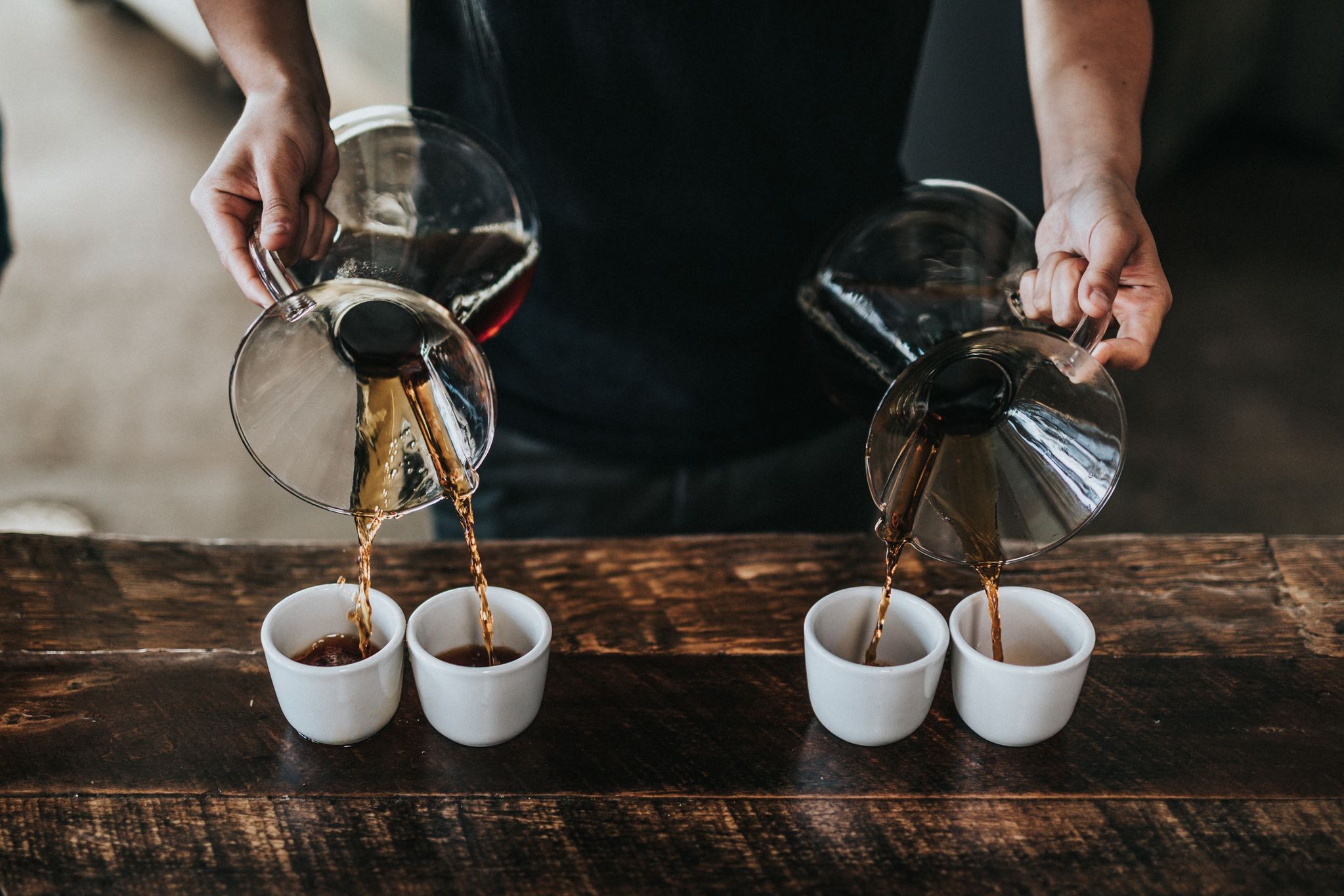
    Although Luckin Coffee, a chain of coffee shops in China,  disclosed a loss of 857 million yuan (RMB) last year, they are still positive about the potential for growth in China. Meanwhile, a Canadian coffee brand, Tim Hortons, announced its expansion into the country, planing to open more than 1,500 stores in China in ten years.

    Convenience store’s brewed coffee stand out in a crowded market

    Coffee brand giants are everywhere, but  coffee sales from convenience store never falls behind, occupying the lower level consumer market. According to the FamilyMart Co., Ltd., there are more than 2,000 stores in the country now selling freshly brewed coffee and the annual revenue in 2018 has exceeded 50 million cups. FamilyMart  revealed that their goal is to sell 100 million cups of coffee in 2019.

    Food plus coffee combo drives sales

    Another profitable coffee sales business people usually neglected is the Western-style fast food restaurant. Since KFC, also known as Kentucky Fried Chicken, upgraded the coffee products in 2015, their coffee sales has grown rapidly. In the first three quarters of 2018, KFC sold more than 63 million cups of coffee at an average rate of 2.5 cups per second.

    “The growth of coffee market among convenience store and western restaurant reflects the characteristics of current Chinese coffee market, a market with multi-level, multi-channel and multi-consumer profile.” China food industry analyst Zhu Danpeng said that this also proves the Chinese coffee market still have a big room to invest and develop.

    The current high profit of the coffee industry leads to competition

    Some industry consulting companies predict that the sales of the Chinese coffee shop will grow at a compound annual growth rate of 15% from 2017 to 2025, and will reach more than 100 billion yuan (RMB) by 2025. The number of coffee shops in China is expected to reach more than 80 thousand in the near future.

    However, the competition between freshly ground coffee market cannot be avoided. Zhu believes that one of the fundamental reasons for tight competition is that the profit of the this particular beverage industry is extremely high.

    Recently, Zhu went to Yunnan for site visit and he communicated with the local farmers. He said that the coffee bean purchase price of the famous coffee brand is about 12-16 yuan/kg, which can be used to brew 10-12 cups of coffee. In other words, the cost of coffee beans is less than 2 yuan (RMB) per cup. “It is obvious that the gross profit of this industry has reached several hundred percent.”