Tag: China

  • Taubman Sells Shares of Three Asian Shopping Centers

    Taubman Sells Shares of Three Asian Shopping Centers

    US retail property specialist Taubman Centers is to sell a 50 per cent stake in three of its shopping centres in China and Korea to funds managed by private equity company Blackstone Group. The deal, worth US$480-million, is expected to be settled later this year and will net Taubman about $315 million according to financial news reports. The company will maintain a share of up to 25 per cent in each property.

    Post settlement, Taubman will be contracted for the ongoing management of the centres.

    The centres are South Korea’s Starfield Hanam, and China’s CityOn Xi’an and CityOn Zhengzhou.

    Taubman manages a 26 regional, super-regional and outlet shopping centres in the US and Asia, and has another property under development. CEO Robert S Taubman said the sale was part of a strategy of recycling capital for growth.

  • Alibaba’s Ant Financial buys WorldFirst for $700m

    Alibaba’s Ant Financial buys WorldFirst for $700m

    Alibaba subsidiary Ant Financial says it plans to buy UK-headquartered money-transfer company WorldFirst. And in separate news, the Chinese e-commerce behemoth is in discussions over investing in the Metro China wholesale retail business.

    The WorldFirst deal will allow Ant Financial to gain market share in Europe’s fintech and payments industries and will give it an established retail network of currency-exchange stores covering cities including Sydney, Australia; London and Amsterdam, as well as throughout Asia. It has 600 employees in seven international offices and claims to have exchanged more than US$67 billion for 130,000 customers since its launch in 2004.

    The company also had outlets in the US but has reportedly closed these to avoid potential regulatory hurdles with the sale to a Chinese-owned business.

    Ant Financial last year unsuccessfully tried to acquire US-based money-transfer company MoneyGram, largely due to opposition from US lawmakers.

    Metro move

    Meanwhile, Alibaba is in talks to buy a share of German wholesaler Metro AG’s Chinese business.

    Neither company has confirmed or denied the talks are underway and they are at an early stage and may break down.

    Metro China operates 95 stores and struggled to achieve profitability in the market until recently. Metro sales in Asia rose 7 per cent to US$1.17 billion in the December quarter.  Most of the Metro China stores are in tier 1 cities, including Beijing and Shanghai.

    Metro is holding talks with other parties as well ahead of an official sale process.

    Olaf Koch, Metro’s CEO, confirmed this week that the company was considering potential partnerships with Chinese companies. Metro and Alibaba have already cooperated online.

    “We are growing continually and we are profitable [in China],” Koch said at the time Metro released its first-quarter results.

  • Huawei confident of 5G role in Vietnam

    Huawei confident of 5G role in Vietnam

    Huawei Technologies says it has a good chance to be a supplier of 5G equipment to Vietnamese service providers. Fine Fan, CEO of Huawei Vietnam, said that the Chinese company is in talks with Vietnamese partners on conducting 5G trials later this year. “We are confident of expanding in Vietnam,” Fan said, adding that Vietnamese Minister of Information and Communications Nguyen Manh Hung “is open to every provider.”

    Fan said that Huawei cannot be beaten on quality or cost in Vietnam. “Huawei will provide better technology and solutions, along with financial support to local operators to deploy 5G.”

    Huawei’s expression of confidence comes as major mobile carriers in Vietnam have previously announced plans to develop 5G networks using equipment from other suppliers, including Ericsson, Nokia and Samsung Electronics.

    Viettel, the country’s largest telecommunications company, became the first firm to receive permission to trial 5G services last month.

    The company has earmarked $40 million for the development of its own 5G chipset, but was also considering using technology from Ericsson and Nokia, its president and CEO Le Dang Dung said.

    Last November, Minister Hung said at a conference that Vietnam should test 5G in 2019 and ensure nationwide coverage by 2020.

    “Vietnam should be one of the first to launch the network, at least in Hanoi and HCMC,” Hung said. The country had been one of the last in Southeast Asia to roll out 4G services.

    Huawei has been the largest provider of 2G and 3G network equipment in Vietnam, though the company lost its lead when 4G arrived, CEO Fan said.

    Vietnam’s telecom market was estimated at more than $16 billion in 2016, with the three state-owned providers, Viettel, MobiFone, and VNPT, accounting for 95 percent of the market.

    5G is said to offer speeds 100 times faster than 4G, primarily used for smartphones and other similar devices. 5G is also expected to support new applications like remote medical procedures and autonomous driving.

  • Skechers passes store milestone

    Skechers passes store milestone

    Skechers China has opened a new superstore in Shenyang, the footwear brand’s 3000th globally. The footwear brand’s largest store yet covers more than 32,000sqft, showcasing a diverse range of footwear, apparel and accessories styles for men, women and children. It features shops-in-shops for different categories and a Skechers Kids entertainment zone.

    US-headquartered Skechers says it is continuing to expand its retail, sales and logistic infrastructure and is improving its customer experience with new-generation point-of-sale technologies.

    “We sell in more than 170 countries through our extensive network of distributors and joint ventures, and we have many more opportunities to build our retail store business even further and expand our global presence for years to come,” said Michael Greenberg, president of Skechers.

    China has the largest number of Skechers retail stores at 941, followed by the US at 472, and India at 222.

    To date, there are 690 company-owned stores worldwide, including two opened in the US in the first quarter. The company plans to open another 70 to 80 company-owned stores and another 500 third-party owned stores this year.

  • BA&SH expects to quadruple sales in Greater China

    BA&SH expects to quadruple sales in Greater China

    Affordable luxury brand BA&SH has marked the second anniversary of its launch in Asia by revealing plans to quadruple its sales in the region within two years and introduce a new store concept. Last year the company opened seven stores in Mainland China, three in Hong Kong and two in Macau, taking its Greater China footprint to 20 points of sale.

    “We are thrilled about Hong Kong hitting the podium already and convinced China has the potential to drive the brand’s growth in a near future,” says Isolde Andouard, BA&SH’s CEO for Apac.

    “Asian market accounts for 6 per cent of our global sales as of today and we are targeting to reach 17 per cent by 2020. We forecast to multiply our turnover fourfold within the next two years,” she said.

    Stores in Hong Kong and Mainland China achieved profitability after just three months of operation, allowing the brand to build a regional store pool contributing significantly to global results.

    BA&SH unveiled a new store concept in the US last September, located in New York City’s Nolita neighbourhood, a store designed around themes of friendship and customer experience.

    “We chose New York to test the water with this new concept as this retailtainment experience must be combined with a heavy digital approach and US is clearly ahead of time on this,” says the company’s global CEO Pierre Arnaud Grenade.

    “As the US and Asia are our two strongest focuses for the time being, Hong Kong will definitely be the second city to inaugurate this model.”

    Sustained investments from LVMH-sponsored L Catterton have been supporting BA&SH’s strong growth over the past years and a strong emphasis on Greater China was seen as critical to the brand’s globalisation.

    Hong Kong stores, the first of which opened almost two years ago, now rank within BA&SH’s top five worldwide in turnover. Andouard says that proves the BA&SH concept is a great fit for Asia, with the Hong Kong stores recording average like-for-like sales growth of more than 40 per cent year on year. Some stores in Greater China doubled their sales year on year.

    BA&SH has focused on opening boutiques in premium locations and already counts most of the city’s major retail property owners among their landlords – including Swire, Sun Hung Kai, Sands, Wharf, China Resources and Value Retail.

    “We didn’t bet on such a warm welcome from the local operators, because BA&SH is quite a new concept to Asia,” says Laura Marquant, strategy & development director Apac. “Yet we see the market is becoming more mature and is looking for the freshness BA&SH is offering.”

    E-commerce focus

    Meanwhile, on the strength of the Greater China success, BA&SH has expanded its reach online through Alibaba, opening a flagship on Tmall last June, less than a year after the brand launched in Mainland China.

    “As far as digital is concerned, New Retail and omnichannel are more than ever on the table, and the redesign of the brand’s Hong Kong website with new features and tools are the next steps to come,” says Andouard.

  • Alibaba Says China’s Slowdown Isn’t Hurting It All That Much

    Alibaba Says China’s Slowdown Isn’t Hurting It All That Much

    Alibaba Group VC Joseph Tsai says the firm is unperturbed by China’s economic slowdown. Quoted in a Bloomberg report, Tsai said Alibaba is “delinked” from a Chinese economy in which more and more business are moving online because “we’re in e-commerce and we’re digitising the whole sector”.

    He added that Alibaba’s growth is expected to continue to outpace the economy in general, as digital commerce grows at faster rates compared with more traditional retail business.

    The comments were made at the Goldman Sachs Group technology conference in San Francisco.

    According to the Bloomberg article, China’s economy expanded 6.4 per cent in the final three months of last year compared with a year earlier. Alibaba’s takings during the period rose 41 per cent to RMB117.3 billion (US$17.3 billion), representing its slowest pace of growth in more than two years. Its continued positive performance is buoyed by excursions into new business territories such as cloud services and entertainment, while assisting physical retailers with modernisation drives.

    According to the Alibaba Group VC, the situation is comparable to Amazon’s in terms of its consistent double-digit sales growth in the face of slowing economic growth within the US.

  • Trump says could extend March 1 China trade talks deadline

    Trump says could extend March 1 China trade talks deadline

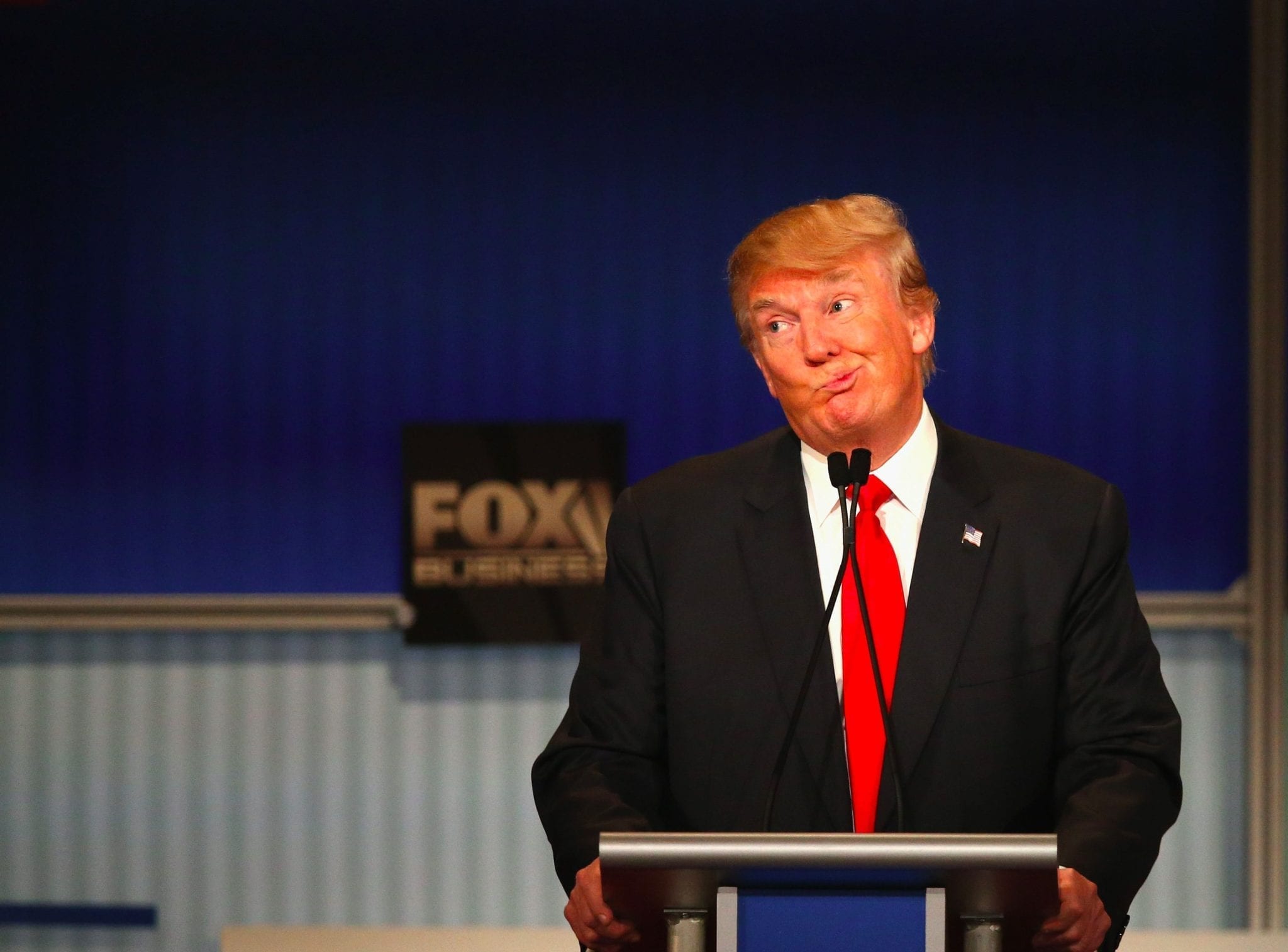
    US President Donald Trump (pix) said Tuesday he would consider extending the deadline for a trade deal with China beyond March 1. “If we’re close to a deal, where we think we can make a real deal… I could see myself letting that slide for a little while,” Trump said at the White House. But he added: “Generally speaking I’m not inclined to do that.”

    The comments came as the third round of trade negotiations were set to resume in Beijing to avert more than doubling tariffs on $200 billion in Chinese imports.

    “China wants to make a deal very badly,” he said, and “things are going well” in the talks. And while no date has yet been agreed for a meeting with China’s President Xi Jinping, he said he expects that to happen “at some point.”

    The high-stakes dispute has raised concerns it could spill over into the global economy after Trump last year hit China with 25% punitive tariffs on $50 billion in goods, and then imposed 10% duties on another $200 billion in annual imports.

    The rate on all those imports are set to increase to 25% if no agreement is reached by March 1.

    China’s economy already has shown signs of slowing, while the trade war has shaken the confidence of US businesses, as retaliatory tariffs have raised prices and helped choke off a key export market.

    And Trump’s aggressive strategy has failed to produce a reduction in the US trade deficit with China, which he set as a primary goal.

    He repeated the incorrect statement that China is paying the duties, which in fact are paid by US companies importing goods.

    And economists say much of the intended effect of the duties in reducing imports, has been offset by the devaluation of China’s currency, which makes goods cheaper for importers.

  • Asian shares rise as Trump boosts US-China talks

    Asian shares rise as Trump boosts US-China talks

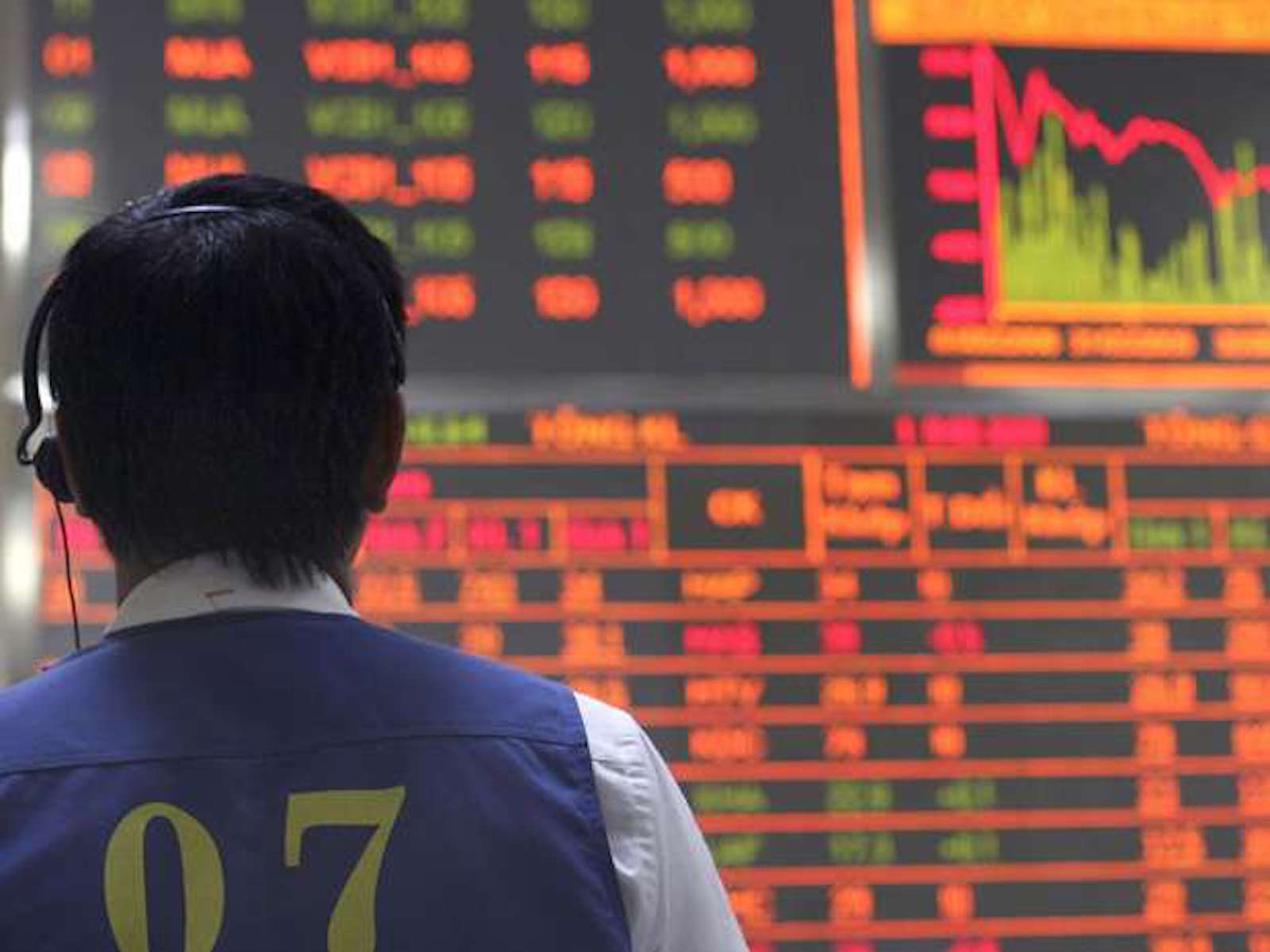
    Asian stocks climbed Wednesday as US President Donald Trump said he could extend the deadline for a trade deal with China, appearing to boost the prospects of an agreement. Trump said “things are going well” at preliminary talks in Beijing, where top economic officials will gather Thursday seeking an accord to stop sharp US tariff hikes that could damage the global economy.

    “If we’re close to a deal, where we think we can make a real deal … I could see myself letting that slide for a little while,” the US president said of his March 1 deadline.

    He added that he expects a meeting with counterpart Xi Jinping to happen “at some point”.

    The comments all improved market sentiment on the likelihood of a deal to prevent US tariffs on $200 billion in Chinese imports more than doubling next month.

    Washington is demanding changes from Beijing on what it says are unfair commercial practices.

    Tokyo added 1.5%, Hong Kong rose 0.4% and Shanghai gained 0.2% on the news, following Wall Street’s lead.

    However, some analysts struck a cautious tone, noting that much work needs to be completed before a framework agreement is in reach.

    “The rally in stocks has been based on hope rather than any concrete agreements overnight,” warned Oanda senior analyst Jeffrey Halley, predicting short-term volatility to come as headlines emerge from Beijing.

    Sydney shed 0.3%, with calls for a snap election amid political tensions over refugees adding to underwhelming corporate earnings and subdued metal prices.

    Nonetheless, renewed global investor confidence saw a movement away from the greenback, which has enjoyed a strong rally in the past week, to riskier currencies.

    The pound moved upwards closer to $1.29, despite no-deal Brexit fears as Prime Minister Theresa May was accused by the opposition of “running down the clock” and “playing chicken” with Brussels over talks.

    Trump’s suggestion that another chaotic US government shutdown was now unlikely following a deal struck in Congress over border security further fuelled risk appetite.

    The deal to offer nearly $1.4 billion for construction of a Mexico border wall, as well as other security measures, fell far short of Trump’s demands but has been presented as a workable compromise.

    “I don’t think you’re going to see a shutdown,” said the president.

    Elsewhere oil continued its climb after heavyweight Saudi Arabia slashed output and exports fell in crisis-hit Venezuela.

  • Asia-Pacific shoppers favour cross-border shopping

    Asia-Pacific shoppers favour cross-border shopping

    Half of online shoppers in Asia-Pacific make purchases cross-border, according to a recent report by yStats. The top two markets for cross-border shopping in the region are Hong Kong and Singapore while Japan shuns the trend, with over nine in 10 online shoppers buying only domestically. The tendency to buy from foreign online sellers also prevails in Australia and New Zealand, where a double-digit share of digital spending is cross-border.

    The top three destinations of cross-border online shoppers in Asia-Pacific are China, the US and Japan. Chinese online shoppers themselves prefer shopping platforms hosted by local providers, such as Tmall Global, Kaola and JD Global.

    Apparel and accessories was the most-in-demand product category. In South Korea, this sector accounted for more than one-third of e-commerce purchases from foreign sellers.

    Handheld connections prefered

    A standout characteristic of cross-border shopping in Asia-Pacific is the high level of mobile usage.

    Digital buyers in China and India were more likely to place orders on foreign websites through smartphones and tablets than through a desktop computer.

    The Asia-Pacific Cross-Border B2C E-Commerce 2018 report covers online retail imports and exports in 10 nations within Asia Pacific.

  • L’Oreal Asia Pacific sales reported soars

    L’Oreal Asia Pacific sales reported soars

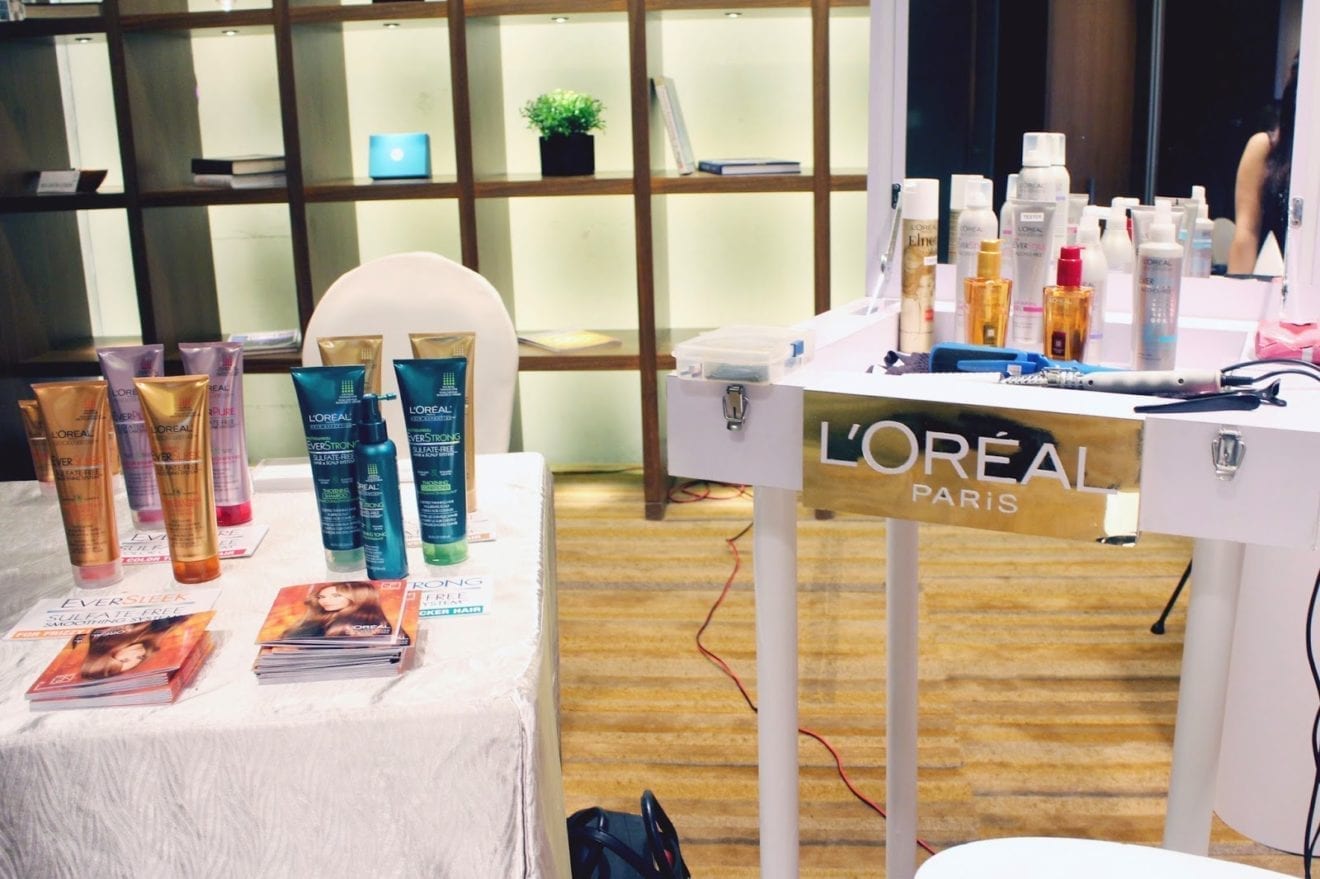
    L’Oreal Asia Pacific sales soared by a staggering 24.1 per cent on a like-for-like basis last year. Asia was the beauty behemoth’s fastest-growing market with all divisions of the business winning market share from rivals in the region. “The dynamism of Chinese consumers, combined with the good performance of premium brands and rapid growth in several other Southeast Asian markets as well as in travel retail, were the [region’s] main growth drivers,” the company said in an earnings statement.

    Singles Day in the fourth quarter especially boosted sales in China, along with the acquisition of Stylenanda in June.

    L’Oreal Asia Pacific sales, driven by China, overtook L’Oreal’s North America business, with sales exceeding €7 billion.

    Globally, L’Oreal achieved sales of €26.9 billion (US$30.3 billion) last year, an improvement of 7.1 per cent on a like-for-like basis and 8 per cent at constant exchange rates. Net profit reached €3.89 billion euros, an increase of 8.8 per cent.

    L’Oreal’s chairman and CEO Jean-Paul Agon said the results represented the company’s best year of growth since 2007, achieved in a beauty market which had “accelerated significantly” last year.

    All divisions achieved growth, with the standouts being L’Oreal Luxe and Active Cosmetics, which both recorded double-digit sales increases. In the Luxe division, the larger brands led the way, with Lancome sales crossing the €3 billion threshold. The Active Cosmetics division achieved its highest growth for more than 10 years.

    Consumer products sales, led by L’Oreal Paris and Maybelline New York, achieved solid growth and professional products a “modest increase” thanks to a significant acceleration in the final quarter, the company said.

    A growing investment in e-commerce is paying off, with sales online up 40.6 per cent last year, now accounting for 11 per cent of group sales.

    And travel retail broke the €2 billion barrier, increasing by 27.1 per cent.

    L’Oreal reported its gross margin increased significantly and, even after strong investments in research, innovation, and business drivers, its operating margin set a new record at 18.3 per cent of sales.

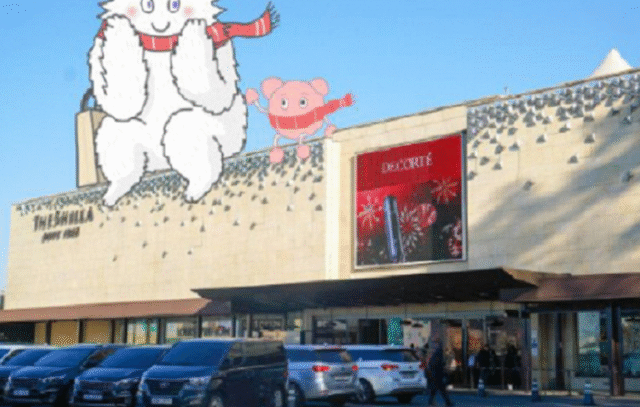
  • The Shilla Duty Free partners with comics strip artists

    The Shilla Duty Free partners with comics strip artists

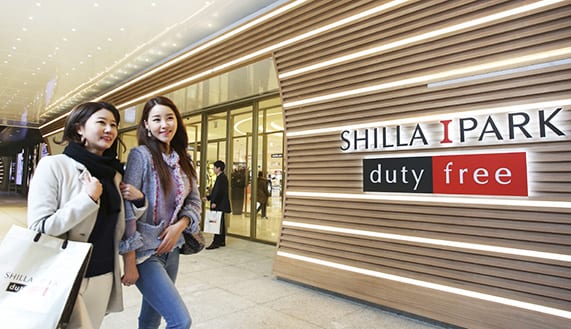
    The Shilla Duty Free is partnering with popular Chinese webtoon artists to boost its appeal to travelling Chinese shoppers. The travel retailer said that this is the first marketing partnership of its kind in the Korean duty free industry. Webtoons have become an increasingly influential media tool to connect closely with consumers, Shilla noted. “Unlike traditional advertisements, webtoons use storytelling that is easily relatable while utilising artists’ existing fandom.”

    The partnership with two webtoon artists, Niu Hong Hong (牛轰轰) and Ruo Guan (弱冠), specifically targets Chinese women in their 20s to 30s – The Shilla Duty Free’s main customer base (as the charts below show, visitors between 21 and 40 made up 57.3 percent of Chinese arrivals in South Korea last year and those between 21 and 30 almost 31 percent).

    Shilla’s stores are being featured in webtoons and the contents promoted through each artist’s social media platforms.

    Real-time comments such as “I would like to shop there”; “I should visit there during my next visit to Korea”; and “I like the store interior” appear on the webtoons.

    Besides introducing The Shilla Duty Free shops, the webtoons also highlight nine local eateries near the retailer’s flagship Seoul Store, showcasing the surrounding area as a local attraction. Since 2016, The Shilla Duty Free has promoted its local communities by introducing nearby restaurants through various channels such as The Shilla Online Duty Free in Chinese and its official Weibo account.

    A spokesperson said, “The partnership with Chinese webtoon artists is a first in the industry. We expect to be able to connect better with Chinese customers. Creative marketing like this will be continued during the peak seasons such as Chinese Lunar New Year, the Mid-Autumn Festival and the National Day of China, to broaden the communication with our customers.”

  • Tenant reshuffles bring good revenue for CapitaLand Retail China

    Tenant reshuffles bring good revenue for CapitaLand Retail China

    CapitaLand Retail China boosted its distributable income by 9.4 per cent last year on the back of a new acquisition and improved performance of multi-tenanted malls. CapitaLand Retail China Trust Management (CRCTML), the manager of CapitaLand Retail China Trust (CRCT), reported a distributable income of S$99.7 million (US$73.5 billion) for the year.

    “CRCT delivered a resilient set of results in FY2018 on the back of strong operating performance,” said CRCTML CEO Tan Tze Wooi.

    Portfolio occupancy as at December 31 was 97.5 per cent and rental reversion was 10.9 per cent. Tenants’ sales at its multi-tenanted malls grew by 18.8 per cent year on year, while shopper traffic was up by 19.4 per cent.

    With the addition of Rock Square in the full-year figures for the first time, CRCT’s investment property value rose by 17.8 per cent to RMB13.993 billion (US$2.07 billion) as at the end of the year.

    CRCTML chairman Soh Kim Soon said China’s retail sales rose by 9 per cent last year.

    “China’s more moderate pace of growth is reflective of an economy undergoing transition and its long-term fundamentals remain positive. We are confident that CRCT’s quality family-oriented shopping malls will continue to benefit from China’s growing middle class and policies implemented to stimulate the economy,” he said.

    Highlights of the year included:

      • CapitaMall Wangjing posted a rental reversion of 15.7 per cent after converting 4700sqm of anchor tenant space on Level 4 to specialty stores. The mall’s Level 8 rental income will rise by around 50 per cent after transforming 500sqm of common area into leasable space for coworking operator Ucommune.
      • CapitaMall Xinnan netted 17.9 per cent in rental reversion by reconfiguring its Basement 1 space to accommodate more popular brands.
      • Since acquisition, Rock Square has achieved four consecutive quarters of rental reversions above 20 per cent and a double-digit year-on-year increase in average sales per square metre for specialty stores.

    Wooi said that in order to further optimise the portfolio, CRCT has entered into a bundle deal in Hohhot with unrelated third parties to divest CapitaMall Saihan and acquire a new mall that is double in size and has “a longer balance tenure”.

    “Given the new mall’s higher growth potential, CRCT will be in an even stronger position to tap Hohhot’s promising retail growth. The deal is structured to minimise income disruption as the closure and divestment of CapitaMall Saihan will take place after the new mall is operational in the second half of the 2020 [financial year]. Supported by CRCT’s strong financial position, we will continue to explore suitable acquisition opportunities to grow and rejuvenate our portfolio,” Wooi concluded .

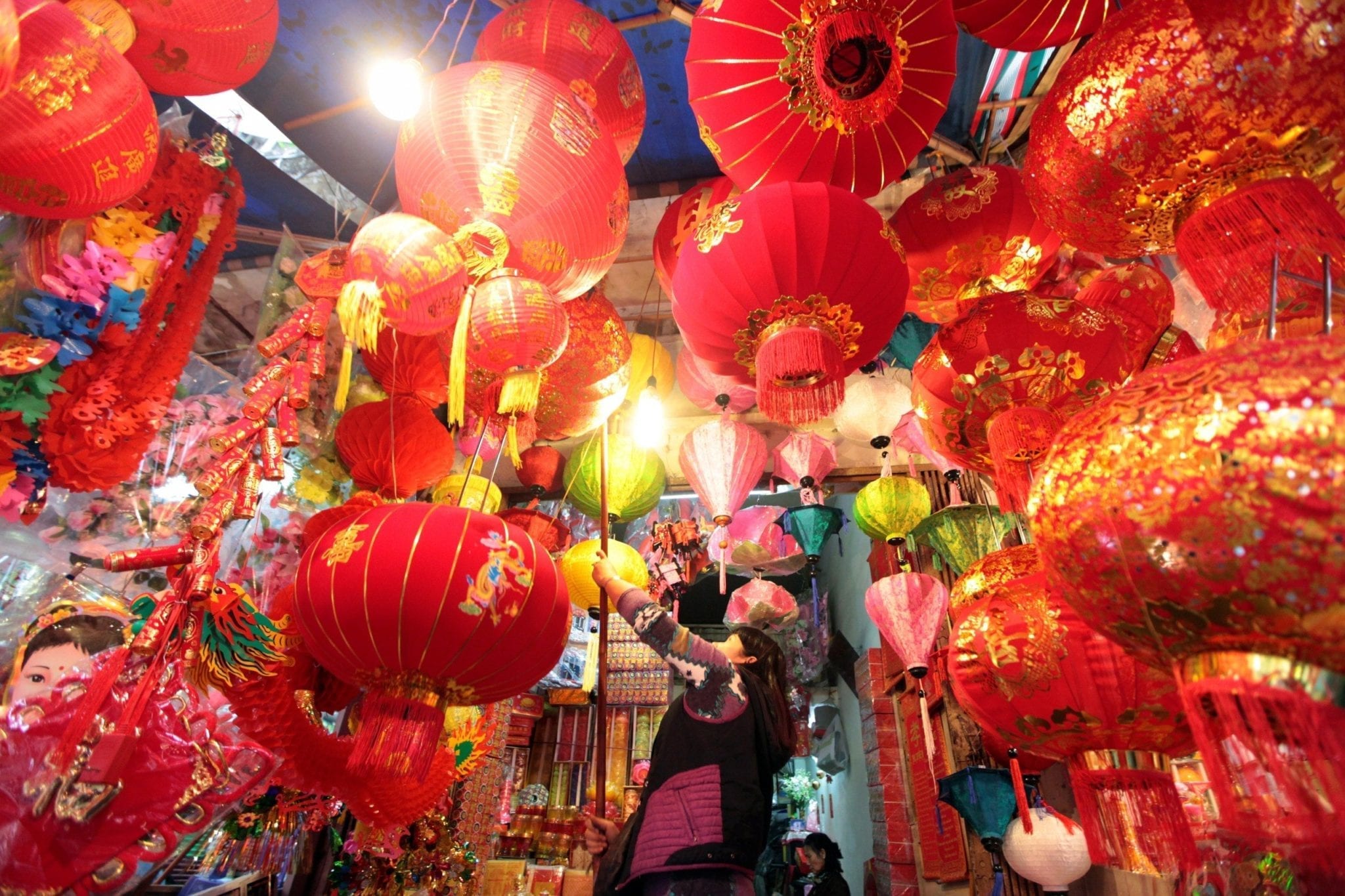
  • China retail earnings up 8.5% during new year holiday – ministry

    China retail earnings up 8.5% during new year holiday – ministry

    China’s retailer and catering enterprises earned over 1 trillion yuan ($148.3 billion) during the Lunar New Year holiday, defying an economic slump to rise 8.5% from last year, the country’s commerce ministry said late on Sunday. The increase was down to the rapid growth in sales of new-year gifts, traditional foods, electronic products and local speciality products over a six-day holiday period ending on Saturday, the Ministry of Commerce said in a notice on its website.

    Domestic tourism during the new year break generated total revenues of 513.9 billion yuan, up 8.2% on the year, with the number of trips rising 7.6% to 415 million, the official Xinhua news agency said on Sunday, citing official data. ($1 = 6.7426 yuan)

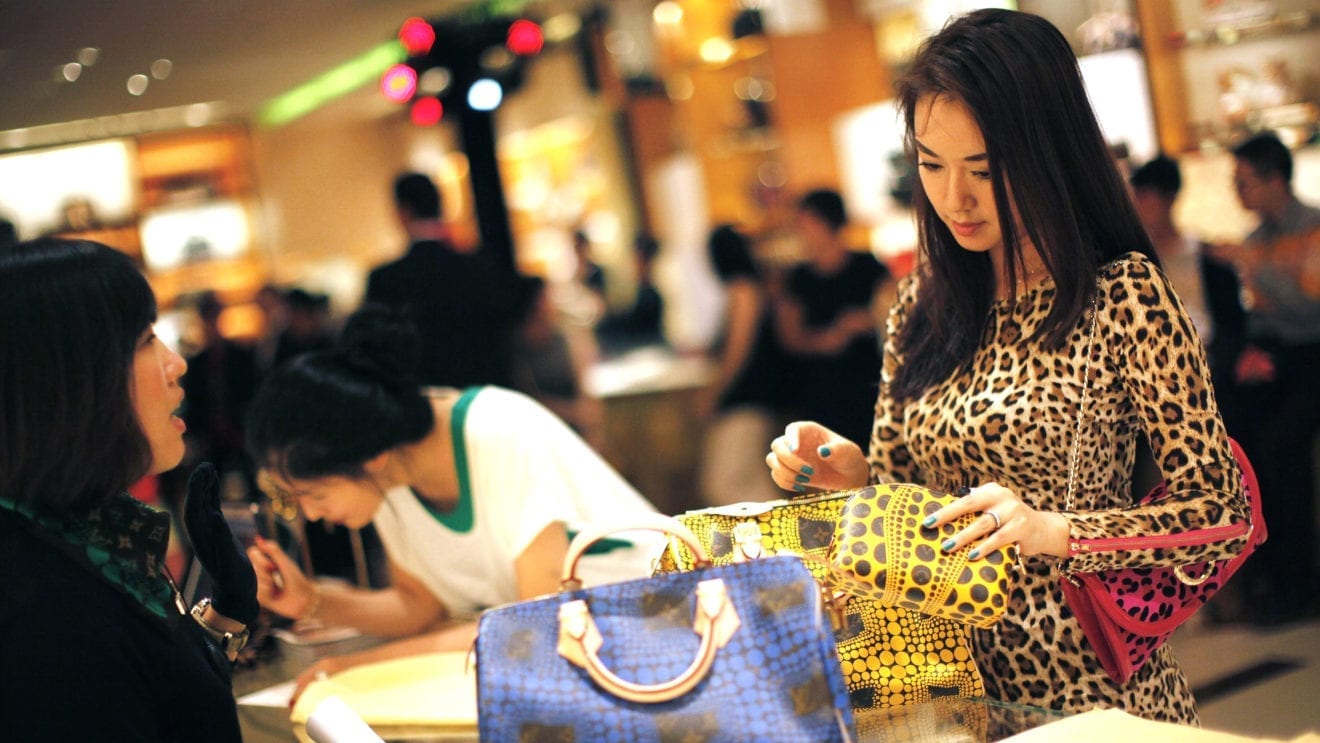
  • Luxury goes local as Chinese shoppers gravitate towards home-grown brands

    Luxury goes local as Chinese shoppers gravitate towards home-grown brands

    Affluent Chinese consumers have for years shown a preference for global, well-known brands and labels. But with growing sophistication in tastes and a penchant for unique styles, the well-heeled are now increasingly gravitating towards high-end Chinese designers.

    “While global forces will continue to impact China’s luxury market, domestically there’s this whole new wave [of Chinese designers] that is coming through and is transforming the market,” said Simon Tye, executive director of Hong Kong-based market research company Consumer Search Group (CSG).

    In a report released last month along with US and China-based public relations company Ruder Finn Group, CSG found that 74 per cent of affluent Chinese consumers are aware of at least one Chinese designer, and 45 per cent intend to buy more Chinese designs over the next 12 months.

    According to report, titled “The 2019 China Luxury Forecast”, a shift in purchasing attitude from buying to “show-off to outsiders” to a “reflection of personal taste” is evident in 76 per cent of Chinese consumers. These respondents said they buy luxury items that reflect personal taste, up by about 30 per cent since 2012, according to the report.
    According to Mintel China, another market research company, niche luxury brands are particularly popular among women between the ages of 20 and 24, who are single and have a postgraduate or higher degree.

    Karen Zhang, 24, a banking professional from Beijing, said: “I still like my Gucci and Dior bags, but nowadays I like to explore luxury brands that have interesting stories and doesn’t shout extravagance. I also like to buy products by Chinese brands that have a unique twist.”

    The growing interest in Chinese designers is illustrated by a fivefold increase in the number of such brands featured by Hong Kong-headquartered luxury goods store chain Lane Crawford in recent years, according to strategy consultancy OC&C. Comme Moi, a brand founded by Chinese model Lu Yan, is among the fastest growing brands in Lane Crawford stores in China.

    JNBY, regarded as the most commercially successful Chinese designer brand, has more than 1,500 stores worldwide. Angel Chen, known for her colourful approach to fashion and fusion of eastern and western aesthetics, is stocked internationally by 30 retailers, including Lane Crawford, Luisa Via Roma, H. Lorenzo and Dong Liang. She is part of the “new wave” making an impact locally and globally, according to CSG.

    Unlike traditional brands, which spend on large-scale marketing and advertising campaigns, these new brands rely more on their unique designs and the power of celebrities and “key opinion leaders” for publicity.

    “For instance, Chictopia, founded by a local designer, Christine Lau, offers innovative and high-quality products with a clear story theme for each season,” said Veronica Wang, associate partner at OC&C. “The brand is followed by a group of top local celebrities, such as Fan Bingbing and Angelababy, which helps to establish awareness among the young generation.”

    The brand launched an official website in 2016, which provides an online sales channel and allows for the sharing of the brand’s latest collections through WeChat.

    Wilson Li, 28, a Chinese designer, said: “This is a very interesting time [for Chinese designers] right now. Around 20 years ago, Chinese clothing companies produced items that were extremely cheap, and they didn’t care much about quality. But this isn’t the case any more.”

    Li said the US-China trade war was pushing the market to improve its offering: “The only way for Chinese designers and companies to break out is to improve their standards.”

    Li, founder and head designer at Wilson PK, is known for his innovative fabrics and creative knitwear. He said a growing number of Chinese companies had been investing more in research and development as well as quality control over the past 10 years, with the aim of shaking off the image being of “cheap”.

    His brand, which has been around for five years, can count celebrities such as American singer Lady Gaga and British musician Lianne la Havas as its fans.

    “For custom fashion pieces, which are priced between US$960-US$3,830, we usually reach our target consumers through our online look book and stylists,” said Li. “Mass market customers can shop the ready-to-wear collection on our website, with prices starting from US$50.”

    Li, a fashion design graduate of Central Saint Martins Art and Design College, added: “Nowadays, Chinese consumers don’t just want luxury, they want the stories that come with it.”

    Industry experts say it is important for niche luxury brands to maintain a sense of exclusivity and rarity through storytelling. Scarlett Zhao, associate research analyst at Mintel China, said: “Niche brand lovers tend to be better informed and are willing to pay more for a brand’s unique meaning.”

    According to these experts, the biggest competitive edge Chinese designers have is their understanding of local preferences. And according to Wilson PK’s LI, while it is too early for local designers to be considered as rivals to established global fashion houses, there are more opportunities for Chinese brands in the current market.

    “Let’s be honest, calling it a competition would be too difficult. But as a Chinese designer, I definitely want to liberate my own culture,” he said.
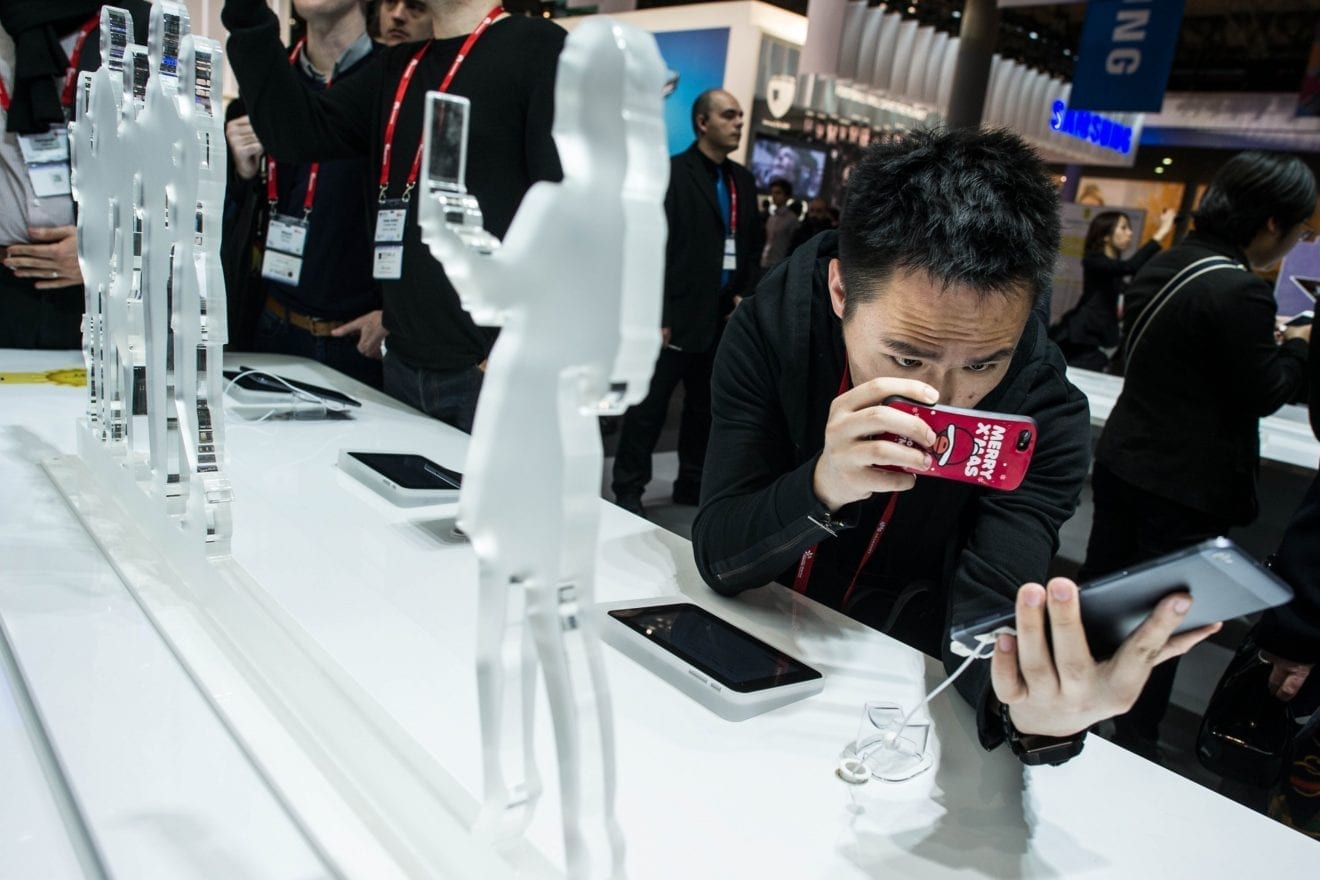
  • Time for China’s smartphone brands to bloom

    Time for China’s smartphone brands to bloom

    Like many urban Chinese consumers, Shenzhen civil servant Gao Jian has had a long-held belief that the quality of domestic smartphone brands paled in comparison with foreign brands, especially Apple. But in December, Gao joined the growing number of mainland consumers who have made the switch from Apple’s iPhone to a premium Android smartphone from a major Chinese brand. He bought a Mate 20 Pro, the flagship model from the country’s largest smartphone supplier Huawei Technologies.

    “Its design and cameras are better than what I expected,” Gao said. “Also, iPhones have become increasingly unaffordable.”

    His experience reflects the broader success of the Chinese mobile phone industry in smashing people’s perception that domestic suppliers are only good for inexpensive, low-quality products.

    That stereotype has beset many Chinese brands in the home appliances, consumer electronics, personal computer, car and mobile phone markets, where products from more established brands in the US, Japan or Europe were preferred by mainland consumers for many years.

    But brands like Haier Group Corp, Lenovo Group and, more recently, Huawei, have expanded their operations, increased research and development, and made advanced products to change that impression around the world.

    China is now home to some of the most successful smartphone brands, which rival the likes of Samsung Electronics, Apple and LG Electronics.

    Shenzhen-based Huawei, the top global supplier of telecommunications network equipment, was ranked the world’s second biggest smartphone vendor – behind Samsung and ahead of Apple – for the second consecutive quarter in the three months ended September 30, according to research firm IDC. Xiaomi Corp and Oppo took the No 4 and 5 spots in the same quarter.

    The emergence of Chinese smartphone brands on the global stage has mirrored the rising competitiveness of the country’s telecoms network equipment suppliers, which have won market share with value-for-money offerings as well as on heavy investments in research and development.

    The gains have also sparked increasing pushback by the US, which is persuading its allies to boycott Chinese telecoms gear suppliers such as Huawei on grounds of national security.

    With the world’s biggest internet population and smartphone market, China had as many as 300 domestic mobile phone companies about three years ago. Cutthroat competition reduced that number to about 200 last year, as Chinese consumers bought fewer smartphones and the economy grew at a slower pace.