Tag: China

  • Fosun Fashion Group launches company to help brands launch in China

    Fosun Fashion Group launches company to help brands launch in China

    Hong Kong-listed Chinese trading group Fosun has launched Fosun Fashion Brand Management Company (FFBM) to serve brands with ambitions to expand in the Greater China market. The new firm is offering full brand management services, covering retail and wholesale operations, merchandising, marketing and communications management, human resources and complete back office support. With an average of more than 15 years of operational experience in China, the FFBM team has successfully grown a number of fashion brands in China over the past two decades.

    “We are excited about FFBM. This is a major milestone for us at this critical stage in FFG’s development as we continue to expand our in-house operating capabilities,” said Joann Cheng, Fosun Fashion Group’s chairman. “The FFBM team brings a comprehensive set of operational experience spanning retail and digital in fashion, which will be invaluable as we enter this new phase of execution. This new platform provides FFG with a wider scope of competencies, and allow us to maximise control over brands’ performance in our own backyard enabling us to create incremental value for brands outside of their home markets.”

    FFBM’s CEO James Chen said that in recent years, China has become one of the core markets for many brands, and it will continue to thrive to become one of world’s top consumer markets.

    “Having lived and worked in China for the last 20 plus years, I am excited, now more than ever for the vision of Fosun Fashion Group as well as the fashion landscape in China.”

    The news comes less than a week after Fosun’s announcement of a takeover bid for German-listed fashion retailer Tom Tailor.

  • Retail report says holiday sales were disappointing

    Retail report says holiday sales were disappointing

    Shoppers did not spend as much as expected this past holiday season. Holiday sales were up just 2.9 percent in 2018, the National Retail Federation said, on the heels of the Commerce Department announcing retail sales for December fell 1.2 percent, the largest decline since September of 2009. NRF, the retail industry’s trade organization, had been calling for 2018 holiday sales, those from Nov. 1 through Dec. 31, to rise between 4.3 and 4.8 percent.

    “It appears that worries over the trade war and turmoil in the stock markets impacted consumer behavior more than we expected,” NRF President and CEO Matt Shay said in a statement. “There’s also a question of whether the government shutdown and resulting delay in collecting data might have made the results less reliable.”

    NRF said online and other nonstore sales were up 11.5 percent this past holiday season, while the group had been calling for growth of between 11 and 15 percent.

    It said sales, both in stores and online, were down 1.5 percent in November year over year, and in December were up just 0.9 percent. It added that October sales were up 5.7 percent year over year, but spending during that month isn’t included in NRF’s holiday sales tally.

    NRF chief economist Jack Kleinhenz said the sales results were “truly a surprise” and “in contradiction to the consumer spending trends” NRF had been monitoring.

    The fresh retail sales data from the Commerce Department has, meanwhile, raised new concerns about a recession. But economists also say the biggest drop in nine years clashes with other data and may be suspect.

    NRF is still calling for retail sales, excluding automobile dealers, gasoline stations and restaurants, to climb between 3.8 and 4.4 percent this year, amounting to as much as $3.84 trillion.

  • Hong Kong’s Link REIT Buys Shenzhen Mall for RMB 6.6B

    Hong Kong’s Link REIT Buys Shenzhen Mall for RMB 6.6B

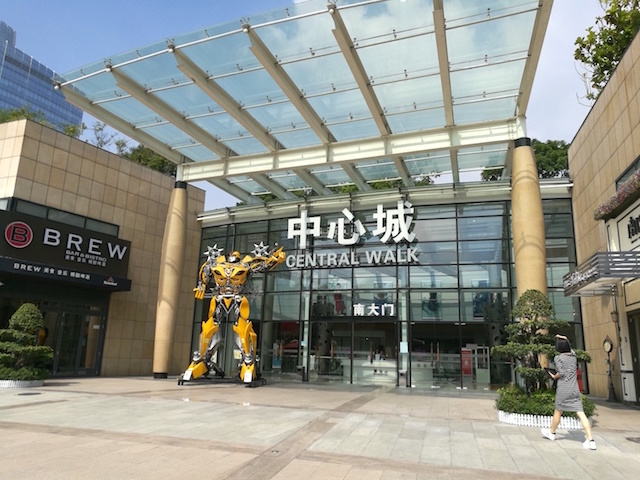
    Link Asset Management has bought the Centralwalk shopping mall in Shenzhen’s CBD via its real estate investment trust. The RMB6.6 billion (US$981.9 million) transaction marks Link REIT’s first acquisition in Shenzhen, the second in the Greater Bay Area and its fifth in Mainland China, all in tier-one cities. Centralwalk is a five-storey retail centre in Shenzhen’s Futian District, home to the South China head offices of Fortune 500 companies, multinational corporations and leading domestic firms. The property sits atop two subway lines, providing a 14-minute link to Hong Kong and less than an hour to most parts of the Pearl River Delta region.

    “The acquisition marks another milestone in our expansion in China,” said Link CEO George Hongchoy.

    “Centralwalk is seated in the heart of the city’s booming commercial hub. It is strategically located at the juncture of two popular subway lines in Shenzhen and within a five-minute walk from the Futian high speed rail station. We see enormous upside potential in this asset as we will apply our expertise in asset enhancement and placemaking to attract footfall to this mall, unleashing its potential as a leisure and entertainment landmark in Shenzhen.”

    Upon settlement of the transaction next month, Link REIT will control approximately 5 million sqft of retail and office space in four tier-one cities on the Mainland: Beijing, Shanghai, Guangzhou and Shenzhen, with Mainland Chinese assets representing about 13.1 per cent of Link’s total asset value.

    “The acquisition will enable us to capture the exponential growth spurred by the high speed rail link and the Greater Bay Area development,” Hongchoy added. “With diversification of markets, we continue to play to our strengths to offer investors steady income and long-term growth opportunities.”

    Centralwalk has a retail floor area of about 903,100sqft, and its retail occupancy currently stands at around 100 per cent. It has a gross monthly passing income of RMB 23.8 million as at December last year.

    The property houses a wide variety of familiar brands and a dynamic mix of retailers, covering food and beverage, fashion, accessories, education, lifestyle, health and beauty, a supermarket and a cinema.

    Link is anticipating the opportunity to enhance the property’s rental reversion and performance through trade-mix and tenant-mix upgrade, given that retail tenancies expiring in 2019, 2020 and 2021 represent approximately 25.5 per cent, 24.8 per cent and 18.0 per cent respectively.

  • Asia markets rally as Trump delays China tariffs

    Asia markets rally as Trump delays China tariffs

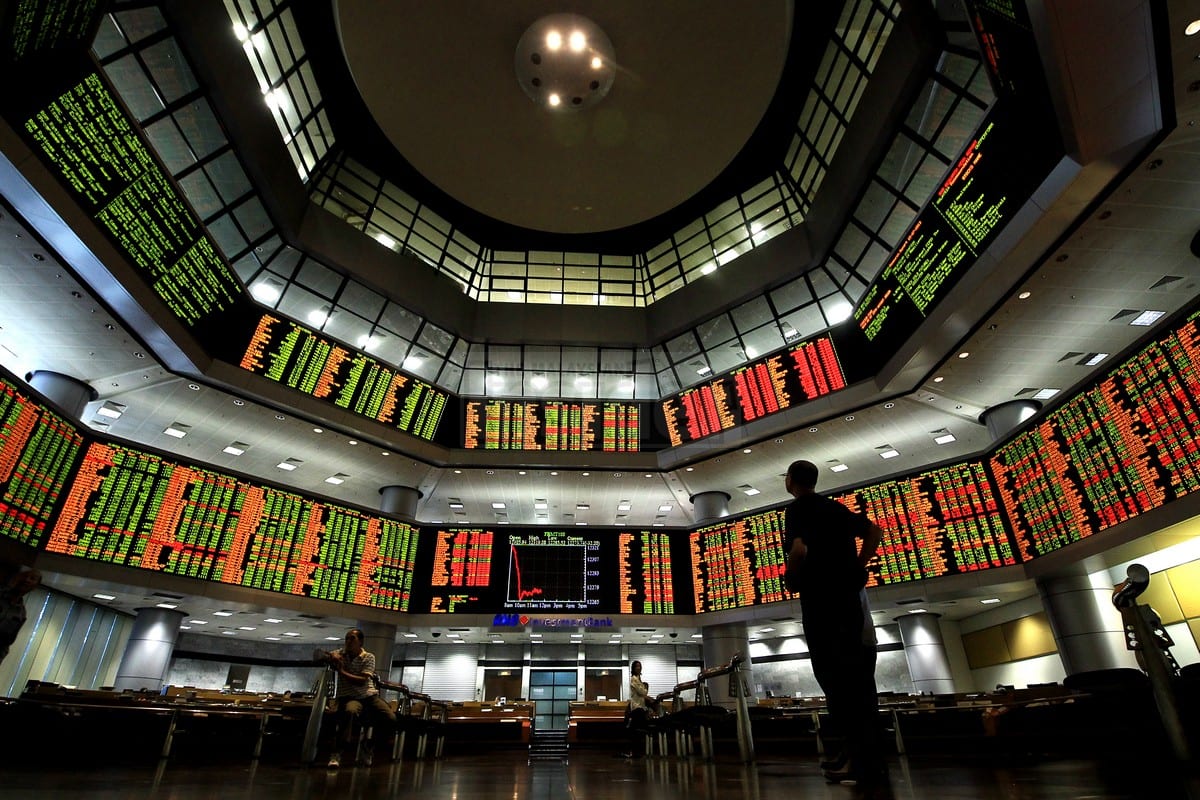
    Shanghai led a rally across Asian markets Monday after Donald Trump said he would delay a hike in tariffs on Chinese goods citing “substantial progress” in trade talks and fuelling hopes of an end to their long-running stand-off. Optimism over the negotiations had already provided support to global equities, spurring a rally in January and February, but the president’s comments gave extra ammunition to investors to ramp up the buying.

    The news also fired currency markets with the yuan extending gains to a seven-month high, while other high-yielding, riskier units were also up against the dollar.

    Trump said on Twitter that the US “has made substantial progress in our trade talks with China on important structural issues including intellectual property protection, technology transfer, agriculture, services, currency, and many other issues”.

    He added: “As a result of these very productive talks, I will be delaying the US increase in tariffs now scheduled for March 1.”

    The president also said he planned to hold a summit with his Chinese counterpart Xi Jinping at his Mar-a-Lago estate in Florida to sign a deal.

    China’s Xinhua news agency added that the two sides had “made substantial progress on specific issues” including on transfer of technology, intellectual property and agriculture.

    ‘Sigh of relief’

    In morning trade, Shanghai jumped 2.8% and Hong Kong added 0.4% while Tokyo ended the morning 0.7% higher.

    Sydney and Singapore each put on 0.1%, while Seoul was flat, Taipei added 0.4% and Jakarta rose 0.3%.

    The gains in Asia followed another positive lead from Wall Street, where the Dow enjoyed its ninth straight weekly gain – the longest streak since May 1995.

    “This is a sigh of relief,“ said Ben Emons, managing director for global macro strategy at Medley Global Advisors. “Markets will still keep a level of caution, but this news is encouraging,“ he said.

    The upbeat sentiment lifted high-risk currencies, with the yuan hitting its highest level against the dollar since July, while South Korea’s won, the Australian dollar and the Indonesia rupiah were also well up.

    Forex traders will be closely watching speeches this week from top Federal Reserve officials – including chairman Jerome Powell’s appearance in front of lawmakers – hoping for clues about the bank’s monetary policy plans.

    Wall Street “will be looking for soothing comments about the future size of the balance sheet – the bigger the better – and insights into future rate hikes”, said Jeffrey Halley, senior market analyst at OANDA.

  • Foot Locker boosts capital expansion

    Foot Locker boosts capital expansion

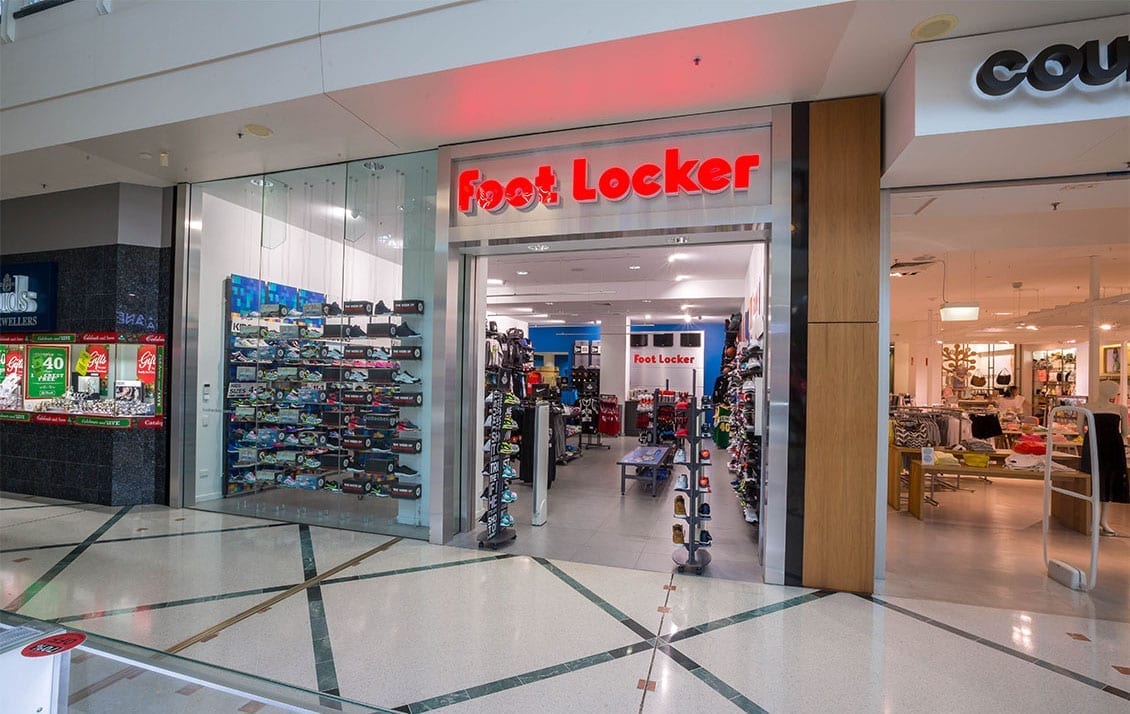
    Foot Locker has announced a US$275 million capital expenditure program for this year, with Asia singled out as a target market. The investment is $75 million more than the US-headquartered sports-shoe and apparel retailer allowed for last year. “The capital spending planned for this year reflects increased investments in the company’s store fleet in all existing regions, including Asia, and in its digital initiatives,” the company said in a statement.

    “In addition, the company will continue to spend capital to build out its supply chain and other infrastructure capabilities.”

    Chairman and CEO Richard Johnson said Foot Locker sees “exciting opportunities” to invest in the business this year. The capital commitment followed decisions to launch a share buy-back program and to pay a dividend to shareholders.

    “Taken together, these actions demonstrate that our board is confident that Foot Locker can simultaneously deliver strong financial results, invest in the long-term growth of the business, and provide meaningful returns to our shareholders,” he said.

    Foot Locker currently operates 3221 stores in 27 countries in North America, Europe, Asia, Australia and New Zealand.

    In Singapore, Foot Locker opened three stores last year, in Jem Mall, Century Square and Suntec City.

  • Warm weather blamed for worsening Bossini International loss

    Warm weather blamed for worsening Bossini International loss

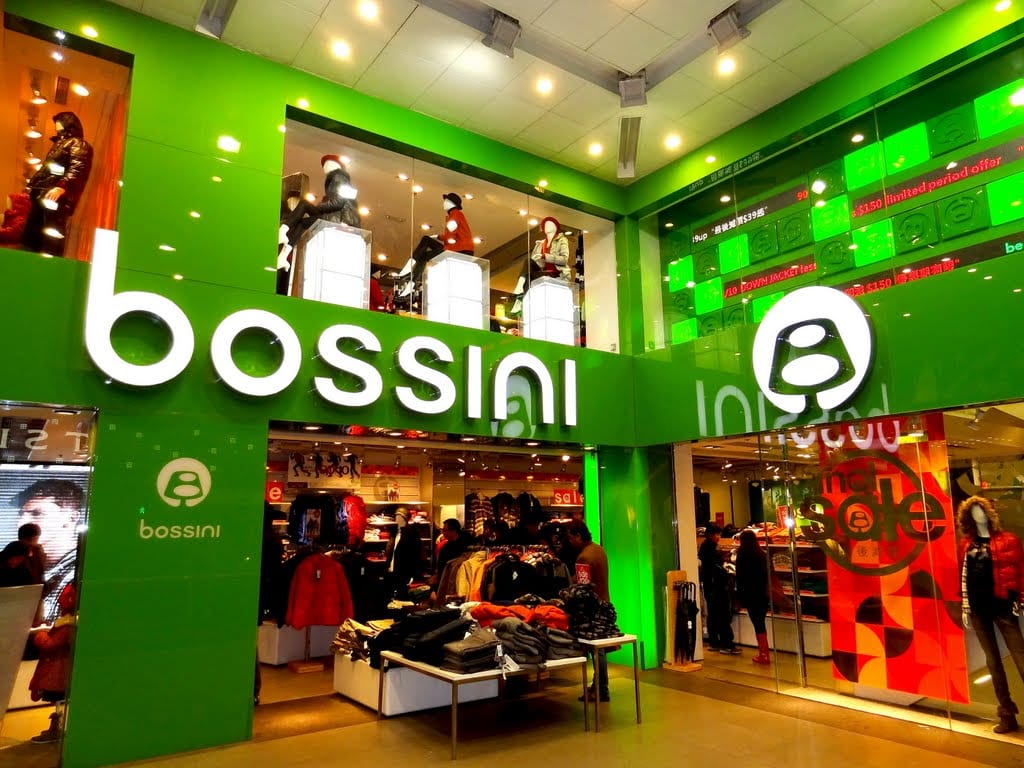
    An unseasonably warm winter and weak consumer sentiment in core markets has been blamed for a more than doubling of losses for Bossini International in the six months to December. The casual-fashion retailer reported a 10 per cent decline in group revenue to HK$875 million (US$111.5 million) and a 5 per cent drop in same-store sales for the period. Gross profit fell 11 per cent and the loss attributable to shareholders ballooned from $12 million in the same period a year earlier to $26 million (US$3.3 million).

    Operating profit in the key Hong Kong and Macau market, where Bossini has 39 stores, improved, despite a 5 per cent decline in same-store sales.

    In Singapore, sales plummeted 23 per cent due to store closures. Same-store sales there fell by 6 per cent, in Taiwan by 7 per cent and in Mainland China by 3 per cent. Group-wide same-store sales fell by 5 per cent, worse than the 2 per cent of the December 2017 half.

    As at the end of last year, Bossini International had a total net retail floor area for directly managed stores of 362,000sqft, about 4000sqft less than a year earlier, across 295 stores, (11 more than a year earlier). It opened 114 franchised stores in markets outside Hong Kong and Macau, taking the total franchised network to 768.

    Hong Kong challenge

    Bossini chairman Man Kuen Bess Tsin said the significant decline in retail sales growth in Hong Kong since July and the negative impact of the devaluation of the Renminbi had impacted on the company’s sales in its home market, which accounts for 66 per cent of group revenue.

    “The Hong Kong retail market presented a cautious optimism if not a mixed picture. Strong inbound tourism, especially from Mainland China, was recorded in Hong Kong. Nevertheless, the consumption per capita started to drop in the third quarter, despite the annually increasing numbers of tourist arrivals in Hong Kong.”

    The group’s total net retail floor area in Hong Kong and Macau reduced from 125,800sqft to 121,600sqft, a decrease of 3 per cent, while sales per square foot slipped 5 per cent to $7200 (from $7600). Operating profit in Hong Kong and Macau was $17 million, up from $12 million for an operating margin of 3 per cent (compared with 2 per cent a year earlier).

    Mainland China revenue decreased 2 per cent.

    Bossini Singapore posted an operating loss of 5 million, 20 per cent more than the comparable period and the operating margin was negative 9 per cent.

    Cautious outlook

    Tsin said Bossini International management is “cautiously optimistic” about the year ahead.

    “However, in face of the complex and volatile global economy and geopolitics, the outlook is full of uncertainties. As an open economy, Hong Kong is particularly vulnerable to the impact of the global situation. At the same time, the local economy and consumption structure are also gradually changing.

    Challenges and opportunities coexist. The group is fundamentally strong with a healthy financial position, which is capable of facing the potential challenges.”

    Tsin said the export franchising business is a main focus of the group.

    “We will further expand and optimise the distribution network, leveraging the economy of scale in market reach and profitability.”

    The company will focus on introducing more new products and designs, with a focus on functionality at the core of its product strategy. Alongside the young adult segment, the company will develop more childrenswear lines to broaden its customer base and it will strengthen supply chain management to improve operational efficiencies.

  • The Africa Netpreneur Prize Initiative by jack Ma Foundation calls for applications in March

    The Africa Netpreneur Prize Initiative by jack Ma Foundation calls for applications in March

    The Africa Netpreneur Prize Initiative (ANPI) will officially call for applications starting from the 27th of March 2019. The ANPI is a US$10 million Prize competition for African entrepreneurs, founded by the Jack Ma Foundation. Each year for the next ten years, the Prize will host a pitch competition in Africa where ten finalists from across the continent will compete for US$1 million in total prize money.

    The Prize, which is supported by its continental partner Nailab, is focused on empowering a new generation of entrepreneurs, with a focus on small businesses, grassroots communities and women-founded enterprises.

    “The Netpreneur Prize Initiative has brought together a strong ecosystem of players to support both technology-driven and traditional businesses. We look forward to unveiling the full slate of regional partners and to receiving applications from promising African entrepreneurs in the coming weeks,” said Sam Gichuru, Founder and CEO, Nailab.

    All ten finalists will receive grant funding from the Jack Ma Foundation, as well as access to the Netpreneur community of African business leaders to leverage the community’s shared expertise, best practices, and resources.

    “By 2030, we hope to identify and shine a spotlight on 100 African entrepreneur heroes who will inspire the continent. From day one, our approach has been community-based and focused on inclusiveness; to be truly for Africans and by Africans. To realize these goals, we are excited to work with Nailab as our implementing partner in Africa and multiple African partners across to continent.”

  • Rising active customer count gives Vipshop good impact

    Rising active customer count gives Vipshop good impact

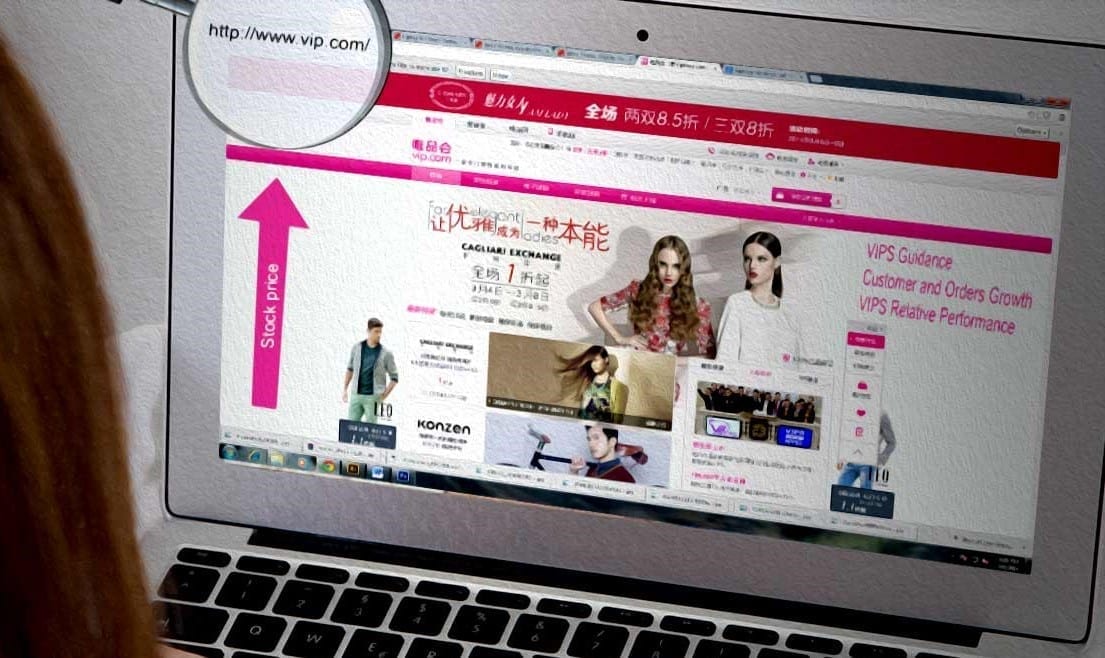
    Chinese online discounter VIPShop is reaping the benefits of a 13 per cent increase in active customers last quarter to 32.4 million – well ahead of the 5 per cent full-year improvement. Its annual results released overnight showed net revenue soared 15.9 per cent last year to RMB84.5 billion (US$12.3 billion) and net income attributable to shareholders rose 9.2 per cent to RMB2.1 billion ($309.6 million). VIPShop says its Gross Merchandise Volume (GMV) for the full year rose 21 per cent to RMB131.0 billion.

    “We are pleased to have finished the fourth quarter of 2018 with solid operational results,” said chairman and CEO Eric Shen.

    “Going forward, we will continue to strengthen our core capabilities, aiming to bring highly desirable selections of products to our valued customers on a daily basis, which will drive our long-term growth and profitability.”

    CFO Donghao Yang said the fourth quarter saw “a healthy sequential recovery” of VIPShop’s bottom-line, which was mostly attributable to a focus on the highly profitable apparel category.

    “During this quarter, we began to shift some low-margin categories from our first-party business into the marketplace platform, reducing their drag on our bottom-line while still delivering a solid GMV growth of 15 per cent year over year. We remain focused on stabilising our margins, aiming to drive enhanced shareholder return in the long run.”

    During the fourth quarter of last year, VIPShop added about 86,000sqm of warehousing space, taking its capacity to 3 million sqm.

    For the first quarter of the new year, the company expects net revenue to grow by up to 5 per cent, to between RMB19.9 billion and RMB20.9 billion.

  • Footasylum shares soar after JD Sports takes stake

    Footasylum shares soar after JD Sports takes stake

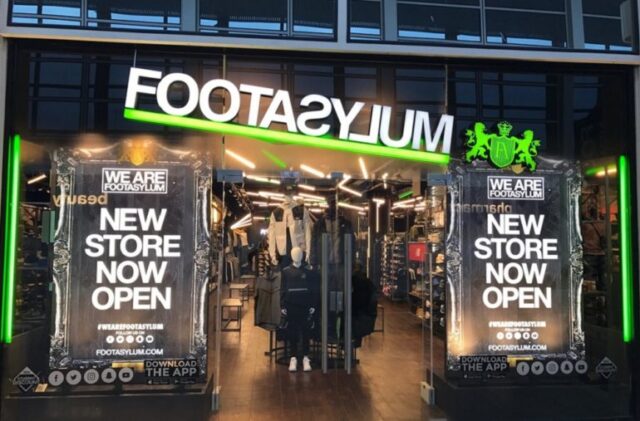
    Shares in Footasylum soared after British retailer JD Sports said it had acquired an 8.3 percent stake and could buy nearly 30 percent of its smaller rival. JD, which has used a number of corporate acquisitions to assemble its network of more than 2,400 stores over the past two decades, said that it “confirms it is not intending to make an offer for Footasylum” under merger regulations.

    But investors drove shares in the company, which is listed on the secondary market of the London Stock Exchange, rose 58.6 percent to 46 pence in the first hour of trading.

    Footasylum, started by JD Sports co-founder David Makin in 2005, was forced to cut prices at its 60 stores after a disappointing run up to Christmas which saw British consumers rein in spending.

    It now competes with JD Sports, Sports Direct and Asos among others, which are all feeling the impact of sluggish British consumer spending amid squeezed household incomes and uncertainty ahead of Britain’s impending exit from the European Union.

    Makin and fellow JD Sports founder John Wardle were bought out by the company’s current majority owners Pentland Group in 2005 and later resigned as directors.

    Footasylum said in January its full-year core earnings would come in at the lower end of analysts’ estimates.

    JD Sports shares were up about 1 percent at 454.03 pence.

  • China’s Fosun makes bid for Tom Tailor

    China’s Fosun makes bid for Tom Tailor

    Hong Kong-listed Chinese trading group Fosun has launched a Tom Tailor takeover bid. Fosun has long held a cornerstone stake in the German-listed fashion retailer, which has several thousand stores, franchises and shops-in-shops around the world, trading under its own name selling men’s and women’s fashion and under the womenswear label Bonita. Its core markets are Germany, Austria, Switzerland, Southeastern Europe and Russia.

    Fosun said in a stock exchange filing that the Tom Tailor takeover bid follows an increase in its shareholding which will take its stake above the 35 per cent level which triggers a mandatory takeover offer under German law.

    In a statement, Fosun said it would benefit from the target company’s long-term growth potential.

    “The company considers the transaction to be an attractive investment in its sector as it sees economic potential in Tom Tailor.”

    Founded in Hamburg in 1962, Tom Tailor has encountered challenges in recent years. Its share price has plunged 80 per cent since January last year.

    The company focuses on mid-priced casual wear for men, women and children, accessories, and home textiles.

    Fosun has been expanding its interests in Europe in recent times, acquiring Lanvin last year, along with Austrian luxury lingerie brand Wolford. It also has a stake in menswear label Caruso.

  • Zara campaign featuring model with freckles sparks debate in China

    Zara campaign featuring model with freckles sparks debate in China

    Spanish fashion retailer Zara appears to have inadvertently sparked off a social media furore over the appearance of freckled Chinese model Jing Wen in one of its recent ads. In China, spots on the face are generally considered blemishes and are associated with disease and old age. Freckles are somewhat rare. In a country where racial homogeneity is a touchstone for beauty, outliers – the bushy eyebrowed, the wavy haired – are unlikely to be considered attractive. In the fashion industry, however, it’s these outliers who tend to have the unique, striking looks that brands prefer for their ambassadors.

    Despite hating her freckles as a child, Guangzhou model Jing Wen eventually learned to accept and capitalise on her point of difference. As a model for such brands as Calvin Klein and H&M, her face has even been called “iconic” by China’s media. Even so, her recent work with Zara has produced an outcry among local netizens who claim the use of the model intentionally “uglifies” the Chinese people.

    A BBC report on the freckled Chinese model quoted some disgruntled users of the Weibo microblog as voicing their anger over the images. “Such pictures featuring an Asian model with freckles and an expressionless pie-shaped face mislead Westerners’ impressions about Asian women,” said one user, “and can lead to racism against Asian women.”

    A spokesperson for Zara interviewed by Pear Video website commented that the advertisements were targeted at their global market, and not specifically at China.

    “The aesthetics of the Spanish people are different,” they said, adding “our models are all photographed purely, the pictures aren’t changed, and they’re not modified.”

    Zara’s response has provoked considerable debate within China on the issue, with some claiming the model has been bullied only by her fellow Chinese, and that more should be done to help China’s people embrace beauty in diversity. Others have called into question the false patriotism of those too eager to mount an attack on foreign brands.

  • New Celine store design was made for Asia

    New Celine store design was made for Asia

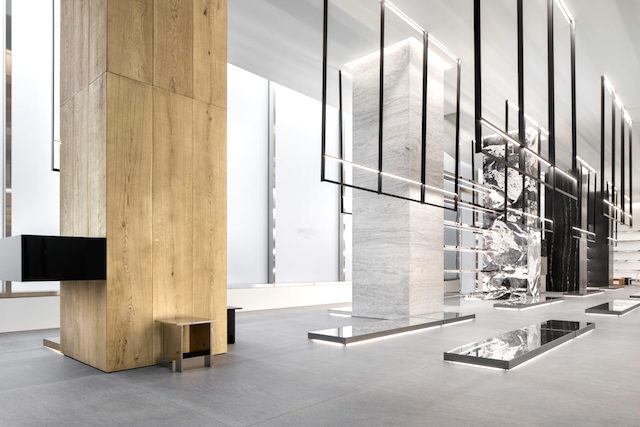
    The new Celine store design unveiled in New York City is destined for China and Japan in the early stages of a global rollout. The white and grey dominated, minimalist design illustrated here in official photographs released by the luxury fashion brand, was conceived by the label’s creative director Hedi Slimane. The first store, which has opened at 650 Madison Avenue, takes up 5000sqft, making it Celine’s largest store yet anywhere in the world.

    According to company sources, the new look will be implemented next in Los Angeles, Paris and Milan before being launched in Shanghai, Beijing and Tokyo.

    Slimane uses natural materials as a contrast to stark white walls and polished railings.

    He used natural stones like basaltina on the floors and ginger and cream-streaked black granite on walls and some shelving together with a combination of marbles and grey travertine.

    Contrasting yet complementing the stone, reclaimed oak, polished stainless steel, brass, gold, and concrete are used and in the case of the Madison Avenue store, a large rock creates a focal point in the store.

    Celine says future stores will feature commissioned artworks relevant to the locations. Commissioned artists include Jose Davila, Oscar Tuazon, Elaine Cameron Weir and James Balmforth.

    The stores will also feature furniture designed by Slimane, such as wooden benches, tanned leather chairs and brass side table.

    The timeline for the rollout of the new Celine store design has not yet been released.

  • Agoda’s top Chinese New Year 2019 travel rankings

    Agoda’s top Chinese New Year 2019 travel rankings

    Bangkok, Tokyo, and Taipei are the top three most popular destinations for Asia-Pacific travellers over the Lunar New Year period in 2019, according to booking data from Agoda. This year, Osaka, slips from the third spot in 2018 to sixth, while Taiwan scoops three of the top ten destinations, with Taipei in third, and Kaohsiung and Taichung in fifth and seventh respectively. Overall, Japan, Taiwan, and Thailand will benefit the most from travellers celebrating the Lunar New Year.

    Travels during the Spring Festival tend to be reserved for family bonding and indulging in food and leisure activities that the whole family can enjoy. It is thus not surprising that most travellers in the region have chosen gourmet and retail paradise in Bangkok, Tokyo, Taipei, Kuala Lumpur and Singapore among their top ten destinations.

    The Lunar New Year is celebrated in many cities across Asia, but Chinese travellers enjoy the longest holiday. With a week to spare, Chinese tourists are spending the new year in cities such as Hong Kong, Tokyo, and Bangkok.

    This year, HongKongers chose to change things up, travelling to Japan, Thailand, and Taiwan over the previously favoured Korea. In fact, Korea dropped out of the top three destinations altogether to settle at the fifth spot. Staycations have also risen in popularity, and Hong Kong has made its way into the top ten this year as well.

    Singaporeans prefer to travel to neighbouring countries for their relatively short Lunar New Year public holidays. For the first time, staycations have emerged as a popular choice for those who prefer staying behind to celebrate the festival.

    Taiwanese are travelling within the region for Chinese New Year, with Kaohsiung rising up to clinch the top position. For the first time in three years, Kyoto has slipped out of the top ten rankings.

    Malaysians continue to favour travelling within the region to celebrate Lunar New Year. In 2019, domestic destinations take up eight out of the top ten destinations. Thailand remains the only overseas destination in the top ten list for Malaysian travellers over the period.

    Indonesians are venturing further afield this year to celebrate the Lunar New Year, with Kuala Lumpur and Tokyo taking up two out of three of its top travel destinations. Japan is rising in popularity, as the region adds Sapporo – with its winter wonderland – into Indonesia’s top ten destinations.

  • Alipay is available at Walgreens’stores now

    Alipay is available at Walgreens’stores now

    Chinese consumers visiting the U.S. can now use Alipay at Walgreens, one of the largest drugstore chains in the country. Whether traveling for business or pleasure, Alipay users can shop at 3,000 locations in major cities such as New York, San Francisco and Las Vegas to start, the companies said. The number is expected to reach 7,000 by April. Walgreens operates about 9,560 drugstores in all 50 U.S. states, Washington, D.C., and other U.S. territories.

    About 4 million users of the mobile-payments app are in the U.S. annually, according to Alipay, which is owned by Alibaba Group affiliate Ant Financial. The service offers them a quick and easy way to pay for goods while overseas, one that is already ubiquitous in China and lacks the higher foreign-transaction fees typical of credit cards.

    “Walgreens is focused on making shopping more convenient for our customers,” including Chinese consumers, said Walgreens President of Operations Richard Ashworth, including Chinese consumers. “Not only can they buy our products via our dedicated store on Alibaba’s Tmall Global marketplace, but they will now also be able to shop in the U.S., using Alipay as they would in China.”

    In September, parent company Walgreens Boots Alliance made its first move into China’s consumer market by launching a flagship store on Alibaba Group’s dedicated cross-border e-commerce platform, Tmall Global. The direct-to-consumer channel added to a wholesale and retail pharmacy business that WBA had already been operating in China.

    According to China’s Ministry of Tourism, Chinese travelers took about 140 million trips abroad last year. In an effort to capture that business, Ant Financial has been working with merchants across the globe to make Alipay available overseas to its more than 1 billion users (which includes users of its joint-venture partners’ apps). Alipay currently is available in over 40 countries and regions. Last year, Alipay added Germany’s Oktoberfest, the world’s largest gingerbread city in Norway and San Francisco’s Pier 39 to its list of merchant partners, all of which are popular destinations for Chinese tourists.

    “This is a key strategic partnership for achieving awareness in the U.S.,” Yulei Wang, general manager of Alipay North America, said of the Walgreens partnership. “We are excited to partner with a company that has been trusted across America since 1901, and is constantly evolving to provide more Chinese consumers a seamless and familiar way to pay.”

  • Starbucks China unveils new third-place experience concept

    Starbucks China unveils new third-place experience concept

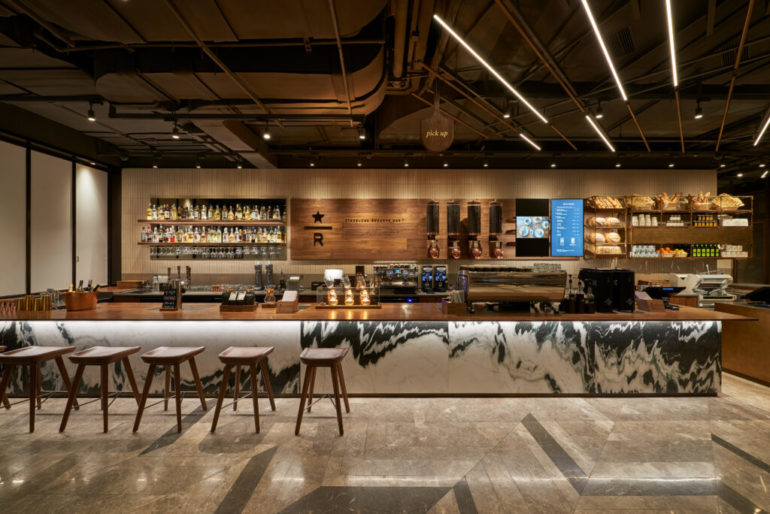
    Starbucks today unveiled its first Starbucks Reserve® Bakery Cafe, featuring fresh Italian Princi food, in China. This brand new third-place (in-store) experience is dedicated to the premium Starbucks Reserve® coffees served alongside artisanal and made-to-order food prepared by Princi bakers onsite every day.

    Each baker has been meticulously trained in the acclaimed Italian baker Rocco Princi’s distinctive method of artisanal craft of baking to perfect the recipes for each food item. The cafe also features an expanded menu of Starbucks signature Mixology, including distinctive coffee and tea-inspired cocktails, Italian classics like Aperol Spritz, fine Italian wines and beers.

    This will be the first-of-its-kind Italian Aperitivo experience (early evening social cocktails paired with small bites) in a Starbucks store location within China.

    “For 20 years, Starbucks has revolutionized, and set new standards, around the third-place for our Chinese customers. Today marks yet another significant milestone as we take everything we have learned around coffee and our relentless pursuit for food innovation, to create a new exciting all-day cafe dining and Italian Aperitivo experience,” said Belinda Wong, ceo, Starbucks China. “Our ability to consistently elevate the customer and brand experience in a meaningful and respectful manner truly reflects Starbucks unmatched energy and operational capabilities to execute against our Purpose-driven Growth Agenda to play the long game in China.”

    As a showcase of Starbucks undisputed coffee leadership in China, the cafe features Starbucks ReserveTM Princi™ Blend as the signature coffee offering for its handcrafted espresso beverages made using the Black-eagle Espresso Machine. This special Reserve blend can also be enjoyed freshly-brewed using the Siphon brewer, Pour-over or Starbucks Draft Nitro.

    Authentic, freshly prepared food is the centerpiece that creates the vibrancy and intimacy within the cafe. Customers can share meals with family and friends at the large community table just feet away from the baking oven and the bountiful display of food creations.

    Inspired by the passion and romance of Rocco Princi’s belief to infuse ‘Spirito di MilanoTM’ into this new retail environment, the coffee theatre transforms into a full mixology bar to offer Starbucks-distinctive coffee or tea-infused craft cocktails, beers, and a fine selection of Italian classics and wines specially curated by Rocco Princi, as the day turns into evening.

    Each day from 5 pm to 7 pm, the store celebrates “Aperitivo Time” where customers can enjoy handcrafted cocktails, wine and beer with free-flow of pizza bites, green olives, and schiacciatine.

    They can choose to enjoy this unique Italian evening social occasion by relaxing at the cafe’s outdoor patio with friends and loved ones, just like Italians would across the streets of Milan.

    “I am excited to work with my Princi partners, and Starbucks, to unlock the infinite possibilities of Princi food elevating every daypart for our Chinese customers, from breakfast, lunch, to the new evening Aperitivo experience. This exceptional opportunity to pair Starbucks Reserve coffees with Princi’s 30-year heritage of serving only the freshest and artisanal food, in a brand new store format, is another dream come true for me,” said Rocco Princi.

    With more than 3700 stores in 158 cities, no other coffee retailer in China has the depth of Starbucks coffee expertise, strength of the most sought-after world-class retail locations, and pipeline of meaningful innovations to elevate the customer experience.

    Building on the overwhelming positive reception of freshly baked Italian PrinciTM food at the Shanghai Roastery, and the continued enthusiasm customers have towards Starbucks portfolio of innovative store concepts, the Starbucks Reserve® Bakery Cafe is yet another reflection of Starbucks holistic approach to build an exceptional third-place experience, further cementing its unparalleled leadership and success in China.