Tag: China

  • Meituan Dianping nearly doubled revenue

    Meituan Dianping nearly doubled revenue

    China’s Meituan Dianping, the world’s largest food-delivery service, nearly doubled its revenue last year, but the tech startup is still bleeding cash.

    In the second set of results since its high-profile IPO, Meituan Dianping reported total revenues of RMB65 billion (US$9.68 billion), up 92.3 per cent on its 2017 result. Gross profit rose to RMB15.1 billion ($2.25 billion), but its adjusted net loss blew out to RMB8.5 billion ($1.27 billion).

    In its results statement, the company said strong revenue growth was achieved across all major business segments and its food-delivery business and in-store, hotel and travel segments on a combined basis generated positive adjusted operating profit.

    Total gross transaction volume grew by 44.3 per cent to RMB515.6 billion and the number of annual transacting users rose from 309 million to 400.4 million last year.

    The losses have been incurred by new services including ride-hailing and bike sharing.

    During the last year, Meituan Dianping has been boosting its customer base by targeting internet users who have not previously used food-delivery services from an online platform. It also launched a rewards program to maintain customer loyalty and incentivise user referrals through social media platforms.

    “In addition, through creating more diversified service categories, consumption scenarios and upgrading marketing programs, we increased users’ transaction frequency and further boosted transaction volume growth,” the company said in a results filing.

    “We continued to expand the service categories on our platform to include breakfasts, afternoon tea and midnight snacks. Delivery volume of fast food, snacks, desserts and drinks achieved strong growth during last year.”

  • NBA to Focus on Market Growth in Southeast and Asia-Pacific Regions

    NBA to Focus on Market Growth in Southeast and Asia-Pacific Regions

    NBA basketball is undoubtedly one of the most popular sporting leagues in the world, with fans everywhere. The league’s second-biggest market after the U.S. surprisingly isn’t Canada or even anywhere in Europe. It is, in fact, China. The NBA’s social media following in China is in the hundreds of millions, with large companies like Tencent distributing over 600 NBA games each year on its proprietary digital platforms. As of last year, the market for NBA China was worth a staggering $4 billion. Now, the average NBA team is worth triple what it was only five years ago, and this is primarily due to the league’s smart moves in international expansion over the past few years.

    Caption: Basketball’s popularity has expanded worldwide, and the NBA has made smart moves to capitalize on this interest.

    In recognizing how popular the game is and lucrative the international market can be, NBA bosses now look to expand viewership further afield, focusing their growth efforts specifically on the Southeast and Asia-Pacific regions. In an interview with CNBC, NBA Deputy Commissioner Mark Tatum pointed to the Philippines, Indonesia, Thailand and Japan as the next big markets for the NBA to penetrate. Tatum reported that currently, “we have got greater distribution in this region than we ever had before.” He also claimed that of the 1.5 billion NBA social media followers, “half of that traffic comes from outside the United States, and a large portion of that comes from Asia.” In the Philippines, for example, the game already enjoys large popularity, with a reported 75 percent of homes having watched an NBA game in this season alone. The league has also opened stores across the country with the aim of generating merchandising revenue and catering to existing interest in the game.

    In their efforts to further growth and viewership across Asia, they now have an exclusive distribution deal worth $225 million with Rakuten in Japan and have over 25 different media partners to distribute games throughout the Southeast and Asia-Pacific regions. That means everyone can watch, enjoy and debate the odds of their favorite teams winning games.

    Youth Engagement Programs
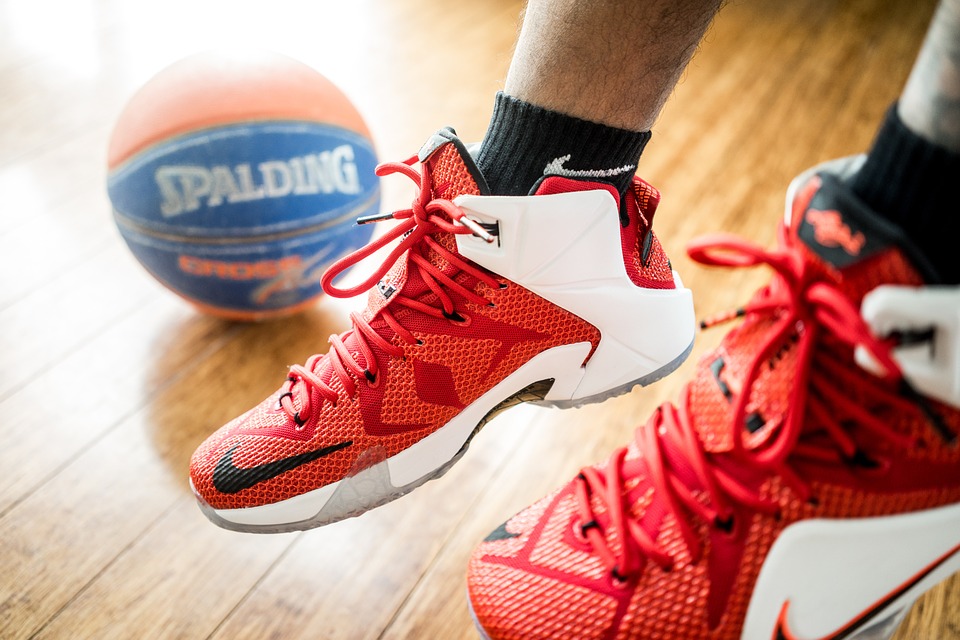

    Caption: The NBA seeks to increase youth engagement in basketball all over the world.

    A key part of this market growth is to get people playing basketball, specifically by developing international youth engagement in the sport. The NBA has developed a strong outreach program called Jr. NBA, which seeks to get kids playing basketball. In the CNBC interview, Tatum said the program had already reached over five million kids and had the ambitious goal of reaching another 15 million by the end of next year. Also, in 2016, they opened NBA academies aimed at training international youth talent. As it stands, they now have academies in China, Australia, Senegal, Mexico and Australia. Not surprisingly, China is the only one of these countries to have more than one academy, with the league introducing trials of the program and opening its first three academies in Shandon, Xinjiang and Zhejiang. These outreach programs are no doubt effective as China reportedly has over 300 million people playing basketball on a regular basis.

    Player Development

    International expansion is no doubt a lucrative business for the NBA. However, along with the Jr. NBA program, it also has the benefit of being a strong source of player development. As the game gets more popular, and more people grow up playing and developing their skills at basketball, the league ensures it will not be short of top talent and recruitment options in the future. Currently, the league enjoys its largest-ever international player-ship, with a record 62 international players competing professionally, hailing from 33 countries.

    The expansion in Asia also has a remarkable effect on the values of domestic teams, with a record 15 league teams out of the total 30 hosting pregame Chinese New Year celebrations this year. Houston, the former club of Chinese basketball legend Yao Ming, as well as the Golden State Warriors went a step further in their outreach to Chinese fans by wearing new uniforms inspired by Chinese culture and decorated with Chinese symbols.


    Caption: Chinese basketball legend Yao Ming.

    The expansive efforts taken by the NBA in international outreach programs, and increasing international viewership, are lucrative business moves for the league. However, they also have the benefit of increasing youth interest and engagement in the rigorous sporting activity, keeping our youth healthier and more active. In addition, if the expansion efforts can help talented young players follow their dreams to some-day play professionally in the biggest basketball league in the world, then it’s all good news.

     

  • Tiger Sugar to open first Korea store next month

    Tiger Sugar to open first Korea store next month

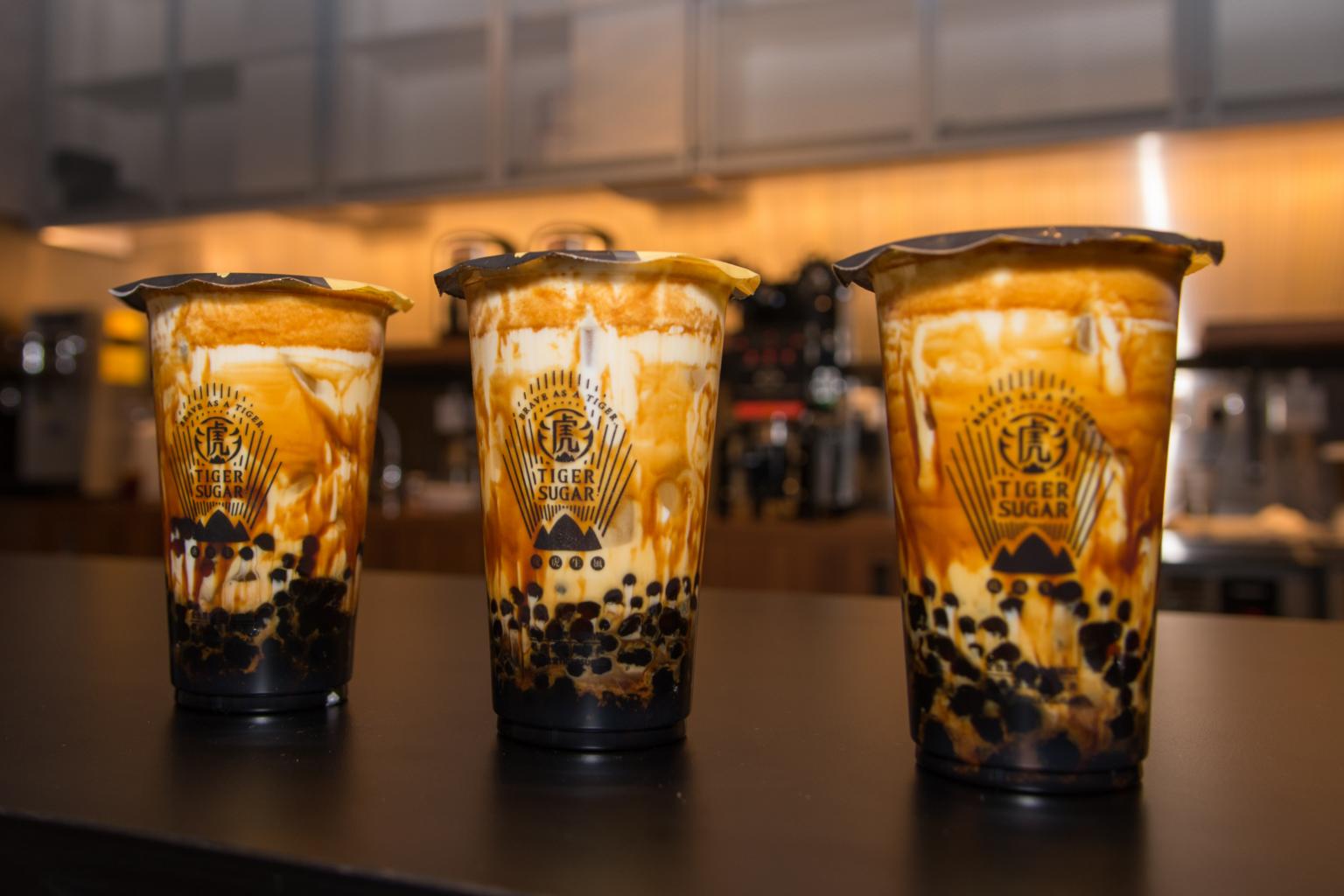
    Bubble milk tea brand Tiger Sugar Korea will open first branch in Hongdae, a bustling university town of Seoul.

    Located at a popular hang-out area for young people, the Hongdae store will offer the same taste as that in Taiwan and use premium ingredients to “become the hottest dessert drink this year”.

    In order to do that, Tiger Sugar Korea will be competing with another original Taiwanese chain Gong Cha, which is now popular among locals.

    First opened in Taiwan in 2017, Tiger Sugar is known for drinks with dark-brown sugar syrup inside. The chain now has branches in eight countries including Hong Kong, Singapore, and Korea.

    It also plans to open stores in the US and China.

  • Alibaba Group sales down this month

    Alibaba Group sales down this month

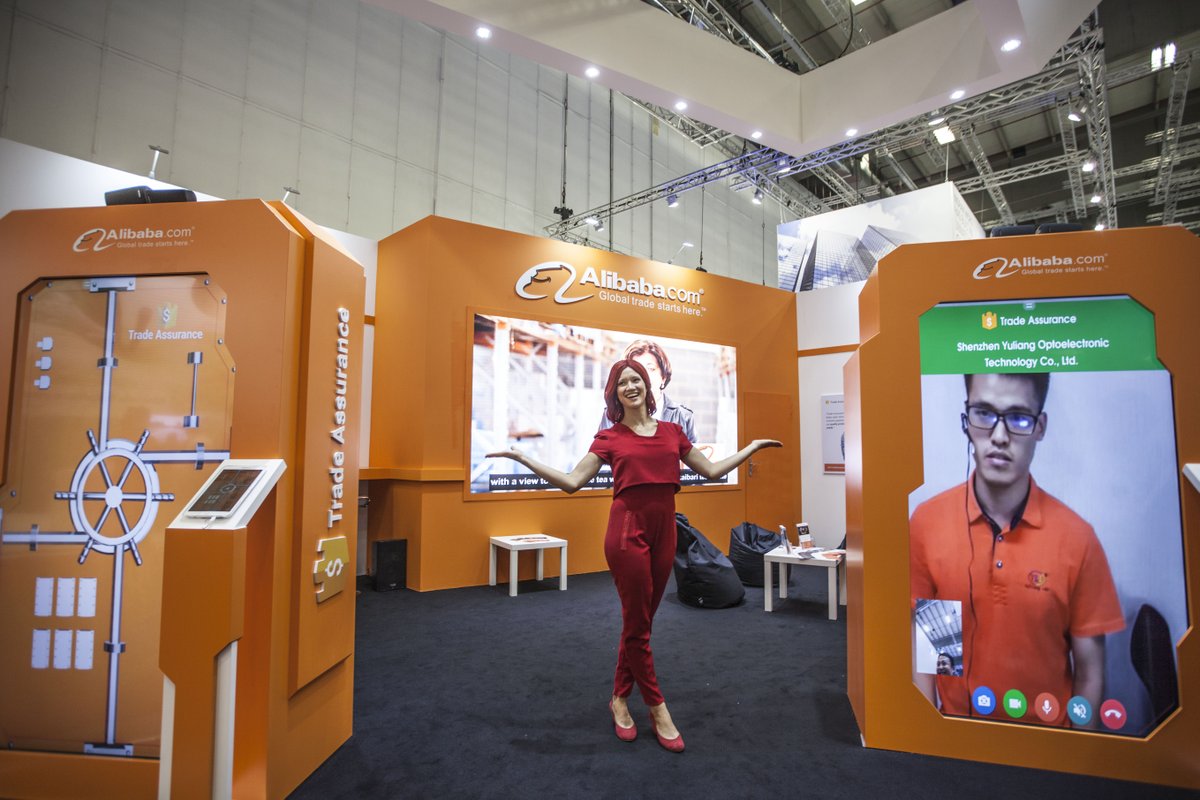
    Alibaba Group sales soared 41 per cent in the December quarter as its customer based neared 700 million.

    The Chinese company’s turnover for the three months reached US$17.057 billion and its net income attributable to shareholders $4.807 billion.

    “Our resilient operating and financial performance is a direct reflection of our persistent focus on better serving our growing base of nearly 700 million consumers across retail, digital entertainment and local consumer services,” said CEO Daniel Zhang. “Our growth is also driven by the power of Alibaba’s cloud and data technology that helps expedite the digital transformation of millions of enterprises.”

    Alibaba group sales from core commerce increased 40 per cent to $14.958 billion, while the cloud-computing division posted 84 per cent growth, turning over $962 million. The digital media and entertainment division achieved 20 per cent growth to reach $944 million.

    In a statement, Alibaba said its Taobao platform achieved “robust user growth and enhanced engagement”. Last December, its China retail marketplaces had 699 million mobile monthly average users, representing a quarterly net increase of 33 million. The annual active consumers on its China retail marketplaces was 636 million for the 12 months ended December 31, compared to 601 million for the 12 months ended September 30 last year, “reflecting successful user acquisition programs, such as referrals through the Alipay app”.

    More than 70 per cent of the increase in annual active consumers was from third-and-lower tier cities.

    Tmall thrives

    Alibaba said GMV on its Tmall business grew 29 per cent year on year in the December quarter, outpacing the industry.

    “This robust growth was driven by strength in the fast-moving consumer goods (FMCG), apparel and home furnishing categories,” the company said.

    During the quarter, Tmall signed up new brands to the platform including Valentino, Ermenegildo Zegna, Stuart Weitzman and Sergio Rossi which opened flagship stores and joined the Tmall Luxury Pavilion.

    Meanwhile, Alibaba’s proprietary grocery retail chain Freshippo (formerly Hema) continued to expand its footprint, “optimise its stores and introduce new initiatives that improve customer experience”. As of December 31, there were 109 self-operated Freshippo stores in China, primarily located in tier 1 and tier 2 cities, which continued to achieve “robust same-store sales growth” through the quarter.

    ‘Robust’ Lazada growth

    Alibaba’s Southeast Asian e-commerce platform Lazada achieved what the company described as “robust growth” in GMV. The company upgraded Lazada’s technology, which resulted in boosting the number of active users and achieved greater user engagement on Lazada’s mobile app.

    “We continue to invest resources to integrate Lazada’s business and technology operations into Alibaba with the aim of building a strong foundation for us to extend our offerings in Southeast Asia.”

  • YJY Maike Opens New Centre Flagship

    YJY Maike Opens New Centre Flagship

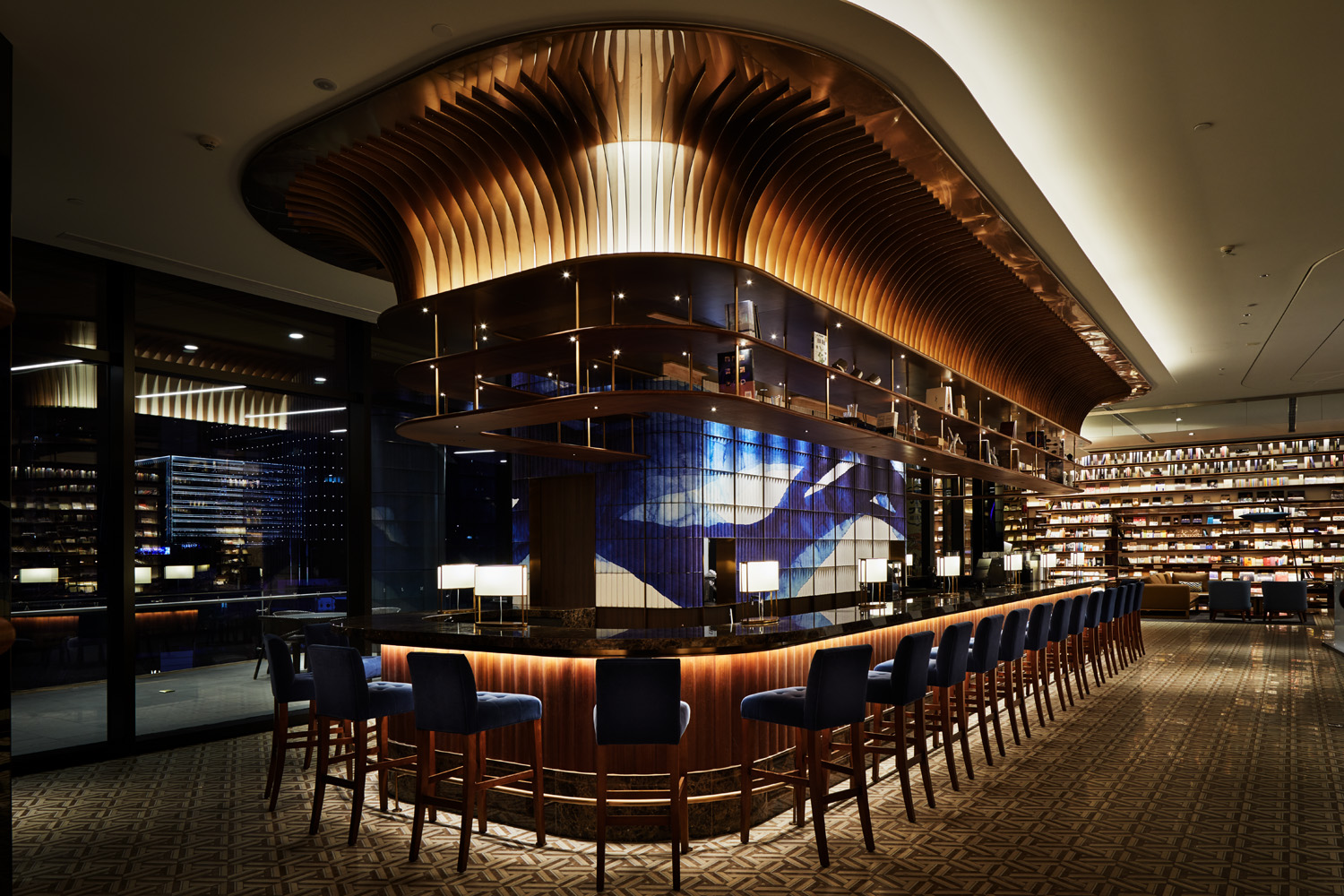
    The city of Xi’an was once known as Chang’an the seat of several important dynasties in ancient China; today, it is home to the Xi’an Hi-tech Industries Development Zone, a leading center of technological development. This project involved the design of the YJY Maike Centre Flagship (Store), a bookstore and commercial complex occupying 4,500 m2 on the first and second floors of an elegant building in the Development Zone. The goal of the design was to create a place for encounters between people, cultures, and books from around the world by building on three remarkable features of the site: its location in an ancient city that boasts the extraordinary World Heritage Terracotta Army as well as the origin of the Silk Road; its luxurious surroundings, including a Grand Hyatt on the upper floors; and the elegant lines of the twin building.

    The overall concept for the project was “Library & Gallery.” Libraries are spaces for learning and valuing independent time, while galleries serve as intellectual spaces for displaying culture. The design blends elements of both and also incorporates features of palace architecture in order to encourage visitors and the store to collaboratively exchange and develop creative ideas. The layout resembles a Japanese or Chinese palace in its human scale and arrangement of interlinked rooms, while also evoking the universal concept of a house through its expression of the intimate connections between people, books, and the space itself.

    Books play an integral role in the design of the first floor, with a 10-meter-high bookshelf just inside the entryway viscerally conveying the store’s identity the instant visitors step inside. The area around the open spiral staircase functions like a courtyard, with a bright floor and mirrors on the ceiling to distinguish it from other areas. The void above the staircase is illuminated by lights that resemble fluttering sheets of paper, while the stage at its base features an inlaid stone map of Xi’an and its surroundings, offering a gorgeous space for events.

    The second floor does double duty as a hotel lounge, with a counter bar where office workers can socialize. On the 50-meter-long “Book Street,” a low ceiling, dark colors for the floor and ceiling, and display boxes set in bookshelves come together to create a subdued gallery-like atmosphere. The distinctive artwork incorporated throughout the store is all original, commissioned to reflect themes appropriate to the location. The overall effect is a tasteful, classic environment that reflects China’s long and proud history, where visitors can relax, unwind, learn, think, enjoy life, and embark on a creative journey that transcends space and time.


  • China Telecom chief moves to China Mobile

    China Telecom chief moves to China Mobile

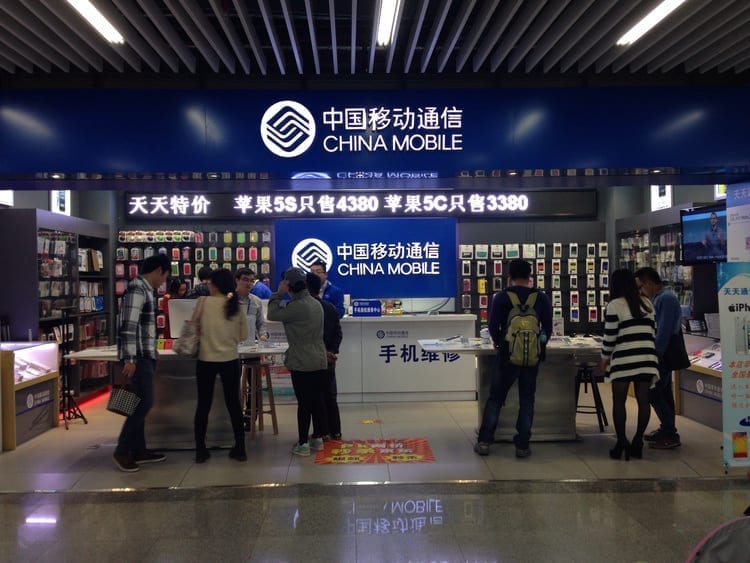
    China Telecom announced that Yang Jie (pictured) has resigned from his role as chairman of parent company China Telecom Corporation, and has been re-designated as chairman of China Mobile Communications Group.

    Yang has also resigned from his positions as executive director, chairman and CEO of Hong Kong-listed China Telecom Limited, due to the change in work arrangement, according to a company announcement released last week [pdf].

    He replaces Shang Bing, who is stepping down as chairman of China Mobile upon reaching retirement age.

    Shang, a former vice minister of the telecom watchdog, the Ministry of Industry and Information Technology (MIIT), was appointed the chairman of China Mobile in September 2015 when the Beijing government reshuffled the heads of the country’s three state-owned telecom carriers.

    In a statement, China Mobile acknowledged Shang’s outstanding contributions to the company with “the highest regard and deepest gratitude”.

    The changes take effect on March 4, 2019.

    Yang was chairman and CEO of China Telecom since May 2016 and previously served as the company’s president and COO. China Telecom hasn’t yet made any announcement on Yang’s replacement at the company.

  • Huawei takes US government to court

    Huawei takes US government to court

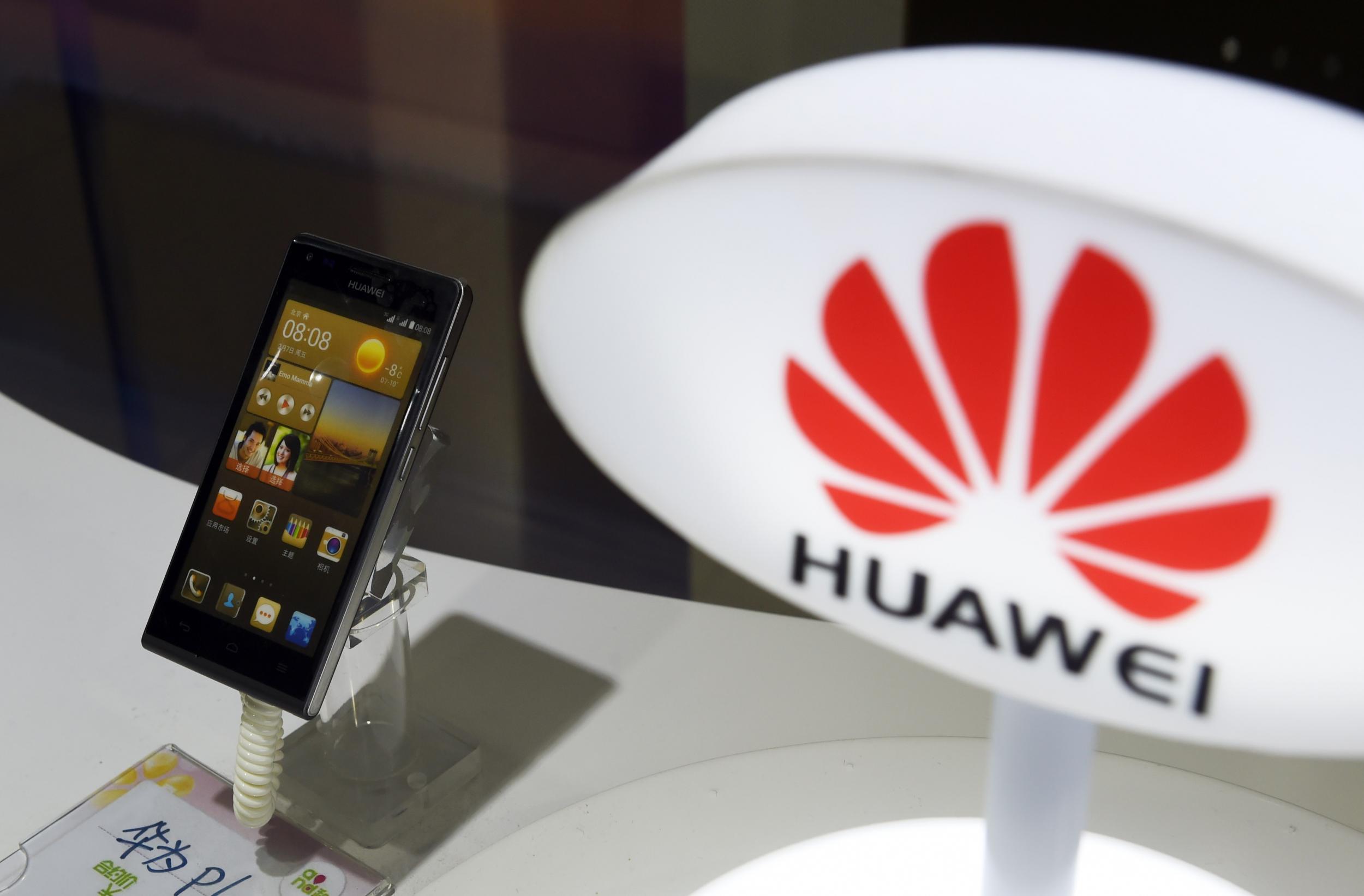
    Huawei lost its trade mark reticence when it announced yesterday that it is suing the US government for banning federal agencies from buying its products.

    The complaint filed in a U.S. federal court challenges the constitutionality of Section 889 of the 2019 National Defense Authorization Act (NDAA). Through this action, Huawei seeks a declaratory judgment that the restrictions targeting Huawei are unconstitutional, and a permanent injunction against these restrictions.

    From Huawei’s perspective, the NDAA restrictions prevent the company from providing more advanced 5G technologies to U.S. consumers, which will delay the commercial application of 5G, in turn, impeding efforts to improve the performance of 5G networks in the U.S.

    “The U.S. Congress has repeatedly failed to produce any evidence to support its restrictions on Huawei products. We are compelled to take this legal action as a proper and last resort,” Guo Ping, Huawei rotating chairman said in a press conference held yesterday at company’s Shenzhen campus.

    “This ban not only is unlawful, but also restricts Huawei from engaging in fair competition, ultimately harming U.S. consumers,” he said.

    The lawsuit was filed in a U.S. District Court in Plano, Texas. According to the complaint, Section 889 of the 2019 NDAA not only bars all U.S. Government agencies from buying Huawei equipment and services, but also bars them from contracting with or awarding grants or loans to third parties who buy Huawei equipment or services, without any executive or judicial process.

    The Chinese telecoms and IT equipment vender claims this violates the Bill of Attainder Clause and the Due Process Clause. The Huawei lawsuit also claims the violation of the Separation-of-Powers principles enshrined in the U.S. Constitution, because Congress is both making the law, and attempting to adjudicate and execute it.

    “Section 889 is based on numerous false, unproven, and untested propositions,’ said Song Liuping, Huawei’s chief legal officer.” Contrary to the statute’s premise, Huawei is not owned, controlled, or influenced by the Chinese government.”

    He added: “Moreover, Huawei has an excellent security record and program. No contrary evidence has been offered.”

    Citing industry sources, Huawei claims that allowing them to compete would reduce the cost of wireless infrastructure by between 15% and 40%. This would save North America at least US$20 billion over the next four years.

    “If this law is set aside, as it should be, Huawei can bring more advanced technologies to the United States and help it build the best 5G networks,” Guo Ping said. “Huawei is willing to address the U.S. Government’s security concerns. Lifting the NDAA ban will give the U.S. Government the flexibility it needs to work with Huawei and solve real security issues.”

  • KFC China opens tribute to Lei Feng

    KFC China opens tribute to Lei Feng

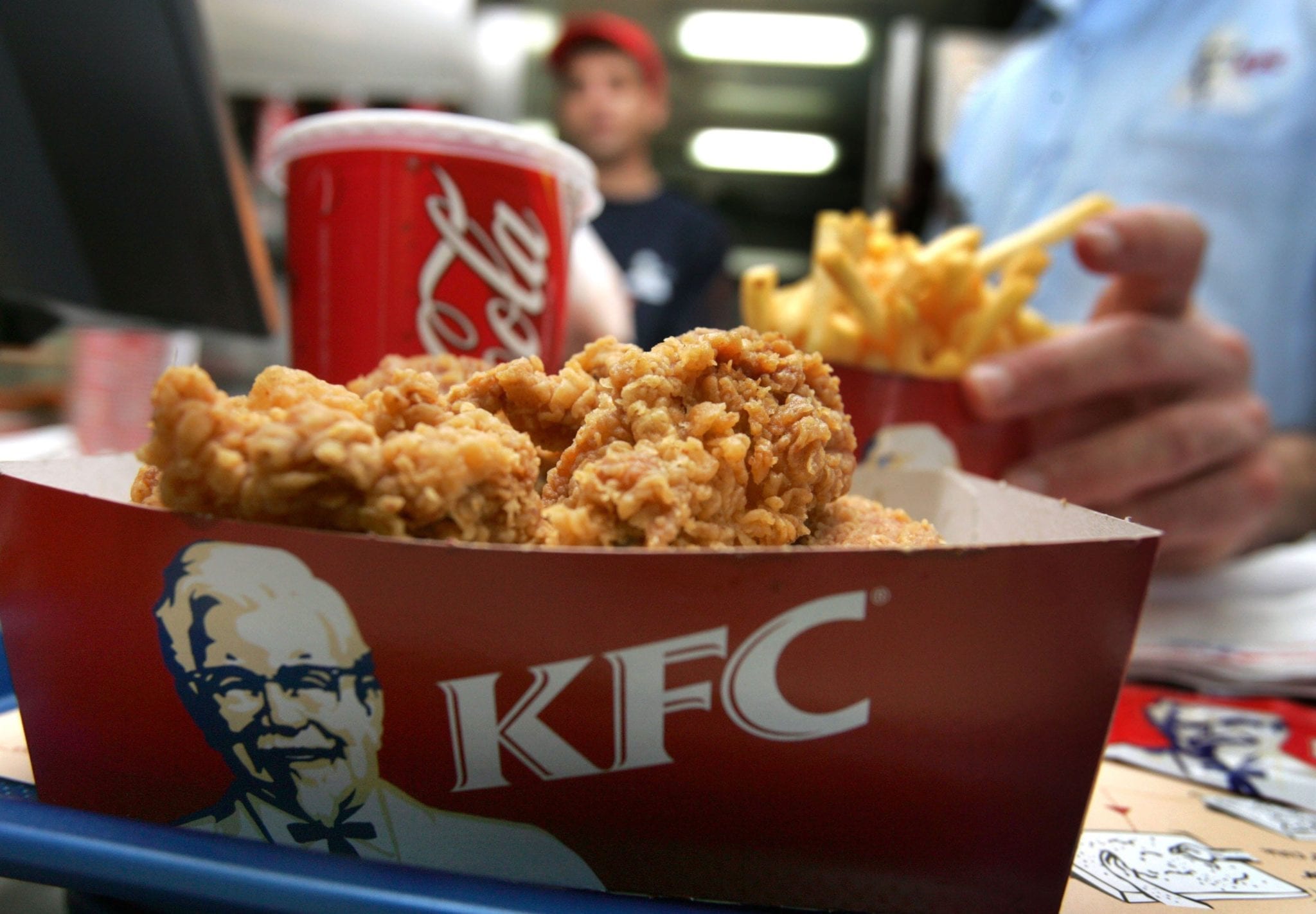
    KFC China has held a promotion honouring Communist Lei Feng. The “Lei Feng Spirit” promotion was first launched in the legendary young soldier’s home province of Hunan on the national holiday dedicated to his memory. The figure of Lei Feng has been considered an inspiration to the Chinese people since he was first held up as a figurative icon of the communist movement by leader chairman Mao Zedong.

    KFC China is celebrating “the Lei Feng spirit in its over 250 outlets in the province and encouraging its staff to learn from the role model,” according to local news outlet Xinhua.

    KFC’s operator Yum China has also opened a 27,000sqft innovation centre in downtown Shanghai. The integrated R&D facility is designed to generate new ideas and concepts and enable the rapid roll out of localised and innovative products.

    The centre features a test kitchen, a sensory test area, as well as a suite of labs covering quality assurance, equipment and restaurant technology testing, packaging innovation, new store model prototypes, and content production.

    “The establishment of the Innovation Centre is testament to our commitment and vision to become the world’s most innovative pioneer in the restaurant industry,” said Yum China CEO Joey Wat.

    “Through creating an integrated hub, we look forward to continuing to explore innovative ways to drive growth, deliver value, and enhance every aspect of the customer experience.”

  • Smartwatches to dominate eSIM adoption in China

    Smartwatches to dominate eSIM adoption in China

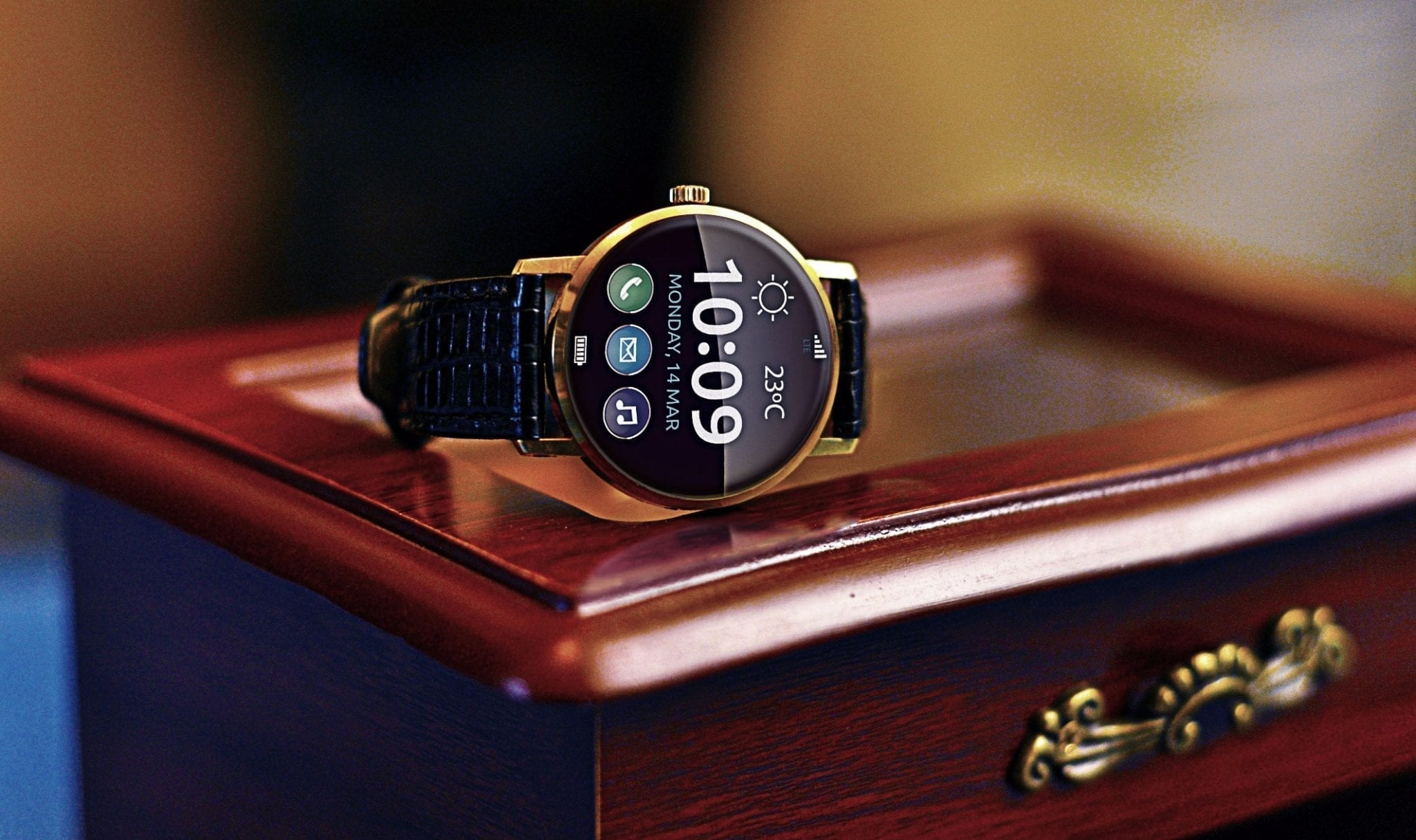
    A new joint report by GSMA and Telecommunication Terminal Industry Forum Association (TAF) titled “eSIM in China: the road ahead” suggests that smartwatches, not smartphones, will dominate the eSIM market in China.

    The report acknowledged that eSIM smartwatches still account for a small percentage of total smartwatch ownership but hold hope that this is likely to increase in the future. To drive adoption, Chinese operators are allowing consumers to use their smartwatches as secondary devices with one mobile subscription.

    For now, Chinese phone manufacturers are not formally adopting eSIM technology for devices targeted for the China market. This is because the transition will require appropriate regulation and new manufacturing, logistical and supply chain processes. Globally, over fifty mobile operators already support eSIM functionality in smartphones.

    “In China and around the world, the huge adoption of eSIM technologies has been underpinned by the GSMA’s common and interoperable specification that is reducing fragmentation and delivering a consistent consumer experience,” GSMA CTO Alex Sinclair said.

    “From consumer electronics to automotive we are seeing a diverse array of products hitting the market utilizing the benefits of connectivity and bringing consumers choice.”

    Smartwatches not smartphones

    “China has a unique mobile market, both in terms of size and revenue growth and leadership in mobile developments and tech innovation has reached unprecedented levels. China is increasingly demonstrating its technological innovation and is emerging as a leading global market to test and implement new technologies,” said Xie Yi, Chairman of TAF.

    “Promoting the steady development of eSIM in China will help support developments in both the consumer and industrial markets. Based on the premise of national conditions, TAF has been committed to all parties in the joint industrial chain and cooperation with the GSMA, to make the best efforts to this end,” Xie added.

    The GSMA-TAF report highlights industry-wide collaboration in driving eSIM developments in China involving operators, government and regulatory bodies. China Mobile, China Telecom and China Unicom are all developing eSIM solutions and have launched cellular M2M and IoT eSIM platforms. The Chinese eSIM market is still in an early phase of development in which some proprietary solutions coexist with GSMA specifications. However, it is anticipated that there will be a transitional period as the market matures before it settles on the GSMA specification.

    Regulation as driver

    The report highlights efforts by China to set a favorable regulatory framework for eSIM deployments. These include streamlining procedures and setting clear, unified rules on eSIM requirements for consumer and industrial devices, credentials management, designation of root certificate issuing and security and cross-border interoperability – all important to accelerating the deployment of eSIM technology and its market adoption.

    The report also recommends that the government should facilitate trials of eSIM services, particularly in the nascent industrial IoT to promote an open eSIM ecosystem.

    Early adopters of eSIM

    To date over 90 mobile industry players are supporting the GSMA’s specifications for Remote SIM Provisioning of consumer devices around the world. All are aligned behind a single, defacto approach avoiding industry fragmentation and interoperability issues, driving global developments and allowing consumer choice.

    Devices to come eSIM capable include tablets, laptops, notebooks and smartphones. The automotive industry is also at the forefront of eSIM deployments and built-in connectivity is also now a specific requirement in Europe following the European Emergency Call (eCall) initiative.

  • Mulberry Launches on Alibaba Group’s Tmall Luxury Pavilion

    Mulberry Launches on Alibaba Group’s Tmall Luxury Pavilion

    British luxury brand Mulberry is excited to announce the launch of its brand f lagship on Tmall’s Luxury Pavilion – Alibaba Group’s dedicated platform for premium brands. This launch is an important step in Mulberry’s strategy to develop the brand presence in China, providing access to a substantial local customer base through the world’s second largest online retailer.

    Following the creation of new owned subsidiaries in China, Hong Kong, Taiwan, Japan and Korea during the last two years, Mulberry is now focusing on developing its omni-channel and digital distribution in the region.

    Launched in 2017, the Tmall Luxury Pavilion creates a new type of e-commerce which looks to replicate the same feeling of brand exclusivity and personalised shopping experience that luxury consumers have become accustomed to having when shopping in physical stores.

    The Mulberry Tmall f lagship store features a wide selection of the brand’s iconic leather goods, luggage, soft accessories, footwear and jewellery.

    The official launch week coincided with Lunar New Year and saw Mulberry offer an exclusive Year of the Pig capsule collection through the Tmall Luxury Pavilion. The range featured some of the brand’s most popular bag silhouettes rendered in Scarlet Croc Print leather and accessorised with a bespoke bag scarf designed by Chinese artist Li Rui.

    “Launching the Mulberry flagship on Tmall’s Luxury Pavilion is an important step in growing our Chinese customer base and further developing the brand in key international markets.”- Thierry Andretta, Mulberry CEO.

    We are really excited to have an iconic British brand like Mulberry joining the Luxury Pavilion stable,” said Jessica Liu, president of Tmall Fashion and Luxury. “Since its launch in 2017, Luxury Pavilion has been committed to provide consumers in China with the finest and curated selection of premium products from the best luxury brands in the world, designing at the same time a unique

    and immersive shopping experience for them. Our partnership with Mulberry represents an important enrichment of our offering and we look forward to working with them while they expand in China”.

  • China’s baby-care market sees boost

    China’s baby-care market sees boost

    China’s baby-care market achieved total sales of RMB9.617 billion (US$1.4 billion) last year, reflecting rapid growth, according to new research from Mintel. Between 2013 and last year, the market recorded a CAGR of 19 per cent thanks to the relaxation of the one-child policy and a consumer trend towards premiumisation in the country.

    Baby skincare is the largest segment of China’s baby-care market, accounting for 60 per cent. The baby-bath and soap segment comes in second, at 31 per cent, followed by the baby-hair products segment which accounts for roughly 10 per cent.

    “China’s baby-care market grew at a considerable rate in recent years and will see sustained growth in the next five years,” said Vicky Zhou, research analyst at Mintel China.

    “Although the current slower birth rate will affect the market, increased spending on each child and higher usage frequency should make up for the market’s growth.”

    Usage

    Insect repellents for babies was the fastest-growing sector last year, with as many as 47 per cent of Chinese consumers aged 20-39 with children aged up to three years old saying they have used baby insect repellents more often during the last year.

    Meanwhile, nearly half of Chinese consumers say that they have been using baby shower gels and baby body lotions or creams more often in the past year, rounding up the top three products with the highest change in usage frequency among Chinese consumers.

    Baby suncare also has recorded the least increase in usage frequency with only 15 per cent of Chinese consumers having used this more often in the past year, and more than 65 per cent have not used baby sun-care products.

    Skin is always a priority among Chinese parents. ‘Solve skin problems’ (71 per cent) and ‘contain ingredients that can benefit skin’ (68 per cent) are the top two attributes that parents are willing to pay a premium for when purchasing baby-care products.

    Problems

    Just over a third (34 per cent) of Chinese consumers say their biggest concern when choosing products is not knowing if it is suitable for their babies, while 32 per cent say they are afraid to try products they have not used before.

    Furthermore, 29 per cent say they do not know the ingredients used in the products, and lack understanding of the advantages of one brand versus another.

    “Parents are interested in and willing to pay a premium for baby-care products with premium claims, specifically products that can solve skin problems or contain ingredients that can bring benefits to their babies’ skin,” Zhou concluded.

    China’s baby-care market is expected to see sustained growth during the next five years, with total sales set to grow at a CAGR of 14.5 per cent, reaching RMB18.888 billion in 2023.

  • Moon Lok Chinese restaurant opens at Xiqu Centre

    Moon Lok Chinese restaurant opens at Xiqu Centre

    The first dining establishment has opened in the brand new Xiqu Centre in West Kowloon, showcasing high-calibre Chinese regional cuisine. Seating 260 guests, the 8000sqft Moon Lok Chinese Restaurant evokes the atmosphere of a Chinese garden as a place where one spends time with family and friends for pleasure and relaxation, inspiring a closeness with nature.

    The venue is operated by Buick Management, a Hong Kong-based hospitality group that has over 25 years’ experience in the food and beverage industry. It is best known for managing Pak Lok Chiu Chow, a household name for Chiu Chow cuisine in Hong Kong, with branches in Times Square, K11 and Elements, as well as Starhill Gallery in Kuala Lumpur.

    Located at the junction of Canton Road and Austin Road, Moon Lok Chinese Restaurant is easily accessible by the Hong Kong West Kowloon Station and Austin MTR station, the China Ferry Terminal that connects to Macau, Zhuhai, and Shekou, as well as the Guangzhou-Shenzhen-Hong Kong Express Rail Link.

    Reflecting the Xiqu Centre’s modern design inspired by traditional Chinese lanterns, the restaurant also blends traditional and contemporary elements to reflect the evolving nature of the culinary art form.

  • Karma queues up 3 vehicles for Shanghai auto show

    Karma queues up 3 vehicles for Shanghai auto show

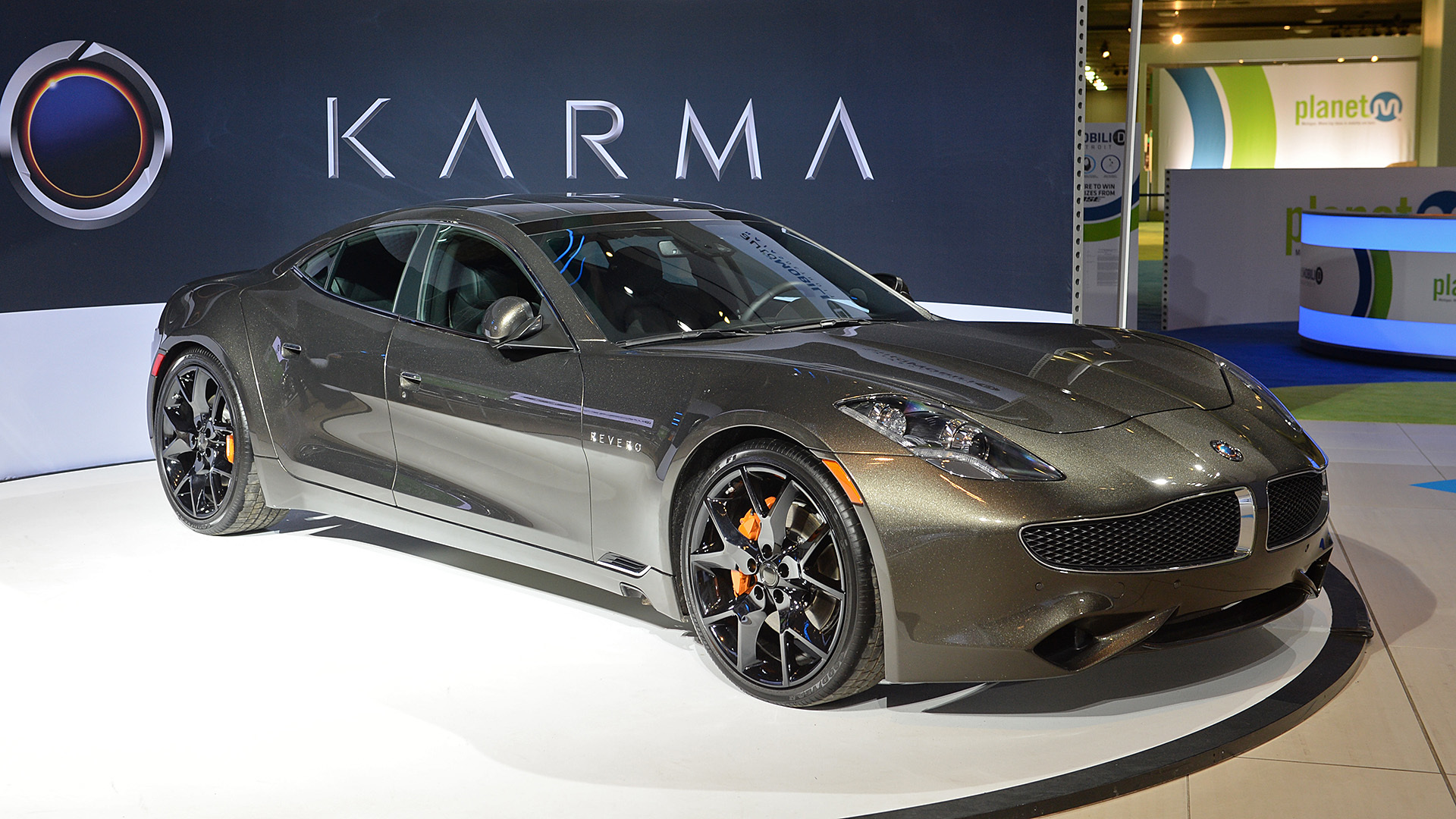
    Karma Automotive is prepping three vehicles — a concept car developed with Italian design house Pininfarina, the next-generation Revero electric car and the Karma Vision concept – that it hopes will propel the brand in a new direction.

    They will debut next month at the Shanghai auto show.

    “Taken together, Karma’s Shanghai Big Three represents our transformation from an old-value car manufacturer to a company building long-term value in part by becoming an open-platform luxury high-tech automotive incubator,” Karma CEO Lance Zhou said in a statement.

    Karma Automotive, headquartered in Irvine, Calif., was founded after the demise of Fisker Automotive, created by noted designer Henrik Fisker. The company’s sole product was the gasoline-electric Fisker Karma luxury car. Chinese supplier Wanxiang Group bought Fisker Automotive in a bankruptcy auction and put a revised version of the Karma back into production as the Revero in 2016.

    Karma plans to introduce a revised version of the Revero this year. The car is sold through a network of 19 stores in the U.S., Canada and Chile.

    The company released little information about the three vehicles scheduled for the Shanghai auto show, which opens April 16.

  • China Mobile, partners launch first 5G devices

    China Mobile, partners launch first 5G devices

    Members of the China Mobile-led 5G Device Forerunner Initiative have used Mobile World Congress to announce the launch of their first batch of devices, including China Mobile’s own in-house developed Forerunner One.

    Forerunner One is a 5G mobile smart hub device powered by Qualcomm’s inaugural Snapdragon X50 5G modem.

    The device supports connections in sub-6GHz 5G frequencies including the 2.6-GHz band, and is designed to convert high-speed 5G data into Wi-Fi and WiGig signals.

    It comes installed with Android 9.0 and an AI voice assistant, and is expected to reach the market in the first half of 2019.

    Meanwhile the members of the initiative have also used the event to launch four 5G chipsets – from Qualcomm, Huawei, MediaTek and Unisoc respectively – as well as 5G devices from Huawei, vivo, OPPO, ZTE, Xiaomi and Samsung.

    Some of the launched devices support both nonstandalone and standalone 5G, and others support peak throughputs of up to 4.67Gbps in sub-6GHz frequencies.

    The 5G Device Forerunner Initiative was established a year ago during the GTI Summit in Barcelona. So far 36 members comprising all aspects of the device industry have participated in the initiative.

  • Maxis to launch full 5G trials with Huawei

    Maxis to launch full 5G trials with Huawei

    Malaysia’s Maxis has signed an agreement with Huawei during Mobile World Congress in Barcelona to accelerate 5G development in Malaysia.

    Under the agreement, the companies plan to collaborate on full-fledged 5G trials involving end-to-end systems and services.

    The memorandum of understanding was signed by Maxis CEO-designate Gokhan Ogut and CTO Morten Bangsgaard, as well as Huawei rotating chairman Guo Ping, president of Southern Pacific Jeffery Liu and CEO of Malaysia Michael Yuan.

    “Maxis has long started its 5G journey, and we are already focusing on live trials, investments and evolving our network infrastructure to be ready for a future where smart solutions will be part of everyday life,” Ogut commented.

    “We are pleased to be working with world class technology leader and long term partner Huawei on our 5G trials, and to be a pioneer in bringing the latest technologies to Malaysia once again.”

    Huawei said that to date it has signed over 30 commercial 5G contracts and shipped more than 40,000 5G base stations across Europe, Asia and the Middle East.