Tag: China

  • CRCT and CapitaLand to divest their interests in CapitaMall Wuhu

    CRCT and CapitaLand to divest their interests in CapitaMall Wuhu

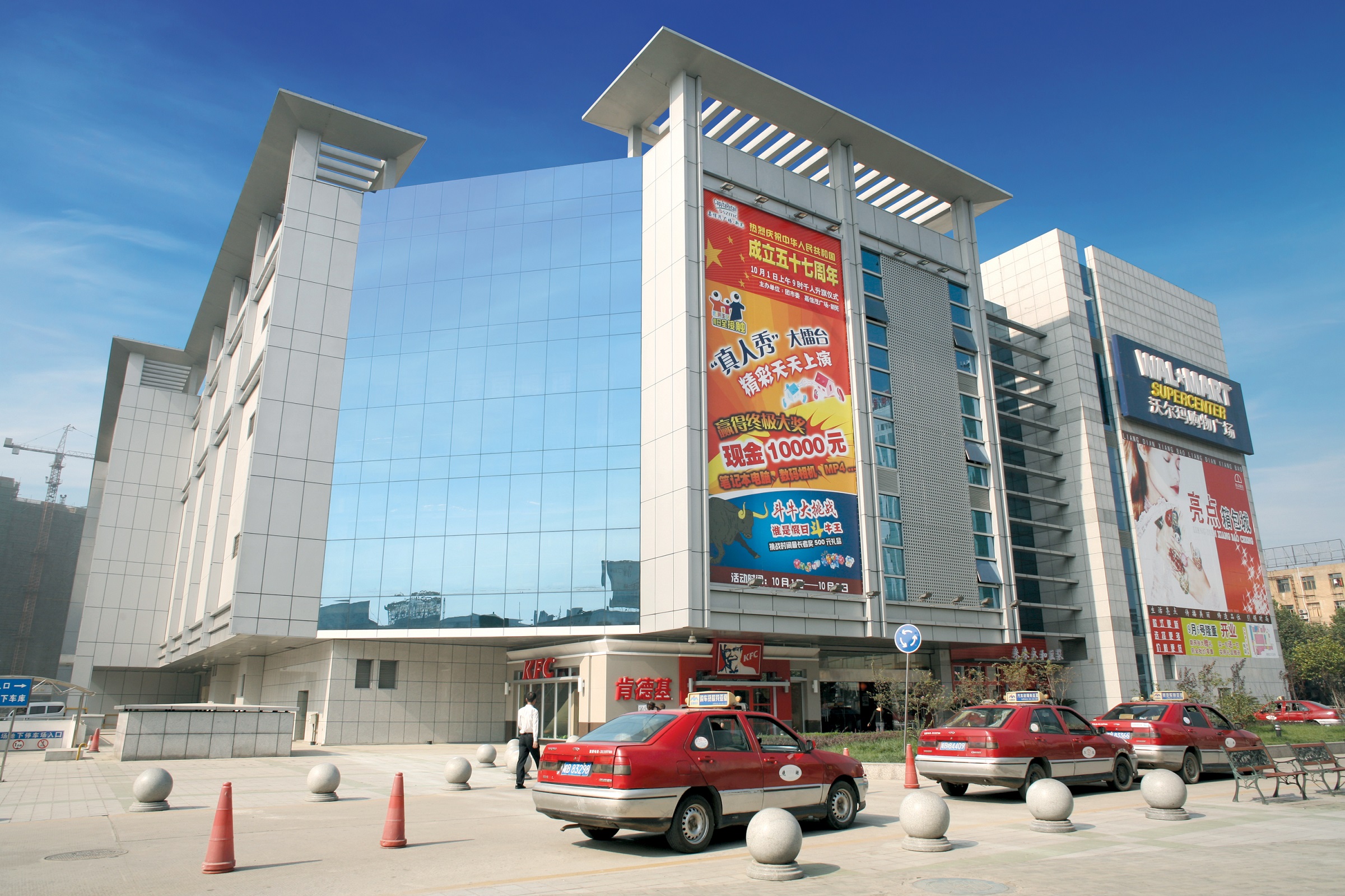
    CapitaLand Retail China Trust (CRCT) and CapitaLand today announced that their respective subsidiary and associate have entered into an agreement to divest their combined 100% interests in a company, which owns CapitaMall Wuhu, to an unrelated third party.  The transaction is based on the company’s adjusted net asset value, including but not limited to its interest in CapitaMall Wuhu of RMB210 million (about S$41.5 million).

    Mr Tan Tze Wooi, CEO of CapitaLand Retail China Trust Management Limited, said: “The divestment of CapitaMall Wuhu is in line with our proactive asset management strategy to optimise CRCT’s portfolio and enhance returns.  As our 51% stake in CapitaMall Wuhu accounts for less than 1% of CRCT’s asset size, its sale is expected to have minimal impact on CRCT’s core business.  The sale proceeds will provide CRCT with greater financial flexibility to take advantage of market opportunities.  We remain on the lookout for strategic opportunities to reconstitute and strengthen our portfolio.”

    Mr Lucas Loh, President (China & Investment Management), CapitaLand Group, said: “The sale of CapitaMall Wuhu will unlock capital that can be redeployed to core assets in cities where CapitaLand enjoys scale and competitive advantage.  We will stay disciplined in our capital recycling efforts and continually review opportunities to optimise CapitaLand’s portfolio, which include divestment of assets that are non-core or have limited growth.”

  • Hong Kong dessert shop Hui Lau Shan Launched in Philippines

    Hong Kong dessert shop Hui Lau Shan Launched in Philippines

    Hong Kong dessert shop Hui Lau Shan has opened in the Philippines.

    It is the first time for the franchise to open in the very region from which its special variety of mango is sourced. Its soft launch on March 17 at SM Megamall in Mandaluyong city was well-attended by local fans of the brand’s mango-based food products.

    Hui Lau Shan Megamall PH store

    Hui Lau Shan originated as a Chinese herbal tea vendor in the 1960s before blending carabao mangoes in with its other ingredients in the 90s to create a unique dessert.

    The fresh fruit drinks were well-received and the brand now has more than 260 locations globally.

    The firm’s local partner is Fat Daddy’s Group, well-known for its Smokehouse restaurants.

    “The sweet taste of our own fruit has helped propel the brand’s growth in and outside Asia,” said Fat Daddy’s president Freshnaida Versoza. “It’s about time that we bring it here to the Philippines. It’s also our way of supporting the country’s agribusiness since Hui Lau Shan is estimated to consume one ton of premium carabao mangoes per week for 10 to 15 stores.”

    More Hui Lau Shan branches are planned for other malls in the territory, including SM North Edsa, SM Fairview and SM Mall of Asia.

  • Gido launches cross-border express delivery services

    Gido launches cross-border express delivery services

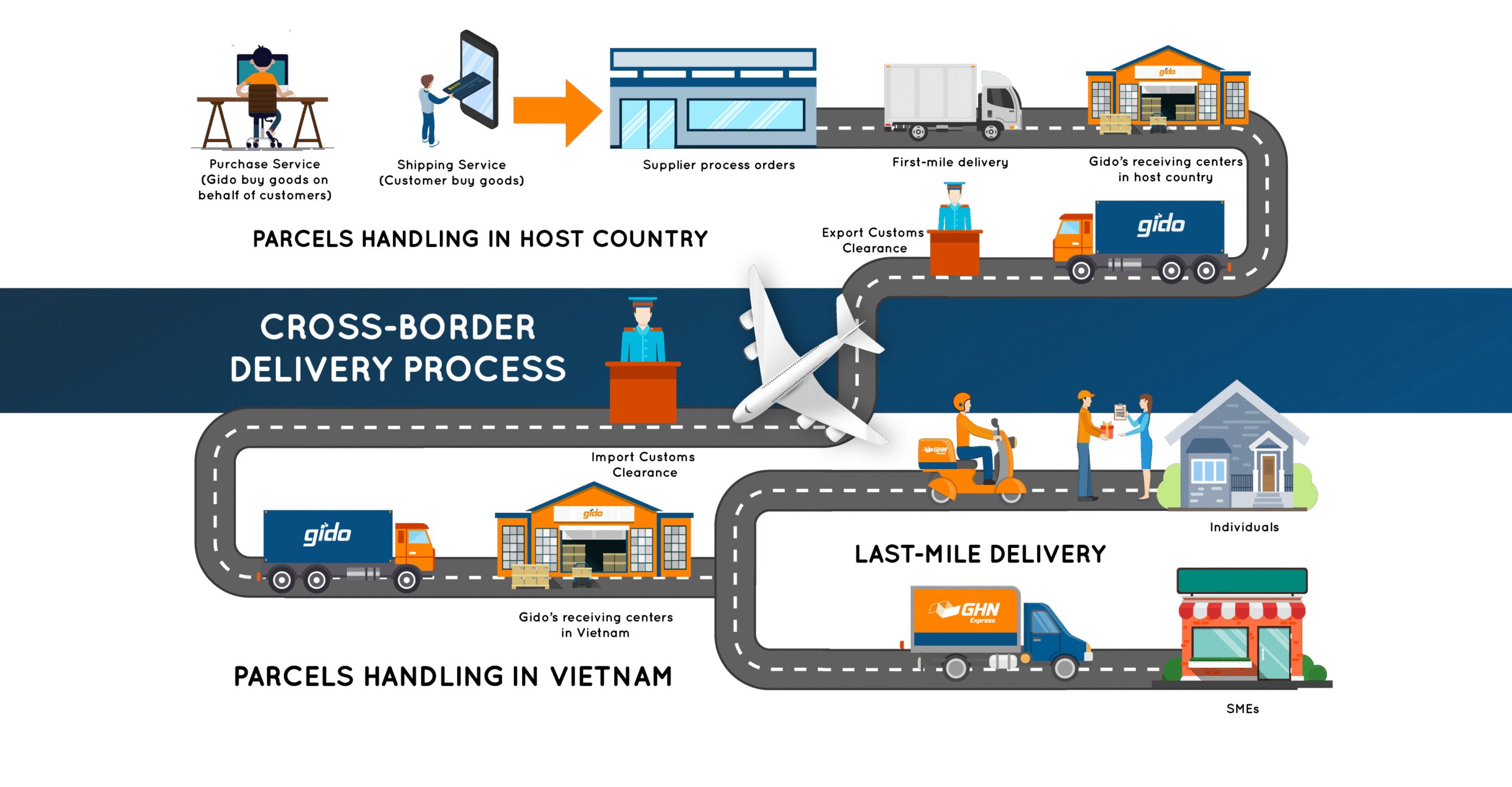
    Gido has launched an express cross-border delivery service from China to Vietnam, promising three working day turnaround.

    All parcels shipped by Gido are offered at the price US$1.95, including customs clearance.

    Customers can submit information about the parcels and recipients via an Excel file or integrate their API with Gido system.

    Parcels will be delivered from Gido’s hub in Shenzhen to end recipients in Hanoi and Ho Chi Minh City within three days, and a maximum of five days for other provinces.

    As a branch of Vietnamese e-commerce delivery service GHN, Gido has a modern IT system connecting multiple delivery partners in different countries along cross-border routes on a single platform to increase handling capacity, reduce transit time, tracking transparently in order to scale things up with the lowest cost.

    “We are inspired by asset-light business model of Cainiao, 4PX, Janio to connect multiple delivery partners along cross-border routes on one single platform,” said Hai Vo, Gido CEO.

    “This enables us to combine partners’ operation capacity with our own infrastructure more than 1000 stations, 30,000 drivers nationwide to provide a comprehensive cross-border e-commerce delivery solution with minimal setup time and cost in comparison to other asset-heavy companies.”

    Gido’s consolidation center boasts a capacity of more than 100,000 parcels per month.

  • Strong potential’ for sharing economy in China

    Strong potential’ for sharing economy in China

    New research suggests strong potential for the sharing economy in China, with just 30 per cent of consumers there saying they only want to use brand-new products.

    Mintel says the figures highlight the significant market for selling second-hand products and targeting consumers who will rent out rather than buy.

    Mintel says 91 per cent of Chinese consumers said they have rented or bought second-hand bicycles/electric bicycles in the past year. This was followed by cars (61 per cent), books/audio-visual products (25 per cent), digital products such as mobile phones and cameras (25 per cent), furniture (18 per cent) and home appliances such as fridges (12 per cent). While the clothes and accessories sharing category has been making headlines, just 9 per cent of urban Chinese consumers have rented or bought them second-hand.

    “The current consumer landscape in China shows great potential for the sharing economy to develop further,” said Mintel China associate research analyst Scarlett Zhao. “Largely driven by substantial promotions and subsidies, high penetration in rental and second-hand businesses is more focused on the transportation industry; including cars and bicycles. But while the sharing economy in China is dominated by transportation, we see this trend slowly extending to knowledge sharing through books or audio-visual products.

    “At the moment, consumers are not as open to other product categories in the sharing economy space such as clothes and accessories, probably because consumers have not yet cultivated the habit to rent or buy second-hand products. China’s sharing economy still stands in an emerging to growth stage, where market rules and regulations need to be further improved. As a result, this has caused many to remain on the sidelines just like when e-commerce was first introduced.”

    Mintel research reveals that the majority of consumers in China acknowledge the benefits of the sharing economy, with as many as 86 per cent of them appreciating the convenience that sharing products and services bring. Meanwhile, 59 per cent of Chinese consumers cite affordability as a reason to participate in the sharing economy, making it the greatest motivation for them to choose renting or buying second-hand products.

    Environmental factors are also proving important to consumers. Fifty-one per cent of urban Chinese consumers say that they will rent or buy second-hand products as it is good for the environment.

    “Under the healthy wave, consumers today not only look inward to their body health, but are also paying more attention to the whole ecosystem they are interacting with,” added Zhao. “When communicating with and marketing to consumers, companies in the sharing economy space can make consumers feel good about themselves by emphasising how this concept can help reduce the carbon footprint – benefiting the public and the environment.”

  • Greater China delivers record sales numbers for Tiffany & Co

    Greater China delivers record sales numbers for Tiffany & Co

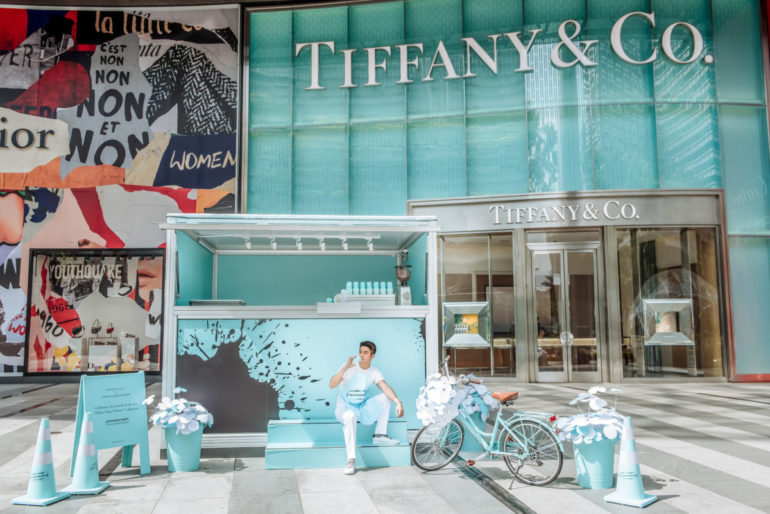
    Tiffany & Co has reported worldwide net sales rose by 7 per cent to a record US$4.4 billion last year, fuelled by solid growth across almost every Aian market.

    In Asia-Pacific, total net sales increased 13 per cent to $1.2 billion for the full year, with Greater China leading the charge. However, sales slipped 1 per cent to $316 million in the fourth quarter, largely due to a slowing of spending in Mainland China.

    Comparable sales rose 5 per cent during the full year and fell 3 per cent in the fourth quarter. In Japan, total net sales increased 8 per cent to $643 million in the full year and 3 per cent to $196 million in the fourth quarter. Comparable sales increased by 7 per cent and 3 per cent, respectively.

    The company’s net earnings for the full year benefited from a lower effective tax rate, rising to $586 million. 75 per diluted share.

    CEO Alessandro Bogliolo said softer trends in the second half of the year reflected, in part, what the company believes were external challenges and uncertainties.

    “Most important, we are still in the early stages of a journey to achieve long-term sales, margin and earnings growth for this legendary brand, and are making progress across our key strategic priorities. I continue to strongly believe that Tiffany has vast global growth opportunities and we look forward to realising our full potential in the future.”

    During the year, Tiffany opened 10 company-operated stores, closed four and relocated 10. As at the end of January, the company operated 321 stores (124 in the Americas, 90 in Asia-Pacific, 55 in Japan, 47 in Europe, and five in the UAE). There was a net gain of three in Asia.

  • Police smash massive China counterfeiting gang

    Police smash massive China counterfeiting gang

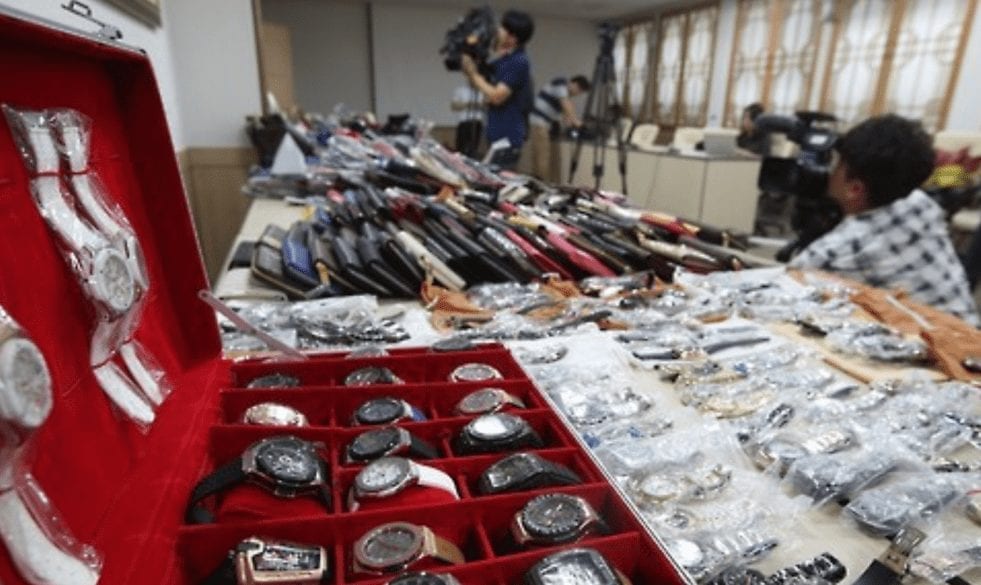
    Police have shut down a huge China counterfeiting ring estimated to have raked in some US$15 million.

    Chinese police have arrested 32 people believed to be part of the operation, which focused on counterfeiting luxury-branded goods.

    The Shanghai raid led to the seizure of more than 4000 items of luxury apparel and accessories bearing Louis Vuitton, Kenzo and Loewe labels, among other top brands. Two assembly lines producing the counterfeit items were shut down.

    The raid was in response to a tip-off to the Shanghai Qingpu district public security bureau that fake Louis Vuitton bags were selling on Chinese social media platform, WeChat.

    Estimates held that the ring had sold more than 100,000 fake luxury items at a value of around RMB100 million (US$14.9 million). Each item would have cost around RMB200 ($30) to produce.

    The rise of online markets all over the world has been blamed for a general increase in fake products sold globally. The counterfeit industry is now worth an estimated $590 billion a year, and accounts for around 3.3 per cent of total international trade.

    According to customs officials, the most frequently seized fakes are items of footwear, clothing, leather goods and IT equipment. China is by far the world’s largest source of pirated goods.

  • Jaguar Land Rover wins case in China against Evoque copycat

    Jaguar Land Rover wins case in China against Evoque copycat

    Jaguar Land Rover won a legal victory and compensation after a court in China ruled that the Jiangling Motor’s Landwind X7 SUV was too similar to the Range Rover Evoque. The Beijing Chaoyang District Court agreed with JLR that that Landwind copied five unique features of the Evoque, which led to widespread customer confusion, JLR said.

    The court ruled that Landwind must pay JLR compensation. The ruling refers to the original Landwind X7 from 2014 rather than the more recent facelifted model, which toned down some of the more blatant similarities, JLR said. Landwind can continue selling the facelifted version.

    The two SUVs have a similar shape, with the roof and windows tapering from front to back, and near-identical tail lights and character lines on the side paneling.

    JLR said the court’s decision suggests China is taking copying claims more seriously. “This ruling is a clear sign of the law being implemented appropriately to protect consumers and uphold their rights so that they are not confused or misled, while protecting business investment in design and innovation,” Keith Benjamin, Jaguar Land Rover’s legal affairs chief, said in a statement.

    Western automakers have faced difficulties in China caused by domestic brand imitating their designs.  Also, a lawsuit can be bad for branding if the Chinese public think a foreign company is bullying domestic competitors.

    “The ruling is highly significant,” said Michael Dunne, CEO of Hong Kong-based automotive consultant firm ZoZoG. “For years, foreign companies have taken Chinese rivals to court for purloining designs and lost. GM, Mercedes, BMW, Toyota, you name it.”

    At certain times, Chinese leaders will allow a high-profile foreign “win” in order to win international support, Dunne said.

    JLR had its patent on the shape of the Evoque canceled in China in 2016 after a court ruled it was void because the company had patented it outside China first. It responded by suing Jiangling.

    The new Evoque will be launched in China in April.

    Landwind is one of the few Chinese automakers that does not break down its sales by model, but industry observers estimated the X7 accounted for the bulk of the brand’s 80,000 sales in 2016 at the height of the SUV’s popularity. The X7 costs from the equivalent of 17,100 euros in China, compared to almost 50,000 euros for the Evoque.

    The new Range Rover Evoque will be launched in China in April.

    Landwind sold 2,746 cars in China in the first two months, making it the 61st best-selling brand, according to figures from sales aggregator Bestsellingcarsblog.com. Land Rover was No. 59 with 3,342 sales, down 61 percent on the year before. Jaguar was No. 68 with sales down 60 percent to 1,931.

    JLR’s court victory is rare in China where courts often side with domestic automakers. Fiat lost a case against Great Wall in 2008 after a court ruled that the GW Peri was not a direct copy of Fiat’s Panda, despite strong similarities. Fiat was ordered to pay court costs.

    More successful was German coach-maker Neoplan in 2006, after a court ruled that the A9 bus made by the Zonda Industrial Group was a direct copy of the Neoplan Starliner. Zonda was ordered to stop making and selling the bus and ordered to pay 20-million-yuan compensation to Neoplan.

    JLR’s China deliveries fell 22 percent to 115,000 last year after the automaker faced quality problems that caused Jaguar and Land Rover owners to protest outside its China headquarters in Shanghai.

  • Li & Fung Announces 2018 Annual Results

    Li & Fung Announces 2018 Annual Results

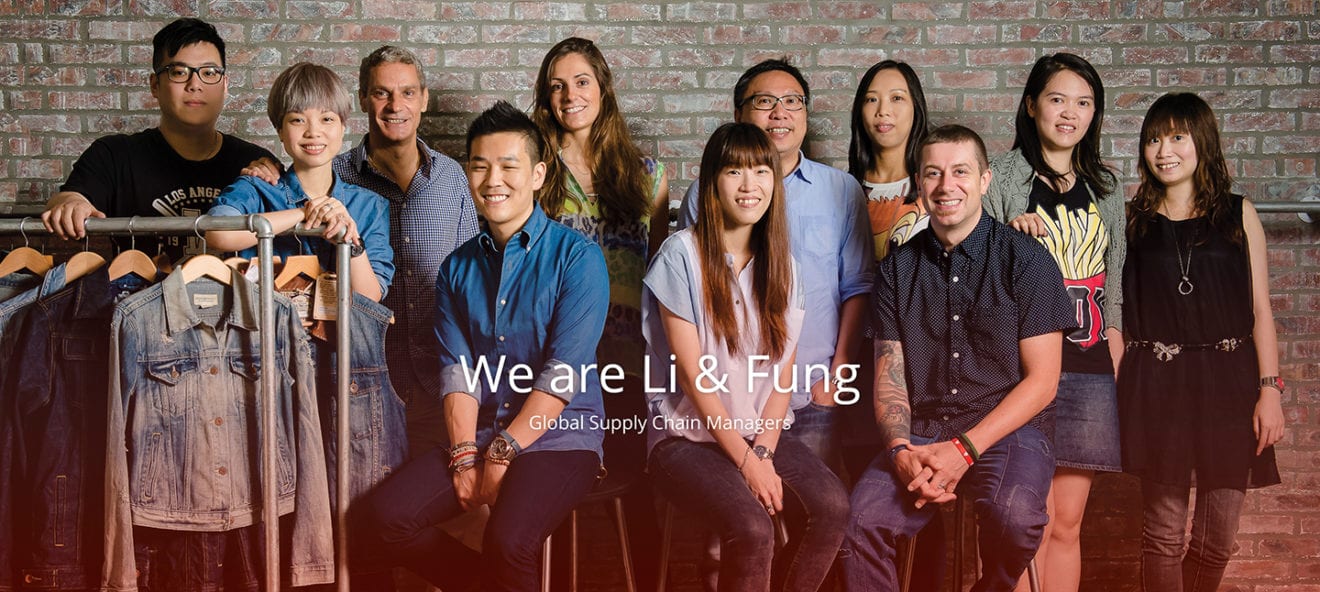
    Li & Fung Limited, the world’s leading supply chain solutions partner for brands and retailers, today announced its annual results for the year ended 31 December 2018.

    For the year under review, the Company was affected by the rapidly changing retail landscape, with record store closures and customer bankruptcies. Owing to the Company’s investments in a speed-enabled supply chain, its customers have been able to reduce their inventory levels, although this produced short-term negative impacts on the Company’s turnover. The ongoing US-China trade war had a minimal impact on Li & Fung’s business due to the company’s diversified sourcing network outside of China.

    On a like-for-like basis and excluding the impact of the strategic divestment of the three Product Verticals in April 2018, which triggered a one-off disposal loss of US$114 million, core operating profit (“COP”) of Continuing Operations decreased by 20% to US$285 million. This was largely due to decreases in turnover and total margin in the Supply Chain Solutions business, as well as continued investment in digitalization in line with the Company’s long-term strategic plan. Turnover decreased by 6.2% to US$12.7 billion, mainly due to customers’ ongoing destocking, customer turnover and bankruptcies. Total margin percentage improved by 0.4% to 10.6%, primarily a result of the increased contribution from the higher-margin Logistics business. Adjusted Profit Attributable to Shareholders decreased 15.9% to US$117 million, excluding gain on remeasurement of contingent consideration payable. Profit attributable to shareholders for Continuing Operations decreased by 26.2% to US$126 million. The Board of Directors has proposed a final dividend of 4 HK cents (2017: 2 HK cents). This brings the full-year total dividend to 7 HK cents per share.

    Spencer Fung, Group CEO of Li & Fung, said: “2018 was a demanding year and we’ve made a fundamental reorganization of our business in line with our Three-Year Plan to build the Supply Chain of the Future. We initiated a structural change with a new management team to focus on our core customers and operational excellence. This includes a new Group President, a new Chief Operating Officer and an entirely new Chief Digital Officer position. We have the right strategy, and now the right structure and people in place. With all three elements in place we have built the right foundation for the future. I am confident that we are on the right track.

    Mr Fung continued, “Group President, Joseph Phi, has a strong track record having organically grown LF Logistics over the past decade. In his new role, Joseph will focus on account management and business development. As a team, we are focused on driving greater productivity in our global production platform by truly leveraging the scale of Li & Fung for our customers, capitalizing on our clear leadership in 3D design, and accelerating the build-out of our end-to-end digital platform. These initiatives are already helping to strengthen relationships with core customers and to convert new customers.”

    The Logistics business continued to grow organically with double-digit increases. With strong demand for in-country logistics services, turnover and COP increased 10.2% and 14.6% to US$1.13 billion and US$86 million respectively. The growth of the Logistics business continued to be driven by strong growth momentum in China; e-logistics growth; accelerating growth in ASEAN across all services; and rapid expansion in the newer geographies of Japan, Korea and India. To further accelerate the pace of its growth, preparation is underway for the potential spin off and separate listing of LF Logistics to take place in 2019 depending on market conditions and other factors.

    In addition, 2018 was a turnaround year for the Onshore Wholesale business in the Americas, Europe and Asia with its turnover increasing by 7.4% to US$1.7 billion with recovery at major US customers and growth in the Asia onshore wholesale business. Furthermore, operating costs as a percentage of turnover improved by 80 basis points.

    Joseph Phi, Group President of Li & Fung, said: “The strong organic growth of LF Logistics is due to active engagement with our people and close collaboration with our customers. At Li & Fung, we are well positioned to integrate logistics with our traditional sourcing and supply chain solutions offering. This provides a faster and more digital supply chain, enabling us to cultivate closer and longer-lasting customer partnerships. We are pursuing market share gain and pipeline conversion as the twin drivers for our growth.”

    Group Chairman, William Fung added, “With ongoing trade uncertainties, we continue to help existing and new customers optimize their production across over 50 countries of export. This provides the best defense against fluctuations in trade policy and mitigates any negative impact from tariff increases. I am confident that our new leadership team and organizational structure will help us drive productivity, strengthen customer relationships and, in turn, grow market share.

  • Tmall Global Unveils New Initiatives to Boost China’s Imports

    Tmall Global Unveils New Initiatives to Boost China’s Imports

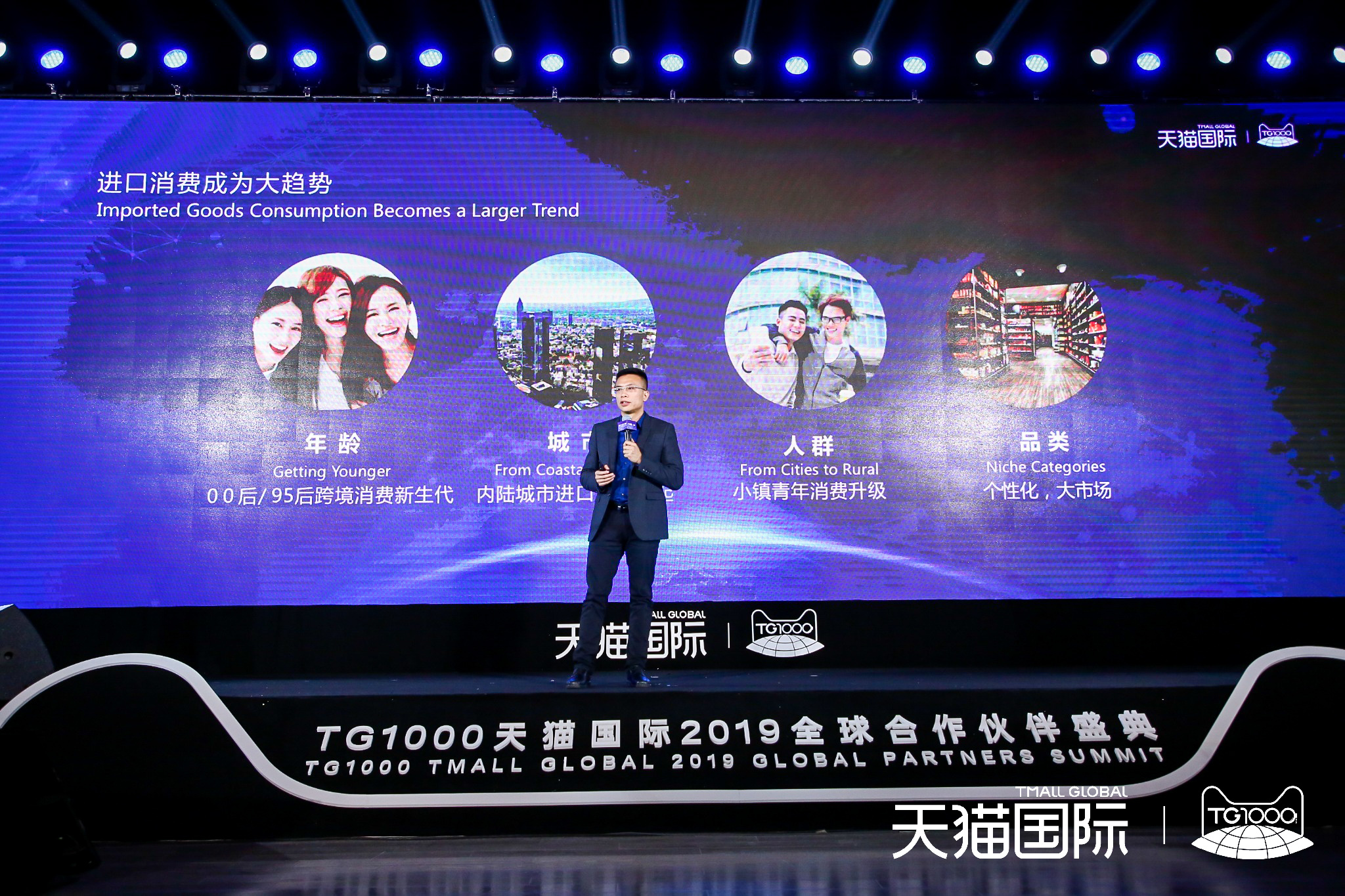
    Tmall Global today unveiled two key initiatives that further Alibaba’s plans to bring $200 billion worth of international goods into China over the next five years and help businesses of all sizes enter the China market. The initiatives – the Centralized Import Procurement (CIP) and Tmall Overseas Fulfillment (TOF) – are import solutions offered by Tmall Global to help international brands accelerate their entry into China and capitalize on hot demand for high-quality products.

    As the biggest cross-border platform in China, Tmall Global not only helps brand open up flagship stores on the platform, but also offers direct import services that can help bring international goods, from companies of all sizes sell into the Chinese market, benefiting Chinese consumers with an expanded choice of imported products.

    “These new initiatives on Tmall Global, supported by the entire Alibaba ecosystem and benefiting both current and future partners, are needed enhancements as we strive to meet the rising demand of Chinese consumers for high-quality international products,” said Alvin Liu, General Manager of Tmall Import-Export, at the Tmall Global 2019 Global Partners Summit. At the China International Import Expo in November last year, Alibaba pledged to bring $200 billion worth of international goods into China over the next five years through its platforms.

    Alibaba unveiled the CIP program today as a key part of Alibaba’s new retail business. By leveraging the six procurement centers Alibaba has set up across the globe, the program sources imported goods for all the online and offline outlets within the Alibaba ecosystem, including technology-driven grocery chain Freshippo (also known as

    “Hema” in Chinese), Tmall Supermarket and Intime Department Store. The program is a quick and low-risk way for international brands to enter China, allowing them to reach the nearly 700 million active users on Alibaba platforms.

    TOF is a consignment solution that allows brands to place a small batch of products at one of the TOF centers to be sold on the Tmall Global platform. This gives businesses around the world a chance to try out and fine tune their product assortment before making a full entry into China. TOF centers are currently available in Japan, South Korea and the US, with plans to expand into Europe later this year.

    To support these new initiatives, Alibaba’s smart logistics network, Cainiao, will continue to expand its network of bonded warehouses in China, with an aim to triple its total size to three million square meters in three years.

    “Over the years, Tmall Global has added a full suite of innovative and value-added services to help overseas brands succeed in the China market, including plugging them in to the entire Alibaba economy. The consumer insight from our ecosystem provides Tmall Global partners a complete view of their customers’ engagements even if they do not have operations in China. These market entry and in-market expansion programs are our key differentiators and have created unique benefits for international brands,” said Liu.

    Tmall Global data shows China’s demands for imported goods is gaining strong traction across age groups, regions and categories. Those born after 2000, or

    “Generation Z,” is the fastest-growing consumer group on the platform. The platform is attracting more shoppers in less developed regions, and Tmall Global has successfully propelled the growth of three categories: anti-hair loss products, beautyfrom- within products such as collagen drinks and trendy footwear in 2018.

    China’s “Generation Z” is also fueling demand for pet products and beauty devices. In 2018, the number of pet-related brands on Tmall Global doubled from the previous year, and sales of beauty devices on the platform also quadrupled from a year earlier. Recognizing young Chinese consumers’ love for content, Tmall Global will continue to offer brands a raft of content-generating tools to boost brand awareness. By tapping into Alibaba’s own digital-media channels, such as Taobao Livestream, brands can directly speak to Chinese consumer through multiple touchpoints, including livestream services, videos and testimonials by popular influencers and key opinion leaders.

    According to Chinese data-analytics firm Analysys, Tmall Global is the biggest crossborder platform in China. The platform offers Chinese consumers over 20,000 overseas brands and over 4,000 product categories from 77 countries and regions.
  • China Mobile reports $17.6b profit for 2018

    China Mobile reports $17.6b profit for 2018

    China Mobile has reported a 3.1% increase in net profit for 2018 to 117.78 billion yuan ($17.58 billion) as the company focused on reducing costs and increasing operational efficiency.

    Operating revenue declined 0.5% in reported terms to 736.82 billion yuan, but grew 1.7% after 2017’s results were recalculated using the new IFRS revenue standard..

    Telecommunications service revenue fell a reported 0.4% but grew 3.7% in comparable terms to 670.9 billion yuan.

    The operator’s net profit was also aided by the listing of the company’s tower division China Tower in August last year.

    China Mobile reported a 4.3% increase in its total customer base for the year to 925 million, of which 713 million are 4G customers – a 9.7% increase from 2017. But mobile ARPU fell 8% to 53.1 yuan as a result of strong competition.

    Meanwhile total wireline broadband subscribers increased by 39% to 157 million, of which 147 million were household broadband customers. Household broadband blended ARPU grew 3.2% to 34.4 yuan.

    “2018 was a challenging year for telecommunications operators. Competition amongst peers changed in characteristics as products and services have become homogenized while cross-sector challenges have intensified. The value of traditional telecommunications business rapidly diminished, coupled with multiple challenges from a complex and rapidly-changing policy environment,” China Mobile chairman Yang Jie said.

    “In order to counter market competition, overcome the major obstacles in the ongoing reforms and enhance management, we continued to encourage everyone across the Company to take the ‘Big Connectivity’ strategy even further and implement the integrated development of the “four growth engines”.”

  • CTG, Tata Communications form IoT alliance

    CTG, Tata Communications form IoT alliance

    China Telecom Global has entered a collaboration with India-based Tata Communications to launch a global internet of things service for the Chinese market.

    Under the collaboration, the two companies will develop IoT-based services targeting multiple industries, including consumer and industrial electronics, manufacturing, automotive, transport, and logistics.

    China Telecom Global will gain access to the Tata Communications MOVE service, which seeks to leverage the company’s relationships with more than 600 mobile operators worldwide to enable global connectivity for new IoT-enabled devices.

    Meanwhile China Telecom Global will provide Tata with connectivity for Hong Kong, mainland China, and Macau as well as access to the Chinese operator’s 4G network resources.

    For specific vertical industries including automotive, China Telecom Global will also provide Tata with IoT solutions that are compliant with Chinese market requirements and regulatory requirements.

    “We want to grab our share of the rapidly growing Chinese IoT market. China Telecom Global is working closely with Tata Communications to pave the way for innovative and advanced IoT solutions across industries,” China Telecom Global CEO Deng Xiaofeng commented.

    “We’re able to offer our customers the borderless, reliable and affordable network connectivity they need for their different IoT devices. As the volume of connected ‘things’ continues to grow, we are able to give our customers complete visibility and control to make the management of hundreds of thousands of IoT devices easier on a global scale.”

  • 5G to account for 57% of China tech spend in 2019

    5G to account for 57% of China tech spend in 2019

    Spending on 5G will account for the majority of China’s technology spending in 2019 as the nation continues to spend heavily to ensure it leads the global race to implement the mobile technology, Forrester Research predicts.

    China will spend a total of $256 billion on technology goods and services this year, with 5G spending to account for 57% of this, the research firm said in a new report.

    The nation is best positioned to win the global race to implement 5G after having outspent the US in this area by around $24 billion since 2015.

    Meanwhile China and Japan are set to dominate technology spending in Asia-Pacific, collectively accounting for 60% of the total market. India will be third with anticipated spending of $70 million, Forrester said.

    India, China and the US will also see the strongest growth amid a slowing global technology market. Total growth in spending is expected to slow to 4.5% in 2019, and to 3.8% in 2020.

    The report also found that Asia-Pacific still lags the US and Europe in terms of cloud adoption, because the infrastructure in most Asia-Pacific markets is not mature enough to support cloud solutions.

  • Xiaomi preparing two in-screen fingerprint Android One phones

    Xiaomi preparing two in-screen fingerprint Android One phones

    The Xiaomi Mi A1 became almost an overnight success when it was released back in September of 2017. So much so, that Xiaomi followed it up with the Mi A2 and Mi A2 Lite last summer. And now, as revealed by XDA Developers, the Chinese brand is preparing a third-generation of the lineup.

    Codenamed ‘bamboo_sprout’ and ‘cosmos_sprout’ – all Android One smartphones include the ‘sprout’ suffix in their codenames – the new devices are expected to launch later this year commercially as the Xiaomi Mi A3 and Mi A3 Lite. From what can be gathered, both smartphones are currently being tested with ‘fod.’ In Xiaomi terms, this stands for an in-display fingerprint scanner, something that would probably be capture the attention of consumers.

    Nowadays, the general consensus is that traditional fingerprint scanners like the ones found on the Mi A2 series are much quicker and precise than in-screen implementations, especially optical in-display ones. But to regular consumers who don’t know too much about tech, the newer solutions are much more futuristic, hence why Xiaomi is probably looking to include them on the Mi A3 lineup.

    The specifications of these two devices remain a bit of a mystery at the moment. However, XDA Developers reports that both smartphones will come equipped with 32-megapixel selfie snappers.These will probably be contained inside small, waterdrop-like notches – almost every phone Xiaomi launches now includes this design feature.

    As for a release date, the Xiaomi Mi A3 and Mi A3 Lite will probably be announced in late May or early June prior to a launch soon after. Pricing hasn’t yet been revealed.

  • Yunnan Baiyao Group to Bring Traditional Chinese Medicine to a Global Audience with Manhattan Associates

    Yunnan Baiyao Group to Bring Traditional Chinese Medicine to a Global Audience with Manhattan Associates

    Yunnan Baiyao Group, one of China’s largest pharmaceutical and healthcare companies, has selected Manhattan Associates  Warehouse Management System (WMS) to transform its digital supply chain and power the next phase of its growth strategy. The solution will help the manufacturer optimise its distribution operations and meet rising demand for its products across the globe whilst ensuring compliance with stringent production and traceability regulations.

    Founded in 1971, Yunnan Baiyao has established itself as one of China’s most important pharmaceutical companies, selling a broad range of medicinal and personal care products. Thanks to its unique ability to combine traditional Chinese medicine with new product innovations, the company has doubled revenues over the last five years to CNY24.3 billion (US$3.5 billion) in 2017. With its sights firmly fixed on continuing this trend, it recently set out to modernise its manufacturing and distribution operations.

    The pharmaceutical giant selected Manhattan’s industry-leading WMS solution to help it optimise fulfilment and throughput. The company will initially deploy Manhattan’s WMS in a new distribution centre (DC) adjacent to its toothpaste factory in Kunming, Yunnan province in southwest China. Yunnan Baiyao’s toothpaste is its most important healthcare product and the most popular in the Chinese market with a leading market share. Manhattan’s solution will play a key role in Yunnan Baiyao significantly increasing its toothpaste production to fulfil the growing market demands.

    Xia Feng, General Manager of Yunnan Baiyao’s Engineering System Centre, said, “Manhattan’s WMS will ensure on-time replenishment of our production line, accelerate the shipment of finished goods to our wholesale customers, drive efficiency improvements across our warehouse and factory floor and provide us with the scalability we need for growth. It will also provide real-time visibility of all inventory flows, ensuring we are fully compliant with the Good Manufacturing Practice (GMP) and Good Supply Practice (GSP) codes governing the traceability requirements of pharmaceutical products.”

    Stone Chen, General Manager of Manhattan Associates, Greater China, said, “Yunnan Baiyao is taking the lead in the pharmaceutical sector to replace its legacy systems with state-of-the-art technology that improves the productivity, efficiency, and competitiveness of its manufacturing and supply chain functions. Manhattan’s WMS will play a pivotal role in Yunnan Baiyao’s digital transformation and provide it with the scalable fulfilment platform it needs to be able to fully capitalise on the growth opportunities presented by rising global demand for traditional Chinese medicine.”

  • Chinese internet giants bidding on AS Watson

    Chinese internet giants bidding on AS Watson

    Two Chinese internet giants are reportedly evaluating separate bids for a stake in global retailer AS Watson.

    As earlier reported by usg, Singapore sovereign wealth fund Temasek is working with an advisor on options for selling part of its stake in the Hong Kong-headquartered company. The latest reports suggest Temasek is looking to sell a 10 per cent holding for around US$3 billion, which would represent a healthy financial gain on its 2014 investment, when it paid $5.6 billion for 25 per cent stake. Tencent Holdings is considering a bid in partnership with some investment funds.

    Tencent’s rival Alibaba Group has already expressed an interest, although again, this has not been formally confirmed by the company. Temasek is declining any public comment on the prospective buyers have been invited to make presentations this month.

    However the news organisation’s sources have cautioned that Temasek may ultimately opt to retain its stakeholding and there are suggestions that “differences in valuation expectations could make reaching a deal difficult”.