Tag: China

  • From Gucci to Dolce & Gabbana: racism in fashion continues?

    From Gucci to Dolce & Gabbana: racism in fashion continues?

    Luxury fashion is all about breaking codes, creating a new, irresistible message that captivates consumers. But some of the globe’s top brands have raised eyebrows with designs that have seemingly racist undertones. The latest instance of that was Italian fashion designer Gucci, which produced a black wool balaclava jumper with an oversized collar that pulls over the chin and nose. It includes a slit where the mouth is, ringed with what look like giant red lips.

    Its similarity to blackface prompted an instant backlash from the public and forced the company to apologise publicly on Wednesday.

    Gucci also withdrew the offending garment from sale on websites and stores. It said the incident would be “a powerful learning moment for the Gucci team and beyond”.

    But the question persists: how can fashion houses that thrive on detail miss such critical social cues?

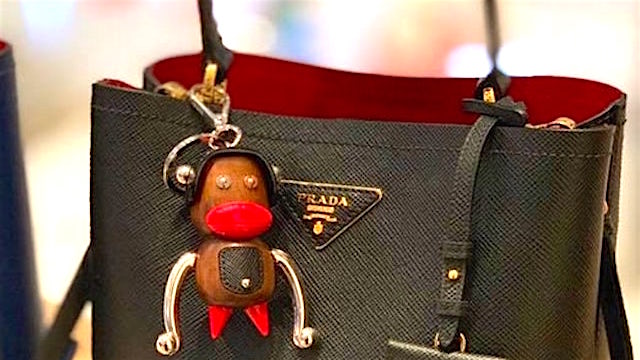
    Prada similarly withdrew a monkey bag charm that recalled blackface in December, saying it “abhors racist imagery.” And Dolce & Gabbana issued a video apology after one of the designers made insulting remarks about Chinese people in a private chat discussing the questionable depiction of a Chinese model in a campaign.

    “Luxury brands used to be able to get away with provocative and eccentric ads that push the boundaries of our society and culture in the name of being creative and cutting edge,” says Qing Wang, a professor of marketing at Warwick Business School in the United Kingdom.

    “However, a long list of recent incidents have caused public outrage, suggesting that era is now gone, or that luxury brands have lost touch with public sentiment. What used to be considered ‘creativity’ has now turned into ‘bad taste’ or even ‘racist’.

    He cited other fashion fails that evoked stereotypes, including Dolce & Gabbana’s “slave sandal” in its spring-summer 2016 collection and a recent Burberry campaign for the Chinese New Year that was compared to Asian horror films.

    While many of these incidents have caused immediate social media backlashes, the longer-term impact will take time to measure, and will depend on the brands’ reaction and future sensitivity.

    Dolce & Gabbana was forced to cancel its Shanghai runway show after the insulting remarks were publicised, top Asian influencers backed out of campaigns and Chinese websites dropped their line – a warning sign from a region that holds great sway in global luxury sales.

    The blackface images have particular resonance in the United States, where the governor of Virginia and his attorney general have been caught up in a scandal over blackface incidents from their college days in the 1980s. The offensive depictions are reminiscent of travelling entertainers from the 19th century, who would paint their faces black to portray African characters in a ridiculous and mocking fashion, spreading racial stereotypes along the way.

    Italian sociologist Michele Sorice at Rome’s Luiss university says that the evocation of blackface by Italian fashion houses signals “a mixture of good faith, and ignorance”. He notes that Italian society still isn’t fully aware of the racial charge in some words and images.

    “I imagine that they don’t truly think they are racist,” Sorice says. “I think they didn’t have the instruments to understand that these images are archetypes that were used to contrast the concept of blackness and make them ridiculous. I think that many simply don’t know. It is a cultural issue.”

    Paolo Cillo, a marketing professor at Milan’s Bocconi University, says the designer’s intent may have been taken out of context and amplified, and she credits Gucci with acting swiftly to quell the controversy.

    “I wouldn’t stigmatise fashion,” Cillo says, comparing the fashion designer process to artistic pursuits like filmmaking, painting or music. “There are artists in the world of culture that did more outrageous things and no one ever said a thing. There is a perception that fashion is ephemeral, or commercial. But from my point of view, it is not. It reflects the times, like all other artistic forms.”

    While the fashion world has been at the forefront of addressing sexual norms – Gucci has been redefining genderless dress codes under Alessandro Michele – it has lagged behind other industries in taking on social issues such as racial tolerance, climate change or women’s empowerment, according to Larry Chiagouris, a marketing professor at Pace University, US.

    “It is not clear why this is,” Chiagouris says, “but the evidence clearly points to the fashion industry’s need … to catch up with the rest of the world.”
  • Chinese demand for skincare products boosts sales of French cosmetics company L’Oreal

    Chinese demand for skincare products boosts sales of French cosmetics company L’Oreal

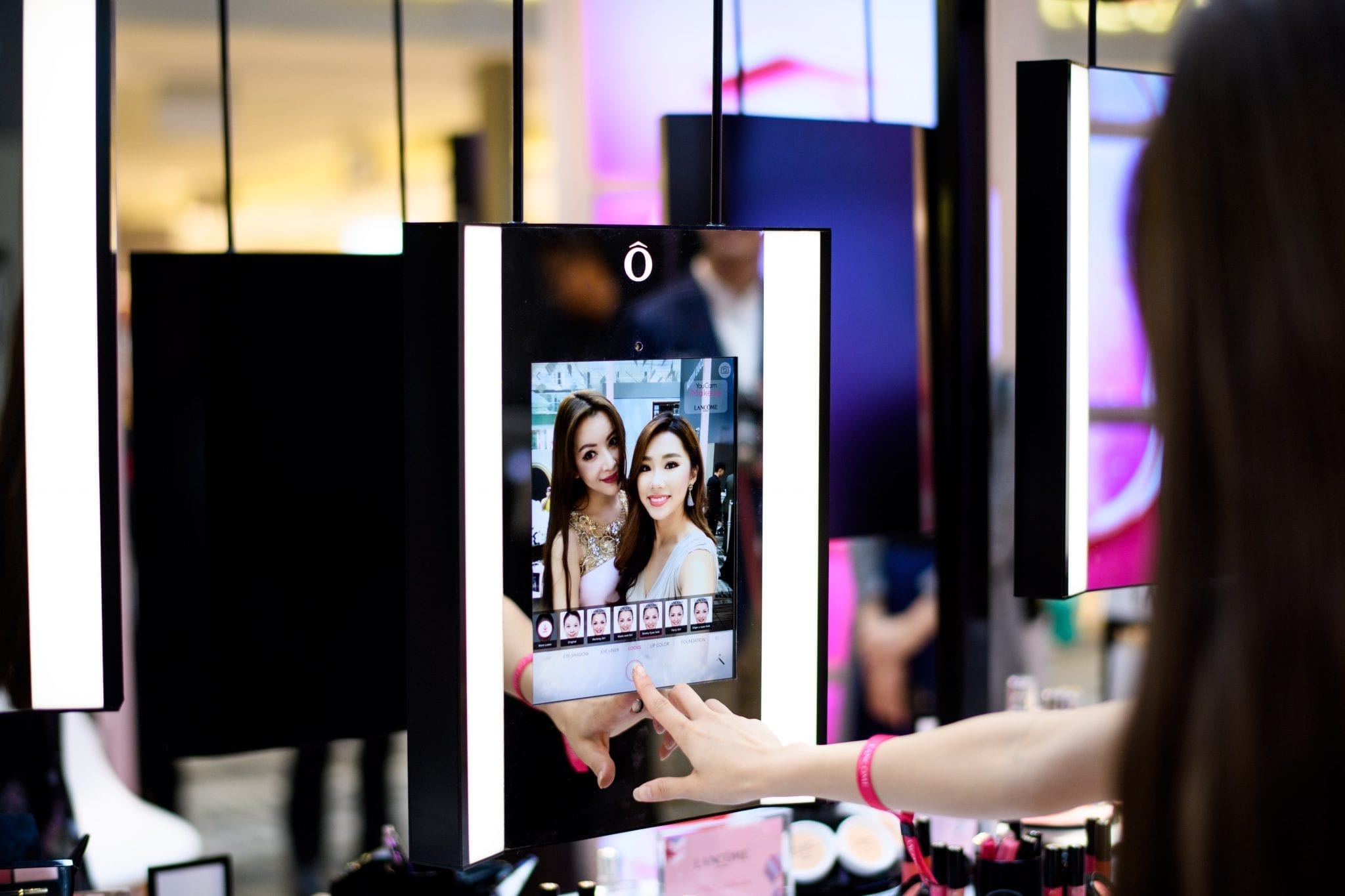
    Strong Chinese demand for luxury skin creams helped Lancome owner L’Oreal beat sales forecasts in the fourth quarter, as did a pickup in its lagging mass market division. Like rivals including US-based Estee Lauder, the French maker of Maybelline and Urban Decay make-up has thrived on strong demand from Chinese shoppers in recent years, especially for its higher-end products.

    Sales of L’Oreal’s top-flight brands exceeded analyst expectations in the last three months of the year thanks to this market, despite cooling economic growth in China, and fears over a Washington-Beijing trade war.

    Some heavy-hitters in the luxury fashion industry, such as LVMH’s Louis Vuitton, have also reported encouraging momentum in Asia. At L’Oreal Asia-Pacific overtook North America as its biggest region last year.

    But L’Oreal, which is due to detail its results at a news conference on Friday, also faces a challenge to keep improving revenue growth in other areas, including its consumer products unit, home to brands like Garnier shampoo.

    Sales rose 2.8 per cent in that division on a like-for-like basis in the fourth quarter, which strips out currency effects and acquisitions, up from 2.3 per cent a quarter earlier.

    That helped boost overall sales at the firm, up 7.7 per cent like-for-like and head of forecasts for a 6.4 per cent rise, and which came in at 7.1 billion euros ($8.1 billion).

    Yet the mass market segment still slightly lags the performance of peers like Nivea-maker Beiersdorf and Dove soap owner Unilever.

    L’Oreal said it was also facing a sluggish market in France and the United Kingdom.

    While the latter only makes up around 3 per cent of sales, the company has joined others in preparing for Britain’s potentially chaotic exit from the European Union, and has started stockpiling cosmetics.

    The company said it still expected to outperform the broader beauty market in 2019, though the tone of its outlook was a tad less bullish than last year, forecasting “growth in both sales and profits” rather than “significant growth”.

    For 2018 as a whole, the company’s operating profit rose 5.3 per cent to 4.7 billion euros, giving a margin of 18.3 per cent of sales, up from 18 per cent at the end of 2017.

    One of L’Oreal’s biggest shareholders with a 23 per cent stake, Switzerland’s Nestle, has come under pressure from an activist investor to sell off its stake in the French cosmetics firm. The firms have yet to signal whether such a move was in view.

  • Chinese tourists prefer Australia, Japan and Singapore: Survey

    Chinese tourists prefer Australia, Japan and Singapore: Survey

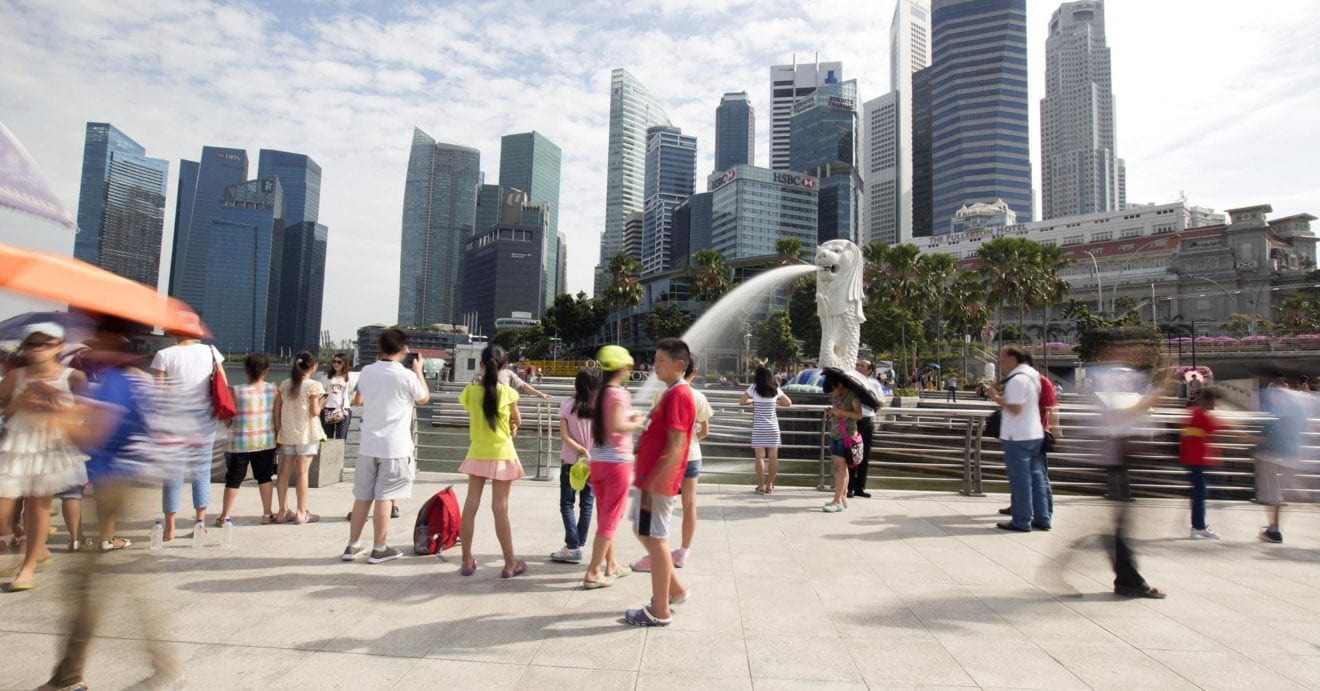
    Mainland Chinese tourists prefer visiting Australia, Japan and Singapore over Hong Kong, a survey has found, citing a preference for outdoor and nature activities in these places. Consultancy firm Kantar, which polled 300 people from Beijing, Shanghai, Guangzhou and Shenzhen, found that 52 per cent of respondents were interested in Australia as a holiday destination, followed by 40 per cent for Japan, 38 per cent for Singapore, and 35 per cent for Hong Kong.

    Some 22 per cent said they were keen to visit Taiwan, compared to 21 per cent who favoured South Korea, 15 per cent for Indonesia and 9 per cent for India.

    “Urban Chinese holidaymakers are looking for a diversity of experiences – nearly nine in 10 say that having lots to do is either important or very important to them,” stated the report, released last month.

    “The dominance of nature in the minds of urban Chinese leisure travellers may, at face value, present a challenge for retailers, malls, theme parks and other places.”

    The report stated that the trend could be an indication for businesses on potential growth directions.

    Despite Hong Kong not being the top destination for Chinese tourists in the poll, official figures showed visitor arrivals in the city – driven mainly by mainlanders – soared to a record high of 65.1 million last year, up 11.4 per cent from 2017.

    About 51 million tourists from across the border visited the city in 2018, a rise of 14.8 per cent from the previous year.

    But the Tourism Board has admitted that 2019 could be a “bumpy and unpredictable” year. Chinese tourists now see the city as a short-term destination, and they prefer Southeast Asia or Europe for long holidays.

    The board said Chinese tourists also craved “in-depth” travel in Hong Kong rather than the usual hotspots. One of the board’s strategies this year will be to attract mainland and overseas visitors to places such as the Geopark, the Ha Pak Nai mudflat in Yuen Long and Lau Fau Shan.

    The Kantar report also stated: “Hong Kong outperforms Singapore on most factors, but when it comes to perceptions of safety and cleanliness, Singapore dominates all [Asia-Pacific] markets, though it is held back by its lack of nature and outdoor [activities].”

    It acknowledged that Hong Kong had a “relative abundance of natural attractions” compared to the Lion City.

    On preferences for nature and outdoor activities in the eight destinations listed in the survey however, only 22 per cent of respondents indicated an interest in what Hong Kong had to offer, compared to 62 per cent for Australia, 42 per cent for Japan, 32 per cent for Indonesia, 31 per cent for Taiwan and 29 per cent for Singapore.

    In the category of sporting events, only 27 per cent said they were interested in those held in Hong Kong, with 47 per cent for Japan, 43 per cent for Australia, 30 per cent for Singapore, and 28 per cent for South Korea.

    Kantar’s group director, Mike Underhill, suggested that to boost Hong Kong’s attractiveness as a tourism haven, unique sporting events could be held, such as a mountain marathon.

    “I’m not saying it’s an easy thing to do, but if such an event is created, it will [capitalise on] an emerging trend among Chinese tourists to help grow a niche sector, thereby raising the perceived uniqueness of Hong Kong.”

    Jenny Zhang, 29, an accountant from Beijing, is among those for whom Hong Kong does not rate highly as a destination.

    “I would choose other places because I have visited Hong Kong several times already. But if I am in transit here to somewhere else, I would visit the city,” she said. “The world is huge and there are many places I have not been to. I love to see natural attractions and take in the culture of other places.”

    Asked to rank the eight destinations in the survey, Zhang placed Hong Kong in last place. Her top choices were Australia, Japan and Indonesia.

    But Chen Peng, 36, from Tianjin is among those who still enjoy coming to Hong Kong after visiting the city six times. This month, he took his daughter to Disneyland for the first time.

    “My wife loves Japan and so I would choose Japan as my top choice. For me though, Hong Kong is my No 1 choice,” he said.

    “When I come, I mostly go shopping with my wife and meet friends. I would go to Harbour City and Central.”

  • Korean export decline picks up speed in January

    Korean export decline picks up speed in January

    Exports have continued to fall for a second month, but at a steeper rate, confirming concerns raised by Finance Minister Hong Nam-ki earlier this week. Although Korea succeeded in posting a trade surplus for the 84th consecutive month, a new record, exports in January fell 5.8 percent, sharper than the 1.2 percent drop recorded in December.

    This is the first time since September and October 2016, when exports fell for two consecutive months.

    According to the Ministry of Trade, Industry and Energy on Friday, Korea’s exports in January amounted to $46.4 billion.

    Imports also retreated, losing 1.7 percent to $45 billion. As a result, Korea’s trade surplus in January was $1.3 billion, which is one-third of the $3.4 billion surplus reported a year ago.

    The ministry, however, said the decline of Korea’s exports wasn’t exclusive to Korea as other countries have also been falling as well.

    In December, China’s exports retreated 4.5 percent while Japan was down 3.2 percent, Taiwan lost 3 percent and Singapore fell 4.1 percent.

    The ministry said the decline was largely the result of external factors including the trade dispute between the United States and China, uncertainties resulting from Brexit, falling prices of semiconductors and crude and the slowing growth of the Chinese economy.

    Semiconductors, which were the largest contributor to last year’s thriving exports, played the biggest role in pulling down the number in January and December. Exports fell 23 percent compared to a year ago to $7.42 billion. Semiconductors account for roughly 20 percent of all Korean exports. Semiconductor exports have been shrinking after reaching a high of $12.4 billion in September 2018. The figure fell below $10 billion in December for the first time since April last year.

    The ministry blamed the falling price of semiconductors as global IT companies have been delaying additional purchases since the second half of last year. The price of an 8 gigabyte DRAM chip nosedived 36.5 percent from $9.60 a year ago to $6.10. The price of a 128 gigabyte NAND memory has fallen 22.4 percent from $6.7 to $5.2.

    Falling crude prices was another factor that drove down exports. Petroleum product exports fell 4.8 percent to $3.47 billion, while petrochemical goods slipped 5.3 percent to $3.98 billion. International oil prices have been falling since October last year. Last month, the price of a barrel of oil was down 10.7 percent on year.

    But these weren’t the only export items that struggled.

    Mobile telecommunication goods exports, including smartphones, have fallen 29.9 percent while computers exports are down 28.2 percent. Exports of ships fell 17.8 percent and displays were down 7.5 percent.

    Mobile telecommunication exports to the United States fell 9.7 percent, while the figure for member countries of the Association of Southeast Asian Nations (Asean) saw a steeper drop of 21.9 percent.

    On the contrary, automotive exports, which struggled throughout 2018, appeared to recover, growing almost at the same rate as a year ago.

    Automobile exports in January were up 13.4 percent to $3.67 billion, largely thanks to growing demand in the United States, Europe and the Commonwealth of Independent States (CIS). Exports to the United States in the first 20 days of January were up 43.4 percent to $820 million, Europe grew 20.7 percent to $350 million and the CIS surged 104.1 percent to $150 million.

    Thanks to positive growth in automotive exports, automobile parts exports grew as well, increasing 12.8 percent.

    Steel was another export good that saw an increase thanks to rising prices. When compared to a year ago, it grew 3.3 percent to $2.8 billion.

    By country, China, which is Korea’s No. 1 export market, tumbled 19.1 percent. China, as of last year, accounts for 26.8 percent of Korea’s exports.

    While the majority of the goods exported to China all fell last month, semiconductors, petroleum and petrochemical goods were hit especially hard. Semiconductor exports plummeted 40 percent in the first 20 days of last month to $1.61 billion, while petroleum exports fell 36.4 percent. Petrochemical exports lost 13.7 percent. The three products account for 44 percent of exports to China.

    Exports to the United States rose 20.4 percent to $6.21 billion, largely thanks to import of Korean automobiles, particularly SUVs, which saw an uptick of 43.4 percent.

    EU exports also grew in the double digits at 11.9 percent to $5 billion.

    The ministry said the situation will likely turn around in the second half when semiconductors and crude prices go up. The ministry said that when excluding semiconductors, petroleum and petrochemical goods, Korea’s exports in January only dipped 0.7 percent to $31.5 billion.

    The ministry also noted that new growth engine products like rechargeable batteries are doing well.

    It said that rechargeable battery exports have been rising over the last three years and are now expected to surpass exports of electronic consumer goods, which amount to $7.22 billion.

    Last year, secondary battery exports amounted to $7.23 billion, up 21.5 percent.

    Last month, it grew 14.5 percent year on year to $660 million.

    Biohealth exports have been growing in double-digits for four consecutive years. Last year, they reached a record of $8.15 billion, up 13 percent. Last month, however, biohealth exports fell 1.6 percent to $560 million. The ministry said that it still expects exports of biohealth goods to rise over the course of the year.

    OLED panels and electric vehicles are also seeing an increase in exports. OLED panels last month grew 12.8 percent to $800 million, while electric cars saw a surge of 184.7 percent to $280 million.

    The finance minister said the government will be coming up with measures to help small- and medium-sized exporters that may struggle from the recent turnaround, while Trade, Industry and Energy Minister Sung Yun-mo on Friday emphasized that the government will do its best to revitalize all exports.

    “Our plan will not be concentrated on short-term measures, but committed to all 365 days so that we can achieve $600 billion of exports by the end of this year,” Sung said.

    Korea, last year, reached a new milestone with exports exceeding $600 billion. However, with the global economy expected to shrink, there have been concerns that, this year, Korea’s exports may fall back below that threshold.

    “In a Jan. 21 export strategy meeting, we initiated a pan-government and a private-government joint support system, and since Jan. 30, we started a program of consulting on export difficulties in 15 cities starting with Changwon in South Gyeongsang,” the minister added.

  • Ralph Lauren continues momentum in Asia

    Ralph Lauren continues momentum in Asia

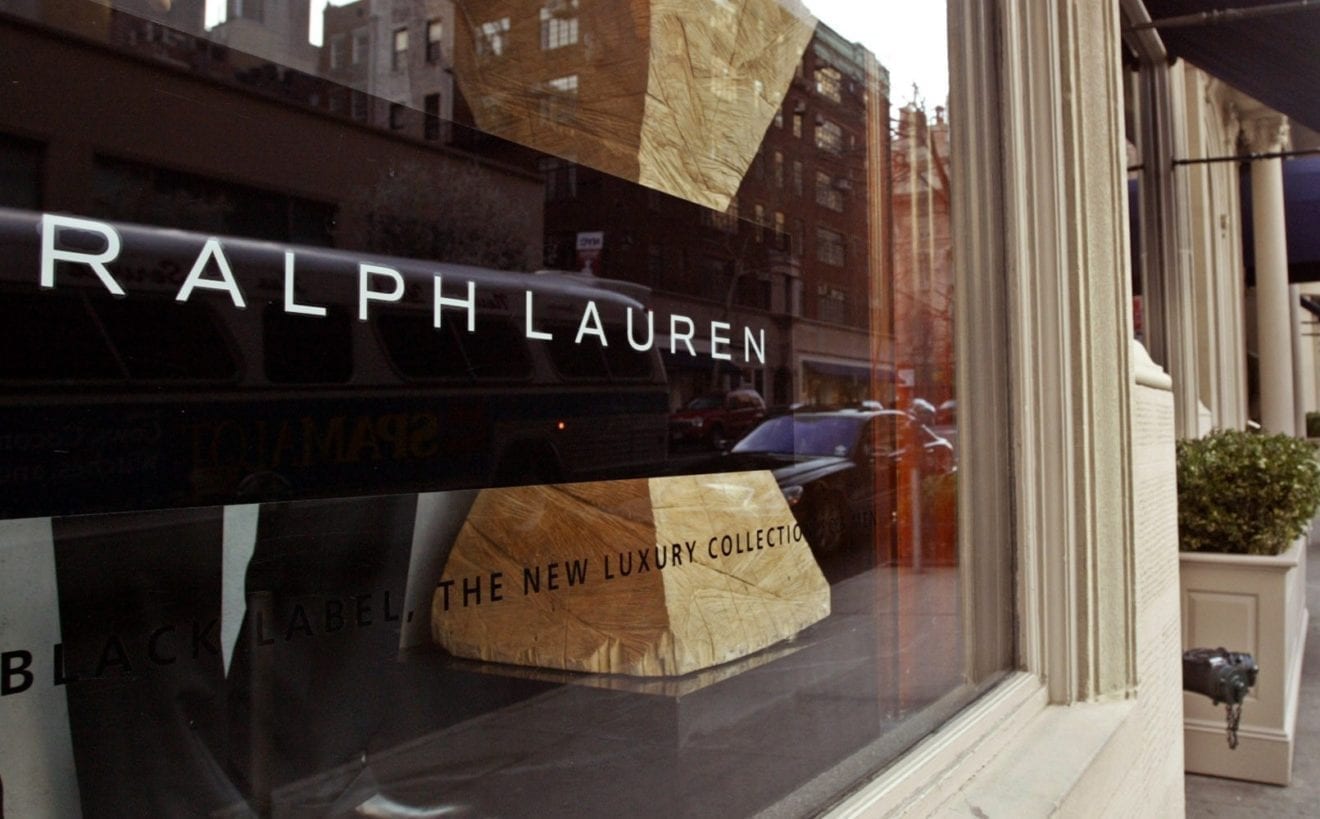
    Premium lifestyle brand Ralph Lauren increased gross profit across its third quarter period by 6 per cent to  $1.46 billion (US$1.05 billion), compared to $1.37 billion (US$996 million) the year prior. The growth was driven by a 90 bps increase in gross margin to 61.6 per cent, as a result of reduced promotional activity and improved pricing.

    “Solid execution on our key initiatives, especially during the important holiday period, delivered better-than-expected results for the third quarter as we drove higher average unit retail and continued to improve quality of sales overall,” Ralph Lauren president and chief executive Patrice Louvet said.

    “These results give us confidence that our strategic investments in brand-building, product, digital, and global expansion are on the right track, while the strength of our balance sheet will continue to be a competitive advantage as we manage through an increasingly volatile global environment.”

    The business saw momentum in Asia continue, with 11 per cent revenue growth to $379.65 million (US$275 million) led by 19 per cent constant currency growth in Greater China, and strength across Japan, South Korea and Australia.

    North American sales increased by 3 per cent to $1.25 billion (US$909 million), and enjoyed flat comparable bricks-and-mortar sales and a 21 per cent increase in digital sales for the region.

    Global revenue for the brand’s digital offering improved 20 per cent over the last year, with growth in the brand’s directly-operated digital flagships exceeding expectations.

    Net income for the period grew to $165.67 million (US$120 million), or $2.04 per diluted share (US$1.48).

    Looking toward the final quarter of fiscal 2019, Ralph Lauren expects net revenue to drop slightly due to a planned reduction in off-price sales, though predicts net revenue for the fiscal year will be up slightly, though didn’t provide concrete figures.

  • New integrated resort in China by Fosun

    New integrated resort in China by Fosun

    Fosun bets on integrated resorts to address the needs of Chinese travelers, who are showing interest in these types of experiences. Fresh from its Hong Kong initial public offering last month, Fosun Tourism Group is making good on its intention to use the proceeds to develop two new integrated resorts in China, announcing properties under the Thomas Cook Group brands Casa Cook and Sunwing.

    The two projects are in Lijiang, Yunnan province, famous for its UNESCO World Heritage old town, and Taicang, Jiangsu province, 30 minutes from Shanghai.

    Fosun Tourism chairman and CEO Jim Qian told Skift he is seeing different segments emerging in China’s domestic travel market. While this is already the norm in mature western markets, it’s just starting in China, and there’s a need to offer local travelers a choice of hotel brands and a variety of experiences, said Qian.

    In so doing, Fosun is turning to what’s in the family, its own Club Med and its Thomas Cook China joint venture. The Lijiang Albion International Resort will also have a Club Med, which has “a different positioning” from the boutique, design-led Casa Cook, he said.

    The whole development in Lijiang is spread over at 350,000 square meters (382,765 square yards). It is located near the Baisha old town, which lies closest to the majestic Yulong Snow Mountain, and is the only land permitted for massive development.

    How it will be sensitive to the tranquil and preserved ancient surroundings remains to be seen. For now, its website says it aims to attract mid- to high-profile guests by offering the total package, including a Club Med snow-themed resort, a guesthouses town, riverside shows, heritage towns, outdoor activities, health and wellness.

    “We will deliver a lot,” said Qian. “I believe in the future when a family goes on a holiday, they don’t just want to stay in the room.

    “Nowadays in China, we have more resort hotels in destinations such as Sanya, but most are actually business hotel brands moving from the city to the beach. I don’t think that kind of hotel is suitable for a family holiday. We will introduce the real beach or holiday resort to a destination.”

    Not much is known of Fosun’s other resort project in Taicang except that it is smaller at 145,000 square meters (158,570 square yards).

    Both are expected to be completed in stages from late 2020.

    Fosun Tourism, whose slogan is Everyday is Foliday (short for Fosun holiday), having tested destination development and management with its fully owned Atlantis Sanya, is keen to bring the experience to bear on the projects.

    “We have the experience in the construction of resort destinations, and we know how to make foreign brands suitable for the Chinese market,” said Qian.

    Fosun Tourism also believes the timing is good. It pointed out the per capita tourism expenditure in China in 2017 was about $575, which was below the global average of $741. “This implies the great potential for the growth of China’s tourism market,” it said.

    Besides, it claimed to be in a stronger position now, announcing ahead of its annual results to be released in March that it expects a net profit of at least 350 million yuan ($52 million) in 2018, compared with a net loss of 295 million yuan ($44 million) in 2017.

  • Yum China to face challenges this year

    Yum China to face challenges this year

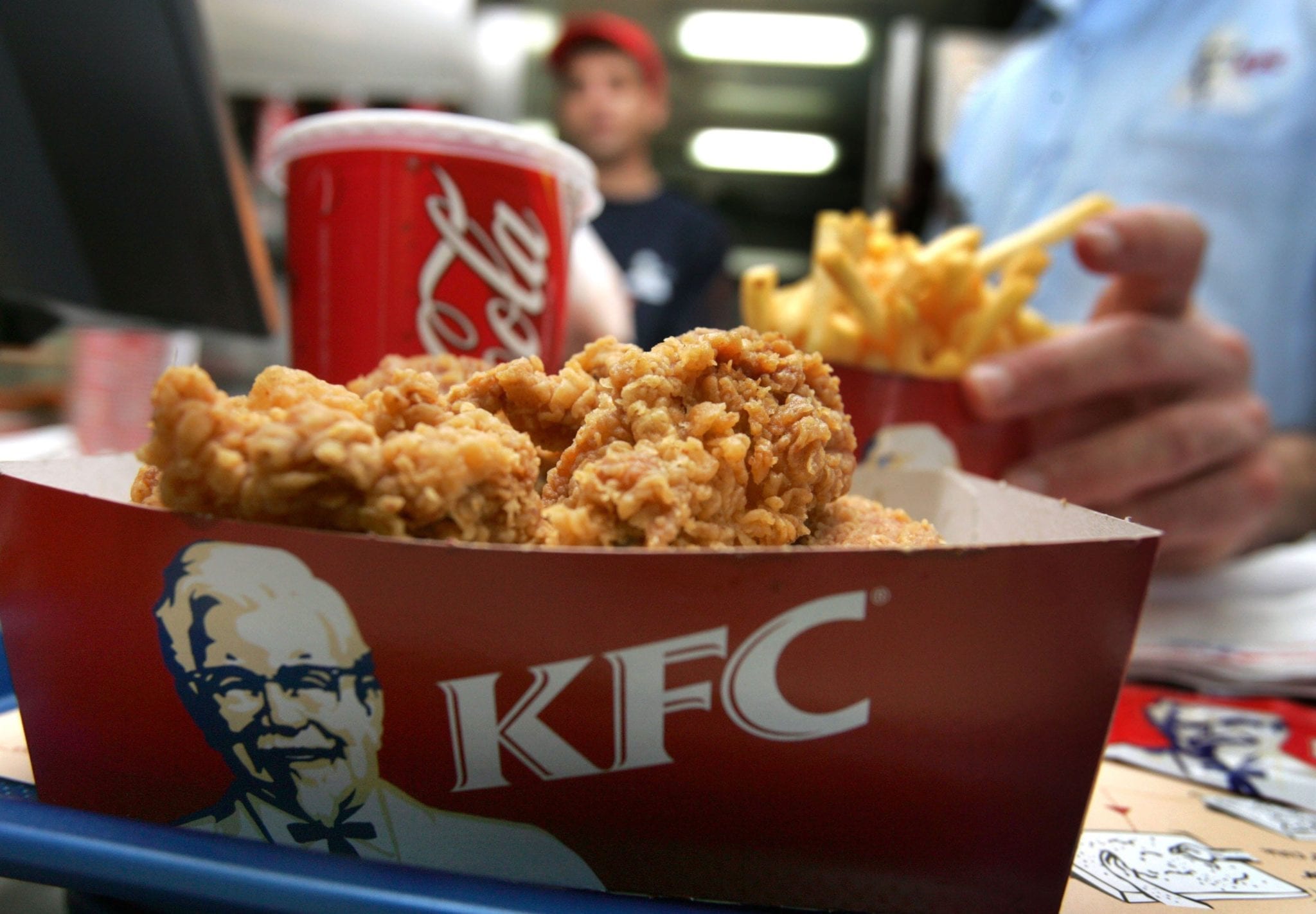
    An aggressive store rollout program is helping Yum China achieve sales growth, but its Pizza Hut business continues to struggle. In year-end results released overnight, Yum China said fourth-quarter system sales rose 6 per cent in constant currency, but same-store sales rose by a more modest 2 per cent. The company, which owns the Chinese operations of KFC and Pizza Hut, opened 819 new stores last year, taking its combined network to 8484 stores across more than 1200 cities. The company plans between 600 and 650 additional stores this calendar year.

    For the full year, total system sales grew 5 per cent over 2017, with a solid 7 per cent growth at KFC partially offset by a 1 per cent decline at Pizza Hut, (excluding foreign exchange impacts). Same-store sales increased 1 per cent overall, up 2 per cent at KFC and down 5 per cent at Pizza Hut.

    Full-year revenue reached US$8.42 billion with net Income up 78 per cent to $708 million, from $398 million.

    Joey Wat, CEO of Yum China, said the results marked the ninth consecutive quarter of system sales growth since the company was spun off from former US parent Yum! Brands.

    “This strong growth was led by accelerated new store openings and a robust performance at KFC, which delivered 3 per cent same-store sales growth and 9 per cent system-sales growth during the quarter. Although Pizza Hut’s sales remained soft, we are pleased to see same-store traffic growth of 1 per cent and positive trends in customer feedback.”

    Wat said the aggressive store rollout program last year further strengthened the company’s market position, laying a solid foundation for growth.

    “While the macro backdrop is relatively soft, with our resilient business model and leadership in digital and delivery, we are confident that we have the right strategy and capabilities to maintain our growth trajectory and capitalise on the long-term potential of the China market,” she said.

    Among the highlights of last year was exceeding 160 million members of the company’s KFC loyalty program and 50 million members of the Pizza Hut program, increases of 50 million and 15 million, respectively.

    Mobile payments accounted for 65 per cent of the company’s sales in the fourth quarter, an increase of 11 percentage points year on year. Digital payments accounted for more than 86 per cent of company sales in the quarter, an increase of 14 percentage points.

    And delivery services – now offered in 1118 cities – accounted for 19 per cent of sales in the fourth quarter of 2018, an increase of three percentage points year on year.

  • Chinese outbound tourists powering mobile payment growth

    Chinese outbound tourists powering mobile payment growth

    Chinese outbound tourists are taking China’s mobile payment industry to foreign markets, according to Nielsen. The research company’s report, 2018 Trends for Mobile Payment in Chinese Outbound Tourism, shows that mobile payment transactions by surveyed Chinese tourists surpassed the percentage paid with cash for the first time. Nearly 70 per cent of Chinese tourists paid with their mobile phones while abroad.

    Several factors encourage Chinese tourists to use mobile payment abroad, with the most important being that they have already become accustomed to this fast and convenient payment method in their home country.

    Merchants around the world have gradually recognised the importance of mobile payment for Chinese tourists and are witnessing benefits from better understanding of Chinese tourists’ habits and preference. Among the merchants surveyed at popular tourist areas in Singapore, Malaysia and Thailand that adopted Alipay, nearly 60 per cent saw growth in foot traffic and revenue.

    Many merchants surveyed said mobile payment is a safe, reliable and effective payment method that resonates with Chinese shoppers. Of the merchants that adopted Alipay, 71 per cent said they would recommend the mobile payment platform to peers.

    “Our store is located in an area frequented by Chinese tourists and they are our main customers. If we didn’t have mobile payment as an option, we would lose a lot of customers”,  said a Malaysian merchant cited in the white paper.

    “The outbound travel craze among Chinese tourists offers an important opportunity to expand mobile payment globally, while mobile payment outside of our home market has a broad space for development,” observed Gao Zilong, COO of self-service QR-code payment firm Inspiry International.

  • Retail meets art in HK for Chinese New Year

    Retail meets art in HK for Chinese New Year

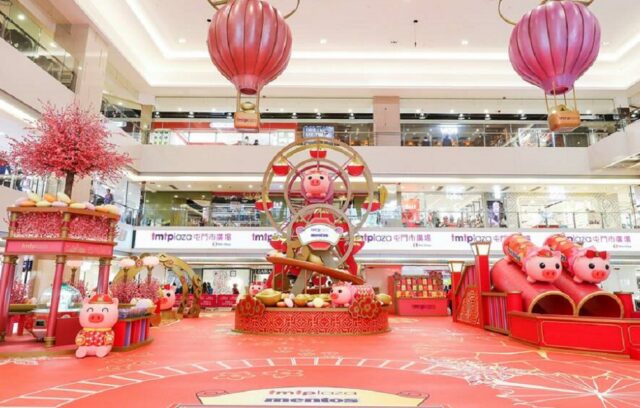
    Next week it Chinese New Year. It officially begins on February 5th, 2019, and ends on February 19th. This year will be the year of the Pig. It is the most important festival for Chinese people, so the city is fully decorated with festive installations. The retail world celebrates it with decorations and promotions. In Hong Kong, all shopping malls have already unveiled their gigantic installations.

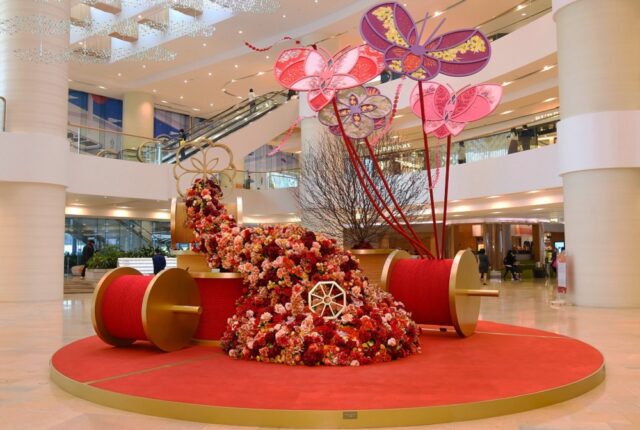
    In the financial heart of the city,  the floral pinwheels have turned IFC into the Garden of Fortune.

    Dedicated to providing memorable and engaging experiences for guests beyond shopping and dining, the Chinese New Year is no exception for IFC mall as it presents The Garden of Fortune, a splendid installation featuring pinwheels to welcome good fortune and embrace new changes along with incorporating floral elements for a contemporary spin.

    From 26 January to 17 February 2019, shoppers can visit the interactive display and enjoy music performances to ring into an auspicious new year.

    Pinwheels have long been a symbol of luck with fascinating roots in Chinese culture. Traditionally associated with welcoming wealth, pinwheels are constructed using a variety of bright colors to greet the god of fortune, which are believed to bring prosperity and blessings to both homes and businesses. Playing on the Chinese tradition that pinwheels attract good luck, The Garden of Fortune is embellished with this auspicious symbol.

    The pinwheels are designed in the shape of peach blossoms, peonies and begonias – flowers that represent prosperity and fortune in Chinese culture – to empower guests with positive vibes as they walk through the Garden of Fortune.

    Upon entering the installation, guests are invited to play an interactive pinwheel game to start the new year with blessings to share and bestow upon friends and loved ones. ifc mall has collaborated with young local calligrapher, Rita Lee, to create downloadable “fai chuns” to share with family and friends after completing the game.

    Lee started learning Chinese calligraphy at the age of 6 and has nurtured her talent with over 20 years of experience. She is known for blending different styles to create art that balances the tradition of Chinese calligraphy with contemporary flair. “I’m excited about this partnership with ifc mall as it allows me to use my craft to extend blessings to all Hong Kongers who visit the Garden of Fortune,” says Lee. “The installation’s fusion of traditional pinwheels with modern floral elements also reflects the same juxtaposition in my style of calligraphy.”

    Pacific Place has built “Where Fortune Takes Flight” to welcome the Chinese New Year 2019. Queenie said that her design ideas come from the traditional Chinese New Year Candy box and chocolate from her childhood. Thus, they became the patterns of the kites, flying in the shopping mall. Queenie used vibrant colors and energetic brush strokes to draw on the kites, symbolizing a colorful and fruitful new year.An exquisite spring garden filled with blossoming flowers and over 60 flying kites, symbolising “Where Fortune Takes Flight”. Exclusively designed by Queenie Law, the kites soar to the highest heights and spread Chinese blessings throughout the mall and into the new year ahead.

    In Tsim Sha Tsui, Harbour City will welcome the Year of the Pig with the “HAPPIG New Year” celebration, featuring a seven-metre tall gigantic “Wishing Treasure Bowl” at Ocean Terminal Forecourt from 25 Jan to 19 Feb 2019.

    The treasure bowl is structured with multiple frames, on which colorful ropes were tied delicately to create geometrical festive patterns from cherry blossoms to gold coins.

    The contemporary design is a stylish take on the Chinese New Year classic, wishing everyone joy and fortune for the Year of the Pig.

    Newly introduced this year is an interactive wishing experience, inviting visitors to win a lucky pouch by taking part in a mini game and donating HK$20 near the“Wishing Treasure Bowl” installation.

    Each lucky pouch contains a Good Fortune Card with predictions for the coming year, and a “Wishing Gold Coin” which can be deposited into “Make a Wish Piggy Bank” for making a wish. The coin will roll through a lucky tunnel connecting the piggy bank to the gigantic “Wishing Treasure Bowl”, bringing fortunate blessings to everyone for the New Year.


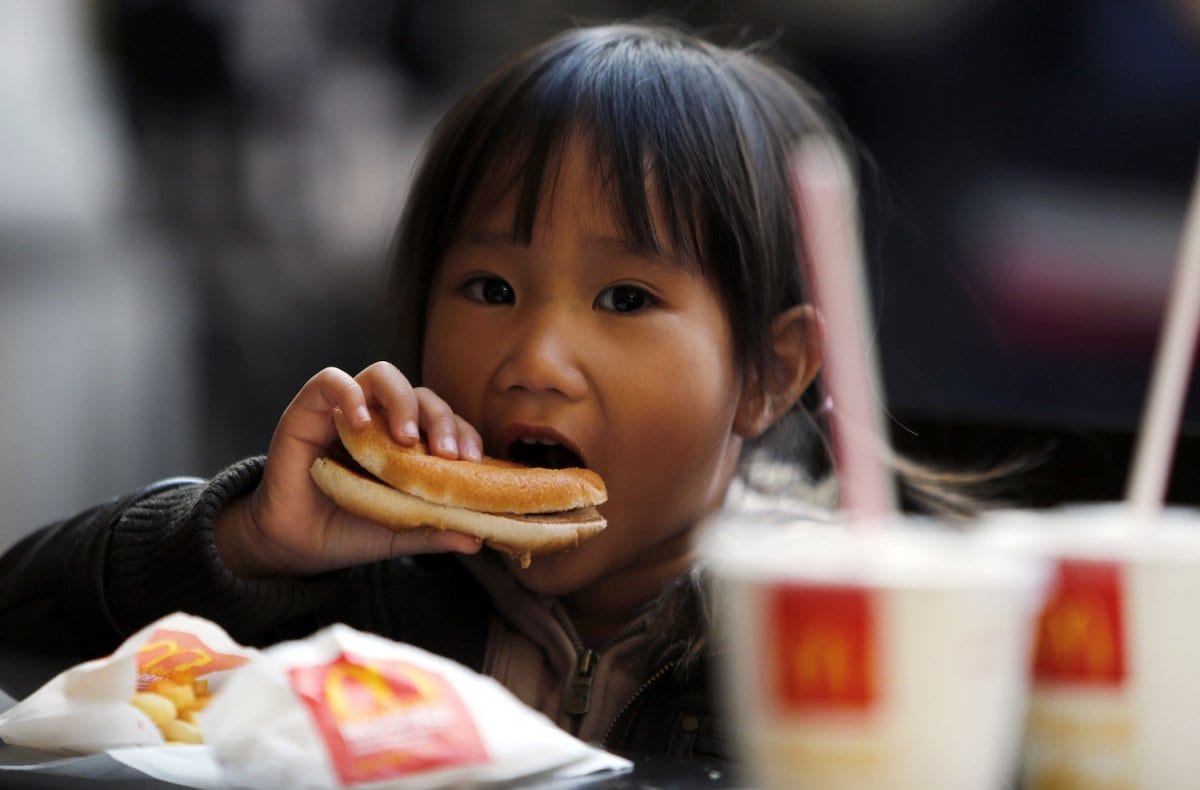
  • McDonald’s challenging US market mitigated by international sales

    McDonald’s challenging US market mitigated by international sales

    Strong international sales ensured respectable McDonald’s results in the latest quarter as the fast-food giant encountered challenges in its core US market. Global sales slipped 3 per cent in the three months to December, to US$5.16 billion, although this was largely due to currency translations, without which sales would have been flat. While the company did not break out Asian performance, it said international same-store revenue rose 5.2 per cent.

    Same-store sales in the US rose 2.3 per cent, primarily due to increased prices, given foot traffic in stores fell by 2.2 per cent. Global visitor numbers crept up by a mere 0.2 per cent.

    Breakfast remains its most challenging category, with the chain struggling to attract diners in the mornings. While that mealtime accounts for about a quarter of its total sales, the breakfast market is experiencing fierce competition among rival chains.

    “We’re doing well with average check growth but we really want the customer to come back and more often,” CEO Steve Easterbrook said in an investor presentation about the McDonald’s results.

    He said McDonald’s is trying to recover breakfast customers by trialling different price promotions, launching localised advertising campaigns and improving the drive-through service.

    More stores, more kiosks

    Globally, McDonald’s plans to open a net 750 new stores this year. It will also speed up the rollout of its digital touchscreen ordering systems. Easterbrook says stores with self-ordering kiosks were achieving higher sales than those without.

    Commenting on the McDonald’s results, Neil Saunders, MD of GlobalData Retail, said the kiosks and order-by-app services need to be rolled out faster.

    “This isn’t just a case of installing and implementing the technology, it is about getting customers to actually use it. Consumers need to be given more incentives to use the new ways of ordering, especially mobile, as many still shun the technology,” said Saunders.

    “Longer term, more automation in the kitchen is also critical – something that will be particularly beneficial now McDonald’s menu options are more varied and complex.”

    Saunders described the latest McDonald’s results as “reasonable”. But he said a 6.7 per cent decline in operating income suggests that McDonald’s is having to work harder for much slimmer rewards.

    “In our view, this does not sit well with the increasing complexity and higher levels of capital expenditure the company is introducing into the business.”

    Saunders believes McDonald’s is on the right track. “However, this year will be a more challenging year than last and it will be a balancing act between keeping both customers and franchisees happy.”

  • Who visited Korea in 2018?

    Who visited Korea in 2018?

    Chinese visitor arrivals in South Korea rose 14.9 percent year-on-year in 2018 to 4,789,512, according to new Korea Tourism Organization figures. Chinese arrivals in December 2018 rose 25.2 percent year-on-year. The results confirm a sustained recovery in Chinese tourism from March 2018 as Korean-Chinese relationships improved in the wake of the THAAD anti-missile system dispute that had devastated Chinese tourism for the previous year.

    For the first two months of 2018 Chinese arrivals slumped 43.7 percent, heavily influencing the year-end result.

    However, the 2018 performance was still far short of pre-THAAD levels. In 2016, 8,067,722 Chinese visited South Korea, 68 percent more than the 2018 tally and a 46.8 percent share of total arrivals, compared to last year’s 31.2 percent.

    Japanese market buoyant but political concerns rise

    The Japanese tourism market was buoyant in 2018, rising 27.6 percent to 2,948,527, a 19.2 percent share of arrivals. December saw a 33.5 percent rise year-on-year.

    The combination of concerted Japanese visitor growth and a strong yen has been reflected in increased duty free spending. A report by The Korea Herald said that January 2019 sales to Japanese consumers at Lotte Duty Free’s flagship store in Myeong-dong, Seoul (the country’s biggest travel retail door) had surged 31 percent year-on-year, compared to 15 percent for all nationalities.

    The same report said that Shinsegae Duty Free’s Myeong-dong store posted a 53 percent rise in sales to Japanese shoppers during the same period, while overall turnover at the flagship fell 1 percent.

    But prospects for a continued boom in Japanese tourism may be marred by a worsening political dispute, this time between South Korea and Japan. A military row began on 20 December following an encounter between a Japanese plane and a South Korean destroyer.

    The Japanese claimed that the South Korean warship aimed its fire-control radar at the aircraft while the Koreans contend that the ship was rescuing a North Korean ship drifting in international waters.

    Several more ‘fly-buy’ incidents since then have escalated tensions, leading to fears that the row could “snowball into crisis”, as CNN wrote.

    Departures of Korean nationals (along with Chinese and Japanese the key components of the Korean travel retail industry consumer mix) rose 8.3 percent year-on-year in 2018 to 28,695,983 and 3.8 percent in December to 2,495,279. The year ended much weaker than it began – five of the first six months saw double-digit increases, all of the final six months were under 6 percent.

  • Alibaba Group sales jumps high

    Alibaba Group sales jumps high

    Alibaba Group sales soared 41 per cent in the December quarter as its customer based neared 700 million. The Chinese company’s turnover for the three months reached US$17.057 billion and its net income attributable to shareholders $4.807 billion. “Our resilient operating and financial performance is a direct reflection of our persistent focus on better serving our growing base of nearly 700 million consumers across retail, digital entertainment and local consumer services,” said CEO Daniel Zhang. “Our growth is also driven by the power of Alibaba’s cloud and data technology that helps expedite the digital transformation of millions of enterprises.”

    Alibaba group sales from core commerce increased 40 per cent to $14.958 billion, while the cloud-computing division posted 84 per cent growth, turning over $962 million. The digital media and entertainment division achieved 20 per cent growth to reach $944 million.

    In a statement, Alibaba said its Taobao platform achieved “robust user growth and enhanced engagement”. Last December, its China retail marketplaces had 699 million mobile monthly average users, representing a quarterly net increase of 33 million. The annual active consumers on its China retail marketplaces was 636 million for the 12 months ended December 31, compared to 601 million for the 12 months ended September 30 last year, “reflecting successful user acquisition programs, such as referrals through the Alipay app”.

    More than 70 per cent of the increase in annual active consumers was from third-and-lower tier cities.

    Tmall thrives

    Alibaba said GMV on its Tmall business grew 29 per cent year on year in the December quarter, outpacing the industry.

    “This robust growth was driven by strength in the fast-moving consumer goods (FMCG), apparel and home furnishing categories,” the company said.

    During the quarter, Tmall signed up new brands to the platform including Valentino, Ermenegildo Zegna, Stuart Weitzman and Sergio Rossi which opened flagship stores and joined the Tmall Luxury Pavilion.

    Meanwhile, Alibaba’s proprietary grocery retail chain Freshippo (formerly Hema) continued to expand its footprint, “optimise its stores and introduce new initiatives that improve customer experience”. As of December 31, there were 109 self-operated Freshippo stores in China, primarily located in tier 1 and tier 2 cities, which continued to achieve “robust same-store sales growth” through the quarter.

    ‘Robust’ Lazada growth

    Alibaba’s Southeast Asian e-commerce platform Lazada achieved what the company described as “robust growth” in GMV. The company upgraded Lazada’s technology, which resulted in boosting the number of active users and achieved greater user engagement on Lazada’s mobile app.

    “We continue to invest resources to integrate Lazada’s business and technology operations into Alibaba with the aim of building a strong foundation for us to extend our offerings in Southeast Asia.”

  • China’s Trendy Group buys the Denham Group

    China’s Trendy Group buys the Denham Group

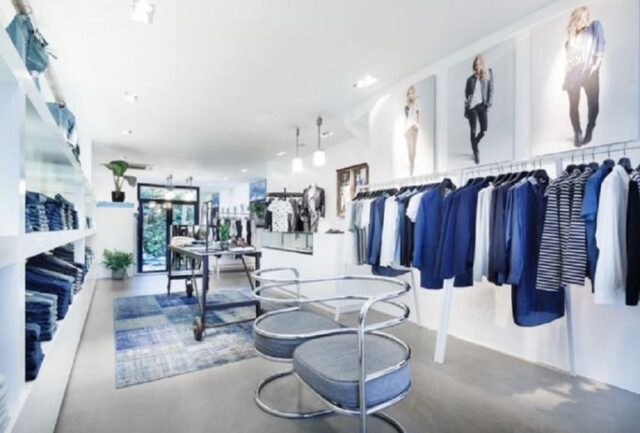
    Dutch denim company Denham Group has a new major shareholder, according to reports in the Netherlands, with China’s Trendy Group named the official buyer. The parent company of denim label Denham the Jeanmaker, Denham Group was snapped up by Trendy from Amsterdam-based investment firm Amlon Capital for an undisclosed amount.

    Denham’s current chief creative officer Jason Denham will remain in the top design spot, following the acquisition, and will remain a shareholder, Trendy said in a press release.

    However, Ludo Onnink, CEO at Denham Group, will depart the company his post, with Andre Chen, senior vice president at Trendy Group, to succeed him.

    Denham Group

    Trendy views the Denham Group acquisition as an opportunity to nurture and expand the Denham brand in current markets such as China, via the production of new items.

    Denham Group and Trendy are familiar allies. Back in March 2017, the companies announced a joint venture to further expand the European denim brand in China, resulting in the opening of 16 retail stores in key cities in Chin. Now, there are plans to further grow the business in the coming years as a result of the acquisition.

    “We see many opportunities to grow the Denham business in the existing markets but also as the most influential denim player in the future,” said Chen.

    “This will not only be achieved by extending our jeans business, but also by adding additional product categories.”

    Founded in 2008 in Amsterdam by Jason Denham, Denham retails in some 20 cities including its local Amsterdam, as well as nearby Antwerp and Hamburg. As for Asia, it is present in Tokyo, Osaka, Shanghai and Seoul.

    In wholesale terms, the label is has global partners and is available for purchase via its namesake online store. The Denham is also headquartered in Amsterdam, with sub-offices in Düsseldorf, Shanghai and Tokyo.

    Launching in 1999, China’s Trendy Group is today a global fashion and denim mecca with a stable that includes fashion brands form the Italian house Sixty Group: Miss Sixty, Killah and Energie.

  • Pronovias enters China with Shanghai store opening

    Pronovias enters China with Shanghai store opening

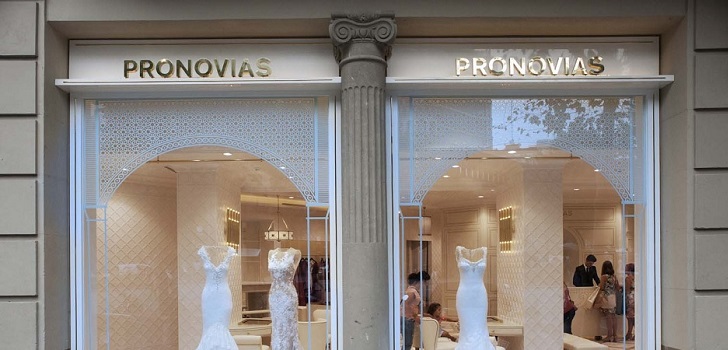
    Spanish bridalwear firm Pronovias has launched its first Chinese location in Shanghai. The 500sqm store is opening in luxury shopping centre Plaza 66, which hosts a range of high-end brands including Chanel and Dior. The move sparks off a greater strategy for the region, in which the Shanghai location will serve as Pronovias’s flagship.

    The brand was founded by BC Partners explicitly to tackle the difficult Chinese and American markets. China is the world’s largest producer of wedding dresses, and local custom is often to hire rather than buy the dress.

    The firm is simultaneously moving to expand in the US, with eight openings planned for the American East Coast.

  • Starbucks China sales grow – with a but

    Starbucks China sales grow – with a but

    Net revenues for Starbucks China and Asia-Pacific region soared 45 per cent in the first quarter to US$1.2 billion. While a change of ownership in the East China business at the end of the first quarter of the previous year boosted the figure, the company says the opening of a net 1010 stores during the 12 months – a 13 per cent increase in the network – and a 3 per cent increase in same-store sales also played a part.

    First-quarter Starbucks China operating income rose 13 per cent to US$225.1 million, from $196.8 million. But the company’s operating margin declined 530 basis points to 18 per cent, primarily due to the impact of the East China ownership change.

    CEO Kevin Johnson said the company delivered solid operating results in the first quarter, demonstrating continued momentum in the business, as it drives a growth-at-scale agenda “with focus and discipline”.

    “Comprehensive efforts to streamline our business have allowed us to focus on three key strategic initiatives that position Starbucks for long-term success: accelerating growth in our targeted markets of the US and China, expanding the global reach of the Starbucks brand through our Global Coffee Alliance with Nestle, and increasing shareholder returns.

    “Combined with our efforts to build and amplify the Starbucks brand, we expect these initiatives will position the company to drive predictable, sustainable growth and shareholder returns for years to come,” concluded Johnson.

    In the 13-week first quarter, which ended December 30, global comparable-store sales increased 4 per cent, driven by a 3 per cent increase in the average sale. Americas and US comparable-store sales increased 4 per cent, with transaction numbers flat.

    China-Asia-Pacific comparable-store sales increased 3 per cent, including 1 per cent transaction growth, with China comparable-store sales up 1 per cent, but the number of transactions down 2 per cent.