Tag: coffee

  • Malaysia’s Zus Coffee to make international debut in the Philippines

    Malaysia’s Zus Coffee to make international debut in the Philippines

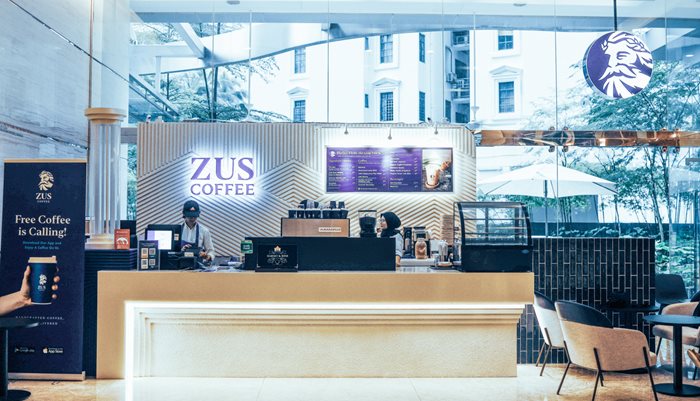
    Malaysia’s ZUS Coffee is set to make its international debut this month with an outlet in Quezon City, the Philippines. The technology-focused coffee chain opened its first store in Binjai in late 2019 and now operates approximately 290 stores across Malaysia.

    In a LinkedIn post, Chief Operating Officer Venon Tian said ZUS Coffee plans to open six outlets in the Philippines by the end of 2023.

    ZUS Coffee’s international debut in the Philippines has been on the cards since March 2023, when Filipino restaurant group Choi Garden Restaurant Company acquired a 35% stake in the coffee chain.

    Speaking at the signing of the agreement, Choi Garden’s Chief Operating Officer Janica Lao said: “ZUS Coffee’s growth in Malaysia has been very quick in the last three years and they are incredibly determined in serving the local Malaysian market with localized flavors. We believe that they will do the same thing in the Philippines market.”

    ZUS Coffee is the latest Asian coffee chain to seek expansion in the Philippines this year as competition between Southeast Asia’s coffee chains heats up. Japanese boutique café group % Arabica relaunched in the Philippines in July 2023, 18 months after closing its three stores in the country. The Manila outlet is expected to preclude the launch of a % Arabica roastery in the Filipino capital before the end of the year.

    The following month, fast-food group Jollibee Foods Corporation (JFC) formed a joint venture company with Singapore-based Food Collective Pte. Ltd. (FCPL) to launch Common Man Coffee Roasters in the Philippines. The first site of the partnership, which also includes a deal to bring Tiong Bahru Bakery to the country, is set to open within the next few months.

    Meanwhile, Malaysia’s Berjaya Food is set to open the first Paris Baguette store in the Philippines in the fourth quarter of 2023, with five outlets expected within the next 12 months. Berjaya Food previously brought the South Korean bakery café chain to Malaysia in January 2023.

  • Gentle Monster’s cafe brand expands in South Korea

    Gentle Monster’s cafe brand expands in South Korea

    Luxury companies are becoming serious about the restaurant business here as a way to maintain their posh image and continue to attract attention from young, trend-savvy consumers, according to industry officials, Tuesday.

    Italian high-end luxury fashion house Gucci has opened Gucci Osteria restaurant in Itaewon, Seoul, where it serves dishes cooked by a Michelin three-star chef. A burger costs 27,000 won ($18.91) and a course menu ranges from 120,000 won to 170,000 won there. Despite its high prices, reservations for the restaurant were sold out four minutes after it opened.

    French luxury firm Louis Vuitton also opened a pop-up restaurant called Pierre Sang at Louis Vuitton for just one month in May and it was fully booked as soon as reservations opened up. Global K-pop band BTS member J-Hope’s visit to the restaurant also played a key role in making it into one of the hottest places in Seoul.

    With this momentum, in September, Louis Vuitton opened a second pop-up restaurant in the posh district of Cheongdam-dong, Seoul. Despite most of its prices being in the 300,000-won range, it was fully booked as soon as it opened and people are now selling their reserved times to make a profit.

    Swiss luxury watchmaker Breitling introduced a restaurant and a coffee shop together with its brand shop, which opened early this year. The company expressed its luxury brand image in its food and beverages and has grabbed the attention of watch fans.

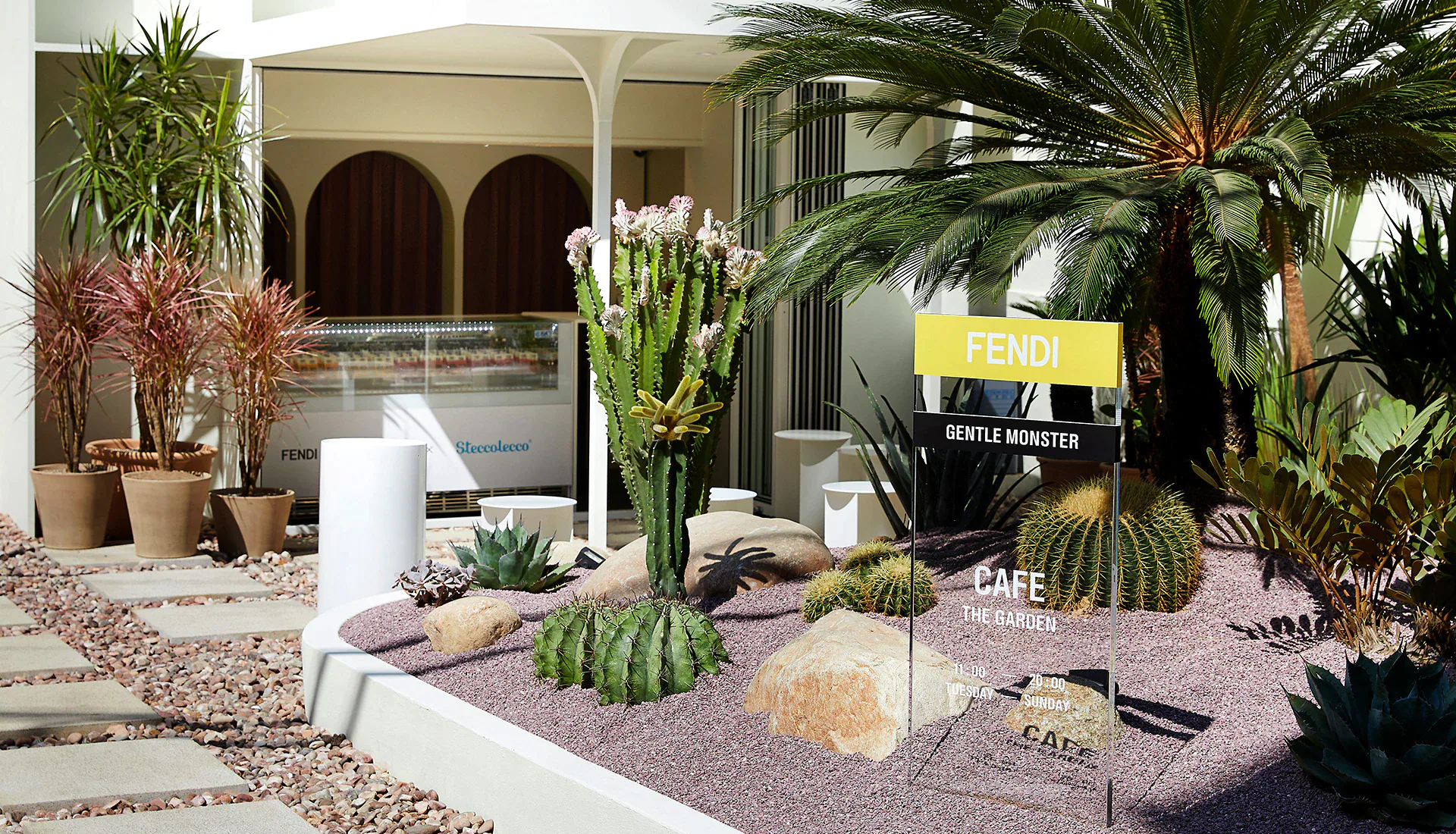
    Korean popular eyewear brand Gentle Monster did not fall behind the trend, opening dessert cafe Nudake at its flagship store in Apgujeong, Seoul, where it has attracted dessert lovers from across the country.

    The COVID-19 pandemic has pushed luxury brands to promote its fashion items in digital space, which turned out to be successful among not only among those in their 20s and 30s, but also those in their 60s and 70s.

    Amid this major paradigm shift, luxury brands have begun investing to offer experiences of their brands in various ways. However, companies have also learned that there is a limit for customers to experience fully their brand identities and products online.

    Thus, top-tier firms have begun opening restaurants and coffee shops. It costs less for customers to experience the luxury brands through food and desserts, compared to purchasing a handbag or clothing at a boutique. Such visits to restaurants are temporary but customers can experience the brand with their five senses without spending tens of millions of won.

    In short, opening a restaurant and coffee shop can lower the entry barrier for customers to experience luxury brands. This strategy has been proven with young customers of Korea’s MZ generation, millennials and Generation Z, who are emerging as a main consumer group of luxury goods.

    Luxury brands are strengthening their food and beverage (F&B) business because they want to expand their brand experience into the lifestyle sector. Companies can show their brand value and identity through a new gourmet field.

    “Luxury brands running restaurants and coffee shops focus more on the brand experience than its profitability. Food and beverages leave a strong impression for consumers and they naturally lead to creating bonds with the brand. In another words, this is good marketing strategy to build customers’ loyalty to luxury brands,” a luxury firm official said.

    Unlike restaurants in five-star hotels, luxury brand stores offer various consumer experiences through architecture, interior design and the cutlery items used at their restaurants.

    “As an extension of going to fashion shows, experiencing luxury brand restaurant cuisine provides opportunities for customers to experience the lifestyles of the upper class by eating the same food in the same spaces with them,” the official said.

  • Nespresso unveils limited-edition Pumpkin Spice Cake flavour

    Nespresso unveils limited-edition Pumpkin Spice Cake flavour

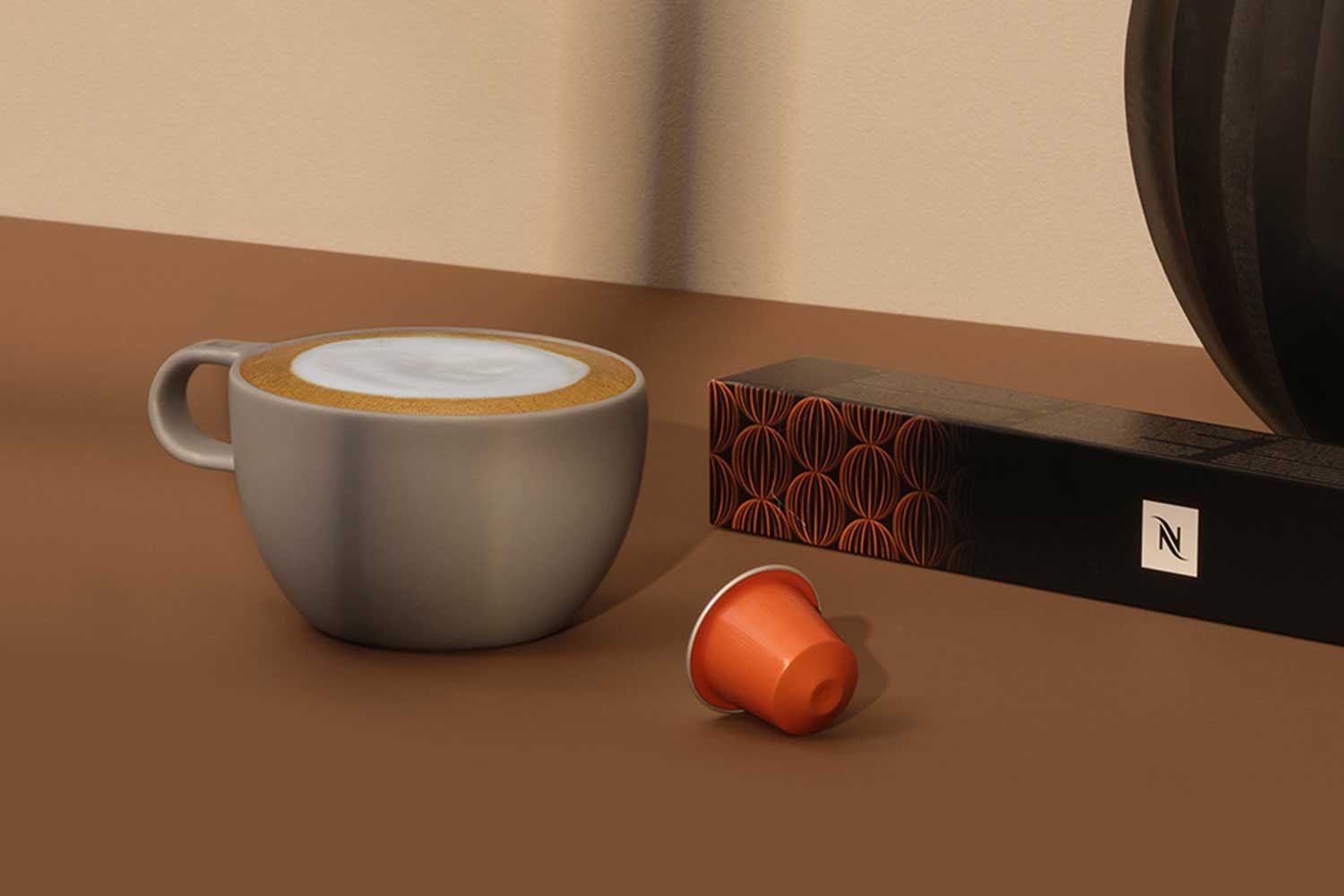
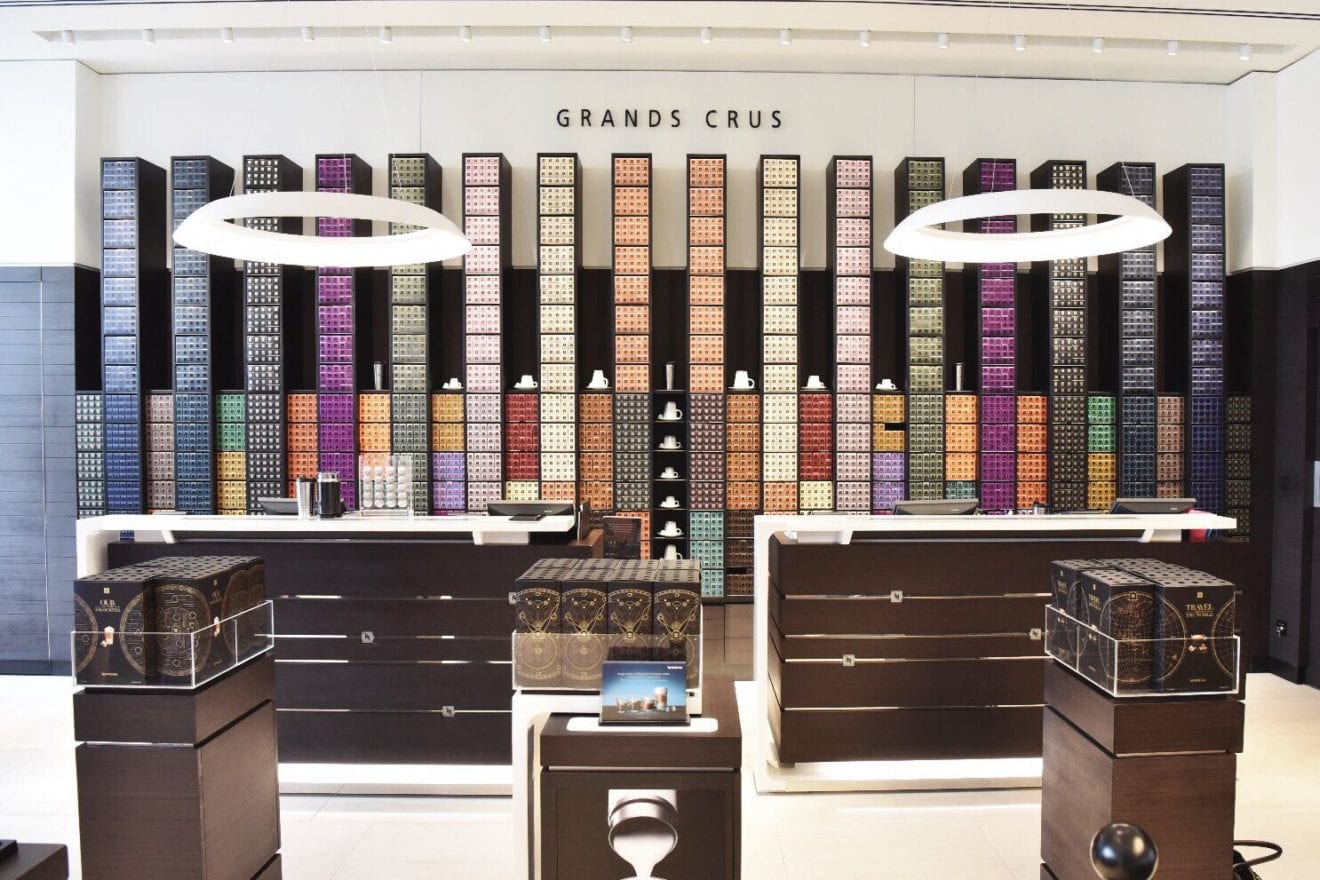
    Nespresso New Zealand has launched a seasonal limited-edition Pumpkin Spice Cake flavour for both Original and Vertuo machines.

    This limited-edition coffee boasts warm spice notes such as cloves, cinnamon, and cardamom. It is made from an Arabica blend of Latin American and African coffees and combines a sweet pumpkin flavour.

    With milk, the spice notes are softened for a sweeter and smoother coffee with buttery biscuit notes.

    The product is available online and at Nespresso Boutiques for $17.00 per sleeve of 10 Vertuo capsules and $14.00 per sleeve of 10 Original capsules.

  • Indonesian coffee brand Fore Coffee opens first store in Singapore

    Indonesian coffee brand Fore Coffee opens first store in Singapore

    Fore Coffee, the herald of Indonesian coffee culture, is proud to announce its highly anticipated entry into the Singaporean coffee scene – launching its first store in Singapore on November 9, 2023, at Bugis Junction. With a journey spanning over five years of unwavering commitment to excellence, Fore Coffee has risen to prominence as a prominent player in Indonesia’s coffee landscape, boasting an impressive network of 150 stores across the nation by September 2023.

    Fore Coffee, as the torchbearer of Indonesian coffee culture in Singapore, offers not just a cup of coffee, but a gateway to an inspiring everyday life. Founded in 2018, Fore Coffee has emerged as a powerhouse in Indonesia’s coffee industry, marked by its dedication to quality and innovation. The brand’s success lies in its adept use of cutting-edge technology, from tools to its mobile app, combined with skillful bean blending techniques.

    With a resolute commitment to sourcing highly curated coffee beans directly from Indonesian farmers in regions like Aceh Gayo, Toraja, West Java, and Bali, Fore Coffee’s beans undergo a meticulous roasting and preparation process before being expertly crafted by their baristas. This commitment to authenticity extends to their signature coffee blends that promise to redefine Singapore’s coffee culture in the ‘Indonesian way.’

    Fore Coffee’s narrative is one of craftsmanship, tradition, and community spirit. With a reverence for Indonesian soil, the brand meticulously curates exceptional coffee beans that honor the flavors unique to each region. This journey embodies sustainability and supports local farming communities. The brand’s skilled baristas harness the potential of Indonesian coffee beans to craft flavours that are truly unique. Every cup reflects a commitment to excellence, sustainability, and elevating the coffee experience to an art form.

    Fore Coffee’s business journey has been marked by profitability since 2021 in Indonesia, even amidst pandemic challenges. The brand has successfully expanded into tier 2 and tier 3 cities, showcasing resilience and adaptability. Backed by an impressive funding from renowned investors including East Ventures, SMDV, Pavilion Capital, Agaeti Venture Capital, Insignia Ventures Partners, and several angel investors, Fore Coffee’s growth is fueled by its exceptional performance.

    Vico Lomar, Co-Founder & CEO, Fore Coffee said, “Fore Coffee’s brand positioning and menu reflect its role as an ambassador of Indonesian coffee culture in Singapore. The brand’s signature coffee blends, crafted with a deep understanding of the discerning Singaporean palate, redefine the local coffee landscape through an Indonesian lens.”

    The Singaporean coffee market presents a compelling opportunity for Fore Coffee’s entry. According to research conducted in June 2023 in collaboration with Redseer, a strategy consultant, the Singapore coffee market is projected to grow at a CAGR of 5%, reaching 1,286 USD million by 2027. Singaporeans’ strong affinity for coffee, averaging 6-7 cups per week, aligns perfectly with Fore Coffee’s mission. The brand recognizes the mature coffee market in Singapore, combined with a love for Indonesian beans, particularly Arabica. With an understanding of local preferences and a commitment to innovation, Fore Coffee is poised to flourish in Singapore’s coffee landscape.

    Fore Coffee’s expansion into Singapore is centred around its exceptional signature beverages. From the beloved Gula Aren Latte to the Pandan Latte and innovative Butterscotch Sea-Salt Latte, these creations are meticulously curated to resonate with local preferences.

    Drawing insights from Flavor Group Discussions (FGDs), Fore Coffee is tailoring a selection of 16 key SKUs to capture the essence of Singaporean coffee culture. By adhering to local nutritions preferences, Fore Coffee empowers individuals to enjoy their drinks consciously, promoting healthier individual choices with varying sugar levels and diary options. Fore Coffee’s irresistible coffee offerings start at just S$4.5, ensuring affordability and accessibility for coffee enthusiasts across Singapore.

  • Costa Coffee enters Japan with three stores planned to open

    Costa Coffee enters Japan with three stores planned to open

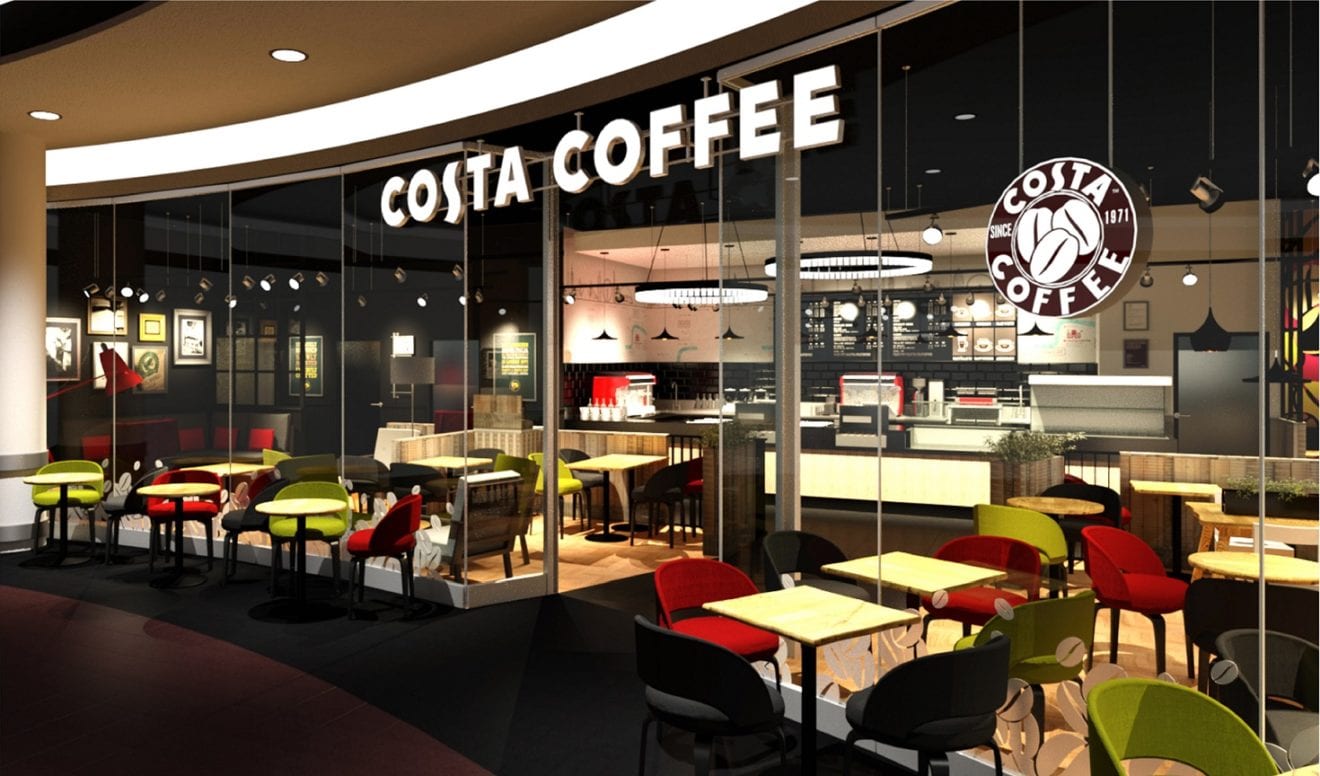
    UK coffee chain Costa Coffee has expanded its presence into Japan under a joint venture dubbed Sojitz Royal Cafe between Sojitz Corporation and Royal Holdings.

    The chain’s first location in Japan was launched in the Shibuya district, featuring the brand’s signature design that uses Costa Red and Costa Pink accents. The store opening will be followed by the brand’s second store in Otemachi in September and its flagship store’s launch in Ginza the following month.

    Sojitz Royal Cafe, established in January, acquired the exclusive franchise rights of Costa Coffee in Japan earlier this year.

    Founded in London by Italian brothers Sergio and Bruno Costa in 1971, Costa Coffee has more than 4000 stores across 45 countries.

    Further reading, Japan’s % Arabica set for franchised European expansion in next year.

  • % Arabica returns to the Philippines

    % Arabica returns to the Philippines

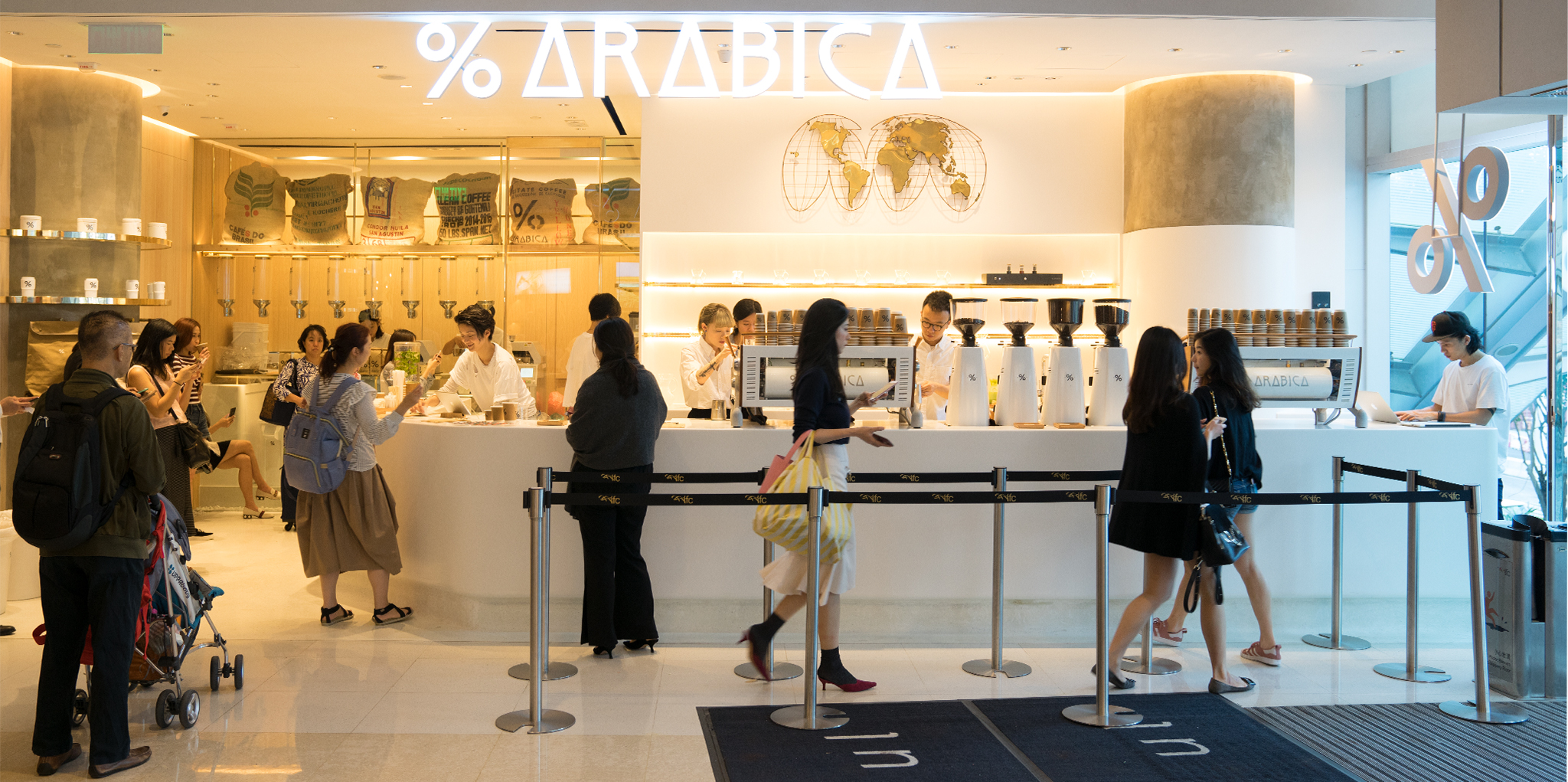
    Arabica PH returns! The Japanese coffee shop has announced that it will be back in the Philippines this year with upcoming new branches in Bonifacio Global City (BGC), Taguig City.

    In a Thursday, January 5 Instagram post, Arabica Journal – the global account of the brand – posted rendered layout images of the two new Philippine stores as a “sneak preview,” showing minimalist, modern interiors and the brand’s iconic percentage symbol logo.

    “Manila, we will restart our project this year with these stores. We cannot wait to serve our coffee from the world to you once again,” they said.

    Arabica PH reposted the images on Friday, January 6, with the caption: “MABUHAY PILIPINAS! We are coming back bigger and better!” The branches’ opening dates and exact locations have yet to be confirmed.

    The Philippine return of the independent coffee brand from Kyoto has been met with excitement from the brand’s former patrons, especially after three of Arabica PH’s branches suddenly closed with no warning in late January 2021. Even the brand’s Instagram page was suddenly no longer available, much to customers’ confusion and concern.

    A day later, it was announced that Arabica’s franchise period and contract with its Philippine partner had already ended, and a new partner would soon be in the picture. Before this, the Arabica Headquarters had already been experiencing “communication issues” with the Philippine franchise partners. On February 2, Arabica PH was back online once again, with a new Instagram account to boot.

    Arabica PH said then that expansion plans were already being discussed with new franchise partners, and the plans were not limited to just Metro Manila but would also include other Philippine regions.

    Arabica PH opened its first branch in Bonifacio Global City in Taguig City in 2018, followed by a second BGC branch and another at The Podium in Mandaluyong City. The brand currently has 140 stores worldwide, and advocates a “simple love for coffee and design.”

    Arabica PH’s former partners since 2017, mother-daughter duo Allue and Dr. San San Hortaleza, built a new “proudly Filipino” coffee brand called Angkan Coffee, which has branches in BGC, The Podium, and a soon-to-open one in Capitol Commons.

  • UK coffee chain EL&N launches in Malaysia

    UK coffee chain EL&N launches in Malaysia

    London-based EL&N has made its first foray into Asia with a store at the Pavilion shopping centre in Kuala Lumpur, Malaysia.

    The site, which features indoor and terraced seating, is the boutique café chain’s 30th globally and its second market entry in the last two months following its Bahraini debut in Amman in June 2023.

    EL&N currently operates 15 outlets across Europe, 12 of which are in its native market, and 14 across the Middle East, primarily in Saudi Arabia.

    “We are so thrilled to finally be opening our first outlet in Malaysia, Kuala Lumpur. Today marks the first EL&N in Asia and myself and the team are so proud and excited to be bringing the brand to such an incredible part of the world. The store location is an absolute dream come true for us and we are so confident that our Malaysian clientele are going to love everything we have on offer, from the unique interior design moments to our fusion of European dishes with some localised twists,” said Alexandra Miller, Founder EL&N.

    Pavilion Kuala Lumpur features more than 700 retail units, with its food and beverage offer including several boutique café operators.

    Japanese specialty café group % Arabica, Taiwanese chain HWC Coffee and Hong Kong-based The Coffee Academïcs all operate in the shopping centre, alongside Italian coffee roaster illycaffé. US coffee chains Starbucks and The Coffee Bean & Tea Leaf both operate two stores at the mall.

    Indonesian value-focused chain Kopi Kenangan and South Korean bakery café chain Paris Baguette also made their Malaysian debuts at Pavilion Kuala Lumpur, joining domestic boutique brands Dome Café, Artelier Coffee and Tom&Danny.

    EL&N, which is also expected to open outlets in India soon via a franchise partnership with Reliance Brands, is the latest international brand to launch or announce its upcoming entry in Malaysia.

    In July 2023, Indonesian specialty coffee roaster and café chain Tanamera Coffee opened its first Malaysian store in Kuala Lumpur, while Moroccan café chain Bacha Coffee announced it will debut in the southeast Asian country at the Suria KLCC shopping centre in the capital city.

    Additionally, Saudi Arabian coffee chain Barn’s has partnered with Premier Fine Foods to open stores in Kuala Lumpur as part of plans to reach 300 outlets across southeast Asia by 2033.

    World Coffee Portal research forecasts the total Malaysian branded coffee shop market will exceed 2,700 outlets by 2025.

  • Nespresso appoints Stefan Vermeulen as new Oceania MD

    Nespresso appoints Stefan Vermeulen as new Oceania MD

    Nespresso has announced that Stefan Vermeulen, currently Managing Director for Nespresso New Zealand, will succeed Jean-Marc Dragoli as Managing Director of Nespresso Oceania.

    Mr Vermeulen brings a wealth of brand knowledge and local experience, having held leadership roles within Nespresso for more than 12 years, including three leading the team in NZ and four as Head of Nespresso Australia’s Professional business.

    Mr Dragoli will now step into the position of Global Head of Nespresso Authorised Brands, based in Switzerland, after four years growing the Oceania business from Australia.

    Under Mr Dragoli’s leadership, Nespresso says the market has benefitted from the launch of many new product innovations and services. His prioritisation of local sustainability initiatives has also helped the business deliver on its B Corp commitments and broader purpose of using coffee as a “force for good”.

    Mr Vermeulen, too, has driven strong growth for the business in NZ with the successful launch of the Vertuo system to market in 2021, the expansion of Nespresso’s coffee range, and local sustainability initiatives.

    Sharing his vision for the business in 2023 and beyond, Mr Vermeulen says: “We truly believe that coffee can be a force for good for people, communities and planet and the more we drive sustainable growth, the more we can have a positive impact as a brand and organisation through the entire value chain.

    “For Australians and New Zealanders, coffee plays such an important role in their lives so delivering exceptional coffee experiences based on an obsession for uncompromised in cup quality is paramount.

    “Nespresso often leans into and learns from the rich coffee culture and behaviours of this market to drive innovation for the benefit of customers around the world, which we saw with the launch of the Original Line Creatista machine in partnership with Breville.

    “There are more exciting innovations to come this year alone, particularly within our Vertuo system, that will reimagine how coffee can be enjoyed at home and in the workplace in the region.

    “Sustainability will also remain at the core of our strategy, as we explore new ways to engage more consumers with our recycling program and introduce initiatives that will help us on our journey towards net zero and improve as a B Corp.”

    Mr Vermeulen will start his new role from 1 July.

  • Malaysian coffee chain OldTown White Coffee enters The Philippines

    Malaysian coffee chain OldTown White Coffee enters The Philippines

    The Philippines becomes OldTown White Coffee’s fourth international market, after Singapore, Indonesia and Hong Kong, with the coffee chain also targeting further outlet growth across Malaysia in the second half of 2023

    The Ipoh-based coffee chain, which has approximately 200 outlets across Malaysia, joins The Coffee Bean & Tea Leaf, CoCo Fresh Tea & Juice, Tealive and Wouldulike Specialty Coffee at the shopping centre. In January 2023, OldTown White Coffee announced plans to open 50 new outlets across Malaysia this year, targeting growth in the country’s northern and eastern suburban regions. The coffee chain also has stores in Singapore, Indonesia and Hong Kong.

    OldTown White Coffee, which also manufactures and distributes packaged instant coffee products to supermarkets across southeast Asia, was acquired by JDE Peet’s for $361m in 2017.

    World Coffee Portal research forecasts the Filipino branded coffee shop market will exceed 2,000 outlets by 2025.

    OldTown White Coffee is the latest branded coffee chain to enter the Philippines in the last 12 months, with Paris-based boutique café group Café Kitsuné and South Korea’s value-focused Paik’s Coffee among those to debut in the country.

    Japan’s % Arabica has also announced it will relaunch in the Philippines this year with two stores in Manila’s Bonifacio Global City financial business district.

    Further demonstrating opportunities for branded coffee chains in the Philippines, in April 2023 domestic start-up Pickup Coffee raised more than $26m to scale its value-focused coffee shop concept.

  • Starbucks Coffee Korea seeks new ventures amid sales slowdown

    Starbucks Coffee Korea seeks new ventures amid sales slowdown

    Starbucks Coffee Korea, which experienced a slowdown in sales growth last year, is seeking new ventures to secure a fresh growth engine.

    The company held a board meeting in late March and revised its articles of association to include 65 additional business purposes, according to industry sources.

    Among the newly added business purposes are electric vehicle charging services, construction, property development and supply, real estate leasing and management, and the operation of golf courses and ski resorts.

    Regarding electric vehicle charging, Starbucks collaborated with Mercedes-Benz Korea to open a charging station at its its The Bukhan riverR outlet in January.

    The company has also expanded its business scope to include lunch box and prepared meal manufacturing, wholesale of processed foods related to its existing business, as well as industrial robot manufacturing and biologic agent manufacturing.

    Furthermore, various types of franchise businesses have been introduced. As of late March, Starbucks Coffee Korea operated all of its 1,813 stores under direct management.

    This photo by Mercedes-Benz Korea shows a electric vehicle charging station at Starbucks Coffee Korea’s The Bukhan riverR outlet.

    This initiative aims to explore diverse new businesses in response to the sales growth slowdown.

    In the previous year, Starbucks Coffee Korea recorded sales of 2.59 trillion won (US$1.94 billion), representing an 8.7 percent increase yearly.

    This growth rate was more than 50 percent lower than the average annual sales growth rate observed from 2012 to 2021.

    The company’s operating profits in 2022 decreased by 48.8 percent to 122.4 billion won, with estimated net profits of 99.3 billion won, down 51.7 percent year on year.

    The poor performance of the previous year can be partly attributed to the recall of giveaway picnic bags due to the detection of harmful substances.

    According to the company, the one-off recall-related expense amounted to 44.4 billion won, which accounted for 38 percent of the decline in its operating profits.

  • Starbucks profits beat on China recovery

    Starbucks profits beat on China recovery

    Starbucks Corp beat Wall Street estimates on Tuesday for quarterly profits, powered by a sharp recovery in business in China, but shares fell about 6% in after-hours trading after the company did not lift its 2023 guidance.

    With most of China’s COVID-19 curbs now scrapped, consumer mobility and spending in the region bounced back sharply in March.

    Even so, some analysts had expected China sales to remain in the red after tumbling 29% the previous quarter.

    Instead, the world’s largest coffeehouse chain posted a 3% rise in China comparable sales in its second quarter ended April 2, helping boost international sales 7%, more than double the 2.94% increase of the average analyst’s estimate, according to Refinitiv data.

    While the China recovery was better than the company expected, growth in average weekly sales there will be at a more moderate pace in the second half, Chief Financial Officer Rachel Ruggeri said during an earnings call.

    “We’ve already seen it start to moderate,” she said, noting uncertainty about consumer behavior and international travel. “So when we consider all of that, when we look at our guidance for the full year, we believe reaffirming our guidance allows us to continue to convey the momentum, but also for the confidence we have while still navigating a rather uncertain environment globally.”

    Restaurant shares broadly have outperformed the S&P 500 Index this year, and McDonald’s Corp and others reported a strong quarter.

    Some Starbucks investors may have taken profits after Starbucks’ stock jumped 16% in the past five weeks with “a pretty big run” into the earnings report.

    Globally, Seattle-based Starbucks’ comparable sales climbed 11%, trouncing analysts’ expectation of a 7.36% rise.

    According to the earnings release, customers visited more often and spent more per trip. Starbucks earned 74 cents per share, excluding one-time items, beating estimates of 65 cents.

    Starbucks, whose customers are typically younger, wealthier and relatively unfazed by inflation, has doubled down on its cold and customizable beverages, boosting traffic in the U.S. and driving a 12% jump in comparable store sales in its North American market.

    According to its earnings release, the chain also keeps adding customers to its rewards program, which now has 30.8 million active members in the United States, up 15% over this time last year.

    And it is building more cafes, adding 100 net new stores in North America and more than 360 internationally.

  • Chinese cafe chain Mellower Coffee exits Vietnam

    Chinese cafe chain Mellower Coffee exits Vietnam

    Café owner Liu Houjun gained a little online fame with his unique coffee brewing bravura. Formerly the director of a listed company, the coffee lover, in his 50s, decided to quit his job and open a coffee shop to develop innovative blends.

    “Different regions in the world all have their own ways of making a cup of coffee with local characteristics. I figured maybe we, as Chinese, could also invent our own unique coffee extraction method,” Liu said. And invent he did. After slowly adding water to the ground coffee powder, he puts the container into a pressure cooker filled with water and boils it extensively to complete the extraction.

    He explained that this process leaves the coffee with a smoother and lighter taste, much to the palate of many customers, contributing to the shop’s 70 percent returning customer rate. Apart from his special coffee-brewing technique, Liu has fashioned a range of innovative coffee products, like espresso made with the help of yogurt and rice wine.

    “I hope more of these Chinese-style coffee varieties can reap some worldwide recognition,” Liu said.

    According to YiMagazine, a financial media outlet in China, Shanghai currently has about 7,000 coffee shops, excluding coffee services in convenience stores and fast-food restaurants, ranking first nationwide—or even worldwide. The number of coffee hangouts per 10,000 people in Shanghai is 2.85, similar to that in London, the UK, New York, the U.S., and Tokyo, Japan.

    Major chains like Starbucks and Costa Coffee account for 35 percent of total coffeehouses in Shanghai, the report added. Luckin Coffee, one of China’s largest coffee chains established in 2017, quickly expanded by weaving some marketing magic combining expedient delivery service and discounts.

    “Many people believe it was Luckin that showed Chinese customers who had been less familiar with coffee the ropes, lifting the entire market to its next level,” said Zhang Mingzhu, General Manager of Mellower Coffee, a Chinese specialty coffee company.

    To attract more customers, many café proprietors are seeking state-of-the-art suggestions to give their place that little extra pizzazz. Coffee is mixed with more commonly spotted ingredients sitting next to a traditional Chinese meal, like soybean milk, tangerine peel, or even Moutai, a prominent brand of distilled Chinese liquor. Among the innovations, latte with sweet-scented osmanthus, the aromatic flower that is native to China and prized for its intoxicating, apricot-like scent, proved most popular, with more than 60,000 searches on Dianping.com, a Chinese restaurant review site, in 2021 alone. The search term “Chinese-style coffee” was entered over 280,000 times.

    According to another Dianping.com report released in December 2021, specialty coffee, often called quality coffee, is gaining popularity among customers in Shanghai. The term refers to coffee that has scored over 80 points on a 100-point scale by the Specialty Coffee Association of America.

    The group aged between 20 and 40 is the main consumers of this coffee type in Shanghai, with women accounting for 60 percent. Compared with 2019, the proportion of student consumers in the past year has increased by nearly 2.4 times. They usually opt for a boutique coffee shop to study, socialize, or take a break. People over the age of 50, too, have become more curious about and fond of specialty coffee. Compared with 2020, this group’s orders have increased by nearly 143 percent.

    “The quality of coffee beans is not the only customer focus; the ways of brewing and extraction, as well as the uniqueness and creative designs of coffee shops, all play a vital part,” said Zhang Xueqiang, Chairman of the Coffee Professional Committee of the Shanghai Food Industry Association, adding that Shanghai specialty coffee is entering a golden age of development.

    Shanghai-based entrepreneur Wu Yue told Beijing Review that in the past, he would invite potential business partners to a restaurant to talk shop; they might even go out for some drinks after. “But today, I usually take my prospective business partner to a coffee or tea shop, as it is healthier and more efficient. I’ll take a date there as well,” 28-year-old Wu said.

    Ample supply

    Many coffee shops in Shanghai flourish on an ample supply of coffee beans from Yunnan Province. One such example is Mellower Coffee, established in 2011 in Kunming, capital of Yunnan, and now headquartered in Shanghai, with chain stores in other parts of China, as well as in Singapore and the Republic of Korea. Yunnan is the largest coffee-growing province in China and, for years, the province’s yield has accounted for more than 98 percent of the country’s total. According to the Yunnan provincial department of agriculture and rural affairs, 131,000 tons of coffee beans were produced in the province in 2020.

    Pu’er City is one of Mellower Coffee’s main sources of coffee beans aside from other places in major coffee-producing regions like Ethiopia, Kenya, Colombia and Guatemala. The city’s coffee plantation area, output and value ranked No.1 in the nation in 2021. And it’s also a famous tea-growing area.

    Yunnan’s coffee history dates back to the 1950s, when scientists began researching planting there. The year 1988 was the starting point for Yunnan coffee to make its mark beyond China, when the local government launched a coffee assistance project, assisted by the United Nations Development Program and the World Bank. Swiss food and beverage giant Nestlé introduced new bean varieties and smart production technologies to Pu’er, and other places, transforming Yunnan into a global golden belt for its coffee cultivation.

    Coffee grows in semi-tropical climates with an average temperature of 20 to 27 degrees Celsius and abundant rainfall, making Pu’er the perfect candidate.

    However, Yunnan coffee was considered a relatively mediocre variety in the past as its quality fluctuated due to inexperienced production, unexpected bad weather occurrences and insect plagues, according to Hua Runmei, a coffee entrepreneur in Pu’er.

    A price drop further dampened the incentive to improve its quality. “With the development of the global coffee market, mechanization and large-scale production and processing in Brazil, Viet Nam and other countries, the price of traditional commercial coffee beans has gradually fallen, making it less profitable for farmers,” she said.

    Hua can recall her grandfather and parents growing coffee beans for a living ever since she was little. “Though they were cultivating it, farmers of their generations never actually tried the coffee, let alone study it and see how to improve the taste, which is vital in market competition,” Hua said. She added that the younger generation today can open up more possibilities for coffee plantation by transforming it, developing specialty varieties and adopting digital technology throughout the entire process, rendering product quality high and unwavering.

    Hua is currently preparing to launch her own brand, creating more coffee-related products and contributing her share to making quality Pu’er coffee known across the globe.
  • The Coffee House operator continues to rake up losses

    The Coffee House operator continues to rake up losses

    Seedcom, which owns The Coffee House and fashion store chain June, has reported a 14.5% increase in losses to VND270 billion ($11.5 million) last year.

    However, revenues rose by 60% thanks to increasing contributions by its fashion and supermarket chains, according to its consolidated financial results.

    Since the onset of the Covid pandemic, it has made losses for three straight years.

    Seedcom chairman Nguyen Hoanh Tien said that last year’s losses were inevitable because the company expanded its retail networks.

    “High-interest rates, rising rents, and increased costs of raw materials and logistics strongly affected the profit margin of the retail industry.”

    Last year Seedcom’s liabilities decreased by 16% to VND1.2 trillion. This year it redeemed bonds worth nearly VND250 billion.

    It owns delivery companies AhaMove and Giao Hang Nhanh, fashion brands WeStyle, Juno and Hnoss, online retail platform Haravan, and restaurant management solutions provider iPOS.

  • Luckin Coffee to make Southeast Asia debut in Singapore this month

    Luckin Coffee to make Southeast Asia debut in Singapore this month

    Luckin Coffee, the once-troubled Chinese coffee chain, is slated to open up locations in Singapore as early as this month.

    The development follows the coffee chain’s job postings earlier this year looking for store managers in the city-state. It also aims to fill marketing, project management, and engineering roles.

    The firm also previously told Chinese media that it was conducting preliminary testing in Singapore and reiterated its core focus in its home country.

    Luckin Coffee was once considered China’s answer to Starbucks. However the US Securities and Exchange Commission slapped the company with a US$180 million fine after it was revealed that the firm had misreported financial statements. It went into restructuring and emerged in April last year.

    In its most recent financial report, Luckin Coffee said it logged US$1.9 billion in total net revenue for its 2022 financial year. It has over 8,200 stores in China.

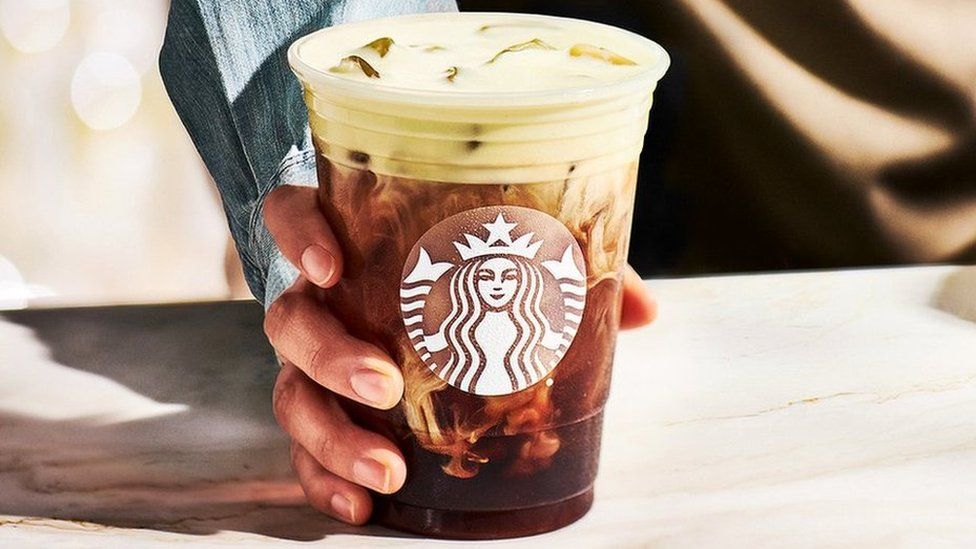
  • Starbucks Unveils Innovative Olive Oil Coffee Brew

    Starbucks Unveils Innovative Olive Oil Coffee Brew

    It’s no secret that Starbucks is constantly looking for ways to innovate and stay ahead of the competition. Recently, the global coffee giant has unveiled its newest innovation – an olive oil coffee brew. This new brew has taken the coffee world by storm and is gaining a lot of attention from coffee enthusiasts around the world.


    Starbucks is one of the world’s largest coffee chains, with over 30,000 locations in 80 countries. Founded in 1971, Starbucks is known for its high-quality coffee and innovative drinks. It is also known for its commitment to sustainability and ethical sourcing.

    The recent launch of Starbucks’ olive oil coffee brew has been met with excitement from coffee lovers around the world. This new brew is made with a combination of coffee and olive oil, creating a unique flavor that is completely different from traditional coffee.

    The combination of coffee and olive oil in Starbucks’ new brew provides a number of benefits. Firstly, it is packed with antioxidants, which can help protect your body from free radicals and reduce inflammation. Additionally, the olive oil adds a rich, buttery flavor to the coffee, which is sure to be a hit with coffee lovers.

    Furthermore, the combination of coffee and olive oil can help to increase energy levels and mental clarity. This makes it the perfect choice for those who need an extra boost throughout the day. Finally, the olive oil coffee brew is naturally low in calories, making it a healthier alternative to sugary coffee drinks.

    The olive oil coffee brew is completely different from traditional coffee. Firstly, it is made with high-quality, cold-pressed extra virgin olive oil. This adds a unique flavor and aroma to the brew that is unlike any other coffee.

    Secondly, the olive oil adds a rich, buttery texture to the coffee, which is sure to be a hit with coffee lovers. Finally, the olive oil coffee brew is naturally low in calories, making it a healthier alternative to sugary coffee drinks.

    starbucks plans to continue to expand the reach of its olive oil coffee brew. The company plans to open more locations that serve the olive oil brew and also plans to release additional flavors in the future. Additionally, Starbucks plans to use the olive oil brew as a way to introduce customers to other products, such as its cold brews, espresso drinks, and tea lattes.