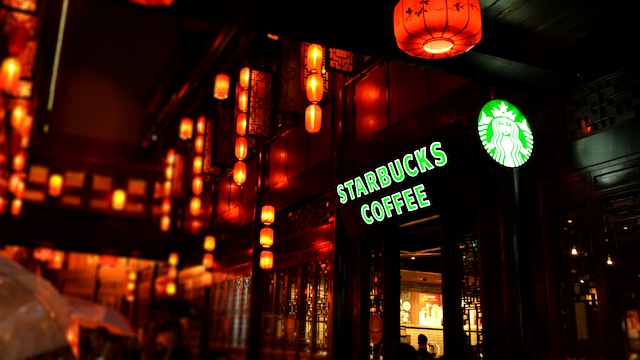
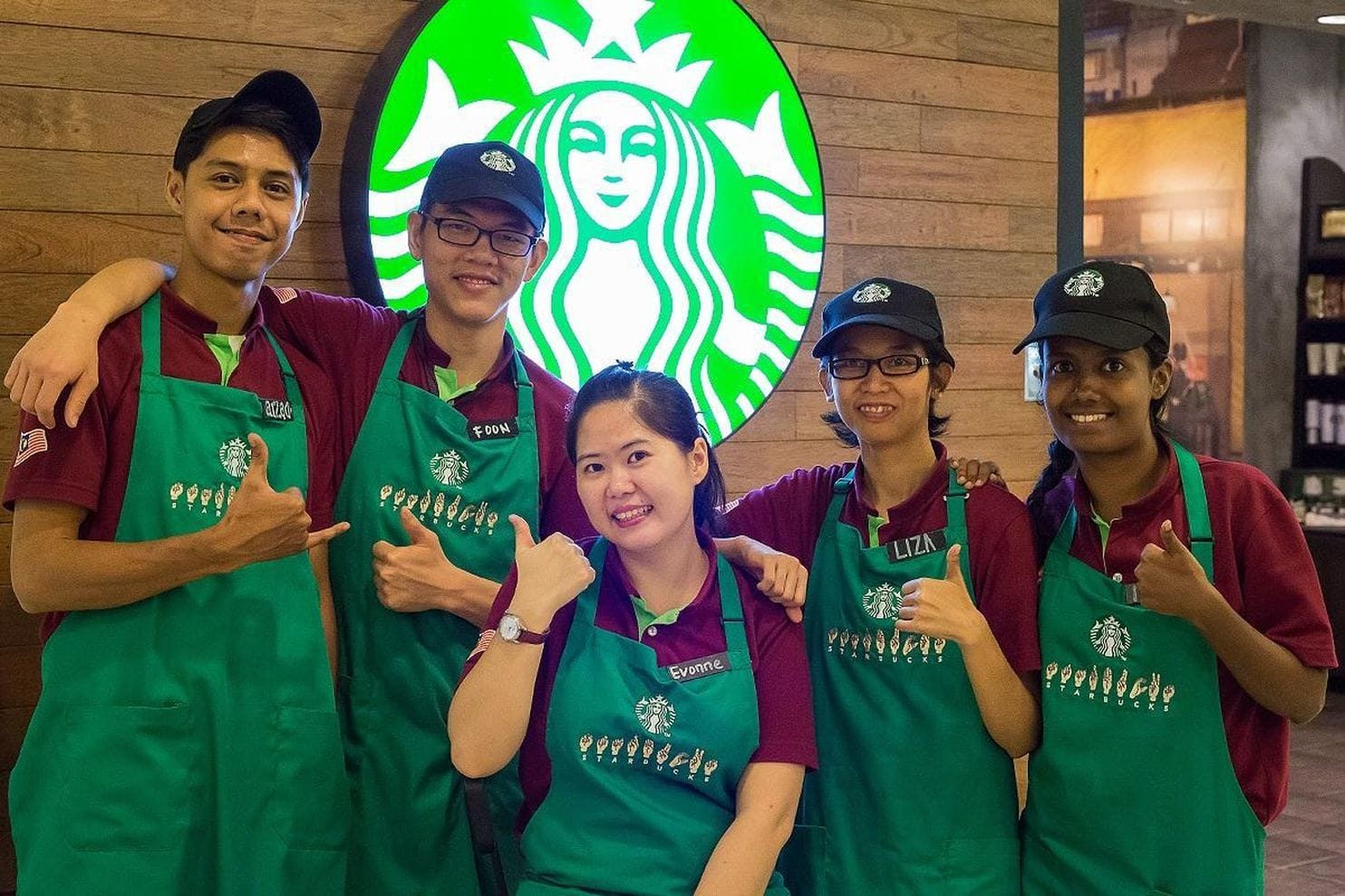
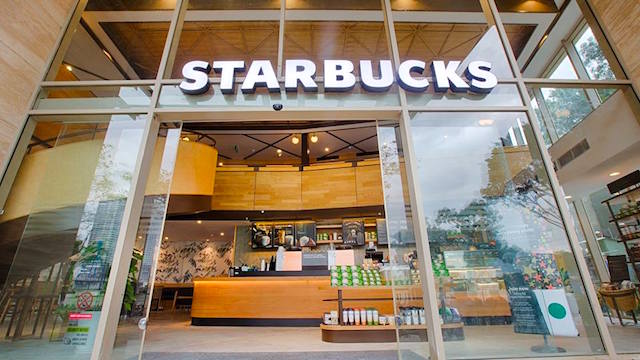
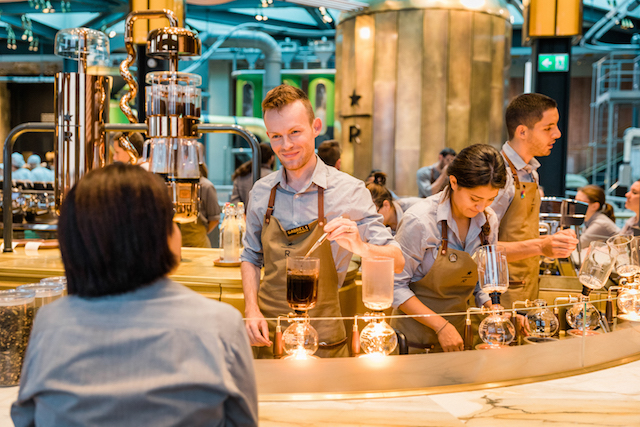
Starbucks is ramping up its expansion plan in the Asia Pacific region, revealing plans today to open 400 additional stores this year alone.
The expansion will include new cities and outside of major metropolitan areas in markets such as Thailand, Indonesia, Malaysia and the Philippines. In Laos, where it first opened its doors in November in the capital city of Vientiane, Starbucks also plans to open a new store this year.
The rollout plans exclude the company’s Chinese and Japanese operations.
Meanwhile, Starbucks plans to build on its existing portfolio of more than 300 stores in India by expanding into at least five new cities.
The company recorded an 8 percent growth in net new stores during the past year.
In South Korea, the US-headquartered coffee chain has introduced a 500sqm thrive-thru store in the business district of Gwangyang-si, marking its 5000th location in the region (excluding China and Japan).
“Our 5000th store in Asia Pacific is a drive-thru store that speaks both to the changing habits of our customers and of our determination to meet them where it is most convenient, while still offering the Starbucks connection,” said Emmy Kan, president of Starbucks Asia Pacific.
“We will continually enhance our store formats and innovate, not just to cater to changing customer behaviours, but also to fuel growth in the region.”
Starbucks doubled its number of drive-thru stores in the region in the last four years. The brand plans to open more than 100 locations this year.
Michael Conway, group president, of international and channel development for Starbucks, said the region achieved more than 20 per cent growth year on year as recovery continues.
“We are well positioned for further growth with our licensed business partners, who continue to elevate the Starbucks Experience across a range of innovative store formats.”
Last month, Starbucks launched its first community concept cafe in Taiwan in Xiulin Township with local operator Uni-Wonder Corporation.
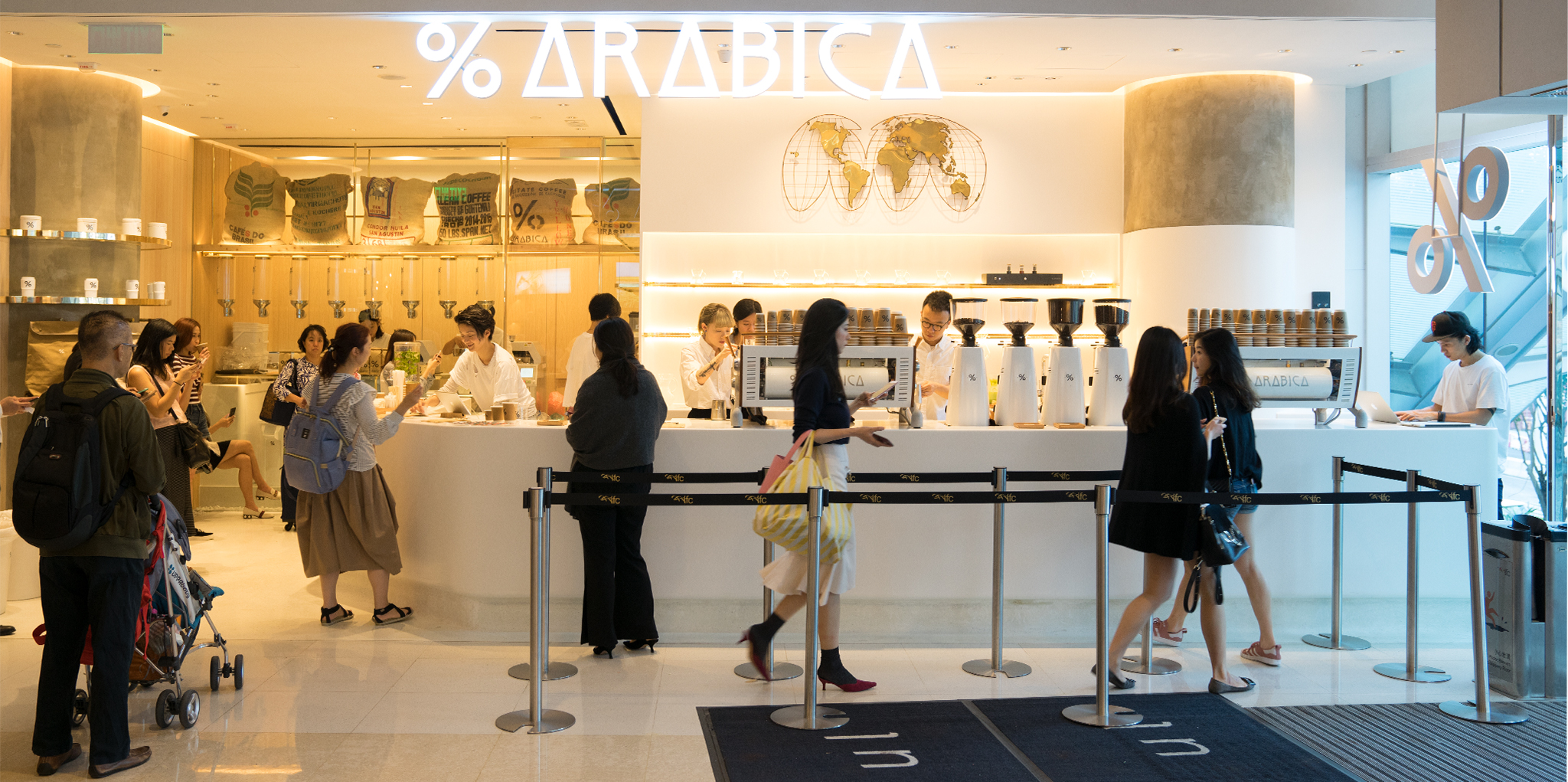
Boutique café group % Arabica is set to open its first outlet in Vietnam in collaboration with Hong Kong-based investment company The Kho Group.
Having mooted a Vietnamese debut in 2020, Kyoto-based % Arabica has confirmed it will open its first store in the country this month in Ho Chi Minh City’s popular Nguyen Hue ‘Café Apartments’ site.
The nine-storey building currently houses nearly 30 coffee shops, including Partea, The Maker Concept and The Letter Café, alongside fashion boutiques and other independent stores.
Vynce Nguyen, General Manager of The Kho Group, said % Arabica will offer consumers a new specialty coffee experience in Vietnam’s well-established out-of-home coffee market.
% Arabica plans to launch its second Vietnamese outlet in Ho Chi Minh City, at the Diamond Plaza shopping centre, and is exploring potential expansion in Hanoi, Hoi An and Phu Quoc.
The Nguyen Hue ‘Café Apartments’ store will be the Japanese coffee group’s 142nd globally with Vietnam its 20th market. The outlet precedes expected market entries in Spain, Mexico, Jordan and Egypt.% Arabica is also set to relaunch in the Philippines this year with two stores in Manila’s Bonifacio Global City financial business district, having exited the market in January 2022.
The Kho Group operates a portfolio of 19 brands across real estate, technology, finance and retail industries. While % Arabica marks the company’s first foray into food and beverage retail, The Kho Group also has investments in French winery Pont Des Arts and Hong Kongese food-tech company Future Salad.
Businesses serving food and drink in Hanoi and Hai Phong have seen a surge in consumers during the first few days of the Lunar New Year.
Many coffee shops in Hanoi closed on January 22, the first day of Tet, and started welcoming patrons again the following day.
Highlands Coffee, The Coffee House, Phuc Long, Starbucks and other coffee chains didn’t raise prices on Tet to entice people
Several smaller shops charge an extra VND5,000-VND10,000 (21 cents-43 cents) for each drink.
There has been a noticeable increase in the number of young people seen at downtown establishments since the Lunar New Year’s Eve.
Huong Mai, a resident of Hanoi’s Nam Tu Liem District, had to walk to a number of cafés on Ly Thuong Kiet Street at around 7 p.m. to find one with a table big enough for eight people.
“Most stores have a high volume of customers coming in and out at any given time,” said Mai. “The wait time for refreshments is also longer than usual.”
Not only do large coffee chains attract a huge number of customers, but so do a plethora of smaller, more affordable sidewalk cafés.
On the second day of Tet, Dang Hoang Viet of Hanoi’s Ha Dong District said he and his family ate grilled steak at an eatery on Cua Dong Street for VND750,000.
His family spends around VND650,000-VND700,000 on a normal day for a similar meal.
In northeastern Hai Phong City, the food court at Aeon Mall was also filled with patrons.
It took Quang Thanh, a local resident, over half an hour to find an available table on the first level of the shopping complex when he came at 6:30 p.m. on the second day of Tet.
When asked about Lunar New Year’s Eve dining, Thanh said: “It took me a long time to find a table, and it took the restaurant another half an hour to make and serve my food.”
On the first day of Lunar New Year, many eateries in Hai Phong stayed open late.
Nguyen Ngoc Anh, owner of a row of vermicelli and banyan cake shops on Le Lai Street in Hai Phong, says he has kept his shops open till the end of Tet in recent years to accommodate the growing number of customers who venture out to the city to see fireworks or visit temples. She says that this period has the potential to bring in more business than any other time of the year.
Starbucks plans to open its 100th store in Vietnam in the second quarter of this year, a decade after first coming to the country, and keep expanding further.
The U.S. chain now has 87 outlets in seven localities, 50 of them in Ho Chi Minh City.
It has over 800 staff and 200 coffee “masters” it has trained.
It is among the few foreign players to remain in the competitive Vietnamese market, but its number of stores is modest compared with some local chains such as Highlands Coffee (592 stores) and The Coffee House (154).
Its Vietnam general manager, Patricia Marques, told reporters Tuesday the chain sees new opportunities in localities such as Binh Duong and Quy Nhon provinces.
Vietnam is forecast to have 5,200 coffee chain storesin 2025, according to U.K.’s Allegra World Coffee Portal, which means huge competition for chains seeking to expand.
Already some chains are scaling down. Last month PhinDeli closed some stores at prime locations while food company KIDO divested from TTV, the operator of the Chuk beverage chain.
But on the other hand, Highlands and Phuc Long continued to open new outlets.
The Coffee House plans to reopen its Signature stores this year, while Passio Coffee, after 15 years of selling mostly takeaway products, is now opening at more locations and offering on-site services.
New players such as Katinat, Phe La and Cheese Coffee are also in the mix.
Finding a suitable location is also a challenge, Marques said, pointing out that while in Thailand property developers often seek partnerships with major brands before they start building malls, in Vietnam this is not the case.
Starbucks posted record global revenues of US$32.3 billion in financial year 2022 (ending October 3), a 11% growth.
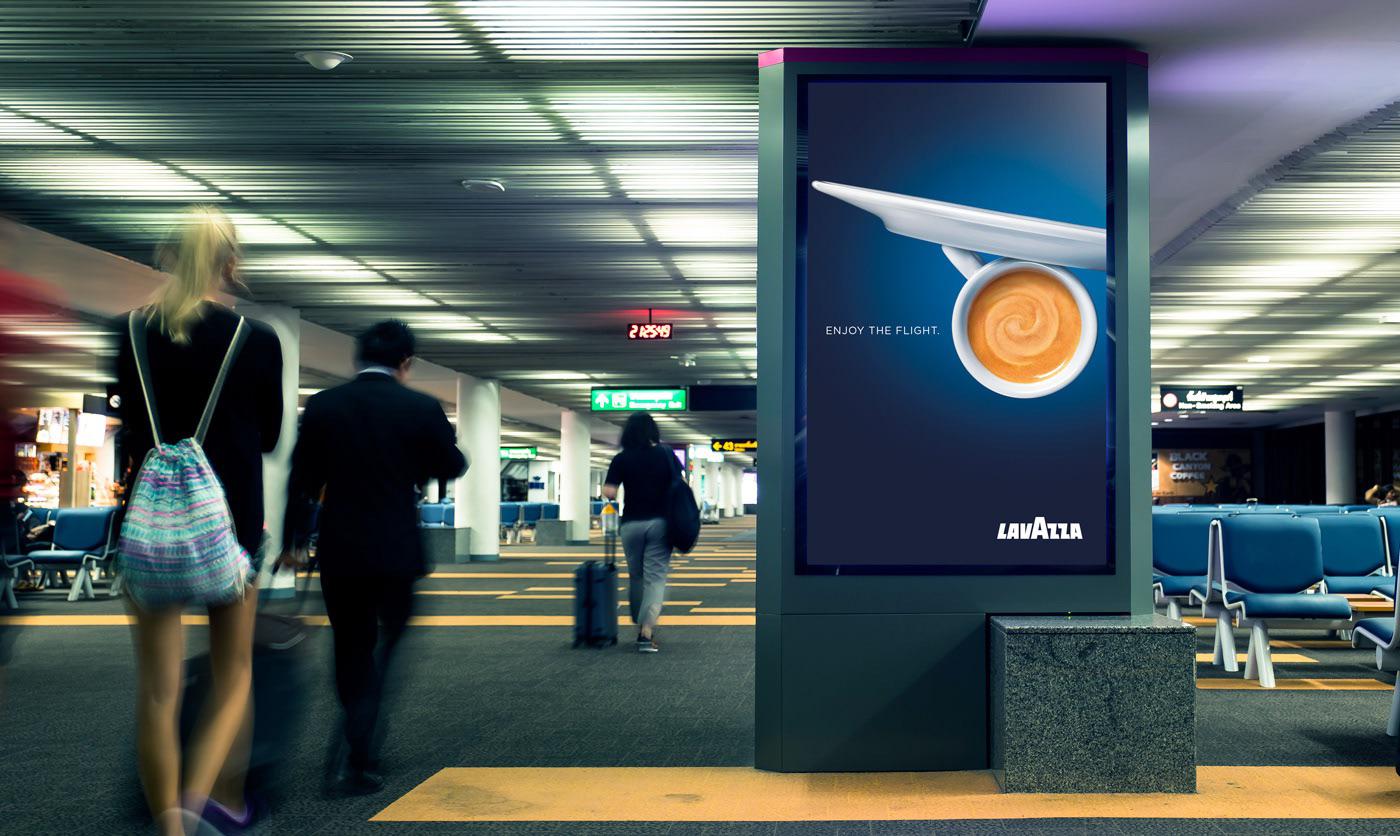
Italian major Lavazza has joined hands with private equity company Everstone Capital to reenter India’s retail landscape.
A franchise pact has been signed between Everstone and Lazazza to run the latter’s coffee outlets in India, according to a media report.
According to the report, both the companies have signed a deal several weeks ago. As part of the agreement, PE major Everstone will also sell also sell Lavazza coffee vending machines in India.
The US-based food chains Burger King and Subway are being operated by Everstone, and the coffee chain Lavazza would supplement its portfolio.
Burger King outlets have BK coffee shops, and Everstone intends to add Lavazza across its Subway stores.
Lavazza shuttered India operations citing mounting operational expenses several years ago. In a bid to focus on its profit making fresh & honest coffee brewing machine business, the Italian group sold Barista Coffee chain to Carnation Hospitality for Rs 100 crore in 2014. The company changed ownerships four times to turn the brand viable.
India’s coffee culture has brought in Canada’s Tim Hortons, which plans to open 100 outlets over the next four years, US-based Starbucks, which is a major coffee chain player in India, also runs 300 outlets across the county.
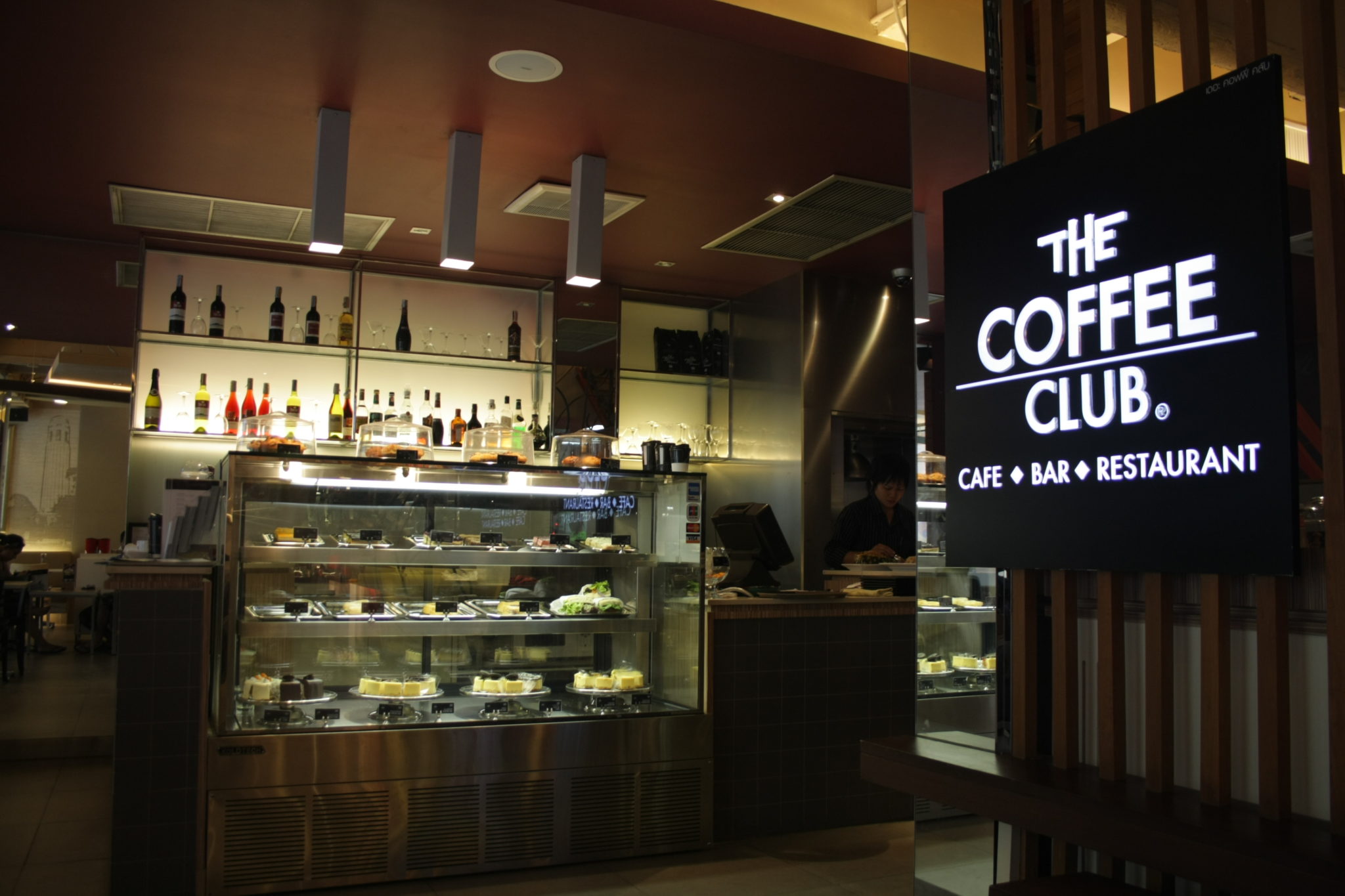
Australian coffee chain The Coffee Club will debut in India next year with new franchise partner CK Israni Group.
New Delhi-based conglomerate CK Israni said it will start opening stores next year and is targeting 100 The Coffee Club outlets in India by 2028.
“We are still figuring out whether it is going to start from Delhi or Mumbai. The Coffee Club is a mass market brand, and we will start rolling out stores from next year,” said Chandni Nath Israni, Co-Founder, CK Israni.
India has become a key growth market for many international coffee chains seeking to capture a share of increasing consumer demand for premium coffee and café experiences.
Starbucks and Costa Coffee have both achieved further outlet growth in India this year while Dunkin’ has commenced revamping its coffee menu and store design to attract younger consumers.
Additionally, Canadian coffee chain Tim Hortons will invest $37m to open 120 stores in the next three years with Indian licensee AG Café.
The Coffee Club opened its first store in Brisbane in 1989 and now operates over 400 stores across nine markets, including New Zealand, Saudi Arabia and the United Arab Emirates.
The Coffee Club is owned by Australian retail food brand franchisor Minor DKL Food Group, which also operates the Australian roaster and café brand Coffee Hit and specialty coffee roaster Veneziano.
CK Israni Group has predominantly operated in the real estate and infrastructure industries. However, the company also signed a franchise agreement with French bakery and confectionery brand Laduree in November 2020. It currently operates two Laduree outlets, with plans to reach 20 by 2025.
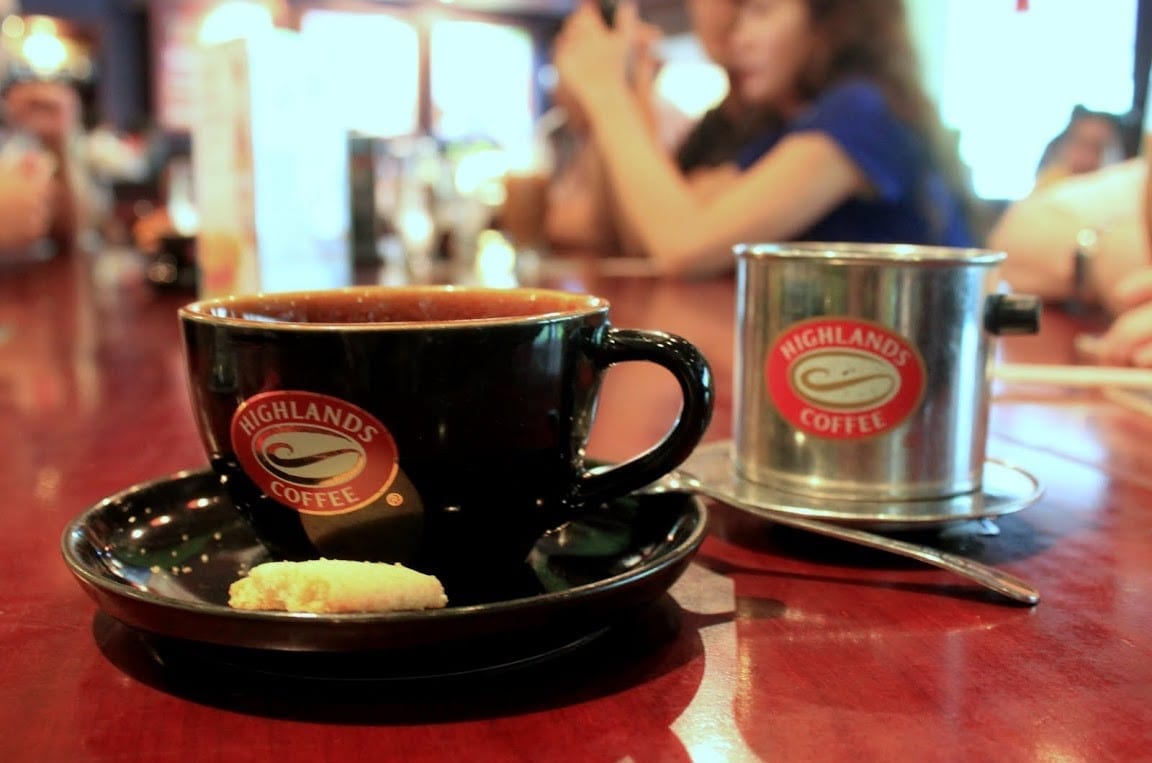
Jollibee Foods Corp, the biggest fast-food operator in the Philippines, is in advanced discussions to sell a minority stake in its Vietnamese coffee chain Highlands Coffee, two sources with knowledge of the matter told Reuters.
Jollibee, controlled by Philippine billionaire Tony Tan Caktiong, is considering a sale that could value the fast growing coffee chain at roughly $800 million, one of the sources said, declining to be named as the information is confidential.
The group is looking to sell 10% to 15% of its stake in Highlands Coffee to an investor, the source added, declining to name the party.
Jollibee declined to comment. Highlands Coffee did not respond to requests seeking comment on Tuesday.
Jollibee initially bought a small stake in Highlands Coffee a decade ago and then took a controlling interest. Highlands Coffee, which was established in 1999, began as a coffee products packager in Hanoi and has since grown to become a chain with more than 500 stores in Vietnam and the Philippines.
The sources said the stake sale, if successful, could eventually pave the way for an IPO of Highlands Coffee, a move that Jollibee has been considering since many years.
Vietnam, with a population of 99 million, is Asia’s fastest growing economy with gross domestic product seen expanding 8% this year and 6.5% next year, the government said last month.
A boom in coffee drinking has spawned big domestic brands in Southeast Asia. Last year, Indonesian coffee chain Kopi Kenangan was valued at more than $1 billion in a funding exercise.
Jollibee has been rapidly expanding overseas and especially across Southeast Asia, aiming to capture growing consumer spending in the region of some 680 million people.
Jollibee operates the largest food service network in the Philippines with more than 1,500 stores in 17 countries, including U.S. brand Coffee Bean & Tea Leaf and its own fast-food chain with the ubiquitous smiling bee logo.
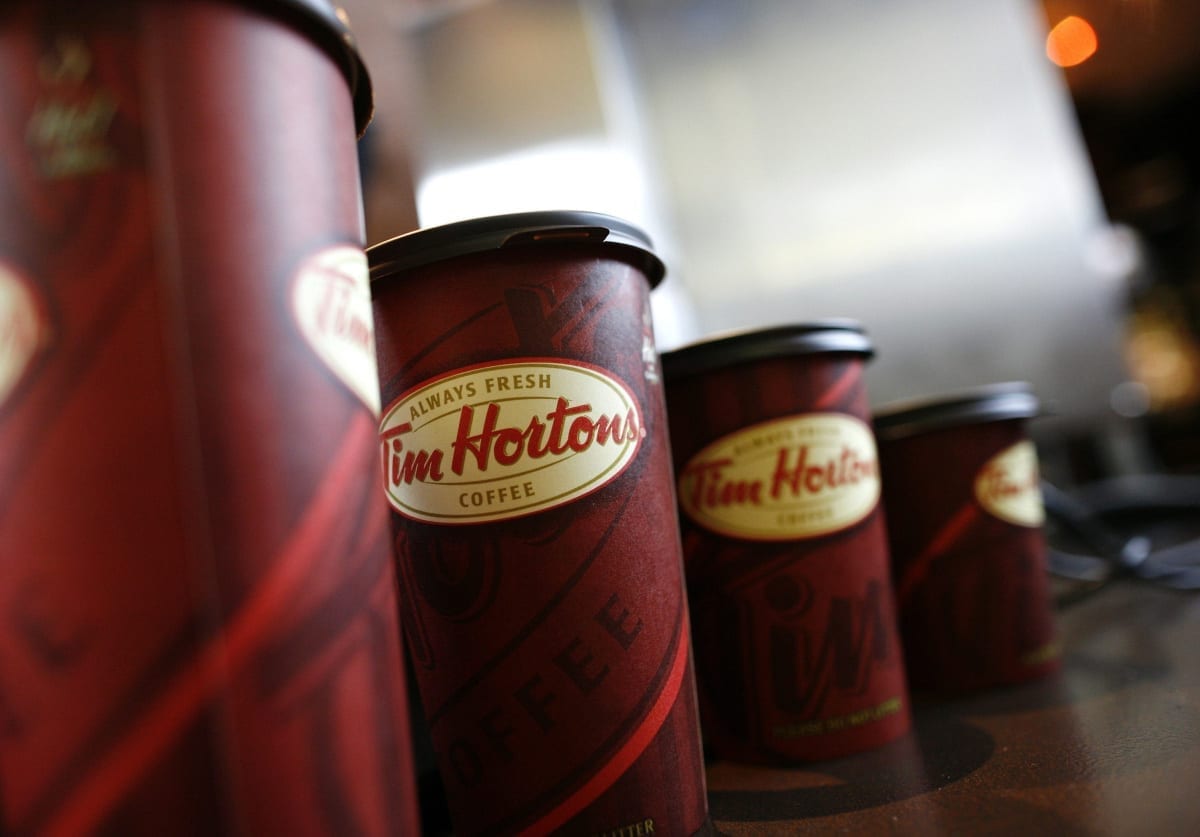
The operator of Canadian coffee chain Tim Hortons in China said on Thursday it had forged a two-year partnership with Alibaba Group’s grocery chain that will see the two launch co-branded products.
Freshippo will begin sales next month at its stores, of which it has more than 300, as well as through its official app, it said in a statement. Products will include drinks such as Velvet Cocoa Coffee.
Tims China, whose backers include Tencent Holdings, opened its 500th outlet in China last month and has set its sights on having a “profitable network” of 2,750 stores in the country by 2026.
Even so it would still lag Starbucks, the dominant foreign coffee brand in China with 6,000 stores and which also has a wide-ranging partnership with Alibaba.
Tims China was founded in 2019 by Cartesian Capital Group and Canada’s Restaurant Brands International, which also owns the Burger King and Popeyes brands in addition to Tim Hortons.
Seedcom, the operator of The Coffee House beverage chain and June fashion outlets, gained revenues of over VND1.5 trillion ($60.5 million) in the first 9 months, a 50% year-on-year surge, despite losses.
The company posted losses in the period, Seedcom CEO Nguyen Hoanh Tien said, not revealing the exact amount of loss.
It is expected to profit next year. “With big investments, firms under Seedcom are expected to see much improved financial results in the last months of this year,” he said.
Seedcom, established in 2014, also owns delivery companies AhaMove, Giao Hang Nhanh, and retail chain Kingfoodmart.
Of Seedcom’s total revenues in the first nine months, over 37% came from The Coffee House, more than 25% from the fashion group, and some 20% from Kingfoodmart.
Last year, Seedcom branched into finance by partnering with Thai bank Kvision to provide payment and loan services to small and medium companies, focusing on cashless finance.
It also sold the farming unit Cau Dat Farm, which grows and processes coffee, to Nova Consumer under NovaGroup to focus more on retail.
US coffee chain Starbucks has expanded its footprint into Laos under the partnership with its licensee Coffee Concepts, a subsidiary of Hong Kong-based Maxim’s Caterers.
The Laos launch marks Starbucks’ 84th market globally, “reaffirming the company’s long-term commitment to continued growth across Southeast Asia” the company said in a statement.
Coffee Concepts already operates more than 900 stores across Hong Kong, Macau, Vietnam, Cambodia, Singapore and Thailand.
The store’s interior design was inspired by the layers and symmetry of traditional Laotian architecture. The ceiling features “Siren-scale” wood tiles, mimicking the brand’s signature Siren emblem and the historical housing architecture in Laos. Ceiling tiles feature botanical wood, inspired by the country’s coffee plants and natural scenery. A hand-painted artwork of Siren created by a local artist is displayed on the store’s most prominent wall.
“We are committed to delivering the best experience to our new partners and customers in the market,” said Michael Wu, chairman and MD of Hong Kong Maxim’s Group.
Former executives of Luckin Coffee, Jenny Qian and Charles Lu, have introduced the first location of their new coffee venture Cotti.
Earlier this year, the coffee chain was reported to be registered with a capital of $100 million with Qian as the legal representative. Cotti’s management team include employees of Lu from Luckin Coffee and Chinese car rental companies UCar and Car Inc, reports Pandaily.
Cotti Coffee’s first store is located in Fuzhou, serving coffee and Italian desserts in the morning and meals and wine in the evening. The brand has also launched the ordering and food delivery feature on WeChat, offering more than 40 products with prices ranging from $2.48 to $4.41.
The coffee chain will introduce two store formats – a 50sqm mini store for takeaway and a larger standard footprint offering more of an in-store experience. Following the physical launch, Cotti Coffee will become the sponsor of Argentina’s national football team, serving co-branded drinks in China during next month’s World Cup.
Lu left Luckin Coffee after the $340 million fabricated sales scandal in 2020. The controversial coffee chain was delisted from Nasdaq soon after that. IiMedia Research estimated the Chinese coffee industry will maintain a growth rate of 27.2 per cent and reach $137 million in 2025.
Indonesian coffee chain Kopi Kenangan has launched its first store in Malaysia under the name Kenangan Coffee.
The store, which sells the brand’s exclusive coffee drinks, is situated in the Kuala Lumpur shopping centre Suria KLCC. This is a part of the company’s strategy for international growth, and co-founder and CEO Edward Tirtanata said Malaysia would have 100 new stores by the end of the first quarter of next year.
There are four locations under the construction including Sunway Pyramid, Pavilion KL, MyTown Cheras and NU Sentral KL. All will be launched at the end of this year.
According to Statista, Malaysia’s Coffee segment is expected to generate US$1.296 billion in revenue this year and the market is anticipated to increase by 7.28 per cent annually (CAGR 2022-2025).
Warm beverages such as tea and coffee have long been a part of the majority of Malaysians’ daily lives. The growth of global retail coffee companies like Starbucks and The Coffee Bean, The Tea Leaf, as well as regional coffee shop brands like OldTown White Coffee, can also be attributed to the rise in popularity of coffee among young people.
Tirtanata told local sources that Malaysia is the brand’s first international market due to its steady expansion in coffee culture, particularly the grab-and-go trends, and the similarities between Malaysians and Indonesians in terms of taste preferences and openness to trying new things
Kopi Kenangan is also eyeing to make a debut in three or four Asian markets in the future. Last year, the brand raised $96.1 million in a Series C funding round, helping its chain be valued at more than $1 billion.
Founded in 2017 by Edward Tirtanata, James Prananto and Cynthia Chaerunnisa, the F&B chain Kopi Kenangan operates 850 stores in 64 cities across Indonesia. It has increased the variety of its products by launching Kenangan Manis, Chigo, and Cerita Roti.
Starbucks India has opened its first flagship Reserve store in Mumbai, Maharashtra. The 5200sqm Starbucks Reserve Fort Mumbai sells beverages, food and Reserve merchandise, such as black and gold mugs and tumblers with the Starbucks Reserve trademark. The flagship is decorated with a contemporary colour scheme and a Starbucks Siren made by two local artists from Mumbai, Sonal Vasave and Makarand Narkar. Customers can scan the nearest QR code with their Instagram camera to view the painting.
The flagship is decorated with a contemporary colour scheme and a Starbucks Siren made by two local artists from Mumbai, Sonal Vasave and Makarand Narkar. Customers can scan the nearest QR code with their Instagram camera to view the painting in augmented reality (AR).
In addition, there is a Black Eagle espresso machine in the store and Starbucks says customers can experience the “most exquisite and rarest coffees” in the world, such as Bolivia Sol de la Mañana, Rwanda Sholi and Sumatra Kerinci.
In 2012, Starbucks made its debut in India as part of a collaboration with Tata Consumer Products. Tata Starbucks, a joint venture between two companies, now runs more than 300 locations nationwide and expanded into 14 new cities this year.
“For 10 years, Starbucks has been elevating coffee craftsmanship and bringing unique experiences to our customers in India,” said Tata Starbucks CEO Sushant Dash.
“We value the strong connections we have with our customers and will continue to innovate and develop to enhance India’s coffee culture. Starbucks Reserve is a selection of the rarest, most extraordinary coffees Starbucks has to offer, and transports customers and coffee aficionados to an immersive and personalised coffee journey.”
Tata Starbucks opened its first stores run entirely by women in 2020, with the goal of expanding opportunities for female partners. That program has grown to 15 locations throughout the country
Coffee may be a major casualty of a hotter planet. Even if currently declared commitments to reduce emissions are met, our new research suggests coffee production will still rapidly decline in countries accounting for 75% of the world’s Arabica coffee supply.
Arabica coffee is one of two main plant species we harvest coffee beans from. The plant evolved in the high-altitude tropics of Ethiopia, and is hypersensitive to changes in the climate.
Our research shows there are global warming thresholds beyond which Arabica coffee production plummets. This isn’t just bad news for coffee lovers – coffee is a multi-billion dollar industry supporting millions of farmers, most in developing countries.
If we manage to keep global warming below 2℃ this century, then producers responsible for most global Arabica supply will have more time to adapt. If we don’t, we could see crashes in Arabica productivity, interruptions to supply, and price hikes on our daily cup.
Most of our Arabica is grown in the tropics, throughout Latin America, Central and East Africa and parts of Asia. Brazil, Colombia and Ethiopia are the world’s top three producers of Arabica, and the crop has crucial social and economic importance elsewhere, too.
Millions of farmers, mostly in the developing world, depend on productive Arabica for their livelihood. If coffee productivity declines, the economic consequences for farmers, some of which do not earn a living income as it is, are dire.
Arabica coffee is typically most productive in cool high elevation tropical areas with a local annual temperature of 18-23℃. Higher temperatures and drier conditions invariably lead to declines in yield.
Last year, for example, one of the worst droughts in Brazil’s history saw coffee production there drop by around one-third, with global coffee prices spiking as a result.
Previous research has focused on how changes in temperature and rainfall affect coffee yields. While important, temperature and rainfall aren’t the best indicators of global Arabica coffee productivity. Instead, we found that it’s more effective to measure how dry and hot the air is, which we can do using “Vapour Pressure Deficit”.
Vapour pressure deficit tells us how much water gets sucked out of a plant. Think of when you walk outside on a hot, dry day and your lips dry and crack – the moisture is being sucked out of you because outside, the vapour pressure deficit is high. It’s the same for plants.
We built scientific models based on climate data that was linked to decades of coffee productivity data across the most important Arabica producing countries. We found once vapour pressure deficit gets to a critical point, then Arabica coffee yields fall sharply.
This critical point, we found, is 0.82 kilopascals (a unit of pressure, calculated from temperature and humidity). After this point, Arabica yields start falling fast – a loss of around 400 kilograms per hectare, which is 50% lower than the long-term global average.
Vapour pressure deficit thresholds have already been exceeded in Kenya, Mexico and Tanzania.
Unabated global warming will see the world’s coffee producing powerhouses at risk. If global warming temperatures increase from 2℃ to 3℃, then Peru, Honduras, Venezuela, Ethiopia, Nicaragua, Colombia and Brazil – together accounting for 81% of global supply – are much more likely to pass the vapour pressure deficit threshold.
While there are ways farmers and the coffee industry can adapt, the viability of applying these on a global scale is highly uncertain.
For example, irrigating coffee crops could be an option, but this costs money – money many coffee farmers in developing countries don’t have. What’s more, it may not always be effective as high vapour pressure deficits can still inflict damage, even in well-watered conditions.
Another option could be switching to other coffee species. But again, this is fraught. For example, robusta coffee (Coffea canephora) – the other main species of production coffee – is also sensitive to temperature rises. Others, such as Coffea stenophylla and Coffea liberica could be tested, but their production viability at large scales under climate change is unknown.
There is only so much adapting we can do. Our research provides further impetus, if we needed any, to cut net global greenhouse gas emissions.
Limiting global warming in accordance with the Paris Agreement is our best option to ensure we can all keep enjoying coffee. More importantly, keeping global warming below 2℃ is the best way to ensure the millions of vulnerable farmers who grow coffee globally have a livelihood that supports them and their families well into the future.
Starbucks Tuesday celebrated its 6,000th store in the Chinese mainland, located in downtown Shanghai. Shanghai thus became the first city in the world to have 1,000 Starbucks stores, Starbucks China said.
In 2018, Starbucks announced it would have 6,000 stores on the Chinese mainland by the end of its fiscal year in September 2022. The company achieved that as scheduled despite challenges, including the COVID-19 pandemic.
Starbucks opened its first store on the Chinese mainland in January 1999 in Beijing.
The number of Starbucks stores on the Chinese mainland has grown dramatically over the past decade and is expected to grow to 9,000 by 2025, creating 35,000 new jobs, according to the company’s strategic plan released recently. Starbucks China also revealed a plan to set up its first digital technology innovation center on the Chinese mainland over the coming three years.
A Starbucks coffee creative park in Kunshan, east China’s Jiangsu Province, is expected to be completed and start operating in the summer of 2023.
Starbucks Tuesday celebrated its 6,000th store in the Chinese mainland, located in downtown Shanghai.
Staff members work at a Starbucks store in downtown Shanghai, east China, Sept. 27, 2022. Starbucks Tuesday celebrated its 6,000th store in the Chinese mainland, located in downtown Shanghai.
Shanghai thus became the first city in the world to have 1,000 Starbucks stores, Starbucks China said.