Tag: coffee

  • % Arabica China franchisee raising funds at $1.2 billion valuation

    % Arabica China franchisee raising funds at $1.2 billion valuation

    The China operator of coffee chain % Arabica is weighing a new funding round and could seek a valuation for its business in the country of as much as $1.2 billion, according to people familiar with the matter.

    Lucky Ace International Ltd., which holds the exclusive franchise of the Japanese coffee retailer in Greater China, is looking to raise about $300 million to bankroll its expansion and has reached out to potential investors for the round, the people said. Lucky Ace was valued at about $800 million to $900 million in its last funding round, said the people, who asked not to be identified as the information is private.

    Deliberations are ongoing and the proposed funding size and valuation could still change, the people said. A representative for PAG declined to comment, while % Arabica didn’t immediately respond to requests for comment via email and its website.

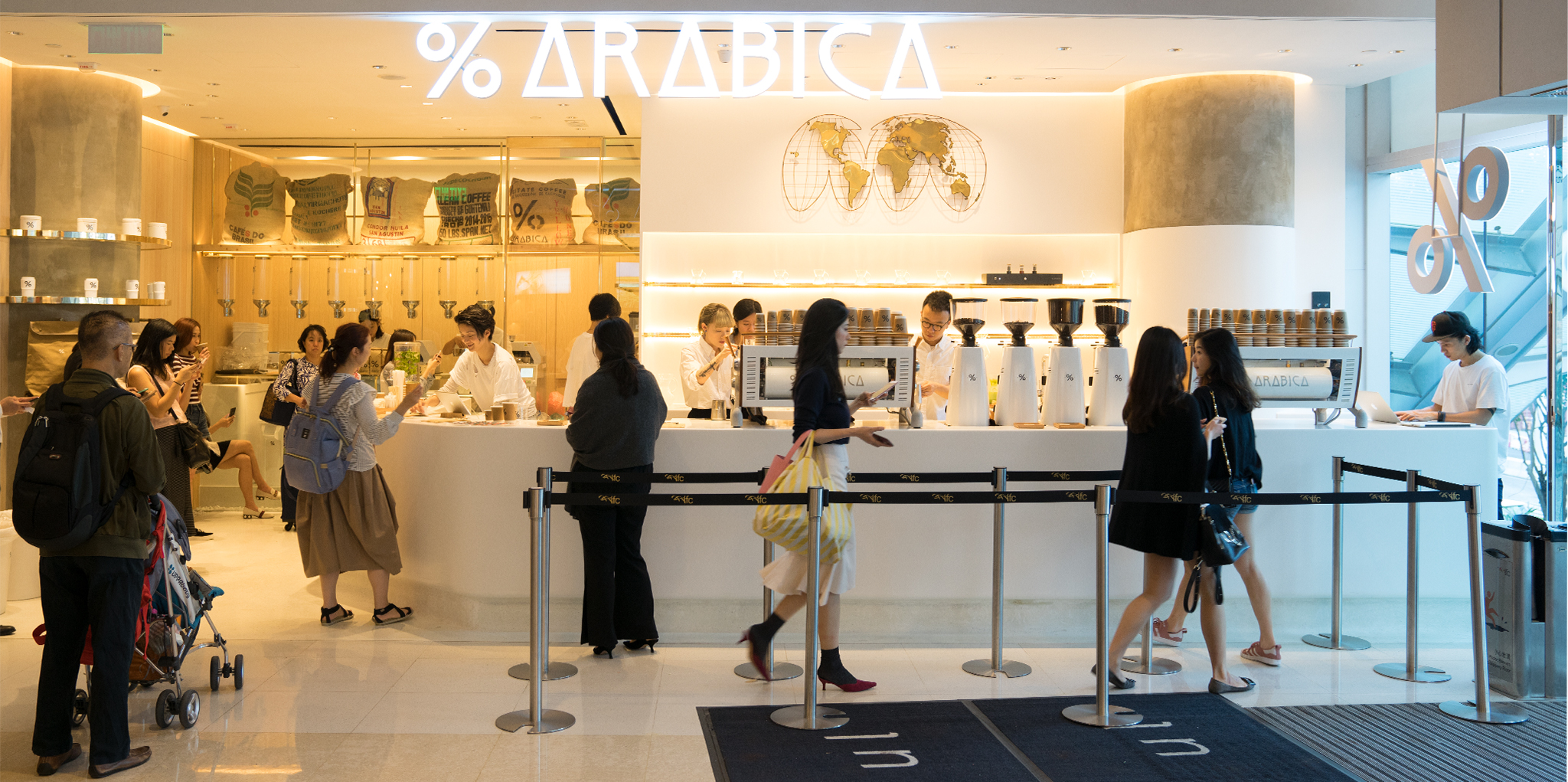
    Founded in Kyoto in 2014, the gourmet coffee brand entered China in 2017 with the opening of two Hong Kong stores, and launched in Shanghai the following year, according to the operator’s website. There are 61 locations across the country, the parent’s website shows. Private equity investors PAG and General Atlantic are among the chain’s backers.

    China’s coffee market is growing, though it remains a niche beverage in a nation of tea drinkers, Bloomberg Intelligence analysts Angela Hanlee and Kai Lin Choo wrote in April. Annual consumption is just 5.3 cups per capita versus 51.1 cups elsewhere in Asia Pacific. Starbucks Corp. and Luckin Coffee. have increased coffee awareness in the country, with their more than 5,000 and 6,000 stores in China respectively.

    Shanghai-based Manner Coffee, which counts ByteDance Ltd. and a venture arm of food delivery giant Meituan as backers, is considering an initial public offering in Hong Kong that could raise at least $300 million.

  • Starbucks plans rapid expansion in Thailand

    Starbucks plans rapid expansion in Thailand

    Starbucks Thailand has announced an expansion strategy, which calls for opening 30 new coffee shops in Thailand every year until 2024 – 90 in all – according to Bangkok Post.

    The company claims to be prepared to expand again this year, after sales improved during the first half of this year. In addition, Starbucks Thailand also says it will concentrate on expanding its digital platform channels, add more drive-thru locations, and introducing novel beverages.

    Nednapa Srisamai, MD of Starbucks Thailand, told the Bangkok Post that the brand’s well-known profile in the country created an opportunity to expand the network. While a major regional tourist destination, Thais also have a coffee-drinking culture.

    Starbucks began its operation in Thailand by opening its first coffeehouse in July 1998 and was acquired under the joint venture between Dairy Farm subsidiary Maxim’s and Singapore-headquartered Fraser & Neave (F&N) in 2019 in a deal valued at US$500 million.

    Last year, the brand introduced its largest store in the region, Starbucks Reserve Chao Phraya Riverfront, located at IconSiam in Bangkok.

    Starbucks also plans to strengthen its digital presence after partnering with Grab earlier this year to launch Starbucks Rewards aiming to enhance the customer experience in Southeast Asia’s six largest markets – the Philippines, Thailand, Singapore, Malaysia, Indonesia and Vietnam.

  • Hungry Jack’s coffee offer to be added to 410 stores nationwide

    Hungry Jack’s coffee offer to be added to 410 stores nationwide

    Fast food chain Hungry Jack’s is rolling out a barista coffee offer dubbed Jack’s Cafe across 410 stores nationally after a successful pilot program.

    With coffee being the third most-ordered item on Hungry Jack’s breakfast menu, the company wants to capitalise on consumer demand for on-the-go barista-made coffee. It might also be considered a strategic response to rival McDonald’s McCafe chain in a coffee-shop market estimated to be worth $10.7 billion annually.

    Jack’s Cafe offers a signature blend combining Arabica beans from Papua New Guinea and Costa Rica with Robusta coffee, described as having “a unique apricot flavour with a heavy body”.

    Hungry Jack’s CEO, Chris Green, said: “Jack’s Cafe is the go-to for people seeking out a delicious coffee, whether it’s a morning pick-me-up or keep them going throughout the day.

    “Typically, a project of this size would take five to seven years, however, we’ve managed to achieve this roll-out in two years to bring better coffee to Australians faster, and prove the coffee is better at Hungry Jack’s.”

    All stores are fitted with coffee-making machinery from Italian manufacturer Rancilio.

    The company’s head of brand Joy Villanueva will assist in coffee development, operations, and training to bring this project to life. She will create a barista training program.

    Hungry Jack’s is hosting an app-only breakfast deal called Jack’s Cafe Month to encourage consumers to try the new coffee.

  • Coffee chains brace for impact as inflation creeps in

    Coffee chains brace for impact as inflation creeps in

    Highlands Coffee, one of the largest coffee chains in Vietnam, earlier this month hiked its prices by 10-15 percent. It said that the increase served to maintain product quality amid market fluctuations.

    Hoang Viet, CEO of Laha Cafe, said that coffee chains are seeing costs of coffee surging by 25 percent and rents by 10-20 percent.

    “Some ingredients are seeing costs rising 20-30 percent. Without a price increase, coffee shops cannot survive.”

    Beverage chains are starting to feel the burden of inflation on their business as surging commodity prices eat into their profit and threaten to bring losses.

    Gasoline prices in Vietnam rose by nearly 52 percent between the first half of this and last year.

    The Young Cafe has recorded an input increase of between 10-30 percent, mostly because of rising transportation costs.

    “Coffee chains often maintain their prices for one or two months before hiking them up,” said founder Nguyen Vo Trung Quan.

    But major chains like Starbucks, Phuc Long, The Coffee House and Chuk Coffee & Tea have not announced plans to raise prices, with the latter even affirming that there will not be a price hike in at least the next several months.

    Vietnam’s food, beverage and accommodation industry is just now recovering from Covid-19 impacts.

    It recorded the first growth in the second quarter this year (25.92 percent) after three consecutive quarters of decline.

    The rising demand for beverages amid high heat could be partly responsible for the growth.

    Delivery app GoFood saw orders in the second quarter surging 42 percent year-on-year, while ShopeeFood said it had received a rise in orders in May and June but did not reveal specific figures.

    This surge in demand makes F&B companies reluctant in hiking up prices as this could hamper growth.

    A media representative of The Coffee House said that it has recently launched new products that broke pre-pandemic revenue records.

    “Our number of outlets have returned to the pre-pandemic level of 154 and it is set to grow fast.”

    Some other chains, like The Running Bean, have removed some items from their menu as prices of ingredients have surged.

    But eventually, a price hike is unavoidable in the industry.

    Viet said that Laha Cafe is working on new products with higher profit margins and is looking for new locations further away from central business districts to reduce costs.

    “But we are also considering raising prices of some products, otherwise we cannot keep the business running.”

    Quan has moved a location of The Young Cafe from the central District 1 to District 10 to cut costs, and if input costs rise by 50 percent, he will hike menu prices.

    “If inflation persists, sooner or later all shops will hike prices.”

    Lender HSBC forecasts that Vietnam’s inflation could hit 3.5 percent this year, but in the last quarter alone it could be 5.6 percent.

  • Starbucks closes third Vietnam outlet

    Starbucks closes third Vietnam outlet

    Starbucks Vietnam will close its Hanoi outlet after eight years, following the closure of two locations in Vietnam last year. The Starbucks Lan Vien outlet in Hoan Kiem District will operate until June 30, the company said in a Facebook post. Last year, the coffee chain had closed another outlet in Hoan Kiem District and one in Ho Chi Minh City’s District 1.

    Patricia Marques, CEO of Starbucks Vietnam, said earlier this year that the company was finding it challenging to expand the number of outlets in Vietnam due to difficulties in negotiating rent prices.

    The company, however, will continue to expand in Vietnam by focusing on new urban areas where there is a lack of services, she added.

    She also said that in central districts, Starbucks has observed that customers tended to order more takeaways, so it was considering opening small takeaway outlets where customers can pick up their drink right away.

    Starbucks has 78 outlets nationwide, while its competitor Highlands Coffee’s has 500 and The Coffee House has 156.

    The Covid-19 pandemic has forced several food and beverage chains to close outlets amid plunging revenue.

    The Coffee House closed over 20 outlets last year, while Soya Garden shut down its last one in HCMC. Soya Garden still has eight outlets in Hanoi.

  • Indonesian beverage chain Haus! completes funding round

    Indonesian beverage chain Haus! completes funding round

    Indonesian made-to-order beverage chain Haus! has completed its series B1 funding round to grow its 197-store footprint in Indonesia and develop an app for its customers.

    Led by Atlas Global Ventures, Hong Kong-based Strategic Holdings and Prasetia Dwidharma, the undisclosed investment follows Haus!’s $2m series A funding in 2020 from BRI Ventures.

    Founded in 2018, the chain, which markets itself to younger consumers with a range of cold beverages and coffees, reports that it has achieved 120% outlet growth over the last 12 months.

    With 197 stores currently in operation, Haus! offers dine-in, collection and delivery services on Indonesia’s Java island.

    “We are currently preparing a new breakthrough to make it easier for consumers and potential consumers to access Haus! by launching our own app that will make it easier for consumers to order online with various payment methods and of course various special attractive offers for purchases through the app,” said Gufron Syarif, CEO of Haus!

    “Haus! is an attractive investment because it has achieved profitability and is not dependent on external funding. This means Haus! can focus the investment received on business growth where other start-ups are on a survival method,” said Arya Setiadharma, CEO, Prasetia Dwidharma.

    Indonesia’s branded café market has seen a flurry of investment over the last 12 months. In January 2022, premium coffee chain Kopi Kenangan attained $96m investment and now operates more than 600 stores across 45 cities in Indonesia, making it the largest branded coffee chain in the country ahead of Starbucks’ circa 500-store footprint.

    In May 2022, South Korea’s SPC Group opened three new Paris Baguette Stores in Indonesia, bringing its store count to seven in the country, while Indonesian coffee startup Fore Coffee recently opened 42 new outlets in several metropolitan cities such as Denpasar, Palembang, Yogyakarta, Malang to Batam. Additionally, Indonesian cloud kitchen startup Hangry intends to use $13m in series A funding to become a global food and beverage company.

  • Huawei plans to launch coffee chain

    Huawei plans to launch coffee chain

    Telecommunication giant Huawei Technologies Co’s recent plan to enter the on-premise coffee market in China has triggered heated discussions on the beverage’s role in rejuvenating established non-food brands among younger consumers.

    Huawei has applied for two trademarks related to coffee. The registered name of one trademark is “One Cup of Coffee Absorbs Cosmic Energy”. The name is classified into the category of convenience food and the application is waiting for acceptance, according to Qichacha, a data bank that tracks business registrations.

    The other trademark is classified into the category of catering and accommodation, covering services including cafes, restaurants and mobile food supply. The application is waiting for review.

    The move is a follow-up to the company’s management interests in the coffee sector.

    In August, Ren Zhengfei, founder of Huawei, said that the company plans to open more than 100 coffee stores in the company’s Qingpu base in Shanghai to attract young people to work for the company.

    Before Huawei, domestic leading sportswear brand Li-Ning recently started its own freshly brewed coffee as it has applied to register its brand as “Ning Coffee”.The sportswear company already operates coffee services in Beijing, Xiamen in Fujian province, and Zhanjiang in Guangdong province. The company runs coffee as an innovation and added value to its in-store shopping experiences, according to Li-Ning, which owns more than 7,000 stores in the country.

    Li-Ning is one of the large-scale retail networks that have banked on the beverage to get closer to younger consumers. Beijing TRT Group, a traditional Chinese medicine pharmacy, China Post, Petro-China, Sinopec Group and even Goubuli-an iconic Tianjin-based bun specialist-have opened their own coffee units. The list of brands entering the coffee sector goes on.

    Zhu Danpeng, a food and beverage analyst, said the recent cross-sector marketing events, which have involved business extension into the coffee sector, have shared one identical aspiration-to get engaged with the younger generation, which has become a dominant consumer group, playing a crucial role in a brand’s future. “To make a brand younger is more or less about how to grow loyalty and frequency with the Gen Z consumers,” said Zhu.

    The capital market and investors have also been drawn to the fast-rising coffee industry, pushing the growth of on-premise coffee niche brands including Manner Coffee, M Stand and Seesaw as well as those internet-based packaged instant coffee brands such as Saturnbird Coffee.

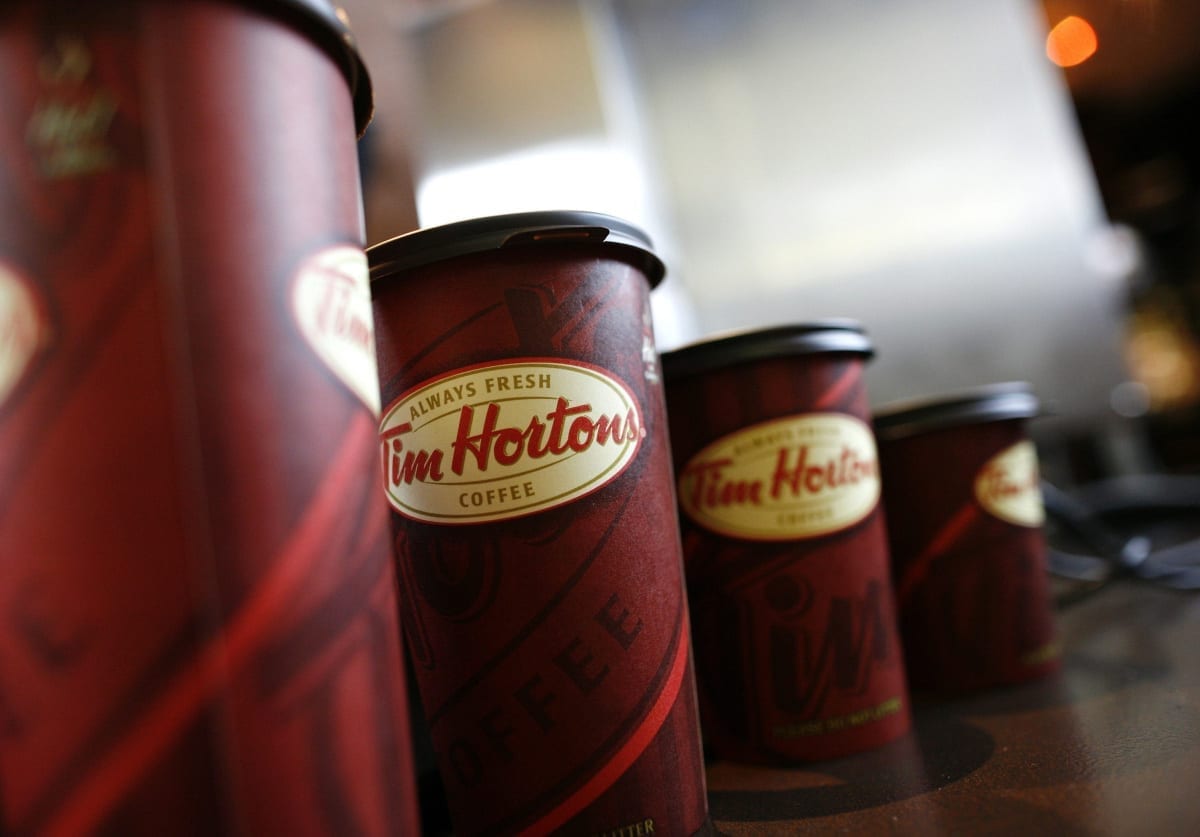
    According to a report by Jiemian, the domestic coffee sector received financing of more than 4 billion yuan ($594 million) in 2021. In March, Canadian coffee group Tim Hortons in China announced it had received an investment of 1.2 billion yuan, propelling the chain to grow from the current 410 stores in the country to 2,750 stores by 2026.

    According to research institute iiMedia Research, in 2021, the coffee market has been valued at 381.7 billion yuan and is estimated to grow to 1 trillion yuan in 2025, with an average annualized growth rate of 27.2 percent.

    By comparison, milk tea, a darling among Chinese youth, has been gradually losing its appeal. According to Nayuki Tea’s annual financial report for 2021, the milk tea maker has seen a loss of 145 million yuan in net profit, which was 16.6 million yuan a year earlier.

  • Starbucks Japan opens new store focused on coffee grounds circularity

    Starbucks Japan opens new store focused on coffee grounds circularity

    Starbucks has announced a first look into a new drive-thru store, opening on 1 June within a bustling rest stop in Togane City, Japan. The store is the second in Japan to be certified under the Greener Stores Framework, aimed at accelerating the transformation of retail towards lower-impact stores that achieve reductions in carbon emissions, water usage and landfill waste.

    The store plays a key role in a community collaboration between Starbucks Japan, Togane City and Sanyu Plant Service Corporation, a local manufacturer, which aims to promote circularity and reduce waste, while making a positive impact for the local community. As part of the collaboration, used coffee grounds from the new store will be recycled into cattle feed, and through Starbucks coffee grounds circularity loop, milk from participating dairies is then used to create handcrafted beverages at around 200 Starbucks stores across the Kanto and Kansai areas, including the new drive-thru. In addition, other food waste from the store will be turned into compost to grow produce directly at the rest stop in Togane City, in cooperation with Chiba Prefectural University of Agriculture.

    Designed inside and out to reflect the area’s proud local industry, the store features local Sambu cedar and Japanese yew trees, the official trees of Togane City. As part of Starbucks’ global efforts to reduce carbon by 50% by 2030, the store is powered by solar panels on the roof and locally-generated renewable energy. The solar system will include batteries that can provide backup power in the event of an outage.

    Connection with the community is also central to the new store’s operation and design. “I believe that even if the actions of each of us are small, each step we take will become a path leading to the future,” says Ayumi, store manager. “Starting with what we can do, we would like to build the future together with the community.”

  • Nespresso to reward consumers who return pods for recycling

    Nespresso to reward consumers who return pods for recycling

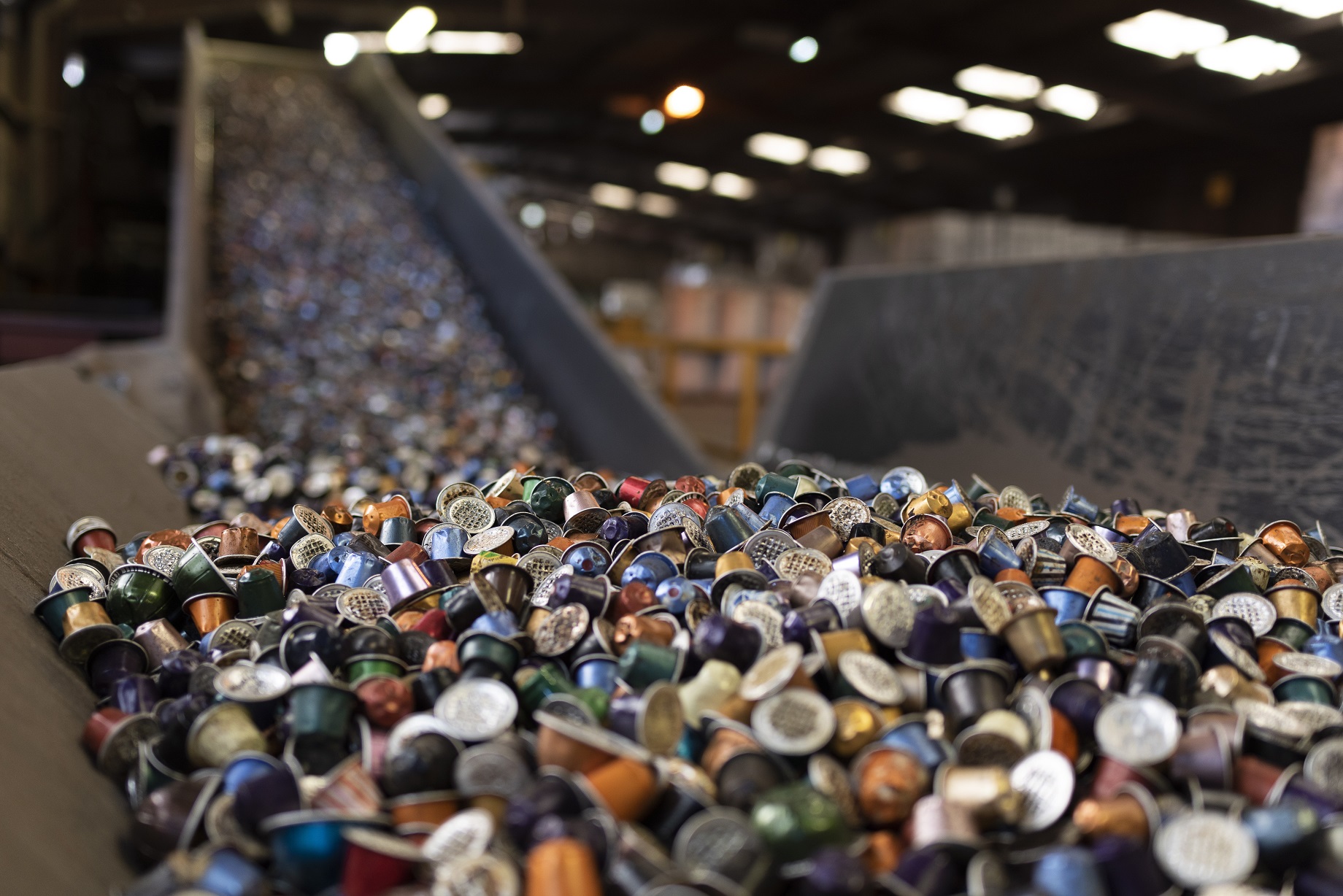
    Nespresso has launched a new Recycling Rewards scheme, offering consumers incentives to recycle their used aluminum coffee capsules at Nespresso boutiques.

    From 16 to 30 June, anyone who returns a full bag of 100 used aluminum coffee capsules of any kind to a Nespresso Boutique can receive a free gift in return.

    Rewards include a free sleeve of Nespresso coffee, a notebook made with recycled coffee grounds, and a beach towel. To claim their gift, participants must register their recycling via a QR code in-store.

    “Over the last decade, our recycling program has evolved to ensure convenient access to every customer in Australia, with multiple channels for involvement. Now, we are exploring new ways to accelerate participation, starting with [Nespresso] boutiques,” says Jean-Marc Dragoli, General Manager at Nespresso Oceania.

    “The Recycling Rewards trial is part of a broader strategy which seeks to better understand recycling behavior, raise awareness of and engagement with our recycling program, and give more aluminum coffee capsules a second life.”

    The two-month trial is part of Nespresso’s commitment to creating a sustainable, circular coffee economy. It aims to accelerate participation in the company’s coffee capsule recycling program while gathering valuable insights into whether incentives have a role to play in driving recycling behaviour in the future.

    Once returned to Nespresso, used capsules are taken to a dedicated recycling facility in New South Wales where the coffee grounds and aluminium are separated. The recovered coffee grounds are sent to another local facility and used as soil in landscaping applications or compost. The aluminium component of the capsule is compacted and sent for smelting and refining. Aluminum is recyclable and can be used to make a range of products from bicycles to mechanical pencils.

    The Recycling Rewards trial is boutique-based only, however, Nespresso’s broader recycling program currently offers three additional ways for customers to recycle, including dropping capsules off at a participating collection point, posting capsules back to Nespresso using a special Australia Post satchel, and the option to participate in a bulk recycling collection initiative where workplaces or community locations can become a recycling point.

    To find out more about the Recycling Rewards initiative, visit www.nespresso.com/au/en/recycling-rewards.

  • Campos Coffee launches recyclable coffee capsules

    Campos Coffee launches recyclable coffee capsules

    Australian roaster Campos Coffee has announced the launch of its first range of recyclable aluminum coffee capsules. With more people working from home, loyal Campos Coffee drinkers have consistently asked to enjoy the distinctive Campos taste in a capsule format, and now it’s available.

    The new Campos Coffee Capsules range includes the brand’s signature Superior blend, a new blend called King St after the main drag in Sydney’s Newtown, and a Single Origin from Indonesia.

    “Campos is recognized as a symbol of quality and excellence in Australia because we have been sourcing and roasting specialty coffee for 20 years,” says Adam Matheson, Head of Coffee at Campos Coffee.

    “You’d be surprised to learn that there’s a lot more to developing a good coffee capsule than just roasting and grinding high-quality, fresh beans. Capsule design and technology are key to delivering a great coffee experience.

    “Our aluminum capsules are world-class and deliver the aroma and flavor our stunning coffees offer. We wouldn’t have it any other way.”

    Campos Coffee has also partnered with TerraCycle to make it easy and free for everyone to recycle their used Campos Coffee aluminum capsules.

    All three types of Campos Coffee Capsules

  • The Coffee House operator posts $10 mln loss

    The Coffee House operator posts $10 mln loss

    Seedcom, the operator of The Coffee House beverage chain and June fashion outlets, posted a loss of nearly VND240 billion ($10.45 million) last year due to Covid-19 impacts. The loss increased by nearly 24 percent from 2020.

    Its debt-to-equity ratio rose by 26 to 69.5. It had nearly VND1.48 trillion in debt by the end of the year.

    Last year, it raised VND50 billion in bonds with a coupon rate of 12 percent per annum.

    The negative figures came as most of Seedcom’s business, including The Coffee House, Juno and another fashion brand Hnoss, had to shut down or operated with limited capacity for months due to social distancing.

    The Coffee House last year launched a kiosk model to focus on selling takeaways in crowded areas like supermarkets or main roads.

    But so far only two such kiosks have been opened in Ho Chi Minh City, despite CEO Le Ba Nam Anh’s plans to open a large number of such facilities.

    Seedcom, established in 2014, also owns delivery companies AhaMove, Giao Hang Nhanh and retail chain Kingfoodmart.

    Last year it branched into finance by partnering with Thai bank Kvision to provide payment and loan services to small and medium companies, focusing on cashless finance.

    It also sold farming unit Cau Dat Farm, which grows and processes coffee, to Nova Consumer under NovaGroup to focus more on retail.

  • 7-Eleven to sell body scrub online made from coffee

    7-Eleven to sell body scrub online made from coffee

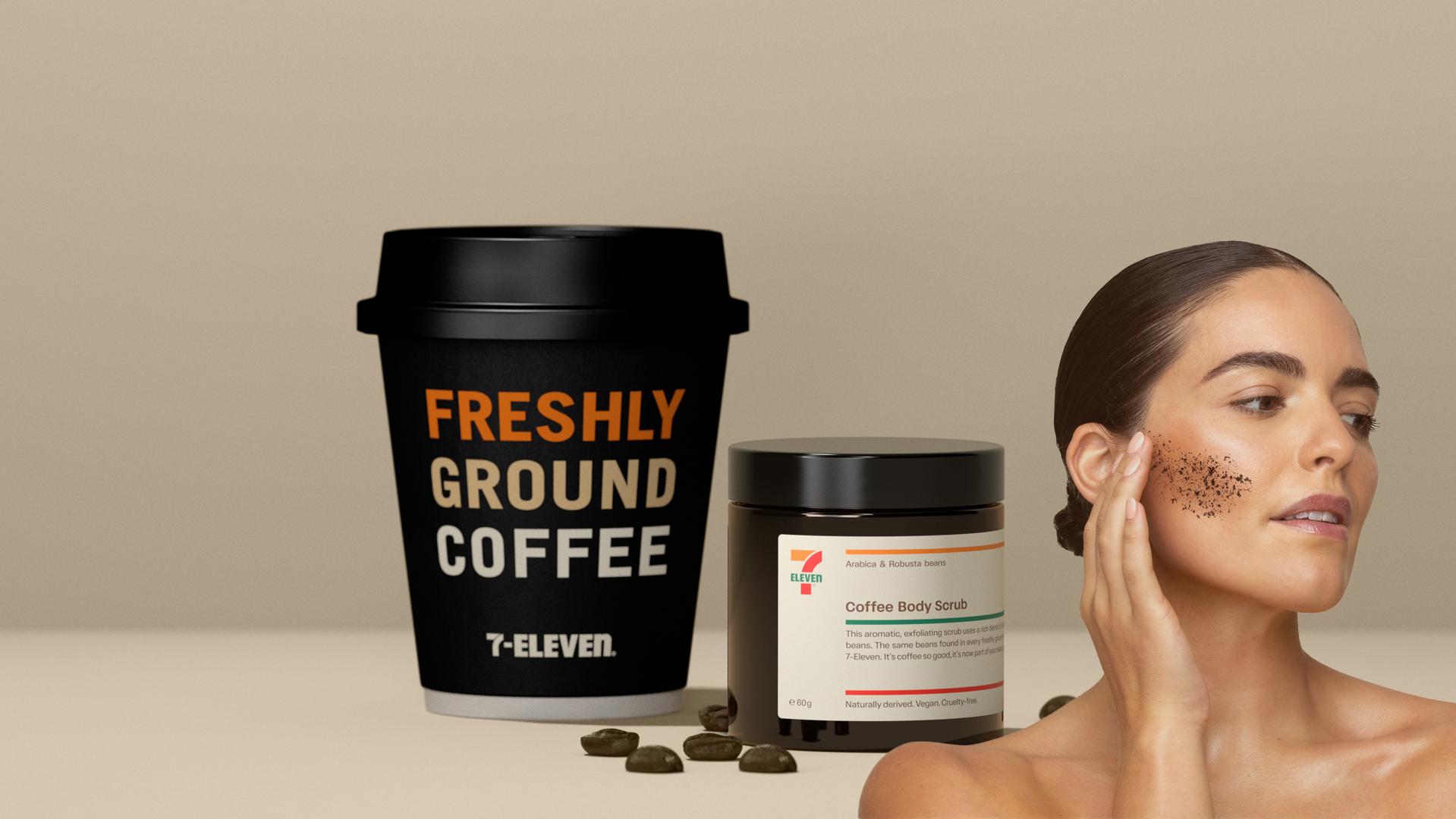
    In what’s likely the most unexpected beauty launch of the year, 7-Eleven has officially entered the world of beauty with the release of their $1 coffee body scrub.

    The strictly limited edition scrub, which will be sold exclusively via online retailer Adore Beauty from Tuesday 22 March, is made from the same aromatic Arabica and Robusta beans found in the millions of cups of freshly ground coffee sold each year at 7-Eleven.

    Much like the retailer’s coffee, the product’s very reasonable price tag is sure to excite beauty lovers, with the body scrub retailing for just $1.

    Australian actor Olympia Valance has also been revealed as the face of the new product, saying, “Coffee and skincare products are two things I can’t live without, so being the face of 7-Eleven’s Coffee Body Scrub was a no brainer. Now I can exfoliate, rejuvenate and caffeinate with the same great coffee Australians have been enjoying for years.”

    7-Eleven’s Head of Marketing Communications, Adam Jacka, added that the Coffee Body Scrub is a fun and innovative way to showcase the quality of coffee that Australians enjoy every day.

    “We’re thrilled to be launching 2022’s most unexpected arrival in beauty, the 7-Eleven Coffee Body Scrub. We take great pride in sourcing great quality beans from across the world to provide great coffee to customers every day,” he said.

    The product is made from the same Arabica and Robusta beans found in 7-Eleven’s famous coffee.

    “We wanted to showcase the quality of our coffee beans in new ways. More than 71 million cups are already enjoyed across Australia each year but we know some are still yet to try our iconic coffee. Seriously, our coffee beans are so good we’ve made a coffee scrub out of them!”

    The 7-Eleven Coffee Scrub is produced locally in Australia, is 100% naturally derived, vegan and cruelty-free.

    The limited-edition 7-Eleven Coffee Body Scrub will be available to purchase for $1 with every purchase over $20 via Adore Beauty on 22nd March 2022, strictly while stocks last.

  • Starbucks forges regional partnership with Grab

    Starbucks forges regional partnership with Grab

    Starbucks today announced an integrated partnership with Grab, Southeast Asia’s leading superapp, across six markets, including the Philippines, Thailand, Singapore, Malaysia, Indonesia, and Vietnam. The partnership will provide customers across Southeast Asia with a seamless Starbucks Experience, allowing them to earn Starbucks Rewards benefits on purchases through Grab, have more ways to order and pay in stores, and enjoy their Starbucks orders sooner with last-mile delivery fulfillment through Grab’s delivery network.

    Customers will be able to enjoy more personalized and convenient experiences that deepen their connection to Starbucks through a range of Grab services including GrabPay, GrabRewards, GrabFood, GrabExpress and GrabGifts. Building on Starbucks and Grab’s shared commitment to creating a positive impact, the partnership will also help provide food assistance to communities in need across Southeast Asia, while reducing food waste, through the expansion of Starbucks FoodShare food donation program, starting in the Philippines this March.

    “As one of the most digitally connected regions in the world, Southeast Asia continues to inspire us to elevate the Starbucks Experience,” said Erin Silvoy, vice president, product and marketing, Starbucks Asia Pacific. “Our partnership with Grab allows us to provide more options for customers to create a Starbucks Experience that is right for them, while also helping to deliver positive impact in the communities we serve through FoodShare program.”

    “Consumers like the convenience of food delivery but they also enjoy meeting up with friends in Starbucks over a cup of coffee. We believe the online ordering and in-store dining experience will become more connected, as brands in Southeast Asia look for ways to bridge these channels. We are excited to be working with Starbucks, one of the most iconic and loved coffee retailers, on this wide-ranging partnership to deliver a more personalized, rewarding, and seamless experience to our customers,” added Saad Ahmed, Managing Director, Commercial at Grab.

    A first for Starbucks in Southeast Asia, Starbucks will integrate Starbucks Rewards with the Grab platform so that customers can enjoy more ways to earn rewards on their Starbucks orders. Starbucks Rewards members will be able to link their accounts with GrabRewards to earn both Stars and GrabRewards points for every order made through GrabFood.

    In the future, customers will also have the option to sign up for a Starbucks Rewards membership via the Grab app and redeem free beverages, birthday treats, and exclusive offers* . The company will introduce this new feature in the Philippines in the second half of 2022, with plans to expand to additional Southeast Asia markets by 2024.

    Customers will be able to enjoy the Starbucks experience through expanded options and solutions through Grab including:

    •  Pay with the same e-wallet online and in-store: Customers will have the option to pay for their orders via their GrabPay e-wallets in-store and in-app, giving them more ways to earn GrabRewards as well as Starbucks Rewards Stars.
    • Order online for in-store pick-up via GrabFood: Customers can skip the line and order their favorite food and beverage items directly from GrabFood’s self-pick up feature, which will inform them when their orders are ready for pick up.
    • Instant delivery via GrabExpress: Customers can get their favorite Starbucks food and beverages delivered to their doorsteps faster than before by GrabExpress, when they order via Starbucks owned channels .
    • Social gifting through GrabGifts: Customers can now purchase and send pre-loaded Starbucks gift cards to friends and family via the Grab app in the Philippines, Thailand, Singapore, Malaysia, Indonesia, and Vietnam.

    Creating positive impact through Starbucks FoodShare program

    As part of Starbucks People Positive aspirations, focused on enhancing the well-being of all who connect with Starbucks, the company will launch its FoodShare food donation program this March in the Philippines, starting with 40 stores in the Metro Manila area. Starbucks regional partnership with Grab will enable participating stores to connect with Grab drivers to pick up food donations from stores daily and deliver them to local non-profit organizations such as the Philippine Food Bank Foundation. Starbucks aims to expand the reach of the program to more communities in the Philippines, as well as additional markets throughout Southeast Asia.

    FoodShare started in 2016 after Starbucks partners (employees) advocated for a program that would allow stores to donate unsold food and distribute it to people facing hunger in communities across the U.S. FoodShare is now available at 100% of US and Canada company-owned stores.

    Since entering the Southeast Asia region over 25 years ago, Starbucks has expanded to more than 1,882 stores across the Philippines, Thailand, Singapore, Malaysia, Indonesia, and Vietnam, with more than 19,853 partners proudly wearing the green apron. The company is committed to driving continued sustainable growth by investing in digital innovations that deliver meaningful value and convenience
    and social impact initiatives that create positive impact in the communities we serve.
  • Tim Hortons to enter India, plans 250 stores

    Tim Hortons to enter India, plans 250 stores

    Canadian coffee chain Tim Hortons is set to make its Indian debut, eyeing rolling out more than 250 stores during the next five years.

    The first Tim Hortons store is scheduled to open in New Delhi later this year, followed by Punjab and other parts of the country. The India launch marks the brand’s fourth country in the Asia-Pacific after Thailand, the Philippines and China. The brand was brought into the country under an exclusive partnership with AG Cafe, which is a joint venture owned by Apparel Group and Gateway Partners.

    “The launch will lead to major investments in market-leading talent and innovation, creating new jobs and providing a direct boost to the hospitality sector,” said Navin Gurnaney, CEO of Tim Hortons India, who was previously CEO at Starbucks India.

    As it enters India, the Canadian F&B chain will directly compete with Starbucks, which operates 224 stores in the country as of last August. Currently, Tim Hortons has more than 5100 restaurants across 13 countries, including the Middle East, China, the UK, Mexico, Spain, Thailand and the Philippines.

    “The F&B sector is seeing a revival after a long period of covid-induced lull,” said Nilesh Ved, chairman and CEO of Apparel Group. “We see this as the most opportune time to introduce a new brand and have an aggressive plan to cater to the demand.”

    The move comes after the company’s Chinese subsidiary Tims China announced its $100 million committed equity facility from CF Principal Investments, an affiliate of Cantor Fitzgerald earlier this week.

  • HiLands Foods launches Fijian Lami Kava in Australia

    HiLands Foods launches Fijian Lami Kava in Australia

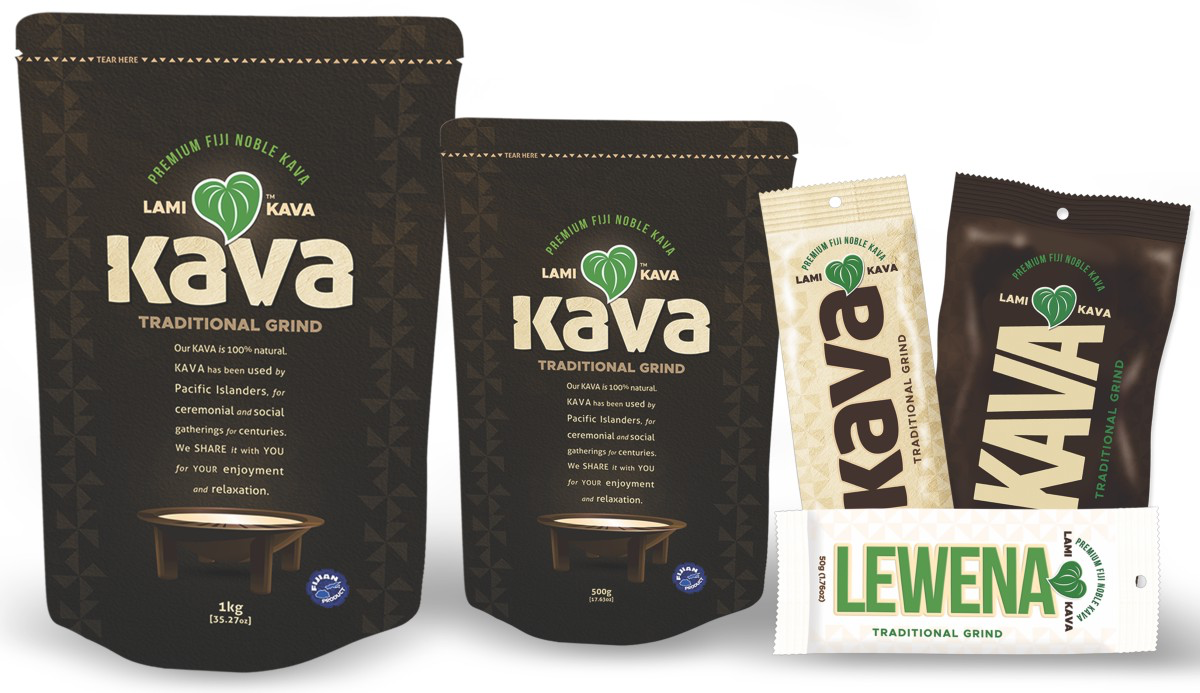
    LAMI KAVA AUSTRALIA is a collaboration between Lami Kava and HiLands Foods. It is a meaningful amalgamation of Lami Kava’s intricate knowledge about noble kava and HiLands Foods’ distribution expertise in the Australian market.

    Today, Lami Kava shares 40 years of experience in the kava industry. Lami Kava was established in 1982 in a little corner shop. It was initially set up as Lami Kava Pounding Shop with a view to facilitating kava pounding for their clients. Over progressive years, by the late 1980s, the company was renamed, Lami Kava. Thus far, over these years, Lami Kava has become a major Fijian brand.

    Lami Kava’s continuous commitment to quality assures consistent and clean products. Lami Kava uses state-of-art machinery and modern commercial food processing technology. They have precise and methodological quality control. Lami Kava engages with proper food safety measures with its certification by HACCP. Thus far, Lami Kava is FDA-registered too.

    HiLands Foods take a lead role to manage LAMI KAVA AUSTRALIA. So, HiLands Foods take full responsibility to promote, market, and protect the Lami Kava brand. Lami Kava will distribute Australia-wide through a network of distributors, wholesalers, and resellers.

    Thus far, HiLands Foods is a reputable, contemporary, and progressive Australian company. It is owned and operated by an Australian family. LAMI KAVA AUSTRALIA leadership team has a wealth of experience in the food, franchise, and distribution business. The leadership team focuses on branding, relationship marketing, and customer excellence. The team’s belief in honesty, credence, and ethics, sets them apart. These traits earn an excellent rapport with the stakeholders. Thus far, combining lateral thinking, the old-fashioned service, and credibility earns an encouraging reputation in the marketplace.

    Kava is a traditional drink throughout the Pacific. Pacific islanders have been enjoying it for centuries. Kava drinking has always been the cornerstone of Pacific tradition and culture. Thus far, it is still central to cultural rituals, especially to honour important guests. Kava is well known in the Pacific region for its calming effects. So far, the western world use kava as s stress reliever. It is now widely known as a kava herbal remedy for anxiety; however, it needs to be scientifically proven.

    Fiji is renowned for the best quality kava product. Lami Kava’s continuous commitment to quality, the company produces the best kava root powders for sale. Thus far, Lami Kava is known for its consistency and quality. It brings great value to your dollar. So, now you can enjoy premium quality Fiji kava for sale in Australia.