Tag: coffee

  • Coffee chains Starbucks, Luckin raise prices in China

    Coffee chains Starbucks, Luckin raise prices in China

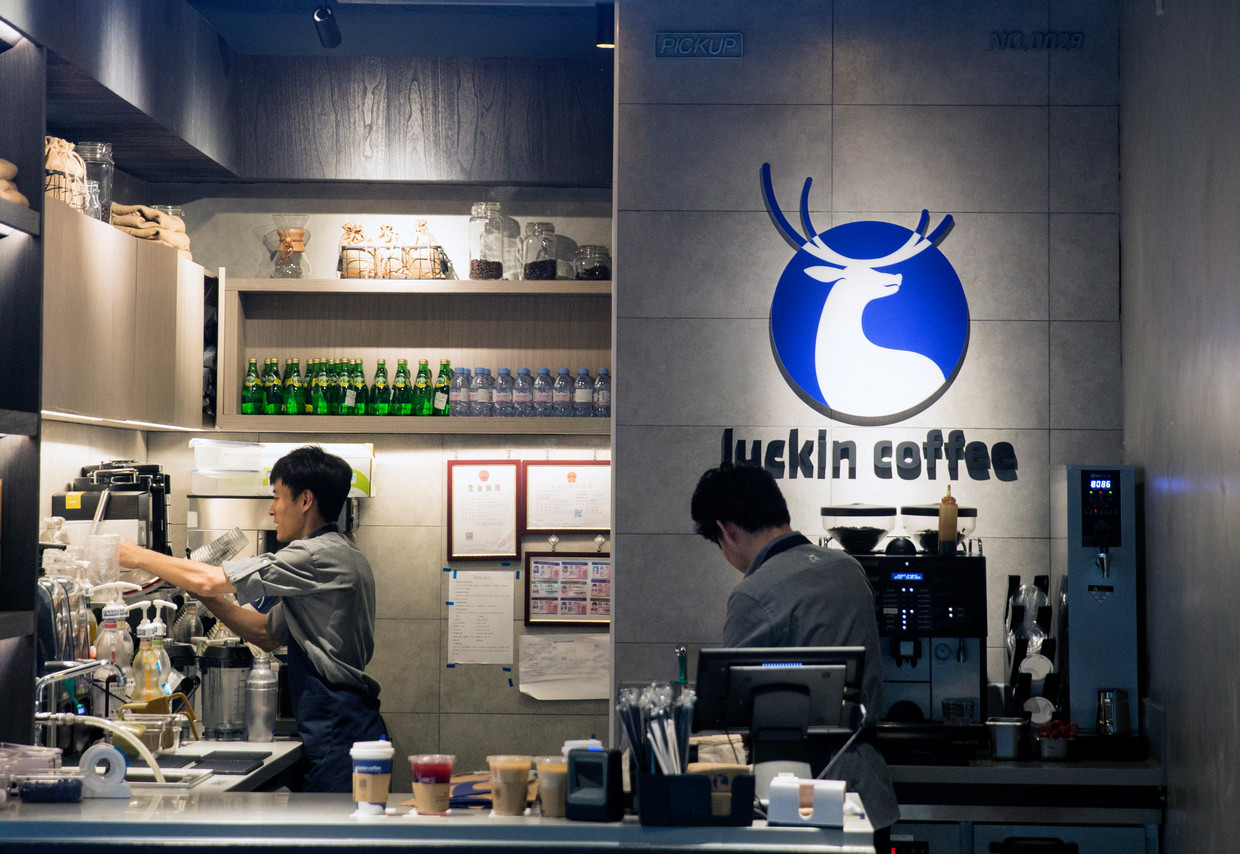
    Coffee chains such as Luckin Coffee and Tim Hortons have increased the prices of their beverages in China, with U.S. giant Starbucks blaming “multiple factors” such as higher operating costs.

    The chains, among China’s largest coffee players, raised prices by between 1 yuan and 3 yuan ($0.16 and $0.47), according to menus on mobile apps and media reports, with the topic going viral on Chinese social media on Thursday.

    Although a nation of tea drinkers, China is one of the world’s fastest-growing coffee markets, with nearly 110,000 shops in larger cities by April, consultants Deloitte have said, as young people drive consumption, which lags the United States and Europe, however.

    Starbucks said it had adjusted on Wednesday the prices of some of the items after “comprehensive evaluation and consideration of multiple factors” such as operating costs, in the first increase since 2018.

    A Starbucks Americano costs 30 yuan after the price increase, up from 28 yuan.

    Packaged coffee beans and merchandise such as mugs were not affected, however, the company said in a statement.

    China’s Luckin Coffee raised the price of some beverages by about 3 yuan, taking into account operational costs such as rent, manpower, and raw material, the state-backed Shanghai Securities Journal said.

    Starbucks hiked menu prices in October and January and plans further raises this year, Chief Executive Kevin Johnson has said, in part to offset soaring labor and goods costs, but he did not specify individual products.

    Official data showed China’s coffee market grew at an annual rate of 15% in 2018, versus a global average of 2%.

  • Starbucks faces backlash in China over police incident at store

    Starbucks faces backlash in China over police incident at store

    Starbucks is battling its second bout of public fury in China in less than three months, after an incident described by the US coffee giant as a “misunderstanding” at one of its stores sparked criticism from online users and state media.

    The company came under scrutiny on Monday after a user on Weibo said that a number of police officers had been eating outside a Starbucks store in the southwestern city of Chongqing before they were told by staff to move away.

    The user’s description of the incident quickly went viral on the Twitter-like platform, prompting the ruling Communist party’s mouthpiece People’s Daily newspaper to issue a commentary, in which it called Starbucks “arrogant”.

    Chinese consumers and media have become more aggressive about protecting customer rights and monitoring the behavior of big brands, especially from overseas.

    In December, Starbucks apologised and carried out inspections and staff training across all its roughly 5,400 stores in China after a state-backed newspaper said two of its outlets used expired ingredients.

    Starbucks apologized on its Weibo account late on Monday for “inappropriate communications,” saying the whole thing was a misunderstanding.

    But it said staff had never chased away policemen or tried to file complaints against them.

    It continued to face criticism online on Tuesday, with a few small companies announcing on Douyin, the Chinese equivalent of TikTok, that they would “boycott” Starbucks by forbidding employees from arranging meetings in or buying drinks from the shops of the coffee chain.

    However, Hu Xijin, a prolific commentator in China who is the former editor-in-chief of the Global Times newspaper, urged his Weibo users to see the Starbucks Chongqing incident as an accident and not more, adding that Starbucks’s status as a foreign brand should not subject it to more criticism.

    “China is a country that is open to the world,” he said. “To label a mistake as arrogance is not conducive to the bigger environment of opening-up.”

  • Vietnamese coffee industry game changer

    Vietnamese coffee industry game changer

    King Coffee has a presence in 120 countries and is still on its way to expand further on the world map. Expo is a 170-year old event that takes place every five years, gathering businesspeople from more than 190 countries. This expo showcases all the remarkable events of a country’s past, present, and future. This is an extremely great opportunity for King Coffee to reach more than 190 countries at once.

    Appearing at Expo 2020 Dubai, King Coffee has represented the coffee industry and Vietnam’s agriculture. We have cooperated with the Ministry of Culture, Sports and Tourism to organize activities to promote Vietnamese coffee to the world for six months (October 2021 – March 2022), especially the event of Vietnam National Day (Dec. 30, 2021) and Vietnam Coffee Week (Jan. 1, 2022).

    As a major coffee brand, we participated in coffee-related activities during this event. All visitors really enjoyed our coffee, which impressed them by quality.

    When we introduced Vietnamese coffee during Vietnam Coffee Week, visitors were surprised by egg coffee, Ede coffee, iced-milk coffee… They enjoyed learning how to use coffee filters, and discovering the philosophy of softness, lightness, sophistication to create a perfect cup of coffee compared to using compact espresso machines.

    The exhibition is already halfway through and we have left our mark and accomplished our targets.

    -How has King Coffee connected Vietnamese businesses to Dubai Gateway?

    At Expo Dubai, King Coffee aims to promote coffee culture and development strategies for the coffee industry, and at the same time, widely inform businesses in other industries in Vietnam, who also consider this a great opportunity to go global.

    We worked with Viettravel to engage most associations in all industries, supporting them to participate in this expo. Up to now, hundreds of Vietnamese businesses have gathered here. Expo Dubai makes it easy to set up an online exhibition channel, allowing businesses that are unable to attend offline events due to Covid-19 to participate, and promote their images. Meanwhile, we can follow all the events on social media channels and grab opportunities from Expo.

    Since October 2021, we have done a wonderful job of connecting businesses in Dubai, and at the same time, promote our country. Dubai is an iconic city with a significant impact in 22 Arab countries. By having a presence in Dubai, businesses would enjoy many opportunities to access this market.Expo also organizes a National Day for participating countries. If a country has a potential industry, enterprises in that country might be invited to gather on National Day to find collaboration opportunities.

    First autobiography

    What excites you the most at Expo 2020 Dubai?

    I have a clear goal in everything I do. When I decided to attend Expo 2020 Dubai, I thought about what would make King Coffee stand out and shine there. I started writing the book “The Queen of King Coffee” from the beginning of 2021, in order to release it at Expo Dubai. Without travel or business trips during the pandemic, I had more time for the book.

    While publications regarding the Vietnam War are widely available, English-language books about Vietnamese culture, people, and business opportunities in Vietnam are scarce. Therefore, I decided to launch a book to introduce Vietnamese coffee and the country’s coffee culture to the world. This event drew the attention of the international media. Expo Dubai organizers also promoted this book on their media channels, reaching 192 countries.

    The book was released on Dec. 29, 2021. More than 100 newspapers around the world have reported on King Coffee and the book. I am very happy to tell the story of Vietnamese coffee. I also published the book on Amazon, and it has received positive feedback from readers. When someone places an order, Amazon prints the book and delivers it to the customer.

    As planned, the book will be translated into several languages, first in Arabic to reach 22 Arab countries. When I released the book in Dubai, local businesspeople wanted me to take part in many activities to talk to women, young people about starting a business, not just the book. They want to translate the book into Arabic to make it reach more people.

    They are impressed with the image of women running startups, not only in the coffee sector but also other industries. The book offers them a lot of information. In fact, women are being encouraged to step out of their comfort zone and obtain freedom in doing business. I expect my book to motivate them to be more confident.

    Will the book be available in Vietnamese?

    The book is expected to be released in March in Vietnam, followed by Vietnamese and English versions in June 7 in the U.S. Many readers in the U.S. told me they were looking forward to the premiere.

    The Vietnamese book is not a translated version from English but a different one. The book is a guide for startups and women to balance life and business, as well as female leaders’ responsibilities and aspirations for their country.

    If the English book represents the world’s view of Vietnam, the Vietnamese version describes the viewpoint of a coffee business leader.

    I was a business leader for more than 20 years, but I didn’t let people get to know me. This was good for my family before, but not so good for me when something went wrong.What do you expect from this book?

    I think a female leader should balance her reputation and personal life to proactively play the right role, which will strengthen the business.

    Everyone may know my important decisions to establish the Trung Nguyen and G7 brands, the journey to make them successful not only in the country but also around the world.

    For me, every challenge can be dealt with. When you know how to overcome it, you can strengthen your position.

    Do you have any ideas for your next book?

    Because I am a coffee aficionado, the next book might be “The Master of Coffee” by a coffee specialist. In order to promote Vietnamese coffee, I also have to do many other things. King Coffee will have a chain of coffee shops around the world, and its products will be available in supermarkets all over the world. I want to introduce the very unique and different ideas and culture of Vietnamese coffee to the world. Surely it will be worthy of world recognition.

    World record for Vietnamese Robusta

    Why are you so devoted to coffee?

    I was born and raised in a coffee region. Since I was a child, I witnessed the coffee price drop after bountiful crops, and vice versa. Coffee prices were very low and precarious. The farmers had no idea what the outside world was like. In the coffee ecosystem or global value chain, the farmer segment generated very small value.

    At that time, in my knowledge, there were many well-known coffee companies in countries that did not grow coffee like Sweden, the U.S… I always wondered why they could do it but we couldn’t?

    During 1975–1986, coffee was considered a luxury commodity. I clearly saw that coffee was in great demand, so why not make coffee popular? While coffee had so many benefits, like boosting creativity and concentration, efficiency at work, why didn’t we give coffee a chance to live?

    More than 20 years ago, we hardly saw coffee in supermarkets, but today coffee occupies six shelves at Coopmart. Visitors to Vietnam give priority to buying Vietnamese coffee to bring home because of its good quality. That is a good foundation to promote Vietnamese coffee, as well as King Coffee, in the world market.

    In October 2021, The World Records Union recognized Vietnam as the largest producer and exporter of Robusta coffee. How did this affect Vietnamese coffee?

    It is a historic milestone because Vietnam’s coffee industry had endured several hundred years to achieve a world record.

    I believe Vietnamese coffee has all the conditions to achieve a world record. Although facing many difficulties in persuading associations or state agencies to consider coffee a national asset, I am still determined to push for the World Records Union to recognize Vietnam as a the largest Robusta coffee producer and exporter in terms of output and productivity, along with heritages of the unique and distinctive art of brewing (Ede coffee, racquet coffee, filter coffee), the art of blending and enjoying diverse, creative and unique coffee through drinks and dishes (egg coffee, iced milk coffee…). When I announced this record at Expo Dubai, all the visitors burst into applause and paid special attention to King Coffee.

    It is worth mentioning the World Records Union has recognized specially prepared Vietnamese coffees like iced milk, egg coffee, and Ede coffee. Here, we are mixing different types of coffee together to create a more tasty, unique cup of coffee, all without the use of flavorings and chemicals. The recognition of the art of blending is useful for coffee makers to improve their products.

    In addition, I see many other opportunities to spread awareness and responsibility among the coffee business community, including using reputable branded products. That paves a way to create sustainable development for the coffee industry.

    What are your expectations for the development of Vietnamese coffee in 2022?

    Despite Covid-19, the coffee industry still grew in 2021. Although coffee shops had to close, the products were still delivered to the door. People usually consumed 1-2 cups of coffee per day, but 3-4 glasses during the pandemic. The global coffee industry grew by 4 percent last year, also in Vietnam.

    I think Vietnam needs to quickly develop strategies for the coffee industry, to take advantage pf huge opportunities in the next five years with the law of supply and demand. If we don’t, other countries will do better, and surpass us. This is a very good time for Vietnam to reflect, prepare a solid strategy to create a game changer for the whole coffee industry.

    What do you usually think during the Tet holiday?

    Leaders need to pay more attention to their employees at any time, especially in this pandemic period. They should be concerned about how to keep employees safe, fully vaccinated, and unaffacted by the pandemic. Motivation from the leader also helps employees have a more positive mindset, thereby maintaining operations.

    Tet is a time that brings family together. I miss my father very much, who passed away more than 20 years ago. My Tet grew warmer with him. The street around my house would be lit by fireworks. Everyone drank champagne, congratulated each other. He taught me to understand myself, the value of living life. Dad also taught me little things. I miss my father very much and miss Tet holidays with him. Now my family often tells stories about him at gatherings. When all members are united, the family always feels warm and happy.
  • Starbucks launches Coffee Experience Center in Bali, Indonesia

    Starbucks launches Coffee Experience Center in Bali, Indonesia

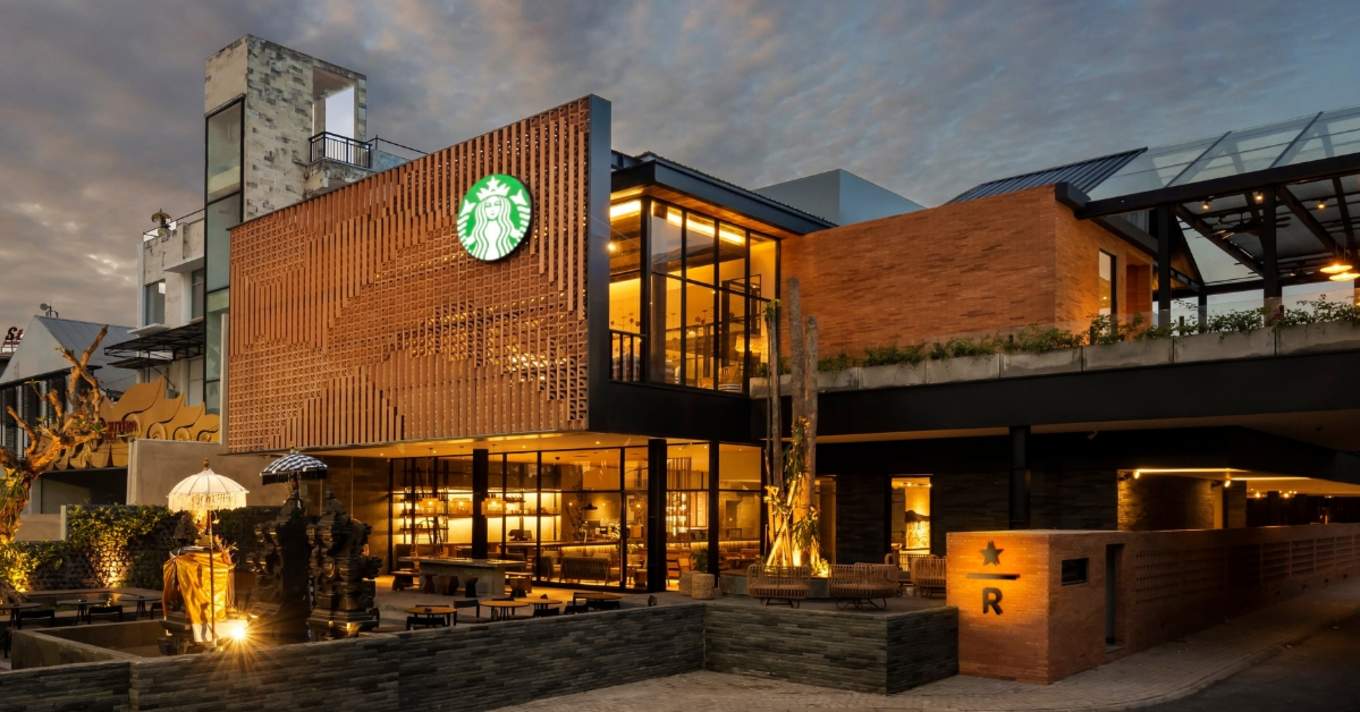
    Today, Starbucks celebrates the journey of coffee from seed-to-cup by opening its largest destination in Southeast Asia – the Starbucks Dewata Coffee Sanctuary. The one-of-a-kind Coffee Sanctuary demonstrates Starbucks Indonesia’s coffee leadership in partnership with licensee PT Sari Coffee Indonesia Limited, building upon 16 years of innovation in design, customer experience, and community impact. The store pays tribute to the important role that Indonesia, the fourth largest Arabica coffee growing region in the world, plays in bringing Starbucks customers the highest quality coffees, including the popular single-origin coffee from Sumatra. Sumatra coffee has been a staple offering at Starbucks since 1971.

    “We began sourcing Indonesian coffees more than four decades ago and have always been struck by the sense of community and care for the coffee journey at every step,” said Kevin Johnson, ceo, Starbucks Coffee Company. “The Starbucks Dewata Coffee Sanctuary amplifies our passion for the coffee journey, our ongoing commitment to Indonesia’s rich coffee culture, and our tireless pursuit of fostering moments of connection between our partners and customers. This is Starbucks at its best, and we are proud to open the doors of this unique experience in one of Southeast Asia’s most dynamic markets.”

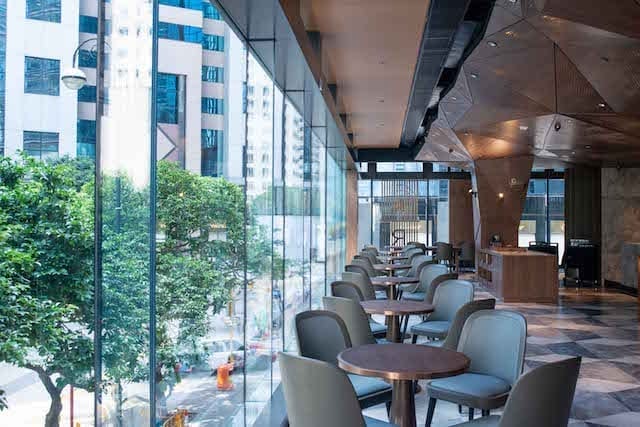
    Designed as a coffee sanctuary, the expansive 20,000 square foot store beautifully highlights local craftsmanship and culture alongside premium coffee in this one-of-a-kind coffee experience, a sort of “origin-centered version” of the Roasteries, igniting all five senses. Visitors enter through an Arabica coffee farm, try their hand at coffee bean de-pulping and washing during harvest season, dry and rake green coffee beans, visit budding seedlings in the nursery, take in the store’s locally-inspired design featuring traditional Balinese craft and Indonesian art, and enjoy the more than 100 Dewata-exclusive handcrafted beverages, food and merchandise, including the Lavender Latte.

    “Bali has an envied reputation as one of Asia’s top travel destinations and Indonesia is one of coffee’s most extraordinary coffee origin regions, so we’re excited to invite customers here to ignite their senses and explore the seed-to-cup coffee journey at this unique Coffee Sanctuary,” said Anthony Cottan, managing director, Starbucks Indonesia, at PT Sari Coffee Indonesia Limited.  “We’re very pleased to further strengthen the longstanding partnership between Starbucks and PT Sari Coffee Indonesia with this truly one-of-a-kind Starbucks store, inspired by and filled with the finest examples of Indonesian art, design, and craftsmanship.”

    Located in Bali’s up-and-coming premium retail district on Sunset Road, the Coffee Sanctuary provides a carefully curated series of interactive experiences.

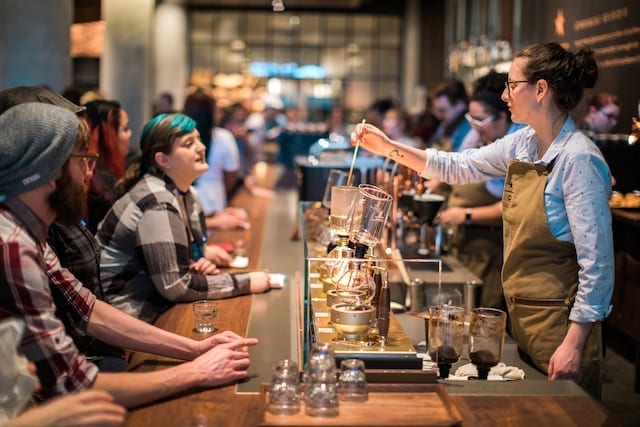
    As customers enter, they’ll be greeted at the concierge reception and then guided through a working, 1,000 square foot coffee tree farm, the size of a typical Indonesian farm. Customers will continue their journey through contemporary Balinese landscaping, passing coffee plants and a de-pulping station before trying their hand at washing, drying and raking green coffee beans. Inside, the expansive Reserve bar offers customers an intimate experience to taste Starbucks Reserve small-lot coffees, while the core bar offers Starbucks signature core beverages.

    Located on the second floor is the seedling nursery, a greenhouse canopied by panes of glass to create an open-air experience. Here, customers can touch the first stages of the seed-to-cup journey, as well as deepen their understanding of the art of tending to coffee plants alongside a local Balinese farmer. In the adjoining tasting room, customers’ tastebuds will come alive as they enjoy coffee as coffee quality professionals do, without a filter – simply coffee and water – to draw out the flavors that set each cup apart.

    For those looking for more, visitors can engage with an interactive video wall and hear how coffee is planted, processed, roasted, shipped, and brewed into a delicious cup of espresso. On the second floor, a dedicated media room features two synchronized video walls, showcasing the work of the Starbucks Farmer Support Center (FSC) in Sumatra and agronomist, Dr. Surip Mawardi’s, work with Indonesian coffee farmers.

    The Sanctuary was designed as an homage to Indonesia’s rich culture and coffee heritage. The store’s expansive interior was inspired by traditional Balinese houses with free-flowing, connected rooms that promote discovery from one space to the next.

    The store’s interior was designed in partnership with local craftspeople and artists with one goal: tell the story of coffee in Indonesia. This is brought to life by a wood carving depicting the country’s six coffee-growing regions’ local culture and architecture. A two-story mural in the courtyard pays tribute to local farmers who carefully nurture and protect the beans each step of their journey to Starbucks.

    On the main floor, Starbucks partners (employees) welcome customers to the 13-meter teak Reserve bar, drawing inspiration from Bali’s terraced rural landscapes, where customers can taste some of Starbucks rarest coffee offerings. Across the store, eyes are drawn to the living wall filled with flora from the region, situated behind the core bar designed to remind customers of Bali’s ocean waves which are replicated on the layered red-brick exterior façade.

    Starbucks is dedicated to working with farmers in Indonesia to ethically and sustainably bring high-quality Indonesian coffee to the world, and today, the company is the largest buyer of Indonesian arabica coffee.

    In 2015, Starbucks opened the Farmer Support Center in Berastagi, North Sumatra where Starbucks agronomists led by Dr. Mawardi, conduct research to develop disease-resistant coffee varietals in an effort to make coffee the world’s first sustainable agricultural product through the Sustainable Coffee Challenge. The Sumatra FSC is one of nine globally, including China, which offers open-source agronomy assistance and support for regional coffee farmers to improve the productivity and sustainability of their coffee trees.

    In a combined effort, Starbucks Indonesia has donated more than 330,000 coffee seedlings, along with technical assistance, to smallholder farmers to-date. Through locally driven initiatives to support coffee tree replanting, Starbucks commits to donating 100,000 seedlings annually in partnership with the FSC.

    Since 2006, The Starbucks Foundation has provided more than $4 million dollars to support farming communities and promote education, water, sanitation and health (WASH) programs across Indonesia. In 2018, The Foundation provided grants to Lutheran World Relief to support women-led community health and hygiene programs for 2,100 households in Sumatran coffee-producing villages over the next three years and to CARE to support economic empowerment for women tea workers and community WASH programs in West Java over the next two years.

    Today, Starbucks Indonesia delivers the Starbucks Experience across 370 stores where nearly 4,500 partners proudly wear the green apron. The Dewata Coffee Sanctuary marks the first Starbucks Reserve Bar in Bali and its tenth in Indonesia as Starbucks continues to elevate the coffee journey for customers across the market.

  • Starbucks expands delivery services in China with Meituan tie-up

    Starbucks expands delivery services in China with Meituan tie-up

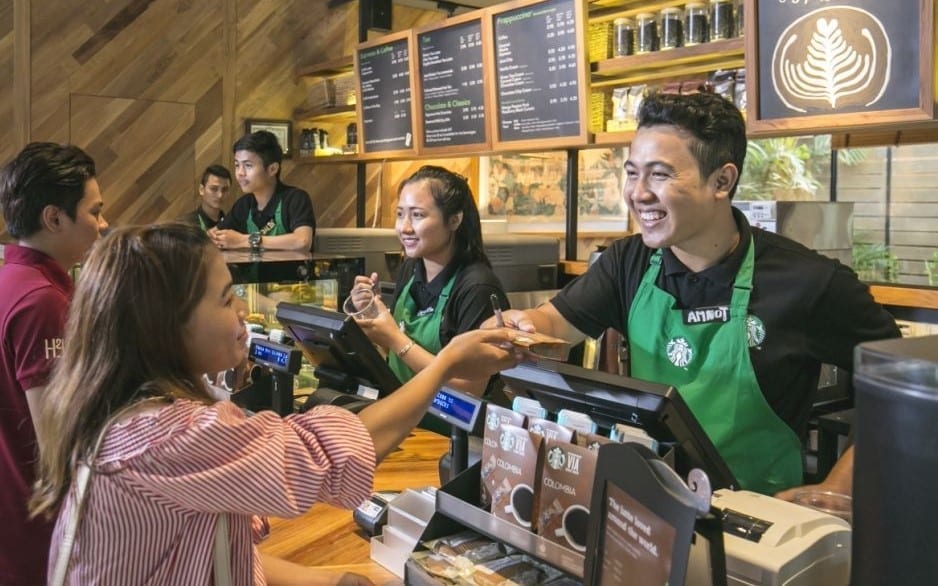
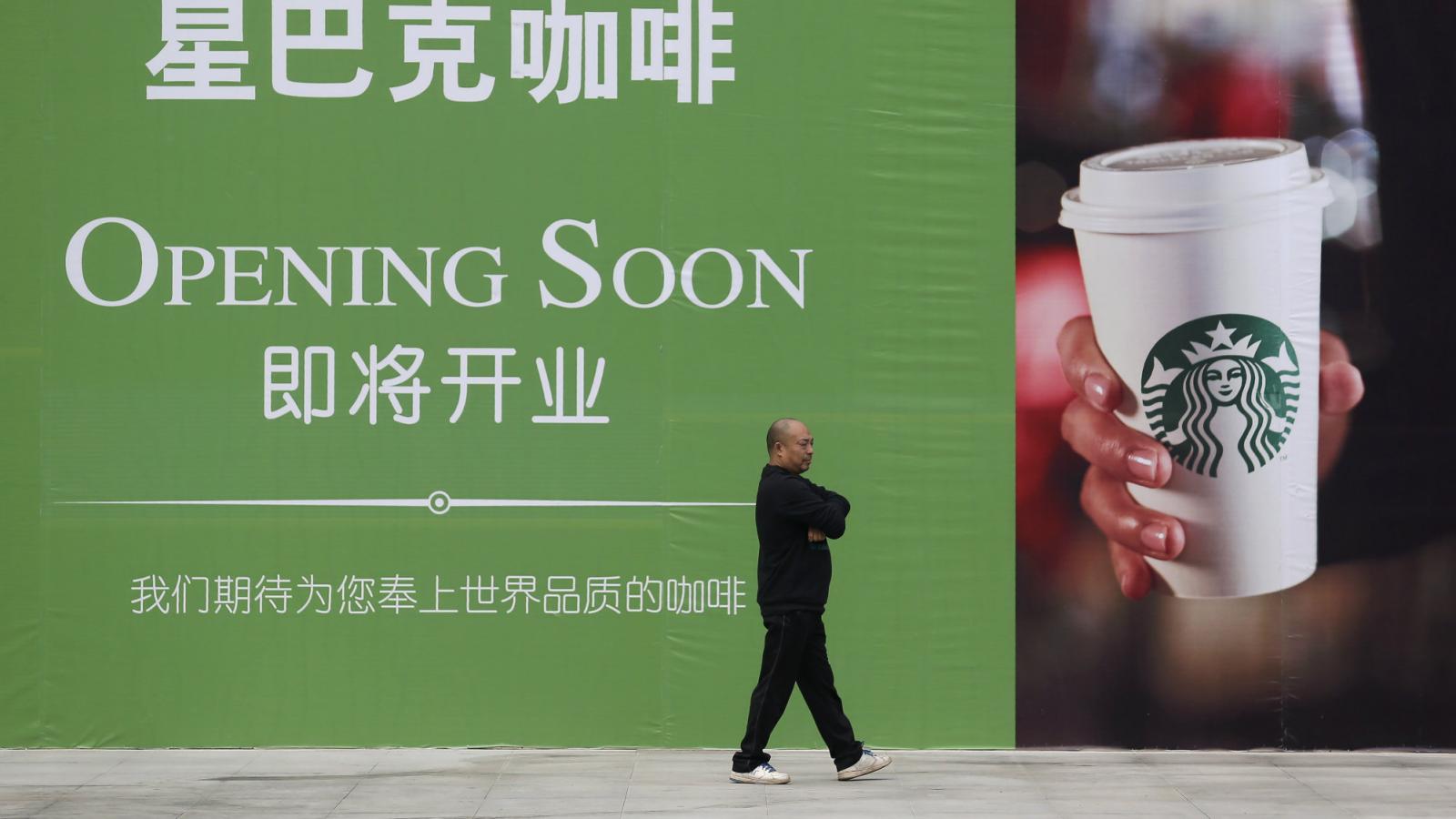
    Starbucks said on Tuesday it has entered into a partnership with China’s Meituan that will allow its Chinese customers to order coffee delivery via the super app’s platform.

    The move will expand the U.S. coffee chain’s delivery footprint in China, which has since 2018 used Alibaba Group’s Ele.me as its exclusive delivery partner.

    The two companies will also launch a service that will allow Meituan users to make private bookings for a tasting of coffees and learn to make them at Starbucks stores, it said.

    Starbucks has 5,360 stores in more than 200 Chinese cities, making it the second-largest market only after the United States, according to the company’s most recent earnings report.

    The company also said it would utilize Meituan’s “superstore” feature under the partnership which will see each of its stores have its own unique page on Meituan’s platforms by the end of this year, from which customers can book food delivery services or check local events.

  • $4 Starbucks coffee has become a daily staple

    $4 Starbucks coffee has become a daily staple

    While the franchise’s 2021 financial results took a hit because of the Covid-19 pandemic, a tangible gain has been the Starbucks VND90,000 ($4)coffee becoming a daily staple in Vietnam.

    Starbucks Vietnam general manager Patricia Marques said that despite the impacts of the nine-week social distancing orders in 2021, the global coffee brand has built up a regular customer base for its coffee worth VND90,000-100,000.

    She said it has also established more outlets away from the downtown in new urban areas, buildings, and local communities. While people used to prefer living close to the center of a locality, they are willing to live a little further away these days, she said.

    Starbucks Vietnam closed three outlets but opened nine new ones in 2021. Between December 2021 and January 2022, it opened another six: three in Hanoi; two in HCMC; and one in the southern province of Binh Duong.

    In Vietnam, Starbucks currently has 77 outlets whose takeaway sales have grown amid Covid-19 outbreaks.

    Marques said she expected instability to continue in Vietnam’s food and beverage market this year, but takeaway revenue, non-cash payment, and e-commerce would continue to grow.

    While there is still a lot of vacant space, it will not be easy for food and beverage businesses to find satisfactory locations at a reasonable price, she said. Citing data from a partner, she said the rent of commercial premises in Vietnam increased by 3 percent, while it decreased 10 percent in Singapore, Hong Kong, Thailand, Cambodia, and Laos.

    According to the brands’ official websites, chains with the highest number of outlets in Vietnam are the domestic brands Highlands (462 stores), The Coffee House (146), and Trung Nguyen (89).

    U.S.-based Starbucks made consolidated revenues of $29.1 billion in the fiscal year 2021 (ending in the third quarter of 2021), up 24 percent against over 2020.

    In the fiscal year 2022, the brand expects global earnings of $32.5-33 billion, beating Wall Street’s estimate of $32.07 billion, and plans to open about 2,000 new outlets globally, three-quarters of them outside the U.S. According to data recorded by Statista, as of November 2021, Starbucks had 33,833 outlets worldwide.

  • Starbucks shuts China outlets after reports they used expired ingredients

    Starbucks shuts China outlets after reports they used expired ingredients

    US coffee chain Starbucks said on Monday it had shut two outlets in China and was conducting an investigation after a state-backed newspaper reported that they used expired ingredients to make drinks, violating food safety rules. The incidents occurred at two stores in the eastern Chinese city of Wuxi.

    “We take what was reported by local media very seriously, and have immediately closed the two stores in question to conduct a thorough investigation,” a Starbucks spokesperson said.

    “Since entering the Chinese mainland market 22 years ago, we have been committed to implementing strict food safety standards and adopting a ‘zero-tolerance policy towards food safety issues. We welcome the continued supervision of members of the media and the public.”

    The incident became a trending topic on China’s Twitter-like Weibo social media site after the report was published.

    Chinese consumers and media have become more aggressive about protecting customer rights and monitoring the behavior of big brands, especially from overseas.

    Some targets, such as Canadian winterwear brand Canada Goose which drew complaints about its refund policies, have been subjected to government reprimands, while Chinese brands such as milk tea chain Nayuki have also drawn public attention.

    China is the largest market for Starbucks outside the United States with 5,360 stores as of Oct 3, the firm’s latest earnings report showed.

    One of the Starbucks stores used expired matcha liquid to make lattes, while another had put pastries up for sale that was meant to be thrown away.

    As of Monday afternoon, the topic of Starbucks’ response report had received more than 50 million views on Weibo. Commenters expressed both disappointment and worries over more widespread problems.

    “If Starbucks is like this, the other shops really worry me,” said one Weibo user named Revario. “They suffer the scrutiny because it is a foreign brand.”

  • Zarraffa’s launches biodegradable coffee capsules

    Zarraffa’s launches biodegradable coffee capsules

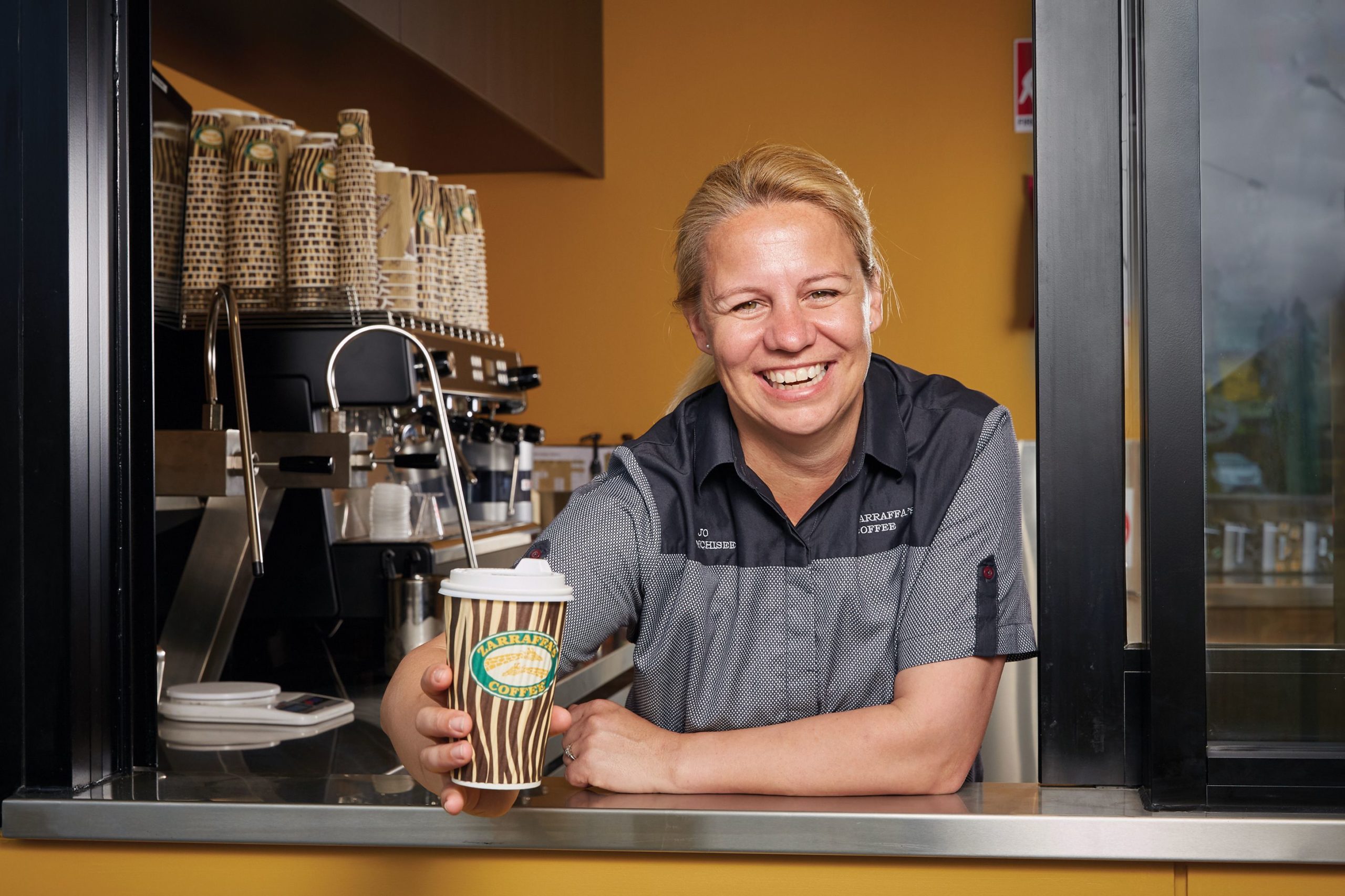
    It’s the moment coffee connoisseurs have been waiting for – Zarraffa’s Coffee is now offering a premium coffee experience at home, with the launch of their all-new look 100% biodegradable and compostable Okapi coffee capsules.

    Now made locally on the Gold Coast, the capsule range will now include Zarraffa’s signature house blend, African Masai, Decaf and the new Black Label Single Origin flavor, Ethiopian Djimmah.

    Standard coffee capsules take between 150 to 500 years to break down in landfills and billions are dumped every year, making this sustainable option more appealing to consumers without having to sacrifice their morning brew.

    Pronounced oh-cop-ee, Zarraffa’s Okapi capsules are named after a rare relative of the Giraffe family and are created entirely from sugarcane and sugar beet. This means the whole capsule is made from plant materials and can be thrown in the bin guilt-free, breaking down and composting after 10 weeks.

    Capsules come in packs of 10, retailing at $9.95, and are compatible with original Nespresso coffee machines.

    Kenton Campbell, Zarraffa’s Coffee Founder, and Managing Director shares his excitement for the new launch.

    “This has been a long time in the making, and as an Aussie-owned coffee company, we’re excited to be able to offer a more environmentally friendly option that’s made locally on the Gold Coast for all of our coffee lovers at home,” he said.

    “It’s time that we get to share our new look Okapi capsules, now available at all Zarraffa’s stores and launching in line with our next Black Label Single Origin coffee flavor off the ranks – Ethiopian Djimmah.”

    Zarraffa’s Single Origin coffee is grown within a distinct geographic location, meaning either a single farm or one country.

    Influenced by specific natural attributes such as climate, landscape, and altitude, each bean delivers a bespoke flavor, creating a single distinguished coffee experience that doesn’t get lost in a blend.

    ‘Trade, not aid’ has long been Zarraffa’s ethos, with the specialty coffee retailer nurturing relationships with coffee-growing co-ops across the world.

    Ethiopian Djimmah beans originate from the Oromia region in southwestern Ethiopia by the Oromia Coffee Farmers’ Cooperative and are grown in altitudes of 1,400-1,600 meters above sea level.

    The coffee cherries are picked at peak ripeness and then laid in the sun, often directly on the earth to dry.

    As the region boasts nutrient-rich volcanic soils, this coffee has a great body and depth of flavor, with winey, earthy, chocolate notes that make up its flavor profile.

    “We’re an Aussie-owned coffee company who wants to craft a really good coffee, but also show you the origins of that coffee, not just where it came from but also who actually grew it.”

    “We don’t buy free trade, we are free trade and there’s so much meaning in that,” said Mr Campbell.

    This is Zarraffa’s second Single Origin flavor to launch this year, with Ethiopian Djimmah now available as an option to add to your favorite Zarraffa’s coffee from 60 cents per shot, or purchase as a 250g take-home coffee bean bag for $22.00, which can be ground in-store to match any style of the coffee machine.

    This bean exhibits flavors of earthy dark chocolate, rich cacao with subtle wine fruit notes. It is the perfect addition to beverages such as espresso, piccolo, cappuccino, flat white, latte or macchiato, but pairs perfectly with any favorite drink which its enhanced chocolate flavor.

    Handcrafted with over 25 years of coffee knowledge, experience the flavor of somewhere new with the Ethiopian Djimmah Black Label Single Origin beans and Zarraffa’s Coffee’s all-new Okapi capsules, now available at your closest Zarraffa’s Coffee.

  • Highlands Coffee locked in rental disputes at major locations

    Highlands Coffee locked in rental disputes at major locations

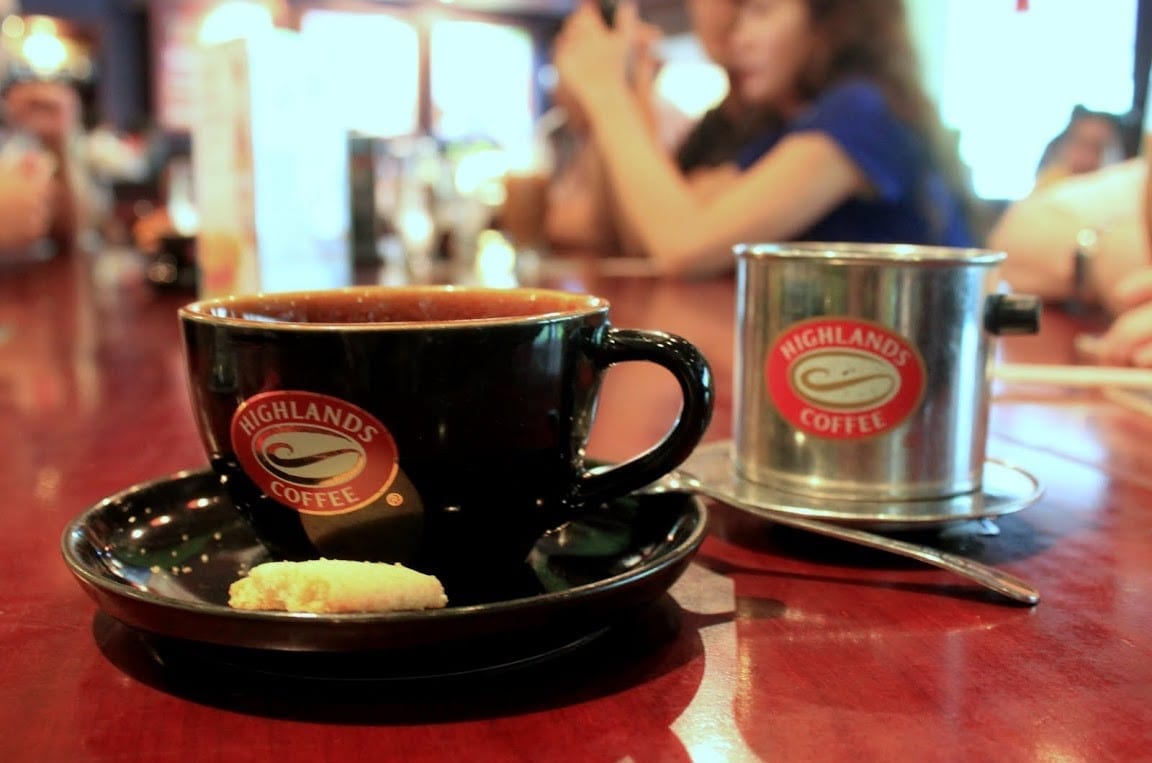
    Several landlords have cut off utilities to major Highlands Coffee outlets for not paying rent; the coffee chain says it needs rental discounts for unexpected enforced closures.

    Real estate developer Hoa Binh House has lodged a complaint with authorities of Ward 25 in HCMC’s Binh Thanh District, saying the coffee chain owes it five months’ rents at nearly VND500 million ($22,036).

    A Hoa Binh House representative said that the company had blocked the entrance to Highlands Coffee’s location at the Pax Sky building Monday morning.

    “So far Highlands Coffee has not made any moves to pay its debt. They have not contacted us to deal with the complaints we have filed.”

    A Highlands Coffee rep said that the company was trying to resolve conflicts with Hoa Binh House, and that both sides had exchanged many letters on the issue.

    The coffee chain, part of the Philippines’s Jollibee Foods Corporation, said that prolonged social distancing in HCMC in the third quarter had caused major losses to the company with revenues falling to zero.

    Highlands Coffee does not have the ability to pay rent in full for that period. Therefore, the coffee chain requested Hoa Binh House for a 50 percent discount in the first week of July, from Jul. 1 to Jul. 8, and a 100 percent discount on rent from July 9-15. The chain also asked for 50-100 percent discount the entire time that the city imposed social distancing.

    The discount will be deducted in Highlands Coffee’s payments starting August 15 onward, the chain suggested.

    Hoa Binh House, however, did not agree. Its rep said that the building it is operating, Pax Sky, was also affected by HCMC’s social distancing, which exerted major financial pressure.

    Highlands Coffee cannot unilaterally invoke the force majeure clause without a decision from the court to that effect.

    Hoa Binh House agreed to give a 20 percent discount in August, and had Highlands Coffee agreed to it, the real estate developer would have given another 20 percent discount for the next three months.

    Since Highlands Coffee still kept asking for the full discount, Hoa Binh House terminated their contract on November 12 and cut electricity and water to the location.

    Highlands Coffee later set up its own electric generator and water tank and continued to do business. It also told Hoa Binh House it would seek compensation for the damage caused by cutting off electricity and water supply.

    It was reported earlier that the coffee chain also owed six months’ rents for its outlet in Artemis building in Hanoi’s Thanh Xuan District. The amount involved was more than VND1 billion.

    Residents in the neighborhood said that as the conflict played out, many people wearing Highlands Coffee uniformed showed up and had physical contact with securities guards of the Artemis building.

    Highlands Coffee told reporters that the company was in financial difficulties due to social distancing in the capital and was negotiating with Artemis building mangers.

    It said that the building managers unilaterally cut electricity and water and even confiscated Highlands Coffee’s assets.

    It did not comment on the report of people in its uniform showing up and causing disruptions in the neighborhood.

    The rep confirmed that Highlands Coffee, which has 450 outlets nationwide, wants to resolve its conflicts with landlords under existing laws.

  • Tim Hortons China to open coffee shops in Metro’s China stores

    Tim Hortons China to open coffee shops in Metro’s China stores

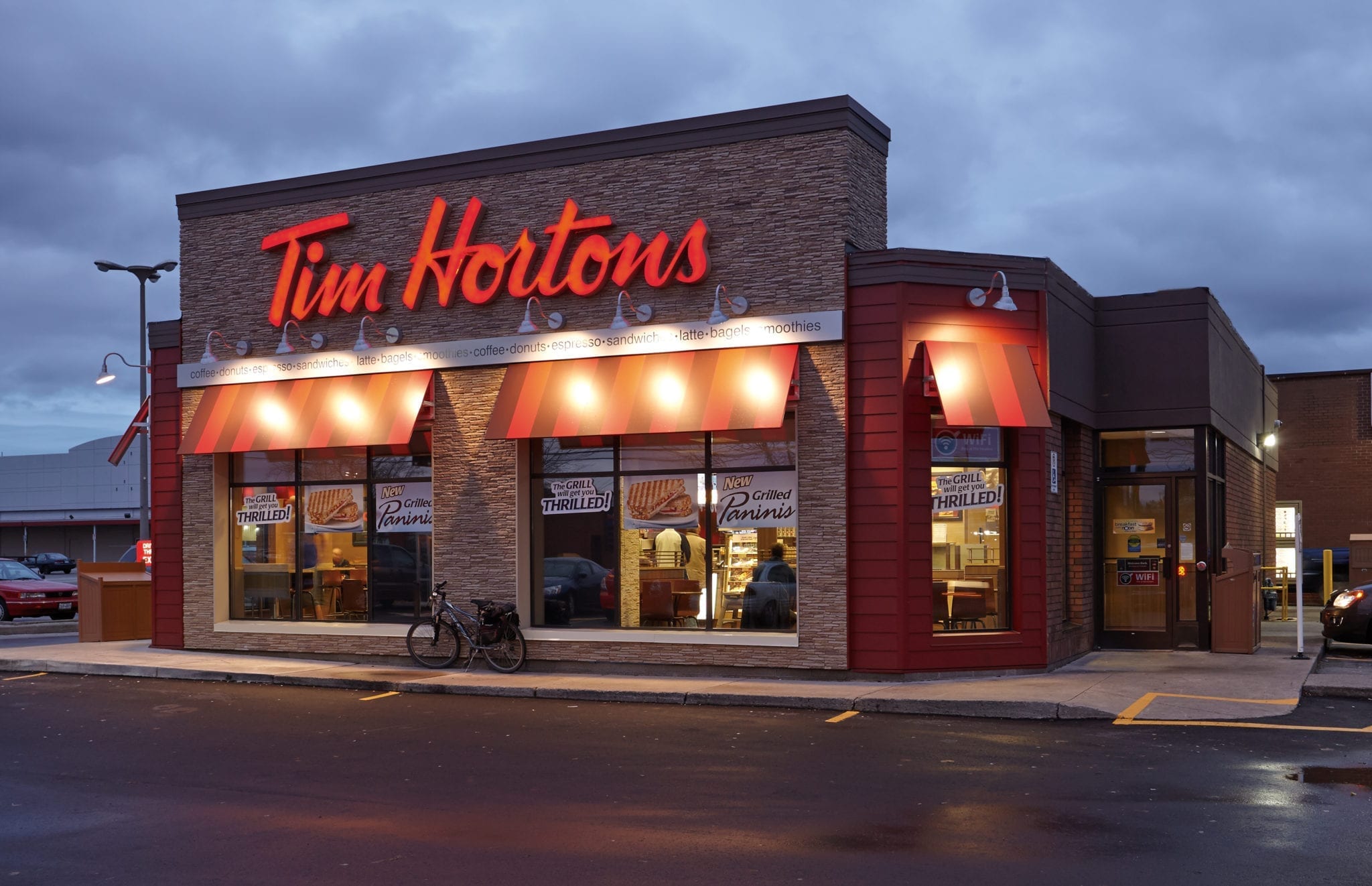
    Tim Hortons China (Tims China) is ready to further expand its presence in the Chinese market by entering a strategic partnership with Metro China, a joint venture of Wumart and Metro.

    Under the terms of the partnership, Tims China will become the exclusive coffee shop brand in Metro stores across the country.

    Tims China CEO Yongchen Lu said: “Through this agreement, we can reach millions of new customers to share our welcoming guest experience and extensive high-quality product offerings.

    “Over the next few years, we plan to strategically open Tims Go coffee shops in Metro China stores across 60 cities, growing our brand, revenue, and margins.”

    To mark the beginning of this partnership, Tims China opened seven Tims Go coffee shops across four cities using Tims China’s compact-store model.

    By next January, the partners intend to open at least nine Tims Go shops across six Chinese cities, namely Shanghai, Chengdu, Qingdao, Nanjing, Langfang, and Dalian.

    Additionally, the partnership will benefit Tims China with preferred site selection, delivery services, and complimentary marketing initiatives.

    With the new openings, Tims China will operate more than 335 stores across the country.

    Metro China deputy CEO Chen Zhiyu said: “We are delighted for Tims China to become one of our anchor tenants as we believe the brand will bring convenience and quality coffee products at great value to our members.

    “Our partnership will also create a strong link between daily shopping and coffee consumption in our stores that will greatly improve the overall shopping experience for our middle-class customers.”

    In March, Tims China secured funds in a financing round that was led by Sequoia Capital China and Tencent Holdings.

  • Flash Coffee opens Outlets in South Korea

    Flash Coffee opens Outlets in South Korea

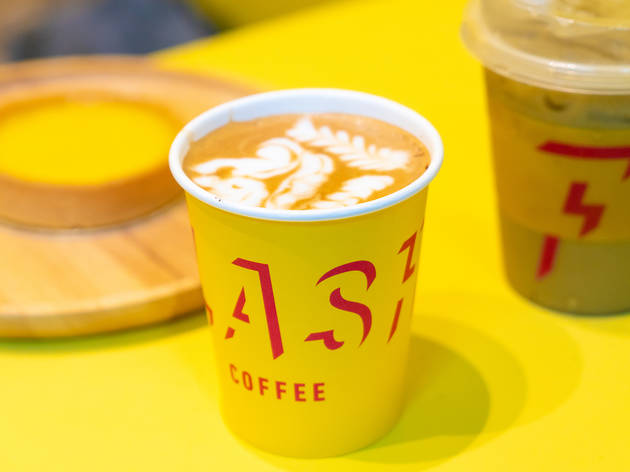
    Flash Coffee has launched its first two South Korea stores in Seoul’s Gangnam district as part of its expansion in Asia, with two more stores scheduled to open before the year ends.

    The launch marks the brand’s sixth market in the region, after Singapore, Indonesia, Thailand, Hong Kong, and Taiwan. Spanning two stories, the new Flash Coffee flagship store is located at Sinsa, while the other store is opened in Yeoksam.

    “South Korea is filled with coffee enthusiasts and our coffee consumption rate ranks within the top 10 in the world,” said Un Koh, MD of Flash Coffee South Korea.

    “We are confident that our high-quality beverages crafted by award-winning baristas at Flash Coffee will appeal to South Korean coffee lovers.

    “Our goal is to make our specialty coffee accessible to all, so for those who’ve not come across Flash Coffee yet, you will find us brewing very soon in a location near you.”

    The two new stores opening later this year will be located in Apgujeong and Yangjae. After South Korea, Flash Coffee aims to set foot into Japan with its first store in Tokyo., having recently appointed Shu Matsuo Post as its MD in Japan.

    Flash Coffee currently operates more than 200 locations across Asia.

  • Starbucks Korea faces probe over US$153 million in prepaid card takings

    Starbucks Korea faces probe over US$153 million in prepaid card takings

    Starbucks has been the subject of growing speculation as a number of Korean banks express their concerns over the US coffeehouse chain’s potential move into the competitive financial services industry.

    The global chain itself has not announced its plans to edge into financial services, but the booming success of the company’s prepaid gift card and mobile app – which Starbucks announced collectively had $1.56 billion in stored value by the end of 2019 – suggests there is a path emerging for the company to become a bank if it wanted to.

    Despite the enticing $1.56 billion figure, 3,900 US banks have less than $1 billion in total assets according to the Federal Deposit Insurance Corporation (FDIC).

    Starbucks revealed on a recent earnings call that its rewards program in the US had grown to 18.9 million active members at the end of 2019, up 16% year-over-year. “This is important because we know from experience that when customers join our rewards program, their total spend with Starbucks increases meaningfully,” he said on the call.

    South Korea’s Hana Financial Group is acutely aware of Starbucks’ competitive potential. Its chairman Kim Jung-tai said in his New Year address: “Technologies have allowed coffee companies like Starbucks to be our rivals. It will be fine to call Starbucks an unregulated bank, not a mere coffee company.”

    One year prior, South Korea’s KB Financial Group, KB Kookmin Bank and NongHyup Financial Group all mentioned Starbucks in their New Year’s addresses too. “The most-used mobile payment app in the US was the Starbucks app, not Google or Apple Pay,” KB Financial Group’s chairman Yoon Jong-kyoo said last year.

    “About 40% of its payments were made with the app, and the amount of cash loaded onto its prepaid cards and apps surpassed the amount of cash that some provincial banks had,” Jong-kyoo added. Industry experts believe Starbucks might move into asset management through its prepaid cards, as well as into the loan, insurance and currency exchange sectors.

    “Starbucks has been regarded as a fintech firm, not a coffee company, over the past few years,” an unnamed bank official said. “The removal of the word coffee from its signboard also proves this.”

    The coffeehouse partnered with cryptocurrency trading platform Bakkt at the end of last year. In the first half of 2020, Starbucks and Bakkt will test a consumer app “to make it easy for consumers to discover and unlock the value of digital assets”, Bakkt’s chief product officer Mike Blandina said in October.

    These recent movements by Starbucks against the backdrop of its prepaid card success have spurred the Korean financial industry to call for regulators to put controls on the coffeehouse. “Regulations are needed for prepaid service providers to maintain a certain level of capital adequacy ratio,” Hansung University’s economics professor Kim Sang-bong said.

    The global chain has plenty of capital to start up its own bank. According to Statista, its revenue in 2019 was roughly $26.51 billion. With Big Techs such as Amazon, Facbook, Uber and Grab all planting their flag in the space, it seems imaginable that a similarly well-known brand such as Starbucks might be able to do the same.

    But if regulators decide to clamp down on the company in certain regions, then its currently speculative appetites for a financial play could easily be curbed or at least put on hold.

  • Flash Coffee opens Singapore flagship

    Flash Coffee opens Singapore flagship

    Singapore-based Flash Coffee has announced plans to rapidly expand across Asia after securing $15m investment from investors including DX Ventures, Global Founders Capital, and Conny & Co. In a press release, the coffee chain said it intended to debut in Hong Kong, Taiwan, South Korea, Japan, Malaysia, the Philippines, and Vietnam in 2021.

    First launching in January 2020, Flash Coffee currently operates 50 locations across Singapore, Thailand, and Indonesia. Despite opening amid the Covid-19 pandemic, the company reports the majority of its stores are profitable.

    Flash Coffee says it is currently opening three new outlets per week and plans to increase the rate to 10 stores per week in order to achieve its target of 300 additional stores across the Asia by end of 2021.

    “Our dream is to have a Flash Coffee every 500 metres in all major Asian cities,” said Flash Coffee CEO David Brunier. “We will also build a regional HQ in Singapore and expand our regional tech hub in Jakarta to 50 people to support our vision of fully leveraging technology to improve customer experience, proactively drive growth and significantly increase operational efficiency.”

    The value-focused coffee chain deploys a similar ‘new retail’ model popularised by China’s Luckin Coffee. Customers can order drinks for pick-up via an app and online, with the brand stating its intention to ‘digitise today’s offline-dominated coffee industry’. Like Luckin Coffee, Flash Coffee is also seeking to catalyse growing demand for premium coffee and aspirational hospitality concepts among Asia’s growing young middle-income demographic.

    There is undoubtedly vast untapped potential for domestic and international coffee chains alike across East Asia. World Coffee Portal data shows the region’s branded coffee chain market grew 5.1% in 2020 to exceed 74,500 outlets, with 13 out of 17 markets achieving outlet growth during the period.

    China is, however, curiously absent from Flash Coffee’s intended growth markets. East Asia’s second-largest branded coffee shop market after South Korea grew 2.1% to exceed 21,400 outlets in 2020, with consumers already highly familiar with app-based transactions, pick-up and beverage delivery. 86% of Chinese consumers surveyed by World Coffee Portal in 2020 indicated they have previously ordered coffee for delivery, with more than half doing so 2-3 times per week.

  • Starbucks launches Asia’s first Greener Store

    Starbucks launches Asia’s first Greener Store

    Starbucks has expanded its Green Store initiative into Asia with the first store opening in Shanghai, focusing on reducing waste and repurposing foods.

    Greener Store Shanghai is the Chinese mainland’s first Starbucks store to use recycled and lower-impact building materials such as wood reclaimed from the renovation of other Starbucks stores.

    The store features a bar made of modules which allows the store to adjust the layout by adding, removing or replacing them for different functions, such as ordering, beverage production and food display. At the ‘end of life’, modules that meet reuse standards can be refurbished and used again, hence reducing waste.

    Meanwhile, its signature green aprons are made from recycled Starbuck PET cups using advanced plastic-to-textile technologies. According to the company, each apron achieves approximately 1kg of carbon reduction in its lifecycle.

    Greener Store Shanghai will also host ‘Sustainable Coffee Classrooms’ with coffee masters selected from across the market, covering different sustainability practices adopted by Starbucks throughout the entire coffee supply chain.

    The store is the first in the country to recycle its coffee grounds for use as fertiliser. After composting, they can be used in suburban farms and shopping mall gardens. Customers can also take coffee grounds back home for free.

    In addition, Greener Store Shanghai marks the world’s first Starbucks store to host sustainability-themed exhibitions, where artists will be invited to give coffee grounds and other materials a new lease of life. Called the “Circular Lifestyle Lab,” the exhibition features sustainability-themed art installations made from recycled materials.

    The store provides coffee grounds straws and cutlery made of biodegradable materials while encouraging customers to bring their own reusable cups or tumblers. Half of the menu is plant-based food, including 15 new food items and two limited-time offer beverages. Oatmilk will be used as the default option for most beverages.

    First introduced in 2018 in collaboration with the World Wildlife Fund, Greener Store Framework has more than 2300 stores across the US and Canada. Starbucks aims to build and retrofit 10,000 Greener Stores globally by 2025.

  • Starbucks giving 2 million reusable cups away across Asia Pacific

    Starbucks giving 2 million reusable cups away across Asia Pacific

    Starbucks is giving away 2 million reusable cups across the Asia Pacific on Tuesday as part of its global commitment to reduce the waste footprint by 50 percent by 2030.

    The initiative, starting Tuesday, coincides with the coffee chain’s 50th anniversary. Starbucks’ new campaign aims to encourage its customers to use reusable cups when buying beverages and shift away from single-use plastics.

    The Starbucks limited-edition 50th anniversary cups will be first rolled out across selected Asia Pacific markets before expanding across the region in the coming months. The coffee chain said on September 28 alone, it expects to reach more than 2 million customers across the Asia Pacific region.

    “As we mark our anniversary milestone, this reusable cup is our gift to customers and our invitation to join Starbucks on our journey to becoming a resource-positive-company,” said Sara Trilling, president at Starbucks Asia Pacific.

    “This step is only one part of many more to come. Together with our customers, we’re constantly innovating new ways to scale more sustainable solutions across the region.”

    The offer will be available at participating stores, as well as select Mobile Order & Pay and delivery channels, across Cambodia, Hong Kong, Indonesia, Korea, Malaysia, Singapore and Taiwan, with an India offer on October 2.

    Customers are encouraged to bring back their cups when they next visit Starbucks to enjoy benefits and redeem additional offers.